
Studies Show Dogs Display Separation Distress Behaviors That Neurologically Mirror the Attachment Protests of Human Infants When Separated From a Primary Caregiver
Imagine returning home to find your dog has chewed through the couch cushions or left a puddle by the door. While it’s easy to chalk this up to mischief, emerging research suggests these behaviors may be profound expressions of distress, akin to a human infant’s cries when separated from their caregiver.
The Emotional Bond Between Dogs and Their Owners

Dogs have long been celebrated as man’s best friend, but the depth of this bond is more intricate than previously understood. Studies indicate that dogs form attachment bonds with their owners that closely resemble the parent-infant relationship in humans. This connection is characterized by seeking proximity, using the owner as a secure base for exploration, and exhibiting distress upon separation.
Research utilizing the Strange Situation Test, originally designed for human infants, has been adapted to assess canine attachment. Findings reveal that dogs display behaviors such as increased proximity seeking and distress vocalizations when their owners depart, underscoring the strength of this interspecies bond.
Neurological Parallels in Separation Distress

Delving deeper, scientists have explored the neurological underpinnings of this attachment. Functional MRI studies have shown that when dogs view images of their owners, brain regions associated with emotion and attachment light up, mirroring patterns observed in human infants viewing their caregivers. This suggests a shared neural basis for attachment across species.
Additionally, physiological studies measuring cortisol levels – a hormone linked to stress – reveal that both dogs and humans experience elevated levels during periods of separation, further highlighting the emotional toll of being apart from a loved one.
Behavioral Manifestations of Separation Anxiety
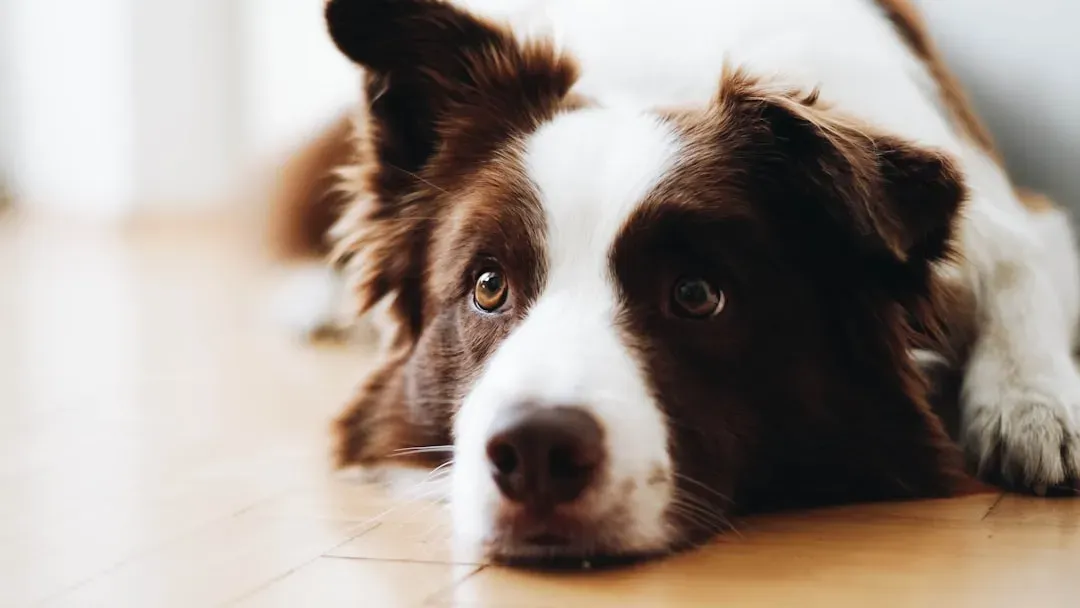
When left alone, dogs may exhibit a range of behaviors indicative of separation anxiety. These include excessive barking, destructive chewing, pacing, and even attempts to escape. Such actions are not mere acts of disobedience but are comparable to an infant’s protest behaviors when separated from a primary caregiver.
Understanding these behaviors as manifestations of distress rather than misbehavior can shift the approach to managing and mitigating separation anxiety in dogs, fostering a more compassionate response from owners.
Comparative Studies: Dogs and Human Infants
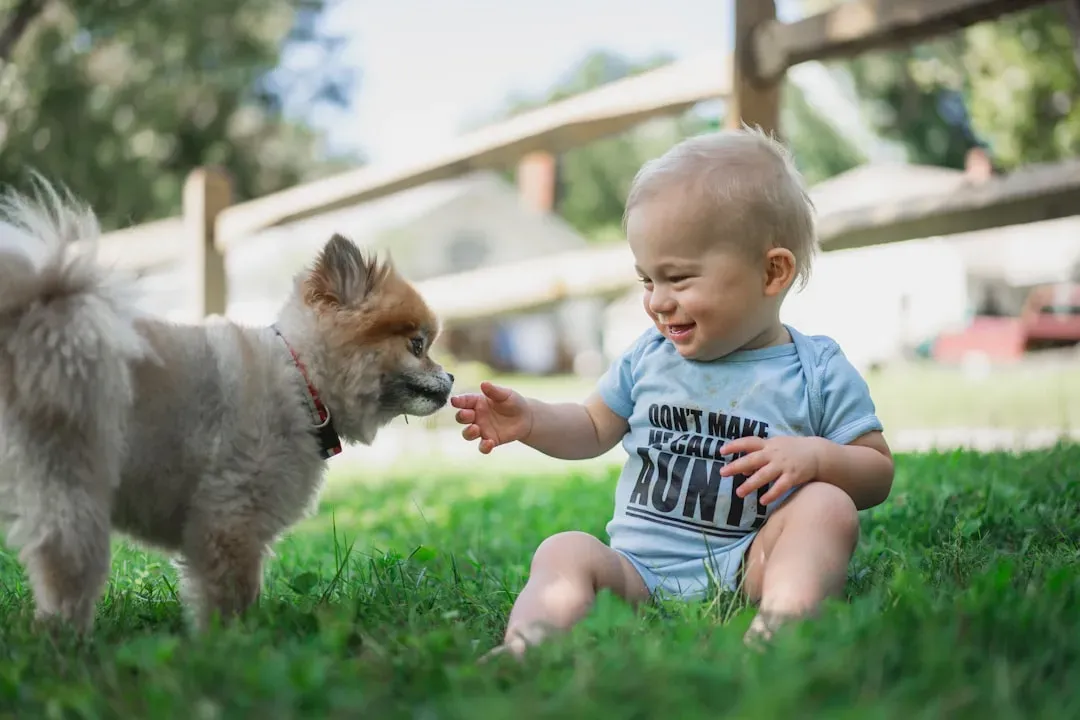
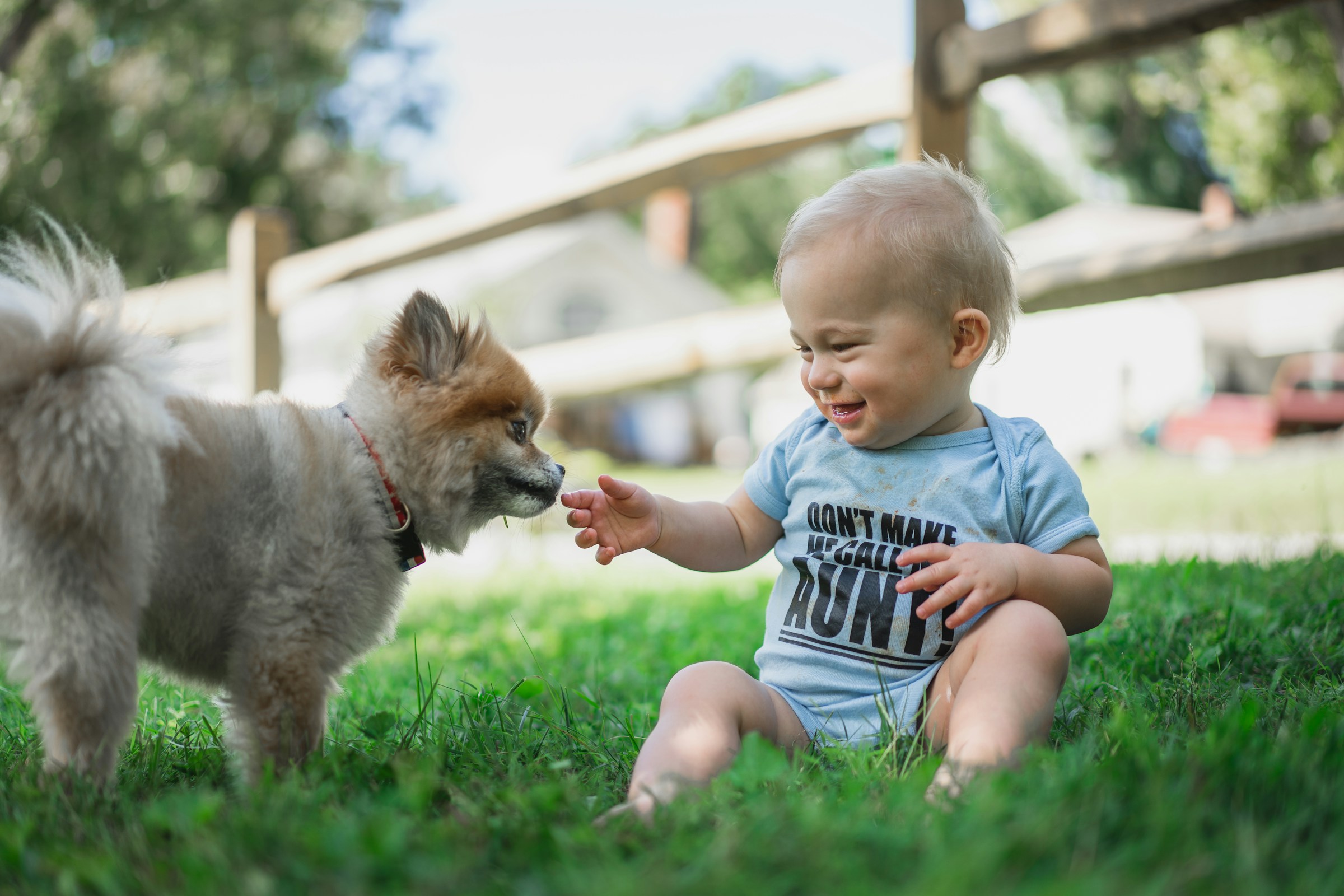
Comparative research has illuminated striking similarities between canine and human infant attachment behaviors. Both species exhibit a “secure base effect,” where the presence of a caregiver provides a foundation for exploration and learning. In their absence, both dogs and infants show increased stress responses and reduced engagement with their environment.
These parallels suggest that the evolutionary paths of dogs and humans have intertwined in ways that have fostered deep emotional connections, benefiting both species in terms of survival and companionship.
Implications for Dog Owners
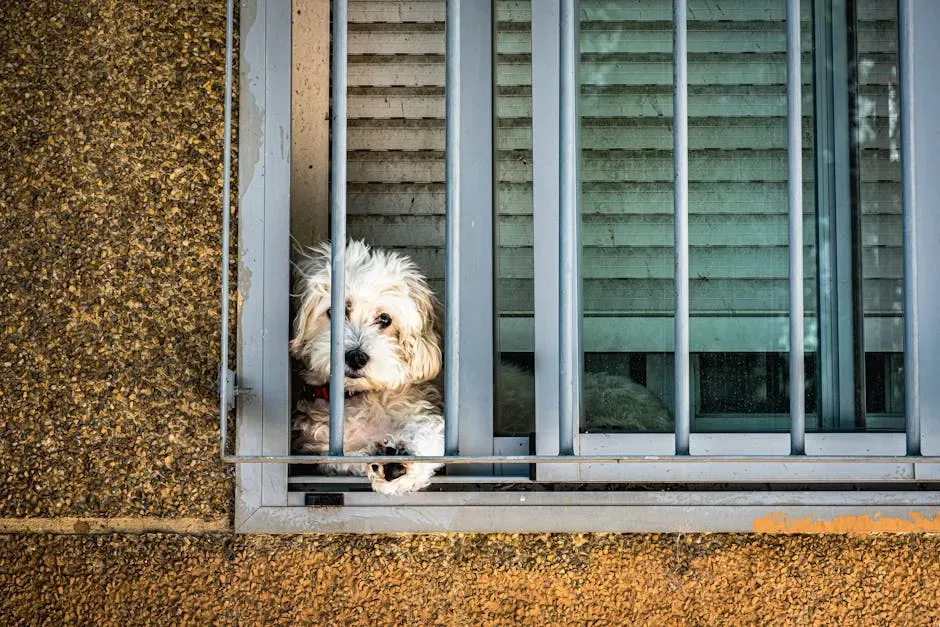
Recognizing the depth of attachment dogs feel toward their owners carries significant implications. It underscores the importance of gradual desensitization to alone time, providing mental stimulation during absences, and considering the use of calming aids or professional training to alleviate separation distress.
Moreover, it calls for a shift in perspective, viewing behaviors associated with separation anxiety not as nuisances but as cries for help from a deeply bonded companion.
Future Directions in Research

While current studies have laid the groundwork, there is much to explore regarding the nuances of canine attachment. Future research may delve into genetic predispositions, the impact of early life experiences on attachment styles, and the effectiveness of various interventions in mitigating separation anxiety.
Such investigations will not only enhance our understanding of the canine mind but also inform best practices for fostering healthy, secure attachments between dogs and their owners.
Conclusion
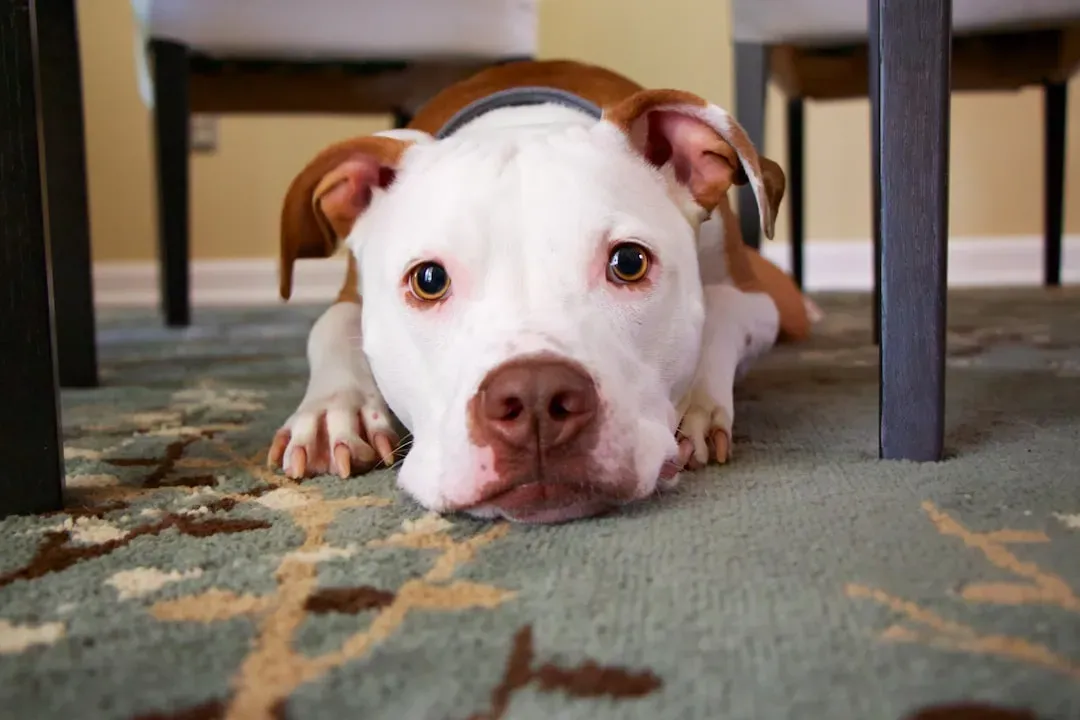
The revelation that dogs’ separation distress behaviors neurologically mirror the attachment protests of human infants is both profound and humbling. It challenges us to view our canine companions not just as pets but as sentient beings with complex emotional lives. As we continue to unravel the depths of this interspecies bond, one must wonder: how can we better honor and nurture the profound connections we share with our four-legged family members?