
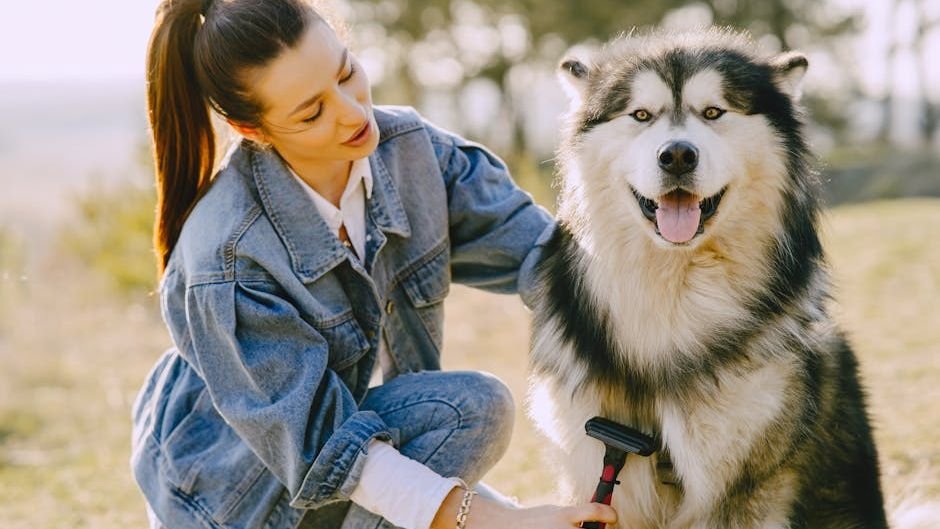
If you share your home with a dog, you already know the deal. There’s fur on the couch, paw prints down the hallway, a faint “dog smell” that creeps in when you least expect it, and toys scattered like a crime scene. You love every bit of it – most of the time. Still, there’s a real difference between a lived-in, dog-friendly home and one that feels chaotic and hard to manage.
The good news is that keeping a genuinely clean home with dogs isn’t about cleaning harder. It’s about cleaning smarter, building the right habits, and leaning on tools and tricks that actually work in a real household. These 12 hacks are practical, tested, and completely worth adding to your routine.
1. Master the Paw Wipe Routine at the Door
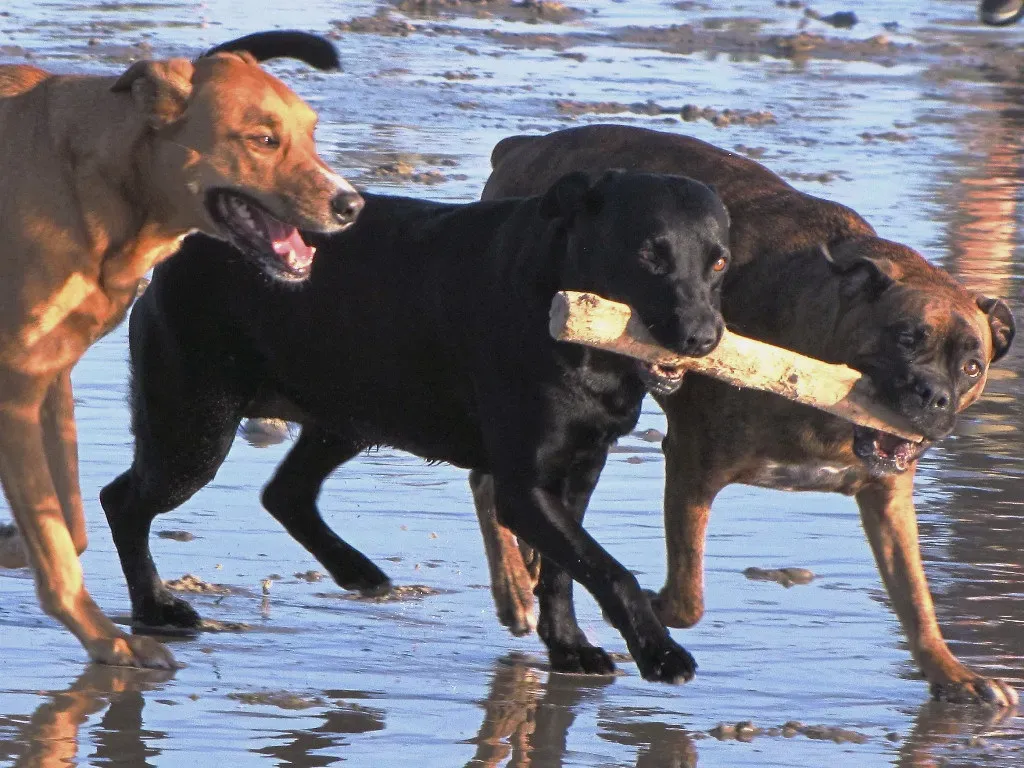
Most of the dirt in your home comes in on your dog’s feet. A quick wipe at the door stops mud, dust, and moisture before they spread to your floors and rugs. It sounds obvious, but turning this into a non-negotiable habit is what separates spotless floors from perpetually grimy ones.
To prevent dirt from being tracked in, especially on rainy or snowy days, try placing two doormats – one outside and one inside. A high-quality outdoor mat will help remove most dirt, while a washable indoor mat absorbs moisture. Keep a towel by the door to wipe off muddy paws before your dog runs inside. For messier walks, consider paw wipes or a paw washer for quick cleaning after every walk. These handy tools make it easy to remove dirt and bacteria before it spreads through your home.
2. Brush Your Dog Regularly – Before the Hair Takes Over
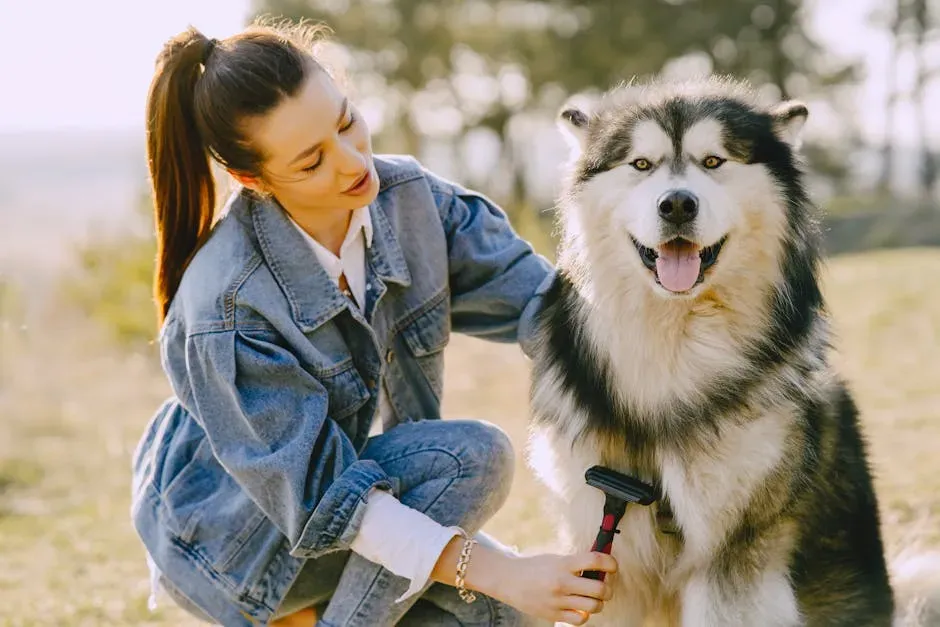
The less hair on your dog, the less hair on your floor. Regular brushing removes loose fur before it sheds naturally around your home. It’s one of those habits that pays off almost immediately once you’re consistent about it.
Wire pin brushes are best for dogs with longer, curlier coats while slicker brushes work well for fur that’s prone to matting. Find something that works well on your dog’s coat and stick with that. While different coats may not need to be brushed every single day, it’s a good idea to get in the routine of brushing daily, especially if shedding is an issue in your household. Brushing daily or even every other day will get rid of any dead hair as well as prevent matting and tangles. A small tip worth knowing: if your dog sheds more, less, or at different times than usual, consult your veterinarian to check for any underlying health issues.
3. Use a Robot Vacuum as Your Daily Cleanup Partner
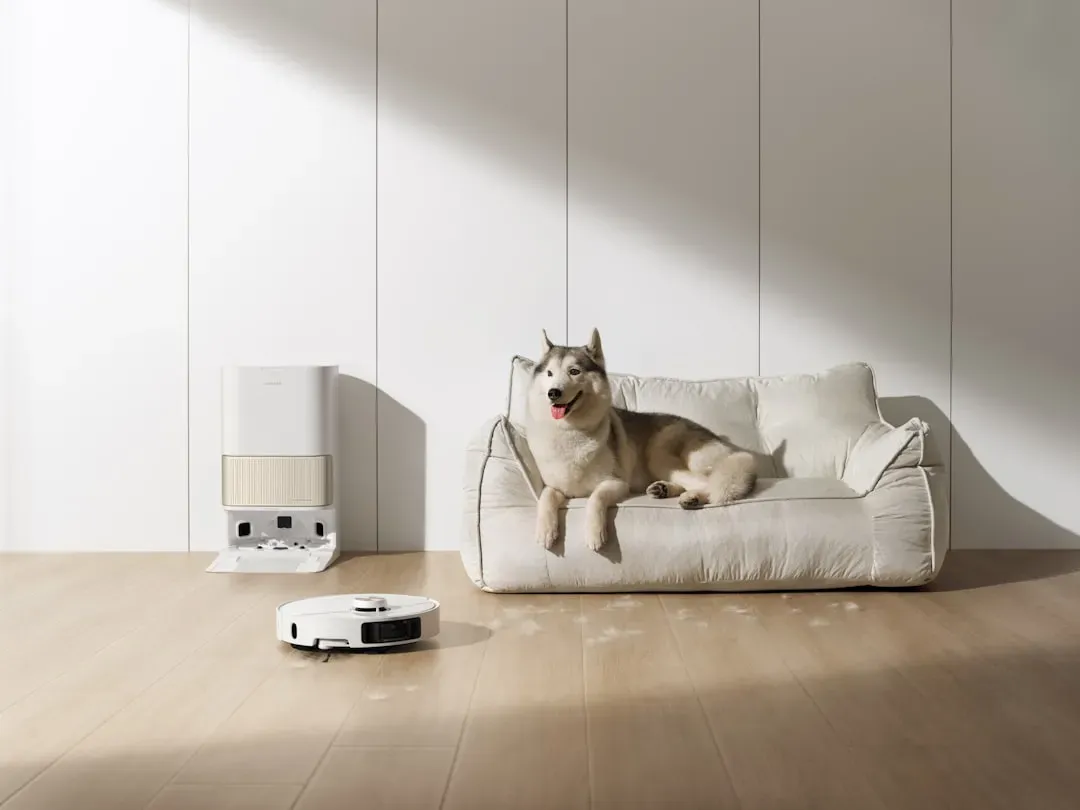
In an ideal scenario, a robot vacuum can help busy pet owners maintain the cleanliness of their homes by picking up any fur shed by their dog or cat. The real magic is in the automation – it works even when you don’t have time or energy to think about it.
A robot vacuum designed specifically for pet homes does more than just save time; it breaks the cycle. It reaches hidden corners, digs hair out from thick carpets, and quietly handles the daily battle, so you don’t have to. When shopping for one, look for HEPA filtration, since these filters trap tiny particles, like dog hair and dust, that are in the air, and a good HEPA filter traps 99.97% of dust and pet dander, especially the small particles that could make people with allergies sick. If anyone in your house has allergies, a vacuum with a HEPA filter will help keep the air cleaner and make it safer to breathe.
4. Wash Dog Bedding Weekly Without Fail
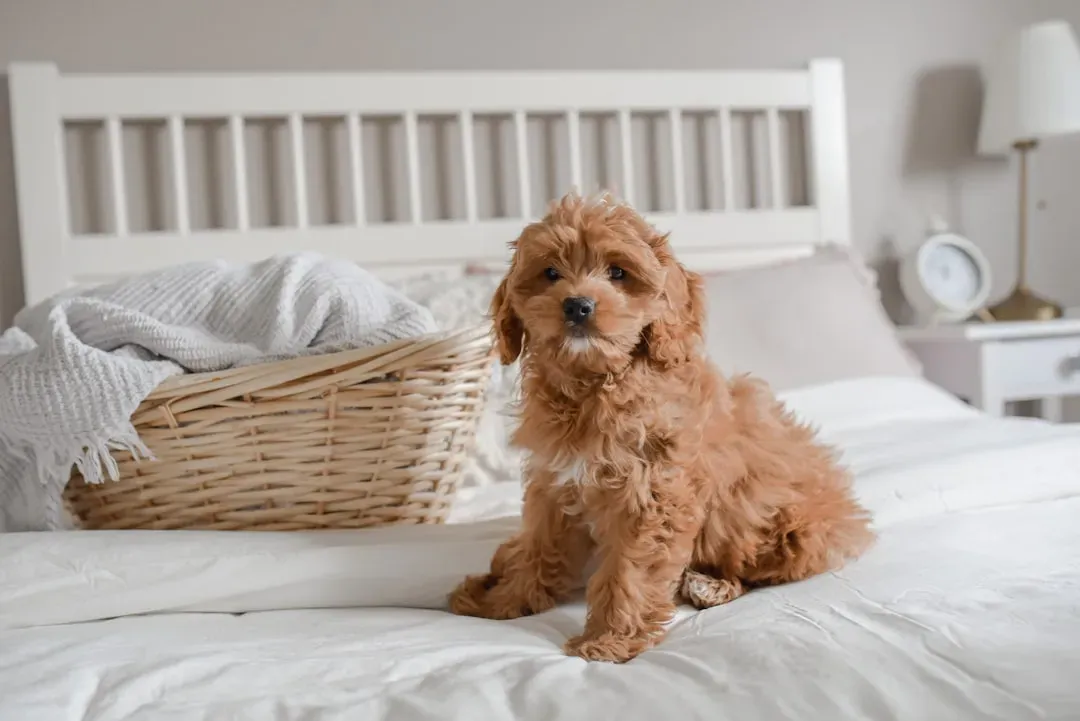
Dog beds, blankets, and throws collect hair, body oils, and smells as the week goes on. Washing them about once a week helps your home stay fresher and can also cut down on allergies. Use a mild detergent with little or no scent, since strong smells can bother dogs. It’s one of the single biggest contributors to that persistent “dog odor” in a home, yet it’s often overlooked.
Here’s a clever laundry trick worth knowing: next time you wash your pet’s bedding, toss a couple of Velcro hair rollers into the washing machine. As the rollers tumble with the laundry, they’ll act like magnets for pet fur, leaving the fabric remarkably cleaner. It’s a quick, affordable, and surprisingly effective alternative to lint rollers or expensive pet hair removers. Just keep in mind that you should avoid using this trick on delicate fabrics to prevent any potential damage.
5. Tackle Odors with Baking Soda, Not Air Fresheners
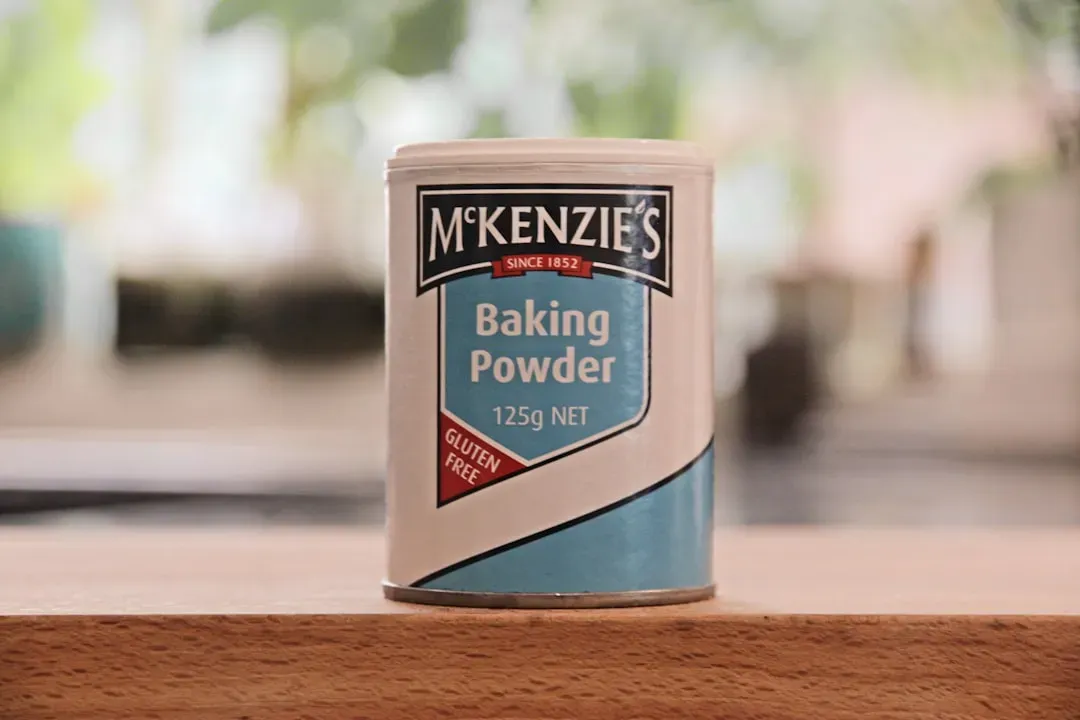
If your carpets are holding onto pet odors, try this simple hack: sprinkle baking soda generously over your carpet, let it sit for a few hours or overnight, then vacuum it up. Baking soda absorbs odors rather than just masking them. This is an important distinction – most spray air fresheners simply layer a new scent on top of the old one, and the smell returns within hours.
Keep air circulating. Open windows, use air purifiers, and change HVAC filters regularly to reduce pet smells. An air purifier goes a long way in a dog home. An air purifier with a HEPA filter helps catch tiny pet bits, and a carbon filter helps cut odors. Running one in the main room can make the home feel fresher, especially if someone has allergies.
6. Switch to Washable Covers on Furniture
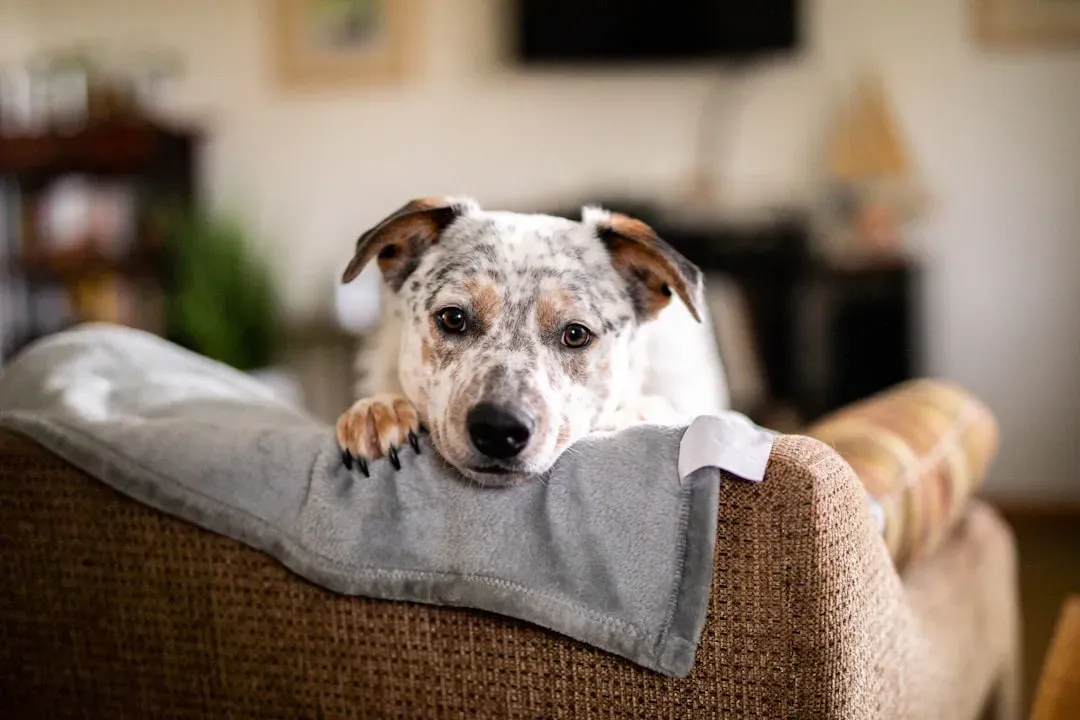
If your dog likes sleeping on the couch or chair, put a washable cover on that spot. It’s much easier to wash the cover than to scrub the whole sofa. This is one of those changes that feels small but completely transforms how manageable furniture maintenance becomes.
If you love snuggling up with your furry friend, protect your furniture with washable covers or blankets on sofas and chairs, picking soft, machine-washable fabrics that are easy to clean and won’t trap pet hair. If you’re shopping for new furniture, choose pet-friendly fabrics. If you’re buying new furniture, opt for indoor-outdoor materials, which are more resistant to stains and easy to wipe clean. Your future self will thank you.
7. Use Enzyme Cleaners for Accidents – Nothing Else Comes Close
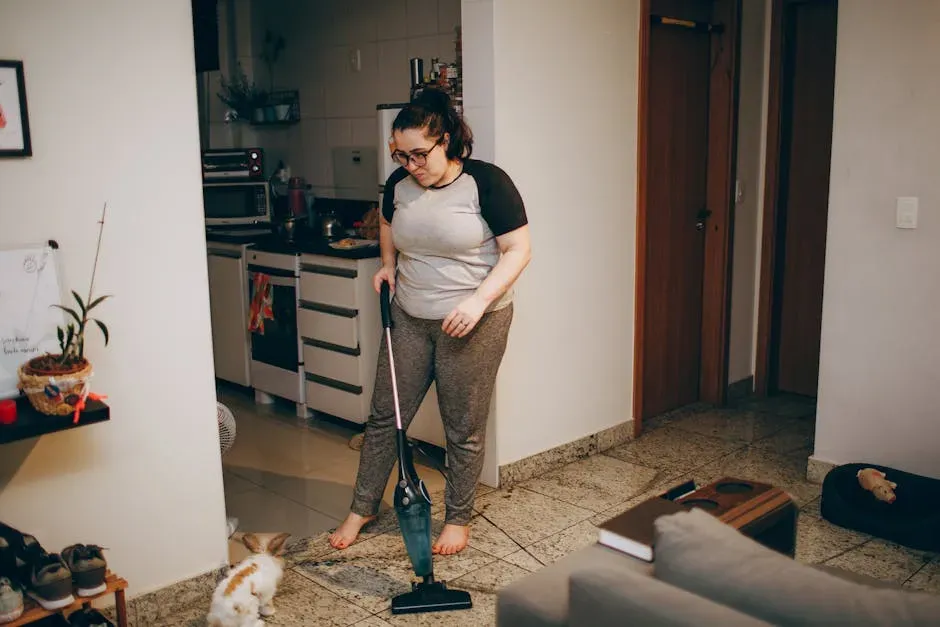
Every dog has accidents. Even the most perfectly trained pup will occasionally miss the mark, especially when young, ill, or anxious. The mistake most dog owners make is grabbing whatever cleaner is nearby – and that rarely works.
When applied to a stain, the enzymes in the cleaner latch onto molecules like carbamide and uric acid found in pet urine, breaking them down into water, carbon dioxide, and other harmless substances. This helps remove the stain and eliminates the odors at their source, rather than merely masking them. There’s also a behavioral reason to use them: enzyme-based cleaners are ideal for preventing repeat accidents, as they contain bacteria that break down organic matter, neutralizing odors that may attract pets to mark the same spot again. An enzyme cleaner with odor-fighting properties can help keep pets from revisiting problem areas. When using one, blot (don’t rub) the area with a clean towel to soak up as much moisture as possible, apply the enzymatic cleaner generously ensuring it fully saturates the stain, and allow the cleaner to sit for at least 10 to 15 minutes, giving the enzymes time to break down the stain.
8. Choose Low-Pile Rugs and Washable Flooring Options
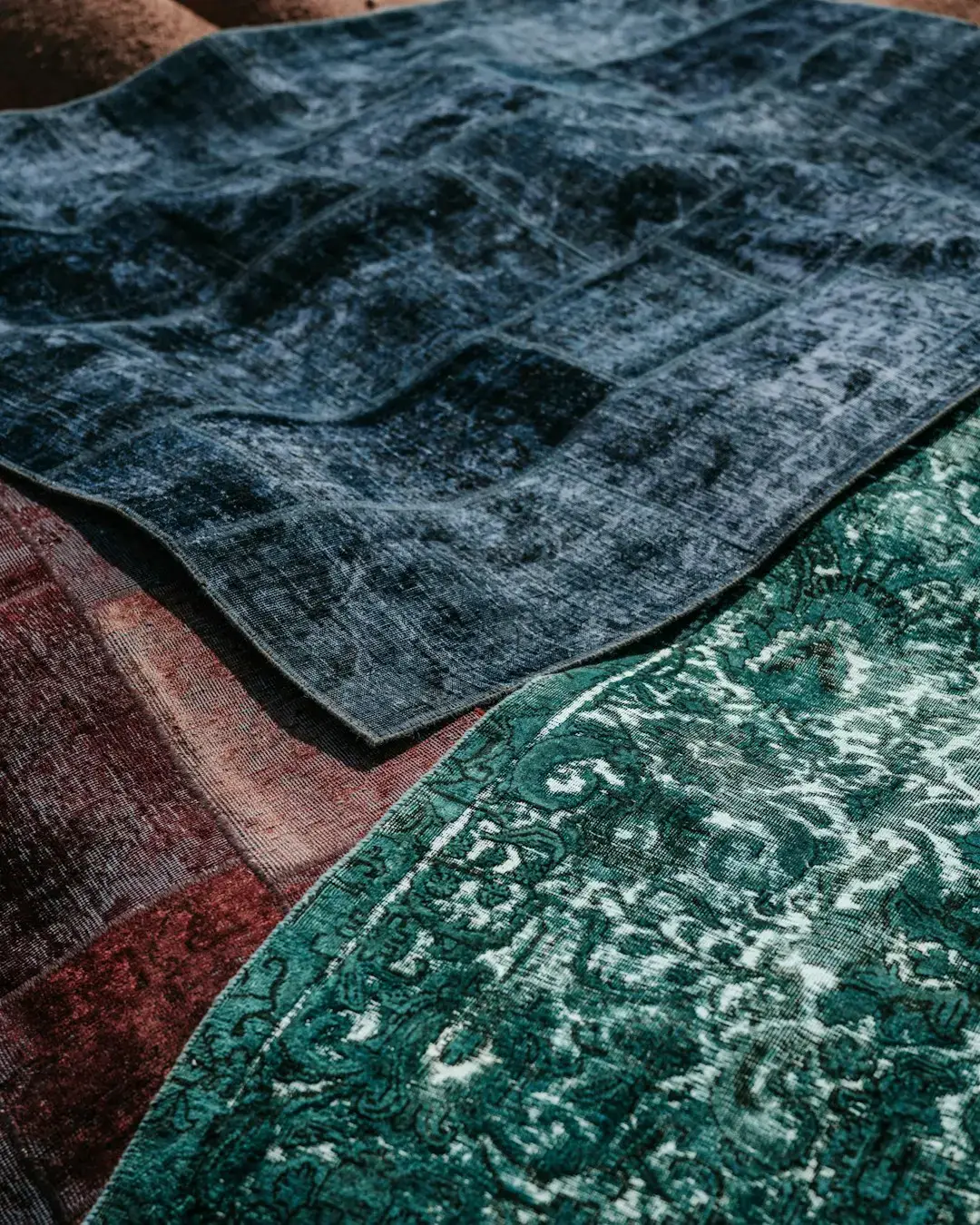
Your choice of flooring and rugs makes a bigger difference than most dog owners realize. Rugs with a low pile are much easier to spot treat and messes are much easier to see. Plus, pet hair can get tangled in high pile rugs, making it more difficult to remove. If you’re redoing a room or simply replacing a rug, this is one of the smartest long-term decisions you can make.
You can purchase washable indoor and outdoor rugs and doormats you can throw in your washer for a deep cleaning. Tossing a rug in the washing machine allows for easy cleanup, regardless of the amount of dirt your dog’s paws track in. For hard floors, the best way to clean floors with pets is to use a microfiber dust mop on tile and hardwood floors daily. Unlike traditional brooms, microfiber traps hair instead of scattering it across the room.
9. Keep a Lint Roller in Every Room (and Your Car)

A lint roller is your first line of defense against pet hair. Not only does it make quick work of pet hair on your clothes, but you can also use it on couches, pillows, and chairs to tidy up. Stashing one in every main room, plus in your car and near your front door, means you’re never more than a few feet from a quick fix.
Once you’ve vacuumed upholstered surfaces, spray an anti-static spray on throw pillows and upholstery to prevent new hair from sticking. It’s a simple prevention step that dramatically cuts down on how often you need to de-fur your furniture. A rubber-bristled brush is also worth keeping around to remove any remaining fur or hair, since the rubber bristles will catch the hair still trapped in the fibers of your carpet or fabric.
10. Create a Dedicated Toy Basket
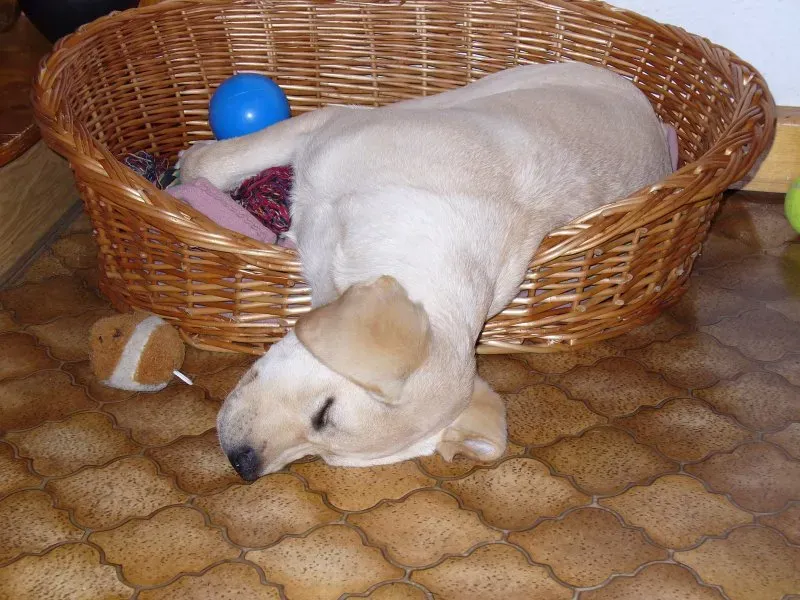
Toys all over the floor make a room look messy fast. A simple basket or bin gives toys a home. It takes about ten seconds to toss everything in, and the visual difference in a room is immediate. One basket per main living area keeps things contained and accessible for your dog at the same time.
You can train your dog to participate in this habit too. Dogs love routines, so if they get used to a regular pattern, cleanup becomes a lot easier. Some dogs can actually be taught to drop their toys into a bin on cue – it’s a fun enrichment activity, and it keeps your living space genuinely tidy. Consistency is the only real requirement.
11. Use Baby Gates to Contain Messes to Specific Zones

Use baby or pet gates to contain messes. For example, if you let your dog inside through a back door, use a baby gate to close them off from the next room. This will prevent the need to clean multiple rooms full of dirty paw prints. It’s one of those preventive steps that saves you significant time over the course of a week.
Gates are especially useful during high-mud seasons and rainy periods when your dog is coming in wet and dirty from every walk. Designating a “decontamination zone” near the door, even a small tiled entryway, gives you a controlled space to wipe down paws, towel off wet fur, and check for any debris before the dog roams the rest of the house. Designate a buffer zone or cleaning station in the entryway, mudroom, or by the backdoor to wash off your dog’s paws after a walk to help prevent tracking in mud or getting muddy paw prints throughout the house.
12. Support Your Dog’s Coat Health from the Inside Out
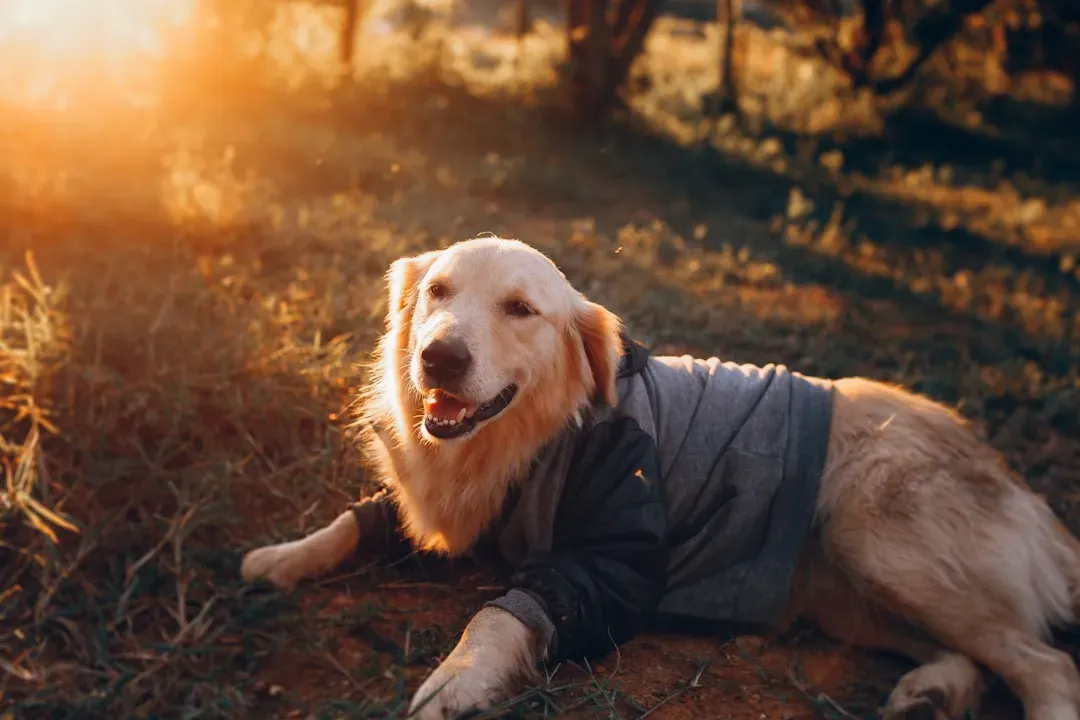
Excessive shedding isn’t always just a grooming problem – it can be a nutrition problem. Your pup’s food can impact how much they shed. Dog hair thrives on protein and omega-3 fatty acids, and deficiencies of them can lead to dead hair and flaky skin. Choosing high-quality foods that contain these nutrients can help prevent excess shedding.
Hydration plays a role too. Increasing your dog’s water intake can help alleviate shedding. Dehydrated skin is a significant contributor to shedding, so ensure your dog drinks at least one ounce of water per pound of body weight to maintain healthy, hydrated skin. And if your dog’s shedding suddenly increases or comes with other symptoms, don’t dismiss it. Taking your dog for regular checkups can help address health issues that can lead to excessive shedding. There are many issues that can cause shedding in dogs, so check in with your vet if you happen to notice accompanying symptoms such as increased thirst or urination, weight changes, itching, or skin abnormalities.
Conclusion: A Clean Home and a Happy Dog Can Coexist
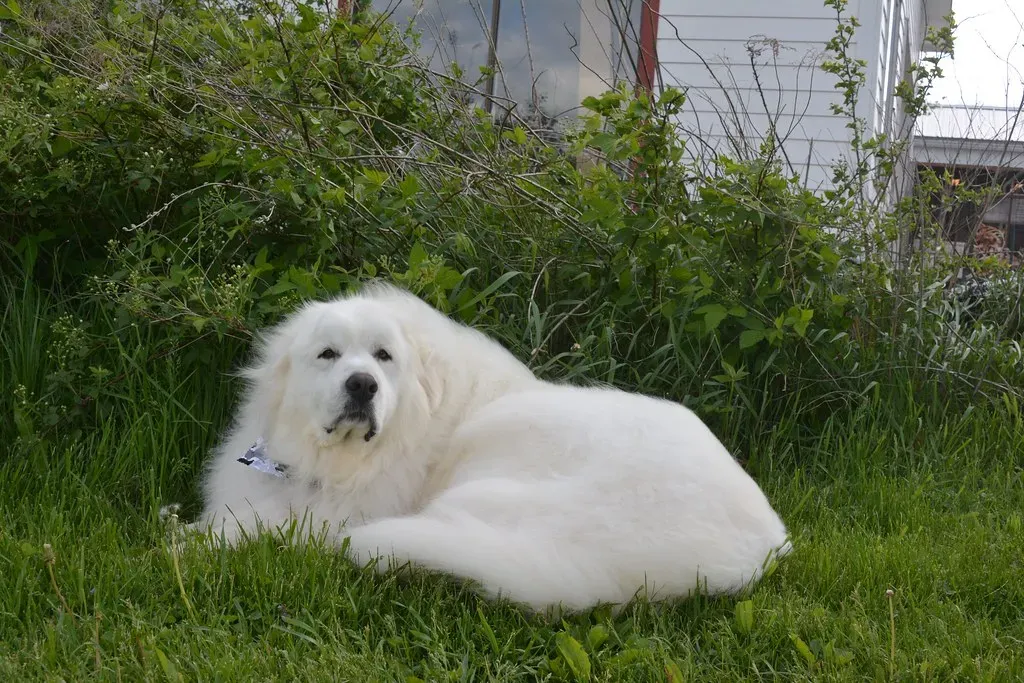
None of this requires perfection. The goal isn’t a spotless place every hour of the day. What matters is keeping the mess from building up. When you handle small things consistently, your home stays manageable rather than overwhelming.
The 12 hacks above work best when they become habits rather than occasional interventions. Pick two or three to start, build them into your routine, and add more as they become second nature. Your dog isn’t going to stop shedding, tracking in mud, or scattering toys – and honestly, you wouldn’t have it any other way. The goal is simply to stay one step ahead of the chaos, so both you and your pup can enjoy a home that truly feels like home.


