
12 Discoveries About What a Dog’s Nose Does With Time
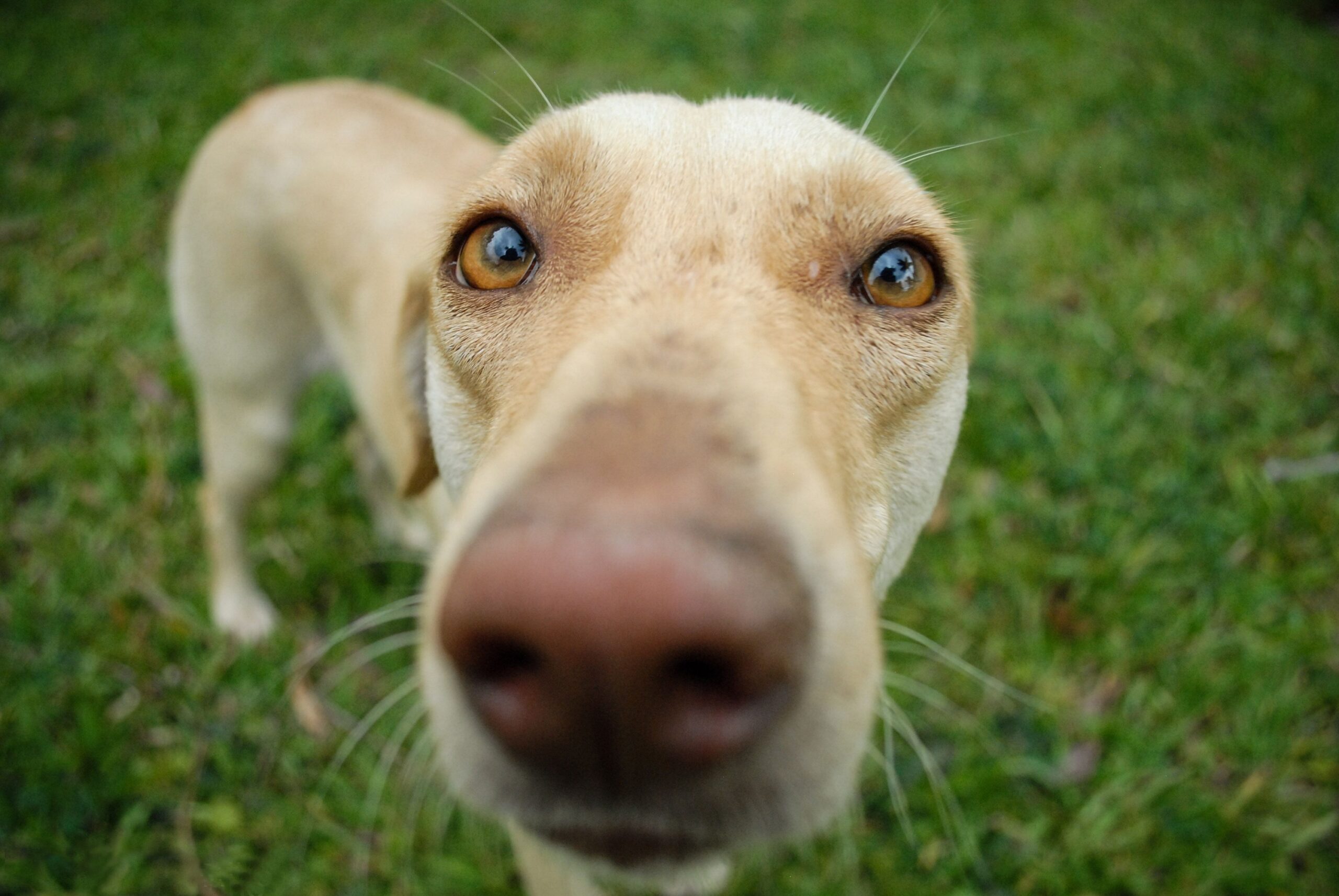
If you live with a dog, you already know their nose is basically their superpower. But what most people do not realize is that this superpower is not fixed in time. A dog’s nose is constantly changing – with age, with seasons, with emotions, even with the clock on the wall. It is like a living, breathing data center that keeps updating itself as your dog moves through life.
Once you start paying attention, you notice little things: the puppy who sniffs chaotically versus the older dog who takes slow, thoughtful whiffs; the dog whose nose goes into overdrive at dusk; that strange habit of re-sniffing the same spot days later as if reading old news. None of this is random. The nose has a timeline, and your dog is quietly tracking the world in ways we barely understand.
Let’s dive into twelve fascinating, science-backed discoveries about how a dog’s nose works across minutes, hours, seasons, and years. Some of these might completely change how you see that cold, wet boop at the end of their face.
#1: A Dog’s Sense of Smell Peaks, Then Slowly Changes With Age
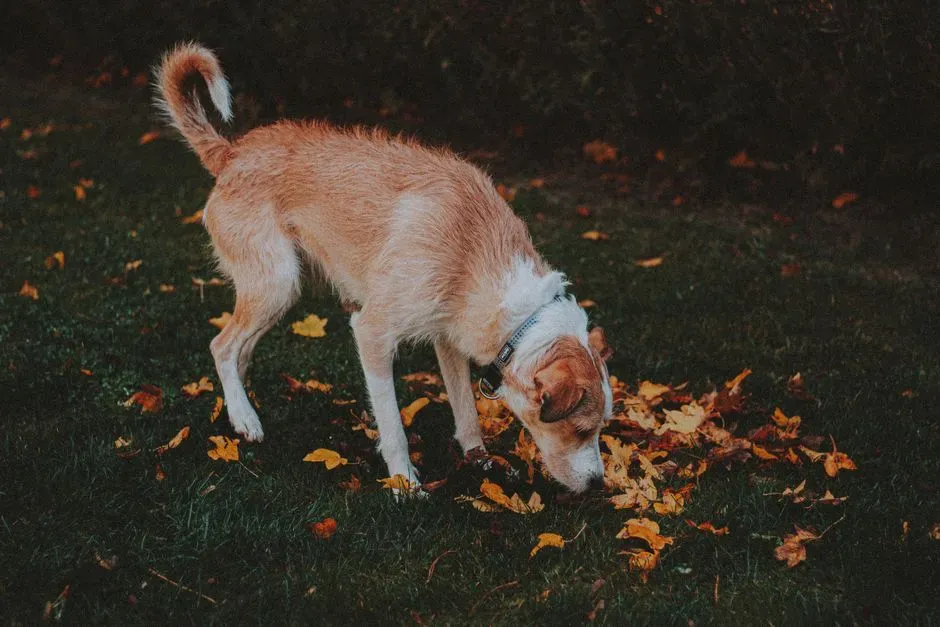
One of the biggest discoveries about dog noses over time is that they do not stay at the same “power level” forever. In puppies, the nose is developing fast; it is already useful, but the brain is still learning how to interpret all that scent information. As they reach adulthood, usually in their first couple of years, the sense of smell tends to be at its sharpest and most agile.
As dogs move into their senior years, some of their sensory cells and neural pathways gradually lose efficiency, just like human eyesight or hearing can fade. That does not mean an older dog suddenly “loses” their nose. Instead, the changes are more subtle: they may take longer to track a scent trail, or they may seem less obsessed with sniffing everything outdoors. In many cases, their brain compensates with experience, so they rely more on memory and pattern recognition than raw smell intensity.
In everyday life, you might notice things like your older dog ignoring faint smells that used to excite them, or being less precise with scent games. It is not a failure; it is a natural rewrite of how their nose and brain work together over time. Just like an experienced chef can cook without tasting every step, a seasoned dog often “knows the story” with fewer sniffs.
#2: Each Sniff Is a Snapshot in Time – and Dogs String Those Snapshots Together
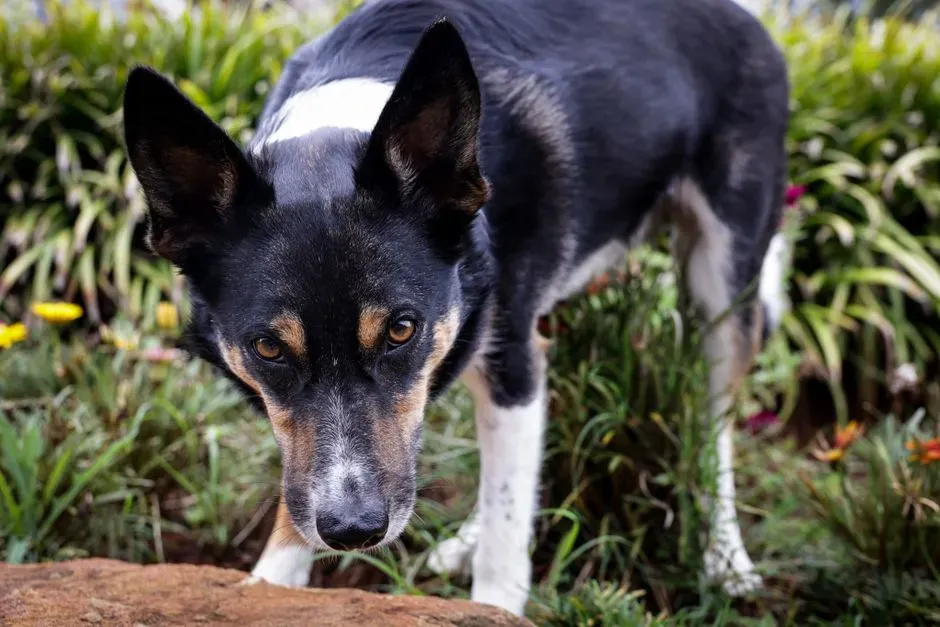
Another fascinating discovery is that a dog’s nose is not just smelling “what is there right now.” Every sniff is more like taking a snapshot of time: who passed by, how long ago, what direction they were heading. Dogs then string those snapshots together like frames in a movie. The more they sniff, the more detailed the timeline they build.
When your dog sniffs a lamppost, they are not only detecting another dog’s scent, but also how fresh it is. That gives them a rough sense of time: was this visitor here minutes ago, or hours, or yesterday? Scent intensity, how much certain molecules have broken down, and how widely those molecules have spread all feed into that internal “clock.” We cannot see it, but to a dog, the ground is covered with time-stamped messages.
Think of it like reading footprints in the snow versus on a dry sidewalk. You might guess how old the print is based on how melted or distorted it appears. Dogs are doing something similar, but chemically instead of visually. Over a walk, they collect dozens of these time-stamped smell snapshots, essentially building a mini history of the neighborhood in their head.
#3: Dog Noses Track How Smells Decay Over Hours and Days
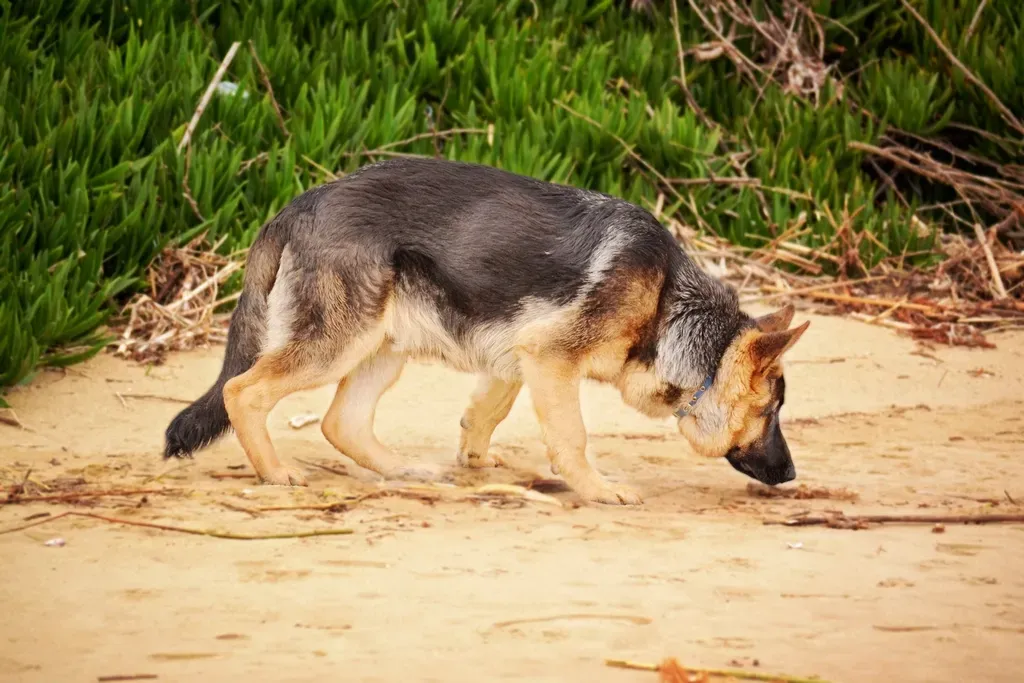
Smells do not just appear and disappear; they fade, drift, and break down chemically. Dog noses are incredibly good at reading that process. A scent that is sharp and concentrated usually means the source is recent or close. A faint, widely spread smell signals the passage of time – and often distance. This ability helps dogs follow trails, find lost items, or recognize when something has changed in their environment.
If you drop a treat behind the couch and forget it, your dog can still sniff it out later because they are sensitive not only to the original odor, but to the way it lingers and weakens. Trainers and working-dog handlers rely on this when dogs track missing people or detect wildlife. The nose reads how the scent cloud has stretched and thinned out over hours or days.
In simple terms, a dog’s nose is constantly doing a kind of quiet math on time and smell strength. It is evaluating how “old” a scent is, how long it has likely been on that spot, and whether it is worth following. This is why dogs may ignore some old scents completely yet lock onto a particular track with intense focus – their nose has decided the timeline is still relevant.
#4: Temperature, Humidity, and Time of Day Change What the Nose Can Do
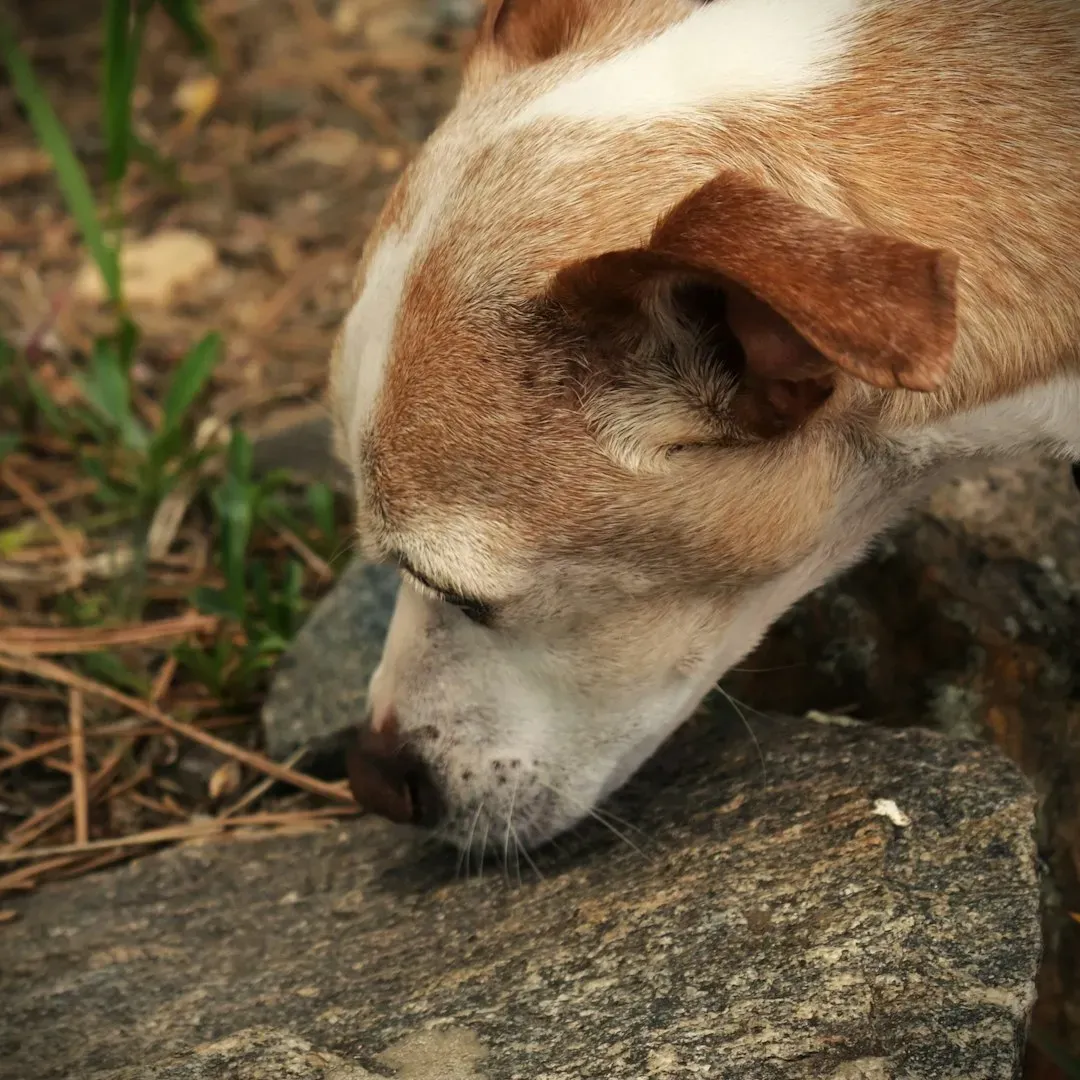
What a dog’s nose can do changes dramatically depending on the time of day and the weather. Early mornings and evenings, when the air is cooler and more humid, tend to be “prime time” for scent. Moist air helps carry odor molecules and keeps the nose itself from drying out. That is one reason scent work, like tracking, is often scheduled for cooler parts of the day.
In the heat of the afternoon, especially on dry, windy days, smells can evaporate or get dispersed more quickly. Trails that were easy to follow at sunrise can become patchy or almost invisible by midday. Dogs often respond by lowering their noses closer to the ground, sniffing more intensely, or simply losing interest when the scent information gets too thin to be worth the effort.
You might notice your dog seems “sniffier” on misty mornings or after light rain. That is not your imagination. Conditions like gentle moisture and mild temperatures act like a natural scent amplifier. Over time, your dog learns these patterns and sometimes adjusts their behavior – lingering longer to sniff when conditions are perfect and moving on faster when the smell landscape is weaker.
#5: A Dog’s Nose Stores Scent Memories That Deepen Over the Years
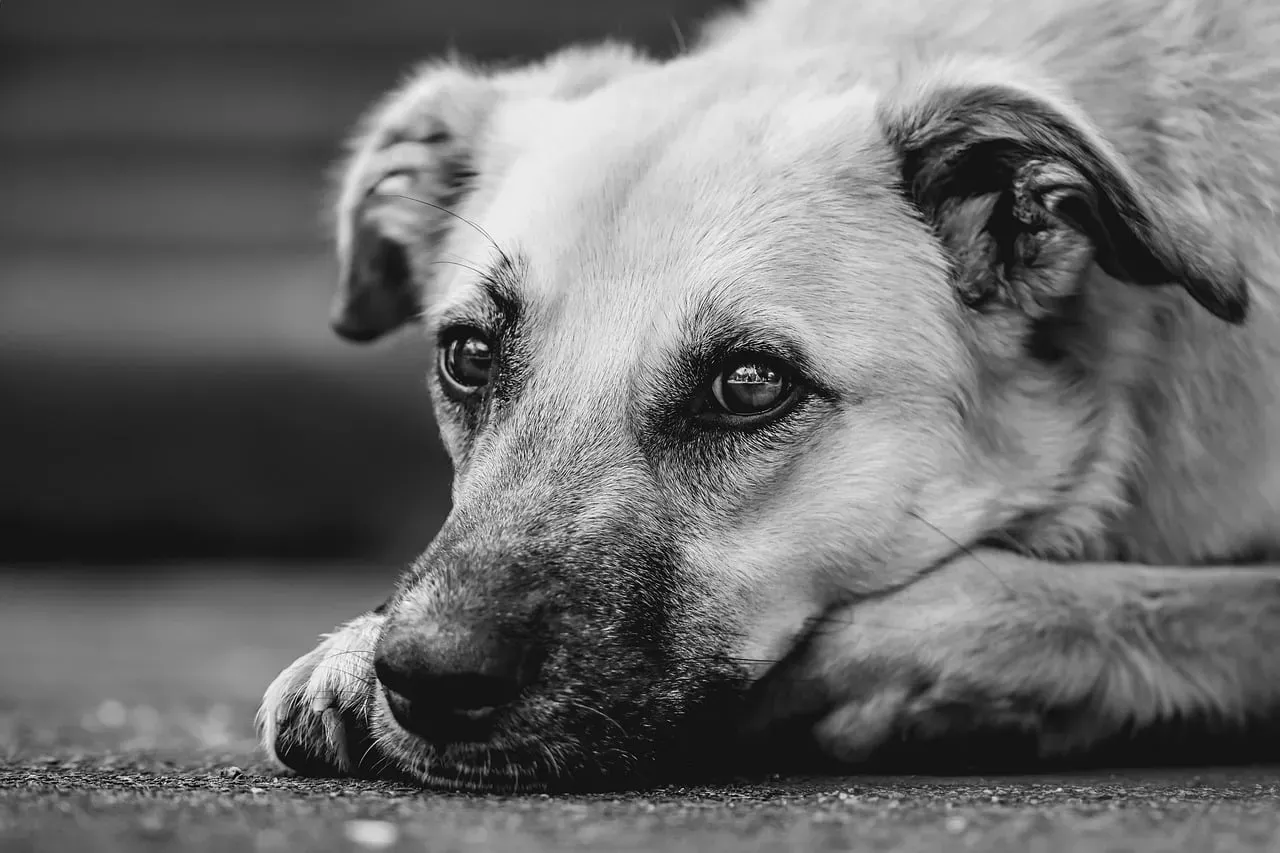
With time, dogs do not just keep smelling new things; they build a growing library of scent memories. That means their nose is not operating in isolation. Every new whiff is being compared against a huge backlog of “I have smelled this before” and “this is new.” This memory bank gives older dogs a surprising advantage, even if their raw sensitivity slowly declines.
For example, your dog may instantly relax when they smell a familiar friend’s house, even if you have not visited in months. The scent memory is still there, like a bookmarked page. Dogs can recognize individual people, animals, and places after very long gaps, and scent is a big reason why. It is like running into an old friend on the street because you recognized their voice from far away.
Over the years, this scent archive shapes how your dog reacts to the world. New baby in the house? Strange visitors? Big move to a different city? Their nose is constantly categorizing: safe, unsafe, neutral, interesting, or not worth worrying about. In a way, time turns their nose into a deeper, wiser guide, mixing raw smell detection with a huge backlog of lived experience.
#6: Emotional States Leave Smell Signatures That Shift Over Time
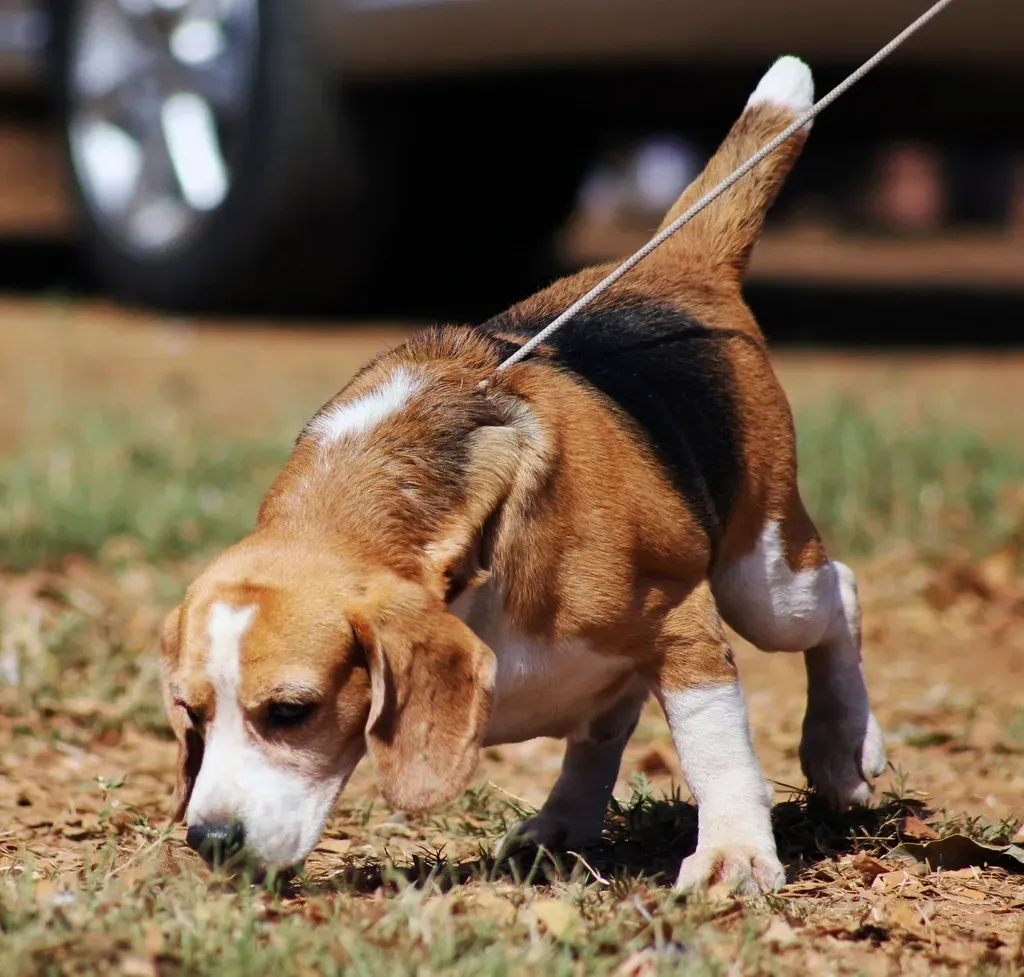
Another underappreciated discovery is that dogs can smell emotional changes in both other animals and humans, and they do this across time as those smells shift. Sweat, hormones, and other body chemistry markers change when we are stressed, relaxed, scared, or happy. Dogs are unusually tuned in to these subtle shifts, especially in the people they live with every day.
If you come home after a rough day, your dog’s nose will pick up changes in your natural odor profile. Over time, they start to map certain scent patterns to certain outcomes: this type of smell usually means cuddles are coming, that one often means tension, another might mean we are going for a walk. Their reactions can seem almost psychic, but the nose is doing much of the work.
Summarized, your dog’s nose is acting like an emotional radar:
- It detects chemical hints of mood shifts in people and other animals.
- It compares those scents to past experiences to predict what might happen next.
- Over months and years, it becomes finely tuned to the familiar individuals in its life.
This is one reason dogs can seem extra clingy when something in your life is changing. Their nose is telling them the emotional weather has shifted, even before your words do.
#7: The Nose Learns Routines and Daily Rhythms Like a Scent Clock
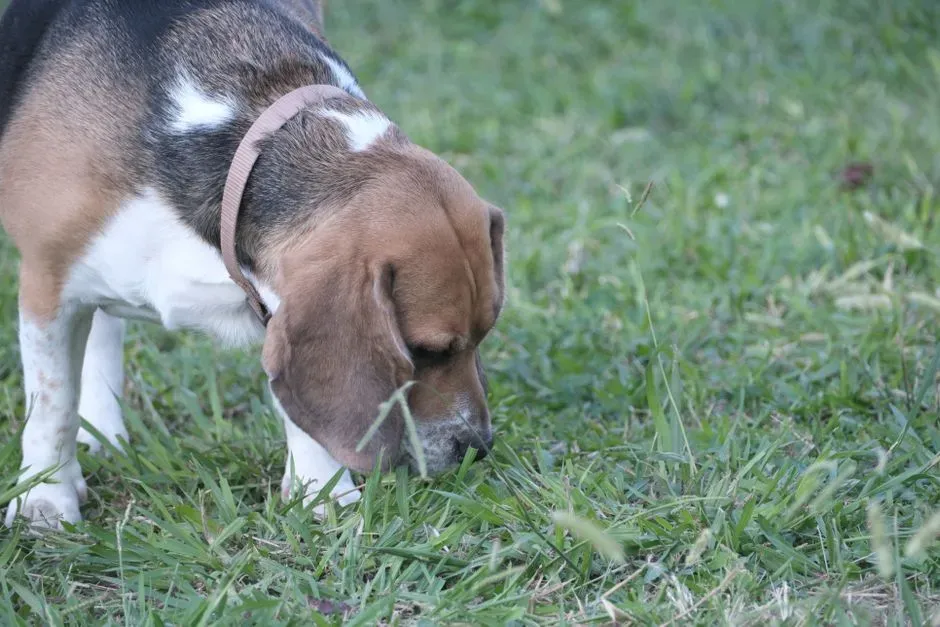
Given enough time, a dog’s nose starts to function like a clock tied to your household routine. Many dogs know when you are about to come home not just from hearing your car, but from anticipating the smell of you, the car, your work environment, even the time of day those scents usually arrive. They stitch together scent and schedule into a powerful, time-based expectation.
Inside the home, familiar smells “renew” at predictable times. Coffee brewing in the morning, food cooking in the evening, laundry detergent releasing faint odors from freshly folded clothes. Your dog’s nose tracks the rise and fall of these repeating scent patterns, and over time, it helps them understand the daily rhythm of the household in a way that is more accurate than just looking at a clock.
In practical terms, this means:
- Your dog may wait by the door before you get home because the usual environmental cues are lining up.
- They can tell when it is close to mealtime based partly on the smells associated with it.
- Sudden changes in routine can be surprisingly stressful because the scent-based “schedule” no longer makes sense.
What looks like intuition is often their nose quietly doing remarkably precise timekeeping.
#8: With Consistent Training, the Nose Becomes More Skilled Over Time
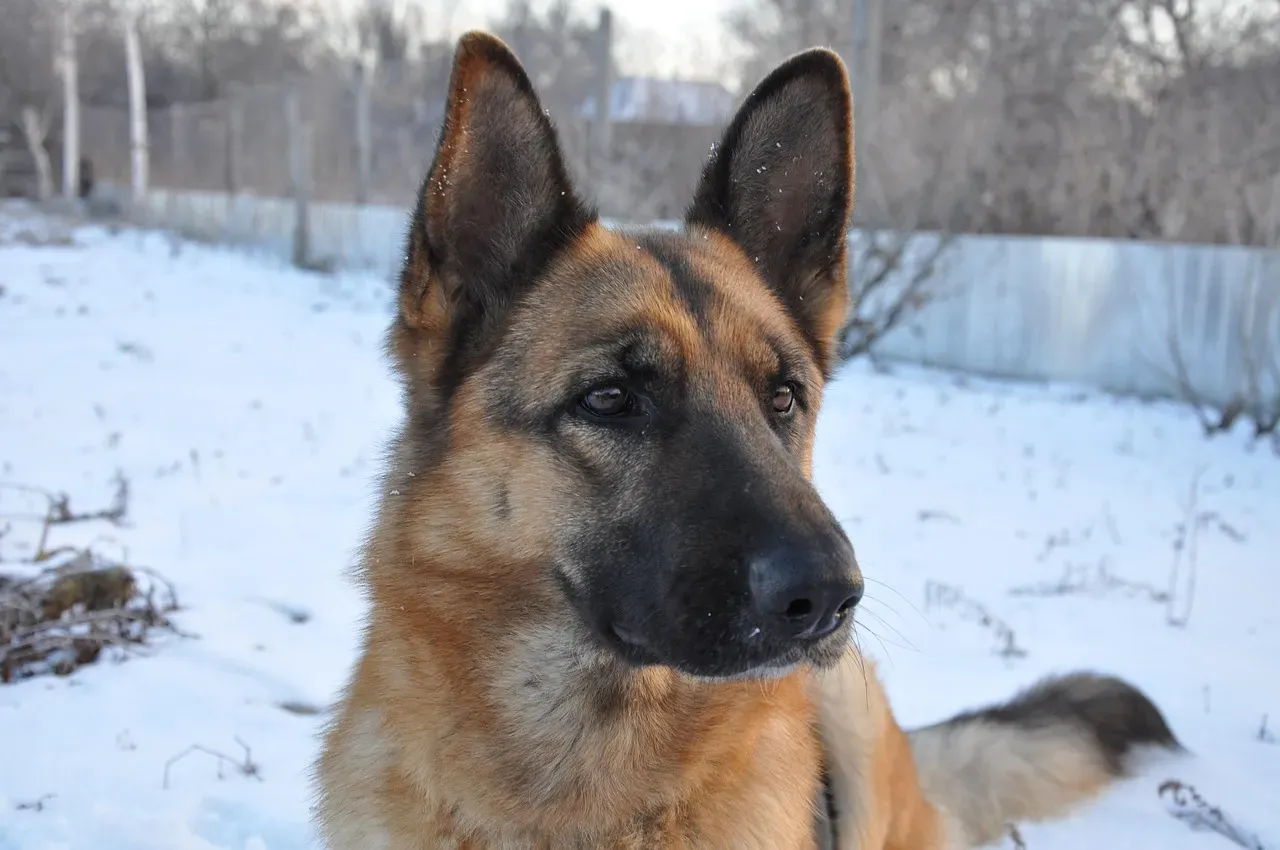
Just like muscles and memory, a dog’s nose becomes more skilled with regular “exercise.” Dogs who do nose work, search-and-rescue, tracking, or detection work show how much this sense can be trained over months and years. The physical nose itself is already powerful, but what really improves is the brain’s ability to interpret and act on that stream of information.
Early on, a dog might get distracted easily or follow a scent too broadly. With repetition, they start to focus, ignore irrelevant smells, and lock onto the specific odor they have been trained to find. Time and practice sharpen their ability to separate a target scent from background “noise,” the way a musician learns to pick out a single instrument in a crowded orchestra.
Even for pet dogs, simple scent games over time can make a difference. Hiding treats, using puzzle toys, or scattering kibble in the yard can encourage them to work with their nose more thoughtfully. Over weeks and months, they may become more confident, calmer, and more mentally engaged because they are regularly using their strongest sense in a focused way.
#9: Seasons and Life Stages Change What the Nose Finds Interesting
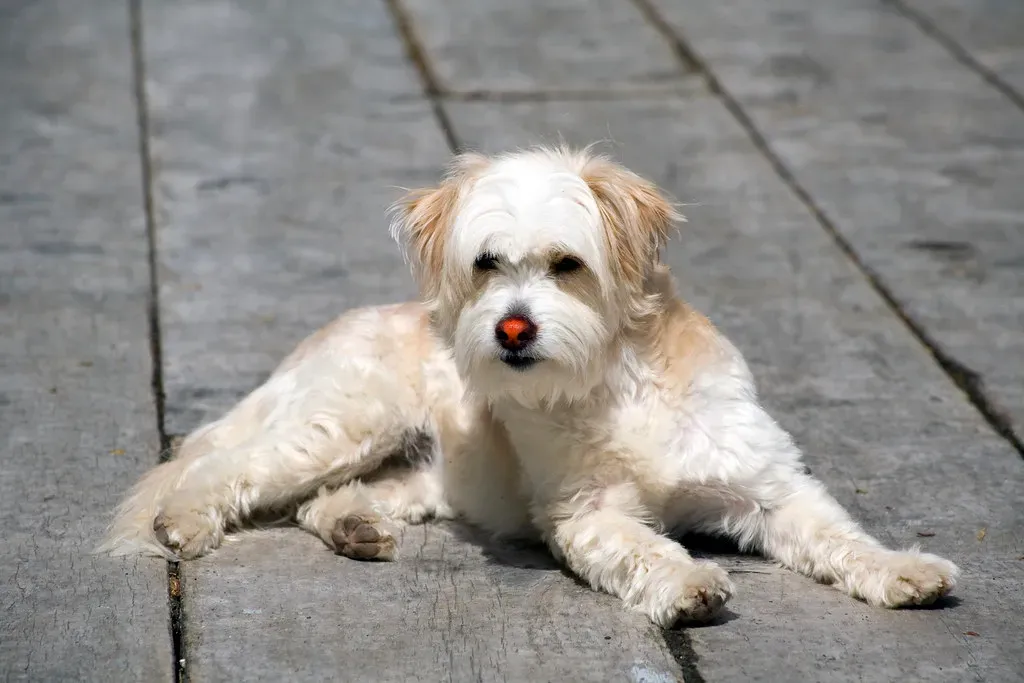
Another discovery that becomes obvious if you watch your dog closely over the years: what their nose cares about changes with time. A young dog may be wildly drawn to every single smell, from a crushed leaf to a dropped potato chip. As they mature, their preferences narrow. Certain scents become background noise, while others stay highly meaningful.
Seasonal changes also play a big role. Spring brings exploding plant odors, new animal scents, and more outdoor activity from people. In many places, that makes spring and early summer a time of sensory overload. Fall and winter might offer fewer new smells, but often clearer and crisper scent trails when the air is cold and dry or after fresh rain or snow.
Over a dog’s life, their “smell priorities” are influenced by:
- Hormonal changes, especially around puberty or after spaying and neutering.
- Health shifts that make some smells more or less appealing.
- Learned experiences – for example, discovering that certain scents reliably predict fun, food, or danger.
So if your dog seems to go through phases of being obsessed with particular spots or scents and later moves on, that is normal. Their nose is growing up and evolving, right along with the rest of them.
#10: The Moist, Cool Nose Itself Changes Throughout the Day
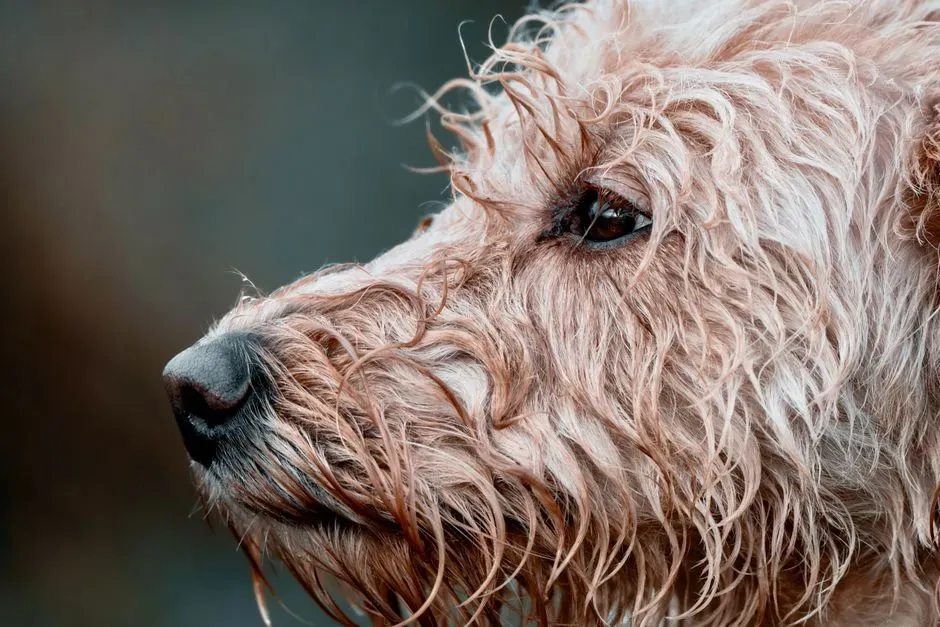
People often think a wet, cold nose simply means a healthy dog, but the reality is more dynamic. A dog’s nose surface can change temperature and moisture levels throughout the day depending on activity, environment, and health. That moisture helps trap odor particles and carry them to receptors, so it plays a direct role in how the nose performs over time.
During active sniffing, the nose may get slightly drier because the dog is pulling in more air and evaporating moisture faster. After drinking water, resting, or licking their nose, it can become wetter and cooler again. In hot or very dry environments, the nose might stay less moist, which can slightly reduce sensitivity, especially for faint scents.
Some quick points about how the physical nose changes with time across a day:
- Moisture levels rise and fall, altering how easily odor molecules stick to the nose.
- Temperature shifts may correlate with activity and arousal levels.
- Minor changes are normal; persistent cracking, extreme dryness, or major color changes can be worth a vet check.
So that little nose is not just an “on-off” indicator of health. It is a constantly adjusting tool, fine-tuning itself from hour to hour to help your dog read the world.
#11: Health, Medication, and Aging Can Gradually Rewire the Nose
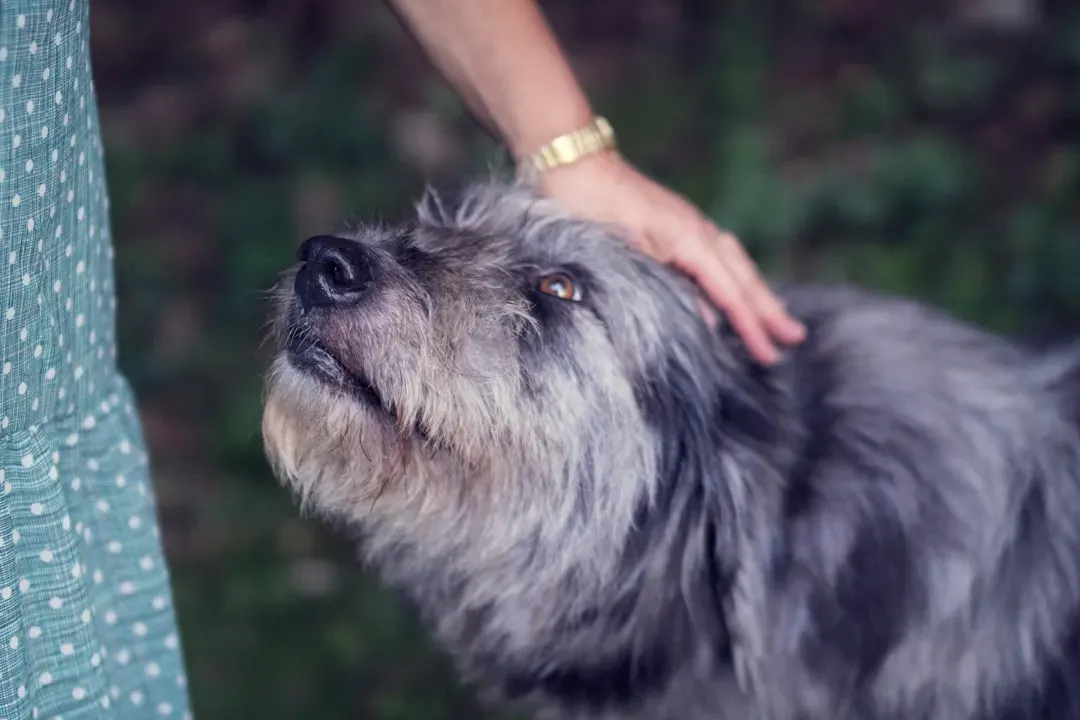
Over the longer timeline of a dog’s life, health issues, injuries, and medications can all influence what the nose can do. Chronic nasal infections, dental problems, or conditions affecting the brain can reduce smell sensitivity or change how scents are perceived. Much like in humans, some dogs may experience partial smell loss as they age, even if it is not dramatic or obvious at first.
Certain medications can temporarily alter smell or taste, which sometimes shows up as changes in appetite or interest in food. If your dog suddenly seems indifferent to favorite treats or toys that used to excite them, their nose might be part of the story. Vets sometimes factor this in when evaluating senior dogs or those recovering from illness.
Over time, you might see:
- A slower response to subtle scent cues, like very faint treats or distant smells.
- More reliance on vision and hearing in situations where they once led with their nose.
- Changes in social sniffing behavior with other dogs due to discomfort or reduced sensitivity.
None of this means a dog’s life is over the moment their nose changes. But it does mean we should respect that their primary sense is evolving and adjust how we play, train, and communicate with them accordingly.
#12: Your Dog’s Nose Builds a Lifelong Story of Their World
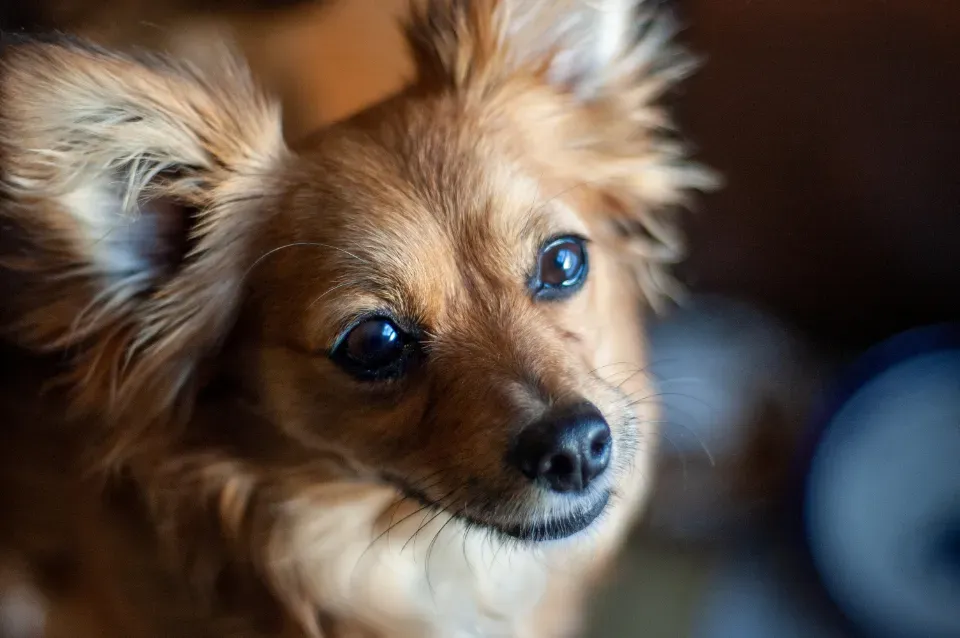
When you step back and look at all of this, one big idea stands out: with time, your dog’s nose is not just smelling the present moment. It is building a lifelong story of their world. From puppyhood to old age, every walk, every visitor, every move to a new home leaves tiny scent chapters that pile up into a very personal history book, written in odors instead of words.
In that sense, their nose is not just a tool; it is part of their identity. It shapes what they remember, what they care about, and what they expect to happen next. A puppy’s frantic, curious sniffing slowly becomes an older dog’s deliberate, meaning-rich exploration. The smells are not random; they are the timeline of their life, constantly being updated and re-read.
To me, that is the most moving discovery of all. When your dog pauses a little longer at a familiar corner, or quietly sniffs the air in a place you both used to visit more often, they might be doing more than just “checking for squirrels.” They might be revisiting their own past, in a way only a dog’s nose and a long stretch of time can make possible.
Conclusion: Time Turns a Dog’s Nose Into a Quiet Genius
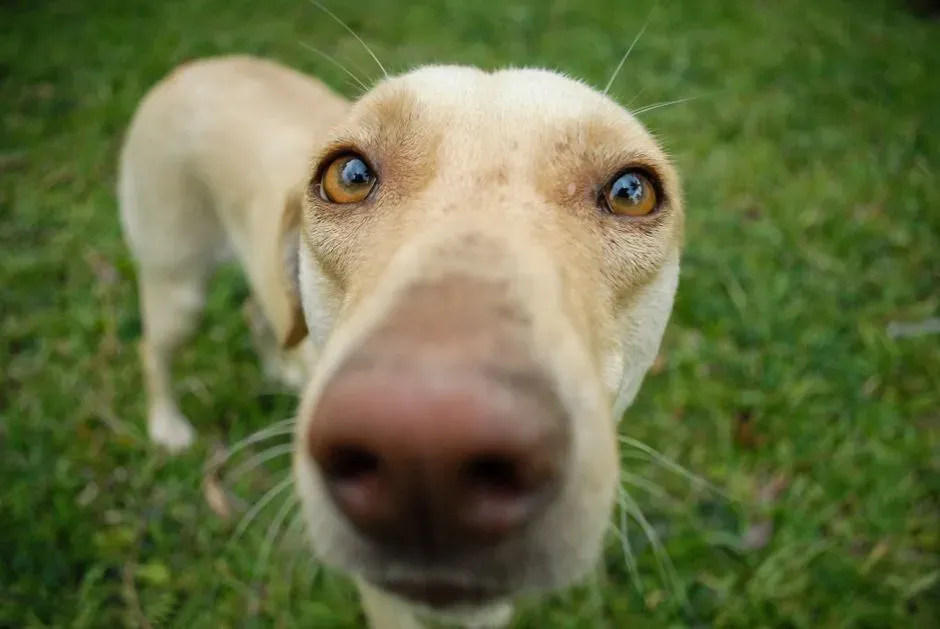
The more we learn about dog noses, the harder it is to see them as simple or cute quirks. From daily moisture shifts to decades of scent memories, what a dog’s nose does with time is nothing short of remarkable. It tracks the decay of smells, reads emotional changes, learns household routines, adapts to weather and age, and quietly rewrites its own priorities over a lifetime.
I think we underestimate this all the time. We rush walks, yank them away from interesting spots, and treat sniffing like a distraction instead of what it really is: their way of understanding time, place, and emotion. If anything, the science suggests we should be giving them more chances to use this sense deeply, especially as they grow older and their nose shifts from raw power to quiet expertise.
So next time your dog lingers over a patch of grass you have walked past a hundred times, maybe pause for a moment. In that simple act of sniffing, they might be reading layers of history and feeling things we cannot even imagine. Knowing that, are you still tempted to tug the leash, or are you a little more curious about what their nose has just discovered?