
12 Reasons a Dog Sleeps More Once the Light Drops
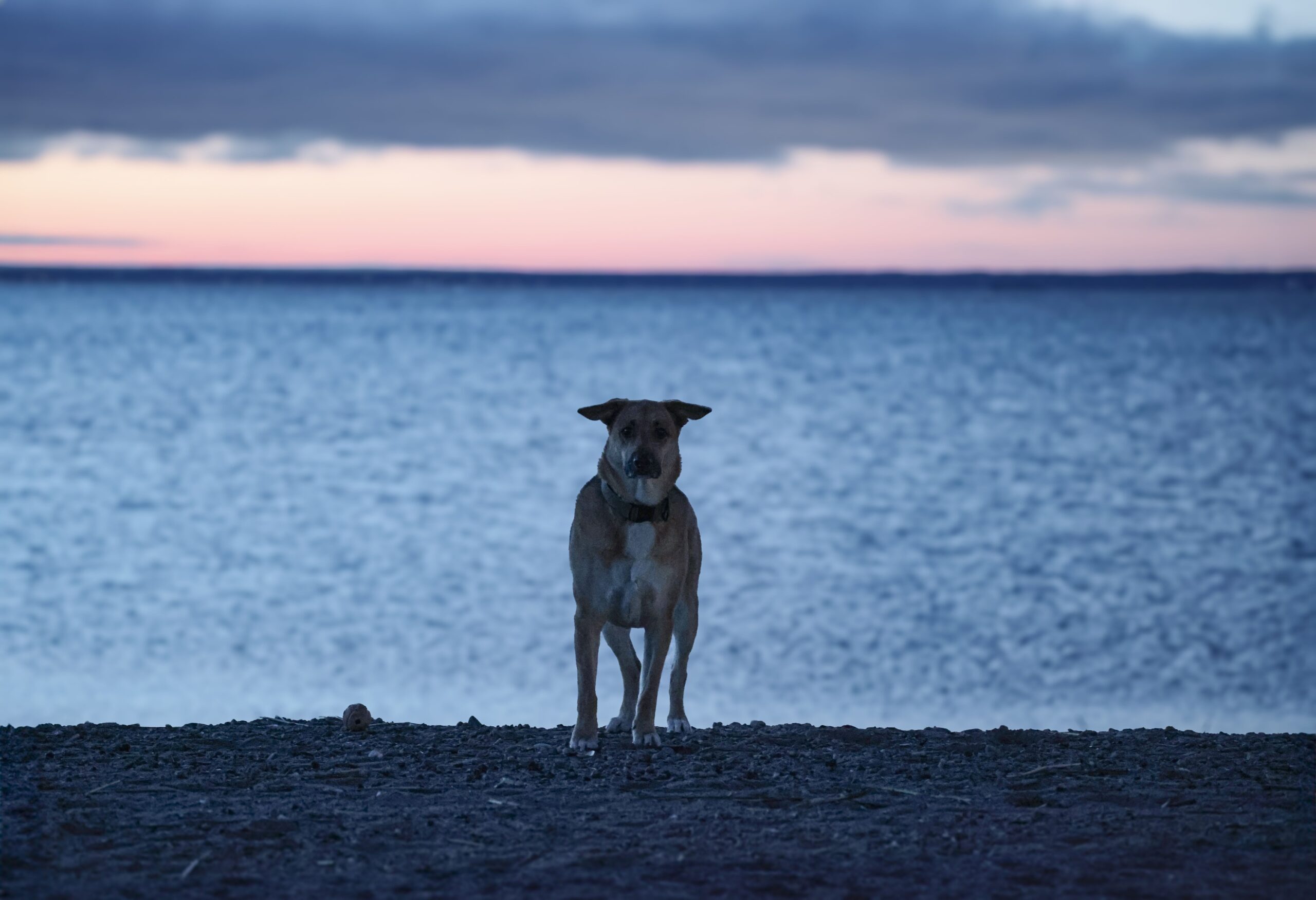
Have you ever looked over at your dog in the evening and thought, “How are you possibly asleep again?” The sun dips, lamps go on, and suddenly your once-bouncy shadow turns into a furry puddle on the couch. It can feel a bit mysterious, even worrying, when your dog seems to snooze more the moment the light drops.
The truth is, there are some surprisingly logical – and sometimes very touching – reasons behind this pattern. Some are rooted in biology and evolution, others in habit, environment, or even your own lifestyle. Once you understand them, your dog’s nighttime sleepiness stops being strange and becomes one more way their body and brain are quietly working in the background.
Let’s walk through the most common explanations, from ancient wolf instincts to modern blue-light sleep problems, and see which ones sound most like your dog.
#1 Their Internal Body Clock Is Tied to Daylight
Here’s the big one: dogs, like us, have an internal body clock that is heavily influenced by light and dark. When the light drops in the evening, their brain reads that as a signal that it’s time to wind down, even if they took a solid nap an hour ago. This internal rhythm, called the circadian rhythm, helps regulate when they feel alert and when they feel drowsy.
Even indoor dogs who rarely see direct sunlight still pick up on light changes around the house: windows getting dimmer, lamps turning on, TV screens changing, the general “end of day” atmosphere. Over time, their body gets trained to recognize this as a cue for rest. It’s not that your dog is suddenly lazier at night – it’s that their biology is doing exactly what it was designed to do.
- Dim light tells the brain “night is coming.”
- The brain responds by nudging the body toward sleepiness.
- Routine evening cues (TV, dinner, you on the sofa) reinforce this timing.
Think of it like a built-in alarm that works in reverse: instead of waking them up, the fading light gently powers them down. It’s not a flaw; it’s a feature.
#2 Increased Melatonin Production When It Gets Dark
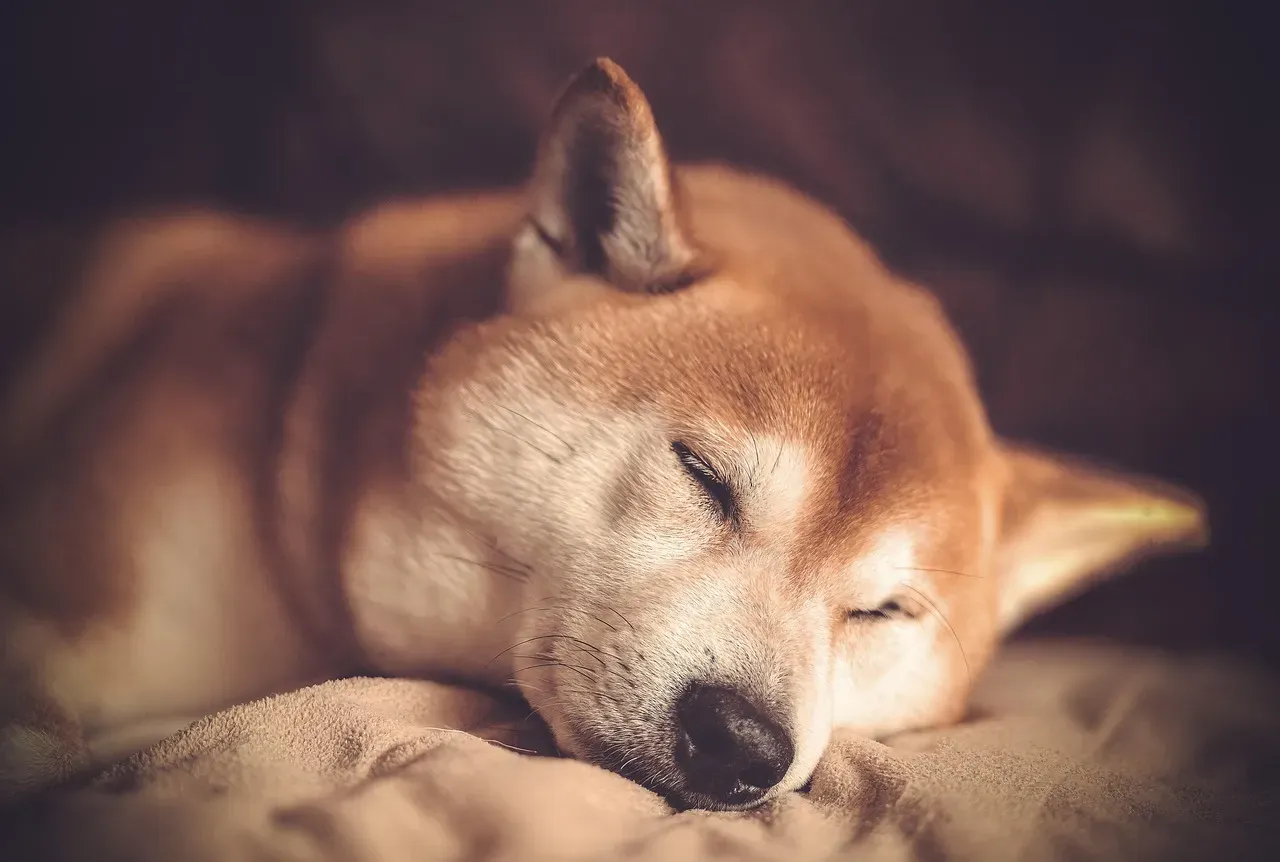
When light levels go down, your dog’s brain starts producing more of a hormone called melatonin. Melatonin is sometimes called the “sleep hormone” because it helps the body feel calm and ready for rest. Humans have this same mechanism, and it is why people often feel naturally more tired in the evening – or groggy on dark, rainy days.
Dogs are very sensitive to this rhythm. When the lights drop, melatonin rises, and your dog’s system gently nudges them from active mode into relaxation mode. The result? More yawning, more stretching, and usually a quick curl into a favorite sleeping spot.
If you notice your dog getting especially dozy after you dim the lights for a movie, that’s their melatonin system doing exactly what it’s supposed to do. They’re not being dramatic; their chemistry just flipped into nighttime mode.
#3 Natural Crepuscular Tendencies (More Active at Dawn and Dusk)
Many dogs inherit something from their wild ancestors that can confuse owners: a tendency to be crepuscular. That word basically means “most active at dawn and dusk.” You might have seen this in your own dog – a burst of energy in the early morning, another playful spike around late afternoon or early evening, and then a crash once it gets properly dark.
Wolves and wild canids often hunt or travel in low light, when it is cooler and when prey is more active. Even though your dog hunts for nothing more than a squeaky toy or a dropped sandwich, those patterns are still baked into their nervous system. After that evening “dusk high,” their energy naturally collapses into deeper rest as the darkness settles in.
- Many dogs zoom at sunrise, then nap.
- Another mini “rush hour” often happens before sunset.
- Once true night arrives, the system flips to recovery mode.
So if your dog runs laps around the living room at 6 pm and is snoring by 8:30 pm, they are not inconsistent. They are simply following a very old biological schedule – sprint, then sleep.
#4 Conserving Energy Like Their Ancestors Did
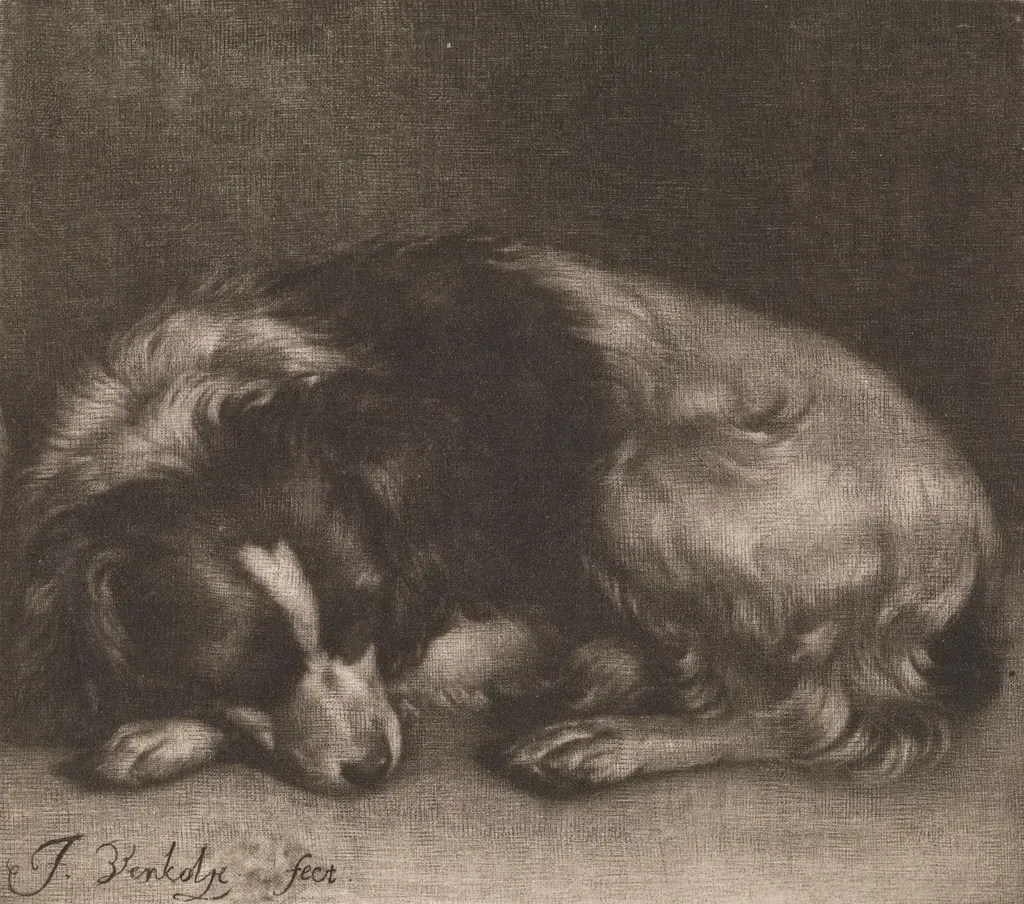
Even though your dog lives in the modern world, their body still plays by some old survival rules. In the wild, animals that wasted energy at unproductive times – like stumbling around in the dark for no reason – were less likely to stay safe and well-fed. Sleep and quiet periods helped them conserve energy for when it really mattered, like hunting, traveling, or escaping danger.
Your dog may have a bowl full of kibble instead of a hunting route, but their nervous system has not completely forgotten those rules. When the light drops and there is nothing much happening, their brain leans toward: “Why stay up if I could store energy?” That drives the urge to nap more in the evening and overnight, even if they had a very light activity day.
In a way, their extra sleep is a built-in emergency battery. By resting so much when it is dark and quiet, they are always “charged” for the next time you grab the leash, the ball, or the car keys for an outing.
#5 Your Evening Routine Signals It’s Time to Shut Down
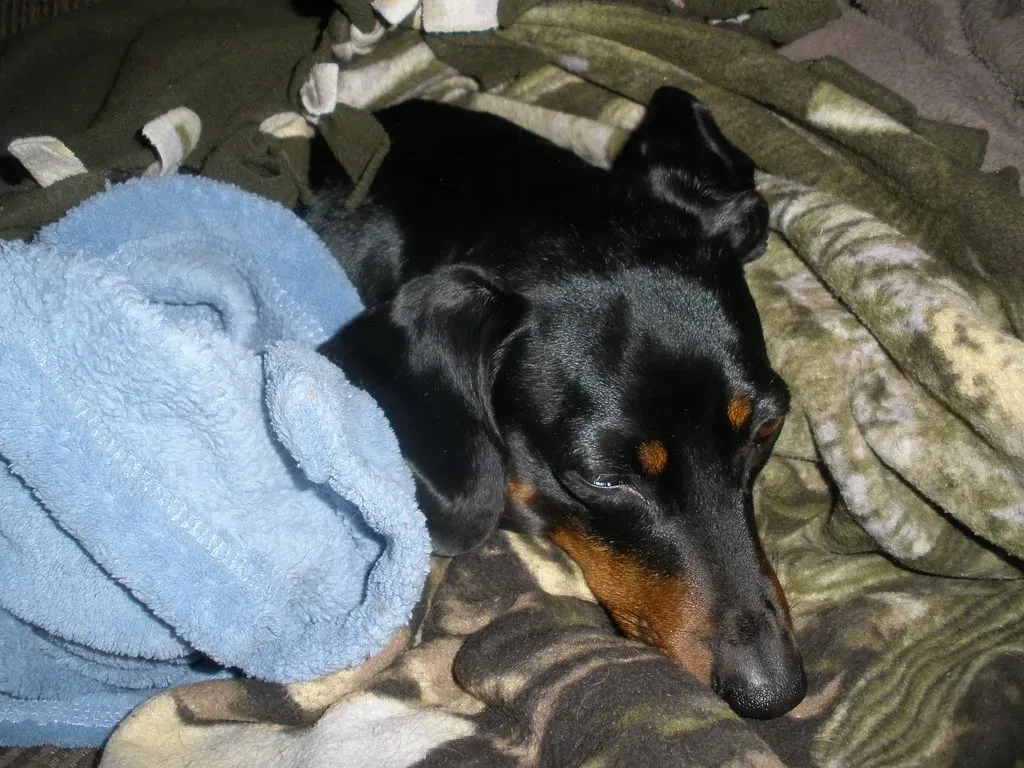
Dogs are unmatched at connecting your patterns to their own habits. The moment the light starts to drop, your routine probably changes too: maybe you serve dinner, close curtains, switch to softer lighting, put on comfy clothes, or settle into the couch scrolling your phone. To your dog, that whole scene broadcasts a very clear message: day is over, pack is resting.
Over weeks and years, they start to anticipate this. You do not have to say a word. By the time you hit play on a show, your dog has already rearranged their body into whatever position guarantees maximum snuggle and minimum movement. The darker it gets, the stronger the association with “nothing exciting is going to happen now.”
- Less movement from you = fewer cues for them to be alert.
- Lower light + quiet house = safe time to sleep deeply.
- Consistent timing each night strengthens that habit.
In other words, your dog may sleep more when the light drops partly because you do, too – at least in spirit. They are mirroring your lifestyle and syncing their clock to yours.
#6 Reduced Stimulation Once the Sun Goes Down
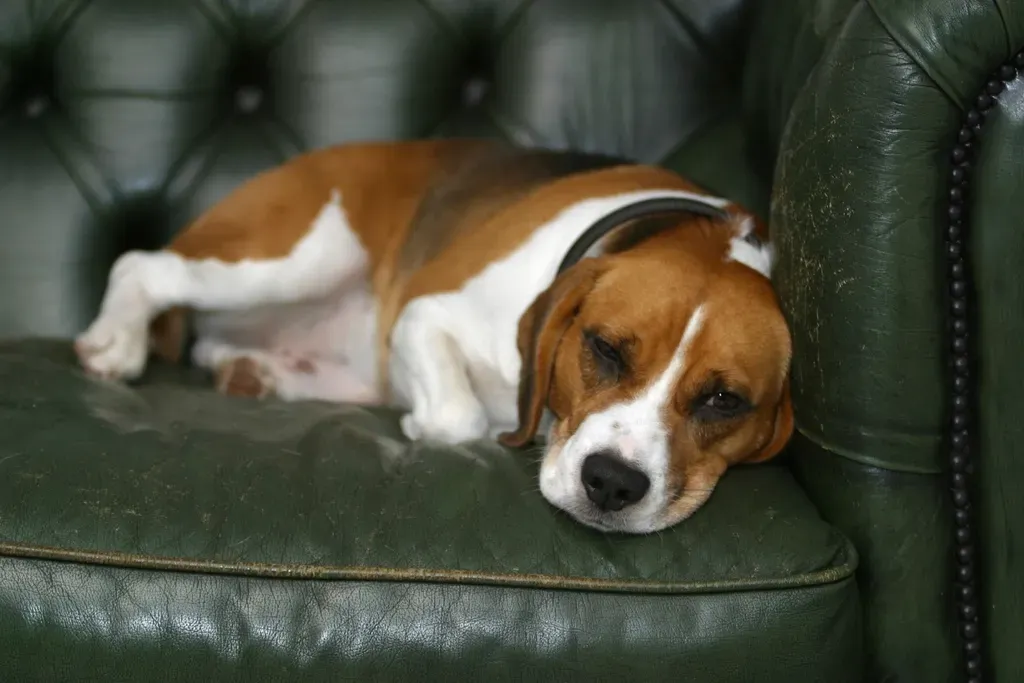
Daytime is full of tiny excitements for a dog: people walking by outside, mail and delivery trucks, kids playing, birds and squirrels, household chores, vacuum noises, doorbells. The light outside drops, and many of those triggers fade away. The street quiets, fewer shadows and shapes move outside, visitors slow down, and the general buzz of life dims.
With less to track, monitor, and react to, your dog’s brain finally gets a break. A busy, watchful dog uses up a surprising amount of mental energy simply by noticing things and deciding whether or not they matter. When the visual and sound input shrinks in the evening, they can move from “alert scanner” mode to “off-duty guard” mode – which often looks exactly like sleep.
This is especially noticeable in dogs who are reactive or very curious. They crash harder at night because their brain has been running a quiet marathon all day, and darkness is the finish line where they finally allow themselves to collapse.
#7 Catching Up After a Mentally or Physically Busy Day
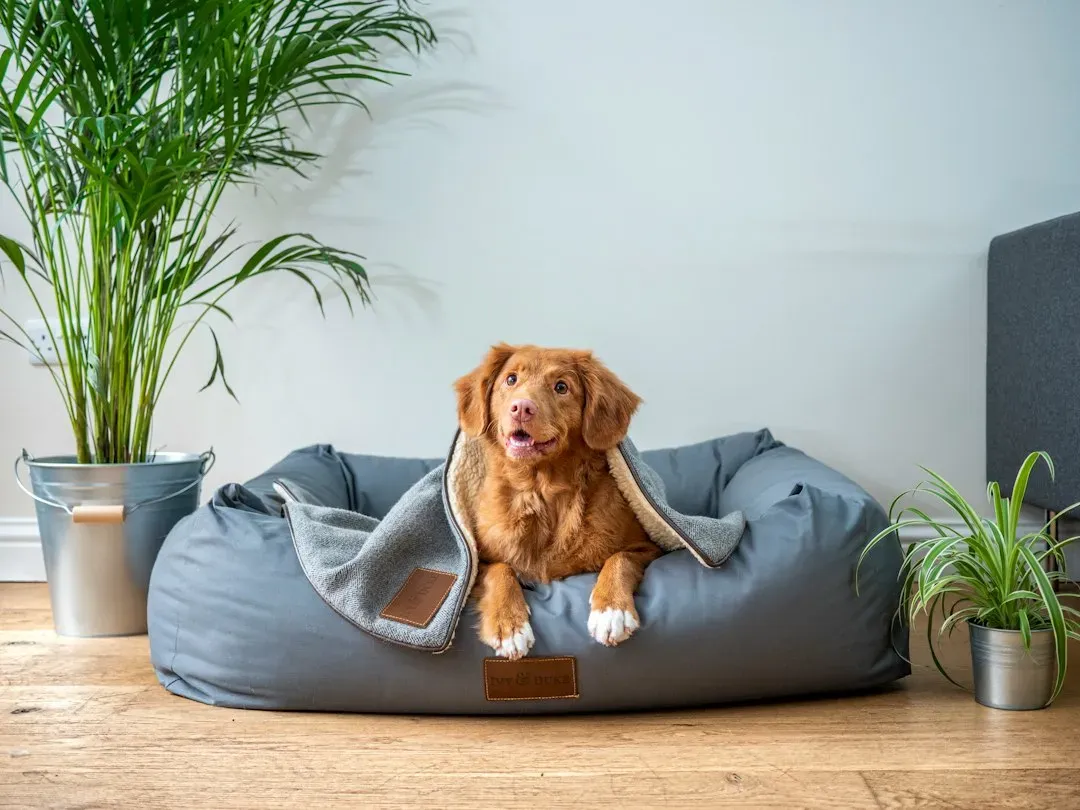
Sometimes it is not the darkness itself that makes your dog sleep more, but the simple fact that evening is when the bill comes due for the whole day. Dogs process physical and mental effort through rest. A long walk, playdate, training session, vet visit, car ride, or just lots of family chaos all put demands on their nervous system. When night arrives, the body seizes the chance to repair and reset.
For many dogs, sleep is when the brain organizes memories and reinforces learning. That trick you practiced in the afternoon? Their brain quietly replays it during deeper sleep cycles. That stressful moment at the park? Their system buffers and stabilizes from it during rest. The darker, quieter environment makes it easier for them to slip into those deeper stages of sleep more often.
- Even if your dog looks lazy, their brain is busy during sleep.
- Frequent naps in the dark can be a sign of heavy daytime processing.
- Older or sensitive dogs may need even more “catch-up” rest.
If you have ever come home from an event and felt more emotionally exhausted than physically tired, you already get this. Your dog hits that same “I’m done” wall – they just handle it by face-planting onto the nearest soft surface.
#8 Age-Related Changes: Puppies and Seniors Sleep A Lot More
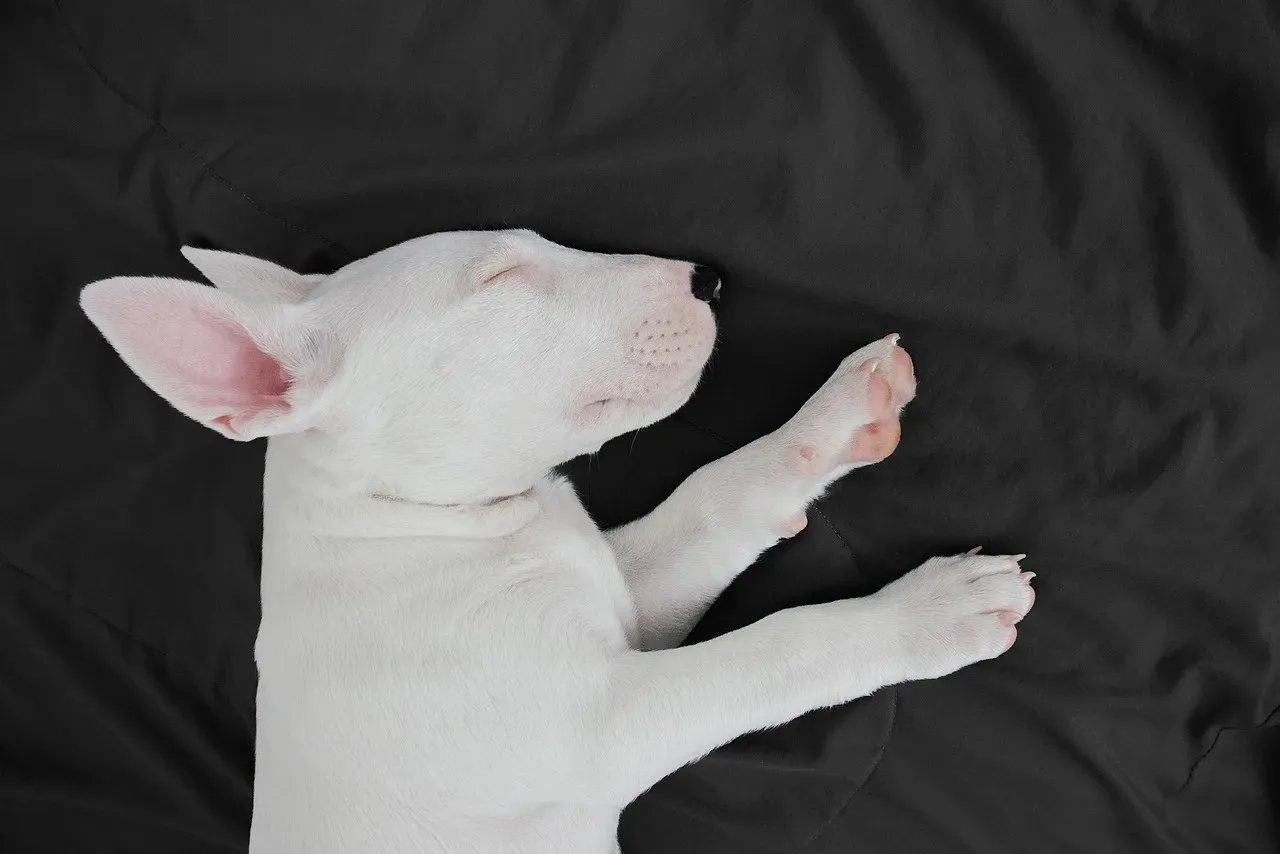
Age plays a massive role in how much a dog sleeps, and darkness can amplify that pattern. Puppies are like toddlers: they swing between absolute chaos and complete shutdown. Their brains and bodies are growing at a wild pace, and sleep powers that growth. When evening comes and the world gets dimmer, their overworked little systems finally give up the fight and slide into long stretches of rest.
Senior dogs, on the other hand, often need more sleep because their joints, muscles, and internal organs are working harder just to keep up. Many older dogs shift into a pattern where they nap lightly during the day and sleep more heavily once the sun goes down. The darkness offers an ideal window for deeper, longer recovery sleep their aging bodies crave.
If your puppy or older dog sleeps a lot more as the light drops, that is usually normal – especially if they perk up happily during the day, eat well, and seem comfortable. The key is to watch for changes: a gradual pattern over months is likely aging; a sudden, extreme shift might be a reason to call your vet.
#9 Breed and Temperament Differences in Nighttime Sleepiness
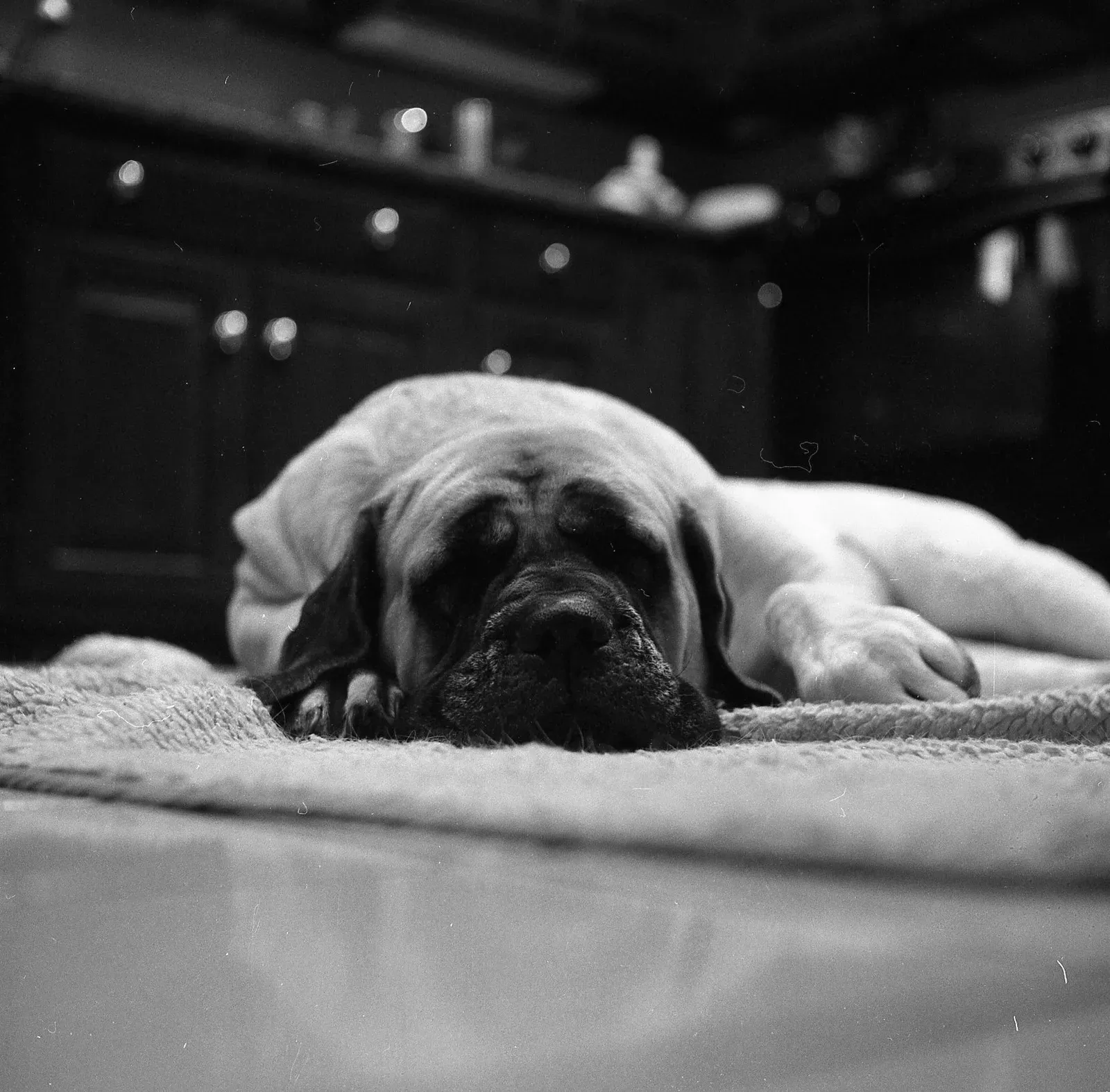
Not all dogs are wired the same. Some breeds and personality types simply lean more toward “couch potato” mode, especially at night. Large breeds like mastiffs, Great Danes, and many guardian-type dogs are known for logging serious sleep hours, using nighttime to really recharge. Many of these dogs were historically bred to watch, wait, and conserve energy, not to run nonstop.
On the flip side, herding breeds or high-drive working dogs might remain more alert in the evenings, especially if they are under-exercised. But even in high-energy dogs, once the environment gets darker and the household downshifts, you will often see a fairly dramatic drop in activity. Temperament also matters: naturally cautious or “soft” dogs may shut down earlier because constant monitoring through the day wears them out faster.
- Big, calm breeds tend to embrace long night sleeps.
- High-drive dogs may fight sleep but still crash harder in the dark.
- Shy or anxious dogs often need nighttime to truly decompress.
So when your giant dog is snoring by 7 pm in winter while your neighbor’s terrier is still patrolling the fence line, that’s not inconsistency – it is individual wiring meeting the same environmental cue: the fading of the light.
#10 Seasonal and Weather-Related Light Changes
Have you ever noticed your own energy dip in winter when the days are shorter? Dogs often experience a similar seasonal shift. When it gets dark earlier, many dogs naturally sleep more in the evenings simply because their light-based body clock thinks the “night window” is longer. In deep winter, that might mean your dog starts slipping into sleepy mode late afternoon instead of after dinner.
Cloudy, rainy, or stormy days can create a similar effect. The dim light and muffled sounds trick the brain into treating daytime more like evening, and some dogs respond with more naps and deeper sleep once the skies gray out. That pattern can be even more intense at actual nightfall, when the darkness completes the picture.
Owners sometimes worry their dog is becoming depressed or ill in these seasons, but in many cases it is just a scaled-up version of the usual light-driven rhythm. As long as your dog is eating normally, happy to go on walks, and still responsive, it is usually just seasonal sleepiness – not a red flag.
#11 Emotional Safety: Darkness Feels Like a Safe Time to Let Go
There is also a softer, more emotional side to why dogs sleep more once the light drops. For many dogs, the night is the time when the house is calm, the family is all home, the doors are locked, and routines are predictable. That combination of factors can signal deep safety, which is exactly what the body needs to fully relax into restorative sleep instead of staying lightly on guard.
In homes where the dog feels especially close to one or two people, you might notice they do not fully settle until those people are home and parked in their usual evening spots. When that aligns with falling light, their brain basically gets a double green light: low light plus full pack equals best time to turn off.
- Dogs sleep deepest when they feel secure.
- Nighttime often means fewer surprises and more routine.
- Emotional closeness can literally deepen and lengthen sleep.
I have personally seen this with anxious rescue dogs who would barely nap during the day at first, but once they trusted their new home and got used to nighttime routines, they slept like rocks after dark. The light dropping became part of the emotional cue that they were finally safe enough to let go.
#12 When Extra Sleep Might Signal a Health Issue
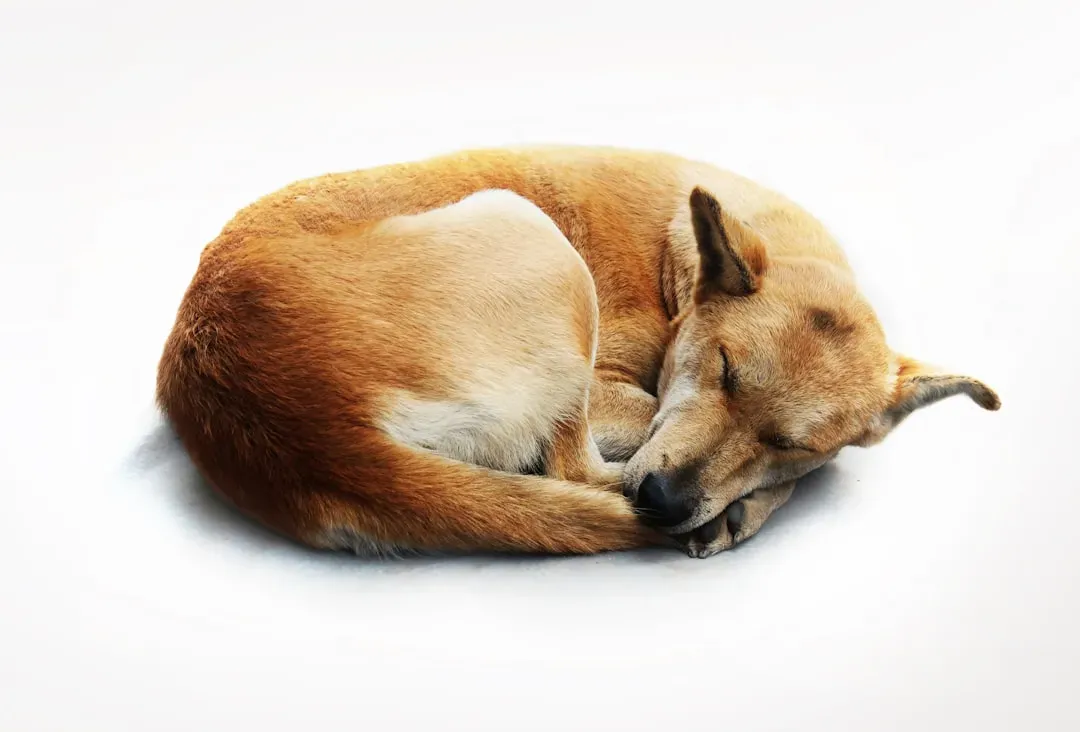
While there are many normal , it is also important to say this clearly: sometimes increased sleep can be a sign that something is off. Pain, arthritis, low thyroid function, heart disease, infections, or even chronic stress can all push a dog to rest more, especially when it is dark, quiet, and there is nothing distracting them from how they feel.
The key difference is often the pattern. If your dog has always snoozed more at night and still acts bright, eager, and comfortable during the day, that is probably just them. But if they suddenly start sleeping much more in the evenings, seem hard to wake, lose interest in play or food, breathe harder, or appear stiff or confused, then it is time to get a professional opinion.
- Sudden changes matter more than long-term habits.
- Combine what you see at night with daytime behavior.
- Trust your gut – you know your dog’s “normal” better than anyone.
Being cautious does not mean panicking. It just means using your understanding of all the normal reasons for nighttime sleepiness as a backdrop, so that when something does not fit that picture, you are more likely to notice it and act early.
Conclusion: Darkness, Dogs, and the Quiet Wisdom of Rest
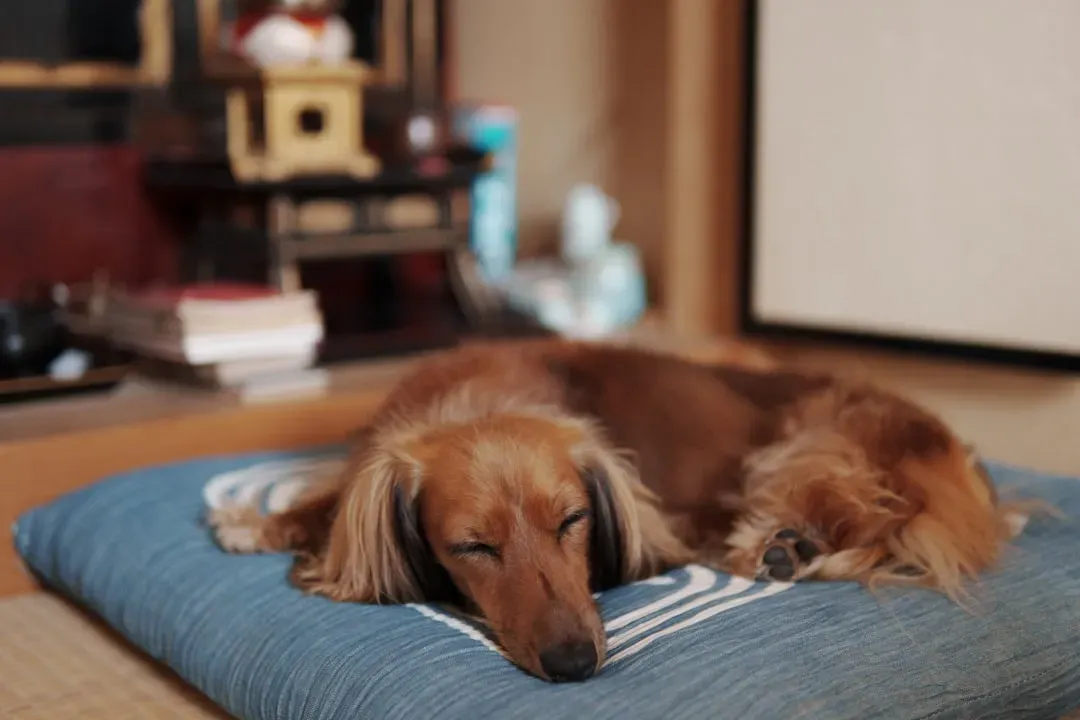
When you zoom out and look at all these reasons together, a pattern appears: your dog sleeping more once the light drops is usually not laziness or boredom, but a surprisingly elegant mix of biology, habit, and emotion. Their body clock follows the sun, their hormones respond to darkness, their brain recovers from the day, and their heart relaxes when the house finally quiets. The result just happens to look like a snoring furball on your couch.
Personally, I think we underestimate how wise that instinct is. Dogs are not fighting their body clock with late-night screens, endless to-do lists, and caffeine. When the world tells them it is time to rest – with dim light, soft sounds, and familiar people nearby – they listen. In a culture that treats being tired as a flaw, there is something refreshingly honest about a creature that simply curls up and says, in its own way, “Day’s done, see you in the morning.”
So the next time your dog zonks out as the light fades, instead of worrying they are sleeping too much, you might ask a different question: what would happen if you followed their lead a little more often – would you be sleeping better too?