
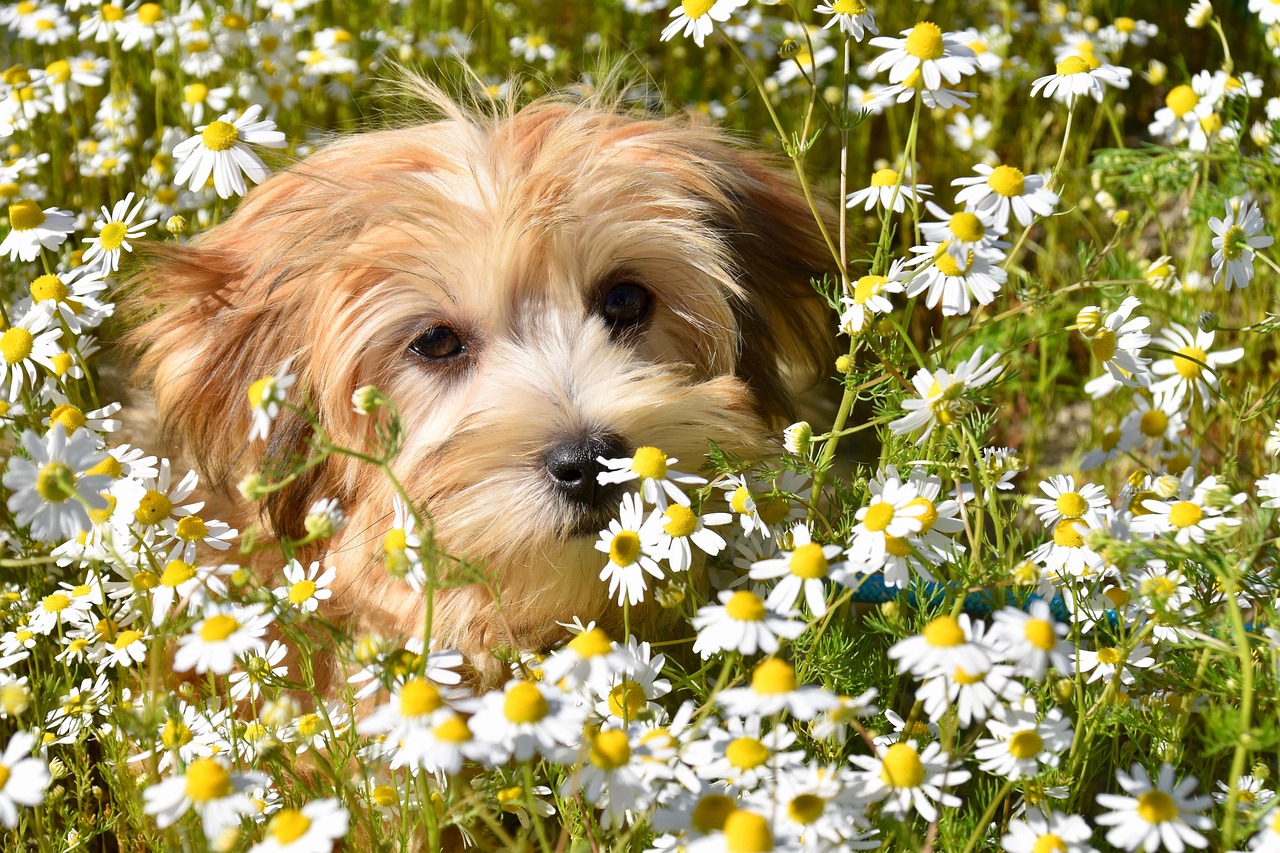
Some dogs love their humans. And then there are dogs who live for their humans. These are the shadow-followers, the bathroom-bodyguards, the “how-dare-you-take-the-trash-out-without-me” types who glue themselves to you with a devotion that is as heart-melting as it is intense. When they are suddenly left alone, their whole body can seem to protest: pacing, drooling, scratching, howling, even making themselves sick with stress.
This kind of reaction is not just “clinginess” or bad behavior. In many deeply attached breeds, separation can trigger very real physical symptoms: upset stomach, excessive salivation, frantic barking, destructive scratching at doors, or trembling. Not every individual dog will react this way, but some breeds are simply wired to bond so fiercely that being apart from their person feels almost unbearable. Let’s walk through twelve of the worst (or best, depending on how you look at it) culprits.
Labrador Retriever: The Happy Shadow With A Hidden Fragility
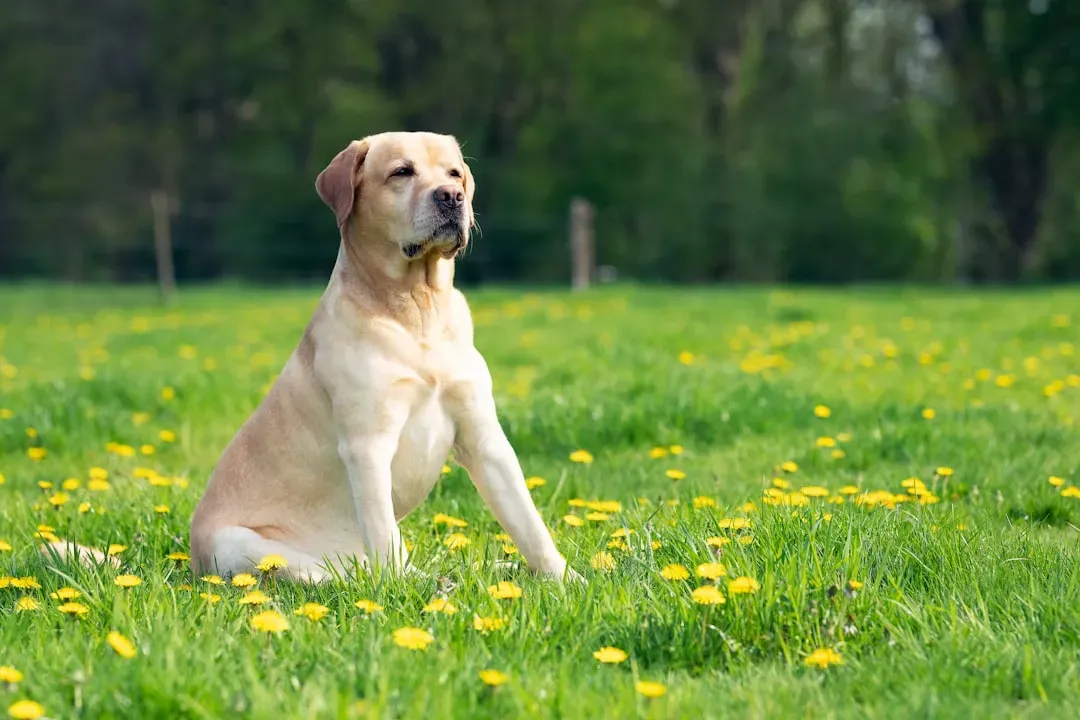
Labradors have a reputation for being laid-back goofballs, but emotionally they can be surprisingly fragile when it comes to their people. Many Labs follow their favorite human from room to room like a furry satellite, always checking in, always watching. Take that person away suddenly and some Labs react with pacing, barking at the door, heavy panting, or stress chewing that can leave furniture and door frames in ruins.
Because Labs are so food motivated and energetic, their distress can also show up in subtle physical ways: they may refuse meals when left alone, drool in puddles near exits, or exhaust themselves racing from window to window. I’ve seen otherwise bombproof family Labs scratch their noses bloody trying to push through a closed door to get back to their people. With this breed, that big smile often hides just how intensely they attach.
Golden Retriever: Velcro Sweethearts Prone To Heartache
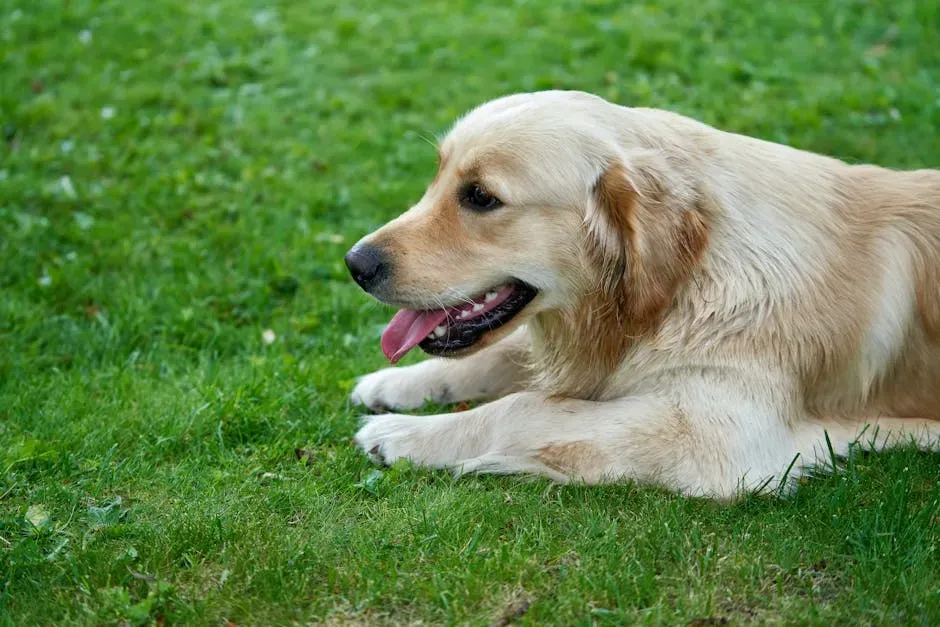
Goldens are often described as “people with fur,” and that feels about right. They read your moods, anticipate your routines, and thrive on being part of every moment, from Netflix on the couch to trips to the bathroom. When they are suddenly left alone, many Goldens do not just get bored; they seem emotionally gutted. Whining, pacing, lying by the door with a fixed stare, and stress yawning are common signs that their heart hurts a bit too much.
Physically, some Goldens under separation stress show gastrointestinal upset, like soft stools or even vomiting after particularly anxious episodes. Others pant heavily, drool, or lick themselves obsessively, to the point of creating hot spots. Their famously gentle nature can work against them here: instead of lashing out, they internalize their worry, and it leaks out through their bodies in a way that is hard to ignore once you know what you are seeing.
Border Collie: The Workaholic Who Makes You Their Full-Time Job
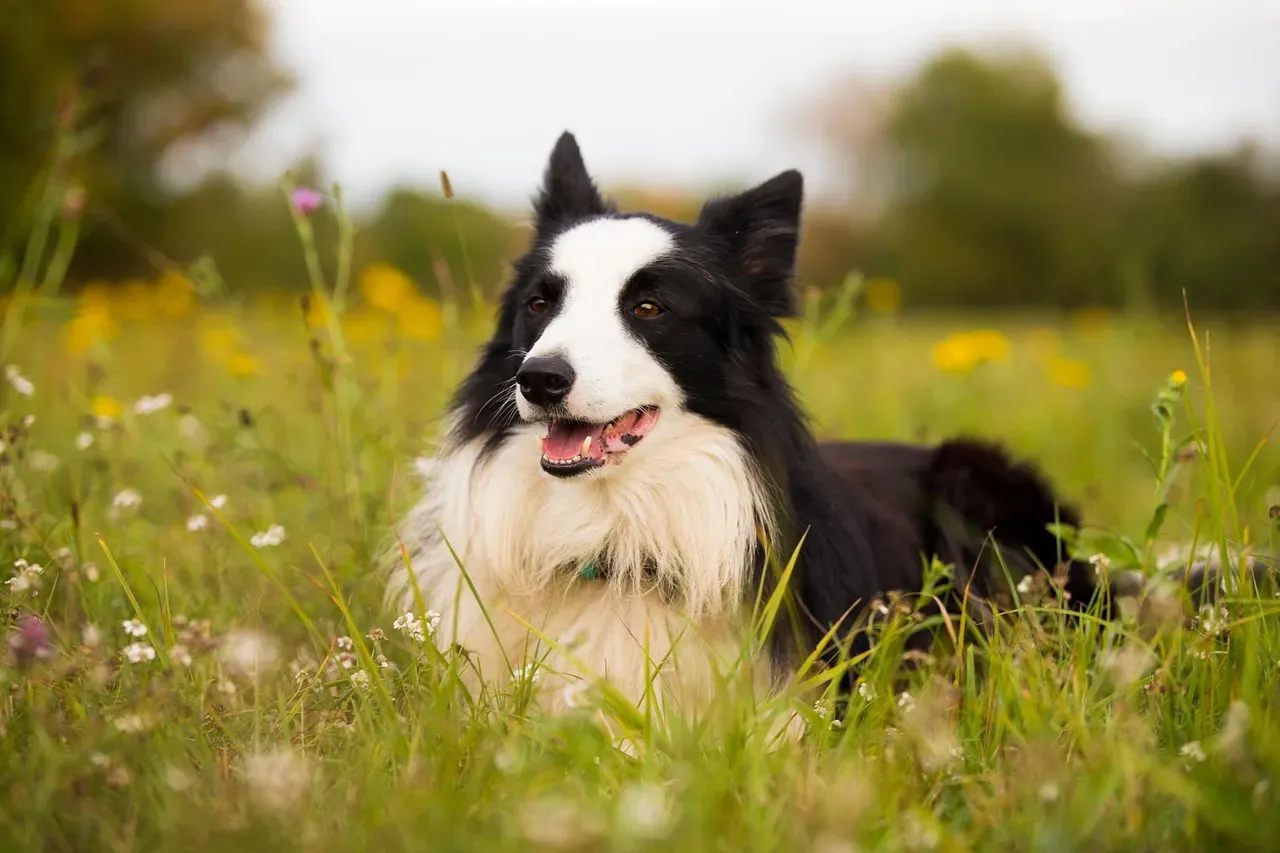
Border Collies are wired to focus on something all day, every day, and in many modern homes that “something” becomes you. They do not just bond; they fixate. A Border Collie that spends its waking hours tracking your movements, anticipating your next step, and reading your micro-expressions is building a level of emotional dependency that can crash hard when you walk out the door.
When separation hits, many Border Collies respond with almost frantic physical energy: nonstop pacing, spinning, whining, and clawing at doors or windows. Some develop compulsive behaviors like tail chasing or licking surfaces until their tongue gets sore. Their high intelligence means they quickly learn patterns, too, so the mere sight of your keys or shoes can trigger a cascade of anxious physical signs long before you even leave.
German Shepherd: Hyper-Loayl Guardians Who Take Absence Personally
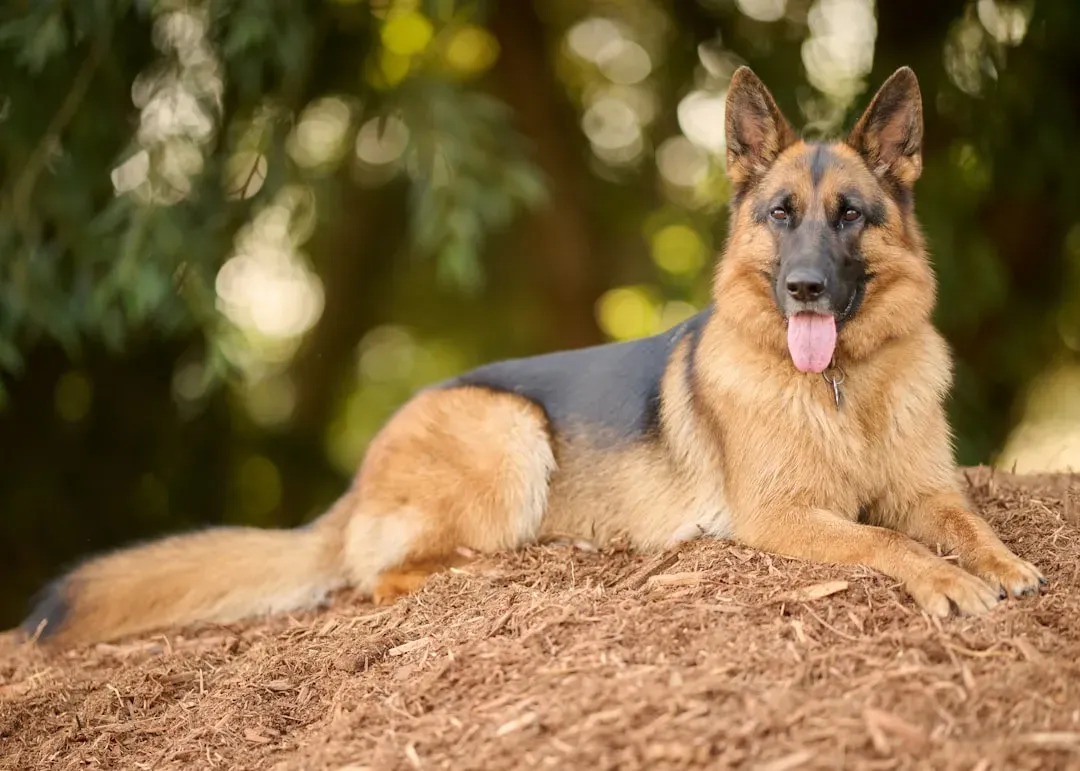
German Shepherds are famous for loyalty that borders on obsession. They are often happiest when they have a clear job: guarding the family, watching the house, staying near their chosen human like a bodyguard who never goes off-duty. When that person leaves, some Shepherds struggle to interpret it as anything other than a serious problem they cannot fix, and the stress hits their body as much as their mind.
You might see a Shepherd pacing routes like a patrol pattern, drooling, barking sharply at every noise, or scratching and biting at doors as if they are trying to break out to find you. Their stress can also show up through diarrhea, shedding clumps of hair, or trembling and whining when they suspect you are about to leave. With this breed, the line between love, duty, and anxiety can get very thin.
Cavalier King Charles Spaniel: Gentle Lapdogs With Surprisingly Intense Dependence

Cavaliers look delicate and easygoing, and in many ways they are. But centuries as companion dogs bred to sit beside royalty have programmed them to see human closeness as their primary purpose. Many Cavaliers are happiest draped over your legs, pressed to your side, or nestled under your arm, and they can become genuinely distressed when that contact stops for too long.
When left alone, some Cavaliers shake, whine, and scratch at doors until their paws redden. Others develop stress-related physical issues like upset stomach, reduced appetite, or over-grooming until bald spots appear. What makes it extra heartbreaking is how soft and gentle they usually are; watching such a tender little dog spiral into physical signs of anxiety from simple separation can feel like you have broken a promise you did not know you made.
Australian Shepherd: The Energetic Control Freak Who Needs Their Person
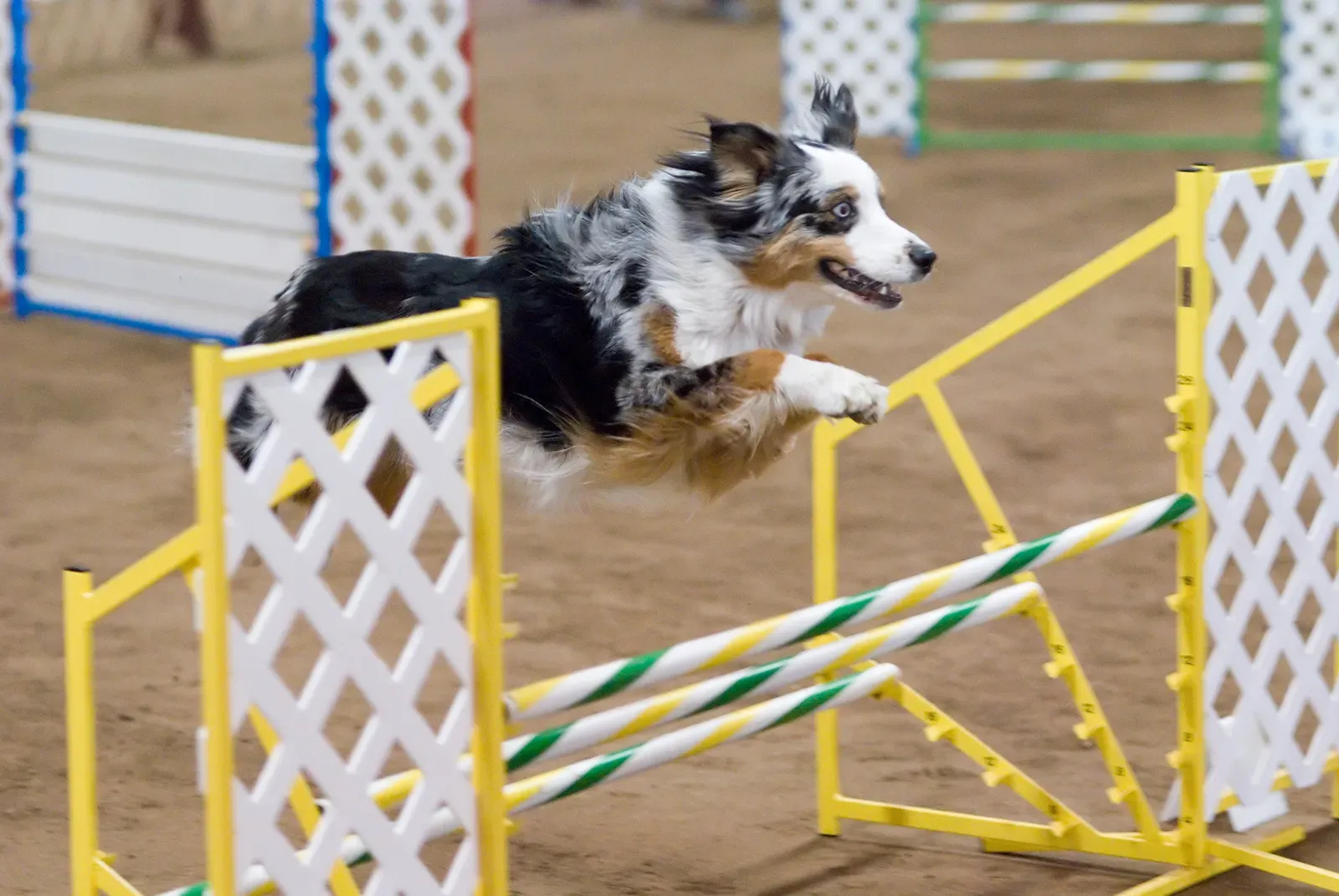
Australian Shepherds often bond fiercely with one or two key people and like to know where everyone is at all times. They are the self-appointed hall monitors of the dog world, counting kids, herding adults from room to room, and inserting themselves into the center of the family’s daily dance. When their main human disappears, the lack of control and purpose can flip straight into physical anxiety.
Anxious Aussies may pace endlessly, bark in sharp, repetitive bursts, or try to escape confinement so frantically that they bloody nails or scrape noses raw. Their high drive and intelligence also mean they burn through stress energy quickly, leading to heavy panting, drooling, or even muscle tremors. Many owners describe them as “unable to settle” when alone, as if their nervous systems are revved and stuck in overdrive.
Vizsla: The “Velcro Dog” Who Practically Lives Under Your Skin

Vizslas are often nicknamed “velcro dogs,” and it is no exaggeration. These lean, sensitive hunting dogs seem to want to merge with their humans: curled under blankets with you, leaning their entire body weight against your legs, following so closely you trip over them. This intense physical closeness fuels a deep emotional bond that can turn separation into a full-body experience of distress.
When their person leaves, many Vizslas vocalize loudly, scratch obsessively at doors, pace paths into the floor, or drool so much it soaks bedding. Some will refuse food until their human returns, or they may develop diarrhea after particularly stressful absences. They are sensitive souls in athletic bodies, and that combination means their feelings have a direct route into visible, often dramatic, physical symptoms.
Italian Greyhound: Delicate, Sensitive, And Easily Overwhelmed By Absence
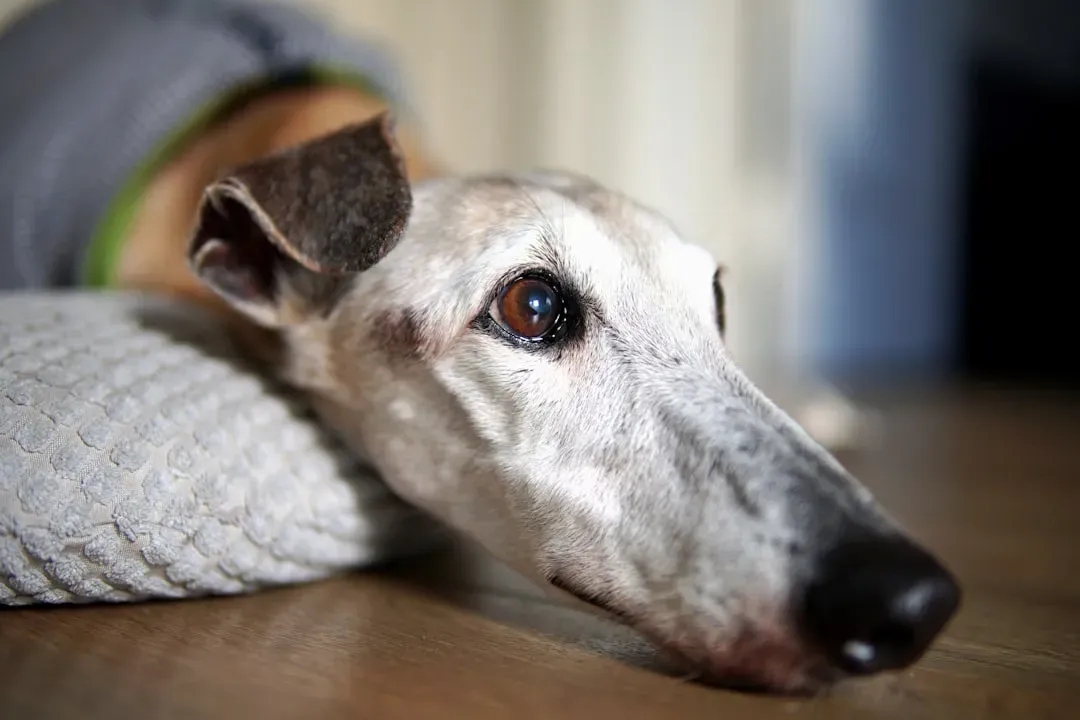
Italian Greyhounds are small, fine-boned, and intensely attached to their chosen people. They like to burrow into clothes, sleep under blankets, and press close to warm skin, often shivering a little even when they are not cold. That sensitivity does not stay at the surface level; emotionally, they can be easily rattled, and separation is one of the biggest stressors.
When left alone, a stressed Iggy may tremble, whine, circle restlessly, and scratch at doors or windows. Some lose interest in food, develop stress-related stomach upset, or lick and chew their own legs and feet. Their slight build and nervous energy can make the physical symptoms feel especially dramatic, as if their whole tiny body is amplifying the absence they are feeling.
Bichon Frise: Cheerful Companions Who Crumble Without Their Crowd
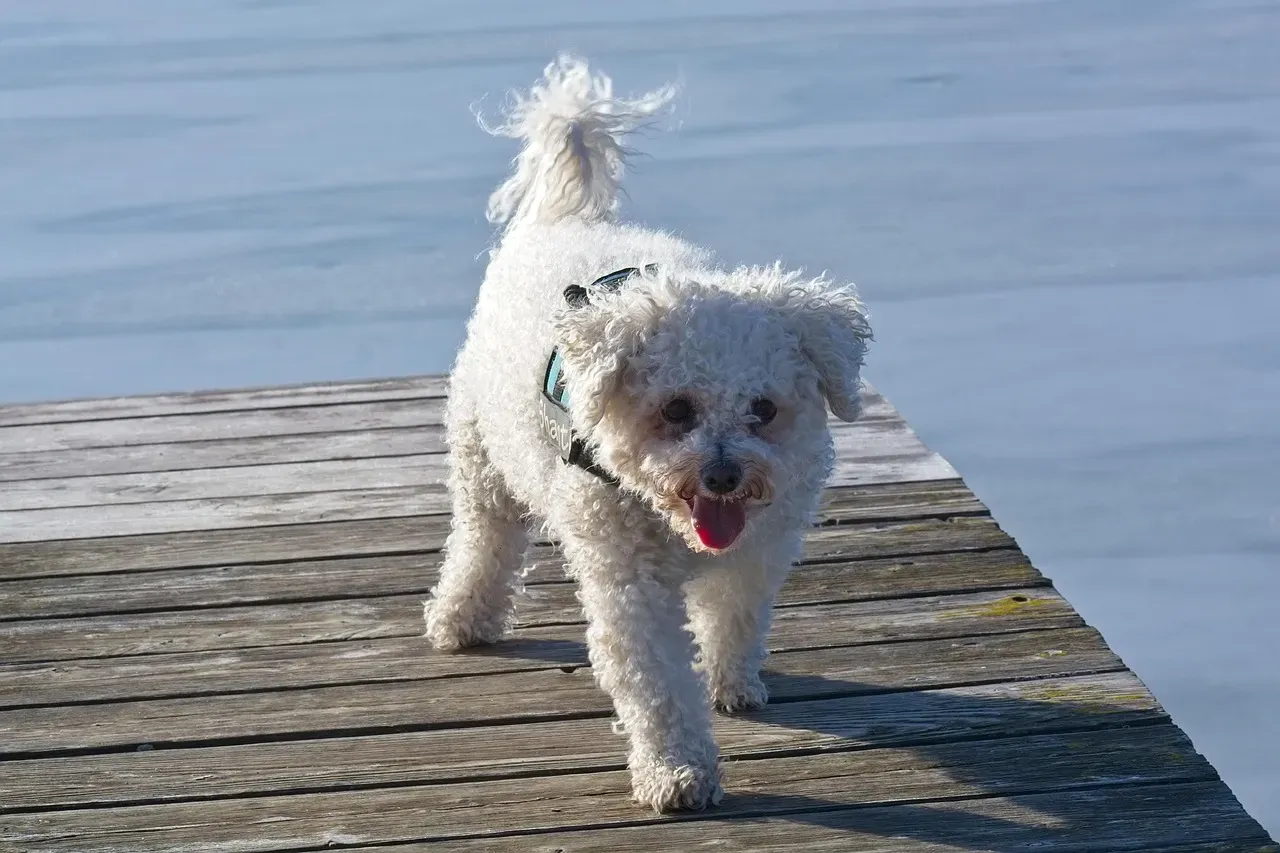
Bichons are typically bright, bouncy, and endlessly social. They were developed as companion dogs and circus performers, always “on” around people, soaking up attention like little white sponges. Because of that, they can come to depend heavily on the constant presence of their human family, and long periods of isolation can feel not just lonely but physically distressing.
A Bichon with separation issues might bark or whine nonstop, pace in circles or along doors, and scratch so persistently that the fur around their paws or nails becomes worn. Some are prone to stress-related bladder or bowel accidents, even if they are normally well trained. Others may lick or chew their fur until skin irritation appears, a quiet but clear sign that their body is carrying their emotional overload.
Doberman Pinscher: Intense One-Person Dogs That Take Separation Hard
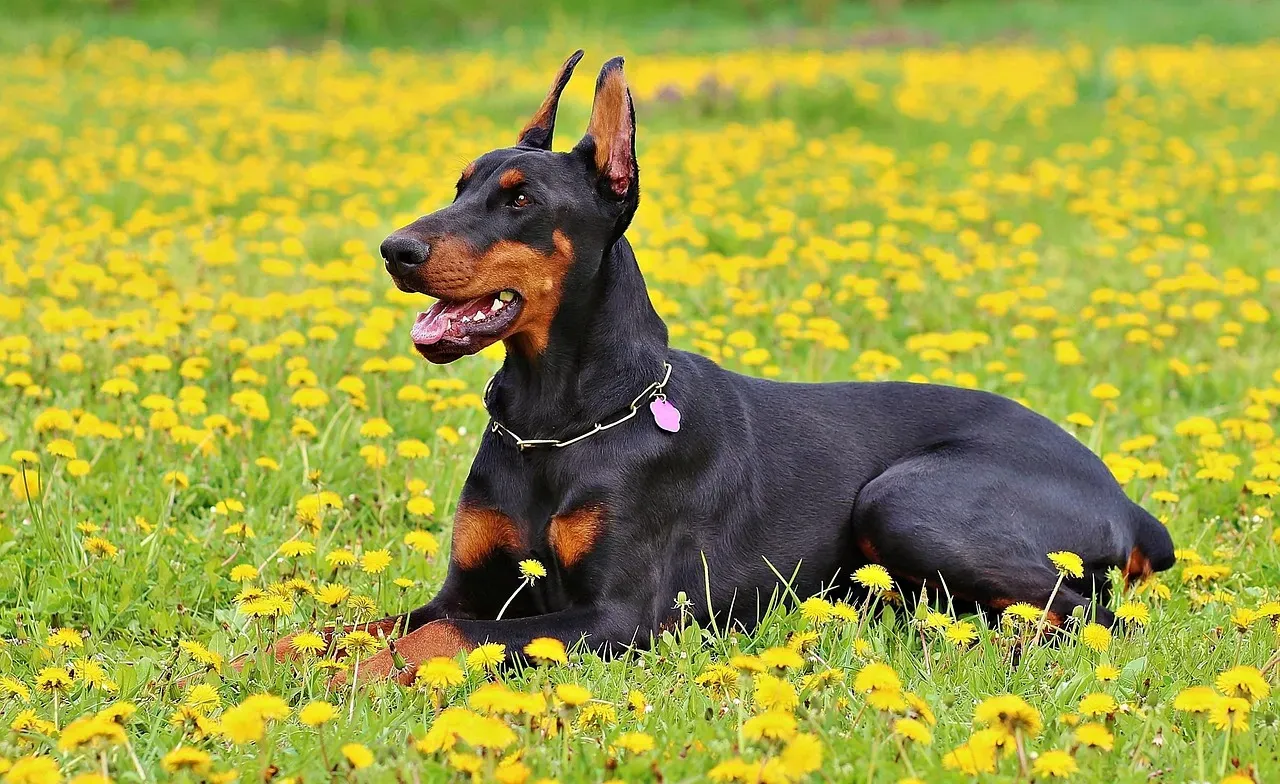
Dobermans are often described as “velcro” dogs in big, powerful packages. Many tend to latch onto one central person in the household and orient almost every decision around that individual’s presence and approval. When that person leaves, it can feel to the Doberman as if their anchor has been pulled up without warning, and some dogs show it with surprisingly vulnerable physical reactions.
Common signs include heavy drooling, panting, pacing, and frantic attempts to escape a crate or room, sometimes leaving scrapes on noses or worn nails. Some Dobermans develop stress colitis, leading to loose or bloody stools after anxious separations. Their confident exterior can hide a core of deep sensitivity, so what looks like a tough guardian on the outside may actually be a dog that feels your absence in their gut.
French Bulldog: Clownish Charmers Who Hate Being Left Out
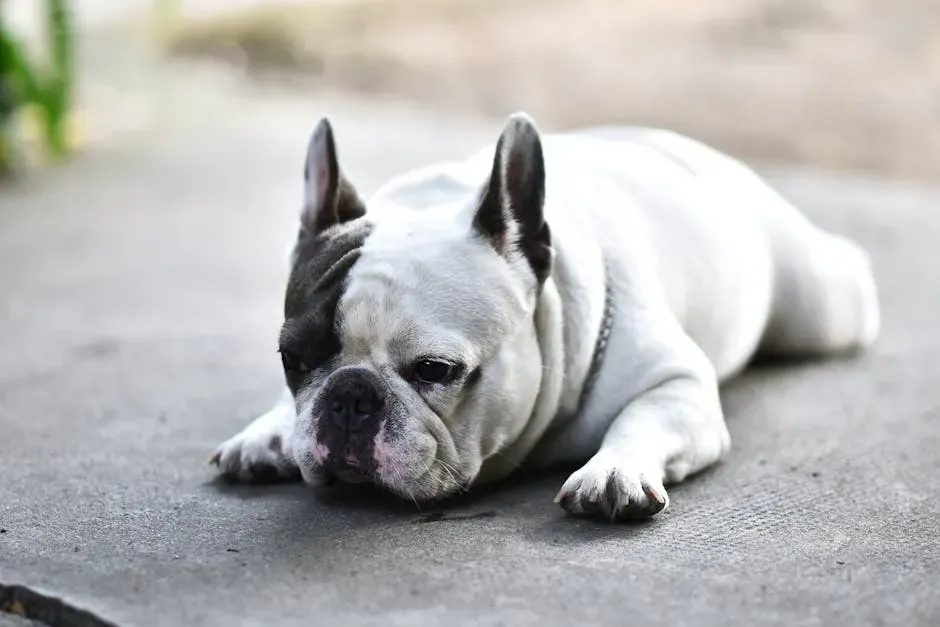
French Bulldogs act like goofy little extroverts, happiest when they are smack in the middle of the action, snoring on your lap or wedged under your arm. They are people-focused to a sometimes comical degree, often preferring human company over other dogs. That dependency can quickly turn from funny to worrying when you start noticing how their body reacts to being left on their own.
An anxious Frenchie may scratch at doors, bark or howl in surprisingly loud bursts for such a small dog, and pant heavily even in a comfortable temperature. Some are known to drool excessively or have stress-related digestive issues, like gassiness and soft stools after an upsetting alone period. They may look like stocky little comedians, but underneath the snorts and wiggles there is often a dog who struggles mightily when cut off from their favorite people.
Havanese: Social Butterflies Who Physically Sag When Alone
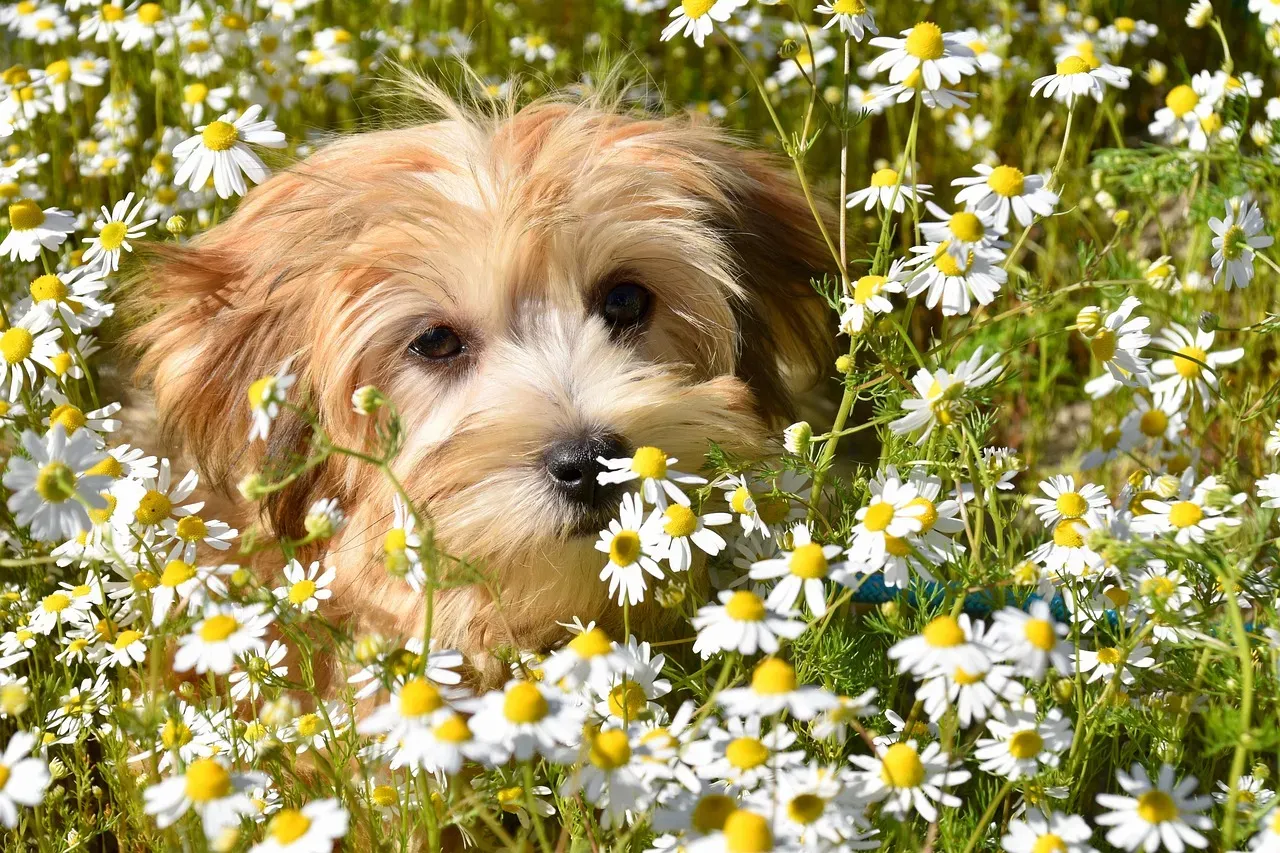
Havanese dogs are built for human company. They were bred as lapdogs and companions, and most of them still seem to believe their job description is “full-time best friend.” They often follow footsteps, settle near you during any task, and perk up at the slightest hint that you might engage with them. When that constant social flow is suddenly shut off, some Havanese respond like a flower left without water.
You may see a normally bouncy Havanese go flat, lying near the door or window, barely moving except to get up and pace or whine. Others respond with physical stress signals like licking their paws, scratching at doors, or having accidents despite being fully house trained. Their whole posture tells the story: drooped tail, less sparkle in the eyes, and a clear physical slump that slowly lifts the moment their person walks back through the door.
How To Love These Breeds Without Breaking Their Hearts (Or Bodies)
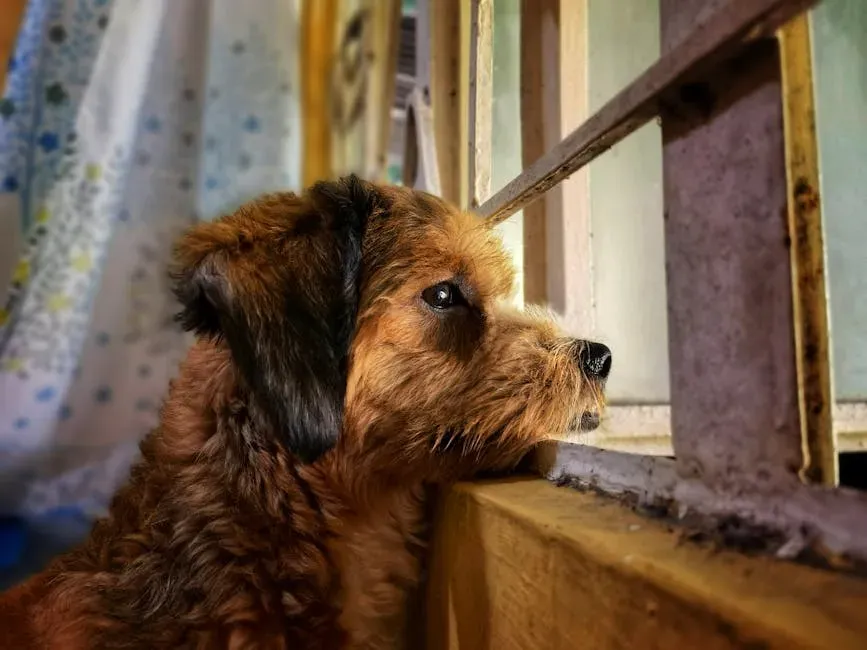
Looking at this list, it is easy to feel guilty if you have one of these breeds and a normal life that requires you to leave the house. But the point is not to demonize devotion; it is to recognize that intense bonding comes with real vulnerability. These dogs are not being dramatic or stubborn when they drool, shake, or chew under stress. Their bodies are simply echoing the depth of their connection to you, sometimes in ways they cannot control.
In my view, we owe them a balance: plenty of closeness, yes, but also gentle training to tolerate and even relax during alone time. That means gradual departures, enrichment toys, exercise, and, when needed, professional help rather than punishment or blame. If anything, the physical symptoms they show when separated are proof of just how deeply they feel. The real question is not whether these breeds bond too much, but whether we are willing to meet that devotion with thoughtful, compassionate boundaries. Would you have guessed that love could look this intense when it walks on four legs?


