
Dogs are masters at pretending everything is fine. Instinct tells them to hide weakness, so even when they are hurting, they often stay quiet and push through it. That means the dog happily wagging beside you on the couch could be silently battling aching joints, a bad tooth, or a brewing infection.
Once you realize that, you never quite look at your dog the same way again. You start noticing the tiny hesitations, the odd little twitches, the way they suddenly sleep in a different spot. Those are not random quirks; they can be your dog’s subtle language for “something hurts.” Let’s walk through the quiet signs that deserve your full attention.
1. Sudden Changes in Body Posture or Movement
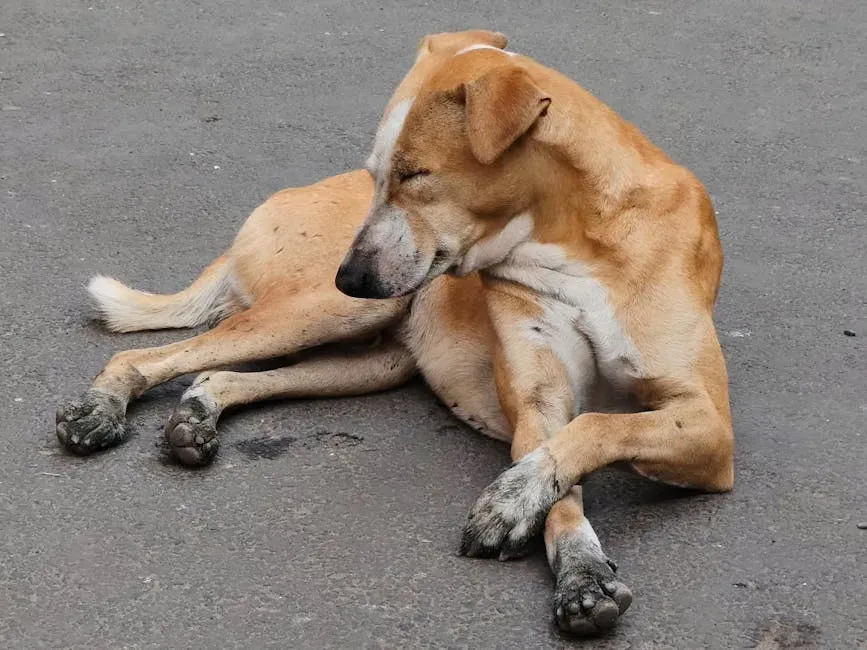
Have you ever seen your dog pause halfway when jumping on the couch, or suddenly take the stairs more slowly? That hesitation can be a silent red flag. Dogs in pain may move with a stiffness that was not there before, arch their back slightly, keep their tail lower than usual, or shift their weight away from a sore leg without making a single sound.
You might also notice they no longer stretch fully in the morning, or they sit in a strange, guarded way, almost like they are afraid of bumping something. A dog that used to sprawl out may suddenly curl tightly to protect a painful area. It is easy to brush this off as “just getting older,” but age itself is not the cause; pain is. Anytime posture changes out of the blue, especially if it stays that way for more than a day or two, it is worth a vet check.
2. Reluctance to Do Things They Used to Love
One of the clearest silent alarms: your dog quietly quits on their favorite activities. Maybe your fetch-obsessed dog now watches the ball roll away instead of sprinting after it. Maybe your usual evening walk route suddenly feels “too far,” and they lag behind or stop to rest more often. They are not being lazy or stubborn; they might be trying to protect themselves from making the pain worse.
This change can sneak up on you because it often starts subtly. First they jump in the car a bit slower. Then they avoid chasing other dogs at the park. Soon, they would rather nap than bounce to the door when you grab the leash. When a dog starts opting out of things that used to light them up, especially physical ones, assume discomfort first and discipline last. Pain drains motivation; it does not always scream, it simply makes your dog quietly withdraw.
3. Unusual Licking, Chewing, or Grooming One Spot
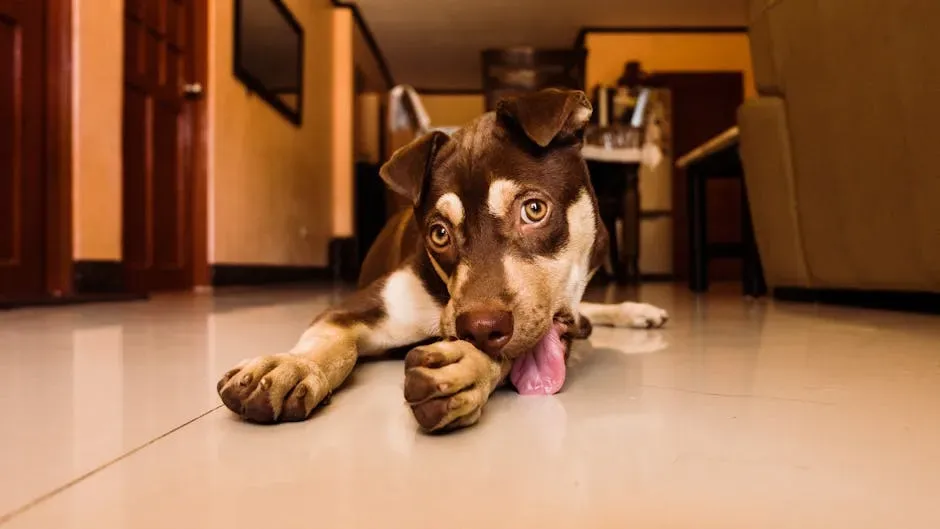
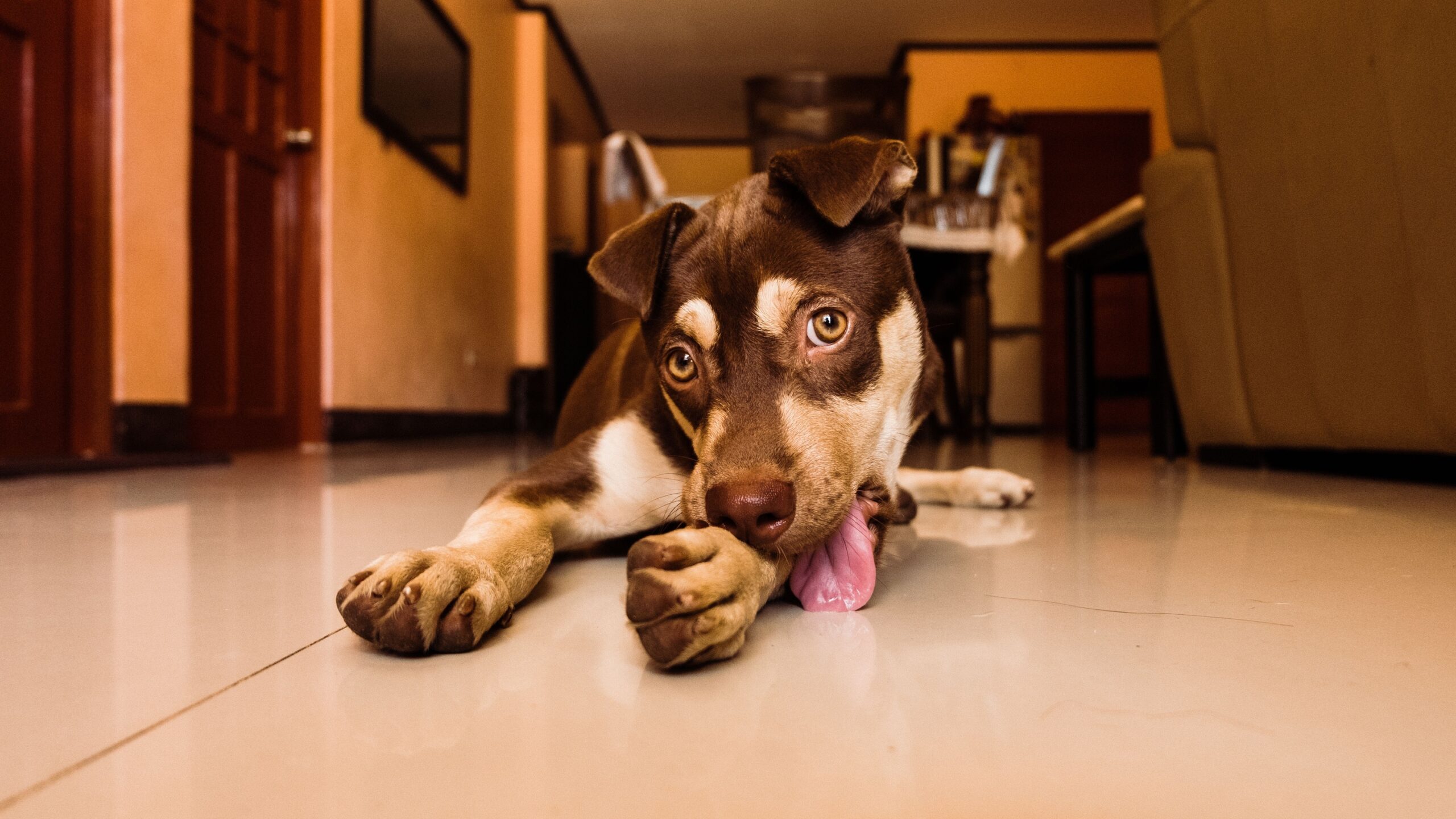
Dogs often “talk” with their tongue when something hurts. Constantly licking or nibbling one paw, a joint, or a patch of skin can be their way of trying to soothe irritation or pain. I once had a dog who kept licking her front leg; I thought it was a minor habit, until the vet found a small thorn embedded deep in the pad. She never limped, never cried – just licked.
Sometimes the source is obvious, like a cut, rash, or hot spot. Other times, repeated licking over a hip, knee, or elbow points to joint pain or arthritis under the surface. Dogs may even chew fur off an area, leaving it pink and bare. If your dog is suddenly obsessed with grooming one spot, especially if the skin there starts to look wet, stained, or irritated, that is not just “being picky.” It is a quiet flare that something underneath needs attention.
4. Changes in Appetite, Drinking, or Eating Style
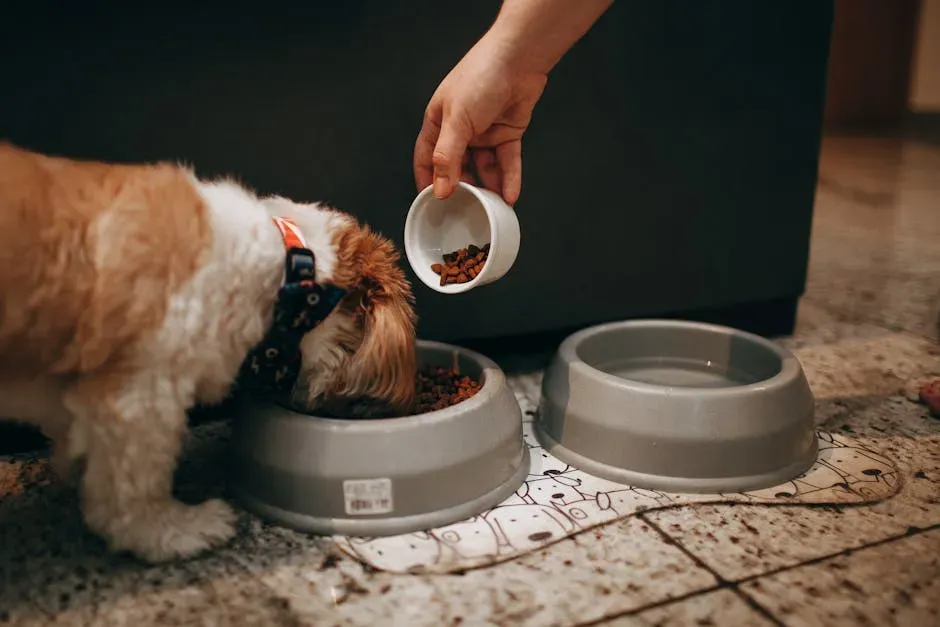
Pain does not always show up in how a dog walks; sometimes it shows up in how they eat. Dogs in pain may lose their appetite, eat more slowly, or suddenly become fussy with food they normally inhale. Dental pain is a big one here: a dog with a sore tooth or inflamed gums might drop kibble from their mouth, chew on one side only, or avoid harder treats they used to crush happily.
Internal pain – like stomach discomfort, pancreatitis, or other organ issues – can also quietly shrink their appetite or make them seem nauseous, licking their lips or swallowing more often. On the flip side, some dogs drink noticeably more or less when they are hurting or feeling unwell. Any rapid change in how, how much, or how eagerly your dog eats and drinks is a soft-spoken but serious message that their body is not okay.
5. Shifts in Personality or Mood Out of Nowhere
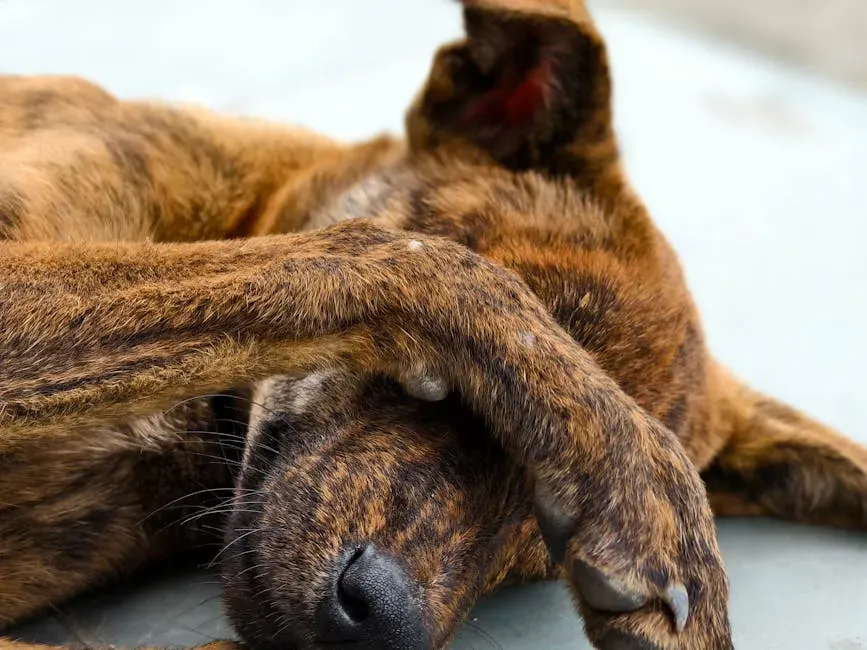
One of the most heartbreaking signs is when pain starts to change who your dog seems to be. A normally cheerful, social dog might become withdrawn, grumpy, or clingy. They may no longer rush to greet family members, or they might hide in another room when guests arrive. It is not that they have suddenly become “moody” for no reason – living with constant discomfort wears on them, just like it would on you.
Look for patterns: the dog that used to be bombproof with kids now flinches away from hugs; the easygoing dog suddenly growls when another dog bumps into them; the independent dog now insists on being pressed against you all night. Pain often makes the world feel more threatening and tiring. When personality shifts appear without a clear environmental cause, you are not dealing with a “bad dog.” You are probably looking at a dog who is silently hurting.
6. Avoiding Touch or Reacting to Being Handled
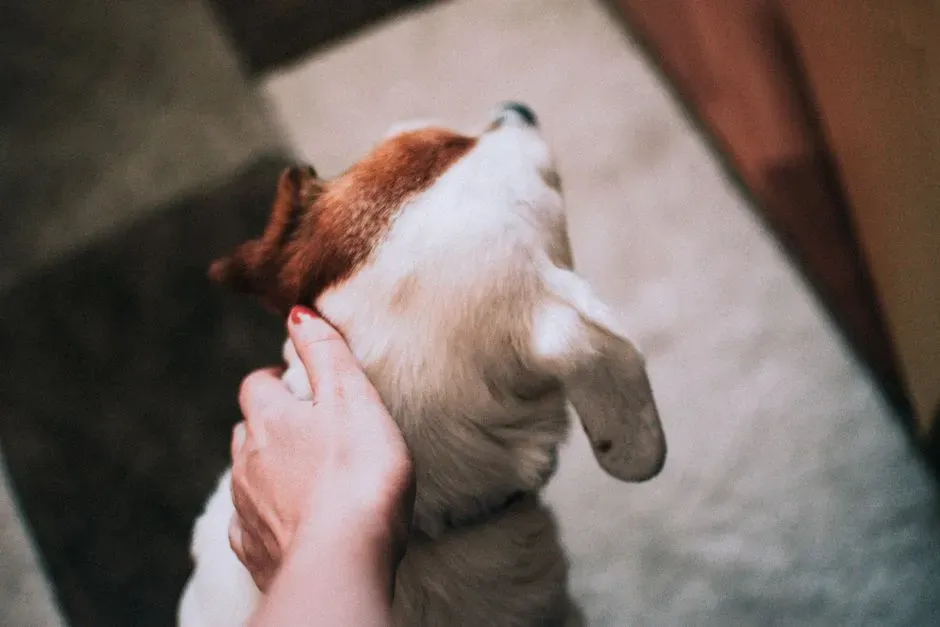
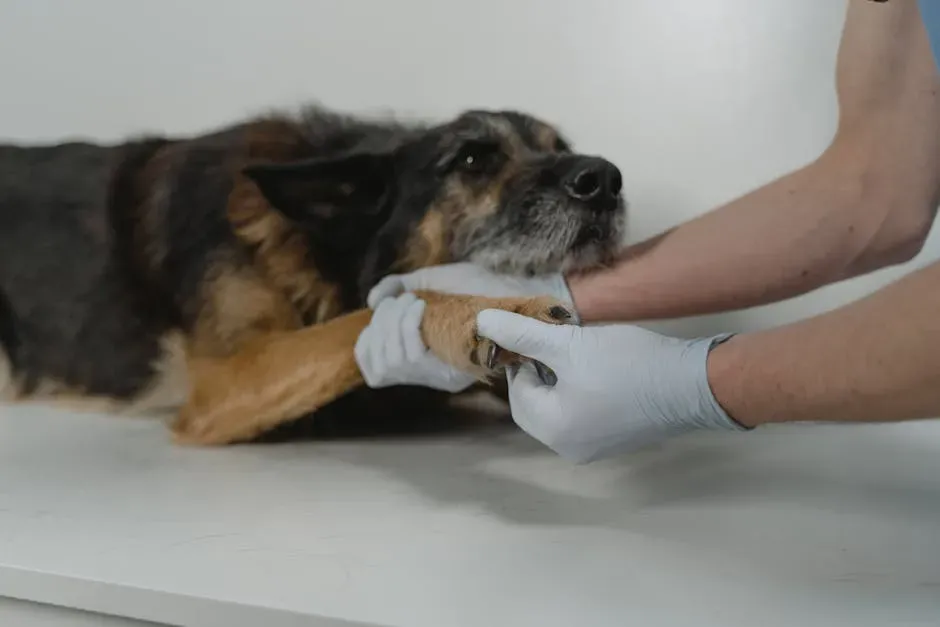
If your dog suddenly acts like your hands are suspicious, pay attention. Many dogs in pain become sensitive about being picked up, brushed, petted in specific areas, or even having their collar clipped. They might subtly flinch, tense their muscles, pull away, or give you a warning look when your fingers get near the sore spot. Some will lick your hand or their own body right after you touch that area, as if to say, “Please don’t do that again.”
As the pain gets worse, the reaction can escalate. A dog that never growled in their life may snap or show teeth when someone accidentally presses on a painful joint or old injury. People often feel guilty or shocked when this happens, but from the dog’s perspective, they are simply trying to protect themselves. If a once-tolerant dog starts avoiding touch, especially in a consistent region of their body, take that seriously. That is not rudeness; it is self-defense.
7. Restlessness, Pacing, or Difficulty Getting Comfortable
Think about the last time you had bad back pain and just could not find a comfortable position – your dog goes through the same thing. A painful dog might circle more before lying down, get up again almost immediately, switch positions constantly, or move beds and spots throughout the night. They may seem tired but unable to settle, pacing from room to room or lying down with a heavy sigh, only to get back up again a minute later.
This can be especially obvious at night, when the house is quiet and there are fewer distractions. Some dogs stand and stare at nothing, pant when the room is not warm, or sleep sitting up instead of fully stretching out. If your dog used to flop onto their favorite bed and snore within seconds but now looks like they are wrestling with an invisible enemy every time they try to rest, pain is a very real possibility.
8. Changes in Breathing, Facial Expression, or Eyes
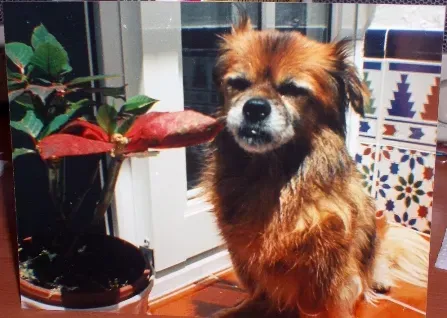
Pain sometimes whispers through your dog’s face and breathing. You might notice tightness around the eyes, a furrowed brow, or a more tense, “worried” expression. Some dogs squint or hold one eye partly closed if there is eye pain or a headache-type discomfort. Others may keep their mouth partly closed instead of their usual relaxed, open-mouth “smile.” These tiny differences are easy to miss if you are not looking for them.
Breathing can also change when a dog hurts, even if they are not overheated or exercising. Faster, shallow breaths, unusual panting at rest, or breathing that seems more labored can all be subtle signs of distress. You might hear small grunts as they move or lie down, or see them hold their breath when they jump or climb. None of these automatically prove pain, but when they appear alongside other signs – like stiffness, withdrawal, or appetite changes – they paint a pretty clear picture that your dog is struggling internally.
9. House-Training Accidents or Changes in Daily Routines
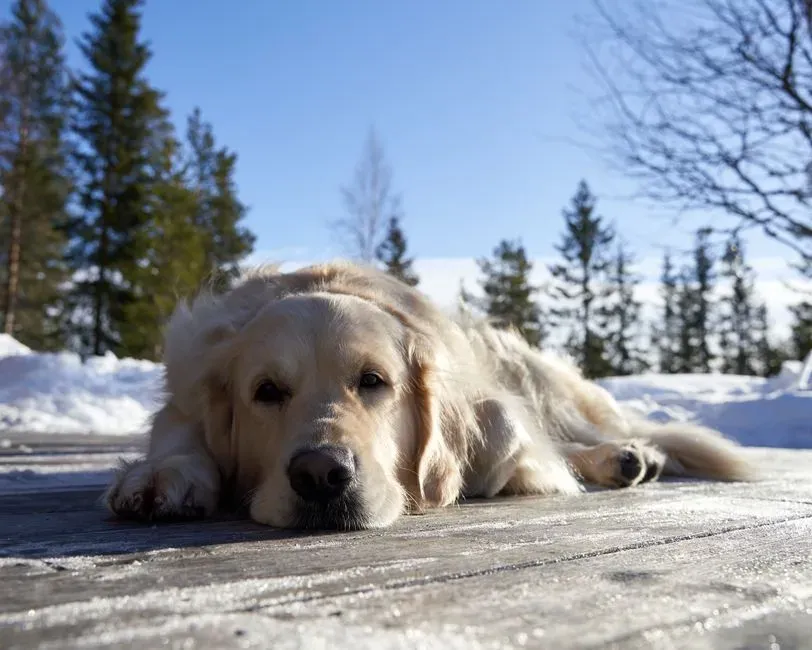
When a fully house-trained dog starts having “mysterious” accidents, pain or illness should be high on the list of suspects. A dog with joint pain may find it hard to squat or lift a leg, so they delay going outside until they can’t hold it anymore. Others might dread using stairs or stepping down a porch, so they wait too long and end up peeing or pooping indoors. It is rarely spite; it is usually discomfort meeting poor timing.
Beyond accidents, pay attention to changes in their daily patterns. Maybe they sleep far more than usual, or suddenly wake you up at odd hours. Maybe they stop jumping on the bed, avoid certain rooms, or no longer want to use the dog door. Routine is a dog’s comfort zone, so when they quietly rewrite their own schedule, something is pushing them to adapt. Often, that “something” is physical pain they have no other way to describe.
Conclusion: Your Dog Should Not Have to Suffer in Silence
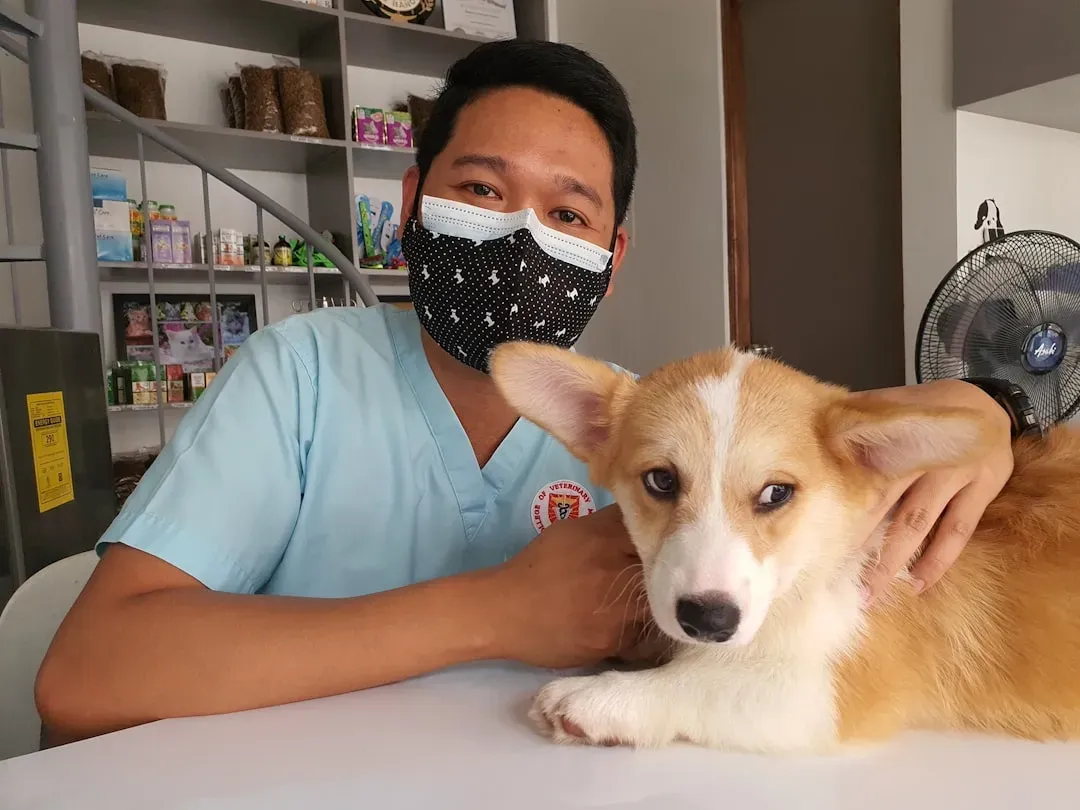
There is a tough truth hiding behind all of this: if your dog is showing any of these quiet signs, the pain has probably been around for longer than you think. Because they try so hard to be brave and normal, by the time we finally notice, they have already been coping for days, weeks, or even months. That is exactly why I believe waiting to “see if it goes away” is one of the most dangerous habits we fall into as dog owners.
Trust your gut. If something in your dog’s movement, mood, or habits feels off, you are not being dramatic by calling your vet – you are being their voice. Modern vet medicine has so many tools to manage pain, from better diagnostics to safer medications and supportive therapies, that there is no honor in forcing a dog to simply endure. The real kindness is refusing to accept silent suffering as “just getting old.” Now that you know what to look for, what quiet signals is your dog sending you today?


