

Most people know that dogs feel joy. The tail-wagging, full-body wiggling, and joyful leaps at the door when you come home are all pretty hard to miss. What gets far less attention, though, is the other end of that emotional spectrum. Dogs can also feel sadness, and for some breeds, a life without structure and predictability doesn’t just feel uncomfortable. It can quietly unravel their entire sense of well-being.
Just like humans, dogs can experience emotional changes, including depression. While all dogs may become sad due to life events like moving or losing a companion, certain breeds are more susceptible due to their temperament, social nature, and intelligence. Their moods are deeply tied to routine, environment, and social connection, which means even small disruptions can have a significant impact. If you own one of the breeds below, understanding their emotional needs might be the most important thing you do for them.
#1. Border Collie
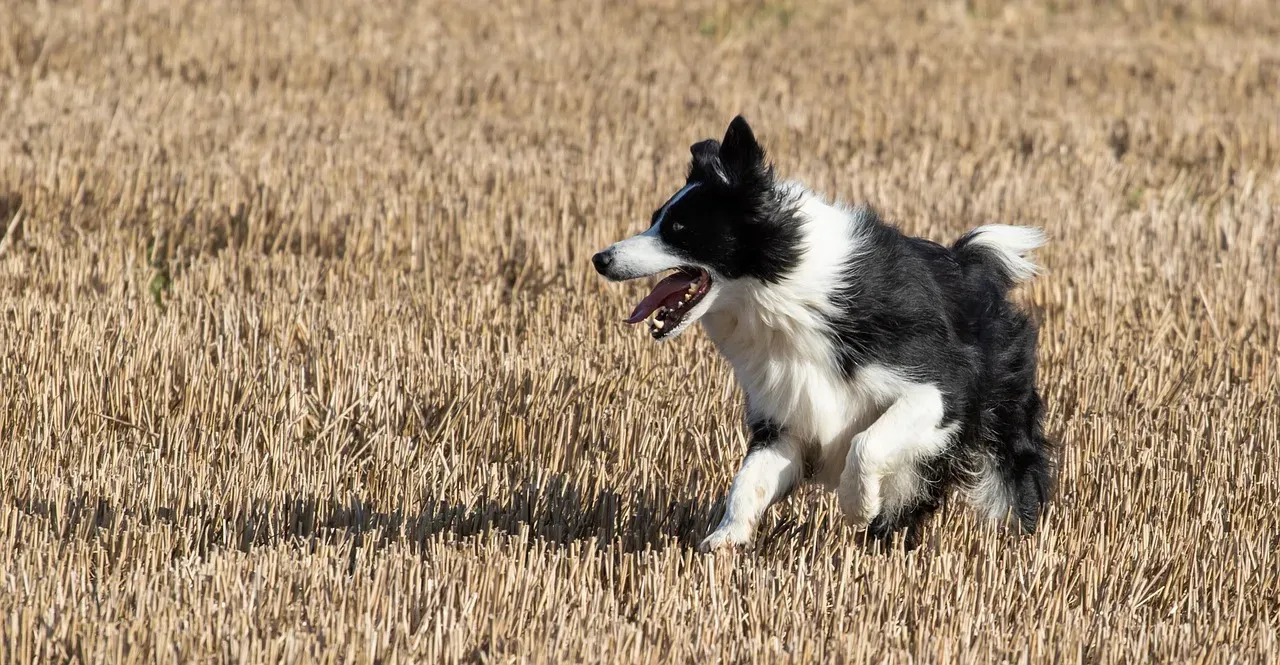
Border Collies are working dogs that are highly intelligent and high energy. They can perform amazing tricks and are highly trainable dogs. They can get bored easily and may indulge in destructive behaviors like ripping apart the pillowcases. What many owners don’t realize is that this destructiveness isn’t mischief. It’s often a cry for structure.
Border Collies are often cited as the smartest dog breed. While this helps them learn cues and tricks quickly, their big brain and high energy level also make Border Collies a dog breed prone to anxiety. Border Collies need at least one to two hours of exercise every day. Without a reliable daily routine that satisfies both their mind and body, they’re essentially stuck with nowhere to put that relentless mental energy, and the emotional toll builds fast.
#2. Labrador Retriever
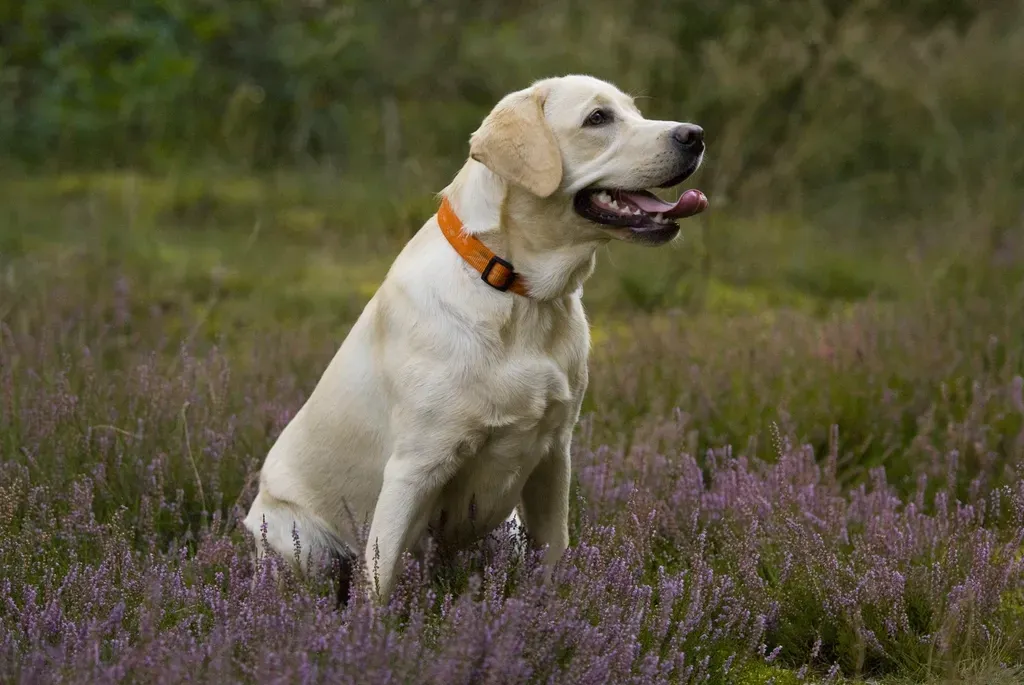
Labrador Retrievers are friendly and people-oriented, and Labs may become depressed if left alone for long periods or suffer a disruption in their routine. It’s a surprising thing to hear about one of the world’s most popular family dogs, but their outgoing nature is precisely what makes them so vulnerable. The more social a dog is, the more it relies on that social contact staying consistent.
They’re one of the most popular breeds in all of America, but Labs are not above a spot of the blues. Much of the time, it’s because they’re feeling neglected. Sensitive and highly energetic, they need a lot of socialization and a lot of exercise to feel tip top. A Lab that’s regularly left alone in a quiet house, with no walks, no play, and no company, can become a noticeably different dog over time. The spark dims gradually, which is exactly what makes it so easy to miss.
#3. Vizsla

Cheerful and energetic Vizslas love spending time with loved ones. They’re often called “Velcro dogs” because of how closely attached they are to the people they love. Because of this, separation anxiety is a common problem for Vizslas. Their need for human closeness isn’t a quirk. It’s a fundamental part of who they are as a breed, bred for centuries to work side by side with their handlers.
Sometimes called “Velcro dogs” for their strong attachment to owners, Vizslas can develop separation anxiety and depression when left alone too often. Because Vizslas require constant companionship, they’re not ideal for owners who are often away from home or unable to provide consistent attention. Routine isn’t just about walk times for this breed. It’s about knowing their person will show up, reliably and regularly, as part of the rhythm of the day.
#4. German Shepherd
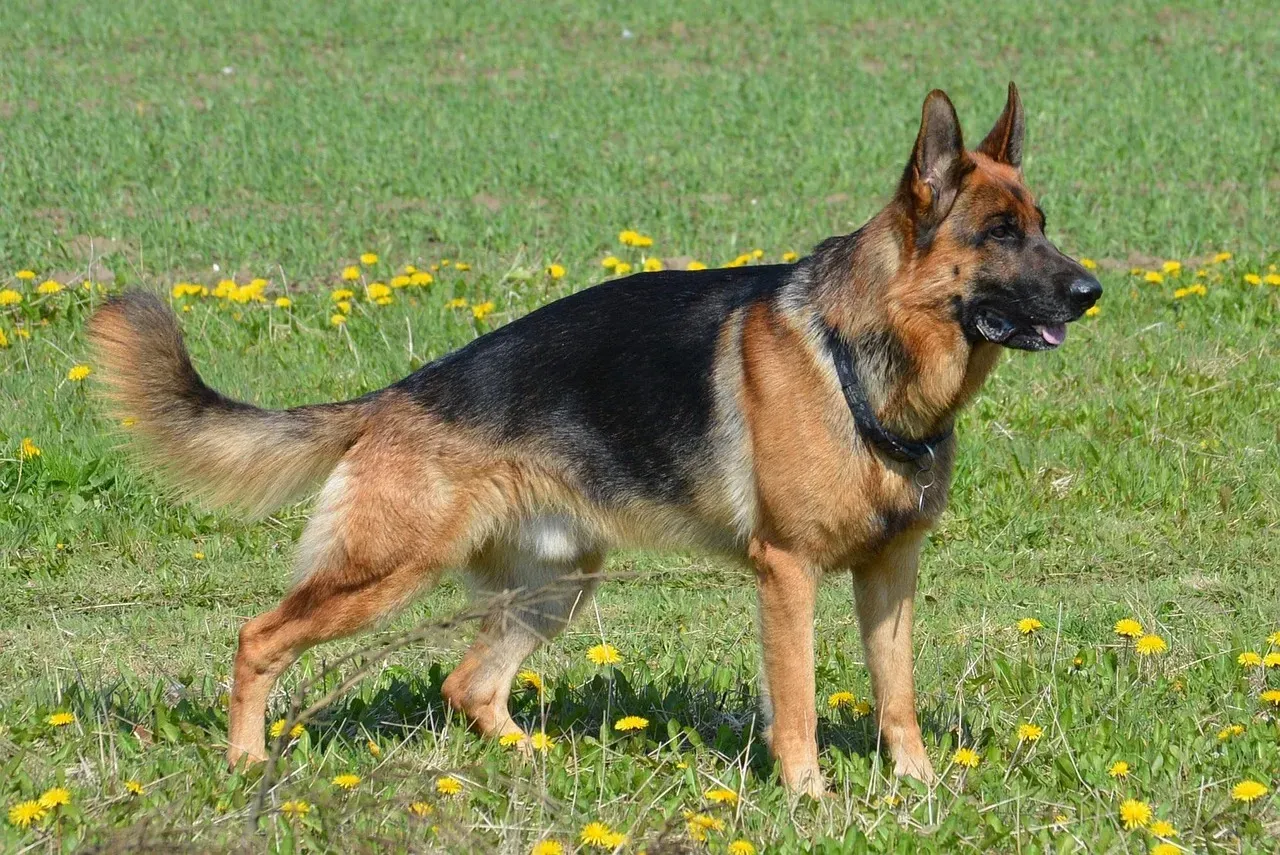
German Shepherds are loyal to their family and sensitive to changes, and these dogs are vulnerable to depression in response to stress or grief. This might seem unexpected for a breed associated with police work and authority, but that very drive and loyalty creates a deep emotional dependency on predictable structure. A German Shepherd without a clear sense of purpose and routine can begin to unravel in ways their owners don’t always recognize.
German Shepherds are herding dogs that enjoy leading and directing others. They are obedient, trainable, and intelligent dogs. Prolonged separation times and lack of adequate physical activity can cause anxiety in German Shepherds. To prevent anxiety, they require people or other dogs around them to stay engaged. When their structured world is pulled out from under them, whether by a move, a change in schedule, or a loss of companionship, they can shift from confident to withdrawn in a matter of weeks.
#5. Cocker Spaniel

Known for their gentle nature, Cocker Spaniels can become emotionally affected by household tension or lack of attention. They’re emotionally porous in a way that’s both their greatest gift and their greatest liability. A calm, affectionate household with steady rhythms suits them perfectly. Chaos or inconsistency, on the other hand, registers deeply.
Like many of the dogs on this list, Cocker Spaniels don’t like being left alone. When it comes to developing unreasonable attachment issues, they’re one of the likeliest candidates to do so. Like any dog, it’s best to institute a routine early on, and keep this routine consistent. Their emotional wellbeing genuinely depends on the predictability of their daily environment, and a sudden shift in that environment can tip them into visible distress relatively quickly.
#6. Poodle
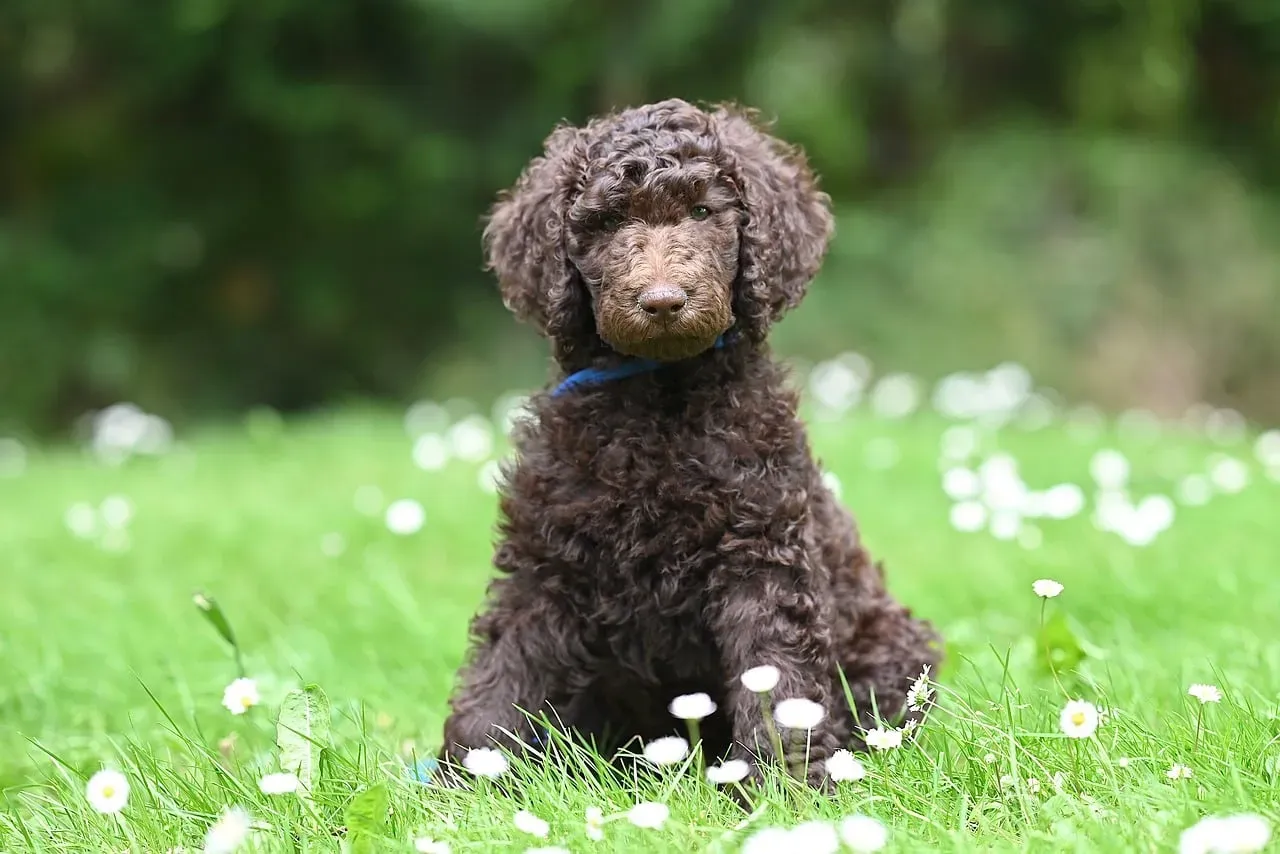
With their high intelligence and sensitivity, Poodles may show signs of mood disturbances in mentally unstimulating or emotionally unstable environments. Poodles are often seen as decorative, elegant, and perhaps a little aloof. In reality, they’re one of the most emotionally tuned-in breeds in existence, and that sensitivity works both for and against them depending on the household they live in.
Toy Poodles may develop separation anxiety when left alone for long periods. If they’re bored, they’re likely to bark, jump, and be destructive. Toy Poodles are also very sensitive to new environments and changes in their routine, which may contribute to stress-related gastrointestinal upset. For a dog this smart, mental stimulation isn’t optional. It’s emotional nourishment. Without it, a Poodle’s intelligence has nowhere to go, and that internal pressure has a way of eventually showing up as sadness.
#7. Cavalier King Charles Spaniel
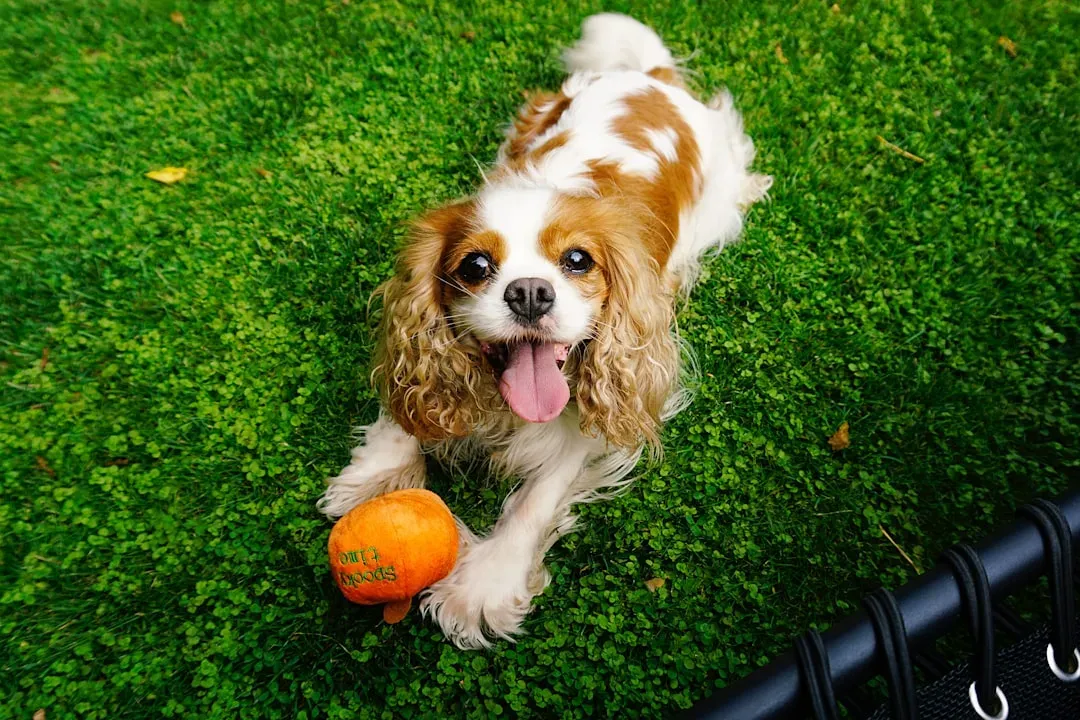
PDSA says that Cavaliers are kind, gentle, and loyal dogs, which contributes to their popularity. However, they require constant companionship, as they can become very distressed when left alone. The Cavalier was literally bred to be a companion, and that’s not just a fun historical note. It means their entire emotional architecture is built around closeness with humans. Solitude and unpredictability hit them harder than most.
Cavalier King Charles Spaniels notice what others miss, including pauses in routines, quieter footsteps, or longer hours spent in bed. They often respond by gently closing the distance without demanding engagement. Their quiet companionship becomes a steady anchor during low moments. That same awareness means they’re also highly sensitive to when that routine slips. A household with irregular hours, inconsistent feeding times, and little quality interaction can leave a Cavalier genuinely and visibly deflated.
#8. Siberian Husky
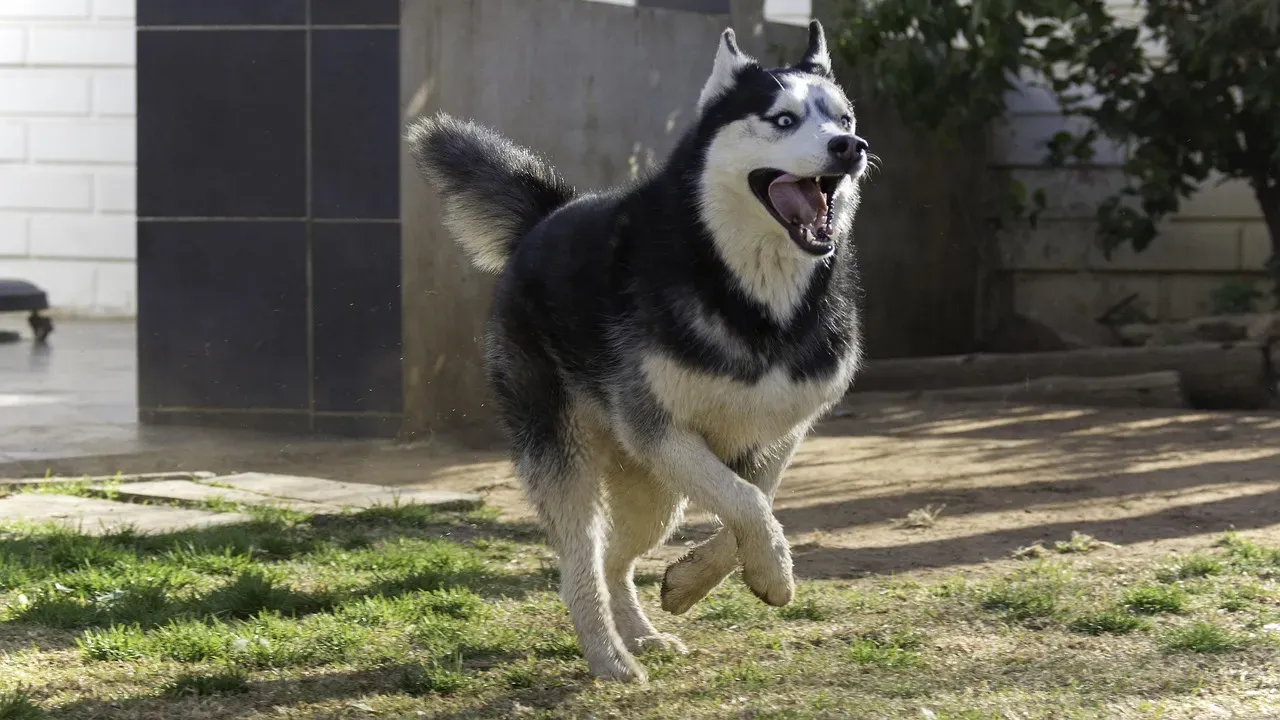
Siberian Huskies are social dogs who enjoy company. When left alone for long stretches, they may howl, dig, or try to escape the yard. Regular exercise and companionship are key for this active breed. Huskies were built for the pack, both in terms of companionship and in terms of having a clear daily purpose. When neither of those things are reliably present, their behavior changes in ways that owners often misread as stubbornness.
Lack of mental stimulation or physical activity is a particular concern for high-energy working breeds like the Border Collie or Siberian Husky. To help an anxious Husky, give them daily mental stimulation, structured physical exercise, puzzle toys, and positive reinforcement training that channels their working instinct into purposeful tasks. Without that purposeful structure, a Husky’s energy turns inward, and that inward turn can look a lot like emotional withdrawal over time.
#9. Golden Retriever

One of the most beloved and recognizable breeds, the Golden Retriever is celebrated for its warm, affectionate nature and unwavering loyalty. Originally developed in 19th-century Scotland as a gundog for retrieving waterfowl, the breed has evolved into an ideal companion known for both its intelligence and versatility. Their charm and good nature make them easy to love, but that same warmth means they absorb emotional disruption more readily than people expect.
Golden Retrievers are quick to detect small behavioral changes, like slower movements or shifts in your breathing rhythm. They don’t wait for a command or visible distress; they naturally reposition themselves closer when they sense something’s off. That deep attunement to their humans also means they’re deeply affected by shifts in the household. An irregular schedule, extended absences, or a home that suddenly feels emotionally flat can register as real distress for a Golden, who thrives most when life feels warm, predictable, and full of connection.
#10. Basset Hound
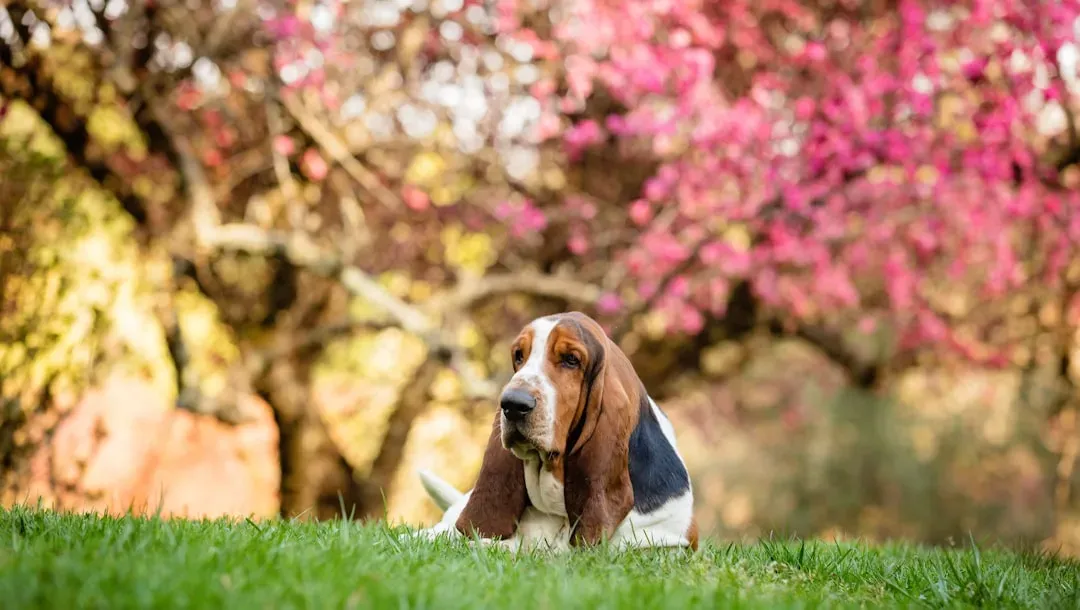
With their calm demeanor and strong attachment to their packs, Bassets may suffer when left alone or experiencing a major life change. Their drooping eyes and long ears give them a permanently melancholic look that’s genuinely amusing, but beneath that expression is a dog that bonds deeply and feels losses acutely. Don’t let the slow pace fool you. Emotionally, they’re very much engaged.
Basset Hounds are social dogs that can develop separation anxiety. They are incredibly loyal and devoted to their owners, so separation anxiety and depression can develop in them if they are not given proper time and attention. Routine is their anchor. Regular walks at the same time each day, consistent feeding, and the reliable presence of their people give a Basset Hound the emotional scaffolding they need. Without it, the sadness on their face starts to reflect something a lot more real than just their breed’s natural expression.
#11. Bichon Frise
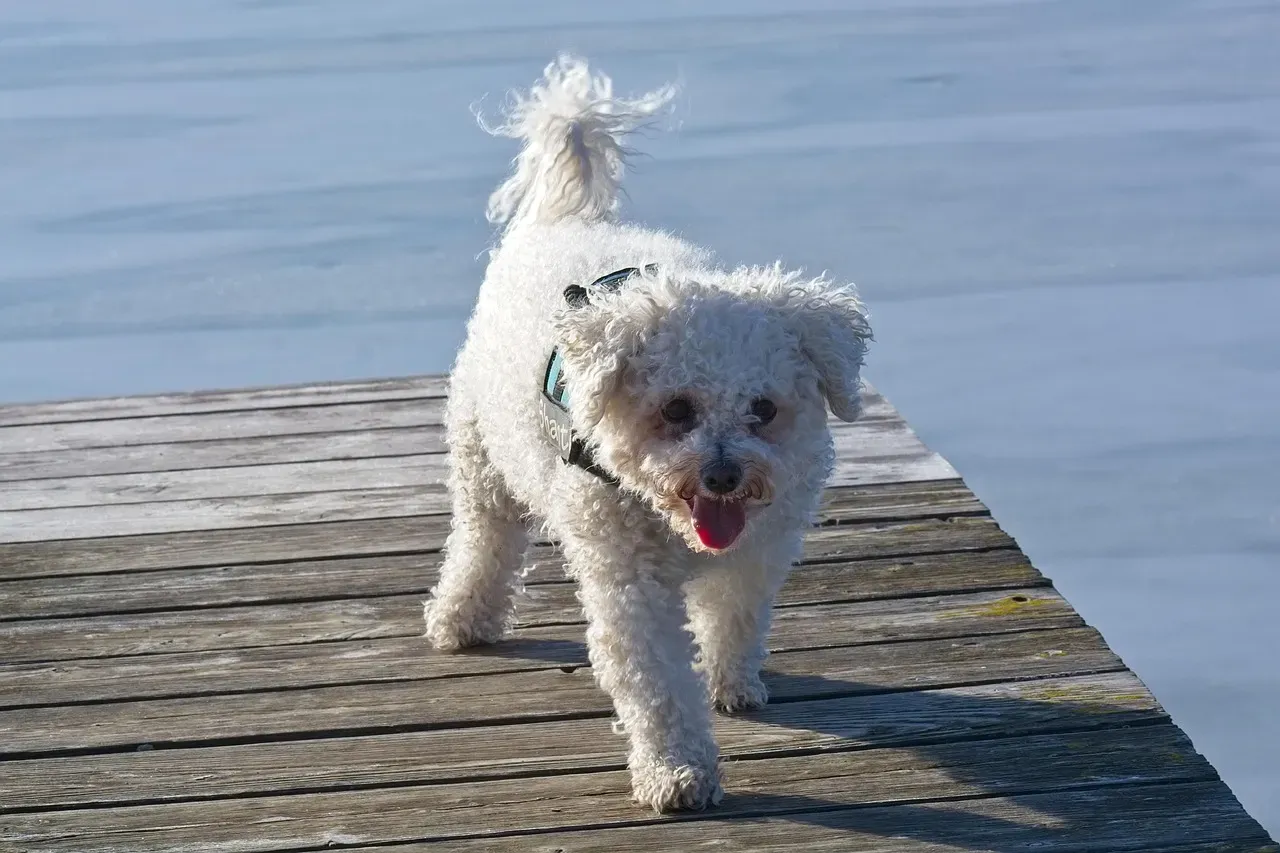
Bichon Frise is a perfect companion that loves to cuddle up in your lap. They are happy-go-lucky dogs and love to be the apple of your eye. However, as soon as you leave them alone, they can become aggressive and destructive. Their anxiety, when overlooked, can quickly change into depression. It’s a jarring contrast for a breed that looks like it belongs on a greeting card, but it reflects just how much they rely on consistent human presence.
Like the Cocker Spaniel, a Bichon Frise needs to become accustomed to solitude early on. When that early conditioning doesn’t happen, or when a previously stable home routine suddenly changes, the Bichon Frise often has no internal resources to fall back on. Desensitization and counter-conditioning can work well for Bichon Frise. Give them attention when you are home. Structure isn’t just comfort for this breed. It’s emotional safety.
#12. Collie
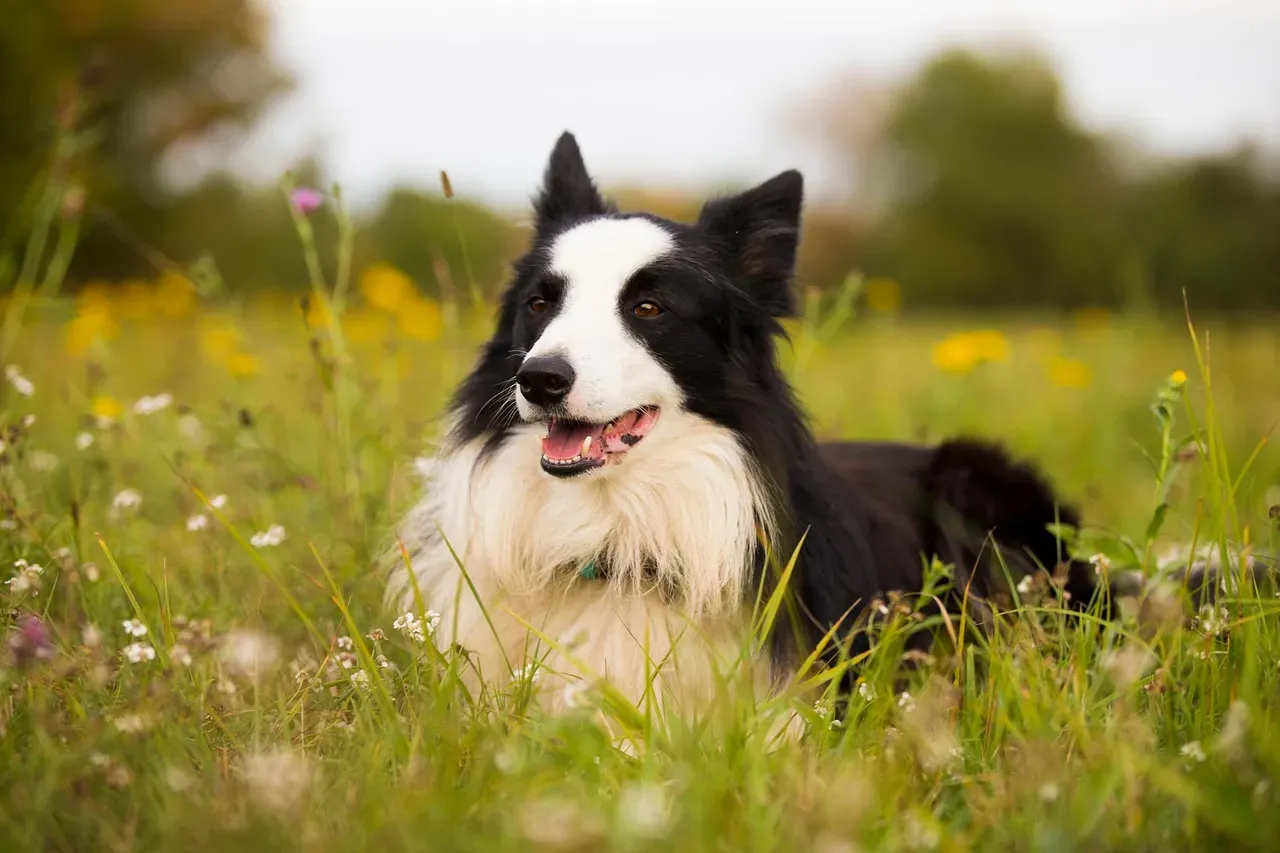
Collies are highly responsive to their environment and human interaction, often showing emotional distress after change or trauma. Made famous by Lassie, the Collie’s reputation as a loyal and perceptive dog is entirely earned. They’re deeply wired to their people and their routines, and they notice everything, including the subtle shifts in a household that humans might not even register consciously.
Working breeds have a need to take part in activities that are both physical and mental stimulation. If they’re not able to take part in activities that they were bred to carry out, a lack of stimulation can lead to boredom and other behavioral issues. For a Collie, herding instincts and a need for purposeful daily activity go hand in hand with emotional stability. A Collie left to its own devices in an unpredictable, low-stimulation environment isn’t just bored. It’s slowly losing the sense of order and purpose that makes it feel emotionally whole.
What This Tells Us About Dogs and the Lives We Build for Them

Dogs seem to enjoy a predictable routine that helps to make them feel like their day is under control. As much as possible, try to establish a regular schedule of walks, feeding, playtime, and exercise that fits your dog’s lifestyle and activity level. That’s not asking a lot. It’s actually a reasonable exchange for the companionship and loyalty these animals offer unconditionally every single day.
Sometimes, a dog’s sadness can deepen into a condition known as learned helplessness. This apathetic behavioral state develops when a dog experiences repeated stress or loss of control and begins to believe that nothing they do will make a difference. That’s a sobering thought, and it underscores why routine isn’t just a lifestyle preference for these breeds. It’s a form of emotional protection.
Here’s the honest truth: we tend to think of dogs as resilient, endlessly bouncy creatures who bounce back from anything. Many are. But for the emotionally sensitive, socially dependent, and intellectually driven breeds on this list, consistency is more than comfort. Dogs require emotional stability, mental stimulation, and physical activity suited to their breed. Improving your dog’s environment, attention, and daily routine can make a tremendous difference.
The relationship you have with your dog is a two-way street. They show up for you every single day, reliably and completely. Giving them the gift of structure in return might just be the most loving thing you ever do for them.


