
12 Dog Breeds That Need to Be Near Their Humans – But Don’t Necessarily Want Constant Attention
You know that feeling when a dog follows you from room to room, flops down with a sigh at your feet, and then… just lies there, perfectly content, almost pretending you don’t exist? That quiet, velcro‑but‑chill vibe is exactly what some people crave in a dog: emotional closeness without nonstop poking, prodding, and demanding games of fetch. These are the dogs that want to be where you are, but they do not need to be the center of the universe every second.
Plenty of breeds are labeled “clingy,” but not all of them are loud about it. Some simply like the comfort of your presence, the way you might enjoy reading in the same room as someone you love. If you’re looking for a dog who thrives on being nearby, yet respects your space and does not constantly beg for attention, the breeds below are a very good place to start.
Labrador Retriever
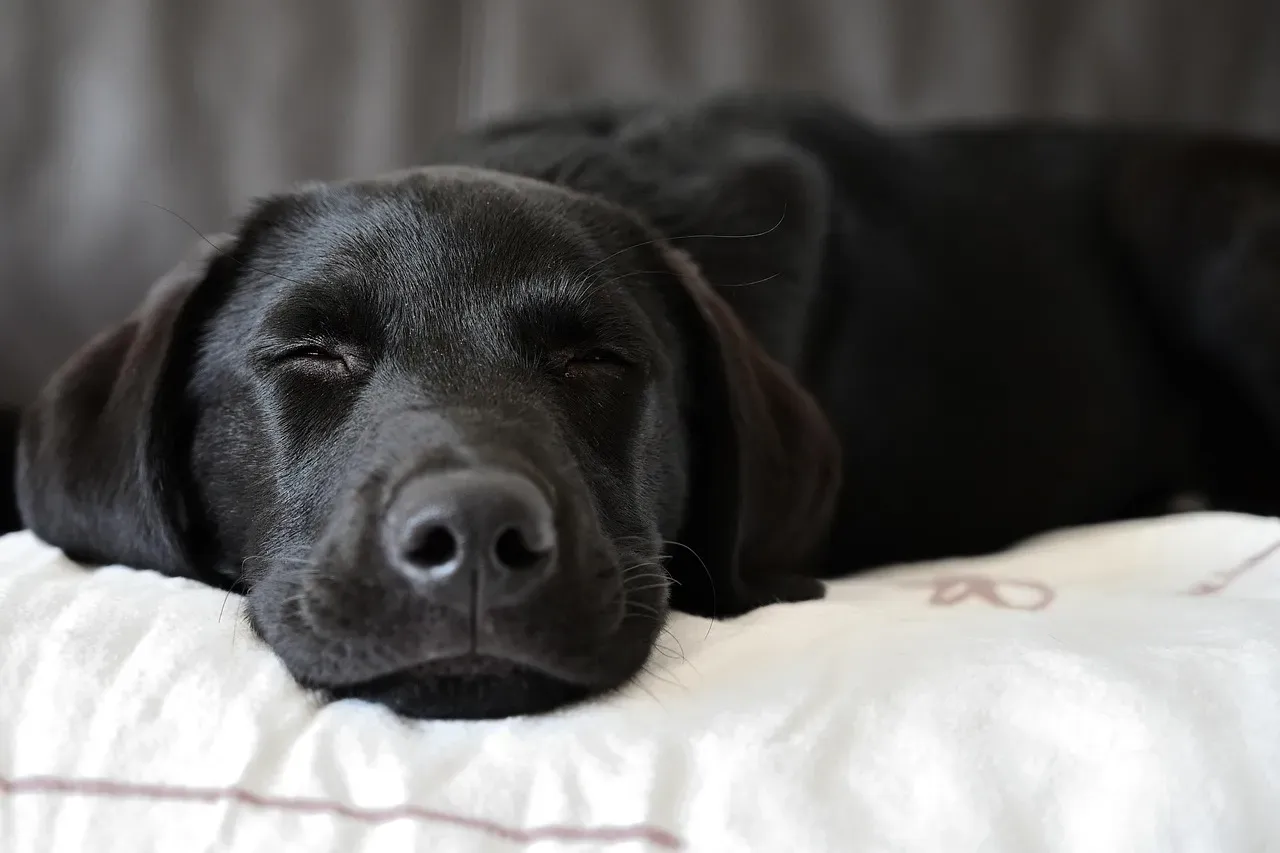
It might surprise you to see the famously enthusiastic Labrador on this list, but once Labs mature out of their wild puppy phase, many settle into a calm, shadow‑like presence. They often want to be wherever their humans are, happily snoozing on the floor during work calls or watching you cook from a few feet away, without constantly pawing for affection. Think of them as that friend who always wants to hang out, but is perfectly okay scrolling their phone while you read.
Because they were bred as working retrievers, Labs are extremely people‑oriented and bond closely with their families, yet they are usually confident and not overly needy when their exercise and mental needs are met. A well‑exercised Lab is frequently satisfied just existing in the same space as you, checking in with a tail thump now and then. For households that want a big, friendly dog who is near but not nagging, an adult or middle‑aged Lab can be an ideal fit.
Golden Retriever
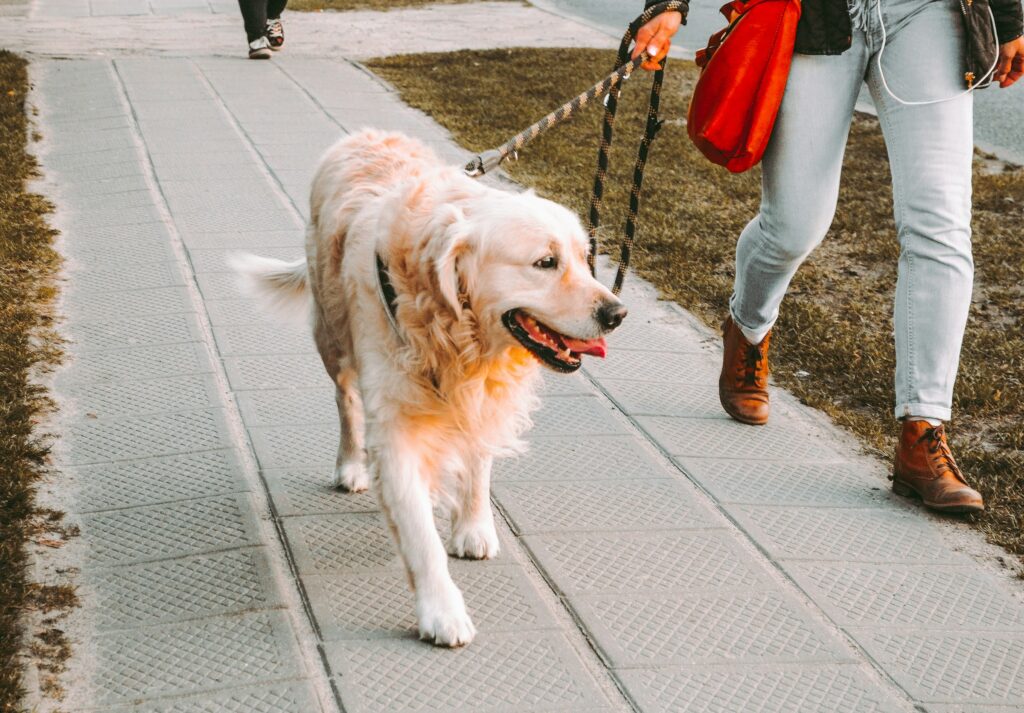
Golden Retrievers are often described as having “soft hearts,” and that emotional warmth tends to show up as quiet loyalty rather than constant demands. Many Goldens choose a favorite spot where they can keep you in sight, then settle down with a toy or simply drift off to sleep. They like knowing you are there; they just do not always need to be in your lap or pressed into your hands every moment.
As former hunting and working dogs, Goldens are bred to focus on a handler for direction, but that focus is balanced by a naturally easygoing temperament. Once they understand the household rhythm and get their daily exercise, a lot of Goldens are content to be a golden rug in your home office or living room. If you want a dog that radiates warmth and devotion but can also quietly coexist while you get things done, the Golden Retriever fits that sweet spot.
Great Dane
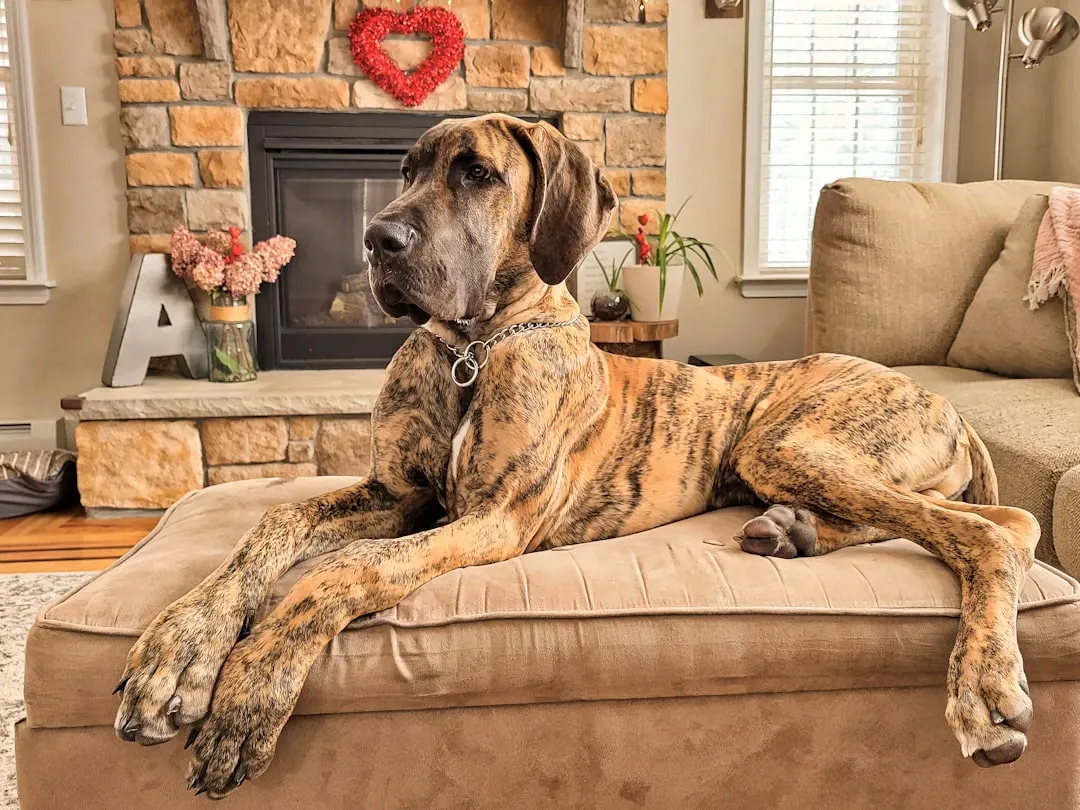
Great Danes are sometimes called “gentle giants,” but a better phrase might be “silent shadows.” Many Danes just want to be close enough to feel included, sprawling beside the couch or at the foot of your bed like a living weighted blanket. They often follow you casually from room to room, not in a frantic way, but as if they’re just making sure their person is safely accounted for.
Despite their size, Danes are typically low to moderate energy indoors and can be surprisingly undemanding when it comes to attention. They may lean in for a slow ear rub or rest their head on your knee, then go right back to relaxing once they have checked in. For people who love big dogs but not big chaos, a well‑socialized Great Dane can offer constant company without constant pressure.
Greyhound
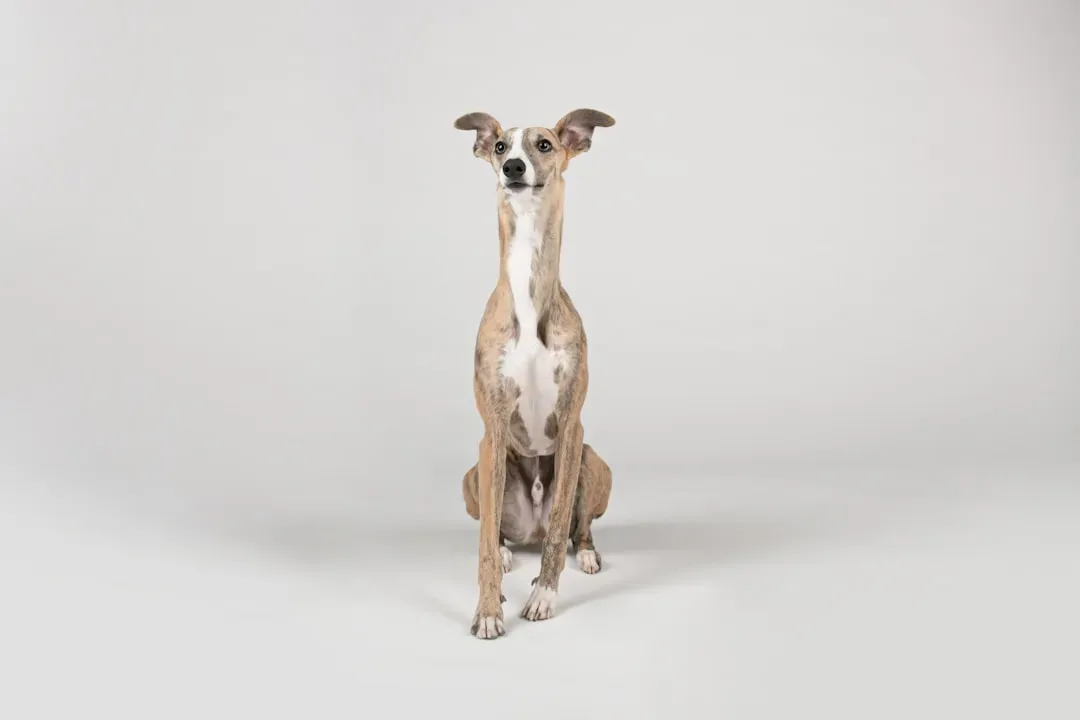
Greyhounds are famous for their speed, but at home they are more like elegant house statues that occasionally come to life. Many retired racing Greyhounds bond deeply with their people and like to be in the same room, yet they are also known for being independent and mellow. They may curl up in a dog bed nearby, watching the world with their soulful eyes, without demanding that you entertain them every minute.
Because of their calm, almost cat‑like nature indoors, Greyhounds often mesh perfectly with quieter lifestyles. They appreciate gentle affection and will happily lean against you or rest their head on your lap, but they are usually not pushy about it. If you want a dog that is emotionally tuned in but respects your need to focus, a Greyhound can feel like the best coworker you ever had.
Whippet
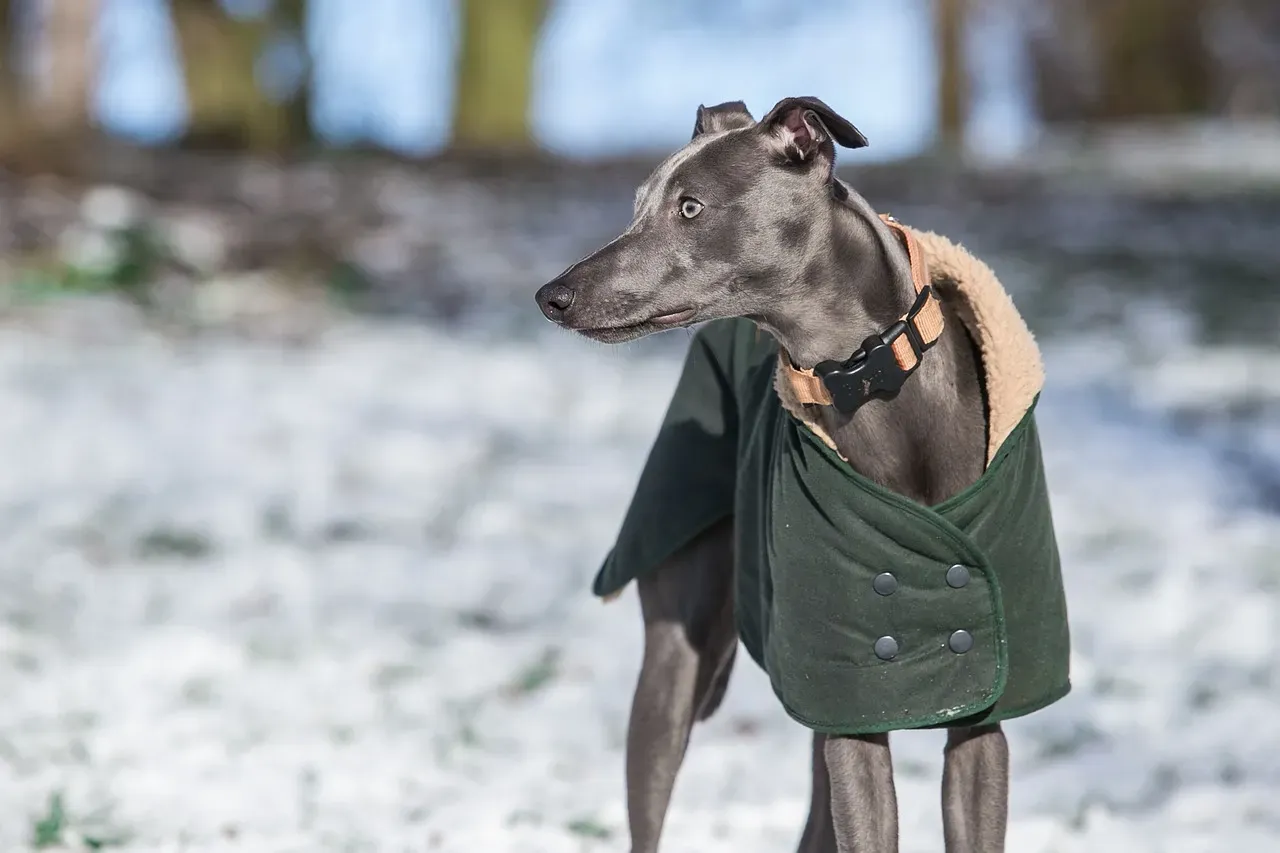
Whippets share a lot with their Greyhound cousins, just in a smaller, more apartment‑friendly package. They are often described as velcro dogs who simply want to be where their people are, lounging on the sofa or curled into a ball on a nearby blanket. At the same time, they have a streak of quiet independence: once they know you are close, they are fine to nap and daydream on their own.
Indoors, many Whippets are surprisingly low key and can adapt well to people who work from home or like peaceful evenings. They love soft beds, warm laps, and the occasional zoom around the yard, but they are not typically the type to pester you nonstop for attention. If you picture a dog who is always in the frame, but not always in your face, a Whippet is a strong contender.
Shiba Inu
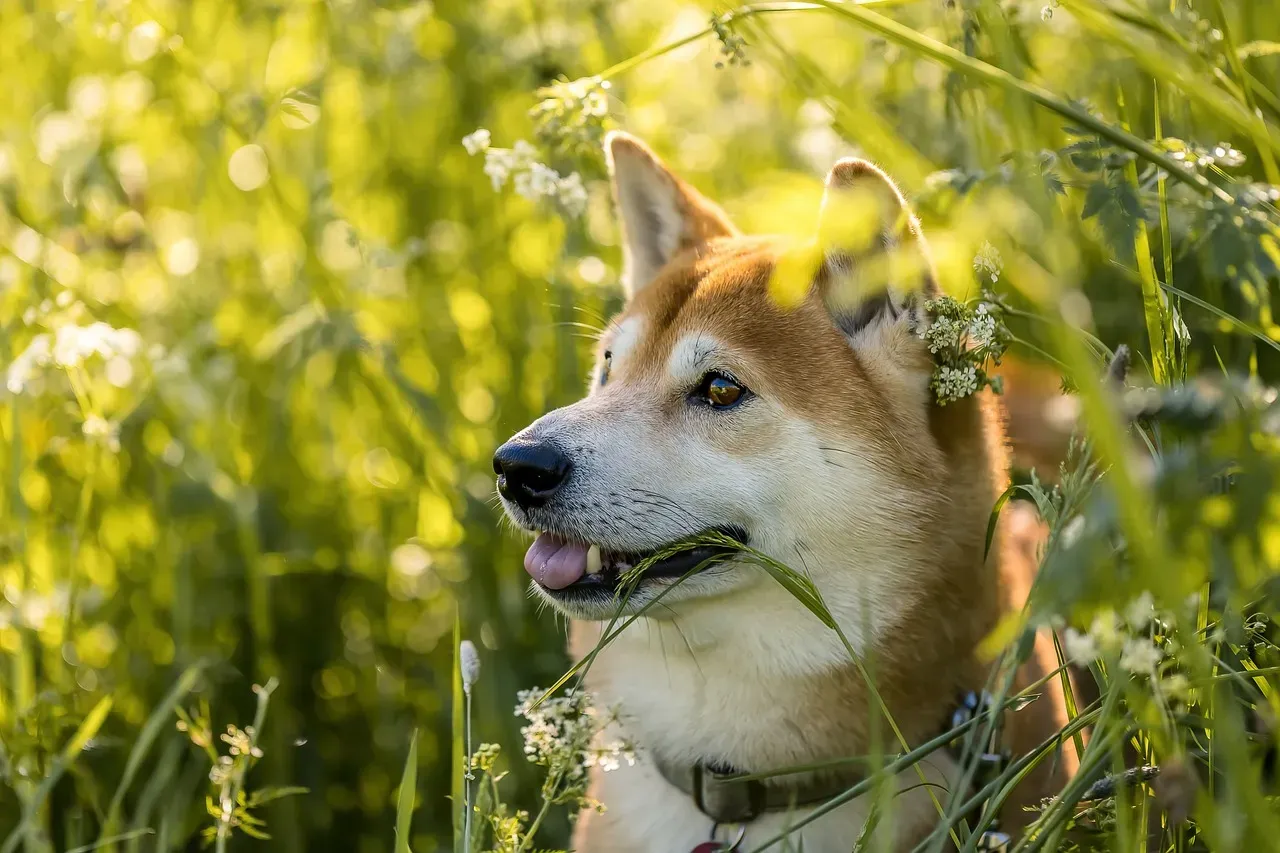
Shiba Inus are a great example of a breed that wants to be near their humans on their own terms. Many Shibas will follow you around the house or station themselves strategically where they can observe family life, yet they often prefer to initiate contact rather than be fussed over constantly. Living with a Shiba can feel a bit like living with a proud, self‑respecting roommate who likes you but would never admit they need you.
Because they were bred as independent hunters, Shibas tend to have a strong sense of autonomy and can entertain themselves quite well. They can still form very strong bonds and may quietly choose “their” person, but they often show affection in subtle, understated ways instead of clingy behavior. If you value a dog who wants to be part of your world without demanding your full attention every second, the Shiba Inu’s reserved loyalty can be very appealing.
Basenji
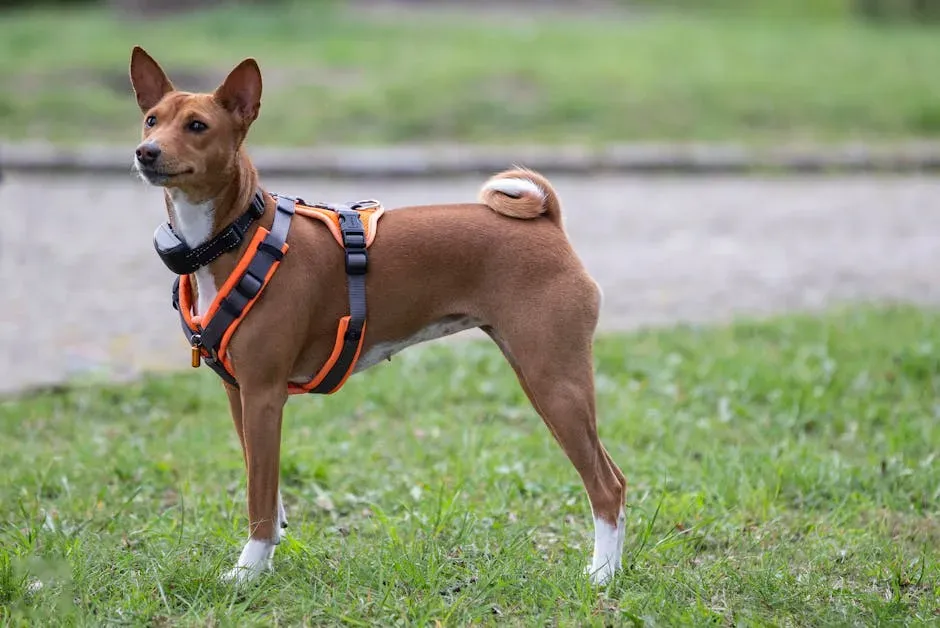
Basenjis, sometimes called “barkless dogs,” are clever, cat‑like companions that often enjoy being close to their humans while maintaining a clear independent streak. Many will shadow you through the home, hopping up on couches or perches where they can keep an eye on everything. Yet they are usually more interested in exploring, watching, and thinking than in constant petting or babying.
This breed tends to bond strongly with their family and can be quite affectionate, but in a thoughtful, selective way. They might curl up right against you in the evening, then spend the next afternoon peacefully chewing a toy nearby without asking for anything. If you appreciate a dog that feels more like an equal partner than a needy follower, a Basenji offers presence without pressure.
Akita
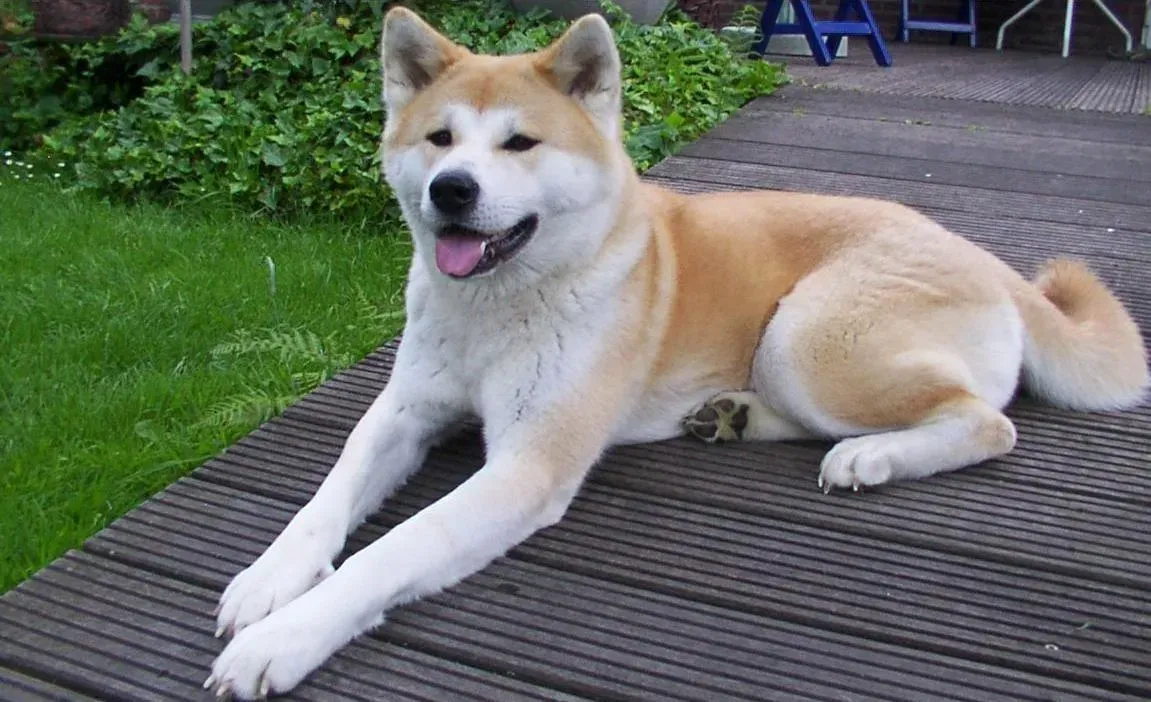
Akitas are famously loyal and often deeply devoted to their families, but that devotion does not typically show up as clinginess. Many Akitas prefer to lie where they can monitor the household, quietly tracking your movements with calm eyes. They want to be around their people, yet they carry themselves with a dignity that says they do not need constant reassurance.
Because they were bred as guardians, Akitas often develop a strong sense of responsibility toward their home and humans. That role naturally keeps them close, but they are usually selective about when they ask for affection. An Akita might lean against you for a brief moment or accept a calm cuddle, then move back to their post. For people who respect a dog’s independence and want a steady, watchful presence, the Akita can be a powerful match.
Newfoundland
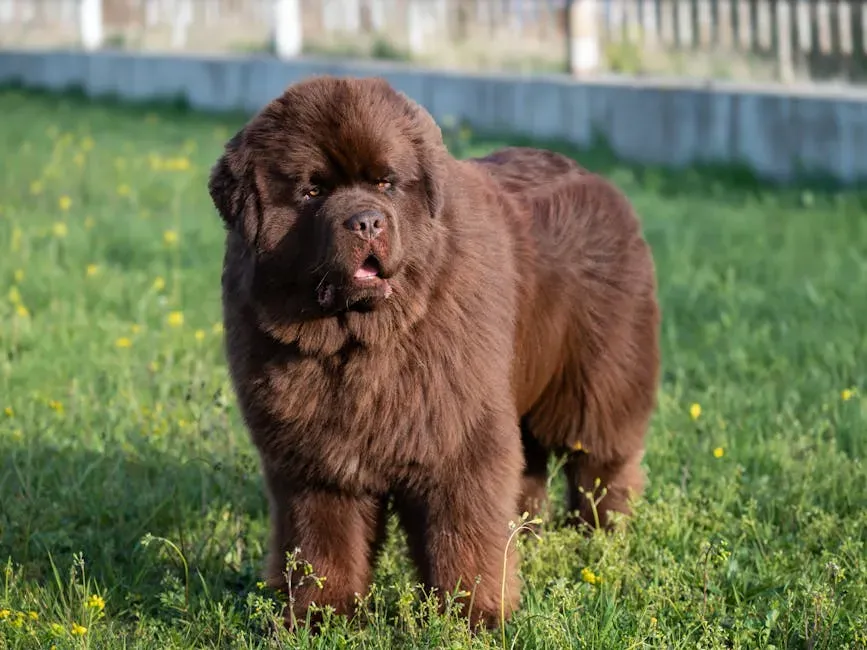
Newfoundlands are massive, gentle dogs that often behave like quiet, hairy lifeguards for their families. They like to settle near their humans, often choosing cool floors or cozy corners from which they can supervise. While they can be very affectionate, many Newfies are wonderfully low‑key in how they show it, preferring soft nudges and calm companionship over frantic attention‑seeking.
Because of their working history in water rescue and hauling, they are bred for steadiness and teamwork rather than hyperactive demand. A well‑cared‑for Newfoundland is often content just to be in the same room, dozing through your movie nights or work sessions. If your ideal dog is a living, breathing sense of security who hangs out quietly at your side, a Newfoundland delivers that in a very big package.
Bernese Mountain Dog
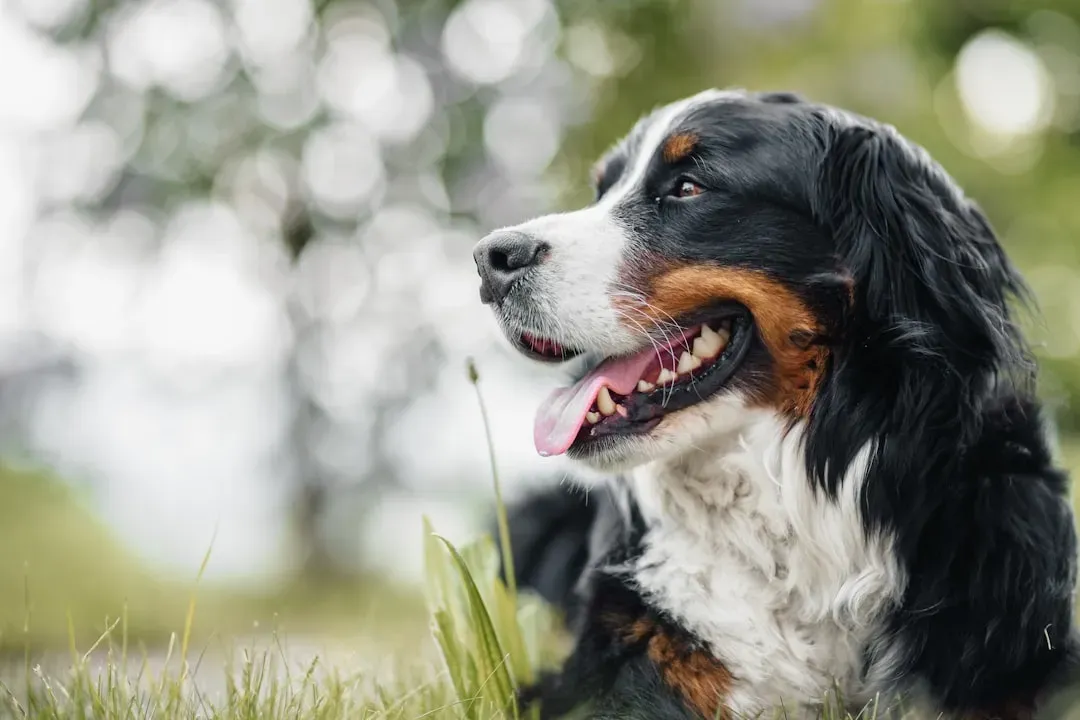
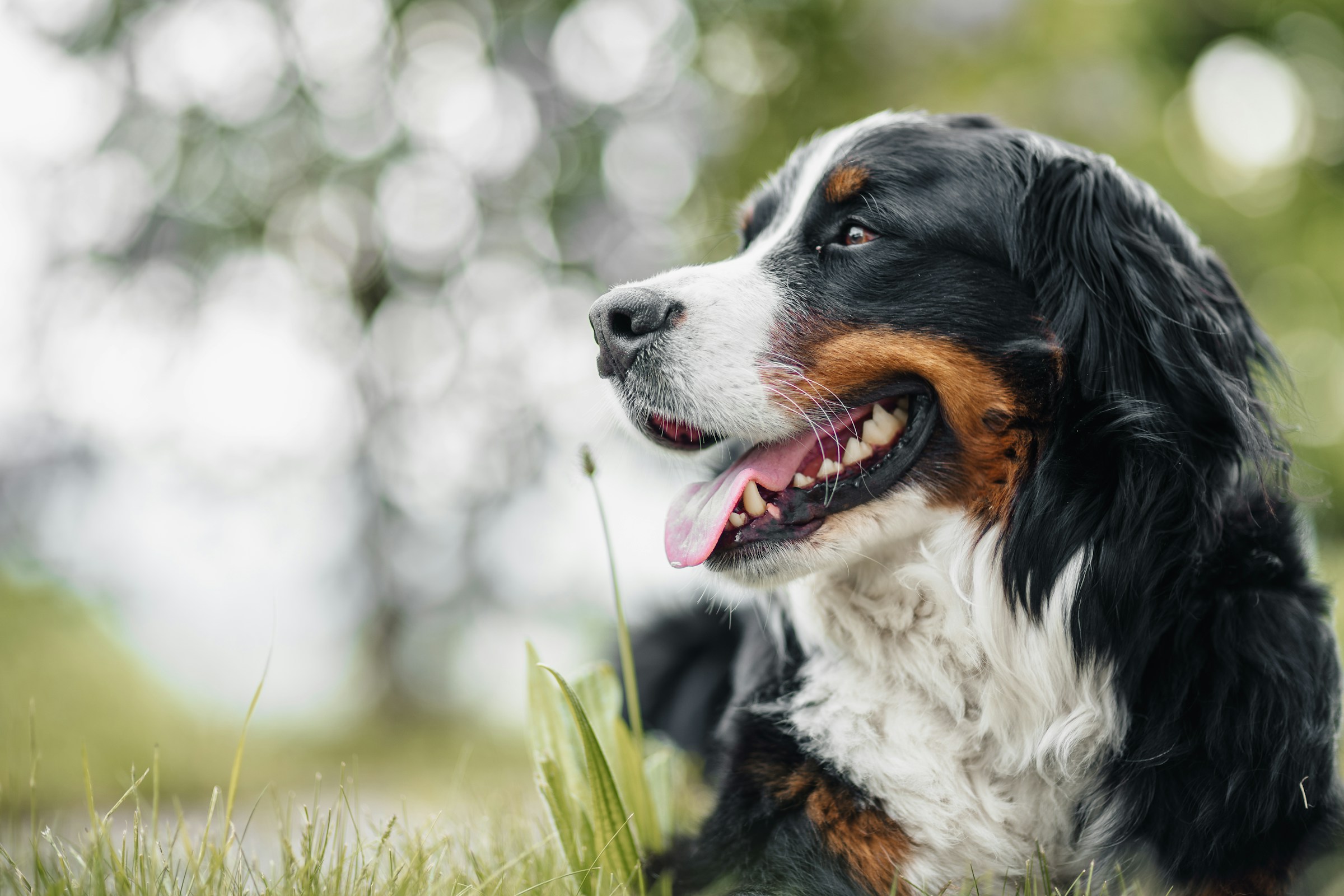
Bernese Mountain Dogs are people‑centric by nature and often follow their humans from place to place, yet many have a surprisingly gentle, unintrusive way of being close. They might plop down under your desk or stretch out at the edge of the room, happy just to feel part of the action. Their calm, thoughtful expression often makes it feel like they are listening in, even when they are half asleep.
Historically used as farm helpers and draft dogs, Berners are used to working near people without constantly demanding hands‑on interaction. That history shows up in modern homes as a dog who loves you deeply but also respects the rhythm of the day. For families who want a big, soulful dog that seems happiest simply sharing space, the Bernese Mountain Dog is hard to beat.
Cavalier King Charles Spaniel
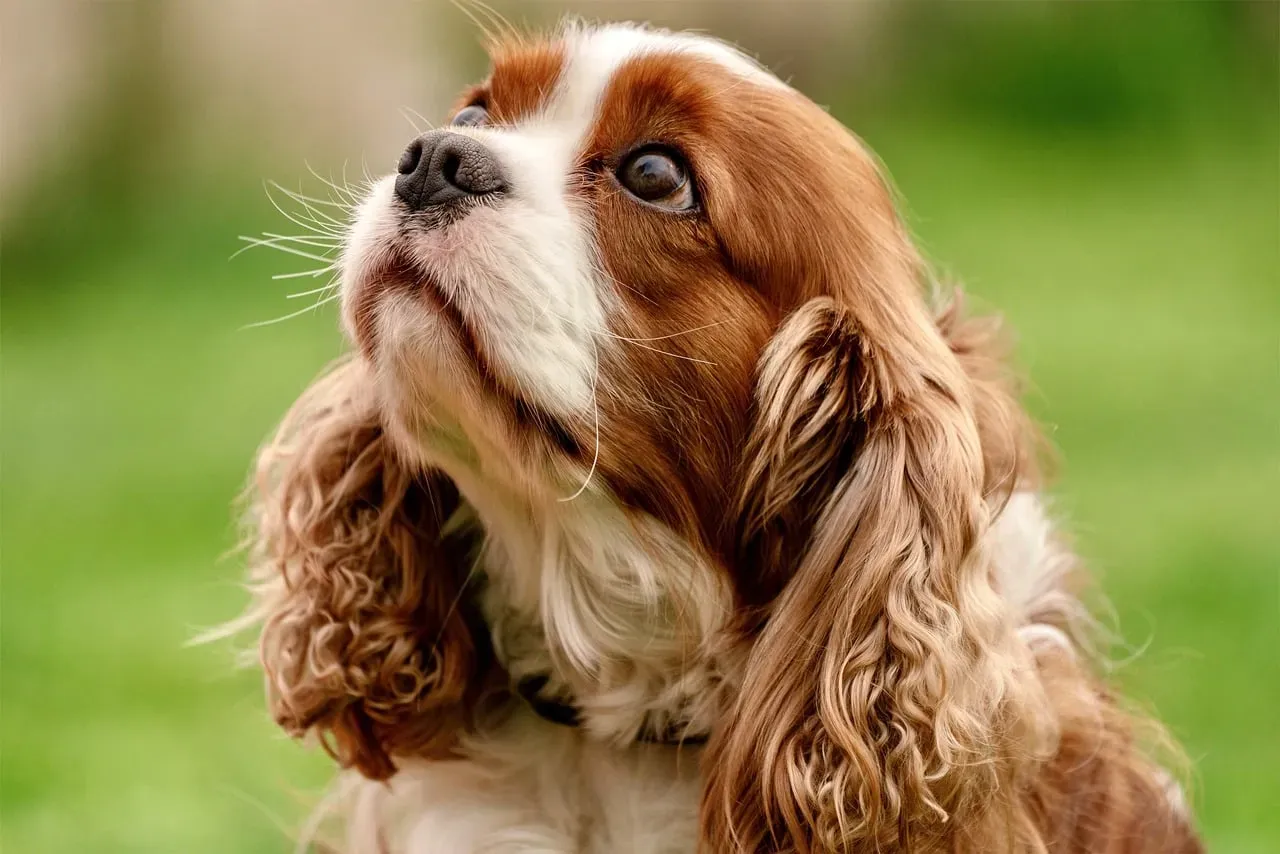
Cavalier King Charles Spaniels are often described as classic lap dogs, and many absolutely adore cuddling, but they are also capable of being quietly content just nearby. A lot of Cavaliers will choose a sunny spot or a soft pillow close to where you’re working, relaxing peacefully so long as they know you are around. They thrive on proximity and emotional connection more than constant active engagement.
Because they were bred as companion dogs, Cavaliers are tuned into human moods and routines and adjust themselves accordingly. If you are busy, many will simply wait you out with patient eyes and soft snores, rather than relentlessly insist you pay attention. For people who want a smaller dog that offers warmth and closeness but can also just chill in the same room, Cavaliers hit a beautiful balance.
Border Collie (In the Right Home)
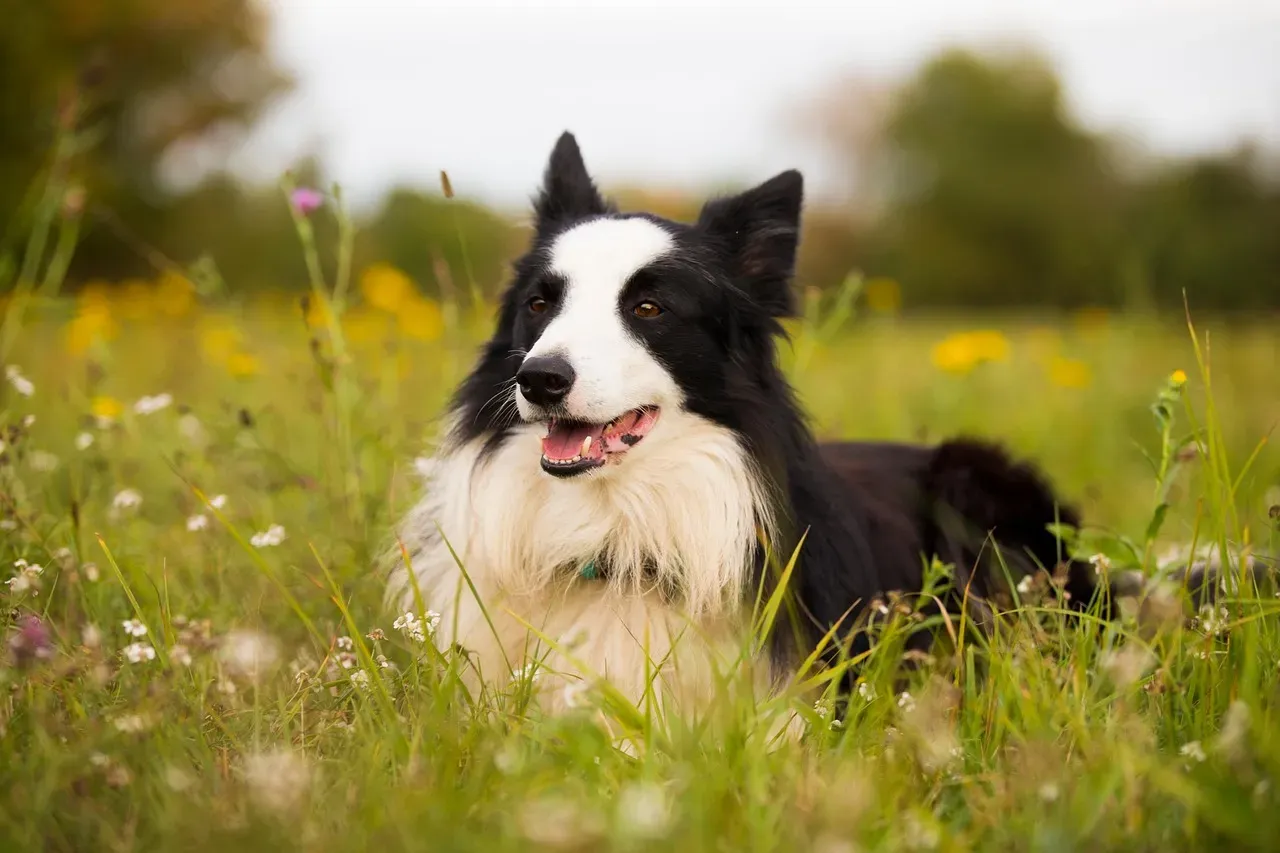
Border Collies are often thought of as intense working dogs that never stop, and that reputation is absolutely real when their mental and physical needs are ignored. But in homes where they get proper outlets through training, sports, or jobs, many Border Collies transform indoors into quiet, observant companions. They often choose to lie near their person, watching, processing, and waiting for the next cue, rather than demanding constant petting.
I’ve lived with a Border Collie who would work like a maniac outside, then come inside and settle at my feet while I wrote, almost like a furry assistant director keeping an eye on everything. She clearly needed to be near me, but she did not need me to constantly entertain her; the closeness itself seemed to calm her. If you are an active person who loves training and purpose, and you want a dog that is deeply bonded yet not overly touchy all day long, a well‑managed Border Collie can be that near‑but‑not‑needy partner.
Afghan Hound
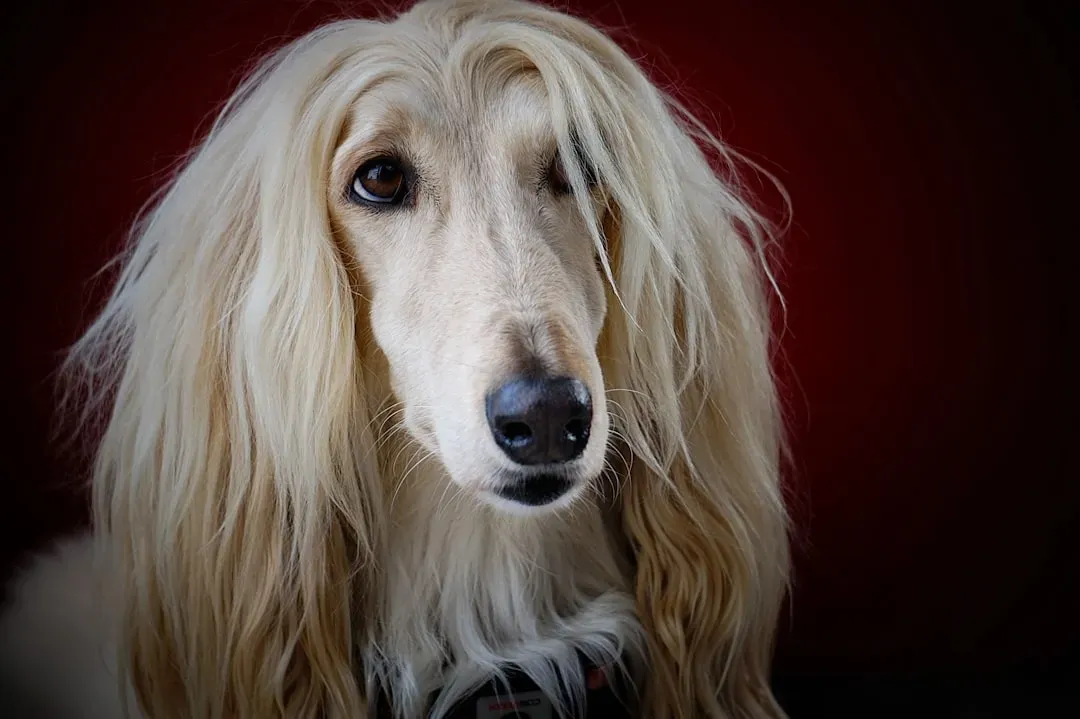
Afghan Hounds look dramatic and aloof, and they can be independent thinkers, but many form strong, quiet attachments to their people. They tend to drift through the house with a kind of graceful detachment, yet they often choose to rest in the same room as their humans. Instead of climbing into your lap, they may claim a nearby sofa cushion or rug, as if saying they like your company but also value their own space.
Originally bred as hunting dogs in harsh terrains, Afghans are used to working at some distance from people, which shows up today as a dignified sort of closeness. They may seek out affection in brief, intense bursts, then step back to observe the world. For someone who wants a dog that shares their home like an elegant, slightly mysterious roommate, the Afghan Hound offers a beautiful blend of proximity and independence.
Conclusion: The Quiet Power of Just Being There
There is something incredibly grounding about a dog that simply chooses to share your space without asking for a performance from you. In a world where so much attention is loud and demanding, these breeds remind us that closeness can be calm, steady, and almost invisible. They are the friends who sit beside you on the couch during a hard day and say nothing at all, yet make everything feel a little more bearable just by existing.
If you are the kind of person who loves your dog fiercely but also values your focus, your work, or your quiet hobbies, it is worth honoring that preference instead of feeling guilty about it. Choosing a breed that naturally wants to be near you, but does not constantly chase your attention, is not selfish; it is respectful to both you and the dog. In the end, the best relationship is not the one with the most noise, but the one where both of you can breathe, side by side. Which kind of closeness feels right for you and your future four‑legged shadow?