
I still remember walking a friend’s German Shepherd late at night when a stranger started trailing us a little too closely. Before I could even process what was happening, that dog shifted his body between me and the man, shoulders squared, eyes locked, but totally silent. The guy crossed the street without a word. I did nothing. The dog did everything.
Not every dog is built for that kind of instinctive protection, and honestly, most shouldn’t be. But some breeds are wired to notice threats, stay calm under pressure, and, if they have to, put themselves in harm’s way for their people. When those instincts are matched with good training and a stable home, you get a guardian that is both deeply affectionate and impressively capable.
German Shepherd: The Classic Protector With a Sharp Mind
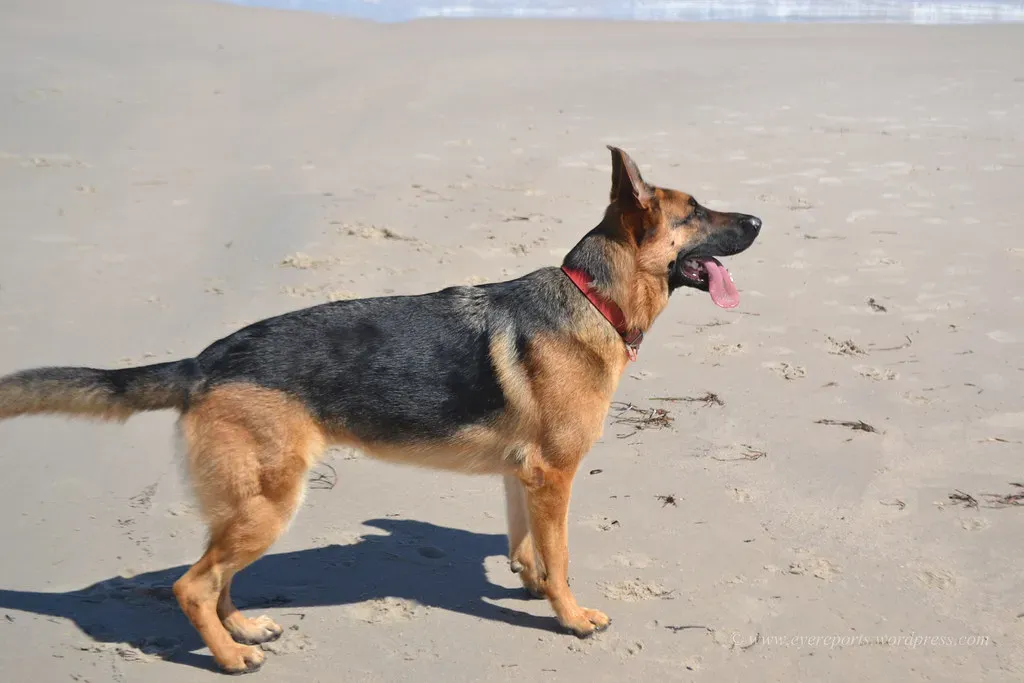
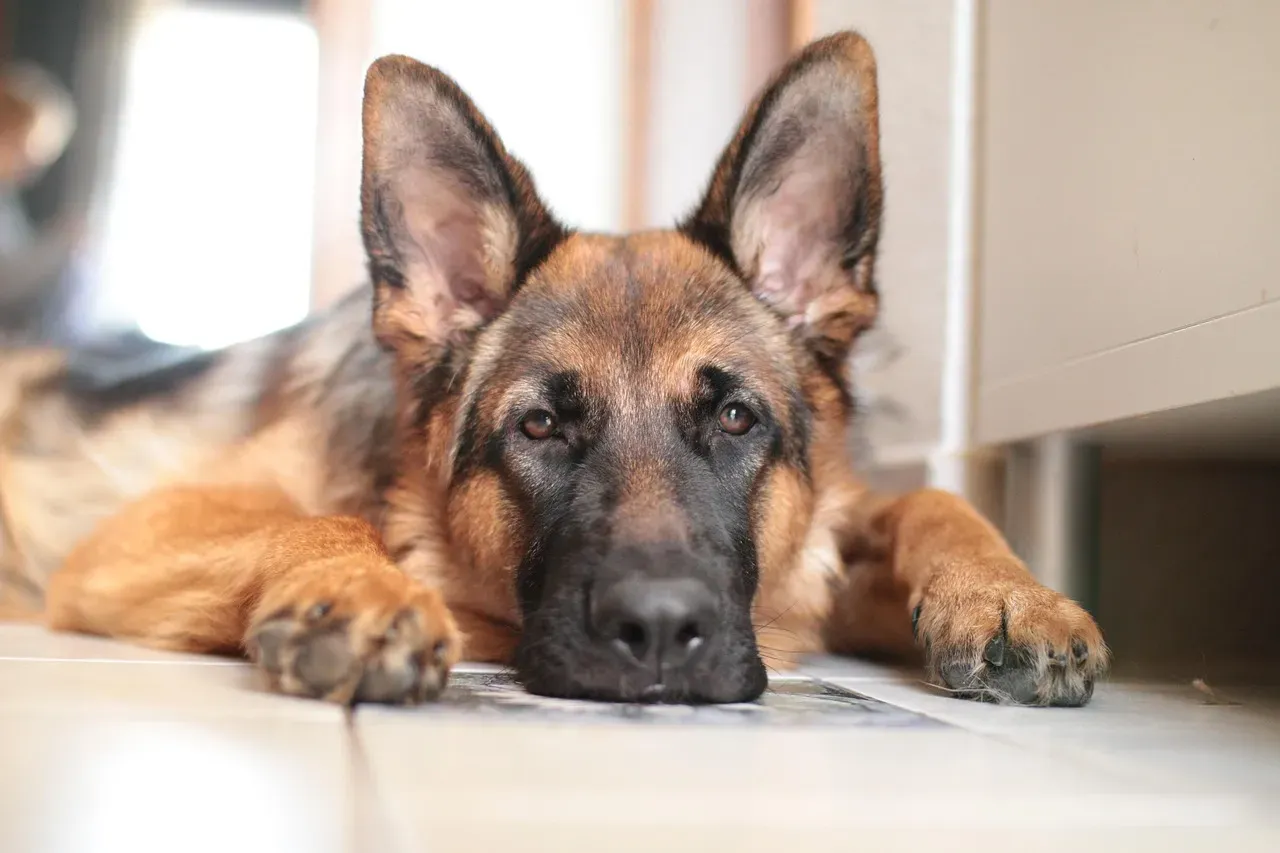
If you picture a police dog leaping out of a patrol car, you’re probably picturing a German Shepherd. There’s a reason they’ve been used for military, police, and protection work for more than a century: they combine strong protective instincts with high intelligence and intense trainability. A well-bred German Shepherd is confident, highly bonded to their family, and naturally inclined to put themselves between you and anything they see as a threat.
What people sometimes forget is that these dogs are emotional sponges. They read body language frighteningly well and respond to tiny shifts in mood or posture. In the right hands, that means you get a dog that can tell the difference between a jogging neighbor and someone genuinely acting suspiciously. In the wrong hands, with no structure or training, that same sensitivity can turn into anxiety and overprotectiveness. With clear boundaries, mental work, and regular exercise, though, a German Shepherd doesn’t just guard your home; they become the steady, watchful presence you unconsciously rely on.
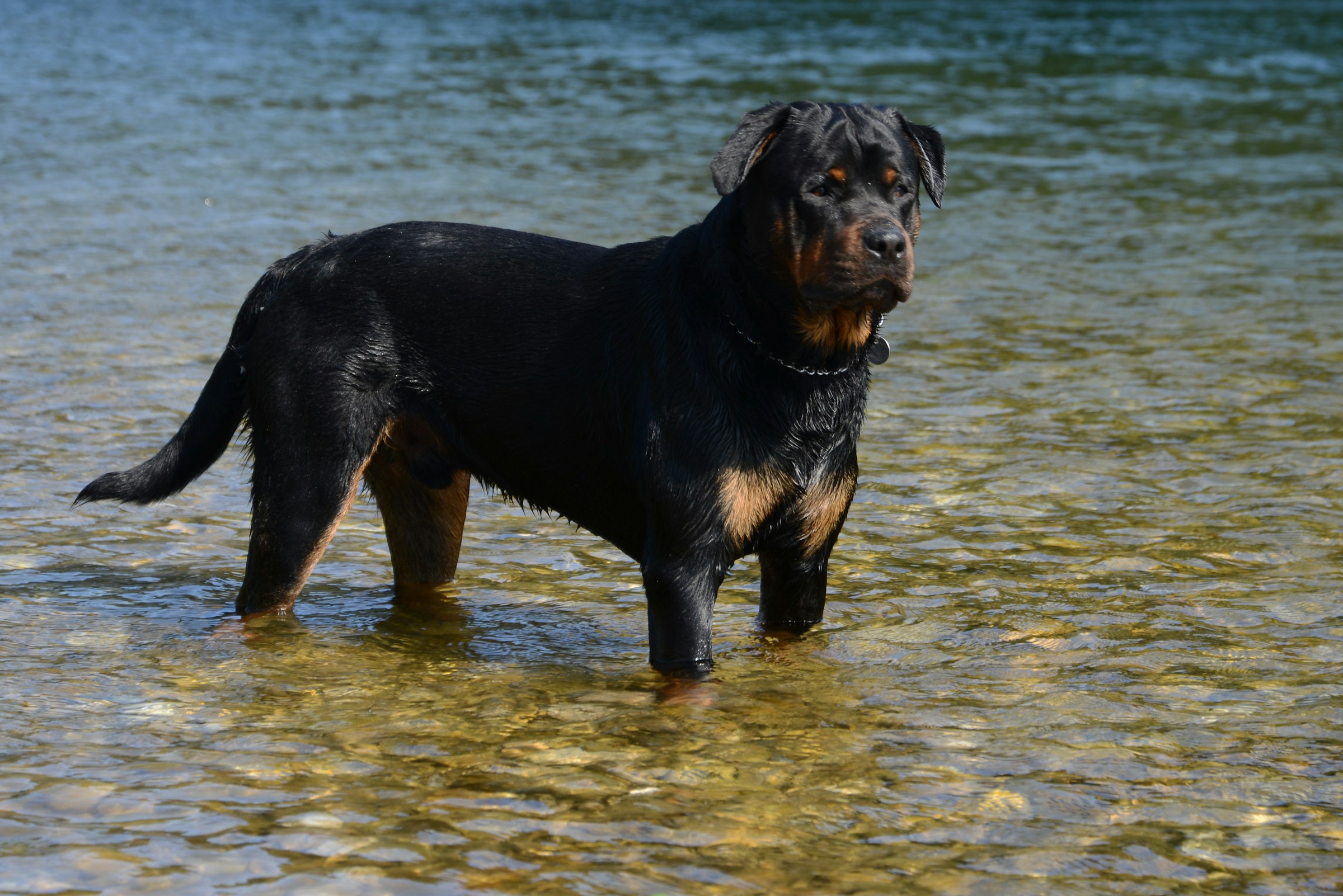
Rottweiler: Calm, Powerful, and Deeply Devoted
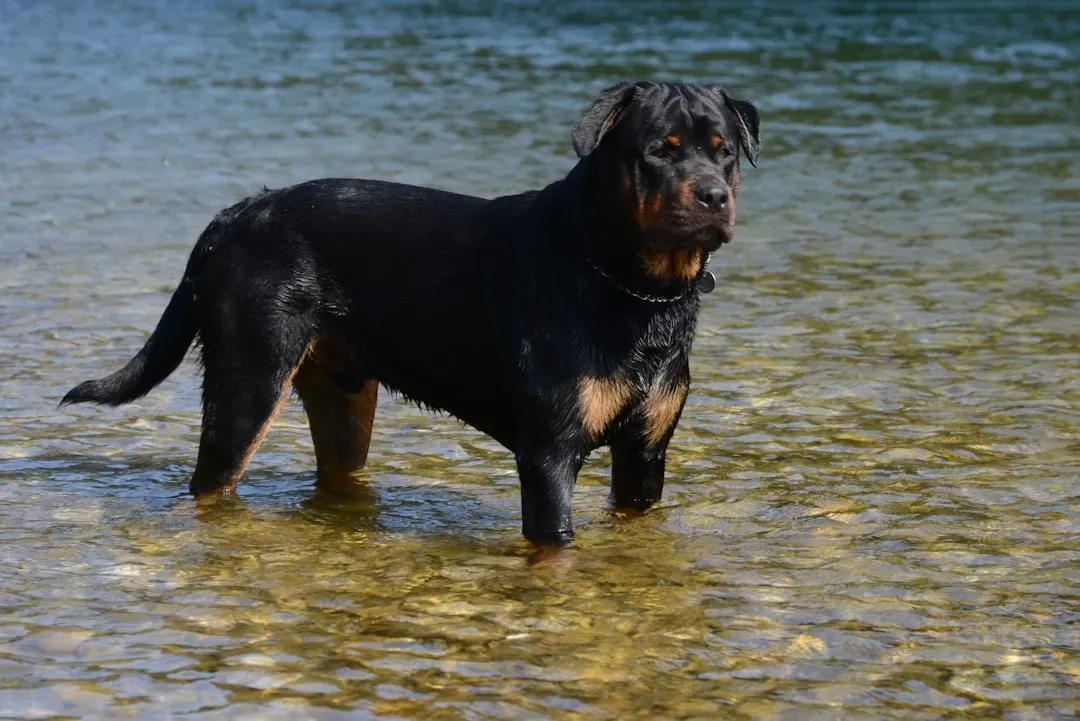
Rottweilers aren’t the loud, frantic alarm systems some people expect. A good Rottweiler is usually the opposite: calm, observant, slow to react, but absolutely decisive once they do. Originally used to drive cattle and protect property, they’ve always been about work and responsibility. That history molded them into dogs that can assess a situation, stand their ground, and intervene only when they truly believe it’s necessary.
Living with a Rottie often feels like living with a very serious, slightly comedic bodyguard. They can be goofy and affectionate with their family, but if a stranger’s energy feels off, they turn into a living wall of muscle without any drama. They don’t need to bark their heads off to make a point. Because of their strength and protective nature, they absolutely need consistent training and socialization from puppyhood. Done right, you’ll get a dog that quietly tracks your movements, sleeps with one ear open, and would step into danger without a second thought if it meant keeping you safe.
Doberman Pinscher: Lightning-Fast Guardian With Laser Focus
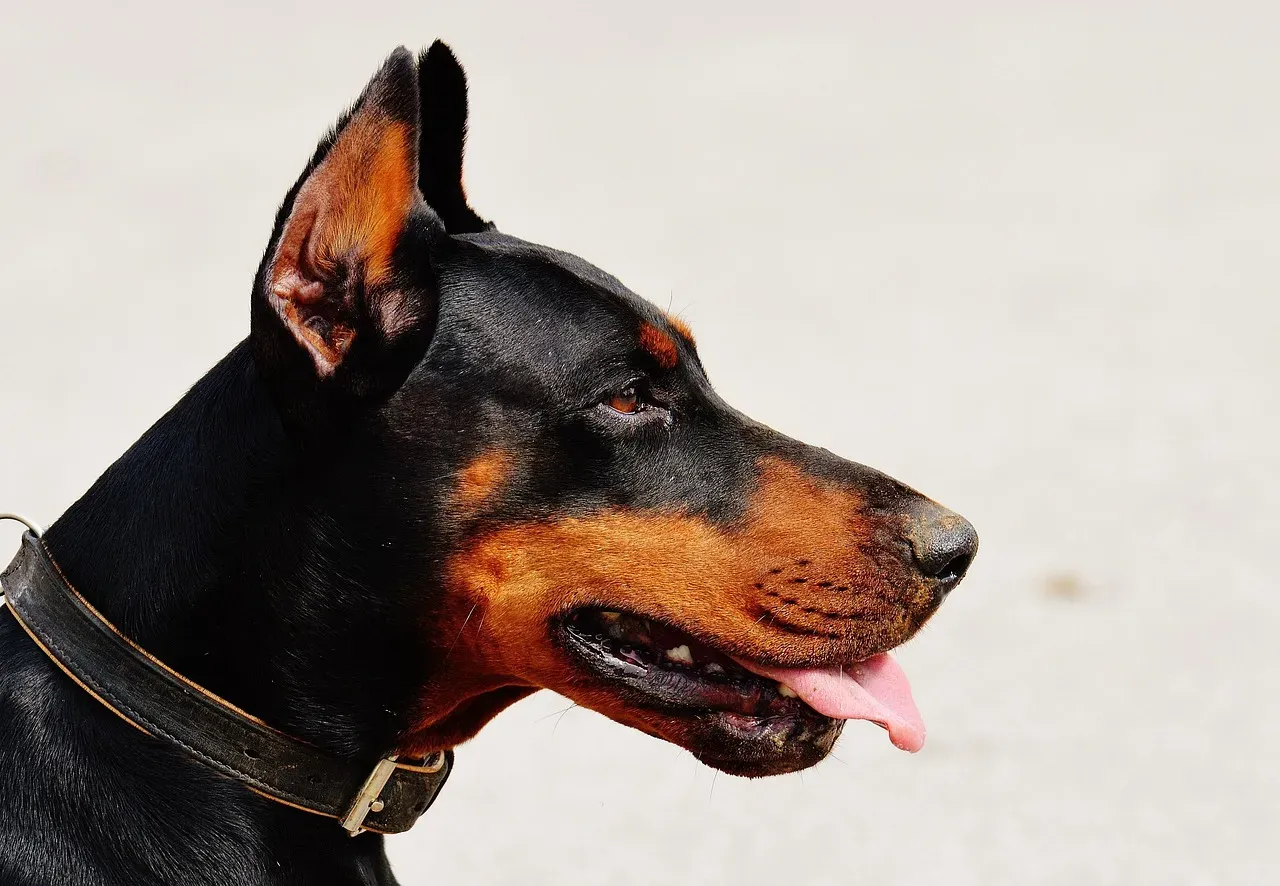
Dobermans were literally created as personal protection dogs, bred by a tax collector who needed a dog that would walk with him and deter attacks. That origin still shows: they’re sleek, fast, and unnervingly perceptive about what’s going on around you. A well-trained Doberman doesn’t just guard your house; they shadow you like a living shadow, always aware of exits, sounds, and strangers’ movements.
What many people miss is how affectionate and people-oriented they are. Dobermans often form almost Velcro-level attachments to their humans, which is exactly why they react so strongly to perceived threats. They are not a “stick in the yard and forget about it” breed; they need mental challenges, training games, and real partnership with their owner. When you give them that, their protective drive channels into a poised, controlled readiness. If danger shows up, they go from relaxed companion to high-speed defender in seconds, with an intensity that can stop trouble before it starts.
Belgian Malinois: The Elite Athlete of Protection Dogs
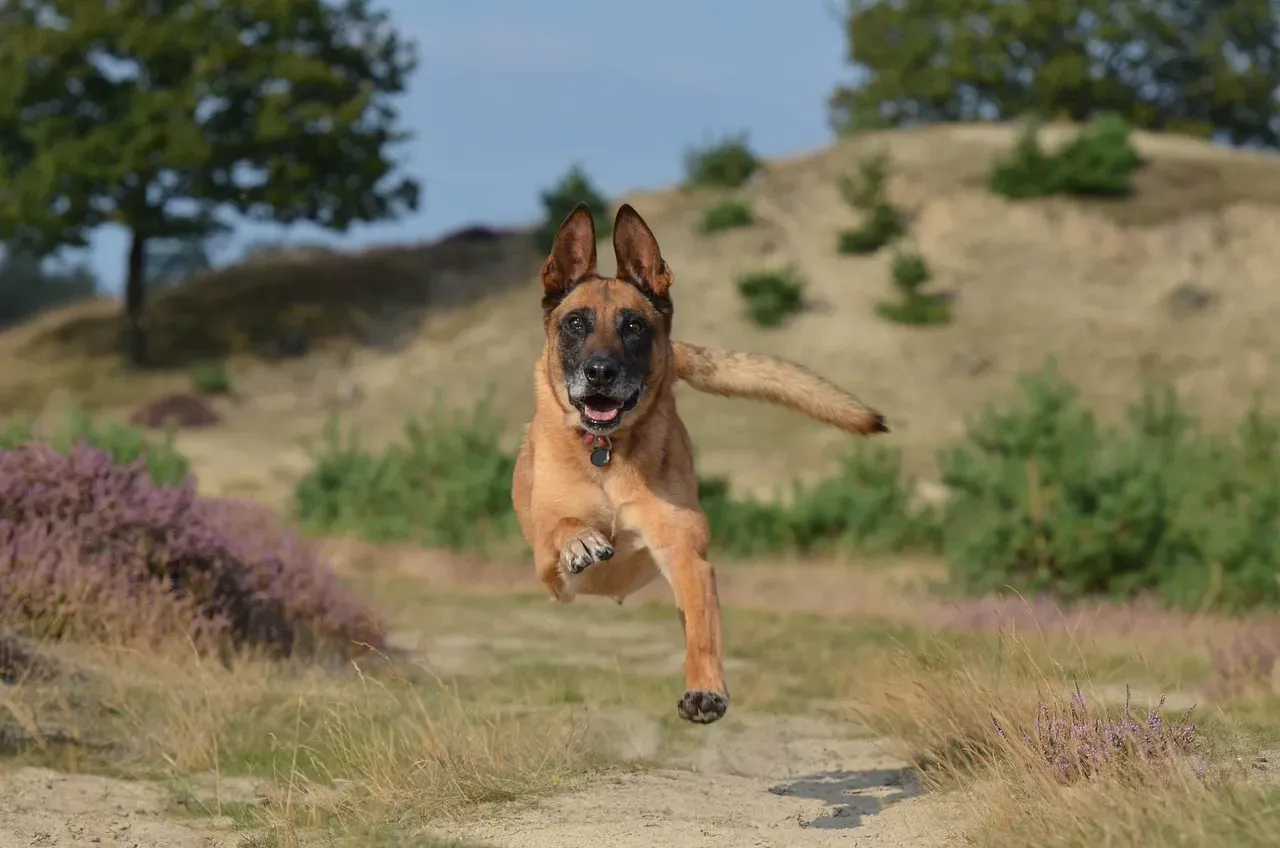
The Belgian Malinois is the dog you see in viral clips leaping out of helicopters or sprinting up walls during military exercises. They are smaller and lighter than many traditional guard breeds but make up for it with explosive energy and drive. Their nerves are typically very stable, meaning they can operate in chaotic, high-stress environments and still stay focused on their job.
That job, however, is not for casual owners. Malinois are working dogs in the truest sense: they need structure, a purpose, and constant mental and physical engagement. With experienced training, they make astonishingly reliable protectors who can distinguish between daily life and genuine threat. Living with one feels a bit like living with a high-performance athlete; they’re always primed to move, think, and react. If someone intends you harm and a well-trained Malinois is at your side, that person has made an extremely bad decision.
Boxer: Playful Clown With a Serious Guarding Instinct
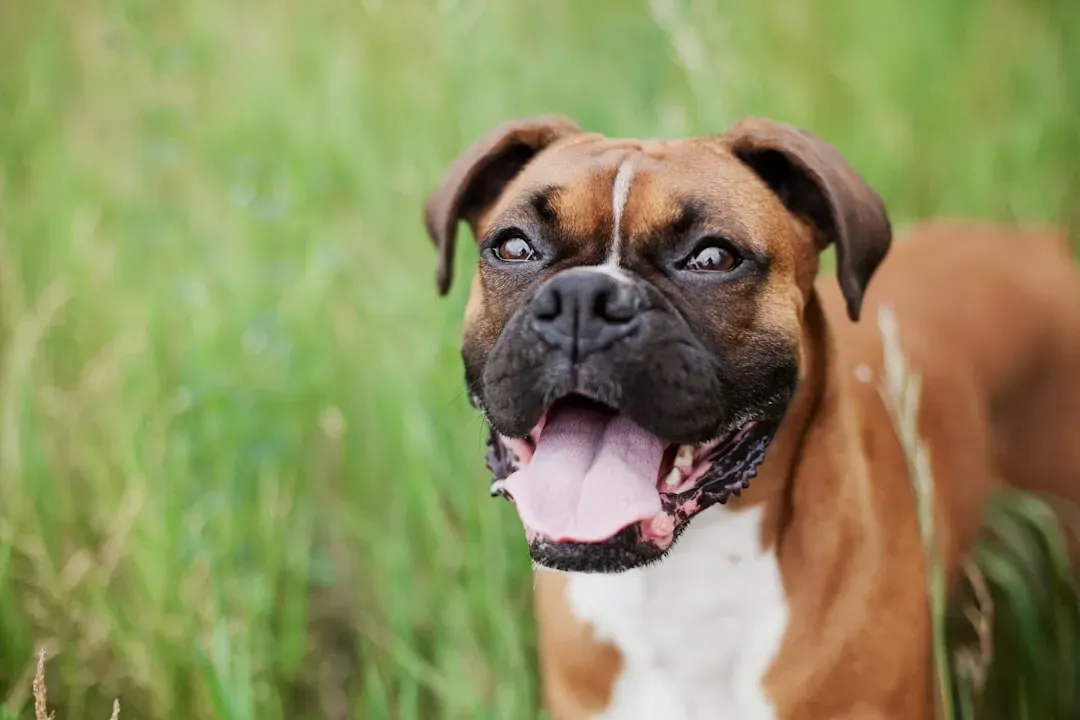
Boxers are often underestimated as guardian dogs because they’re so goofy and expressive. They box with their front paws, zoom around the house, and act like oversized puppies for years. Underneath that silliness, though, is a strong protective streak and a deep loyalty to their family, especially to children. Historically used as hunting and guard dogs, they still retain a strong sense of responsibility for “their” people.
What makes Boxers interesting as protectors is their mix of friendliness and suspicion. They’re usually welcoming and social, but if someone’s behavior or tone turns threatening, their entire posture changes instantly. They’ll stand in front of you, bark loudly, and, if pushed, defend with everything they have. They’re not as imposing as some heavier breeds, but their athleticism, courage, and constant awareness make them more than capable of putting themselves between you and danger, even if three minutes earlier they were acting like the class clown.
Bullmastiff: Silent, Imposing, and Surprisingly Gentle at Home
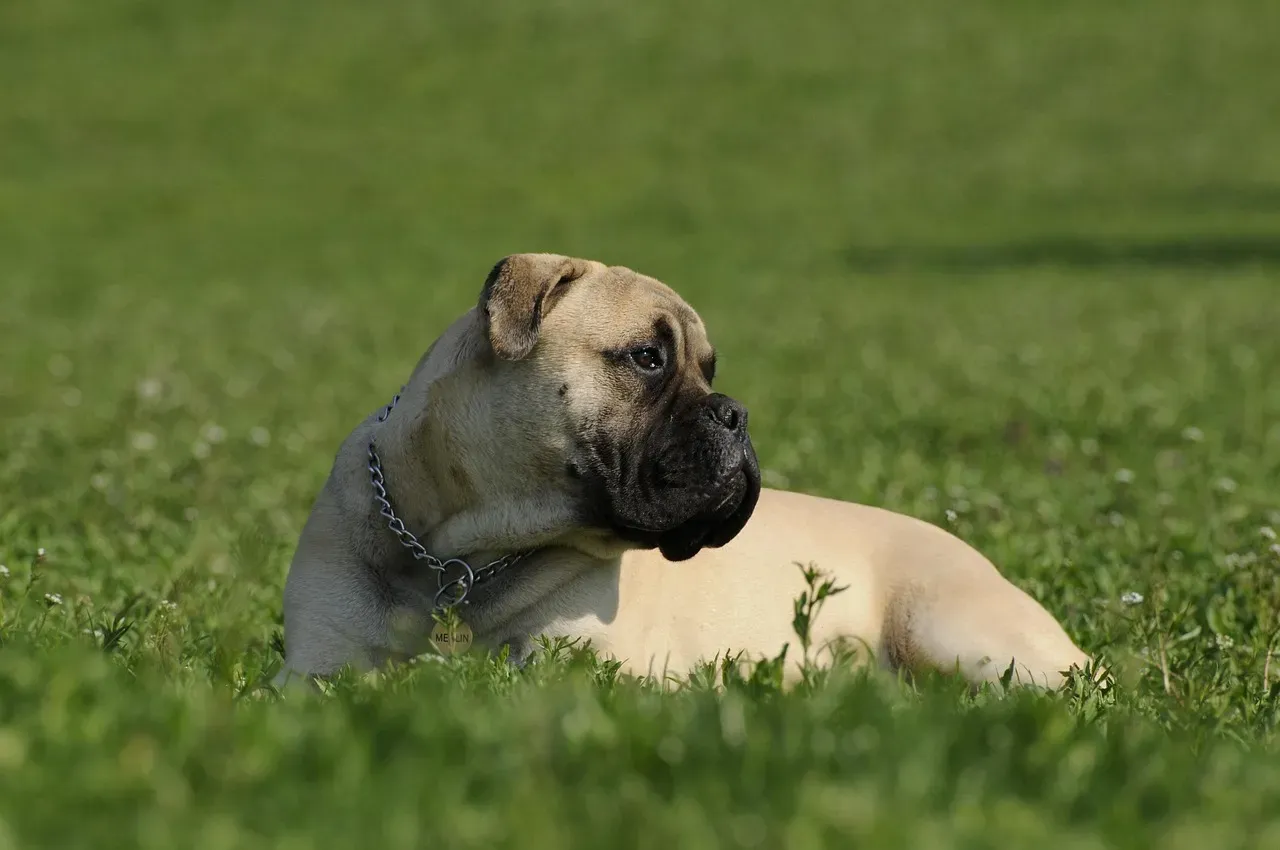
The Bullmastiff was developed to help gamekeepers catch poachers, which meant a dog that could track quietly, move swiftly, and physically stop an intruder without unnecessary noise. That history is exactly why modern Bullmastiffs tend to be silent sentinels. They don’t always bark at the first hint of something odd; they watch, step into your space, and let their presence do the talking.
Despite their massive size, many Bullmastiffs are gentle and almost lazy around their families, often preferring to sprawled out at your feet or leaning against you like a living weighted blanket. But if they sense genuine danger, they have a startling ability to switch from relaxed to immovable force. Their willingness to place their body in the path of a threat is instinctive. Proper socialization is crucial, of course, so they learn the difference between a harmless delivery driver and a real intruder. When they do, you get a dog whose quiet confidence alone can make most would‑be troublemakers think twice.
Cane Corso: Ancient Guardian With Modern Presence
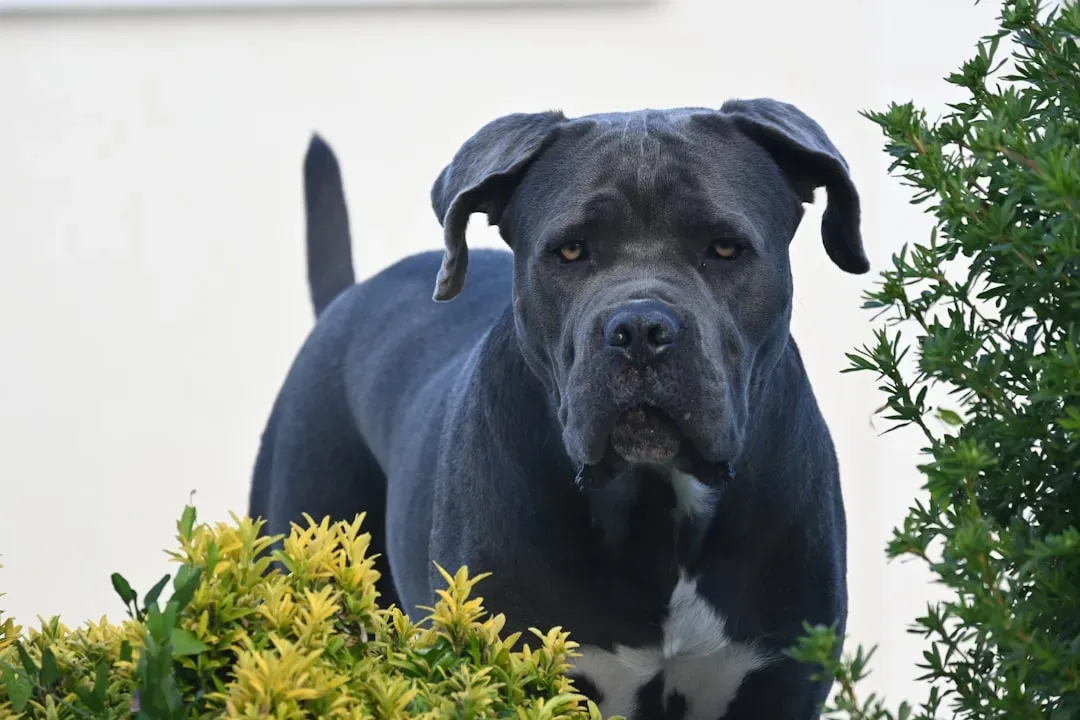
The Cane Corso comes from a long line of Italian farm and estate guardians, and that heritage still shows in everything they do. They have a strong territorial instinct and a natural preference for staying close to home and family. When you live with a Corso, you quickly notice they always place themselves strategically: near doors, between you and visitors, or in spots where they can observe everything at once.
There’s something undeniably intense about a Cane Corso’s gaze. They make steady eye contact, assess strangers carefully, and rarely act impulsively if they have been bred and trained well. They’re not a casual pet by any stretch; they need confident, knowledgeable handling and clear rules. When that’s in place, their protectiveness becomes controlled and rock‑solid. In a crisis, a Corso will not hesitate to stand firm, even against a much larger human threat, simply because that is what centuries of breeding have wired them to do.
Anatolian Shepherd: The Independent Livestock Protector Turned Family Guardian
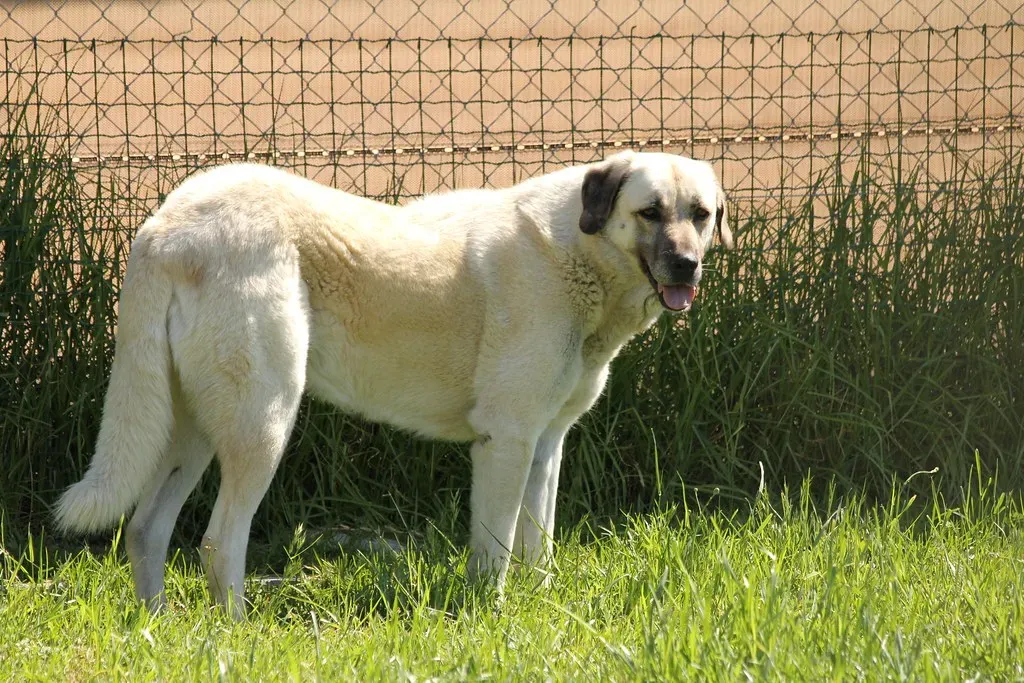
Anatolian Shepherds were bred to guard livestock in remote areas, often making decisions on their own without a human right beside them. That gives them a very different flavor of protectiveness compared to more handler‑focused breeds. They’re independent, thoughtful, and not easily rattled. If you watch an Anatolian in a yard or on land, you’ll often notice they choose vantage points, patrol edges, and keep track of movement in a quiet, methodical way.
When that instinct is brought into a family setting, the breed often transfers its livestock‑guardian mindset to “its” humans, especially kids. They are typically not a dog‑park, social‑butterfly type of dog. They’re polite but reserved with strangers and highly tuned to anything unusual around their territory. If danger shows up, they aren’t likely to bark and run away; they stand and hold ground. That firm, rooted bravery is exactly what made them so good in harsh environments, and it is what makes them stand between you and danger if they believe you are truly threatened.
Great Pyrenees: Gentle Cloud With a Fierce Protective Core
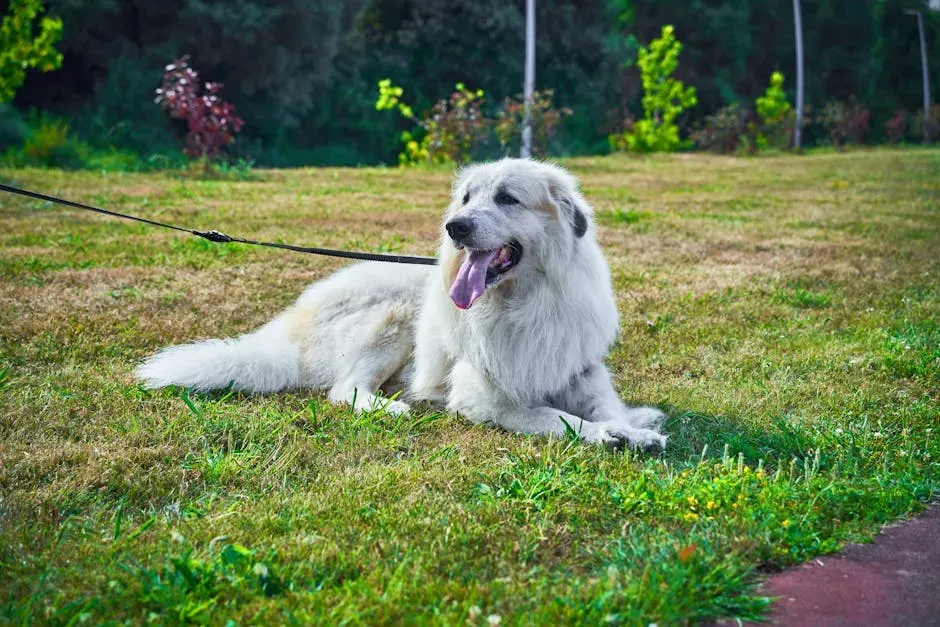
The Great Pyrenees looks like a giant, fluffy snow bear, and often acts like one too: gentle, calm, affectionate, especially with children. But that soft exterior hides a serious working background as a livestock guardian in rugged mountain regions. These dogs were expected to face down wolves and other predators, often at night and in bad weather. That kind of job builds a quiet courage that does not disappear just because they now live in a suburban backyard.
One of the most striking things about a Great Pyrenees is the contrast between their indoor and outdoor behavior. Inside, they’re typically laid‑back and almost lazy. Outside, especially at night, they flip into patrol mode, pacing borders, listening for odd sounds, and sounding off with deep, deliberate barks at anything strange. If you were ever actually confronted by a threat, that same easygoing dog can step forward with surprising intensity, using their size and booming voice to put themselves in harm’s way long before they let it reach you.
Akita: Reserved, Loyal, and Unflinchingly Brave
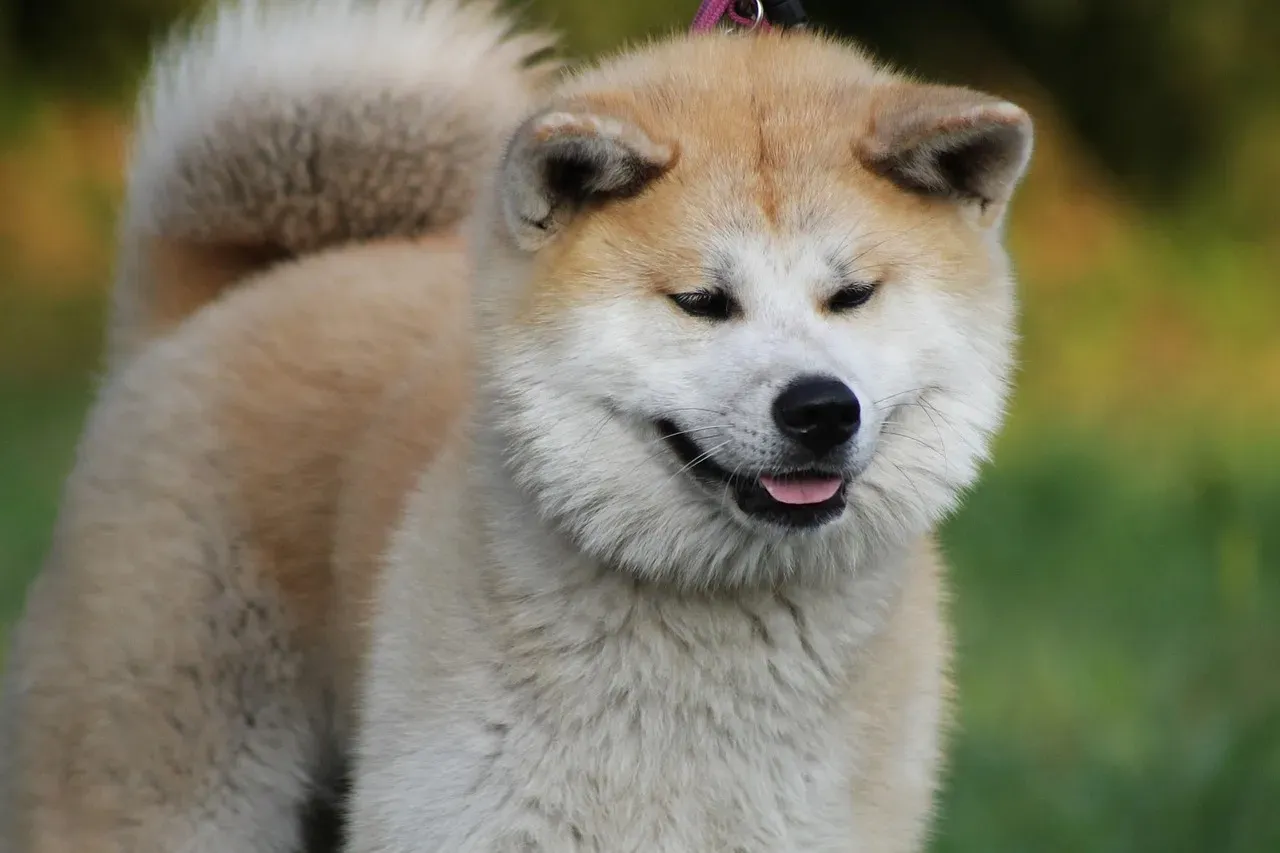
Akitas are often described as dignified, and that word fits perfectly. They’re not hyper‑social, and they don’t typically fawn over strangers. Instead, they choose their circle carefully and then commit to it completely. Historically used in Japan for guarding and, at times, hunting large game, they developed a strong nerve and a willingness to confront danger without flinching.
That seriousness can make them incredible guardians for the right person and a terrible choice for someone wanting a casual, easygoing pet. Akitas are strong‑willed and need respectful, consistent training and lots of early socialization. When they have that, they tend to remain calm in the face of noise and chaos, standing quietly between you and whatever they see as suspicious. If pushed into a real confrontation, their response is fast and decisive. Their loyalty runs so deep that stepping into danger for their person does not seem like a choice; it seems like a given.
Giant Schnauzer: High-Drive Worker With a Serious Guarding Edge
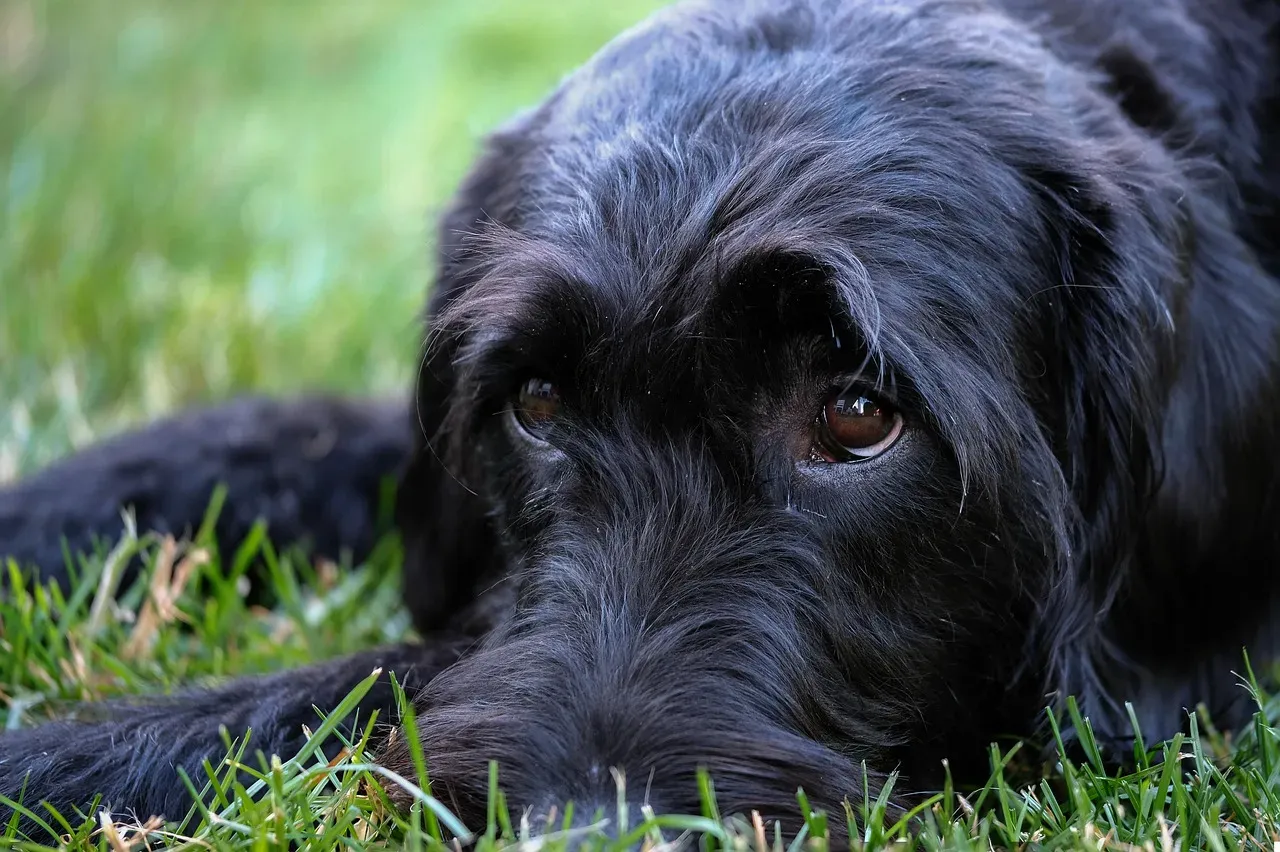
The Giant Schnauzer often surprises people who only know the smaller, more common Miniature Schnauzer. The giant version is a powerful working dog used historically for driving cattle and guarding breweries, rail yards, and industrial properties. They’re alert, intense, and very tuned in to their owner’s movements and emotions. Under that wiry coat is a muscular, agile frame that can move quickly and decisively.
Because they’re intelligent and full of energy, Giants need a job. That job can be formal protection work, sport, advanced obedience, or any combination of mental and physical tasks. Without it, that protective energy can become frustration. With it, they transform into level‑headed guardians that are deeply bonded to their family and suspicious of genuine threats. They’re the type of dog that may sit quietly under a café table until someone approaches in a way that feels off, at which point they shift posture and plant themselves between you and the person without needing any cue.
Staffordshire Bull Terrier: Small Powerhouse With a Big Heart for Its People
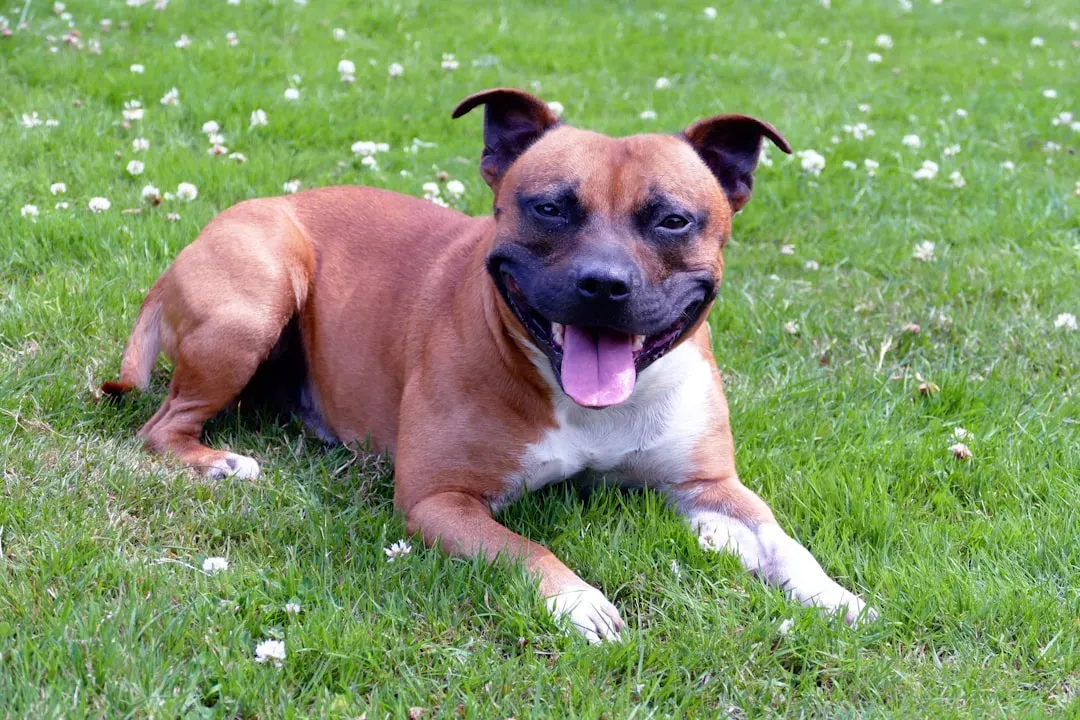
The Staffordshire Bull Terrier might seem like the odd one out on this list because they’re smaller and often absolute sweethearts with humans. In fact, their nickname in some places highlights their reputation as loving, people‑oriented dogs. But that human‑centered nature is exactly why so many of them are instinctively protective of their families. They don’t see themselves as small, and in a moment of real danger, they certainly don’t act like it.
What sets Staffies apart is their blend of toughness and emotional sensitivity. They read their owner’s tension and respond quickly, sometimes stepping forward long before a larger, more laid‑back guardian would. They are not meant to be aggressive status symbols; they shine as close, family‑embedded companions who are confident enough to put themselves between you and a threat, no matter the size difference. With good socialization and firm but kind training, you get a compact, muscular dog that treats your safety like a personal mission.
Kuvasz: Noble, Independent, and Uncompromising in Defense
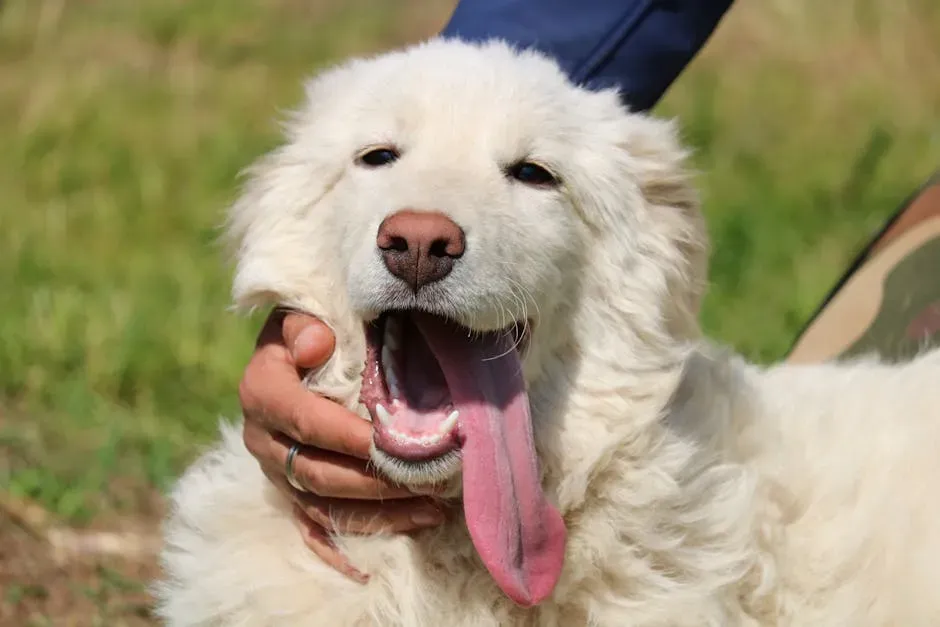
The Kuvasz is another livestock guardian breed, traditionally used in Hungary to protect flocks and estates. They have a statuesque, almost regal look and an independent mind to match. Instead of constantly checking in with you for direction, they often make their own decisions about what needs watching and where they should position themselves. That independence can be challenging for first‑time owners, but it is also exactly what makes them so reliable in dangerous situations.
In a family, a well‑raised Kuvasz tends to be deeply devoted yet somewhat aloof with strangers. They don’t typically look for conflict, but they will not back down from one if they believe you are in real danger. Their protective behavior tends to be serious and deliberate rather than frantic. If someone crosses a line, they step forward, not sideways. That willingness to confront and hold ground has been shaped over generations, and when you live with one, you quickly realize that if something ever truly goes wrong, this dog will move in front of you instinctively, whether you ask them to or not.
Conclusion: Protection Is More Than Muscle and Intimidation
Looking across these breeds, one thing becomes clear: real protection is not about owning the scariest‑looking dog on the block. It’s about stable nerves, clear thinking under pressure, and a deep, almost stubborn loyalty to their people. The dogs on this list are genetically inclined to stand between you and danger, but whether that instinct turns into something noble or something problematic depends entirely on how we raise, train, and live with them.
I’m personally convinced that a good guardian dog is less about fear and more about partnership. When you earn a dog’s trust and give them structure, they don’t protect you out of dominance or aggression; they do it because, in their mind, you’re family, and family is non‑negotiable. Not everyone needs or should own a protection‑oriented breed, but for those willing to put in the work, sharing your life with a dog that would face real danger for you is humbling. If one of these breeds were watching your front door tonight, which one would you want lying at your feet?


