
Some dogs bounce through life like furry sunshine. Others… well, they feel a bit more like living with an artist in a tiny apartment: intense, sensitive, dramatic, and occasionally offended by things you cannot see. These “moody” breeds are not bad dogs at all; in fact, many are brilliant, loyal, and deeply emotional. But they can be challenging if you expect a chilled, always-happy golden-retriever vibe.
I once fostered a dog who could go from cuddling like a teddy bear to side‑eyeing me like I had betrayed his entire bloodline just because I moved a pillow. That experience made me realize how many breeds are wired to be more cautious, suspicious, or emotionally reactive. Living with them can be amazing, but only if you understand what you are signing up for. Let’s dig into ten of the moodiest dog breeds that can be tough roommates if you are not prepared.
1. Chow Chow: The Furry Royal With Zero Time for Nonsense
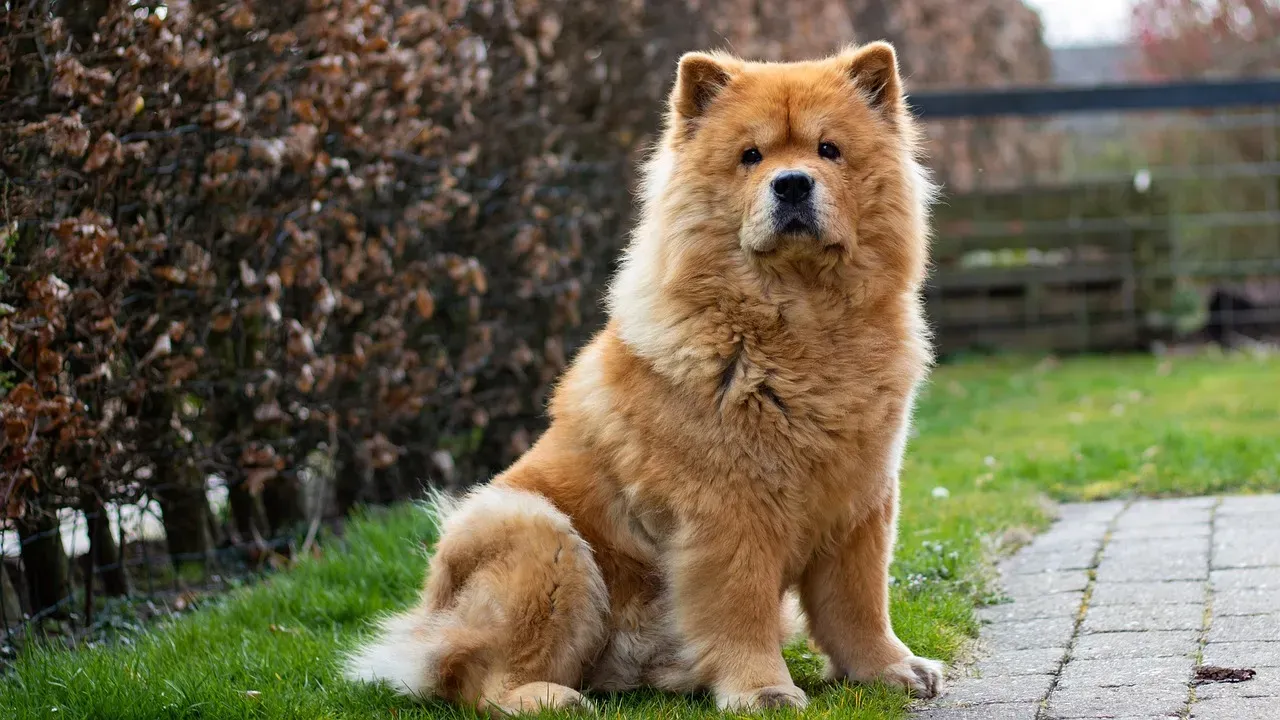
Chow Chows look like walking teddy bears, but emotionally they are more like an aloof monarch who tolerates you if you behave correctly. Many Chows are reserved, independent, and can seem almost cat‑like in the way they ignore people they do not know or do not fully trust. They often bond closely with one or two people and may react with irritation, stiffness, or even aggression if pushed into unwanted affection.
This is a breed that takes social boundaries seriously. If you try to hug a Chow that is not in the mood, you may get a very clear “absolutely not” in the form of a growl, stare, or snap. Without early socialization, clear rules, and respectful handling, their natural suspicion can turn into defensive behavior. For the right person who appreciates their dignity and cool temperament, though, living with a Chow can feel like earning the loyalty of a very picky friend – and that makes it all the more special.
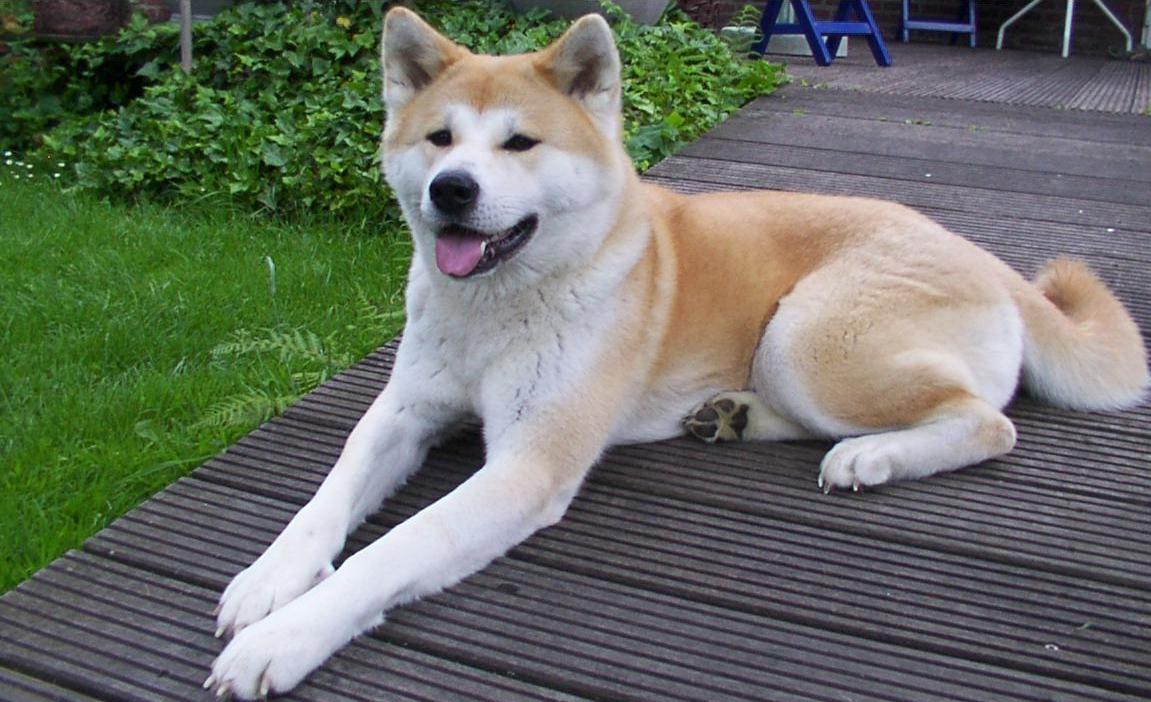
2. Akita: Intensely Loyal, Intensely Stubborn
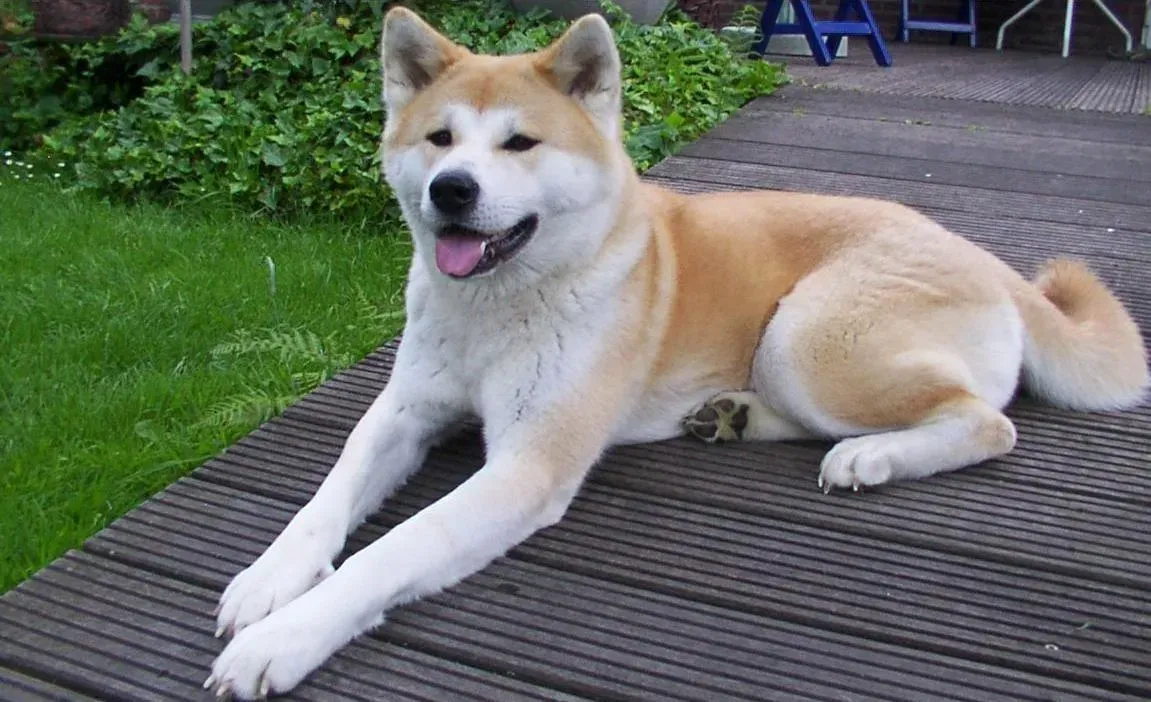
Akitas are legendary for their loyalty, but that devotion comes wrapped in a powerful, strong‑willed package. These dogs were developed as hunters and guardians, and you can still see it in the way they move: calm, watchful, and always evaluating. In the home, that intense focus can translate into a kind of emotional seriousness. Many Akitas do not appreciate rough handling, chaotic environments, or pushy strangers, and they will absolutely let you know.
If you live with an Akita, you are dealing with a dog that often has opinions about everything – from who is allowed in the house to how close other dogs can come. Moodiness can show up as sudden withdrawal, growling when approached at the wrong moment, or a cold shoulder after being corrected too harshly. Firm but fair training, predictable routines, and genuine respect for their space are non‑negotiable. This is not a “go with the flow” breed; they demand a confident human who can handle their emotional intensity.
3. Dachshund: Small Body, Big Feelings

It is almost funny how much attitude can fit into such a short dog. Dachshunds were bred to hunt badgers underground, so they needed incredible courage, independence, and persistence. Today, that can look like stubbornness, drama, and very big emotions over very small things. Many Dachshunds will bark at the wind, sulk if they feel ignored, or snap if they are startled or disturbed while resting.
They are known for being somewhat snappy compared with many other companion breeds, especially if they are not properly socialized or are allowed to rule the house. You can think of a Dachshund as a tiny diva who believes the living room is their stage. With firm boundaries, mental stimulation, and consistent training, they are hilarious and affectionate companions. Without that structure, you may find yourself living with a dog who throws daily tantrums about going outside in the rain or sharing space on the couch.
4. Shar-Pei: The Worried Philosopher of the Dog World
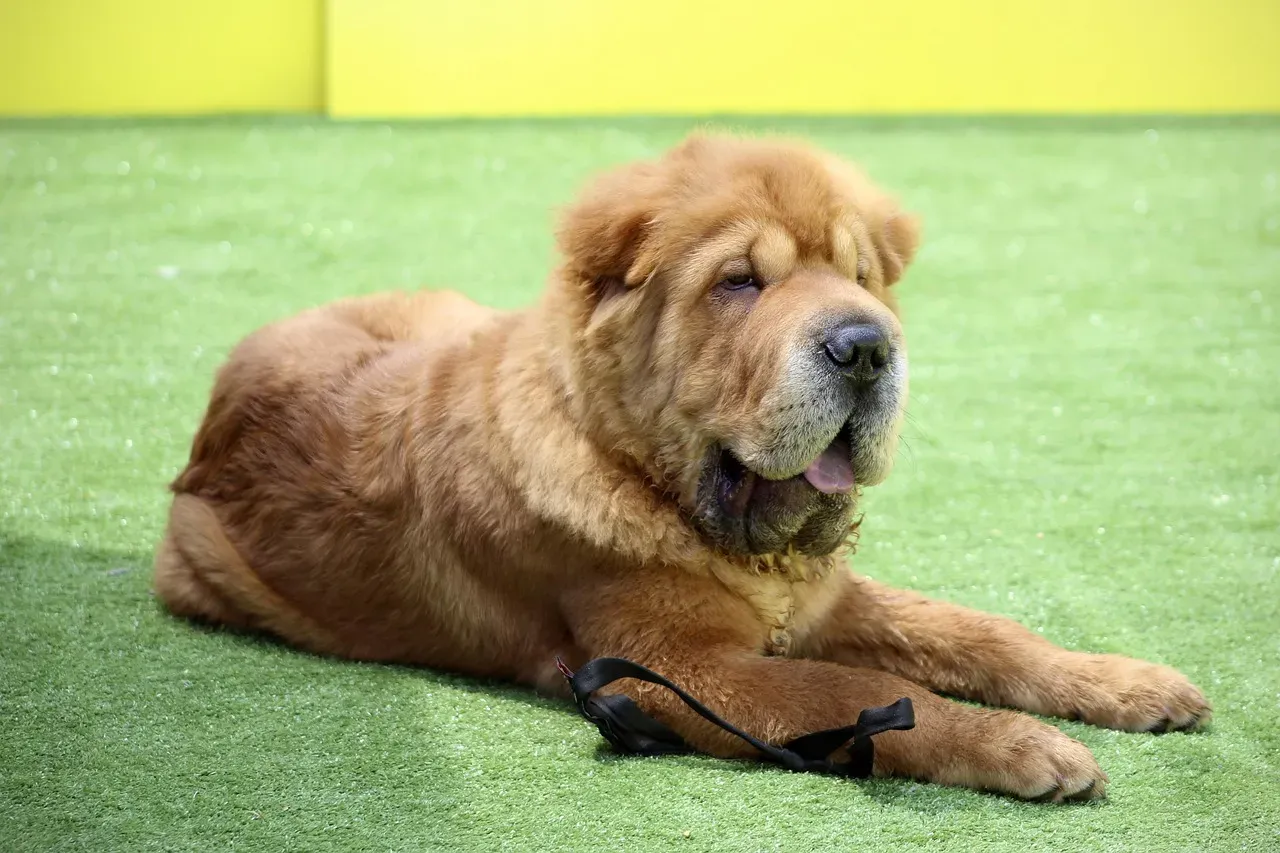
Shar-Peis tend to carry a permanent frown, and in many ways, it matches their internal world. This is a breed developed as a guard and farm dog, which means they are naturally suspicious, thoughtful, and careful about who they trust. They can be very attached to their family yet keep strangers at a firm emotional distance. Their moodiness often appears as sudden wariness, stiff body language, or grumpy behavior when pressured by unfamiliar people or dogs.
The Shar-Pei is not usually a social butterfly at the dog park. Many prefer a quiet, predictable home with a small circle of familiar faces. If their boundaries are not respected, or if they are not well socialized early on, they can become defensive and prickly. Add in their tendency toward certain health issues that can make them uncomfortable, and you have a dog whose irritability may at times be rooted in pain or stress. Living with one requires patience, vet attention, and a deep respect for their right to say “no thanks” to the world.
5. Cocker Spaniel: Sensitive Soul With a Stormy Side

Cocker Spaniels look soft, sweet, and innocent, which is partially true – they often are gentle, loving family dogs. But they are also known for something sometimes called “Cocker rage” in popular conversation: sudden, intense outbursts of aggression that seem to come out of nowhere. While the dramatic label is overused and not always accurate, there is no question that many Cockers are emotionally sensitive and can react poorly to rough handling, chronic stress, or inconsistent training.
These dogs were bred as hunting spaniels, which means they are energetic, driven, and highly attuned to their environment. If they are overwhelmed, under‑exercised, or poorly bred, that sensitivity can drive unpredictable behavior. Owners might notice moody swings – clingy one moment, snappy the next, especially around grooming, food, or being disturbed. Gentle, reward‑based training, good breeding lines, and a calm household can reveal their best qualities, turning that stormy side into manageable clouds rather than full‑blown tempests.
6. Basenji: The Independent Thinker Who Does Not Care What You Want
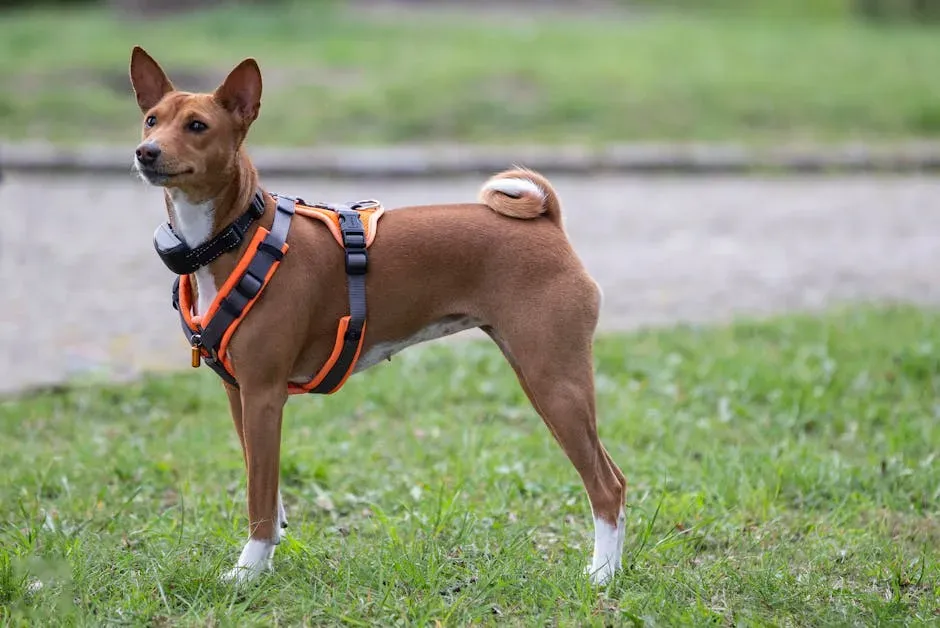
Basenjis are often labeled as “cat‑like,” and in emotional terms, that is pretty accurate. They are intelligent, independent, and notoriously unimpressed by human expectations. This breed was developed as a hunting dog in Africa, and it shows in their self‑reliance and alertness. Instead of being eager to please, a Basenji is more likely to ask, in their own way, what is in it for them.
Moodiness in a Basenji may show up as sudden aloofness, boredom, or destructive behavior if they feel under‑stimulated or forced into repetitive routines. They do not bark much, but that does not mean they are calm; they can be intense, restless, and prone to mischief if their minds are not challenged. Many owners describe them as emotionally unpredictable: cuddly at night, wildly stubborn in the morning. If you want a dog who lives to obey, this is not your match. If you enjoy an equal partner with their own agenda, their emotional complexity can be part of the fun.
7. Shiba Inu: The Drama King or Queen of the House

Shiba Inus have exploded in popularity thanks to memes and social media, but anyone who lives with one knows there is a lot of mood under all that fluff. Shibas are famously independent and can be extremely expressive – howling, screaming, or staging what looks like a full emotional meltdown over nail trims, baths, or wearing a harness. Their moods can swing fast from affectionate to “do not touch me” with very little warning.
They were bred as hunting dogs in Japan, and that independent streak means they often resent being told what to do. Without early socialization and patient, positive training, their natural suspicion and strong opinions can turn into reactive or defensive behaviors. Living with a Shiba can feel a bit like living with a moody teenager: they love you, but they also need things done exactly their way, or they will let the entire neighborhood know. If you find their drama amusing and respect their space, though, they can be riveting companions.
8. Weimaraner: Velcro Dog With Emotional Whiplash

Weimaraners are often called “velcro dogs” because they stick to their humans like glue. That intense attachment is cute in theory, but it can create serious emotional instability if they are left alone too much or not given a clear role. Many Weims are highly energetic, driven, and prone to anxiety when their needs are not met. Their mood can crash quickly into destructive behavior, howling, or frantic pacing when they feel abandoned or bored.
These dogs were bred for demanding hunting work, and they do not thrive as decorative couch ornaments. When under‑exercised or poorly trained, their nervous energy and insecurity can feel like living with an anxious roommate who constantly needs reassurance. With enough exercise, structure, and mental challenges, they are funny, affectionate, and deeply loyal. Without it, the mood swings and separation‑related issues can make everyday life really stressful for both dog and human.
9. Jack Russell Terrier: Hyperactive Genius With an Attitude
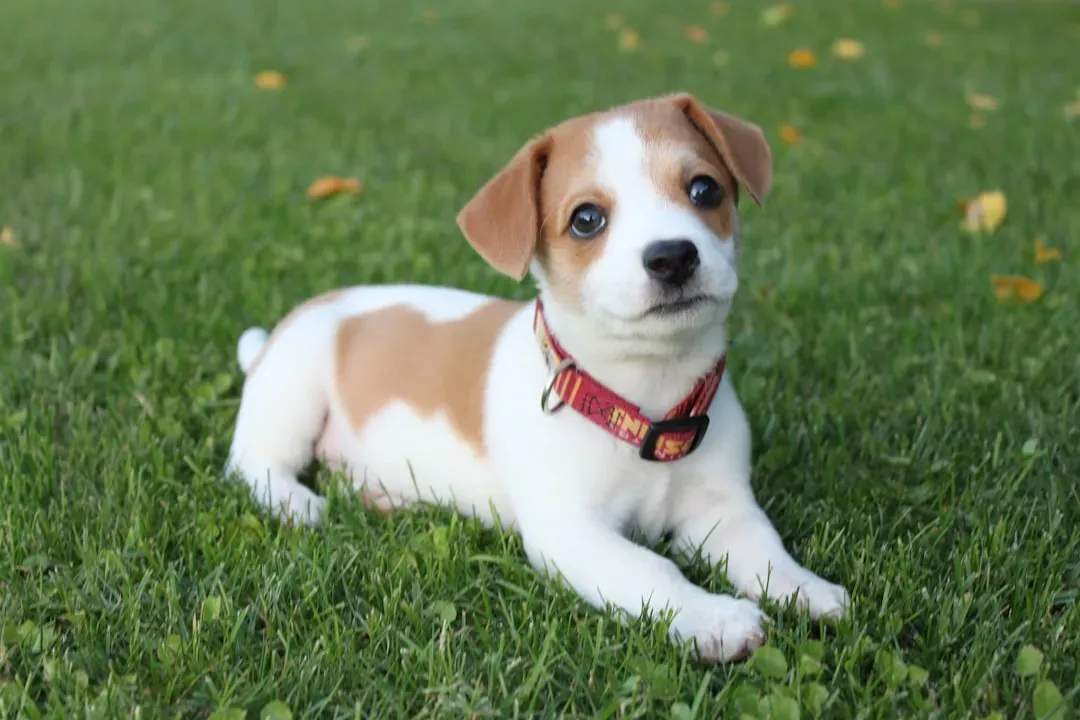
Jack Russells are tiny powerhouses of energy and intelligence, and they know it. Originally bred for fox hunting, they are wired to think fast, react fast, and never back down. That fierce drive can turn into frustration if they are trapped in a low‑stimulation home. When that happens, you may see moody behavior: snapping at other dogs, obsessively barking, guarding toys, or ignoring commands with wild‑eyed enthusiasm.
They often act like the boss of the household unless given firm, consistent rules. A bored Jack Russell is like a brilliant child stuck in a classroom with nothing to do: they will invent chaos just to feel something. Mentally and physically challenging activities – agility, nose work, puzzle games – can soften that edge and help them feel satisfied. Without outlets, you may feel like you are living with an irritable, overcaffeinated comedian who never stops making trouble.
10. Border Collie: Emotional Athlete on the Edge
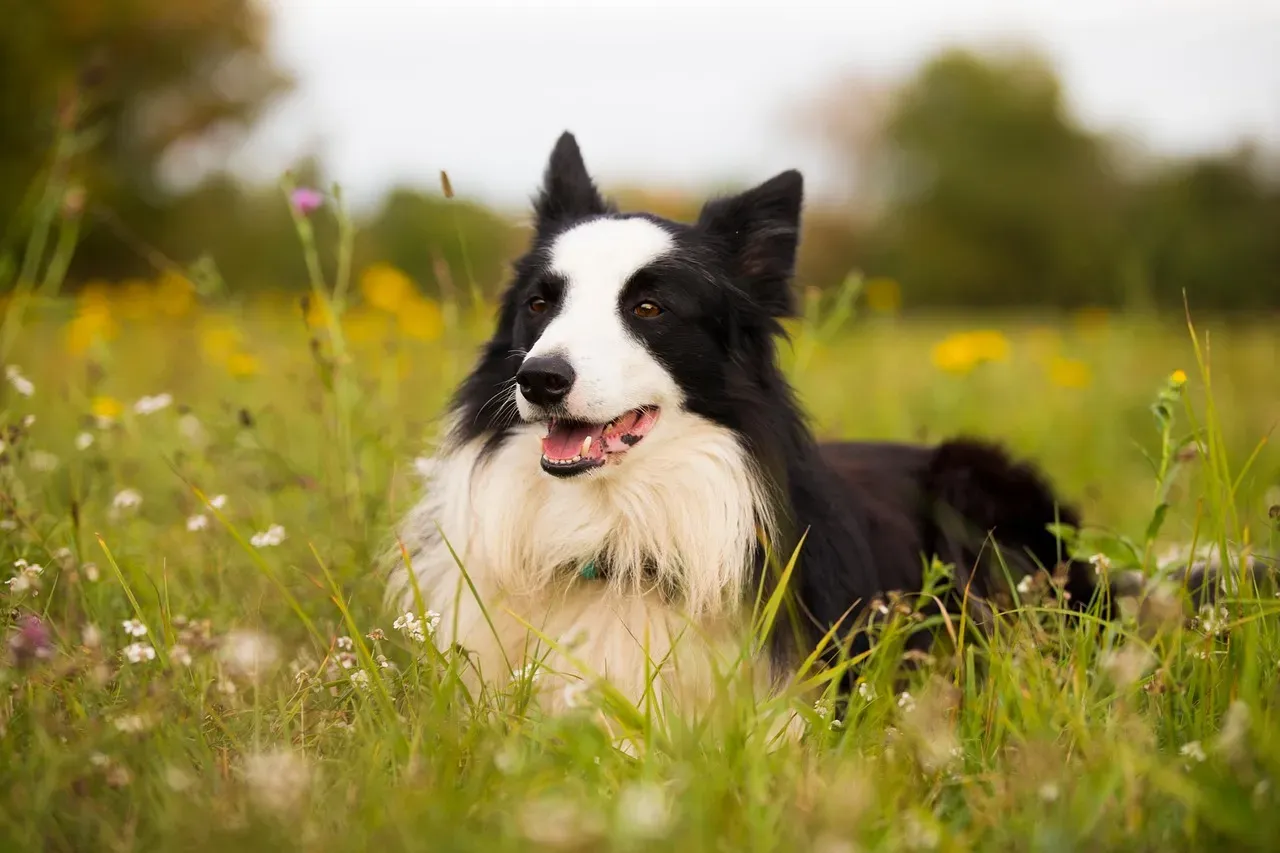
Border Collies are widely considered one of the most intelligent dog breeds in the world, but that brainpower comes with a price. They were bred for intense herding work, constantly reading livestock and responding to subtle signals. In a modern household, this often turns into restlessness, anxiety, and emotional overload if they do not get enough mental and physical work. That can look like obsessive behaviors, nipping, hyper‑vigilance, or sudden crankiness when restrained or bored.
Think of a Border Collie as a top‑level athlete forced to sit through long, slow meetings every day. They become frustrated, edgy, and moody because their instincts are screaming for a job. Without structured outlets like sports, obedience, or herding trials, they may start herding children, chasing cars, or reacting sharply to noises and movements. For the right person, their emotional intensity feels like magic; for the wrong home, it can become a constant, exhausting negotiation.
Conclusion: Moody Does Not Mean “Bad,” But It Does Mean “Different”

All of these breeds have something in common: their emotional thermostat is set a bit higher than your average laid‑back family dog. They feel more, react more, and demand more understanding. Calling them “moody” is not an insult; it is a reminder that they are sensitive, intense, and wired for specific jobs or ways of living that do not always match a casual, busy modern lifestyle. The trouble usually starts when people choose them for looks or trends instead of temperament and needs.
In my experience, the same traits that make these dogs difficult – their stubbornness, sensitivity, suspicion, or drama – are exactly what make them unforgettable when you work with them instead of against them. If you respect their boundaries, meet their mental and physical needs, and accept that they will never be easygoing golden retriever clones, they can become fiercely loyal, fascinating companions. Maybe the real question is not “Are these dogs too moody?” but “Are we willing to adjust our expectations for a dog with this much personality?”


