
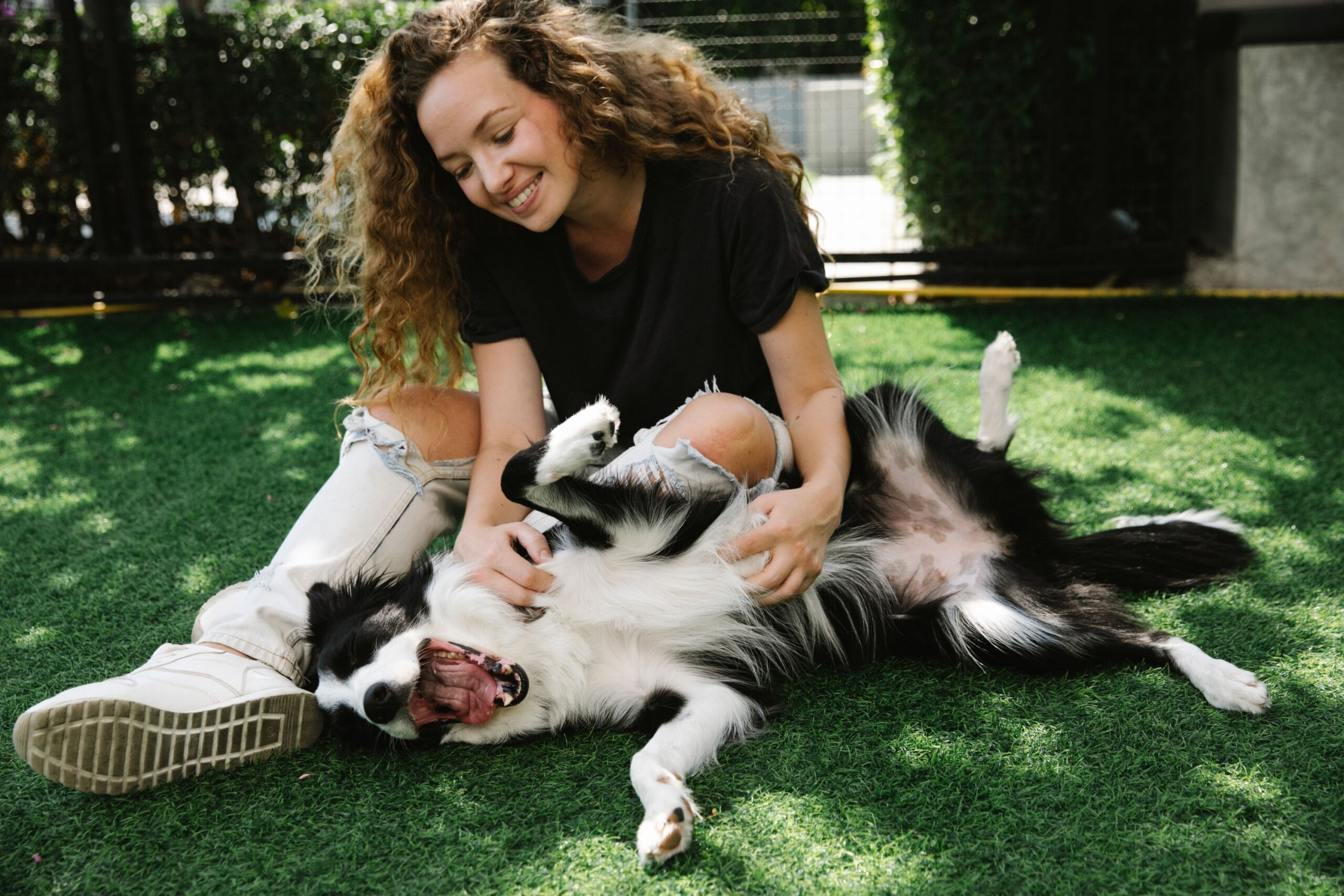
If dogs could talk, a lot of us would probably be shocked by how deeply they actually trust us. Most people look for the obvious things – wagging tails, happy greetings, begging for treats – and miss the quiet, almost hidden signals that say: you are my safe place in this chaotic world.
Once you start noticing these subtle behaviors, it changes how you see your dog. You stop wondering whether you are a “good enough” owner and start realizing your dog has already cast their vote. These eight secret signs are not just cute quirks; many of them are backed by what we know about canine behavior, body language, and even stress hormones. Let’s break them down in a way that’s both scientific and very, very real for everyday life.
1. Your Dog Sleeps Deeply Near You (Or On You)
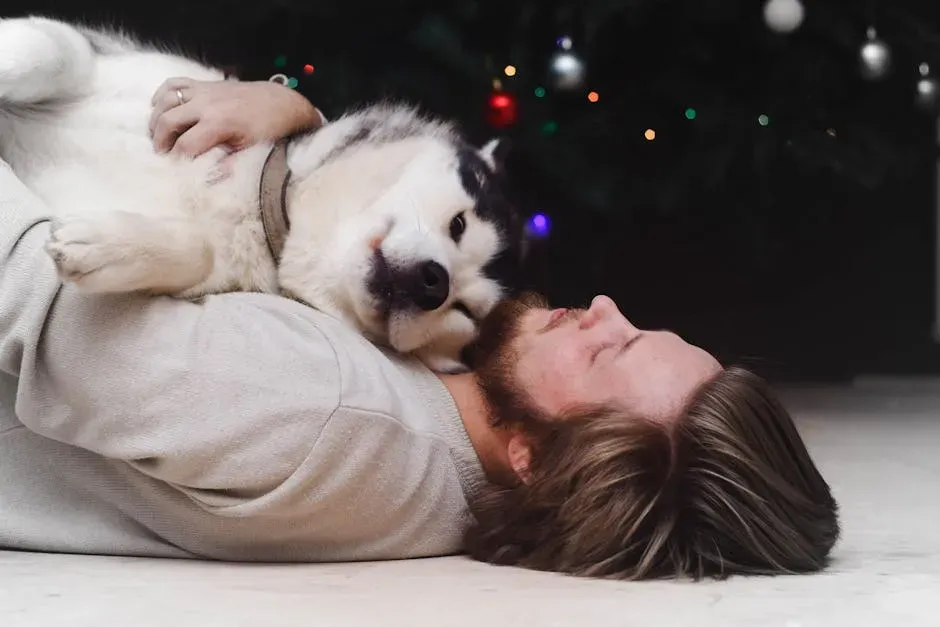
Imagine trying to sleep on a plane next to a total stranger versus knocking out on the couch next to someone you love. Your dog feels the same way. When a dog chooses to sleep deeply near you – stretched out, belly exposed, even snoring – it’s a massive vote of confidence. In the wild, sleep is when animals are most vulnerable, so relaxing their guard around you means their brain has decided you are not a threat, you are a shield.
Scientifically, dogs are wired to be alert to changes in their environment, so the fact that yours can fully conk out suggests they feel genuinely safe in your presence. I’ve had dogs fall asleep with their back pressed against my leg like I’m a living security blanket. That is not just affection; that is trust at the deepest, instinctive level. If your dog naps better when you are nearby, you are not just “the owner” – you are home.
2. They Make Soft, Sustained Eye Contact Without Tension
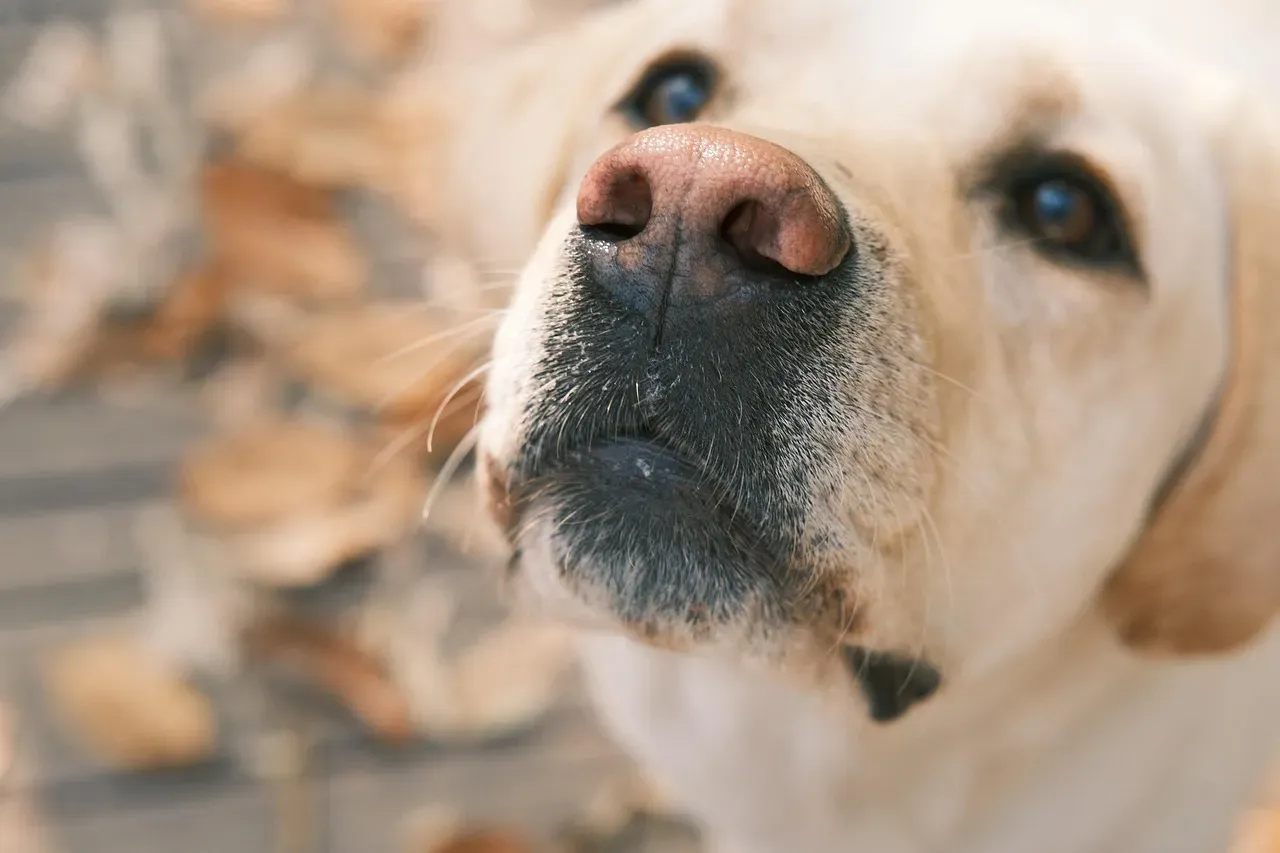
Direct eye contact in the animal world can be pretty confrontational. But when your dog looks at you with relaxed eyes – soft lids, blinking slowly, maybe a slight squint – that is closer to an emotional hug than a stare-down. Research has shown that gentle eye contact between dogs and humans can increase oxytocin, the same hormone linked with bonding between parents and babies.
Look carefully: are the corners of their eyes soft, is the rest of their body loose, is the tail in a neutral or gently wagging position? That combination says, “I feel safe watching you and being watched by you.” When your dog voluntarily checks in with your face, especially in unfamiliar environments, it often means you have become their reference point. They are essentially asking, “Are we good?” and believing you when your body language says yes.
3. They Turn Their Back To You And Expose Vulnerable Areas
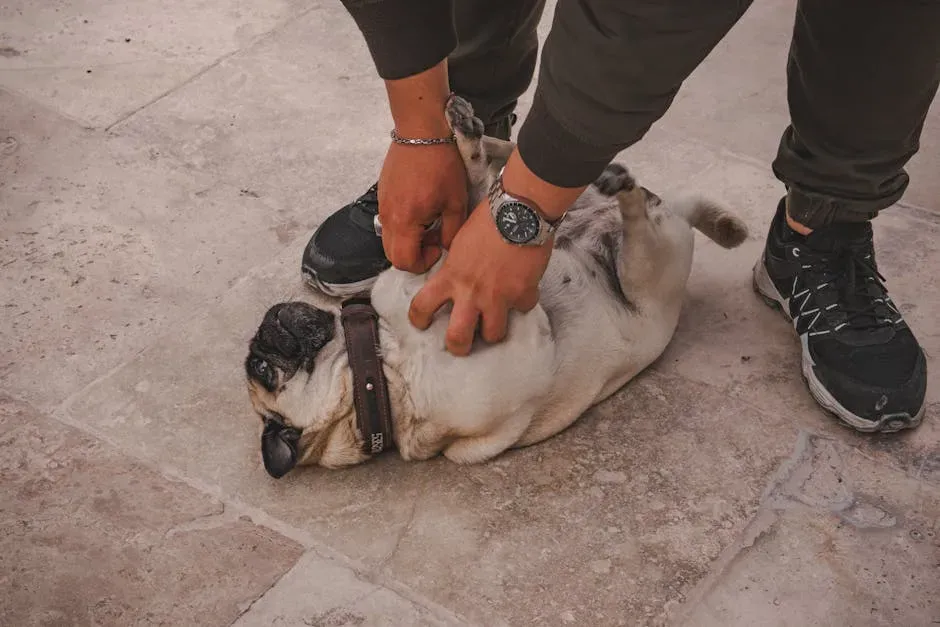
It feels a little insulting when a dog plops down and shows you their butt, but behaviorally it is one of the strongest demonstrations of trust. Turning their back or exposing their belly, throat, or side puts them at a vulnerable angle, especially in close quarters. A dog that regularly curls up with their back pressed into you, or rolls over to let you rub their chest and stomach, is saying, “I’m not worried about defending myself around you.”
Predators and prey both protect their vulnerable zones by instinct. So when your dog chooses not to, that is not laziness, that is faith. The key is whether they look loose and comfortable: floppy paws, relaxed jaw, maybe a contented sigh. If they offer you their belly or lie down with their back against your legs without flinching when you move, you are not just someone they like – you are someone they trust with their safety.
4. They Check In With You Even When They’re Off-Leash Or Distracted
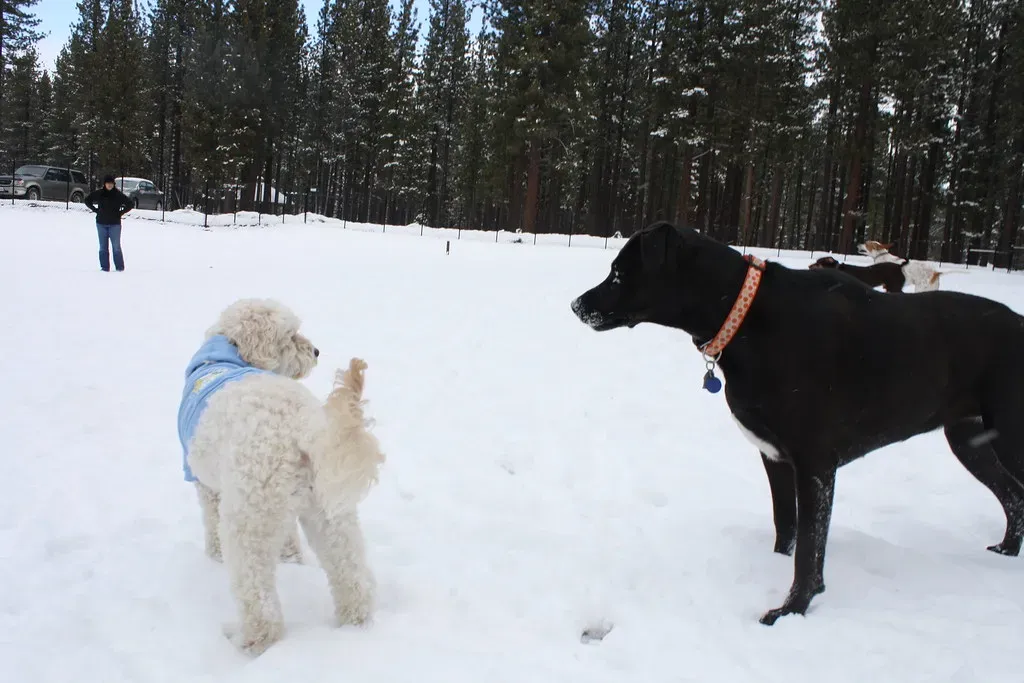
Watch what your dog does when they are busy doing “dog stuff” – sniffing, exploring, greeting other dogs. Do they periodically glance back to find you, circle around to your side, or trot back for a quick touch before zooming off again? Those small check-ins are a huge deal. They show your dog is mentally tethered to you, even when they have every excuse to ignore you.
This kind of behavior is often seen in secure, well-bonded dogs who see their person as the safe base in a big, unpredictable world. In practical terms, it means your dog trusts that you are consistent: you do not vanish randomly, you respond in predictable ways, and you are worth staying connected to. It is a quiet, underrated compliment when your dog chooses to keep you in their mental “map” instead of disappearing into their own adventure.
5. They Can Handle Mild Discomfort If You’re The One Helping
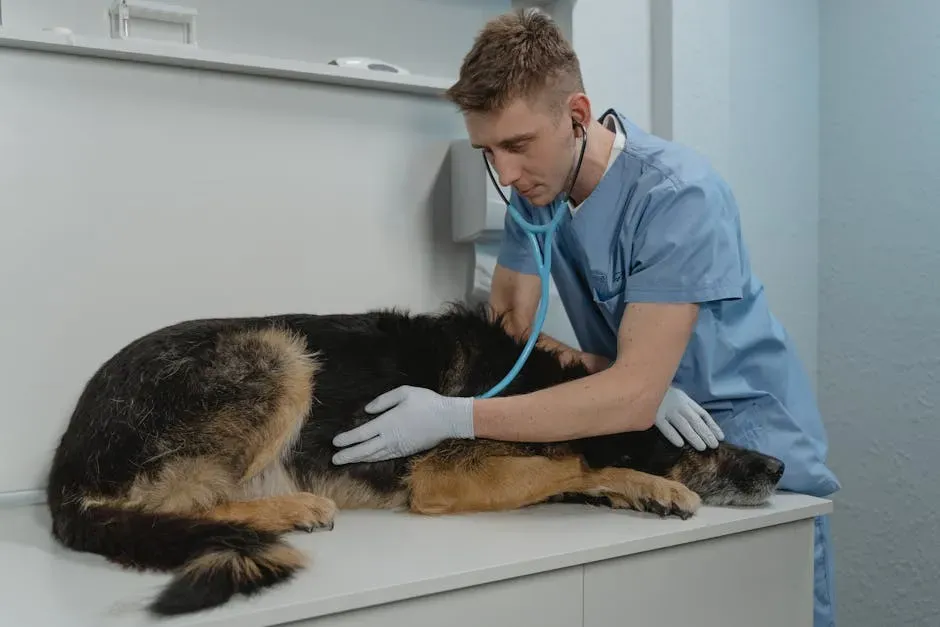
Most dogs hate certain things: nail trims, ear cleaning, eye drops, brushing mats out of their fur. If your dog will tolerate mildly uncomfortable care from you – even if they do not love it – that’s not just obedience, that’s trust. They are betting that you will not push them past what they can handle and that whatever weird thing you are doing is ultimately for their good.
Watch the difference between how they react when a stranger tries something versus when you do. A dog that leans into you at the vet, or accepts you lifting their paw, opening their mouth, or checking their ears, is making a judgment call: “This is uncomfortable, but I trust you enough to go along with it.” The line between fear and faith is subtle here, so your job is to respect that trust by going slow, giving breaks, and pairing these moments with calm reassurance instead of frustration.
6. They Follow Your Lead In Unfamiliar Or Stressful Situations
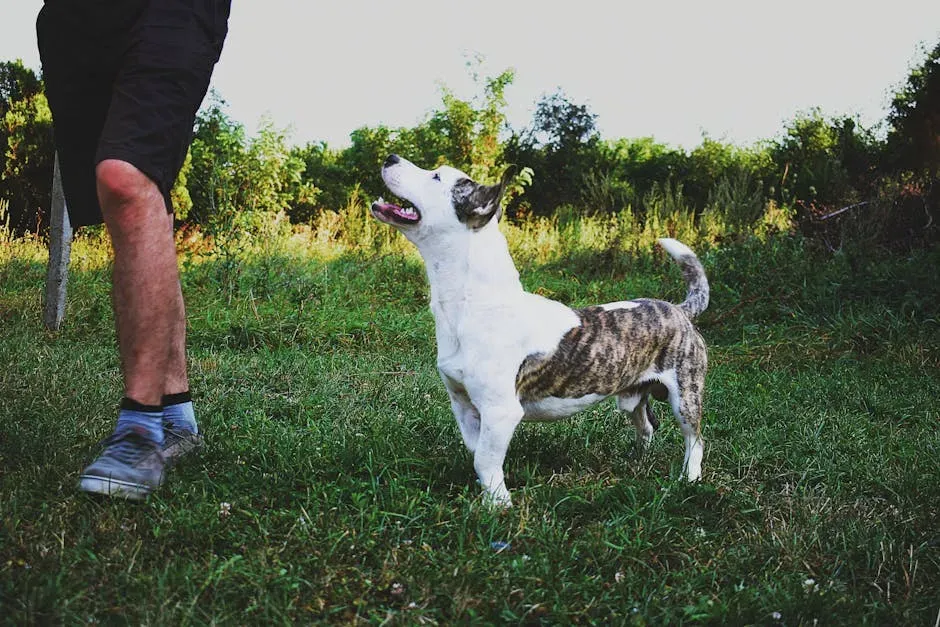
Think about the last time your dog faced something weird: a loud truck, a slippery floor, a crowded park, fireworks in the distance. Did they look to you? Move closer to your side? Match your pace or your direction? That is a dog using you as a social reference, a behavior seen in many social animals when they look to a trusted figure to decide how to respond.
If you stay calm and your dog relaxes a little after checking in with you, that is a very concrete sign that they believe your reaction more than their own fear. It is similar to a child scanning a parent’s face after hearing a strange sound. Dogs that do this are not “clingy” in a bad way; they are connected enough to your emotional state that your presence changes their experience of the world. That is trust working in real time.
7. Their Body Language Around You Is Loose, Wiggly, And Imperfect
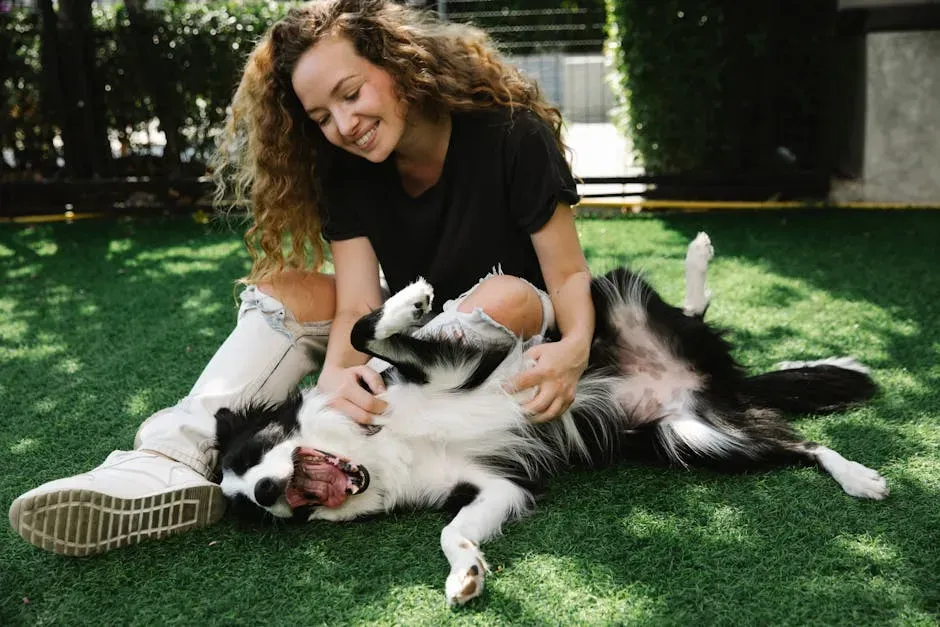
We tend to focus on tricks and training, but the unpolished moments say more. A dog that shows you their most ridiculous, unfiltered self – the zoomies, the full-body wiggle, the goofy play bows – is a dog that feels safe letting their guard down. Loose bodies, curved spines, relaxed ears that move naturally, and even sloppy play-fighting with you are all signs of emotional comfort.
In contrast, stiffness, frozen posture, or overly controlled movement can point to anxiety or uncertainty. When a dog trusts you, they are willing to be “messy” around you. They trip over their own paws, flop onto your lap, shove toys into your hand, and generally look like a living cartoon character. That looseness is not just cuteness; it is a running, bouncing, wiggling demonstration that your presence lowers their stress instead of raising it.
8. They Seek You Out For Comfort, Not Just Treats Or Play
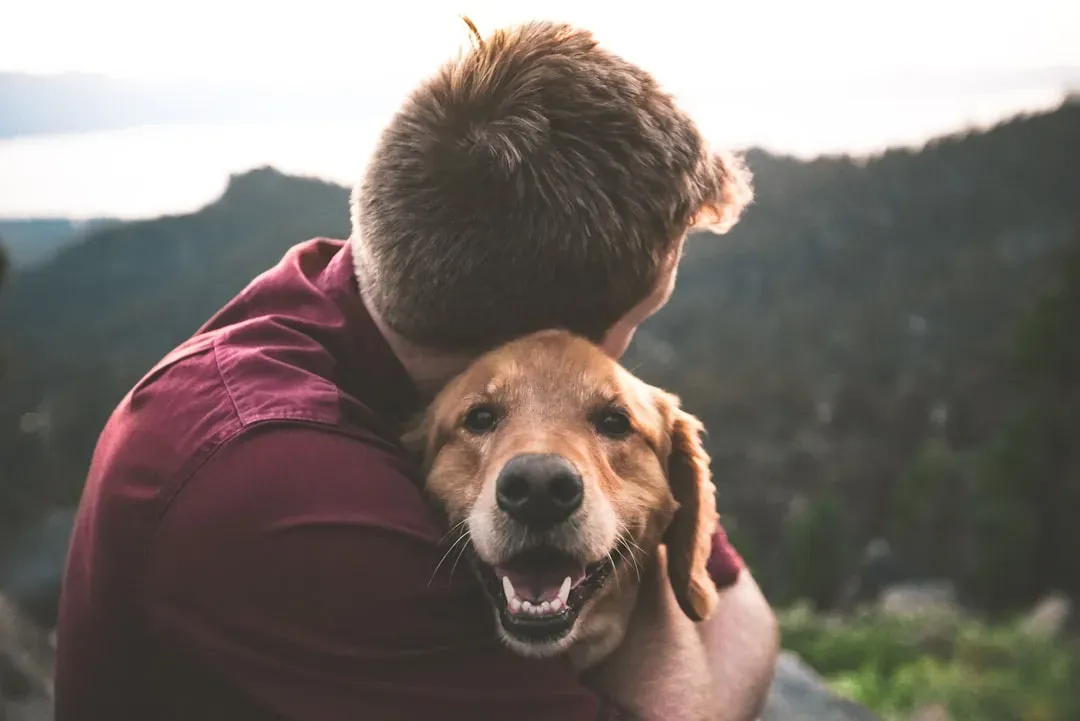
The clearest sign of deep trust, in my opinion, is what your dog does when they are overwhelmed, scared, or just not feeling great. Do they come curl up beside you during a storm, press into your legs when a loud noise startles them, or climb onto the couch with you when they are tired or sick? That is not bribery, and it is not habit – that is emotional reliance. They believe that being close to you will make a bad feeling less bad.
This goes beyond simple attachment. Dogs that trust their humans at a deep level treat them like an emotional safe room: the place they go when the world feels too big. When your dog chooses your lap or your side over hiding alone, they are saying something very serious in the quietest possible way. They are saying, “You are my safety plan.” You cannot fake that kind of trust; you can only earn it over time with consistency, kindness, and patience.
9. They Recover Faster From Stress When You’re Around
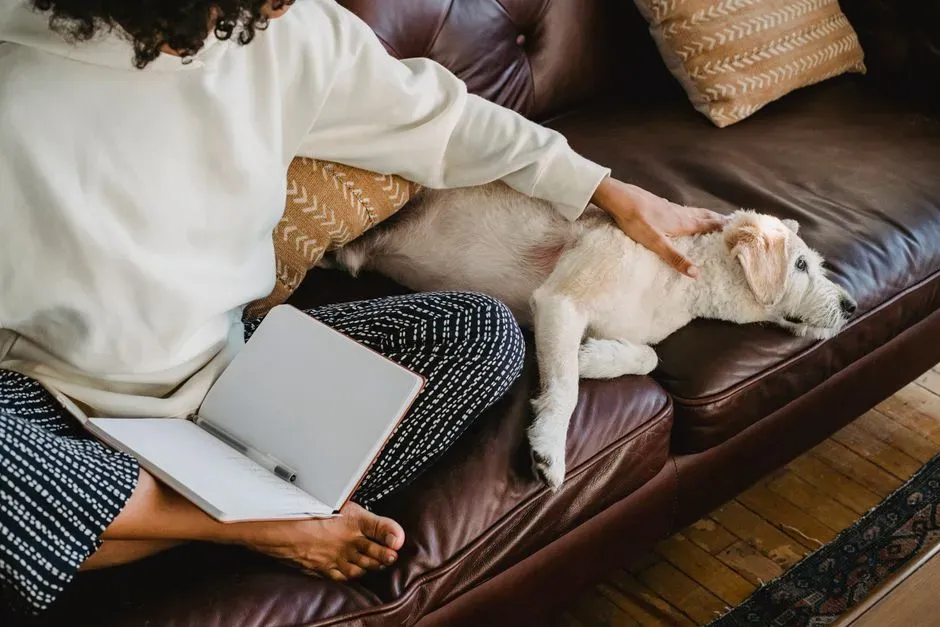
Here is a sign many people miss: how quickly does your dog bounce back after something scary if you are there to support them? Maybe a skateboard zooms past, a door slams, or another dog barks aggressively. A dog that trusts you may startle, but then look at you, take a breath, and settle more quickly than they would if they were alone. Your presence is literally regulating their nervous system.
Animal behavior research suggests that social support can reduce stress responses in many species, and dogs are no exception. You might notice subtle things: their breathing slows when you speak calmly, their tail gradually lifts back to neutral, or they start sniffing around again after checking in with you. That pattern – spike, check in, recover – is a living, breathing indicator that you are a reliable source of safety in their internal world.
10. They Respect Your Space Yet Still Choose To Be Close
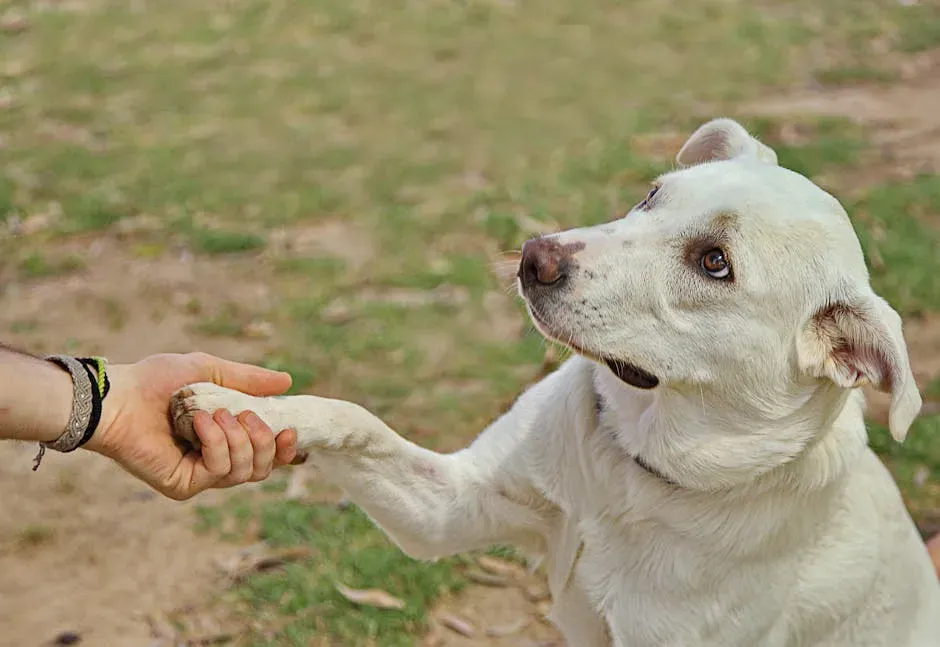
Trust is not just about closeness, it is also about comfort with distance. A dog that can relax when you move around the house, go to another room, or work at your desk, yet still gravitates back to your side when given the choice, shows a healthy, secure bond. They are not panicking when you leave the room, but they are also not indifferent to you. They simply believe you will return and that your connection is stable.
This shows up in small ways: they nap in the same room as you even when there are other comfy spots, they wander off to sniff but eventually come settle near your feet, or they give you a little space when you are busy but are instantly available when you invite interaction. That combination of independence and voluntary closeness is a quiet but powerful sign that your dog sees you as a steady, trustworthy presence rather than a source of unpredictable stress.
Opinionated Conclusion: You’re Probably Underestimating How Much Your Dog Trusts You
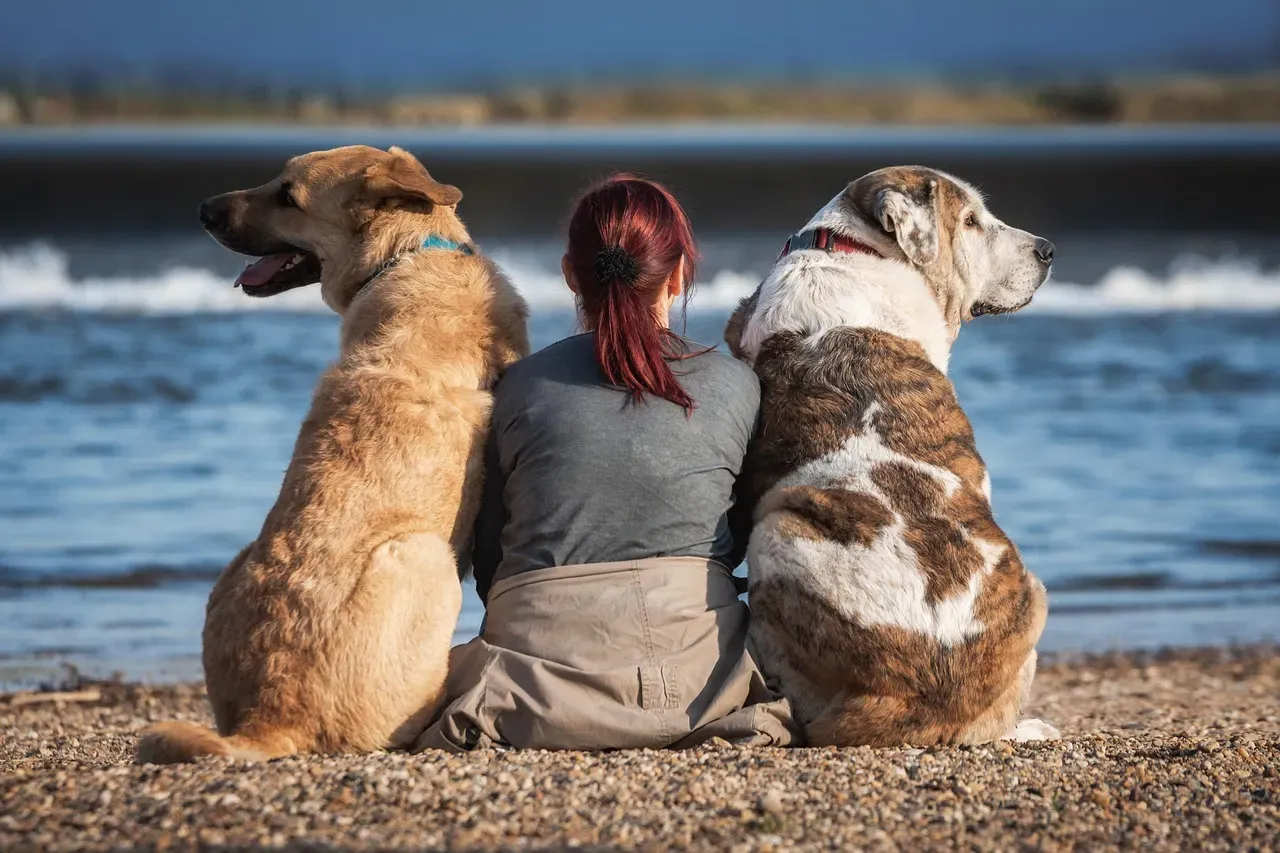
Most people underestimate themselves when it comes to their dogs. We fixate on what we are not doing perfectly – the missed training sessions, the moments of impatience, the days we are too tired for a long walk – and overlook the daily proof that, in our dog’s eyes, we are already enough. If your dog sleeps deeply by your side, checks in with you, shows you their goofy side, and seeks you out when they are unsure, that is not accidental. That is a verdict they have quietly reached over hundreds of small interactions: you are safe, you are consistent, you are theirs.
The honest truth is that dogs do not trust easily; they trust gradually. They collect data on us the way we scroll through reviews before a big purchase. Every time you feed them on schedule, speak gently when you could have yelled, protect them from rough dogs at the park, or simply show up day after day, you are casting another vote for trust in their nervous system. So the real question is not whether your dog trusts you, but whether you are willing to believe the evidence staring back at you with soft eyes and a wiggly body. After everything you have read, are you starting to see just how highly your dog already rates you?


