
12 Things a Dog Rescue Assessor Is Really Looking For

You open your door, heart pounding, and there they are: the dog rescue assessor who might decide whether that gorgeous pup you’ve been dreaming about actually comes home with you. It can feel a bit like an exam you never revised for. The good news? It’s not about being perfect. It’s about being honest, prepared, and genuinely ready for the dog you say you want.
Rescues are under huge pressure to get this right. They see the fallout when a dog is mismatched, returned, or worse, passed from home to home. So while it might feel like they’re judging you, what they’re really doing is trying to protect both you and the dog from heartbreak. Once you understand what they’re actually looking for, the whole process feels a lot less scary – and a lot more like a thoughtful conversation.
I’ve been on both sides of this: the nervous adopter hoping they say yes, and the person quietly thinking, “This dog is going to run this house if we’re not careful.” Let’s peel back the curtain and walk through what assessors are really checking, why it matters, and how you can show them the real you – without pretending to be some kind of dog-whispering superhero.
#1 Your Real Lifestyle, Not the One You Think They Want to Hear
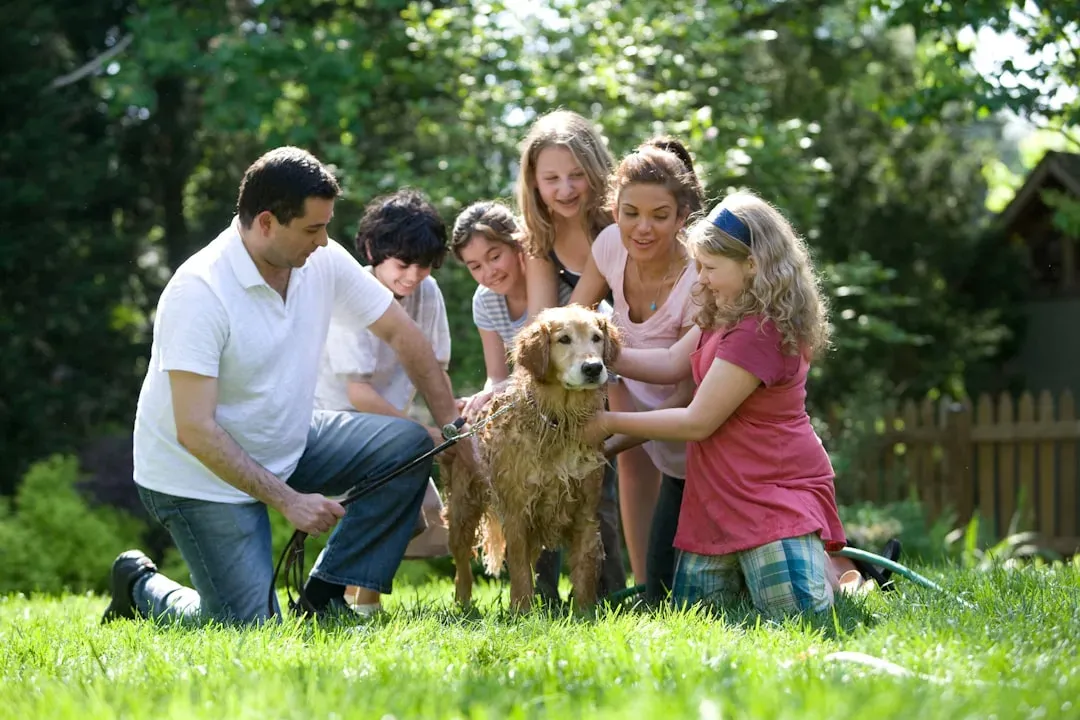
The first thing a good assessor is looking for is whether your day-to-day life actually matches the type of dog you’re applying for. They don’t just want to hear that you “love long walks”; they want to know what your Tuesday afternoon genuinely looks like. Are you out of the house for ten hours? Do you work shifts? Are weekends chaotic with kids’ activities? This matters far more than claiming you’ll suddenly become an ultra-active hiker once the dog arrives.
Rescues see the same pattern over and over: people fall in love with a dog’s photo, not their needs. A high-energy herding mix in a low-activity household is a recipe for frustration. Meanwhile, a calm senior might be miserable in a home that feels like a non-stop circus. So when an assessor asks about your hobbies, your social life, and how often you have people over, they’re not being nosy – they’re trying to see if your lifestyle and the dog’s temperament will actually fit.
It’s much better to say, “I’m mostly a homebody who loves Netflix and short walks” than to insist you’ll suddenly start running five miles a day. A realistic, slightly imperfect lifestyle that a specific dog can thrive in is far more impressive than a fantasy routine that will fall apart in a week.
- Be honest about work hours and commute time.
- Mention your real hobbies, not what sounds impressive.
- Be clear about the general noise and activity level of your home.
#2 Stability: Housing, Finances, and Future Plans

One of the biggest things a dog rescue assessor is scanning for, quietly in the background, is stability. Dogs don’t cope well with constant upheaval. If you’ve moved three times in one year, just switched jobs, and are planning to go traveling for six months next year, that throws up questions. It doesn’t automatically mean a no, but the assessor will want to know how a dog fits into that picture.
They’ll also pay attention to your housing situation. Do you rent? They might ask for proof that your landlord allows dogs. Are you in shared accommodation where housemates change frequently? That can affect how predictable the dog’s environment will be. A secure, predictable space helps dogs decompress, especially those coming from stressful backgrounds.
Money is another quiet but crucial part. Rescues know vet bills can be eye-watering. They’re not asking you for bank statements, but they do want to hear that you’ve thought about things like insurance, emergency vet visits, and ongoing costs like food, flea treatment, and training classes. A calm, practical answer here goes a long way.
- They’re checking if you can keep the dog long term, not just now.
- They want reassurance you’ve thought about vet bills and emergencies.
- Stable housing beats a “dream home someday” when it comes to adoption.
#3 Understanding of the Specific Dog, Not Just “Dogs in General”

One of the fastest ways to make an assessor nervous is to talk as if you’re adopting a generic “dog” and not this individual dog with their specific needs. Rescues often write careful profiles: nervous, reactive on lead, not good with cats, loves children, needs a garden, fearful of men, and so on. They’re watching closely to see whether you’ve truly digested that information or just skimmed the cute photos.
If the dog is described as anxious, and you talk only about how you’ll take them everywhere straight away, that’s a mismatch. If the profile says “no young children,” and you suggest the dog can “probably get used to your toddler,” that’s a red flag. An assessor wants to hear that you understand the dog as they are now, not how you hope they might magically become.
It helps if you can repeat back key points in your own words: how you’d handle a dog who resource guards, a dog who’s not house-trained, or a dog who panics at traffic. You do not need to be an expert; you just need to show you’ve read, absorbed, and respected what the rescue has already learned about this dog.
#4 Realistic Expectations About Behavior and the “Decompression Period”

Every rescue assessor I’ve met gets twitchy when people talk about instant perfection. If you say things like, “We expect the dog to be settled within a couple of days,” or “We want them to be fine off-lead straight away,” you may not realize how unrealistic that sounds to someone who’s seen the messy reality. Most rescue dogs go through a decompression period where they’re confused, overwhelmed, and sometimes shut down or over-excited.
Assessors listen for whether you understand that the first days and weeks can be difficult. House training might slip. They might cry at night, guard food, or act differently once they feel safer. Some dogs appear angelic at first and only show their quirks after a few weeks, once they trust you enough to drop the polite act. That’s why many rescues talk about the “three days, three weeks, three months” rule as a rough guide for settling in.
If you say you’re prepared for some sleepless nights, accidents on the floor, and maybe even some chewed shoes, that lands far better than expecting a ready-made Instagram dog. A good assessor is comforted by hearing that you expect effort, not instant perfection.
- They want to see you expect a messy adjustment period.
- They’re checking if you’ll stick it out when the honeymoon stage ends.
- Patience and flexibility beat any promise of “perfect control.”
#5 Your Approach to Training and Boundaries

Assessors care less about whether you know fancy training terms and more about your overall philosophy. Do you expect to “dominate” the dog into obedience, or are you curious, patient, and willing to learn? Many rescues heavily favor reward-based training, because punishment often makes already-stressed dogs more anxious or reactive.
They’ll listen for how you talk about things like jumping up, pulling on lead, or barking. If your solution is always “shout louder” or “pin them down,” that’s worrying. On the other hand, saying you’re open to working with a positive reinforcement trainer, attending classes, or watching reputable training resources shows you’re teachable – which matters more than already knowing everything.
Boundaries are just as important. A dog with no rules doesn’t feel safe; a dog with only harsh rules doesn’t feel safe either. Assessors like to hear about simple, consistent boundaries: where the dog will sleep, whether they’ll be allowed on furniture, how you’ll handle mealtimes, and what the kids are allowed (and not allowed) to do around the dog. You want to paint a picture of structure, not chaos.
#6 Time and Mental Energy, Not Just Physical Space

People often assume that as long as they have a big garden, they’re golden. Assessors know better. They’ve seen plenty of lonely dogs in large yards who barely see their humans. While space can help, especially for active breeds, what really matters is time and mental presence. Who will actually interact with the dog every day, and how?
Assessors will ask who is home when, how long the dog will be left alone, and what your typical daily routine looks like with a dog in it. They’re looking for a realistic plan for exercise, play, training, and downtime. A small apartment with a committed human and good daily walks often beats a giant yard with nobody really engaging with the dog.
Mental stimulation is a big one here too. Puzzle feeders, sniffy walks, short training sessions, scatter feeding – these are the sorts of details that tell an assessor you understand dogs need more than just a quick lap around the block. You do not need to promise endless hours of entertainment, just thoughtful, consistent attention.
- Quality interaction beats square footage.
- They want to see a daily routine that includes the dog, not works around it.
- Mental exercise can tire a dog out more than endless running.
#7 How You Handle Stress, Frustration, and Setbacks
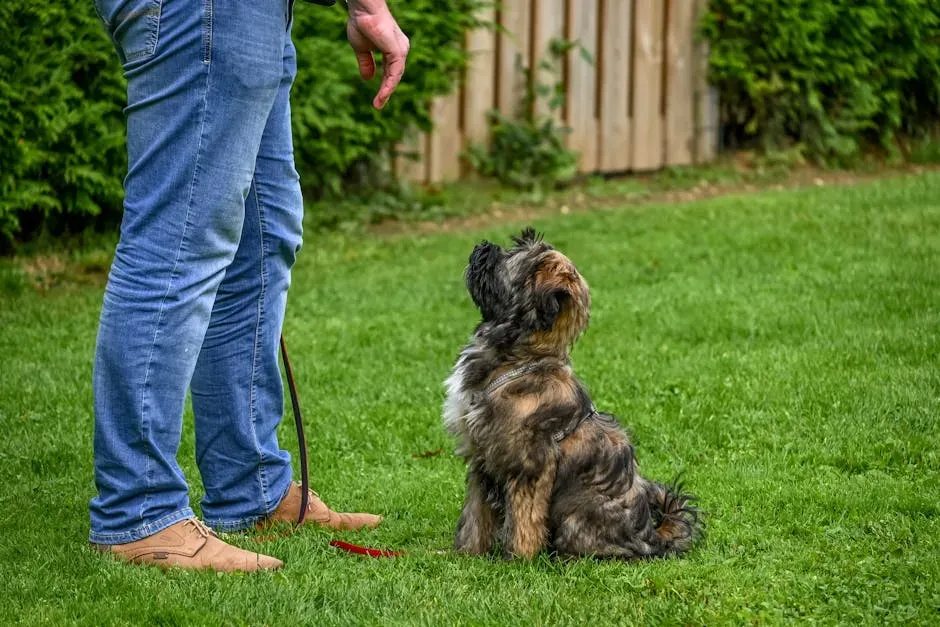
Rescue dogs, like humans, can push your buttons. They might bark at 3 a.m., chew your favorite shoes, or lunge at another dog on a walk. Assessors are quietly asking themselves: When this happens, how will this person react? Are they likely to get angry, give up, or lash out – or will they pause, ask for help, and problem-solve?
They may ask you about a time something in your life didn’t go to plan, and how you coped. It might not sound dog-related, but they’re trying to understand how you handle frustration. If your instinct is to punish hard or quit immediately, that’s worrying for a dog who might need months, not days, to adjust.
When you can say, “If we hit a wall, we’ll talk to the rescue, reach out to a trainer, and take a step back rather than forcing it,” that signals resilience. No assessor expects you to be endlessly calm and saintly. They just want to know you won’t emotionally explode the first time the dog makes a mistake.
#8 Household Dynamics: Kids, Other Pets, and Visitors

A dog does not live with just one person; it lives inside a whole ecosystem. Assessors want to see how that ecosystem functions. Are children in the home taught to leave the dog alone while it’s sleeping or eating? Do you have visitors constantly coming and going? Are there other pets with their own quirks, like a shy cat or a bossy resident dog?
They’ll often ask how decisions are made in your household. Is everyone actually on board with getting a dog, or is one person lukewarm? Dogs are very good at sensing tension, and rescues know that divided households can lead to conflict over rules, training, and what is or is not allowed. They’re looking for alignment: shared basic rules, shared expectations, and a shared understanding of the dog’s needs.
If there are existing animals, they’ll be particularly focused on that. A reactive dog plus a nervous cat, in a chaotic home with no plan, can go very wrong. When you can explain calmly how you’ll manage introductions, use baby gates, supervise interactions, and give each animal their own safe space, you’re answering a question the assessor might not even need to ask out loud.
- They want to see kids understand basic dog safety and respect.
- They need to know other pets won’t be bullied or overwhelmed.
- They’re checking that everyone in the home is genuinely on board.
#9 Your Plan for Alone Time and Separation

This is a big one that many people unintentionally gloss over. Dogs are social animals, and a lot of rescue dogs struggle with being left alone, especially at first. Assessors are always alert for homes where the dog might end up alone for very long stretches with no gradual build-up or support. If you say the dog will be home alone for ten hours daily from week one, that’s a serious concern.
They’ll ask you how long the dog would typically be left and whether you have any backup options. Do you have a dog walker, trusted neighbor, or family member who can pop in? Could you use doggy daycare occasionally once the dog is ready? Even just mentioning that you plan to build up alone time slowly, starting with short absences, shows you understand separation anxiety is real and not just “bad behavior.”
Rescues also know many people have returned to office work after spending more time at home. They want to hear that you’ve thought through the medium term, not just the first cozy week where everyone is excited. A clear, realistic alone-time plan makes you look prepared, not overconfident.
#10 Safety and Practical Set-Up at Home

Assessors are surprisingly practical. While people often focus on love and cuddles, rescues are quietly scanning for actual safety. Is your garden securely fenced, or can a determined dog squeeze under or leap over? Are there open balconies, broken gates, or front doors that fling straight onto a busy road? They’ve seen dogs bolt in panic on day one, and they never forget it.
They may also ask where the dog will sleep and rest. Dogs, especially nervous rescues, need a quiet, safe spot where they can retreat. That could be a crate, a quiet corner, or a separate room with a comfy bed. If you tell an assessor the dog will never have any alone time or quiet space because “they’ll just be with us nonstop,” that can sound smothering rather than loving.
On a more mundane level, they’ll be reassured to hear you’ve thought about leads, ID tags, safe travel in the car, and how you’ll handle that chaotic first few days with doors opening and closing. A simple comment like, “We’ll use a double-clip harness and keep them on lead even in the garden at first,” shows a level of caution they appreciate.
- Secure fences and gates are not optional, especially for flighty dogs.
- Every dog needs at least one calm, safe resting space.
- That first week is when many escape attempts happen, so planning counts.
#11 Your Willingness to Ask for Help and Learn

One of the most reassuring things an assessor can hear is, “I don’t know everything, but I’m willing to learn.” Overconfidence, oddly, is a bigger red flag than inexperience. People who insist they’ve “never had a problem with a dog” can sometimes be the least flexible when this particular dog does not read the script.
Rescues often provide support after adoption – check-ins, behavior advice, recommended trainers. Assessors are more likely to trust someone who says they’d reach out if things got tough rather than someone who insists they’ll handle anything without help. Rescue work has taught them that pride can cost dogs their homes.
If you mention books you’ve read, classes you’ve taken, or trainers you follow, that can help – but only if it comes across as curiosity, not ego. The simple willingness to say, “If it goes wrong, I’ll talk to you, not suffer in silence,” might be one of the most powerful things in your favor.
#12 Long-Term Commitment, Even When Life Changes

Finally, every assessor is asking themselves one core question: Will this person still be committed to this dog in five, ten, or even fifteen years? They’ve seen dogs returned because of new jobs, new babies, divorces, moves, or just plain boredom. Life throws curveballs, and they know you can’t predict everything, but they want to see you’ve at least thought beyond the honeymoon phase.
They might ask how you’d handle major changes like moving house, having children, or getting ill. They’re not expecting you to have a perfect solution for every scenario, but they are hoping to hear that your first thought would not be “give up the dog.” Mentioning support networks – family, close friends, or trusted sitters who could step in if needed – goes a long way.
Long-term commitment is less about big declarations of love and more about boring, steady reliability. Feeding them every single day. Booking yearly vet checks. Adjusting your plans because the dog is anxious in crowds. The assessor is trying to see if you’re that kind of person: not just enthusiastic, but quietly dependable.
Conclusion: What Rescues Really Want From You

When you strip it all back, a dog rescue assessor is not hunting for a flawless, ultra-experienced dog expert with unlimited time, money, and land. They’re looking for someone real, grounded, and honest about what they can offer. Someone who can look at a specific dog, with all their history and baggage, and still say, “I’m prepared to show up for you, even when it’s not easy.”
They’re weighing your lifestyle, stability, expectations, and attitude, trying to picture that dog actually living, sleeping, eating, and messing up inside your home. They know there will be chaos. They know there will be chewed things and bad days. What they really want is to feel, in their gut, that you won’t vanish at the first sign of trouble – that you’ll reach out, learn, adjust, and keep trying.
So instead of rehearsing the “perfect” answers, focus on the honest ones. Show them you’ve thought it through, that you respect the dog as a living, feeling being, and that you’re open to being coached. In the end, that mix of realism and heart is what usually tips the scales. If you were the one deciding, which would you trust more: the polished fantasy, or the imperfect human who’s ready to do the work?