
13 Conclusions a Dog Sitter Draws About a Family in One Evening
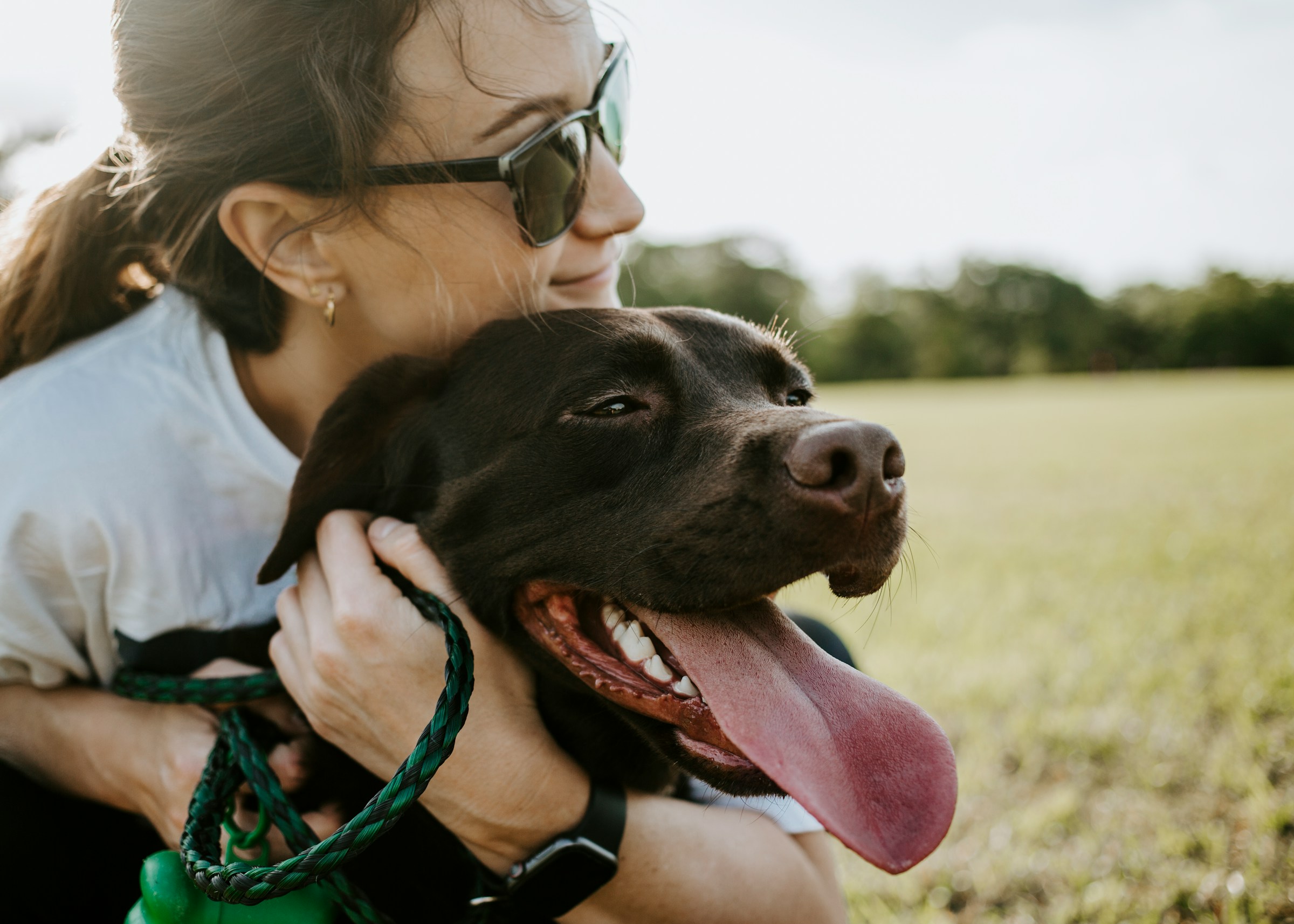
Hand someone your house keys, your Wi‑Fi password, and your dog’s favorite squeaky toy, and you might think you’re just hiring a sitter. In reality, you’ve invited a quiet observer into the most unfiltered version of your life. A dog sitter sees the fridge magnets, the half-finished projects, the way your dog reacts the minute the door closes behind you.
Spending one evening in someone else’s home feels a bit like reading a short story about their life: there’s a beginning (house tour), a middle (chaos, cuddles, and walks), and an ending (you coming back). Along the way, sitters pick up patterns. They watch what calms your dog and what sets them off, they notice how the house “breathes,” and they connect dots most people don’t even realize they’re leaving out.
This is not about judging anyone. It’s more like decoding. By the time the family returns, a good sitter has already formed a dozen quiet conclusions about what matters in that home, what kind of relationship the humans have with their pets, and how the whole system actually works when no one is performing for guests. Here are thirteen of those conclusions – drawn from one ordinary, revealing evening.
#1 How Much the Family Really Prioritizes Their Dog

The first and biggest conclusion comes from one simple question: is the dog an afterthought or a family member? You can tell a lot just by the level of detail in the instructions. Some families leave a full printed guide with feeding times, allergies, quirks, and favorite games; others text two sentences that basically say “food’s in a bag somewhere, he’ll figure it out.”
As a sitter, you notice how carefully the schedule is protected. If there’s a clear routine – walk at a set time, regular feeding windows, specific cues for bedtime – that tells you the dog’s needs are woven into daily life. If everything is vague and “whenever,” it often reflects a home where the dog adapts to humans, not the other way around.
Clues pile up fast: a well‑stocked bin of food and treats, fresh water bowls, comfy beds in more than one room, versus a single crusty bowl in a dark corner. It is not about money; it is about attention. You can get a pretty accurate read on how central the dog really is from the way the whole house is set up around them.
#2 The Family’s True Relationship With Rules and Boundaries

Nothing reveals household rules faster than a dog’s confusion. A sitter will be told one thing – maybe that the dog is “never allowed” on the couch – only to arrive and see a permanent dog-shaped dent in the cushions and fur woven into the throw blankets. That gap between stated rules and lived reality is a window into how the family handles boundaries overall.
In many homes, rules are flexible suggestions, not strict lines. The dog might hover near the table at dinner, throwing expert “starving orphan” eyes, which tells you that someone has been sneaking scraps. When the sitter sticks to the no-table-food rule and the dog stares, baffled and slightly offended, you can almost hear years of trained expectation pushing back.
Some families are remarkably consistent: the dog knows exactly what “off” means, respects thresholds, and settles quickly. That level of structure usually echoes how the household works with kids, chores, and even screen time. Others operate in a more improvisational way, with rules bending depending on who’s home and what kind of day they’ve had. The dog is simply the most honest reflection of that pattern.
#3 How the Family Handles Stress and Last-Minute Chaos
The half hour before a family leaves the house is like an X‑ray for their stress style. A dog sitter often arrives right in the middle of frantic packing, phone charging, and someone yelling that they cannot find their other shoe. Some homes hum with organized hurry; others spiral into full chaos with doors slamming and keys disappearing into impossible places.
Dogs read this energy instantly. A calm, well‑practiced departure routine – bag by the door, clear goodbye ritual, quick review with the sitter – usually leaves the dog mildly confused but stable. In high‑stress homes, though, the dog paces, whines, or barks the moment they sense things are off. They mirror the emotional temperature of the people they love.
From the sitter’s perspective, it is not hard to connect the dots. If the family apologizes for the mess and jokes about always running late, you see a pattern of chronic rushing. If they leave notes, labeled containers, and a tidy entryway, it tells a different story. The dog’s behavior that first hour – whether they decompress quickly or stay worked up – often confirms which type of family you’re dealing with.
#4 The Division of Labor: Who Really Does the Pet Care
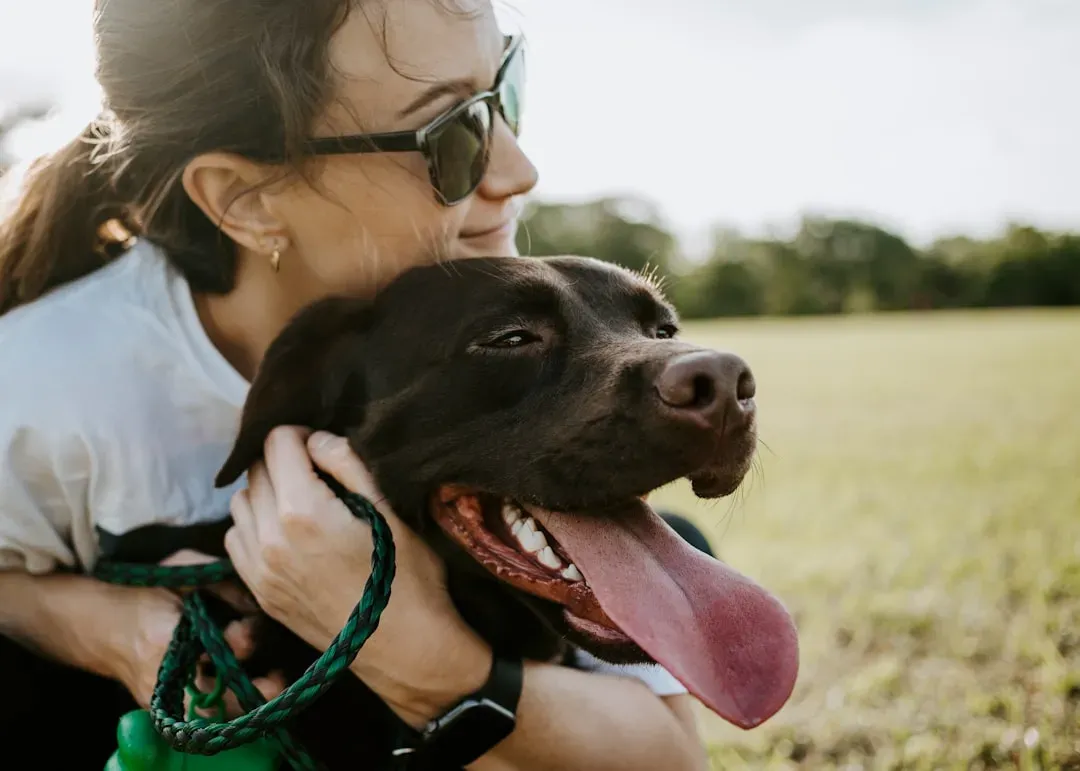
Even if everyone claims to help with the dog, it is usually obvious that one person is the primary caregiver. Sitters pick this up from small details: whose name the dog responds to fastest, whose scent is on the leash, who rattles off medication doses from memory without checking a note. That person is often the one quietly doing most of the invisible work.
Sometimes it is a parent; sometimes it is a teenager who swears they love walking the dog in the rain. In other homes, one partner clearly shoulders the emotional load – booking vet appointments, buying food, watching training videos – while the other swoops in for playtime and photos. The dog’s eyes often track their main person around the room like a compass.
A sitter notices how this dynamic plays out in the instructions. Are they detailed and thoughtful, or rushed and incomplete? Does one person explain everything while others hover in the background, nodding but not really sure? You quickly learn that “we all take care of her” can mean anything from genuine teamwork to one exhausted human and a lot of good intentions.
#5 The Family’s Approach to Health, Nutrition, and “Wellness”
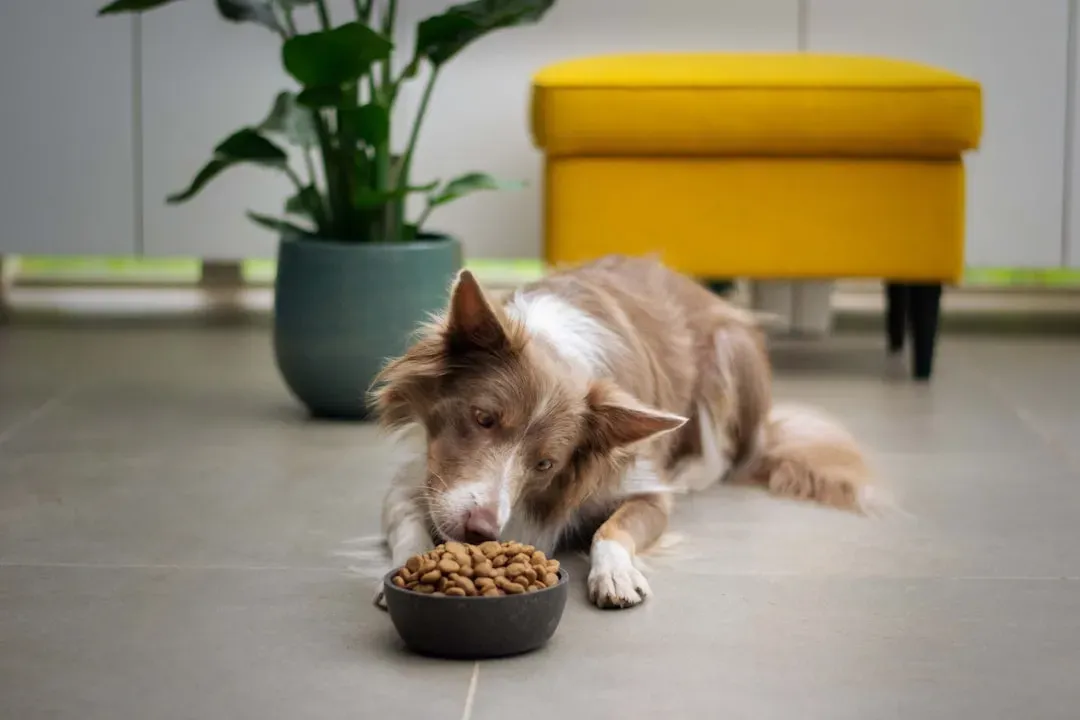
The dog’s food corner is like a tiny museum of the family’s health philosophy. Some homes have carefully measured portions, high-quality kibble, supplements, and labeled containers. Others have a giant bargain bag ripped open with a random scoop, plus a stack of takeout containers on the counter, hinting that nutrition is more improvised across the board.
It is not just what they feed the dog, but how. A sitter notices if treats are used deliberately for training, or if the dog is basically allowed to snack whenever someone feels guilty. Water bowls are another tell: are they clean and freshly filled, or slightly slimy and tucked away? A family that refreshes water religiously usually extends that same care to vet visits and preventive care.
- Food quality often tracks with the family’s own diet priorities.
- Clear dosing for medications or supplements suggests organized health habits.
- Random snacks and “he’ll be fine” attitudes mirror a looser, more reactive approach.
None of this is about perfection. It is about patterns. A family deeply into wellness trends may have grain-free everything and dog probiotics lined up. Another might focus more on affection than ingredients. By the end of the first meal, a sitter can usually tell where on that spectrum the household lives.
#6 How Much Emotional Space the Dog Occupies in the Home
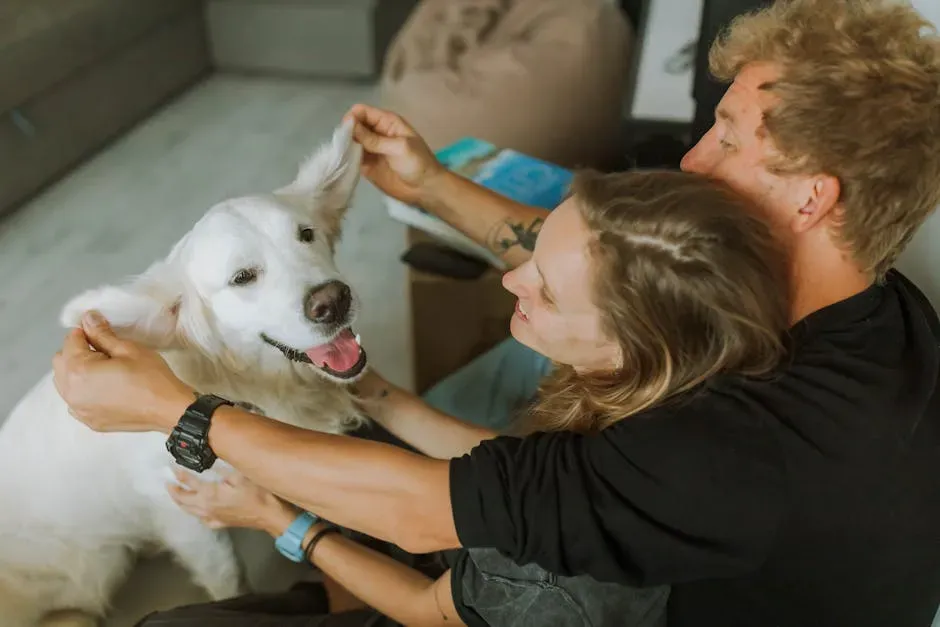
Every house has an emotional center, and in many homes that center is a dog. You feel it immediately in the language people use. Some families introduce the dog like another child, telling you their preferences, fears, and “personality” in detail. Others describe them in more functional terms: he guards the house, she is good with kids, he barks a lot.
Once the door closes, you watch how the dog behaves in the quiet. A dog that drapes itself across your lap within minutes is probably used to a lot of physical affection. One that lies down near the door and waits, ears pricked for the sound of a car, suggests deeply attached but maybe less physically clingy habits at home.
The house decor itself can be revealing: framed photos of the dog, paw-print ornaments, and custom name signs tell one story; a single old collar tossed on a hook tells another. Sitters start to see the dog less as a pet and more as a barometer for how emotionally expressive the whole family is willing to be.
#7 The Real Level of Household Organization (Not the Instagram Version)
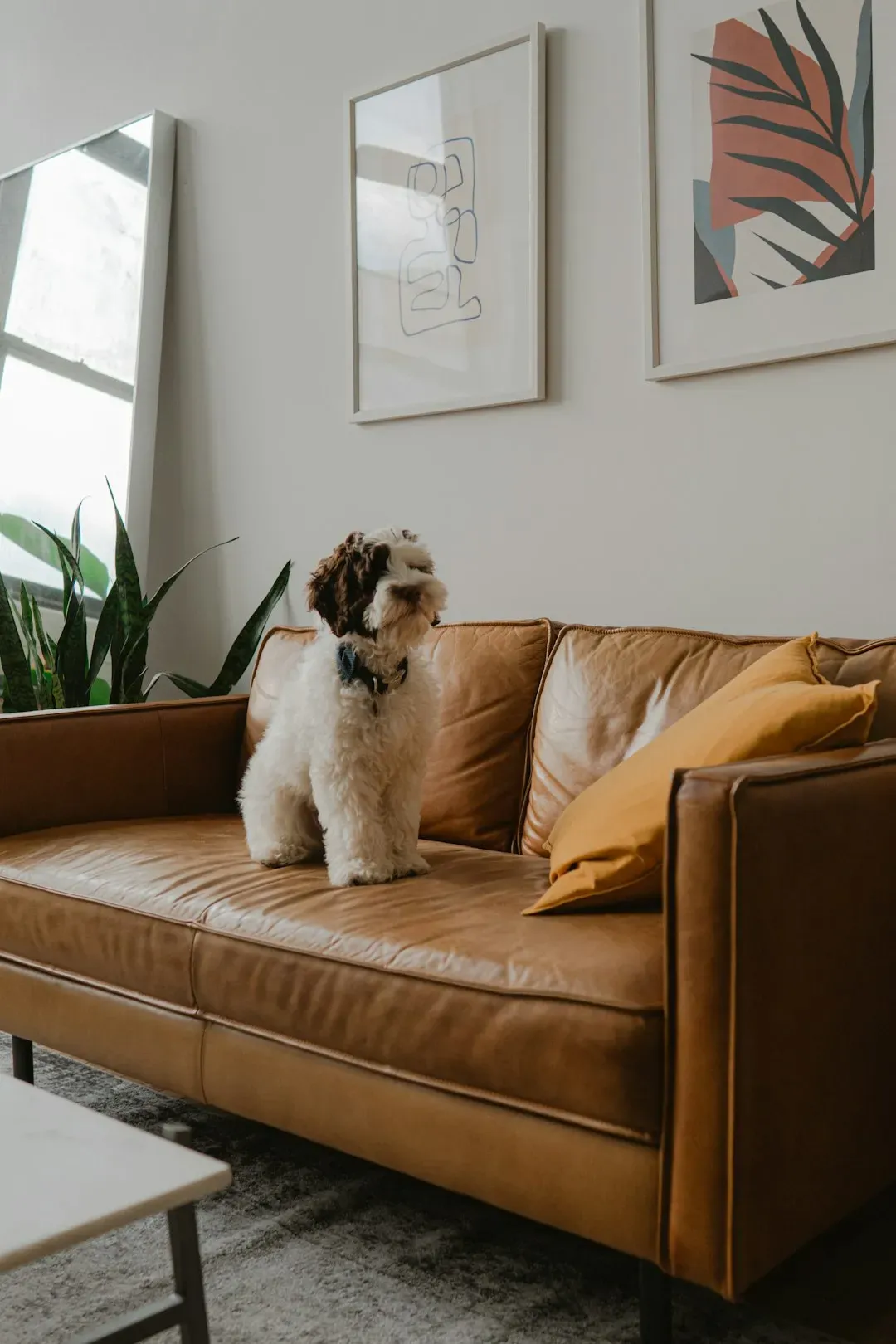
People clean for guests, but they rarely fully disguise how their home actually runs. A dog sitter arrives when life is mid‑flow: school bags open, shoes half under the couch, charger cords draped everywhere. You start to see the difference between a house that is temporarily messy and a house that is permanently overwhelmed.
Key organizational clues show up wherever dog supplies live. If leashes, poop bags, harnesses, and towels are all dumped in a single overflowing basket, there is probably a wider pattern of “shove it where it fits.” If there’s a hook labeled “dog stuff” and a tidy drawer of extras, that signals a more intentional system.
- A clear spot for notes, calendars, and vet reminders hints at strong planning habits.
- Random sticky notes and mystery keys scream “organized chaos” at best.
- Digital checklists and labeled bins usually mean someone in the house thrives on structure.
As a sitter, you navigate this quietly. You are not there to judge the state of a junk drawer. But it is hard not to infer: a dog that knows exactly where to sit to get leashed, or goes straight to the door when you pick up a certain item, is living in a world with at least some predictable rhythms – no matter how many unfolded towels are on the couch.
#8 The Family’s Realistic vs. Aspirational Standards

Every family has a gap between who they think they are and how they actually live. Dog sitters see that gap in real time. The instructions might promise thirty-minute power walks twice a day, elaborate brain games, and a strict training routine. The dog, however, may be wildly out of shape, easily winded, and confused by basic commands.
You start to pick up on aspirational habits. There might be a stack of untouched dog training books on a shelf, or a fancy puzzle feeder that still has the original packaging. The family might talk about agility classes or hikes they hope to take someday, while the dog sprints to the couch the second you sit down, clearly used to a more sedentary life.
None of this makes them bad owners. It makes them human. The same way people buy yoga mats that never see the light of day, they also buy enrichment toys that sounded good in theory. A sitter quietly clocks the difference between what is written on the “care sheet” and what the dog’s behavior says is actually happening day to day.
#9 The Underlying Family Dynamics and Communication Style
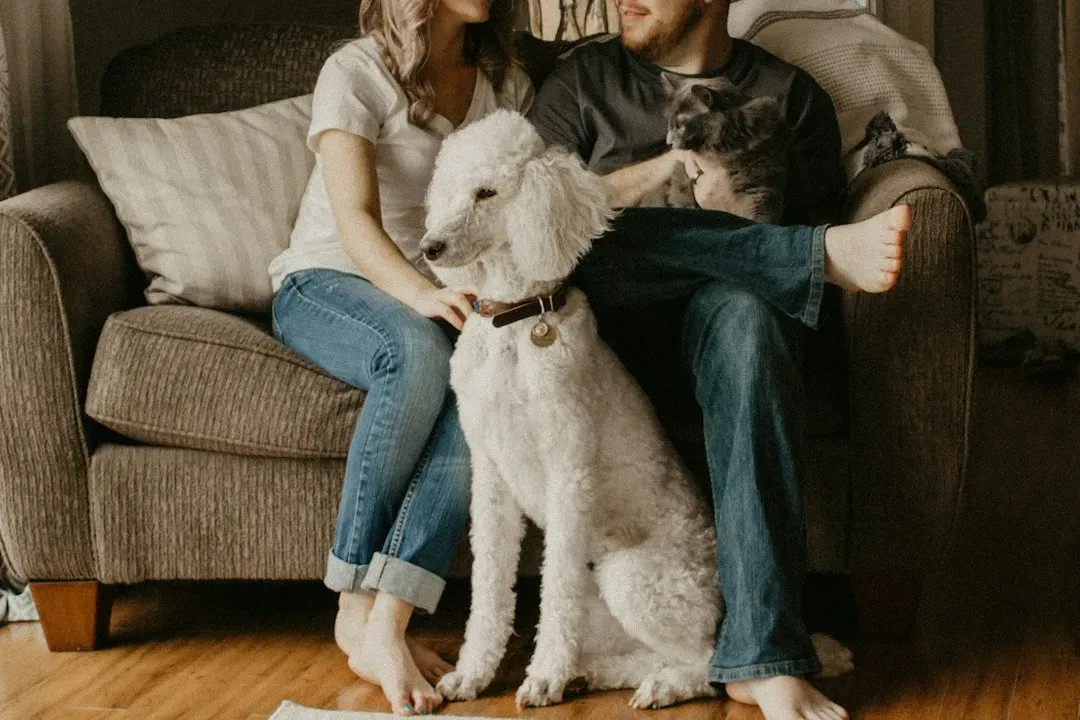
Every interaction at the handoff reveals something about how the family talks to each other. Does everyone interrupt everyone? Is there one person who tries to keep things moving while another derails the plan with last‑minute changes? Do they correct each other in front of you about the dog’s routine? All of that is data.
Often, the way a family communicates with the dog mirrors how they communicate with each other. In calm households, cues are consistent and tones are steady. In more reactive homes, voices rise quickly, commands overlap, and the dog looks overwhelmed, trying to decide which human to obey. A sitter ends up acting like a temporary third-party observer of the entire system.
- Frequent contradictions (“He never does that” while the dog is literally doing it) suggest denial or wishful thinking.
- Shared in-jokes about the dog show emotional closeness and a relaxed hierarchy.
- One person constantly apologizing can hint at unbalanced responsibility or tension.
You are not a therapist, but you cannot ignore these things. When you see a kid quietly slip the dog a treat while a parent insists they never get table food, you see how rules, power, and affection all intersect in this home. The dog is the safest outlet for emotions that might be harder to express with other people.
#10 How Comfortable the Family Is With Outsiders in Their Private Space
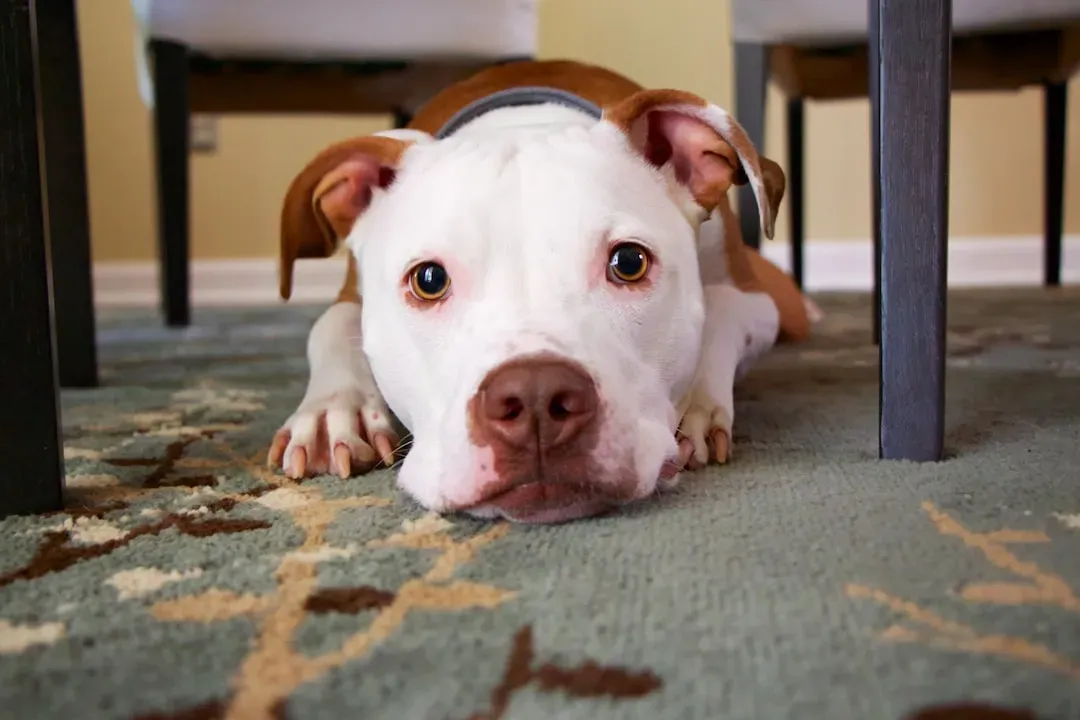
Inviting a sitter into your home is a big trust test. Some families lean into it: they label everything, tell you to make yourself at home, and genuinely seem relaxed about someone being there. Others hover anxiously, over-explaining small things and apologizing endlessly, clearly a bit rattled by the whole arrangement.
A sitter can feel when a house is used to guests versus when it is a tightly guarded space. In guest-friendly homes, there are spare blankets, clearly marked towels, and a sense that people have done this before. In more private households, you might get the feeling of walking through a museum: lots of fragile items, nervous energy, and subtle “don’t touch that” vibes.
The dog also reveals how often new people show up. A dog that greets you with a wagging tail and zero hesitation has likely met many friends, neighbors, or workers. One that barks at every minor movement and takes an hour to relax probably lives in a quieter, more insular environment. By the time the family returns, you have a pretty good sense of how open or closed that front door usually is.
#11 The Financial Priorities Hiding Behind the Dog Gear

Money is a touchy subject, but dog gear quietly tells a story. A sitter will notice if the home is full of high-end, coordinated items – orthopedic beds, GPS collars, monthly subscription treats – or if most things are mismatched hand‑me‑downs. This does not map perfectly to income, but it does reveal where the family chooses to put their budget.
Some families clearly invest heavily in their pets, even if the rest of the house is modest. The dog might have a better mattress than the guest room, a wardrobe of weather-appropriate jackets, and a regular groomer. Others keep things simple: a basic collar, a couple of well‑worn toys, and practical food choices.
From the sitter’s point of view, the most telling detail is not the price tag but the condition. Are items cleaned, repaired, replaced when needed? Or are collars frayed and toys shredded for months before being thrown out? Consistent care, even with budget gear, often signals more about responsibility than any premium brand ever could.
#12 The Level of Trust They Place in Their Dog (and Themselves)
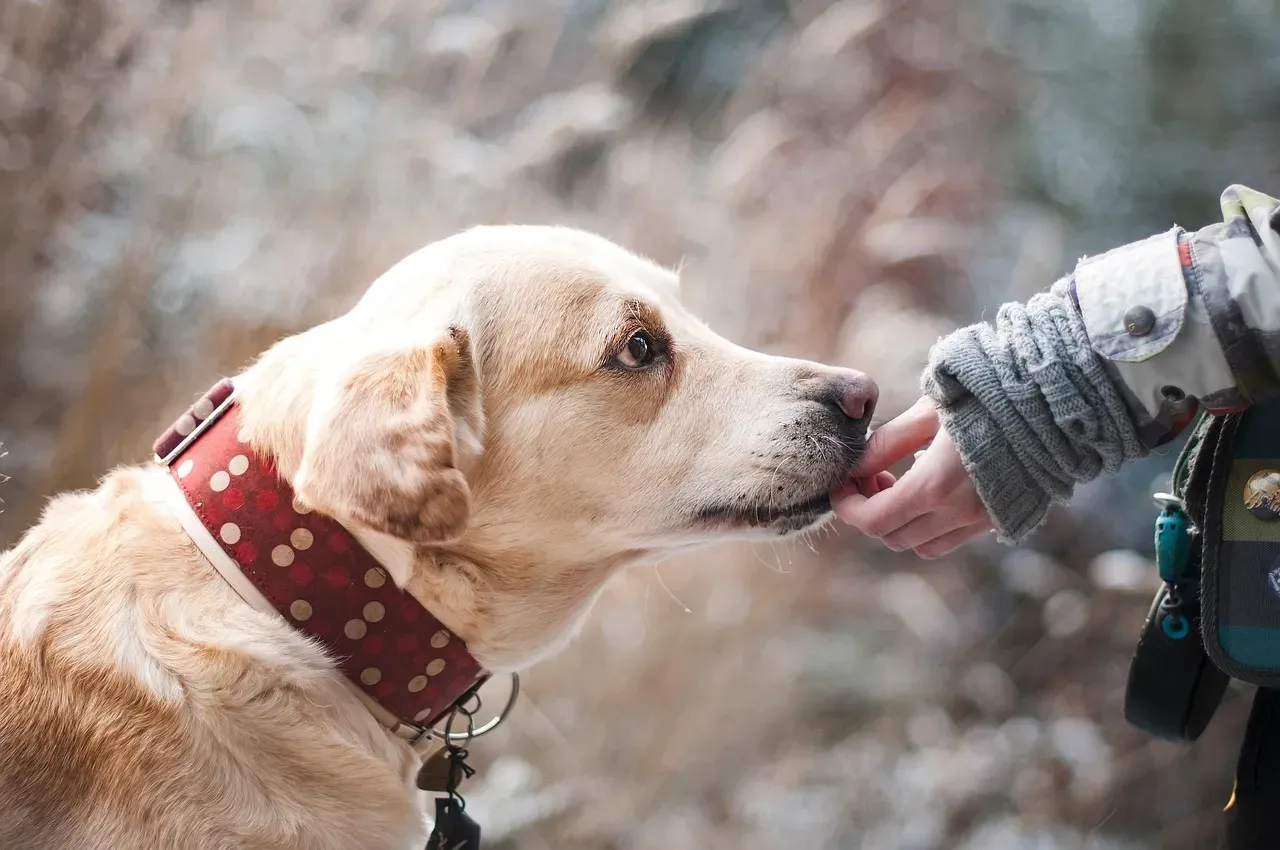
There is a big difference between a family that trusts their dog and one that does not. You see it in how many doors are closed, which rooms are off-limits, and how many baby gates you have to navigate just to get to the kitchen. Some of this is safety; some of it is pure anxiety about what might happen when no one is watching.
Families who trust their dog tend to have fewer, clearer rules. Maybe the bedroom is off-limits, but the rest of the house is fair game. Others live in a fortress of barriers, with constant worry that the dog will chew, scratch, escape, or destroy. That worry might be justified by past behavior, or it might be a projection of the humans’ own fear of losing control.
- Multiple backup leashes and double-locked gates hint at deep caution, sometimes from past scares.
- Relaxed doorways and open spaces suggest confidence in the dog’s self-control.
- How they talk about “what could go wrong” reveals whether they trust themselves to handle surprises.
As a sitter, you quickly adjust your own guardrails to match. But at a deeper level, you start to see trust as a family trait. Do they assume things will mostly work out, or do they live braced for disaster? The dog’s freedoms – or lack of them – often answer that better than any direct question.
#13 What the Family Most Wants to Believe About Themselves
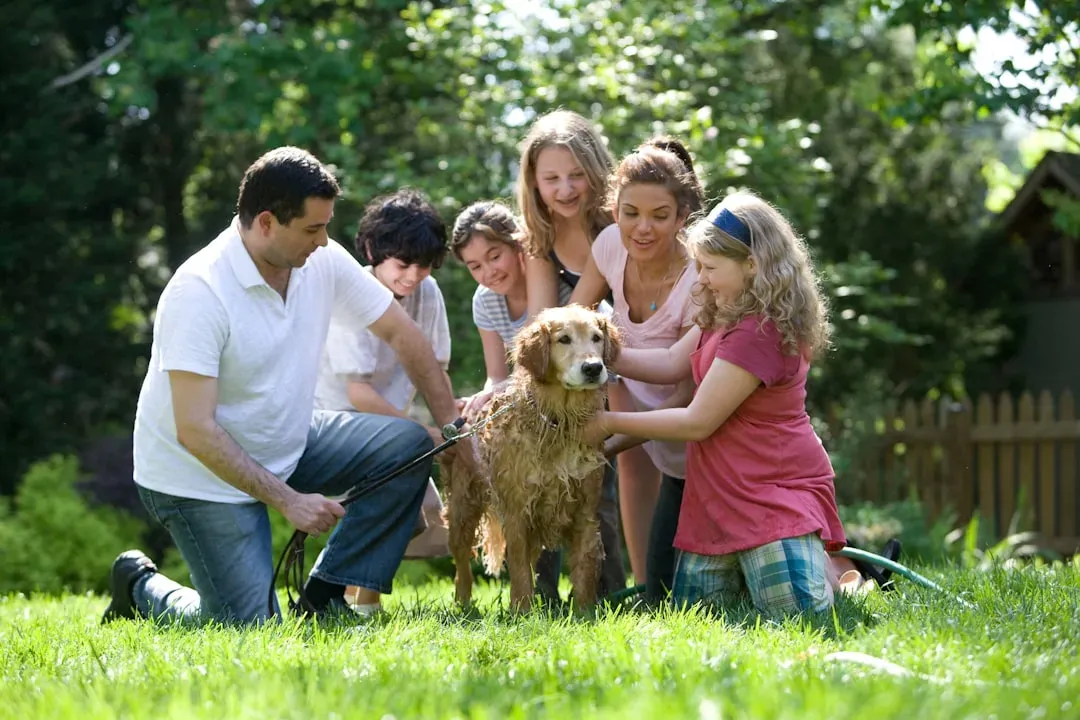
By the end of one evening, a dog sitter has formed one final, bigger-picture conclusion: what story this family is trying to tell about who they are. Some want to be seen as adventurous, judging by the hiking photos and “outdoorsy dog” Instagram handle. Others cultivate a cozy, home‑body identity, with blankets, candles, and a dog who seems perfectly trained for Netflix marathons.
The gap between that story and the lived reality can be tiny or wide. Maybe the “adventurous dog” is actually nervous outside the yard, or the “low-maintenance pet” has three different anxiety meds. The sitter stands in the middle, holding the keys and the leash, watching how the fantasy and the facts overlap – or do not.
In my own experience, I have rarely met a truly bad dog family. Flawed, yes. Overwhelmed, absolutely. Aspirational to the point of comedy, often. But beneath the chaos and contradictions, most people are just trying to love their dog the way they wish someone had loved them: consistently, unconditionally, and with patience for all their weird quirks.
That is the final, unspoken conclusion: a home with a dog is a home that is at least trying. Trying to show up, to be softer, to care about something outside themselves. And even when they fall short, the dog still wags when they walk in the door, renewing their membership in that imperfect, beautiful attempt at being a family.
Conclusion: What Your Dog Sitter Really Knows About You
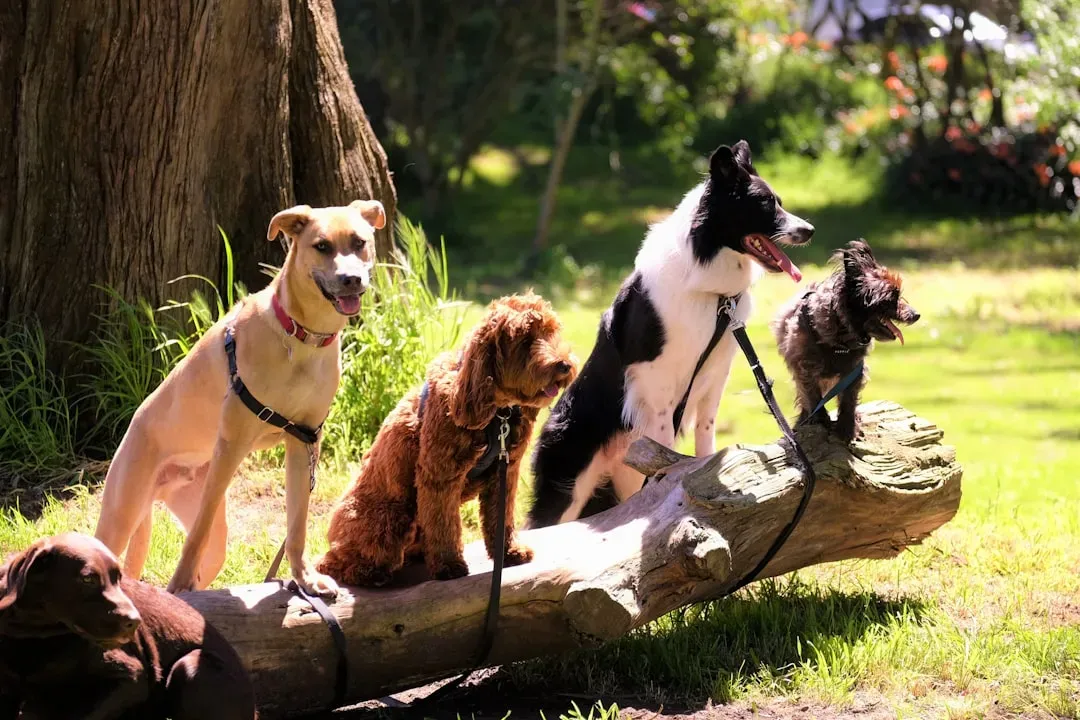
By the time you come back, fumble with your keys, and call your dog’s name in that guilty, excited voice, your sitter already knows more about your household than you might be comfortable admitting. They have seen the cracks in your routines, the tenderness you show when you think no one is judging, and the way your dog orbits you like you are the center of the universe, flaws and all.
And here is the opinionated truth: that quiet, unfiltered snapshot is far more interesting – and far more human – than any polished version you could project online. Your messy departure, your overcomplicated feeding chart, your half-followed training rules, all of it adds up to something real. A sitter does not walk away thinking “perfect” or “terrible”; they walk away thinking “this family is trying in their own way,” and that matters more than any pristine routine.
In a world obsessed with curated images and tidy narratives, the dog sitter sees the live‑action version of your life, complete with bloopers. And if there is one thing that becomes clear, it is that the homes where dogs are loved – even imperfectly – are often the ones where people are at least attempting to love each other better, too. If a stranger watched your family for one evening through the eyes of your dog, what story do you think they would walk away with – and would it surprise you?