
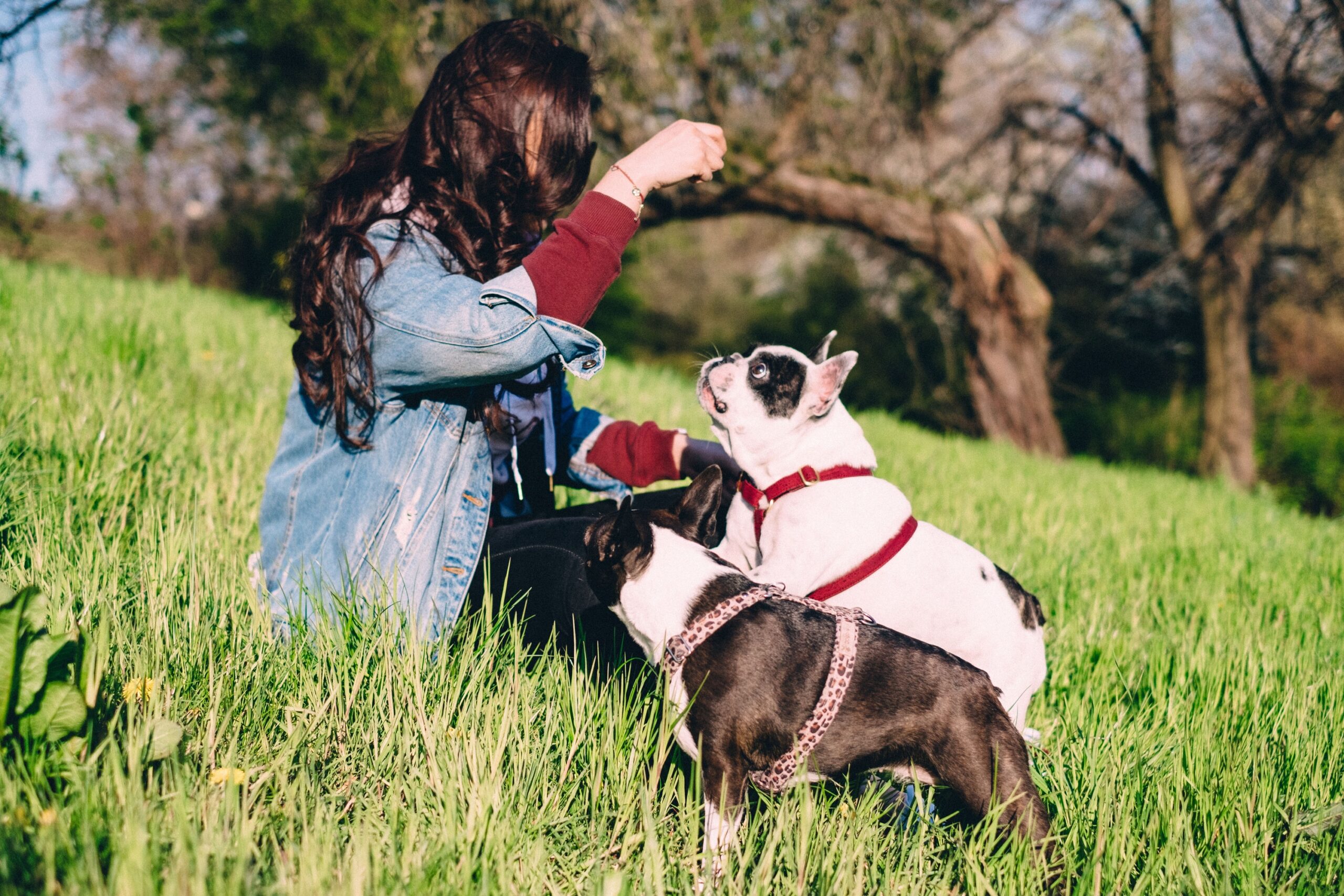
You probably already know your dog loves you, but sometimes it hits you out of nowhere: that look, that sigh, that goofy little dance when you walk through the door. For a lot of us, these tiny moments feel more honest and unconditional than most human relationships. Still, it can be weirdly hard to put into words what our dogs are actually telling us with all those wags, nudges, and shadow-like behavior.
Here’s the fun part: modern animal behavior research backs up a lot of what dog people have always felt in their gut. From how they sleep near you to the way they check in on your mood, dogs are constantly broadcasting loyalty signals. Once you know what to look for, everyday habits suddenly become proof of a deep emotional bond. Let’s unpack 12 specific things dogs do that are less about “being a good pet” and more about quietly saying: you are my person.
1. Following You From Room to Room
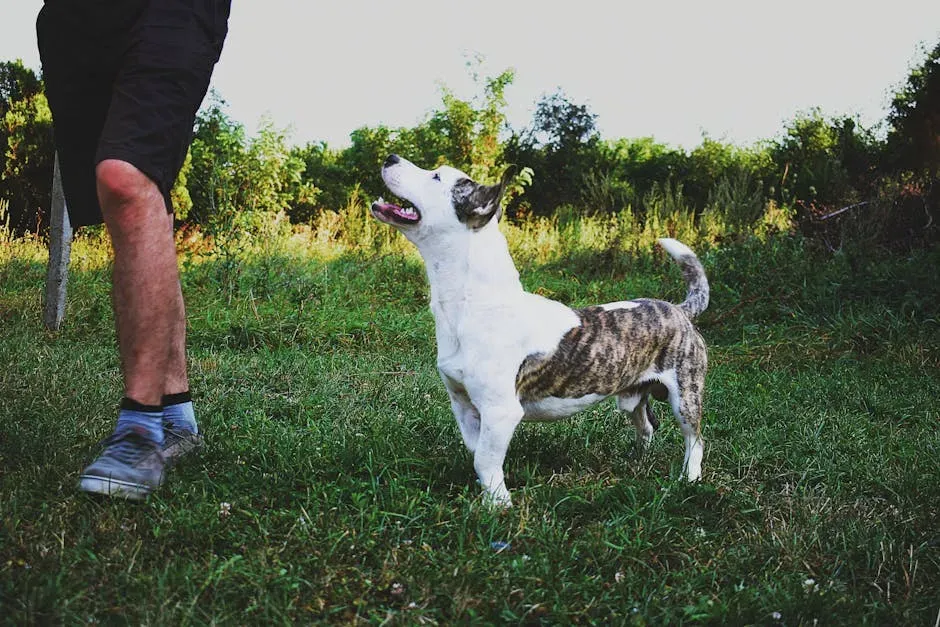
Ever feel like you have a slightly furry, four-legged shadow? When your dog trails you from the kitchen to the bathroom to the bedroom, it is usually not just nosey curiosity. Dogs are social animals that evolved to move as a group, so sticking close to you is their way of saying you are their core companion, their safe place, their mini “pack.” This behavior often ramps up in dogs who feel especially attached or secure with their human.
Of course, context matters. Sometimes following is anxiety, sometimes it is boredom, sometimes it is hope you might drop a piece of chicken on the floor. But if your dog calmly settles near you in each new room, rather than pacing or whining, that relaxed “I just want to be where you are” vibe is a strong sign of devotion. Think of it as the canine version of a best friend choosing to sit next to you even when there are plenty of other seats.
2. Making Soft Eye Contact Without Staring You Down

That gentle gaze your dog gives you – the one that feels like it could melt your insides – is not just in your head. Studies have found that when dogs and humans share soft, relaxed eye contact, both experience a rise in oxytocin, a hormone linked to bonding and affection. In simple terms, your dog is literally getting a little hit of “I feel close to you” chemistry when they look at you that way.
There is a subtle but important difference between devoted eye contact and a hard stare. A loving gaze is soft, often with slightly squinty eyes, relaxed ears, and maybe a slow blink or head tilt. A hard stare is usually unblinking, stiff, and sometimes paired with tension in the body. When your dog glances at you often, checks in with their eyes on walks, or just watches you from across the room with that soft expression, that is devotion talking.
3. Leaning Their Body Against You
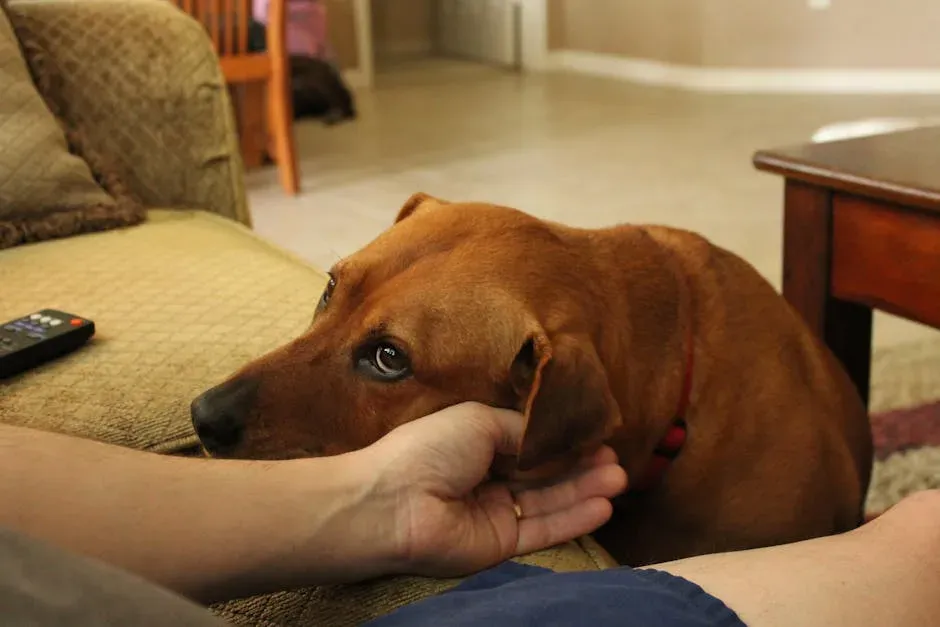
The classic “dog lean” is one of the clearest physical signs of trust and affection. When a dog presses their weight into your leg, back, or side, they are doing something most animals will only do with someone they feel safe around. They are literally giving you their balance and saying, I am comfortable enough to relax my guard and share space with you.
In dog body language, physical closeness is not casual. Many dogs do not lean on strangers or people they do not fully trust. So when your dog chooses to rest against you while you are sitting on the couch, working at your desk, or even standing at the sink, it is a quiet, steady vote of confidence. It is their way of wrapping you in a canine hug without using their paws.
4. Sleeping Near You (Or On Top of You)
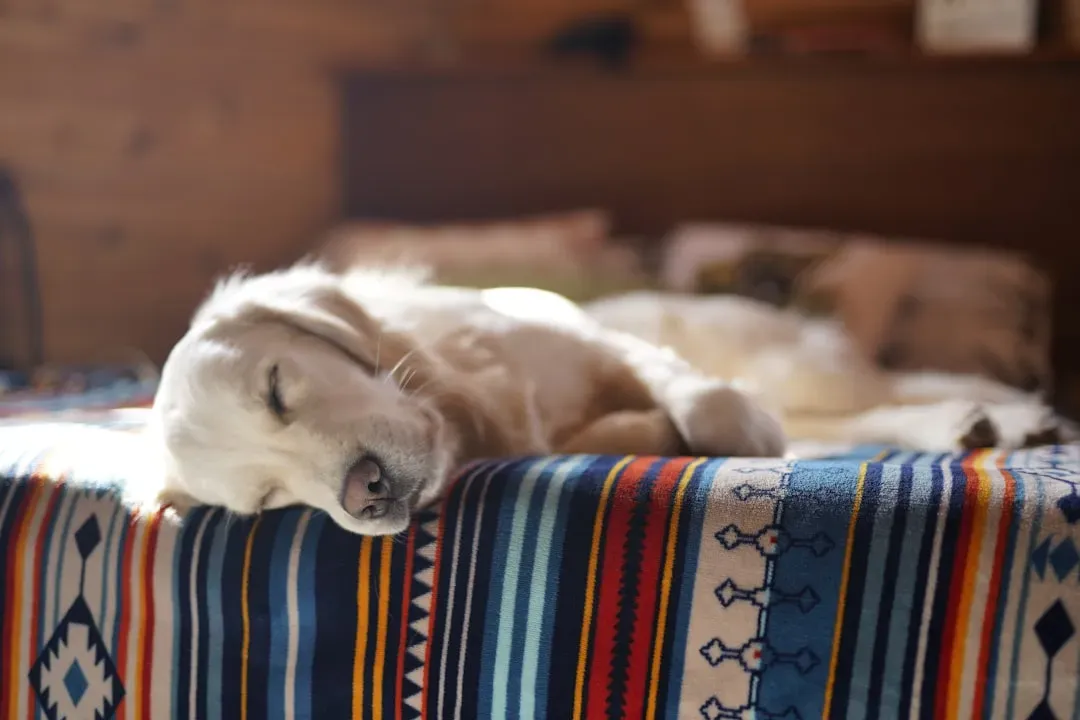
Where a dog chooses to sleep reveals a lot about how safe they feel – and who they feel safe with. In the wild, canids sleep close to pack members for warmth, security, and connection. When your dog insists on sleeping in your bed, at your feet, or right against your bedroom door, they are showing that you are their chosen family. Even if they have a perfectly good dog bed in another room, many devoted dogs will relocate closer to you at night.
Sleeping is when animals are most vulnerable, so choosing to do that near you is not a small thing. Some dogs like to curl up at the foot of the bed, others wedge themselves against your side or even your pillow like a furry scarf. It can be mildly inconvenient for your sleep quality, but from your dog’s point of view, there is no better security system than being shoulder to shoulder with their person.
5. Bringing You Toys (Even When They Do Not Want to Share)
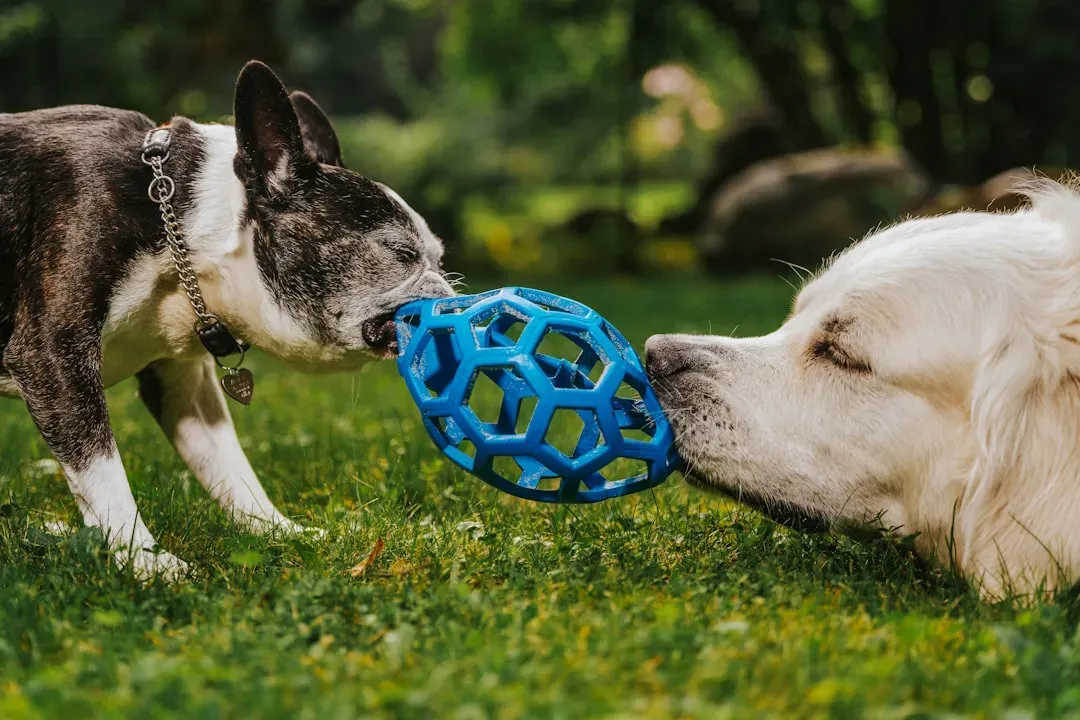
When your dog proudly trots over with a toy, sock, or slobbery tennis ball, it is easy to assume they just want to play fetch. Often that is true – but there is more going on under the surface. Offering you a prized possession, even temporarily, is a big deal in dog world. They are sharing something they value, which is a form of social bonding and trust.
There is also a difference between a dog that drops the toy at your feet and one that yanks it away the second you reach for it. A dog that happily lets you take the toy, or even nudges it closer if you ignore it, is actively inviting connection. It is a bit like a kid saying, “Come into my game, I want you here.” That impulse to involve you in their fun is a pretty clear sign they see you as much more than just the person who fills the food bowl.
6. Checking On You When You Are Upset or Sick
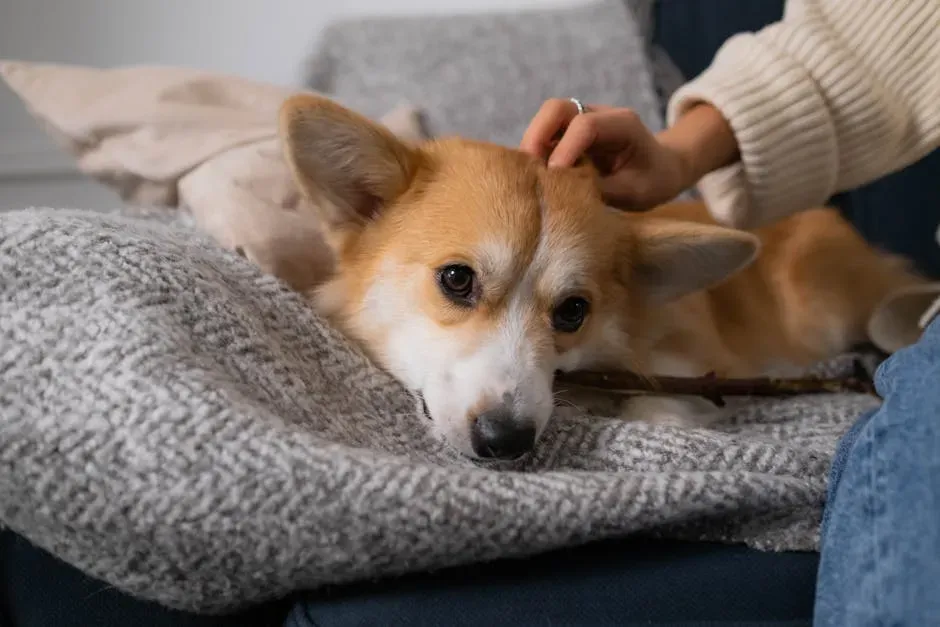
Many dog owners have stories about their dog quietly coming over when they cried, had a migraine, or were stuck on the couch with the flu. Science suggests dogs can pick up on changes in human scent, posture, facial expression, and tone of voice, so they often notice when something is off. A devoted dog will frequently respond by hovering, leaning closer, licking, or just lying quietly nearby, as if they are standing emotional guard.
They do not understand the details of your bad day or your diagnosis, but they can read your distress. When a dog chooses to stay by your side during those low moments – sometimes even becoming calmer than usual – that is not random. It is empathy in a simple, animal way. They are saying, I do not know what this is, but I am not leaving you alone with it.
7. Waiting Patiently for You to Come Home
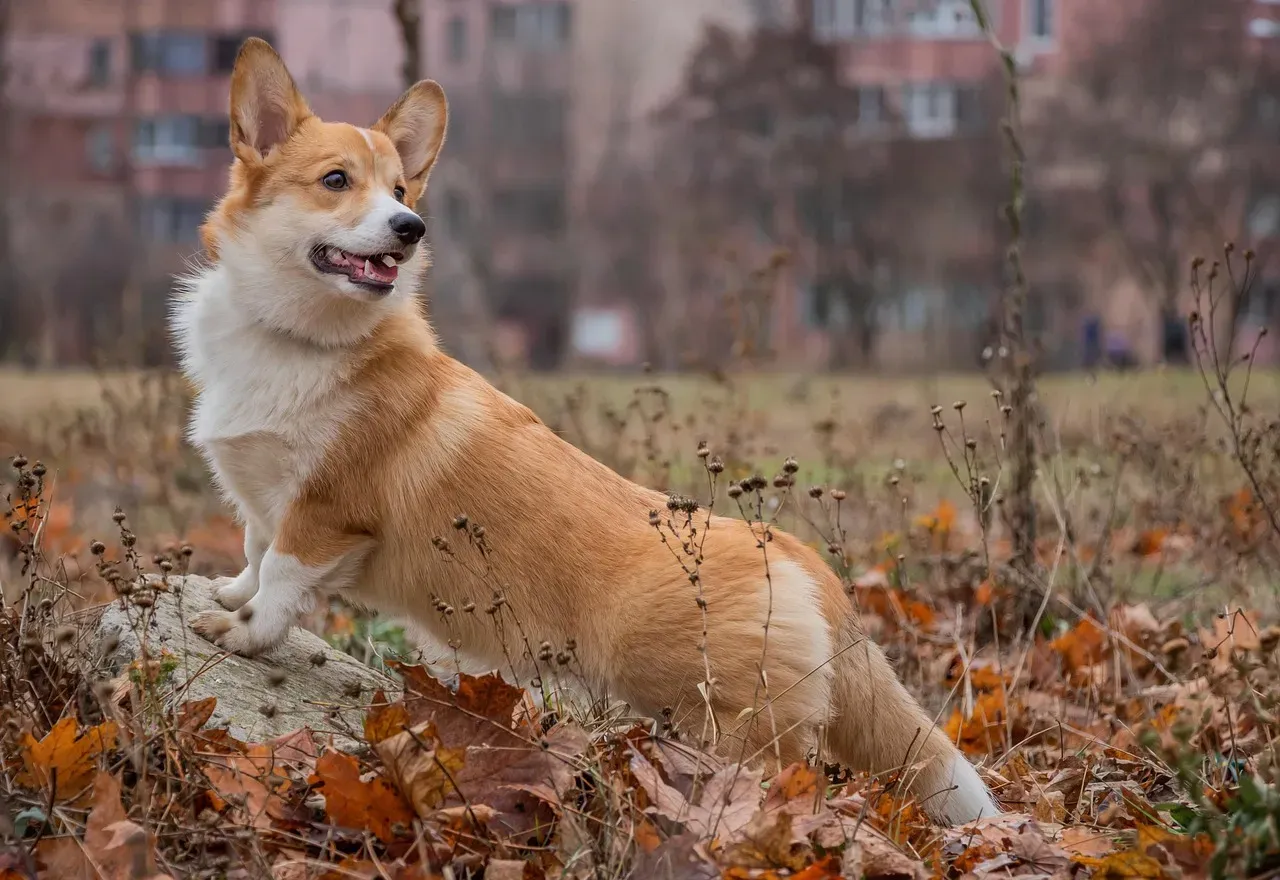
Many dogs develop a daily ritual around their human’s return. Maybe yours waits at the window, sleeps by the front door, or perks up at the sound of your car in the driveway. Some will ignore everyone else in the house and only really explode with joy when their main person walks in. This kind of focused anticipation is a strong clue about where their emotional priority lies.
While extreme distress when you leave can signal separation anxiety (which is not healthy devotion), that calm but eager waiting is a different story. The over-the-top welcomes, the spinning, the wiggle-butt, the happy whining – these are what happens when hours of quiet loyalty suddenly have an outlet. You are the event they have been looking forward to all day.
8. Mirroring Your Movements and Mood
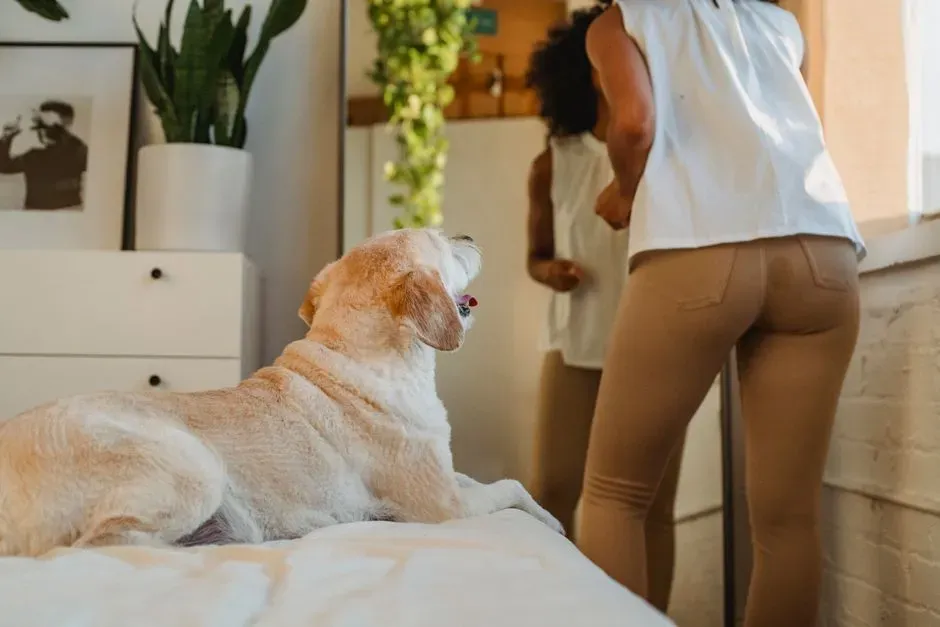
Have you noticed your dog gets more energetic when you are upbeat, and more subdued when you are tired or sad? That tendency to sync up with you is called emotional contagion, and it shows up in a lot of social species. Dogs who are deeply bonded to their humans will often mirror posture, pace, and even rest patterns, almost like they are tuning themselves to your channel.
This can look very ordinary: you stretch, they stretch; you flop on the couch, they flop too; you get anxious, they start pacing. It is easy to miss because it happens gradually, day after day. But when your dog adjusts their behavior to yours instead of just following their own impulses, that is a sign they are invested in you. You are not just background noise – you are the reference point their day shapes around.
9. Responding Reliably to Your Voice and Name Cues
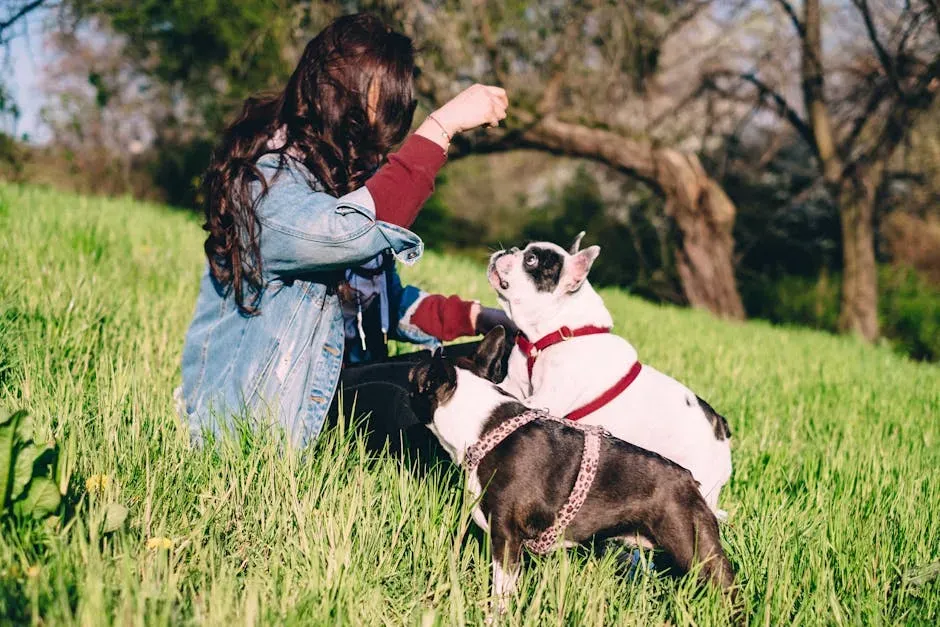
Devotion is not just about cuddles; it also shows up in how much mental bandwidth your dog gives you. A dog that consistently orients to your voice in a busy environment is telling you that you matter more than the random chaos around them. Turning when you say their name, checking back in on walks when you call, pausing when you give a cue – all of this reflects a relationship where you are important enough to interrupt whatever else they were doing.
Of course, training and genetics play roles here. Some dogs are naturally more responsive or have had more practice. But willing attention is still a powerful sign of attachment. A dog that chooses to listen is, in a way, choosing you. They are not little robots; they have preferences. When they keep choosing your voice, that is devotion in action.
10. Showing Relaxed Vulnerability Around You
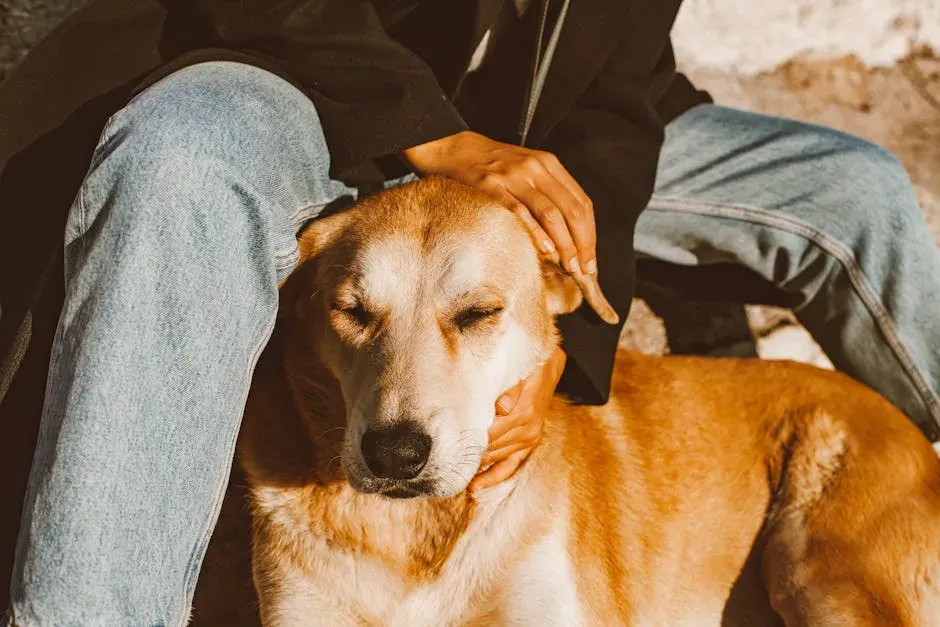
When a dog sprawls on their back exposing their belly, curls up with their back to you, or sleeps so deeply they twitch and snore without a care, they are showing serious trust. In the animal world, vulnerability is risky. Choosing to drop their guard around you means they feel safe enough to let basic survival instincts take a break. That is not something they would do around just anyone.
People often think a belly-up dog always wants belly rubs, but it is not always an invitation for touch. Sometimes it is simply a comfort posture. The key is that they are willing to be that defenseless in your presence. When your dog treats your living room like the safest den on earth, flopped in impossible positions and sighing deeply, it is devotion turned into pure, physical ease.
11. Guarding You Subtly (Even If They Are Not a “Guard Dog”)
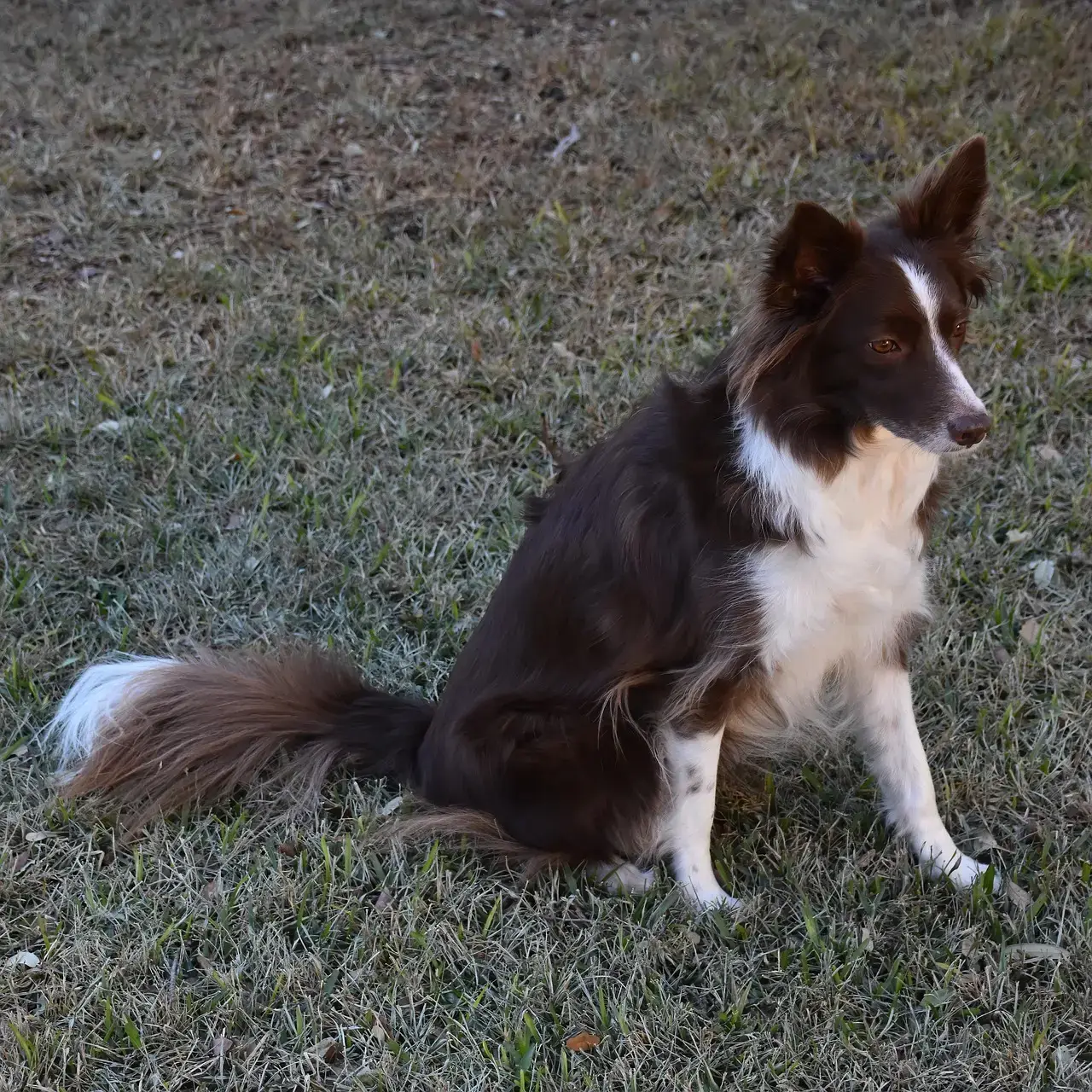
Not every devoted dog barks at strangers or looks fierce. In fact, a lot of the protective behavior bonded dogs show is very understated. They might position themselves between you and the door, sit facing the room while you sit with your back turned, or move slightly closer if an unfamiliar person approaches. You will see ears perk, eyes track, and bodies straighten just a bit when they are in low-key guard mode.
This is not about aggression; it is about awareness. Even small, gentle dogs often do this. They are essentially running quiet security checks because you are precious cargo in their mind. They may relax quickly once they decide everything is fine, but that initial instinct to watch over you is a pretty telling sign of loyalty. They know you look out for them – and in their own way, they are trying to return the favor.
12. Choosing You Over Distractions (At Least Sometimes)
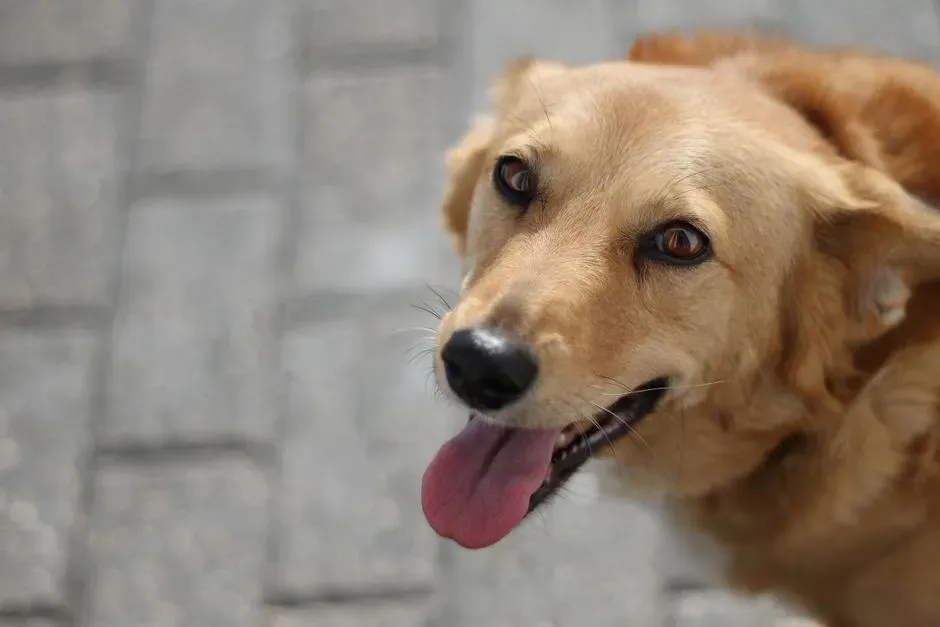
One of the clearest signs of devotion is when your dog occasionally picks you instead of something instinctively exciting. Maybe they leave the window to come sit next to you. Maybe they abandon a toy to follow you into another room. Maybe they are at the dog park and still keep circling back to check in, even with all that chaos and fun available. Those little choices say a lot.
No dog will ignore every distraction – that would not even be healthy. But dogs that are deeply attached build you into their decision-making. You become the mental anchor they come back to. When you notice them voluntarily prioritizing your presence, even briefly, that is devotion in its purest everyday form: choosing you, again and again, without fanfare.
Conclusion: Devotion Hides in the Small, Ordinary Moments
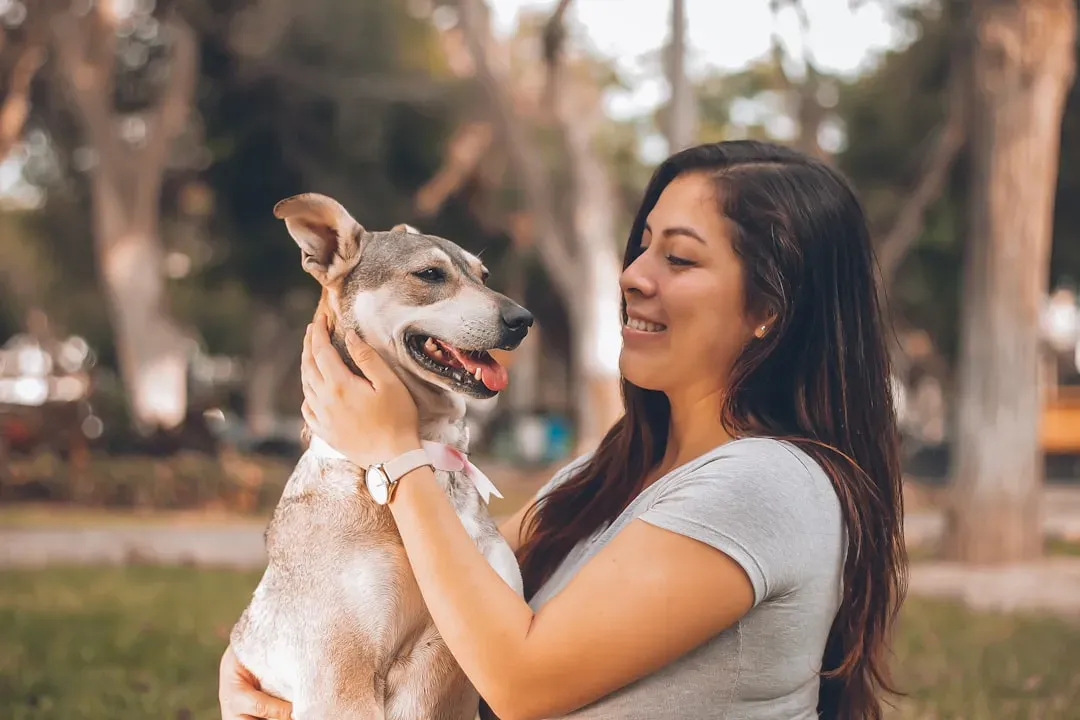
What strikes me most, as someone who has lived with dogs for years, is how quiet their loyalty often is. It is not just in the big dramatic gestures; it is in the soft eye contact across the room, the warm weight of a body leaning on your leg, the way they shuffle after you when you stand up for no obvious reason. Dogs do not write love letters or send long texts – they live their feelings, day in and day out, in routines so familiar we barely notice them.
If anything, I think we underestimate how deeply many dogs attach to us. We call it “clingy” or “needy” when, in reality, a lot of it is just raw devotion wrapped in fur and habits. The real question is not whether your dog is devoted; it is whether you are paying attention to the language they use to show it. Next time your dog does one of these things, maybe pause for a second and let it land: this creature has quietly chosen you as their universe. Did you expect that love could look so small and yet feel so huge?


