

Watch your dog move through the house these days and you might notice the pauses, the slower turns, the way they linger a little longer in a patch of sun. Those small shifts often signal something deeper that many owners overlook until the changes become impossible to ignore.
What if the real story lies in the quiet needs your dog has carried all along, needs that grow sharper with age but rarely get voiced in ways we easily catch? Understanding them now can change how the later years unfold for both of you.
Your Dog May Be Hiding Pain

Dogs are masters at masking discomfort because showing weakness once helped them survive in the wild. By the time you notice a limp or hesitation on the stairs, the ache has likely been present for months. Subtle signs like slower rises from a nap or less enthusiasm for favorite toys often point to joint trouble rather than simple laziness.
Regular gentle checks around the hips and spine can reveal stiffness you might otherwise miss. Pain relief options today range from simple supplements to targeted therapies that keep older dogs comfortable without heavy medication. Catching these signals early lets you adjust daily routines before the discomfort turns into full avoidance of movement.
Cognitive Shifts Can Rearrange Daily Habits
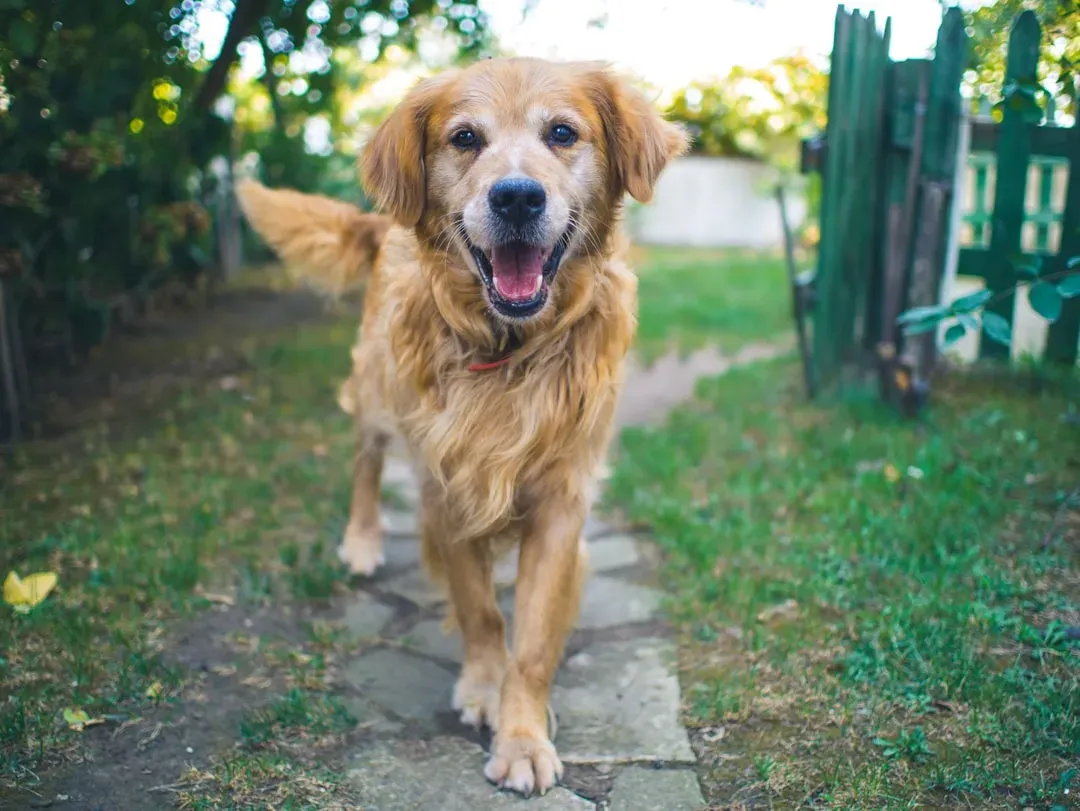
Older dogs sometimes forget familiar routes around the house or stare at a wall for longer stretches than usual. These moments reflect changes in brain function that mirror patterns seen in aging humans. The confusion rarely arrives all at once, so small inconsistencies in sleep or interaction build gradually.
Keeping a steady daily rhythm helps reduce the anxiety that comes with these lapses. Puzzle toys and short training refreshers can keep the mind engaged without overwhelming a senior pet. Owners who notice these patterns early often find simple environmental tweaks make a noticeable difference in how settled their dog feels.
Nutrition Needs Shift in Quiet Ways

Metabolism slows with age, which means the same food portions that once worked well can now lead to gradual weight gain. Joint support formulas and easier-to-digest proteins become more useful than they were in younger years. Some dogs also develop sensitivities that only appear after years of eating the same diet.
Switching foods too quickly can upset digestion, so gradual transitions over a week or two work best. Regular weigh-ins at home catch trends before they become health concerns. Many owners find that consulting a vet about senior-specific formulas prevents issues that would otherwise require more intensive care later.
Vision and Hearing Fade Gradually

Cloudy eyes or a tendency to startle at sudden sounds often mark the beginning of sensory decline. Dogs adapt by relying more on smell and memory, yet sudden changes in the household layout can still cause stress. Night vision tends to weaken first, which explains why some dogs hesitate more after dark.
Leaving a small night-light in familiar hallways reduces hesitation without disrupting sleep. Calling a dog by name from the same spot each time helps when hearing softens. These adjustments keep daily life predictable and lower the chance of accidental bumps or falls.
Mobility Changes Require Thoughtful Adjustments
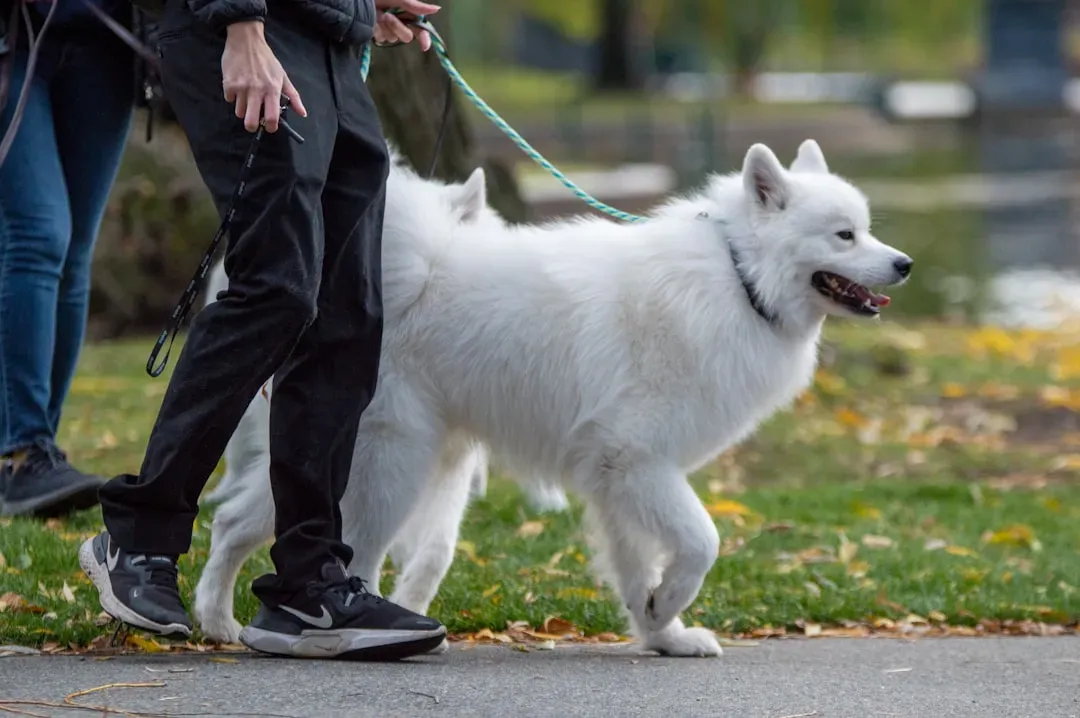
Stairs that once posed no problem can become barriers as muscle tone decreases. Ramps or pet steps placed at key spots prevent slips and preserve independence. Shorter walks at a comfortable pace often replace longer outings without losing the benefits of fresh air and gentle movement.
Orthopedic beds support joints during rest and reduce morning stiffness. Some dogs benefit from harnesses that offer extra lift when getting up from the floor. Watching how your dog navigates the home each morning reveals which small changes will help most.
Emotional Security Matters More Than Ever
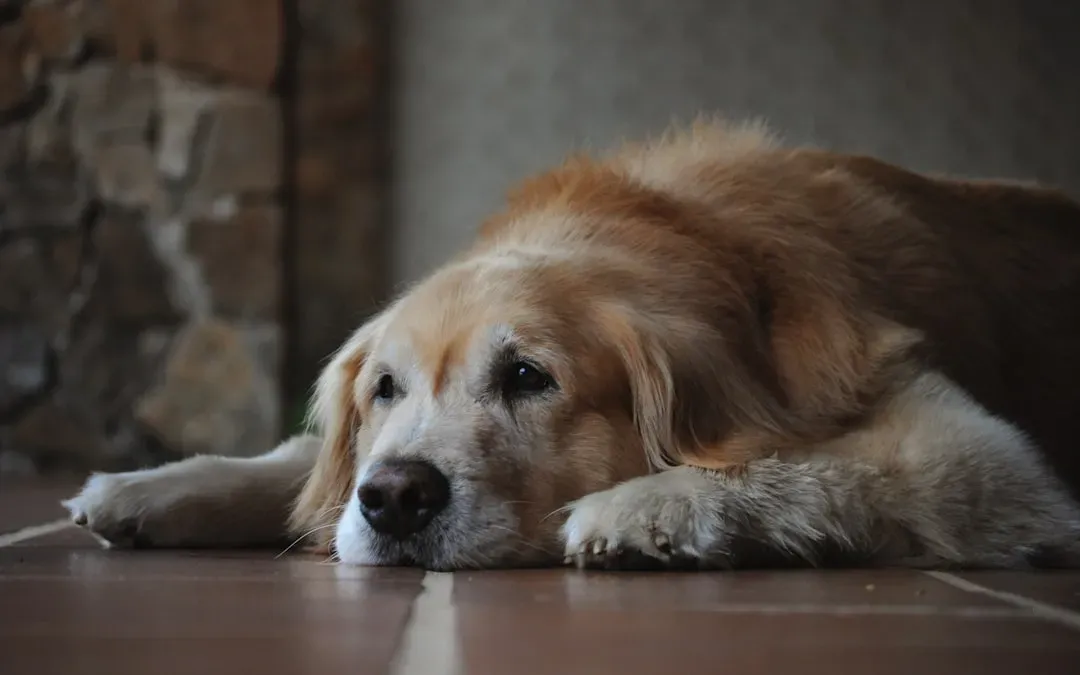
Older dogs sometimes become more attached to their people and less tolerant of being left alone. The same separation that once felt routine can now trigger pacing or vocalizing. Familiar scents and a consistent presence provide reassurance that new experiences cannot replace.
Short practice departures followed by calm returns help maintain confidence. Leaving worn clothing nearby offers a familiar smell when you step out. These steady signals reduce the worry that can otherwise build during the day.
Dental Health Affects the Whole Body
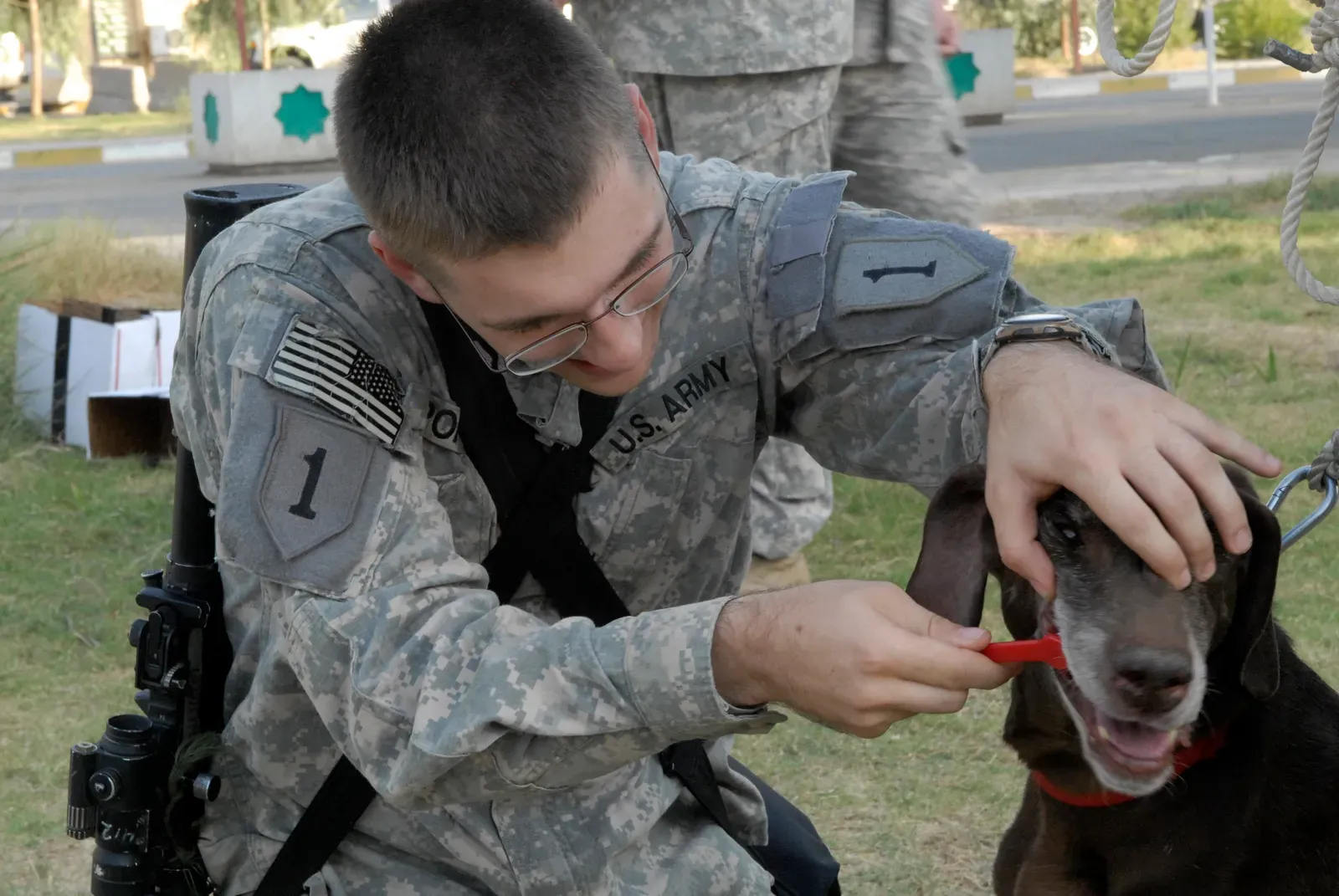
Tartar buildup accelerates in senior years and can contribute to broader inflammation. Regular tooth brushing with dog-safe paste keeps gums healthier than occasional cleanings alone. Some dogs show reduced interest in hard treats as teeth become sensitive.
Water additives designed for dental care offer an easy addition to daily routines. Annual professional cleanings under anesthesia remain an option when home care is not enough. Addressing dental needs early prevents discomfort that might otherwise be mistaken for general slowing down.
Sleep Patterns Often Become Fragmented

Many older dogs nap more during the day yet wake more often at night. This shift can stem from discomfort, cognitive changes, or simply altered circadian rhythms. A quiet, dark sleeping area with a familiar blanket helps signal rest time more clearly.
Avoiding late-day stimulation such as vigorous play reduces nighttime restlessness. Some owners add a small meal or treat before bed to promote longer stretches of sleep. Tracking these patterns over a week shows whether simple schedule tweaks bring improvement.
Weight Management Prevents Secondary Issues
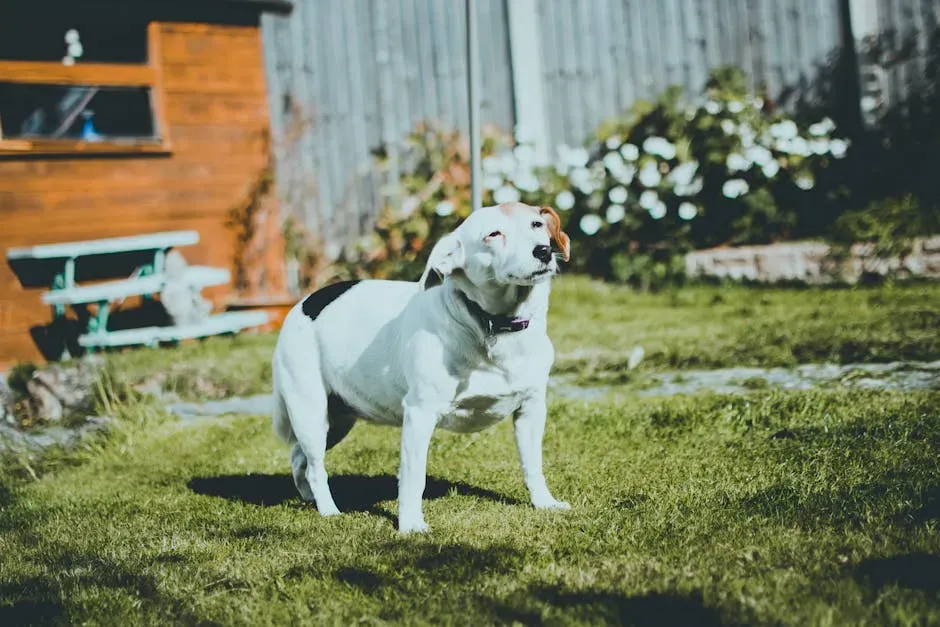
Extra pounds place added strain on already changing joints and organs. Even modest reductions in body weight can improve mobility noticeably. Measuring food portions rather than free-feeding helps keep intake consistent as activity levels drop.
Low-impact activities like slow indoor games replace high-energy play without sacrificing mental engagement. Regular body condition checks by running hands along the ribs give an honest picture of progress. Maintaining a healthy weight extends comfortable years more reliably than many other interventions.
Heart and Organ Function Deserve Monitoring
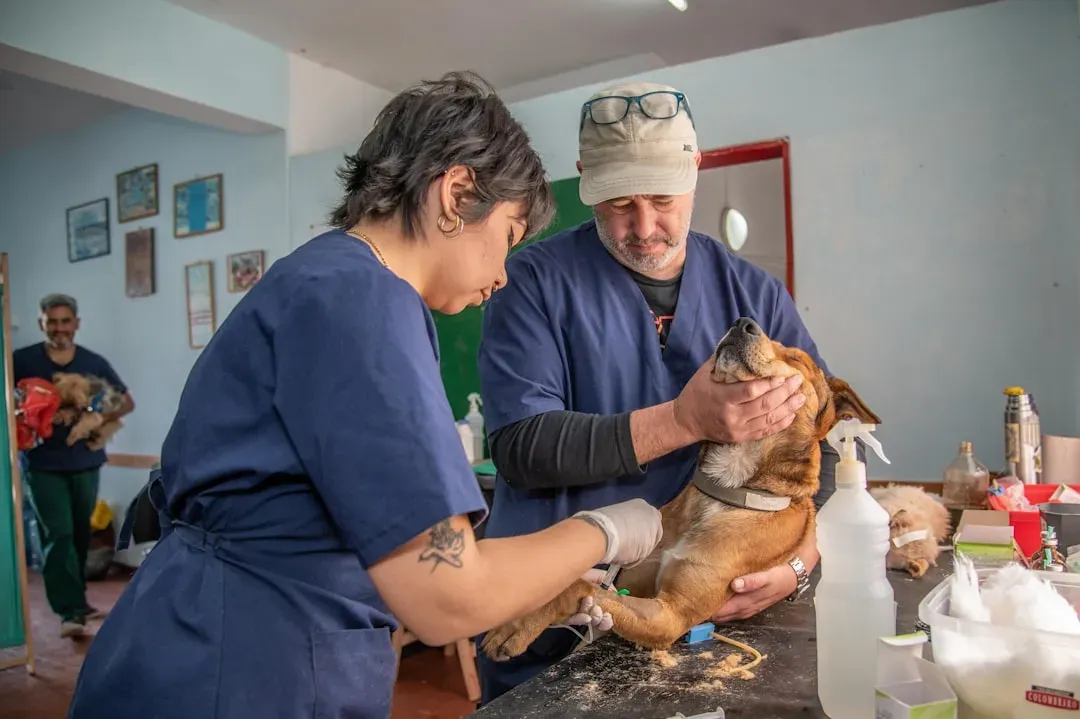
Subtle changes in breathing during rest or reduced tolerance for activity can signal heart strain. Annual bloodwork catches shifts in kidney or liver values before symptoms appear. These organs work harder over time, so early detection allows for supportive care that keeps dogs feeling well longer.
Medications and diet adjustments tailored to specific findings often stabilize conditions effectively. Owners who schedule consistent checkups avoid the surprise of advanced issues that develop quietly. The goal remains keeping daily life enjoyable rather than reacting only when problems become obvious.
Routine Brings Comfort Amid Change
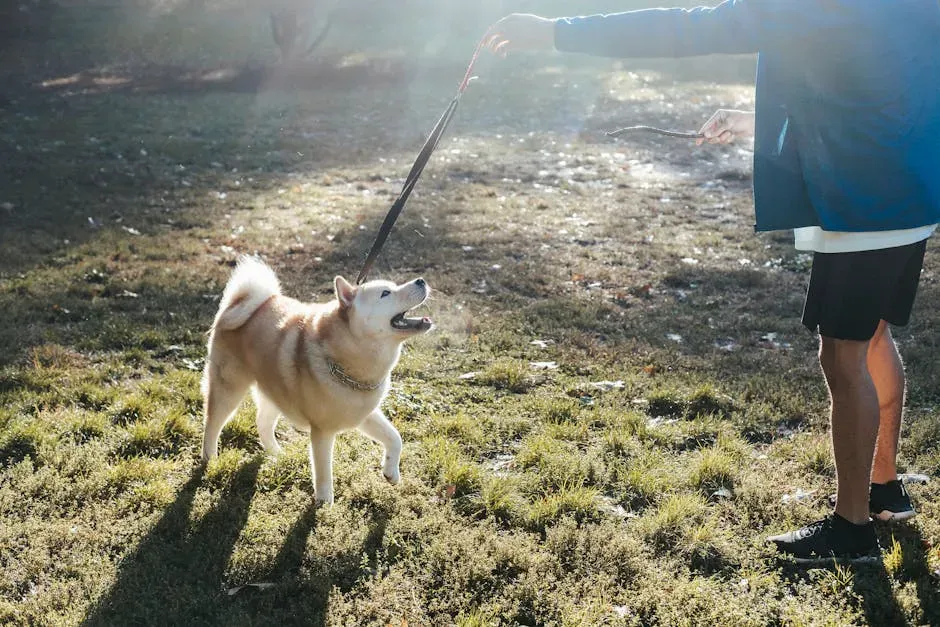
Predictable meal times, walk routes, and interaction patterns reduce uncertainty for a dog whose world feels less stable. Small disruptions that once went unnoticed can now cause hesitation or stress. Sticking close to established rhythms supports emotional balance without requiring extra effort.
Introducing any new element gradually, whether a different bed or a visitor, prevents unnecessary worry. Many dogs respond well to the same greeting ritual each morning. These steady anchors help an older dog feel secure even as physical abilities evolve.
Quality of Life Decisions Become Central
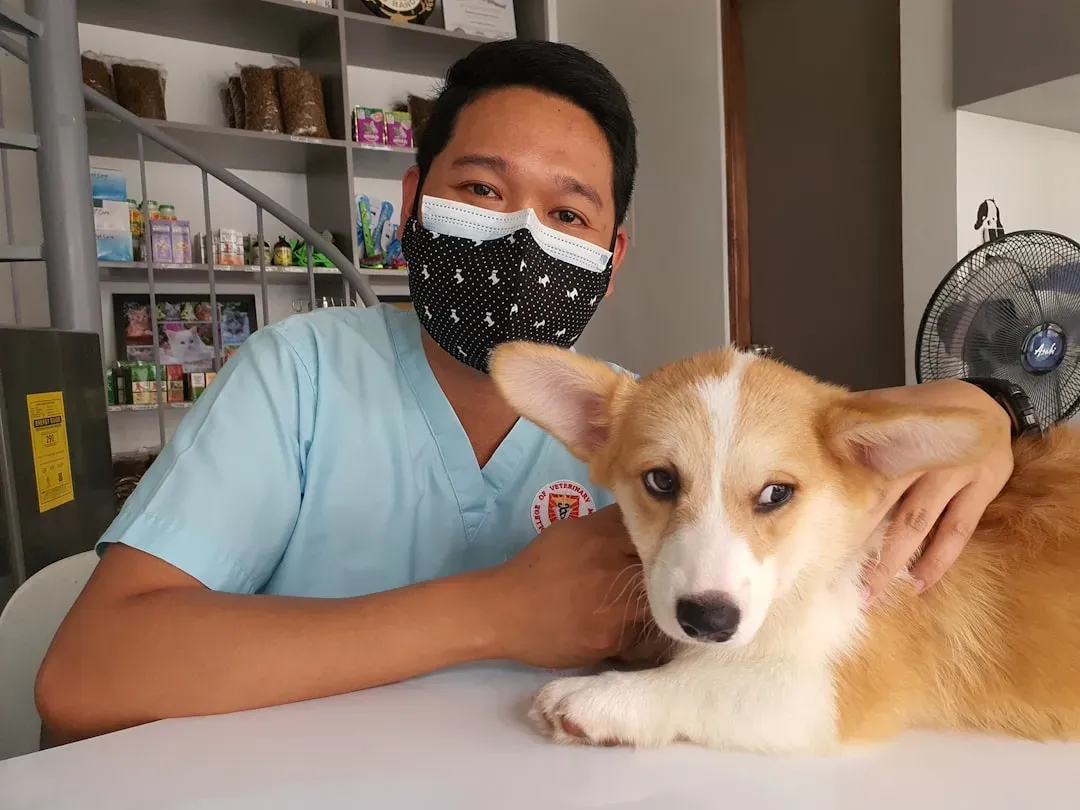
Tracking how much your dog still enjoys favorite activities reveals when comfort measures may need rethinking. Appetite, interest in surroundings, and ability to move without obvious distress form a practical checklist. Owners who review these points regularly stay ahead of declining days rather than catching up after the fact.
Discussions with a trusted vet about options keep decisions grounded in the dog’s actual experience. The focus stays on preserving dignity and moments of contentment. Paying attention to these signals helps shape the later years in ways that honor the bond you share.
Conclusion
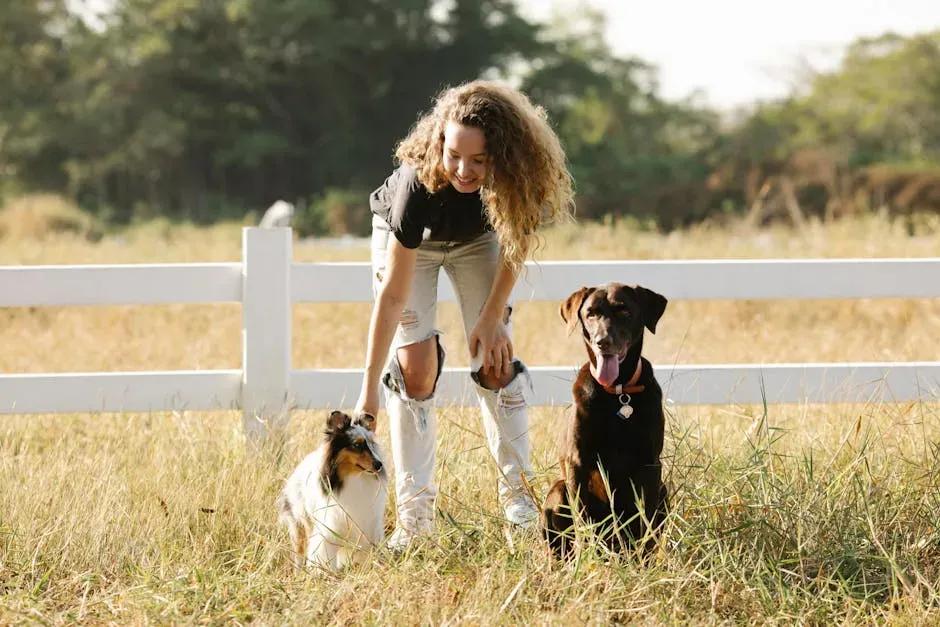
The later years with a dog often bring a quieter kind of companionship that rewards the attention paid to small details. Recognizing these needs early turns potential struggles into manageable adjustments that keep both of you connected. In the end, the time invested in understanding what your dog cannot say directly becomes the most lasting gift you can offer.


