
Most people look at a graying muzzle and a slower shuffle across the living room and think the same sad thing: countdown mode. That’s the story we tell ourselves the second the walks get shorter and the stairs become a production. But veterinarians and animal behaviorists say that story is often flat-out wrong.
The truth is stranger, and a lot sweeter, than most owners realize. Many senior dogs are quietly living some of the happiest, most content stretches of their entire lives – they’re just showing it in ways easy to miss. Once you know what to look for, the way you see your dog’s daily life changes completely. Here’s what actually proves an old dog is still savoring every single day it gets.
#1 – They Choose to Be Near You, Even If They Don’t Do Much
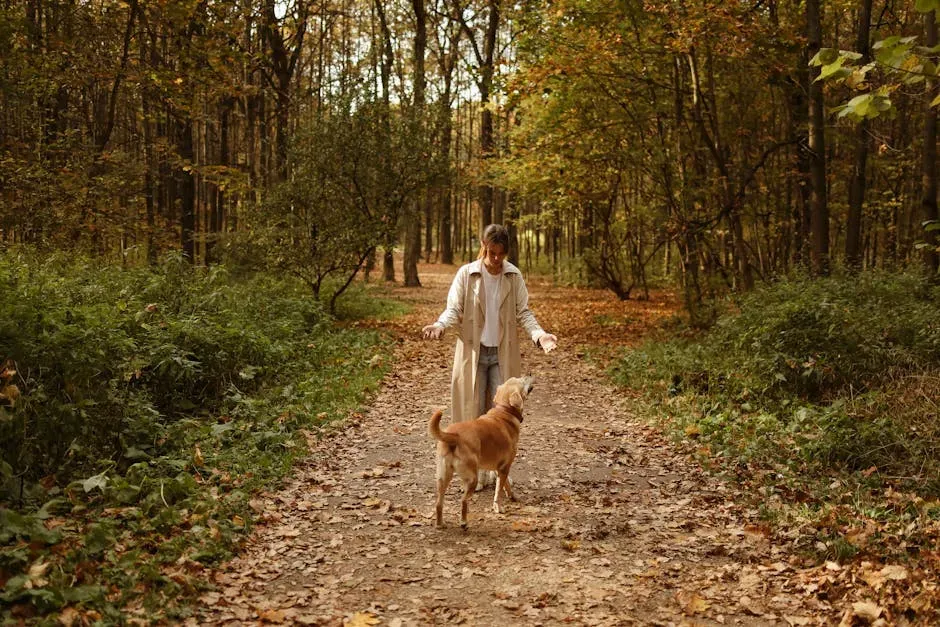
An old dog that still seeks you out isn’t clingy – it’s content. If your senior dog slowly gets up, shuffles into whatever room you’re in, sighs, and collapses at your feet, that’s not random. That’s a choice.
Older dogs conserve their energy carefully, so where they spend it actually matters. If they keep picking a nap next to you over an empty couch or a quiet bedroom, that’s a strong sign they still feel safe, bonded, and emotionally invested in the life you share.
Watch what they do when you move around the house:
- Lift their head the moment you stand up
- Relocate just to stay within a few feet of you
That quiet “shadowing” behavior is their way of saying, “I still want to be part of your day.”
#2 – Their Tail Still Has Opinions
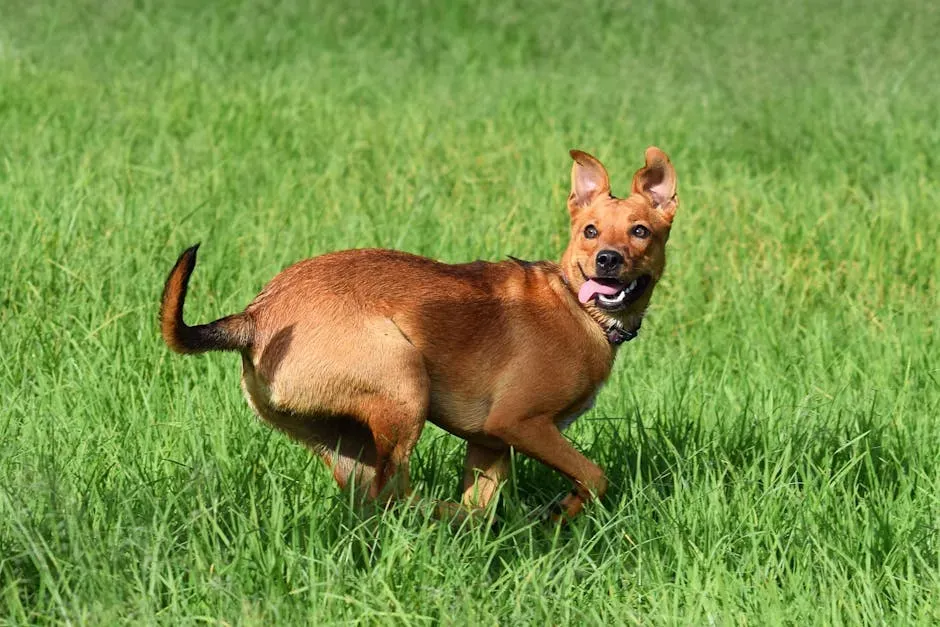
A senior dog doesn’t waste tail wags on things it doesn’t care about. You may not see the wild, helicopter spin from puppyhood anymore, but pay attention to the subtle stuff instead.
A slow, steady wag when you walk in. A soft thump on the bed when you say their name. A quick little tail twitch when you grab the treats. All of it is screaming the same message: life is still good.
- A wag that appears for specific things – you, dinner, a favorite visitor
- A relaxed tail posture most of the day, instead of tucked or rigid
If their tail still wakes up for joy triggers, they haven’t checked out of life at all. They’ve just learned to be selective about it.
#3 – They Still Get a Spark Over Their Favorite Things

You’ll know your old dog is still savoring life the moment you catch the spark. Most of the day, an elderly dog might move like an antique in slow motion.
Then you say the magic word – walk, car, treat, grandma – and everything changes. Their eyes widen, their ears perk, and for a few seconds their whole body seems to rewind years. That burst is your proof there are still things in this world they deeply care about.
- A short, bouncy trot to the door instead of a full sprint
- A clumsy attempt to grab a toy they haven’t touched in weeks
The intensity is lower now, but the meaning is identical: specific moments still feel worth getting excited about.
Why It Stands Out
- The reaction often lasts only seconds, but it’s unmistakable
- Specific trigger words carry more power than general excitement ever does
- Ears, eyes, and posture spike even when overall energy stays low
- These bursts fade with fatigue, not with a loss of interest in life
#4 – They Eat With Genuine Interest, Not Just Habit
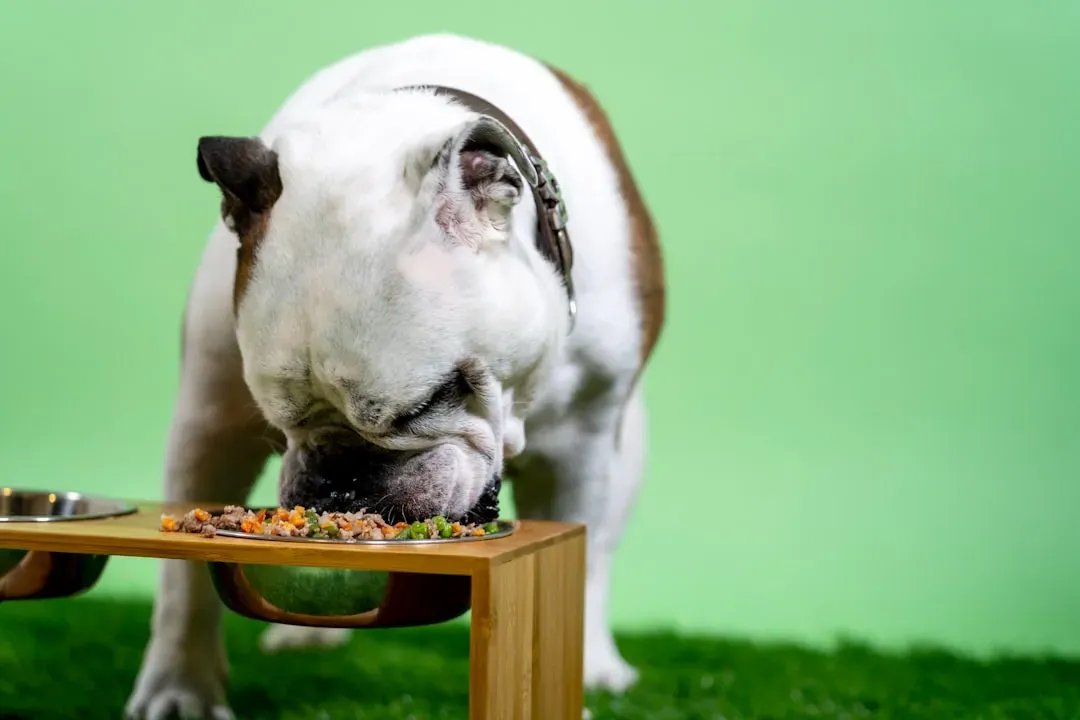
Food is one of the clearest windows into an old dog’s mindset. Some seniors do eat slower, and some lose a bit of appetite with age or medication – that’s normal.
But if your dog still perks up at mealtimes, tracks your every move in the kitchen, or appears out of nowhere when the food bin cracks open, that’s joy, not just survival. Pleasure-driven eating looks completely different from forced eating.
- Sniffing the bowl eagerly before the first bite
- Hanging around the kitchen at “usual” meal times
- Showing clear preferences, perking up harder for certain foods
An old dog that still “votes” for food or treats is experiencing real enjoyment. Appetite for favorite foods is often one of the very last pleasures dogs hold onto, and most owners underestimate how much that says.
#5 – They Can Settle and Truly Relax
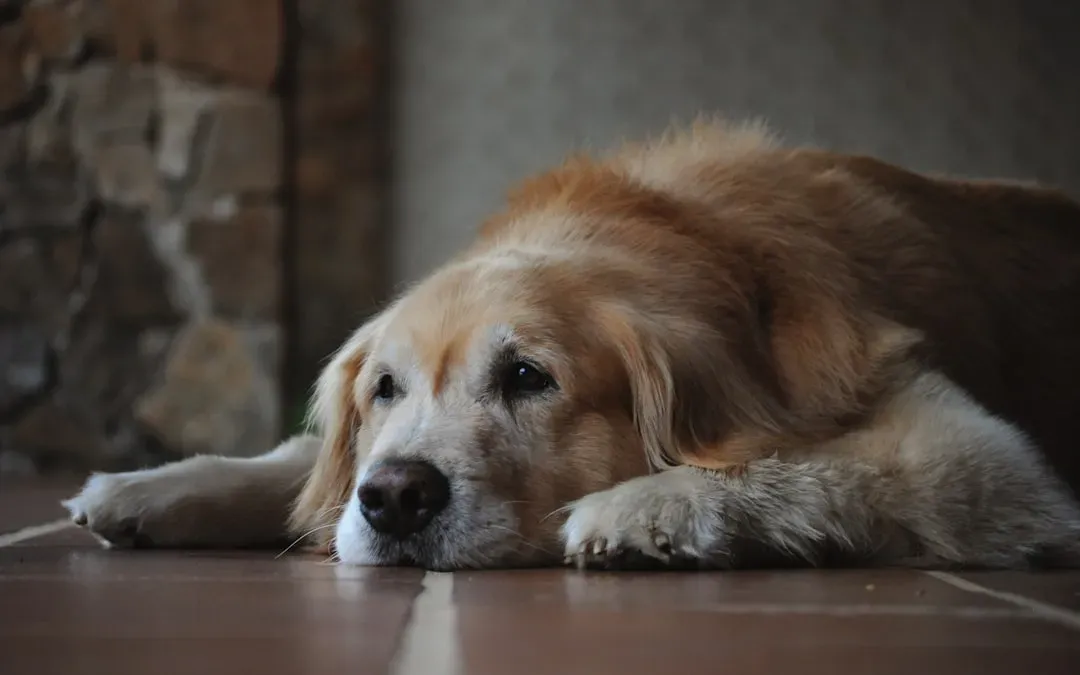
A happy old dog isn’t restless all day. It knows how to be at peace, and that’s worth noticing.
People sometimes panic when their old dog sleeps a lot, assuming it’s a sign of decline. But deep, loose, contented sleep in a comfortable spot, especially after light activity, is actually a marker of emotional safety. Dogs that feel anxious or are in uncontrolled pain rarely sleep deeply and comfortably.
- Twitching paws mid-dream
- Flopping onto their side or back, belly exposed
- A sigh and a stretch right before sinking into sleep
Those are relaxation signals, not resignation. A dog who can truly let go and doze peacefully is telling you it feels secure enough to rest fully – and that’s not giving up, that’s savoring comfort.
#6 – They’re Curious in Short, Controlled Bursts
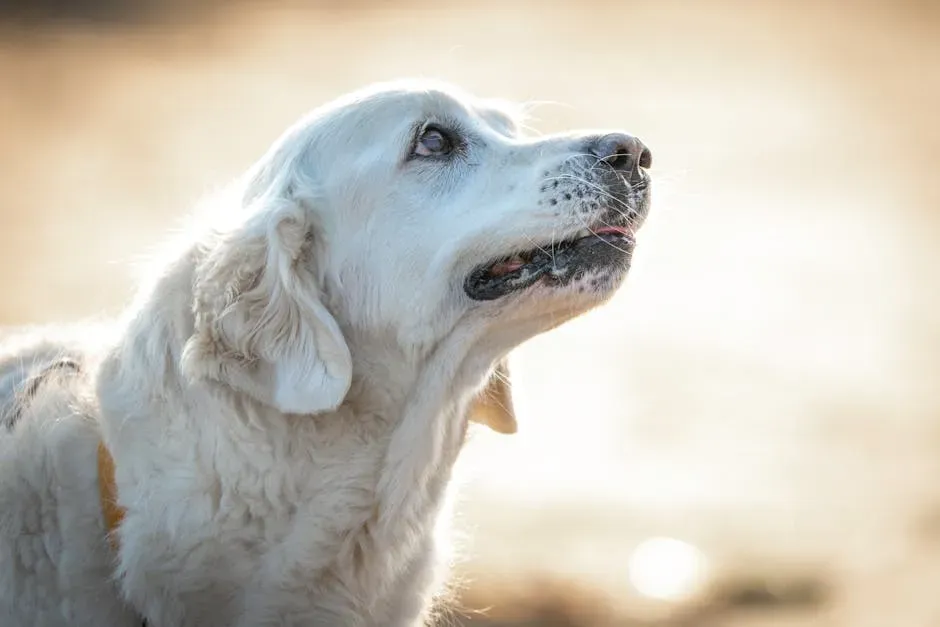
Curiosity is one of the last things to disappear in a dog that still enjoys life. Your senior might not roam the backyard for an hour anymore, but watch what happens when something slightly new shows up.
A new smell on the breeze. A package on the porch. A visitor’s bag left on the floor. If they still choose to get up, wobble over, and give it a sniff, curiosity is alive and well in there.
- A few investigative sniffs around the yard before heading back to bed
- A slow, deliberate walk to the window at the sound of a car door
- Careful exploration of a new toy, bed, or blanket
Old dogs simply budget their curiosity now. The fact that they’re still spending any of it at all means they still find the world worth engaging with.
#7 – They Still Have a Social Circle They Care About
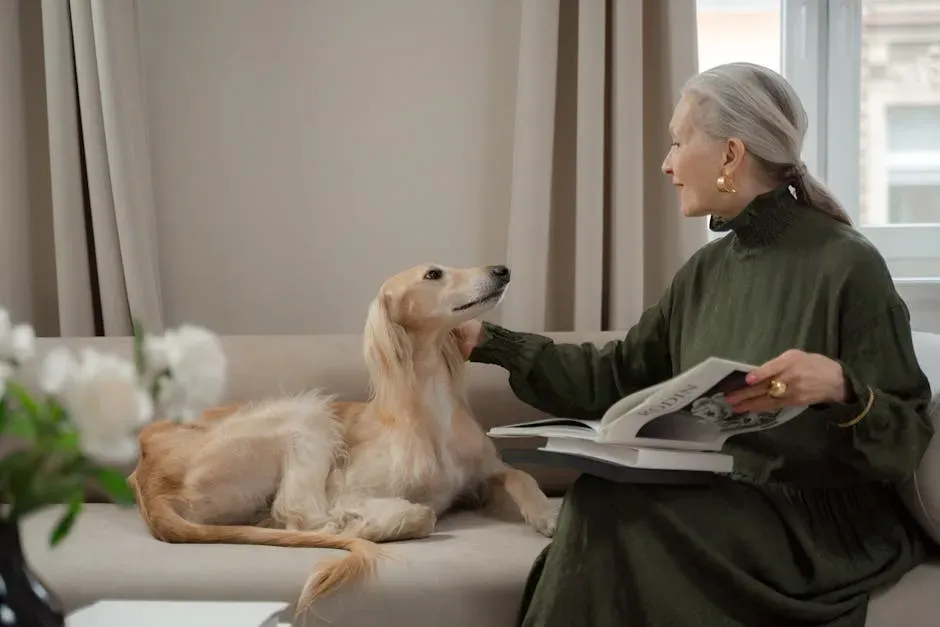
Old dogs absolutely play favorites, and that’s actually a good sign. Most people assume senior dogs are “over” other animals and people, but in reality, many just trim their circle down to the ones that matter.
If your dog still lights up for certain humans, dogs, or even the cat it pretends to ignore, that’s real emotional engagement, not just habit repeating itself.
- Trying, even clumsily, to greet a familiar person
- Looking for another pet in the house and settling near them
- Tolerating gentle affection from kids they trust
Less interest in strangers doesn’t mean fading. It means getting selective. The fact that they still choose to bond with a small, trusted group proves their emotional world is very much alive.
At a Glance
- Fewer greetings for strangers, more warmth for trusted faces
- Familiar scents and routines often matter more than new introductions
- Selective bonding is common in aging dogs and rarely signals decline
- Consistently seeking out one person or animal is a strong attachment sign
#8 – They Seek Comfort, Not Just Necessity

A senior dog that cares about comfort is still actively improving its own day, and this is the part most owners completely underestimate.
When an old dog decides it prefers the softer bed, the sunny patch on the floor, or the cooler tile during hot afternoons, that’s not just survival – it’s quality-of-life management. That’s a mind still invested in making each day feel a little better.
- Moving from a hard floor to a cushioned bed without being told
- Changing spots during the day to chase sunlight or shade
- A small groan of satisfaction when they settle somewhere cozy
Dogs who are truly checked out often stop bothering to move for comfort at all. When yours still “votes” for the good blanket, it’s quietly savoring the small stuff.
#9 – They Respond to Your Voice and Routine Cues
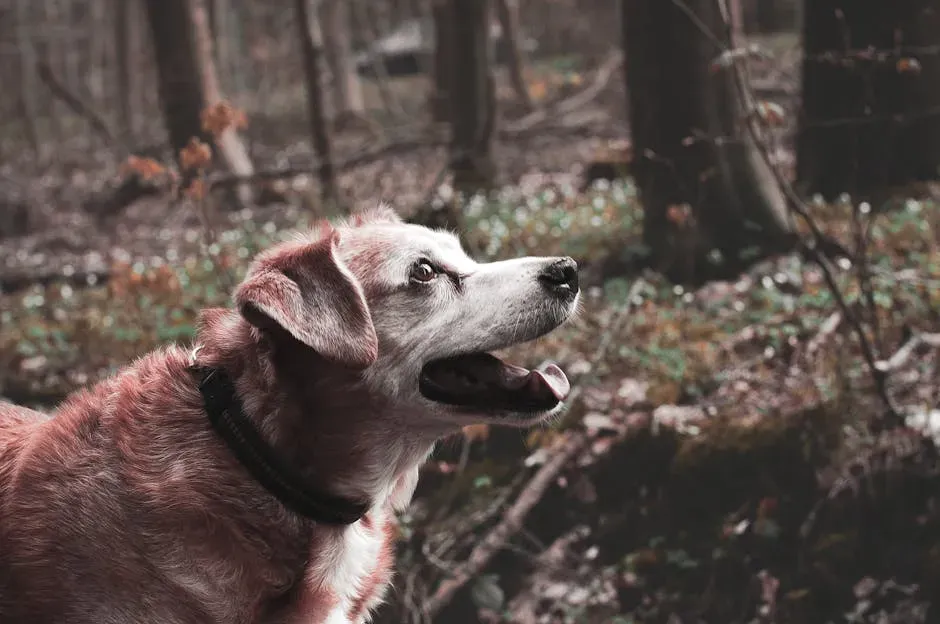
Engagement isn’t only in their body, it’s in their brain too. You might think, “He can’t hear me like he used to,” and that may be partly true.
But if your dog still turns its head, softens its eyes, or lifts its eyebrows when you speak in a certain tone, that responsiveness is a huge sign they’re mentally present and emotionally tuned in. Your relationship is still actively happening, not just something they remember.
- Their reaction when you say their name in a happy voice
- How they respond to familiar routines – bedtime, walk time, treat time
- Whether they seem reassured when you talk softly during stressful moments
Even with fading senses, many seniors stay astonishingly connected to your rhythms, your moods, your sounds. When an old dog still orients itself around your voice, it’s not just existing beside you. It’s still living with you.
Fast Facts
- Hearing loss in older dogs often starts with high-pitched sounds first
- Deep, lower tones and vibrations usually stay easier for seniors to detect
- Hand signals and touch cues can reinforce fading hearing at home
- Dogs read tone and body language more than the actual words used
#10 – They Still Have Good Days and Bad Days
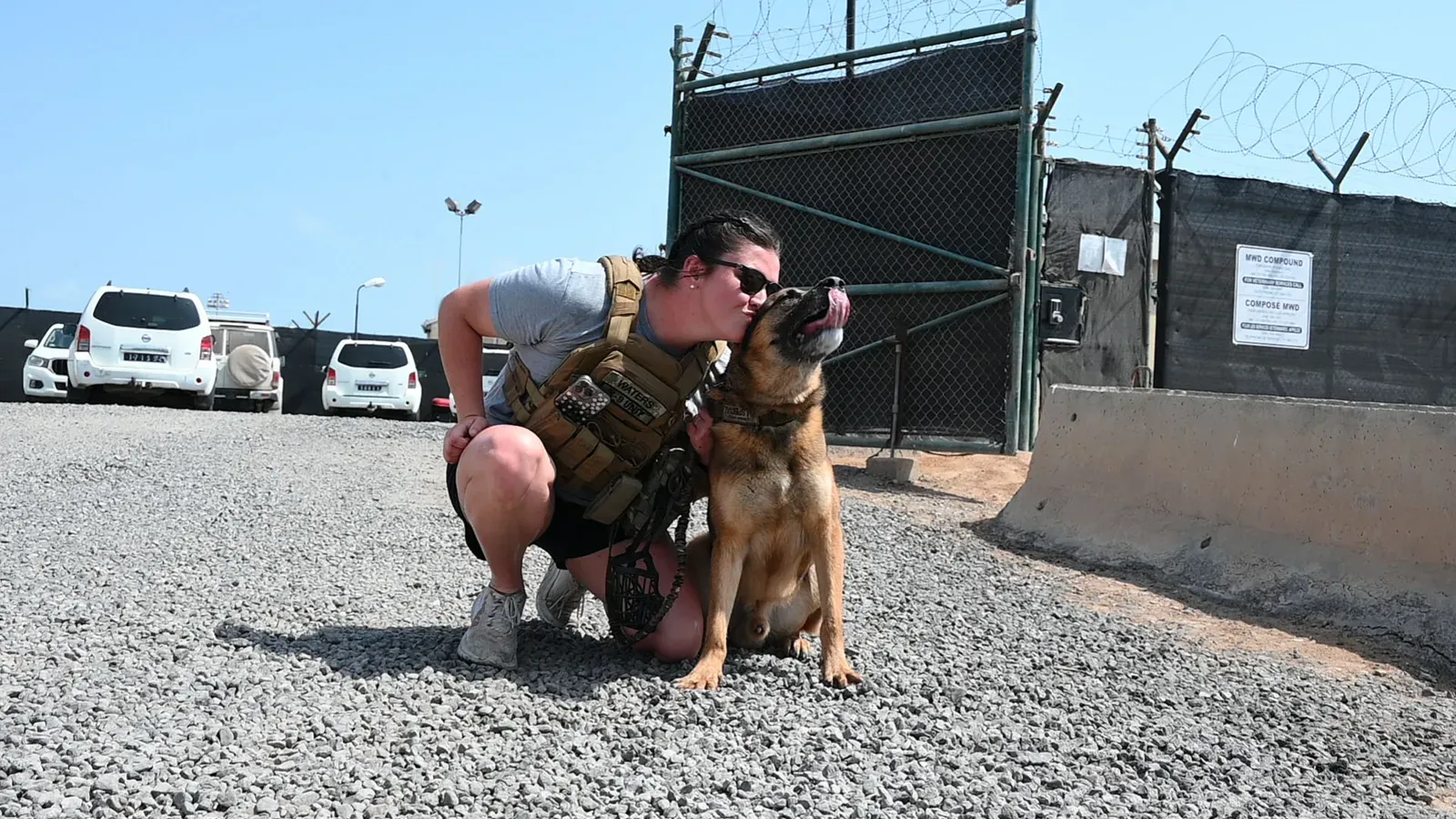
The presence of ups and downs actually matters more than most people think. Owners often panic at the first “off” day and immediately wonder if it’s time.
But veterinarians often look for variability – days where the dog clearly feels better, more engaged, more interested. That pattern says the dog is still experiencing relief, comfort, and enjoyment on many days, even if some are slower.
- Days they choose a slightly longer walk or play a little more
- Mornings they bring you a toy or follow you more eagerly
- Moments they seem brighter after rest, medication, or a calm evening
If every single day is flat and joyless, that’s a real concern worth a vet visit. But a senior with distinct “better” days, days they still seek out more of what they love, has real quality of life left. There are still days worth waking up for.
#11 – They Still Signal Preferences and Boundaries
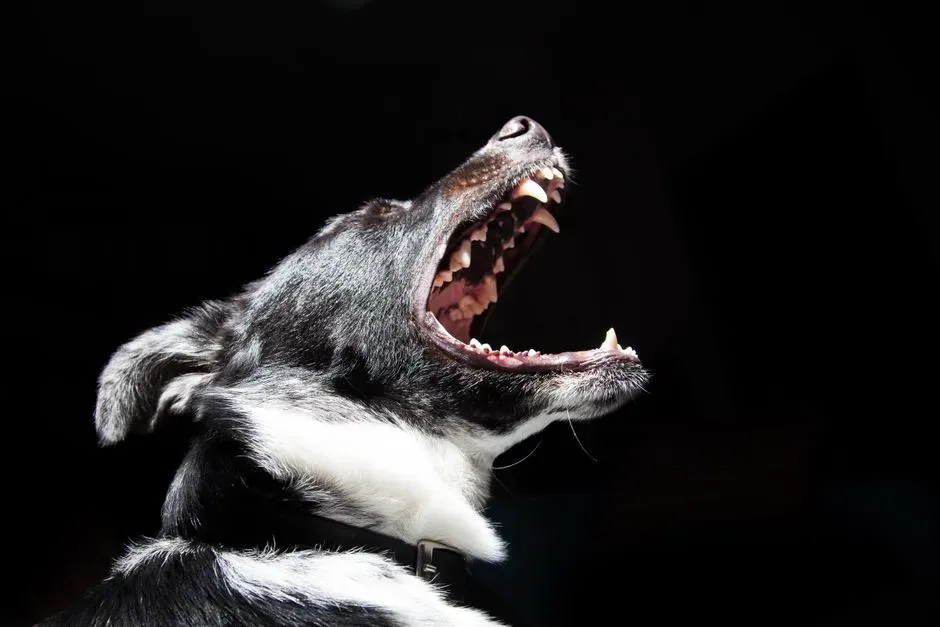
A dog that still cares enough to say yes or no is not checked out. This is the part people misread most: many owners see grumpiness in older dogs as purely negative.
But a senior that growls softly when it doesn’t want to be moved, shifts away from rough petting, or nudges your hand for more when it does want touch, is expressing a clear opinion about its own experience. That’s emotional participation, not irritability.
- Moving away from loud crowds but leaning into quiet cuddles
- Choosing one family member’s lap over another’s
- A little nose nudge or paw when they want more affection
It’s when a dog stops responding, stops caring, stops bothering to communicate at all, that owners should really worry. A senior who still has preferences is, in a very real sense, still fighting for the kind of day it wants.
Worth Knowing
- A soft growl or a shift away is communication, not aggression
- Leaning in for more affection is a clear, deliberate request
- Consistent preferences show a dog that’s still emotionally engaged
- A sudden loss of all preferences is more concerning than mild pickiness
#12 – They Show Brief, Clear Moments of Joy
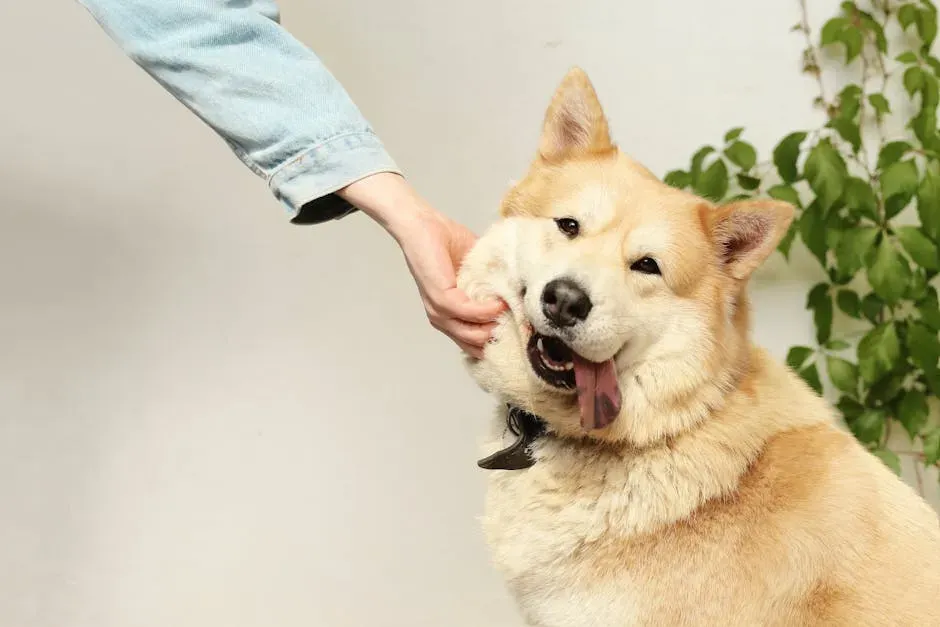
Not every moment has to be happy, but real joy should still show up somewhere. For a very old dog, joy might only last thirty seconds.
A wiggly greeting when you come home. A sudden roll in the grass. A blissed-out face as they press into your hand during an ear rub. These flashes matter far more than the total hours they spend sleeping.
- Genuine tail-wagging, face-softening, full-body “ahhhh” moments
- Particular activities that still switch them into happy mode, even briefly
- Surprise flashes of puppy-like energy or expression
Those small episodes aren’t trivial. They’re proof that their internal world still includes pleasure, anticipation, and contentment. Life isn’t measured in how long the walks are, but in whether something still makes them feel good to be here.
#13 – They Lean Into You Like You’re Still Their Whole World

This is the sign most owners underestimate, and the one that matters most. When an old dog presses its body against your leg, rests its head on your chest, or sighs and melts into you during a quiet moment, that’s not just affection. It’s a vote – that being here, with you, still feels worth it.
Dogs don’t do emotional theatrics. If they keep seeking you out for comfort, safety, and closeness, they’re telling you their life still has a center that feels good.
- Late at night, choosing your side of the bed
- Stiff and sore, but still shuffling closer if you sit on the floor
- Leaning into your touch during a storm instead of hiding alone
A dog that still turns to you, trusts you, and relaxes more deeply because you’re near is not done with life. It’s savoring every extra day you give it, quietly and fiercely, in ways only the two of you will ever fully understand.
The Bottom Line
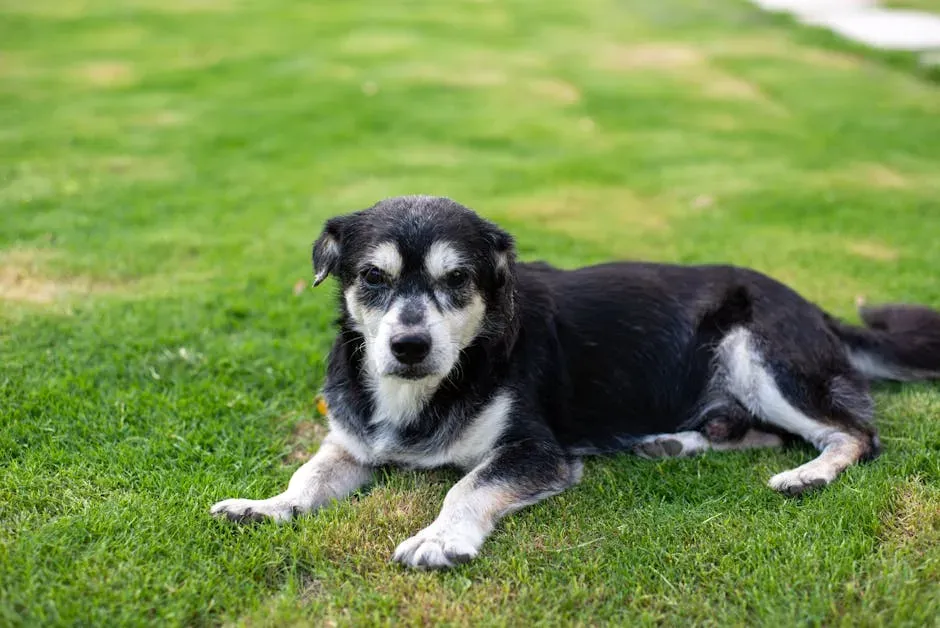
The harsh truth is that a lot of people start grieving their dogs too early, mentally checking out the moment gray hairs and slower walks show up. But the signs that an old dog is still savoring life are almost never loud. A soft tail wag. A slow shuffle to your side. A deliberate choice of the sunny spot on the floor. A brief, shining spark over a favorite treat.
Dogs’ lives are too short. Their only fault, really.
Agnes Sligh Turnbull
None of it looks flashy on video, but it’s everything that actually counts. You don’t owe your dog forever. You owe it days that still contain comfort, safety, and real moments of joy – and as long as those keep showing up, at mealtimes, on short walks, in the quiet hours on the couch, your old dog isn’t just existing. It’s still choosing you, every single day it gets.
Do you see these signs in your own senior dog, or do you read them differently? Tell us in the comments – we’d genuinely love to hear it.


