
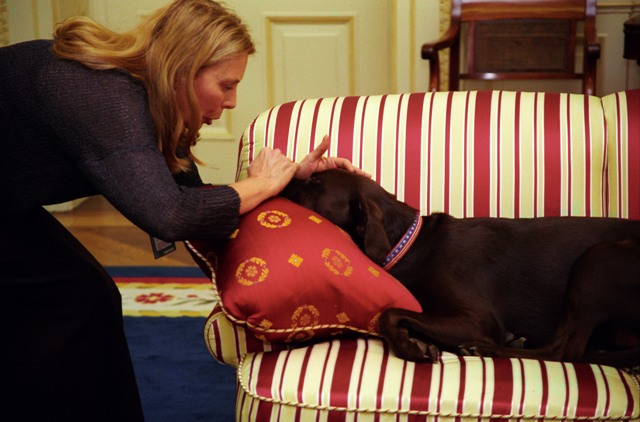
Most people picture a foster dog stuck in permanent survival mode – ears back, eyes on the door, forever waiting for the next goodbye. That image isn’t wrong. It’s just incomplete, because something happens on one specific night that almost nobody outside rescue circles ever gets to see.
It isn’t one dramatic moment. It’s a chain reaction – thirteen small, almost invisible tells that stack on top of each other in a matter of hours. Long-term fosters say they can name the exact night a dog stopped surviving a house and started living in it. Here’s what that night actually looks like, one behavior at a time.
#13 – It Stops Pacing the Perimeter at Midnight
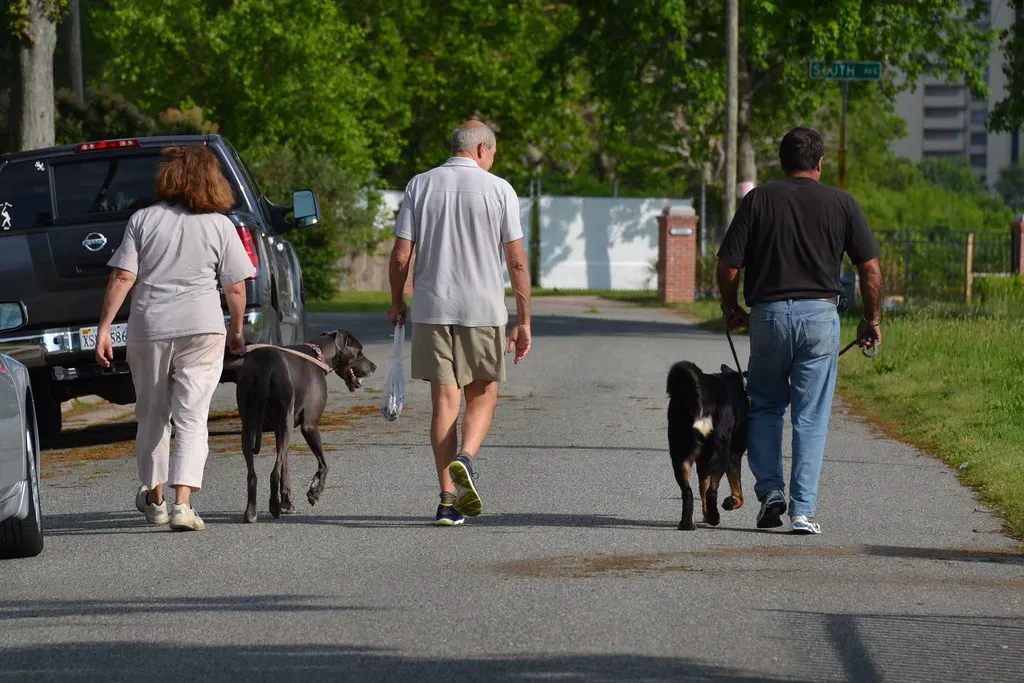
For weeks it was the same routine: a twenty-minute loop through the living room, a pause at every window, a nose pressed against the door like it might swing open at any second. Fosters watch this circuit play out night after night, as if the dog is standing guard against a threat only it can see.
Then, without warning, the loop just stops. The dog picks one spot – often right outside the bedroom door – and stays there. Handlers say this is frequently the first full night the whole house actually sleeps, because the dog has quietly decided no one is loading it into a car before sunrise. It’s a small shift. What happens next, with a toy, is where things get genuinely surprising.
Fast Facts
- Rescue groups often reference the “3-3-3 rule”: roughly 3 days to decompress, 3 weeks to learn the routine, and 3 months to feel fully at home.
- Perimeter pacing and constant door-watching are considered classic signs a dog is still stuck in survival mode.
- Many foster dogs show their very first real settling signs somewhere between week two and week four.
- A single night of deep, uninterrupted sleep is often the earliest measurable sign that trust is building.
#12 – It Finally Chews a Toy Without Constant Vigilance
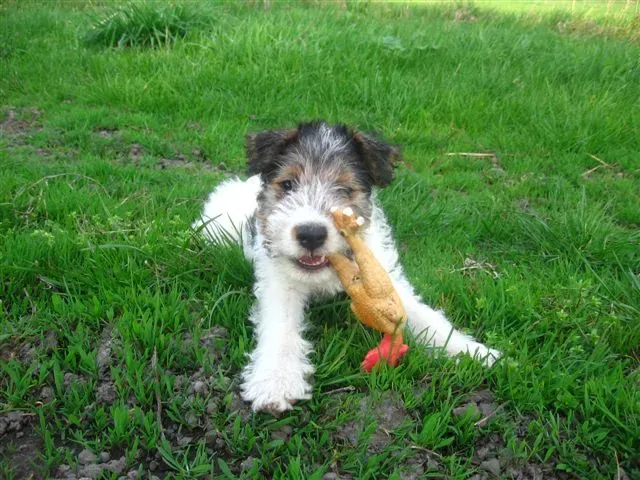
Instead of grabbing a toy, dropping it, scanning the room, and moving it somewhere new, the dog settles in and actually works on it. There’s no relocation ritual anymore, no treating the object like something that has to be hidden before it’s taken away. This is sustained, unguarded play – something a lot of foster dogs never show in the first weeks.
Even the choice of toy tends to shift, favoring soft, low-stakes items over the hard ones that double as backup weapons or escape tools. The clearest sign, though, is what happens after playtime ends: the dog leaves the toy sitting in plain sight overnight instead of stashing it. That single detail quietly wrecks the myth that every rescue dog hoards forever.
#11 – Breathing Slows to a Deep, Audible Rhythm

Shelter dogs tend to breathe shallow and fast, even in their sleep, like their body never fully clocks out. Then one night the foster hears something different – long, slow exhales that sound almost like sighs, filling a quiet house that used to feel tense even at 2 a.m.
Fosters who pay close attention say this physiological drop can happen within the same hour the dog seems to “get it.” For the first time, it may stretch out flat on its side, belly exposed, no tucking, no bracing. That kind of vulnerability is the opposite of what most people assume rescue dogs are capable of showing so soon.
#10 – It Initiates Eye Contact That Lasts More Than a Second
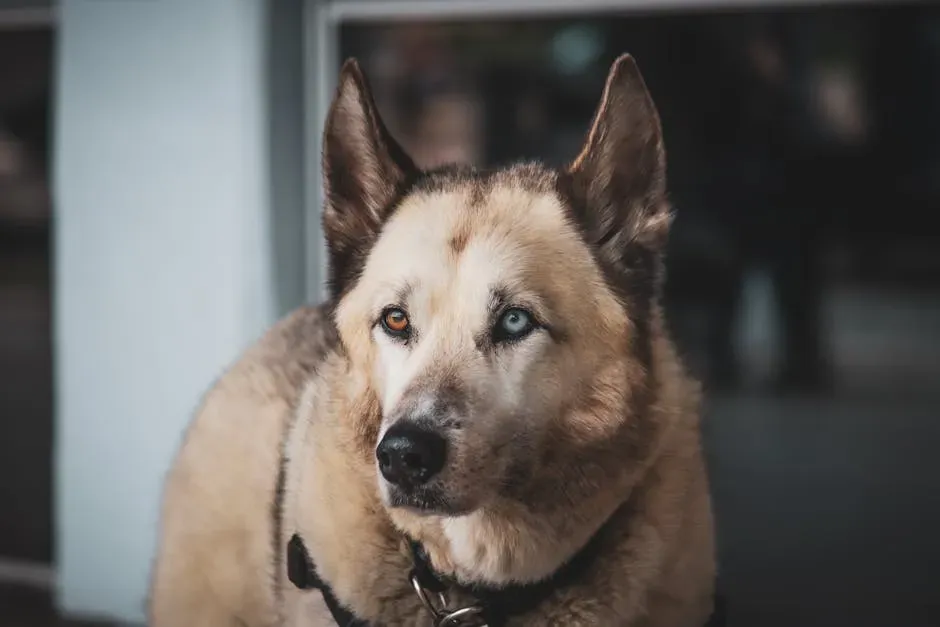
Instead of a quick, wary glance and looking away, the dog holds the owner’s gaze from across the room. Trainers call this the first real “check-in” – not a threat scan, not an assessment, just contact. It’s subtle, but anyone who’s fostered a nervous dog knows exactly how rare it is.
Here’s the part people miss: sustained eye contact from an unsettled dog can actually be a test, not affection – the dog is checking whether the human will stay steady under scrutiny. The night it finally lingers instead of darting away, the whole dynamic flips. The person stops being another temporary face and becomes an anchor.
#9 – It Chooses the Owner’s Bedside Over Its Own Bed
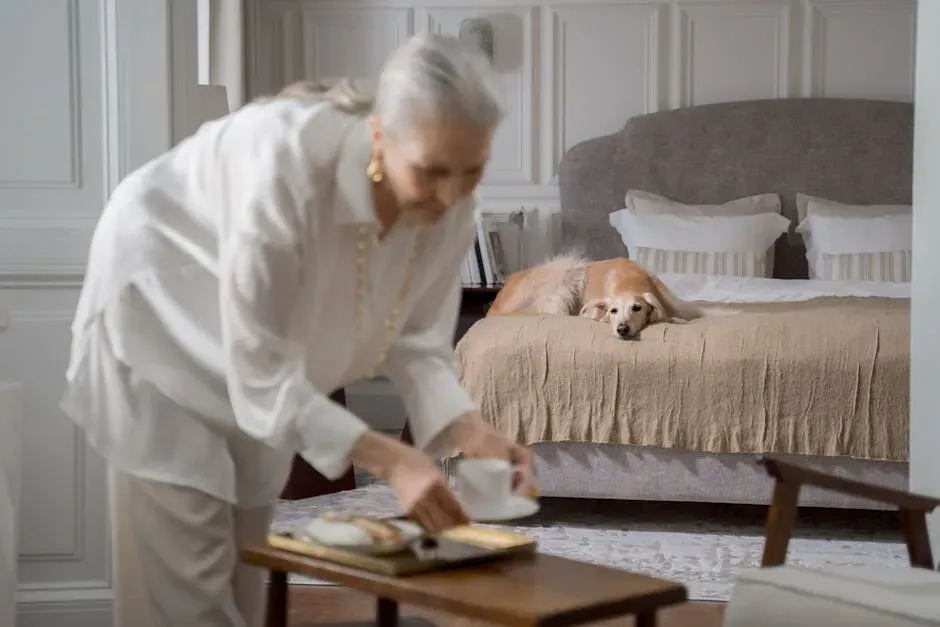
Somewhere after midnight, when the house has gone completely still, the dog abandons the crate or the dog bed it’s used for weeks and curls up on the floor right beside the owner’s sleeping area. It doesn’t climb onto the mattress – that’s a different milestone entirely – but the proximity itself is new, and it’s deliberate.
Some fosters read this as the dog testing boundaries. The pattern actually says the opposite: it’s calculated trust. The dog positions itself close enough to monitor breathing and movement without crowding personal space, which quietly undercuts the idea that foster dogs generally prefer distance and isolation.
#8 – It Eats the Last Few Bites Slowly Instead of Bolting

For a dog that used to inhale an entire bowl in under thirty seconds and then stand guard over the empty dish, a slow, unhurried finish is a genuinely big deal. Some dogs even leave a little food behind and wander off to come back to it later – something that’s simply impossible when scarcity feels like a constant threat.
This is resource anxiety visibly draining out of the dog in real time. Handlers describe watching a dog glance up mid-meal, almost like it’s double-checking that the bowl will still be full tomorrow. Once that question gets answered in its head, the urgency doesn’t come back.
Quick Compare
- Survival mode: bolts food in under 30 seconds and guards the empty bowl afterward.
- Settling in: slows down near the last few bites and occasionally pauses mid-meal.
- Fully secure: walks away from leftovers, trusting the food will still be there later.
#7 – It Produces a New, Softer Vocalization
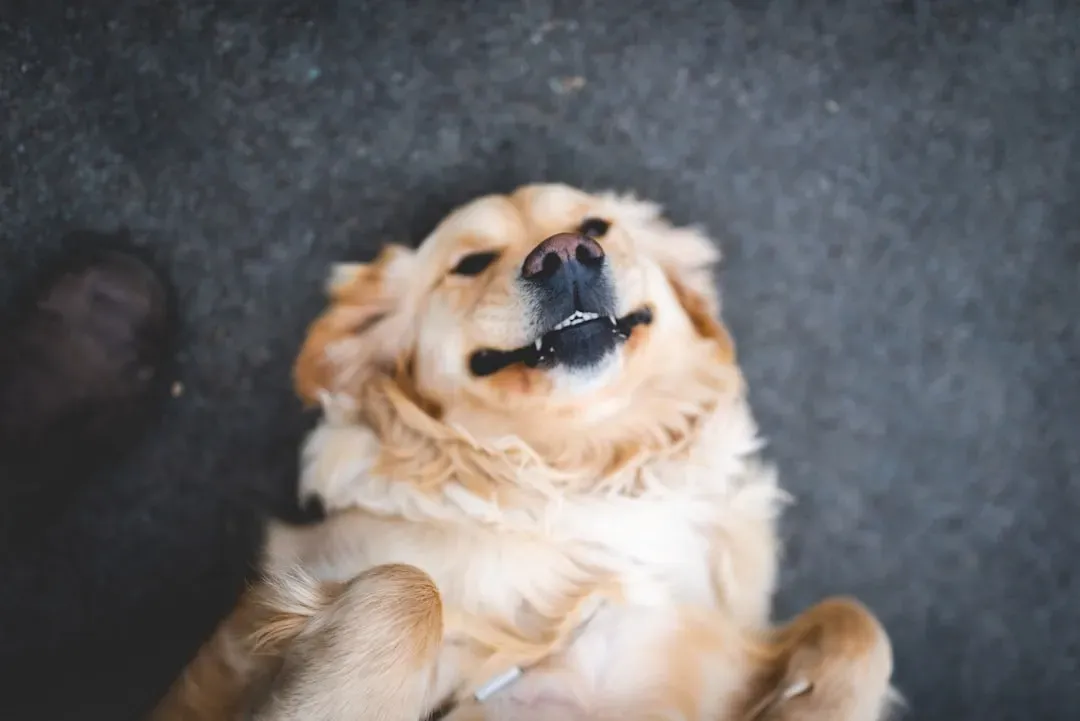
Instead of a sharp bark or an anxious whine, the dog lets out a low, rumbling sound while settling into its spot – something closer to a groan of relief than any noise it’s made before. Fosters often describe it as the canine version of finally exhaling a breath they’d been holding for weeks.
Most people never hear this sound, because it only shows up in true, undisturbed quiet – not on camera, not during a shelter evaluation, not around strangers. It’s easy to mistake for discomfort. It’s actually the opposite: the sound of an internal alarm system finally switching off.
Dogs do speak, but only to those who know how to listen.
Orhan Pamuk
#6 – It Ignores the Front Door When Someone Leaves
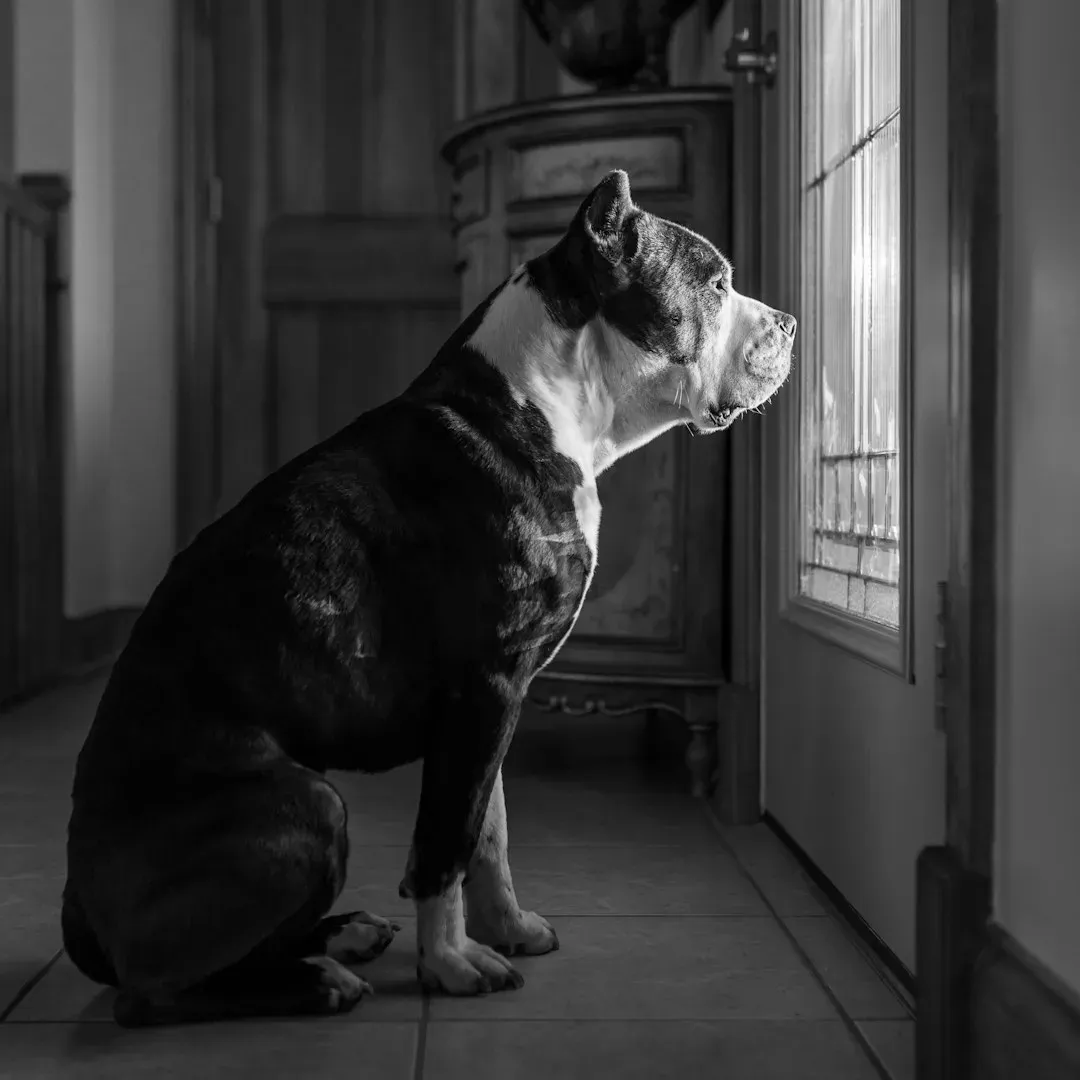
Up to this point, every single departure meant something: the dog would rush to the door, position itself, and brace, as though it half-expected to be the one leaving next. That night, the pattern quietly breaks – no fanfare, no announcement, just a dog that stays exactly where it is.
To a stranger, this might look like disinterest. Anyone who’s fostered long enough knows it’s actually the opposite – it’s the dog no longer equating a person walking out the door with its own removal from the house. That’s not indifference. That’s trust the dog has never had reason to offer before.
#5 – It Stretches Fully Upon Waking Instead of Curling Tight
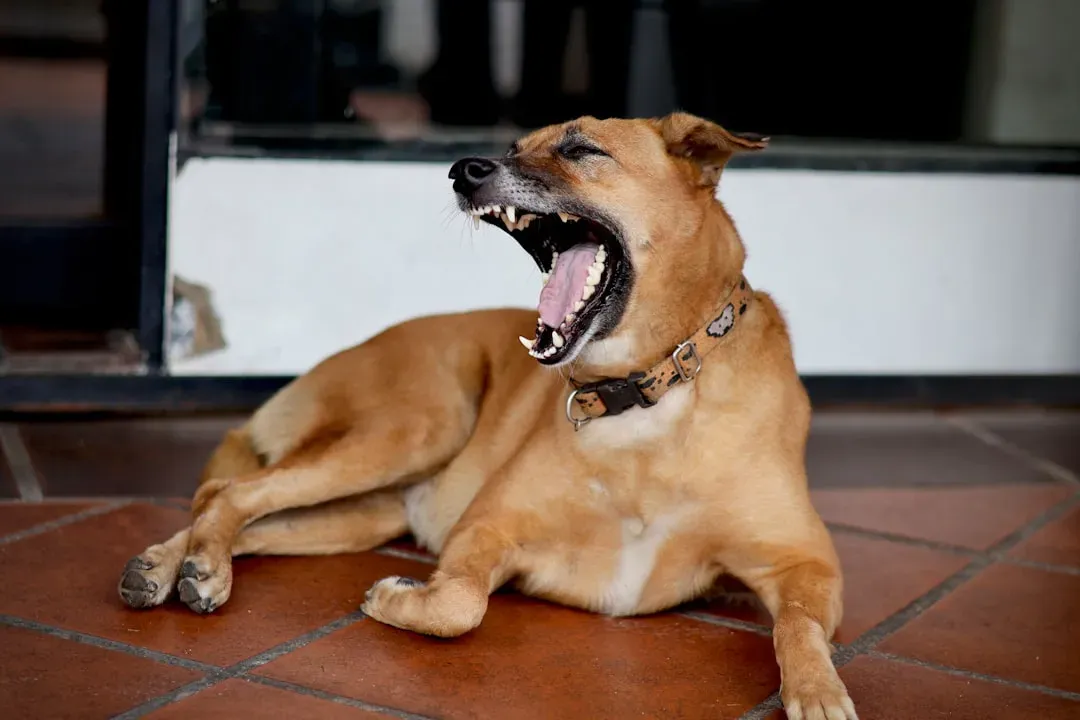
The first morning after the shift looks different from every morning before it. Instead of a tight, compact rise, the dog does a full-body stretch – legs splayed, belly and throat exposed, nothing tucked or guarded. That posture only shows up once a dog genuinely believes the morning won’t bring upheaval.
Fosters often catch a dramatic, full-frame yawn tagging along with the stretch, the kind that shakes the whole body. It’s a small, almost comic moment – and it directly contradicts the persistent idea that rescue dogs stay physically braced for the long haul.
#4 – It Brings a Toy to the Owner’s Feet Without Prompting
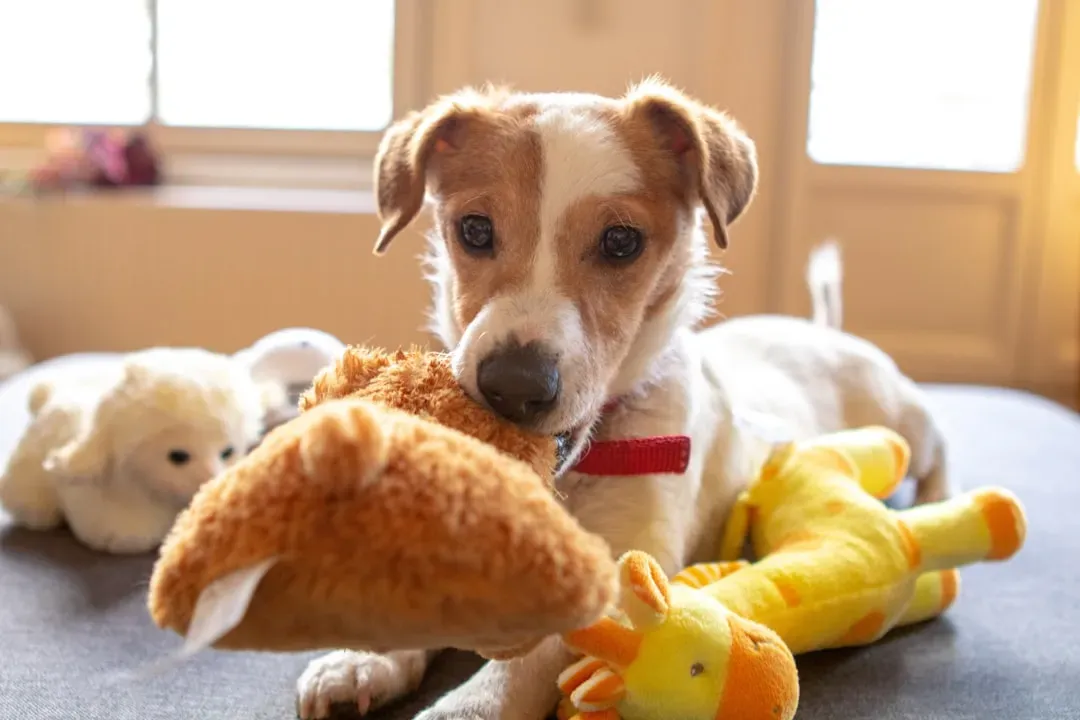
The dog picks up a toy, carries it over, sets it down deliberately near the person, and then walks away to its own spot. This isn’t the same as wanting to play – if it were, the dog would stick around and try to start something. Instead, it’s an offering, followed by distance.
That specific combination – give, then withdraw – is the tell. The dog is quietly testing whether the person sticks around after the gesture. This behavior tends to be a one-time event early on, not a repeated ritual, which is exactly why fosters treat it as such a meaningful marker.
#3 – It Allows Touch on Previously Guarded Areas
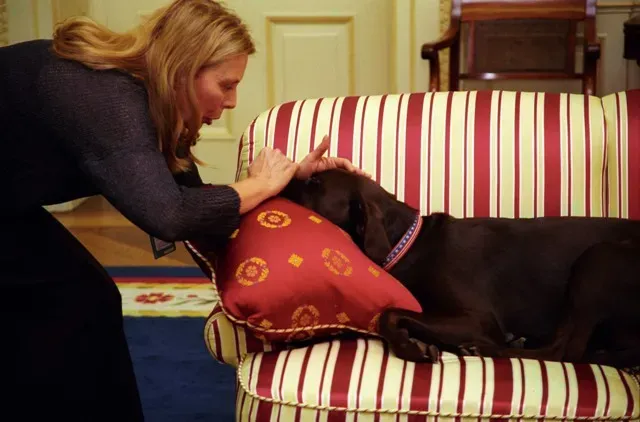
A hand rests on the dog’s back or side, and for once there’s no muscle tension, no flinch, no quick sideways shift to escape contact. The touch lasts longer than anything that’s come before it that night – seconds that used to be impossible suddenly stretch out easily.
Experienced fosters are quick to caution that this tolerance can vanish by morning if the dog reverts to old patterns, and that’s fine – it doesn’t erase what happened. That first window of ease is proof the shift is real, even if the dog isn’t ready to hold onto it permanently just yet.
#2 – It Falls Asleep Facing Away From the Door

The dog turns its back to the main entry point of the house instead of angling toward it. This is the position every survival instinct from the shelter would have overridden – watching the door was never optional before. That night, it simply stops mattering.
Most people miss this shift entirely because they’re watching the dog’s face, not its spine. Fosters who know what to look for say the turned back is the single clearest signal of settled trust they’ve ever tracked – a dog voluntarily giving up watch duty for the first time in its life.
Worth Knowing
- Loose, wiggly body language, rather than stiff or frozen posture, is one of the clearest trust signals dogs give off.
- A relaxed tail held at a natural height often accompanies this kind of settled sleep position.
- Soft, half-closed eyes during rest are widely regarded as a sign of low stress in dogs.
- Dogs that still feel unsafe will almost always keep an escape route or entry point within their line of sight.
#1 – It Produces a Single, Contented Sigh Exactly Once

One long, low exhale, carrying none of the tension from earlier breathing changes, released at the exact moment the dog fully drops into sleep. Unlike the deeper breathing pattern from earlier in the night, this happens only once – a single, complete sound, not a rhythm.
Fosters describe it as the audible version of a decision being made. Every other behavior on this list builds toward this one exhale, and nothing about reading it prepares you for how final it actually sounds in person. It’s the sound of a dog’s new chapter starting.
Why That One Night Changes Everything
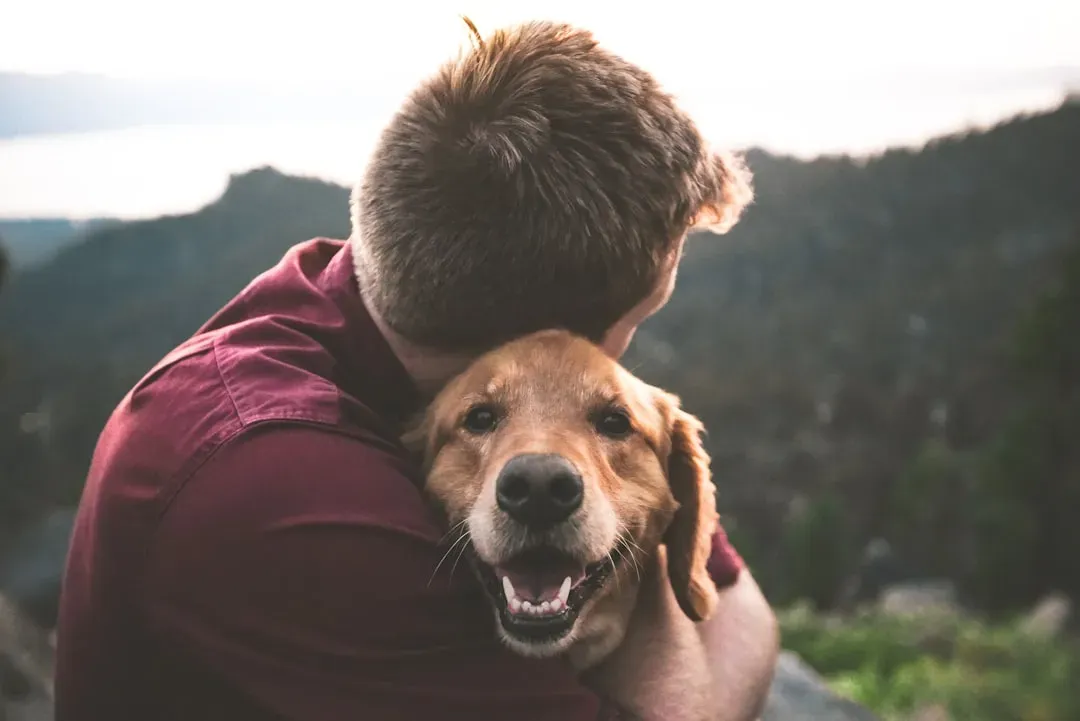
Line these behaviors up and they tell one story: permanence doesn’t register with a foster dog through words, treats, or even affection. It registers through nervous system changes – slower breathing, looser muscles, a spine finally turned away from the door. Every item on this list is really the same event, viewed from a different angle.
At a Glance: Before vs. After
- Before: shallow breathing, guarded meals, door-watching, tight sleeping posture.
- After: deep breathing, unhurried meals, ignoring departures, spine turned from the door.
- The tipping point: usually one single night, not a gradual months-long process.
I’ll say the opinionated part plainly: the idea that rescue dogs stay anxious forever is lazy, and it lets people off the hook for giving one more dog a real chance. The dogs that get this night – the pacing, the guarded eating, the door-watching, all of it dissolving in a matter of hours – prove that trust isn’t a slow decade-long project. Sometimes it’s one quiet Tuesday night, and a sigh that finally means something.
Did we miss a behavior you’ve witnessed? Drop it in the comments.


