
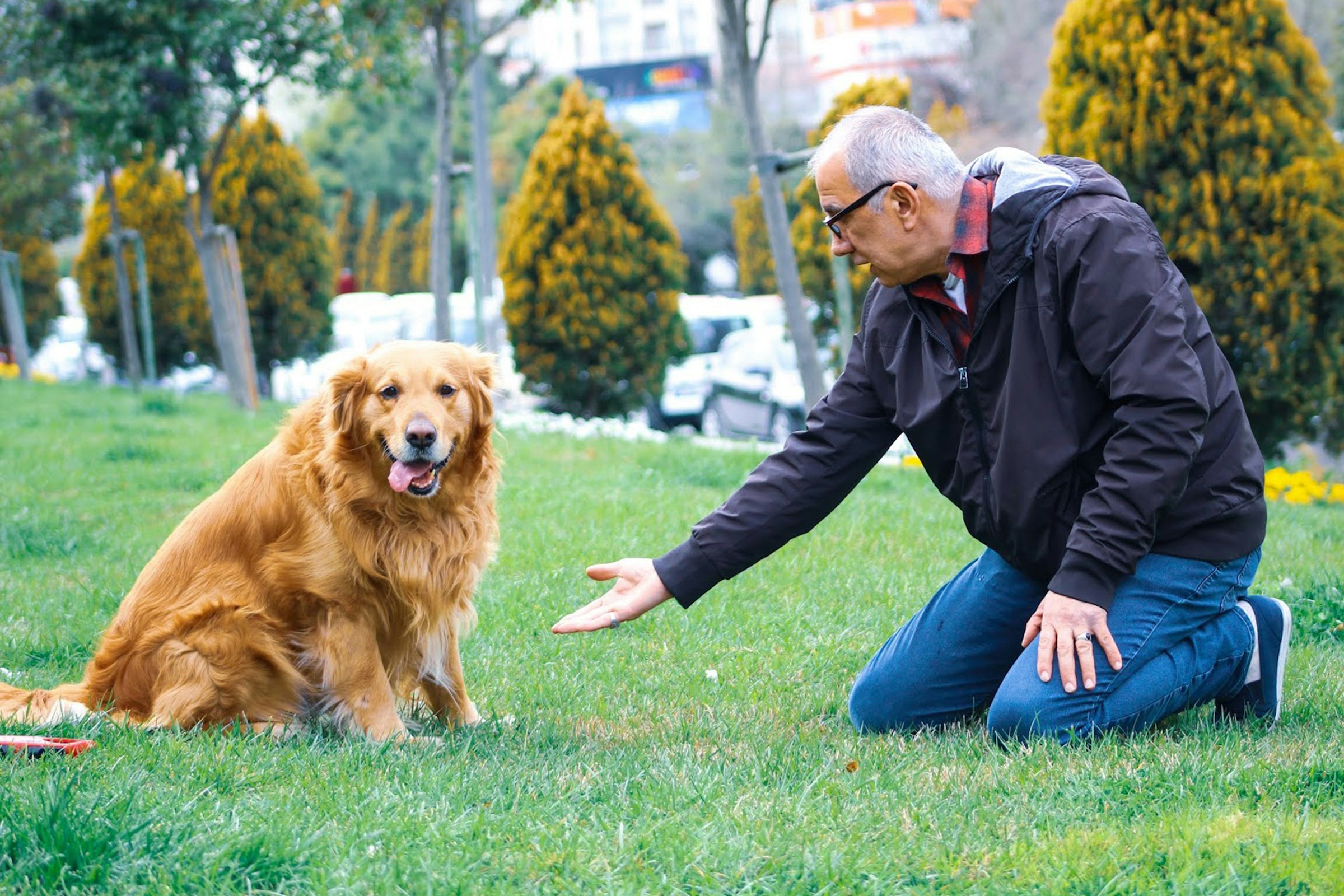
Walk into a dog training session expecting the spotlight to land on the leash-puller with four legs, and you’d be wrong. The moment an owner over 70 walks through the door, most professional trainers quietly shift into a second evaluation – one that has almost nothing to do with sit, stay, or come. They’re reading balance, grip strength, reaction time, memory, and even old grief, often within the first ten minutes.
None of this gets said out loud. Families rarely hear it, and most seniors never realize they’re being measured against a mental checklist built from decades of falls, injuries, and heartbreaking mismatches between dogs and the people who love them. Here are the 14 things trainers notice first – and a few of them might explain more about your life with your dog than you’d expect.
#14 – How Stable You Are on Your Feet
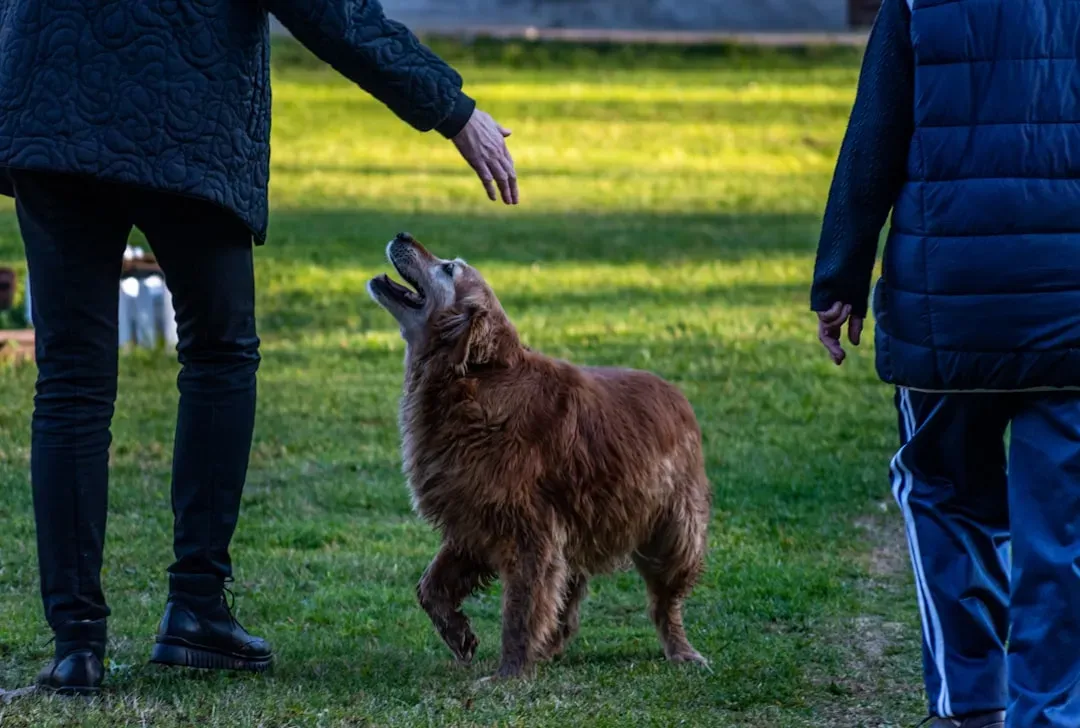
The first thing most pros clock isn’t the dog’s energy level – it’s how steadily the owner stands and moves. That single detail quietly shapes almost the entire training plan before a leash is even clipped on. If a 75-year-old wobbles the moment the dog leans into a pull, any advice about “just use a front-clip harness” is basically useless.
Trainers are instantly calculating fall risk, and they’re doing it fast. A medium-sized dog lunging at a squirrel can generate enough force to topple someone with slower reflexes or weaker hips, and good trainers know it before the leash is fully unspooled.
- Whether you brace on chairs, walls, or railings out of habit.
- How your body reacts to sudden tugs or jumps.
Once a trainer spots that hesitation in your stance, they quietly abandon any technique that relies on strength or fast footwork and rebuild the plan around calm, low-movement structure instead.
#13 – Your Grip Strength and Leash Handling
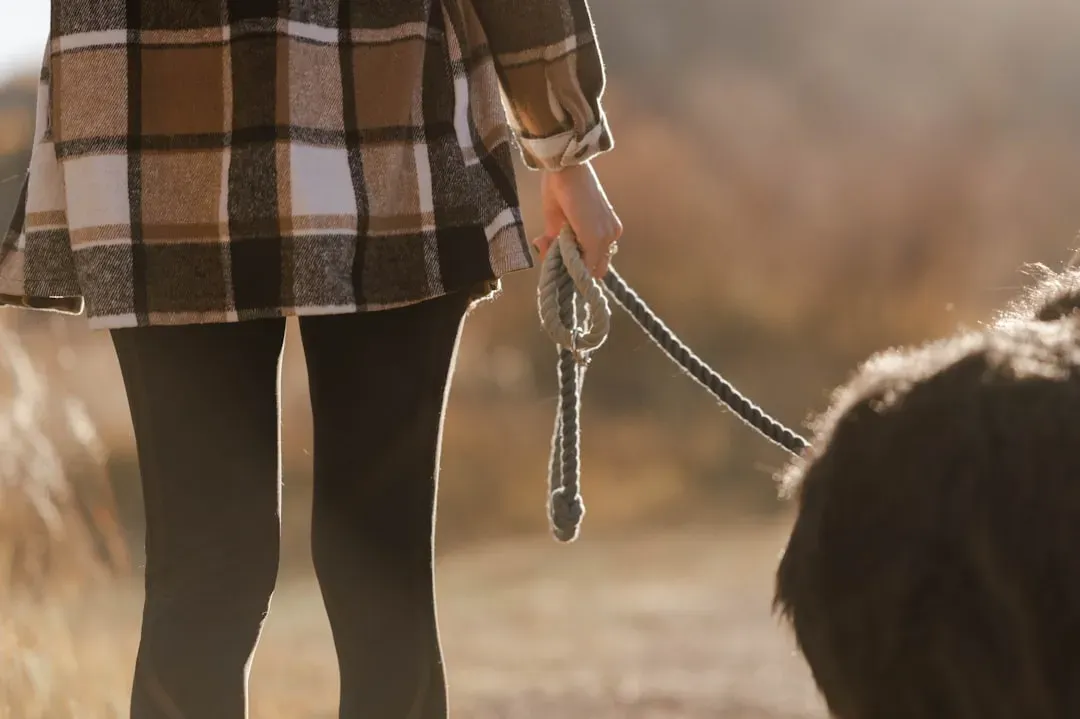
Professionals watch how you hold the leash before you even take a step. Do your fingers tremble? Is your grip loose? Are you wrapping the leash around your hand – a habit that has broken more than a few fingers over the years?
Weak or arthritic hands tell a trainer that “just hold tighter” was never a real option to begin with. This quietly changes everything about the equipment they’ll recommend next.
- They’ll favor shorter leashes, wider handles, and non-slip materials.
- They often suggest specific clip styles that are easier to fasten with stiff fingers.
Many older owners assume they’re simply “bad with dogs” when the real issue is that their leash was designed for 30-year-old hands. The best trainers won’t say that bluntly, but they’re mentally editing out any technique that requires fast corrections or fine finger dexterity.
Worth Knowing
- Wider, padded handles reduce pressure on arthritic joints.
- Leashes with a built-in traffic handle give a closer, more stable grip point during sudden pulls.
- Hands-free waist leashes can help owners with weaker grip strength stay steadier on their feet.
- Rubberized or foam grips resist slipping better than plain nylon, especially in cold or damp weather.
#12 – Your Reaction Time to Sudden Behavior
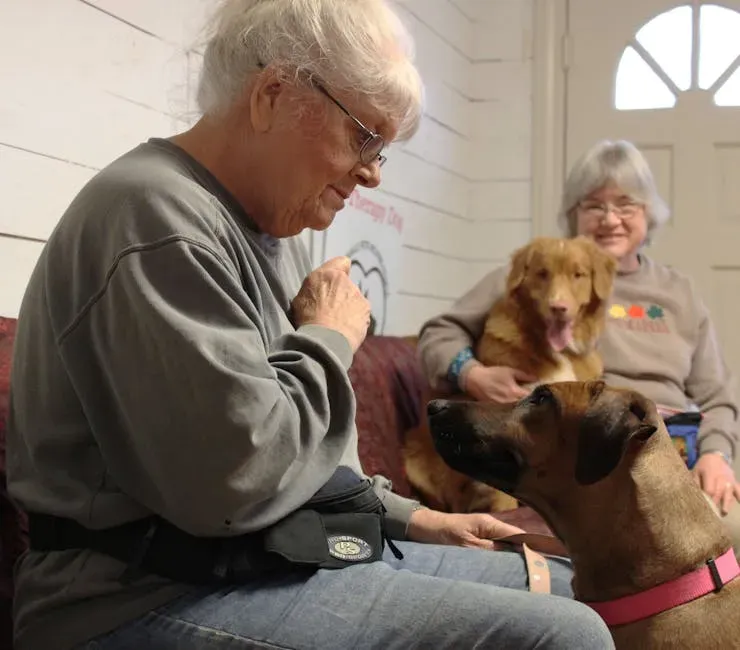
Watch a first session closely and you’ll catch this moment: the dog jumps, bolts, or barks – and the trainer isn’t just watching the dog. They’re watching how fast the owner responds, down to the half-second.
For people over 70, slower reaction time isn’t a moral failing; it’s biology. Good trainers adapt around it instead of fighting it.
- How long it takes you to mark good behavior with a “Yes!” or a click.
- How delayed your correction or redirection is when the dog misbehaves.
If your timing runs even half a second late, precision-based training styles are doomed from the start. Smart trainers pivot toward environmental management, clear routines, and slower-paced exercises that don’t punish a delayed response.
#11 – Whether You’re Over-Apologizing for the Dog
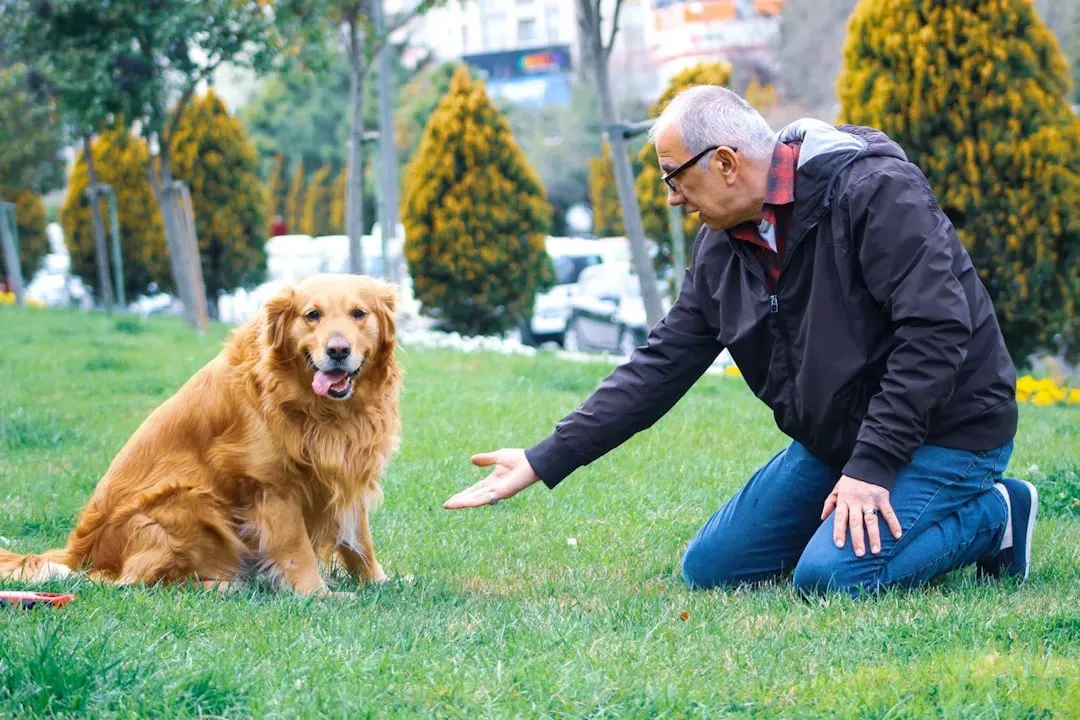
Owners over 70 apologize constantly – “Sorry, he’s usually better,” “I’m so embarrassed,” “I know I’ve done everything wrong.” Trainers hear it every single day, and it quietly sets off alarm bells.
Excessive guilt usually signals that you’ll tolerate dangerous behavior at home simply because you blame yourself instead of changing the situation.
- How quickly you apologize the moment the dog jumps on someone.
- Whether you downplay real problems with a nervous laugh.
Ironically, the more you feel it’s “all your fault,” the harder it becomes to enforce boundaries later. A good trainer gently pulls you out of shame and into practicality: we’re not here to punish the past, we’re here to make tomorrow safer.
#10 – Your Comfort Level Talking About Pain and Limitations
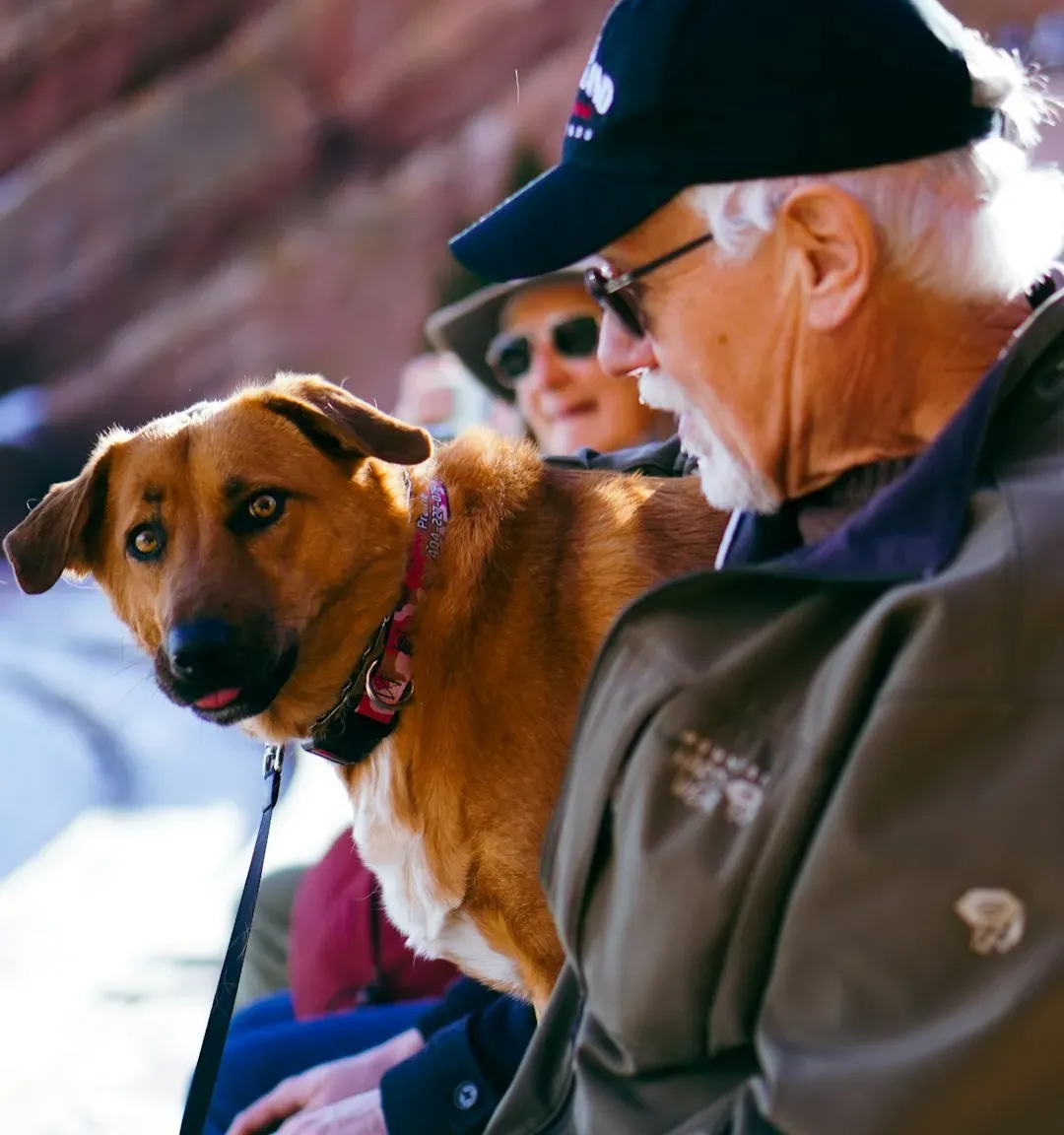
Most older owners under-report pain. They’ll insist “Oh, I’m fine” while wincing every time they bend to clip the leash. Good trainers quietly test this by asking for a few repetitions, then watching your face and your breathing.
If you’re hiding pain, they already know certain homework assignments will simply never get done at home, no matter how well-intentioned you are.
- How easily you bend, kneel, and stand back up.
- Whether stairs, squats, or quick direction changes visibly cost you something.
Some trainers privately believe families are in denial, pushing a grandparent to walk a dog that’s far beyond her physical reality. Owners who are honest about arthritis and old surgeries almost always end up with safer, more realistic plans.
#9 – Your Footwear and Walking Surfaces
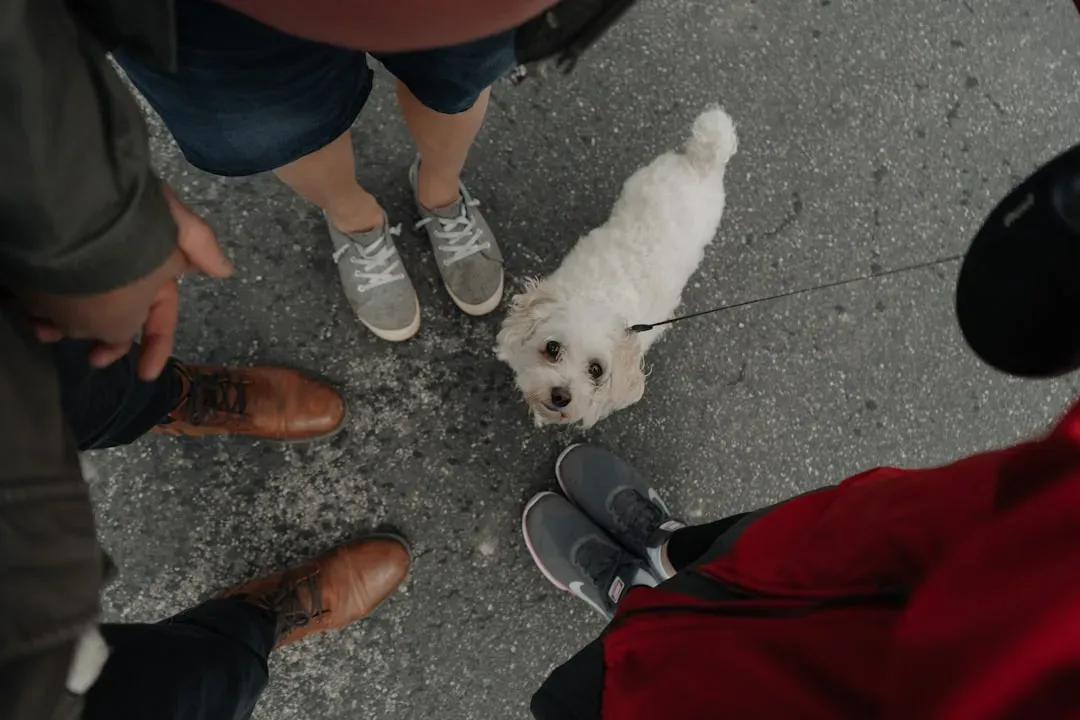
Yes, trainers absolutely notice your shoes. Sandals, clogs, and backless loafers are quiet red flags the moment a strong or unpredictable dog enters the picture.
One bad lunge on wet grass in slick soles can be the difference between a pleasant evening walk and a broken hip. That risk is exactly what a trainer is quietly running through their head while you’re chatting about the weather.
- Tread pattern and ankle support, or the lack of it.
- Whether you shuffle or take confident, rolling steps.
Most people over 70 have never been told that dog-walking shoes are a safety tool, not a fashion choice. The pros will gently suggest better footwear or flatter, more predictable routes instead of uneven trails – because the ER doesn’t care how cute your shoes were.
Quick Compare
| Footwear | Stability | Best For |
|---|---|---|
| Sandals or Flip-Flops | Low | Not recommended for dog walks |
| Running Sneakers | Medium | Flat, dry sidewalks |
| Walking Shoes with Ankle Support | High | Uneven ground or unpredictable dogs |
#8 – Whether You Rely Heavily on Voice Instead of Body Language
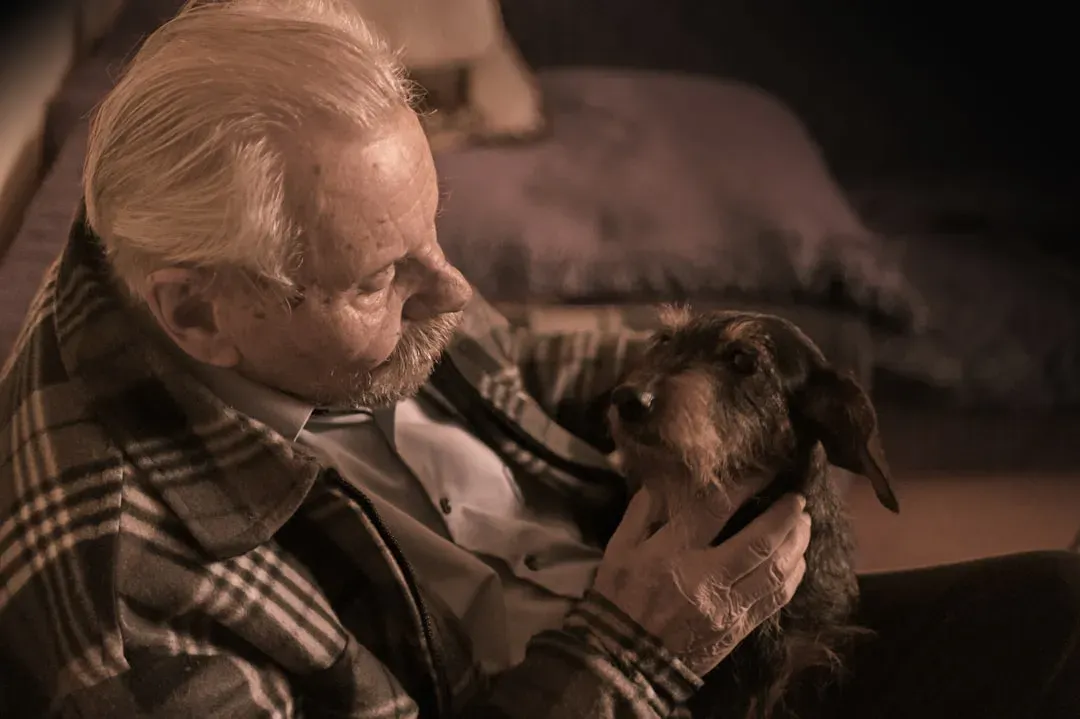
Many older owners grew up believing that “talking to the dog” was the main strategy. So they deliver long speeches while the dog quietly tunes out every word. Trainers clock this in seconds.
If your mouth is doing all the work and your body is saying nothing, your dog stays confused no matter how sincere your tone is.
I rehabilitate dogs, I train people.
Cesar Millan
- How much you chatter during exercises.
- Whether your posture and leash cues actually match what you’re saying.
Some older owners resist this, insisting “he understands everything I say,” while the trainer quietly watches the dog ignore half of it. A good trainer starts shifting you from paragraphs to short, consistent words paired with simple gestures and calm posture.
#7 – How You React When the Dog Embarrasses You
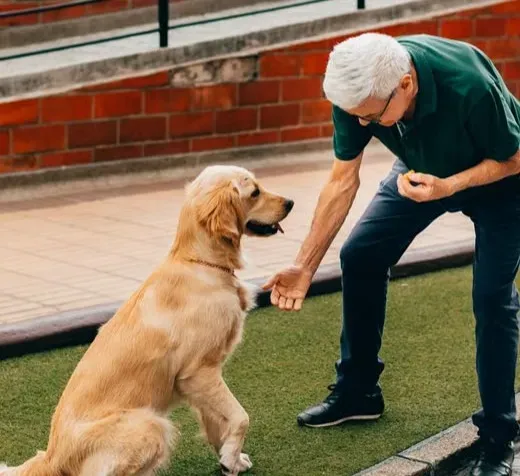
This is one of the biggest tells in the whole session. The dog barks, mounts a leg, or steals a treat bag – and the owner either laughs it off, panics, scolds harshly, or freezes completely.
Your emotional reaction in that five-second window predicts how you’ll handle real chaos at home, when no trainer is standing there to coach you through it.
- Do you go straight into anger or shame?
- Do you freeze and look helplessly at the trainer for rescue?
Owners over 70 often worry more about looking foolish than about what the dog is actually learning in that moment. Skilled trainers redirect that energy – “this is data, not drama” – while quietly adjusting how much reassurance or simplicity you’ll need going forward.
#6 – Whether Family Members Are Quietly Running the Show

In sessions with older owners, trainers often see adult children or spouses hovering nearby. Sometimes they answer questions for the senior, correct them mid-sentence, or grab the leash without asking.
Trainers are quietly assessing who actually controls the dog’s daily life – and it’s often not the person technically in charge.
- Who speaks up most when routines are being discussed.
- Who physically handles the dog during the hard moments.
If the 72-year-old is the primary caretaker but a 45-year-old adult child vetoes every recommendation, the whole training plan becomes fantasy. The best trainers carve out space for the older owner’s voice, then assign clear roles: “when Mom walks the dog, we do it this way.” It can feel political, but without that clarity, nothing sticks at home.
Fast Facts
- Adult children often step in with good intentions, but mixed instructions confuse the dog.
- Dogs learn fastest with one consistent handler per routine rather than committee-style corrections.
- A simple written “who does what” chart at home can prevent silent power struggles.
#5 – Your Tolerance for Mild Risk vs. Absolute Safety
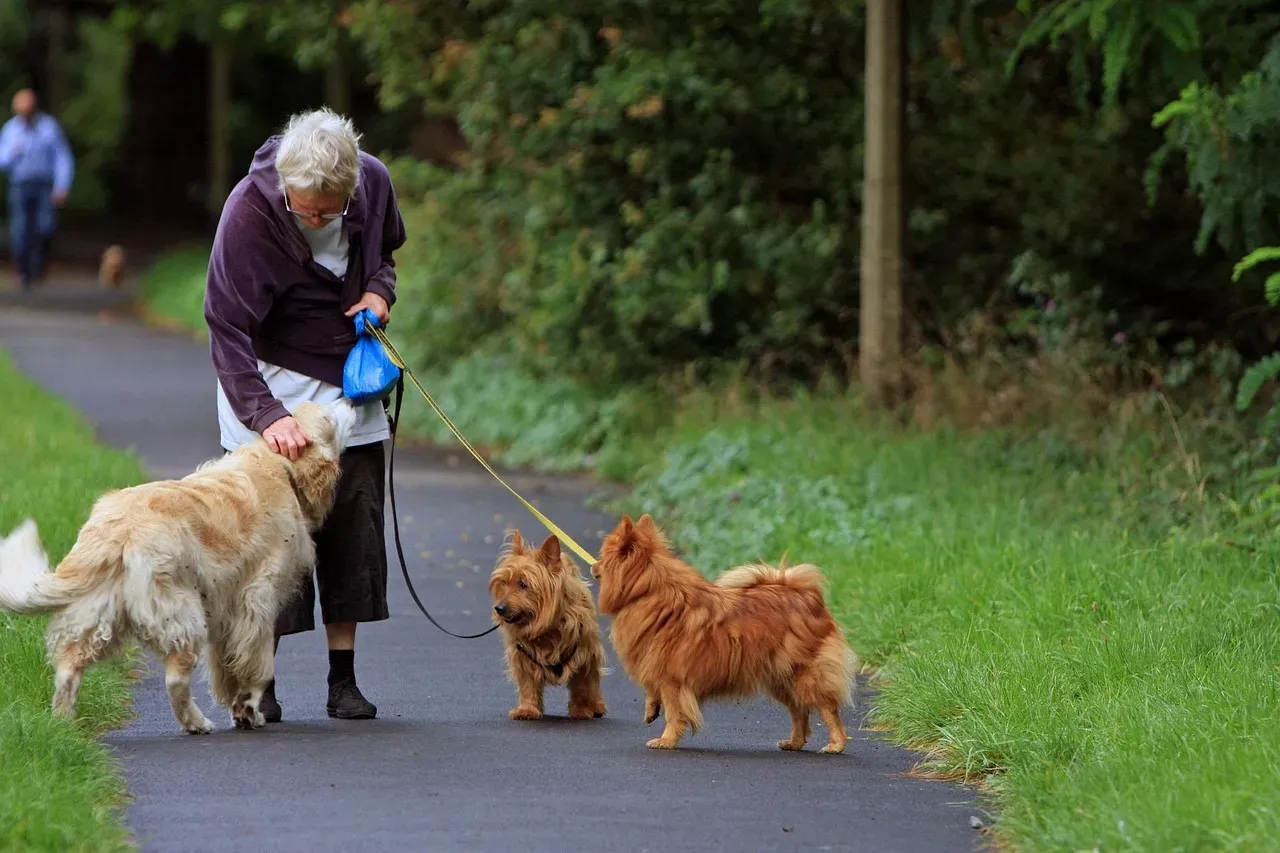
A subtle but crucial thing trainers gauge: are you okay with minor, managed risk, or do you need zero risk at all times? Many people over 70 have already had a fall or a health scare, so their real risk tolerance is lower than they’ll admit out loud.
If your true standard is “this dog must never, ever pull or startle me,” that requires a completely different training strategy than most programs are built for.
- “If he pulls me over once, that’s it – I’m done.”
- “I cannot have him anywhere near other dogs, period.”
Some pros privately believe families push unrealistic goals onto seniors. For most, the smarter path is management: shorter walks, calmer routes, strategic yard time, and equipment that softens surprise forces. It isn’t giving up – it’s aligning the dog’s lifestyle with your actual safety line.
#4 – Whether You’re Clinging to “Old School” Myths

Trainers still hear it constantly: “He’s trying to dominate me,” or “I have to show him who’s boss,” especially from owners who raised dogs back in the 60s and 70s. Most of those ideas came from old TV shows and outdated books, not real behavior science.
When an owner over 70 uses dominance language, trainers know there’s a myth clean-up job waiting for them.
- Talk of “alpha,” “pack leader,” or “he’s being spiteful.”
- Expectations that the dog should obey out of respect rather than training.
Good trainers don’t debate you like a professor. They simply reframe it: “he’s not plotting against you, he’s practicing what works.” For some seniors this feels like an attack on lifelong beliefs; for others, it’s a relief – they don’t have to be tough, just consistent.
#3 – Your Ability to See the Dog as It Is, Not as Your Last Dog

A lot of owners over 70 compare their current dog to a beloved dog from decades ago: “My old Lab never pulled like this,” or “My last dog just knew what to do.” Trainers hear the grief hiding under that comparison almost immediately.
If you’re training a memory instead of the dog actually standing in front of you, progress stalls fast – and it isn’t the dog’s fault.
- How often you say “used to,” “always,” and “never.”
- Whether you idealize past dogs while criticizing the current one.
This isn’t just sentimental; it affects real decisions, like keeping a clearly unsuitable dog in a high-risk daily role because “my last shepherd did fine at 10 years old.” Skilled trainers validate the loss but gently bring you back to reality: this dog has a different brain, body, and history than the one you’re grieving.
#2 – How Much Cognitive Load You Can Handle at Once
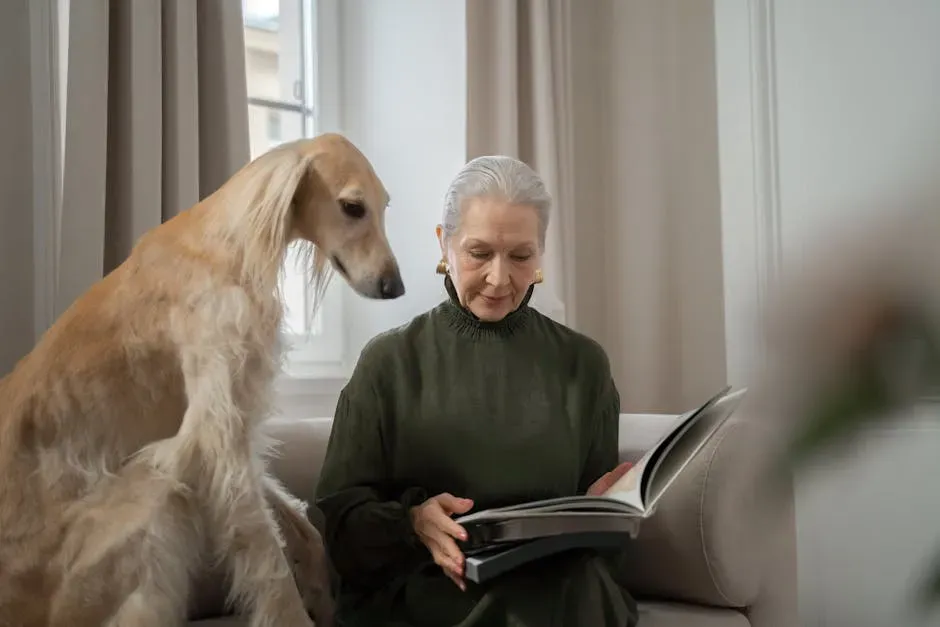
One of the least-talked-about truths in this field: good trainers are quietly testing your working memory. Not out of ageism, but because training plans that demand remembering ten different rules fail at any age – especially when you’re also juggling medications, appointments, and grandkids.
If you lose track after step three, the trainer already knows they need to radically simplify everything they hand you.
- Whether you mix up cue words within a few minutes.
- Whether multi-step instructions visibly overwhelm you.
Instead of judging, the best pros build foolproof systems: the same cue words every time, written handouts, color-coded gear, and simple routines tied to daily habits, like “every time you pick up the leash, you do X.” Some trainers privately think the whole industry still designs programs for 30-year-olds with empty calendars, not real seniors with real lives.
At a Glance
- Stick to one or two cue words per behavior, not synonyms like “down” and “lie down.”
- Written or picture-based cheat sheets tend to outlast verbal-only instructions.
- Pairing training with an existing daily habit, like morning coffee, builds a reliable memory anchor.
- Shorter, more frequent sessions beat long, complicated ones for retention.
#1 – Whether Anyone Has Honestly Matched This Dog to Your Age and Lifestyle
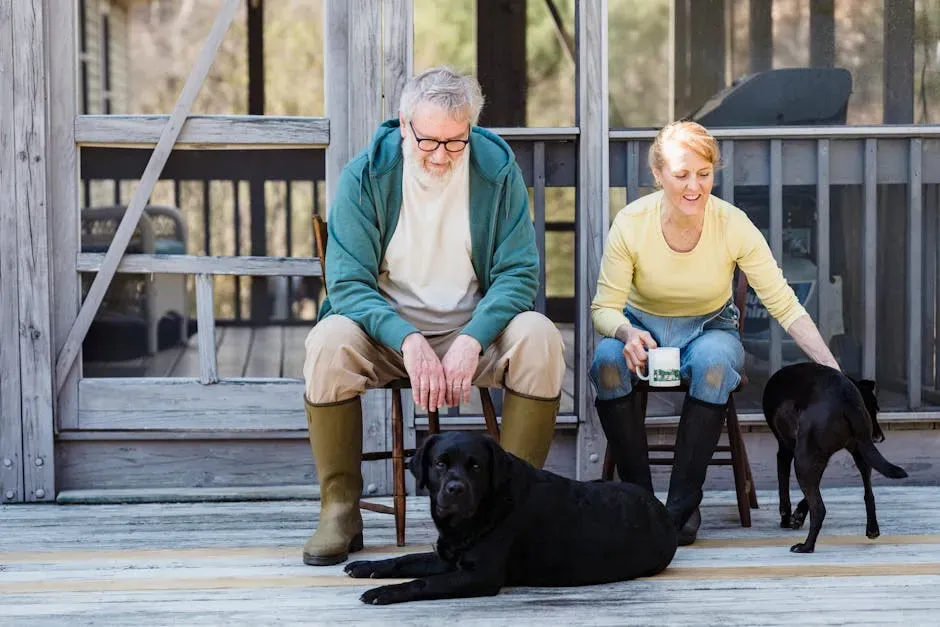
The most confronting question trainers quietly ask themselves in a first session with an owner over 70 is brutal: was this dog ever a realistic match for this person? A high-drive herding dog, a powerful bully-breed adolescent, or an untrained rescue with a bite history can be a catastrophic mismatch for someone with balance issues and limited support at home.
Trainers piece this together fast, often within the first fifteen minutes, long before they say a word about it.
- How strong the dog is relative to your body.
- How many hours a day you’re realistically alone with the dog.
- Whether you were pressured into taking the dog by well-meaning family.
This is where good trainers earn their reputation. The honest ones will, when necessary, gently raise rehoming, day training, or permanent management strategies instead of pretending a few sessions can erase a dangerous mismatch. It isn’t about blaming age – it’s about respecting physics, health, and the dog’s actual temperament.
The Bottom Line
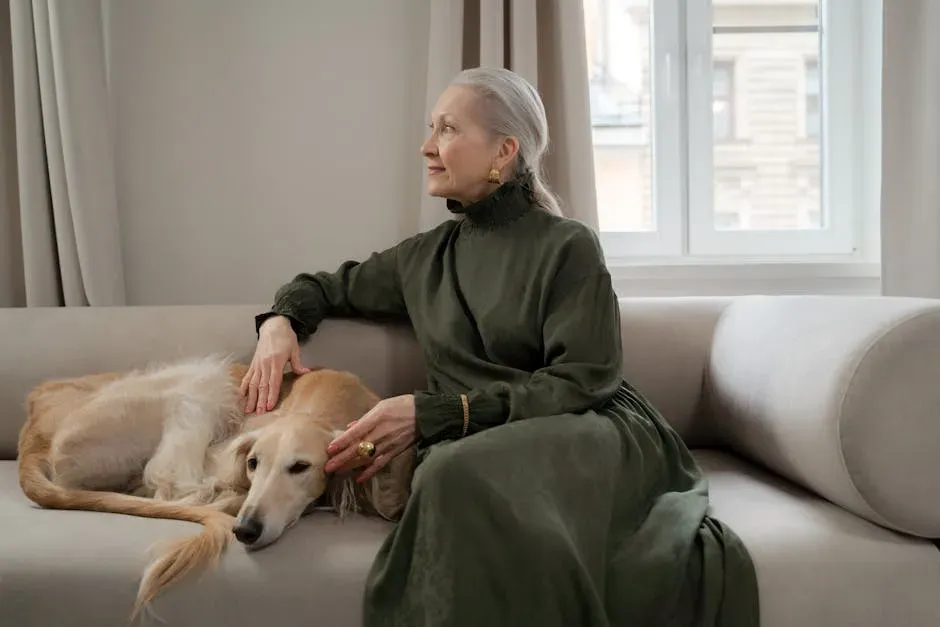
What isn’t cruelty, weakness, or “being too old for a dog.” They’re noticing biomechanics, risk tolerance, grief, outdated myths, and how much mental bandwidth you honestly have on a random Tuesday afternoon.
The harsh truth is that many seniors are set up to fail by families, shelters, and even vets who ignore these realities and hand over dogs that were never a fair match to begin with. The hopeful truth is that when trainers tailor plans to real bodies and real lives – simpler routines, safer gear, better breed matches – dogs and older owners can thrive together for years.
Some people will call this list too negative. Others will recognize their exact living room in every single line. Either way, the dog on the other end of that leash already knows which one is true – the only question is whether you’re ready to notice it too.


