
13 Things Dogs Do Around One Owner Researchers Have Never Once Succeeded in Reproducing Under Test Conditions
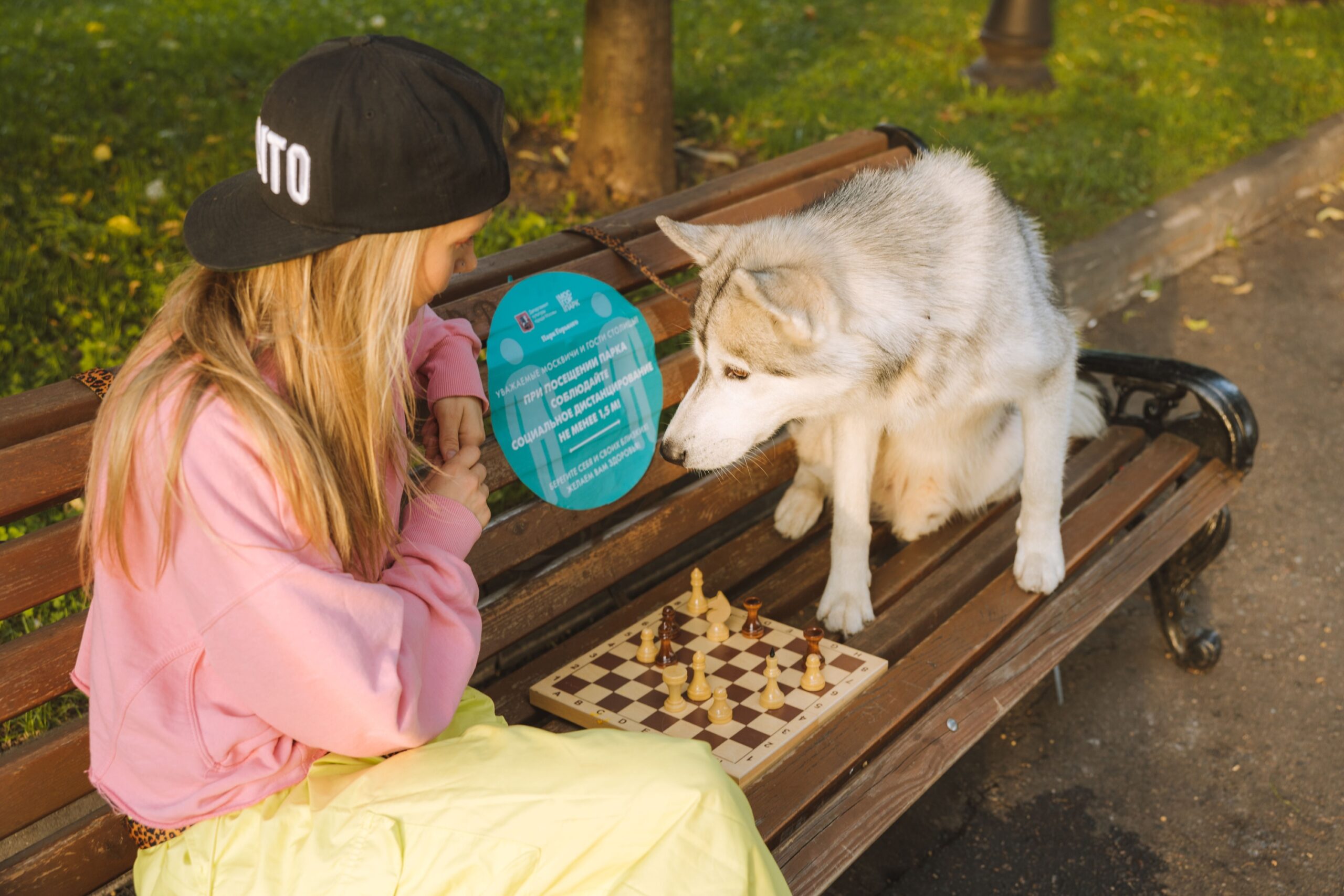
Every dog owner has a story that sounds slightly insane out loud. The dog that freezes at the window two minutes before the car turns onto the street. The dog that shoves its whole body against one person’s chest during a panic attack and won’t budge. Say it to a stranger and you get a polite nod. Say it to another dog owner and they lean in, because they have one too.
Here’s the part that should unsettle you a little: scientists have tried to catch these moments in a lab, with cameras rolling and variables controlled, and they keep coming up empty. Not because the behavior isn’t real, but because it seems to only exist between one dog and one very specific human. Below are 13 of these strangely personal behaviors, and the surprisingly honest reasons researchers admit they can’t force them to happen on command.
#1 – The “You’re-Coming-Home-Now” Countdown
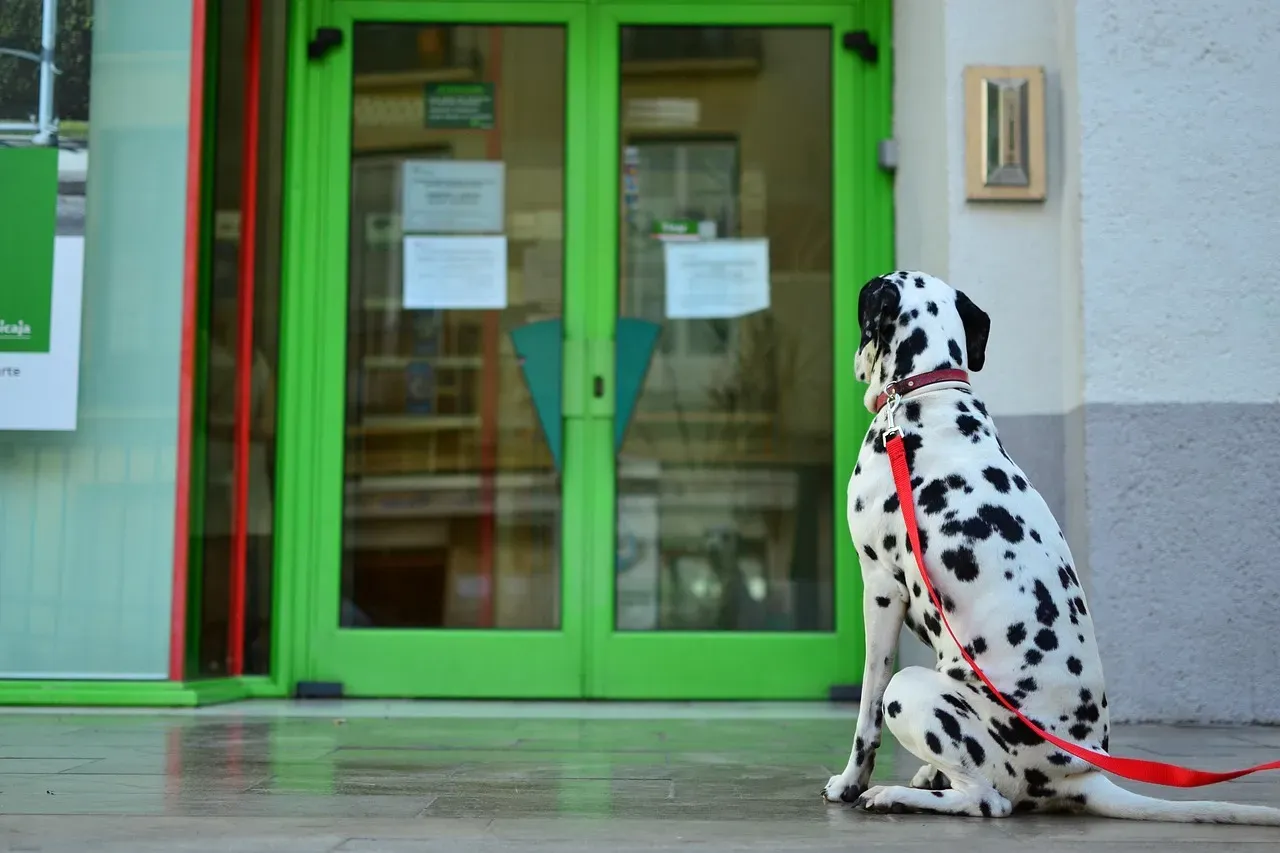
Some owners swear their dog knows they’re coming home minutes before the car even hits the street. No text, no sound, no routine cue involved. Scientists can prove dogs react to familiar engine noise or footsteps on a schedule, sure. But the people living with these dogs have changed cars, switched shifts, taken random days off, and the dog still plants itself by the door right on cue.
When researchers try to test this, they control for smell, sound, and timing, and the eerie precision just… vanishes. Dogs show generic anticipation, not the laser-focused “he’s on his way” stare owners describe. Nobody has found a clean way to trigger it in a lab, because the effect seems to run on one dog, one human, and a shared history you simply cannot fake with a stopwatch.
#2 – The One-Person Panic-Interrupt
Ask enough dog owners and you’ll hear a version of the same story: “I was spiraling, couldn’t breathe, and my dog shoved his face into mine and wouldn’t move until I calmed down.” This isn’t a trained psychiatric response. It’s untrained, laser-focused on one person in the house, and only fires when that specific human’s anxiety silently spikes.
In the lab, researchers can show dogs respond to cortisol changes, heart rate, and breathing shifts. What they can’t reproduce is the full ritual: the dog abandoning everyone else in the room and performing an almost scripted sequence of nudges and deep-pressure lying, only for one person, only during real, unscripted distress. Staged emotion in a sterile room isn’t the same as years of quiet pattern-reading, and scientists are starting to admit the gap might be bigger than they thought.
#3 – The Midnight Health Check No Monitor Can Match
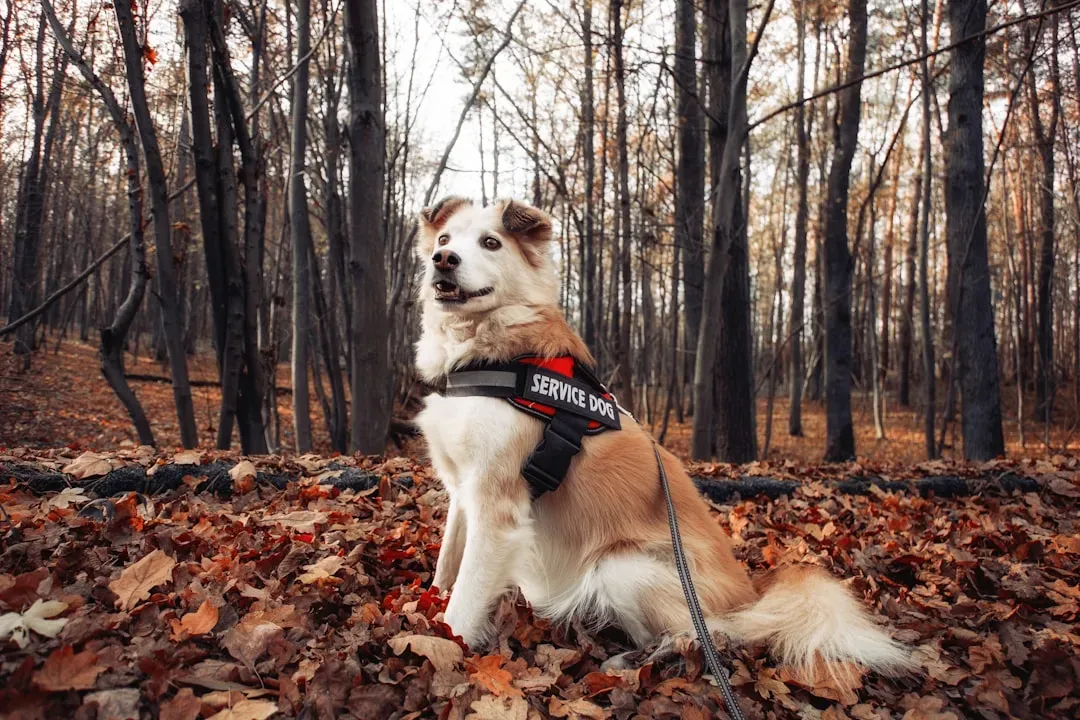
A surprising number of people describe waking up because their dog is staring, whining, or pawing, only to discover a real medical event unfolding: low blood sugar, an oncoming seizure, a blood pressure spike. Before any device would have caught it. These aren’t trained medical alert dogs. These are ordinary pets, locked onto one owner, with zero formal conditioning.
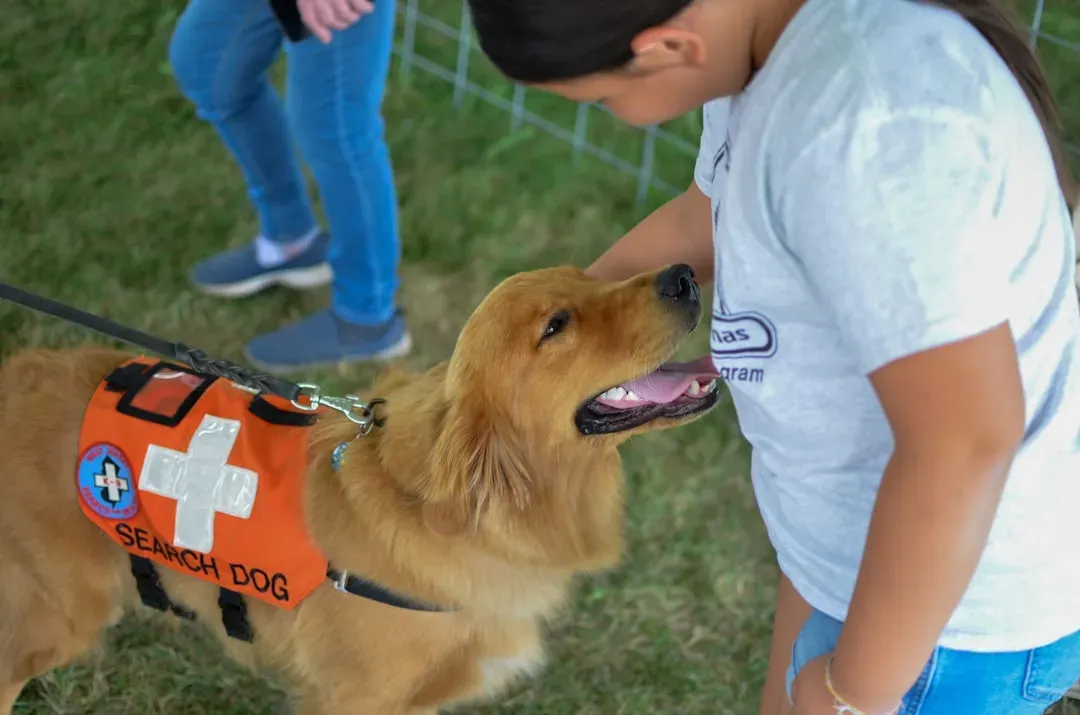
Trainers can absolutely teach a dog to recognize a seizure scent. What they can’t teach is a dog applying that instinct to one random person at 3 a.m. based on years of accumulated micro-data: smell, posture, the way someone shifts “wrong” in bed. Bring that same dog into a short lab session with a stand-in handler, and the spontaneous wake-up alert simply doesn’t show up. The most dramatic alerts stay anecdotes because nobody’s figured out how to manufacture that kind of history on a schedule.
Fast Facts
- Dogs have up to 300 million scent receptors, compared with roughly 6 million in humans.
- Some estimates put a dog’s sense of smell as much as 10,000 to 100,000 times more sensitive than ours.
- Professionally trained medical-alert dogs typically need six months to a year of focused training before certification.
- Even certified alert dogs are trained around one specific handler’s scent profile, not a general population.
#4 – The Private “Language” Only One Human Understands
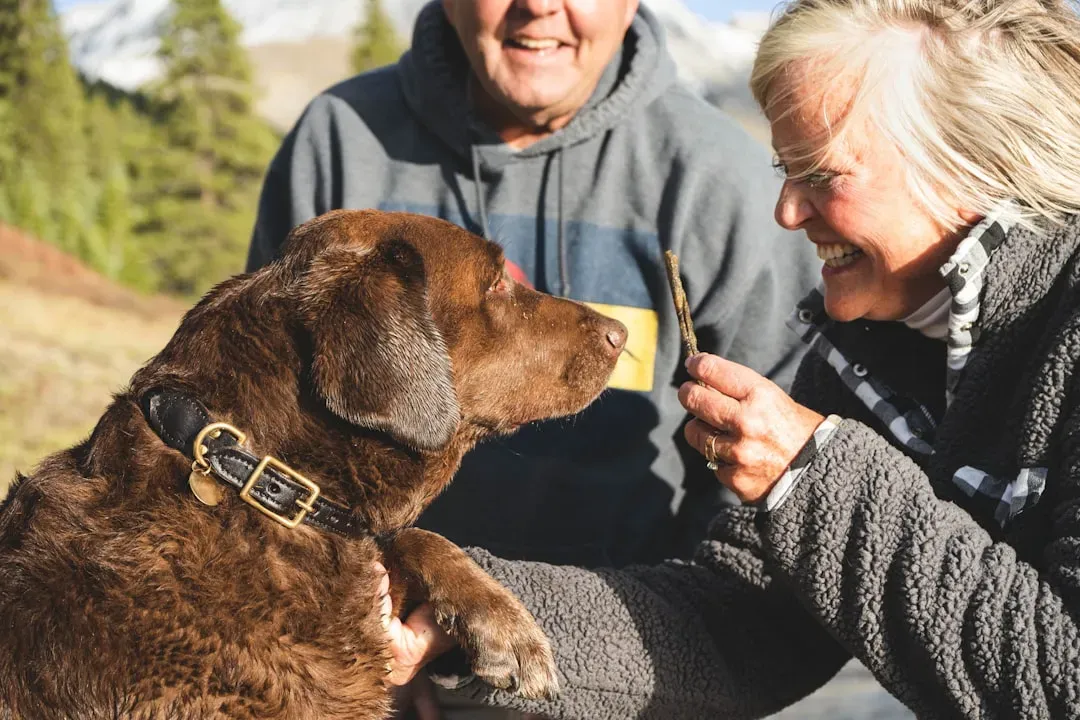
Most people think “my dog understands me” means sit, stay, maybe a trick. Live with a dog long enough and it gets stranger than that. Some pairs develop what looks like a private code: an ear twitch that means “water,” a specific huff that means “the cat’s in your chair,” a paw-tap pattern that means “let me out, now.” To an outsider it sounds like projection. To that one human, it’s as clear as speech.
Researchers can generalize dog communication across populations: certain barks track with play, alarm, or loneliness. What doesn’t survive the lab is the microscopic, idiosyncratic code built between one dog and one person, a signal the dog will flatly refuse to perform for strangers or experimenters. Science needs repeatability across different dogs and different humans. These private languages are built to be non-transferable, which means they collapse the second you try to standardize them.
#5 – The Selective Shadowing That Ignores Everyone Else
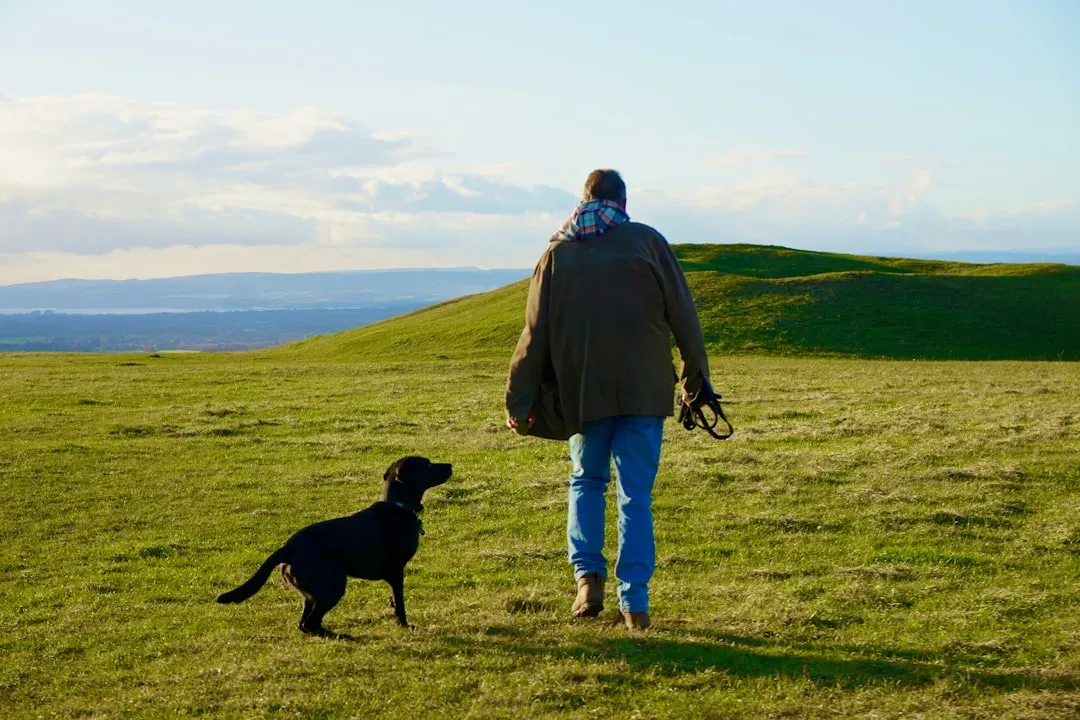
Multi-person households notice this constantly: the dog picks one human to follow like a shadow, and it’s rarely the feeder or the walker. Sometimes it’s the quiet sibling, or the partner who didn’t even want a dog in the first place. Even with food and praise thrown at it, that loyalty can’t be forced or redirected in a controlled study.
In real homes, owners describe a dog camping outside one bedroom door while ignoring every other door in the house, or lying on a cold bathroom floor just to stay within arm’s reach of “their” person. Classic attachment tests confirm dogs bond to a primary caregiver, but they don’t explain the stubborn, seemingly irrational shadowing that continues even when the preferred human isn’t the one handing out treats. That uniqueness per pair is exactly what breaks neat experimental design.
Worth Knowing
- A widely cited 2015 study found that mutual eye contact between dogs and their owners raises oxytocin levels in both, mirroring the same hormonal loop seen between parents and infants.
- Dogs tested in classic attachment protocols show clear preference and distress patterns tied to one specific caregiver, not just any familiar adult.
- Attachment strength has been linked more to one-on-one time than to the amount of food or treats given.
- Most of these studies still measure short, staged interactions, nothing close to years of shared history.
#6 – The Hyper-Specific Memory of Shared Moments
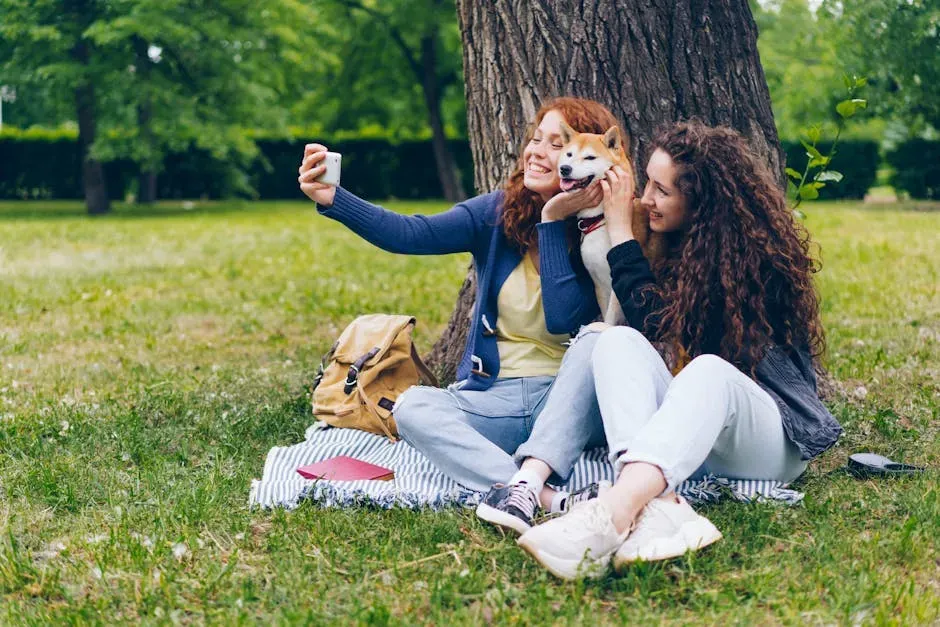
Everyone accepts dogs remember routines and locations. Owners report something more surgical: a dog that loses its mind with excitement over one specific jacket because that was the “hiking trip” jacket, years ago. Or a dog that suddenly drags out a long-forgotten toy the day its owner casually mentions an old friend who used to play with it.
Lab tasks testing canine memory rely on simple, repeatable cues: objects, rewards, short delays. Real life doesn’t cooperate that neatly. Dogs seem to respond to one-in-a-thousand combinations, tone of voice plus weather plus time of day plus clothing, because that exact combo once produced a memorable day with one particular human. You can’t recreate years of lived context in a testing room, so the most nostalgic behaviors, like a dog nudging an old scar only its person remembers struggling through, stay permanently out of reach for science.
#7 – The One-Human Grief Ritual
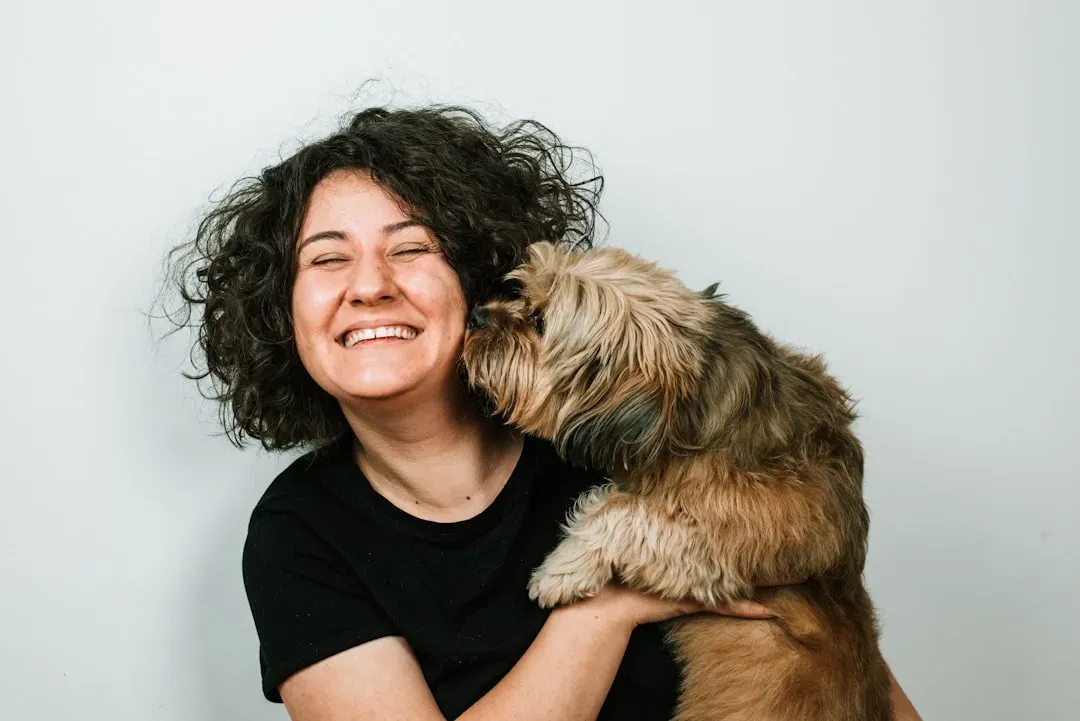
When an owner is grieving, dogs often shift into behavior that feels ritualistic and pointed. People describe a dog suddenly escorting them to bed every night, placing a toy silently in their lap, or sleeping pressed against their chest only during that period, then gradually stopping once the person stabilizes. Crucially, they don’t do this for other grieving family members in the same house. Just that one person.
Researchers can show dogs respond to crying or distress sounds in general, approaching or pawing at even a stranger in apparent concern. But a one-time, deeply personal grief ritual tied to a specific loss and never repeated isn’t something you can ethically stage with real devastation. Attempts to fake sadness with actors mostly produce bland “seeking contact” behavior. The raw, sticky closeness one human experiences with their dog during real grief simply refuses to perform on cue.
#8 – The “Invisible Line” Boundary Guarding
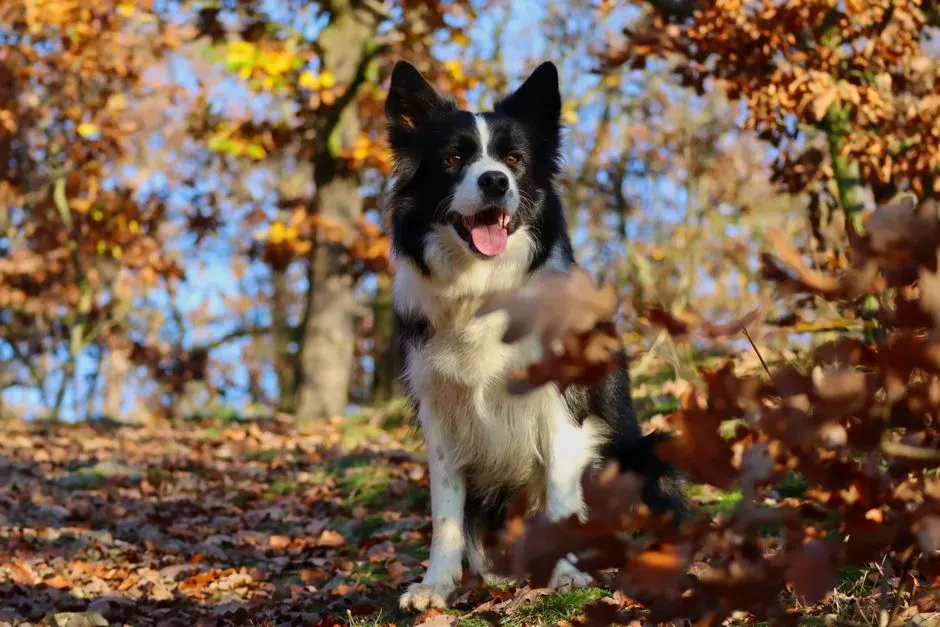
Some owners tell an oddly specific story: their dog lets strangers wander up the driveway, onto the porch, even into the foyer. But cross an invisible line near the owner’s bedroom, wheelchair, or favorite chair, and the dog’s whole demeanor flips instantly. That zone often isn’t tied to any obvious landmark. It’s a floating bubble around one person that moves through the house and even outside.
Dogs are known resource guarders, protecting food, toys, doorways. What nobody has reproduced is a dog consistently guarding a person-defined spatial bubble that was never marked, trained, or reinforced on purpose. It builds quietly, over years, from a thousand tiny cues, like people getting shooed away during an owner’s chronic pain flare. In a lab, with generic strangers and short exposure, that invisible perimeter simply fizzles out.
Quick Compare
- Trained service dogs: Learn a specific cue, practiced with multiple trainers, and must perform reliably on command for certification.
- Untrained “guard the bubble” behavior: Appears with no formal training, targets one person only, and often can’t be prompted or replicated even by that same owner.
- Trained dogs: Tested across strangers and settings to prove consistency.
- Bonded pet behavior: Frequently disappears the moment a stranger or lab setting is introduced.
#9 – The “We Have a Secret Game” Only You See
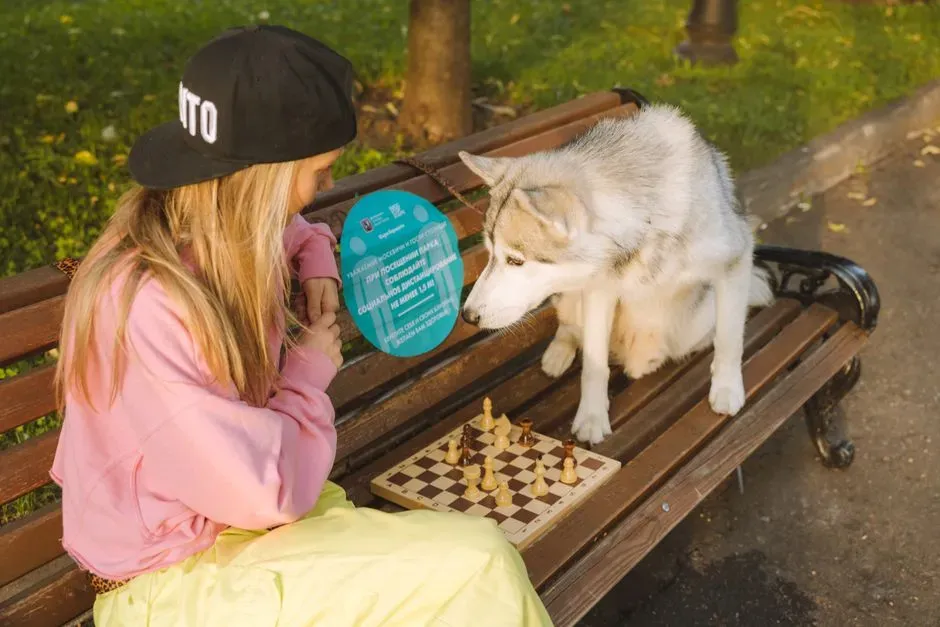
Plenty of people have a secret game their dog invented that only works with them: a specific route around the house, a weird sequence of spins and bows, a hide-and-seek pattern that appears nowhere else. Try showing it off at a party and the dog goes blank. The second the crowd clears out, the game resumes like nothing happened.
Standardized play research needs consistency across handlers and settings, and these secret games are built to break that rule on purpose. Dogs seem to gatekeep the behavior, refusing to perform without the exact emotional setting and exact human present. There’s no ethical way to grow that kind of private running joke, like turning a hallway trip into a “monster walk” that only happens with you, across fifty dog-human pairs on a research schedule. So the most delightful behaviors stay hidden in living rooms, undocumented and un-replicated.
#10 – The Early-Warning Breakup Radar
This one sounds like a joke until you’ve heard it enough times: the dog knew the relationship was over before the humans did. Owners describe dogs wedging themselves between their person and a soon-to-be-ex, retreating to another room during calm-voiced arguments, or clinging to one partner while quietly avoiding the other, months before anyone actually moves out.
Dogs are proven to read posture, micro-expressions, and vocal tone with shocking accuracy, but lab studies only stage those cues briefly. A real breakup unfolds over long, awkward months of tiny withdrawals and forced smiles, and dogs embedded in that slow-motion collapse seem to map shifting alliances, not just detect “sadness.” No ethics board is signing off on a study that tracks real couples through real breakdowns just to catalog canine loyalty. So these stories stay convincing, consistent, and completely unreplicated.
At a Glance
- Dogs can distinguish subtle differences in human facial expressions, even from images showing only the eyes.
- Studies show dogs react differently to happy versus angry human voices within seconds, without any visual cues.
- Cortisol levels in long-term dog-owner pairs have been shown to sync during shared stressful events.
- None of these studies stretch across the months or years it takes for a relationship to quietly unravel.
#11 – The Secret Bedtime Signal Nobody Else Notices

Almost every deeply bonded pair develops a micro-ritual: a nose tap on the leg after too much time on the laptop, a soft groan and head tilt at exactly 10 p.m. that means bedtime, a quick eye-contact loop every time the owner shifts on the couch. These aren’t tricks anyone taught. They’re unsolicited, hyper-specific check-ins that exist in that one relationship and often vanish completely once that person leaves or passes away.
Labs can prove dogs make eye contact for food or direction, and can train a “touch” cue easily enough. What they can’t manufacture is a private welfare check born from years of repetition and emotional feedback, where the dog quietly learns “when she rubs her temples like that, she’s overwhelmed.” Bring that same dog into a sterile testing room, strip away the familiar chair and the late-night show theme song, and the ritual disappears along with the scaffolding that built it.
#12 – The Mood-Matching “Impression” of You

Some owners notice their dog doesn’t just mirror a mood, it seems to do an impression of them. The usually goofy dog goes quiet and methodical when its introverted owner is overwhelmed at a party. The normally reserved dog gets loud and bouncy only around its exuberant human. It’s not simple mimicry, it looks like the dog is trying to meet that one person exactly where they are.
Researchers have confirmed real emotional contagion between humans and dogs, with heart rates syncing and shared stress responses showing up in short-term lab tests. What they haven’t tracked, because they realistically can’t, is full personality-blending built over years of cohabitation. Replicating it would mean recreating a lifelong friendship complete with all its quirks and baggage. That’s not an experiment, that’s a biography, and nobody’s writing one in a research lab.
#13 – The Once-in-a-Lifetime Goodbye
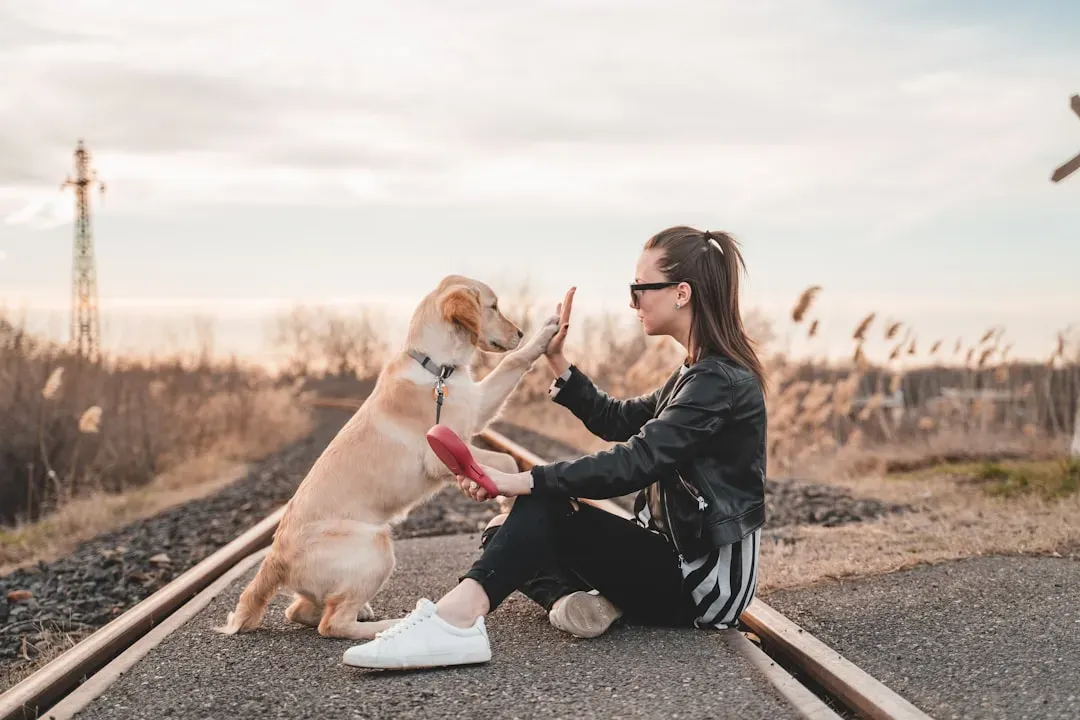
The most haunting stories dog people tell are about a goodbye their dog gave only once, only to them. Owners describe dogs who, on the day they died, broke every routine to do something completely out of character: piling old toys at the owner’s feet, holding long unbroken eye contact, walking to a favorite shared spot and refusing to leave it. Some people describe being away from home, suddenly overwhelmed by an urge to rush back, only to find their dog had passed just before or as they arrived.
We have to be honest here: there is no hard data proving dogs know they are dying or intentionally choreograph a farewell. Most of what exists are powerful stories filtered through devastating grief. What science can say is that nobody has ever triggered this kind of singular, symbolic behavior on demand, and nobody ever will, because there’s no ethical version of that experiment. It sits permanently outside a lab, in the realm of lived experience.
Dogs are not our whole life, but they make our lives whole.
Roger Caras
The Bottom Line
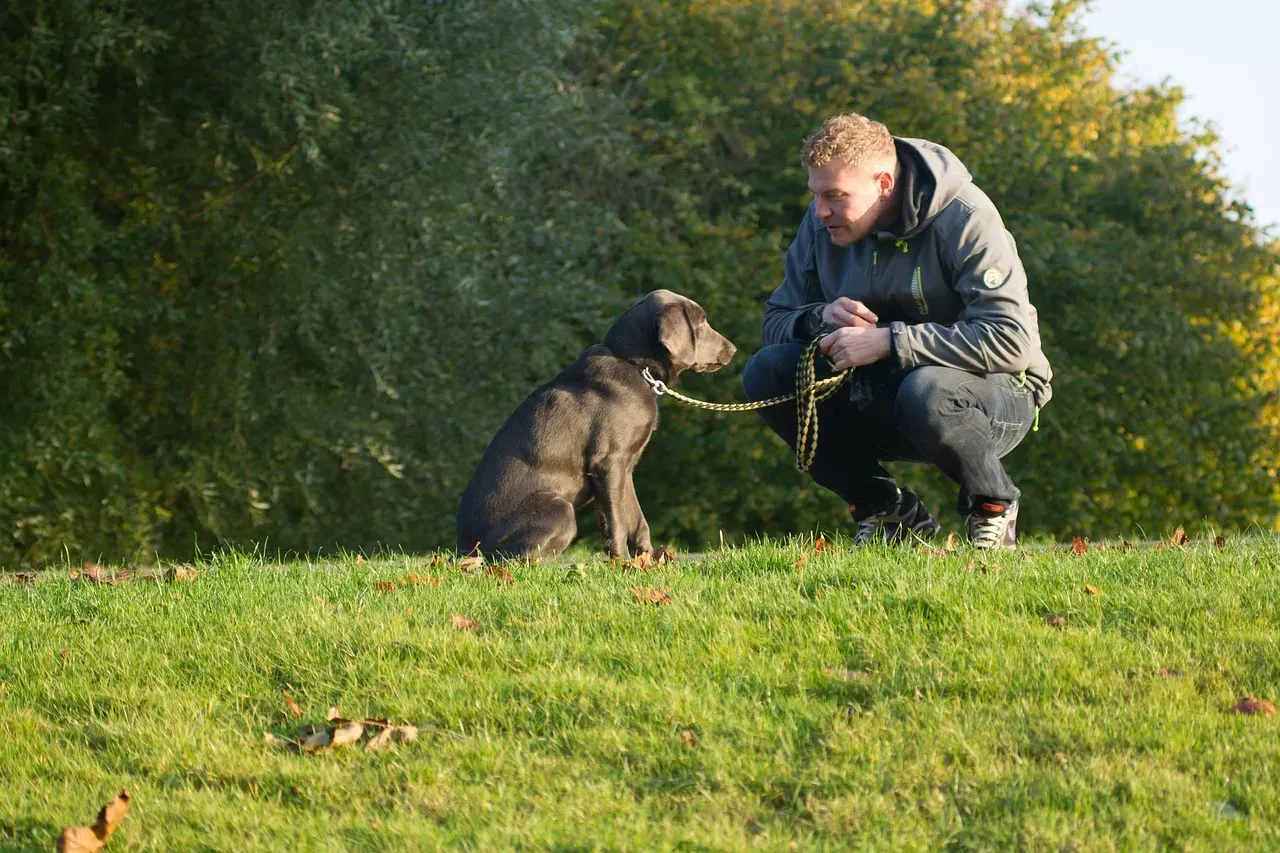
Strip away the sentiment and one uncomfortable truth remains: the weirdest, most unforgettable things dogs do only seem to surface inside long, messy, one-on-one relationships, which is exactly why they refuse to survive a clean, repeatable experiment. Science can absolutely prove dogs read our faces, smell our stress, and remember routines. It has no tool for measuring the door-waiting countdown, the panic-interrupt, the breakup radar, or a goodbye that happens exactly once.
That doesn’t make any of it magic. It makes it personal, built from years of shared life that no lab can compress into a testing session. Honestly, that’s what makes dogs so quietly disruptive, they blur the line between pet and partner in a way no chart or study will ever fully hold. So here’s the real question worth sitting with: if your dog did something you’ve never seen described in any study, would you trust the research, or the pair of eyes staring back at you?