
17 Things Dogs Do Around One Owner That No Behavioural Study Has Ever Adequately Managed to Account For
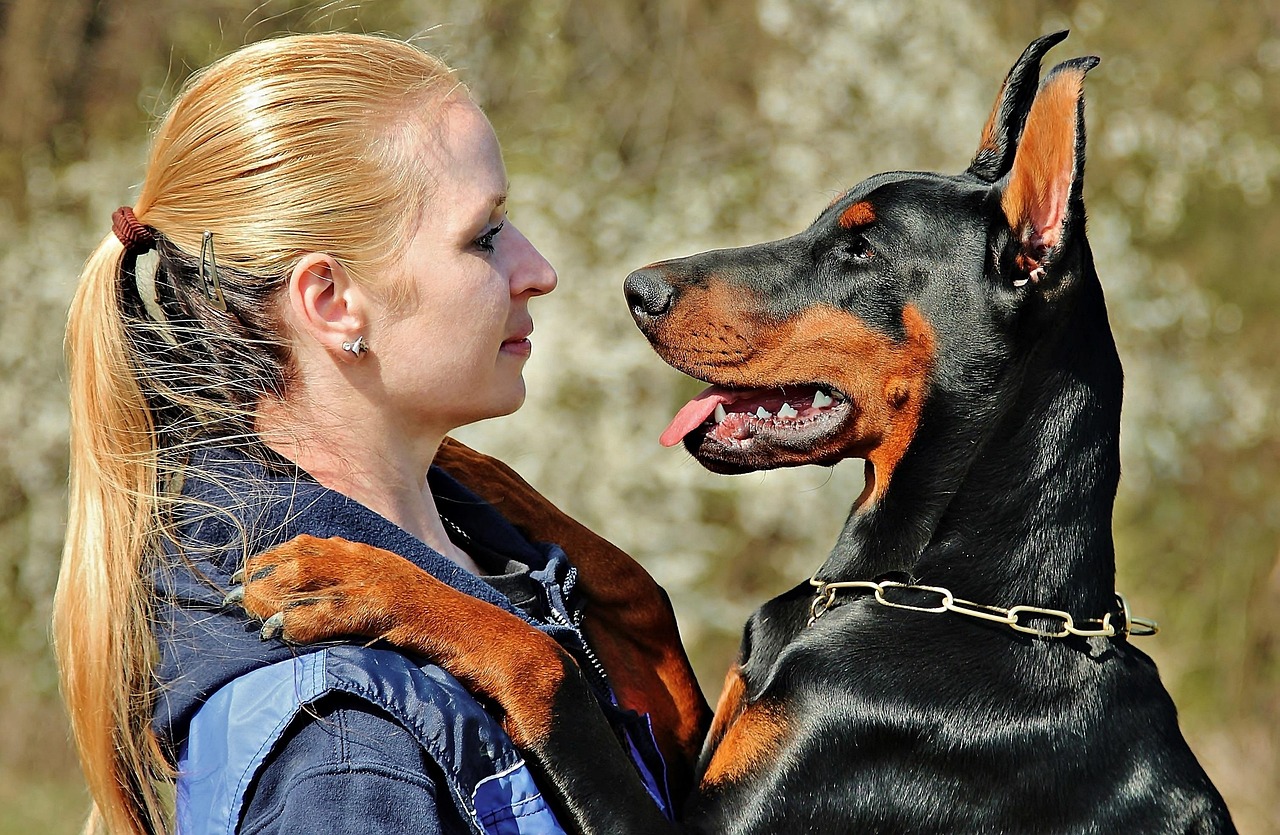
You’d think that after decades of cortisol swabs, eye-tracking cameras, and controlled “sit and stay” experiments, science would have dogs completely figured out by now. It hasn’t. The strangest, most specific behaviors never show up in a lab – they show up at 11:47 p.m. on a random Tuesday, when your dog stares down an empty hallway like it personally owes him money.
A lot of what dogs do only around one specific person feels too personal, too well-timed, and honestly a little spooky to write off as coincidence. Researchers can measure tail wags and heart rates all day, but there are gaps nobody has closed. Here’s what real owners quietly notice in their own homes – and why the best explanations, not the textbook ones, are the only ones that actually hold up.
#1 – The “You-Only” Shadowing That Ignores Everyone Else
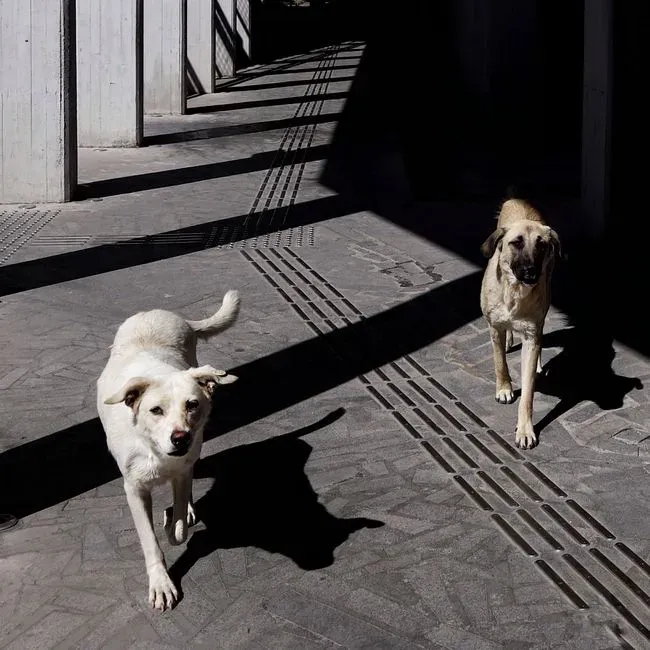
Some dogs follow one person so precisely it’s like they’re glued by an invisible bungee cord – step, pause, turn, they’re right there. What’s strange is how selective it is. The same dog might barely lift its head when another family member leaves the room, then bolt upright the second their chosen human shifts an inch on the couch.
This isn’t just separation anxiety; it’s targeted loyalty. Many multi-human households report that one person becomes the “planet,” and the dog orbits them like gravity itself. Behaviorists explain it with reinforcement history: whoever feeds, walks, and engages most becomes the main attachment figure.
That’s true, but it doesn’t fully explain the precision. Some dogs shadow a person who doesn’t do the bulk of care – sometimes it’s the quieter partner, the kid who talks softly, or the person who happened to be there during a crisis. The bond looks less like “who fills the bowl” and more like “who made me feel safe when my world was small.”
#2 – The Creepy Pre-Sickness Check-Ins
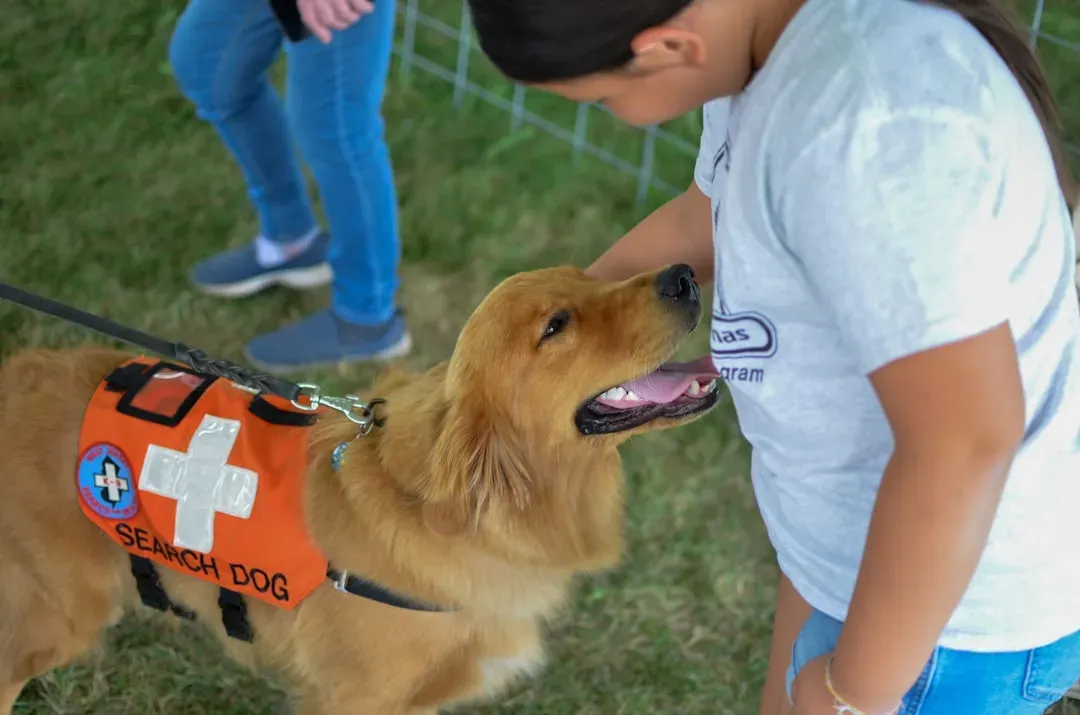
Every dog owner has a story that sounds fake until you’ve lived it: the day your dog got weirdly clingy right before you came down with the flu, had a migraine, or emotionally crashed. They sniff you more, lean against you, or suddenly refuse to leave your side. Then, 24 hours later, you’re in bed – and they just knew.
Science can partially explain it. Dogs can detect changes in body odor, cortisol, heart rate, even subtle shifts in how you move. But no behavioral study has mapped why they only do this for one human and not others living in the same house.
Fast Facts
- Dogs have roughly 300 million scent receptors compared to about 6 million in humans.
- Trained medical alert dogs can detect blood sugar drops or oncoming seizures before symptoms appear.
- A dog’s sense of smell is estimated to be thousands of times more sensitive than a person’s.
- Stress and illness subtly change human body odor and breath chemistry – shifts dogs are uniquely equipped to notice.
Some dogs develop a quiet “health radar” exclusively for their person. They’ll ignore a visiting friend’s headache but go into full nurse-mode when their chosen human is even slightly off. Maybe it’s conditioning – cuddles and downtime when you’re sick could train that response. But the way they flip from normal to hyper-attentive before symptoms even appear feels like more than training. It feels like they’re tracking a version of you that even you can’t feel yet.
#3 – The Silent Stare at the Exact Right Moment
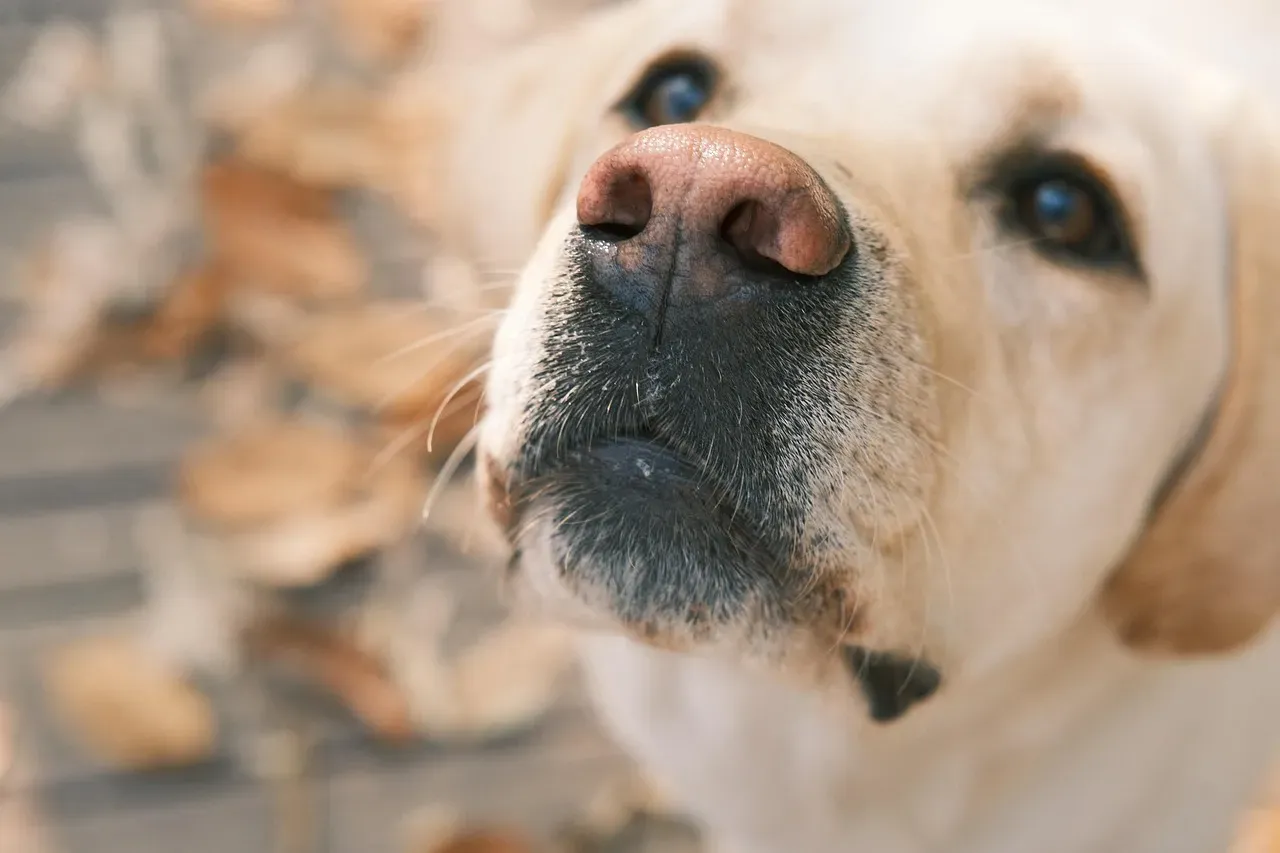
Most people write off “the stare” as begging. But some dogs reserve a specific, unblinking stare for one person – and only deploy it right before that person does something emotionally significant: leaving for a trip, having a hard conversation, or breaking down after a long day. It’s not random; it’s timed.
They don’t stare at the TV, they don’t stare at the door – just at your face, like they’re reading the emotional weather. Lab studies track gaze length in controlled tasks, but they rarely capture this eerie synchronization at home.
Owners describe their dog catching their eye right at the “don’t cry, don’t cry” moment, then holding the look until the person laughs or breaks. Some find it comforting, others find it unsettling – like their dog can see through the performance. It’s likely reacting to micro-changes in breathing or facial tension, but why it cares this much about one person’s internal state, and nobody else’s, still doesn’t fit neatly into a research box.
#4 – The One-Human “Bodyguard Shuffle”
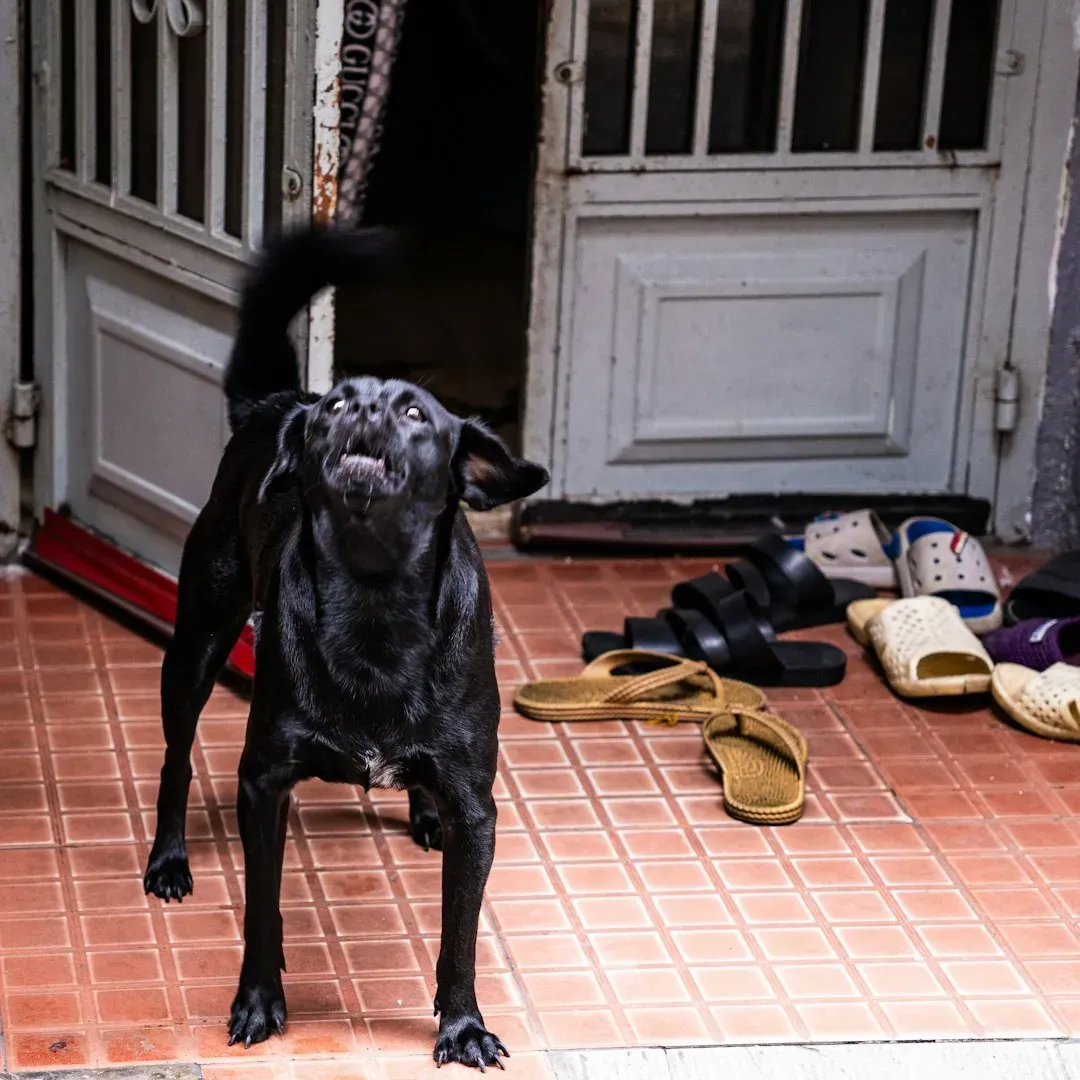
Certain dogs don’t just follow; they position. They’ll wedge themselves between you and a stranger, or subtly block a doorway when someone steps a little too close. What’s uncanny is how selective it is – calm with most people, but suddenly hyper-aware the moment their favorite human seems uncertain.
They’re reading you like a security detail, not a pet. Most theories point to resource guarding or generalized fear, but that doesn’t match what’s happening here. These dogs aren’t growling over food; they’re calmly, intentionally inserting their bodies into social space, often without any formal training and zero aggression.
Owners swear their dog can sense which visitors they secretly dislike, or which arguments are actually serious. Science would argue the dog is simply reacting to tension in your tone or posture – fair enough. But the laser focus on you, not the room, not the group, suggests something closer to a deeper, person-specific protective script than a generalized alarm system.
#5 – The Private “Language” No One Else Understands
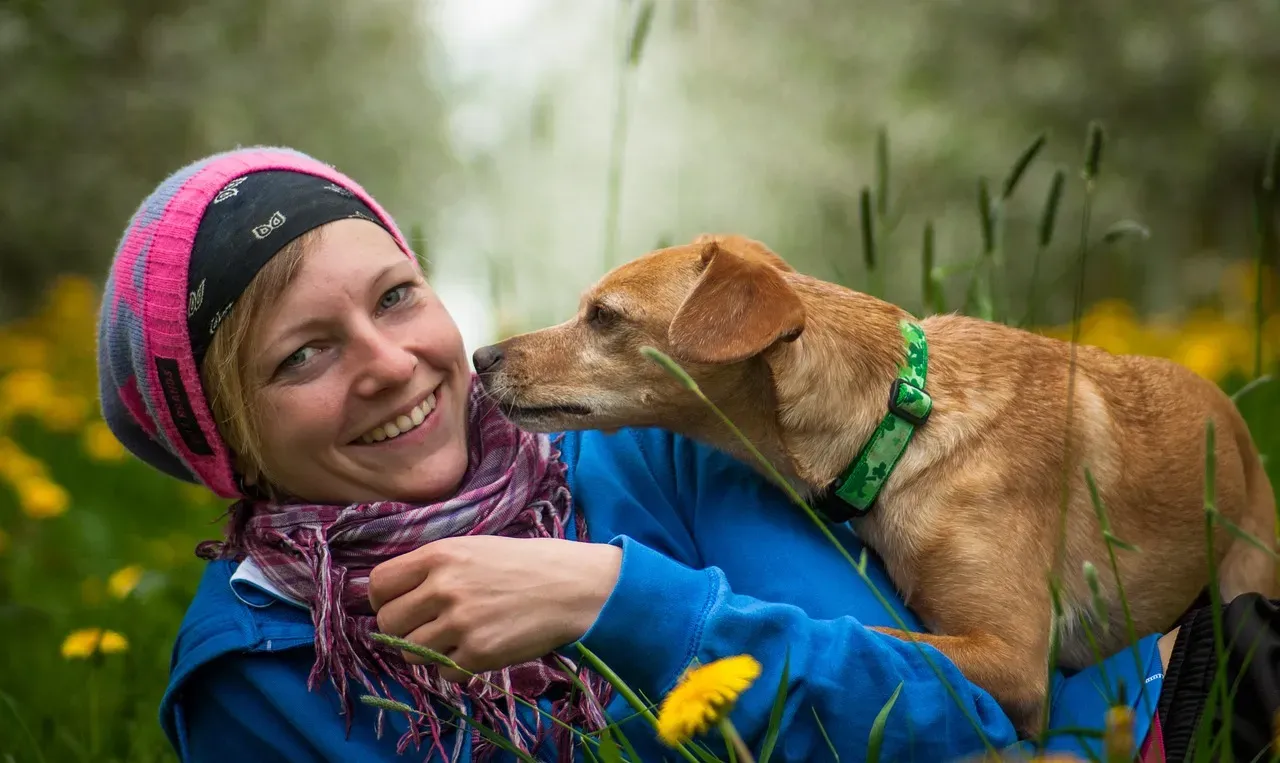
Every long-term dog-human pair ends up with a weird semi-language: a raised eyebrow, a specific throat clear, a hand wave that means “move over,” or a nonsense word that somehow translates to “stop licking the couch.” The bizarre part? The dog often responds flawlessly when the signal comes from one person, and not at all when anyone else tries it.
Behaviorally, this shouldn’t happen – cues are supposed to be standardized. In real life, they’re intensely personal. Sure, you could argue it’s just pattern recognition; the dog has heard your voice make that exact sound, in that exact rhythm, in that exact context. That’s valid.
But no lab has captured the improvisation. Owners report muttering something entirely new, like “Okay, bud, you know the drill,” and the dog just knows the drill – heading to the crate, the car, or away from the door before a single specific word is used. You and your dog are running a private operating system built on shared routines and emotional tone, and that intimacy is exactly what experiments struggle to reproduce.
#6 – The “You’re Home” Anticipation Minutes Before You Arrive
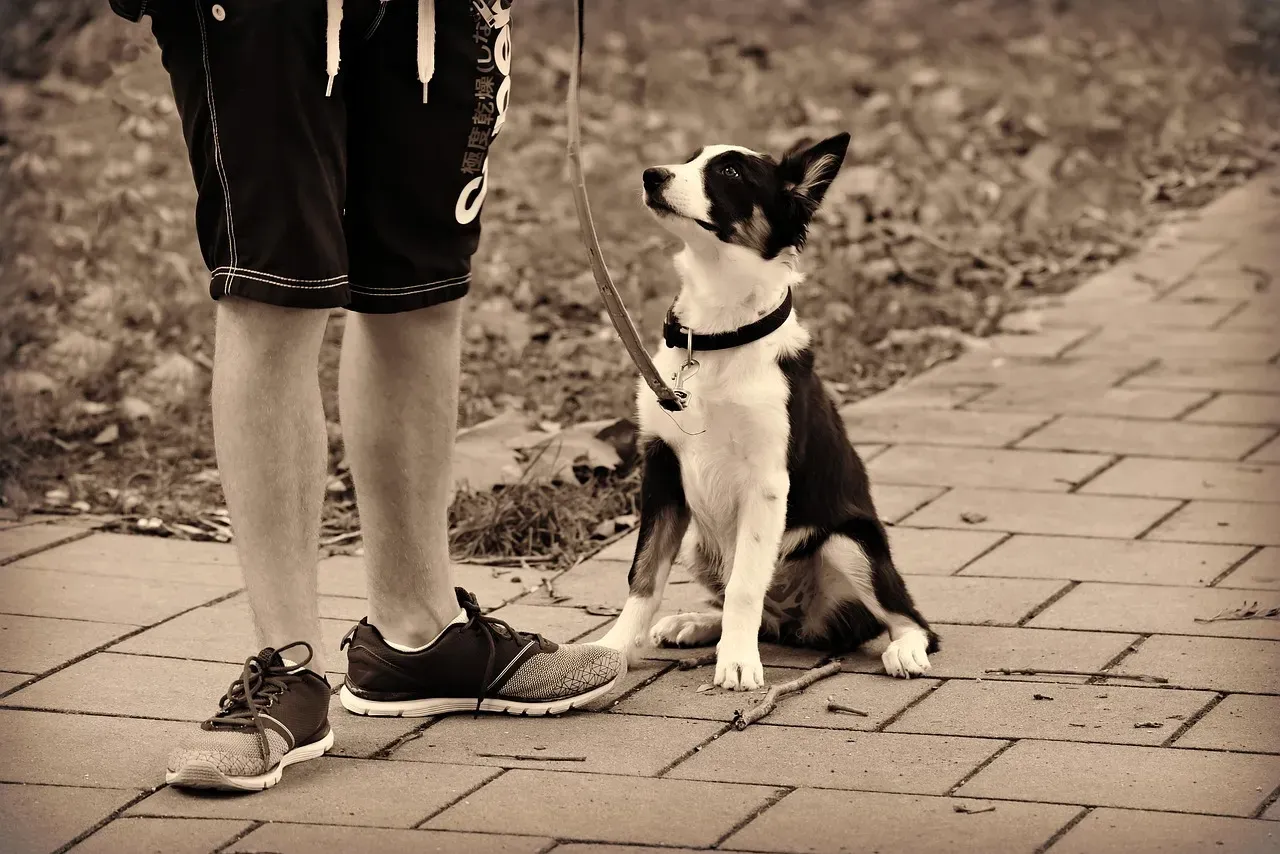
Every dog celebrates when the door opens. That’s not mysterious. What’s harder to explain is the dog that gets restless seven minutes before their chosen human pulls into the driveway, every single time, while staying dead asleep when anyone else is due home.
Owners spot the pattern constantly: the dog moves to the window, sits by the door, or starts pacing at eerily consistent times, despite flexible schedules and no obvious external cue. It looks like a living countdown clock keyed to one person.
At a Glance
- Dogs can hear frequencies up to roughly 45,000 Hz, well above the human ceiling of about 20,000 Hz.
- Their hearing also picks up much fainter, more distant sounds than ours – like a familiar engine blocks away.
- Routine cues such as light changes or household sounds can shape a dog’s internal sense of timing.
- Even with randomized schedules, many owners report this anticipation ritual holds for one specific person only.
Researchers float plausible theories – hearing a specific engine from far away, catching familiar scent on shifting air, tracking time-of-day patterns. All fair. But owners insist that even when arrival times are randomized, only one human triggers this pre-arrival ritual. It suggests dogs might build a mental timeline not just of events, but of a specific human’s pattern of existence, then quietly monitor the world for signs that pattern is about to intersect with them again.
#7 – The Sleep-Position Swap When You’re Emotionally Off
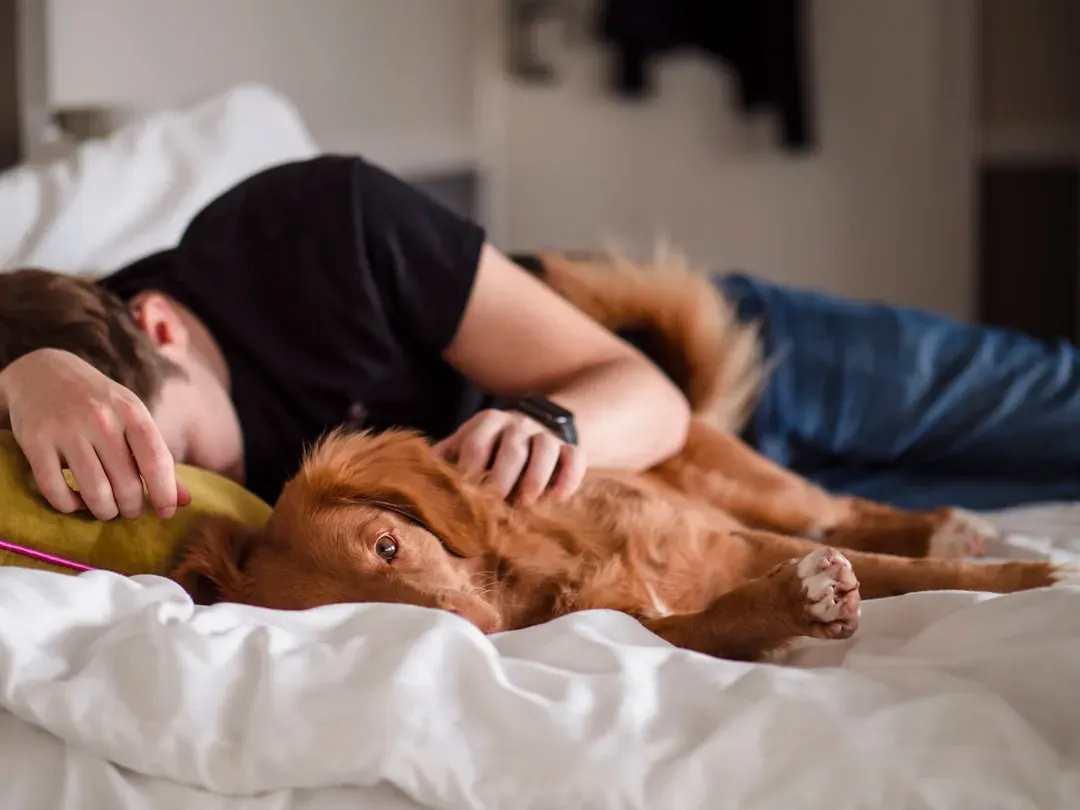
Plenty of dogs like to sleep near their owners, but some go further and actually change their entire sleep pattern depending on your emotional state – and only yours. Normal nights, they sleep at your feet or in their own bed. Bad day? Suddenly they’re curled against your chest, head on your heart, or parked outside the bathroom door while you shower for far too long.
It’s not just comfort; it’s targeted repositioning. Field studies on co-sleeping mostly talk about warmth and routine. Owners notice something the data ignores: the dog that normally hates being touched at night but tolerates it when you’re crying, or the independent dog that quietly relocates closer when you’re stressed, then drifts back once things settle.
This isn’t about dominance or spoiling. It’s sensitivity to your nervous system specifically – your breathing, your tossing, your sighs, the small noises nobody else notices or cares about. Science can measure sleep proximity in centimeters, but the emotional calculus behind these one-human adjustments is still wildly underexplored.
#8 – The Random Object Gifts That Weirdly Fit the Moment
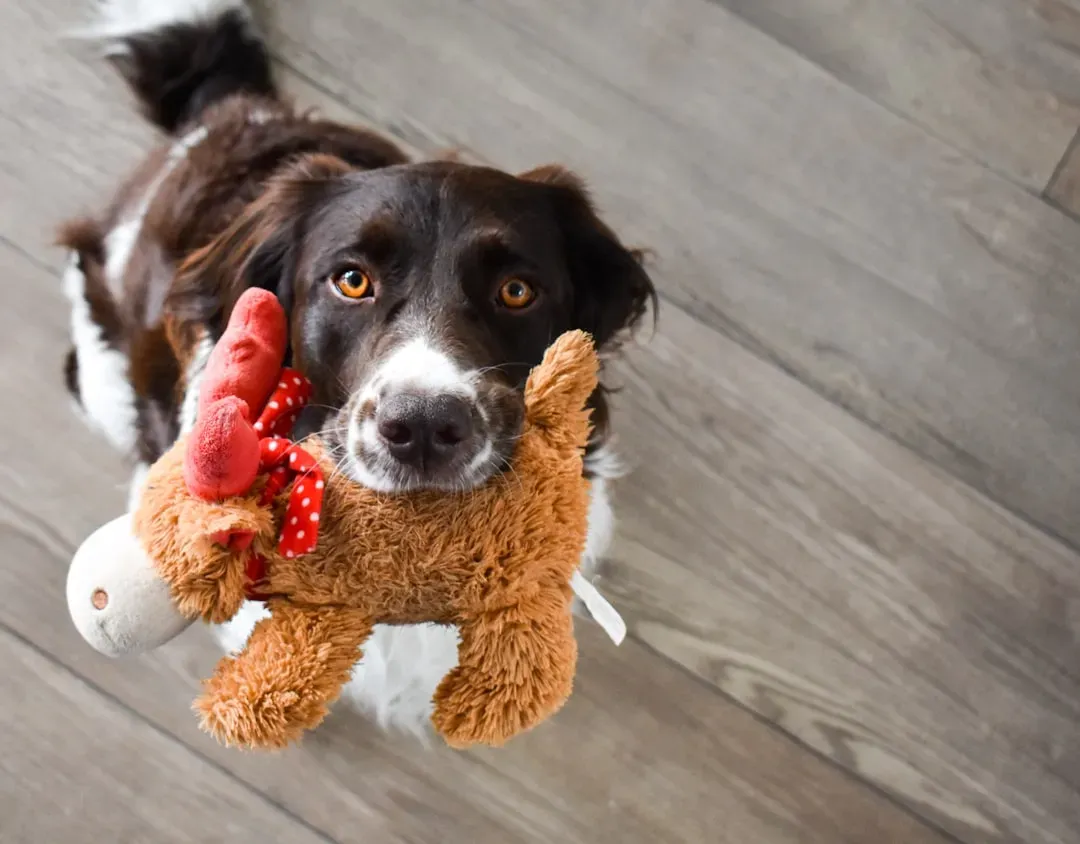
Dogs bring toys. Fine. But some dogs bring very specific items only to their favorite human, and disturbingly often, those items seem to match what that person is doing or feeling in the moment. You’re overwhelmed and cleaning? Here’s your old sock from under the bed. You’re crying? Here comes the softest, most chewed-up comfort toy, placed gently in your lap.
It feels intentional in a way “fetch” doesn’t cover. Studies usually frame object-carrying as play or attention-seeking, which is real but misses the context. Many owners report their dog ignoring other family members during the exact same activity and delivering “gifts” exclusively to one person, usually at emotionally heightened moments.
The dog is probably offering whatever item they associate with shared positive memories. But when they keep choosing that one toy tied to your happiest walks, right when you’re at your worst, it starts to look like something more – a clumsy, sincere attempt at emotional repair that we simply don’t have the right vocabulary for yet.
#9 – The One-Person “Comedy Routine”
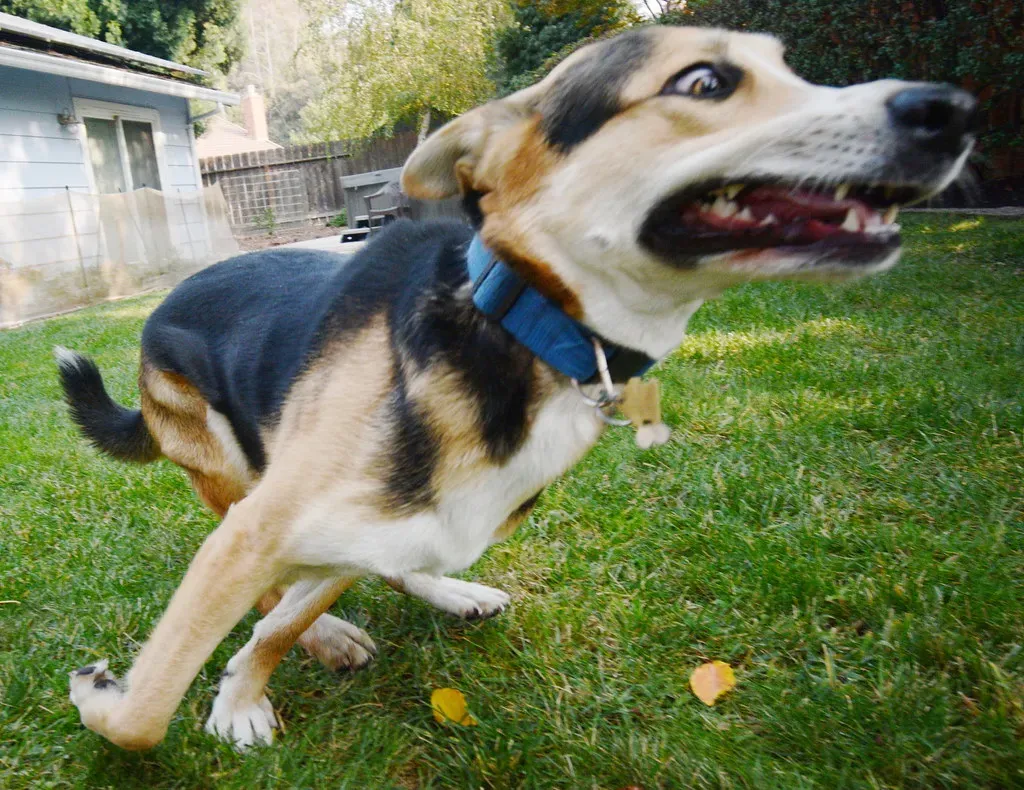
Some dogs act almost eerily normal with everyone – until their chosen human walks in. Then they become a one-dog circus: zoomies, dramatic flops, fake sneezes, elaborate play bows, deliberately dropping toys off the couch just to retrieve them again. It’s not just energy; it’s performance. Strangers, and even other family members, never see this version of the dog.
We tend to call it “excitement,” but excitement alone doesn’t explain repeated, stylized behaviors that look suspiciously like jokes. Owners swear their dog has “bits” it recycles only for them – hopping backwards down the hallway, a slow-motion pounce performed on cue.
Behavior science frames this as reinforcement: certain antics earn laughs or play from a specific human, so the dog repeats them. Fair enough. But many owners never remember encouraging it at all. The dog seems to experiment, watch your reaction, and refine the act over time – a private improv show tailored to one person’s sense of humor, and it’s part of why lab observations always feel a little too sanitized by comparison.
#10 – The Way They Mirror Your Weirdest Quirks
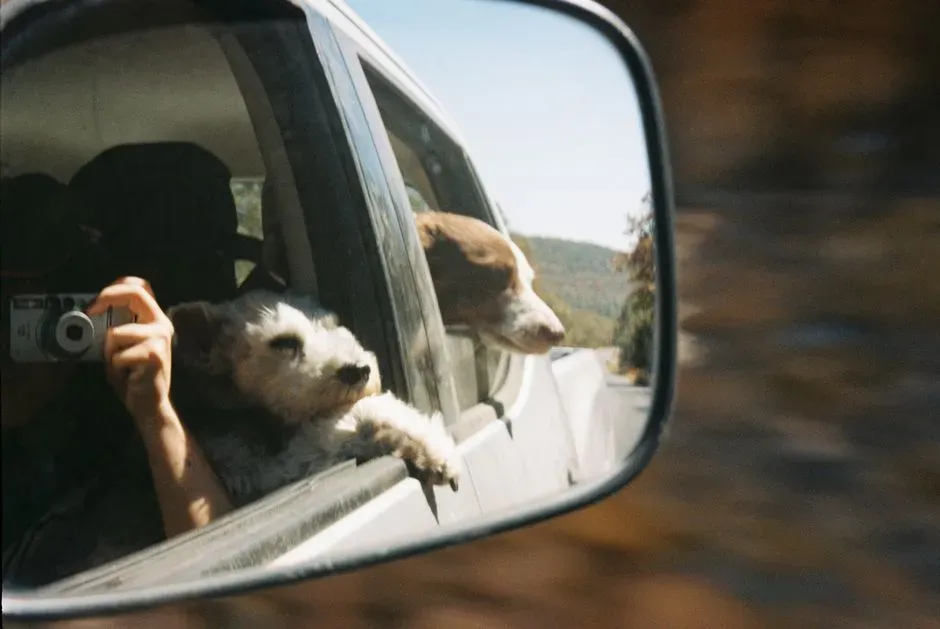
Everyone talks about dogs mirroring human stress, but few admit how deep it actually goes. Some dogs quietly pick up odd little habits only from one person – tilting their head the same way, choosing the same chair, pacing at the same time of night. They don’t copy the loudest person; they copy the person they’re emotionally fused to.
Studies confirm dogs can synchronize behavior, but they usually test simple things like yawning or walking speed. In real homes, mirroring looks more like personality bleed: the anxious owner’s dog becomes hyper-vigilant, the calm owner’s dog seems unbothered by chaos around it.
Worth Knowing
- “Emotional contagion” research shows dogs can pick up on and mirror a person’s stress level.
- Interspecies synchrony has been documented in shared walking pace and gaze patterns.
- Dogs tend to selectively attune to whichever household member provides the most consistent emotional feedback.
- This selective mirroring tracks patterns over time rather than copying a single moment.
One unsettling pattern owners describe: dogs who only show their “weird” side – restless circling, specific pacing routes – when their chosen human is mentally replaying something stressful. They’re not reading minds. They’re reading micro-movements and tension. But the selectivity – only you, not your partner, not the kids – makes it feel less like simple imitation and more like a shared nervous system with four extra paws.
#11 – The Rules They Obey Only When YOU Say It
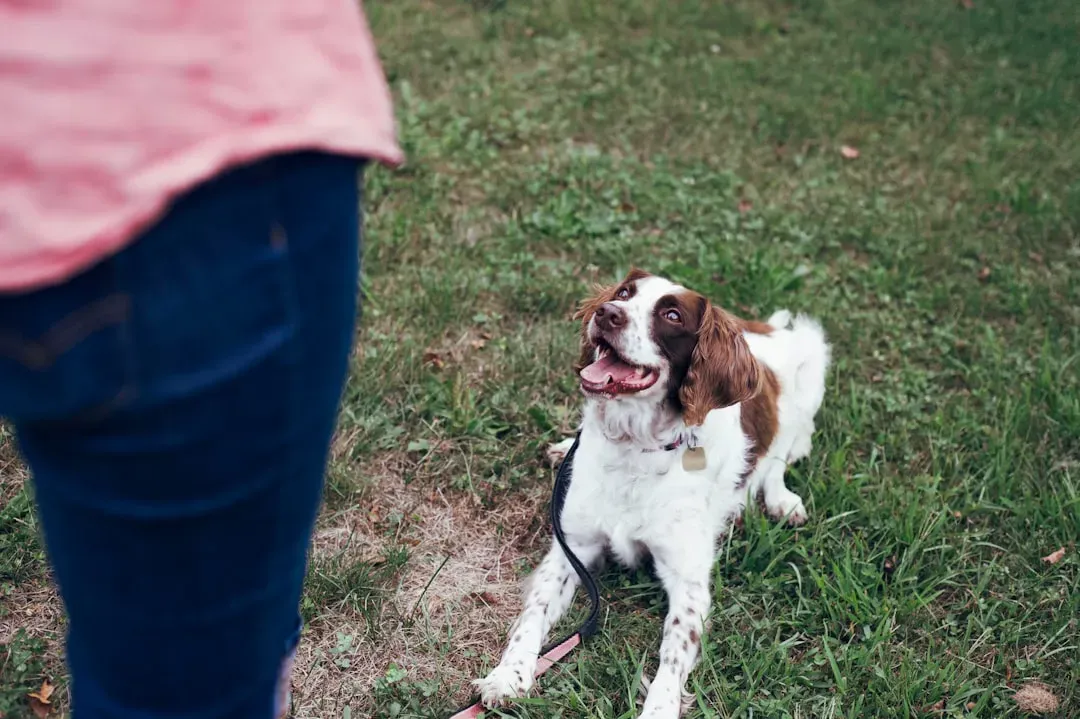
Every household has one person whose “no” actually means no to the dog – and bizarrely, it’s not always the one who yells the loudest. Some dogs ignore sit or stay from everyone else, then turn into a model citizen the instant one particular human calmly speaks. Same cue, same word, completely different response.
Trainers call this “handler focus” and often assume it’s built through deliberate practice. In many homes, it just forms on its own. The dog decides who is worth taking seriously – maybe it’s the most consistent human, or the one whose tone never lies, or the one who never waffles on boundaries.
What’s under-studied is how much trust shapes this. Dogs seem to obey most faithfully the person they believe won’t put them in impossible situations. The dog isn’t just listening to sound; it’s listening to a history of being understood by one specific voice.
#12 – The Secret-Sleepless Nights When You’re Not Okay
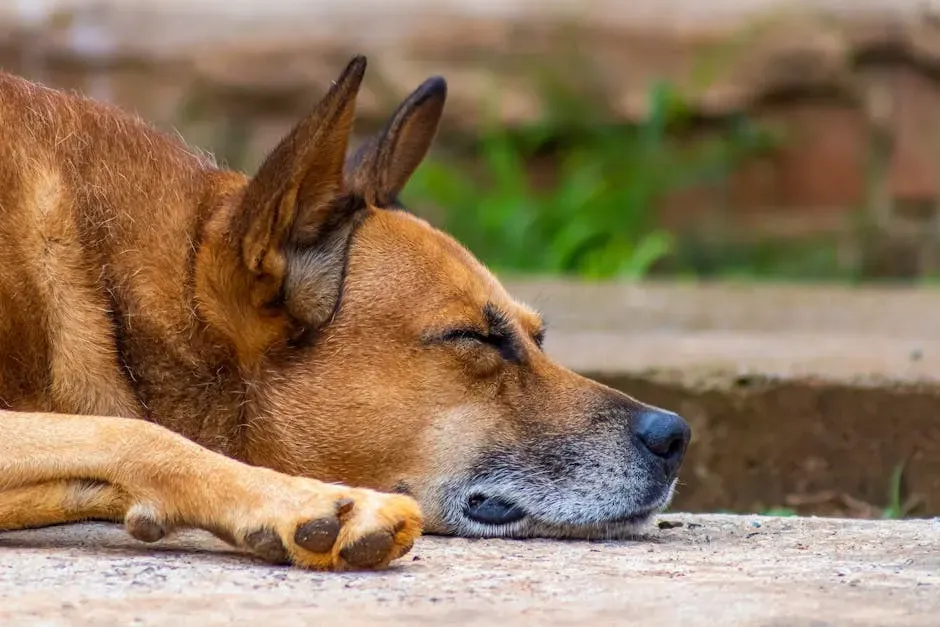
Now and then, owners notice something chilling: nights when they’re lying awake, anxious or low, and their dog – who normally snores like a truck – stays alert. They shift positions constantly, keep checking your face, or lie facing the door like they’re on guard duty. No thunder, no fireworks, no visible trigger. Just your brain spinning.
And somehow, your dog refuses to fully sleep until you finally crash. Sleep studies in dogs cover sensitivity to noise and environmental change, but rarely touch the emotional dimension. These one-owner, one-night patterns feel less like disturbance and more like voluntary vigilance – the dog might pretend to doze when you look, then crack an eye the second you turn away.
Dogs are not our whole life, but they make our lives whole.
Roger Caras
Many owners only notice it when they catch their dog watching them in the dark, eyes soft but alert. Worried, guarding, just unsettled by your restlessness – no one’s fully sure. What we do know is that these nights aren’t about routine. They’re about you specifically not being okay, and for reasons we still can’t measure cleanly, that costs them sleep.
#13 – The Way They “Argue” Only With You
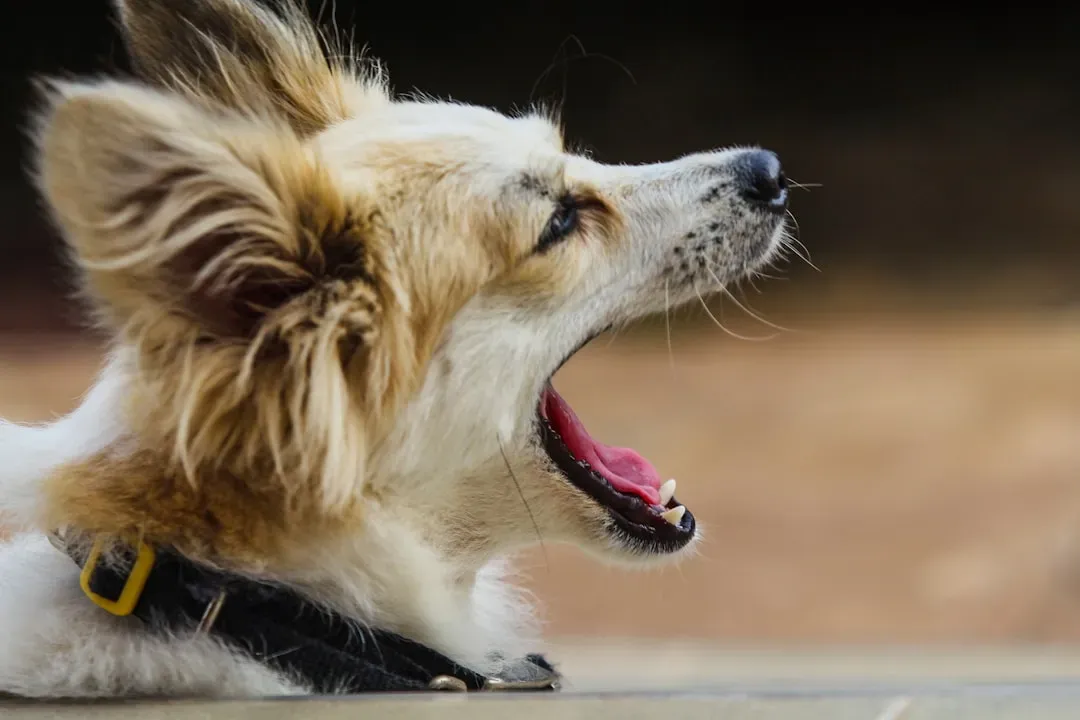
Some dogs never push limits with anyone – except their chosen human. With that person, they back-talk in dog form: huffing, side-eye, dramatic sighs, full-blown negotiations over going outside or getting off the couch. It’s not disobedience across the board; it’s a strange, exclusive push-and-pull relationship. Almost like teenagers who only slam doors on the parent they’re closest to.
Classic theory calls this inconsistency or spoiling, and sometimes it is. But owners with rock-solid boundaries still report this one-person “debate mode.” Strangely, the dog is often more obedient in public or with others, and saves the sass for home, with you.
That looks like attachment, not disrespect. Secure relationships are exactly where social species test boundaries – they feel safe enough with you to object. Annoying, maybe. But it’s also quietly profound: your dog has decided you’re the one person worth fighting with, because you’re the one person they’re sure won’t walk away.
#14 – The Micro-Tracking of Your Mood Across the Room
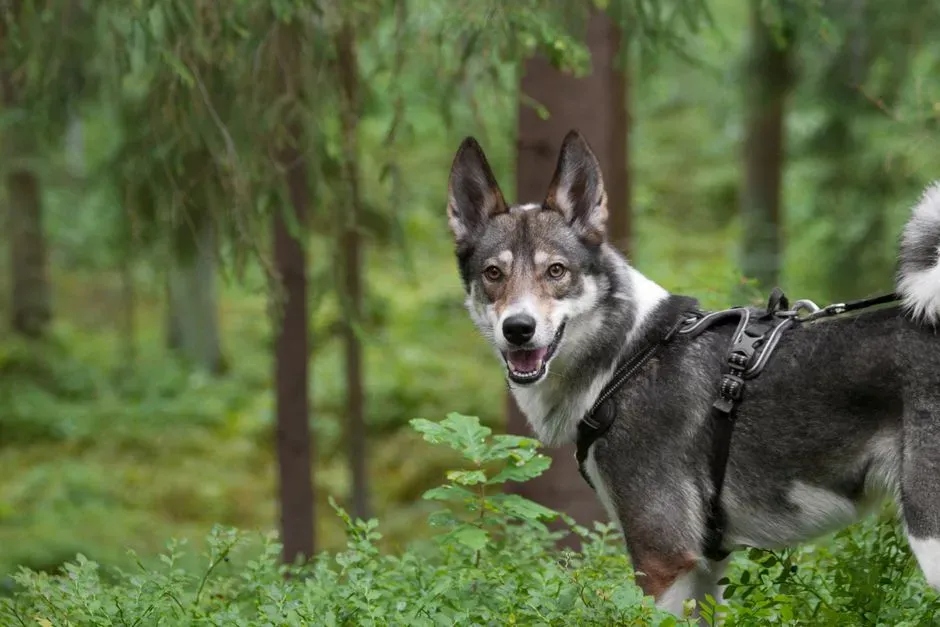
You don’t have to be sobbing for your dog to clock that something’s off. Some dogs track one owner’s subtle mood drift with an accuracy no fitness tracker can touch. You shift your shoulders slightly – they glance over. Your jaw tightens during an email – they lick their lips or reposition.
They’re basically running constant emotional diagnostics on one target: you. Research confirms dogs can distinguish happy from angry expressions, but lab tests are binary and obvious. Real life is murky, and your dog is reading a constantly updating, low-resolution feed of your micro-tells – and still guessing right.
What makes this especially unaccounted for is the selectivity. They don’t necessarily do this for your partner or your roommate. They’ve invested their limited processing power into decoding one nervous system – yours – and optimize their behavior around it in real time. That’s more relationship than reflex.
#15 – The Rituals They Insist On Only With You
There are dogs who lose their minds if they don’t get “their” walk. Then there are dogs who lose it if they don’t get their specific ritual with one specific human: the three spins before bed, the short cuddle on the second stair every evening, the driveway lap before going inside. If someone else tries it, the dog half-plays along. With you, they’re militant.
The ritual is the relationship. Behaviorally, rituals are just predictable sequences reinforced over time. But they feel like more when you notice how much it bothers the dog if you skip them, and how little it matters if anyone else does.
The dog isn’t attached to the activity in isolation – they’re attached to the shared script. No one is writing peer-reviewed papers on the hallway stretch with your Shepherd, but those tiny, owner-specific rituals might be the clearest evidence that dogs don’t just love “people.” They love particular stories with particular people.
#16 – The Odd Little “Confessions” They Only Make to You
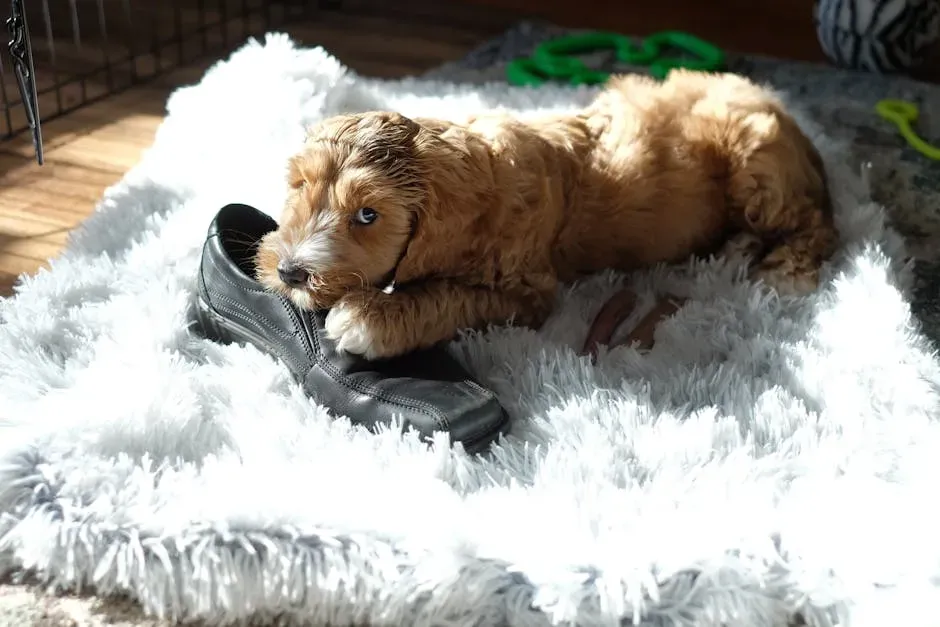
Now and then, a dog does something wrong – steals food, chews a shoe, shreds the mail – and avoids everyone else while nervously approaching one person with wide eyes, low ears, and guilty tail sweeps. We call it the “guilty look,” but what’s wild is how often that confession posture is reserved exclusively for their favorite human. It’s as if only one person’s judgment really counts.
Studies say the guilty look is more about reacting to human anger than genuine moral understanding, which makes sense in sterile tests. At home, though, owners notice the dog’s approach changes based on who’s upset – dodging the loud yeller but later slinking over to the quiet person, paw gently on their leg like a peace offering.
Quick Compare
- Loud reaction: Dog freezes, avoids eye contact, or retreats.
- Calm, quiet reaction: Dog approaches slowly, ears low, tail sweeping – seeking reassurance.
- Stranger’s reaction: Little to no guilty posture at all.
- Favorite person’s reaction: Full guilty display, often followed by an attempt to reconnect.
That suggests they view one person as the emotional court of appeals – the one whose forgiveness actually resets their internal alarm. It’s less “I broke a rule” and more “are we okay?” And for many dogs, there’s only one human on earth whose answer really soothes that question.
#17 – The Final Goodbye That Looks a Lot Like Understanding
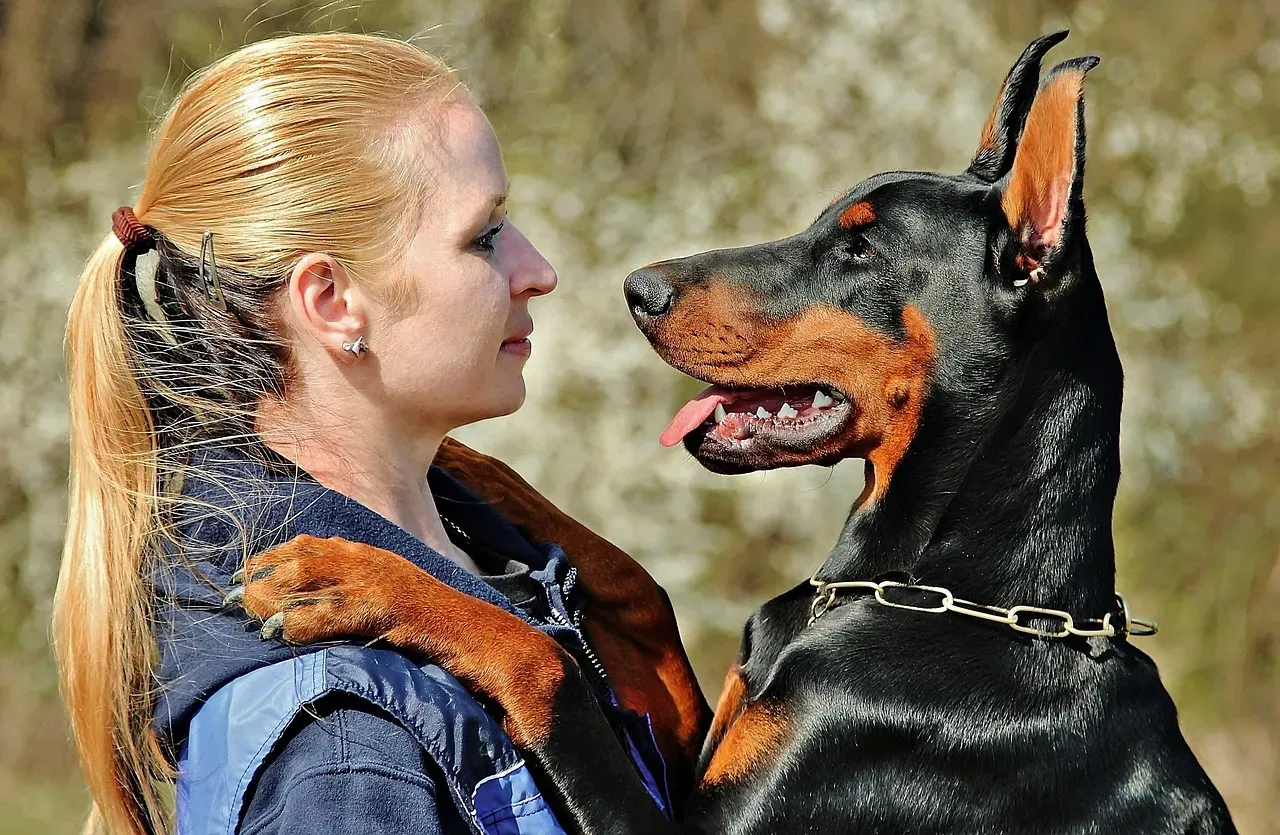
The hardest, least-talked-about behavior is also the one that makes owners swear dogs understand more than any study says they do. In countless stories, when an owner is terminally ill, deeply elderly, or facing a final goodbye, their dog shifts into a new, quiet mode – but only with them. They curl up closer, move slower, watch the door less and the person more.
In vet offices, some dogs who typically fight restraint suddenly go still when their chosen human is there for a last hug. It doesn’t look like confusion; it looks like acceptance tethered to one person.
Researchers are cautious about calling this an “understanding of death,” and they’re probably right to be careful. What we can say is that dogs sense severe, sustained change – in smell, movement, energy, routine – and respond to it. The part no study has fully accounted for is the exclusivity: they don’t distribute that final tenderness equally. They save it for the human who defined their world, and whether it’s true comprehension or intense present-moment attunement, it feels, to the person on the receiving end, like the dog isn’t just living with you – it’s leaving with you, as far as it’s able.
The Bottom Line
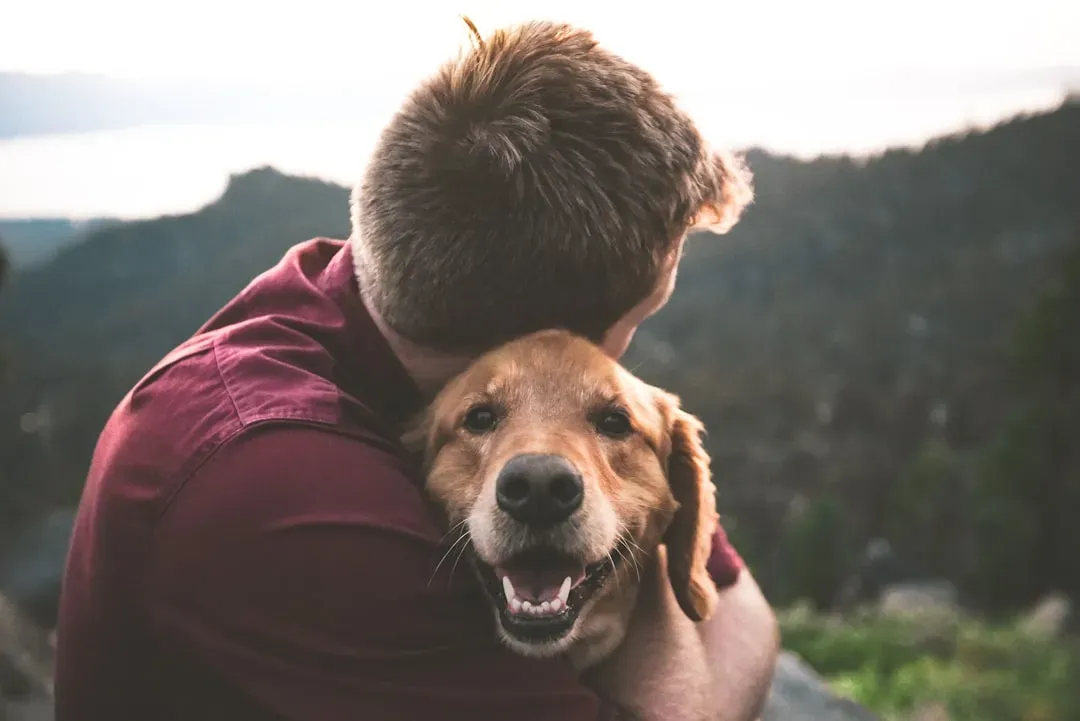
Dog behavior research has come a long way, but the stuff owners actually talk about at 1 a.m. – the shadowing, the pre-sickness clinginess, the private jokes, the middle-of-the-night vigils – still lives mostly outside the lab. The patterns that matter most are specific, lopsided, and deeply personal.
Your dog doesn’t love “humans” in general; they love you in ridiculous, inconvenient, scientifically messy ways that don’t fit neatly into bar graphs. That’s exactly why they’re so hard to quantify, and why many of the most haunting, beautiful behaviors still get dismissed as “anecdotes.”
If anything, the gap isn’t in the dogs. It’s in what we’re willing to measure. Labs need averages. Real life is about the one dog who refuses to sleep until you’re okay, or the one who invented a whole comedy act just for you – and no clean dataset will ever capture why that matters so much.
Which of these strange one-owner behaviors have you actually seen in your own dog – and what do you think the researchers are still getting wrong?