
13 Things Dogs Do Around One Owner Which Specialists Concede They Cannot Explain to Any New Adopter
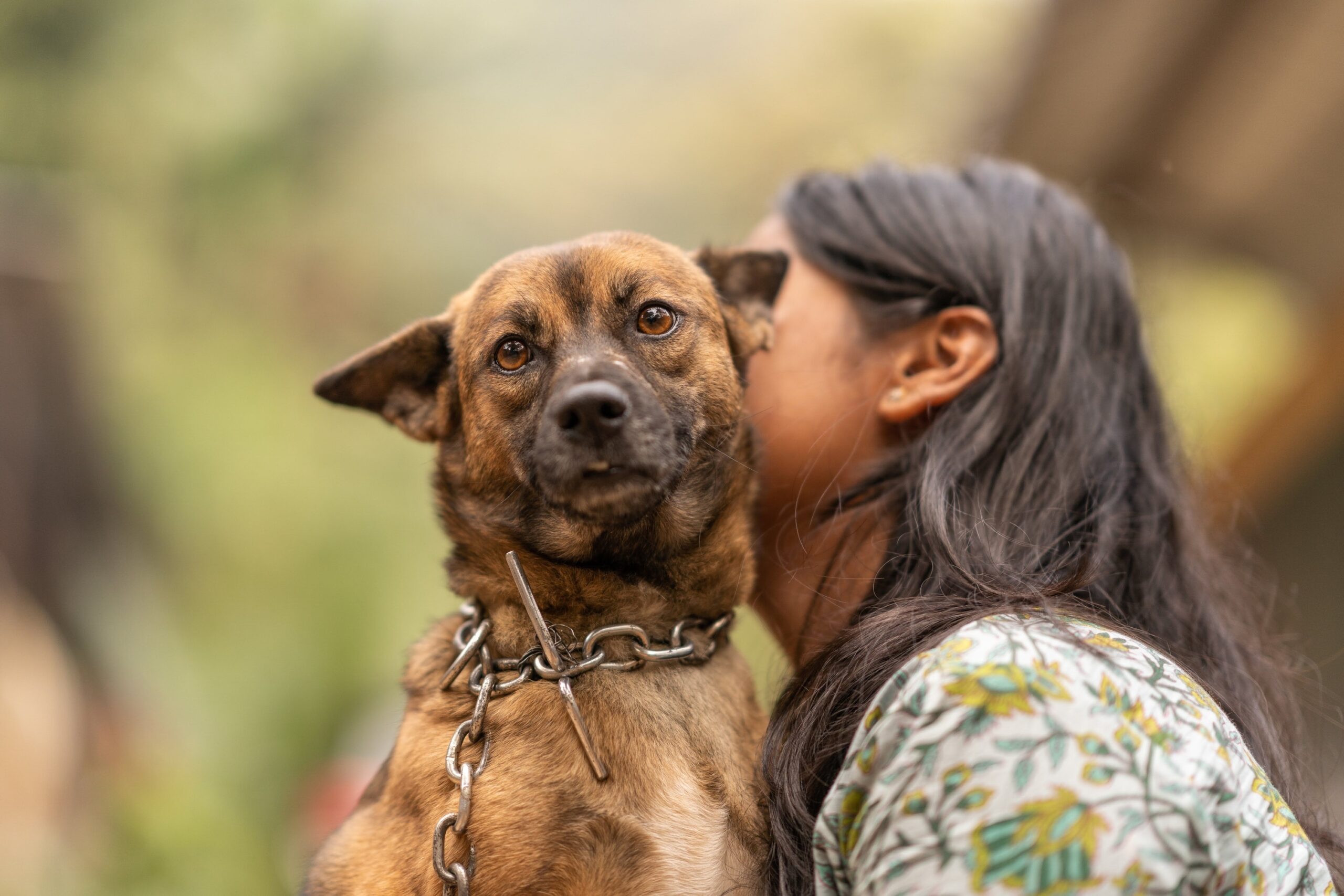
A trainer can tell you exactly why a dog sits, heels, or stops jumping on guests. What they can’t always tell you is why the same dog treats one specific human like a personal deity and everyone else like background noise. Same house, same rules, same food bowl – and yet one person gets a completely different dog.
This isn’t just “bonding.” Long-time behaviorists have watched dogs do things around one chosen owner that break their own training logic, and they’ll admit it quietly, off the record, when a new adopter isn’t in the room. Here are 13 of those unexplainable patterns – the ones science can describe but still can’t fully solve.
#1 – The “Shadow Mode” That Only Activates for One Person

Some dogs follow one person like a literal shadow – room to room, step for step – while barely tracking anyone else in the house. Trainers can talk about attachment, reinforcement history, and breed tendencies, but they’ll also admit something uncomfortable: two owners can raise the same dog the exact same way, and only one becomes the “gravity center.” Often it isn’t even the person who feeds or walks them most.
What baffles new adopters is how fast and how specific this locks in. Within days of coming home, some dogs quietly write a private “you and me” script: waiting outside the bathroom, sleeping pressed against one side of the bed, lifting their head the second that particular car door slams outside. Behaviorists can measure cortisol, heart rate, even voice-tone responses – none of it fully explains why this hyper-selective following happens with one person and nobody else in the same house.
#2 – The Hyper-Attuned Mood Mirror That Ignores Everyone Else

Every dog owner thinks their dog “gets” them, but in some pairings it goes way beyond normal. One person sighs, and the dog lifts its head. That person’s anxiety spikes, and the dog paces, whines, checks in over and over – while the rest of the family could be stressed, angry, or crying two feet away, and the dog barely blinks.
Specialists can explain part of it: that person’s breathing changes, their posture shifts, their scent subtly alters under stress. What they can’t explain is the selectivity. Why does the same dog tolerate kids screaming and another adult panicking, but bolts upright the second their one person gets a quiet headache? New adopters are told “the bond builds over time,” but rarely warned that sometimes it builds into a one-way emotional radar that never generalizes to anyone else in the room.
Fast Facts
- Dogs can detect subtle shifts in a person’s breathing, posture, and scent tied to stress
- This sensitivity is often strongest with whichever person handles the dog’s daily routine
- The same reaction rarely spreads evenly to every person in the household
- Selective mood-mirroring remains one of the most-reported puzzles in dog behavior
#3 – The “Telepathic” Routine Predictions Nobody Taught
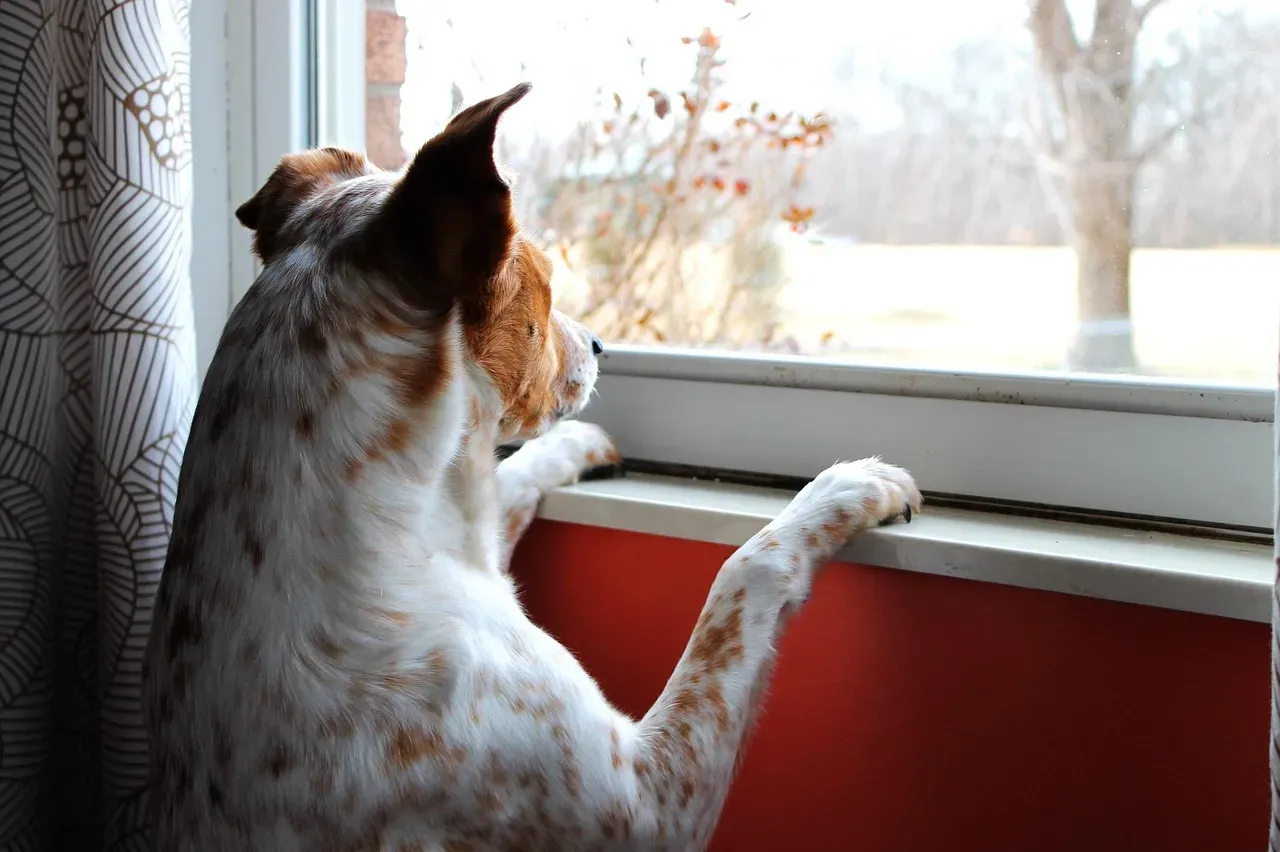
Some dogs seem to know what’s coming before any obvious cue exists. The human just thinks about getting up, and the dog is already stretching. The owner reaches for their phone a certain way, and the dog is at the door. Someone opens a totally random cabinet, and the dog is already on the kitchen rug where the meds usually happen.
Specialists insist it’s pattern recognition, not magic – but even they admit the sheer subtlety of what these dogs pick up on, and how tightly it’s wired to one person’s micro-habits, is basically unmeasured. New adopters are told to “build routines,” not that it can feel eerie when a dog they’ve owned for three weeks anticipates their bathroom schedule. The dog doesn’t do this at daycare. It doesn’t do it for housemates. It’s one human, one code, no explanation on file.
#4 – The One-Person “Calm Bubble” That Defies Their Usual Nerves
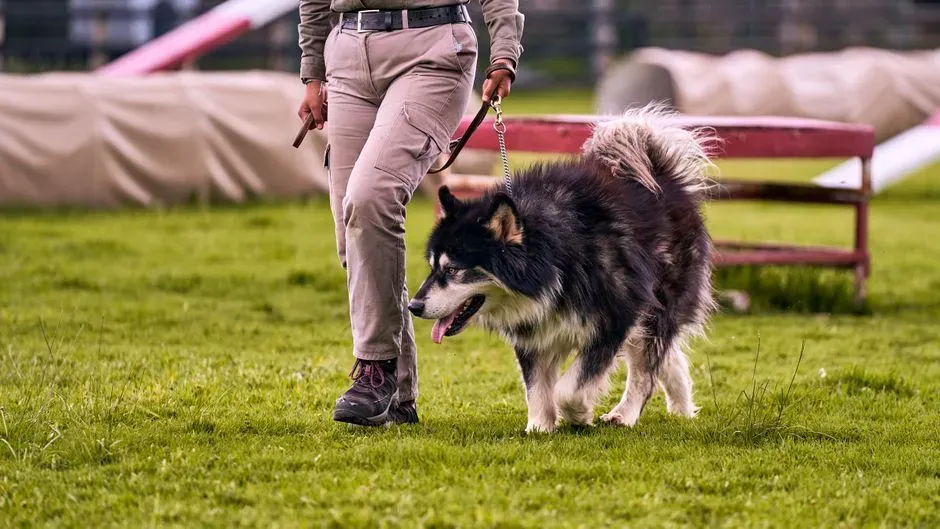
Here’s where behavior experts get visibly uncomfortable. On paper, some dogs are textbook reactive: barking at strangers, terrified at the vet, jumpy at every noise. Then you watch that same dog with one particular owner, and it’s a different animal. Heart rate drops. Muscles loosen. They sleep deeper, eat better, and tolerate triggers that would normally send them over the edge – but only when that specific person is present, sometimes only if they’re physically touching.
Co-regulation and secure attachment explain part of this. What they don’t explain is why two equally calm, equally experienced people can raise the same dog, and the “calm bubble” only fully forms around one of them. New adopters expect training to fix anxiety. Nobody tells them the bigger variable might be who the dog quietly chooses as their biological safety blanket – a choice nobody can force, predict, or transfer.
#5 – The Selective “I Only Listen to You” Obedience Glitch
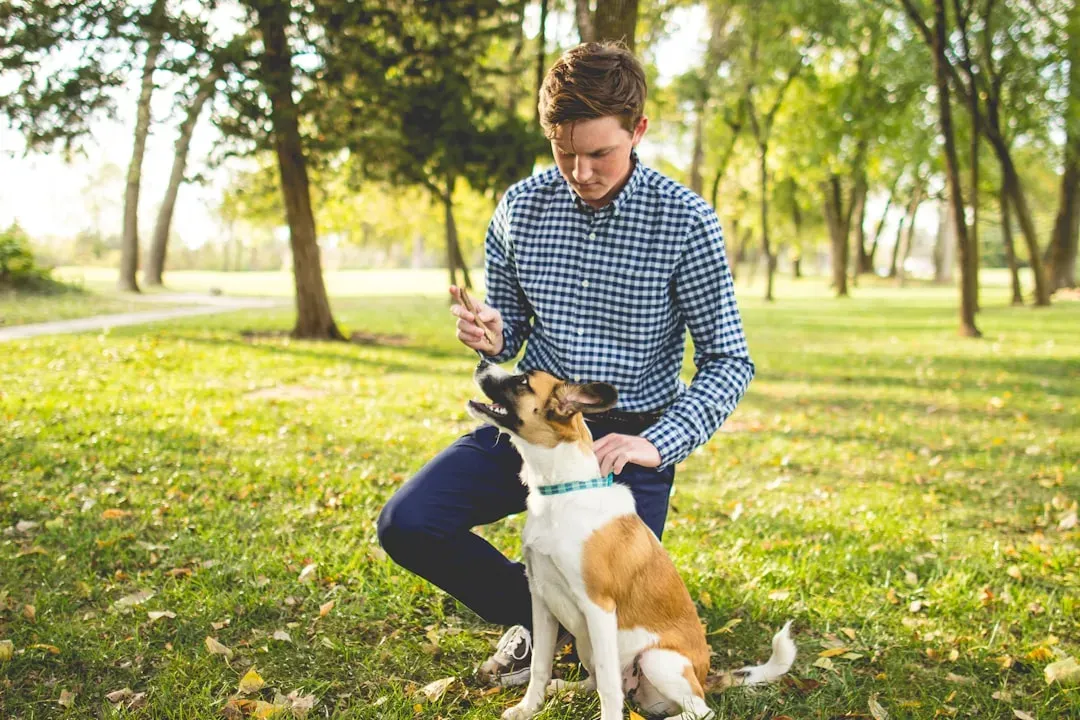
This one drives families – and trainers – up the wall. The dog knows “sit,” “come,” and “stay” flawlessly with one person. Fast, clean, competition-level. Someone else gives the exact same cue, same hand signal, same tone, and the dog looks away and walks off like the word never existed.
On paper, this breaks basic learning theory – a solid cue should generalize across handlers in the same environment. In reality, some dogs treat their primary person’s cues like a different language entirely. Specialists float theories: cleaner timing, more distinct tone, better posture during training. But even controlling for all of it, some dogs still act like “sit” only counts coming from one mouth. For new adopters in multi-person homes, that’s not just confusing – it can get genuinely divisive when the dog performs perfectly for the trainer and then “goes deaf” the second a partner tries the same cue at home.
#6 – The Extreme “Bodyguard” Positioning That Makes No Tactical Sense
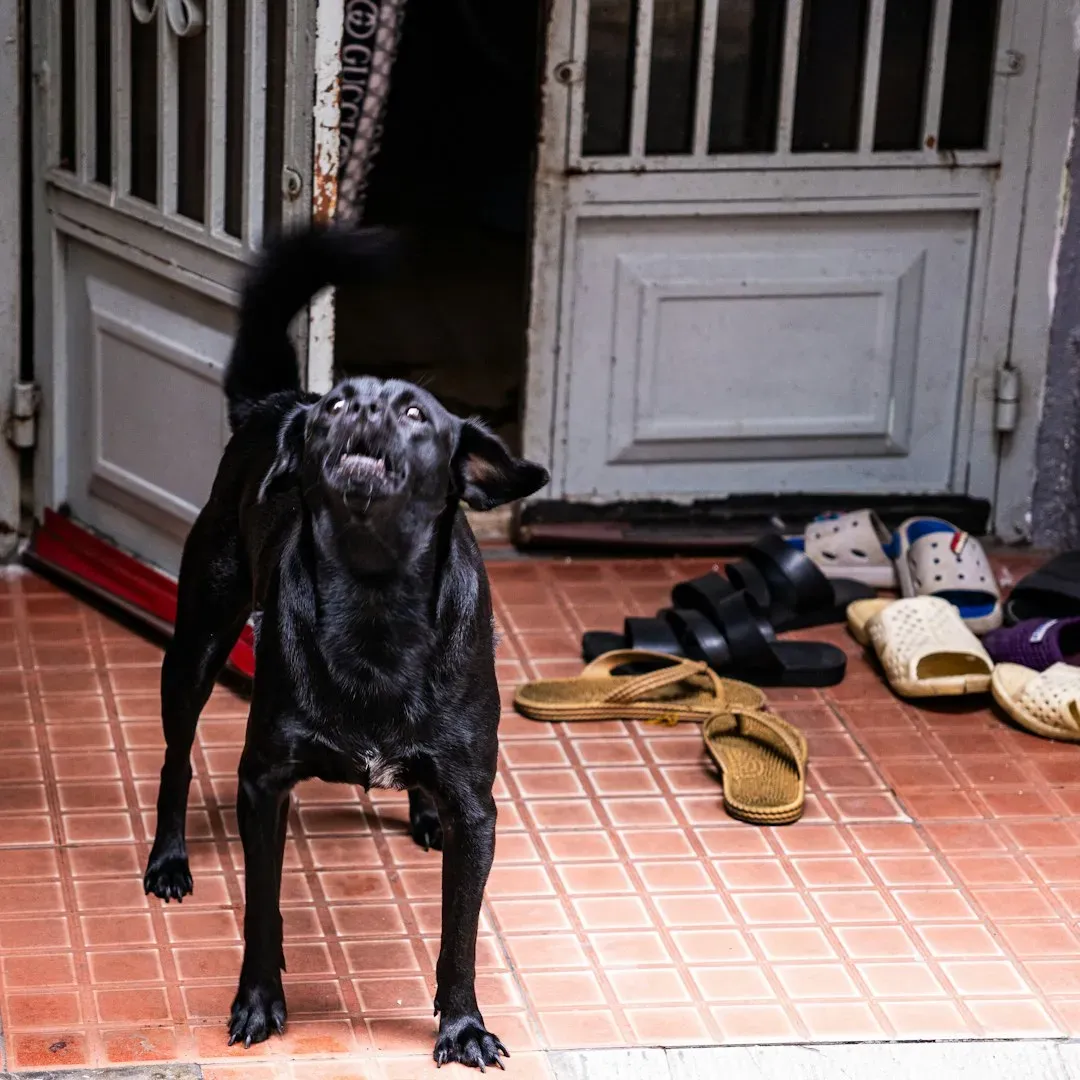
Everyone’s seen a protective dog. This is weirder: a dog that constantly wedges its body between one specific person and the environment – doorways, strangers, even other family members – with zero real threat present. They lean across that person’s legs, insert themselves between two people hugging, or quietly step in front the moment anyone approaches in a hallway.
Protection trainers can explain actual guarding behavior with clear warning signs. What they can’t fully explain is this round-the-clock micro-bodyguarding that feels emotional, not tactical. Why does the dog block their person from their own spouse but not a delivery driver? New adopters get told “he’s being protective,” which oversimplifies what’s really happening – the dog isn’t defending against a threat, it’s policing space around one human based on rules nobody ever taught it.
Worth Knowing
- True guarding behavior usually has a clear trigger, like an unfamiliar visitor or sudden noise
- Micro-bodyguarding often shows up with no external threat present at all
- The pattern typically targets one person’s personal space rather than the whole household
- It can appear around spouses, kids, and even other pets, not just strangers
#7 – The “Secret Language” of Micro-Signals Ignored From Everyone Else
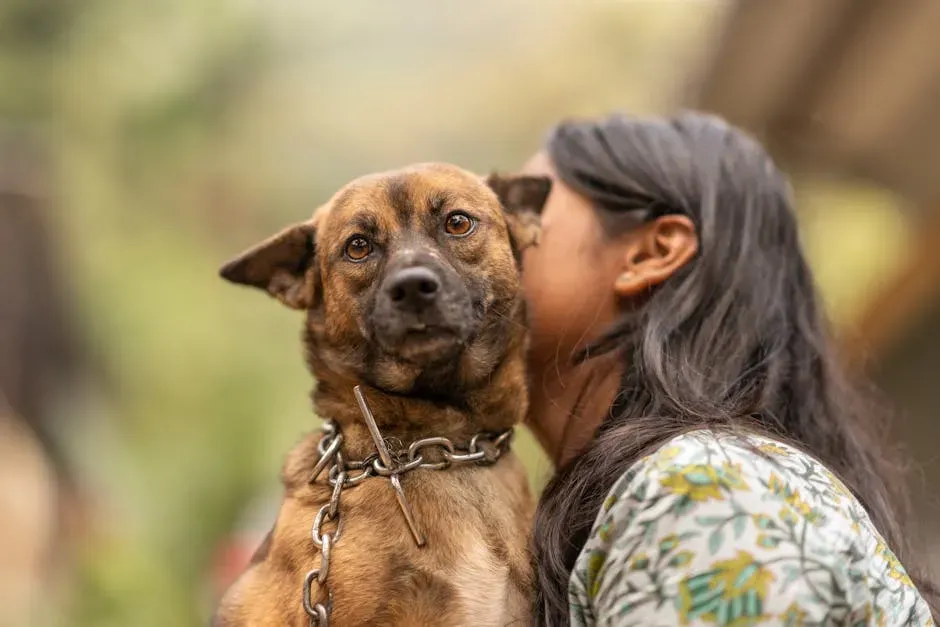
Watch a deeply bonded pair long enough and you’ll see something that barely resembles training. A raised eyebrow. A half-shrug. The person shifts their weight, and the dog changes direction mid-walk. The human mutters something under their breath, and the dog hops off the couch on cue. There’s no formal command, no volume – just a low, telegraphic exchange that somehow works every time. Try it with anyone else, and the dog just stares.
Behaviorists call this learned association layered over subtle body language, and that’s true as far as it goes. What it doesn’t explain is why the tuning is so exclusive to one person. New adopters often feel like they’re speaking the wrong dialect even while following every piece of advice correctly, watching a partner “whisper” the dog down with a breath and a hand flick while their own cues land like shouting into static.
#8 – The Strange Scent and Sound Obsession Tied to One Human Only
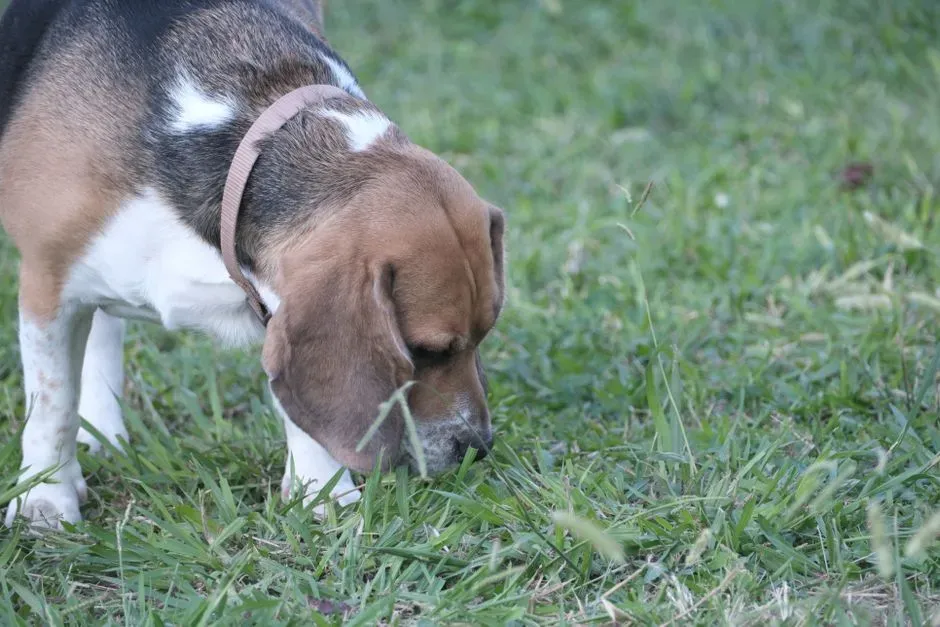
We already know dogs are scent-driven. What stumps people is how extreme and selective that attachment can get. Some dogs obsess over one owner’s dirty laundry while ignoring everyone else’s – dragging a single unwashed T-shirt from room to room, visibly distressed if it’s taken away. Others melt at one person’s voice on a recording and don’t react at all to a different family member’s.
Experts can reasonably say scent equals safety in a dog’s mind. What’s harder to explain to new adopters is why, in a house full of shared routines and chores, only one person’s smell and voice become the emotional life raft. That person leaves for a trip, and the dog camps by the door for hours, unmoved by anyone else’s comfort – then instantly softens the second that one voice comes through a speakerphone.
#9 – The “You’re Back From the Dead” Reunions, Even After Short Absences
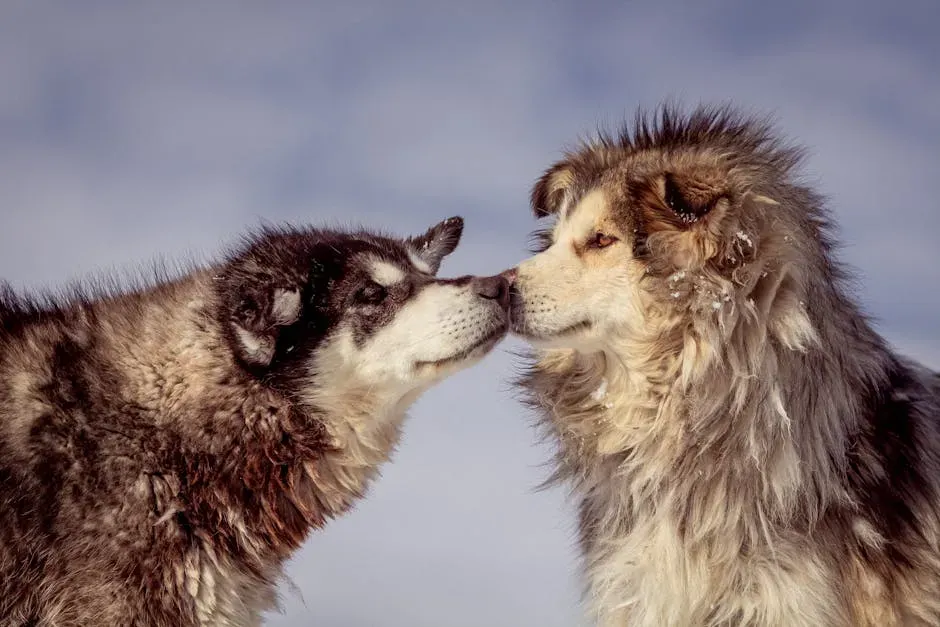
Plenty of dogs get excited when someone comes home, but the intensity gap can be wild. A quick tail wag for other family members, then a full meltdown of joy – squealing, zoomies, frantic licking – the second “their” human walks in, even after a 20-minute grocery run.
What’s stranger is how long this imbalance lasts, even in stable homes where care is shared evenly. Specialists talk about attachment styles and separation behavior, but the part they can’t neatly package for new adopters is this: some dogs never normalize with one specific person. Every return is a festival, for years, while everyone else’s arrival barely interrupts a nap. That’s not schedule or training. That’s an emotional hierarchy science can observe but still can’t fully rank.
#10 – The “I’ll Eat For You But Not For Anyone Else” Feeding Paradox
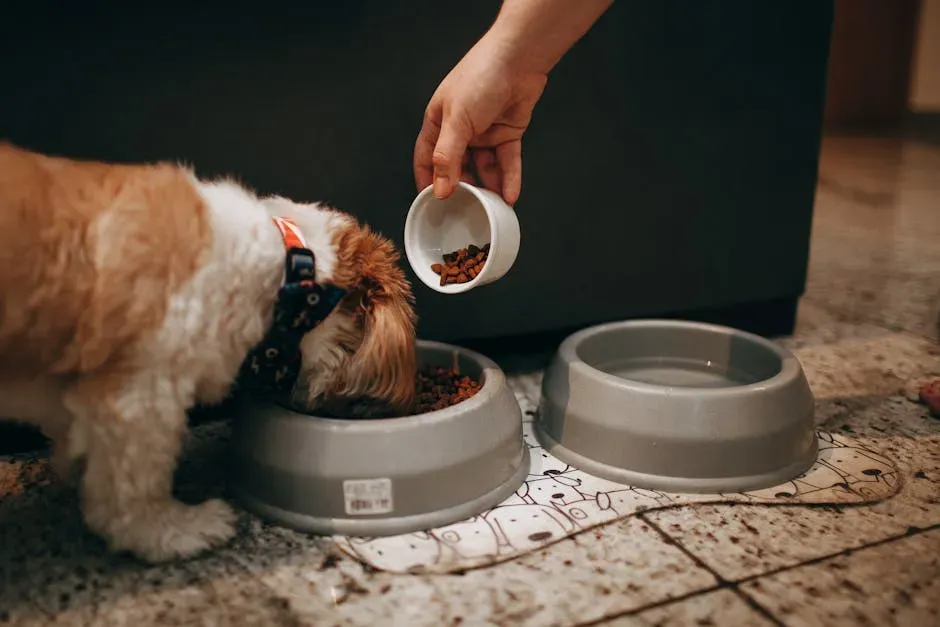
This is the one that genuinely stresses out new adopters. Some dogs flat-out refuse food from anyone except their chosen human – same bowl, same brand, same spot on the floor – until that specific person is nearby, speaks, or even just walks into the room.
Vets can rule out medical issues. Nutritionists can tweak the diet. The pattern holds anyway: appetite tied to one person’s presence, full stop. We know stress suppresses eating and routine affects it too, but that doesn’t explain why one person in the room flips the switch when nobody else can. In multi-person homes, this becomes a real logistical problem – the dog goes hungry on the days their person travels, no matter how hard everyone else tries.
Quick Compare
- Typical dog: eats on schedule regardless of who else is home
- Selective eater: waits, sniffs, or walks away until one person appears
- Typical dog: accepts food from any familiar household member
- Selective eater: may skip meals entirely when that one person travels
#11 – The Pain and Vet-Only Tolerance For One Handler
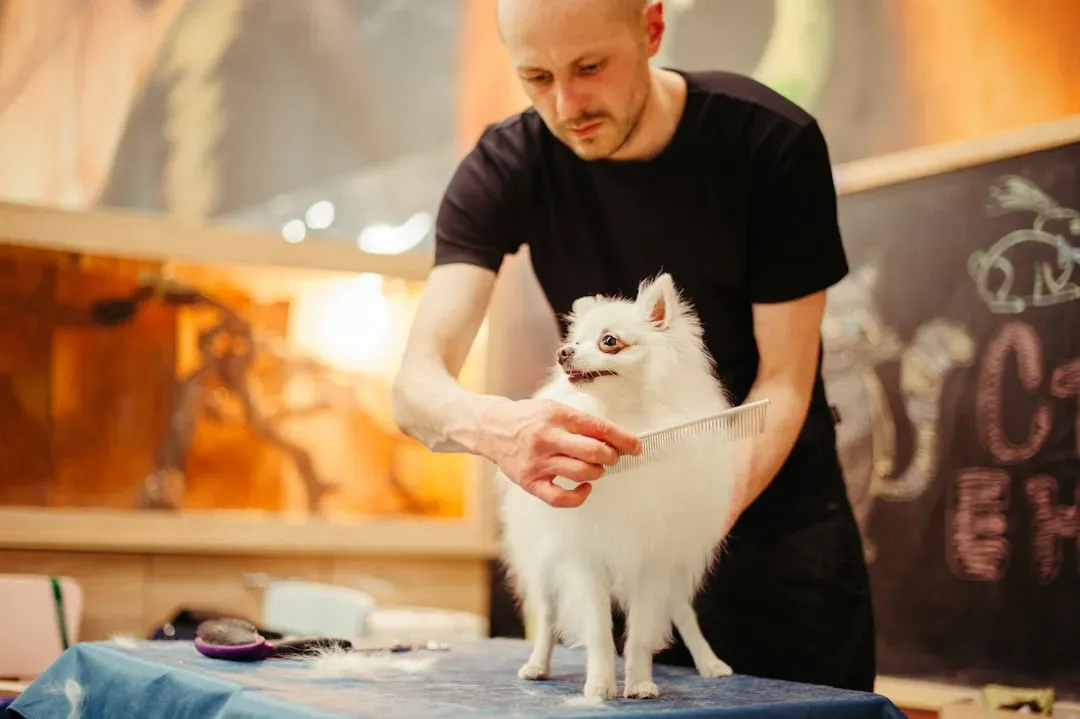
Ask any vet tech or groomer and you’ll hear the same story: some dogs are a nightmare for nearly everyone – snapping, thrashing, panicking – except for one person who can do almost anything. That chosen human trims nails, cleans ears, gives eye drops, even manages post-surgery care the dog wouldn’t tolerate from a professional with decades of experience.
Crucially, it’s rarely about being tougher. Often the chosen person is gentler, not firmer – the dog simply accepts discomfort from them that it refuses from everyone else. Medical behavior specialists frame it as trust plus predictable handling, and that’s a fine theory until you watch a vet team do everything correctly, using every low-stress technique available, and still get nowhere until the dog’s person walks in and the whole animal changes. Nobody warns new adopters they might accidentally become the only person who can do basic care without sedation.
We tend to think of trust as something dogs give equally to anyone who’s kind to them. In practice, it’s far more personal than that – and far less predictable.
Patricia McConnell, animal behaviorist
#12 – The Selective “Social Shield” at Dog Parks and With Strangers
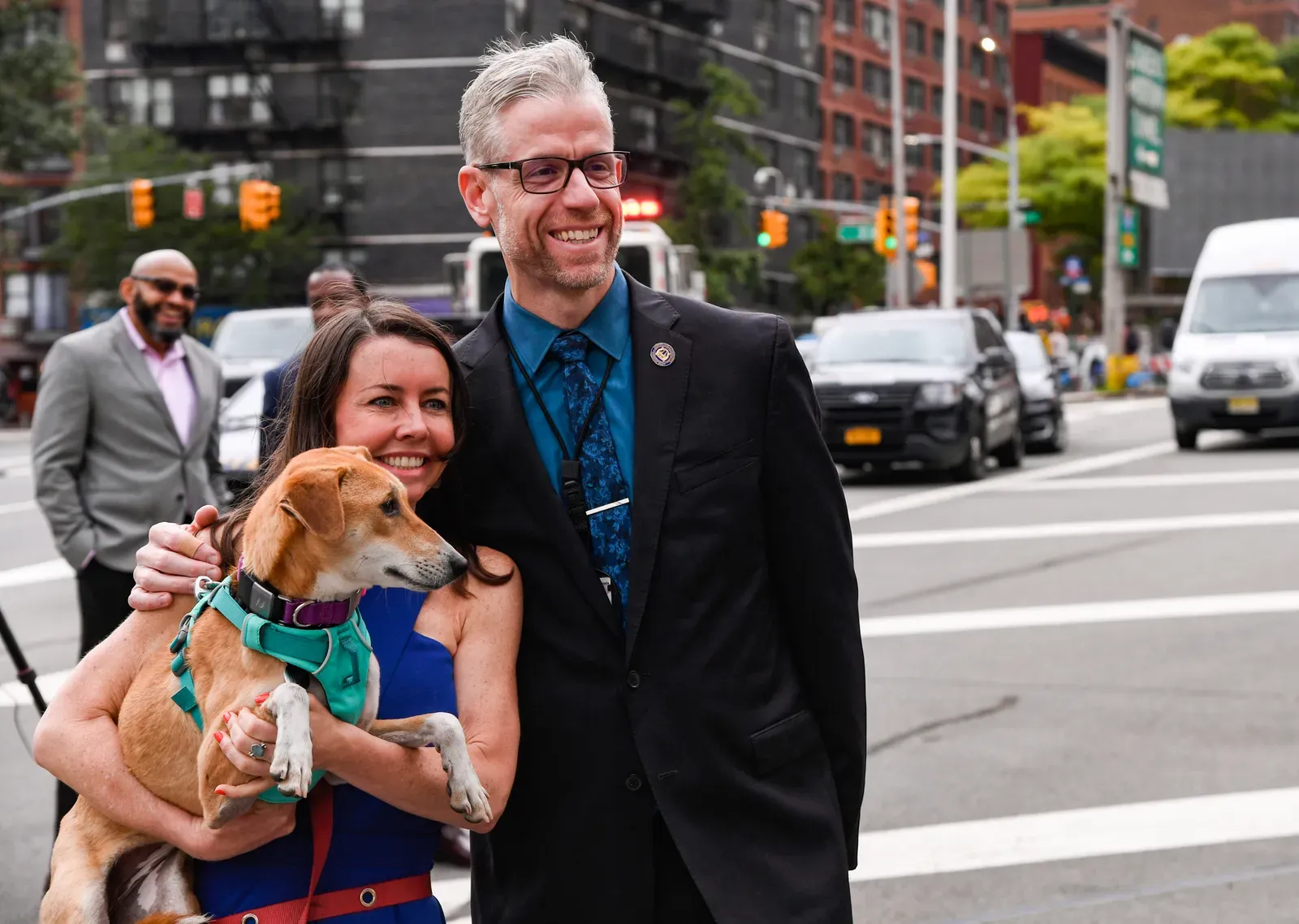
Some dogs use their chosen human as a literal social shield. At the dog park, they orbit that one person as a home base before approaching other dogs. If that person steps outside the fence, the dog’s whole social posture shifts – more withdrawn, more agitated, or oddly overcompensating. With strangers, they may only approach if their person greets someone first, like they’re waiting for a stamp of approval.
Behavior pros can call this referencing – dogs checking in visually with a trusted figure for guidance. What they can’t explain is why some dogs pick one person as their entire social filter for life, no matter how much time and care other humans invest. New adopters assume socialization will spread that trust around. Instead, practice often just sharpens the habit of tuning everyone else out.
#13 – The Bedside Vigil and “Event Radar” That Looks Almost Supernatural
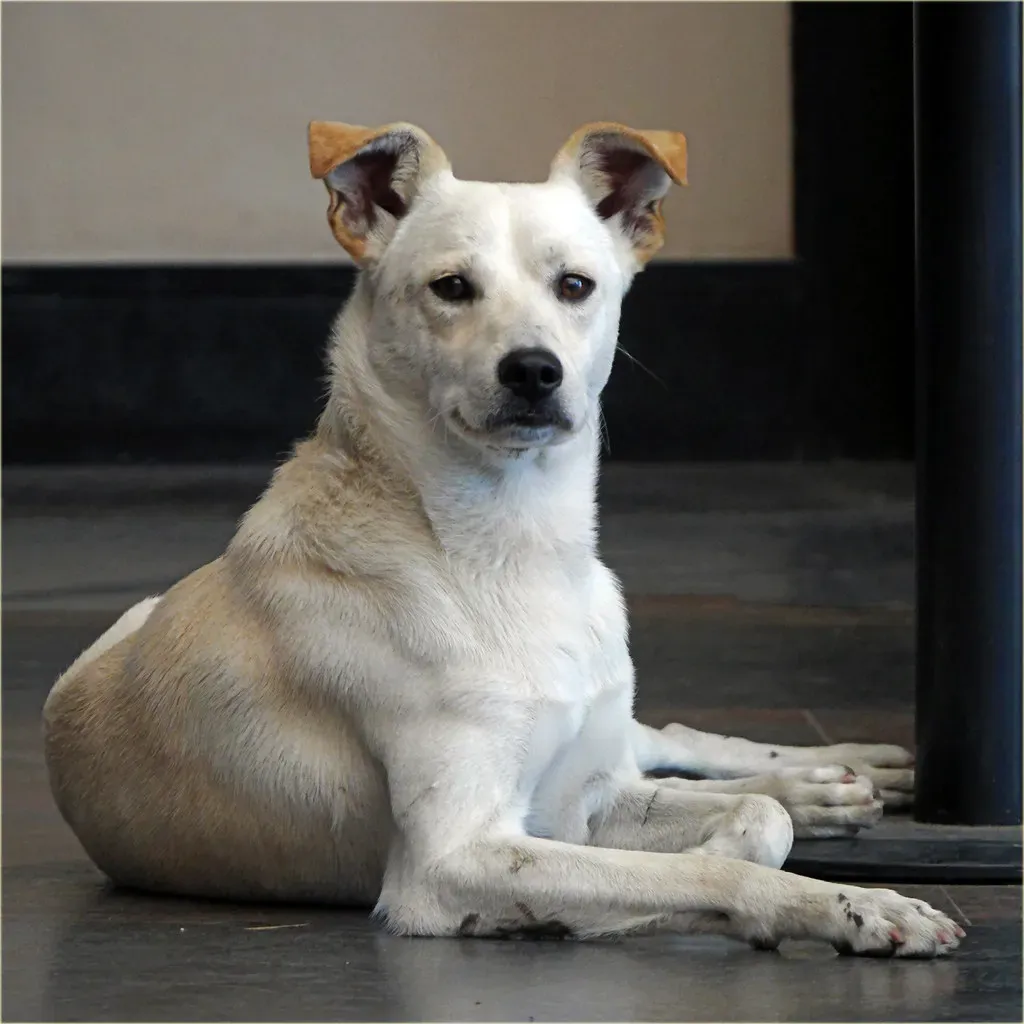
This is the one that turns even skeptics quiet. Long-term owners routinely report their dog becoming intensely focused on them right before major events – illness, panic attacks, grief, even labor – in ways that don’t track to any obvious cue. The dog who normally sleeps at the foot of the bed suddenly insists on curling against their chest the night before a crisis. The independent dog starts trailing one person to the bathroom days before flu symptoms even show.
We know dogs can detect biochemical shifts through scent. What the data can’t comfortably explain is the timing and precision of it – or why the same dog will sleep through everyone else’s emergencies while treating their one person’s like a siren going off. This is where science is still catching up, and where decades of anecdote have simply been waiting for someone to take them seriously.
At a Glance
- Reported triggers include oncoming illness, panic attacks, grief, and labor
- Dogs are known to detect certain scent and biochemical changes in the body
- The behavior can appear hours or even days before any visible symptoms show
- It’s typically directed at one person only, even in busy, multi-person households
The Bottom Line
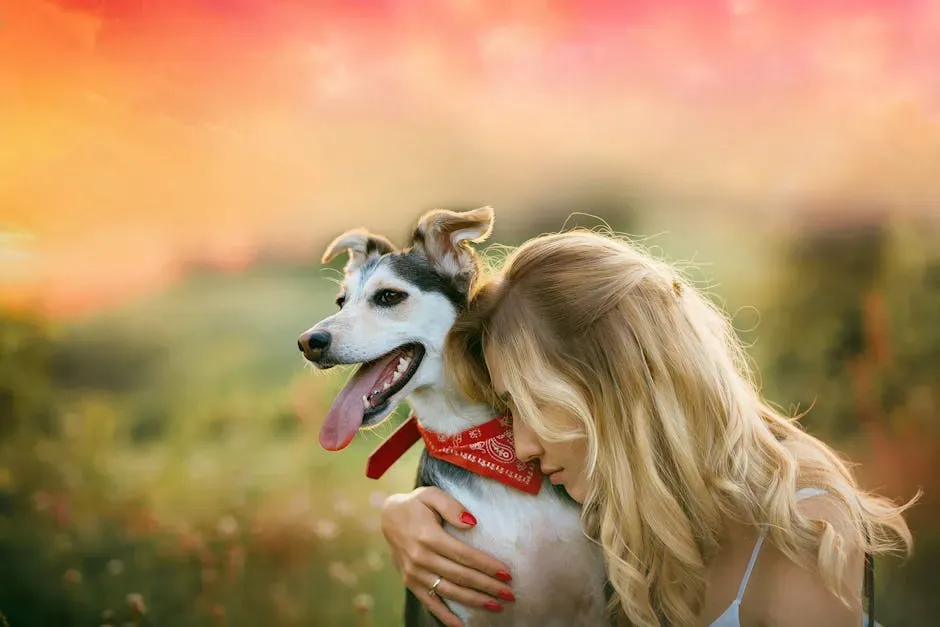
Strip away the “dogs just love everyone equally” slogans and you’re left with a messier, more honest truth: dogs are capable of forming uneven, intensely specific bonds that even seasoned specialists can’t fully predict or explain. They shadow one human, eat only when that person’s nearby, read their smallest movements, and sometimes seem to sense trouble before anyone else in the house notices.
Training and routine matter, but they don’t erase the fact that some dogs quietly pick a favorite and rewire their entire nervous system around them – and it’s rarely fair, symmetrical, or something the rest of the household can talk their way into. Call it a soulmate bond or call it extreme pattern learning; right now, nobody actually knows which. What we do know is this – if a dog ever chooses you as their person, you’re holding something science hasn’t caught up with yet, and no amount of treats or training will fully explain why it’s you.