
18 Abilities in Rescue Dogs Specialists Have Failed to Reproduce Despite Many Deliberate Attempts Over Decades
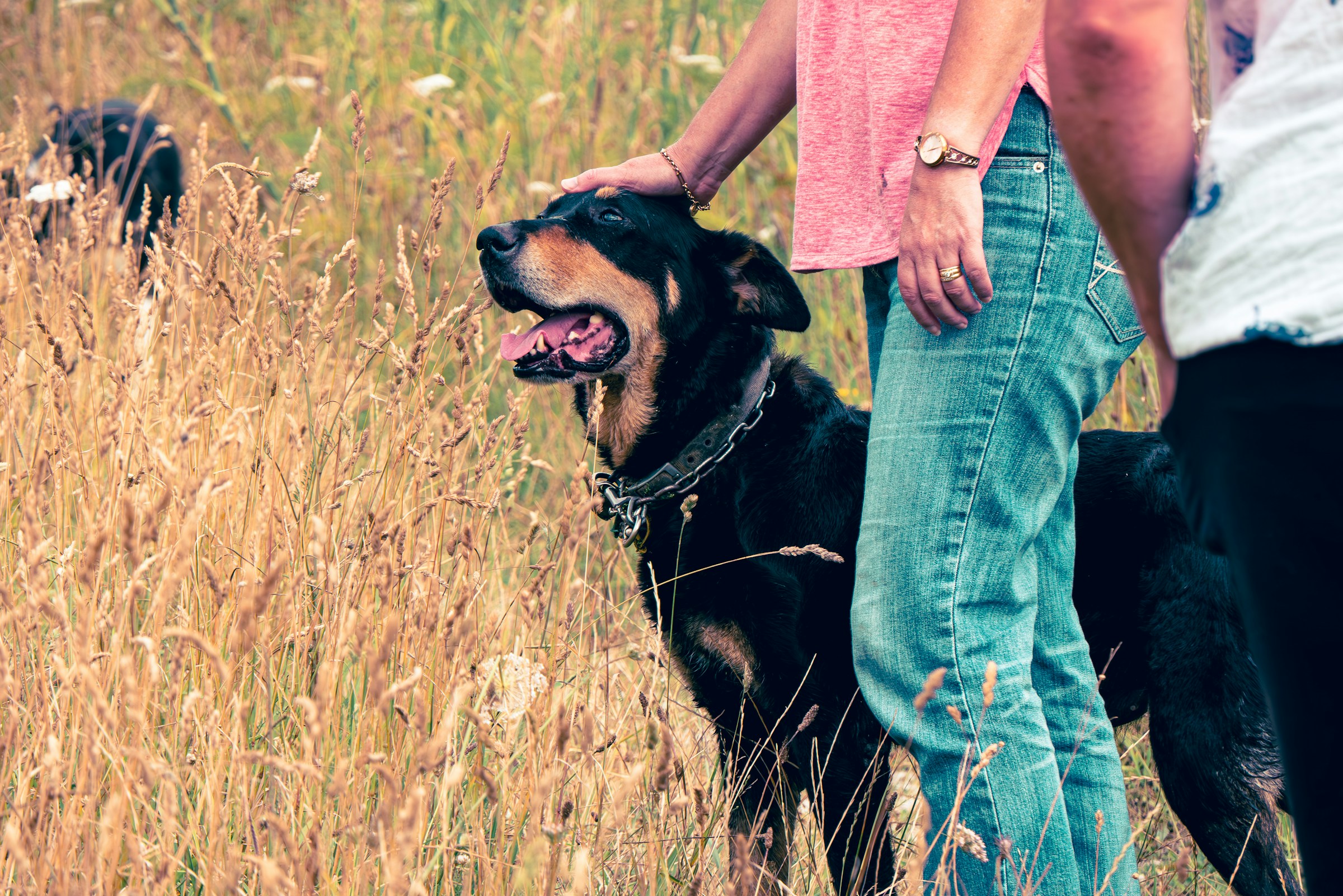
Everyone assumes science can build almost anything on demand these days: smarter machines, faster athletes, even genetically optimized dogs. So here’s the part that catches people off guard. After decades of deliberate breeding programs, elite training protocols, and even AI-assisted selection, specialists still cannot reliably manufacture the traits that make the best rescue dogs legendary in the field.
Labs can map DNA and simulate scent trails down to the molecule. What they still can’t do is bottle whatever it is that separates a good working dog from the rare one who bends the rules of what a dog is supposed to be capable of. Handlers, vets, and behaviorists have watched it happen for years – and what they’ve learned is stranger, and more humbling, than most people expect.
#1 – The “Sixth Sense” for Finding People in Chaos
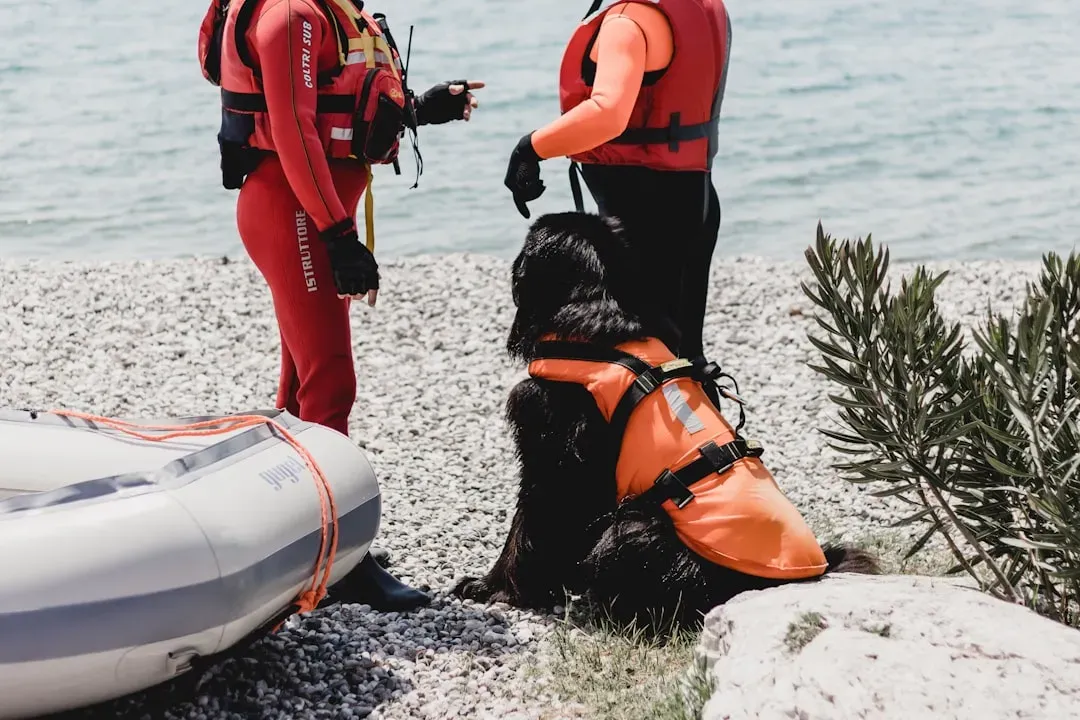
Handlers will tell you bluntly: some rescue dogs seem to know where a person is buried long before any instrument or human clue points that way. It sounds mystical until you watch it happen enough times that entire teams quietly start planning around it.
Decades of programs have selected for scent ability, focus, and persistence, and yet only a tiny fraction of puppies ever develop that uncanny, almost spooky accuracy in chaotic, scent-polluted environments. Other dogs are excellent searchers, but they lack that laser-lock instinct that cuts through wind shifts, smoke, and competing odors. Off the record, many handlers admit they still lean on that one rare dog whose nose seems wired differently – and they can’t predict, breed, or manufacture which puppy it’ll be.
#2 – Unshakeable Focus Under Terrifying Conditions
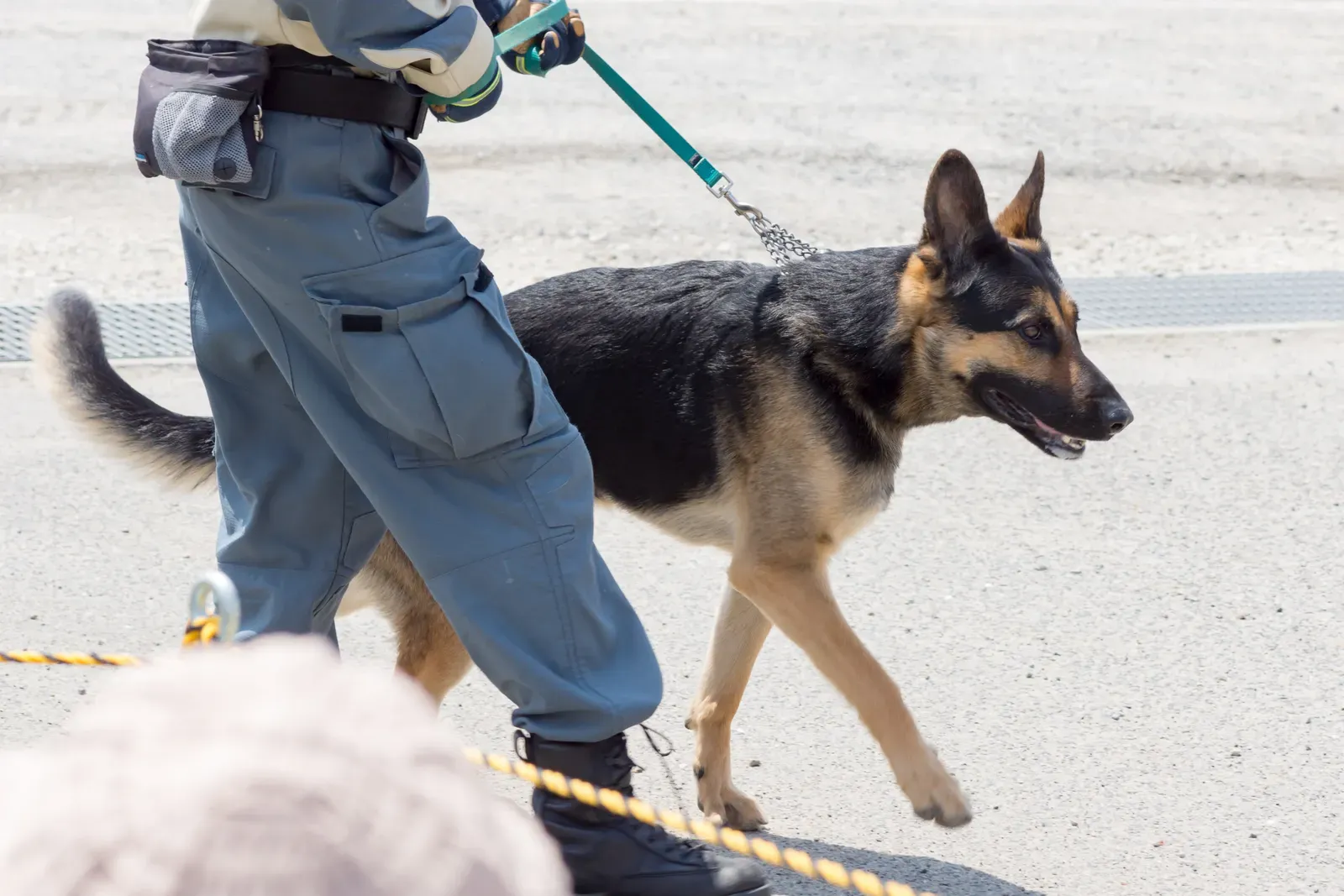
On paper it sounds simple: desensitize puppies, expose them to loud noises, simulate a disaster zone. In practice, only a handful of dogs ever develop the kind of focus that looks almost superhuman when the world is genuinely falling apart around them.
Rescue teams have blasted sirens, dropped metal sheets, and staged mock explosions, but none of that fully explains the rare dogs who, in a real collapse with screams and shifting rubble, work the scent while concrete slabs literally move beneath their paws. No flinch, no hesitation, no checking in with the handler. Trainers have paired confident dogs and screened out anxious lines for years, and the result is more stable dogs overall – but that unbreakable focus still shows up inconsistently, like it has a mind of its own.
Fast Facts
- Certifying a single search and rescue dog typically takes 12 to 18 months of dedicated training.
- A dog’s nose holds an estimated 220 to 300 million scent receptors, versus roughly 6 million in humans.
- Labrador Retrievers, German Shepherds, and Border Collies remain the most common SAR breeds in the field.
- Live-find certification tests often require dogs to work unstable rubble piles under real time pressure.
#3 – Reading Micro-Signals From Total Strangers
Most people assume rescue dogs just follow commands and scent. Insiders know the best ones are basically bilingual – they read human micro-signals almost as fluently as they read smells drifting off a collapsed building.
In real crisis situations, witnesses rarely speak in neat sentences. They point vaguely, panic, or shut down entirely. Some elite dogs will subtly re-scan an area simply because a traumatized survivor glanced that way for half a second – nobody taught them that, it just emerges. Behaviorists have tried recreating it with actors and scripted drills, but the natural, flexible way top dogs sense who matters in a screaming crowd has never been standardized into a repeatable module.
#4 – Voluntary Self-Risk With No Obvious Reward
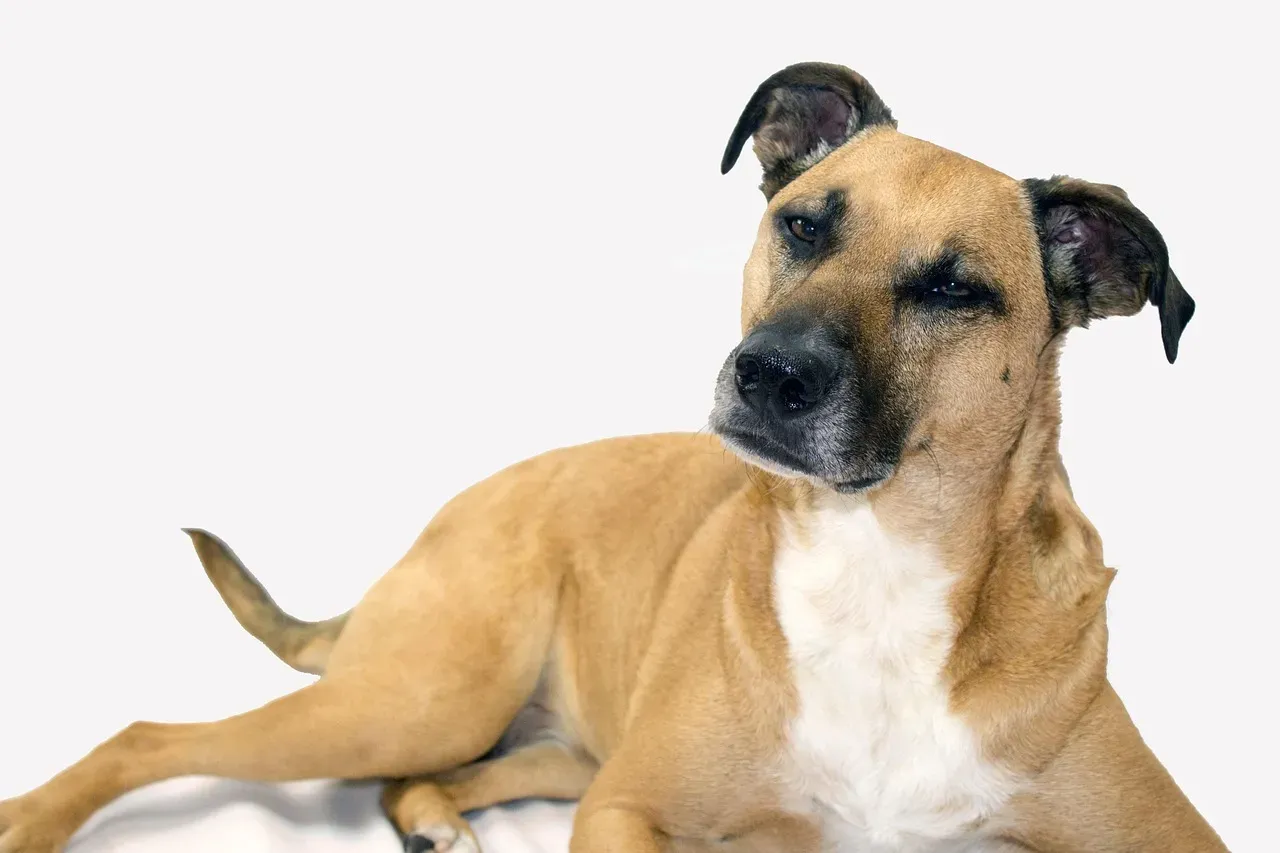
Here’s an uncomfortable truth: the top rescue dogs voluntarily take risks that no ethics committee would ever sanction. They edge across unstable beams, squeeze under precarious slabs, and push into dark, shifting pockets where even experienced handlers hesitate.
This isn’t simple prey drive. There’s no ball, no toy, no visible target in a real disaster – just the faint suggestion of human scent and zero immediate reward. Teams have tried reinforcing brave behavior and selectively breeding for boldness, but they consistently hit a ceiling. You can build a confident, capable dog. You cannot manufacture the one who makes a split-second choice to crawl toward rumbling concrete just because someone might be under there.
#5 – Rapid Real-Time Problem-Solving in Terrain That Keeps Changing
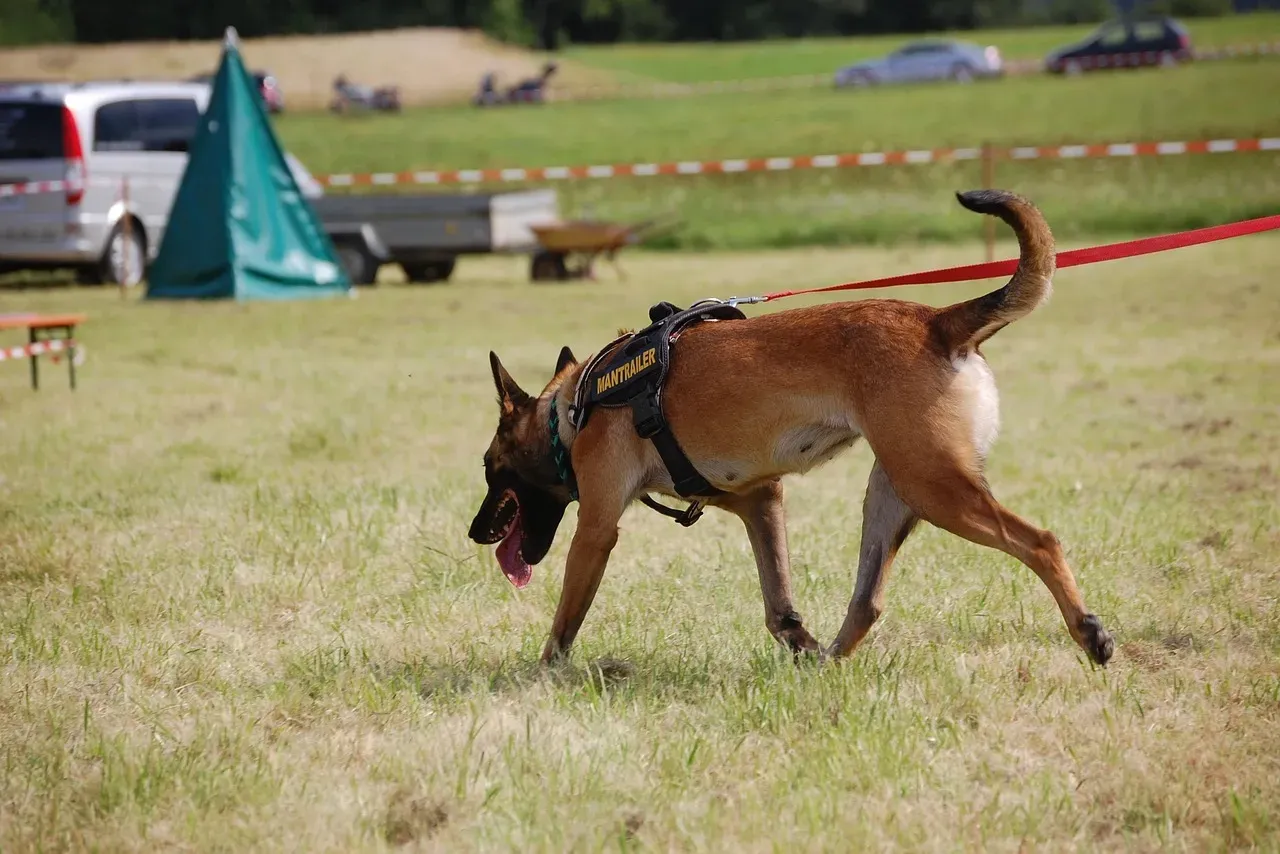
Lab tests love mazes and puzzle feeders. Real rubble fields laugh at those comparisons – shifting voids, blocked stairwells, twisted rebar, and no two paths to a victim ever the same.
The standout dogs don’t wait for instructions. They try three or four routes in seconds, circle a collapsed wall, back up and pick a new access point, or climb onto wreckage just to catch a different air current. Trainers build rotating obstacle courses to cultivate this kind of improvisation, but real earthquake sites deliver a level of sensory overload no course replicates. Some well-trained dogs freeze the moment the pattern breaks. The elite few treat every scene like a brand-new puzzle, and nobody has figured out how to make that mindset show up on schedule.
#6 – Switching Instantly Between Independent and Team Mode
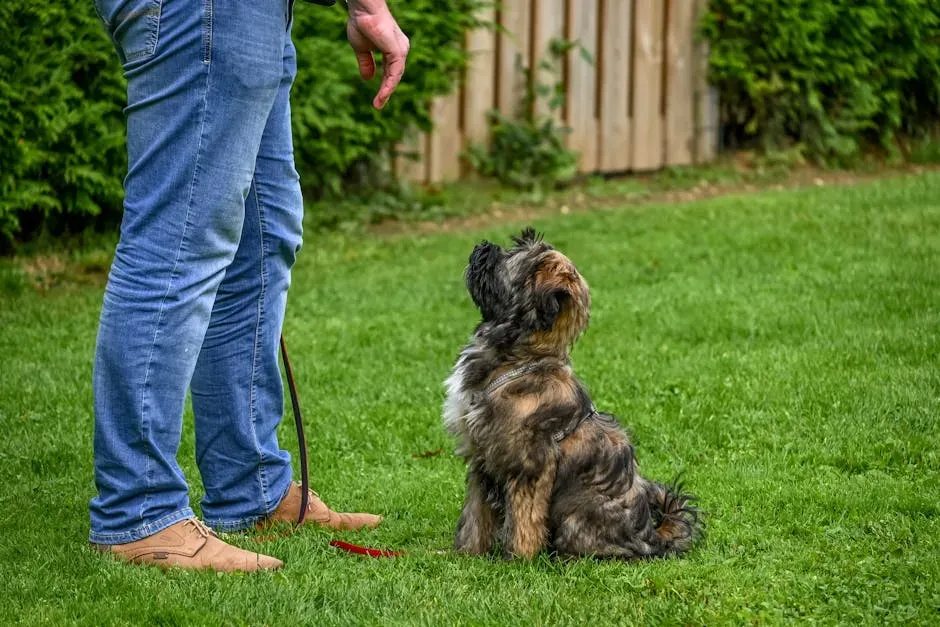
Most dog training rests on a simple assumption: you’re either teaching independence or obedience. Rescue dogs are expected to break that rule constantly, working off-lead and out of sight before snapping back into tight responsiveness the moment the handler calls.
The best dogs flip between those modes seamlessly – no sulking, no confusion, no defaulting to passively waiting around. Programs have built elaborate off-lead drills to formalize this flexibility, and results improve, but the trait stays stubbornly inconsistent. Some dogs from the exact same training system end up too handler-dependent, others too independent to redirect. Whatever that self-direct-then-instantly-comply switch is, it seems to be a personality-plus-experience cocktail nobody can put in a recipe book.
#7 – Emotional Containment Around Human Suffering
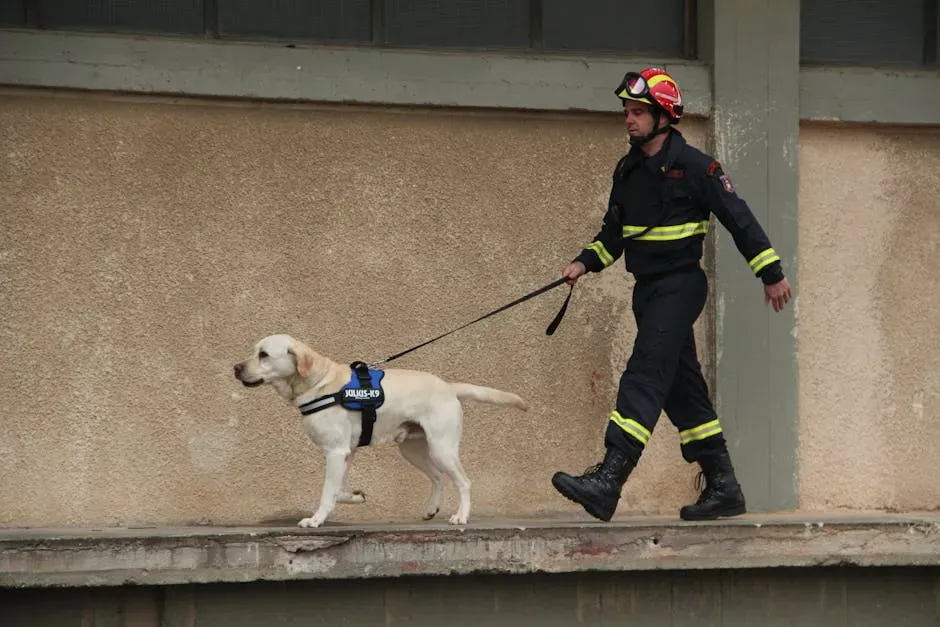
Here’s the part nobody likes to talk about: real disaster scenes are emotionally brutal. There’s crying, yelling, awful smells, and sometimes bodies – and plenty of dogs shut down or become clingy despite a flawless training history.
The rare dogs that thrive there don’t go numb; handlers report these same animals being affectionate and playful off duty. But on scene, they show an eerie emotional firewall, calmly walking past open grief and the smell of death to stay locked on task. Trainers use recordings of crying and staged chaos to desensitize dogs, and it helps them avoid panic – but it doesn’t explain the genuinely composed dogs who can work beside active triage without missing a beat. Specialists can’t map that resilience without drifting into ethically indefensible territory, so for now it just stays noticed, valued, and unpredictable.
#8 – Refusing to Fake an Alert, Even Under Pressure
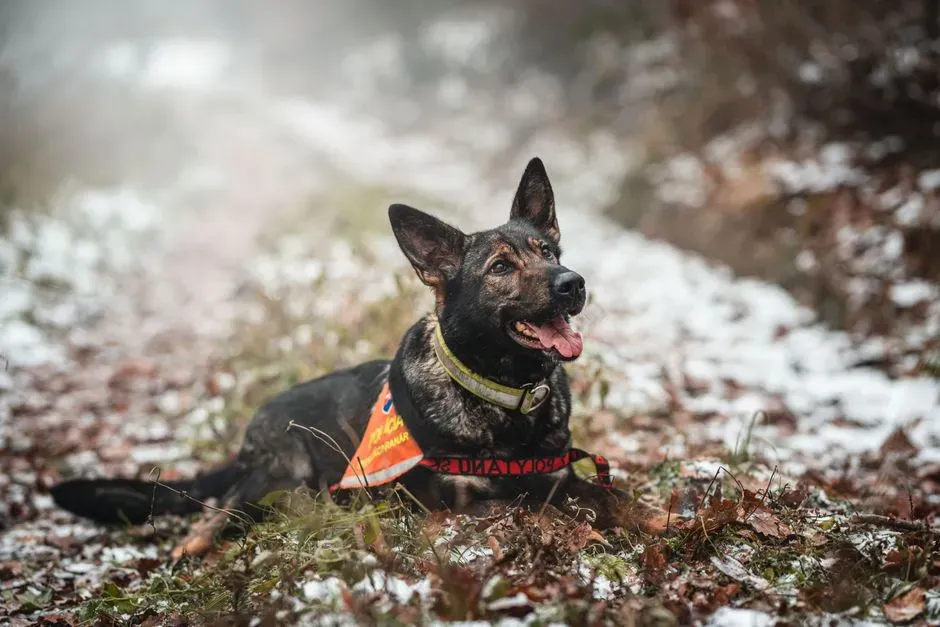
In textbooks, detection work is clean: odor present equals alert, no odor equals nothing. On a real collapsed building with desperate families watching, things get messy fast, and even well-trained dogs start throwing hopeful alerts just to match the emotional tension in the air.
The exceptional ones don’t. They’ll walk past hopeful faces, TV cameras, and subtle handler body language and simply refuse to indicate unless the scent is actually there. Programs have tried double-blind searches and decoy alerts to strip out the human factor, and it helps some, but it never fully disappears. The dogs who stay ruthlessly honest even when it disappoints an entire crowd are still the exception, not something any breeding line has learned to guarantee.
#9 – Filtering a Single Human Scent Out of Total Chaos
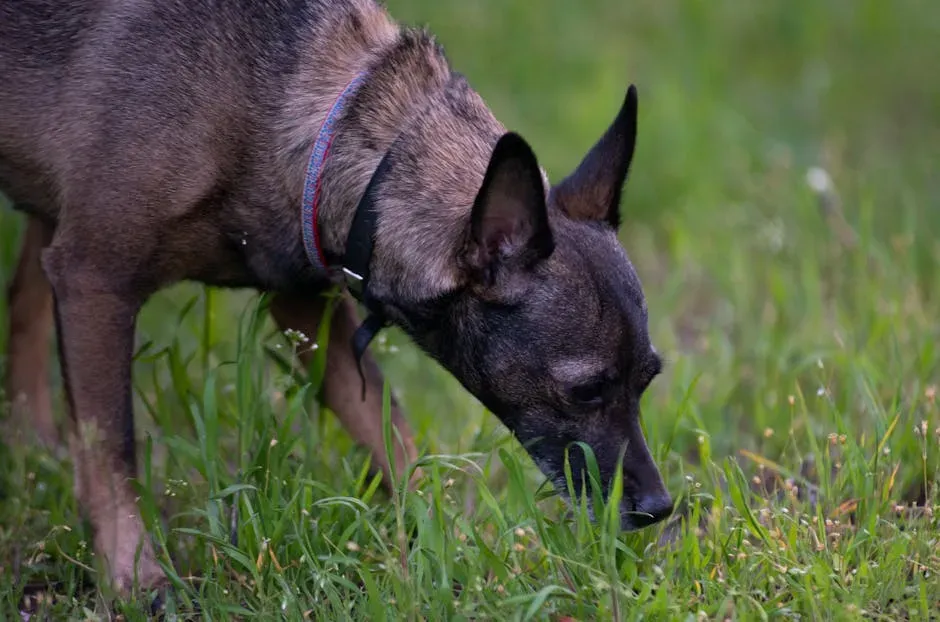
All dogs have impressive noses by human standards, but the top rescue dogs operate on a different level entirely – especially in scent-polluted areas full of fuel, sewage, dust, and decomposing material.
These dogs don’t just follow “a” scent, they filter. Field reports describe dogs trailing a single trapped victim’s odor straight through layers of unrelated scent from rescuers, medics, and crowds. Breeding programs have tried amplifying this through scent-line testing and early imprinting, and what they’ve gained is generally strong sniffers – not a reliable factory for extreme discriminators. Even within the same litter, one pup develops the surgical nose while its siblings top out at merely excellent.
Worth Knowing
- Trained detection dogs can register scent concentrations down to parts-per-trillion levels.
- Disaster sites blend fuel, dust, sewage, and decomposition into one overwhelming scent cloud.
- Littermates raised and trained identically can still show wildly different scent-discrimination ability.
- Handlers say the “surgical nose” trait shows up unpredictably, not on a fixed schedule.
#10 – Making “Triage” Decisions Nobody Taught Them
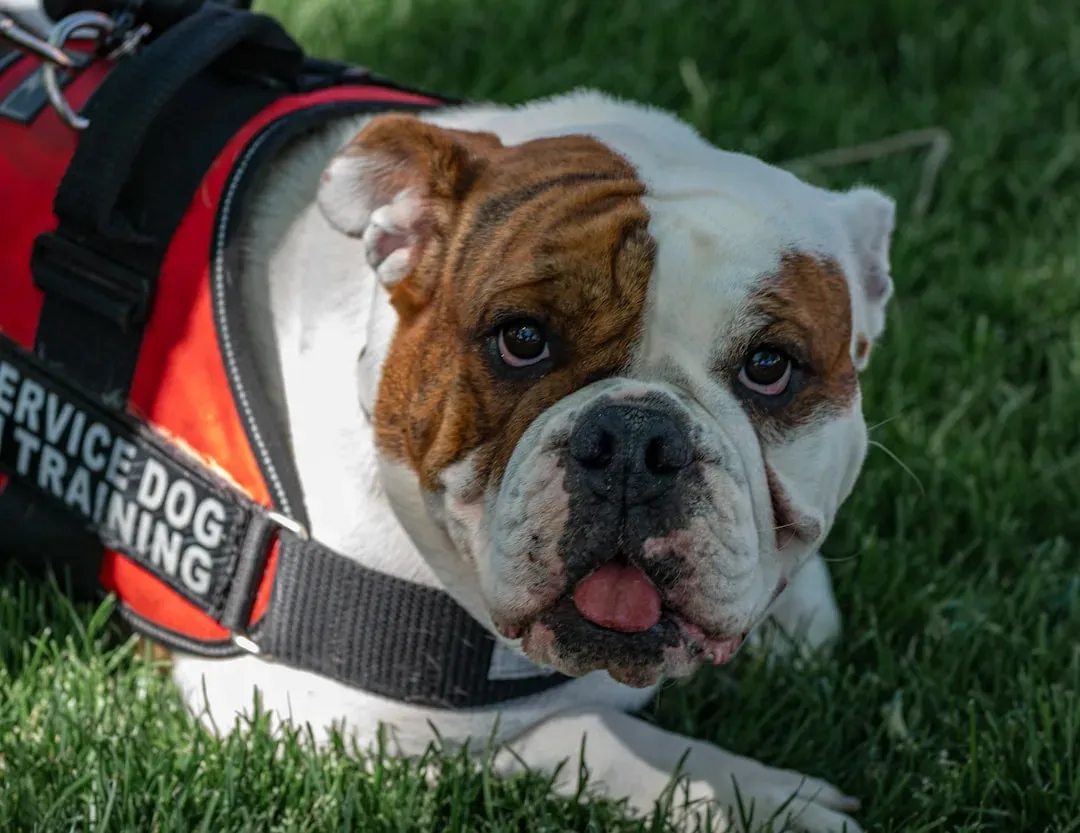
Ask enough handlers privately and you’ll hear borderline unbelievable stories: dogs refusing to cross unstable areas, choosing a safer path on their own, or redirecting toward a closer victim instead of the one they were originally sent toward.
Some dogs appear to abandon a distant, faint scent source the moment they detect a nearer, stronger one that suggests a person with a better chance of survival. No manual told them to prioritize the viable. Researchers try to keep the explanation grounded in scent intensity or reinforced outcomes, but repeated accounts from seasoned teams describe dogs consistently making these oddly “smart” calls. You can’t breed a moral compass, and simulating the scenario to test for it raises real ethical red flags – so this one stays whispered about, not reproduced.
#11 – Reading Intentions Across Species, Not Just Commands
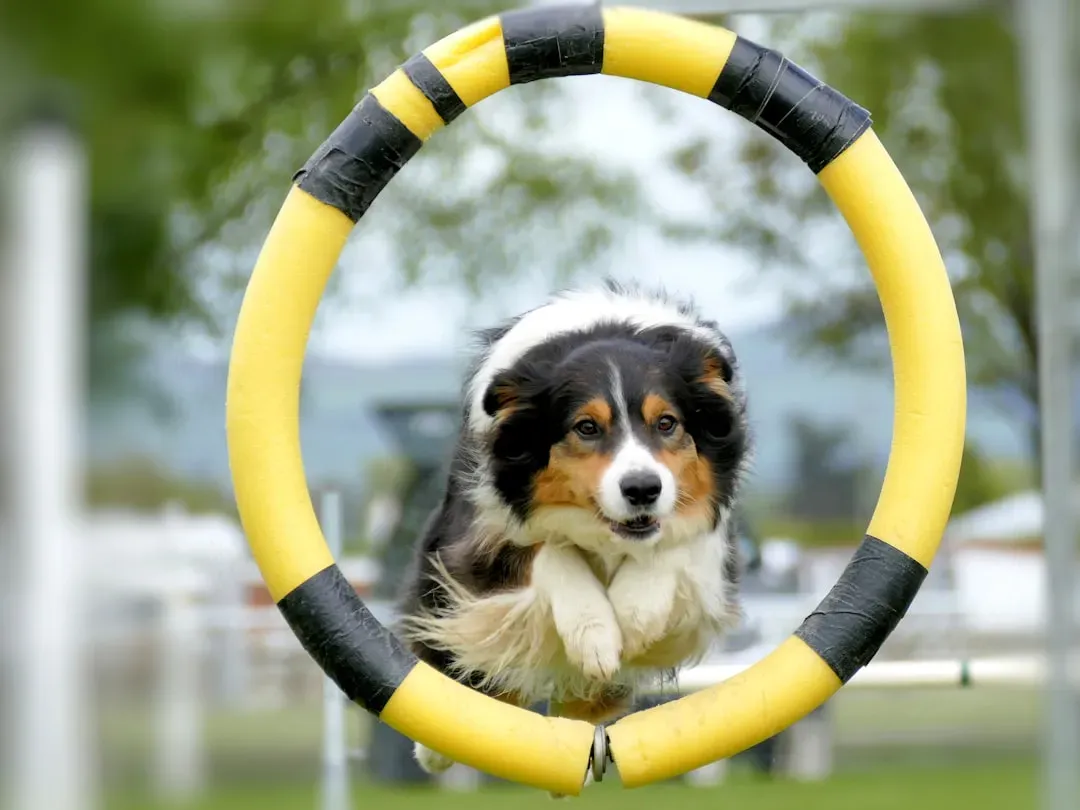
Plenty of dogs are social. Rescue dogs need something sharper: the ability to work productively alongside strangers, unfamiliar dogs, and even horses or drones in coordinated operations, without a single meltdown.
Truly elite dogs seem to intuitively grasp cooperative structure – yielding space, syncing with another dog’s search pattern, respecting invisible lanes. Handlers describe them as “reading the room” like a seasoned teammate instead of a pet. Multi-species socialization and large group drills reduce conflict, sure, but the dogs who track intentions – predicting when a medic is about to move or another dog is about to cut across their path – stay rare even in programs that do everything right on paper.
#12 – Persistence That Never Tips Into Obsession
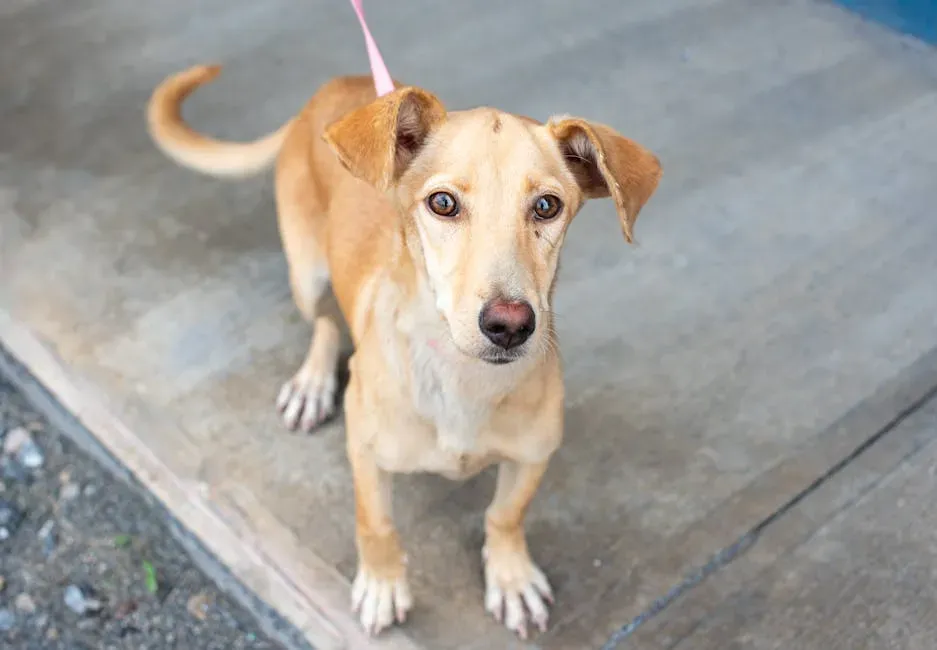
Everyone loves a high-drive dog until they watch one fixate uselessly on the wrong hole in a disaster scene, refusing to abandon a dead-end area. Persistence is golden right up until it isn’t.
Top rescue dogs hit a narrow sweet spot: they refuse to quit, but they also know exactly when to move on, disengaging without a meltdown and re-engaging elsewhere with the same intensity. Trainers can shape some of this with reinforcement schedules, but intense drive and clean flexibility rarely travel together on command. Many high-drive dogs tip into obsession, calmer dogs often lack the push – and the ones who naturally reset themselves remain, frankly, a stroke of luck.
#13 – Working for Days on Internal Fuel Alone
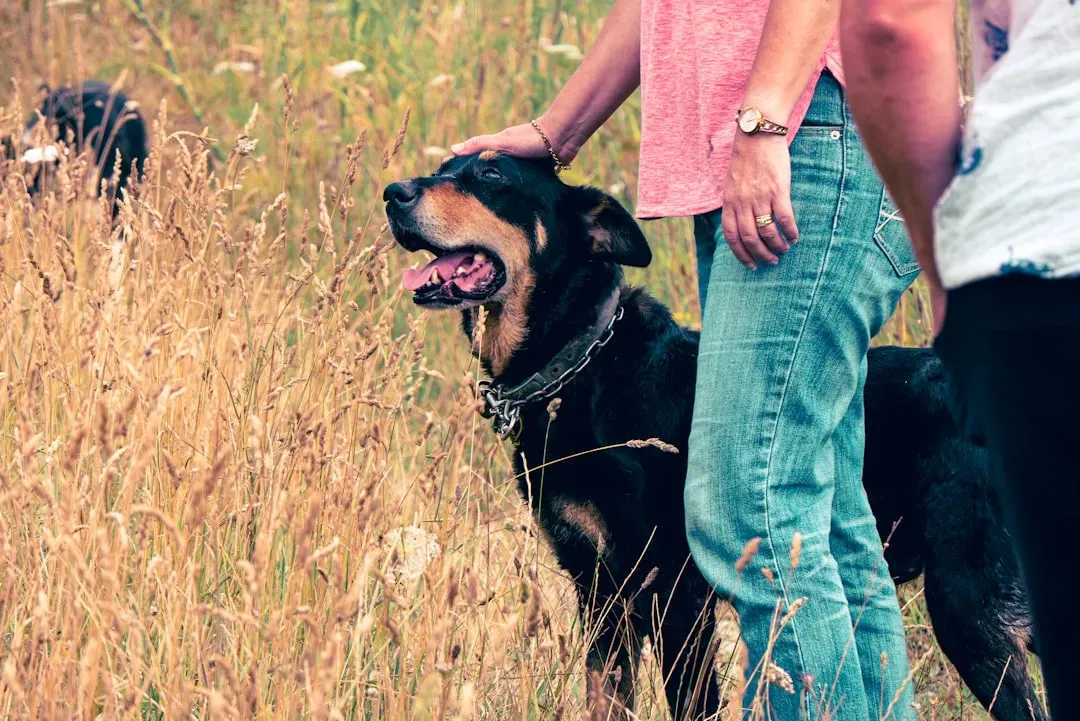
Modern training runs on rewards – food, toys, praise. But on day three of an earthquake deployment, with limited play and irregular meals, something else has to keep a dog going.
The standout dogs seem to run on internal fuel. Handlers report these dogs searching enthusiastically even when the toy hasn’t appeared in hours and the food reward is minimal, as if the work itself is the payoff. Breeders have tried selecting for self-reinforcing dogs, but not all of them hold up under real deployment stress – some burn bright and crash, others turn spooky. The true work-for-work’s-sake dogs remain as rare as ever, and no puppy test has cracked how to spot them early.
#14 – Bouncing Back Fast From Genuine Trauma
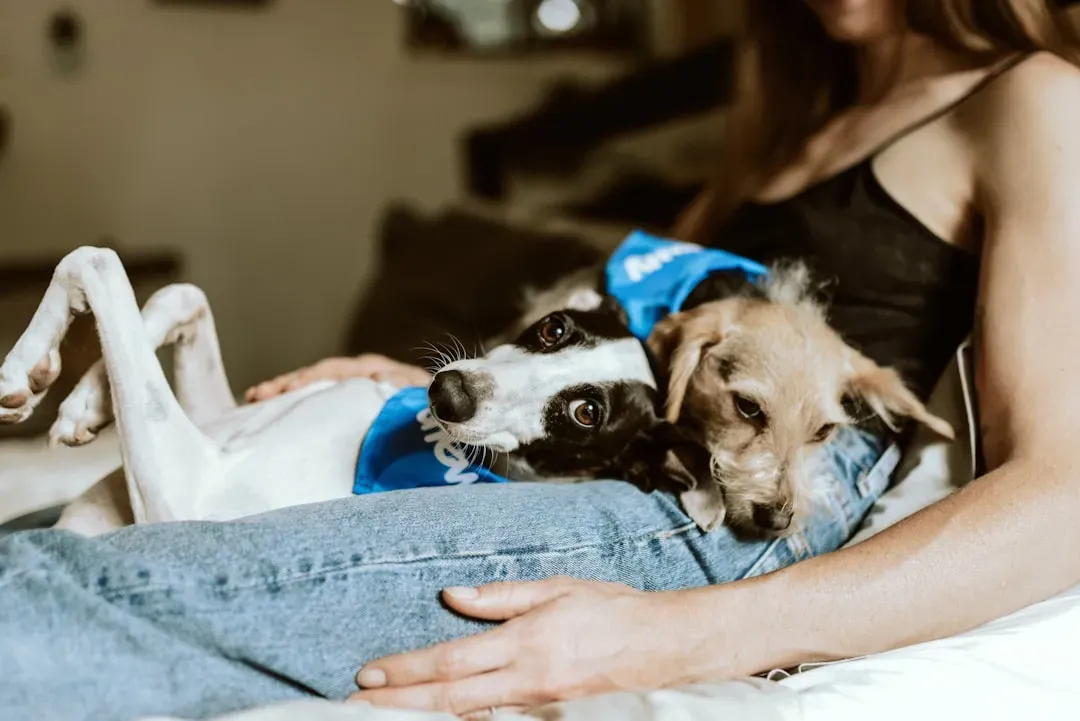
Not all scars from disaster scenes are physical. Some dogs experience something close to post-traumatic stress – startling, avoidance, sudden fear of environments they once worked confidently.
The remarkable few, though, process intense events and rebound. After exposure to body recovery or dangerous aftershocks, they may show mild short-term signs, then return to baseline working behavior surprisingly quickly and cleanly. Deliberately traumatizing dogs to “test” for this would be indefensible, so specialists can only observe it after the fact. They can offer good decompression and structured rest, but they can’t engineer the dog who files horror under information instead of threat.
#15 – Staying Calm and Silent in Total Darkness
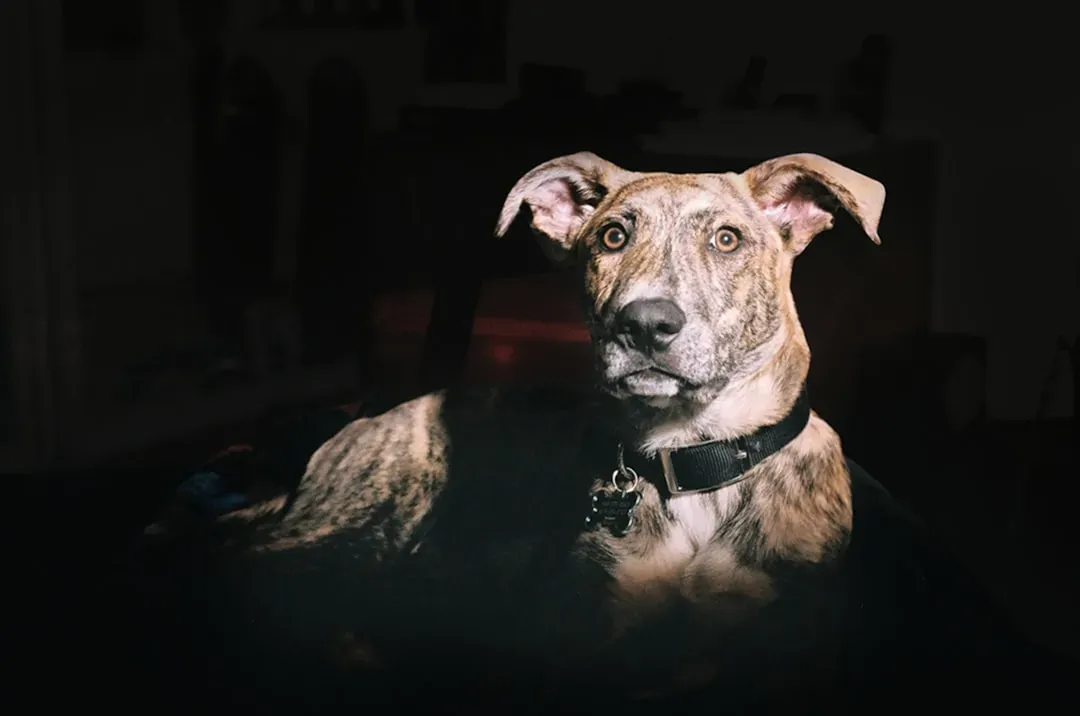
Photos of rescue dogs usually show them proudly on rubble in daylight. The reality is often pitch darkness, dust so thick you can’t see your own hand, or tunnels where light barely reaches at all.
Even confident dogs can falter there, whining or scrambling backward. The rarest ones work almost entirely by nose and touch, staying quiet, deliberate, and focused even when their normal senses are useless. Trainers simulate low light and smoke, but nobody can safely recreate the true sensory deprivation of a real void. You can breed general confidence in tunnels, but the specific ability to stay functional under full sensory overload is too case-dependent to engineer on demand.
Quick Compare
- Trainable: obedience, basic scent tracking, physical stamina and agility
- Trainable: noise desensitization, general confidence around rubble and low light
- Not yet reproducible: instant independent-to-team mode switching
- Not yet reproducible: moral-style triage judgment and mission-level bonding
#16 – Knowing Exactly Which Humans to Tune Out
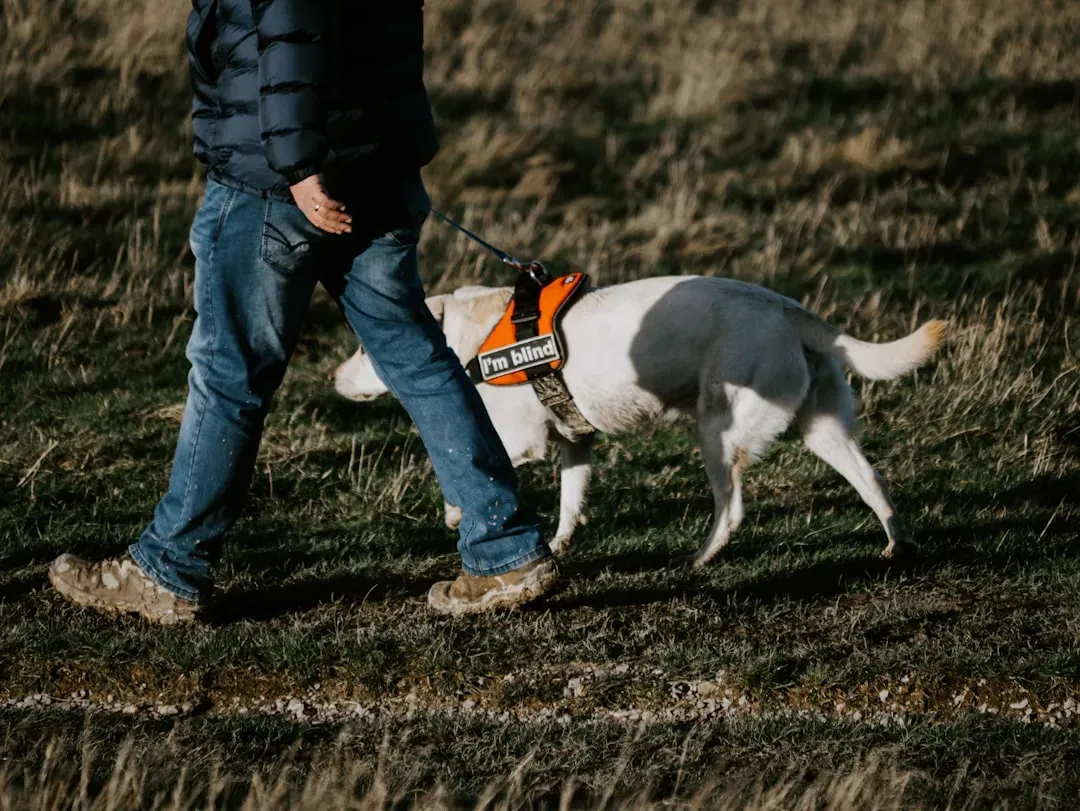
This one bothers people, but it’s real: not every person on scene should be able to influence a dog. Panicked relatives yell directions, bystanders point the wrong way, and even well-meaning responders can accidentally mislead an entire search.
Some rescue dogs seem to intuitively filter who they listen to, anchoring to their handler and a small known circle while treating everyone else as background noise – unless that person happens to offer something scent-relevant, like pointing toward where air is escaping. Training can reinforce handler focus and practice around distractions, but it doesn’t fully explain the dogs who calmly walk past strangers screaming their name while staying locked on task. That fine-tuned social filter has never yielded to a deliberate breeding recipe.
#17 – Adjusting Search Style to Match the Disaster
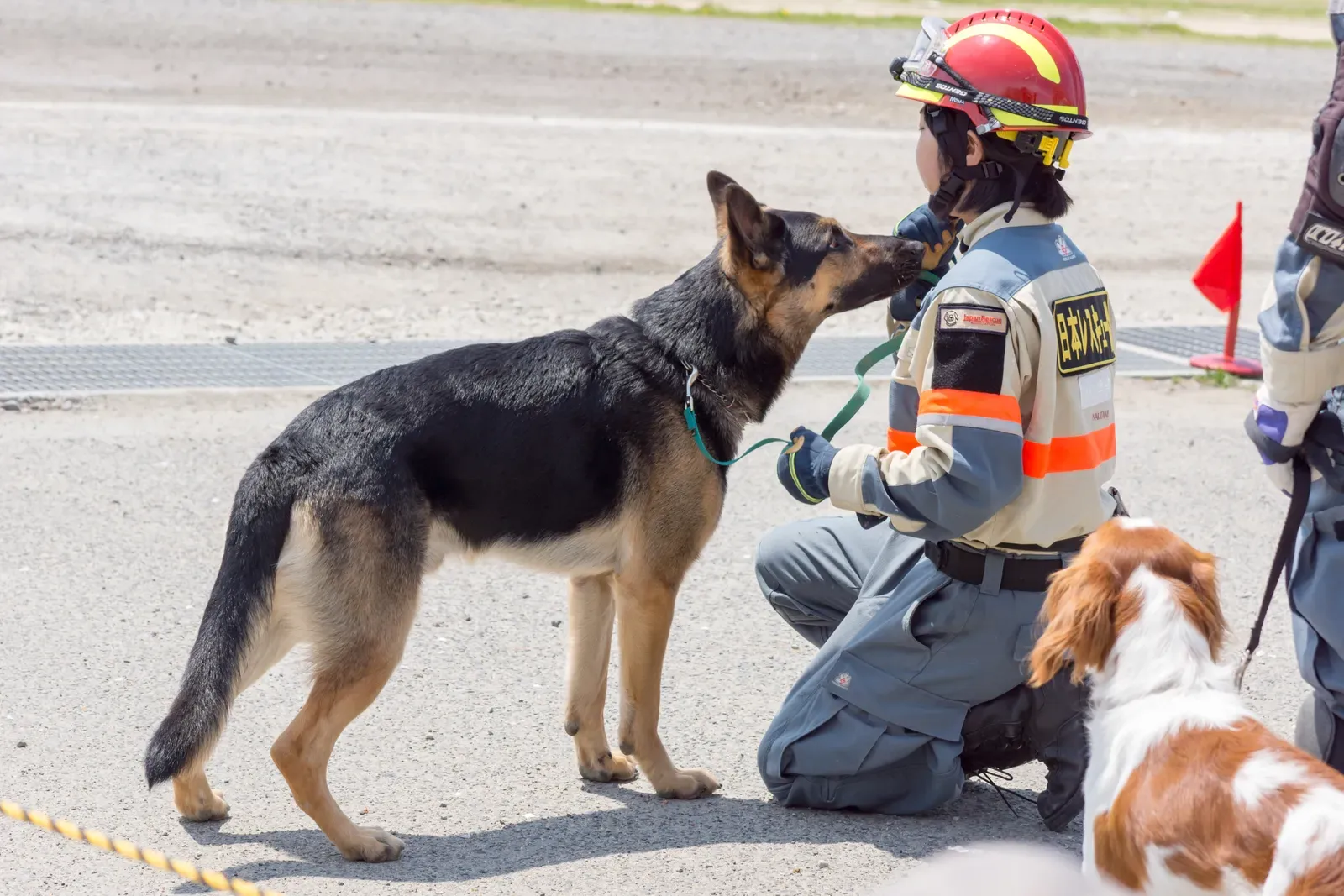
Flood, wildfire, building collapse, avalanche – each demands a different style of work, and most dogs are trained for one or two specialties at most.
The truly standout dogs adjust almost fluidly, even outside their primary training scenario. A dog trained mainly on rubble may naturally widen its search pattern in an open flood plain or slow its movements in unstable ash fields, without ever being cued to do so. Cross-training helps, but no program can simulate the full chaotic range of real events. Decades of trying to build multipurpose “all-hazard” dogs have improved the average performer, but the environmental chameleons who self-optimize on the fly still show up unpredictably, not by design.
#18 – Forming a Bond With the Mission Itself, Not Just the Handler
This is the most unscientific-sounding trait, and the one handlers fight hardest to put into words. Some rescue dogs form a deep, enduring bond not just with their handler, but with the mission itself – they behave differently the moment they sense a real search versus a drill.
Handlers describe these dogs moving with a different intensity, vocalizing differently on genuine finds, and growing strangely restless when a major incident is brewing, as if they’re waiting to be called in. You cannot breed a sense of calling, and no protocol guarantees a dog will treat rescue work as more than a game. The handful who seem almost spiritually tied to saving people – who sink when they’re finally retired, who light up the second the vest comes out – remain as rare and irreproducible as ever.
The Bottom Line
For all our genomic mapping, behavioral science, and training tech, the truth is a little uncomfortable: the most extraordinary abilities in rescue dogs are still mostly accidents we’re lucky enough to notice, not products we know how to build. We’ve gotten very good at producing good working dogs – steady nerves, strong noses, solid obedience.
But the dogs who bend the rules, who read traumatized strangers, self-manage risk, and keep searching long after the rewards run out, continue to defy every tidy blueprint we throw at them. That’s not a failure of the dogs. It’s a reminder of the limits of our control.
My honest take? The industry loves talking in metrics, protocols, and bloodlines, but the field reality is more humbling than that. Some of the best rescue partners on Earth arrive as one-off miracles, not predictable outputs – and maybe the smartest thing specialists can do is keep improving breeding and training while finally admitting they haven’t “mastered” what makes an elite rescue dog at all. So which is it: are we underrating luck and individuality in working dogs, or have we been over-romanticizing them all along?