
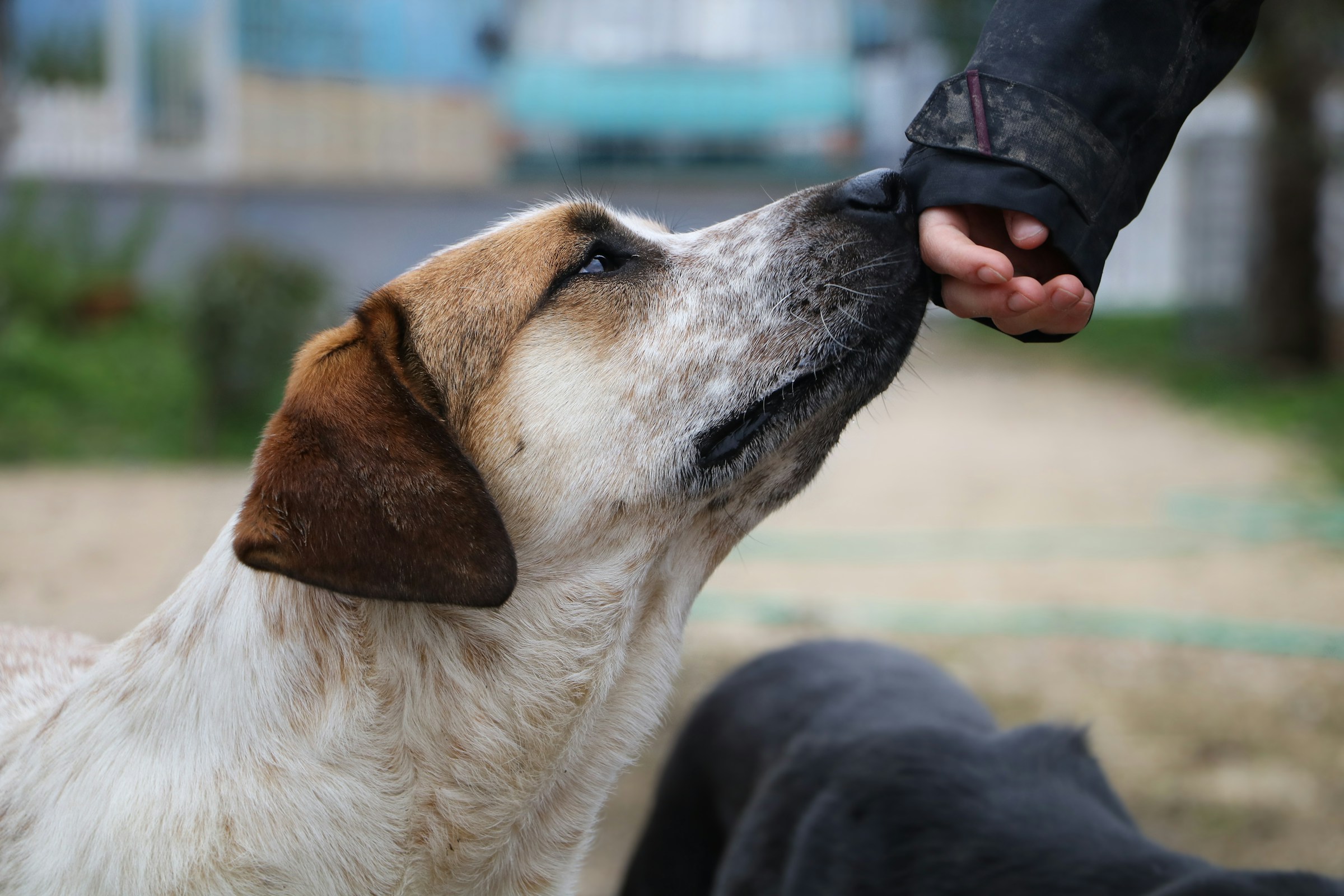
Everyone pictures the same scene when they imagine adopting a rescue dog: tearful gratitude, instant tail wags, a Hallmark montage of healing. The truth is a lot less cinematic and a lot more interesting. That dog isn’t grateful yet. It’s watching you, quietly running you through a gauntlet of tests designed to answer one question: are you actually going to stay, or are you just another face that disappears when things get hard?
Rescuers and trainers who’ve fostered hundreds of dogs will tell you the same thing: the dogs who get returned to shelters usually aren’t “bad dogs.” Their owners simply failed a test they didn’t know they were taking. Below are the 13 moments that separate the people who quit from the people who become that dog’s whole world.
#1 – Nighttime Barking That Won’t Quit

It’s 2 a.m., you have work in five hours, and your new dog has been barking at nothing for twenty straight minutes. Your neighbor already texted once. Every instinct says to shut the door, crate the dog in the garage, and deal with it in the morning.
That’s exactly the moment the dog is measuring. This isn’t random noise, it’s a stress test aimed straight at your exhaustion. Dogs that came from chaotic shelters or rough streets are checking whether disrupted sleep is enough to make you give up on them. Owners who respond with calm instead of punishment build trust faster than weeks of treats ever could.
#2 – Selective Destruction of Your Favorite Things
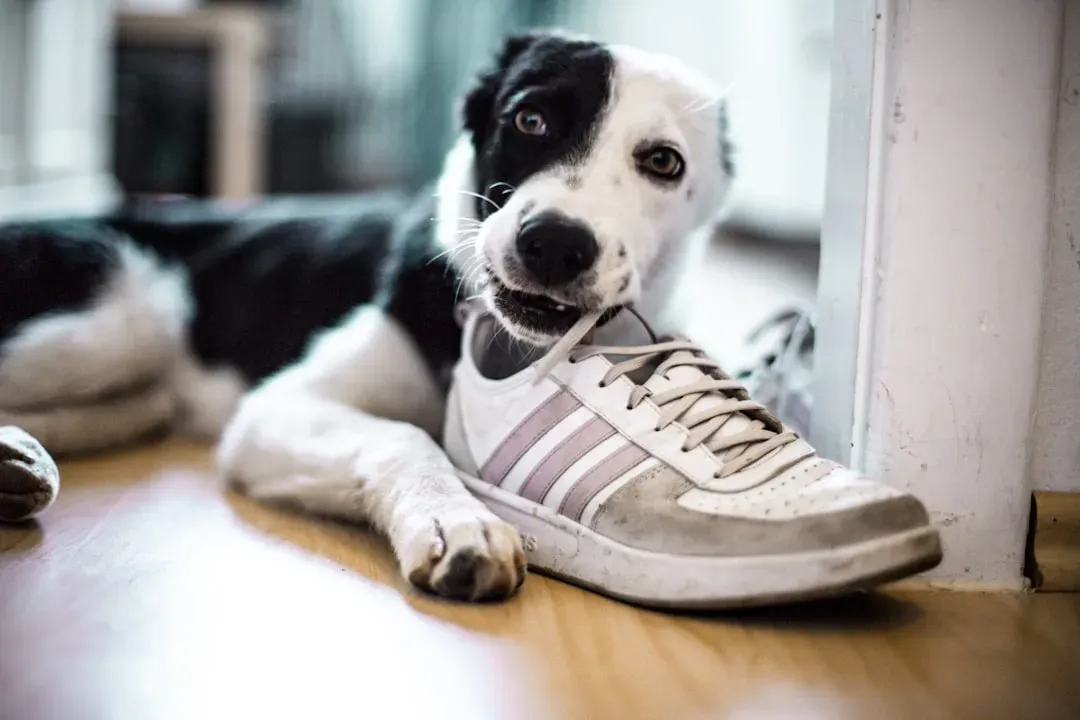
Somehow, out of everything in your house, the dog finds the one pair of shoes you actually love, or the corner of the couch you just paid off. Within the first week, it’s shredded. It feels personal, even though it isn’t.
What’s really happening is a test of conditional love. The dog is watching your face the second you discover the damage, gauging whether affection survives a mess. Rescuers who’ve seen this pattern over and over say the real mistake isn’t the chewed shoe, it’s the yelling that follows. Dogs that get punished here often shut down faster than dogs whose owners simply redirect and move on.
Worth Knowing
- Destructive chewing often peaks during the first two to four weeks in a new home
- Anxiety, not spite, is the most common driver behind targeted chewing
- Redirecting to a chew toy works better long-term than scolding after the fact
- A safe crate or “den” space can noticeably reduce anxiety-driven destruction
#3 – Refusing Food From Your Hand
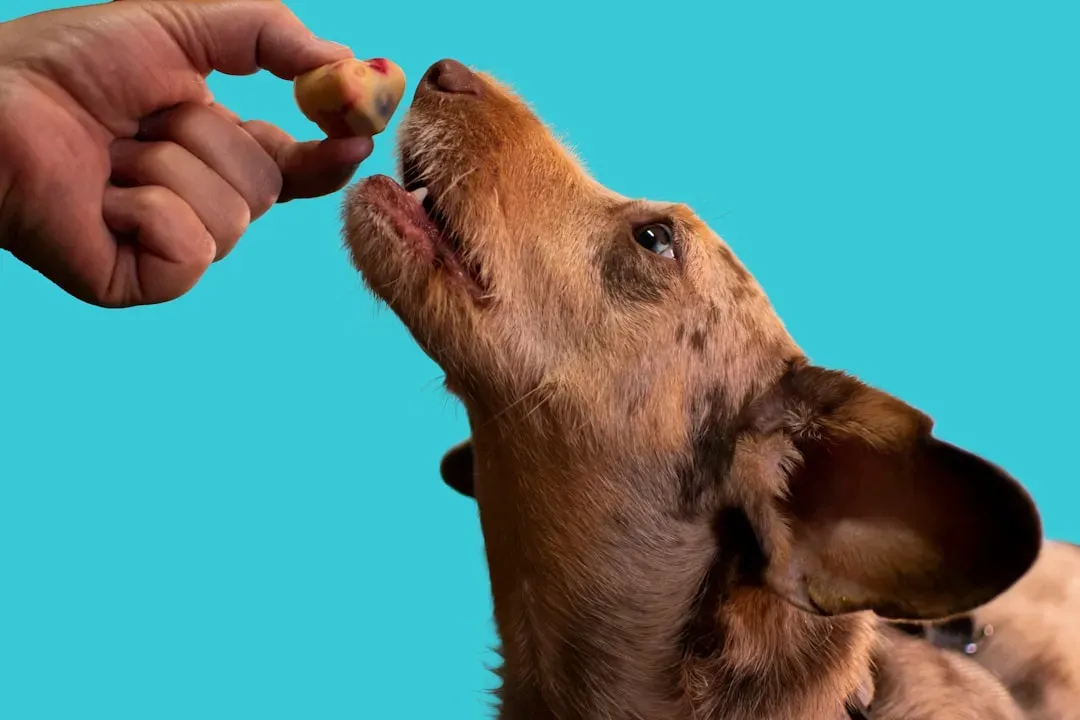
You crouch down, bowl in hand, ready for the sweet moment you’ve seen in adoption videos. Instead, the dog turns its head and walks away, even though you know it’s hungry. It stings more than it should.
This isn’t pickiness. Dogs who’ve gone without reliable meals often associate hand-feeding with a trap, a memory of being lured or hurt. The test here is patience without a payoff: will you keep showing up with the same bowl, the same gentle voice, even when nothing comes back? The owners who keep trying without taking it personally are the ones who eventually get to feel a warm nose eating right out of their palm.
#4 – Hiding in the Smallest Spaces for Days
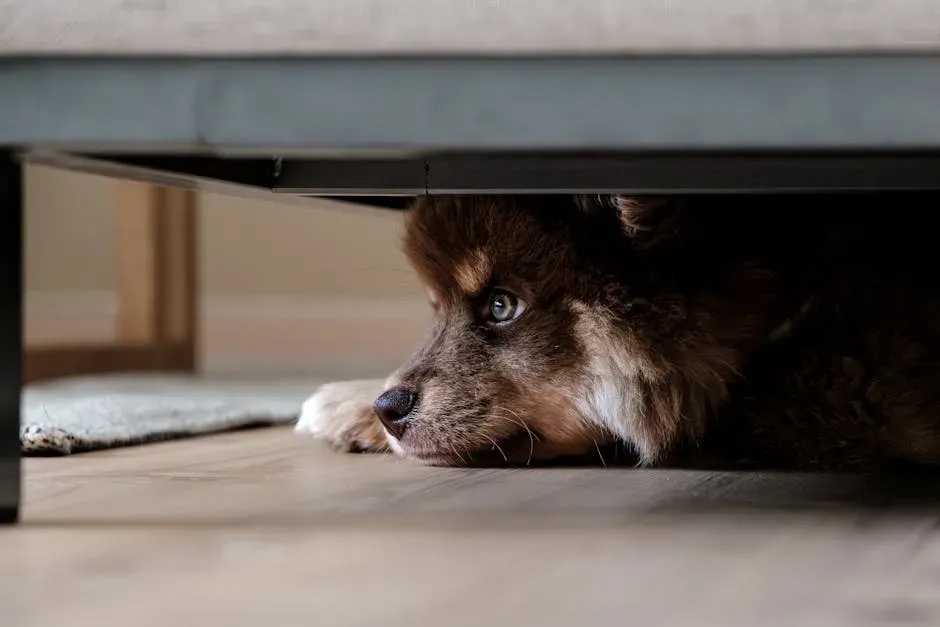
The dog vanishes under the bed, behind the water heater, or wedged into a closet corner, and stays there. Not for an hour. Sometimes for three full days, barely eating, barely moving.
Every instinct in you wants to coax it out with treats and soft talk. Resist that urge. Rescuers who’ve fostered dozens of traumatized dogs say forcing interaction during this phase almost always backfires, while letting the dog choose its own moment to emerge builds a deeper kind of trust. The dogs who hide the longest are often, once they finally come out on their own terms, the ones who bond the hardest.
#5 – Jumping on Forbidden Furniture the Moment You’re Gone

You walk out for ten minutes and come home to find the dog sprawled across your bed, looking suspiciously innocent when you open the door. You never even taught it to be sneaky, yet here it is, mastering the art.
This is a boundary test in disguise. The dog wants to know if rules only exist when you’re watching, or if there’s real consistency underneath the household. Interestingly, long-term rescuers now argue that a few negotiated exceptions, like allowing the couch but not the bed, build more loyalty than rigid, humorless enforcement. The dog isn’t trying to dominate you. It’s trying to find out if there’s room for its needs too.
#6 – Full-Blown Separation Panic Within Hours

The first time you leave for groceries, you come home to a chewed door frame, an accident on the rug, and a dog that looks genuinely traumatized. It’s alarming, and it makes you wonder if you’re cut out for this.
This reaction is the dog’s way of testing whether your absence is temporary or permanent. What surprises a lot of new owners is that dramatic, emotional reunions actually make this worse, not better. Dogs whose owners come home calmly, without a big fuss, tend to learn faster that departures aren’t abandonment. Repetition, not reassurance, is what finally teaches the lesson.
#7 – Guarding Toys or Food Bowls Aggressively
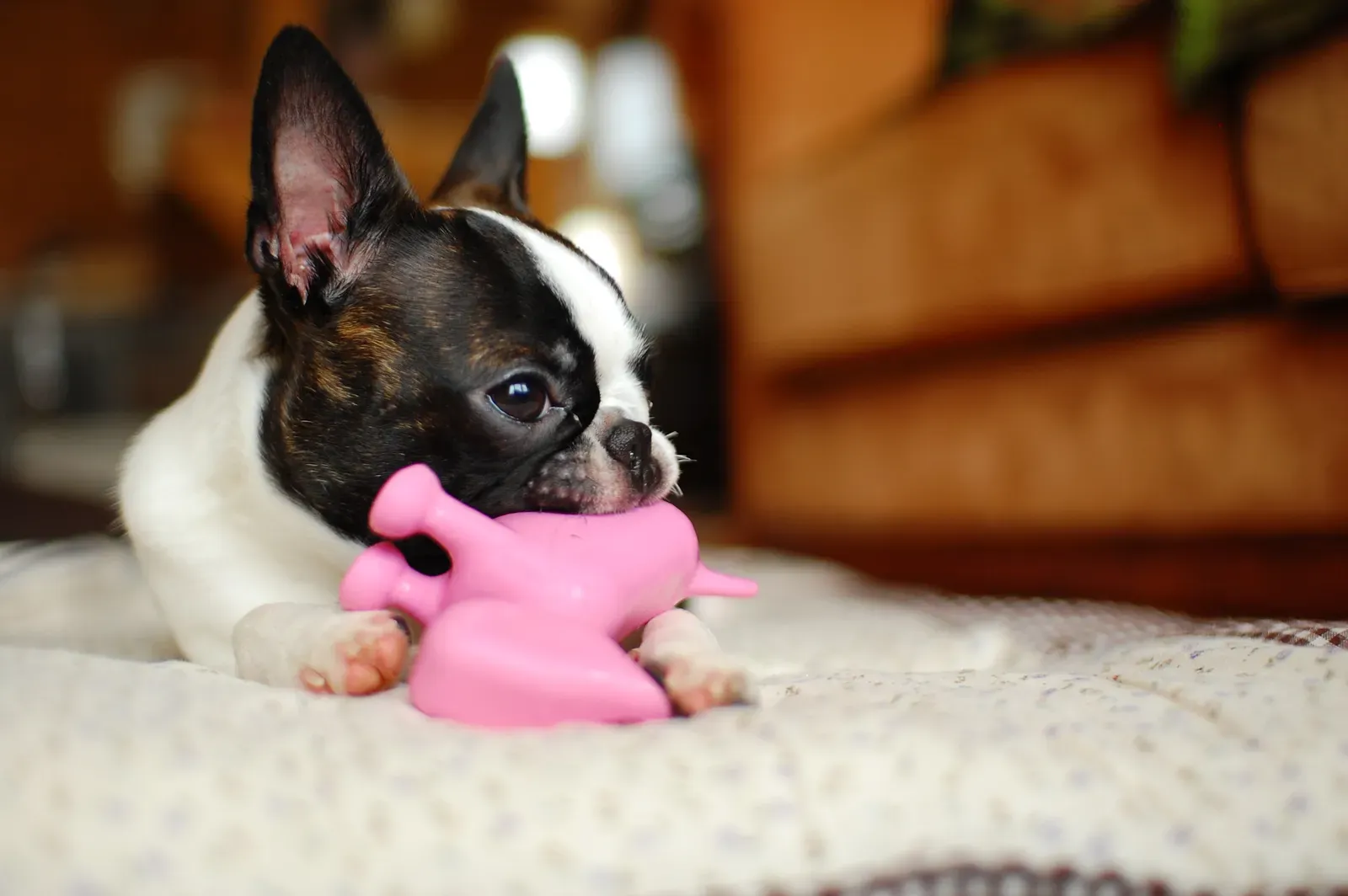
You reach for a toy or step too close to the food bowl, and suddenly there’s a low growl and a body gone stiff. It’s startling, especially from a dog that seemed sweet an hour ago.
This is rarely aggression in the way people fear. It’s a resource test rooted in genuine scarcity the dog once lived through. Trainers who specialize in rescues suggest trade-up games instead of confrontation, offering something better in exchange rather than forcing the item away. A lot of failed adoptions happen right here, when a scared, self-protective dog gets labeled dangerous instead of understood.
Quick Compare
- Confrontation: Grabbing the item back tends to escalate guarding behavior
- Trade-up method: Offering a higher-value treat in exchange builds trust over time
- Ignoring it: Can allow guarding to quietly worsen without ever being addressed
- Professional help: A certified trainer can safely reshape guarding behavior in most cases
#8 – Freezing or Bolting at Specific Triggers

Out of nowhere, your dog locks up in terror at the sight of a man in a baseball cap, or bolts across the yard the moment the vacuum turns on. There’s no obvious reason, which makes it unsettling.
These reactions are rarely random. They’re often tied to specific, painful memories the dog can’t explain and you’ll probably never fully know. This test isn’t about bravery, it’s about whether you’ll meet the dog where its fear actually lives instead of demanding it push through on your timeline. Owners who slow down here, rather than forcing exposure, are the ones the dog eventually trusts enough to stop flinching.
#9 – House-Training Regressions After Initial Success

Two clean weeks go by. You’ve started bragging to friends. Then, out of nowhere, an accident appears right in the middle of the living room floor, as if the progress never happened.
This backslide is quietly testing whether your patience has a shelf life. The dogs paying closest attention aren’t watching the mess, they’re watching your reaction to it. A calm, judgment-free cleanup during a regression does more for the relationship than two flawless weeks ever could. Dogs remember who stayed steady when things fell apart.
#10 – Demanding Attention at the Worst Possible Moments
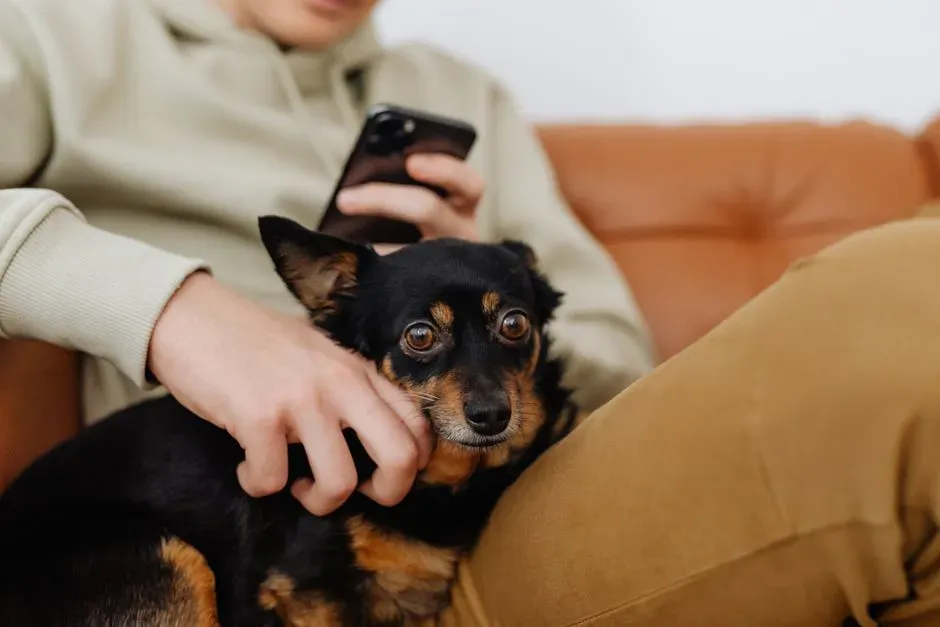
Naturally, it happens during the one important work call of the week, or right as you’re plating dinner for guests. Sudden zoomies, frantic pawing, a toy dropped directly in your lap at the worst possible second.
It looks like poor manners, but a lot of behaviorists see it differently: it’s the dog confirming where it actually ranks in your life. Does your affection survive inconvenience, or does it disappear the moment something else demands your attention? Passing this test doesn’t mean dropping everything, it means responding without resentment, even briefly, so the dog knows it hasn’t been forgotten.
#11 – Taking Weeks or Months to Show Affection
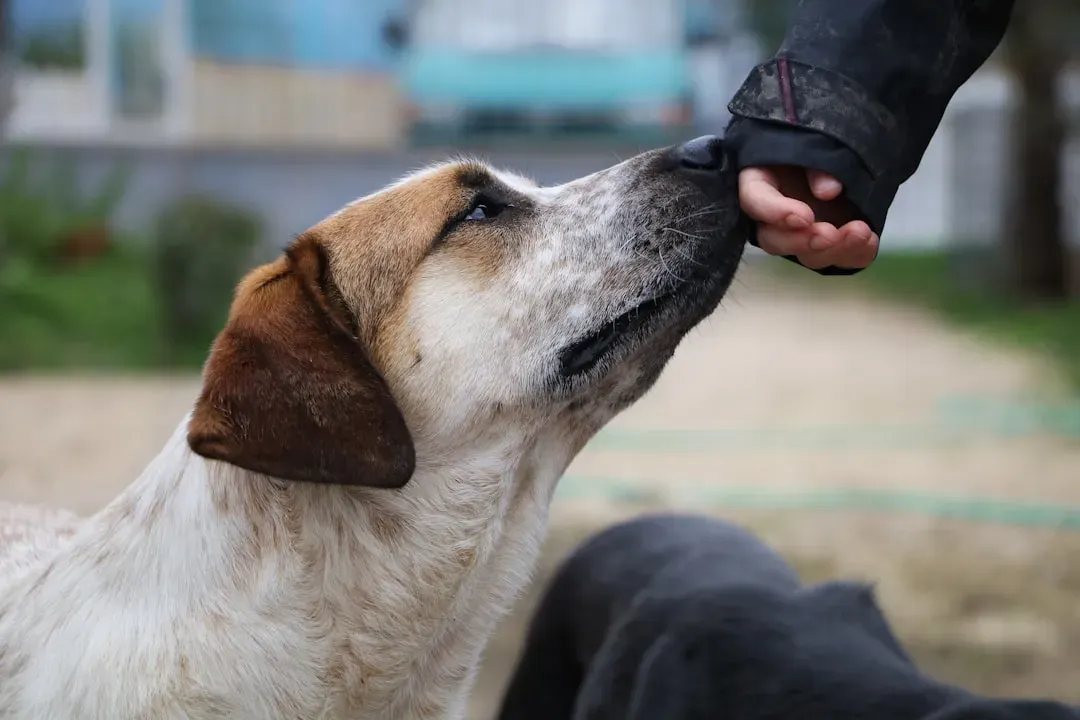
You feed it, walk it, sit with it every evening, and still, thirty, sixty, even ninety days in, it stays politely distant. No leaning in for pets, no soft eye contact, nothing that feels like love yet.
This slow-burn test filters out people looking for instant emotional payoff. What surprises most new owners is that the dogs who hold out the longest often become the most devoted once trust finally clicks into place. Rushing this stage, pushing for affection the dog isn’t ready to give, is the fastest way to lose it entirely.
Fast Facts
- Many rescue groups reference a “3-3-3” pattern: roughly 3 days to decompress, 3 weeks to learn routine, and 3 months to start feeling at home
- Physical affection is often the last trust signal a rescue dog offers, not the first
- Consistent daily routines tend to speed up bonding more than extra treats or attention
#12 – Sudden Training Setbacks After Milestones
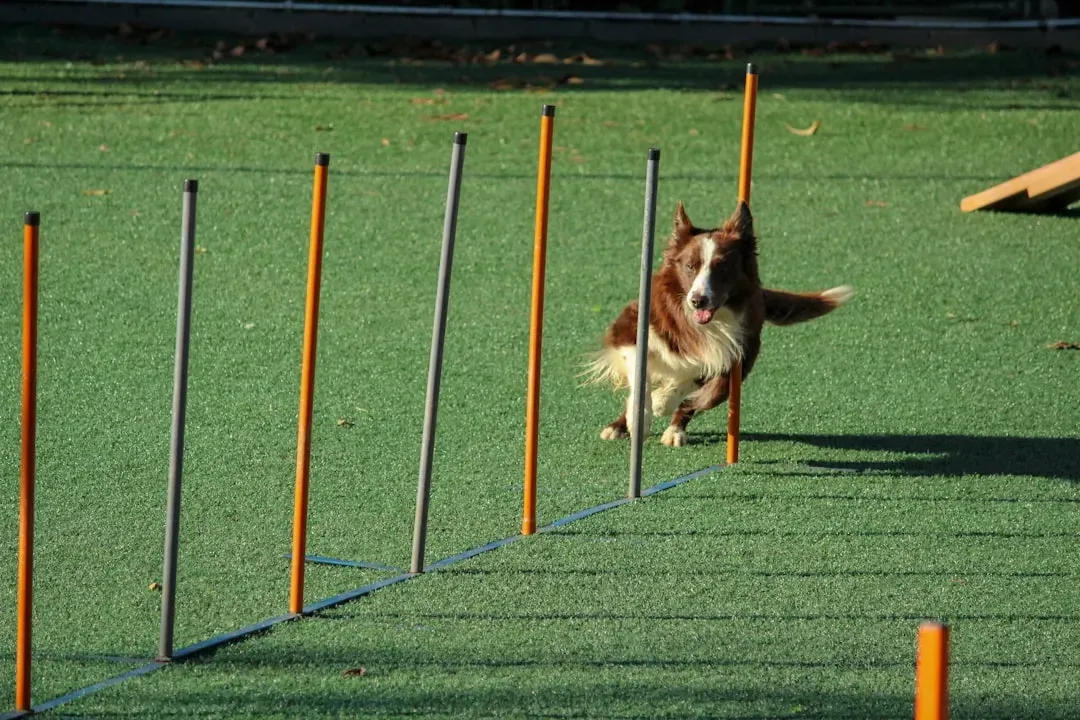
The dog had “sit” and “stay” down cold. Then, seemingly overnight, it forgets everything, ignoring commands it mastered just days earlier. It feels like going backward for no reason.
These plateaus are actually common in rescue dogs as they process a new sense of security, and they’re testing whether your consistency holds when progress stalls. Owners who stay steady through the wobble, without frustration or giving up on the training altogether, end up with the most reliably bonded dogs in the long run. The setback isn’t failure. It’s the dog settling in.
#13 – Major Health or Age-Related Needs Appearing Early
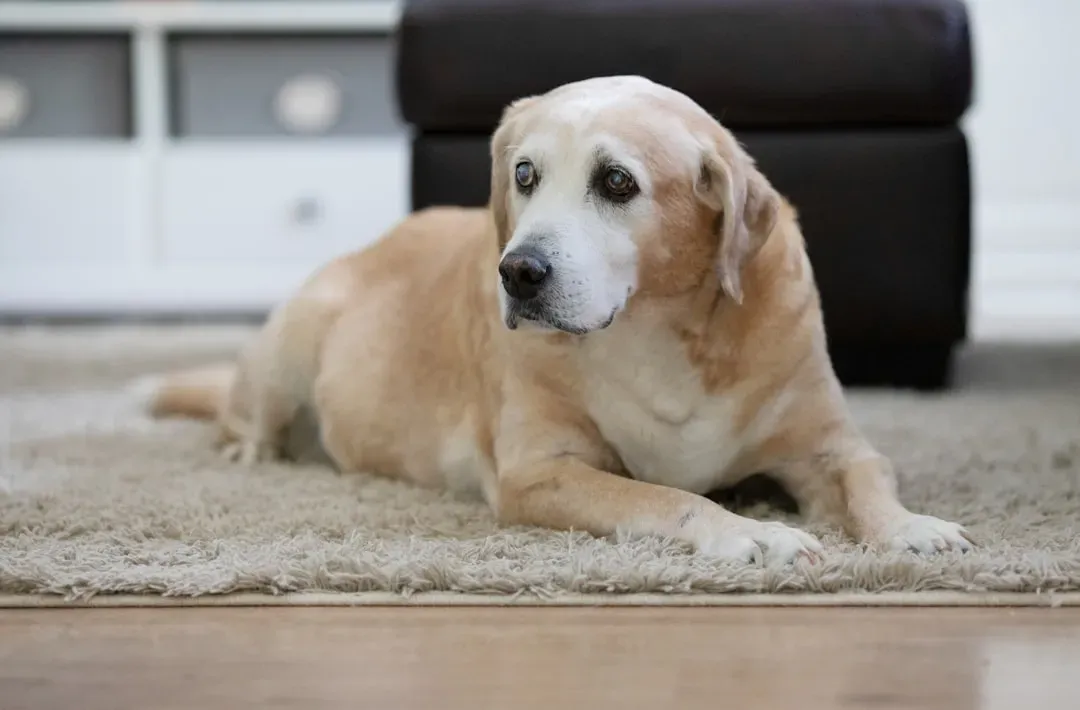
Then comes the test almost no one expects. A chronic condition surfaces. An unexpected vet bill lands in the thousands. A senior dog starts needing care you didn’t budget the time or money for, all within the first six months.
This is the final, highest-stakes test, the one that asks whether “forever” actually meant forever. Rescuers who’ve watched this play out again and again say something that sounds harsh but tends to be true: the dogs who reveal these needs earliest often form the deepest bonds with the owners who rise to meet them. Failing this particular test doesn’t just end an adoption. It confirms, one more time, that the dog was right not to trust easily.
At a Glance
- Routine annual vet care for an adult dog typically runs a few hundred dollars
- Emergency treatments or surgeries can quickly climb into the thousands
- Pet insurance purchased early can help offset major unexpected costs later
- Senior and special-needs rescues often come with reduced adoption fees to help offset their care needs
Thirteen tests, and not one of them is the dog being difficult for the sake of it. Every bark, every shredded shoe, every frozen stare at a stranger in a hat is a scared animal asking the same quiet question: will you actually stay? Most people walk into rescue adoption expecting gratitude on delivery, and quit the moment the dog asks for patience instead.
Dogs are not our whole life, but they make our lives whole.
Roger Caras
The owners who pass all thirteen don’t get a perfect dog. They get something better, a dog that finally stops testing and starts trusting completely, the kind of loyalty that was worth every 2 a.m. bark and every ruined pair of shoes along the way.


