
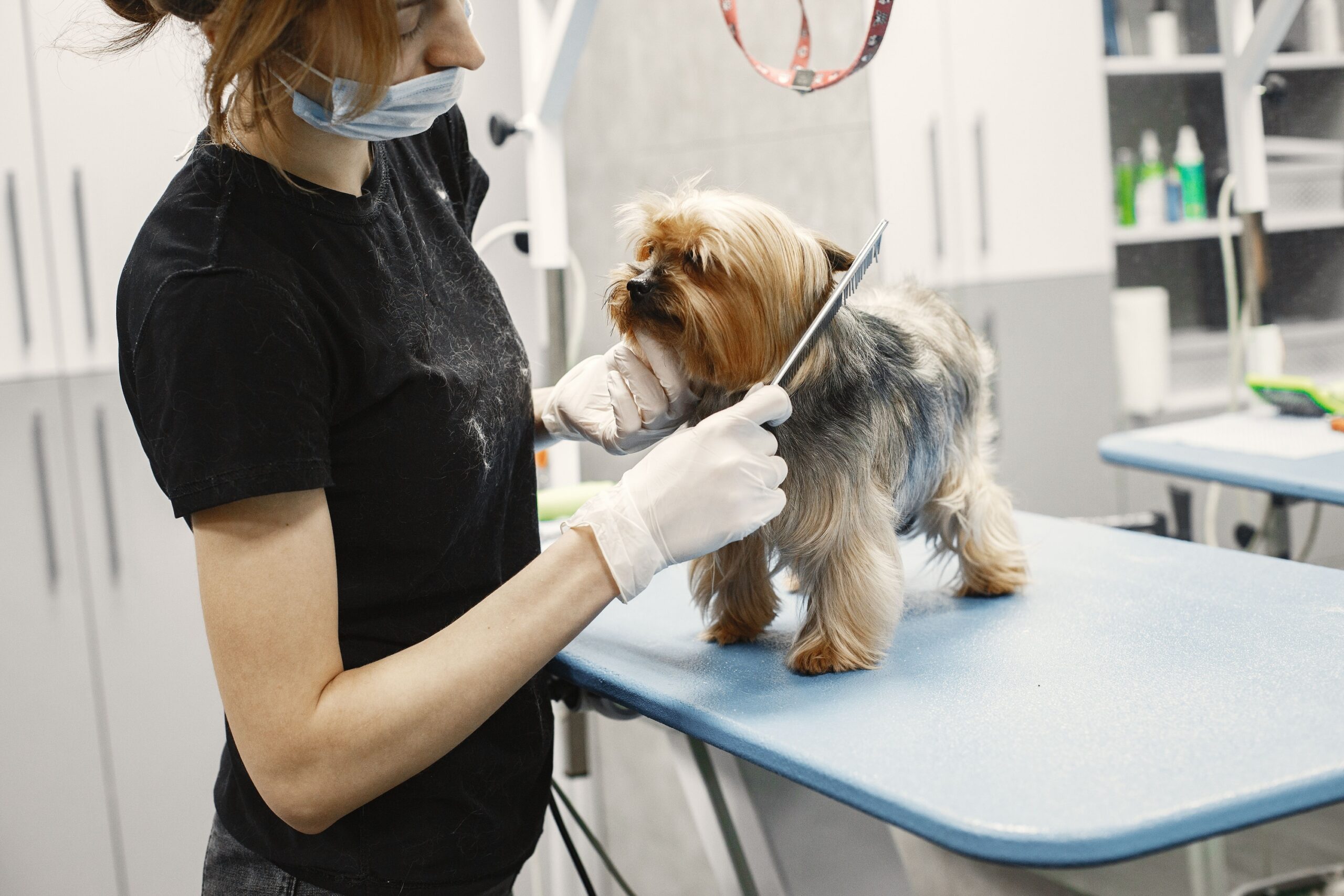
You’d think a dog groomer’s job starts and ends with scissors and shampoo. It doesn’t. The moment an elderly owner walks in with their dog, a trained groomer is already running a silent diagnostic – on the dog’s body, the leash in that person’s hand, even the tone of their voice.
Most families never see this side of it. But groomers will tell you, quietly, that some of the earliest signs of a senior’s declining mobility, loneliness, or financial strain don’t show up on the person at all – they show up on the dog first. A matted patch of fur or a set of overgrown nails can say more than an entire conversation. Here are the 13 things groomers pick up on almost instantly, and what those details are really telling them about the life happening on the other end of the leash.
#13 – The “Missed Spots” Coat Pattern
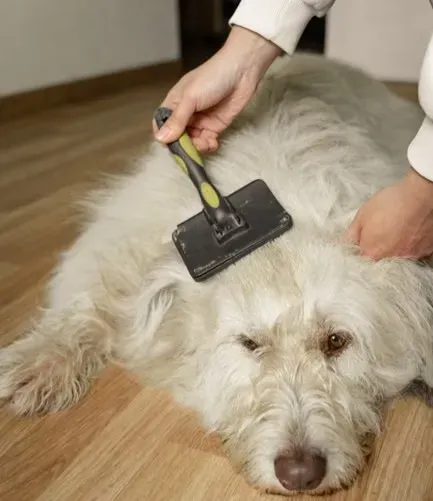
Every groomer knows exactly where a brush stops working before it should: behind the ears, under the legs, at the base of the tail. When a dog belonging to an older owner shows up with a clean, brushed back but matted, tangled patches underneath, that’s not carelessness. It’s a body that can no longer bend, kneel, or reach the way it used to.
Groomers quietly clock the pattern – smooth on top, dense mats where bending is required. It’s a small, heartbreaking clue that someone is still trying their best, even when their joints won’t cooperate anymore. Many will quietly adjust their grooming schedule or coat length recommendations the moment they spot it, without ever saying a word about why.
- Smooth back and sides, tangled armpits
- Fluffy head, but dense mats under the tail
#12 – Nails That Have Started to Curl Sideways
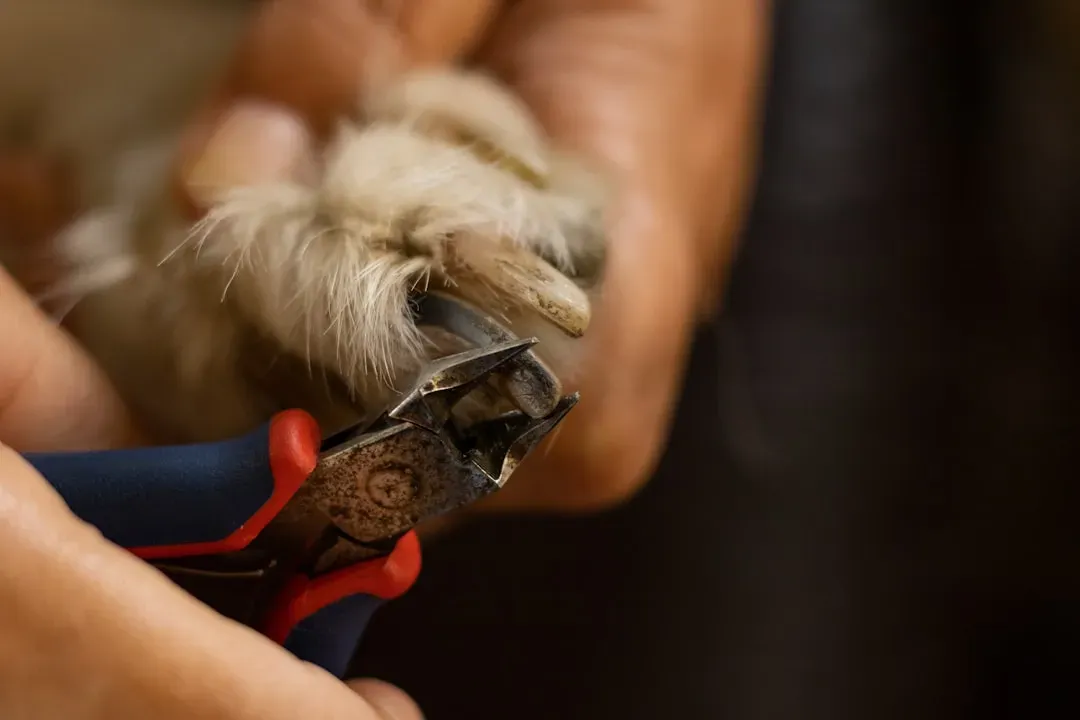
Long nails are common. Curling, twisting, toe-splaying nails are a different story entirely. When a groomer sees this on a senior’s dog, their mind doesn’t go straight to the dog – it goes to the person holding the leash, and whether they can still safely restrain their own pet or see well enough to attempt a trim.
It often means driving to a groomer regularly has quietly stopped happening. You can usually see the effects the second the dog steps onto the salon floor – a careful, gingerly gait, joints already adjusting to the strain. To a professional, curled nails don’t whisper “neglect.” They whisper “limited mobility,” and that distinction matters.
- Affects the dog’s gait and posture
- Speeds up joint stress and arthritis progression
#11 – Sticky Eye Gunk and Overgrown Face Fur
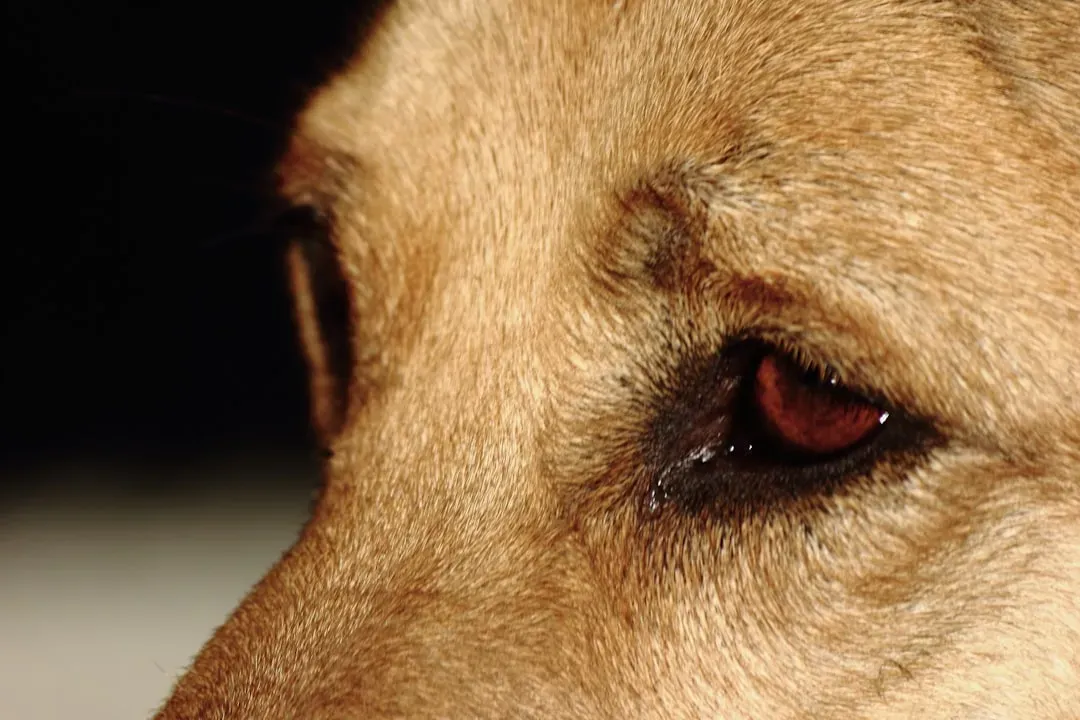
Within seconds of a dog hopping onto the table, groomers are already scanning the eyes. On dogs owned by someone over 70, it’s common to see persistent tear staining, crusted discharge, and fur that’s actually rubbing against the eyeball. Owners often chalk it up to “just getting old.” Groomers see something closer to quiet suffering.
Most seniors are simply afraid of getting near the eye with scissors, so the area gets left alone appointment after appointment. Groomers notice the flinch, the squint, sometimes even a faint infection smell. In that moment, they’re not just cleaning up a mess – they may be the only set of eyes besides a vet’s that ever really looks that closely.
Worth Knowing
- Tear staining is often caused by allergies, blocked tear ducts, or ingrown eyelashes
- Breeds with flat faces or long hair around the eyes are especially prone to buildup
- Daily wiping with a damp, warm cloth can prevent most staining from forming in the first place
- Brown or rust-colored streaks from chronic tearing
- Hardened “eye boogers” pulling painfully at the skin
#10 – Thick, Smelly Ear Build-Up
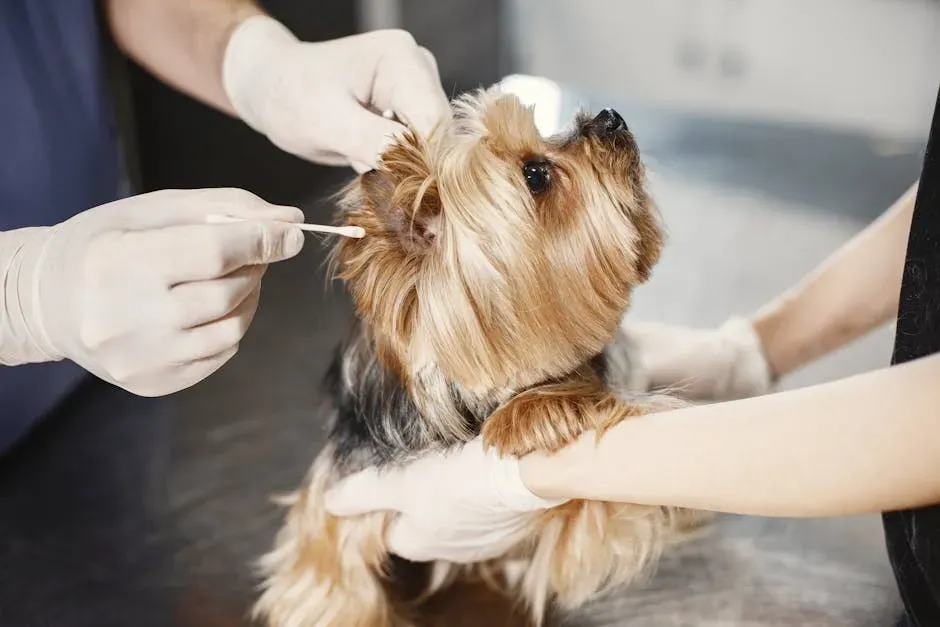
The instant a groomer lifts an ear flap, they’re reading more than wax levels – they’re reading the household. Thick buildup, chronic redness, or a sharp yeasty smell shows up often in dogs owned by older adults, and it usually means ear care has become physically demanding or simply hard to see clearly anymore.
A dog that jerks away before the ear is even touched is telling on months of untreated tenderness. Dark, tar-like wax with a strong “corn chip” smell is another giveaway. Cleaning ears on a wiggling dog takes dexterity and sharp eyesight – two things that don’t always hold up with age. Many groomers consider this one of the most overlooked health flags they see all day.
- The dog jerks away before contact – a sign of chronic tenderness
- Dark, tar-like wax with a strong, sour odor
#9 – The “Laundry Line” Smell of the Coat
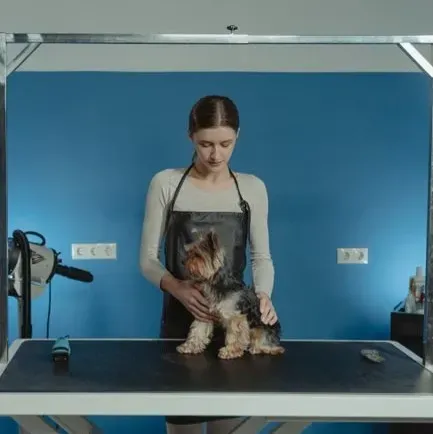
Most people assume groomers just smell “dog.” Experienced ones can actually tell what kind of dog smell it is. With senior-owned dogs, there’s a very specific blend: old dog odor, stale house air, and sometimes a faint trace of urine. It usually means long hours indoors on the same couch or bed, and baths at home that just aren’t happening anymore.
This isn’t about shaming anyone – it’s about recognizing that lifting a dog into a tub has quietly become dangerous for a person who can’t risk a fall. Some groomers respond by shifting the dog to a shorter, lower-maintenance cut the moment they catch that scent, because they understand this dog is doing double duty as a companion in a home that’s gotten harder to manage.
- A flat, musty smell from infrequent washing
- Yellowing or stiff fur on the hind end, often from dribbled urine
#8 – Clingy, Panicked Behavior the Second the Owner Steps Away
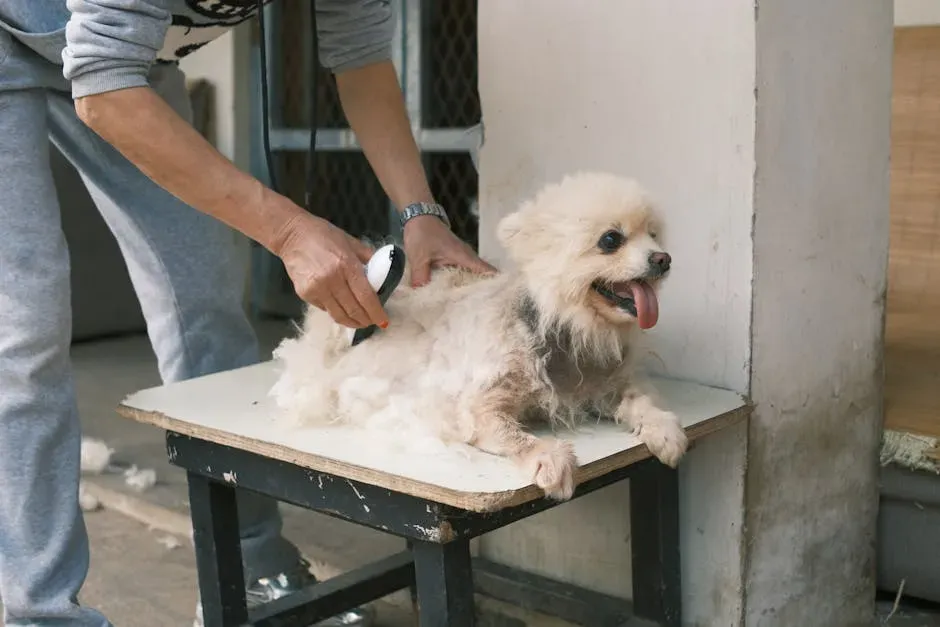
Some dogs clock out the moment their owner walks toward the waiting area. Dogs from senior households often don’t. Frantic pacing, nonstop whining, desperate eye contact fixed on the door – groomers see this pattern so often with older owners that it’s become an unspoken tell within the first five minutes.
It usually means the dog and owner are rarely, if ever, apart. In some cases, the dog seems to be mirroring the owner’s own isolation right back at the room. Not every dog reacts this way – some glance back once, then settle, which actually signals a calm, steady home life. But the extreme panic version is a quiet flag that this dog has become someone’s entire emotional anchor.
Quick Compare
- Secure bond: Dog glances at the door once, then settles and relaxes
- Anxious bond: Dog paces, whines, or scratches at the door nonstop
- Secure bond: Dog accepts handling from the groomer within minutes
- Anxious bond: Dog stays tense or vigilant for the entire appointment
- Often signals the pair is rarely apart
- The dog may be mirroring the owner’s own anxiety
#7 – Uneven, Patchy Coats That Reveal Delayed Appointments
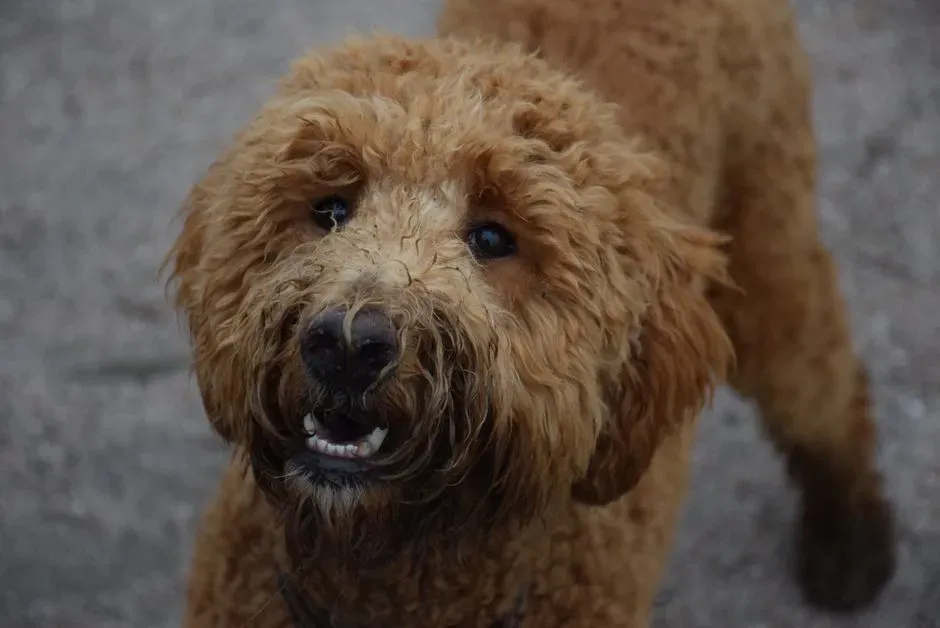
A coat that isn’t just long but wildly uneven – dense, felt-like mats in some spots, oddly short patches in others – tells a groomer a very specific story. It’s rarely about neglect. It’s about postponed appointments, transportation trouble, or a health scare that pulled the owner’s attention away from the dog for weeks or months.
Crooked scissor marks and half-thinned mats are dead giveaways of a DIY “panic haircut” attempted at the kitchen table. Online commenters love to call this irresponsible. Most groomers disagree – they see someone coping with aging, a fixed income, and a body that doesn’t cooperate the way it used to. The coat becomes a quiet calendar of everything that’s gone sideways lately.
- A groom long overdue compared to the last appointment on file
- DIY “panic hacks” – crooked scissor marks, half-finished detangling
#6 – Old, Frayed Gear That Hasn’t Been Replaced in Years
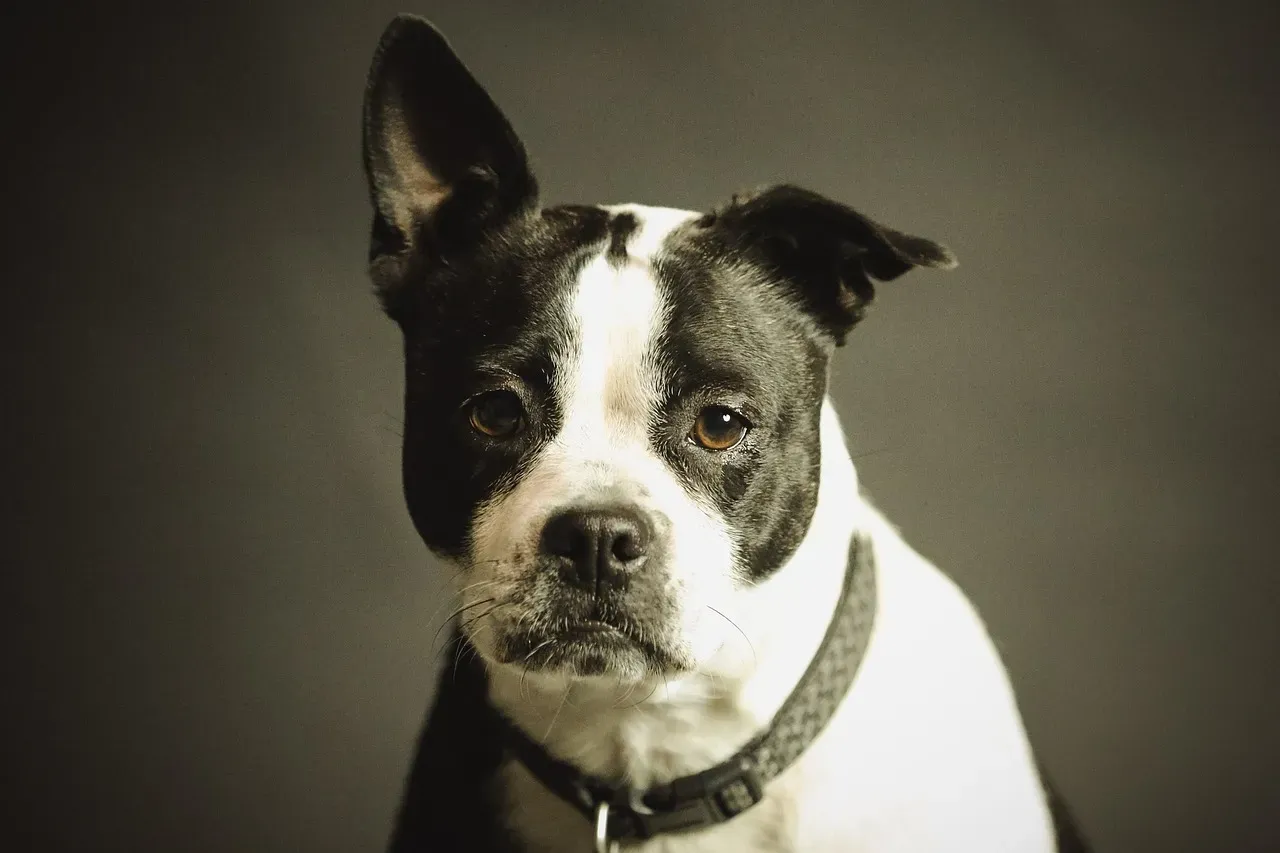
Groomers size up the leash, collar, and harness the second a pair walks through the door. With owners over 70, cracked leather, faded nylon, and collars that look decades old are the norm, not the exception. To a professional eye, that gear can speak volumes about finances, habits, or even quiet grief.
Outdated choke chains stick around because “it’s what we’ve always used.” Tags go worn and unreadable, or disappear entirely. It often means the owner isn’t shopping online for replacements, whether from a tech barrier or a tight budget. Some groomers privately worry what would happen if that dog ever slipped its collar. Others see it differently – as touching proof of a long, steady companionship that’s outlasted a few leash trends.
- Outdated choke chains still in daily use
- Worn tags with barely legible information, or none at all
#5 – Thickened Skin, Old Flea Scars, and Quiet Itching
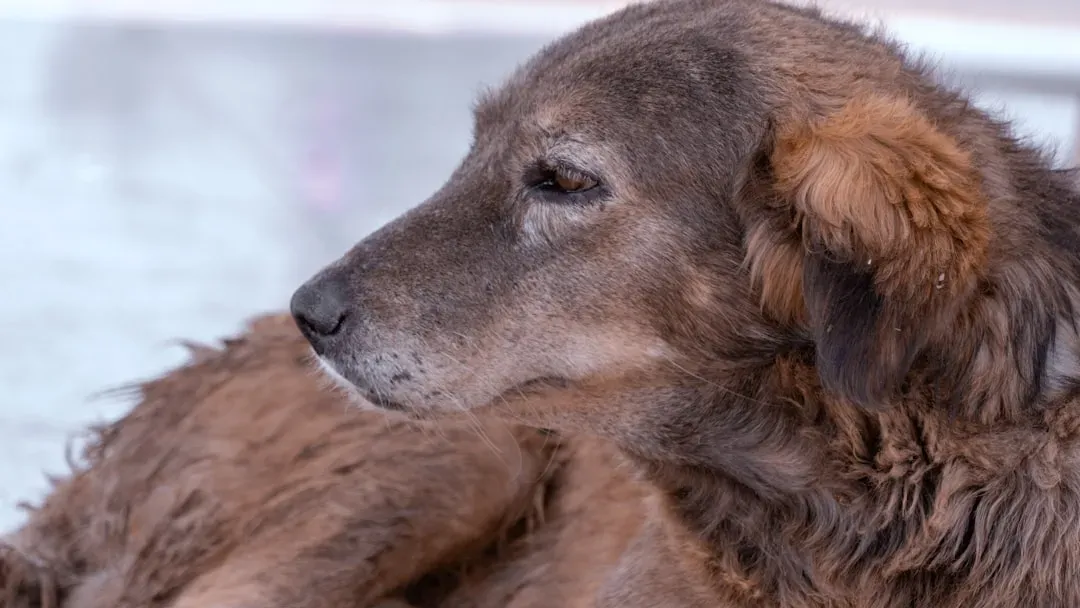
Before the bath even starts, a groomer’s fingers are already reading the skin underneath the coat. Thickened patches, old scab marks from past flea trouble, and chronic dryness show up often on dogs owned by people over 70 – a sign that parasite prevention has become inconsistent, either from cost or from the sheer effort of keeping up with it.
Scratching that intensifies the moment the owner looks away, and long-healed bite marks clustered at the tail base, are common tells. Some groomers say this is where they realize a dog’s care has been “stuck” for years – home remedies, outdated advice, long gaps between vet visits. It’s rarely a lack of love. It’s modern pet care becoming genuinely overwhelming to keep pace with.
- Scratching that increases when the owner isn’t watching
- Repeated, long-healed bite marks near the tail base
#4 – Paw Pads That Quietly Map the Dog’s Whole Day
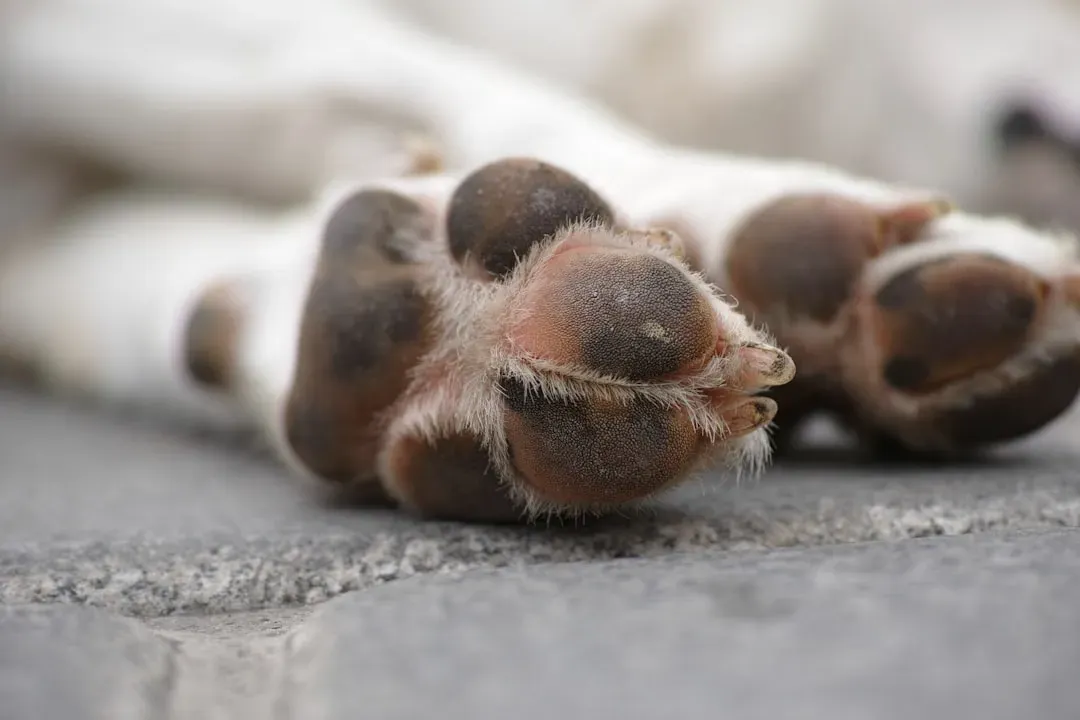
Paws are where groomers silently reconstruct a dog’s entire lifestyle. Soft, smooth pads with indoor staining point to a dog that barely leaves the house. Dry, cracked pads packed with outdoor grit point to long stretches in the yard, but without the structured walks that keep joints and nails in check.
For a lot of seniors, long walks simply aren’t safe anymore, so the dog’s whole world quietly shrinks down to the house and the backyard. Groomers aren’t judging when they notice this – they’re reading reality. If they spot pee stains between the toes, they may also start quietly suspecting incontinence issues in the household, not just the dog.
At a Glance
- Smooth, pale pads usually mean a mostly indoor lifestyle
- Rough, thickened pads point to regular outdoor time on hard surfaces
- Cracked or bleeding pads can signal long gaps between nail trims and structured walks
- Pale, tender pads with long nails – mostly indoor life
- Rough, worn pads packed with dirt – plenty of yard time, fewer real walks
#3 – The Way the Owner Talks *To* and *About* the Dog
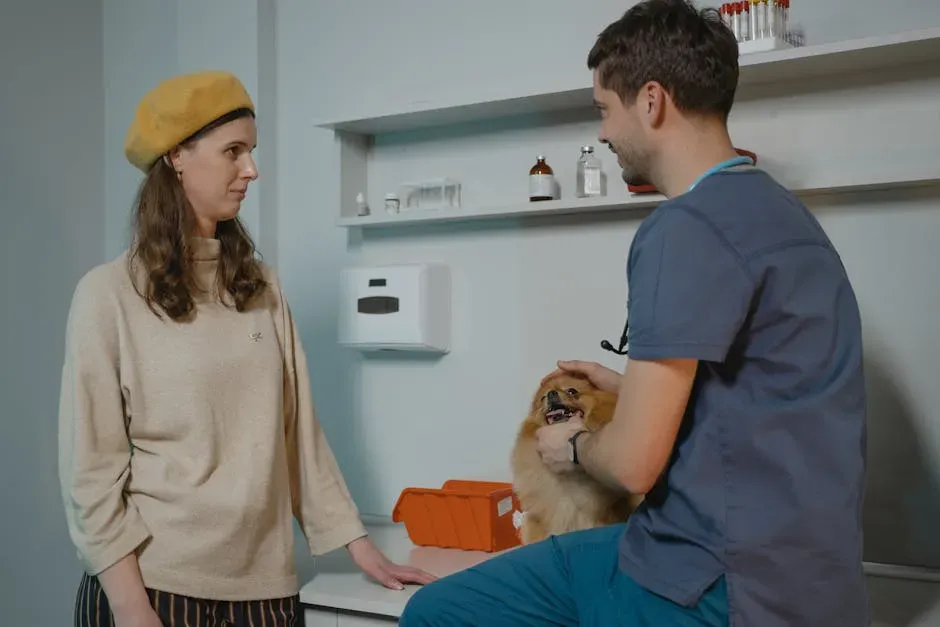
Before the dog even reaches the table, groomers are already listening. Older owners often talk to their dogs the way you’d talk to a spouse or a roommate – “we sleep in late,” “he doesn’t like it when I’m at the doctor.” Within minutes, a groomer can usually tell if that’s a deeply healthy bond, or if the dog is quietly carrying more emotional weight than it should.
They’re listening for whether it’s always “we” instead of “I,” and whether the owner describes the dog’s needs honestly or brushes off things that are clearly a problem. Some internet commenters would call this oversharing. Most groomers see it as essential context – the kind that explains everything else they’re about to find in the coat, the nails, and the skin.
- Does the owner say “we” instead of “I” almost every time?
- Do they describe the dog’s needs accurately, or gloss over obvious issues?
#2 – Subtle Weight Changes Nobody Else Has Caught

Groomers see the same dogs every few months, under bright lights, fully exposed with no fur or clothing hiding anything. That makes them some of the first people to catch slow, quiet weight changes in a senior’s dog – long before a family member notices anything different.
Lifting a dog onto the table reveals everything: ribs, spine, soft belly fat that wasn’t there last time. Sometimes it’s weight gained from treats and fewer walks – “he’s all I’ve got, so I spoil him.” Sometimes it’s quiet weight loss masking dental disease the owner hasn’t caught. A good groomer won’t lecture. They know adjusting food can feel like a personal attack on how someone shows love – so they simply note it, carefully, sometimes more carefully than the family does.
Fast Facts
- Sudden weight loss in older dogs can be an early sign of dental disease, kidney issues, or other illness
- Gradual weight gain is one of the most common health problems in less active senior dogs
- A healthy dog’s ribs should be easy to feel but not visibly sticking out under the coat
- Gradual weight gain from extra treats and fewer walks
- Quiet weight loss that may be masking dental disease or illness
#1 – The Quiet Signs This Dog Is Outliving Everyone’s Plan

The most powerful thing a groomer notices in those first five minutes isn’t a tangle, a smell, or a nail. It’s the age gap. When a young, healthy dog belongs to an owner already in their late 70s or 80s, extra-long nails and delayed appointments stop looking like minor care issues – they start looking like early evidence that nobody has realistically planned for what happens to this dog next.
Groomers hear the nervous joke – “he’ll probably outlive me, ha!” – and notice when there’s no mention of kids, neighbors, or any kind of written backup plan. Some people insist this is none of a groomer’s business. Plenty of groomers quietly disagree. They become part of the unofficial safety net, keeping a mental note in case the dog suddenly shows up with someone new, or stops showing up at all.
Dogs don’t worry about tomorrow. The people who love them are the ones left holding that question.
Common sentiment among longtime groomers
The Bottom Line
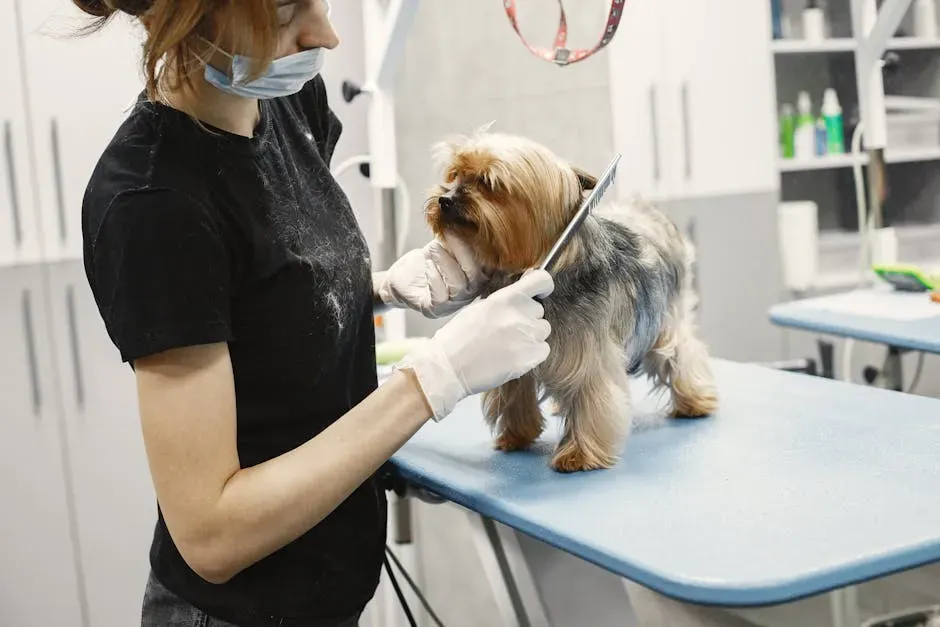
What groomers quietly notice in the first five minutes with a senior’s dog is rarely about judgment. It’s about context. Overgrown nails, missed brushing spots, ear buildup, clingy behavior – these are early warning signs of mobility problems, isolation, money pressure, or a future nobody has planned for. Not a lack of love.
In a lot of cases, groomers are the only pet professionals seeing these dogs regularly enough to catch the small changes before anyone else does. That’s not a small thing. People online are quick to judge a matted coat or a set of curled nails. Groomers, standing there with clippers in hand, see the real tradeoffs of aging up close – and most of them have made peace with a job that’s part grooming, part quiet guardianship. That’s the part worth remembering the next time you see an older dog walking a little slower, tangled and a little worn, next to an owner walking just as slow beside it.


