
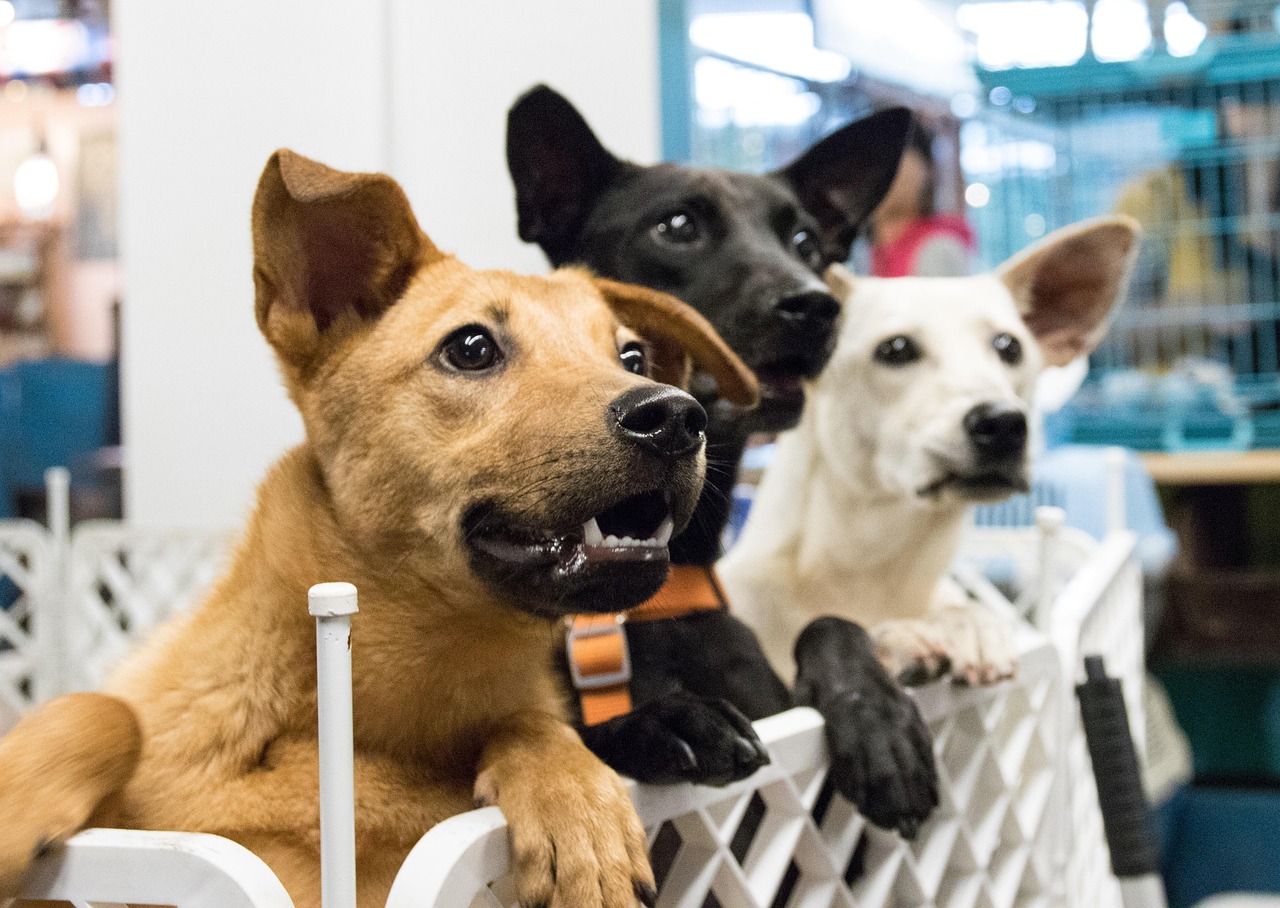
Everyone pictures the same scene: you carry the crate in, open the door, and your new rescue dog trots out wagging, grateful, ready to be your best friend by dinnertime. That’s the fantasy. The reality is a dog who won’t make eye contact, flinches at the microwave, and hides under the coffee table for six hours straight – and most new owners have no idea that’s actually normal.
What happens in the next fourteen days quietly decides whether this adoption becomes a lifelong bond or a heartbreaking return trip to the shelter. The mistakes aren’t dramatic. They’re small, well-meaning missteps that feel like love but land like pressure. Here are the 13 that trip up new rescue owners most, counted up to the one that ruins more adoptions than all the others combined.
#1 – Swapping Their Food Too Soon
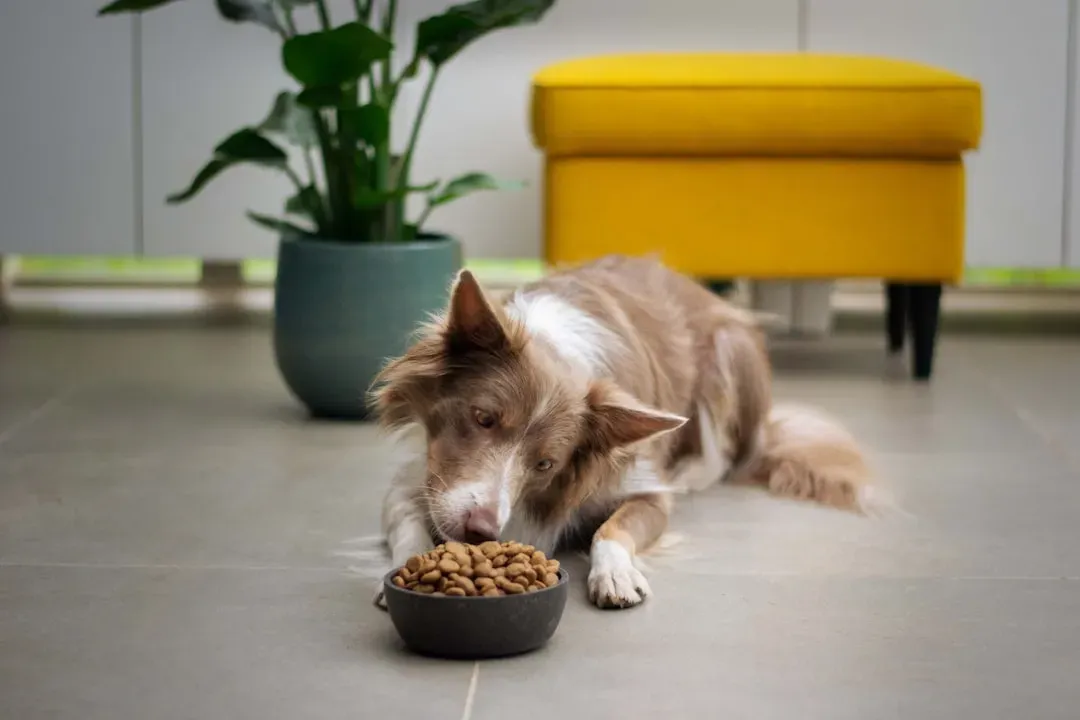
You want to upgrade them to the good stuff immediately – better ingredients, no fillers, the food you’d feel proud to serve. It seems like the kindest first move you can make. Instead, it usually ends with a stressed-out dog and a carpet you didn’t want to clean on day two.
Shelters feed a specific diet for a reason, and a dog’s gut is already working overtime just processing the stress of the move. Stick with their current food and exact feeding schedule for the full two weeks, then transition slowly if you still want to switch. It’s not glamorous advice, but a calm stomach buys you a calmer dog.
#2 – Rushing Introductions With Other Pets
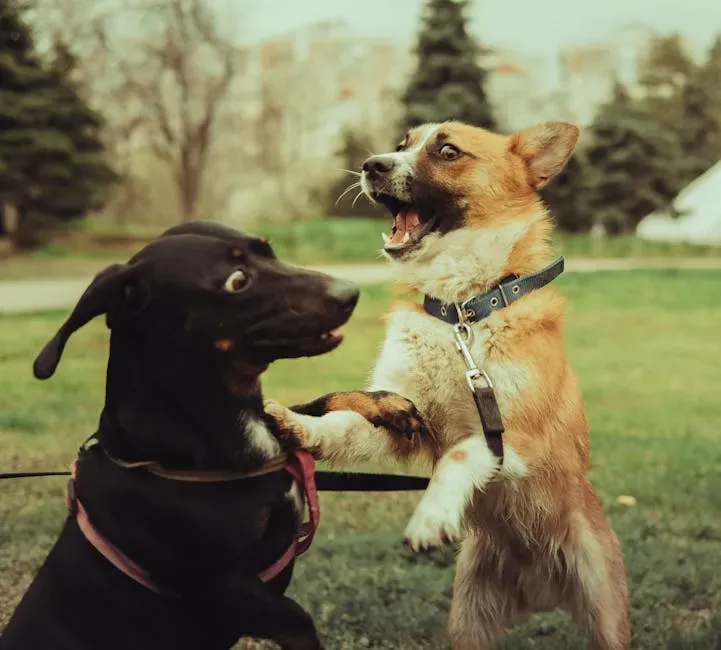
The resident dog and the new rescue meet at the door, sniff for ten seconds, and everyone assumes the hard part is over. It rarely is. Many of the multi-pet households that fall apart later trace the fracture back to this one rushed, well-intentioned first meeting.
Keep animals separated for the first several days and let them get to know each other through scent alone – bedding, blankets, a towel rubbed on each dog. Supervise every interaction after that like it’s the first time, because emotionally, for the dog, it still is. Slow is the only speed that actually sticks.
Worth Knowing
- Swap bedding or a worn towel between pets for a few days before any face-to-face meeting.
- Hold first meetings on neutral ground, like a quiet sidewalk, rather than inside the house.
- Feed pets on opposite sides of a closed door before letting them share a room.
- Keep leashes loose during early meetings – tension travels straight down the leash to the dog.
#3 – Getting the Exercise Balance Wrong
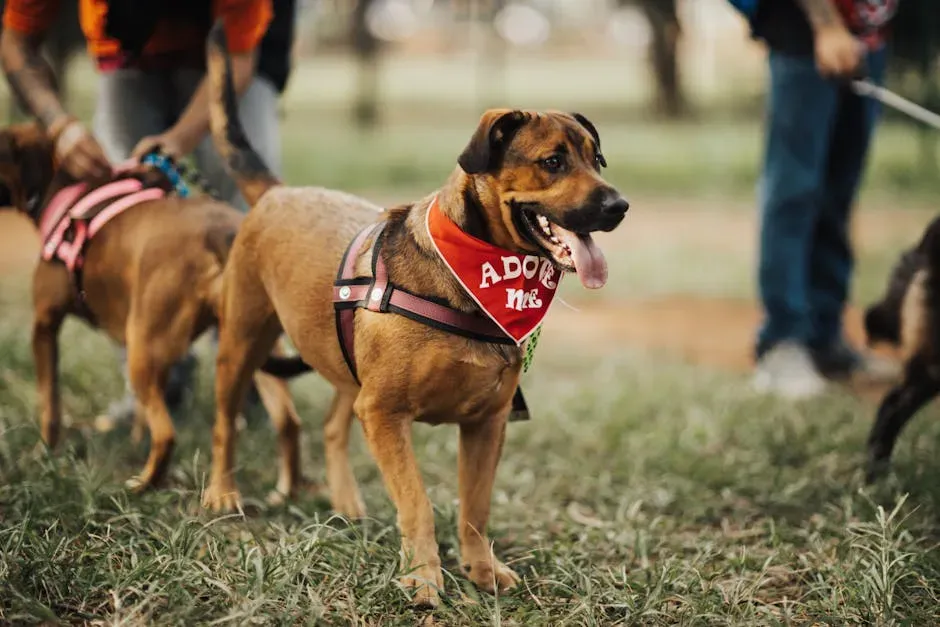
Some new owners march the dog around the neighborhood for an hour, convinced exhaustion equals calm. Others do the opposite and barely leave the yard, worried about overwhelming a fragile dog. Both approaches miss what the dog actually needs right now.
A rescue dog in week one usually needs less physical exertion and far more mental decompression – short, quiet sniff walks where they get to just exist without demands. Watch their body language instead of the clock. If they’re lagging or scanning nervously, that’s your cue to head home, not push further.
#4 – Assuming Housetraining Is Already Done
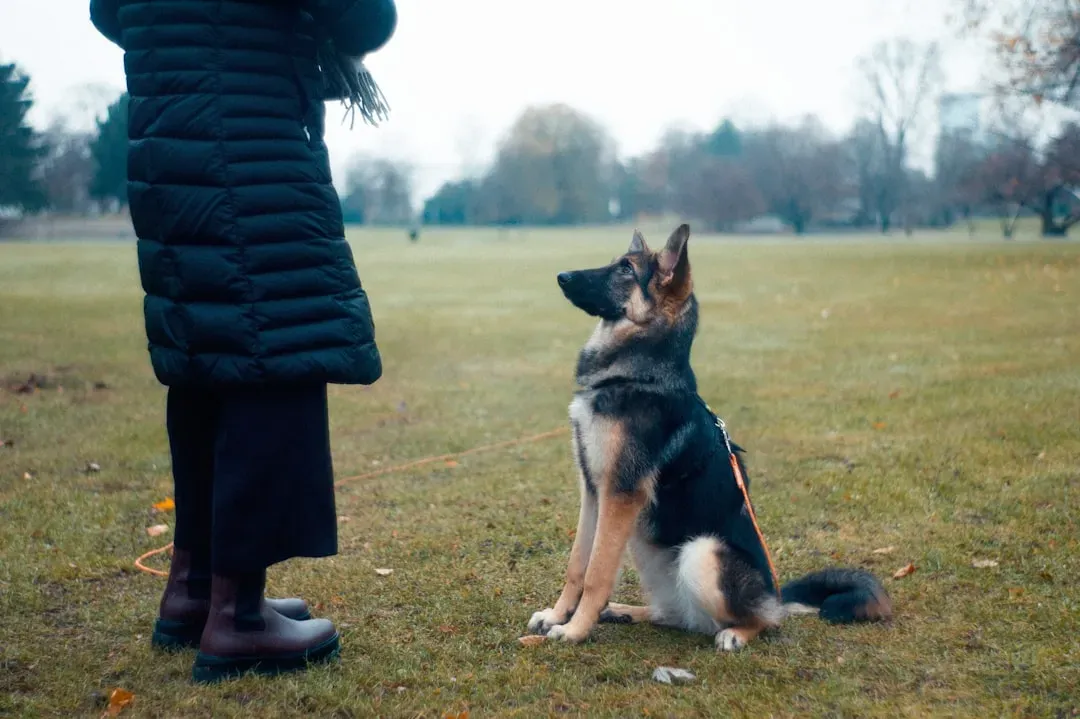
The adoption paperwork said housetrained, so the accident on the kitchen floor feels like a personal insult. It isn’t one. Stress alone can undo months of previous training, even in dogs who never had an accident in their old home.
Set up a strict, boring, predictable potty schedule with frequent trips outside and quiet praise the moment they succeed. Never correct an accident after the fact – the dog won’t connect the dots, and you’ll only teach them that you’re unpredictable. Consistency now is what makes the habit permanent later.
#5 – Parading Them Around Pet Stores and Crowds
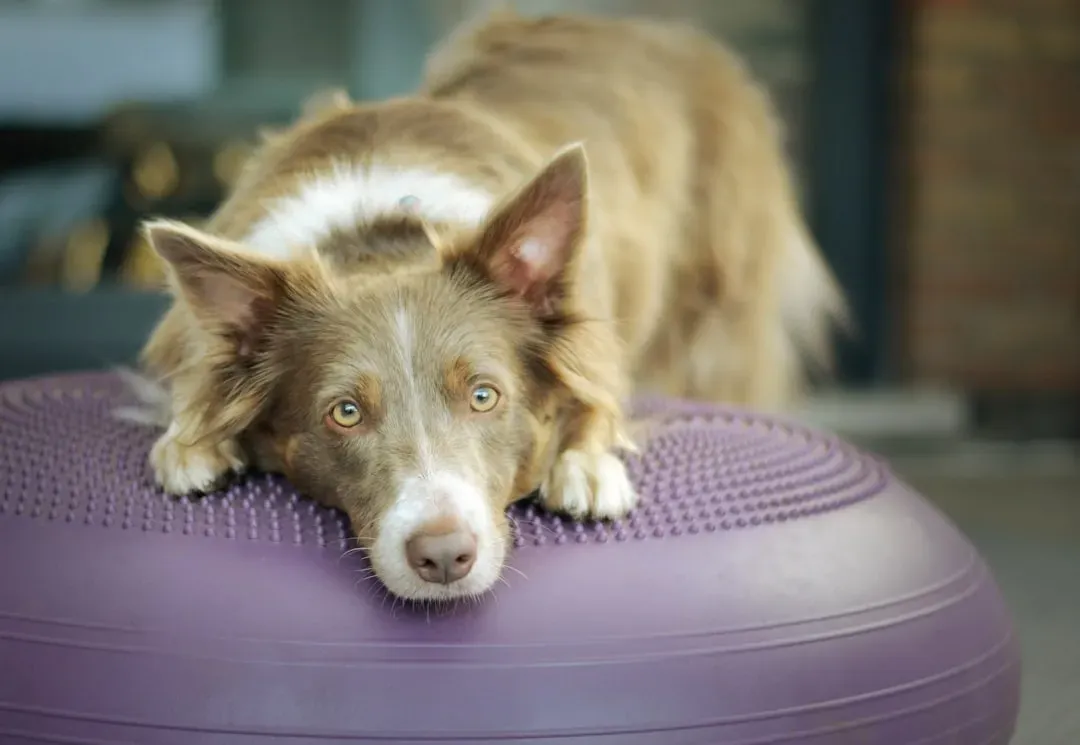
Showing off the new dog feels irresistible. A trip to the pet store for a new bed, a walk through the farmers market, maybe a stop by a friend’s barbecue – it all sounds harmless. For a dog who was institutionalized days ago, it’s sensory overload stacked on top of trauma.
Keep the world small and local for the first two weeks. No dog parks, no busy sidewalks, no crowded stores. The dog needs to trust you before they’re ready to handle strangers, noise, and unfamiliar dogs all at once – and that trust only builds at home, one quiet day at a time.
#6 – Throwing a Welcome Party Too Early

Everyone wants to meet the new family member, and saying no feels almost rude. But a living room full of new voices, reaching hands, and excited energy is one of the fastest ways to send a rescue dog into shutdown or full-blown fear.
Limit contact to the people who already live in the house for the entire first fortnight. Many rescues carry histories nobody will ever fully know, and a sudden crowd can register as a threat rather than a welcome. The meet-and-greets can wait. The dog’s nervous system can’t be rushed.
#7 – Giving Them the Run of the House Right Away

It feels generous to let a dog explore every room immediately – like you’re proving this is really their home now. In practice, that much freedom often backfires into accidents, chewed cords, and a dog who feels more lost than liberated.
Confine them to one or two rooms with a crate or baby gates at first, then expand their world gradually as they earn it. Too much space too soon doesn’t feel like freedom to an anxious dog – it feels like nowhere safe to land. A small zone they can master beats a whole house they can’t.
#8 – Delaying That First Vet Visit
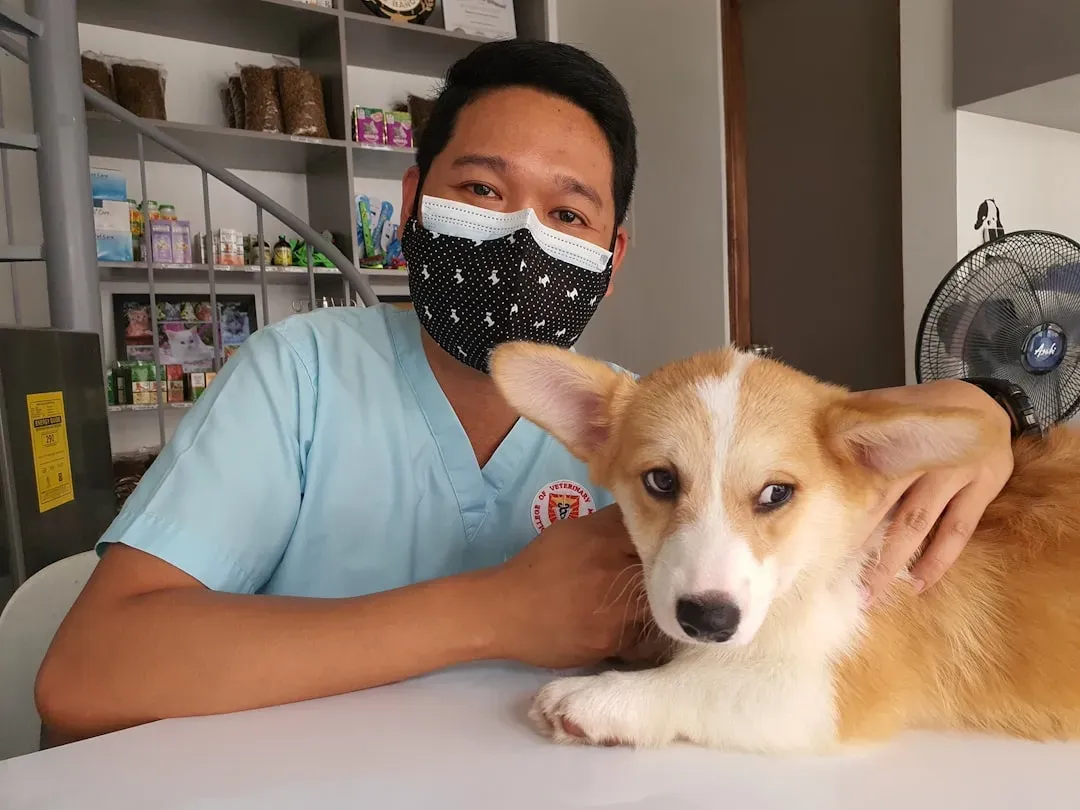
The dog seems fine, so the vet appointment gets pushed to next week, then the week after. But shelters are crowded, high-stress environments where parasites, kennel cough, and giardia can hide symptom-free until the dog is already settled into your home.
Book that visit within 48 to 72 hours and bring every record the shelter gave you. Catching something small now is a minor inconvenience; missing it can mean an expensive illness later, or worse, passing something contagious to other pets in the house. It’s the least exciting item on this list and arguably the most important.
Fast Facts
- Common shelter-related issues include kennel cough, giardia, intestinal parasites, and ringworm.
- Most rescue groups recommend a vet check within 48 to 72 hours of adoption.
- Bring the shelter’s full paperwork, plus a fresh stool sample if you can manage it.
- Some conditions stay symptom-free for days, which is exactly why “the dog seems fine” isn’t proof of anything.
#9 – Ignoring Subtle Stress Signals

A lip lick, a yawn out of nowhere, a slow blink with the whites of the eyes showing – these look like nothing to most new owners. They’re actually a dog quietly saying “I’m not okay,” long before growling or snapping ever enters the picture.
Learn these calming signals and respond to them immediately by backing off and lowering the stimulation. Dogs who get heard at the whisper stage rarely escalate to the shout. Owners who wait for a bigger warning sign are usually the ones blindsided by a bite they swear came “out of nowhere.”
Quick Compare
- Subtle and early: lip licking, yawning, whale eye, turning the head away, sudden stillness.
- Escalating and urgent: stiff body, hard stare, low growl, lifted lip, snapping.
- Best response early: back off, lower noise and pressure, give the dog space to reset.
- Worst response early: pushing closer, forcing affection, or punishing the warning itself.
#10 – Not Establishing a Daily Routine

Shelter life is chaos dressed up as schedule – different volunteers, different noises, different feeding times depending on who’s on shift. A dog arriving from that environment is starving for predictability, even if they can’t tell you that.
Fix your meal times, walk times, and bedtime from the very first day, and make sure everyone in the house sticks to the same rules. A steady rhythm does something almost chemical to a stressed dog – it lowers the internal alarm bells faster than any toy or treat ever could. Structure isn’t boring to a scared dog. It’s relief.
#11 – Punishing Fear Instead of Understanding It
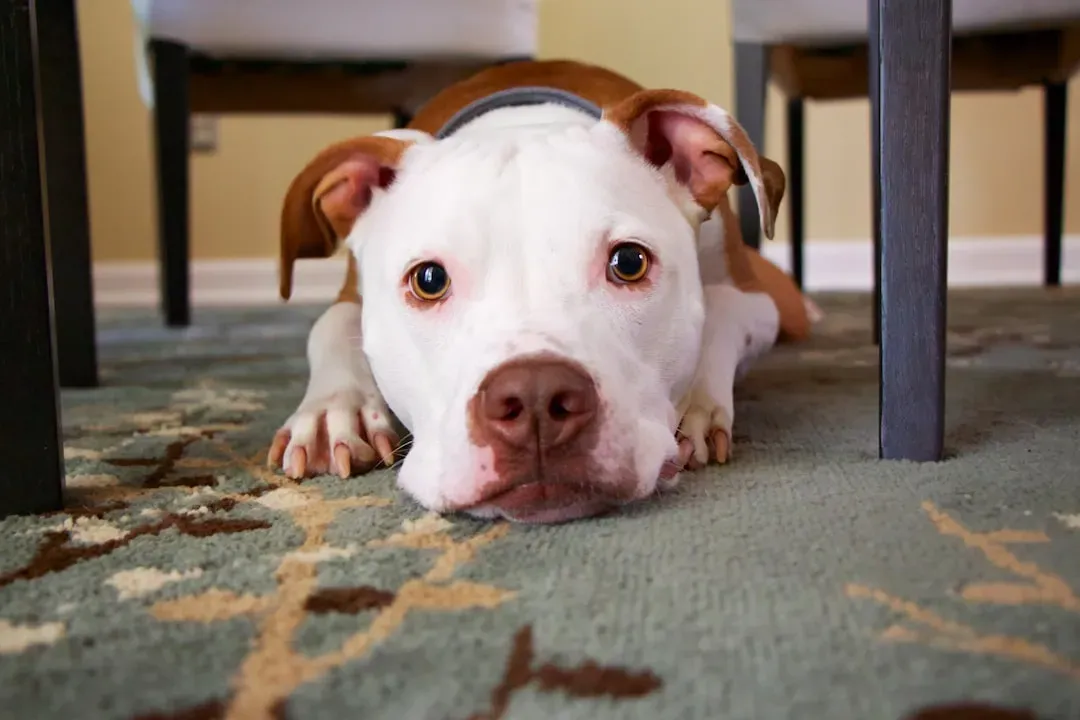
A dog freezes at the vacuum, trembles at a raised voice, or refuses to come out from behind the couch, and a frustrated owner reads it as stubbornness or bad behavior. It’s neither. It’s fear, and fear responds to correction by getting worse, not better.
Ignore the minor stuff, reward calm moments generously, and give the dog physical space the second they show signs of hiding or shaking. Punishment in these first two weeks doesn’t teach a lesson – it teaches the dog that you’re one more unpredictable thing in a world that’s already felt unsafe. Rebuilding that trust later can take months longer than it took to break.
#12 – Leaving the Dog Alone Too Soon
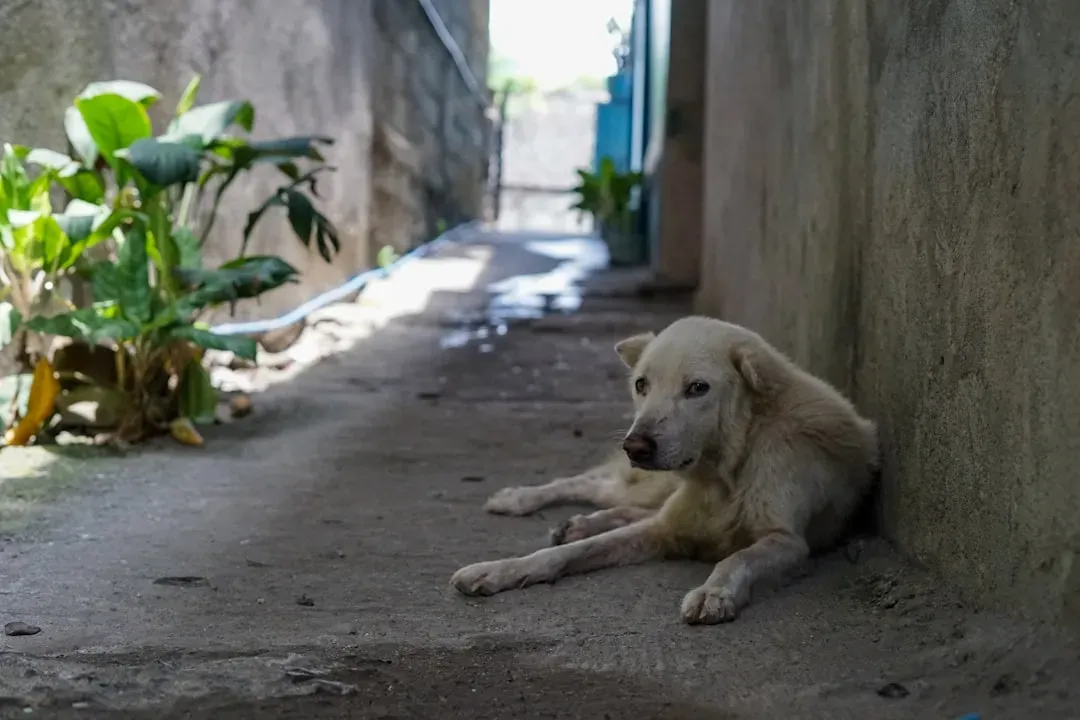
Life doesn’t pause for a new adoption. Work still starts Monday, errands still pile up, and it feels reasonable to leave the dog home alone almost immediately. But attachment is actively forming during this window, and leaving too early is one of the most common roots of long-term separation anxiety.
Stay home as much as you realistically can during the first stretch, and if you must leave, keep it brief and build up gradually. A camera to check in doesn’t hurt either. Independence is something a rescue dog grows into – it isn’t something you can hand them on day three.
#13 – Expecting the Dog to Act “Normal” From Day One
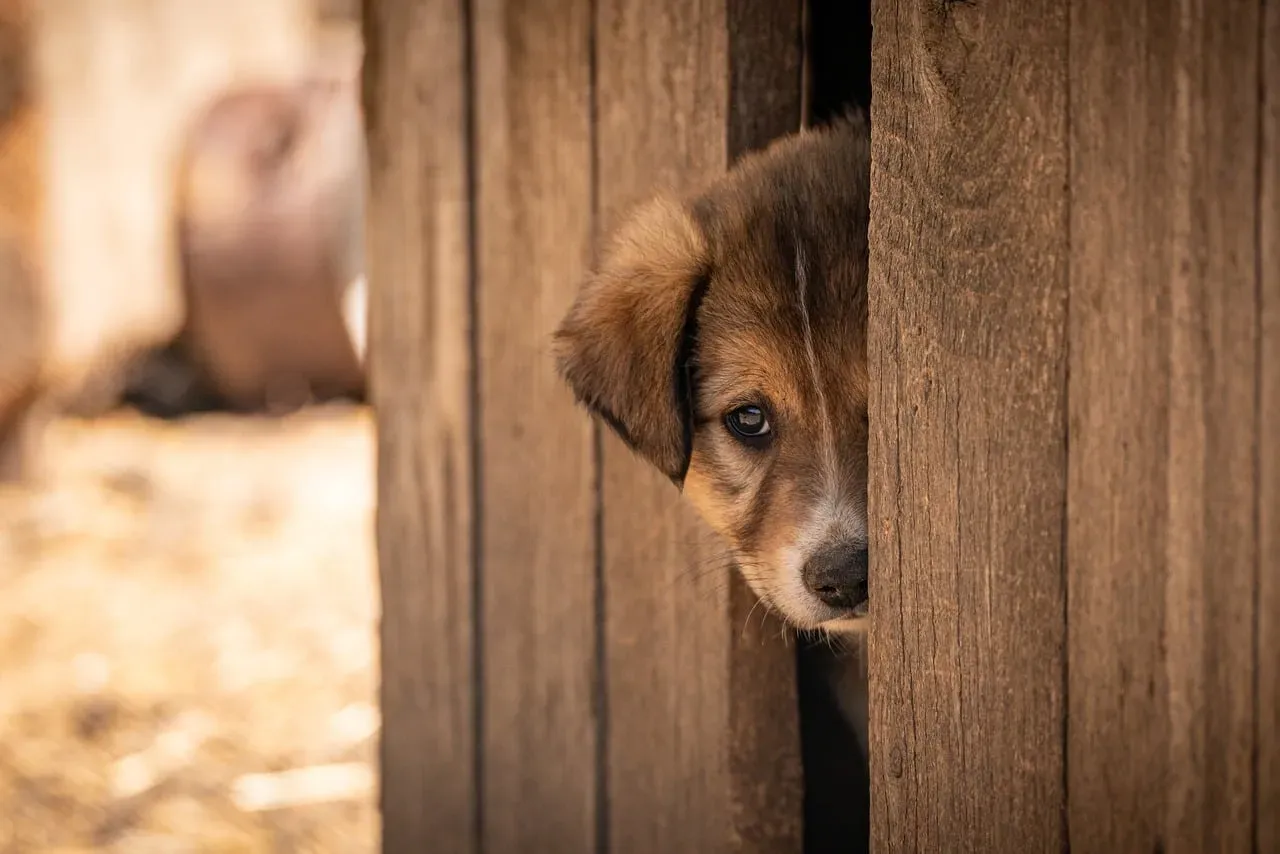
This is the mistake that quietly wrecks more adoptions than every other item on this list combined. New owners expect a grateful, settled, affectionate dog almost immediately, and when they get a shut-down, unresponsive, or even growly one instead, they assume adoption failure instead of normal decompression.
The 3-3-3 rule exists for a reason: three days to decompress, three weeks to learn routine, three months to truly feel at home. The dogs who struggle hardest are almost always the ones whose owners expected instant bonding and got impatient when it didn’t arrive on schedule. Give the fortnight what it’s actually for – safety and calm, not performance.
At a Glance
- Days 1-3: Decompression. Expect hiding, refusing food, or seeming shut down.
- Weeks 1-3: Routine learning. The dog starts testing boundaries and showing real personality.
- Month 3 and beyond: True settling in, deeper trust, and the dog’s genuine self on full display.
The Bottom Line
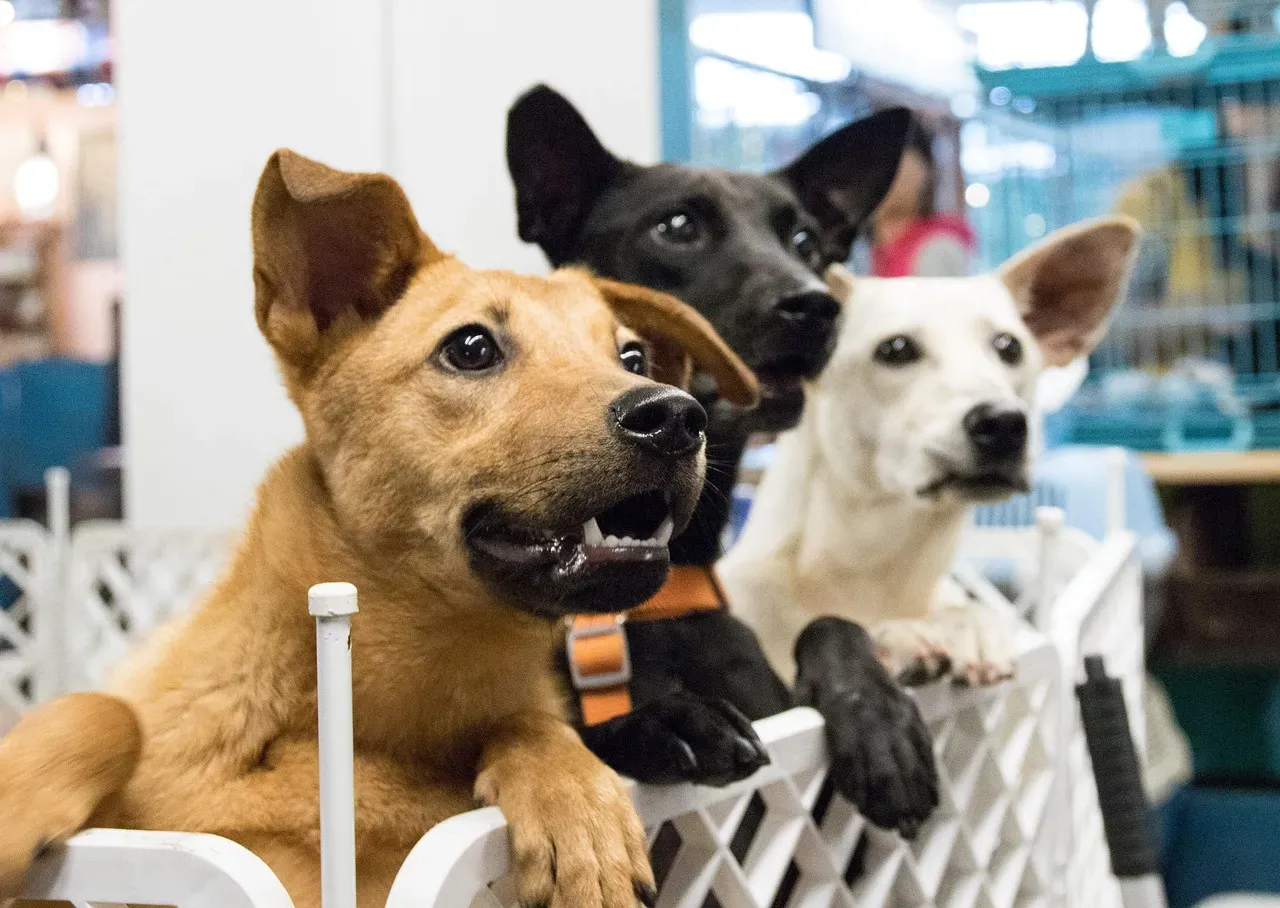
Here’s the uncomfortable truth nobody puts on the adoption pamphlet: the first two weeks aren’t about winning the dog’s love. They’re about proving, quietly and repeatedly, that you’re safe. Every mistake on this list comes from good intentions moving faster than the dog can process – more freedom, more people, more outings, more expectations, all delivered with love and all landing as pressure.
The owners who succeed aren’t the most affectionate ones. They’re the most restrained ones – the ones willing to keep the world small, boring, and predictable while trust rebuilds itself on its own timeline. Do that, and the dog who wouldn’t make eye contact on day one is usually the same dog leaning against your leg by day thirty. Skip it, and you’re left wondering why a good dog in a good home never quite settled in. Did we miss one that burned you in your own first fortnight? Drop it in the comments.


