
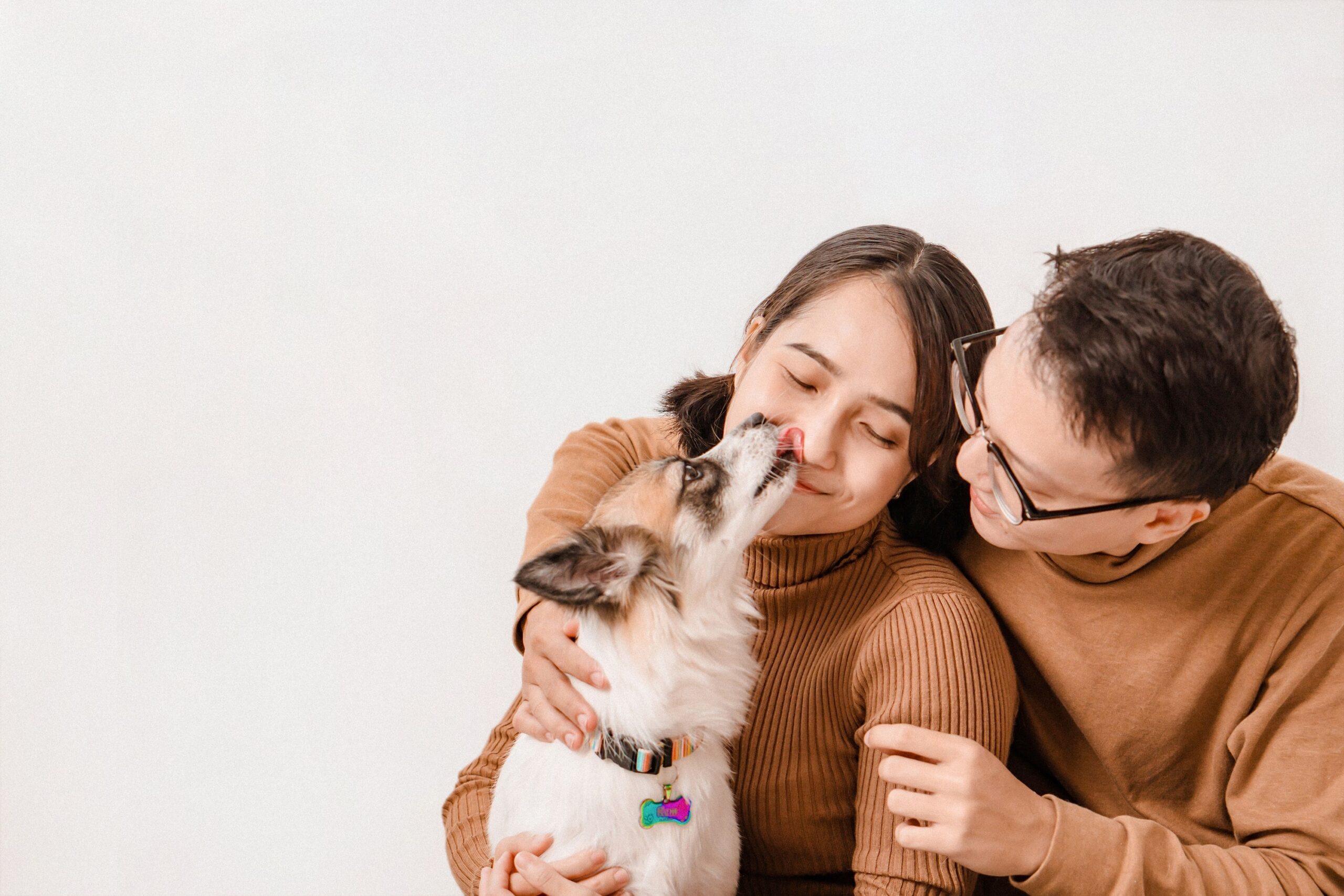
You expect the tail wags. You expect the sloppy kisses at the door. But somewhere between the food bowl and the belly rubs, dogs are quietly telling us something far bigger than “I’m happy to see you” – and most owners walk right past it.
The truth is, dogs don’t love the way we do, with words and grand gestures. They love in small, almost invisible moments that most people mistake for quirks or bad manners. Once you know what to look for, you’ll never see your dog’s “weird” habits the same way again.
14. The Door-Greeting That Feels Like a Homecoming
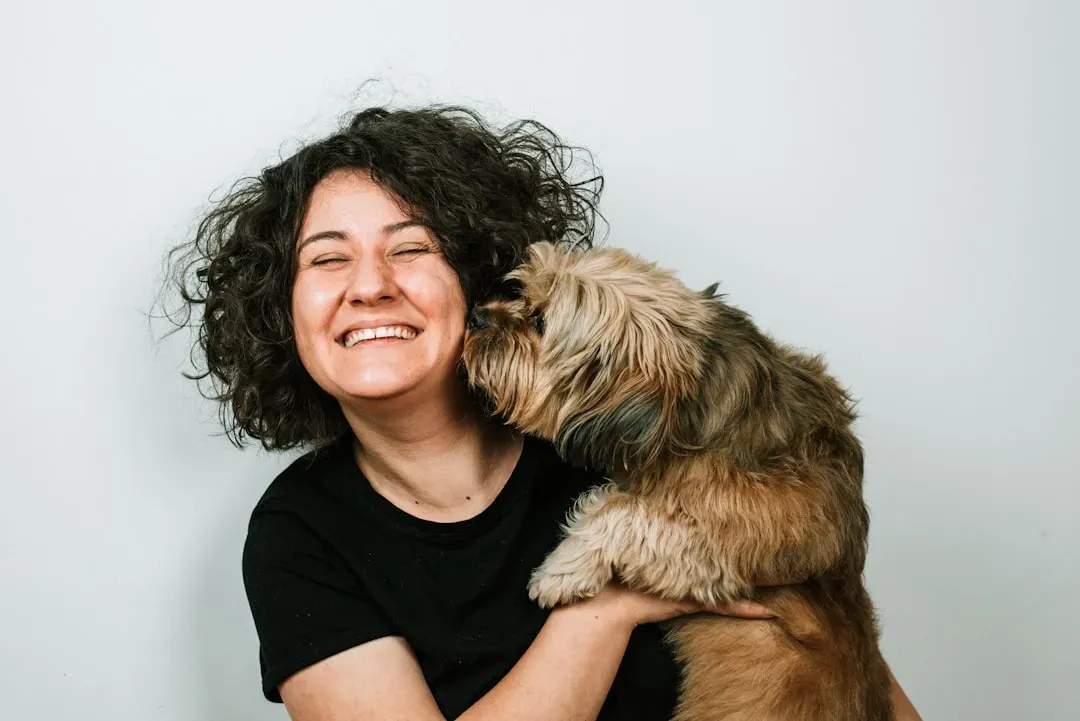
You could be gone for five minutes or five hours, and your dog reacts like you’ve just returned from war. The spinning, the whining, the full-body wag that starts at the shoulders and ripples all the way to the tail – that’s not performance. That’s relief.
Dogs don’t have a sense of “just five minutes.” To them, every departure carries a little uncertainty about whether you’re coming back at all. That explosive greeting is your dog processing real emotion, not just excitement for excitement’s sake, and it’s one of the purest signals of attachment they have.
13. The Shadow That Never Leaves Your Side
Kitchen, bathroom, laundry room – doesn’t matter. If your dog trails you from room to room like a furry little shadow, it’s not because they’re bored or hoping for scraps. Behaviorists call this “shadowing,” and it’s rooted in a deep need to stay close to their safe person.
For a lot of dogs, especially rescues, being in the same room as you is the whole point of the day. It’s not neediness. It’s a dog quietly saying that your presence is the thing that makes a house feel okay to be in.
Worth Knowing
- Trainers often nickname this constant trailing “Velcro dog” behavior
- It shows up most in breeds bred for close human partnership, like herding and companion dogs
- It’s typically read as a sign of a secure, trusting bond – not clinginess or anxiety
12. The Lean That’s Really a Hug
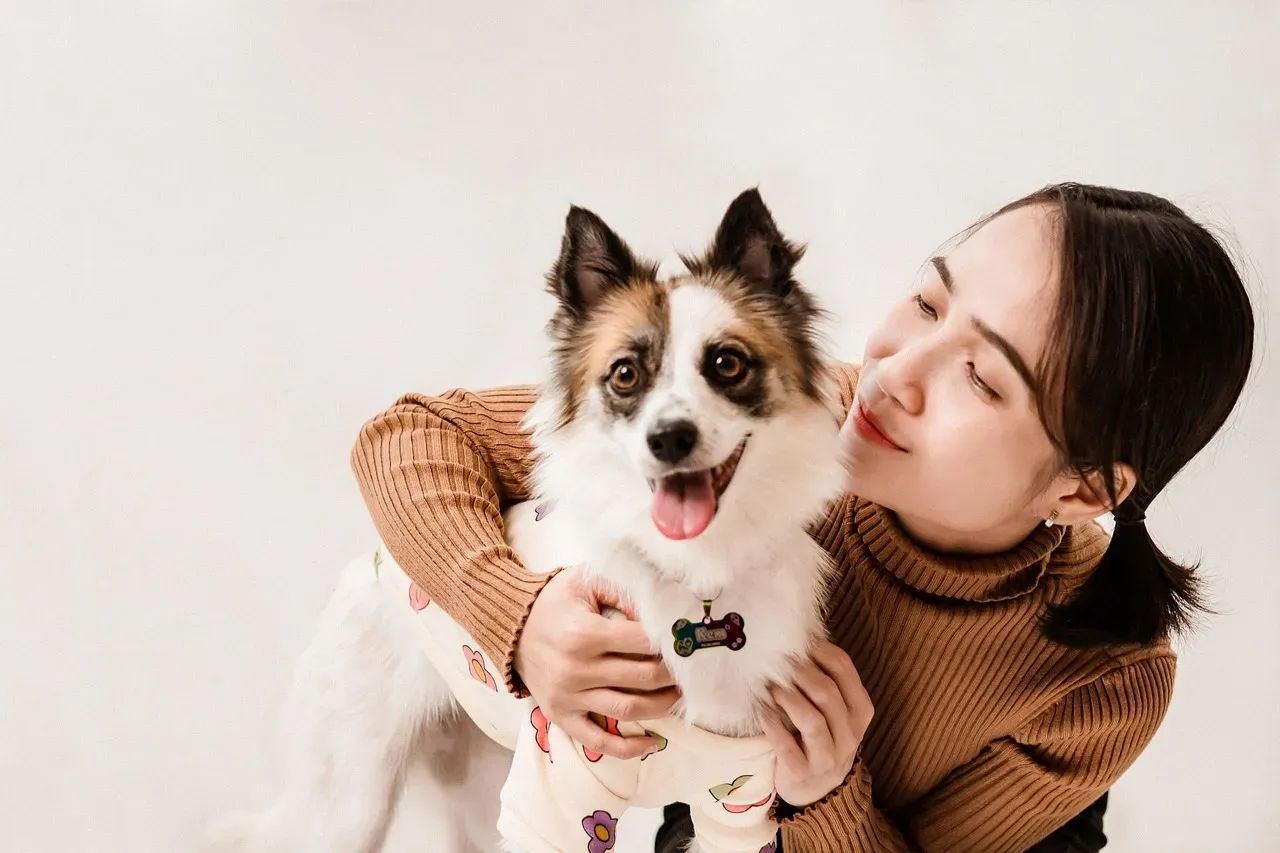
That moment when your dog presses their full body weight against your leg, almost knocking you off balance? That’s not clumsiness. It’s the closest thing a dog has to wrapping their arms around you.
Dogs use body contact the way humans use hugs – to self-soothe and to bond. A lean says “I trust you enough to be this close, and I feel safer right here than anywhere else in the room.” It’s a small gesture with an enormous amount of trust packed into it.
11. The Toy Offering That’s Actually a Gift
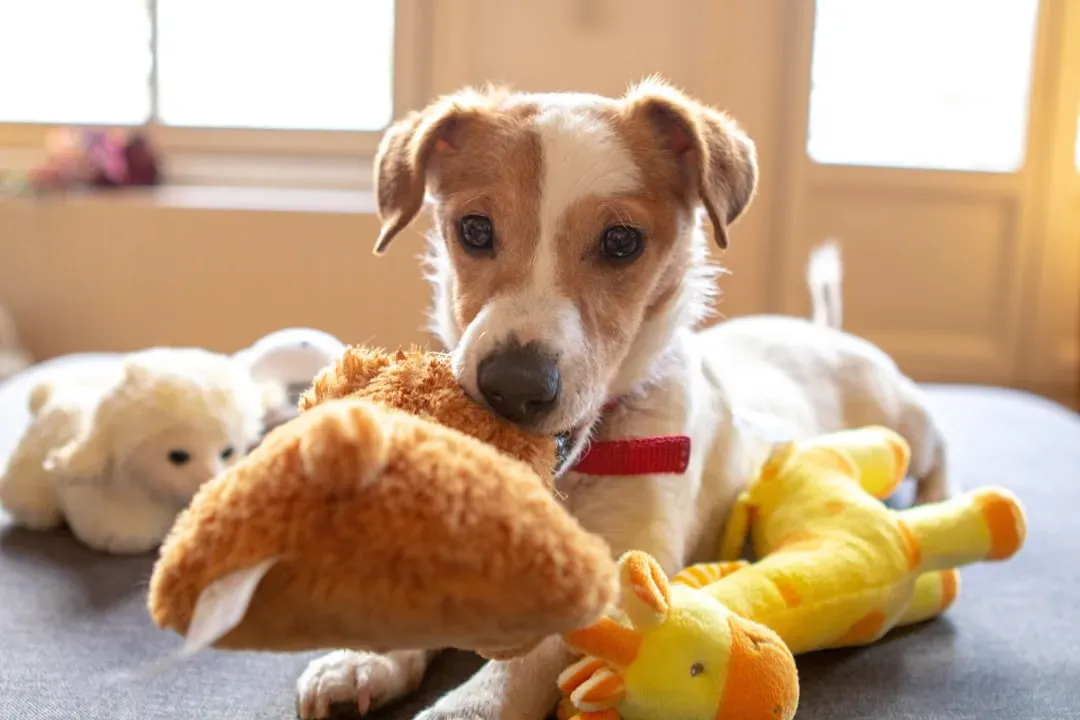
When your dog drops their most prized squeaky toy in your lap, it can look like an invitation to play fetch. Sometimes it is. But often, it’s something quieter – an offering.
Dogs don’t share resources with just anyone. In the wild, guarding food and prized objects is survival instinct. Handing over a favorite toy to you, unprompted, is your dog choosing generosity over instinct, which is a bigger deal than it looks like from the couch.
10. The Long, Soft Stare That Rewires Your Brain
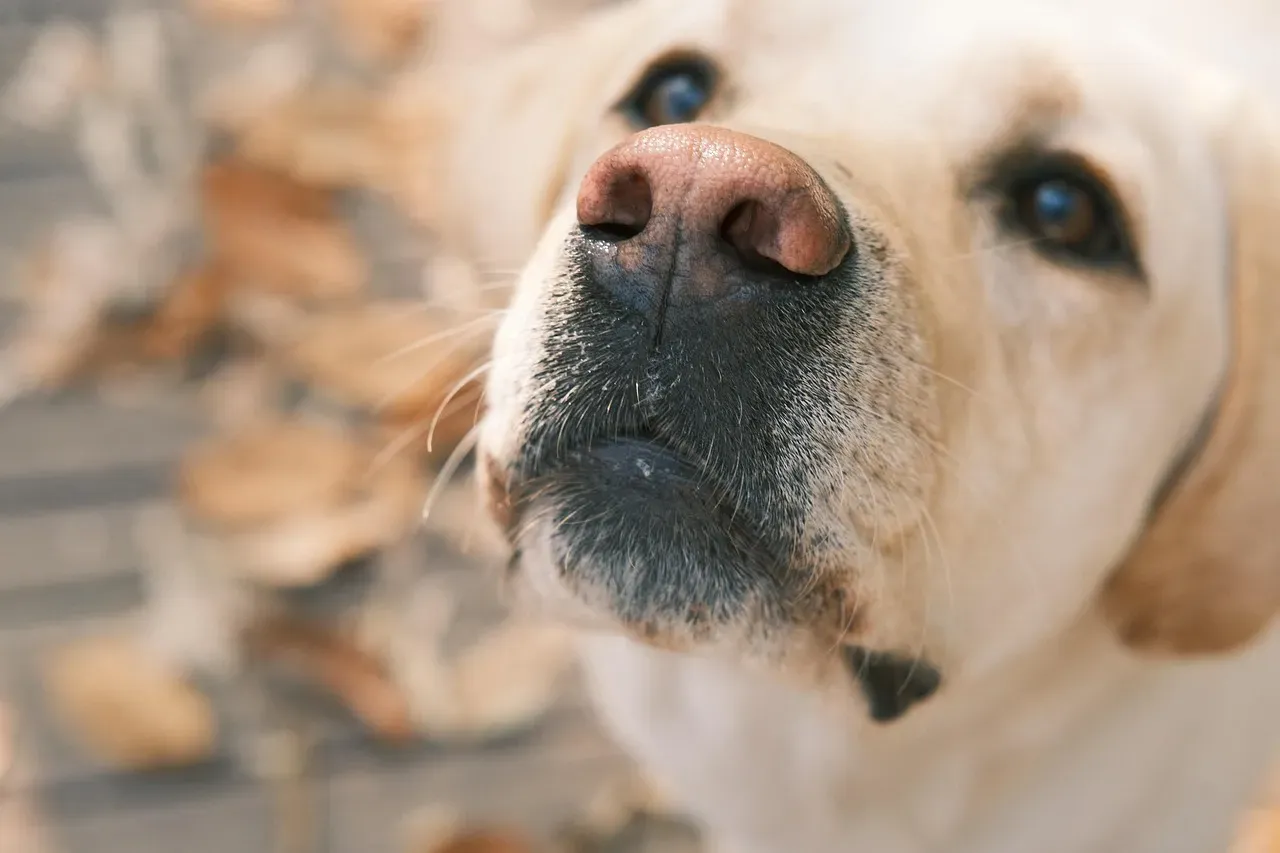
Not the wary stare of a stranger’s dog sizing you up – the soft, half-lidded gaze your own dog gives you across the room. That look is doing something biological to both of you.
Research has shown that mutual eye contact between dogs and their owners triggers a spike in oxytocin, the same “bonding hormone” released between parents and newborns. Your dog isn’t just looking at you. Their body is chemically responding to you the way a parent responds to a baby.
Fast Facts
- Gazing behavior from dogs, but not from wolves, was found to raise oxytocin levels in owners, which then raised oxytocin in the dogs themselves
- Dogs and owners who shared longer gazes showed a bigger oxytocin increase, while shorter gazes left levels unchanged
- The landmark findings were published in the journal Science in 2015
9. The Spot They Choose to Sleep In
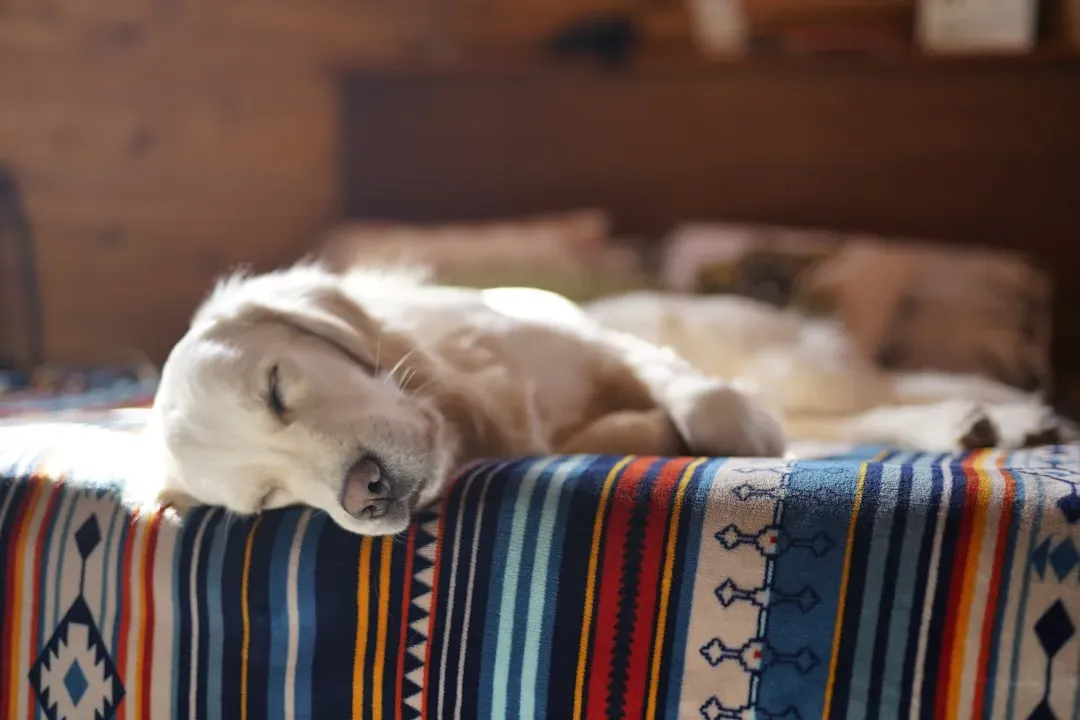
Some dogs sprawl across the whole bed. Others curl into a tight ball against your ankle. Either way, where your dog chooses to sleep says something about how safe they feel with you in the room.
In the wild, sleeping in a pack is a survival strategy – it means protection, warmth, and shared vigilance. A dog that picks your bedroom over a comfy dog bed down the hall isn’t being stubborn. They’re telling you that you’re the pack they trust to keep watch.
8. The Backward Glance on Every Walk
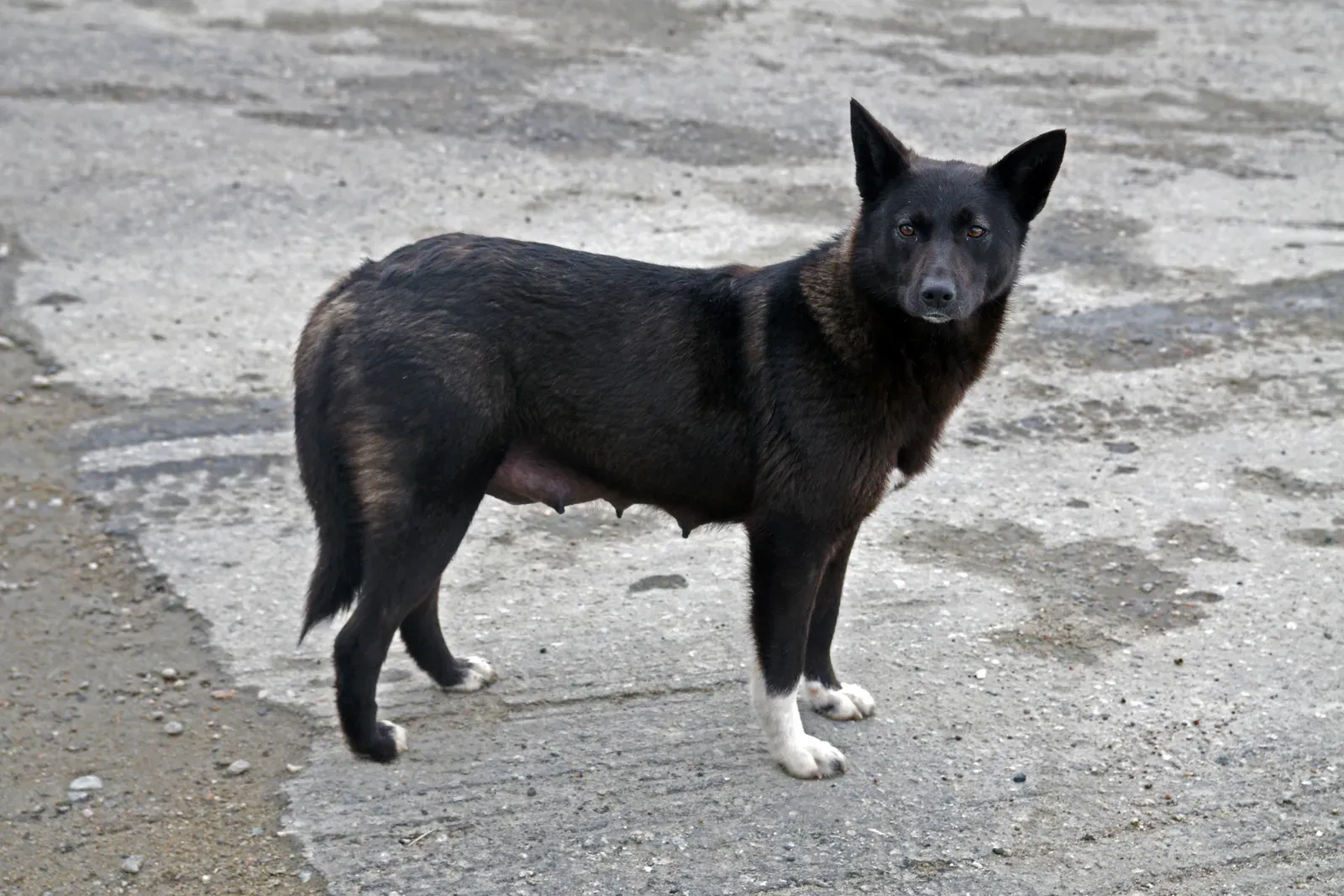
Watch closely on your next walk. Does your dog trot ahead, then pause and glance back at you before continuing? That quick check-in isn’t confusion about the route.
It’s your dog making sure you’re still there, still safe, still part of the plan. Dogs that feel deeply bonded to their owners treat walks as a shared mission, not a solo adventure, and that backward glance is them keeping you looped in every few steps.
7. The Licking That Started Long Before You Met
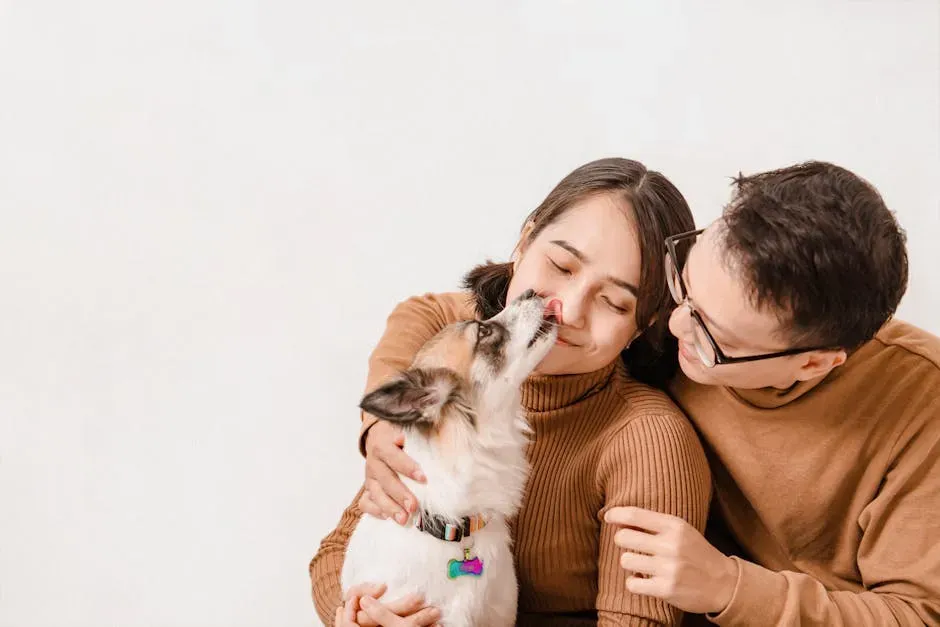
A lick on the hand or the face can feel random, even a little gross, but it’s actually one of the oldest bonding behaviors a dog has. Puppies lick their mothers to communicate and stay connected from the very beginning of life.
When your adult dog licks you, they’re reaching back into that same instinct. It’s grooming, comfort, and communication rolled into one small gesture – a leftover language from puppyhood that they never stopped speaking with you.
6. The Tail Wag That Leans Right
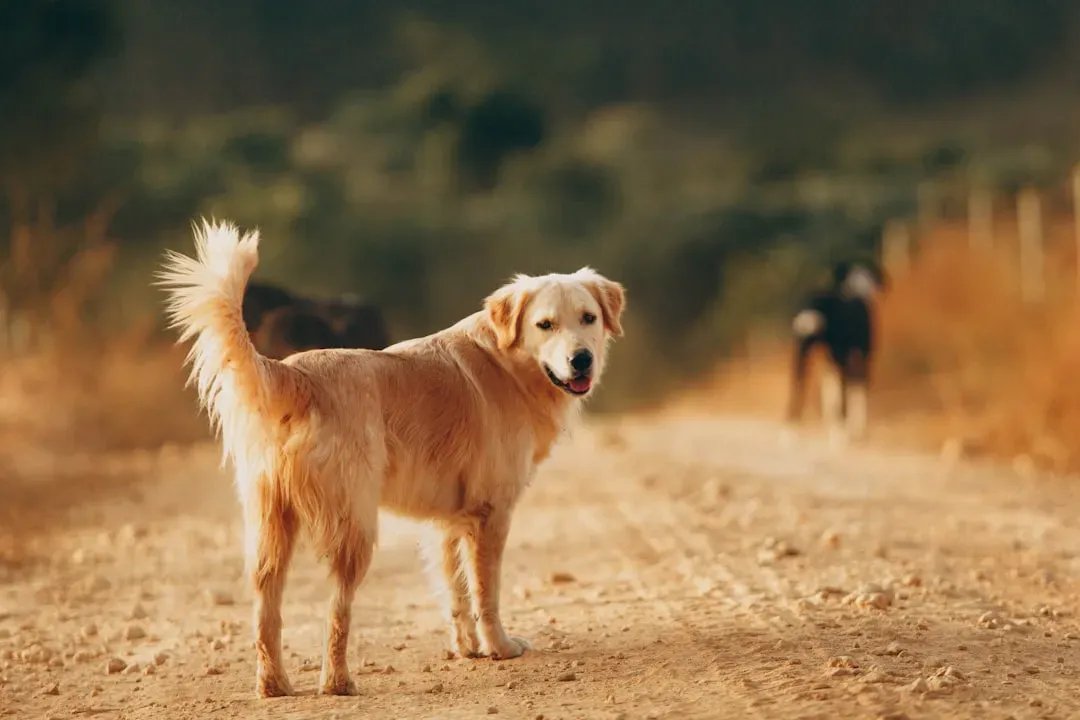
Not all wags are created equal, and this one is almost sneaky in how subtle it is. Researchers studying canine body language found that dogs wag their tails slightly more to the right when they encounter something – or someone – they feel positively about.
A left-leaning wag can signal caution or stress. A right-leaning one is the emotional equivalent of a smile. Next time your dog sees you across a room, watch which way that tail tips before you even call their name.
Quick Compare
- Right-biased wag: tends to show up when dogs feel generally positive about something or someone
- Left-biased wag: more common when dogs are having negative feelings
- Owner effect: the right-sided bias was more pronounced when a dog interacted with its owner than with an unfamiliar person
5. The Yawn They Catch From You
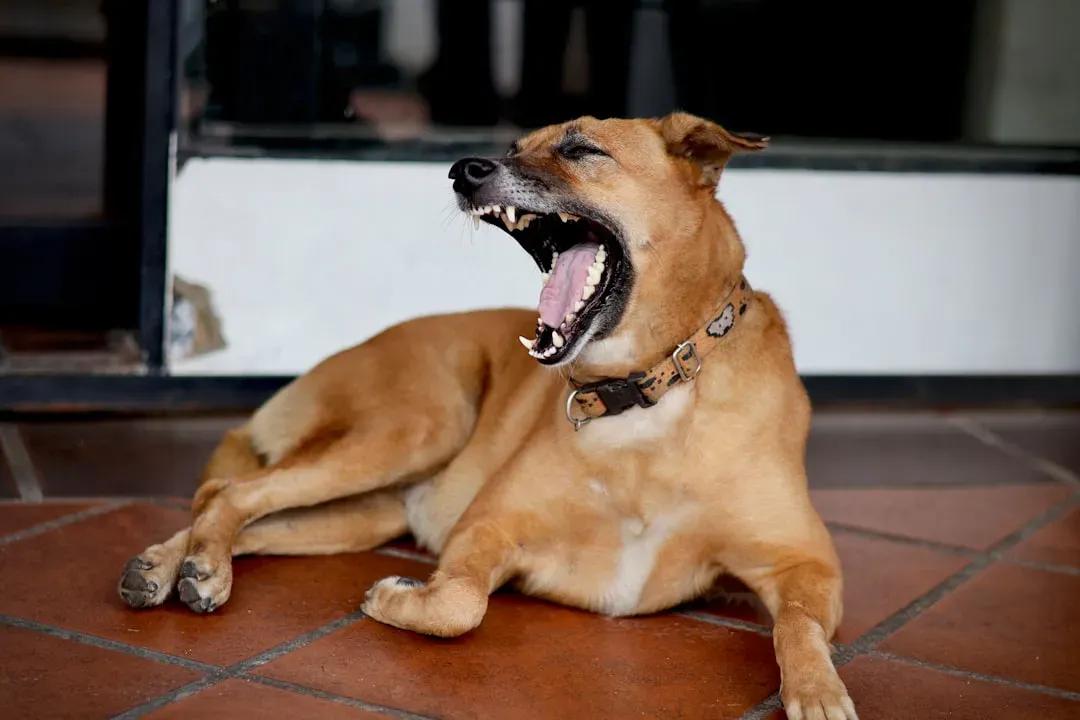
Contagious yawning isn’t just a human quirk shared between close friends and family. Dogs catch yawns from their owners too, and scientists believe it’s a sign of empathy, not just tiredness.
A dog yawning right after you do means they’re emotionally tuned in to your state, almost mirroring you without realizing it. It’s a small, involuntary proof that your moods are contagious to the animal curled up beside you.
4. The Eyebrow Flicker Reserved Just for You
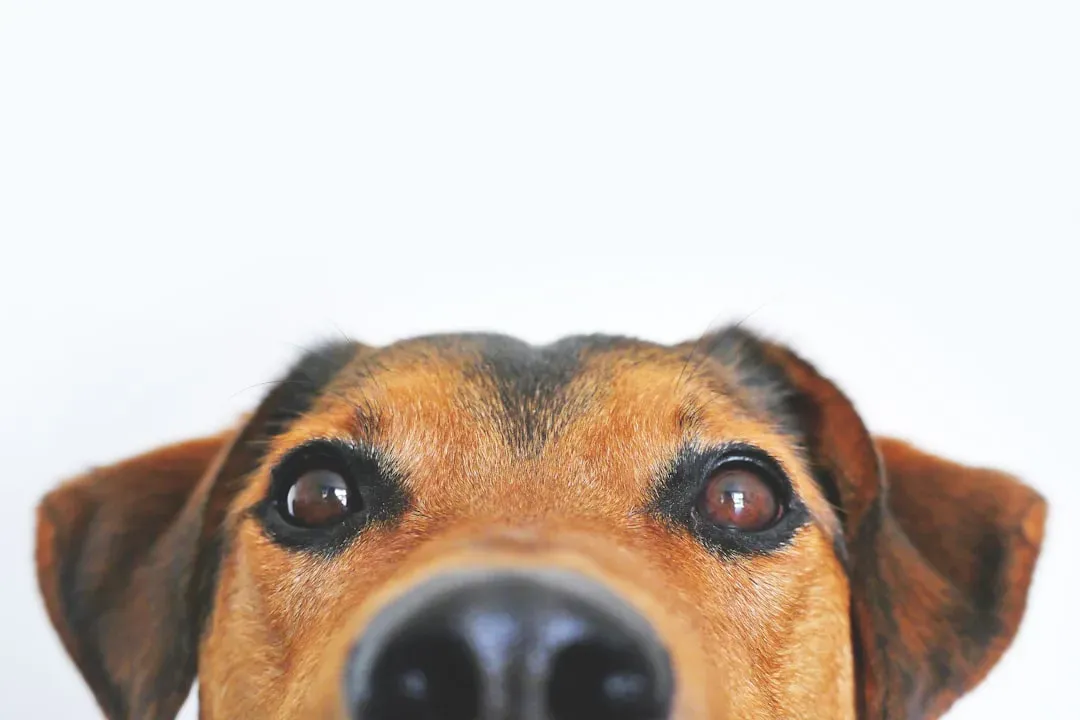
Dogs have more facial muscles around the eyes than most people realize, and they use them. That quick eyebrow raise, especially on the left side, when you walk into a room isn’t random twitching.
Studies on canine facial expression suggest dogs make this movement more often toward people they recognize and feel affection for. It’s a flicker of recognition, a tiny “it’s you” that most owners never even notice is happening.
3. The Cuddle That Comes After the Bowl Is Empty
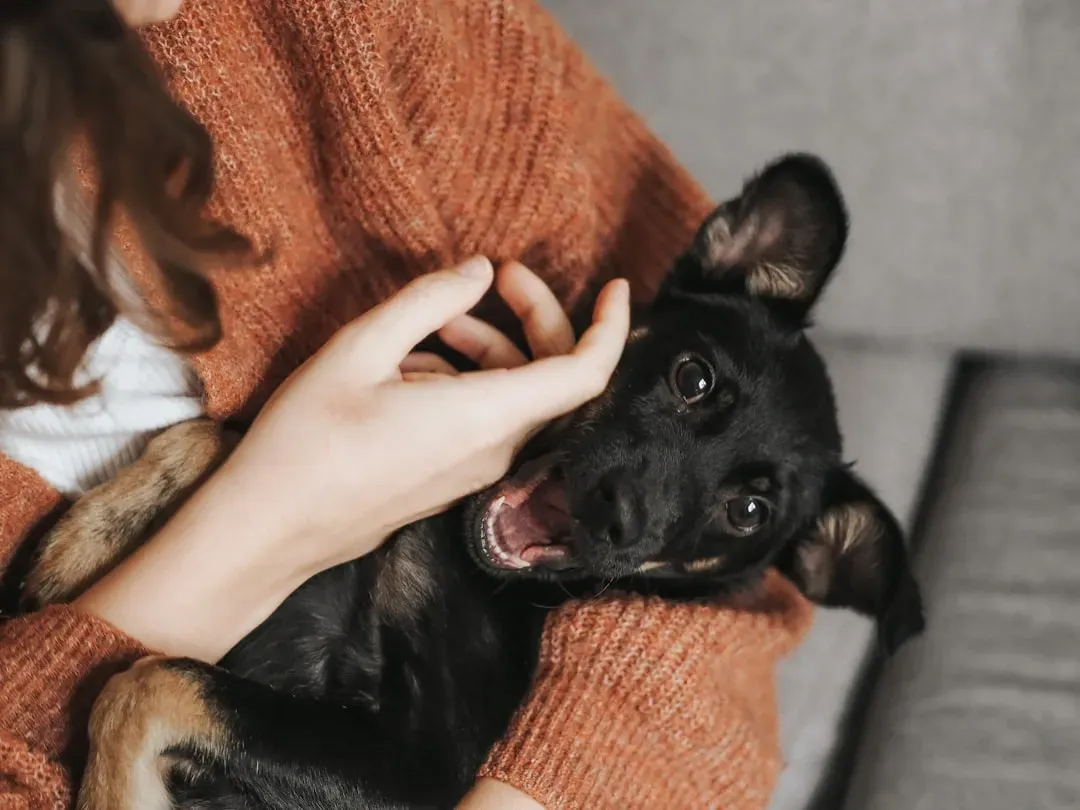
Skeptics love to argue that dogs only love the person who feeds them. But watch what happens right after mealtime. If your dog finishes eating and immediately comes looking for you instead of wandering off, that timing matters.
It shows the relationship isn’t transactional in their mind. Food satisfies one need; you satisfy something else entirely. A dog that circles back for closeness after eating is choosing connection over convenience.
2. The Sweater They Steal and Refuse to Give Back
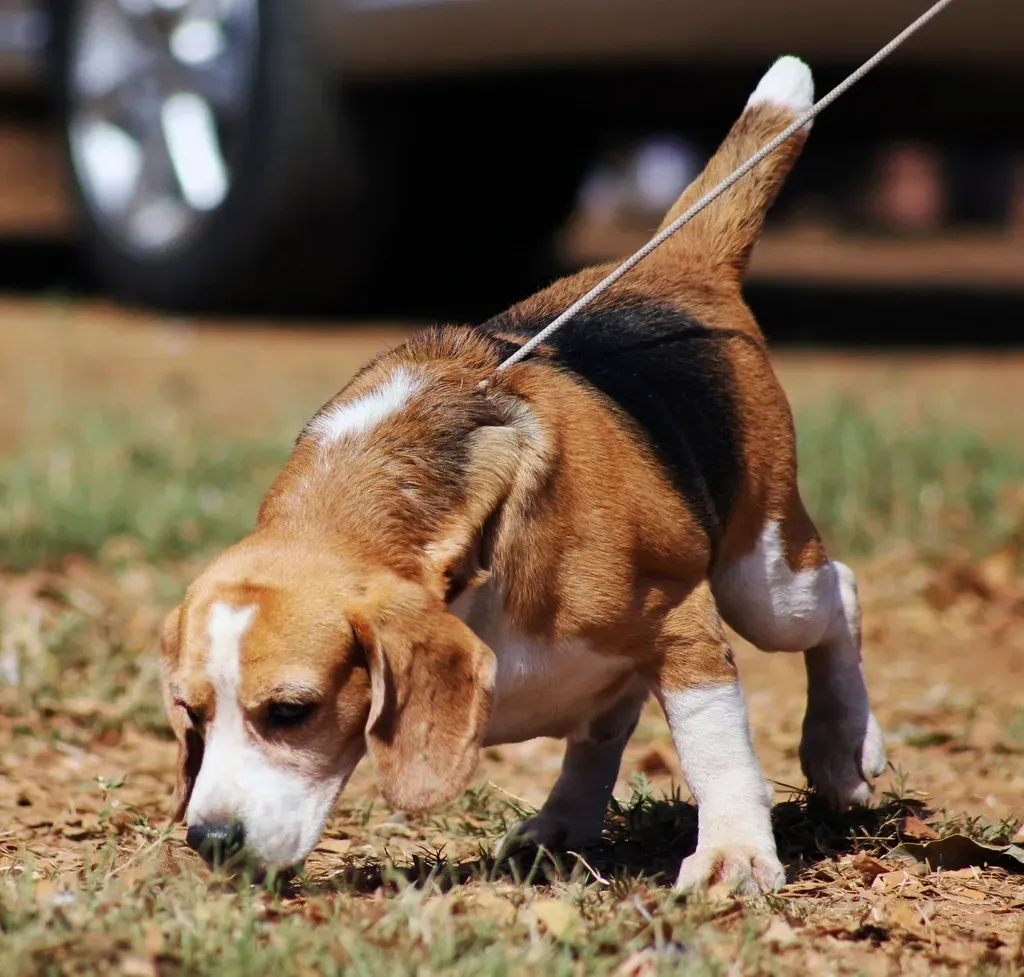
Every dog owner has a story about a missing sock, a stolen sweatshirt, or a pillow that mysteriously smells like them and ends up in the dog bed. It’s not mischief. It’s comfort-seeking.
Your scent is one of the most powerful signals of security a dog has. When you’re not around, sleeping on something that smells like you is the closest substitute they can find, and it says more about how much they miss you than any whine ever could.
At a Glance
- A dog’s nose is dramatically more sensitive than a human’s, so scent carries real emotional weight
- Sleeping on worn clothing is one of the most common comfort habits reported when owners are away
- It’s generally seen as self-soothing, not disobedience or destructive behavior
Dogs are not our whole life, but they make our lives whole.
Roger Caras
1. The Way Their Mood Quietly Becomes Yours
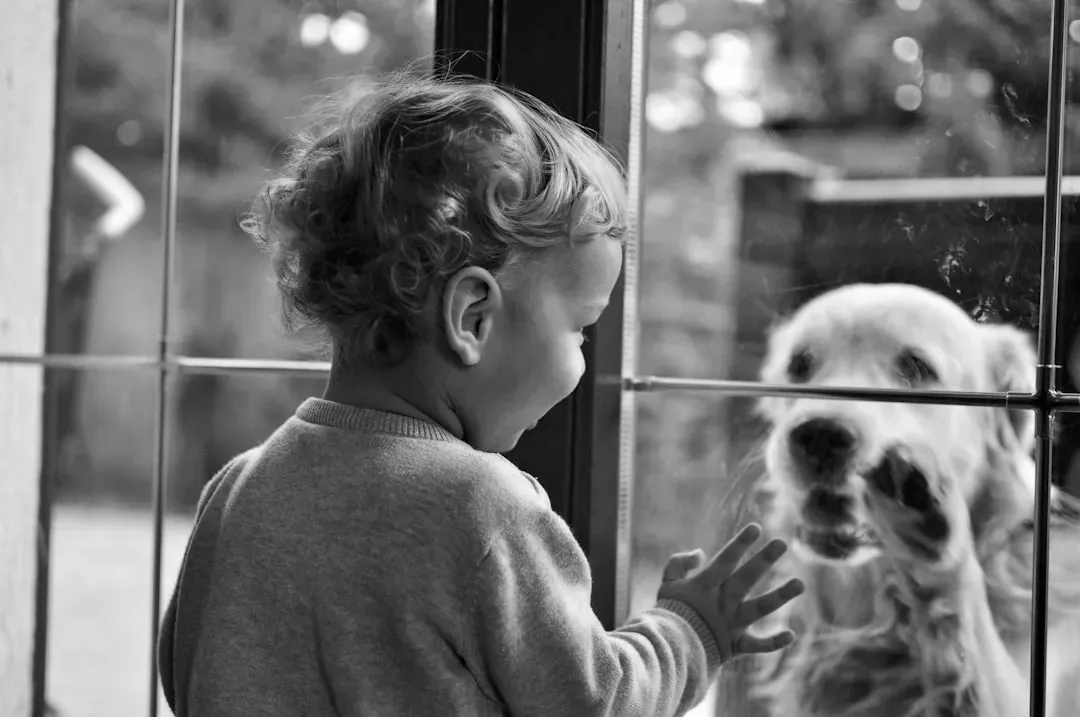
This is the big one, the sign most owners never clock until they really pay attention. Dogs are extraordinarily sensitive to human emotion – they pick up on tone of voice, posture, even the tension in your shoulders after a bad day.
If you’ve ever noticed your dog getting subdued when you’re sad, or bouncing with extra energy when you’re genuinely happy, that’s not coincidence. It’s emotional mirroring, and it means your dog isn’t just living in the same house as you. They’re living inside your emotional world, moment by moment, whether you realize it or not.
None of these signs come with fireworks or grand declarations, and that’s exactly the point. Dogs don’t perform love for an audience – they just quietly hand it to the one person their whole world revolves around. If you recognized even half of these in your own dog, stop scrolling and go look at them. That’s not just a pet keeping you company. That’s a heart that decided, without hesitation, that you were worth all of it.


