
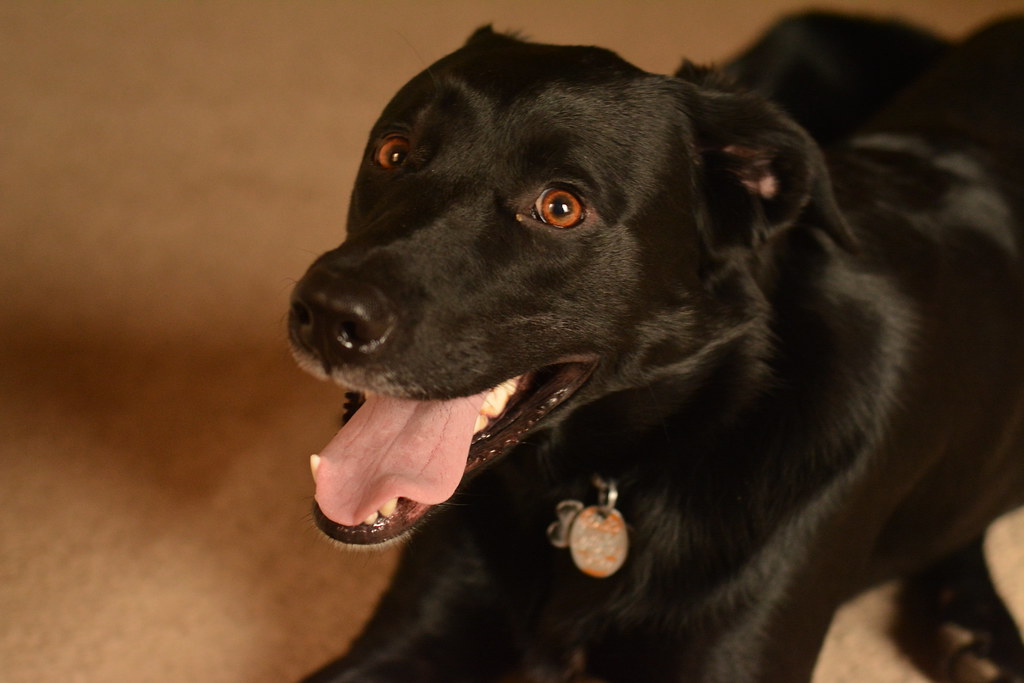
Most people believe that when a dog is nearing the end of its life, the signs are obvious and dramatic. However, the truth is that many indicators are subtle and easily overlooked, especially by those who know their canine companions best. Recognizing these tender signs can make all the difference in providing comfort during your dog’s final days. Here’s what experts actually say.
14 – Subtle Weight Loss
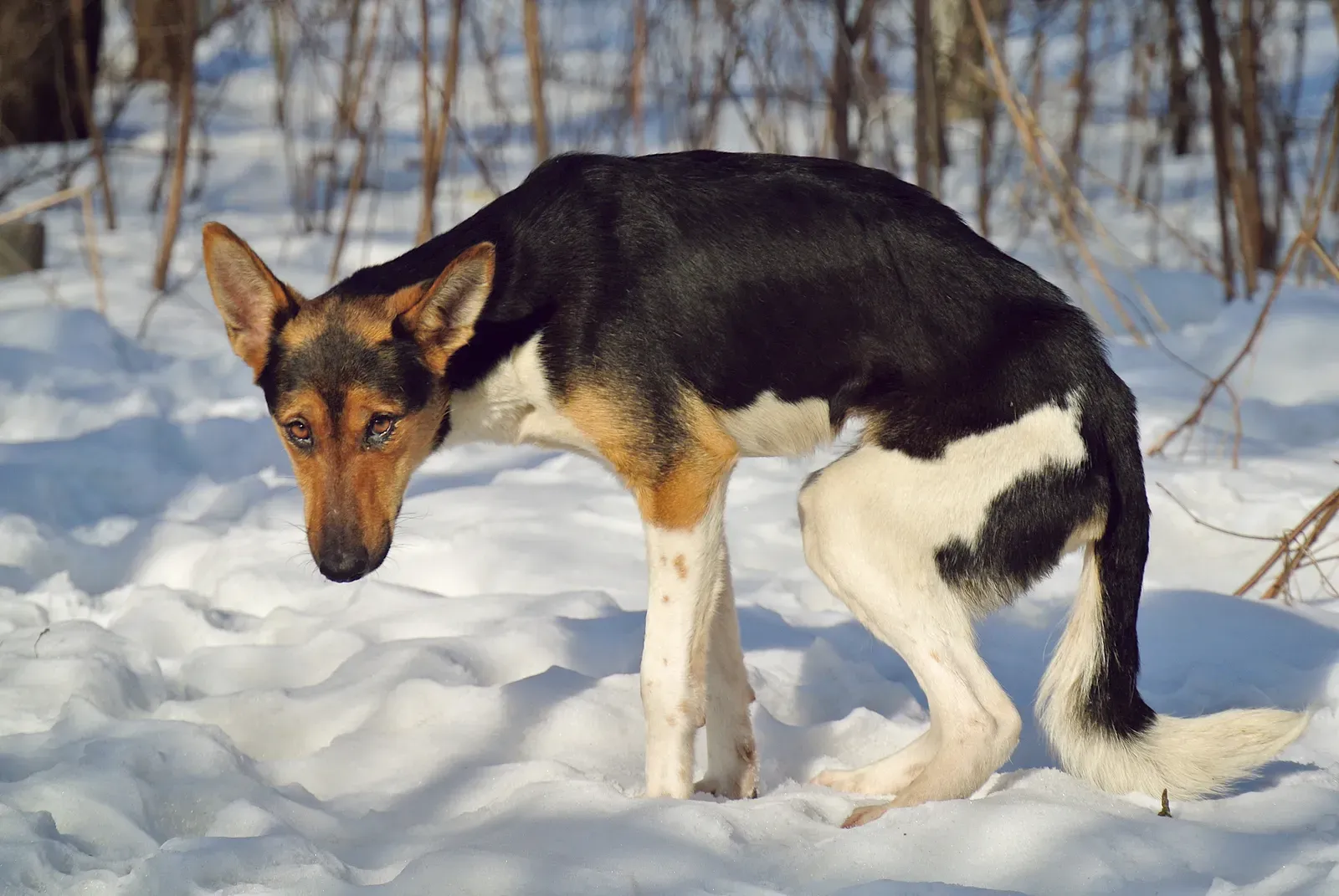
Even a slight decrease in weight can be a significant indicator that your dog’s health is declining. This isn’t just about eating less; it’s about the body’s reduced ability to absorb nutrients effectively. You might notice a more pronounced ribcage or a slight thinning around the hips. **Such changes often go unnoticed until they become more severe.** But that’s nothing compared to what we found about #13…
13 – Decreased Interest in Favorite Activities
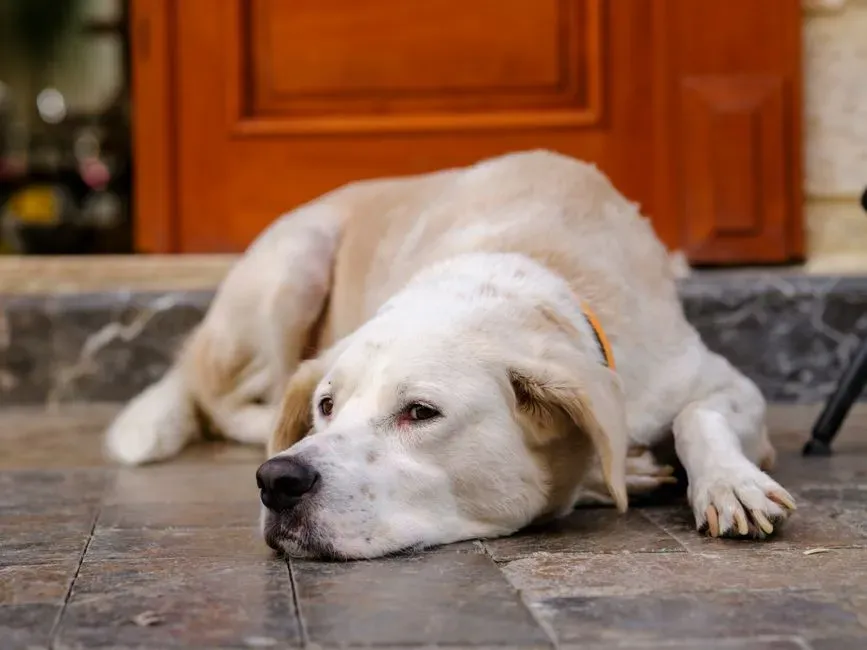
When your dog starts showing less enthusiasm for activities they once loved, it’s a gentle sign of their waning vitality. Perhaps they no longer greet you at the door with the same vigor or seem indifferent to their favorite toy. **This subtle shift can be easily dismissed as mere aging, but it often indicates deeper health issues.** But wait until you hear about #12…
12 – Increased Sleeping
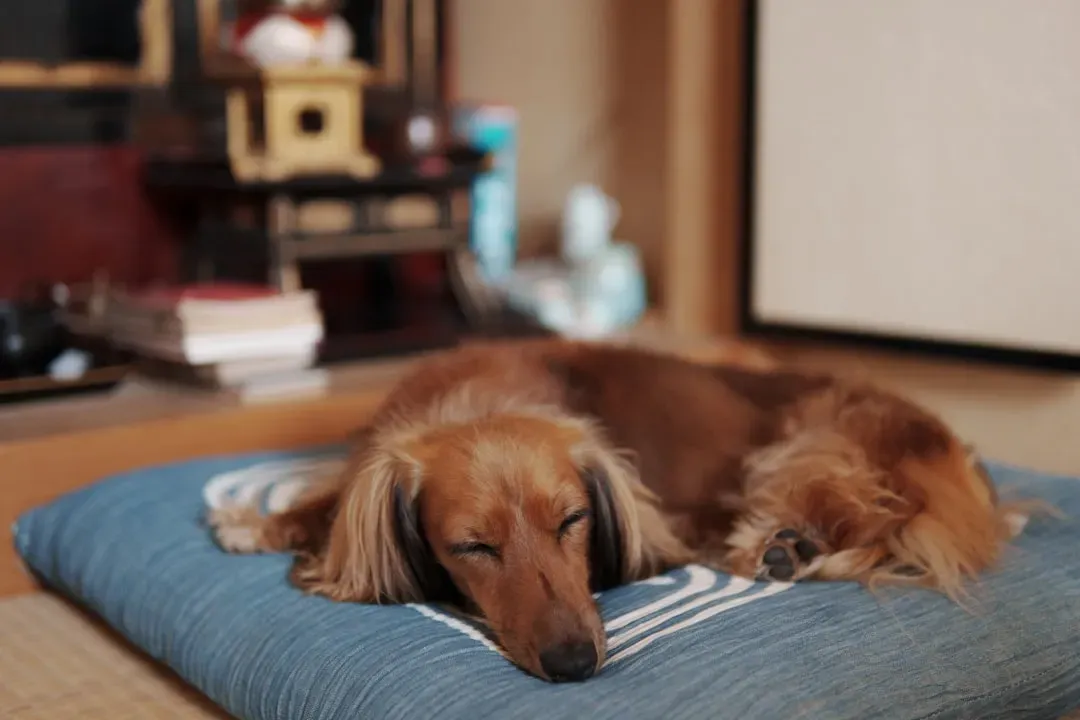
An old dog sleeping more isn’t unusual, but a noticeable increase in rest can signal that their body is conserving energy due to declining health. They might choose to rest in secluded areas, seeking solitude. **This behavior is their way of coping with discomfort or fatigue.** But that’s nothing compared to what we found about #11…
11 – Subtle Changes in Breathing Patterns
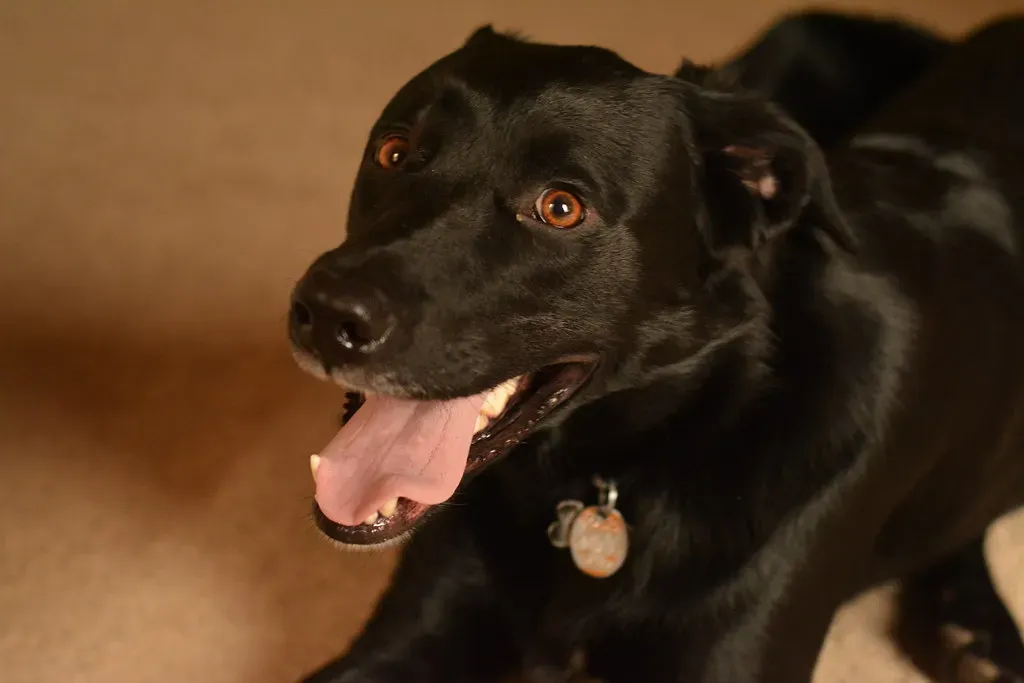
You might observe your dog breathing more shallowly or taking longer pauses between breaths. These changes can be so slight that only a vigilant owner would notice. **Such respiratory shifts often indicate underlying health issues, including heart problems.** But wait until you hear about #10…
10 – Loss of Bladder Control
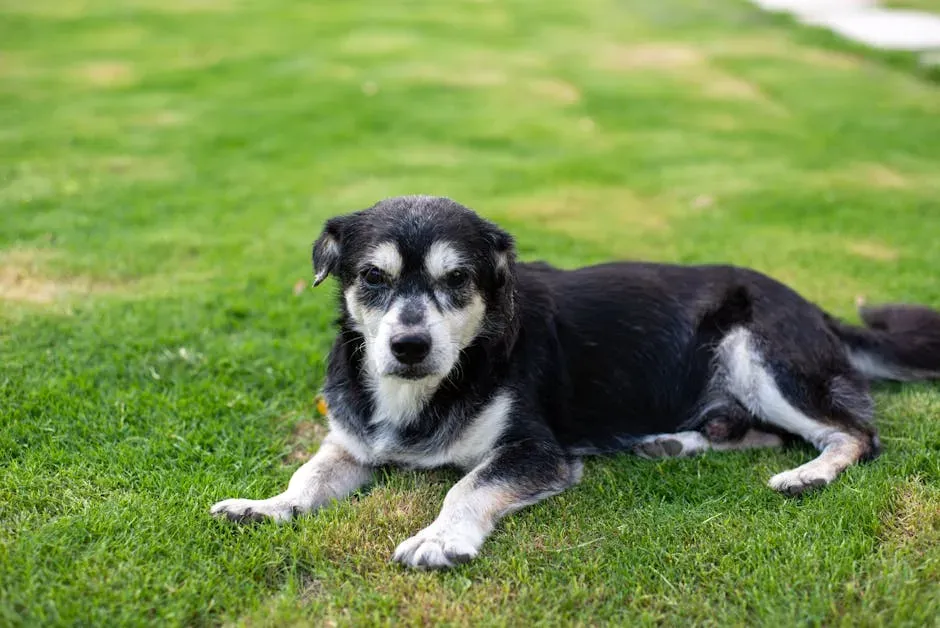
Occasional accidents indoors can be dismissed as behavioral issues, but in older dogs, they often point to weakening muscles or neurological decline. **This loss of control is a tender sign that their body is not functioning as it once did.** But that’s nothing compared to what we found about #9…
9 – Dull or Cloudy Eyes
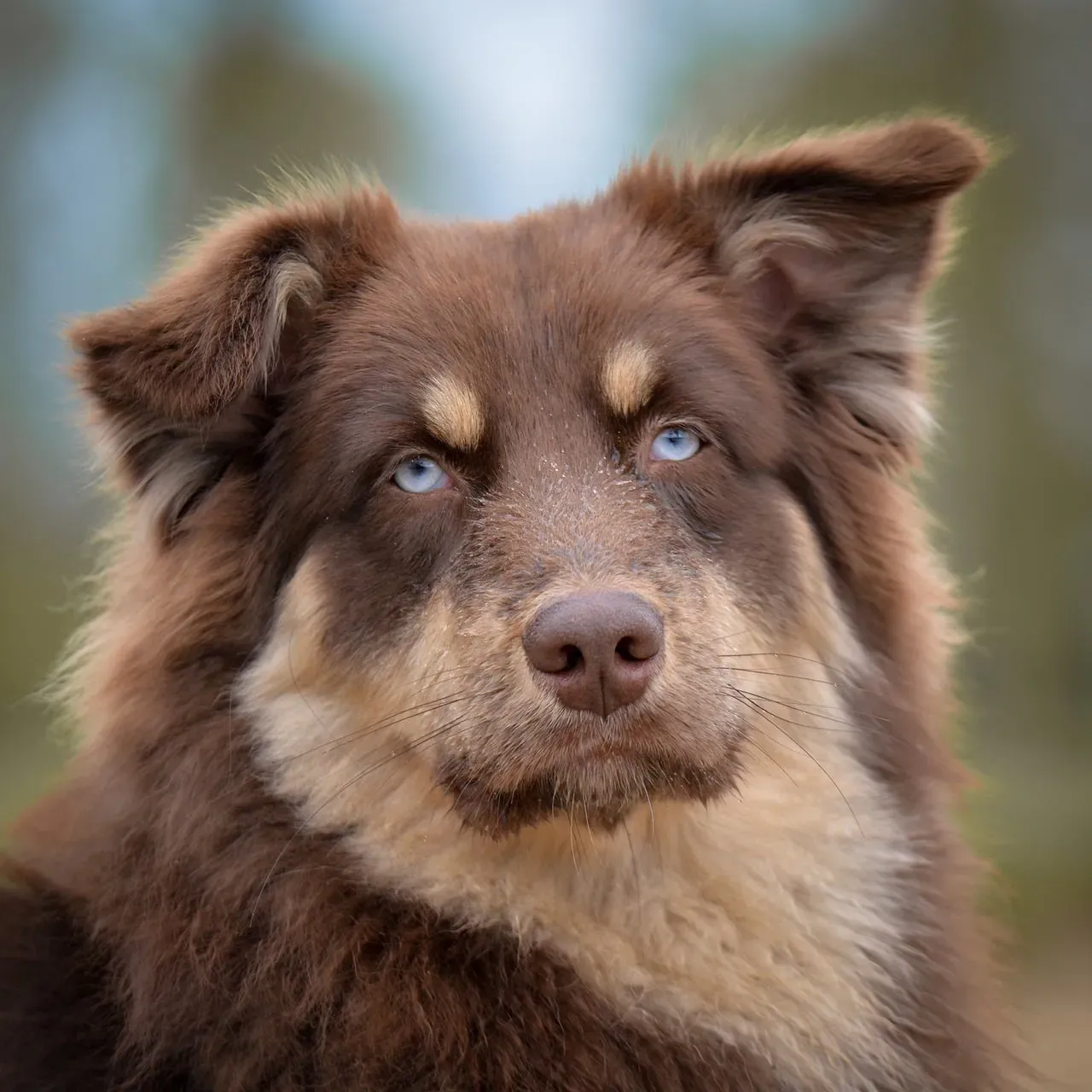
A slight cloudiness or dullness in your dog’s eyes can be a subtle indicator of aging and declining health. While it might not affect their vision immediately, it’s a sign that their body is undergoing changes. **This visual change is often accompanied by other signs of aging.** But wait until you hear about #8…
8 – Reduced Grooming Habits
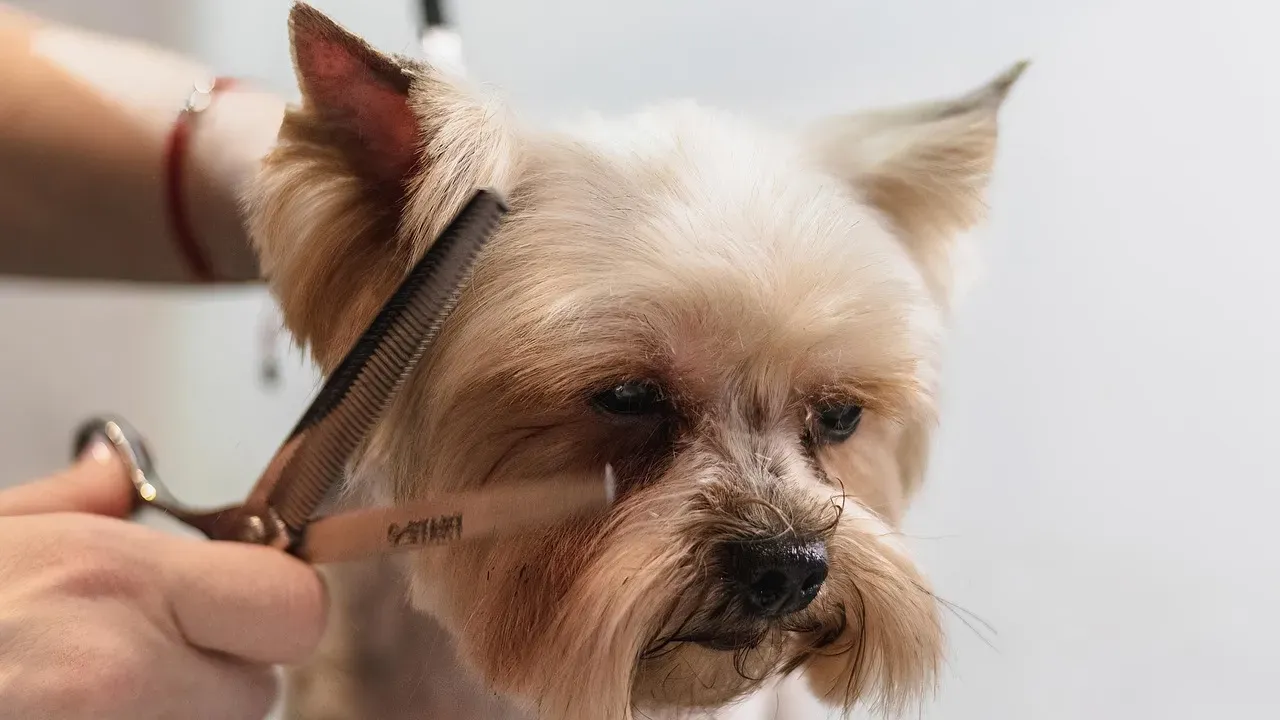
Dogs are naturally inclined to keep themselves clean. If you notice your dog neglecting their grooming, it could be a sign of discomfort or lack of energy. **This change is often subtle but speaks volumes about their overall well-being.** But that’s nothing compared to what we found about #7…
7 – Mild Disorientation

Your dog might occasionally seem confused, perhaps standing at the wrong side of the door or appearing unsure of familiar surroundings. **These moments of disorientation can be early signs of cognitive decline.** But wait until you hear about #6…
6 – Decreased Thirst
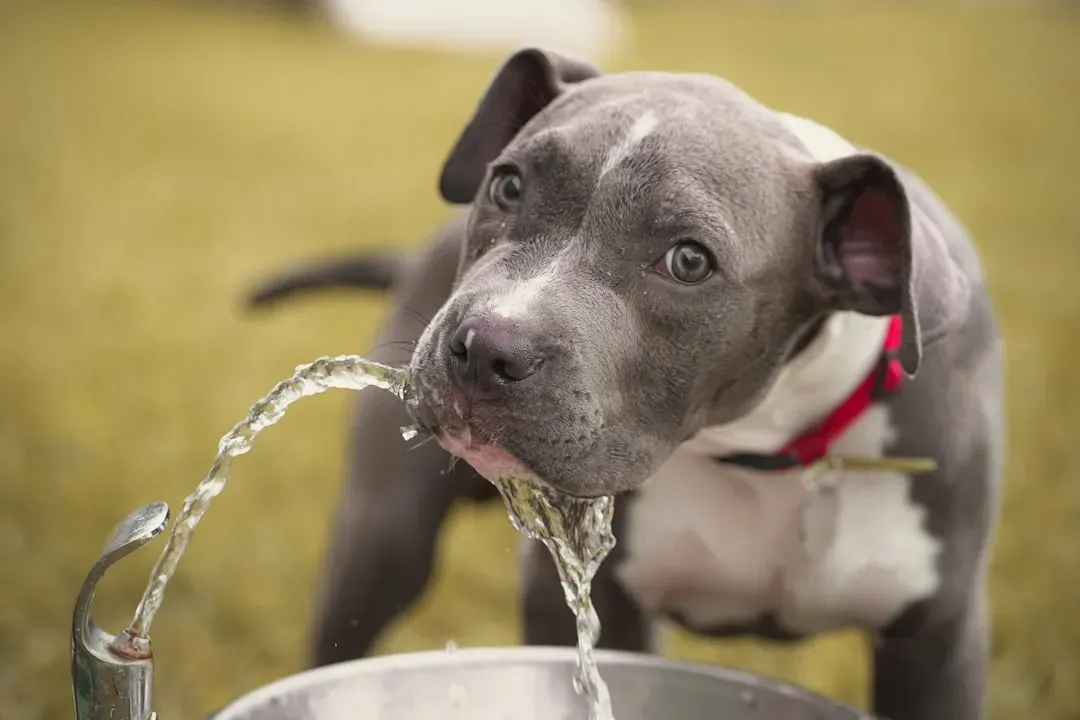
A subtle reduction in water intake can be overlooked, but it’s a significant sign. Dehydration can set in quickly, leading to further health complications. **Monitoring your dog’s drinking habits is crucial during their senior years.** But that’s nothing compared to what we found about #5…
5 – Seeking More Solitude
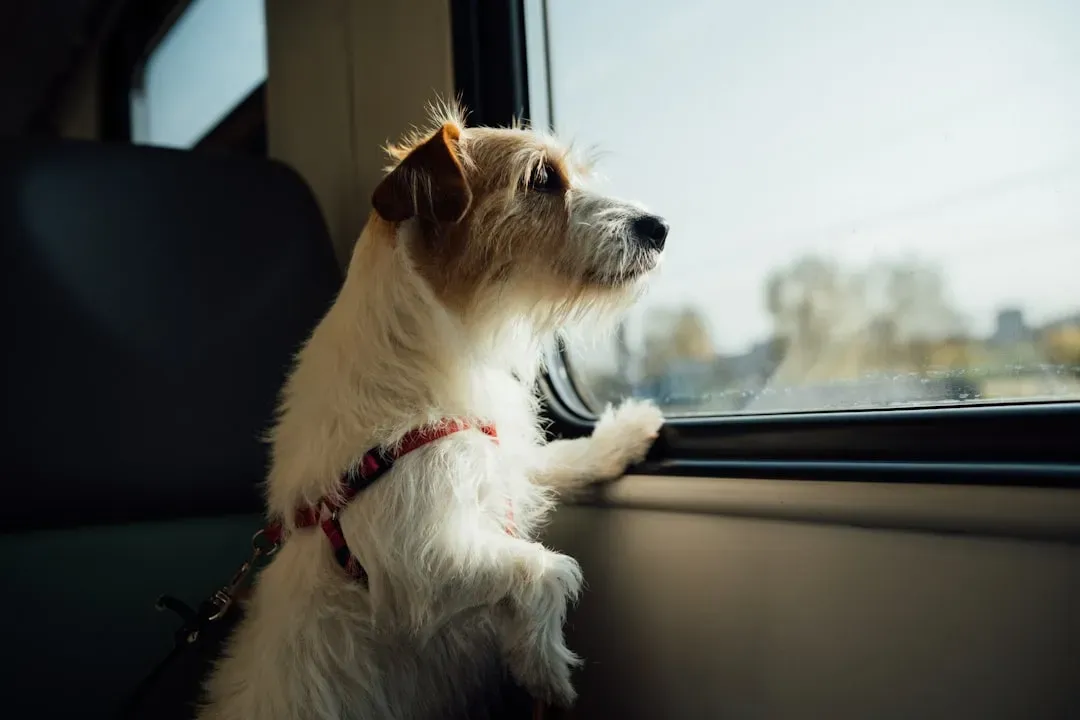
If your dog starts spending more time alone, it might be their way of coping with discomfort. They might choose quiet corners or less frequented areas of the house. **This behavior is a gentle signal that they are not feeling their best.** But wait until you hear about #4…
4 – Subtle Changes in Barking
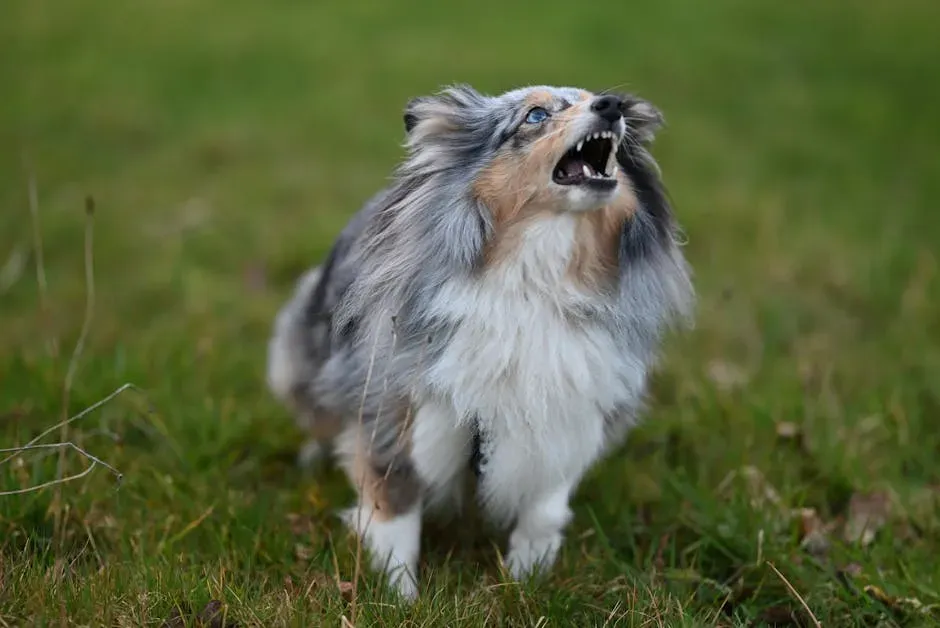
A decrease in barking or a softer bark can indicate that your dog doesn’t have the energy they once did. **This change is often gradual and can be easily missed.** But that’s nothing compared to what we found about #3…
3 – Mild Temperature Sensitivity

Your dog might seek out warmer spots more frequently or shiver in conditions they previously tolerated. **This increased sensitivity can be a sign of declining health.** But wait until you hear about #2…
2 – Gentle Tremors
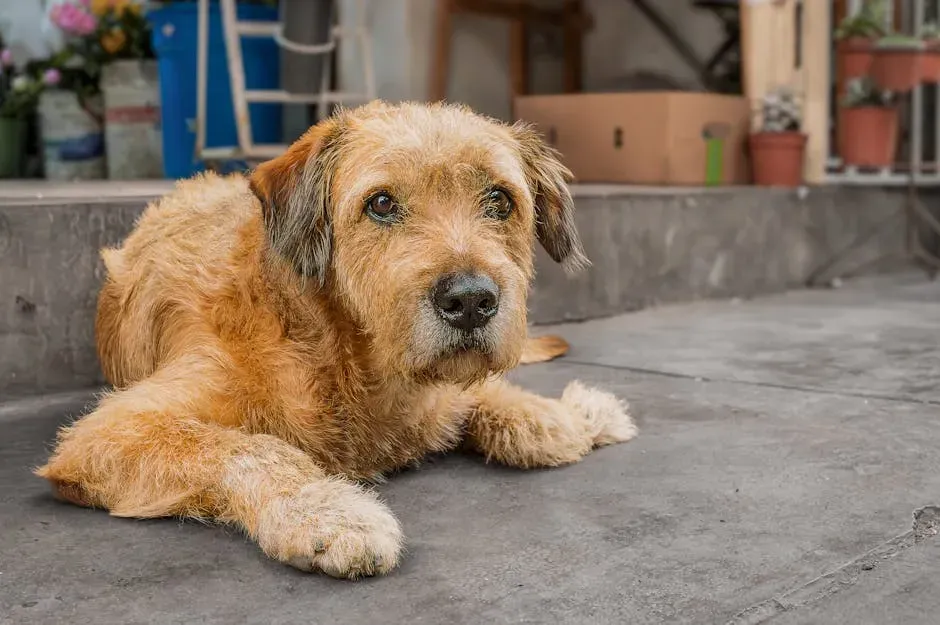
Occasional, mild tremors can be a sign of muscle weakness or neurological issues. **These tremors are often subtle and can be mistaken for normal aging.** But that’s nothing compared to what we found about #1…
1 – Subdued Greeting Behavior
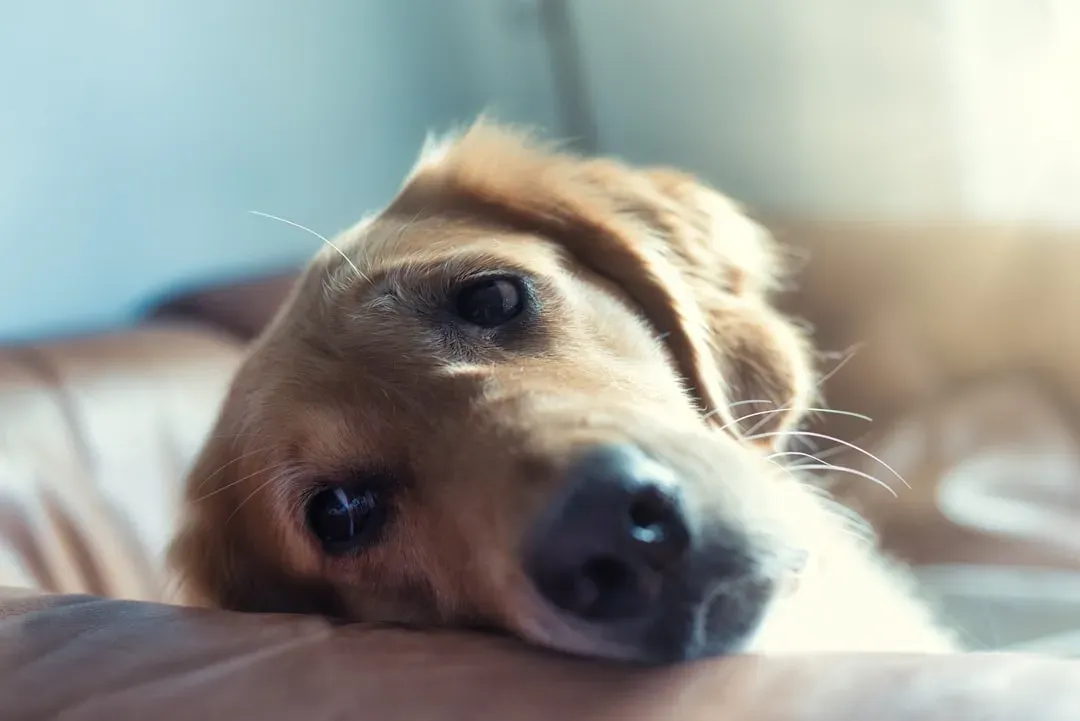
Perhaps the most heart-wrenching sign is when your dog no longer greets you with the same enthusiasm. This change, though subtle, indicates that they are conserving energy and might not feel well. **It’s a tender reminder of their declining health.**
The Bottom Line
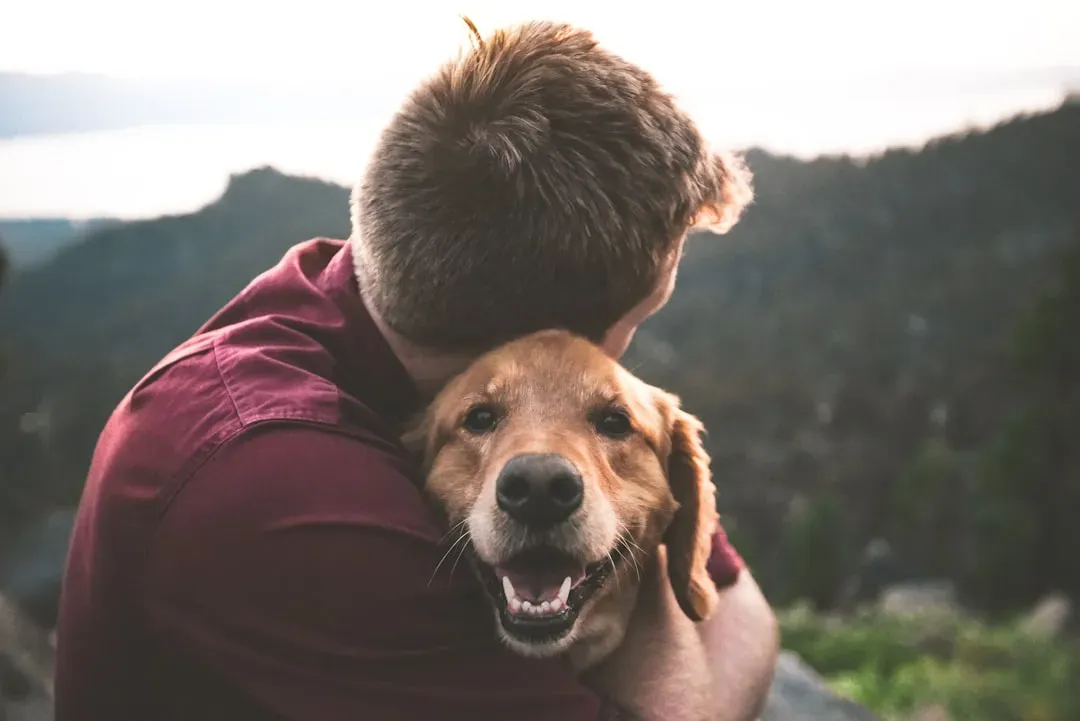
Recognizing these subtle signs is crucial in ensuring your beloved companion’s comfort during their final days. While some changes are part of natural aging, others indicate that your dog may be nearing the end of their journey. Being attuned to these signs allows you to provide the love and care they deserve. Did we miss one? Drop it in the comments.


