
You grab your keys, and something in your dog’s whole body changes. You tell yourself it’s probably nothing – that the second the door clicks shut, their brain just goes quiet until you’re back. That assumption is more wrong than most owners realize.
Dogs don’t just wait. They replay. From the jingle of your keys to the sound of your car in the driveway hours later, their mind runs through a very specific reel of moments while you’re gone – some sweet, some heartbreaking, and one that’s pure chaos. Here are the 13 they revisit the most.
13 – The Keys Jingle and Their Stomach Drops
Long before you touch the doorknob, your dog has already clocked what’s happening. The rattle of keys, the specific shoes you put on, even the way you glance at your phone before heading out – dogs file these tiny cues away and connect them instantly. It’s not guesswork on their part; it’s pattern recognition built from hundreds of identical mornings.
That’s why some dogs start pacing or pressing against your leg before you’ve said a word. It’s an early warning system, and for dogs prone to anxiety, this moment can hit almost as hard as the actual goodbye. The emotional spiral, in a sense, starts before you’re even gone.
12 – The First Lonely Minutes After the Door Clicks Shut
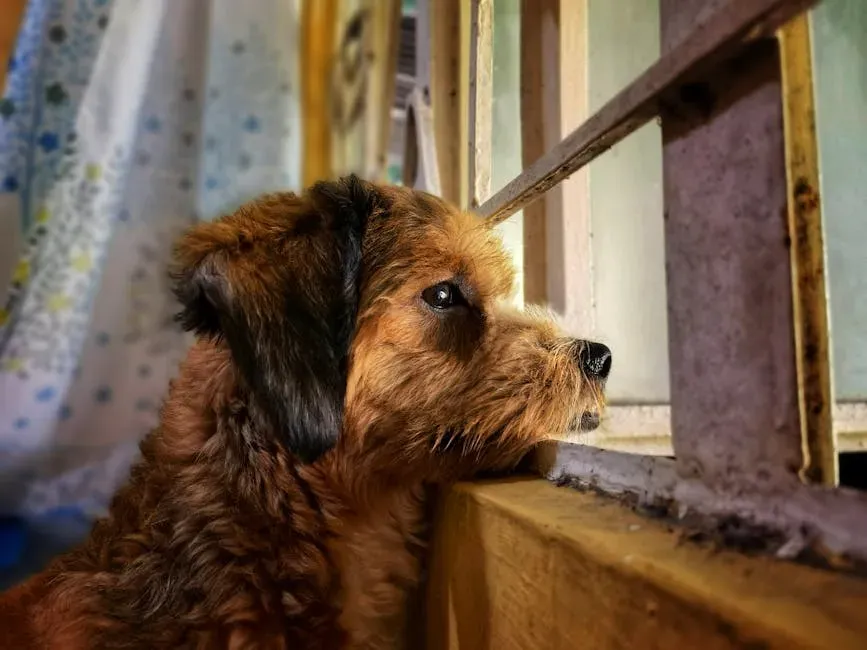
The second you’re out of sight, something shifts. Some dogs let out a bark or a whine at the closed door, almost like they’re testing whether you’ll come back if they ask loudly enough. Others go silent and simply plant themselves at the nearest window, watching the driveway like it owes them an explanation.
These first few minutes matter more than people think. Behaviorists often point to this window as the emotional peak of separation distress – after this, most dogs either settle or spiral, and how they handle these opening moments tends to set the tone for the rest of your time away.
Fast Facts
- A dog’s sense of smell can be tens of thousands of times sharper than a human’s, which is part of why your scent works so well as comfort later in the day.
- Behaviorists often flag the first several minutes alone as the most emotionally intense stretch of a dog’s day.
- Window-watching and door-focused pacing are two of the most commonly reported early alone-time habits in pet dogs.
11 – Burying Their Face in Your Worn T-Shirt

Somewhere in the house, there’s a piece of clothing that smells like you, and your dog knows exactly where it is. Your scent is one of the most powerful comfort tools they have, which is why so many dogs drag a shirt off the laundry pile or curl up on your side of the bed the moment you’re gone.
It’s not random. It’s a coping strategy. Your smell tells their nervous system you still exist somewhere in the world, even if they can’t see you – a small, quiet reassurance that gets them through the loneliest stretch of the day.
10 – The Couch Cushion They Absolutely Destroyed
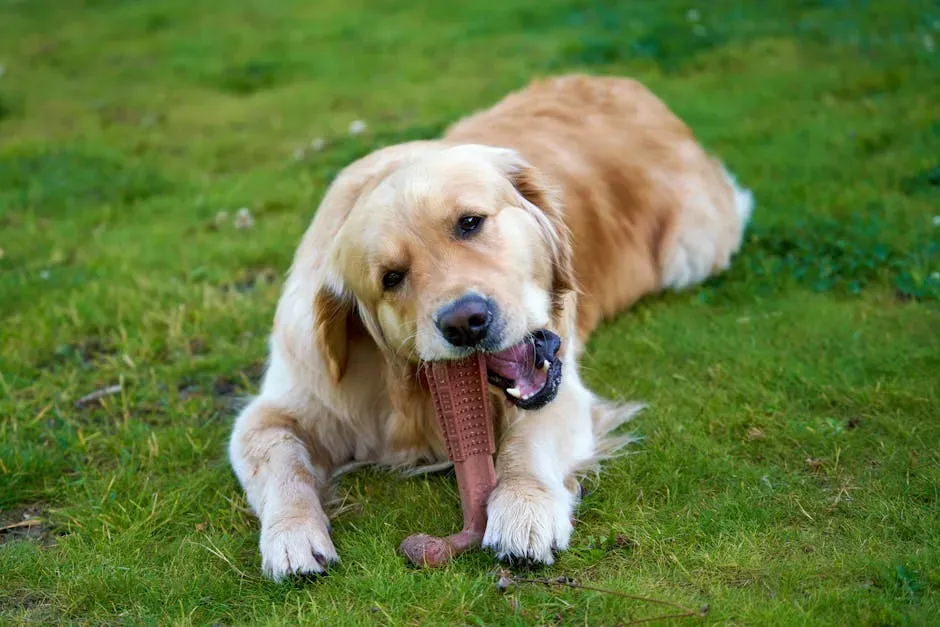
Nobody comes home to shredded pillow stuffing and thinks their dog was having a great afternoon. But that chewed corner of the couch or the suspiciously rearranged trash isn’t rebellion – it’s stress leaking out somewhere it can. Destruction is often the physical evidence of an emotional moment you never saw happen.
For dogs who don’t have another outlet, chewing and digging become a release valve. The damage looks dramatic, but underneath it is usually just a dog who didn’t know what else to do with the anxious energy building up inside them.
9 – Sleeping Just to Make the Time Disappear
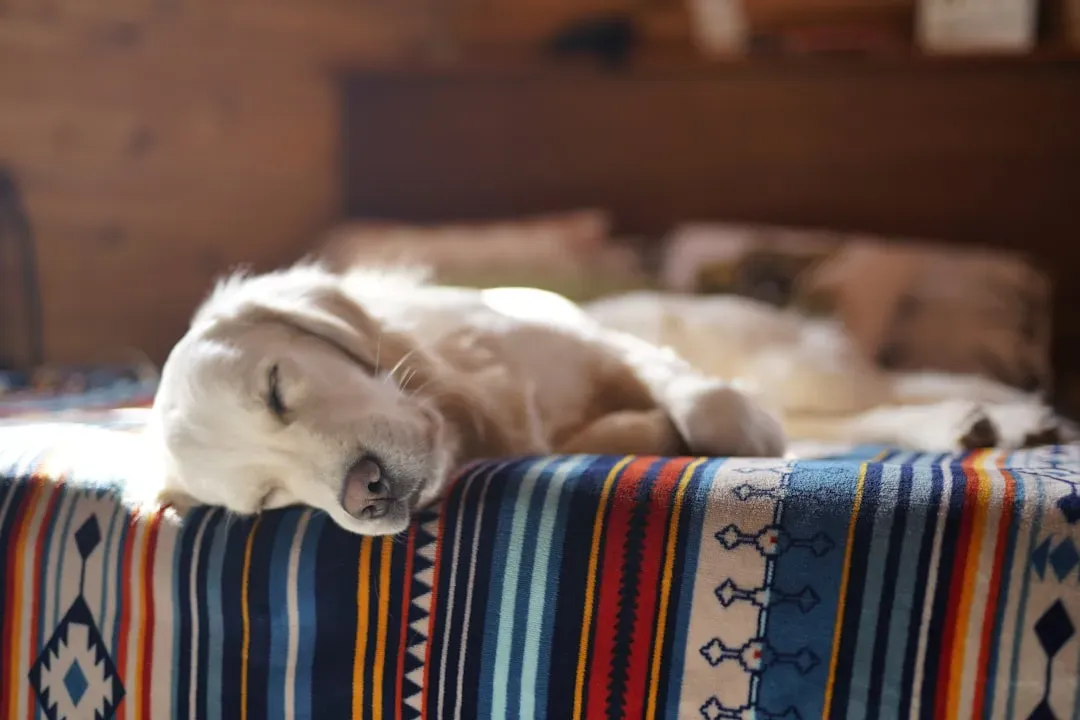
A lot of alone time simply gets slept through, and that’s mostly normal. Dogs are wired to conserve energy, and a nap is often the easiest way to make eight empty hours feel shorter. If your dog is snoring on the rug when you get home, that’s usually a good sign, not a lazy one.
But there’s a line worth watching. Sleep that starts looking like total shutdown – no interest in toys, no enthusiasm when you walk in – can be a red flag for depression or chronic anxiety rather than simple boredom. Context is everything here.
8 – Every Car Engine Outside Sounds Like Yours
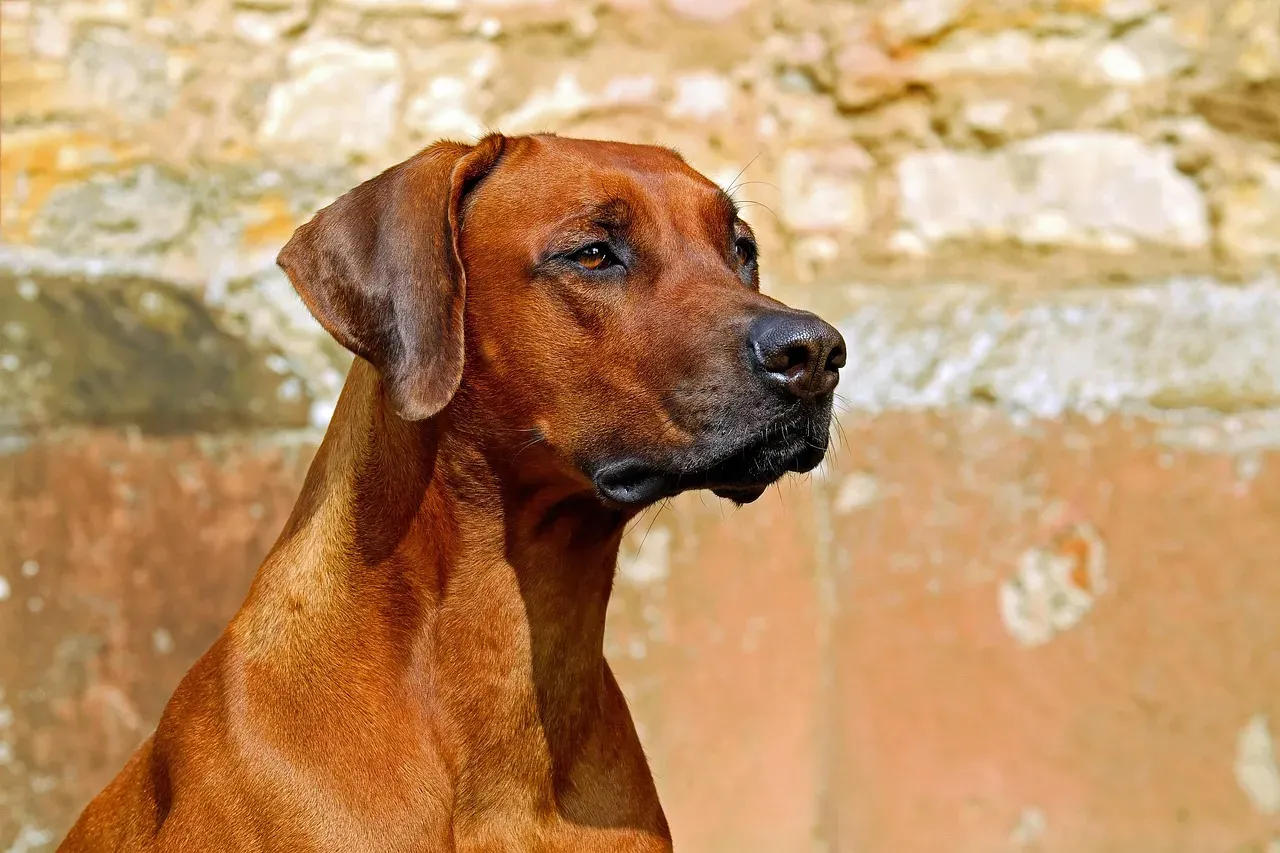
Dogs spend a surprising amount of alone time on high alert, ears twitching at every car door, footstep, or distant engine. To them, each sound is a possible signal that you’re back, and they process it instantly, whether it’s actually you or just a neighbor’s mail delivery.
This constant scanning is exhausting in its own way. It’s less about paranoia and more about hope – a kind of low-grade anticipation that runs in the background of their whole day, waiting for the one sound that actually matters.
7 – The Howl That’s Really a Question: “Where Are You?”
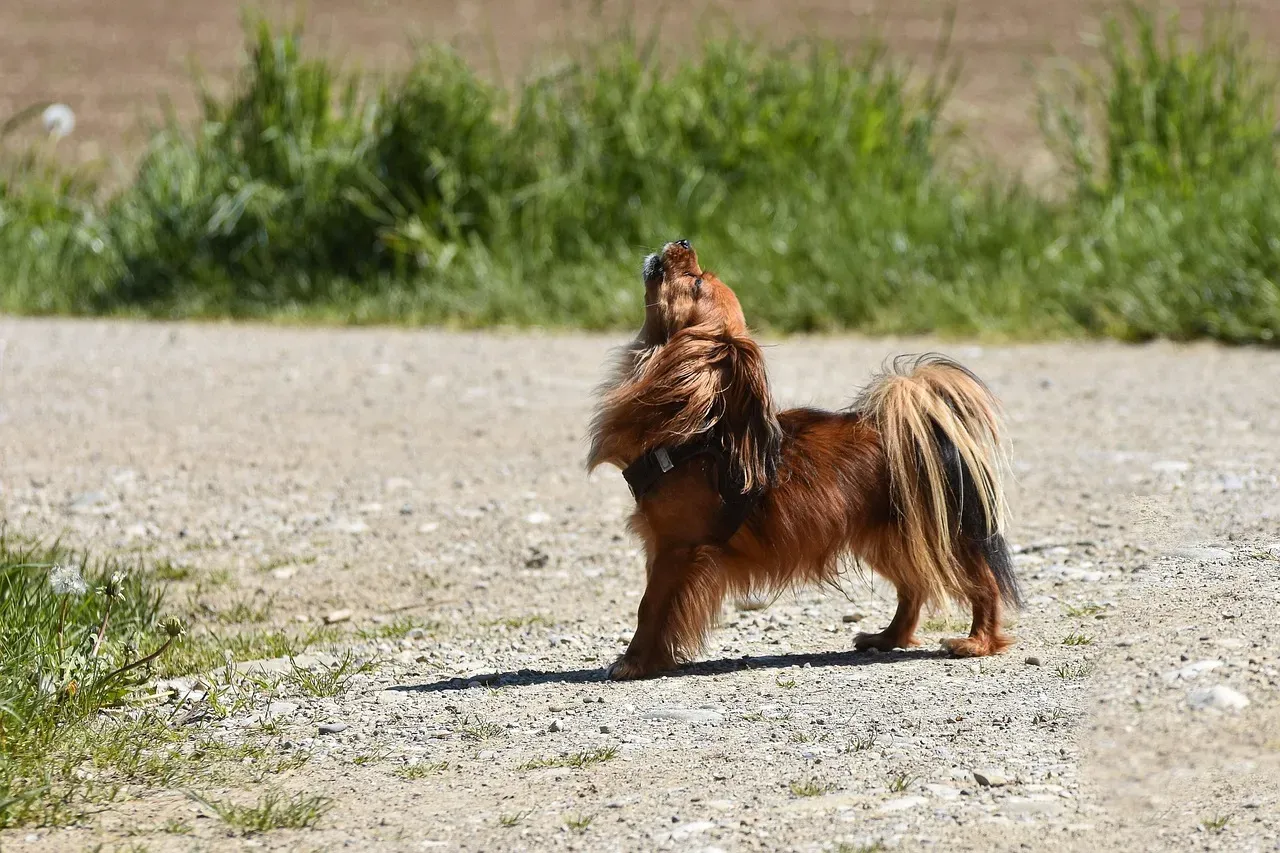
Whining, barking, or a long, mournful howl isn’t random noise. It’s communication. In your absence, vocalizing is one of the only tools your dog has to express what they’re feeling, and often it translates to something painfully simple: I miss you, and I don’t understand why you left.
For some dogs this fades after a few minutes. For others, it becomes a recurring soundtrack throughout the day, especially if a neighbor’s noise or another trigger sets them off again. It’s their version of calling out into an empty room, hoping someone answers.
6 – Walking Right Past Their Food Bowl
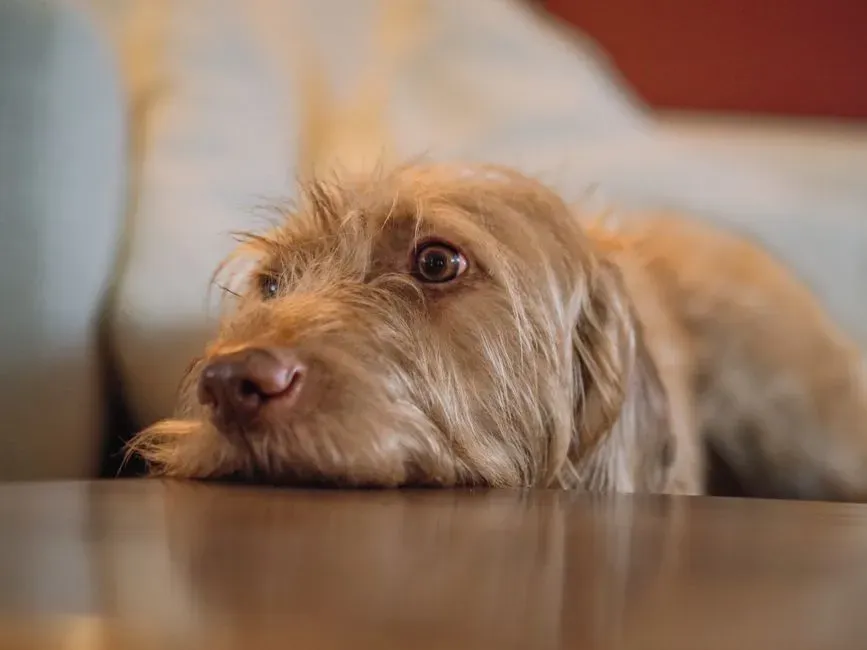
A dog who normally inhales breakfast but suddenly won’t touch it while you’re gone is telling you something. Appetite loss is one of the clearest physical signs that stress has taken over, even if everything else about their day looks normal on the surface.
It’s easy to miss unless you’re paying attention, which is exactly why it matters. A puzzle feeder or a stuffed toy can sometimes coax them back into eating, but persistent appetite loss is worth watching closely rather than brushing off.
Worth Knowing
- Skipped meals, excessive drooling, and restless pacing are among the most common physical signs of stress in dogs left alone.
- Puzzle feeders and slow-feeder bowls can sometimes turn a stressful mealtime into a calming distraction.
- A single skipped meal usually isn’t alarming, but a repeated pattern is worth mentioning to a vet.
5 – Turning a Squeaky Toy Into Their Best Friend
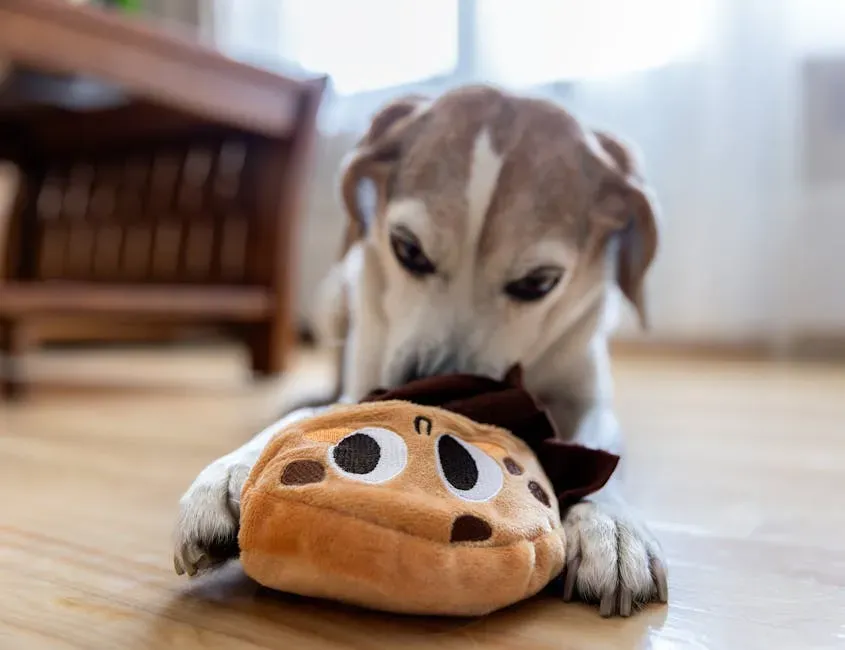
Not every dog spirals when you leave. Plenty of them handle solitude by simply entertaining themselves, dragging out a favorite squeaky toy or working through a treat puzzle with total focus. It’s one of the healthiest coping mechanisms a dog can have, and it usually means they feel secure enough to self-soothe.
This kind of independent play isn’t a sign they don’t miss you. It’s a sign they trust that you’ll come back, which is honestly one of the more reassuring things a dog owner can witness on camera.
4 – Curling Up With Their Roommate
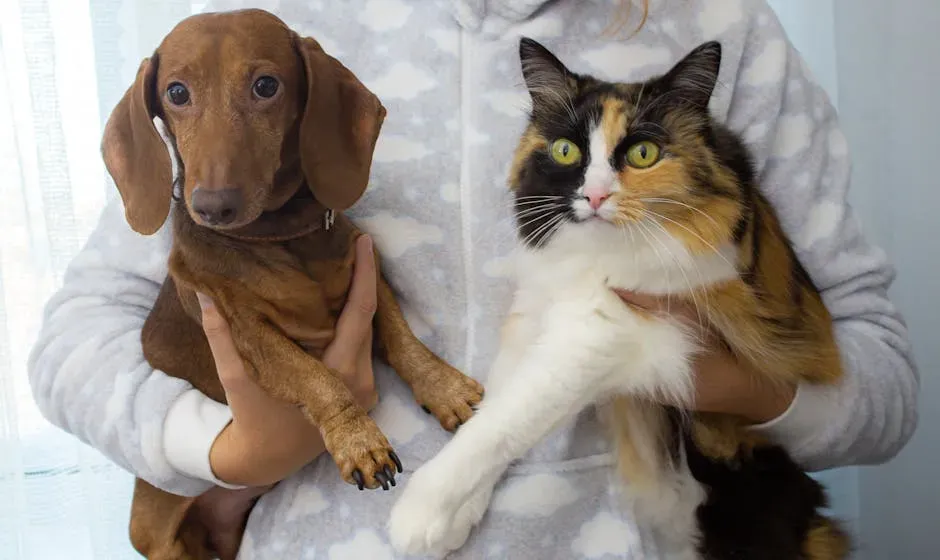
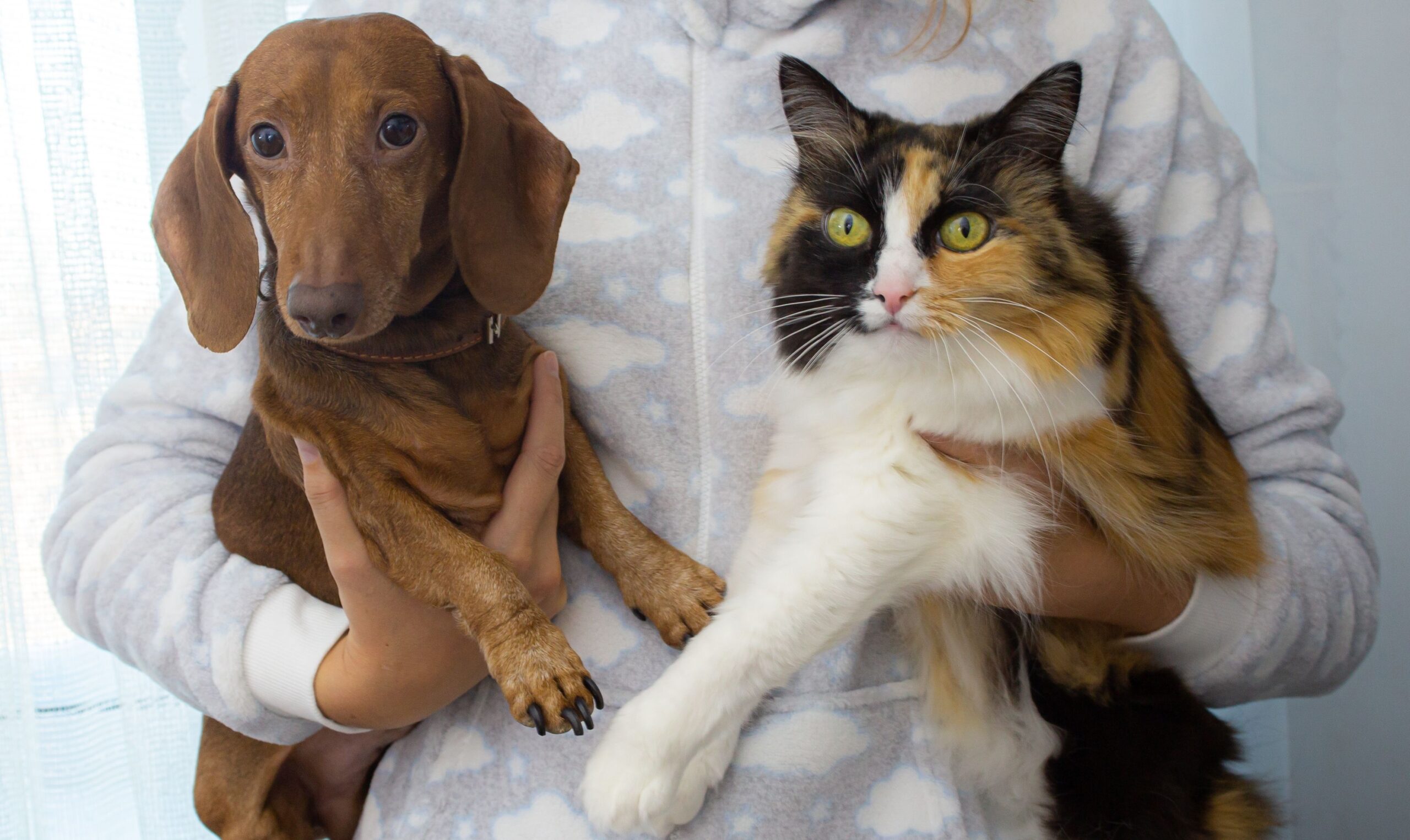
In households with more than one pet, alone time looks completely different. Dogs will often seek out their fellow animal companion, whether that’s another dog, a cat, or whoever happens to be around, and settle in close for the duration of your absence.
This companionship does real emotional work. Shared naps, casual play, or just sitting shoulder to shoulder can take the edge off loneliness in a way that toys alone never quite manage, especially for dogs who struggle the most when left completely by themselves.
Quick Compare
- Solo dogs often lean on toys, chewing, or sleep to pass the time.
- Multi-pet households give dogs a built-in companion for naps, play, and quiet company.
- Shared companionship tends to ease loneliness faster than solitary coping strategies alone.
3 – Camping Out by the Door Like Clockwork
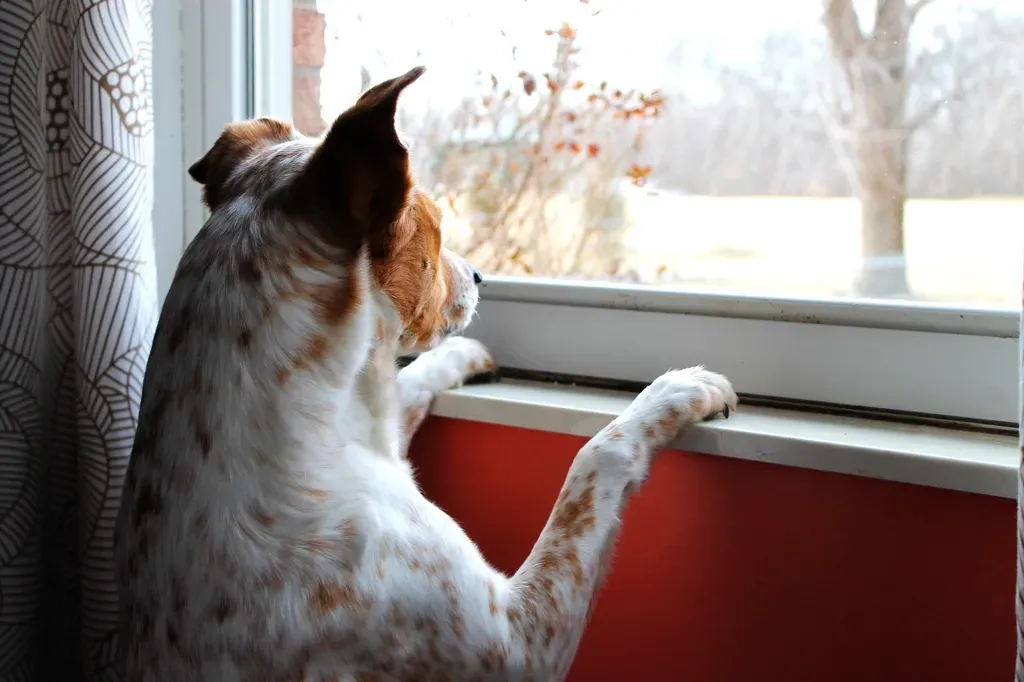
As your usual return time creeps closer, something almost eerie happens: your dog starts moving toward the door before you’re anywhere near it. Their internal clock, built from routine and repetition, tells them it’s almost time, and they act on it with startling accuracy.
This is one of the more touching moments in their day, a quiet vigil built entirely on faith that you’re coming back. When you’re running late, though, that patient waiting can curdle into something more anxious, which brings us to the moment right before the good part.
2 – The Panic That Looks Like Separation Anxiety
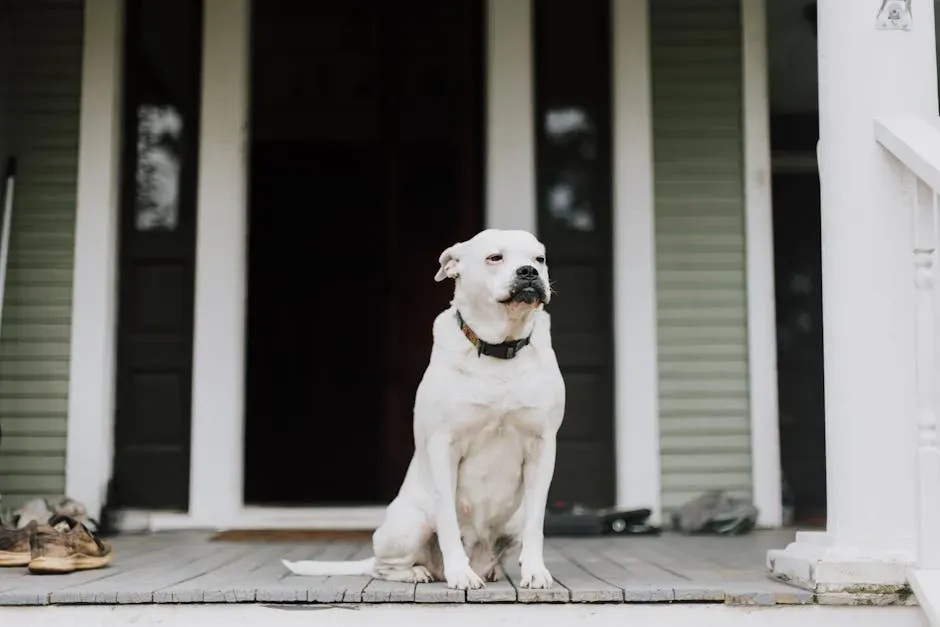
For some dogs, your absence isn’t just uncomfortable – it’s genuinely distressing. Excessive drooling, frantic pacing, scratching at doors, or even attempts to escape are signs of a deeper struggle than simple boredom or mild loneliness.
This is the moment that often pushes owners toward training help or a vet consultation, and for good reason. Separation anxiety at this level isn’t something a dog can just push through on their own; it usually needs real intervention to resolve.
At a Glance
- Common separation anxiety signs include pacing, drooling, barking, destructive chewing, and attempts to escape.
- These behaviors typically surface within the first half hour of being left alone.
- Vets and certified trainers can offer real behavioral plans once anxiety reaches this level.
Dogs are not our whole life, but they make our lives whole.
Roger Caras
1 – The Explosion of Joy When the Door Finally Opens
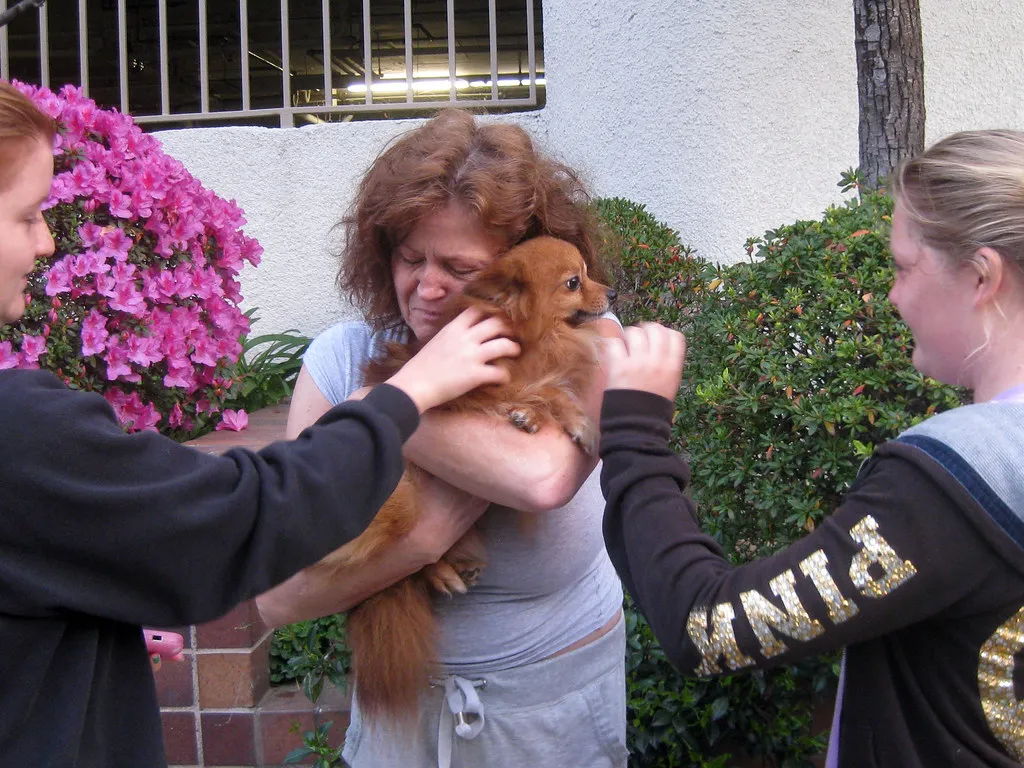
And then it happens. The lock turns, and every ounce of tension your dog has carried all day converts instantly into pure, unfiltered joy. Tail wagging so hard their whole body moves, jumping, licking, barking like they’ve been rehearsing this exact reaction for hours – because, in a way, they have.
This reunion isn’t performance. It’s relief, love, and a little bit of disbelief that you actually came back, every single time. It’s the payoff for everything they replayed while you were gone, and it’s the reason none of those earlier moments really matter once you walk through the door.
The Bottom Line
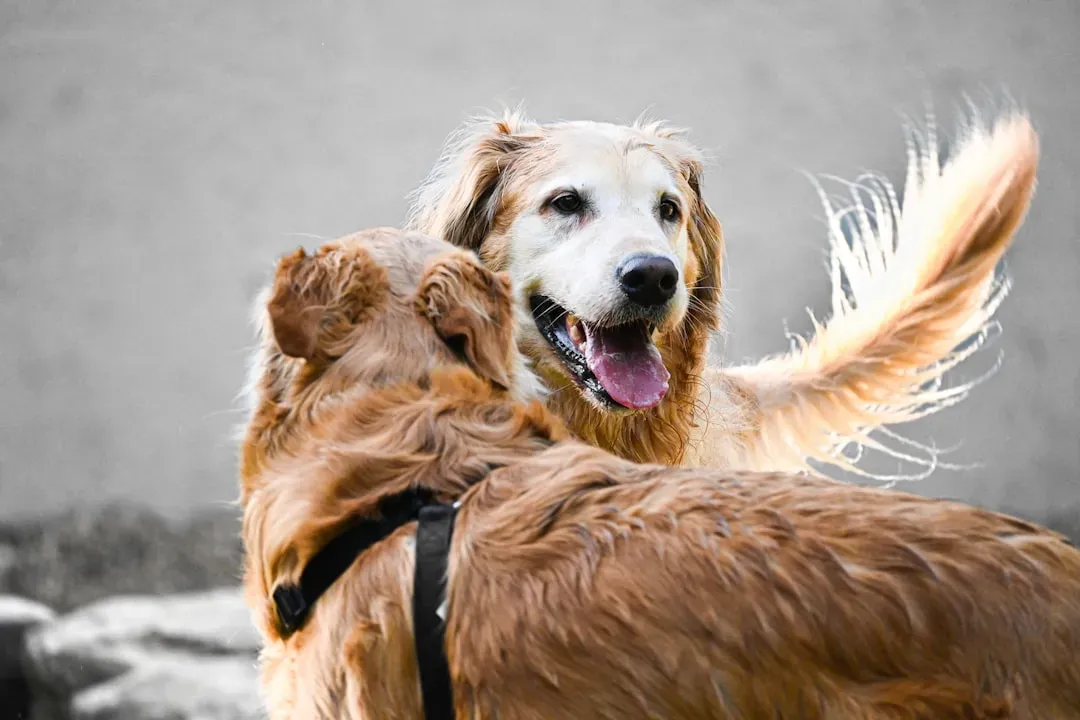
People love to joke that dogs “live in the moment” and don’t really process time the way we do. Having gone through what actually happens behind that closed door, I don’t buy that anymore. Dogs clearly track routine, hold onto memory, and cycle through real emotional states while we’re gone – anxiety, boredom, comfort-seeking, hope.
If anything, that reunion at the door isn’t just excitement over a walk or dinner. It’s the release of everything they’ve been carrying since the moment they heard your keys. Knowing that changes how I feel about leaving – and definitely how I feel about coming home.


