
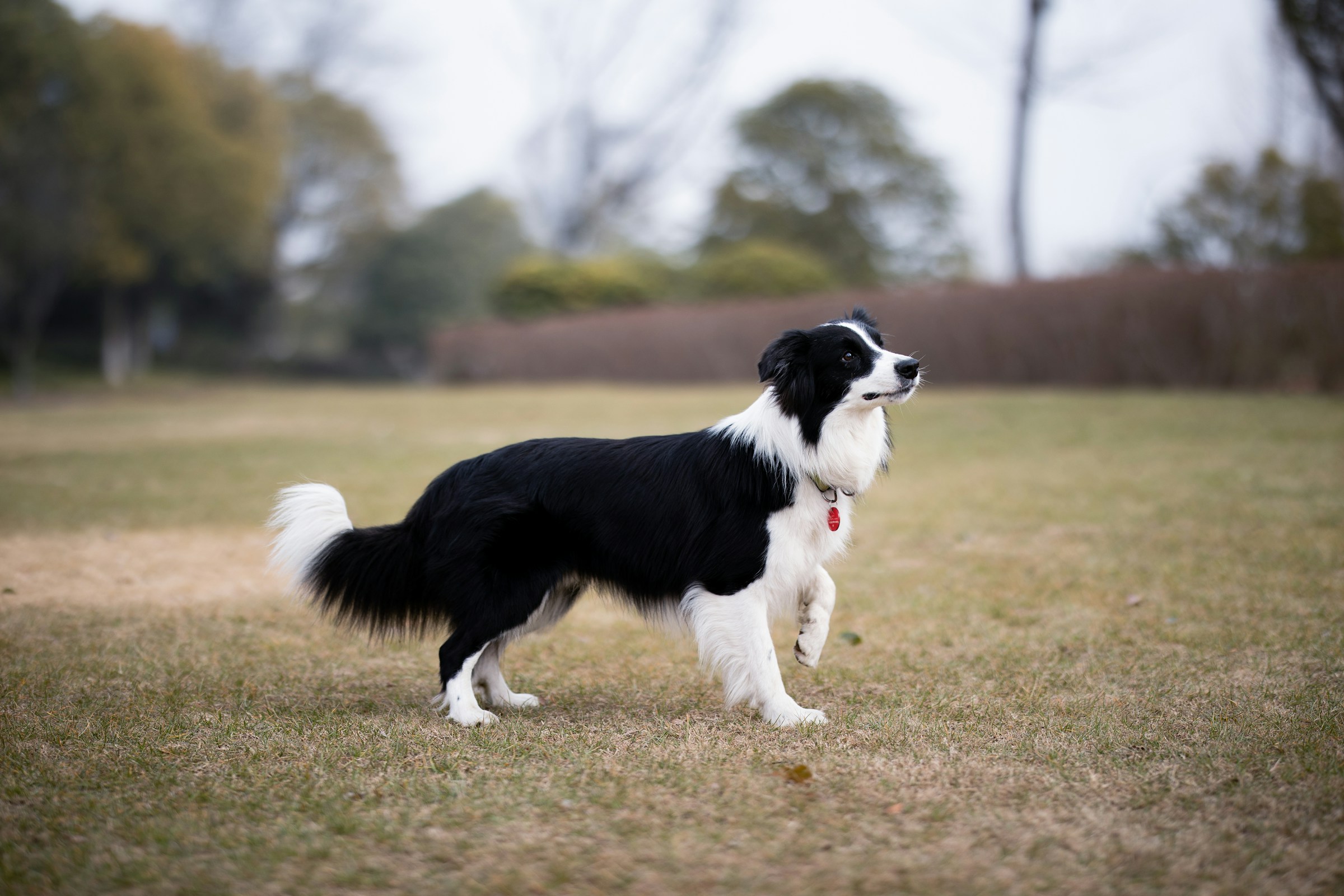
Most people assume the first sign of trouble is a limp. It isn’t even close. By the time you actually see your dog favoring a leg, the problem has usually been building for weeks, sometimes months, hiding in plain sight in the way he walks across your living room every single day.
Dogs are professional pain-hiders. It’s an ancient survival instinct, and it works so well that most owners never catch the warning signs until a vet visit turns into bad news. The truth is, your dog’s stride is already talking. You just haven’t learned the language yet – so let’s break down the 14 gait changes vets quietly watch for, counting down to the one almost nobody catches in time.
#14 – A Noticeably Slower Walking Pace
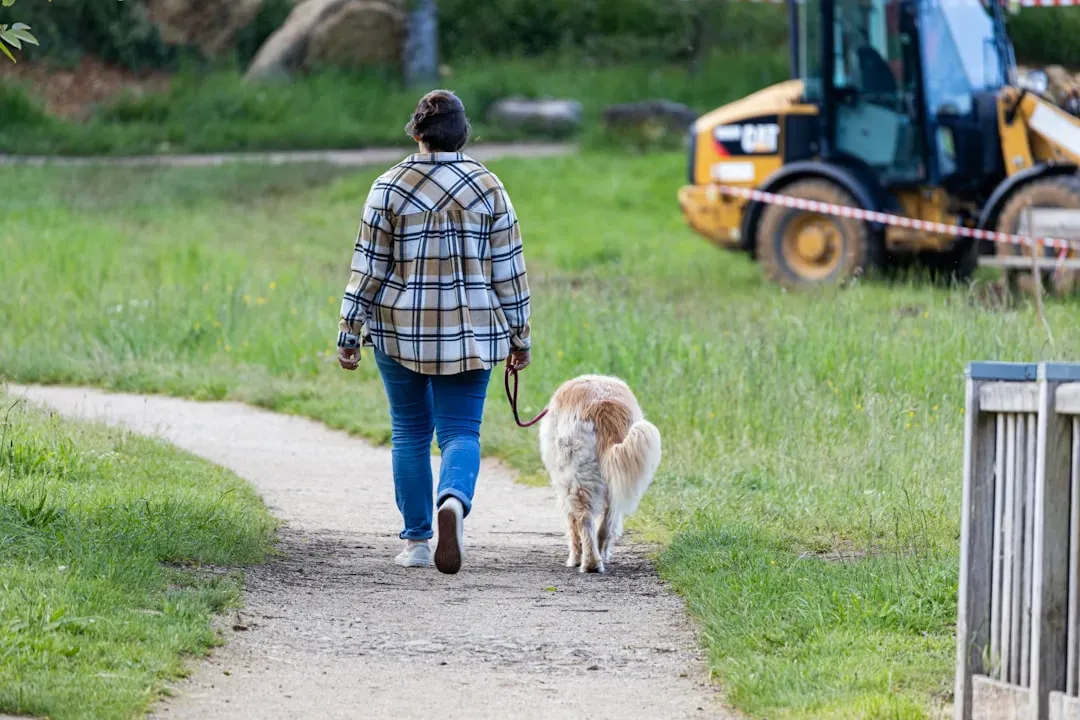
It’s easy to write off a slower dog as “just getting older” or having a lazy day. But a steady drop in walking speed is often the very first crack in the foundation – a quiet signal of pain or weakness that shows up long before any limp does. Dogs instinctively ease off their pace to take pressure off a sore joint, and it happens gradually enough that owners rarely notice until it’s already been going on for a while.
Researchers tracking senior dogs have found that gait speed lines up closely with frailty and hidden conditions like arthritis or early spinal problems. It shows up most clearly on flat, familiar ground, which is exactly where owners tend to stop paying attention.
Here’s the part that catches most people off guard: a pace drop of just 10 to 20 percent can show up months before any obvious limping ever does. Owners who casually time their walks are usually the first to notice something’s off.
Fast Facts
- An estimated 20% of dogs over age 1 already show some degree of osteoarthritis.
- That number climbs to roughly 80% in dogs over age 8, making joint pain far more common than most owners assume.
- Large and giant breeds carry a heavier share of arthritis cases, though small dogs are far from immune.
- Gait changes routinely surface well before a dog shows any obvious discomfort at rest.
#13 – Random Stops Mid-Walk for No Reason
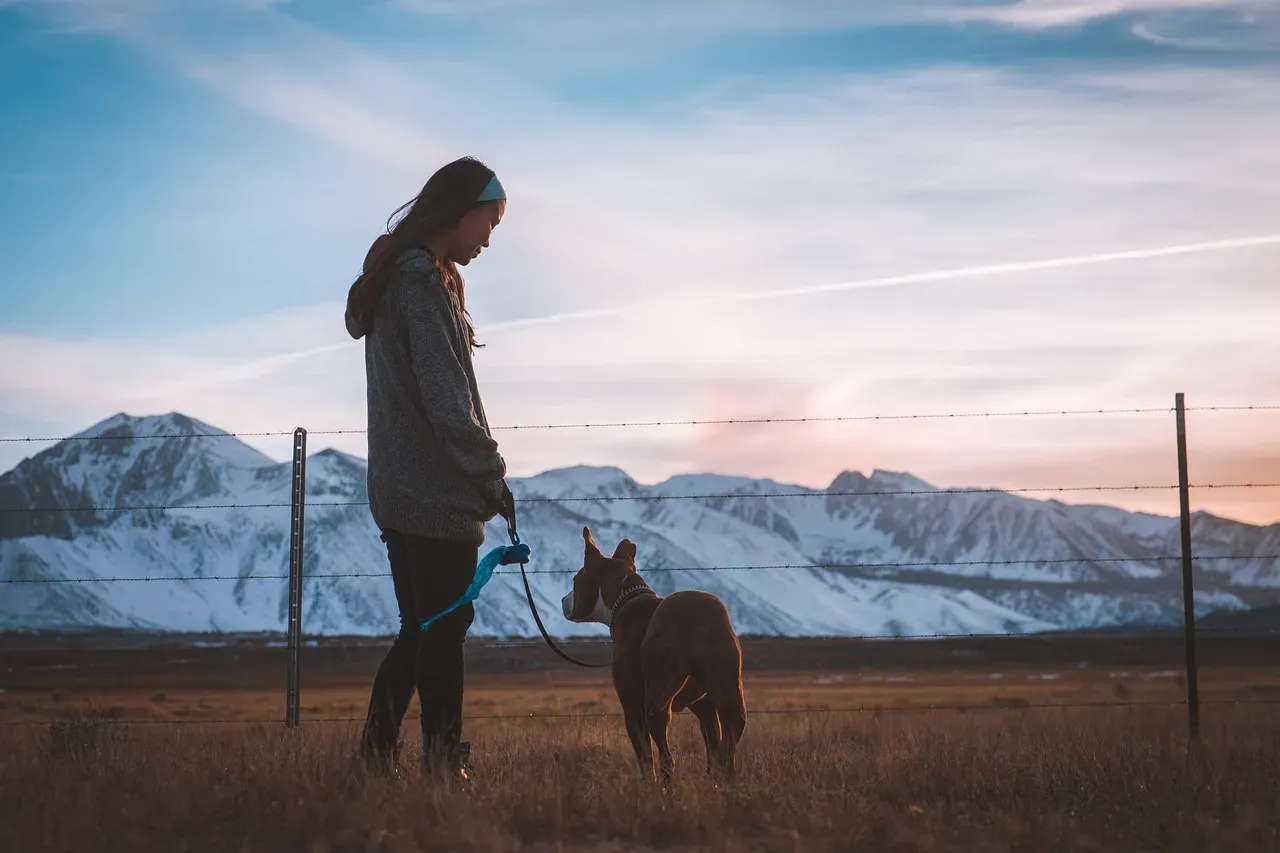
A dog that keeps pausing on a walk he used to power through isn’t being stubborn or distracted. More often, he’s quietly renegotiating with pain. Early cruciate strain or hip changes can make a dog stop mid-stride just to shift weight off a joint that’s starting to complain.
When owners actually film these walks and slow the footage down, a pattern jumps out immediately – the stops cluster around turns and uneven ground, exactly where a compensating body has the hardest time faking normal. Vets say this hesitation almost always shows up long before a dog ever refuses a walk outright.
The detail most owners miss entirely: the stopping gets worse the longer the walk goes on, as fatigue strips away whatever compensation was holding things together.
#12 – The “Bunny Hop” Gait in the Back Legs
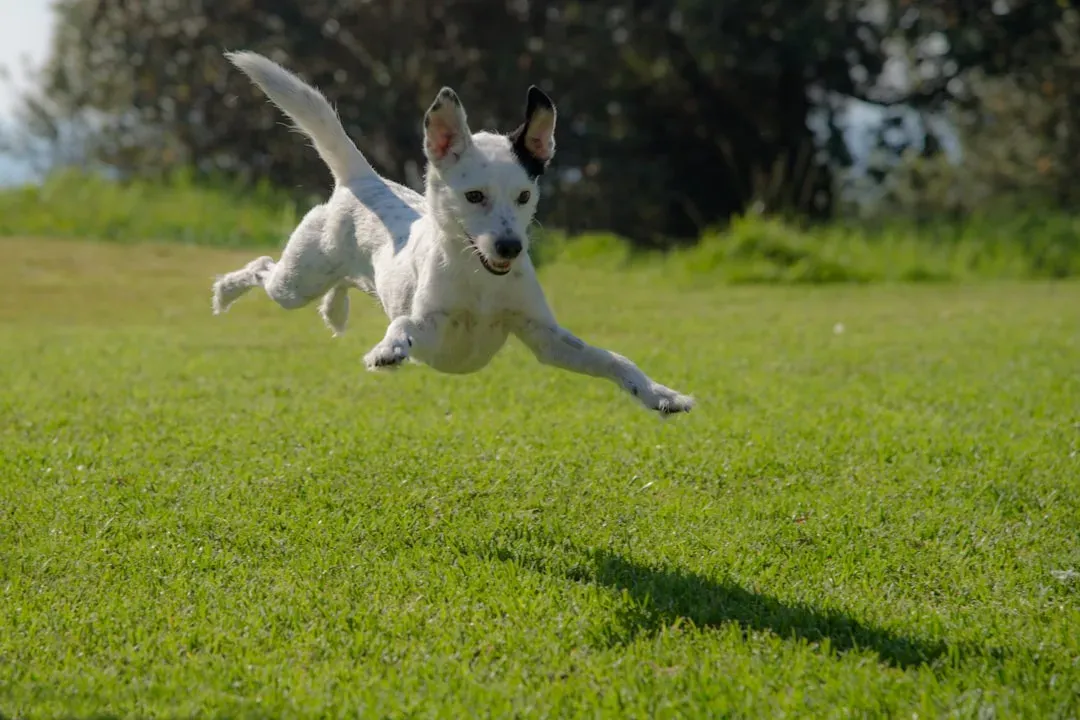
It looks almost adorable – both back legs launching together like a rabbit instead of moving independently. But bunny hopping is rarely playful. It’s usually a dog’s clever workaround for avoiding pain in both hips or both stifles at once.
This gait shows up early in hip dysplasia and cruciate ligament issues, well before a dog ever goes fully lame, and it’s most obvious on stairs or when picking up speed. The hop isn’t energy. It’s engineering.
What throws off most owners is how easily this gets mistaken for excitement or puppy-like zoomies, when it’s actually the body avoiding a problem it hasn’t told you about yet.
#11 – Weight Dumped Onto the Front Legs
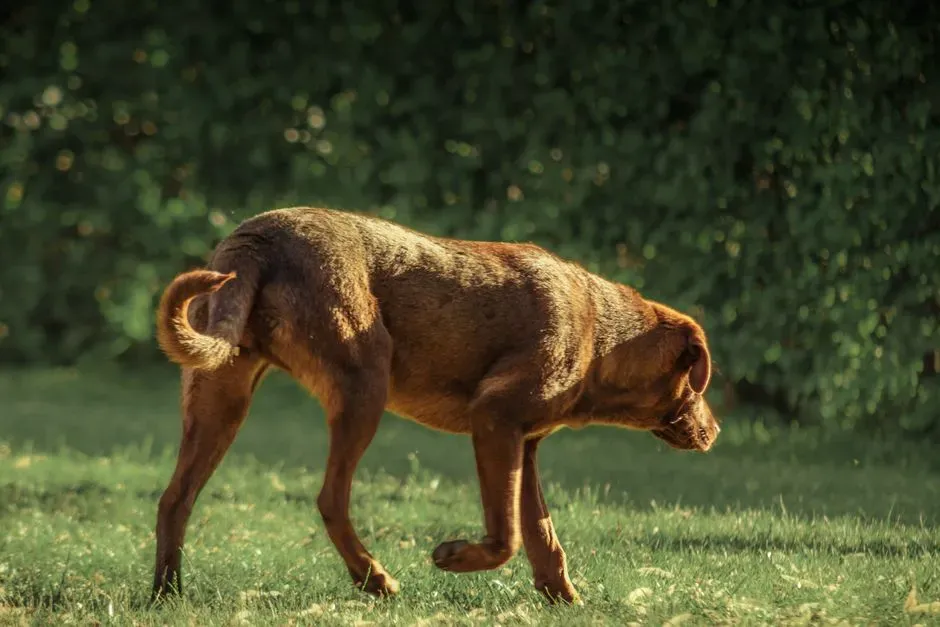
Watch from the side: if the rear end drops lower and the head stretches forward, your dog is quietly hauling weight away from a painful hindquarter. It’s a posture shift that shows up early, often long before an owner would think to call it a limp.
Hip hikes or bilateral weakness are usually driving this shift, and vets catch it instantly during a gait exam. Owners, meanwhile, tend to see it first on the same familiar route they walk every day, without quite knowing what they’re looking at.
The uncomfortable truth is that this compensation doesn’t just mask a problem – it actively speeds up muscle loss in the hindquarters, making recovery harder the longer it goes unnoticed.
#10 – Stiffness That Melts Away After a Few Steps
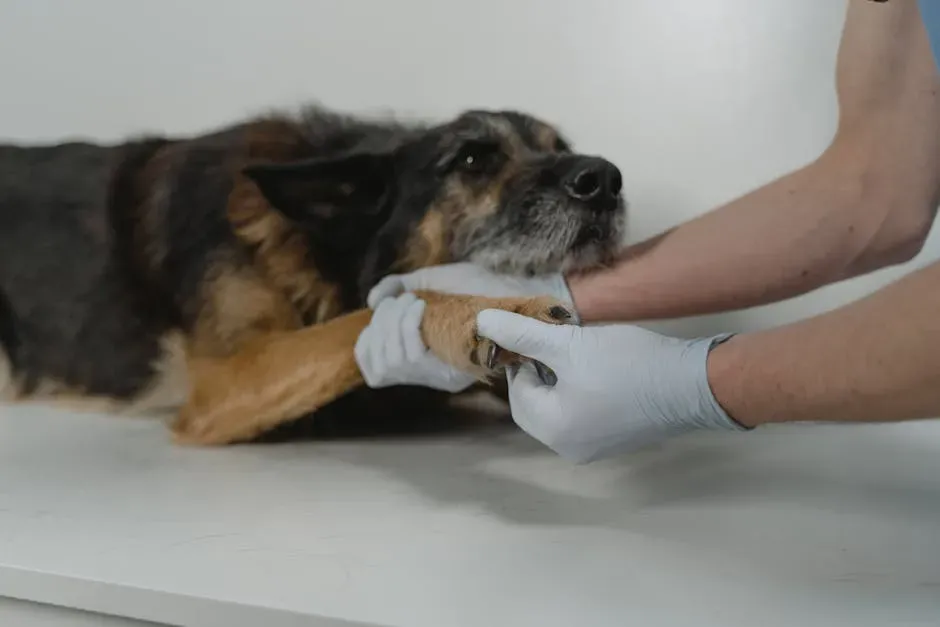
Every dog owner knows this one: the dog creaks up from a nap looking almost arthritic, then “walks it off” within a few steps. It feels reassuring. It shouldn’t.
That warm-up effect is joints lubricating with movement, temporarily masking degenerative changes that are already underway. This pattern shows up in middle-aged dogs with early joint disease, usually right after naps or first thing in the morning, long before constant stiffness sets in.
The part nobody warns you about: because the stiffness seems to “fix itself,” owners wait far longer to see a vet – and that delay is exactly what lets the underlying damage progress quietly in the background.
#9 – A Head Held Lower Than Usual
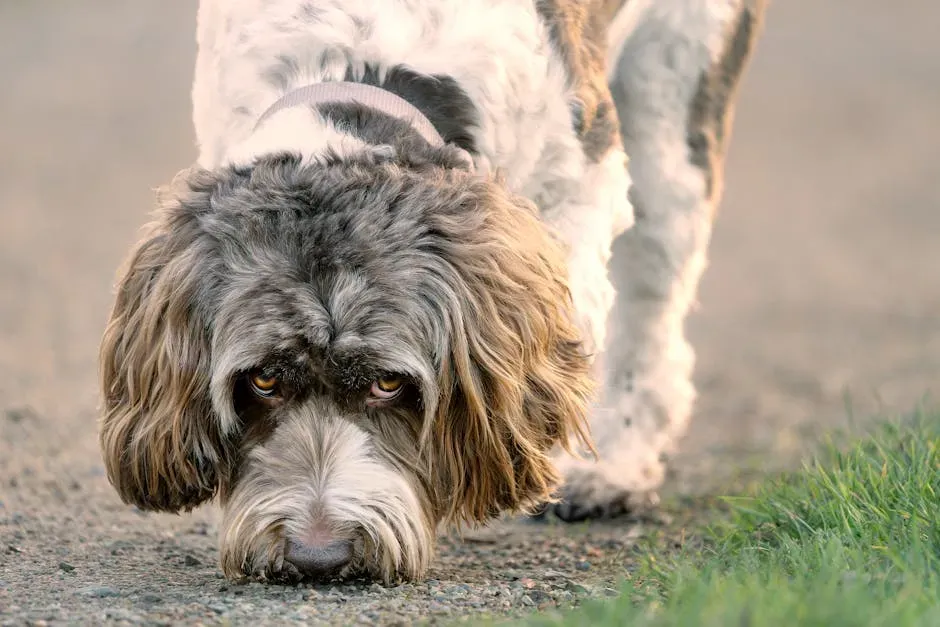
A dog carrying his head lower than normal isn’t necessarily tired – he may be protecting a sore neck or shoulder. Dropping the head reduces strain on cervical joints or forelimbs that have started to ache, and it’s one of the more subtle shifts owners tend to overlook.
This posture shows up early in conditions like wobbler syndrome or shoulder tendinopathy, long before more dramatic symptoms take over. Viewed from the side during a normal walk, it’s remarkably consistent once you know to look for it.
What surprises vets most is how fast muscle wastes away in the shoulders once this pattern sets in, sometimes within just a few weeks.
#8 – A Side-to-Side Sway in the Hips
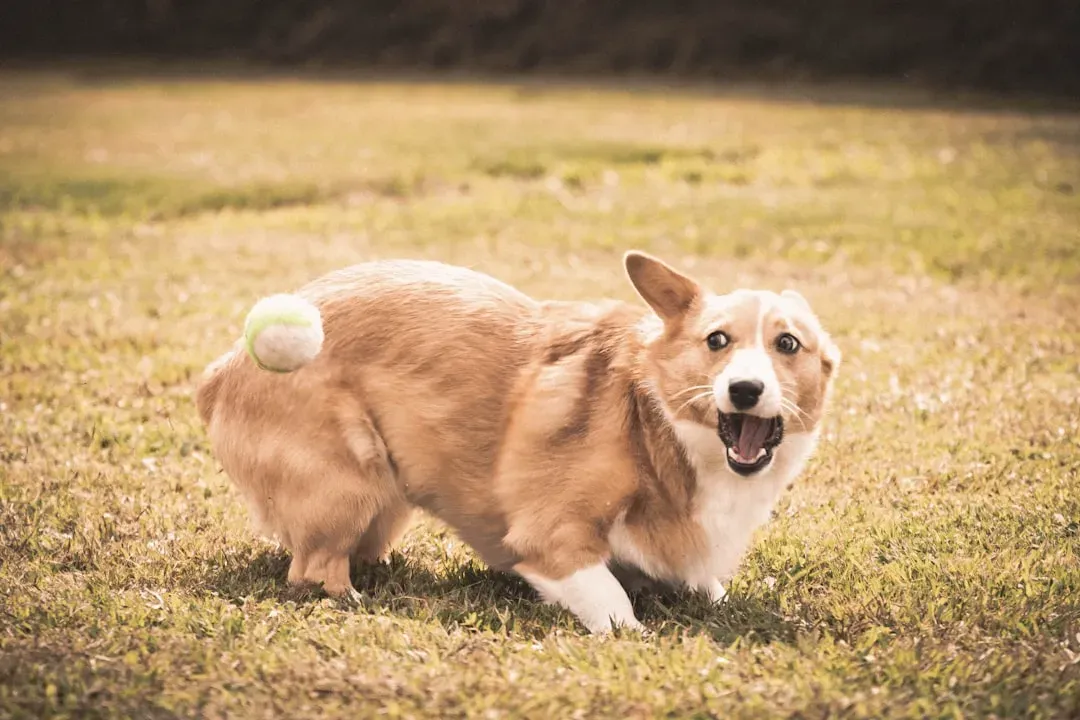
If your dog’s hips rock noticeably from side to side while walking a straight line, one side of the body isn’t stabilizing the way it should. That sway is the pelvis compensating for weakness, and it’s often the earliest visible sign of a bigger problem brewing underneath.
This shows up in early degenerative myelopathy and hip dysplasia, and it’s easiest to spot from directly behind your dog. He’ll still move forward just fine – the smoothness is what disappears first.
The critical clue: the sway gets noticeably worse on turns or uneven ground before it ever shows up on a flat, straight sidewalk.
#7 – A Leg That Swings Outward Instead of Straight
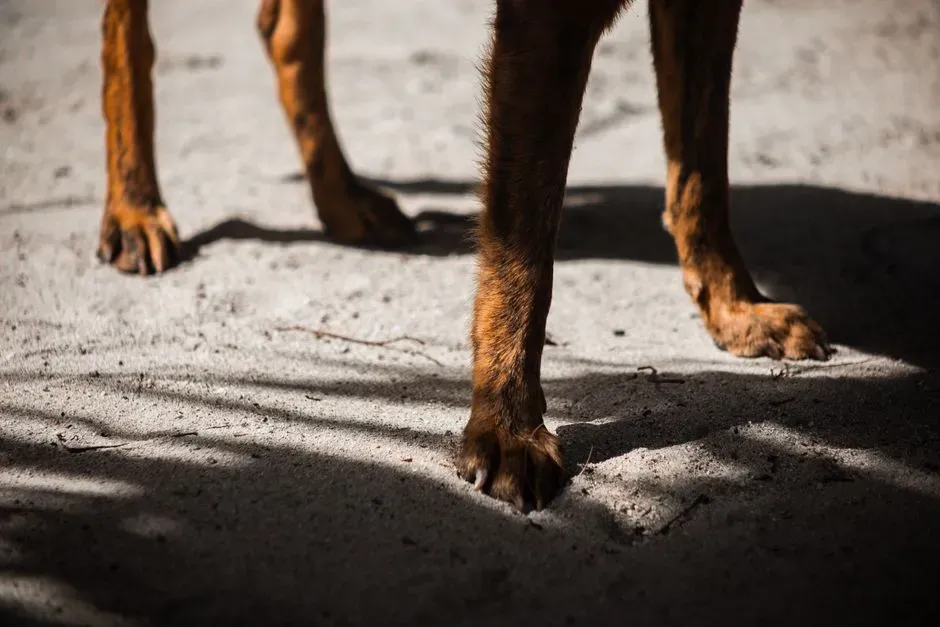
Instead of moving in a clean, straight line, a leg that arcs outward as it swings forward is flashing one of two warnings: a mechanical joint restriction, or a neurological deficit affecting how well the dog senses where his own limb is.
Shoulder or hip problems can cause this, and so can proprioceptive loss – essentially, the dog’s internal GPS for his own limbs starting to glitch. It’s most visible during a relaxed, unhurried walk, well before the leg starts fully dragging.
What stands out here is that this swinging motion, called circumduction, can show up in either the front or back legs depending entirely on where the underlying problem lives.
Quick Compare
- Orthopedic signs: shorter stride, hip hike, forward weight shift, bunny hopping – usually pain-driven and often one-sided.
- Neurological signs: knuckling, paw dragging, circumduction, hip sway – usually tied to nerve or spinal cord signaling problems.
- The overlap: both categories can look nearly identical at a glance, which is exactly why vets assess the whole body in motion instead of just watching the legs.
#6 – Shorter, Choppier Steps
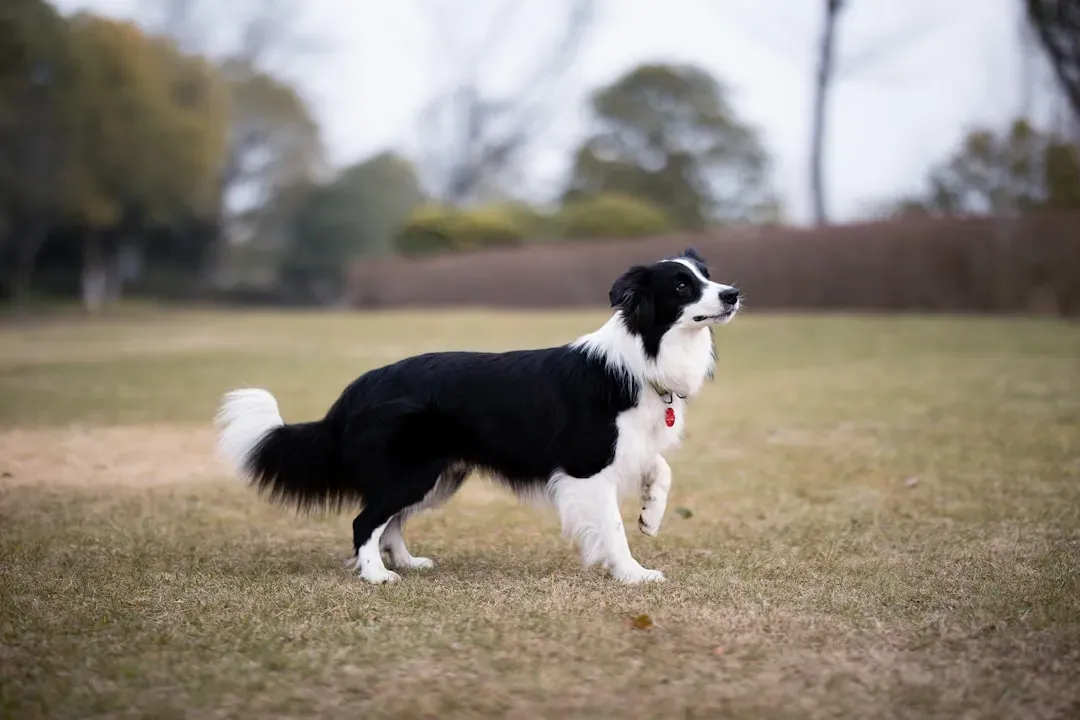
A dog’s normal stride should look fluid and effortless. When pain or weakness creeps in, that fluidity gets replaced by short, clipped, almost mechanical steps – the body physically refusing to extend as far as it used to.
This shows up across a wide range of conditions, from arthritis to early spinal compression, and measurement studies confirm stride length shortens well before an owner would ever notice obvious favoring. In bilateral cases, both sides shorten together, which makes it even easier to miss.
The part that catches vets’ attention: stride length shrinks even further when cognitive decline is involved, tying a physical gait change directly to what’s happening in an aging dog’s brain.
#5 – A Head That Bobs With Every Stride
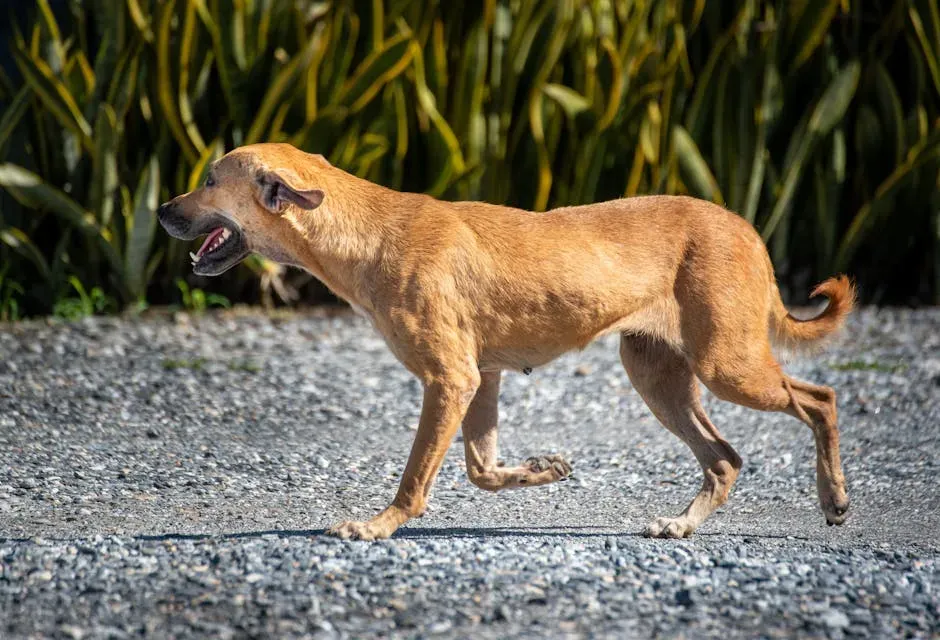
Head bobbing has a very specific rhythm – up on the sound leg, down on the sore one – and it’s one of the clearest tells of front-leg pain there is. The head drop is the dog literally throwing his weight backward to avoid loading the injured side.
It’s most obvious at a trot, but in moderate cases it shows up even at a walk, and it’s remarkably easy to catch on video. Once you’ve seen it, you can’t unsee it.
The surprising reality is how often owners mistake this bobbing for happy, excited energy, when it’s actually a dog quietly working around real discomfort.
#4 – One Hip Hiking Higher Than the Other
A sharp upward hitch of one hip during weight-bearing is a textbook sign of one-sided hindlimb lameness. Hip dysplasia and cruciate tears are common culprits, and the compensation is easy to spot once you know to look from behind – the healthy hip will sit noticeably lower.
This hike typically shows up before a dog ever starts fully favoring or carrying the leg, which makes it one of the more valuable early warnings on this entire list.
The insight most owners miss is that this hitch often becomes bilateral over time, spreading to both hips as the dog’s body keeps compensating for a problem that was never addressed.
#3 – Paws That Drag or Scuff the Ground
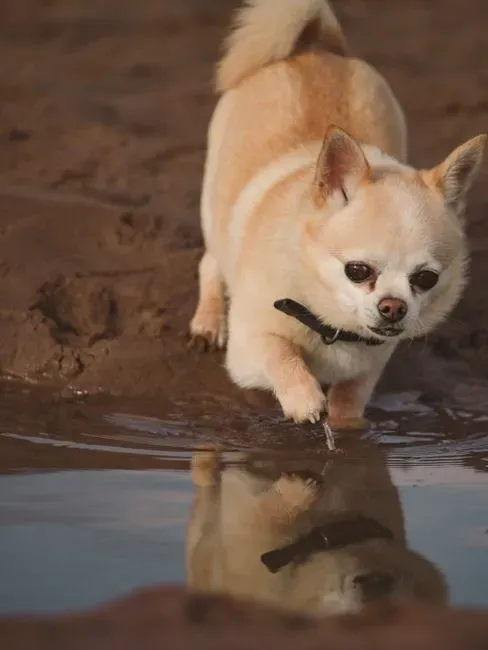
That faint scraping sound on pavement, or nails that look strangely worn down on one foot, points straight to a neurological issue – often a loss of the dog’s sense of exactly where his paw is in space. Degenerative myelopathy is a classic cause, and it tends to show up early, well before anything looks dramatically wrong.
The paw simply doesn’t lift as high as it should, so it catches and drags with each step. Owners almost always notice it on pavement first, since carpet muffles the sound and the friction.
The alarming part is that this dragging often shows up weeks before full-on knuckling develops, making it one of the earliest neurological red flags a walk can offer.
#2 – Knuckling: Walking on the Top of the Paw
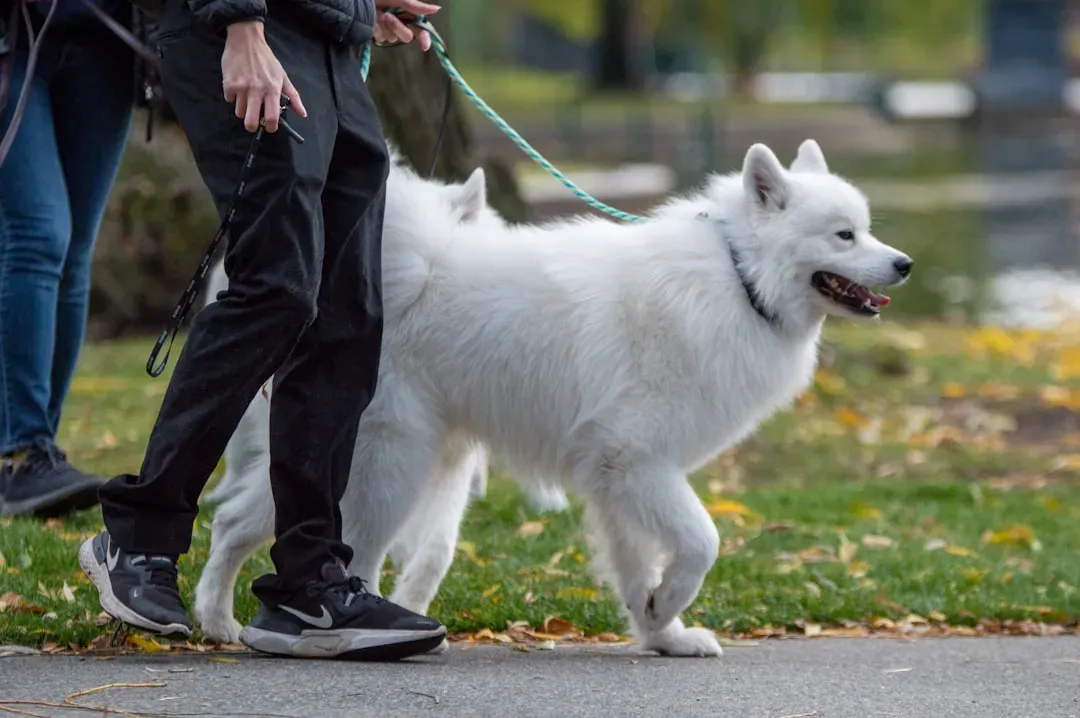
Knuckling is exactly what it sounds like – a dog places weight on the top of the paw instead of the pads, because the nerve signals that would normally correct that mistake aren’t getting through. It’s a direct sign of lost position sense tied to spinal cord or nerve damage.
At first, it only happens occasionally, usually on turns, before it becomes a constant part of the gait. Filming your dog from behind is the easiest way to catch it early.
What stands out to vets is how fast this progresses to skin abrasions and infections on the top of the paw, turning a subtle gait issue into a real medical problem in a short amount of time.
#1 – Shortened Front-Leg Strides Tied to Brain Aging
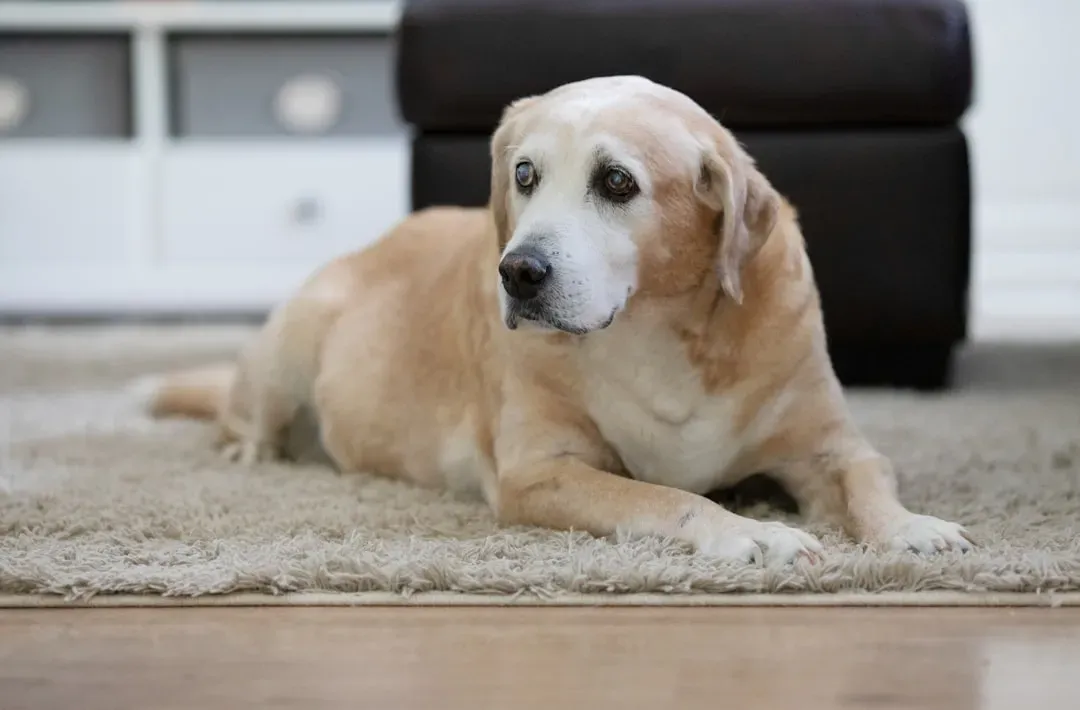
This is the one almost nobody sees coming. A measurable shortening of front-leg stride length in older dogs correlates more strongly with cognitive decline than with age itself. It’s not just “getting old” – it’s a physical fingerprint of what’s happening inside an aging brain.
Research on canine cognitive decline has linked this specific stride change to dementia-like progression, and the effect is larger than plain aging alone would predict. Interestingly, hind-leg stride tends to stay relatively stable, which makes the front-leg shortening even easier to isolate once you’re looking for it.
The most unsettling part: this stride reduction can show up years before the memory lapses, confusion, or behavior changes that most owners associate with canine dementia ever appear.
Worth Knowing
- Canine cognitive dysfunction is estimated to affect 14% to 35% of dogs over age 8, climbing to roughly 68% by age 15 to 16.
- Despite how common it is, research suggests fewer than 2% of affected dogs ever receive a formal veterinary diagnosis.
- Most owners chalk early signs up to “just getting old,” which is exactly why a stride change can slip by unnoticed for months.
The Bottom Line
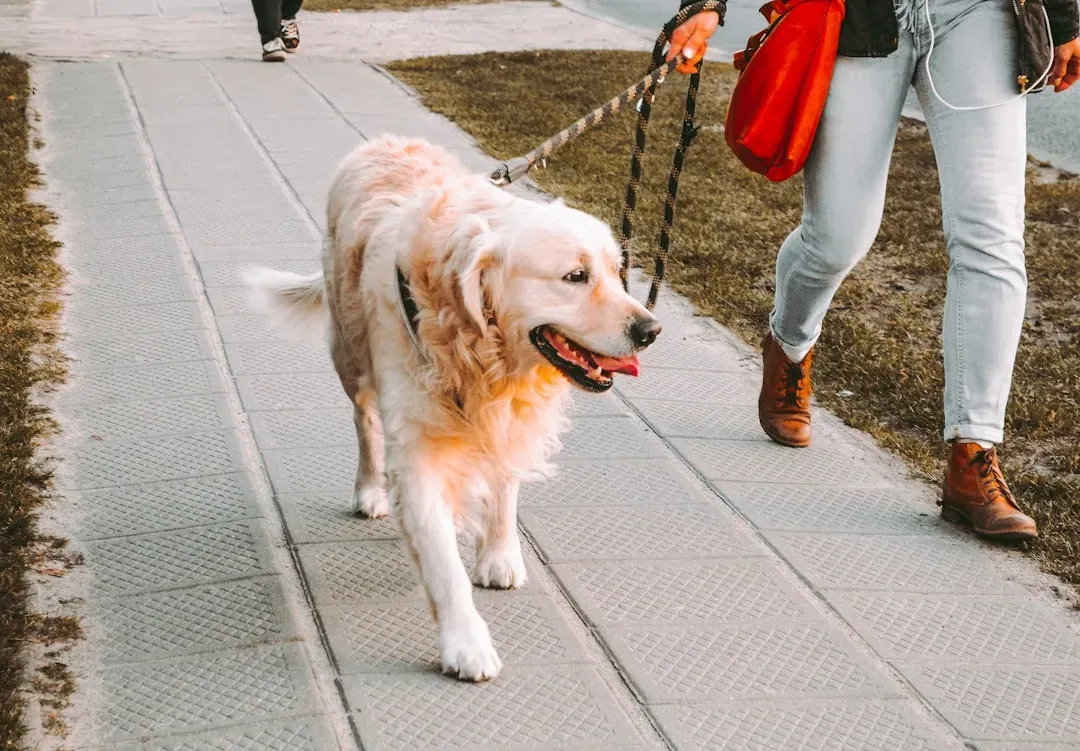
Here’s my honest take after going through all fourteen of these: the biggest mistake dog owners make isn’t ignoring pain. It’s assuming that slow, stiff, or a little “off” automatically means old age, when it’s often the body’s most honest report of something specific and treatable.
A dog’s walk isn’t a small, boring detail. It’s a running diagnostic that starts flagging orthopedic, neurological, and even cognitive problems long before any test ever will. Shortened strides, a hip hike, a dragging paw – these aren’t quirks. They’re your dog trying to tell you something in the only language he has.
Film a normal walk today, while everything still looks fine. It’s the only way you’ll actually notice when something changes – and by then, you’ll already know exactly what to look for.


