
Most people assume a dog’s last weeks look dramatic – no appetite, nonstop sleeping, a slow collapse anyone could spot from across the room. The truth is quieter and far stranger than that. Some of the clearest goodbye signals a dog gives are so small, so easy to explain away in the moment, that owners only recognize them for what they were once the house goes silent.
Vets and longtime dog people see the same fourteen patterns show up again and again, yet almost nobody talks about them until it’s too late to notice. Some are pure biology. Others feel almost too intentional to be coincidence. By the end of this list, you’ll probably recognize at least one moment from your own dog’s life – and understand it differently than you ever have before.
#1 – The Sudden “Good Day” Before Things Get Worse
Owners often talk about a strange “rally” right before a major decline – a day when their sick dog suddenly seems almost normal again. They eat better, wag more, even ask for a toy they’d ignored for weeks. Medically, this can be a mix of adrenaline, shifting pain levels, and the body briefly compensating for what’s failing underneath.
Emotionally, it feels like hope, and that’s exactly what makes it so hard to look back on. Many owners later realize they misread it as recovery, when it was really the body’s last burst before things start slipping again. Some feel guilty afterward, wondering how they missed what was coming. But you weren’t supposed to see it. Your dog wasn’t saying “I’m fine.” They were saying, “I’ve still got one more good day to give you.”
#2 – The Way They Start Choosing One Person
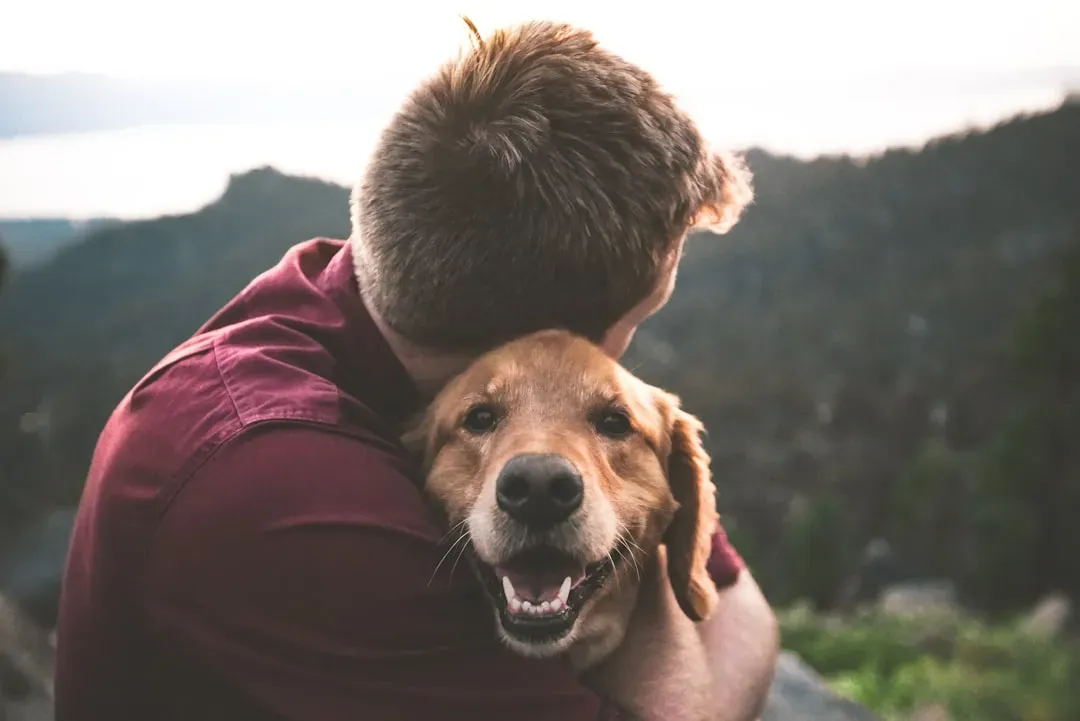
In the last weeks, many dogs quietly “pick” a person. They follow that one human from room to room, insist on curling against their leg, or stare at them longer than anyone else in the house. Sometimes it’s the main caregiver. Sometimes it’s simply the calmest, most regulated person around – because their nervous system is literally seeking the safest emotional anchor it can find.
Dogs read stress hormones, tone of voice, and body posture better than most humans realize. That’s why a dog might sleep only on one side of the bed, or ignore visitors entirely to stay near that one chosen person. It can sting the people who feel left out, but from the dog’s side, it was never favoritism. It was survival, comfort, and trust in their purest form.
Worth Knowing
- Dogs can pick up on subtle shifts in a person’s heart rate, breathing, and scent chemistry tied to stress.
- The “chosen person” is often the calmest household member, not necessarily the primary caregiver.
- This bonding behavior can intensify quickly, sometimes over just a few days.
- It reflects comfort-seeking, not favoritism toward one family member over another.
#3 – The Strange Way They Start Staring at Walls, Doors, or “Nothing”
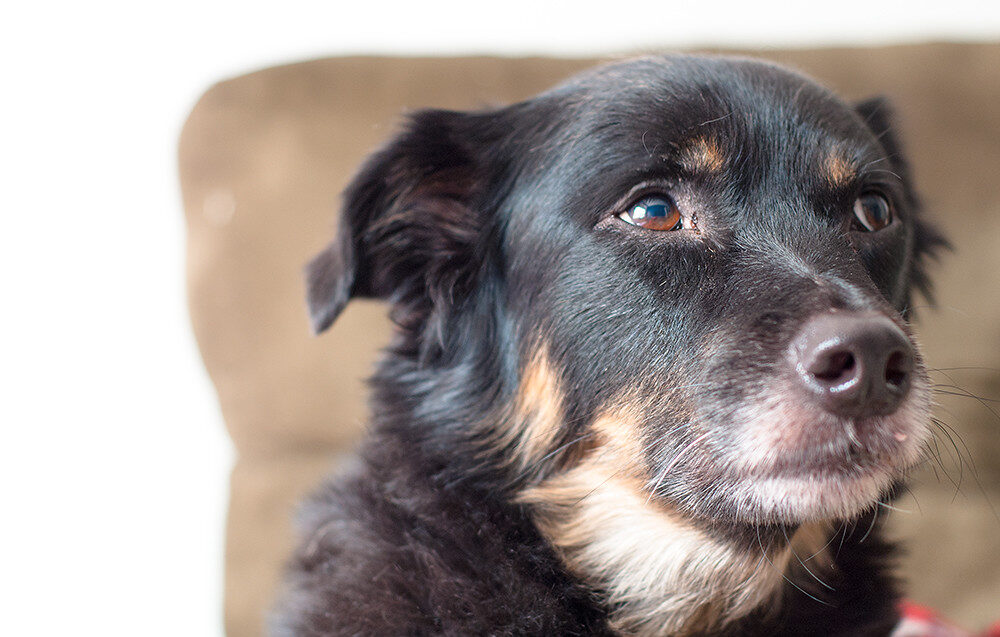
Many owners are haunted by this one. In the final weeks, some dogs seem to stare into corners, at doors, or out windows for long stretches, tilting their head slowly or looking almost through you. Neurologically, this can be linked to pain, cognitive decline, or simple sensory overload as the body tires out.
Emotionally, humans can’t help but wonder what their dog is seeing that they can’t. Dying animals often become quieter observers rather than active participants, and shifting hearing or vision can change what they notice and fixate on. Whether it was confusion, comfort, or something harder to explain stays an open question – and that unresolved mystery is exactly what keeps those silent stares burned into memory for years.
#4 – The “Checking Their Perimeter” One Last Time
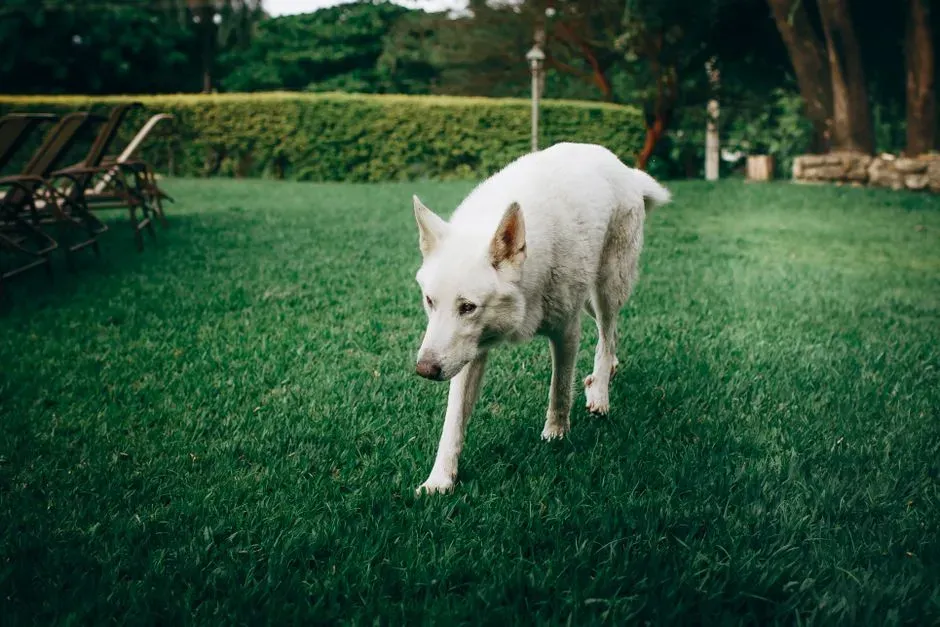
Even very sick dogs will sometimes insist on one final slow patrol of their usual territory – the yard, the block, the hallway, every room of the house. It’s as if they’re running one last security check on the life they spent years protecting. Behaviorists describe this as habit fused with muscle memory: in a dog’s mind, the job never really turns off.
You might notice them pause at favorite spots – a sunny patch, the front door, the fence line – moving slower but strangely determined to finish the route. Only later do owners realize how intentional it felt. The dog wasn’t wandering aimlessly. They were confirming that everything was still where it should be, staying on duty right up to the edge.
#5 – The Way They Start Hiding Pain Better Than Ever
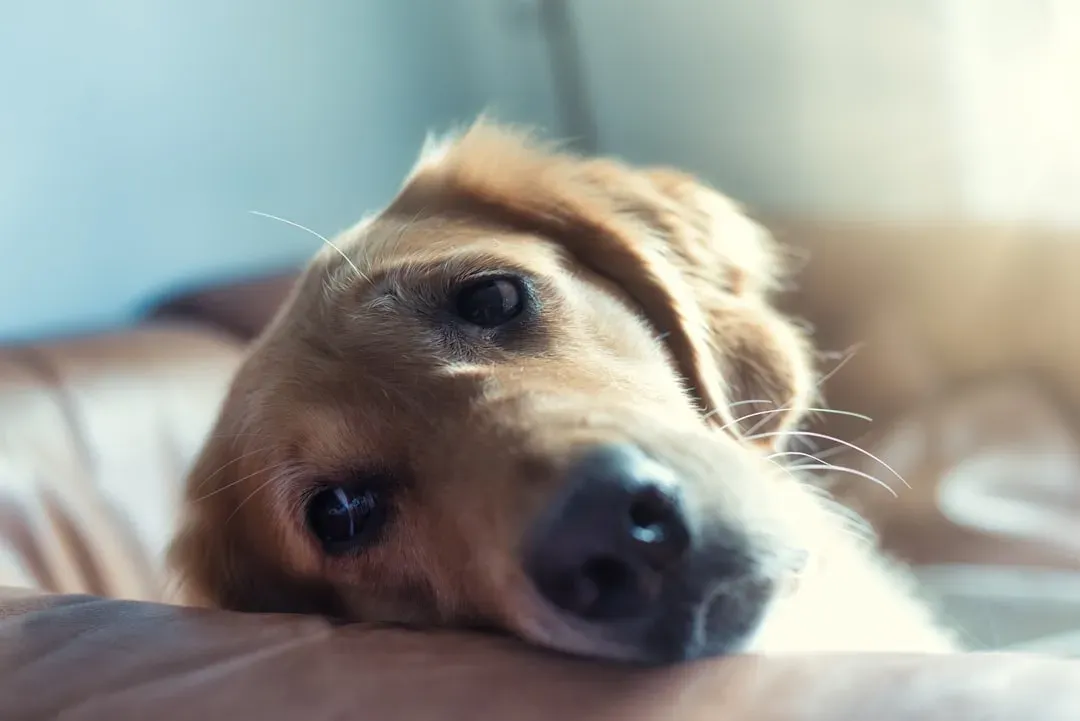
Here’s the brutal truth: dogs are biologically wired to hide weakness. In the wild, showing pain makes you a target, so in their final weeks many dogs actually get better at masking discomfort, not worse. They shift their weight, change how they lie down, or quietly avoid stairs instead of crying out.
Owners often misread this as “not suffering that much,” then feel crushed later when they learn how stoic dogs truly are. Watch for shorter walks with the same wagging tail, treats accepted while regular food gets spit out, or quiet grunts only when they think no one’s watching. Vets regularly see advanced disease in dogs who looked “not that bad” at home. That’s not an owner’s failure – it’s the species’ oldest survival strategy working exactly as designed.
#6 – The Sudden Clinginess (Or the Sudden Distance)
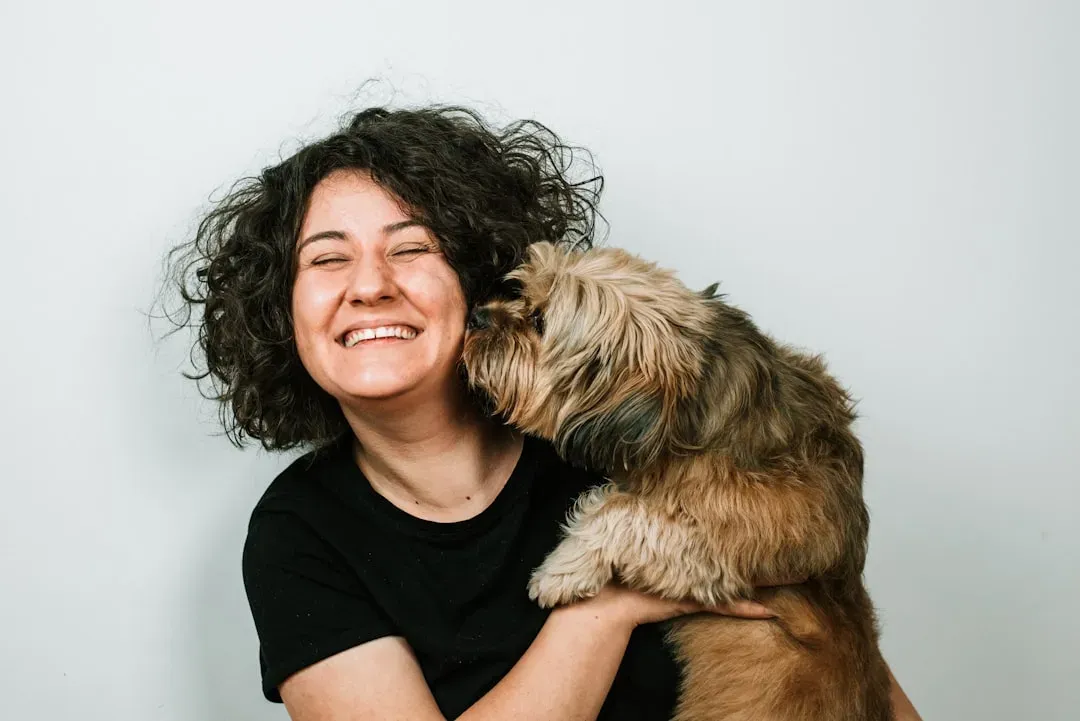
In the final weeks, some dogs become velcro, unable to let their humans out of sight. Others withdraw entirely, choosing a quiet corner alone. Both patterns break people’s hearts later, because they eventually realize it wasn’t moodiness – it was self-regulation happening inside a failing body.
Clingy dogs may be chasing safety and reassurance. Distant dogs may be managing sensory overload or instinctively isolating while weak, another ancient survival behavior. Owners often assume they did something wrong when an independent dog turns needy or a cuddly dog pulls away. Looking back, most realize their dog was simply saying, “I don’t feel right,” in the only language they had.
Quick Compare
- Clingy dogs often follow constantly, whine when left alone, or paw for physical contact.
- Distant dogs tend to seek quiet corners, avoid touch, or sleep away from the family.
- Both patterns can appear in the same dog within the same week.
- Neither behavior means less love – it reflects how the body is coping with stress.
#7 – The Food Rituals That Suddenly Change
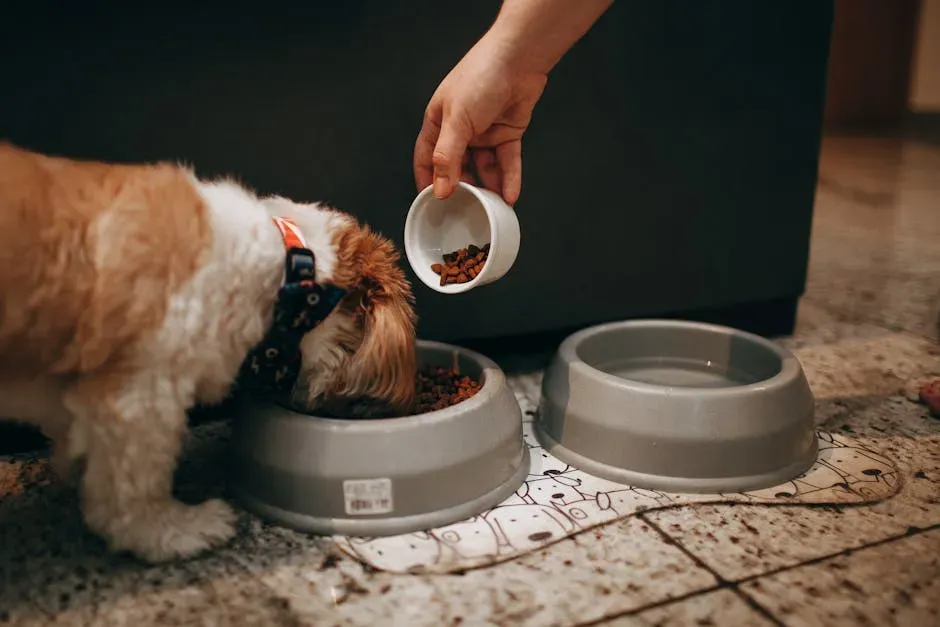
One of the clearest “last weeks” signs is food – but not just loss of appetite. It’s how the eating patterns themselves shift. Some dogs stop touching regular meals but still accept high-value snacks like cheese or chicken. Others will only eat if hand-fed, or if you sit on the floor beside them.
This isn’t spoiling; it’s the body saying energy is expensive now, so it will only be spent if the moment feels safe and meaningful. Watch for turning away from the bowl but licking food off your fingers, eating only in certain spots like near your bed, or sniffing with interest but being too tired to actually chew. Owners later realize those “picky” days were their dog’s last attempts to participate in life on their own terms – which is why so many people treasure the memory of the very last treat their dog ever ate.
#8 – The Quiet Way They Start Sleeping On You, Not Just Near You
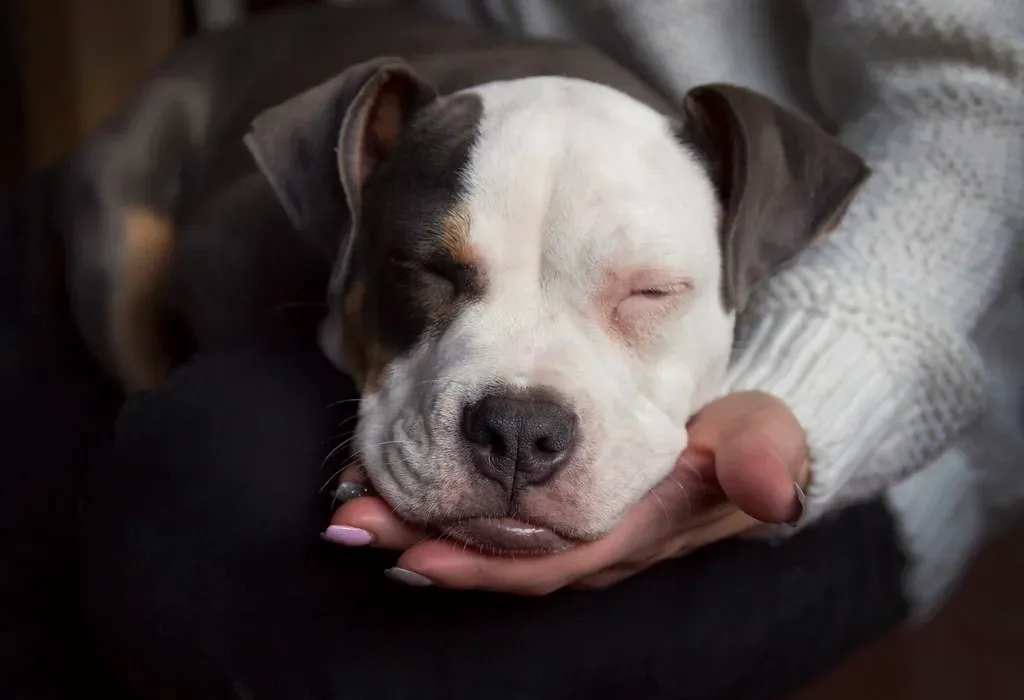
Dogs sleep more in their final weeks, but the real clue is where they choose to do it. Plenty of owners report their dog shifting from the foot of the bed to pressed directly against their chest or back, even if the dog never slept that way before. Your breathing, body heat, and heartbeat are literally regulating theirs – it’s the safest outlet their nervous system knows.
Later, people remember waking up half-numb and refusing to move so the dog could stay comfortable, or the heavy, warm weight of that final night’s sleep. Some regret letting their dog sleep on the floor that last time, not realizing how close the end really was. That regret is common, and completely human. If you’re living through this right now, this is one sign worth saying yes to extra contact.
#9 – The Sudden Interest in Old Toys or Old Routines
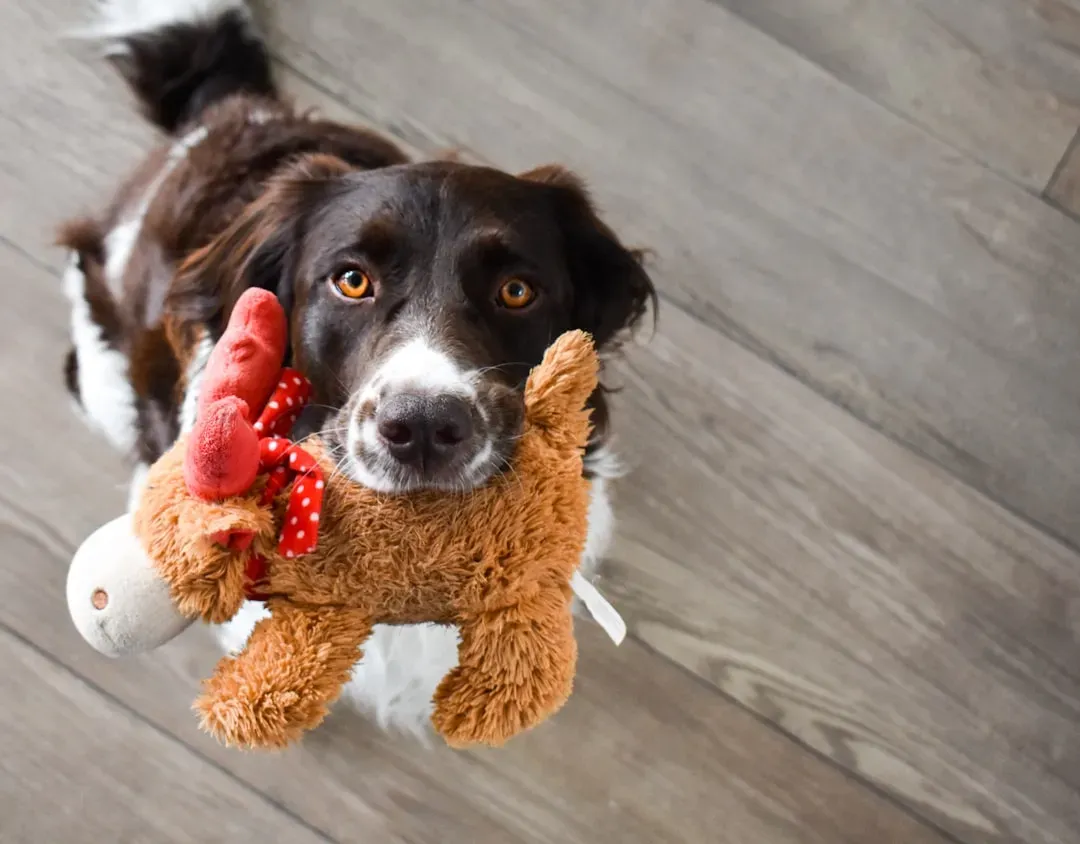
This one hits hardest in hindsight. A dog that hasn’t touched a specific toy in years suddenly noses it, carries it around, or asks to play – just once or twice. Behaviorists suspect it’s a mix of memory, scent comfort, and old habit circuits firing as the brain works through familiar grooves. They’re gravitating toward whatever once defined “being alive” for them.
Maybe it’s a senior dog dragging out their very first stuffed animal from the bottom of the basket. Maybe it’s one wobbly game of fetch in the yard they grew up running through, or standing at the door at the old walk time even though they can’t go far anymore. Only after they’re gone do owners connect the dots – those little bursts weren’t random. They were a dog revisiting their greatest hits, even if only for a minute.
Fast Facts
- Long-term scent and object memory can stay intact even as other cognitive functions decline.
- Familiar routines can lower stress hormones, offering brief comfort during decline.
- These moments are usually brief, lasting minutes rather than becoming a lasting habit again.
#10 – The Way They Start Watching You More Than the World
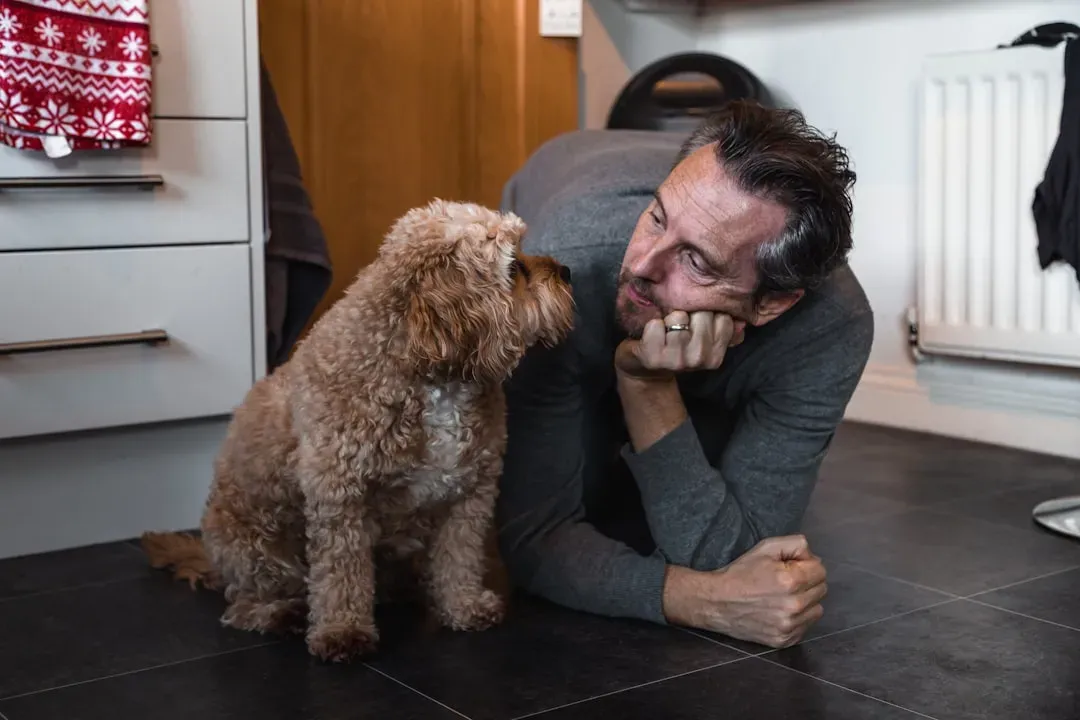
Early in life, dogs scan everything – squirrels, cars, neighbors, leaves blowing across the yard. In the final weeks, many dogs narrow their focus almost entirely down to one thing: your face and your voice. They may lie in one spot and simply track you with their eyes, even when pain medication has fogged everything else.
Until one has loved an animal, a part of one’s soul remains unawakened.
Anatole France
Neurologically, your scent and voice are some of the strongest, most stable cues a dying dog has left. Doorbells stop registering, but their name still lands. Their gaze lingers longer, their blink slows, their eyes seem somehow deeper. Later, people realize their dog was quietly studying them, taking mental pictures of the person who defined their entire world. That stare that once made you say “what?” becomes, in hindsight, the most powerful thank-you you’ll ever receive.
#11 – The Bathroom Changes No One Wants to Talk About
Most owners aren’t prepared for this one: in the last weeks, house training often falls apart – not because the dog forgot the rules, but because the body simply can’t keep up. Organs weaken, mobility drops, and the signals that once gave plenty of warning slow down. A dog who was obsessively clean for years may suddenly have accidents in the house, or even on themselves.
What haunts people later is the look of embarrassment or confusion their dog gave in that exact moment. Pain and weakness make it genuinely hard to squat, hold position, or get outside fast enough. Medications can trigger urgency or diarrhea, and dogs will often try to hide accidents because they still “know the rules.” Many owners carry quiet shame afterward, remembering a sigh or a scolding when comfort was what was actually needed. The truth is simpler: you were tired and overwhelmed, and they weren’t misbehaving – they were losing control of a body that had already started shutting down.
#12 – The Way They “Say Goodbye” to Their Favorite Places
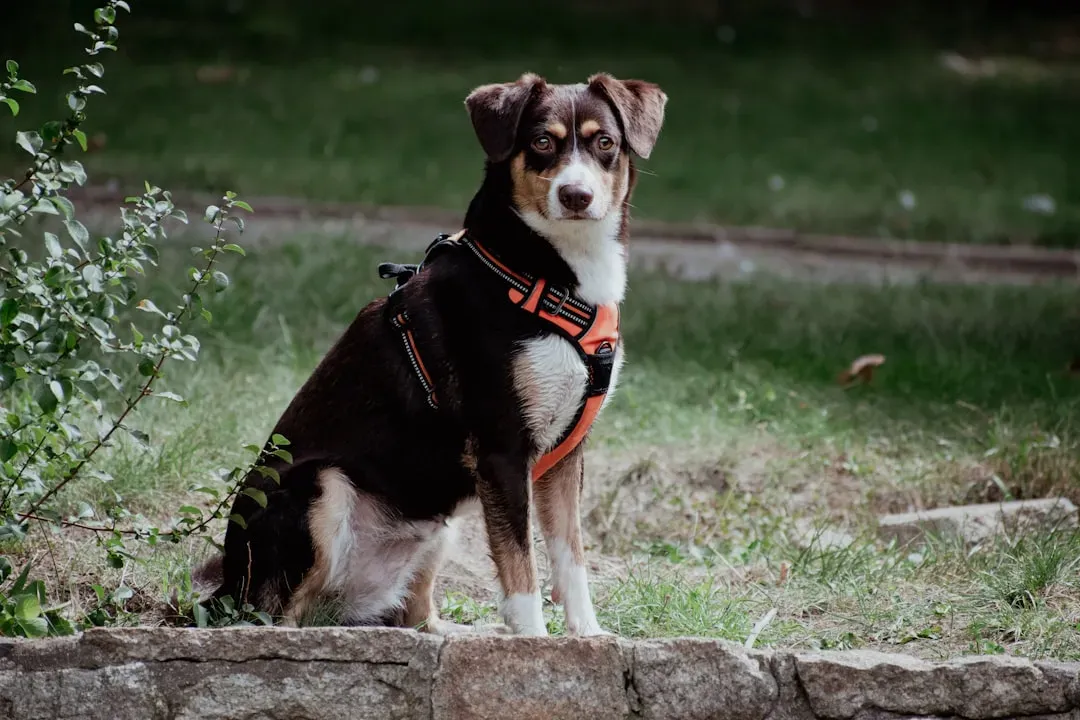
Some dogs, given the chance, seem to insist on one last visit – the park where they used to run free, the beach where they chased waves, the couch where the family always watched TV together. They might just sit, sniff the air, and take in the environment more slowly than usual. That slowness is what sticks with people later.
Scent is a dog’s main way of understanding the world, and near the end many lean on it heavily, almost like flipping through a final slideshow. People often replay the last car ride with the window halfway down, the last time their dog lay in that one patch of sun, or a final walk that covered half the distance but somehow felt twice as meaningful. We don’t know if dogs understand “final” the way we do. But they clearly understand comfort, familiarity, and closure – and that’s exactly what those last visits often are.
#13 – The Shift From Protecting the House to Letting Their Guard Down
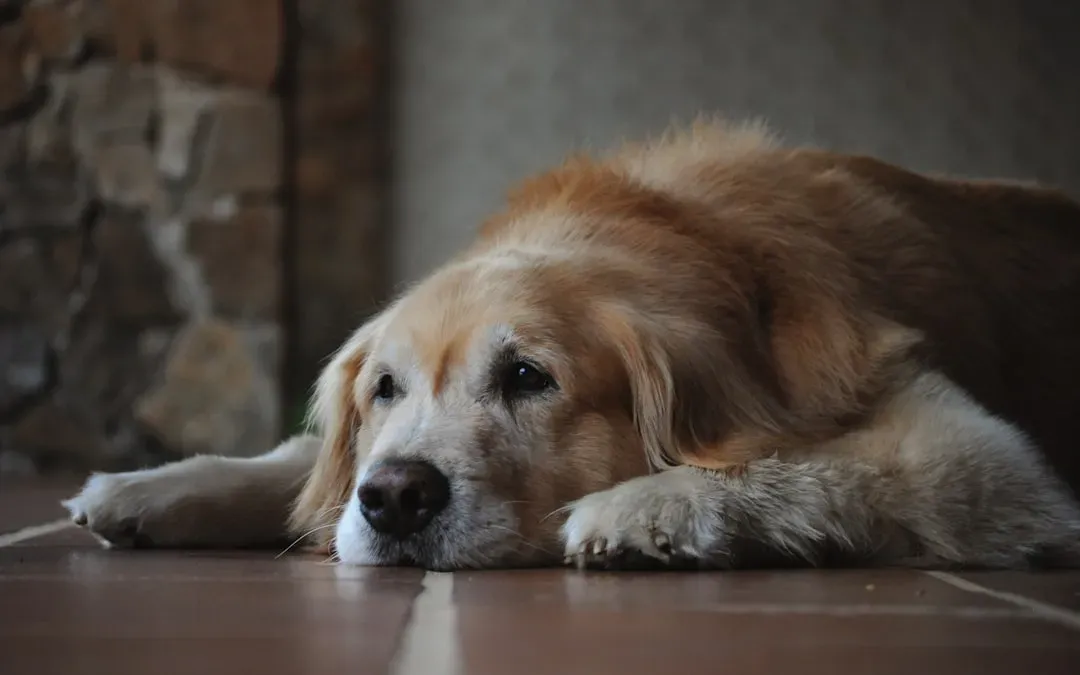
Many dogs spend their whole lives on duty – barking at every sound, checking windows, leaping up the second someone approaches the door. In the final weeks, you may notice a strange shift: they simply stop caring about perimeter threats. The mail carrier walks by without a single woof. Guests come in and barely get a lifted head.
To some, it looks like fatigue. To others, it feels like trust – as if the dog has decided, “my family can handle this now.” Constant vigilance takes energy, and as the body weakens, the brain starts reallocating what little it has left toward comfort instead of patrol. Owners usually only feel the full weight of this shift once the house goes truly quiet afterward. The silence isn’t just the absence of barking – it’s the end of an entire security system that ran around the clock for years, without ever asking for a paycheck.
At a Glance
- Vigilance and alert behavior demand significant energy and mental focus.
- As illness progresses, the brain often deprioritizes non-essential tasks like guarding.
- A sudden drop in barking or alert behavior can signal the body conserving its remaining resources.
- This shift is usually gradual, not an abrupt personality change.
#14 – The Moment They Wait for You, or Go the Minute You Step Out
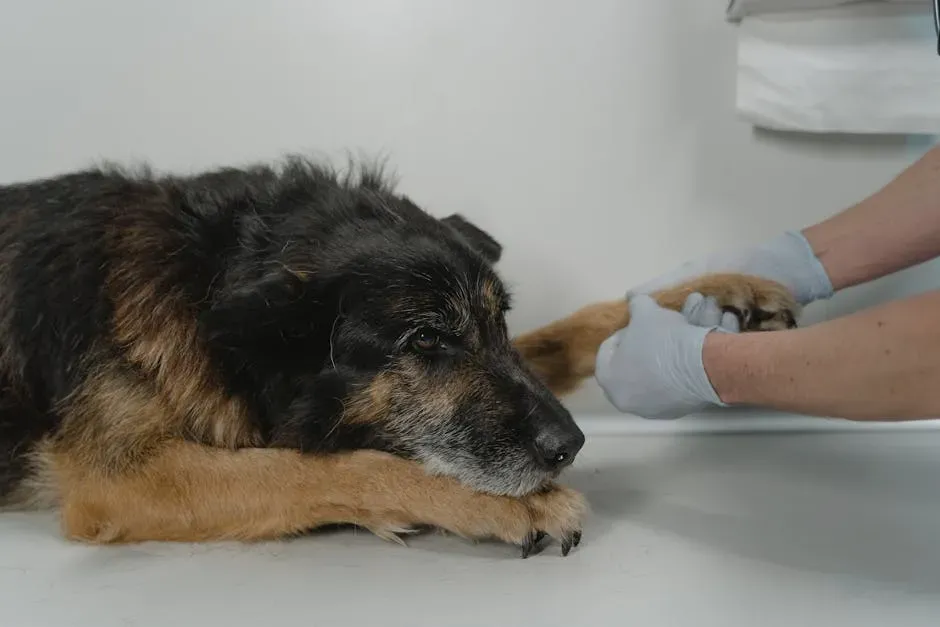
This is the most controversial pattern on the list, and the one people argue over for years. Many owners swear their dog “waited” – for them to get home from work, for the kids to gather, for one private moment alone together. Others insist their dog held on for days, only to pass in the five minutes someone stepped out of the room. Both stories are deeply painful, and both can be explained by a mix of biology and bond.
Dying is hard work, and the body sometimes needs quiet to finally let go. Dogs may tense up when everyone is crying and hovering, then relax the moment the room clears. Some appear to rally the instant a specific person arrives, then pass soon after. People torture themselves over the timing for years afterward – “if only I had stayed,” or “if only I hadn’t made them wait.” The hardest truth is also the kindest one: your dog’s body chose its own moment. Your love was constant, whether or not you happened to be standing in the room for that exact second.
The Bottom Line
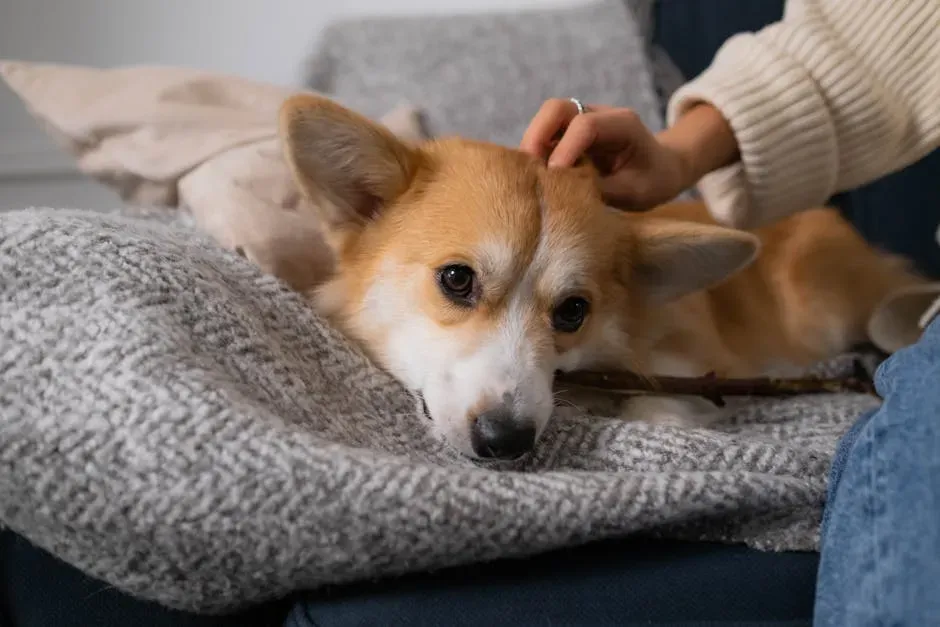
When you look back on a dog’s last weeks, everything that felt random at the time suddenly looks like a pattern – the last patrol of the yard, the strangely good day, the way they pressed their body into yours like they were memorizing your heartbeat. None of it was perfect, and neither were you.
You missed signs. You hoped when it was already time. You got frustrated over an accident on the carpet and second-guessed a hard decision a day too long, or maybe too soon. That’s not failure. That’s just what loving something mortal actually looks like up close.
Here’s the uncomfortable truth nobody tells you going in: there is no perfect goodbye. There’s only a dog doing its best with a failing body, and a human doing their best with a breaking heart. If anything on this list sounds like your own story, take that as proof of exactly one thing – you loved a living creature all the way to the edge of what its body could carry, and that’s not a small thing at all.
Did we miss something your dog did in their final weeks that you only understand now? Put it in the comments – your story might be exactly what another grieving owner needs to read today.


