
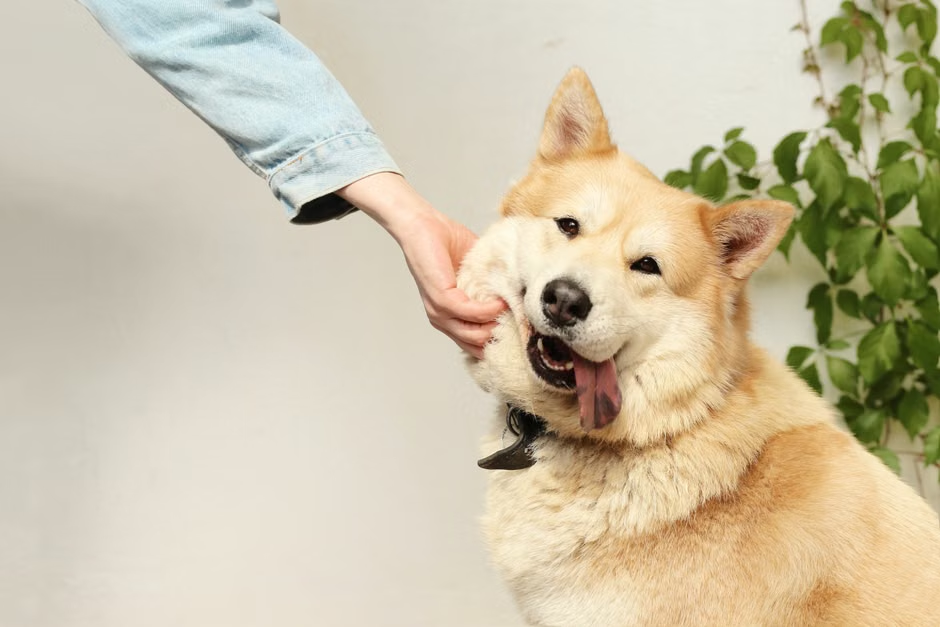
You already know the obvious love language: the wagging tail, the sloppy kisss, the way your dog trails you from the kitchen to the bathroom like a furry shadow. That’s not what we’re talking about. Behaviorists say the deepest trust a dog can give a person doesn’t look like affection at all — sometimes it looks like rudeness, indifference, or even a dog completely ignoring you.
Some of these behaviors are so subtle that owners live with them for years without ever clocking what they mean. Others look backwards, like your dog is pulling away instead of leaning in. Once you know what to look for, though, you’ll start seeing proof of trust in the most unexpected corners of your day. Here are the 15 things experts say .
#15 – They Turn Their Back On You (On Purpose)
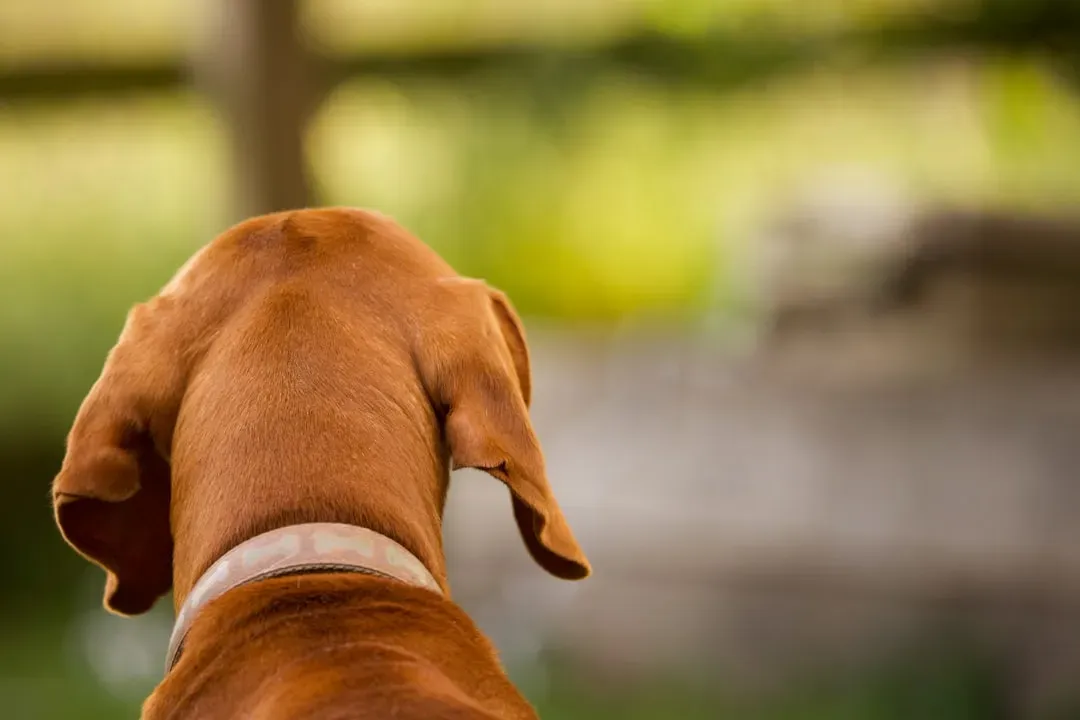
It looks rude, but it’s actually one of the biggest compliments your dog can give you. In the dog world, turning your back on someone is a massive vulnerability signal. You’re surrendering your eyes, your teeth, and your ability to react fast.
A dog that casually flops down with its rear toward you, or wedges itself between your legs facing away during a conversation, is sending a quiet message: “You’re my security system. I don’t need to watch my own back.” Many owners misread this as aloof or standoffish, when it’s actually the opposite.
Some trainers even use this posture in temperament assessments. Nervous dogs keep people locked in their line of sight at all times; trusting dogs simply don’t bother.
They literally outsource their personal safety to you.
Fast Facts
- Dogs have a wider field of view than humans, so choosing to look away from you is a real gamble, not an accident.
- Guard-instinct behaviors are hardwired survival responses, not just quirks of personality.
- Some trainers informally use back-turning as a quick trust indicator during temperament checks.
- Puppies rarely offer this posture until they’ve bonded with a consistent caregiver.
#14 – They Sleep Deeply, And In Ridiculous Positions, Right Next To You
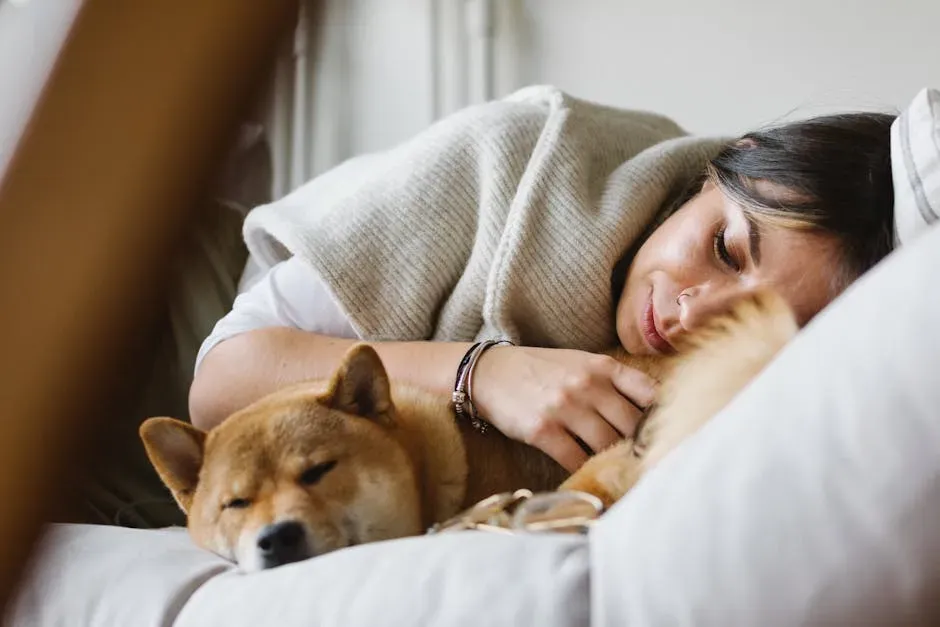
If your dog only “kind of” trusts you, they’ll nap lightly and startle at every creak in the house. A dog that trusts you completely will crash so hard they look almost broken: on their back, legs in the air, belly fully exposed, snoring, sometimes twitching through a dream.
That’s not just cute, it’s biology. In the wild, belly-up sleep is a survival disaster — organs exposed, spine unprotected, reaction time gone. Dogs only do it in places and with people they genuinely believe are 100% safe.
- Slow, heavy breathing instead of light, quick breaths.
- No startle response when you shift your weight or get up off the couch.
Behaviorists call this “resting in a safety bubble.” You are the bubble. They’re betting their life that nothing bad happens while they’re unconscious next to you.
#13 – They Show You Their “Ugly” Emotions
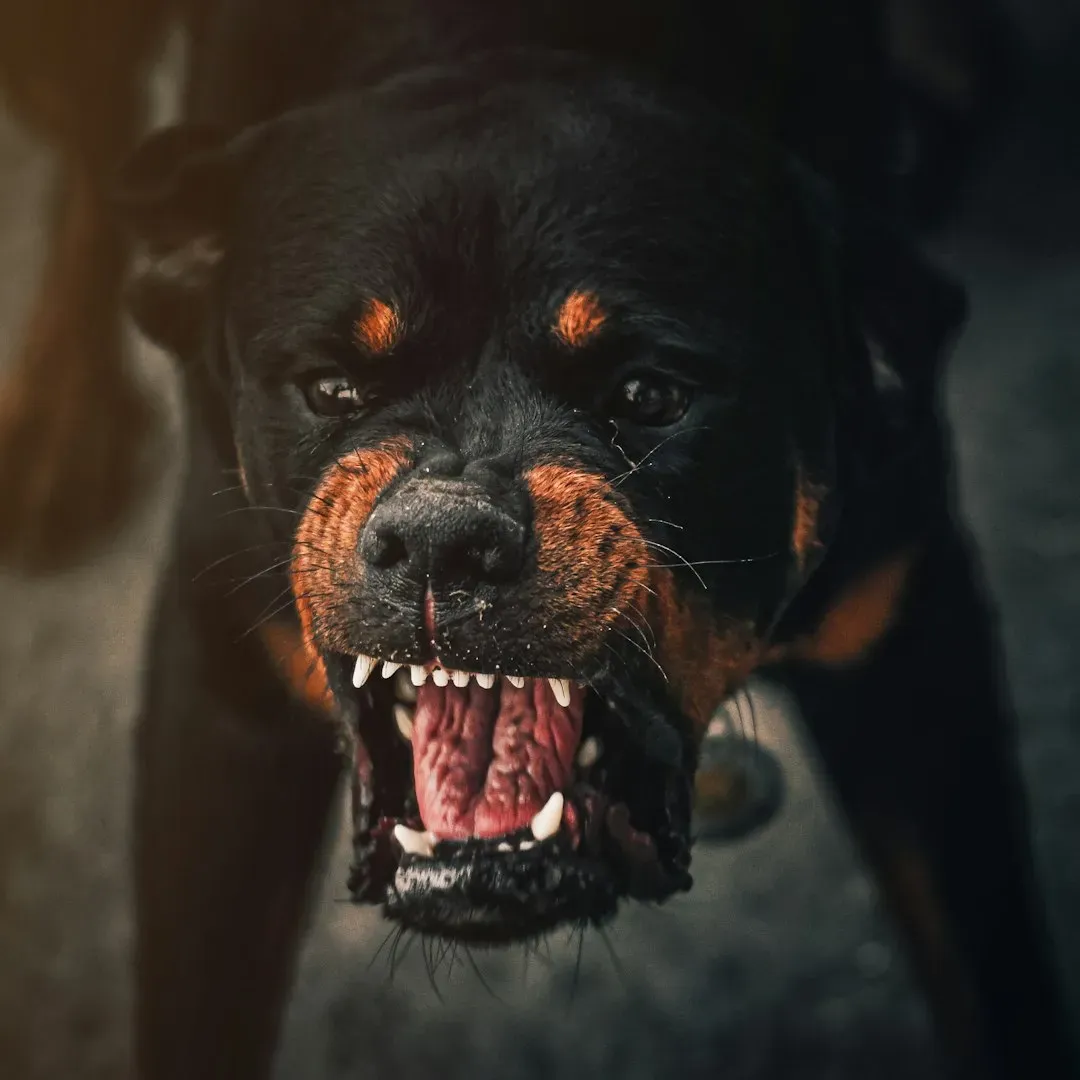
Most people assume a dog that never growls is the well-behaved one. That’s not always true. Dogs who are unsure of humans often shut their communication down entirely, hiding discomfort because past signals got them punished or ignored.
With the one human they trust completely, dogs actually show more of their emotional range: soft growls when overwhelmed, little whines when unsure, dramatic “protest barks” when you move their favorite toy, even sulking when you leave the room.
- Leaning into you when scared instead of walking away.
- “Complaining” with expressive sounds when you mess with their routine.
It’s similar to a toddler who only melts down in front of their primary parent. The safer they feel, the more honest — and sometimes dramatic — they become.
#12 – They Ignore You… In The Safest Possible Way
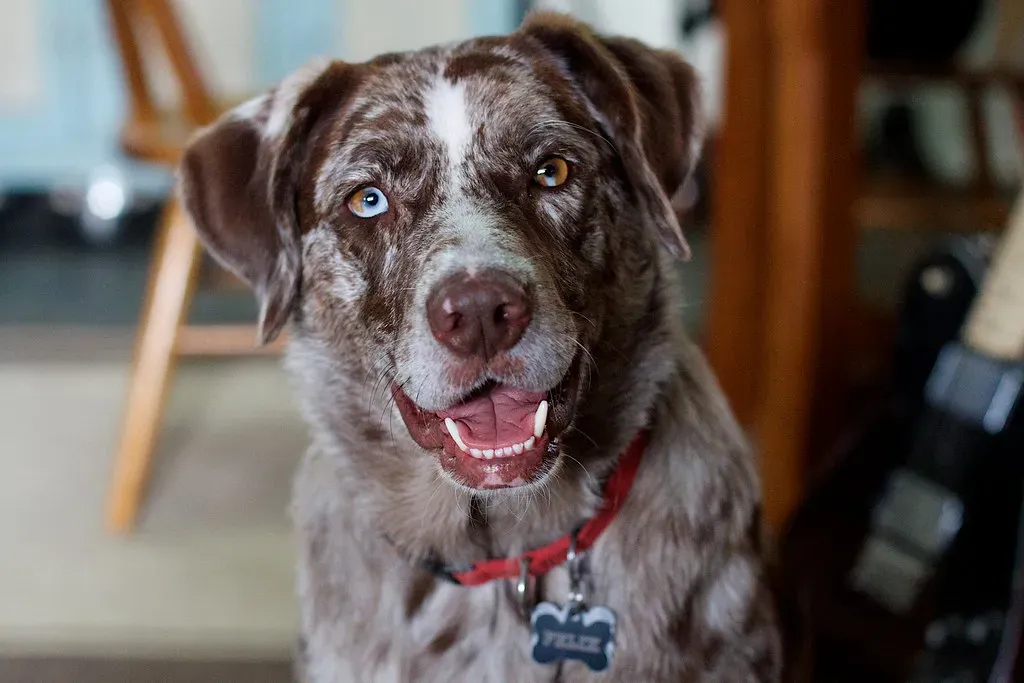
This one starts arguments. Some owners assume a dog that isn’t staring at them 24/7 isn’t attached. Behaviorists strongly disagree.
A dog that trusts you completely doesn’t need to monitor you every second. They’ll wander off to chew a toy across the room or watch out the window without constantly checking where you’ve gone. That’s a sign of what’s called “secure attachment”: they’re confident you’re not going to disappear or betray them just because they looked away for five minutes.
- Anxiously attached dog: follows you everywhere, panics the moment you’re out of sight.
- Securely attached dog: checks in occasionally, then relaxes back into their own world.
True trust often looks like freedom, not obsession.
#11 – They Bring You Their “Kill,” Not Just Their Toy
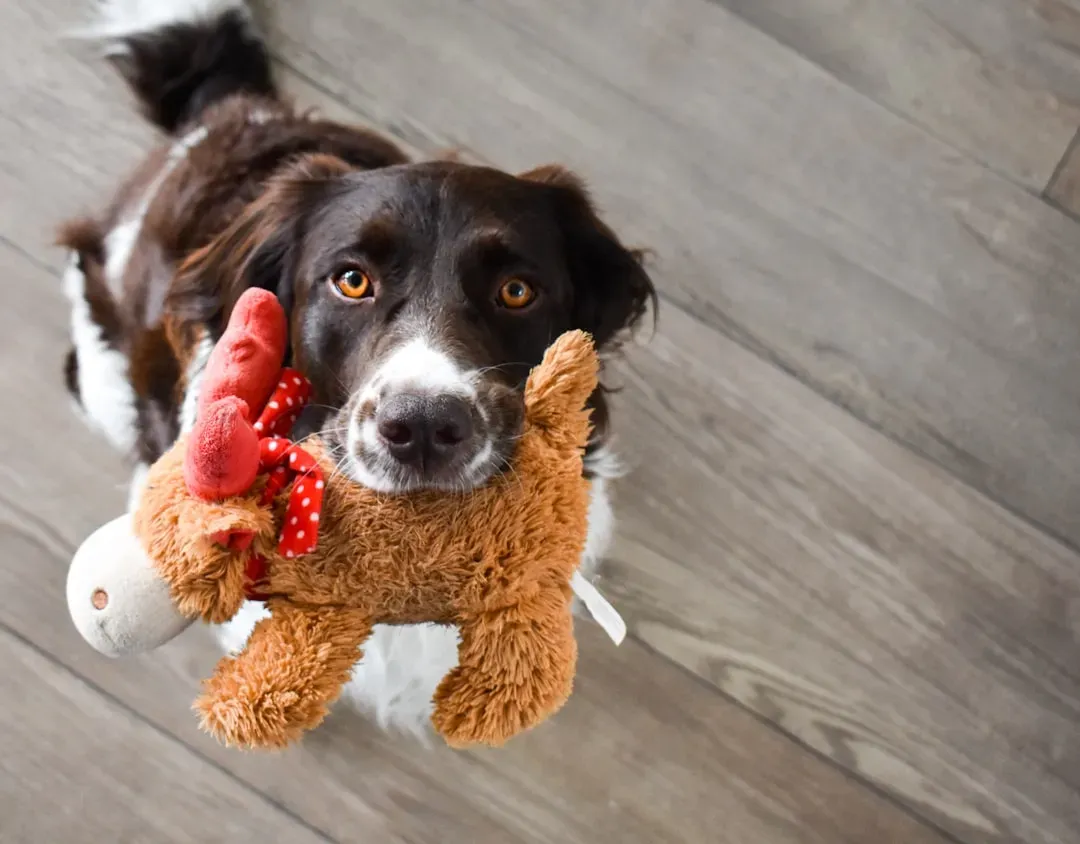
Most people think toy delivery is just about wanting to play. Sometimes it is. When trust runs deeper, it’s something else entirely.
When a dog drags over a slobbery toy, a weird sock, or yes — a dead squirrel — and drops it in your lap, they’re not just bored. Dogs descended from animals that shared resources only within their inner circle, so handing you a prized object is a social bonding ritual that says, “You’re part of my core group. I’m sharing my spoils.”
- Do they look up at your face after dropping it, waiting for a reaction?
- Do they seem proud, not just demanding?
They are literally giving you what they value most.
#10 – They Use You As A “Safe Base” In New Places
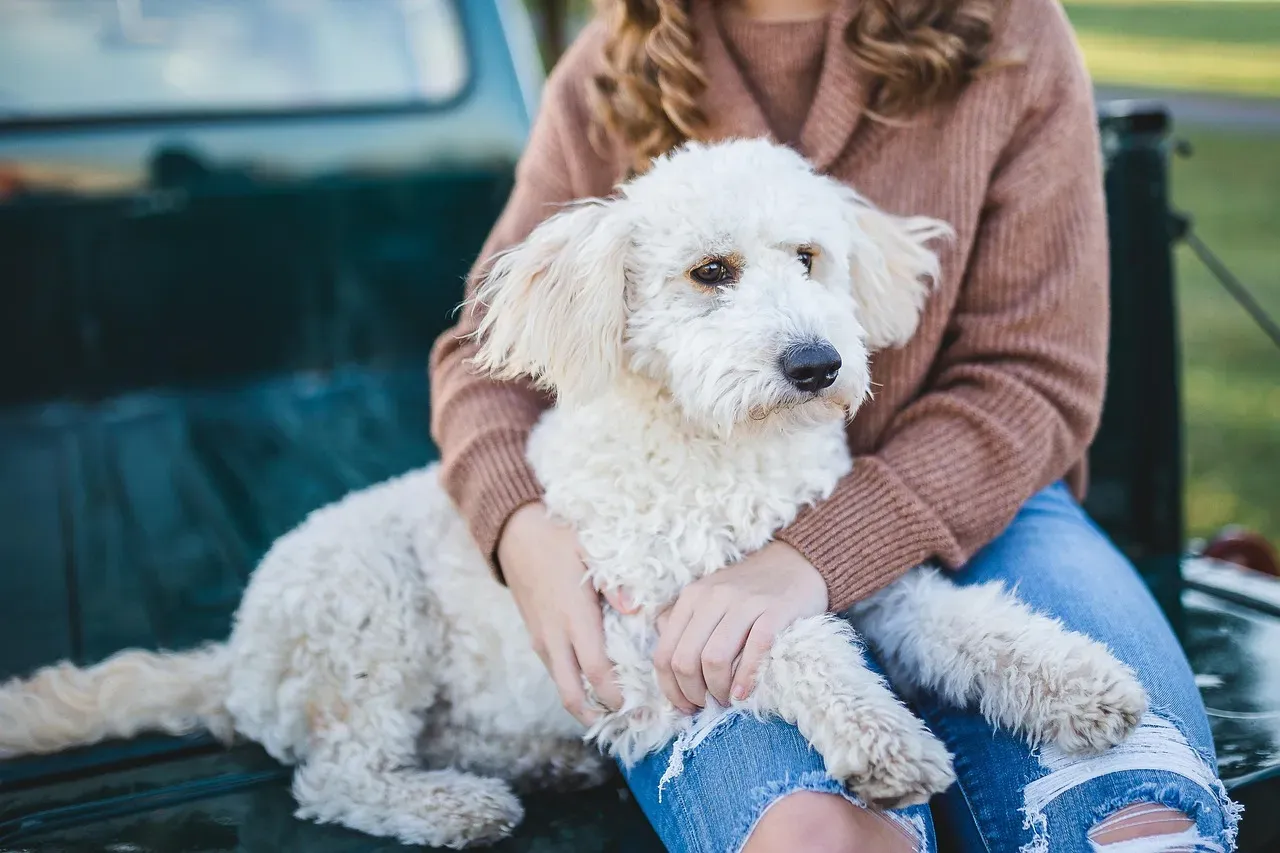
In child psychology, there’s a classic test for attachment: does a child use a caregiver as a home base to explore from? Dogs run the exact same script.
At a new park, the vet’s office, or a friend’s house, a dog that trusts you completely will venture out, then repeatedly circle back for quick check-ins — touching your leg, leaning on you for a second, or catching your eye before trotting off again. This pattern shows up across mammal species as a textbook sign of secure attachment.
- A fearful dog glues itself to you and refuses to explore at all.
- An over-stimulated dog bolts around with zero reference to you whatsoever.
Your dog’s quick returns are their way of topping up on confidence. You are their emotional charging station.
#9 – They Let You Mess With Their Mouth, Paws, And Food
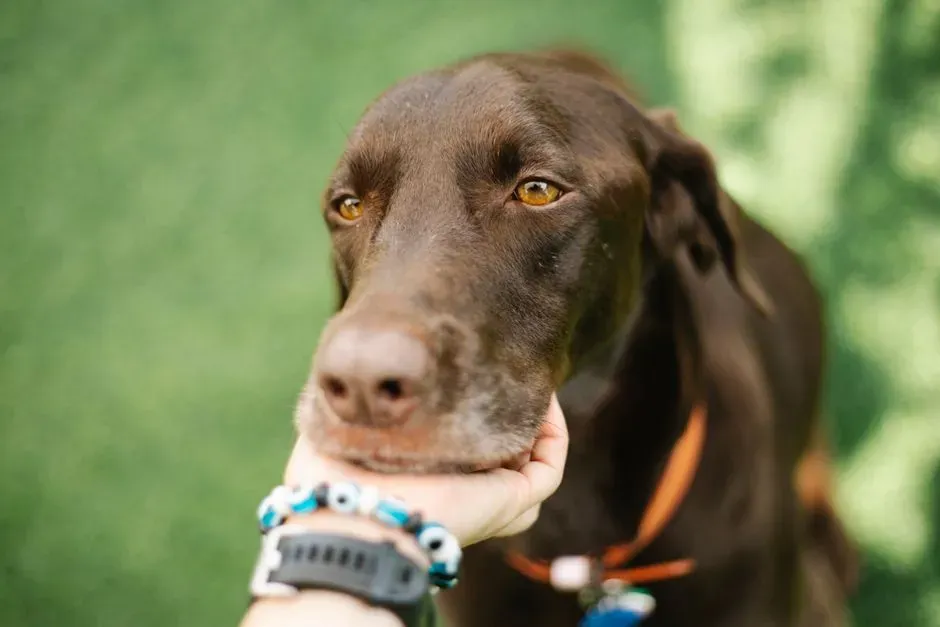
Most dogs tolerate a good petting. Far fewer will calmly let you handle their most sensitive, most protected areas.
When a dog truly trusts you, they’ll let you open their mouth to check teeth, trim their nails, or move their food bowl without stiffening or guarding. In dog terms, this is a surrender of critical survival resources. Healthy, confident dogs are not supposed to allow this from just anyone.
- Lip licking or a slight shift, but no growling or snapping.
- Relaxed muscles instead of a frozen, braced body.
They’re letting you override every instinct that says “protect this at all costs.”
#8 – They Mirror Your Mood Without Being Asked
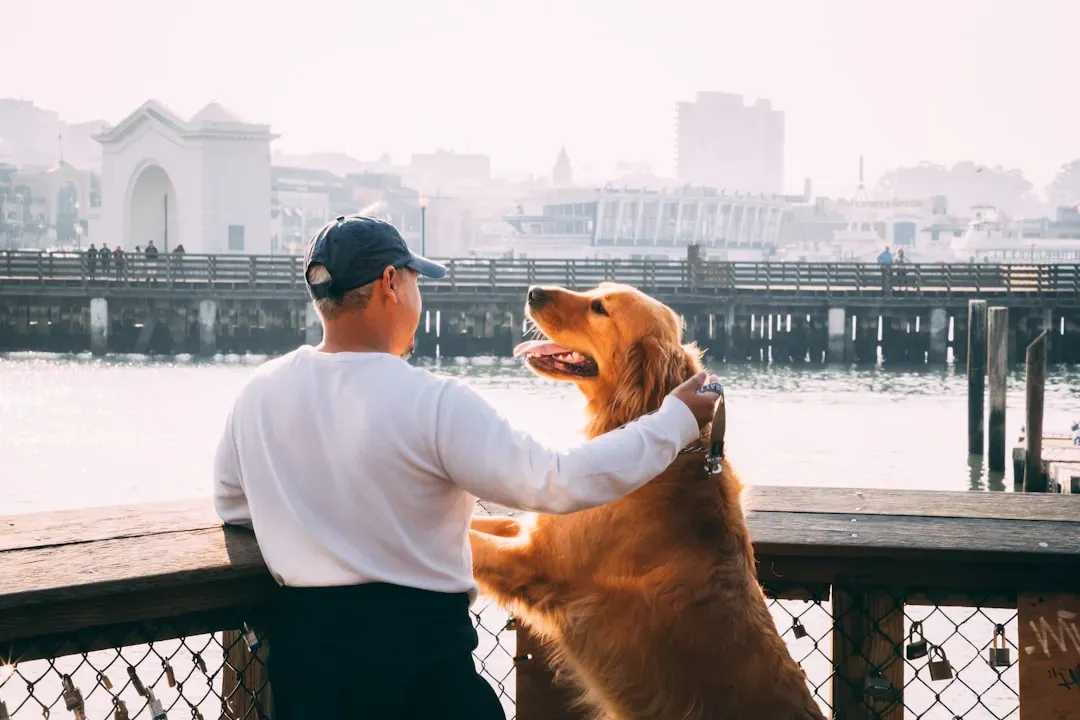
It’s cute when dogs learn tricks. It’s far more revealing when they quietly adjust themselves to match you, with no command involved at all.
Dogs that trust their person deeply become experts at reading micro-cues: tone of voice, breathing speed, even how hard you set your keys down. Over time, they start syncing their own behavior to your emotional state — calm and slow on your bad days, wild zoomies when you’re hyped up and laughing.
- They lie on your feet when you’re upset, even if you never called them over.
- They back off a little when you’re stressed or intensely focused.
Dogs don’t waste that kind of emotional energy on people they’re unsure about.
#7 – They Choose You Over Other Dogs… At Key Moments
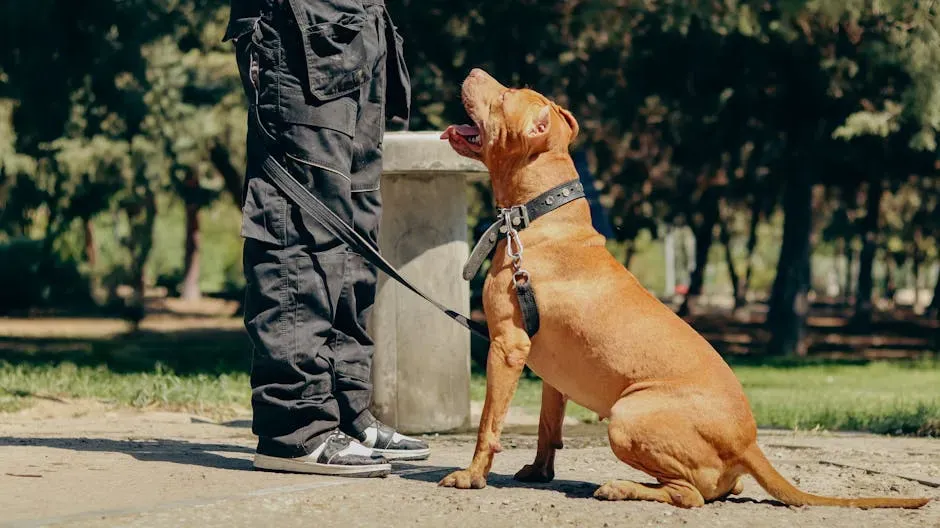
Dog parks expose a slightly uncomfortable truth: not every dog actually wants to be with their human. But watch closely, and the deeply bonded ones give themselves away.
A loud noise, a scuffle nearby, a stranger walking up? Their eyes go to you first. In moments of conflict, they retreat behind or beside you instead of bolting off alone or freezing in place. This isn’t clinginess — it’s them choosing their safest ally, in real time.
- They check where you’re sitting before deciding how far to roam.
- They bring the ball back to you, not the stranger who threw it better.
The dog that looks for you in a crowd has already answered the question: who do I trust most?
At a Glance
- Dogs often treat their favorite person as a social reference point during unfamiliar or tense moments.
- A quick glance back at you before approaching a stranger works a lot like a toddler checking a parent’s face.
- Retreating toward you during conflict is a deliberate safety choice, not random panic.
- Dogs that ignore their owner entirely in stressful settings often haven’t formed the same secure bond.
#6 – They Talk To You Differently Than Anyone Else
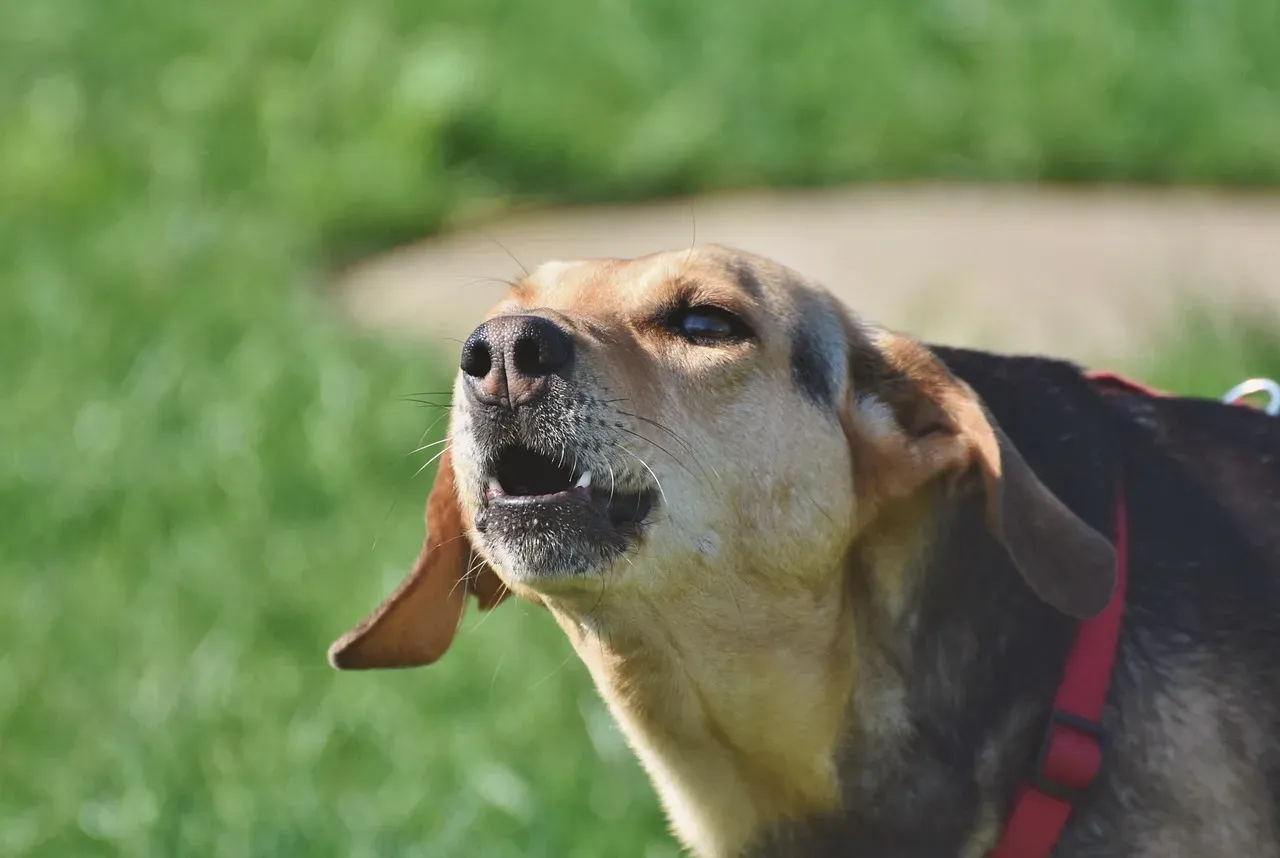
Yes, most dogs “talk” in some form. But the way they communicate with their one trusted person is a different language entirely.
With casual humans, dogs stick to the basics: barks, tail wags, avoidance. With the human they fully trust, they develop a custom vocal and body dialect — unique whines, grumbles, weird play bows, and dramatic sighs you can practically translate.
- You can tell a specific whine means “water” versus “come sit with me.”
- They experiment with new sounds and reuse whichever ones get a reaction.
They don’t build that level of personalized “conversation” with just any human in the house.
#5 – They Turn To You When They’re Hurt Or Scared, Not Away
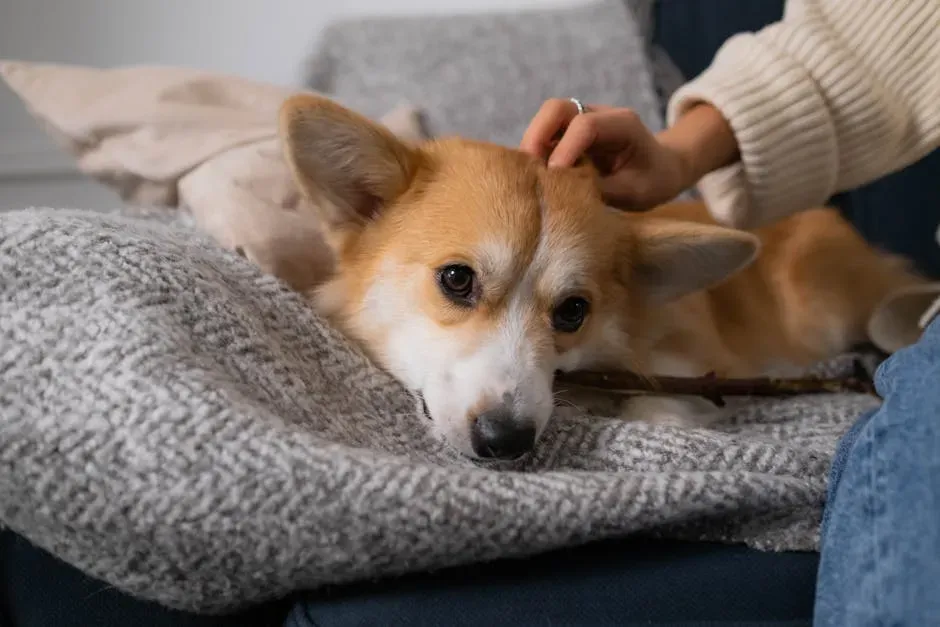
Many people assume a hiding dog is just being dramatic. That’s not the full story. Dogs in pain often retreat to quiet, hidden spots because being visibly weak is genuinely risky in animal terms.
But a dog that trusts you completely will either seek you out first or let you into their hiding place. Shaking from thunder? They crawl onto your lap. Limping? They present the injured paw instead of pulling away when you examine it.
- Letting you touch a sore spot even though it clearly hurts.
- Choosing to lie pressed against you during fireworks instead of hiding under furniture alone.
It’s a brutal, beautiful compliment: in their worst moments, they believe you’ll help, not make it worse. Turning toward you in their pain is one of the most intimate things a dog will ever do.
#4 – They Respect Your “No” Without Shutting Down
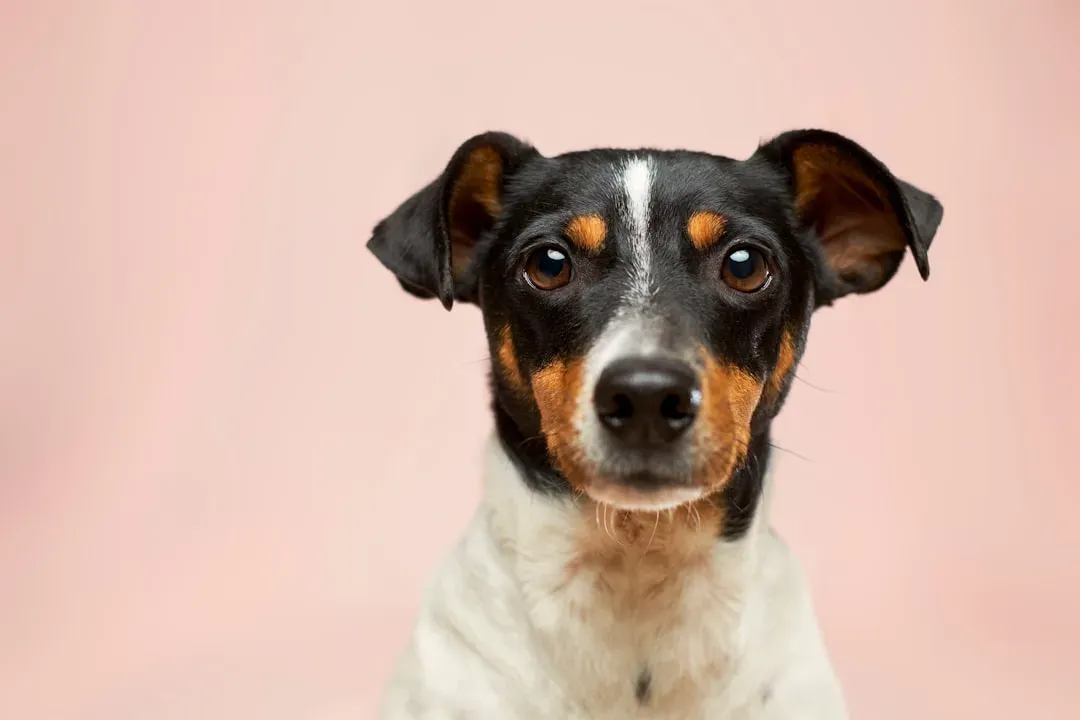
This is where a lot of owners get it wrong. Obedience out of fear is not the same thing as trust. Dogs who’ve been yelled at or yanked around will often comply — but you’ll also see flinching, lip licking, freezing, and avoided eye contact. That’s survival, not respect.
A dog who trusts you can handle a firm “no” or the end of playtime and bounce back almost instantly. They might look briefly disappointed, but they don’t act terrified or crushed by it.
- You set a boundary; they pause, then re-engage happily a moment later.
- They don’t avoid you after a correction — they still seek out contact and play.
They believe your limits are predictable and fair, not random explosions.
Quick Compare
- Fear-based compliance: flinching, lip licking, frozen posture, avoided eye contact.
- Trust-based compliance: brief pause, quick recovery, relaxed eye contact.
- Fear-based compliance: dog avoids you after a correction.
- Trust-based compliance: dog seeks you out again within minutes.
#3 – They Offer You Their Belly As A Conversation, Not A Trick
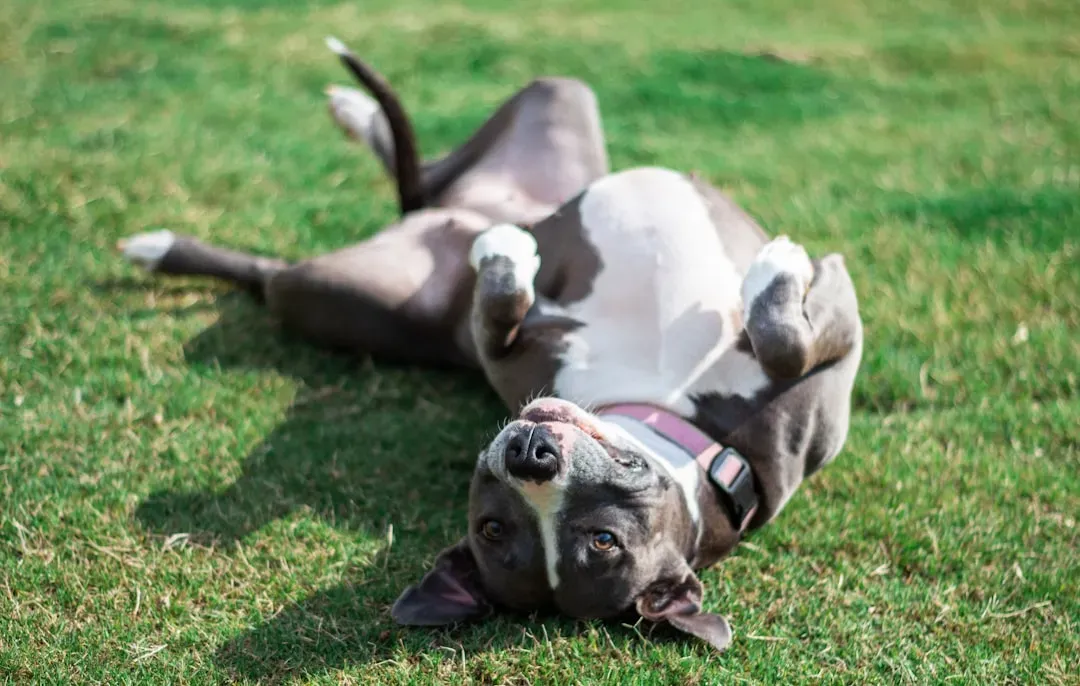
Belly rubs get oversimplified on social media. Not every exposed belly means “I trust you.” Some are pure appeasement — a tense body, tucked tail, eyes turned away, silently begging you not to hurt them.
But with the human they fully trust, dogs roll onto their back in a loose, wiggly, almost ridiculous way, often mid-play or mid-cuddle, pawing the air and making silly noises while you scratch. That’s not submission. That’s an invitation.
- Loose, floppy limbs instead of a tight, frozen posture.
- Soft eyes, direct eye contact, maybe even a happy grumble.
They’re saying “I want more of you,” not “I’m scared of you.”
#2 – They Break The “Shadow” Routine… And Still Come Back
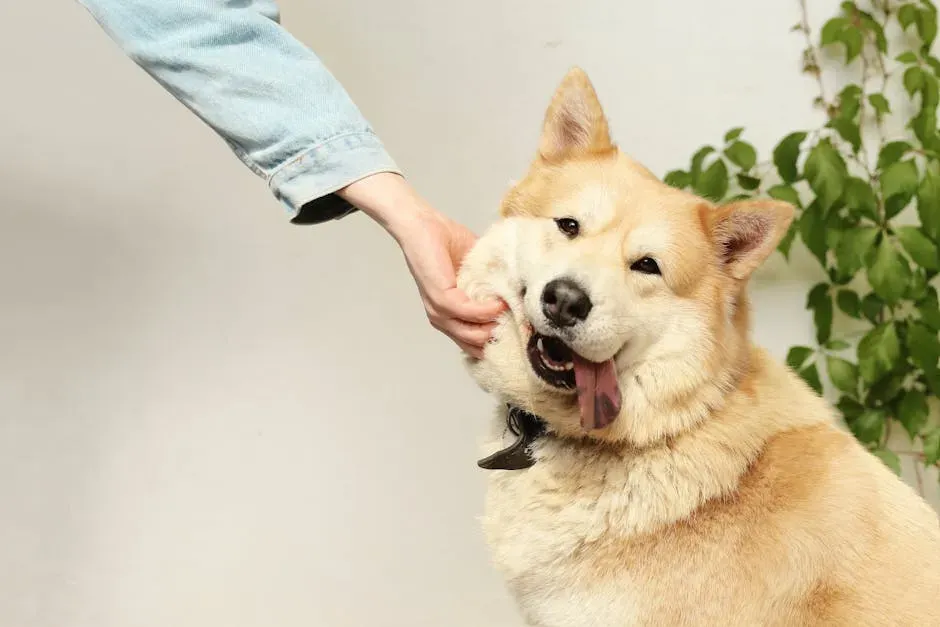
Everyone loves a velcro dog, but behaviorists quietly worry about the extreme version of it. Here’s the twist: dogs that trust one human completely often go through a clingy phase first, and then slowly earn enough confidence to stop following you to the bathroom every single time.
The trust runs so deep they believe you’ll simply come back, so they can finally just stay on the couch. They still greet you at the door, still glance over to check where you are — but they’re no longer panicked about every little separation.
- They stay resting when you walk into another room instead of launching up anxiously.
- They greet you calmly after short absences instead of acting like you vanished for years.
Some owners take this personally, assuming their dog cares less. It’s the opposite. This is one of the highest levels of trust: they’re no longer afraid your disappearance means abandonment.
#1 – They Look You In The Eyes… And Their Body Softens
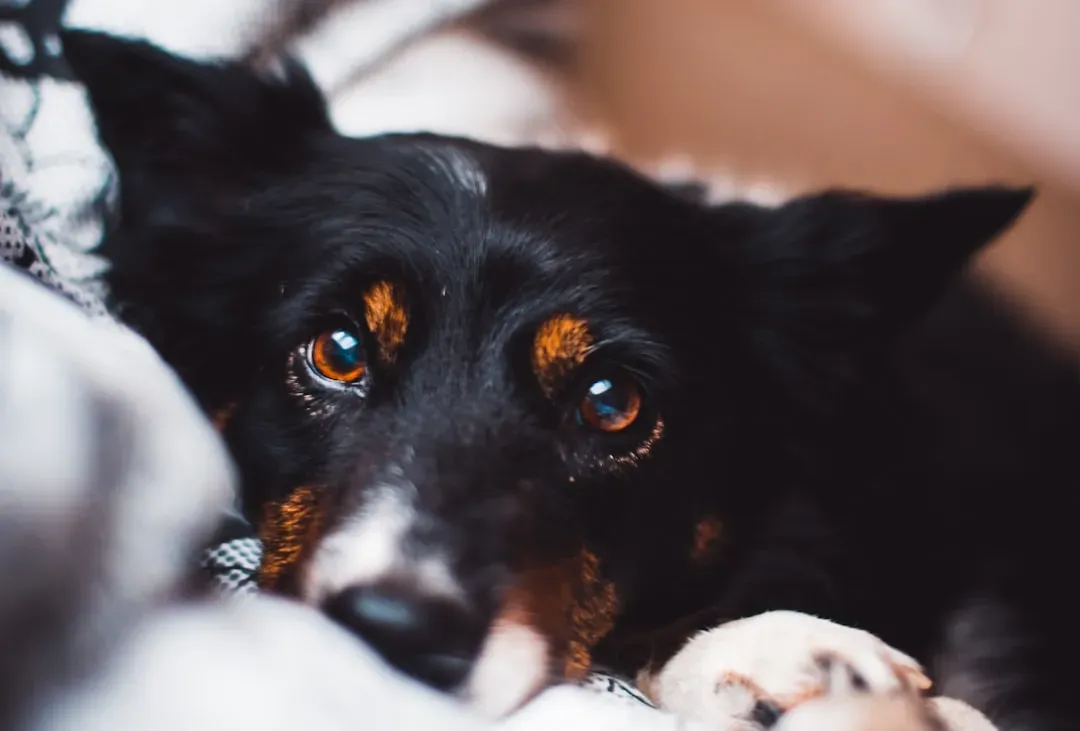
Eye contact between animals can easily read as a threat, and dogs know this better than almost any species. That’s what makes it so significant when they choose to break that rule — just for you.
, dogs hold soft, lingering eye contact with relaxed muscles, loose ears, and often a slow blink or a small head tilt. This isn’t a dominance stare. It’s a bonding behavior some research links to a rise in oxytocin, the same hormone involved in parent-child bonding. It’s rare, and fearful or uncertain dogs simply don’t offer it.
- Their tail is neutral or gently wagging, never stiff.
- Their mouth is slightly open, relaxed, almost like a smile.
When they willingly lock eyes with you in a quiet moment, they’re dropping every guard-dog instinct they were born with.
Worth Knowing
- Mutual eye contact between dogs and their favorite humans has been linked to rising oxytocin levels in both species.
- This “oxytocin loop” mirrors the bonding chemistry seen between parents and infants.
- Fearful or unfamiliar dogs typically avoid sustained eye contact altogether.
- A relaxed, slow blink is often considered a canine version of a trusting smile.
The Bottom Line
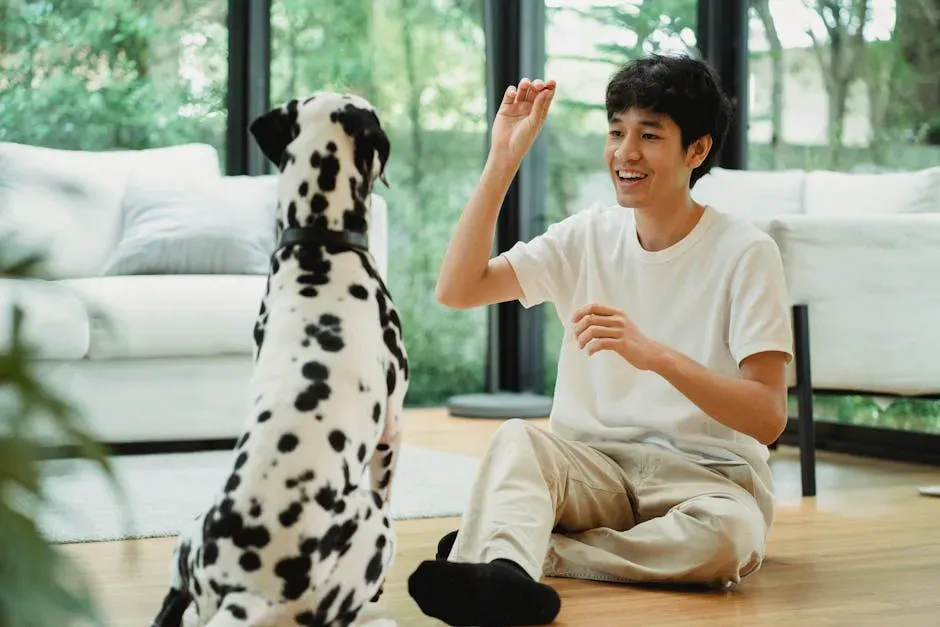
Strip away the cute memes and the baby talk, and a harder truth shows up: most dogs don’t hand out complete trust easily, and not every owner actually earns it. The real proof isn’t in the over-the-top moments. It’s in the quiet ones — a back turned toward you on purpose, a belly exposed mid-nap, a paw handed over without a flinch.
Dogs are not our whole life, but they make our lives whole.
Roger Caras
The real test isn’t whether your dog obeys you. It’s whether they feel safe enough around you to be inconveniently honest, occasionally weird, and completely unguarded. If your dog does even a handful of these things, you’re not just “the person who feeds them.” You’re their safe base, their emergency contact, their chosen family.
And if they don’t do these things yet, that’s not a dog problem. That’s worth sitting with, because the uncomfortable question isn’t “why doesn’t my dog trust me more” — it’s whether you’ve actually been behaving like someone who deserves it. Did we miss a behavior your dog saves only for you? Drop it in the comments and start the argument.


