

Ask most people over 70 what happens to their dog or cat when they’re gone, and you’ll get the same confident answer: “My daughter will take her.” No paperwork, no plan, just faith that love will sort itself out.
Estate planners hear that sentence constantly, and they’ll quietly tell you it’s one of the fastest ways a beloved pet ends up in a shelter – or on a euthanasia list – within weeks of losing its owner. Pets are still legal property in all 50 states, and a will that just says “take care of Fluffy” often collapses the moment probate gets involved.
Here’s the part that surprises even confident pet owners: the mistakes aren’t dramatic or rare. They’re small, quiet oversights that planners see in file after file, and most families never realize the gap exists until it’s too late to fix it. Thirteen of them come up again and again.
#1 – Overlooking Proof of Pet Ownership

Estate planners notice it almost immediately: nobody bothered to update the microchip registration or vet records to reflect who actually owns the pet now. It sounds like a small detail, but it becomes a legal wall the moment someone dies or loses capacity.
Plenty of seniors assume a verbal understanding with a neighbor or adult child is enough. Courts disagree, and they want documented proof of ownership. Planners have watched outdated microchips let a distant relative who never once met the animal step in and legally claim it.
#2 – Assuming Adult Children Will Step Up Automatically

The quiet red flag here is silence – no written caregiver designation exists anywhere. The topic usually gets mentioned once, at a holiday dinner, and never comes up again until it’s an emergency.
Planners see adult children back out constantly once the real costs and lifestyle changes sink in. Even a genuinely willing relative can be blocked by a spouse, a landlord, or a no-pets housing rule they forgot to mention. That leaves the animal sitting in legal limbo while the estate slowly works itself out.
#3 – Underfunding Any Pet Care Arrangement

A shockingly common mistake is setting aside a token amount, maybe $5,000, without ever running the real numbers. Senior dogs and cats often need expensive medication, dental surgery, and mobility support in their final years.
Planners routinely calculate that a mid-sized dog can cost $15,000 to $25,000 over a decade, depending on its health. Worse, many pet trusts drafted by general-practice attorneys have zero inflation adjustment, so the money quietly runs dry by year three – forcing the caregiver to cover the rest out of pocket or give the animal up.
Fast Facts
- Token pet trust amounts often start around $5,000 – rarely enough for a full decade of care
- A mid-sized dog can cost $15,000 to $25,000 over its lifetime
- Most trusts lack inflation adjustments, so funds can dry up within roughly three years
- Senior-year expenses like dental surgery and mobility support are the biggest budget-busters
#4 – Splitting Up Bonded Pets Without Meaning To
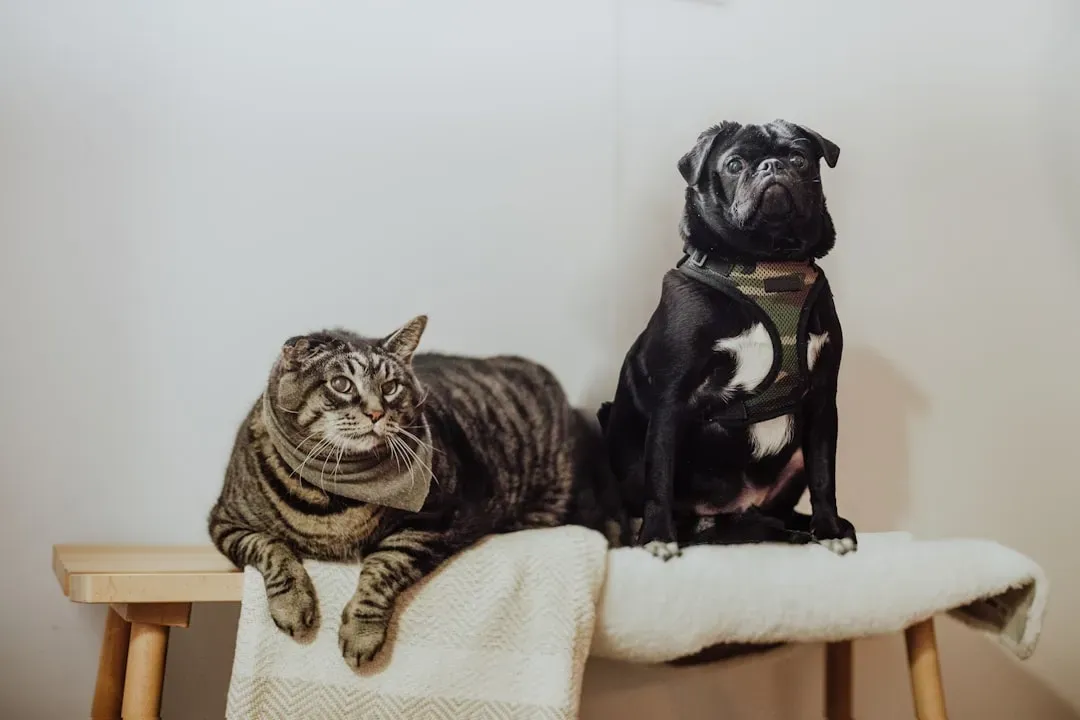
When two or three pets share a home, most wills treat them like interchangeable furniture. Planners have watched bonded pairs get separated simply because the document never said they had to stay together.
One cat finds a home in a week. The other, older or sicker, scares adopters off – and ends up at a shelter alone. It’s one of the details that surprises families most: the “easy” pet gets placed fast, and the harder one pays the price for a document that never planned for both.
#5 – Failing to Document Senior Pet Health Realities
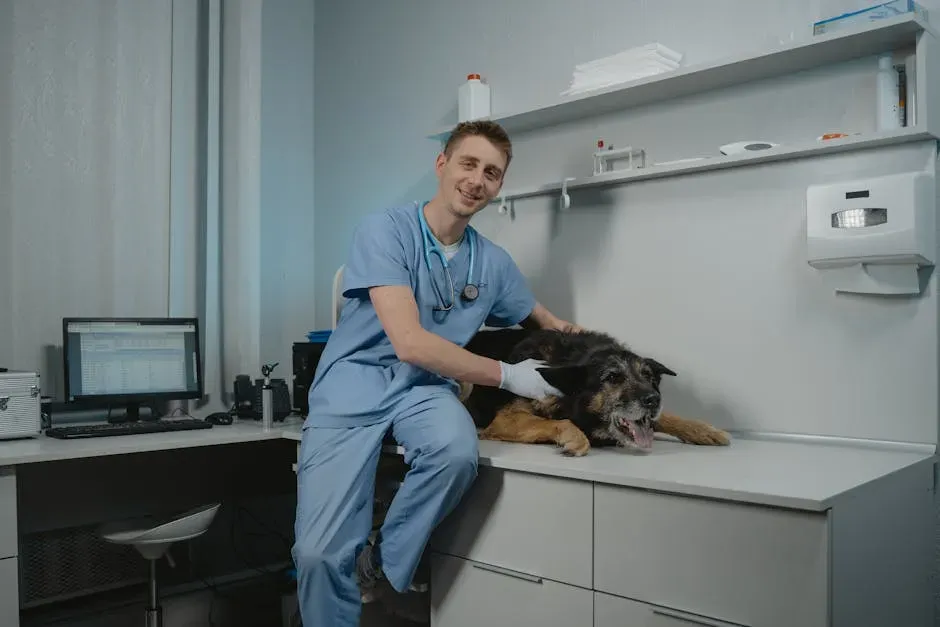
Medications, allergies, mobility limits – most owners never write any of it down. Estate planners flag this constantly because it leaves the new caregiver inheriting a medical mystery with no instruction manual.
Vets often won’t release full histories without explicit authorization built into the estate documents. And the financial reality catches people off guard: a 12-year-old dog can easily need $300 to $500 a month in care that nobody budgeted for, let alone wrote down.
#6 – Relying on a Neighbor’s Verbal Promise
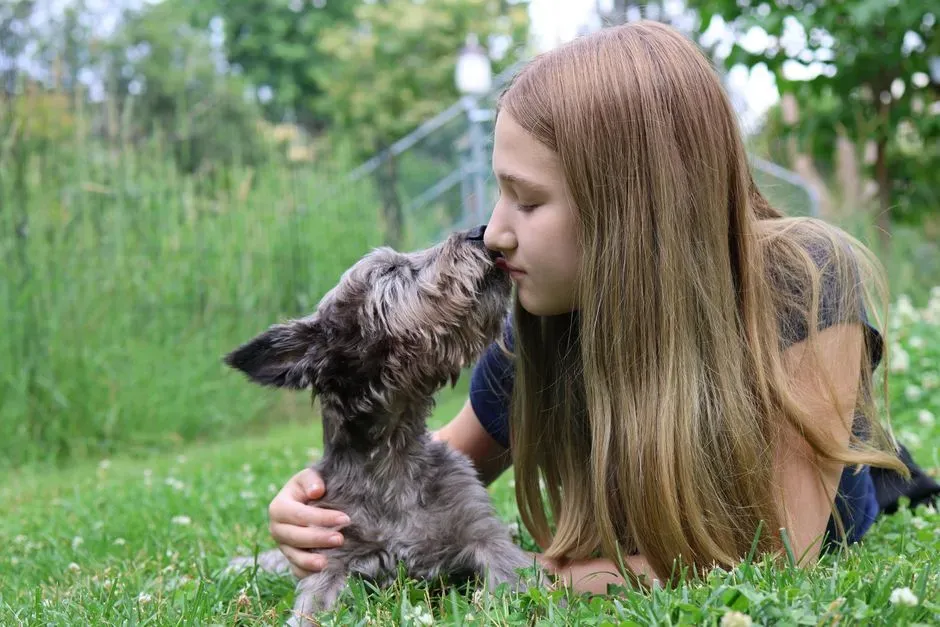
“I’ll take Fluffy if anything happens to you” sounds solid – right up until the neighbor moves, divorces, or gets sick themselves. No court on earth enforces a spoken promise about property, and pets are still legally property.
Planners say the part that catches families off guard is how often these same neighbors later insist they never agreed to years of vet bills and daily walks. A friendly nod at the mailbox is not a plan. It needs to be in writing, or it doesn’t exist.
Worth Knowing
- Verbal promises about who inherits a pet are not legally enforceable anywhere
- Circumstances shift fast – moves, divorces, illness, or a new landlord’s no-pet policy
- Courts look for signed, documented arrangements, not hallway conversations
- One clear sentence in a will or trust closes this gap for good
#7 – Burying the Pet Inside “All Personal Property”

Plenty of wills simply lump the pet in with “all personal property” instead of naming them directly. That single choice routes the animal straight into standard probate, a process that can drag on for 12 to 18 months.
During that stretch, the pet might sit boarded at the estate’s expense or land temporarily with whoever happened to be available, qualified or not. Some states still technically allow a pet to be treated as an asset that can be sold to cover debts – a detail that shocks most families who assumed their pet was safe by default.
#8 – Skipping a Dedicated Pet Trust
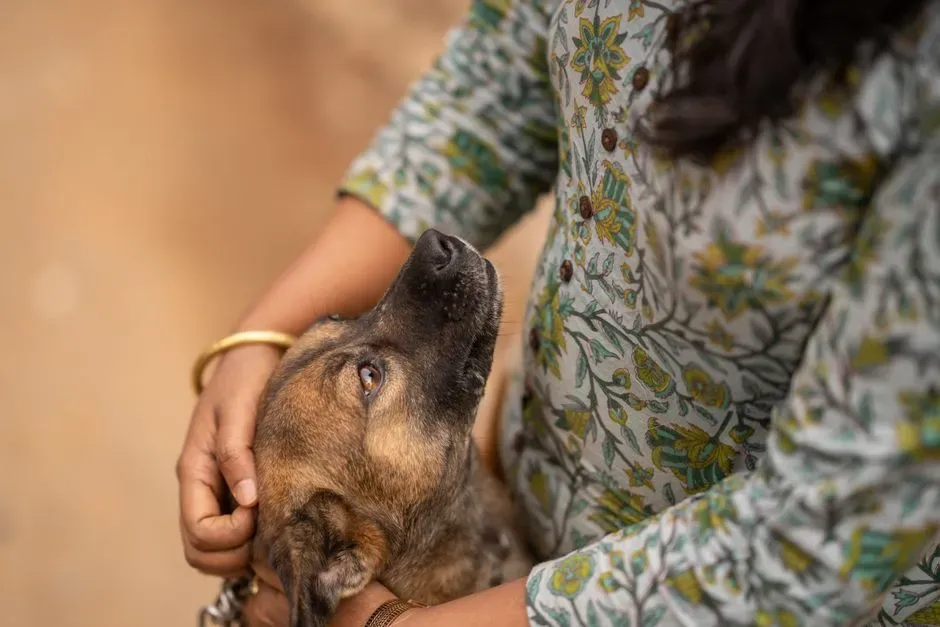
Conditional gifts like “my daughter gets the house if she takes the dog” feel clever, but they’re easy to challenge and often fail in practice. Planners consistently push clients toward a stand-alone pet trust instead, one with a named trustee, a successor, and real instructions.
These trusts can last for the animal’s entire lifetime. What most owners miss is that a properly funded pet trust keeps working even if the caregiver themselves later becomes sick or incapacitated – something a casual family promise simply can’t do.
#9 – Missing the Tax and Funding Fine Print

A surprising number of owners assume pet trusts get the same tax treatment as a charitable gift. They don’t. Estate planners quietly correct this misunderstanding because it directly affects how much money actually reaches the animal.
Funding has to come from after-tax dollars or a specific bequest, no shortcuts. And in some states, there’s a cap on enforceable pet trust amounts – anything above that limit reverts back to the estate instead of staying earmarked for the pet’s care.
Quick Compare
- Charitable gift: may offer a tax deduction, but funds go to an organization with no guaranteed direct benefit to your specific pet
- Pet trust: funded with after-tax dollars, no deduction, but money is legally earmarked for the animal’s actual care
- State caps: some states limit how much an enforceable pet trust can hold – anything extra reverts to the estate
#10 – Forgetting to Update the Will After a New Pet Arrives

A will written in 2015 naming “my dog Max” becomes worthless the moment Max passes and a new rescue takes his place. Planners see this mismatch far more often than people expect.
The new pet, the one actually alive and depending on someone, has zero legal protection under the old language. A simple codicil fixes it in about five minutes, yet most seniors never get around to scheduling that update.
#11 – Naming the Wrong Person as Trustee

Handing pet-trustee duties to a family member who’s never liked the animal, or who lives in a no-pet apartment, is a setup for instant conflict. Good planners look for someone who genuinely likes animals and has stable, appropriate housing.
A professional trustee costs more but removes the emotional guesswork entirely. What surprises families most is how often the person named in the document simply refuses the role when the time comes, forcing the whole matter into court.
#12 – Leaving No End-of-Life Instructions
Most documents stop at “care for the pet” and never touch quality-of-life thresholds or euthanasia preferences. Planners flag this gap because it leaves the caregiver making agonizing decisions completely alone, often at the worst possible moment.
Clear instructions prevent two opposite failures: over-treatment that drags out suffering, and premature decisions made out of panic. Some owners go as far as naming an exact vet clinic and pain-management protocol, then forget to actually attach it to the trust – meaning it does the pet no good at all.
At a Glance
- Quality-of-life thresholds – mobility, appetite, pain signals
- Preferred setting for end-of-life care – home versus clinic
- Named veterinarian or clinic for continuity of care
- The instructions must be physically attached to the trust, not just verbally known
#13 – Having No Plan Whatsoever

This is the one estate planners see the most, and it’s the simplest to prevent: absolutely nothing written down. No trust, no letter, no instructions. The animal quietly becomes just another asset to be liquidated, boarded, or surrendered.
Shelters report a measurable spike in surrenders of senior-owned pets within 90 days of the owner’s death when no instructions exist anywhere. Even a one-page letter of intent kept with the will outperforms total silence, and it takes less time to write than most people spend picking out a birthday card.
Until one has loved an animal, a part of one’s soul remains unawakened.
Anatole France
That’s the part estate planners rarely say out loud, but it’s exactly why this paperwork matters. A pet isn’t a coffee table or a set of dishes to be divided up in probate. It’s a living, grieving creature who has no idea why the person who fed it every morning suddenly isn’t coming back.
I’ll say it plainly: treating a pet’s future like an afterthought isn’t an oversight, it’s a decision – and it’s usually the animal who pays for it, not the family. One afternoon with an estate planner, one page attached to the will, is the difference between a pet grieving in a familiar home and a pet grieving in a shelter cage. If you’ve made it this far and you still don’t have that page written, that’s the only real takeaway that matters today.


