
Everyone assumes puppyhood is the golden window – the soft fur, the clumsy feet, the peak of a dog’s charm before life wears it down. Vets quietly know a different truth. For a surprising number of breeds, the sweetest, calmest, most emotionally devoted version of that dog hasn’t been born yet.
It shows up years later, somewhere around age 7 or 8, after the chaos burns off and something steadier takes its place. Not every breed follows this arc, and a few popular ones actually go the other direction. Vets ranked the ones that get kinder with every birthday, and the order might surprise you.
#16 – Beagle: The Nose-Driven Chaos Machine Turns Into a Velcro Cuddler
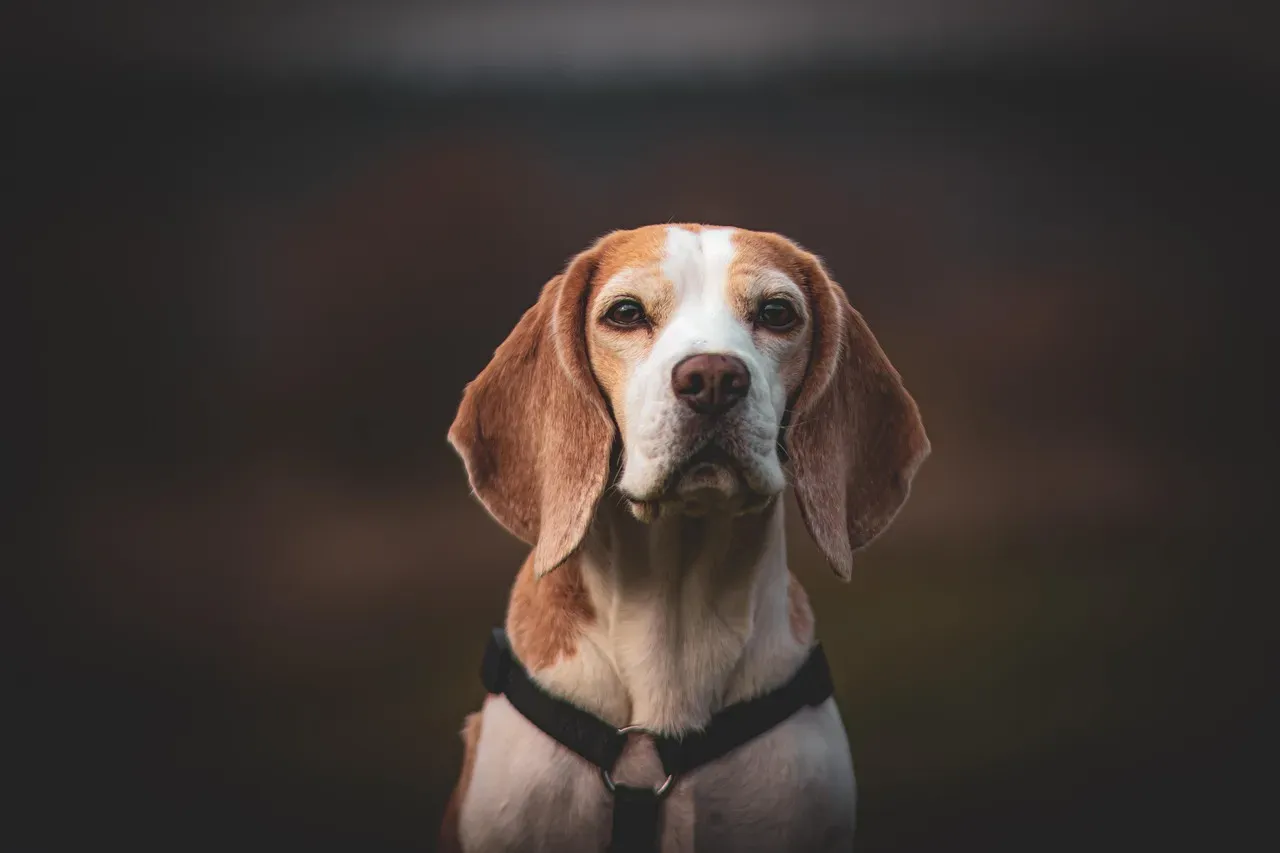
Young Beagles are basically noses with legs attached, dragging their owners toward every smell within a five-block radius. But vets say that by middle age, something shifts. The scent-driven hyperactivity softens dramatically, especially after 6 to 8 years old, leaving behind a cheerful, people-loving couch companion who still enjoys a walk but no longer loses his mind over a squirrel.
What catches most first-time owners off guard is the emotional attachment that develops. Older Beagles often:
- Follow their favorite human from room to room like a small, floppy-eared shadow.
- Choose physical closeness and routine over adventure, every single time.
That shift from stubborn explorer to full-time cuddle buddy is exactly why vets call the senior Beagle a “late-blooming sweetheart.” It only gets stranger from here.
#15 – Siberian Husky: The Diva Who Learns to Whisper
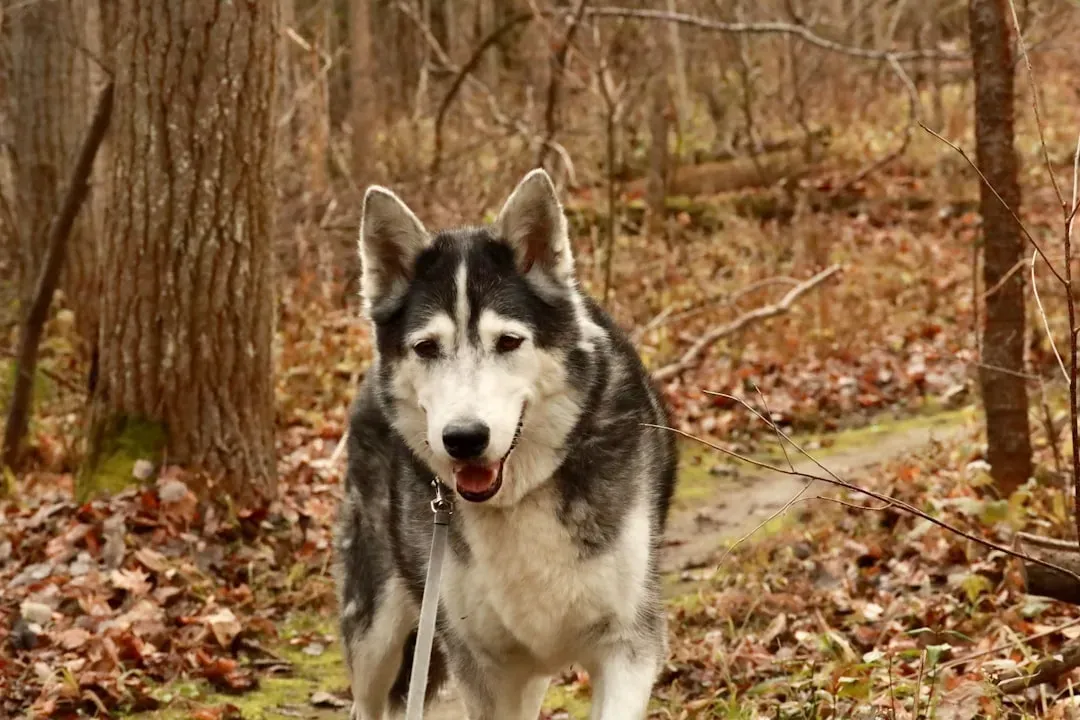
Huskies earn their reputation as dramatic, loud, and relentlessly energetic – and they earn it early. Yet vets who follow these dogs into their senior years describe something almost unrecognizable: a well-cared-for older Husky can be shockingly gentle, patient, and affectionate once the wild adolescent phase finally burns out, usually somewhere between 4 and 6 years old.
The stamina never fully disappears, but it gets rerouted. A senior Husky is often just as happy with a short walk and a long nap at your feet, and the classic howling mellows into softer grumbles and “conversational” chatter. Owners frequently notice their aging Husky:
- Becomes far more tolerant of kids, strangers, and chaos in general.
- Actually prefers staying home with the family over nonstop adventure.
Trainers love to insist Huskies “never settle.” Vets who’ve watched them hit double digits will tell you that’s just not the whole story.
#14 – Jack Russell Terrier: From Wall-Bouncer to Devoted Little Shadow
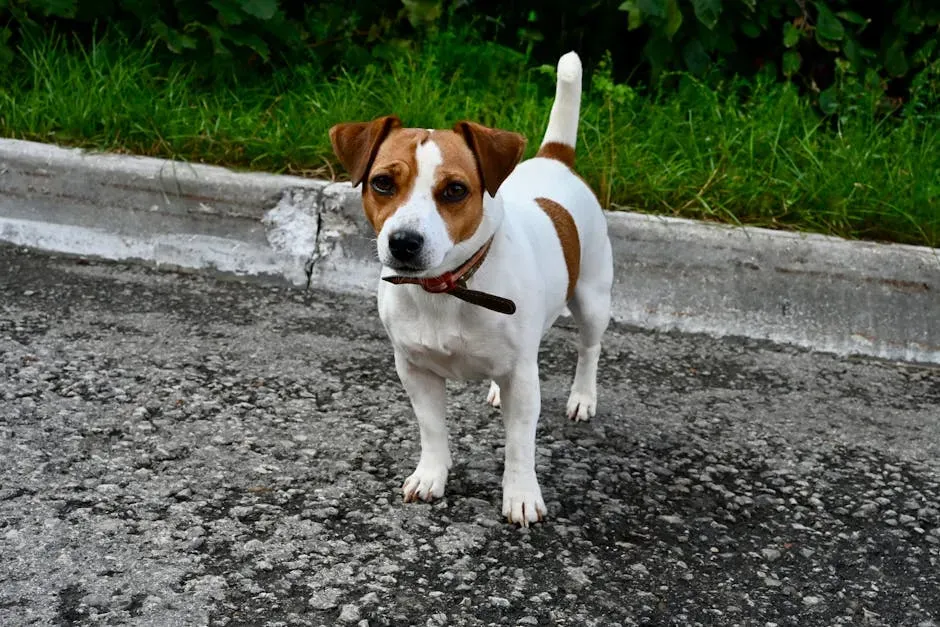
If your only experience with a Jack Russell is the bouncing, barking whirlwind of puppyhood, this entry probably sounds fake. These dogs are legendary for nonstop motion and opinions about everything. But vets say the older Jack Russell often transforms into a surprisingly polite, fiercely loyal little companion – the drive doesn’t vanish, it just gets redirected into watching over the household instead of destroying it.
Their need for constant stimulation eases with age, and most seniors are perfectly content with less. That usually means:
- Shorter, structured walks instead of marathon zoomie sessions.
- A puzzle toy followed by a long, uninterrupted snuggle on the couch.
The catch is that this mellowing isn’t automatic – it’s earned through consistent boundaries set early on. Get that right, and a senior Jack Russell becomes one of the most expressive, emotionally tuned-in lap dogs around.
#13 – Boxer: The Clown Who Grows Into a Gentle Giant’s Heart
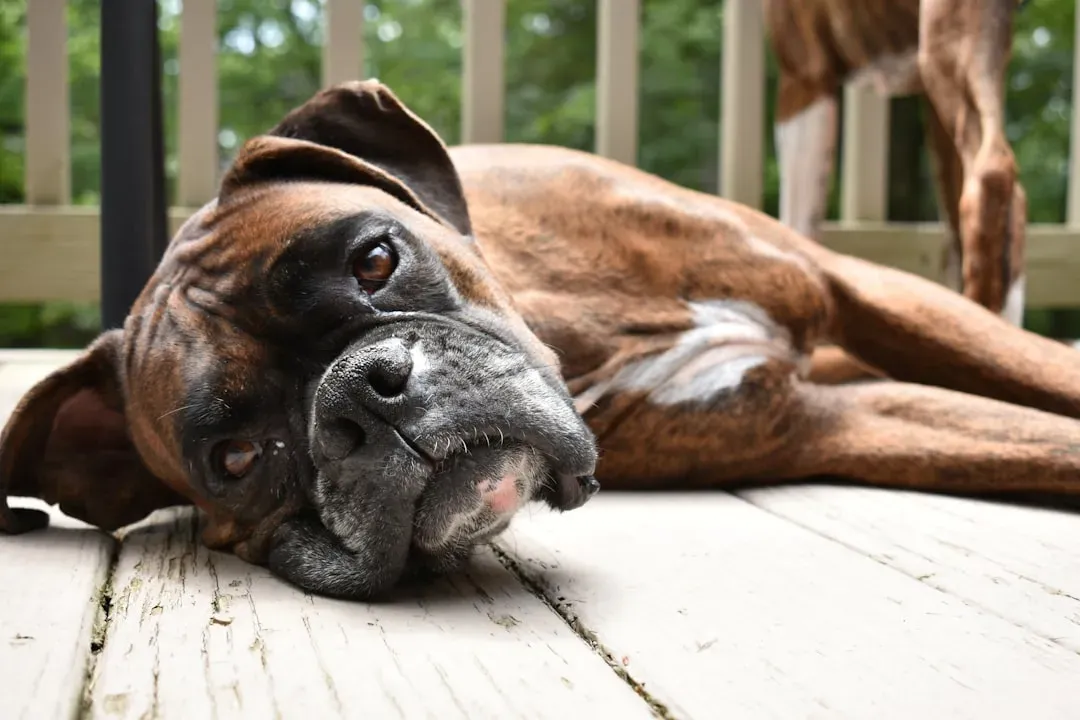
Boxer puppies are the clowns of the dog world, and living with one can feel like managing a small, muscular hurricane. What surprises most people is that a middle-aged or senior Boxer often becomes one of the gentlest, most child-friendly dogs in the entire room, trading boisterous crashing for slow, body-leaning cuddles.
Because Boxers are prone to joint and cardiac issues, their high-octane energy tends to drop earlier than other breeds. That sounds like bad news, but behaviorally it often means less jumping on guests and a lot more calm, predictable affection. Older Boxers frequently become quietly empathetic – noticing when someone in the house is sad or stressed and responding with stillness instead of chaos, like wise, goofy uncles who finally learned how to read a room.
#12 – Cocker Spaniel: The Anxious Pup Who Becomes the House’s Emotional Anchor
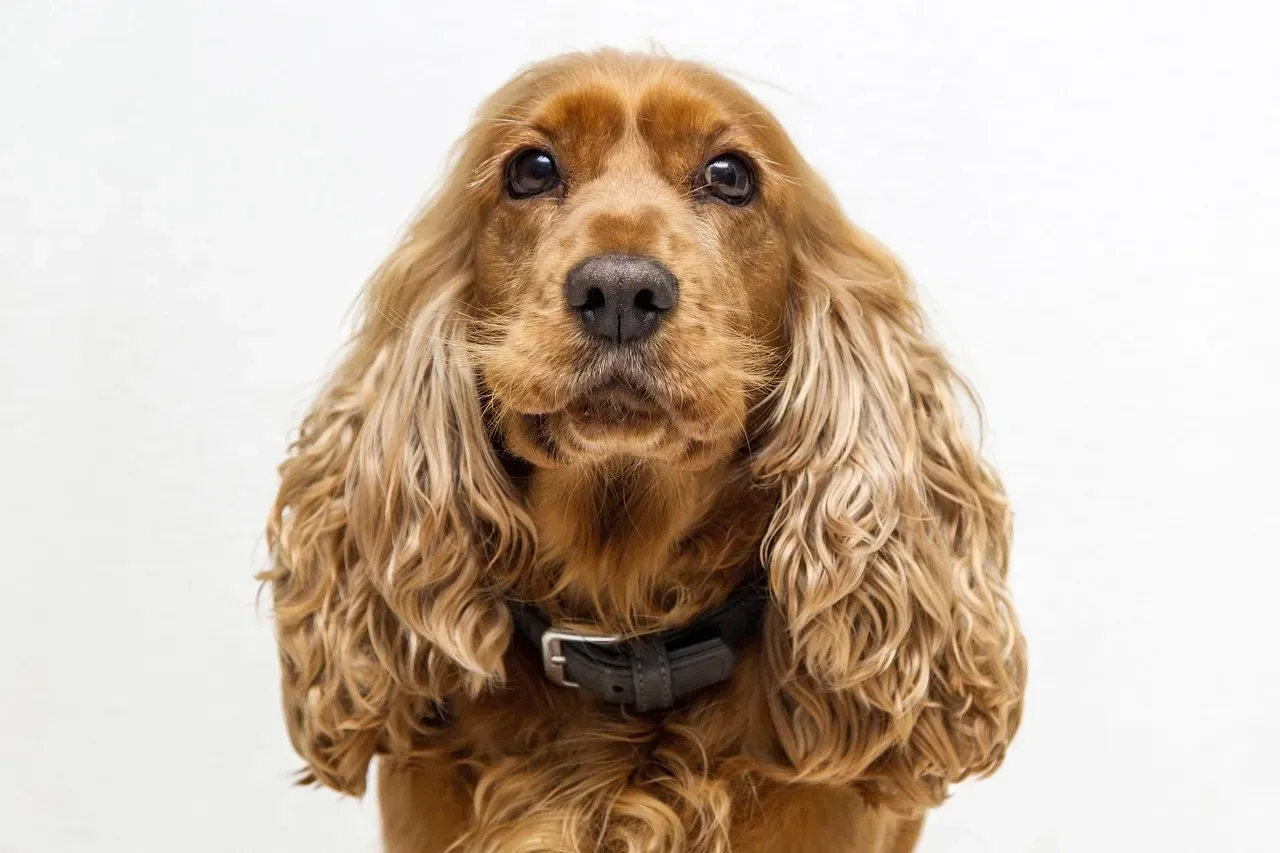
Most people picture Cockers as naturally “soft” family dogs, but vets know the fuller story: without proper socialization, young Cockers can actually run sharp and anxious. The twist is what happens once those hormones and adolescent nerves finally settle – many Cockers blossom into outrageously sweet, people-pleasing seniors, finally living up to their original job as gentle, biddable gun dogs.
Older Cockers crave routine and predictability, which tends to make them infinitely patient with familiar children and extra devoted to one main caregiver. Their soft, expressive faces only amplify the sense that they genuinely understand you. When pain is managed properly, a healthy 9-year-old Cocker often becomes the emotional center of the household – arguably sweeter and more stable than any Cocker puppy you’ll ever meet.
#11 – Great Dane: The Gentle Giant Finally Grows Into the Nickname
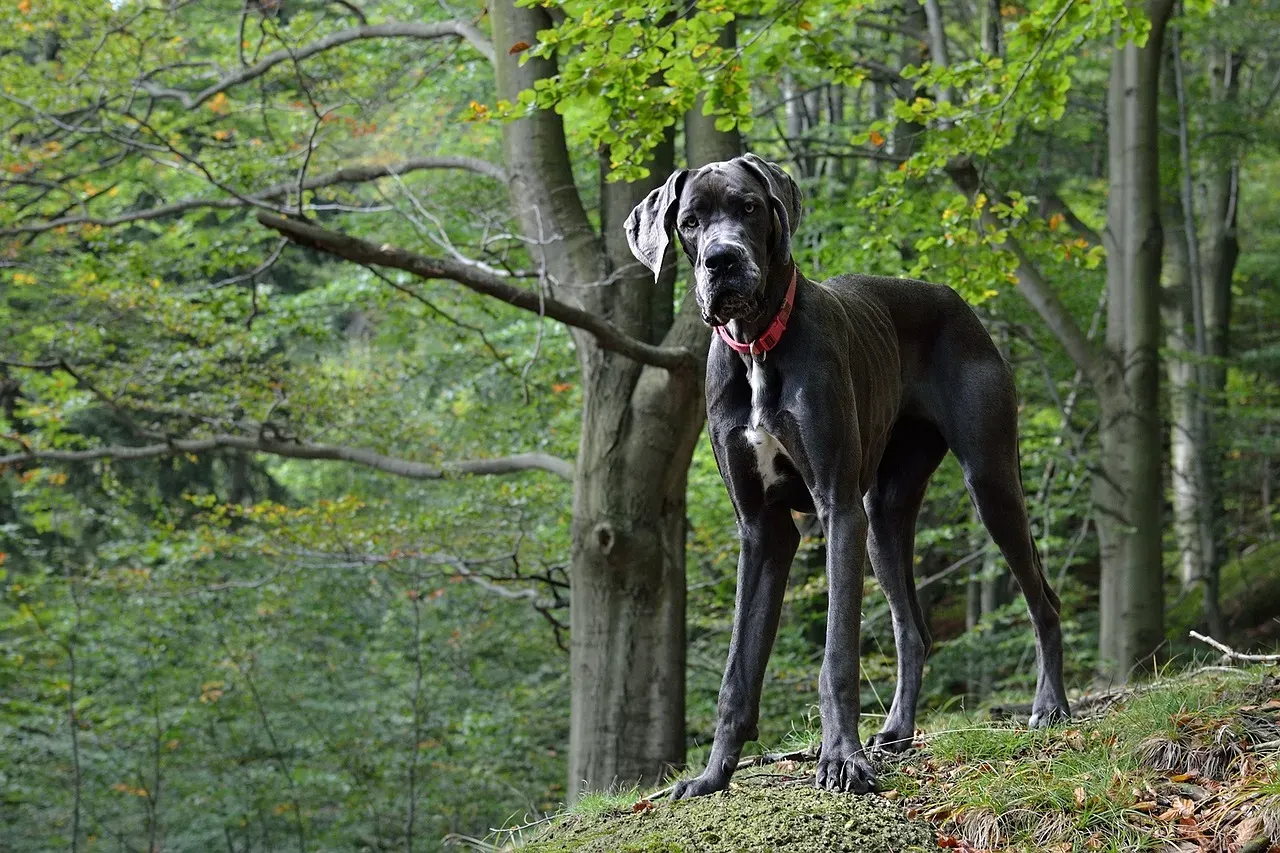
“Gentle giant” gets thrown around loosely, but with Great Danes it becomes almost literal with age. As puppies and adolescents, they’re enormous, uncoordinated wrecking balls – sweet, but completely unaware of their own size. By middle age, many settle into an almost cat-like calm, content to lounge quietly near whoever they love most.
Vets sometimes describe older Danes as “living weighted blankets,” needing little more than a few steady walks, a soft bed, and constant human contact. Because giant breeds age faster, this mellow phase often arrives early, around 4 to 6 years old. Emotionally, aging Danes tend to grow more sensitive and clingy, preferring calm, low-drama homes – and while their lifespan is heartbreakingly short, their senior years are often the most connected chapter of their entire lives.
At a Glance
- Average lifespan: 8-10 years, short for a dog this size
- Height: up to 32 inches at the shoulder, among the tallest breeds alive
- Weight: 110-175 pounds fully grown
- AKC Group: Working Group
#10 – Chihuahua: The “Mean” Dog Myth Vets Say Just Isn’t True
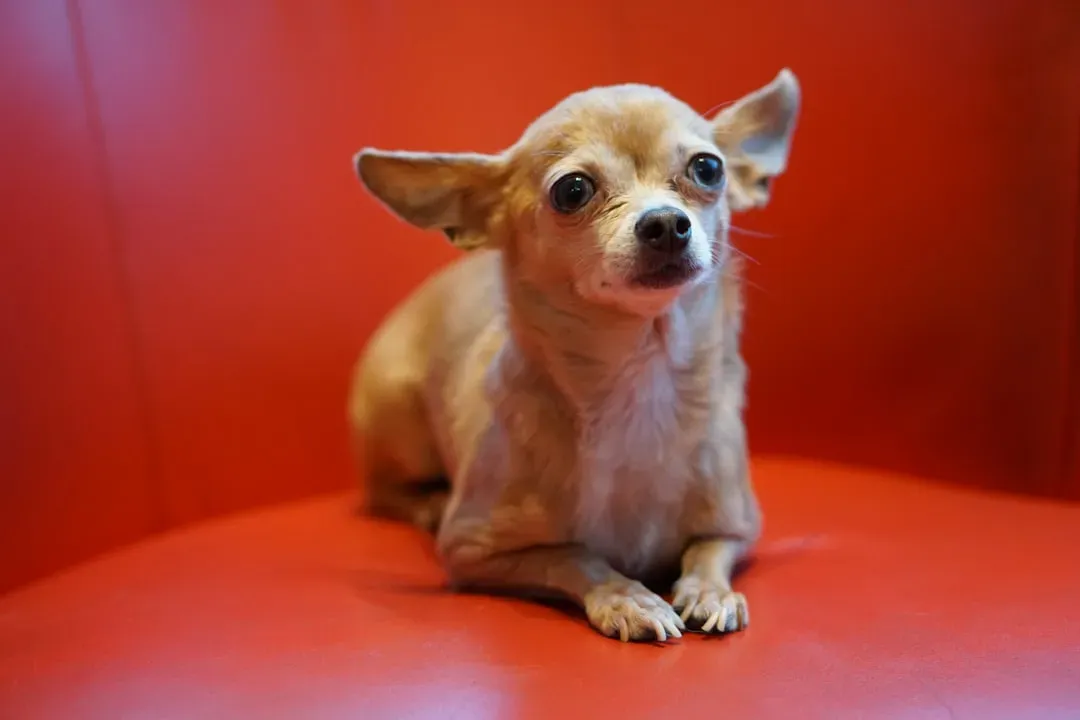
Chihuahuas are polarizing – some people insist they’re mean, others treat them like fragile little accessories. Vets see the long game instead: with consistent, gentle handling, many Chihuahuas grow significantly sweeter and more trusting with age. The fear and snappiness that show up young often trace back to feeling overwhelmed by a giant world, and years of steady socialization can melt that defensiveness into real loyalty.
Older Chihuahuas tend to prefer one or two trusted humans over chaotic households, along with warm laps and predictable quiet time. Because they live so long, owners often get a front-row seat to a dramatic personality arc – a once-bossy, barky Chihuahua settling into something almost zen. Plenty of influencers still dismiss the breed as a “yappy accessory,” but a surprising number of vets rank senior Chihuahuas among the most devoted patients they treat, once someone actually raises them like a dog.
#9 – Labrador Retriever: The Real Lab Doesn’t Show Up Until the Muzzle Grays
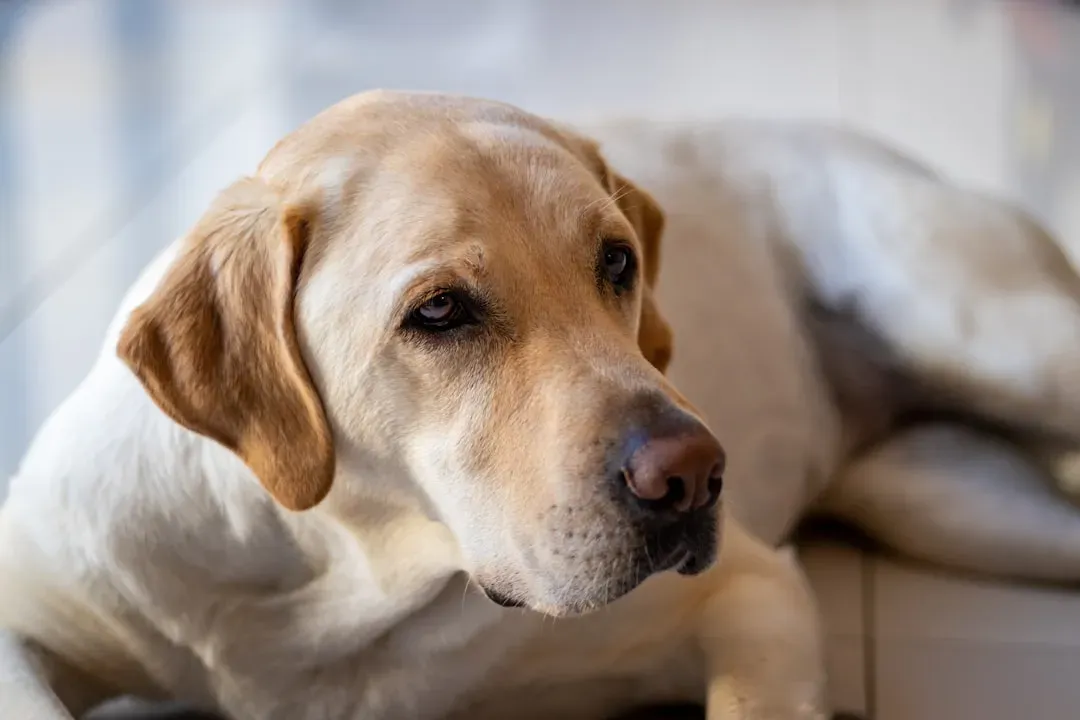
Labs have a squeaky-clean reputation as the ultimate family dog, but the truth is messier: most are absolute maniacs until around age three. Only after that does the version everyone imagines actually arrive. Heading into middle and senior age, most Labs become remarkably patient, kid-safe, and almost obsessively attached to their people – the food obsession never fades, but the destructive chewing and constant bouncing usually do.
Vets sometimes joke that a “true Lab” doesn’t fully appear until the muzzle starts going gray. Seniors typically stroll instead of drag, and choose lying at your feet over chasing a ball for an hour. That famous tolerance makes older Labs top picks for therapy work and hospital visits, happily enduring hugs, leaning, and clumsy petting from kids without a single complaint.
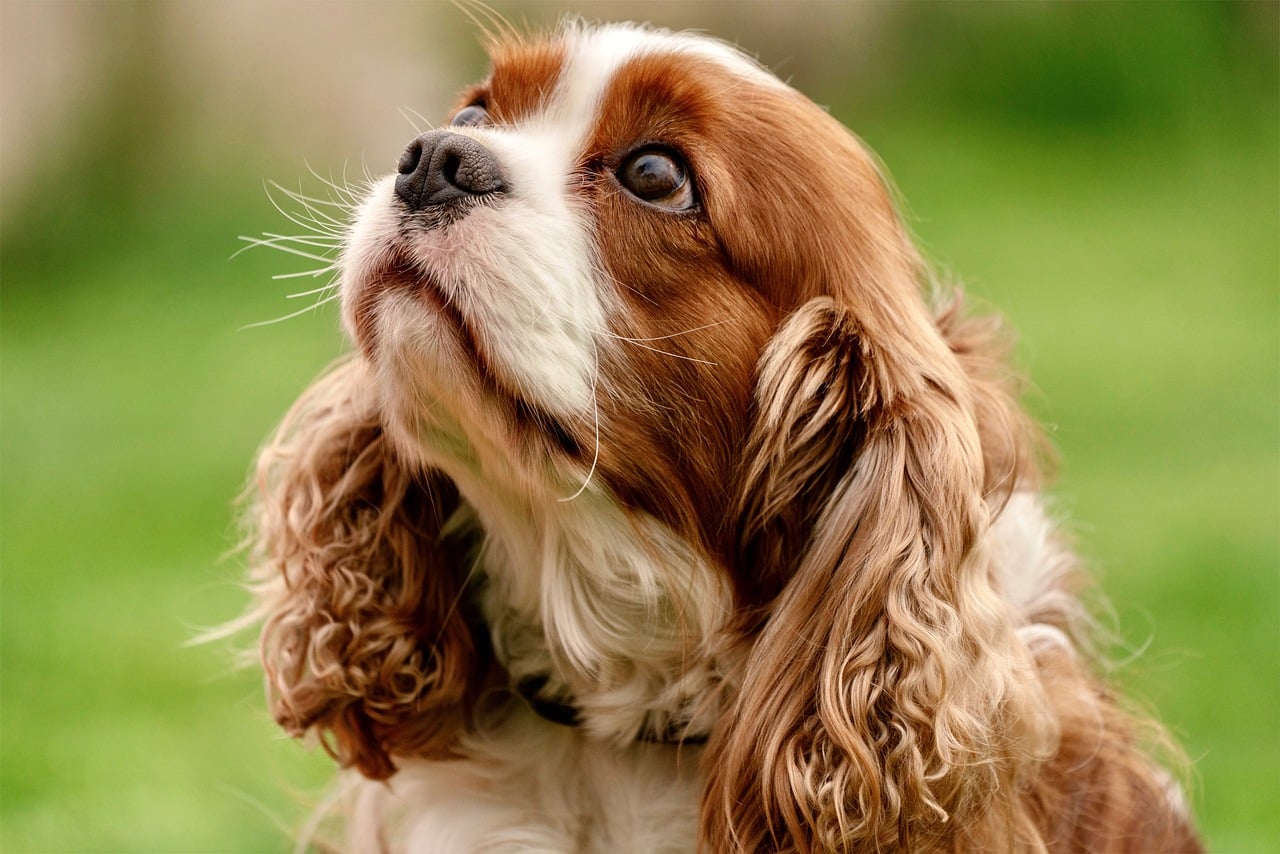
#8 – Cavalier King Charles Spaniel: Already Sweet, Somehow Gets Sweeter
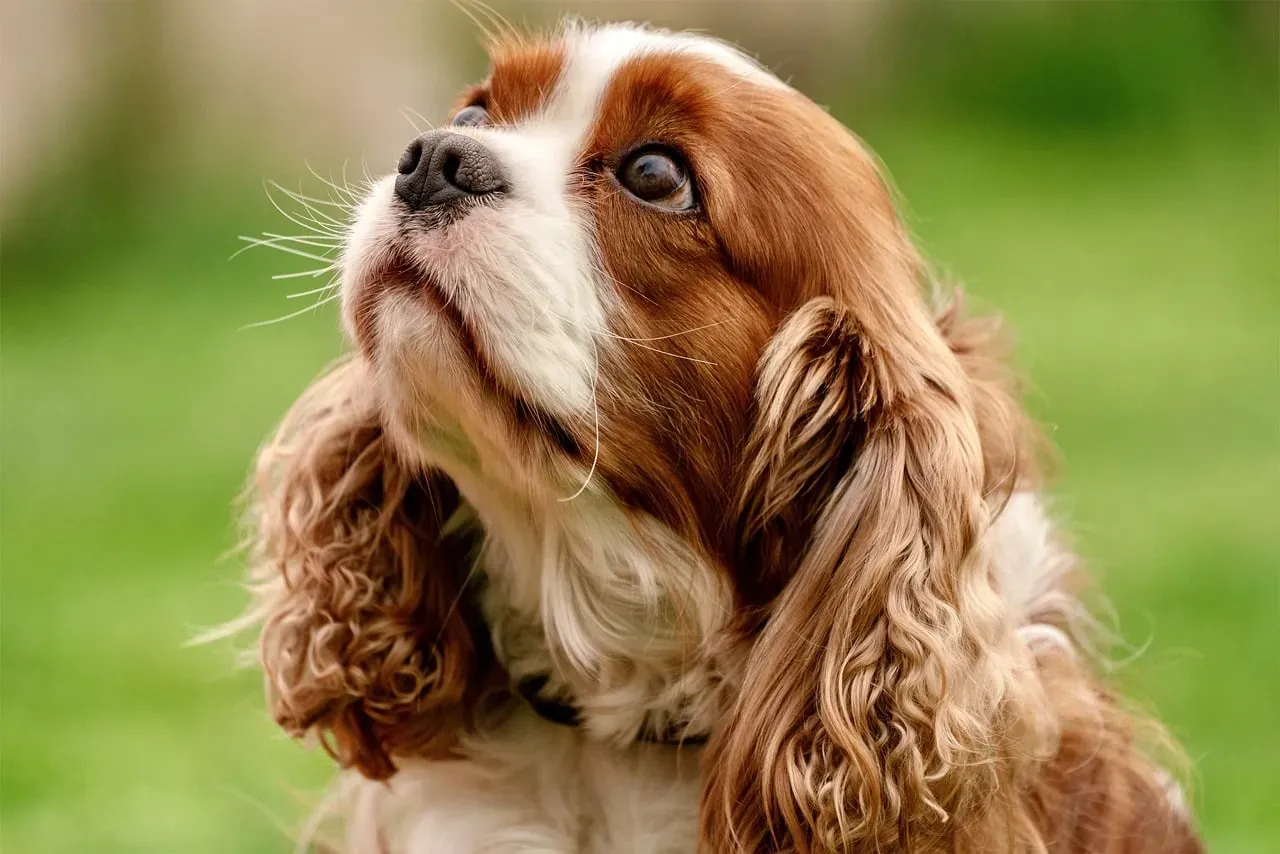
Cavaliers are famous for being affectionate from day one, so it catches owners off guard when they somehow get even softer and clingier with age. Bred purely as lap dogs, they carry a built-in need to be near people, and as they slow down, that need only intensifies. They become specialists in quiet companionship, syncing their energy to yours like a small emotional thermostat.
Vets frequently see senior Cavaliers who show mild separation anxiety simply because they love being close to “their” person that much, spending hours pressed against a leg or curled under an arm. Heart disease is a real concern in the breed, but behaviorally, their sweetness only deepens with proper care. A well-managed senior Cavalier often seems to live for exactly two things: a soft bed and human contact.
#7 – Greyhound: The Racer Who Retires Into a Dignified Couch Potato
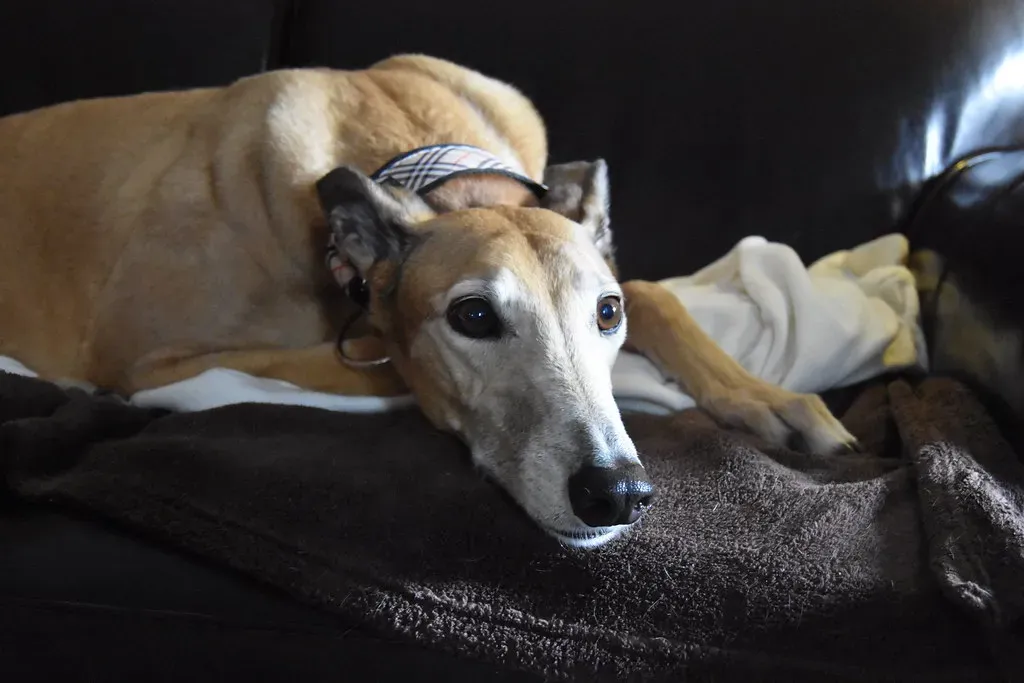
People expect ex-racing Greyhounds to stay intense athletes forever. Vets and adoption groups laugh at that assumption. Retired and aging Greyhounds are famously calm, sensitive, and almost absurdly gentle indoors, spending most of their day napping and occasionally trailing you to see what you’re up to before curling right back up.
As they age, the zoomies get shorter and rarer, but their emotional awareness only grows. Senior Greyhounds tend to be extremely polite with strangers and form quiet, deep bonds with one or two household members – not clingy exactly, more like dignified shadows who always seem to know where you are. For many vets, a senior Greyhound is the definition of a low-drama, high-sweetness dog.
Worth Knowing
- Top speed: up to 45 mph, making them the fastest dog breed on record
- Average lifespan: 10-13 years
- Despite the athletic build, most are surprisingly low-energy once indoors
- Thousands are placed each year through dedicated greyhound adoption groups after racing
#6 – Bichon Frise: The Comedian Who Trades Punchlines for Cuddles
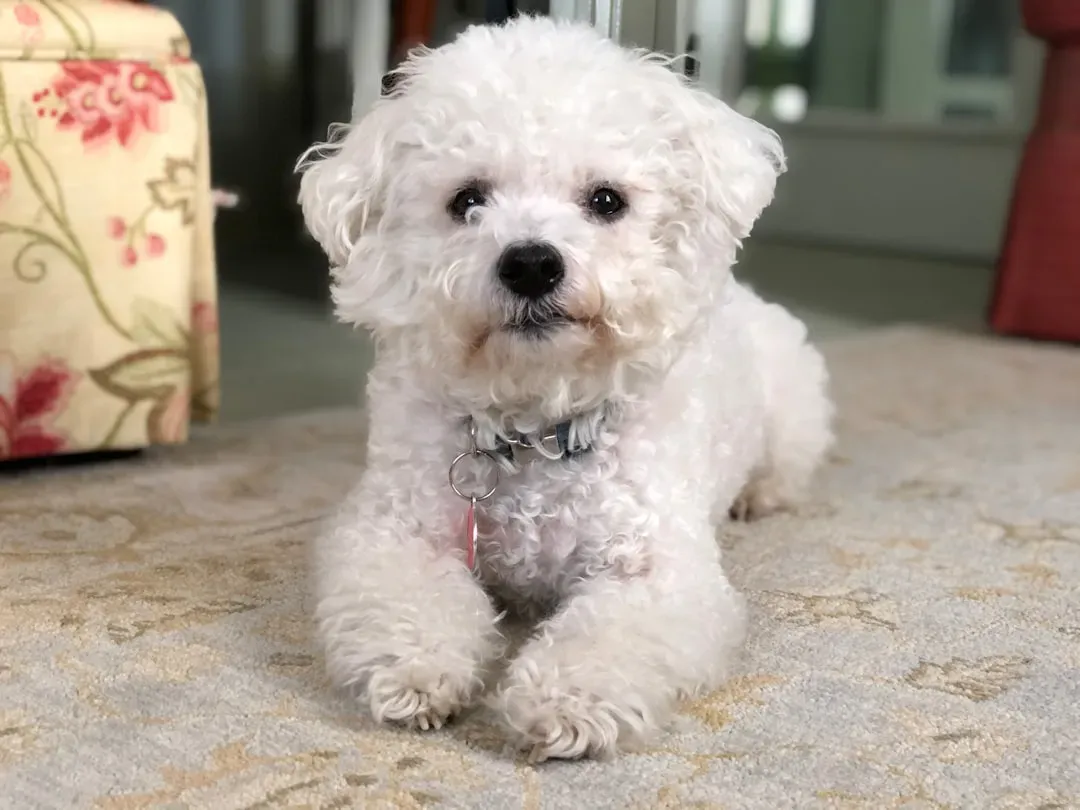
Bichons look like little clouds and act like comedians when they’re young. As they mature, though, many trade constant playfulness for reliable, cuddly companionship instead. Their hypoallergenic coat gets all the attention, but vets are more impressed by how emotionally steady they become with age, staying friendly while shedding the frantic energy that defines their puppy years.
Older Bichons tend to thrive with seniors and in apartment living, tuning into routines like bedtime, mealtime, and “lap time” with almost comedic precision. A senior Bichon might trot happily through a short walk, then spend the rest of the day curled next to you, nudging for attention every so often. While trendy doodle mixes soak up the social media spotlight, plenty of groomers and vets quietly prefer the predictable sweetness of an older purebred Bichon.
#5 – Golden Retriever: Not at Their Peak as Puppies – Wait for the Senior Years
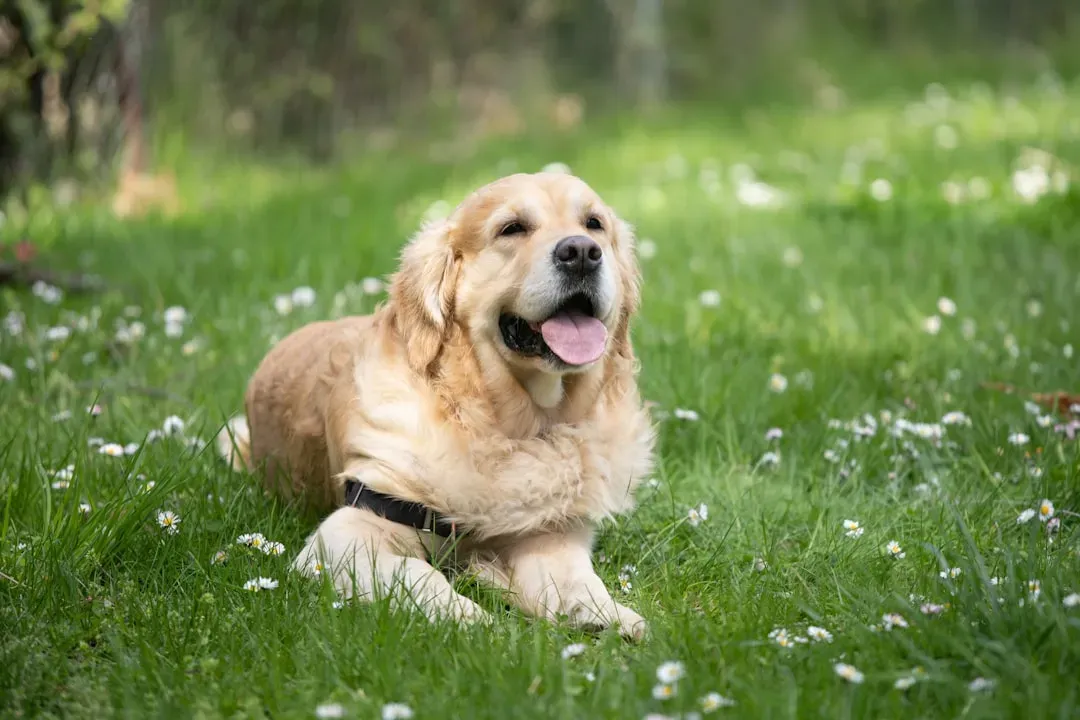
Goldens are beloved for good reason, but here’s the twist: their emotional peak isn’t puppyhood. Young Goldens can be mouthy, impulsive, and surprisingly pushy. By 6 to 8 years old, most settle into the gentle, forgiving temperament people already imagine – soft eyes, careful mouths, and near-comical patience with kids and guests.
Vets often point to senior Goldens as ideal “teacher dogs” in multi-dog homes, since they model calm greetings and rarely escalate conflict even when pestered relentlessly by a younger dog. Their habit of leaning, sighing, and resting their head on your leg only gets more pronounced with age, turning them into something close to a living emotional support system. They’re prone to cancer, which can shorten that golden window, but in terms of pure day-to-day sweetness, many vets still rank the older Golden among the most emotionally generous dogs alive.
#4 – Pug: The Snorting, Snoring Definition of Unconditional Love
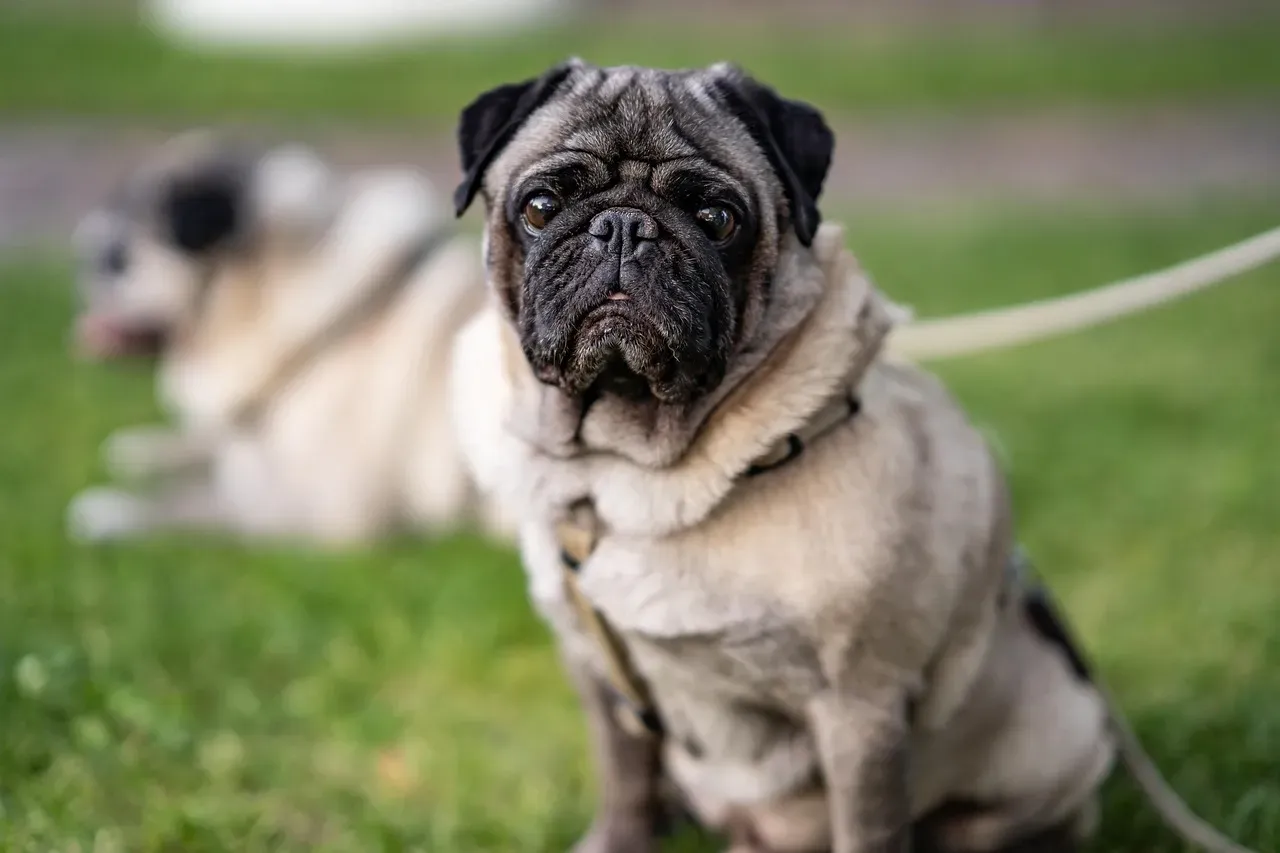
Anyone who’s lived with an elderly Pug already understands why they’re ranked this high. Aging Pugs are pure personality wrapped in a snorting, snoring package of love. Their energy naturally fades, but their desire to be involved in absolutely everything you do only grows stronger, following you room to room and collapsing dramatically at your feet the second you stop moving.
Vets often call them “Velcro clowns” for a reason – they thrive on constant touch and adapt quickly to slower routines, especially in smaller homes. Because of their flat-faced anatomy, careful weight management and controlled exercise matter more than ever in their senior years. When those needs are met, an older Pug’s days fill up with low-key, comical affection, and more than a few owners will tell you their gray-faced Pug turned out to be the sweetest dog they’ve ever owned.
Fast Facts
- AKC Group: Toy Group
- Average lifespan: 12-15 years
- Adult weight: 14-18 pounds
- Flat-faced (brachycephalic) build means breathing and heat sensitivity need extra care
#3 – Shih Tzu: Bred for Royalty, Perfected With Age
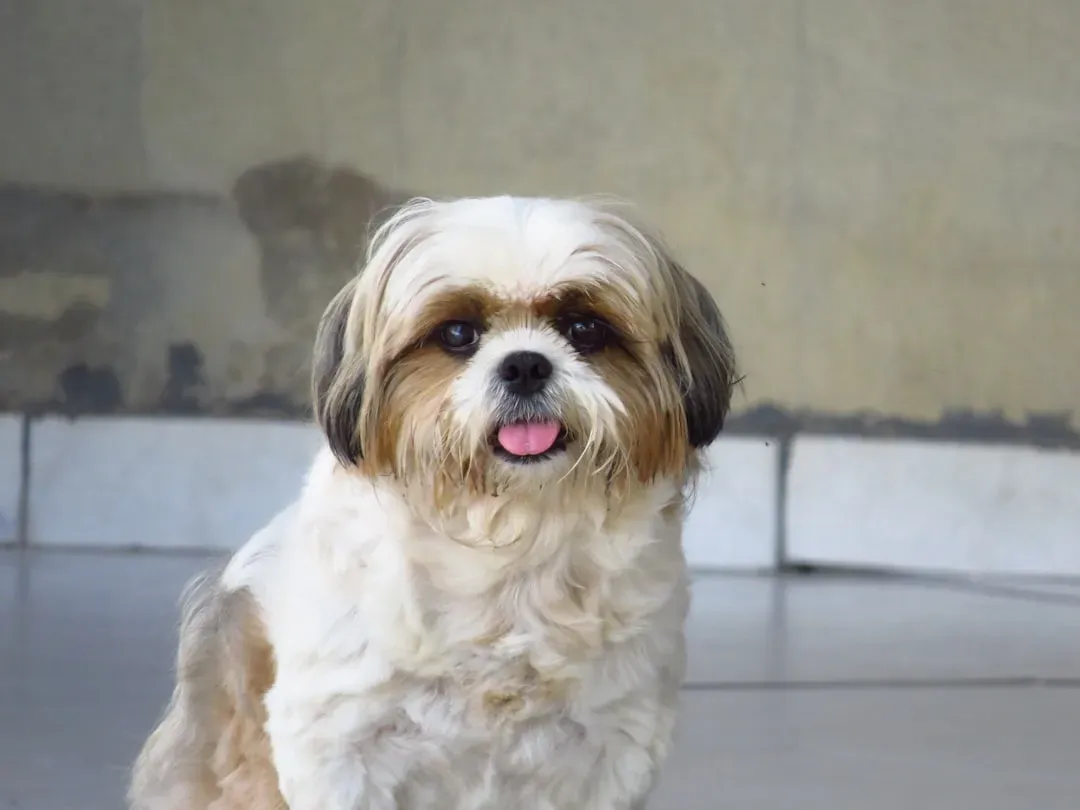
Shih Tzus were literally bred to be lap companions for royalty, and that heritage becomes more obvious with every passing year. As they age, the slight stubborn streak that defines their younger years usually softens into cooperative, devoted companionship. What stands out most to vets isn’t the grooming or the pedigree – it’s how stable and easygoing many seniors become, content just to exist wherever their person happens to be.
Older Shih Tzus often do beautifully in multi-generational homes, accepting new babies, visitors, and even other pets with quiet tolerance instead of drama. Their small size and long lifespan mean owners get many years of this mellow, affectionate phase, provided dental and eye care stay on schedule. Some people still write the breed off as “high-maintenance fluff,” but professionals regularly rank senior Shih Tzus among the gentlest, most consistently sweet dogs they see in clinics and grooming salons.
#2 – Mixed-Breed Mutts: The Overlooked Dogs Vets Secretly Love Most
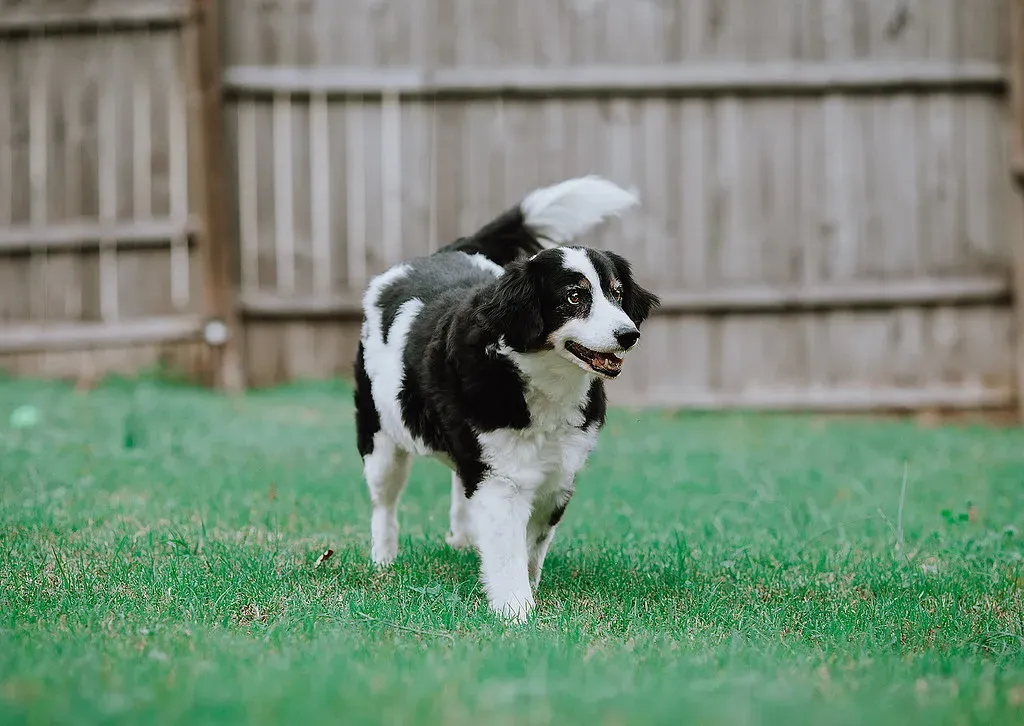
Here’s the controversial pick. Many vets admit their sweetest, easiest senior patients aren’t trendy purebreds at all – they’re small to medium mixed-breed dogs. Genetic diversity tends to mean fewer extreme physical traits, which lets these dogs stay comfortable and emotionally balanced for longer. Raised in a stable home, their personalities often round off into calm, adaptable, deeply people-focused sweetness.
Senior mutts frequently handle change – moves, new pets, shifting schedules – better than more intense purebred lines, and they tend to show a deep, almost grateful attachment, especially if they were adopted from a shelter. Most people walk past the anonymous brown dog in the back of the kennel chasing a specific “look.” Vets and shelter workers will tell you those overlooked dogs often grow into the kindest, most undemanding couch companions once they finally feel safe.
Why It Stands Out
- An estimated 40-55% of pet dogs in U.S. households are mixed breed
- Greater genetic diversity can lower the risk of certain inherited, breed-specific conditions
- No pedigree means no two mixed-breed personalities are shaped quite the same way
- Shelters are full of adult mutts whose temperaments are already fully formed and easy to assess
#1 – Senior Poodle: The Breed Vets Quietly Crown the Sweetest of All
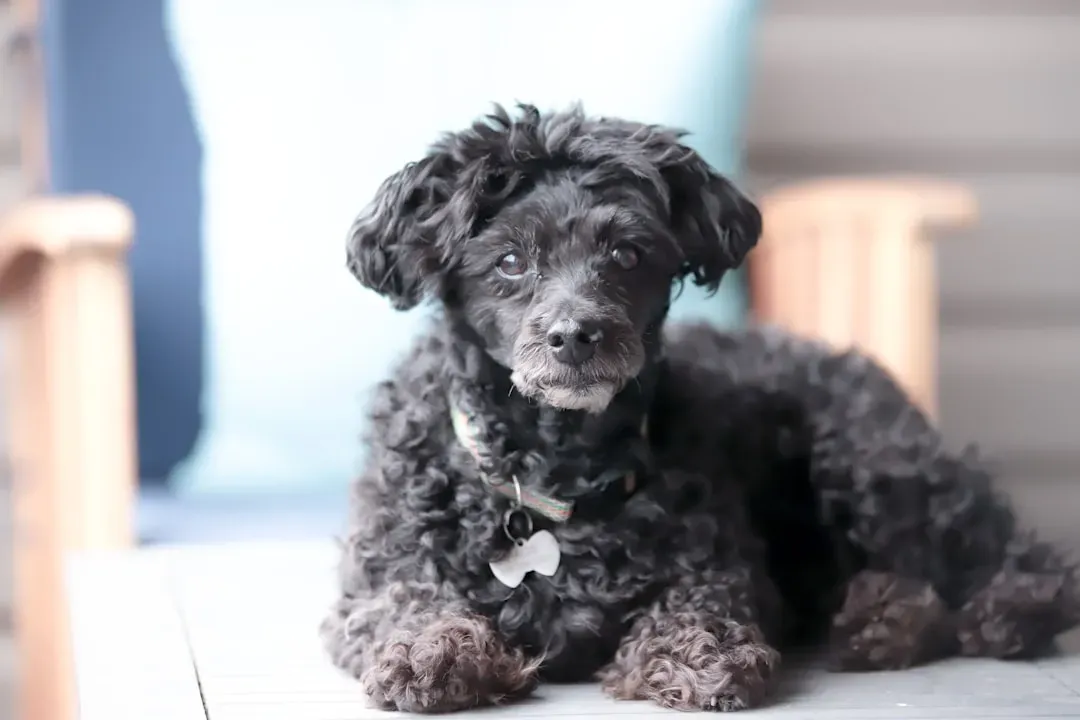
Ask a room full of vets which breed ages the best emotionally, and Poodles dominate the answers almost every time. Well-bred, well-socialized Poodles often become astonishingly gentle, intuitive, and people-oriented as they get older. The sharp intelligence that makes young Poodles “too much” for casual owners transforms, in their senior years, into an almost eerie emotional awareness – they watch you, read you, and adjust accordingly.
The average dog is a nicer person than the average person.
Andy Rooney
Regardless of size, older Poodles tend to grow calmer, more affectionate, and more patient with children, which is exactly why so many excel as therapy dogs and companions for seniors thanks to their sensitivity and low-shedding coats. Their earlier bounce and nervous energy usually soften into dignified playfulness and long, contented cuddle sessions. People still dismiss Poodles as “fussy show dogs,” but plenty of behaviorists and vets privately rank the senior Poodle as one of the sweetest, most emotionally intelligent companions you can live with – and that’s exactly why they sit at the top of this list.
The Bottom Line
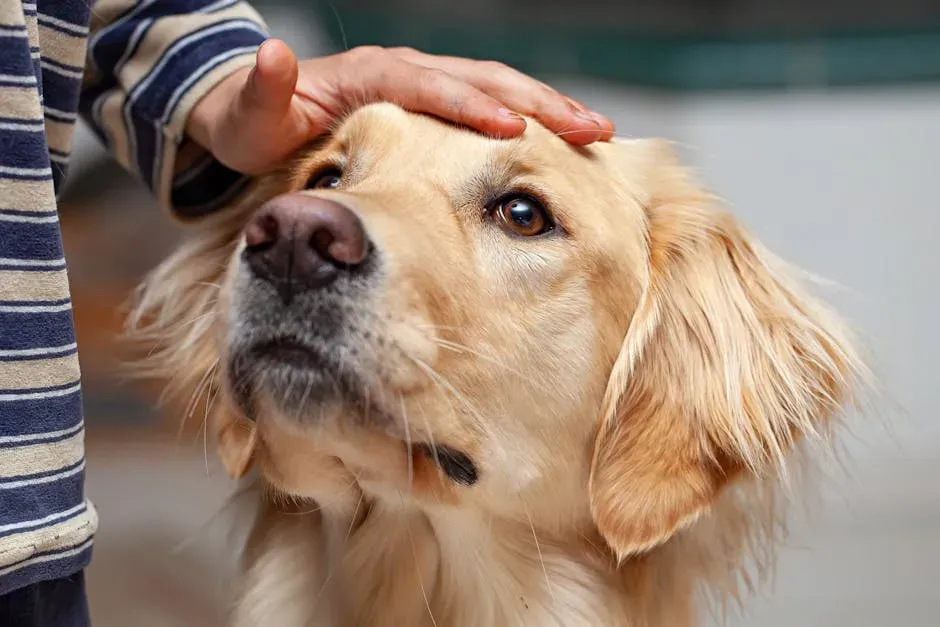
Not every dog gets sweeter with age, but the sixteen breeds above, when properly cared for, genuinely do. The chaotic puppy currently destroying your shoes might be the gentle, intuitive senior shadowing your every step eight years from now.
Vets see the same pattern over and over: good genetics, thoughtful training, stable homes, and proper pain management turn older dogs into their best selves. And notice who keeps showing up near the top of these lists – mutts, flat-faced clowns like Pugs, and “fussy” breeds like Poodles and Shih Tzus, the exact dogs most people overlook at the shelter or shrug off as high-maintenance.
Here’s the uncomfortable part nobody likes hearing: your dog’s personality at ten is largely a reflection of how you treated them at two. Sweetness isn’t just genetics showing up late – it’s something you help build, one boring, consistent, unglamorous year at a time. Did we overrate your favorite breed, or completely miss one that gets softer with every birthday? Say so in the comments.


