
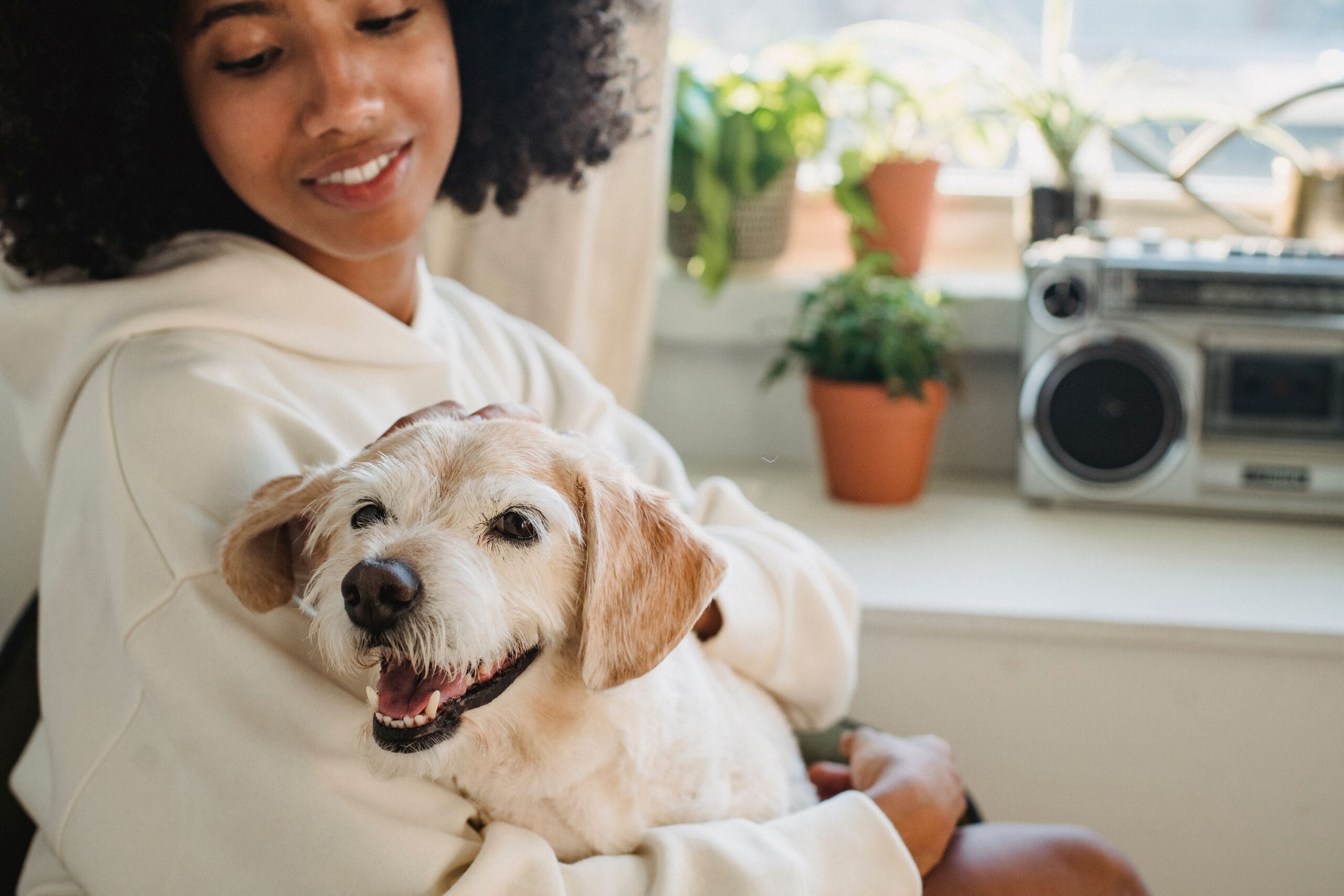
You probably think your dog loves the whole family the same way. Cuddles for everyone, tail wags for everyone, loyalty split evenly down the middle like a fair little roommate. That’s the story most owners tell themselves – and it’s mostly wrong.
Behaviour scientists have found that dogs don’t distribute their devotion equally. They pick one person. Quietly, deliberately, and usually in ways so small you’d never notice unless you knew exactly what to look for. Some of these signs don’t even look like love at first glance – a few look like clinginess, or stubbornness, or a dog just “being weird.” By the end of this list, you’ll probably realise your dog picked you a long time ago, and you just weren’t paying attention.
#1 – They Track You, Not Just the Room
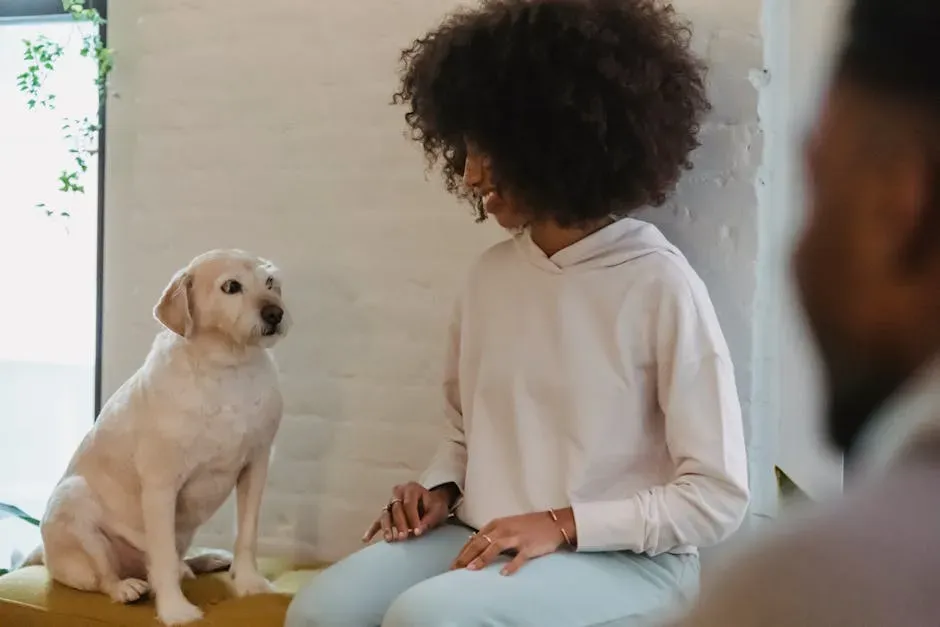
Your dog isn’t scanning the room. They’re scanning you. A dog that has chosen you turns into a quiet shadow, orienting their body, eyes, and ears around your exact position – not randomly following whoever happens to be closest.
Watch what happens when you simply shift your weight in a chair, or cough, or stand up while someone else stays seated. Their ears swivel. Their head lifts. Studies on canine attention confirm this isn’t your imagination – dogs genuinely spend more time visually tracking their preferred human, even when absolutely nothing exciting is happening in the room.
- You shift your weight; they glance up instantly.
- You leave the room and they reposition themselves somewhere they can still hear you.
That’s not generic loyalty. That’s a dog running background surveillance on the one person whose location actually matters to them.
#2 – Their Recall Is Flawless… But Only For You
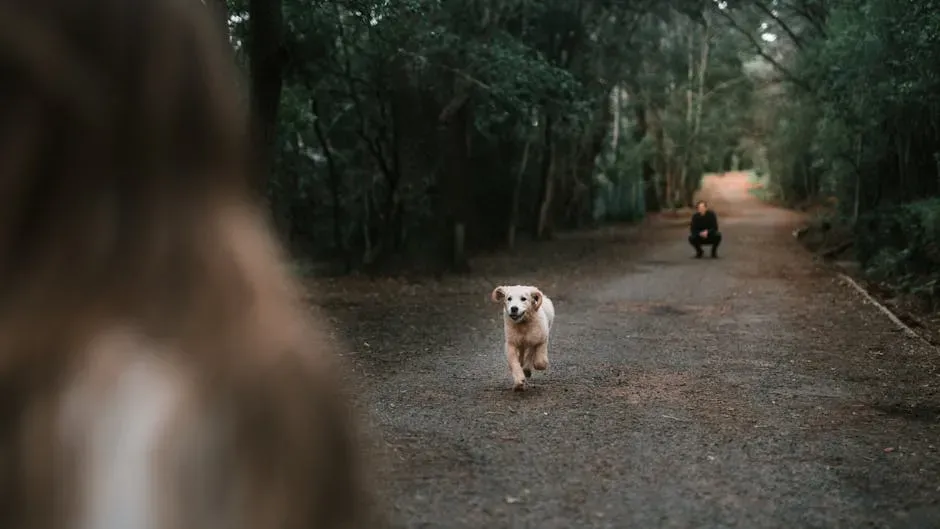
Every dog owner insists their dog “comes when called.” Then someone else in the family tries the exact same word, in the exact same tone, and gets total silence. Awkward, but revealing.
When a dog has chosen you, your voice becomes the loudest signal in their entire environment. Say their name once across a noisy park and watch them snap toward you like a magnet finding true north. Behaviourists call this selective responsiveness – your dog has quietly ranked your voice above everyone else’s, treats or no treats.
- They ignore clapping or whistling from others, but react instantly to your normal speaking voice.
- Your recall works without bribery, while other family members need snacks and still get ignored.
Fast Facts
- The average dog can learn around 165 words and gestures, according to canine researcher Stanley Coren.
- Dogs in the top 20 percent of canine intelligence can recognize up to 250 words or more.
- One border collie reportedly learned over 1,000 object names, showing just how far vocabulary recognition can stretch when a dog is motivated to listen.
This isn’t obedience. It’s emotional prioritisation. Your sound has been permanently paired with safety and relief.
#3 – Their Deepest Relaxation Is Reserved Only for You
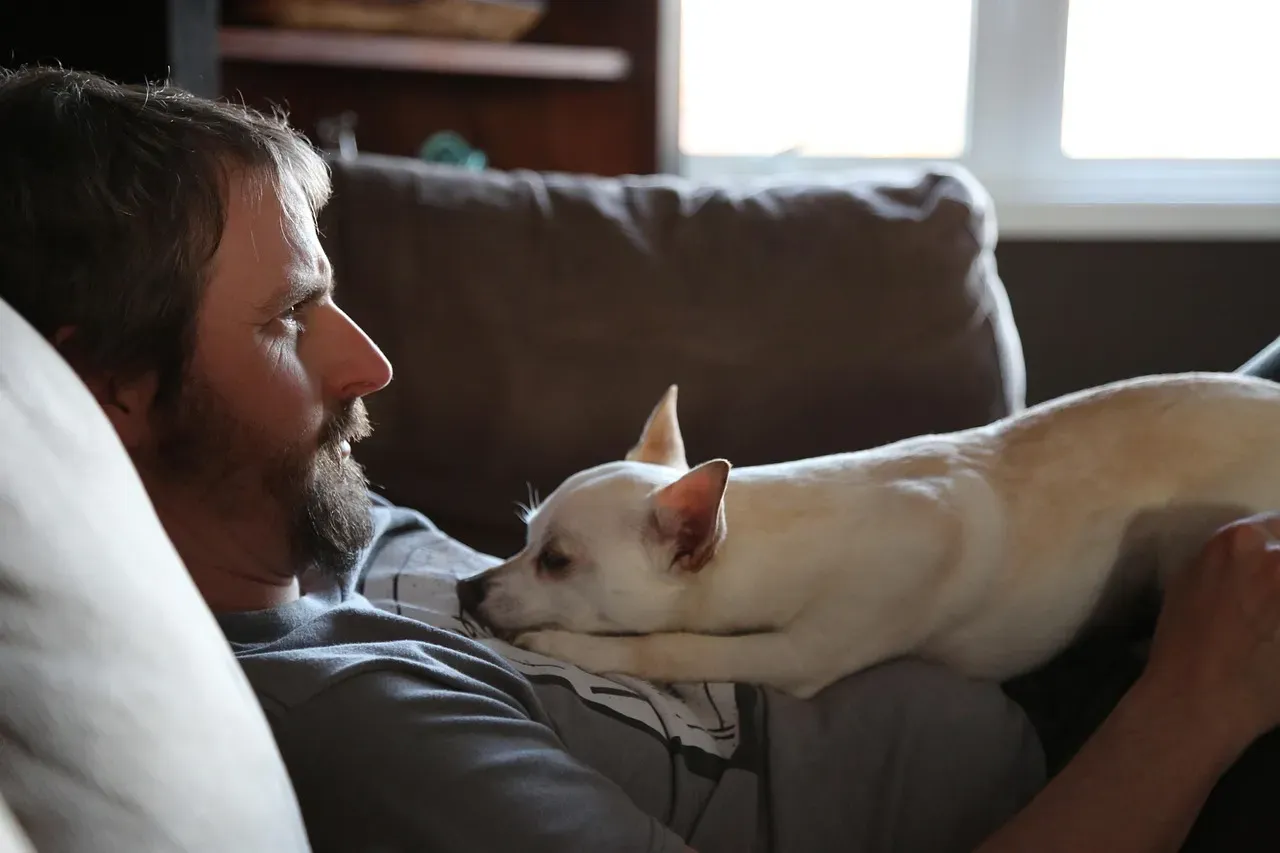
Most people mistake excitement for love. But the real bond shows up in the opposite state – total, unguarded relaxation.
A dog that has chosen you will show their softest, most vulnerable body language specifically in your presence. Loose muscles. Half-closed eyes. A deep sigh as they flop against you, belly exposed, and actually fall asleep like that. Biologically, that’s a huge risk for an animal – no dog relaxes that completely around someone they don’t fully trust.
- Their breathing slows the moment they settle beside or on you.
- They choose to sleep touching some part of you, even if it’s just a paw.
Plenty of dogs will play with anyone. Very few will genuinely decompress with only one person in the room. If you walk in and watch them go from alert to “finally, I can rest,” they haven’t just accepted you. They’ve claimed you.
#4 – You’re the One They Run To When Everything Feels Wrong
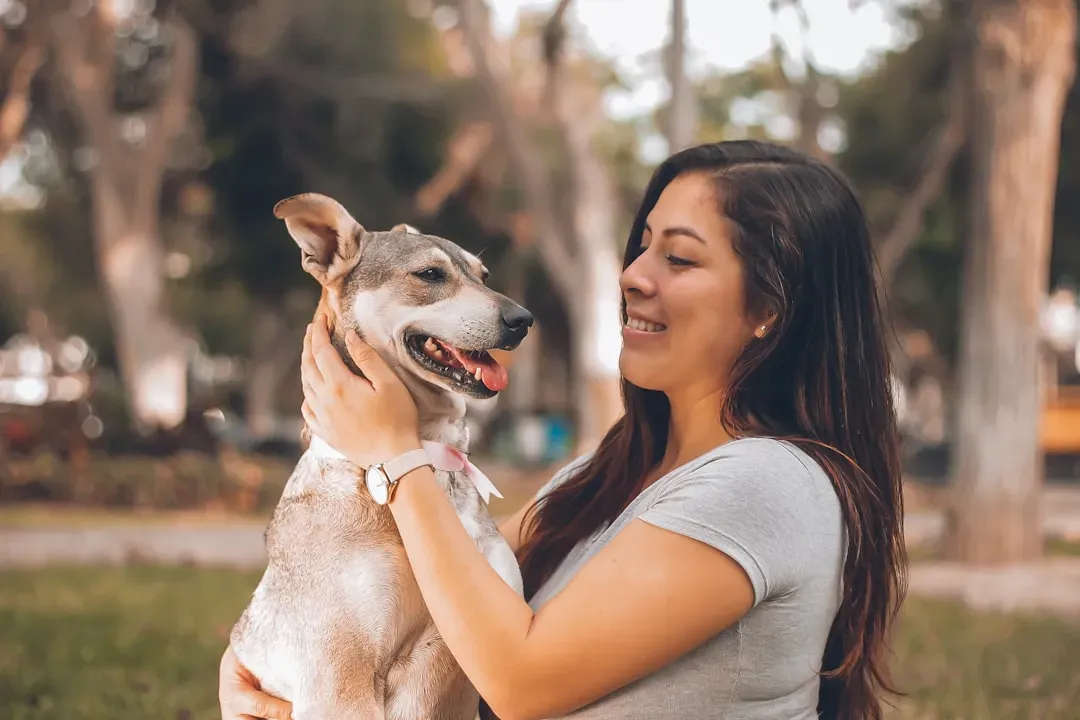
A confident dog isn’t necessarily fine with everyone – attachment theory tells a different story. Psychologists describe a secure bond as one where an individual uses a specific figure as a “safe base” in unfamiliar or stressful situations. Dogs do exactly the same thing.
At the vet, at a friend’s house, on a chaotic street corner – notice who they look at the second something feels off. If their eyes lock onto yours, they’re silently asking, “Are we okay?” That’s not weakness. That’s strategy.
- They tuck slightly behind your legs when unsure, not anyone else’s.
- They explore new spaces but keep circling back to physically touch you.
Dogs anchored to their chosen person cope with stress far better, because you’re functioning as their emotional regulator. If your presence calms them faster than any toy or treat ever could, the decision has already been made.
#5 – Your Homecoming Triggers a Completely Different Reaction
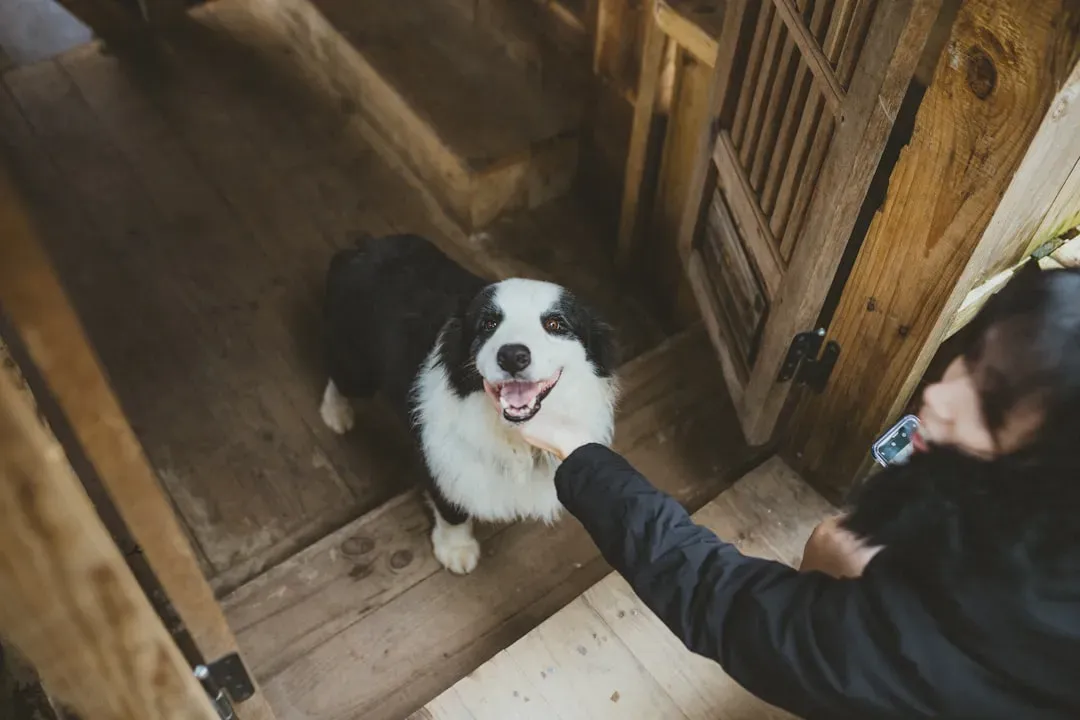
Yes, dogs get excited to see plenty of people. But pay attention to the intensity and the pattern, because that’s usually where the favourite gets exposed.
When you’re the chosen one, your dog’s reunion ritual is longer, messier, and strangely specific to you. Maybe they fetch the same toy every single time. Maybe they whine at a pitch reserved only for your arrivals. Research on reunion physiology has even found measurable heart-rate spikes in both dogs and their preferred humans when they reunite – it’s a genuine, mutual physical event, not just excitement theatre.
- Do they say a quick hello to others, then bolt straight back to you?
- Is their tail wag noticeably wider, faster, or louder when you specifically walk in?
If you’re the only one who gets the full “I thought you died” celebration, congratulations – you’ve officially been picked.
#6 – They Bring Their Problems to You First
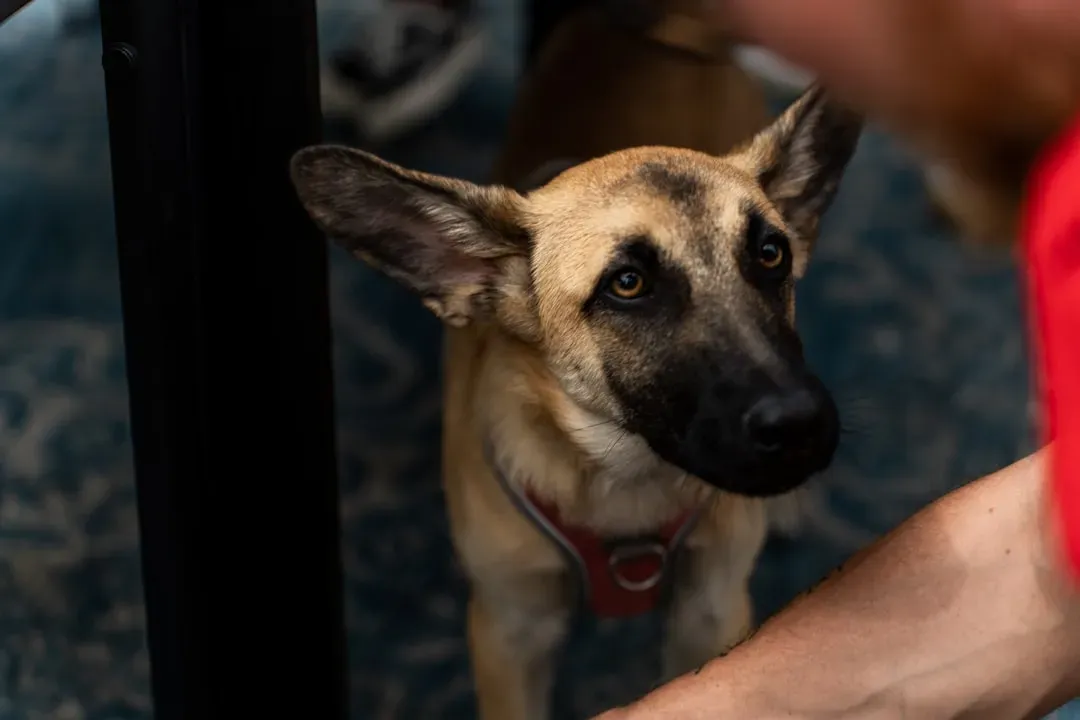
A lot of owners scoff at the idea that dogs “communicate” with intention. Behaviourists quietly disagree, and the evidence is hard to argue with once you start noticing it.
A dog that’s chosen you treats you as their primary problem-solver. Thirsty? They stare at you, not the water bowl. A strange noise outside? They run to you first, make eye contact, then glance toward the sound. This look-at-thing-then-look-at-you pattern is called referential looking, and it’s a genuinely significant finding in animal cognition research.
- Paw taps, nose nudges, or soft whines aimed directly at you when something feels off.
- A pause for permission – a look toward you – before approaching a new dog or object.
Worth Knowing
- Referential looking – glancing at an object, then back at a person – was once thought to be a uniquely human and primate skill.
- Researchers treat this back-and-forth gaze pattern as a marker of intentional, goal-directed communication in dogs.
- Dogs tend to direct these looks toward the one person they rely on most for guidance, not just whoever happens to be nearby.
Some people write this off as anthropomorphising. But a dog that consistently recruits one human to interpret the world is essentially saying, “You’re my translator.” That translator is almost always their chosen person.
#7 – They Rewrite Their Own Play Style Just to Keep You Interested
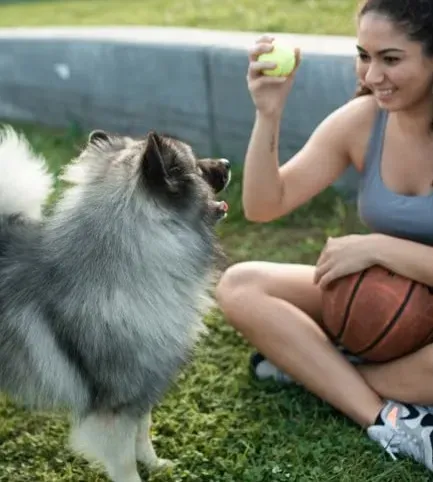
Play isn’t just fun for dogs – it’s a social mirror. If your dog has chosen you, they don’t simply play with you. They actually modify their entire play style to match your energy and your limits.
Rough and wild with other dogs, but suddenly gentle with you? Zoomies in the yard, but goofy, careful wrestling only on the couch when you’re the one involved? That’s targeted adjustment, not random chaos. Researchers have documented dogs “self-handicapping” during play specifically to keep a favoured partner engaged and having fun.
- A little bow, pause, or apologetic lick if they accidentally nip you too hard.
- Repeating a silly move – a spin, a paw swipe – that once made you laugh.
This means your reactions matter more than anyone else’s in the house. When a dog is willing to bend their own instincts just to keep you in the game, that’s not obedience. That’s investment.
#8 – Your Scent Beats Food, Toys, and Strangers Combined
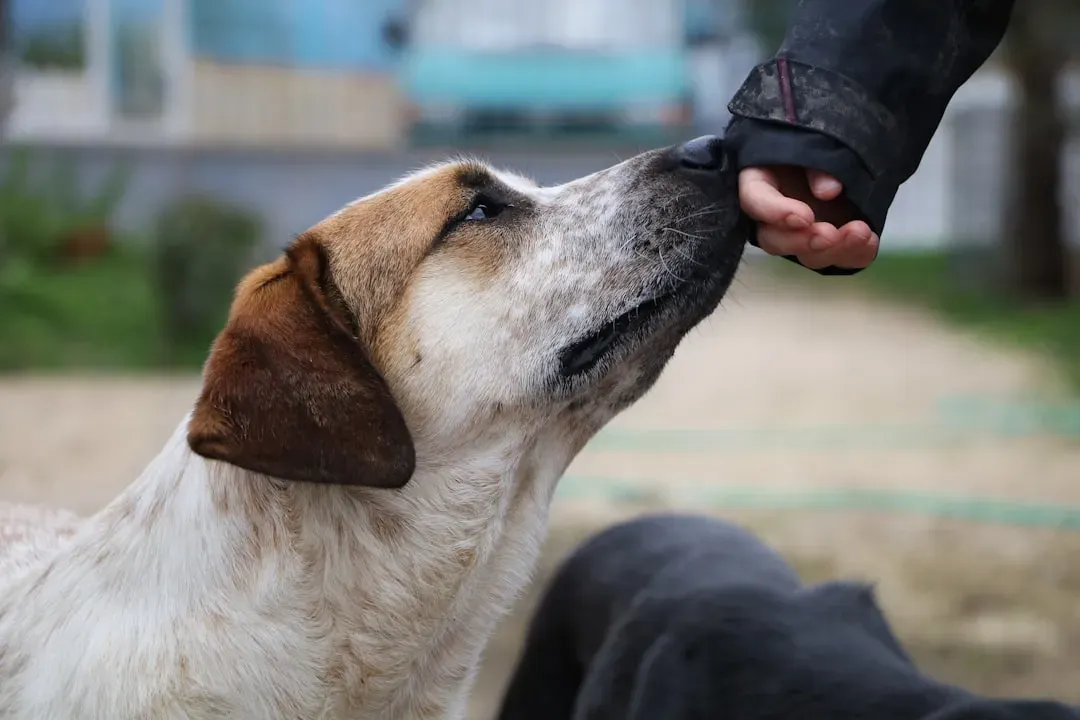
This one tends to catch people off guard because it feels almost too sentimental to be scientifically real. But in multiple scent-based studies, dogs spent more time investigating their primary human’s smell than food, toys, or even unfamiliar people entirely.
You can see this play out at home in the smallest ways. They pick your side of the bed. They burrow into your dirty laundry pile. They claim your exact spot on the couch the moment you get up. That’s not because your socks are comfortable – your scent is their emotional anchor point.
- They drag a piece of your clothing into their bed while you’re out.
- They ignore a family member holding treats but curl up on something that simply smells like you.
Smell is a dog’s strongest sense, so choosing one person’s scent as their home base is about as intimate as it gets. To their nose, your grubby gym shorts might as well be a neon sign that says SAFE.
#9 – Your Mood Lands on Them Harder Than Anyone Else’s
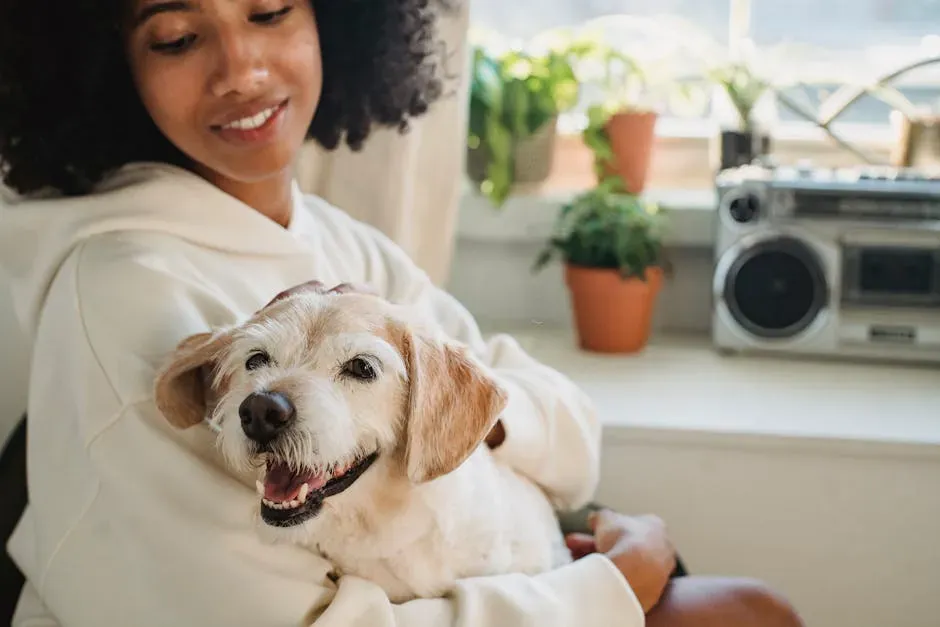
Most owners underestimate exactly how much dogs read human emotion in real time. They shouldn’t, because a dog that’s chosen you is almost uncomfortably tuned to your inner state. Your stress spikes their stress. Your calm lowers their guard.
Research measuring cortisol – the stress hormone – has found synchronised patterns between dogs and their favourite humans specifically. If you’re anxious, they may pace or yawn excessively or glue themselves to your side. If you’re sad, they might climb onto you and go strangely still, ignoring toys and other people entirely.
- They tune out the rest of the room to sit pressed against you the moment you’re upset.
- They become alert or unsettled the instant your tone shifts, even slightly.
At a Glance
- A study following 58 dog-owner pairs found their long-term cortisol levels rose and fell together over months, not just minutes.
- The synchrony was noticeably stronger in pairs who trained or competed closely together.
- Scientists behind the research called it the first documented case of long-term stress synchronisation between two different species.
Some people call this emotional support. In reality, it’s a feedback loop – you regulate them, and they try to regulate you right back. That kind of mutual sensitivity isn’t routine. It’s closer to partnership.
#10 – They Listen to You Even With Empty Hands
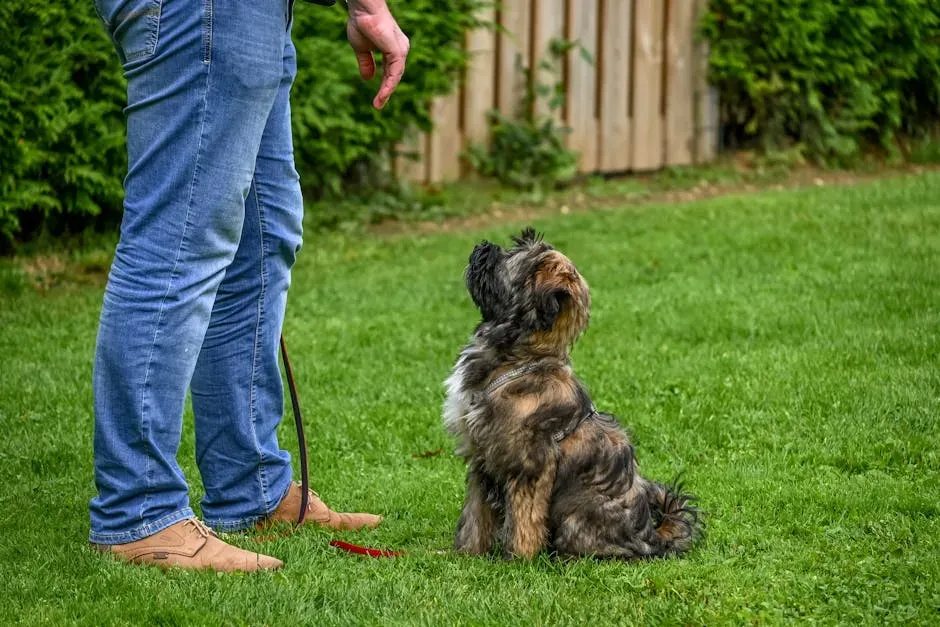
Trainers quietly hate this one because it exposes the limits of technique alone. Good training absolutely matters, but when a dog has truly chosen you, your approval alone becomes the reward.
They’ll abandon a squirrel chase mid-stride when you call. They’ll lie down at a simple look, no cue required. They’ll stop pestering a guest after one word from you – with zero treats anywhere in sight. That’s not magic. It’s a sign you’ve become their primary reference point for right and wrong.
- They half-heartedly “forget” commands from others but nail them instantly for you.
- They check your face after doing something, clearly reading whether you’re pleased.
Some people write this off as simple respect, but it’s more specific than that. You’ve become the single most valuable social resource in their environment – more than food, more than freedom. When that happens, you’re not just their trainer. You’re their person.
#11 – They Position Their Body Between You and Anything Unfamiliar
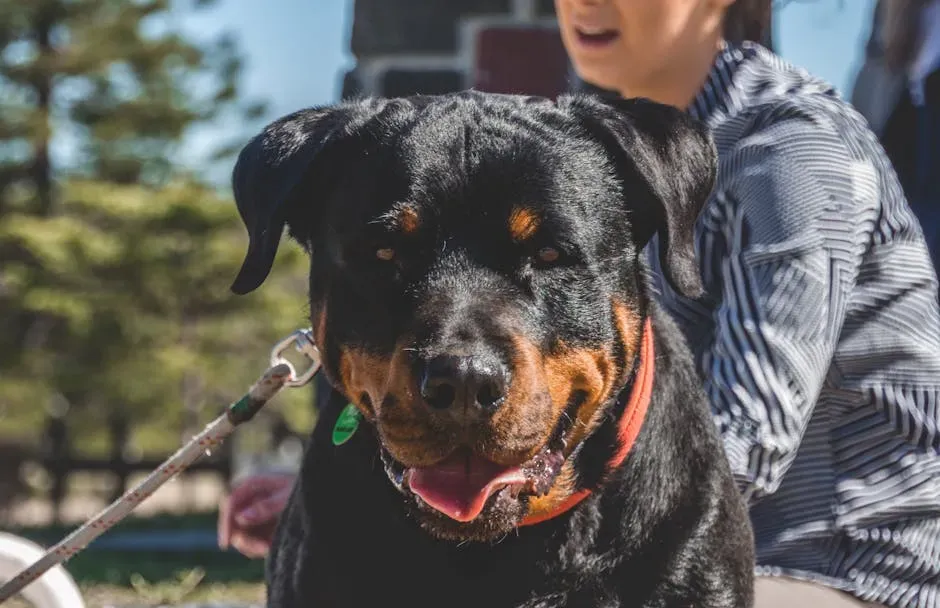
Not every protective behaviour is healthy, and it’s worth saying clearly: resource guarding over food, beds, or toys is a different, more concerning issue. But when a dog has chosen you, they sometimes show a subtler, body-based form of guarding aimed entirely at you.
They might quietly wedge themselves between you and a stranger. Lean their full weight against your legs when an unfamiliar dog approaches. Lock their eyes on someone who’s gotten a little too close for comfort. Often there’s no growling at all – just a calm, deliberate repositioning to form a barrier.
- They relax the instant you clearly greet or accept the newcomer.
- They don’t show the same behaviour around other family members, only you.
Quick Compare
- Protective positioning: Calm body language, settles the moment you engage with the “threat,” happens only with you.
- Resource guarding: Stiff posture, growling or snapping over objects or space, doesn’t resolve once the trigger is gone.
- The tell: One is about keeping you safe. The other is about controlling access to something. Only one needs training intervention.
This still needs boundaries and training where necessary, but pretending it isn’t attachment would be dishonest. Biologically, they’re treating you like a resource worth monitoring. Plenty of so-called “velcro dogs” aren’t just anxious – they’ve quietly appointed themselves manager of who gets access to their chosen human.
#12 – They Forgive Your Mistakes Faster Than Anyone Else’s
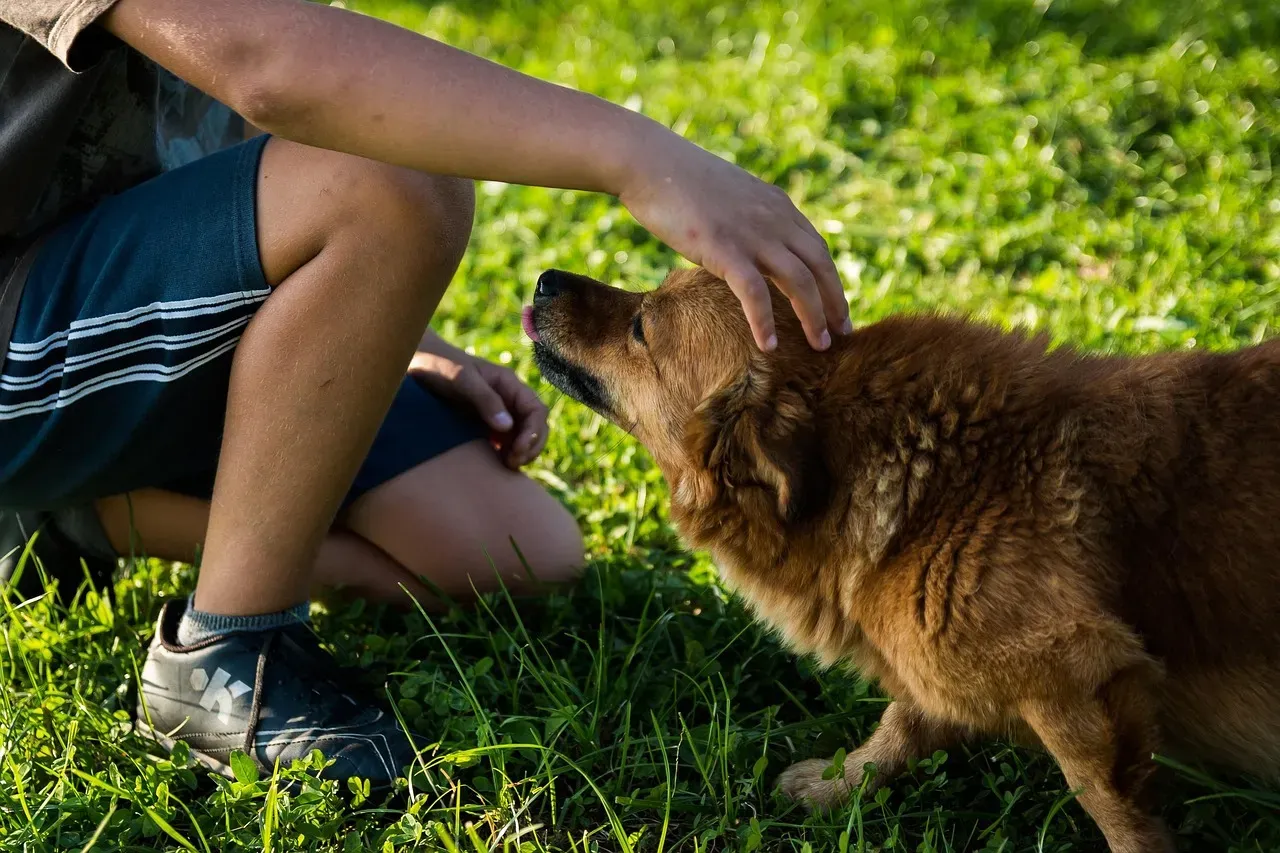
This might be the sign most owners never notice, and it’s honestly a little humbling once you see it. Dogs remember patterns. If your timing is off, if you once stepped on their paw, if dinner is late again, they log it somewhere.
Yet when a dog has chosen you, they routinely forgive your errors faster than they forgive anyone else’s. Accidentally bump into them and they’re back licking your hand within seconds – while a guest who did the exact same thing might get avoided for the rest of the visit. Clumsy hugs, off-key singing, awkward dancing – barely a complaint.
- They return to sleeping near you almost immediately after a minor negative moment.
- They re-engage in play or seek contact quickly despite occasional frustration.
This isn’t blind loyalty. It’s a decision. They’ve weighed your overall pattern of care against your occasional missteps, and you still came out ahead. Dogs don’t pick perfect people. They pick the one whose presence makes their world predictable and safe on balance.
#13 – When Life Gets Hard, You’re the Only One They Want
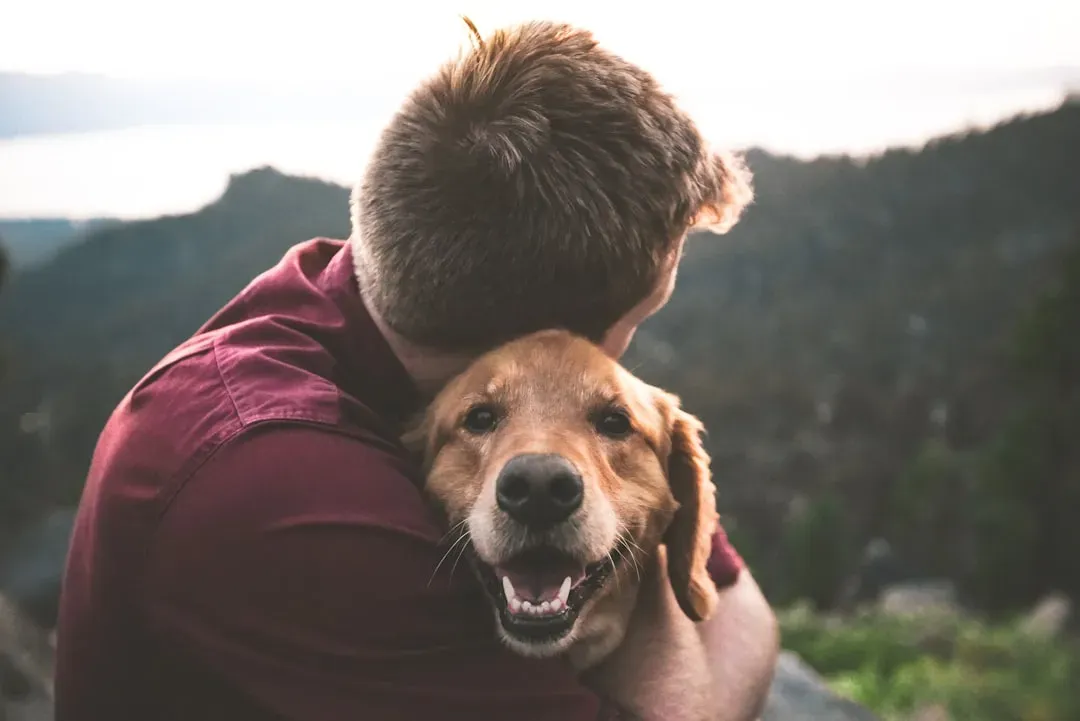
Attachment shows its sharpest, most honest edge when things go wrong. If your dog has chosen you, their need for you spikes dramatically in moments of real vulnerability – sickness, fear, old age.
At the emergency vet, they strain just to keep you in sight. After surgery, they settle more easily with you nearby, even if someone else in the room is physically stronger or more experienced with animals. During thunderstorms, fireworks, or the slow ache of aging joints, they drag their tired body closer to yours – not out of habit, but because you are their best odds of feeling okay.
Dogs are not our whole life, but they make our lives whole.
Roger Caras
- Restless pacing until you finally sit down, followed by instant collapse against you.
- Choosing your lap over soft beds, cool tiles, or quieter rooms every single time.
Near the end of life, many dogs will still struggle to stand just to follow their person one more time. That effort, made when everything hurts and energy is precious, is about as close to a spoken confession as a dog will ever give.
The Verdict: You’ve Been Chosen – Now It’s on You
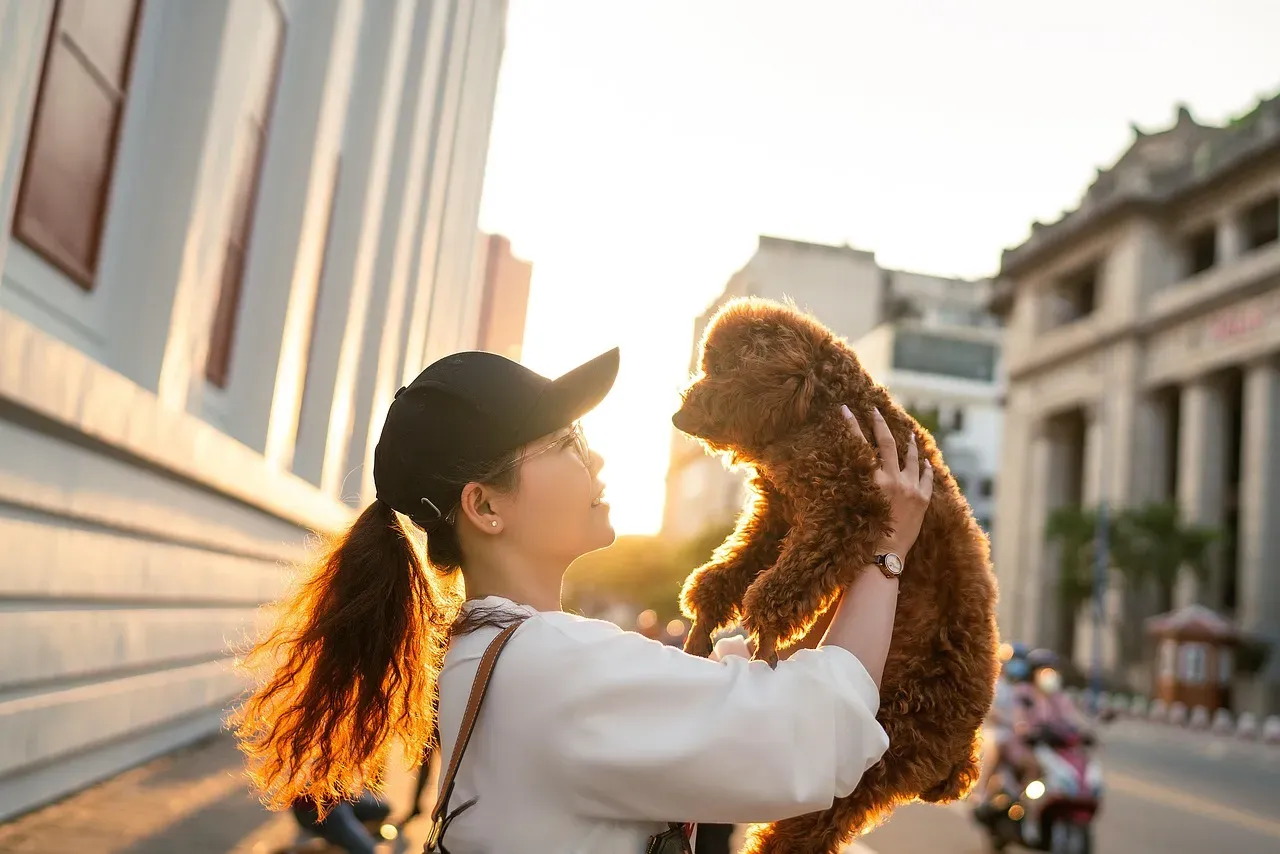
Here’s the part most owners don’t want to hear: this isn’t really a competition about who’s “favourite.” It’s a responsibility. Your dog didn’t pick the person with the most treats or the loudest voice. They picked the nervous system that made their world feel survivable – and that’s you.
Some people in the comments section will insist their dog loves everyone exactly the same. Statistically, they’re probably wrong, and their dog already knows it. If you saw yourself in even half of these signs, the bond isn’t imaginary or convenient – it’s biological, it’s earned, and it’s happening whether you consciously notice it or not.
So the next time your dog drags their sleepy body off a comfortable bed just to lie against your feet, don’t call it clingy. Call it what it actually is: a vote, cast every single day, for you.


