
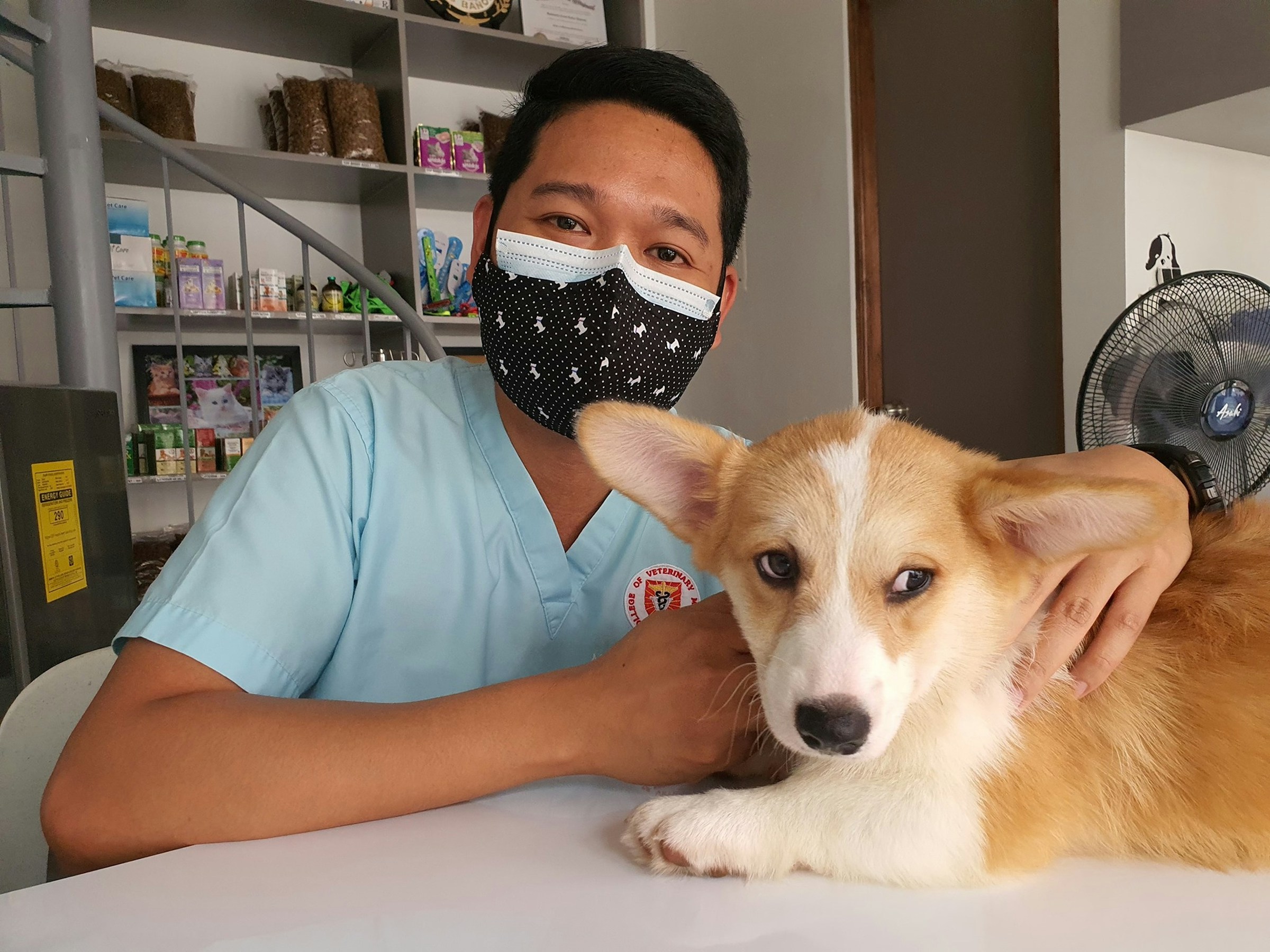
Most people think spoiling a dog with toys and cute outfits proves they’re loved. Vets will tell you that stuff barely registers. Within five minutes in an exam room, a good veterinarian can already tell whether a dog is deeply loved, or just technically “owned.”
It shows up in tiny details: how the dog looks at you, how you touch them, how you both handle stress together. Some of the clearest signs have nothing to do with money, and everything to do with consistency and respect. Here’s what experienced vets actually notice, starting with a habit most owners don’t even realize they’re showing.
#13 – The Dog Uses Their Human as “Home Base”
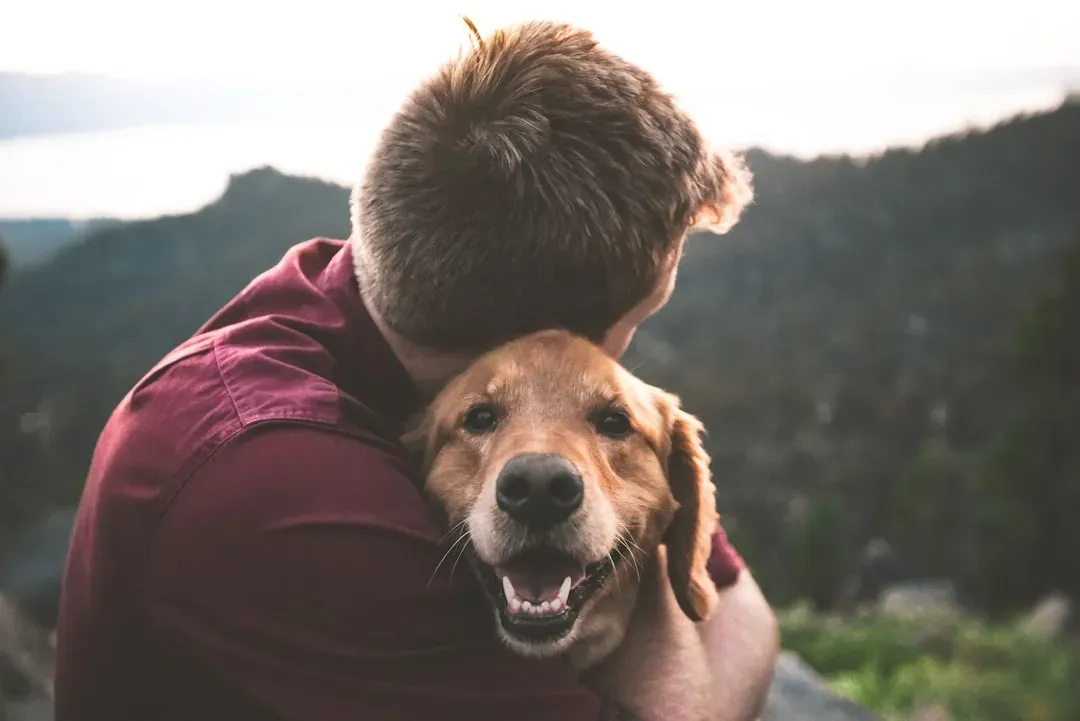
A truly loved dog doesn’t just exist near their person, they orbit them. In a strange room, most well-bonded dogs keep checking back in: a quick glance, a small lean into the leg, a paw touch, or even just lying where they can see their human’s shoes. Vets catch this instantly. A dog that keeps reorienting toward their person is showing an attachment pattern that looks a lot like a securely attached toddler circling back to a parent in a new environment.
Vets also watch what happens when the human moves. Does the dog calmly track them with their eyes, or lightly follow, or do they completely shut down, or not react at all? Both hyper-panic and total emotional distance can be red flags. A dog that trusts their person usually shows a mix of curiosity and calm: “I’m fine as long as you’re here.” That quiet, confident tether tells a vet this dog has been responded to, not just tolerated. Section #12 gets even more personal.
#12 – The Human Comforts, Not Scolds, When the Dog Is Scared
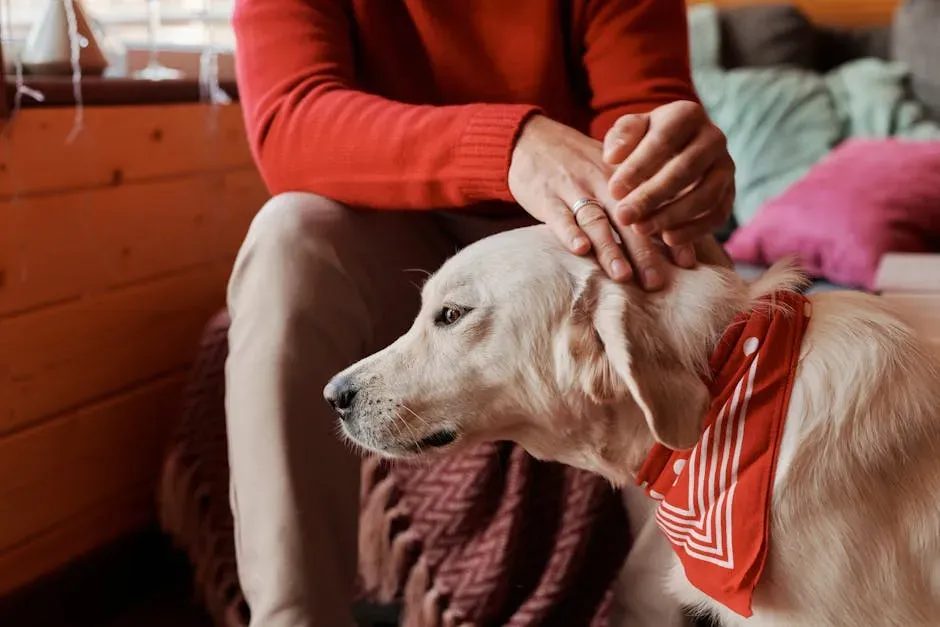
Most people don’t realize the exam room is basically a stress test for the relationship. A deeply loved dog might shake, drool, or try to climb into their person’s lap. What vets pay attention to is what the human does next. Do they snap “stop it,” yank the leash, or force the dog to sit still? Or do they quietly offer support: a soft voice, a gentle touch, maybe a treat?
This matters more than any Instagram-worthy moment ever could. Dogs constantly look to their humans for emotional cues, and when a person calmly reassures them, they often settle faster over time, even if today isn’t the day. Vets can see who’s been allowed to feel scared without being punished for it. Owners who protect their dog’s emotional safety in stressful moments are sending a loud signal that this bond runs deeper than convenience. But #11 might surprise you the most.
#11 – Subtle, Automatic “Dog-Safe” Habits
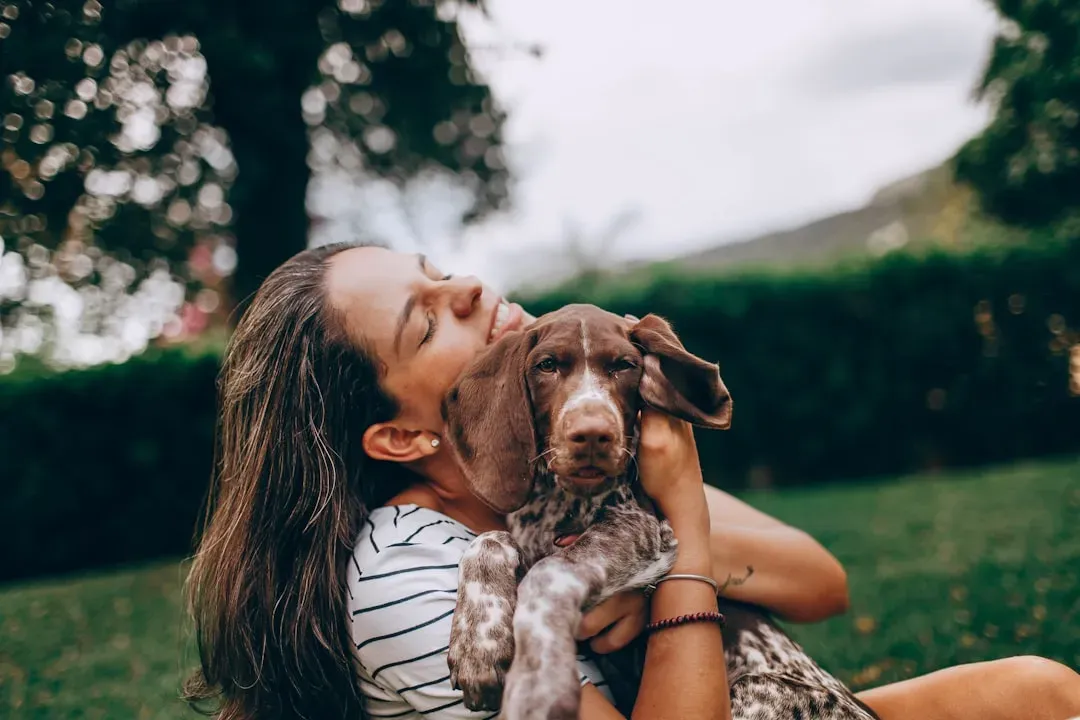
Vets notice tiny, almost invisible habits that scream “this person is careful with this dog.” The owner automatically closes the exam-room door all the way so the dog can’t bolt. They move wires, bags, and sharp objects out of reach without being asked. They keep a hand on the leash even mid-conversation, not out of distrust, but because they respect how fast things can go sideways.
They’ll also casually mention routines that show real forethought: wiping muddy paws before the dog hits slippery floors, lifting a senior dog into the car instead of letting them jump, or saying, “He can’t have that treat, it upsets his stomach.” None of it is dramatic. It’s quiet, consistent, and usually learned the hard way. When a dog is deeply loved, the human’s default setting becomes “how do I protect them?” Then there’s #10, and it’s written all over the dog’s body.
#10 – The Dog’s Body Tells a Health Story of Consistency
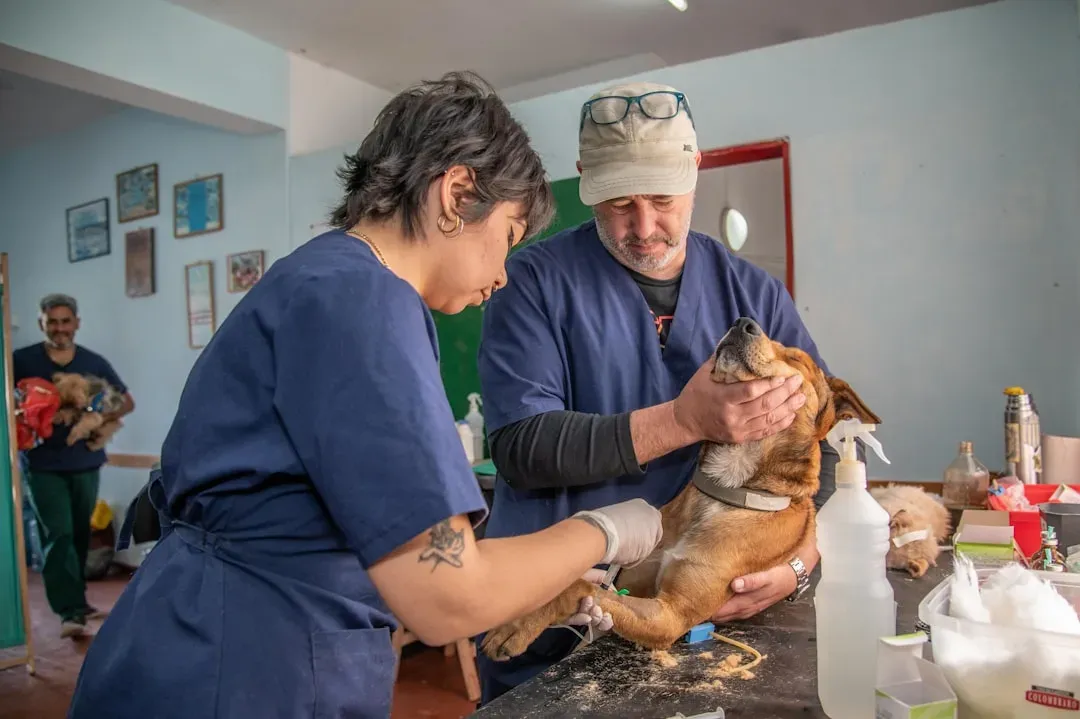
A dog’s body is basically a walking diary, and vets can read it in seconds. A deeply loved dog usually has a clean, unmatted coat, nails that aren’t painfully overgrown, eyes that get regularly checked, and a body condition that isn’t dangerously overweight or skeletal. Even when money is tight, loved dogs tend to show signs that someone is trying: home grooming, thoughtfully chosen budget food, obvious effort to keep them comfortable.
Contrary to what social media pushes, “chubby” isn’t cute to most vets, it’s a quiet quality-of-life killer. The uncomfortable truth is that plenty of dogs labeled “spoiled” with food are actually carrying real, chronic pain risks. A loved dog doesn’t have to be flawless, but the pattern over time matters: are problems caught early, are meds given as prescribed, are parasites kept under control? Vets can tell the difference between a body that’s been neglected and one that’s been watched over closely.
Fast Facts
- Coat should be reasonably shiny, with no large mats or bald patches from constant itching
- Nails trimmed short enough that they aren’t clicking loudly on hard floors
- Ribs should be easy to feel with light pressure, not hidden under a thick layer of fat
- Eyes and ears stay clear, with no crusting, odor, or ongoing discharge
- Teeth show manageable tartar, not the thick brown buildup of years of neglect
Wait until you see how #9 shows up in a single glance.
#9 – The Dog Looks to Their Person for Permission and Reassurance
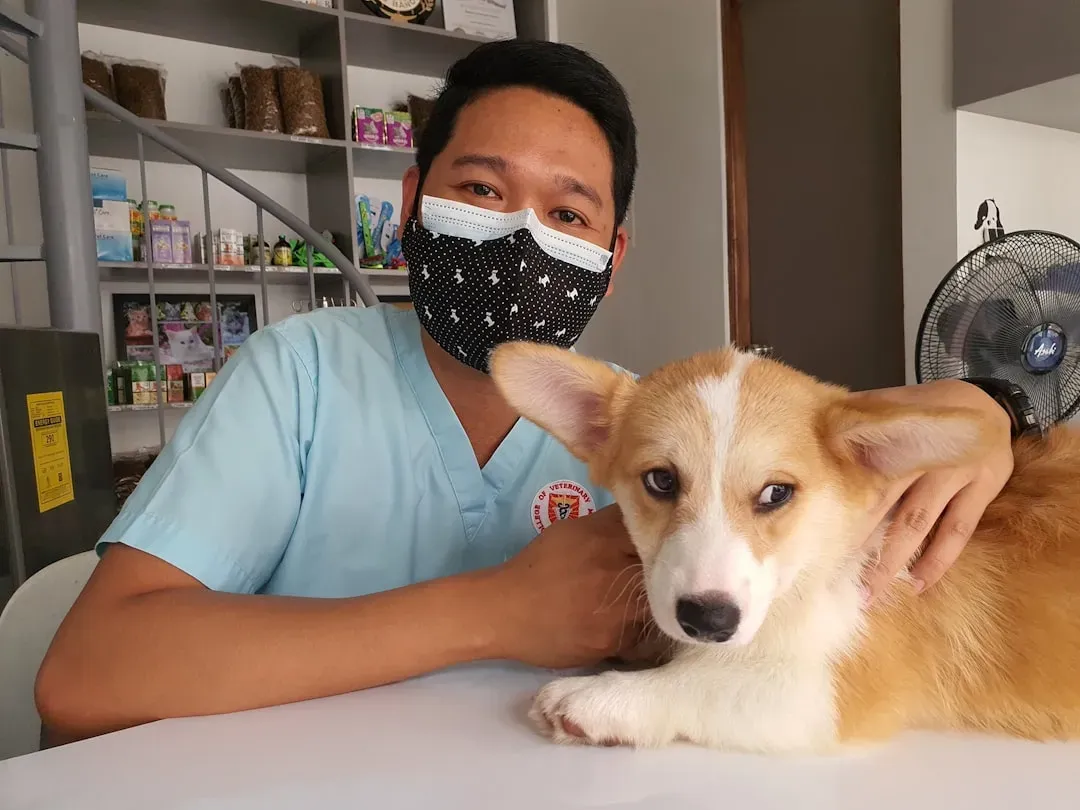
One of the clearest love markers isn’t tail wagging, it’s checking in with the eyes. When the vet approaches, a bonded dog will often glance quickly at their human, as if to ask, “Is this okay?” That split-second look means this person has become the dog’s main filter for reading the world. It’s the same kind of social referencing seen in securely attached beings, human or canine.
Vets love seeing this play out. The owner says, “It’s okay, buddy,” and the dog, still nervous, lets the exam happen anyway because their human’s calm voice outweighs the stranger’s stethoscope. On the flip side, a dog that shows zero interest in checking back, no glance, no seeking contact, can suggest a weaker daily bond, though independent personalities are sometimes the exception. That constant flicker of glances and small gestures is attachment, plain and simple. #8 is even sneakier, and vets catch it every time.
#8 – The Human Knows the Weird, Boring Details
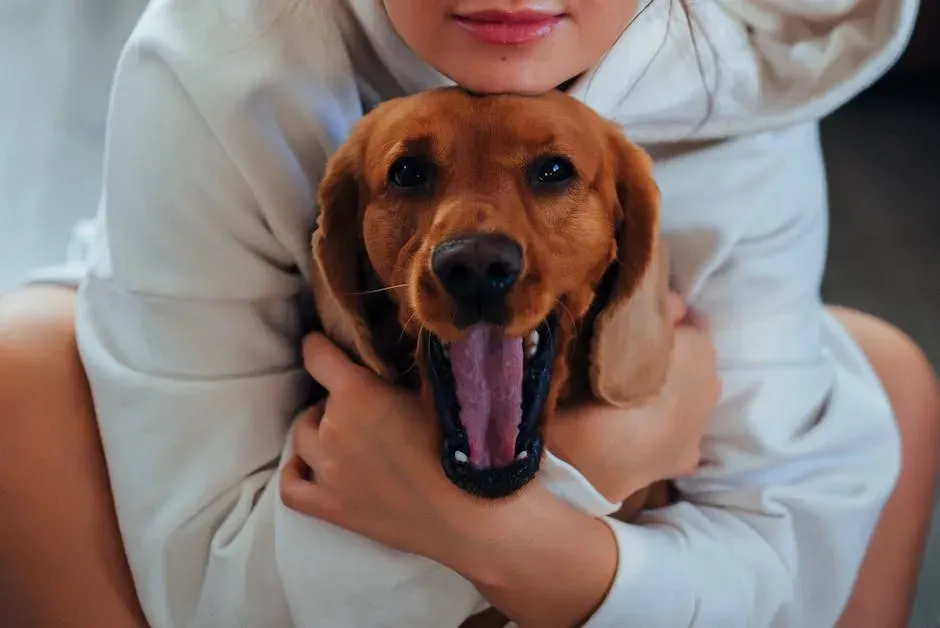
Ask a deeply involved owner “how’s he been eating?” and you’ll rarely get “fine, I guess.” Instead you’ll hear specifics: “he leaves the last few bites at dinner now,” or “she’s drinking more in the evenings since it got hot.” Vets zero in on these unglamorous little observations because they show daily, attentive noticing.
Loved dogs have humans who can describe their poop, sleep spots, energy shifts, and quirky habits without even thinking about it. Tracking whether your dog scoots once a week or has softer stools after certain treats isn’t glamorous, but it’s exactly what allows problems to be caught early. Owners who shrug, “I don’t really know, my partner feeds him,” aren’t necessarily bad people, but they’re not deeply tuned into that specific animal. Vets can feel that difference the moment someone starts talking. Still, nothing beats what #7 reveals about training.
#7 – Training Based on Boundaries, Not Fear
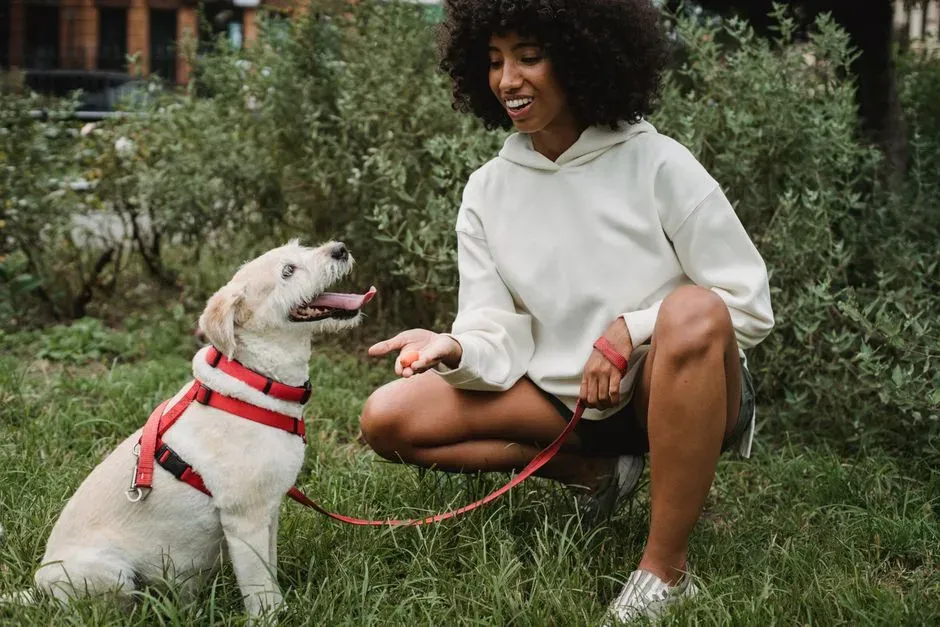
Vets watch how a dog responds to simple cues in the exam room: sit, stay, wait, look. Perfection isn’t the point. The real tell is the tone of the relationship. Does the dog obey with a tense posture and a tucked tail, or respond with eager familiarity, like “oh, this game again”?
Owners who’ve leaned into positive training, even imperfectly, tend to say things like “we’re still working on this” or “he gets nervous, so I try not to push too hard.” That’s a world away from “he knows better, he’s just being stubborn.” Fear-based control can fake good behavior for outsiders, but vets see the emotional cost underneath: rigid stillness, no curiosity, flinching at hands. Deep love shows up when limits exist but are taught with patience, not intimidation.
Quick Compare
- Tense posture, tucked tail, avoids eye contact vs. loose body, relaxed wag, holds eye contact
- “He knows better, he’s stubborn” vs. “We’re still working on this together”
- Flinches when a hand moves quickly vs. leans into the same motion
- Freezes completely still under pressure vs. stays curious even when nervous
#6 might be the most heartwarming sign yet.
#6 – They Bring “Comfort Objects” Without Being Asked

When a dog walks in with their own blanket, favorite toy, or a worn T-shirt that smells like home, vets notice immediately. The dog may nuzzle it on the table, curl a paw around it, or just relax a few degrees. These aren’t cute props, they’re emotional anchors, and owners who think to pack them are quietly saying, “your feelings matter in this scary place.”
You’ll sometimes hear people half-apologize for it: “I know, I’m overprotective, I brought his stuffed duck.” Vets almost never see it that way. It’s usually a sign of someone tuned into their dog’s emotional world, willing to look a little silly to make things easier. An owner who scoffs at the idea, “he’s a dog, he’ll be fine,” often underestimates how much their animal actually feels. Prioritizing comfort over appearances is a genuine green flag. But #5 changes everything depending on the dog’s age.
#5 – The Dog Shows Age-Appropriate Care
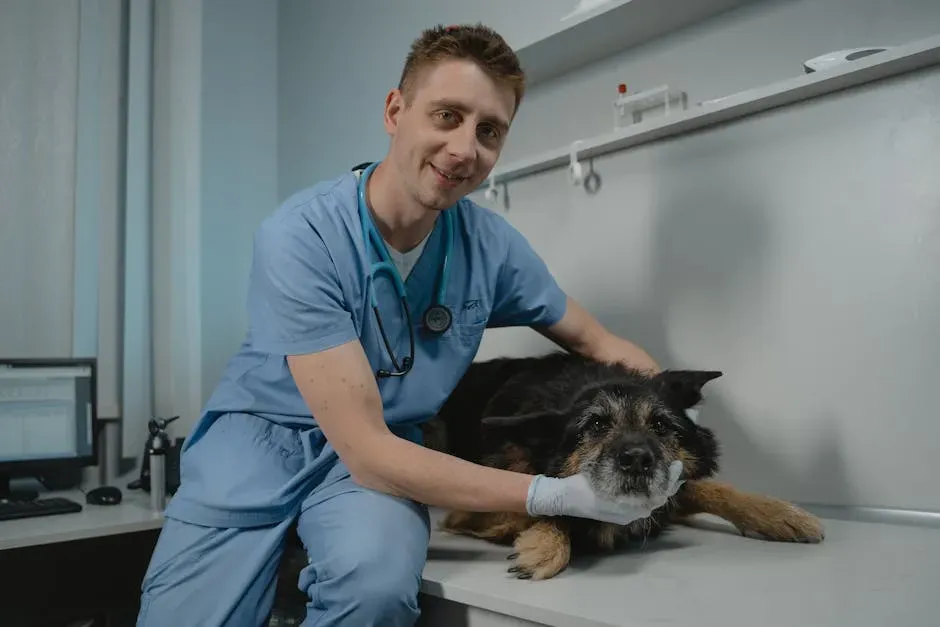
Deep love isn’t one-size-fits-all, it looks different on a bouncy two-year-old than on a stiff twelve-year-old. Vets check whether the care matches the life stage. For seniors, they look for trimmed fur around the eyes, non-slip harnesses, a slower pace into the exam room, and owners lifting them instead of letting them jump.
For young dogs, appropriate outlets matter just as much: muscle tone from regular walks, mental engagement, safe chew options. A bored, under-exercised adolescent chewing themselves raw or pacing constantly can signal lifestyle neglect, not a lack of affection. The owner who says, “we switched to shorter, more frequent walks because his hips get sore,” is clearly tracking evolving needs, not just repeating old habits. #4 is the one most owners feel guilty admitting.
#4 – Honest Ownership of Mistakes and Worries
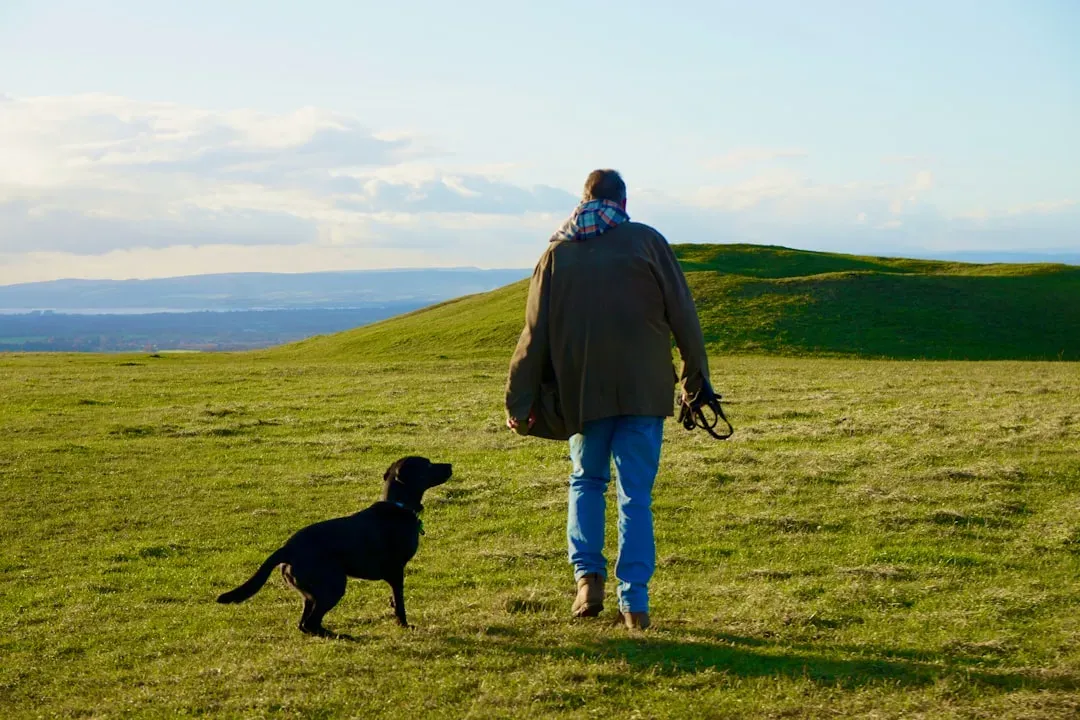
One of the strongest tells of deep love isn’t perfection, it’s humble honesty. Vets know they’re dealing with a deeply attached human when they hear things like, “I messed up and missed a dose, I feel awful,” or “I waited too long to bring him in because I hoped it would go away.” That guilt, painful as it is, usually comes from someone emotionally invested, not checked out.
By contrast, a flat, defensive attitude about an obvious problem, “that rash has always looked like that,” when it clearly hasn’t, can hint at emotional distance or denial. The most devoted owners are willing to be uncomfortable if it helps their dog. They ask “too many” questions, take notes, seek second opinions, and admit what they can’t afford while still asking, “okay, what’s the next best option?” Vets recognize that vulnerability for what it is: advocacy.
Worth Knowing
- “I forgot a dose and I feel terrible” usually signals real emotional investment
- “It’s always looked like that” about a clearly new problem often points to denial
- Taking notes or asking for written home-care instructions shows follow-through
- Asking about lower-cost options instead of walking away is still advocacy
Then there’s #3, and it’s all about trust.
#3 – The Dog Trusts Hands Near Their Face and Paws
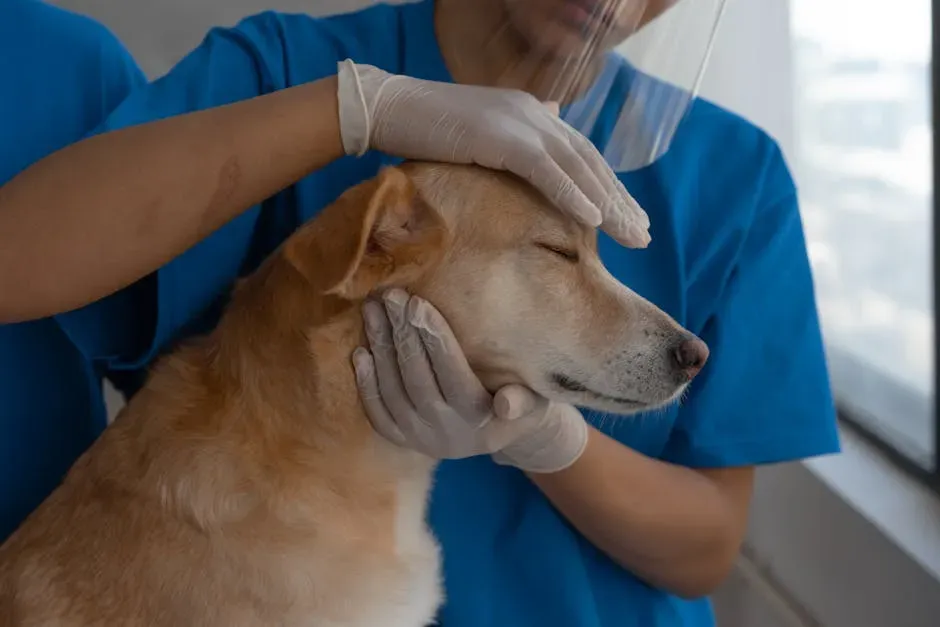
A dog that calmly lets their person open their mouth, check their teeth, or hold their paws in a tense environment is telling a backstory. Those are intimate, vulnerable spots. Dogs handled gently and regularly at home are far more comfortable when a vet needs to do the same thing.
Vets watch the micro-reactions: does the dog lean slightly into their owner when a paw is lifted, do they flick an ear toward their person’s voice but stay put? That’s trust. Some dogs are naturally jumpy or carry trauma, and even loved animals protest sometimes, but overall, a dog who lets their human help through the exam has usually learned, “these hands don’t hurt me, they help me.” That history of safe contact is a massive love marker. #2 is hiding in plain sight, in the paperwork.
#2 – The Vet Records Tell a Story of Showing Up
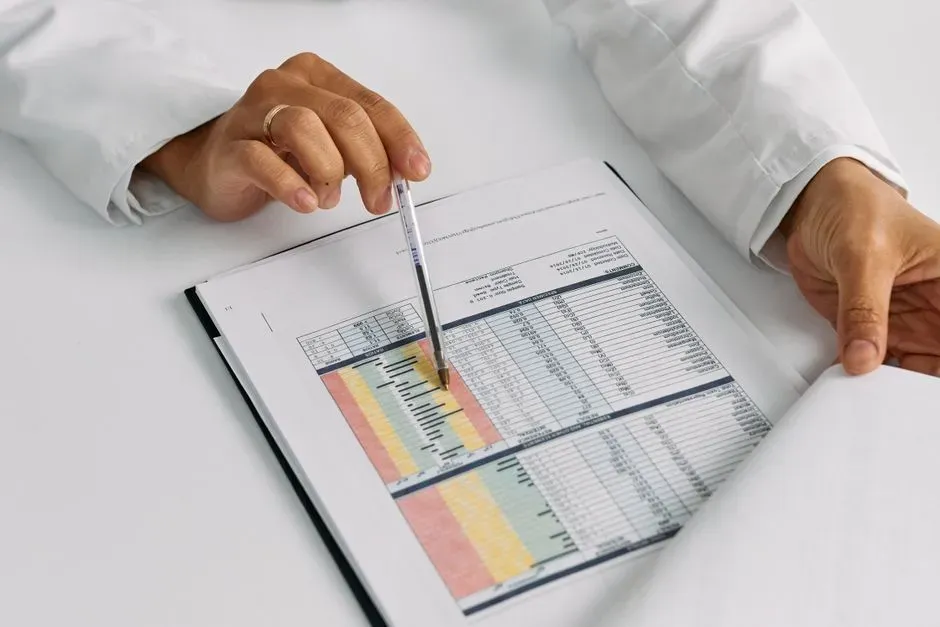
The chart doesn’t lie. Vets can scan a file and instantly spot the pattern: regular vaccines, annual exams, dental cleanings, follow-ups on lumps, prompt responses to lab abnormalities. This isn’t about flexing money, it’s about showing up over and over, even when it’s inconvenient or scary.
Consistent care looks different across budgets, sometimes it’s essential pain meds instead of fancy diagnostics, or a payment plan instead of walking away. What matters is effort and continuity. A dog who only appears for emergencies after years of obvious, untreated issues often hasn’t been prioritized. Vets can feel the difference between “we didn’t know, please help us fix this” and “we knew and didn’t bother.” The first is heartbreaking but loving. The second is much harder to defend.
At a Glance
- Wellness exams on file roughly once a year
- Vaccines kept current rather than years overdue
- Dental cleanings noted periodically, not skipped indefinitely
- Prompt follow-up visits after abnormal lab results
- Weight tracked and reasonably stable from visit to visit
But #1 is the moment that says it all.
#1 – The Dog Sees Their Human as Safe, Even When Things Hurt
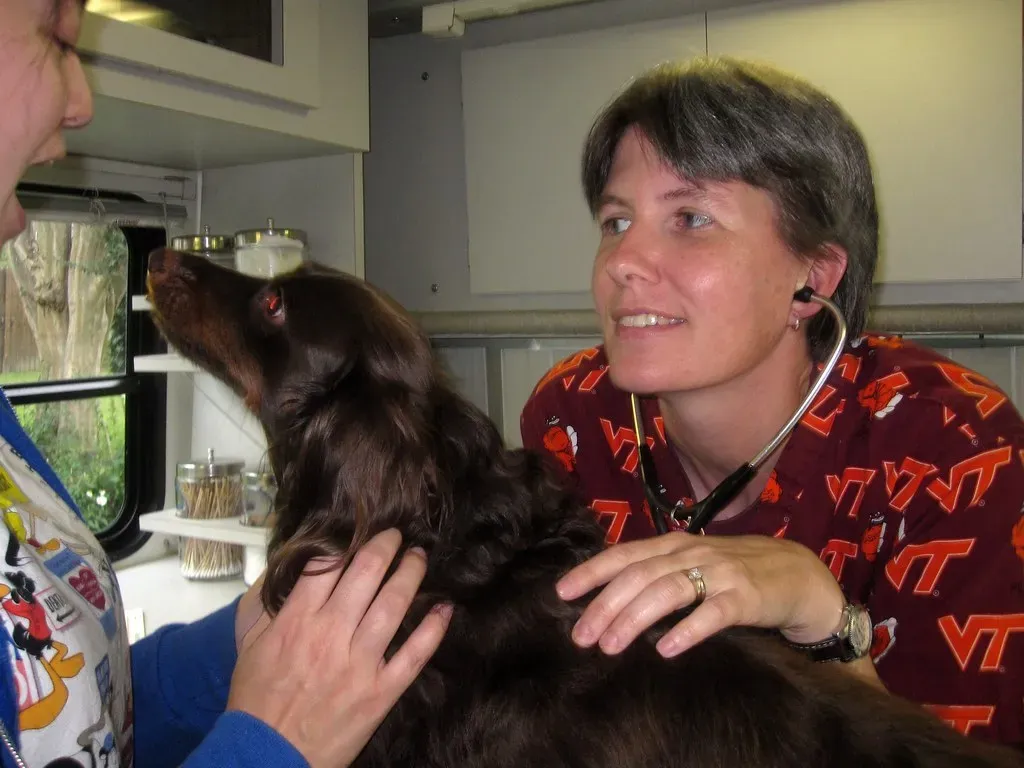
The single strongest sign a vet looks for? In the worst moment, a blood draw, a painful exam, a scary restraint, the dog still turns toward their person, not away. They may try to climb into their lap, bury their head in their chest, or hide behind their legs, but the message is always the same: “you’re where I feel safest.”
You can’t fake this with treats or cute outfits. It’s built over a thousand small, consistent moments at home: being comforted during thunderstorms, not being punished for accidents when they’re sick, having someone sit on the floor with them when they’re hurting. When a dog lets the vet do something uncomfortable because their human is right there whispering, “I’ve got you,” everyone in that room can see it. That trust is what deep love looks like from a dog’s point of view.
The Bottom Line
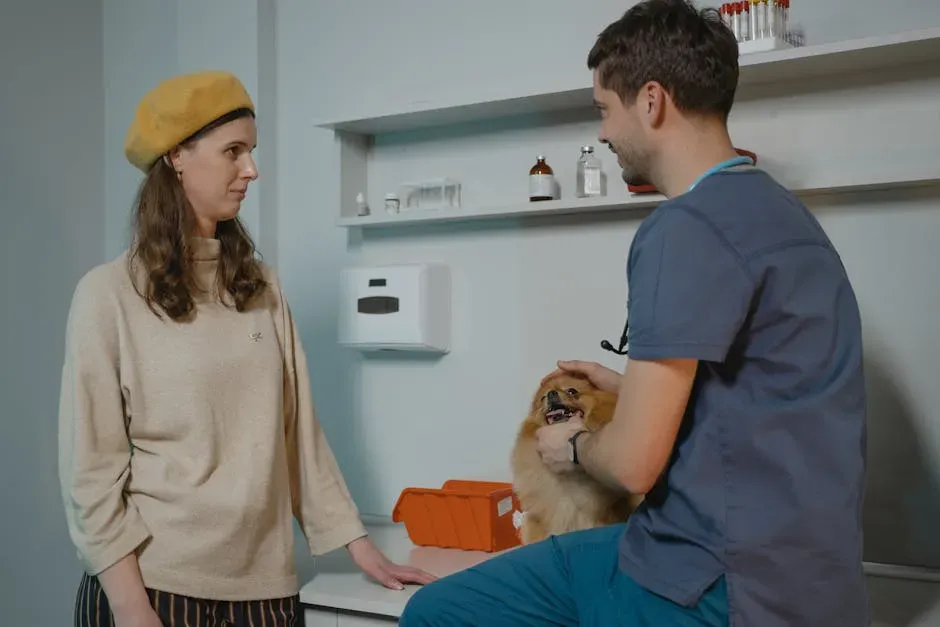
Vets don’t need a speech about how much you love your dog, your relationship walks into the exam room before you do. The dog’s eyes, posture, coat, manners, and reactions under stress all tell a story of whether they’ve been treated like a disposable accessory or a family member whose feelings genuinely matter.
Deep love shows up as consistency, respect, and advocacy, not just toys and cute photos. Some people won’t like hearing that their “spoiled” dog might actually be unhealthy, anxious, or misunderstood. Others will quietly recognize themselves in the owners who bring blankets, ask nervous questions, and adapt care as their dog ages.
In the end, a loved dog isn’t a perfect dog, it’s a dog who knows exactly who their safe person is. Do you see your own habits in these signs, or did something here challenge how you think about “loving” a pet?


