

You walk in, drop your keys, maybe sigh without even realizing it – and your dog already knows more about your day than your best friend does. Not because they’re psychic. Because they’ve been running a full sensory audit on you since the second your key touched the lock.
Most owners think the greeting is the whole story: tail wags, a few licks, done. It isn’t. Behaviorists and canine cognition researchers say those first five minutes are actually a rapid diagnostic – scent, tone, posture, even your stress hormones – and the results decide how the rest of your evening together goes. Here are the 13 things your dog clocks before you’ve even taken your shoes off, counting down to the one almost nobody thinks about.
#13 – Your Scent: “Where Have You Been?”
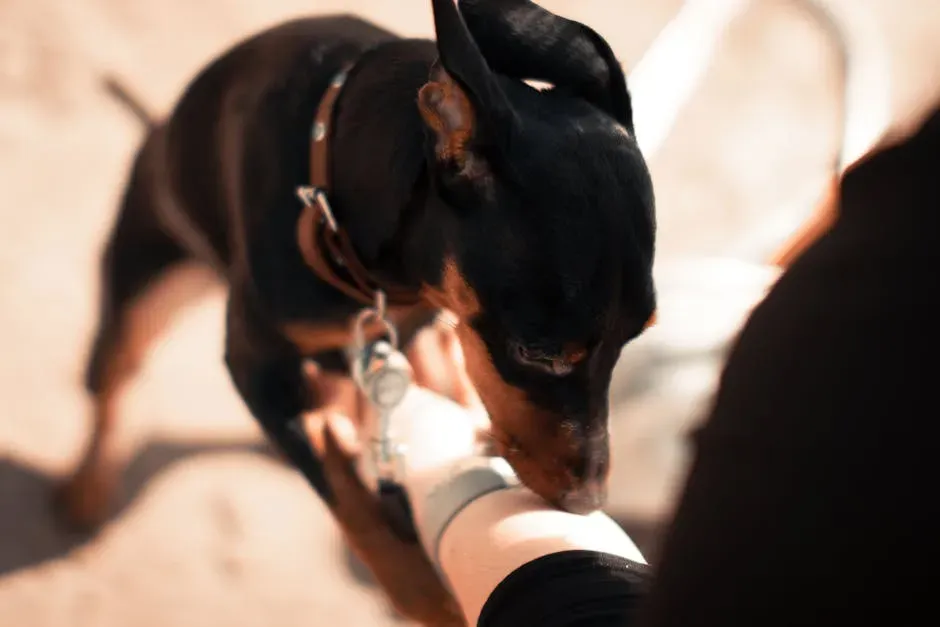
The first thing your dog notices isn’t your face – it’s your smell. A dog’s nose is up to 10,000 to 100,000 times more sensitive than yours, which means your entire day is basically written on you like a book. Sweat, perfume, other animals, food, even mood-related hormones all show up in your scent whether you like it or not.
Dogs can distinguish individual people by smell alone, and they can tell if you’ve been near another animal before you’ve even crossed the doorway. Some trained dogs can detect blood sugar changes and certain cancers – your own dog is running that same hardware on you every single day. If they linger on your clothes longer than usual, or keep circling back for another sniff, they’ve picked up on something about your day that feels “off.”
Fast Facts
- A dog’s nose holds up to 300 million scent receptors, compared to roughly 6 million in humans
- The brain area devoted to analyzing smell is proportionally far larger in dogs than in people
- Some medical-detection dogs are trained to flag cancer or dropping blood sugar by scent alone
- Your own natural scent shifts with stress, illness, and even mood – dogs notice the difference instantly
#12 – Your Energy Level Before You Speak a Word
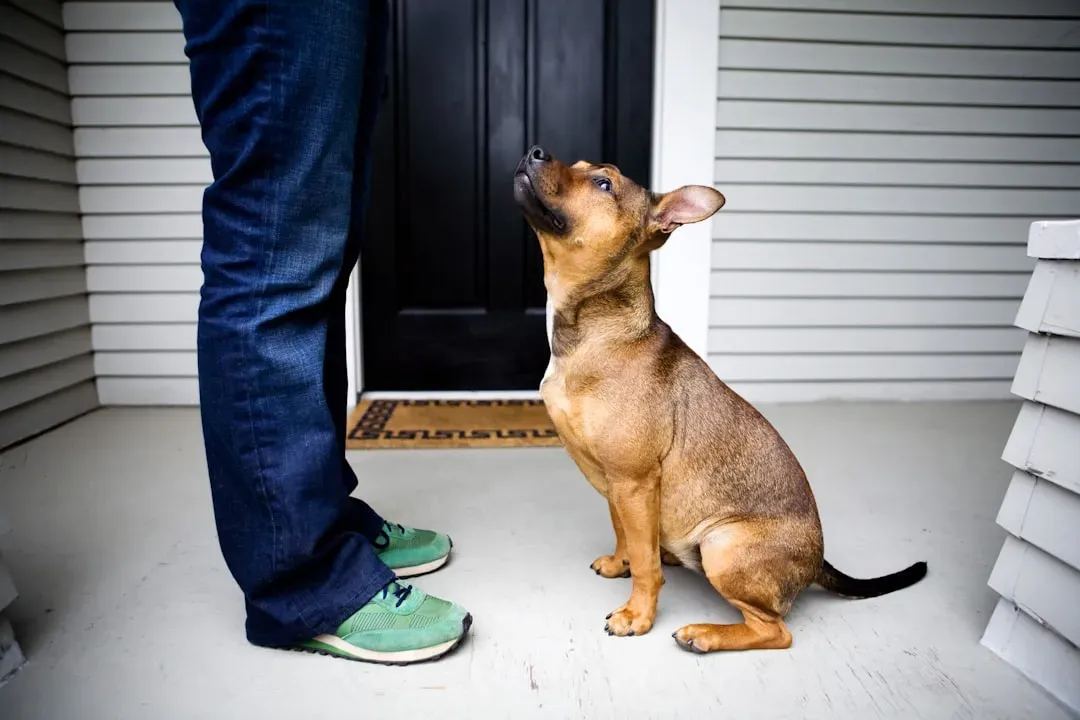
Before you say “hey, buddy,” your dog has already clocked your energy. They read micro-movements: how fast you walk in, how your arms swing, where your eyes land first. A rushed entrance with sharp, jerky movements says “stressed and unavailable.” A loose, relaxed posture says “safe, calm, come say hi.”
This is why some dogs suddenly turn hyper, barky, or clingy the moment someone walks in frazzled from work. They’re not misbehaving – they’re mirroring the storm you brought home, or trying to defuse it. Trainers often point to those first 30 seconds at the door as the real starting point for half the “evening behavior problems” people complain about. Walk in calm and predictable, and most dogs settle faster than you’d expect.
#11 – Your Tone of Voice, Not Your Words
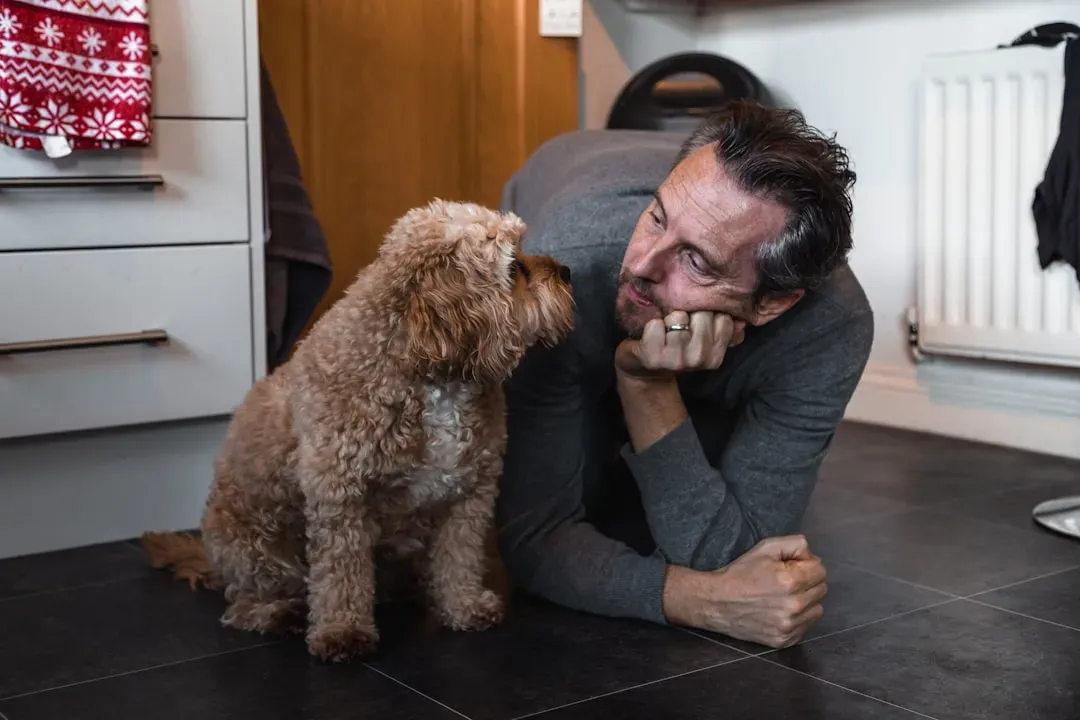
Yes, your dog knows words like “walk,” “treat,” and “ball.” But what they notice first is tone. A high, sing-songy voice usually signals play and safety. A flat, tense, or clipped tone can signal something’s wrong – even if the words themselves are “I’m fine.”
Dogs process emotional tone in a brain region similar to where humans do, which is why your voice can betray you even when your face doesn’t. Shout “COME HERE!” in a frustrated tone and your dog hears tension, not invitation – then owners wonder why the dog hesitates instead of bounding over. Your dog is listening for:
- Pitch – high and warm, or low and tight
- Rhythm – quick and choppy, or slow and smooth
They decide whether to be silly, cautious, or soothing based on that alone, long before you’ve said anything meaningful.
#10 – Your Eyes and Where They Go First
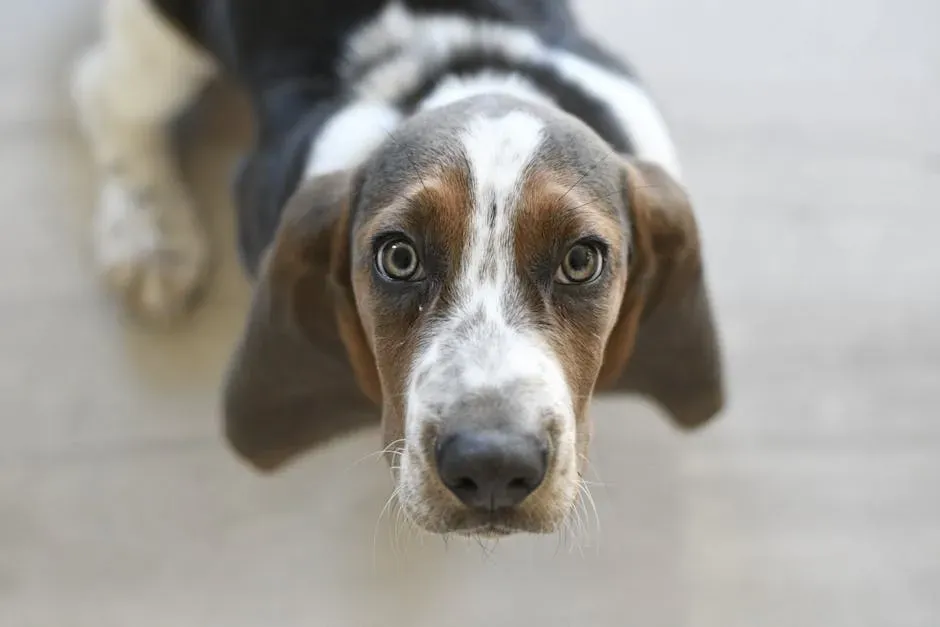
Dog people love to say “they know I love them,” but your dog actually notices where your eyes land before they feel anything close to loved. If your first glance always goes to your phone, your first glance is teaching them something. If it goes straight to them, that’s a lesson too.
Eye contact between dogs and humans has been shown to raise oxytocin – the bonding hormone – in both species. That soft, unhurried look you give your dog is literally changing brain chemistry in the room. Hard, direct staring can feel threatening, especially to anxious dogs, but a soft, blinking gaze reassures them you’re actually present. A dog who’s consistently ignored at the door often starts jumping, barking, or grabbing objects – not to be “bad,” but because negative attention still beats none.
#9 – Your Stress Level, Because They Can Smell It

You might think you’re hiding your bad day. Your dog would disagree. Stress hormones like cortisol and adrenaline change your scent and even your skin temperature, and dogs pick up on the combination of odor, posture, and facial expression faster than most humans would.
Some dogs go hyper when they sense it. Others go quiet and small. If you walk in stressed night after night, your dog can start linking “door opening” with “tension arriving” – which shows up as slinking away from one specific person, or restless, clingy pacing right at the entrance. Ironically, these dogs often get labeled “needy” when really they’re just reacting to an emotional weather system they never chose to live in.
#8 – Your Routine: “Is Tonight Like Every Other Night?”
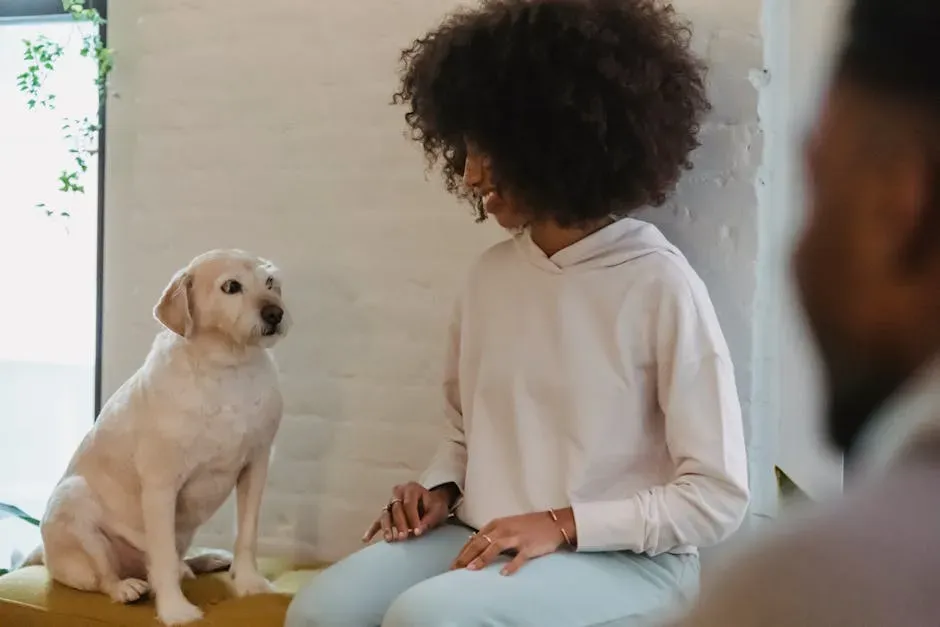
Dogs are pattern machines. In the first five minutes, they’re quietly checking whether the script is playing out the way it always does, or whether something’s changed. If you usually walk in, drop your bag, say hello, then head to the kitchen, they’ve memorized that sequence down to the beat.
Break it – skip the hello and go straight to a Zoom call, or take your shoes off before petting them when you normally do the opposite – and they notice immediately. For a lot of dogs, a broken routine equals uncertainty, and uncertainty equals stress, which shows up as pacing between rooms or an almost frantic re-sniffing of your bag and clothes, as if they’re reloading the day’s information. Boring, predictable entrances aren’t a missed opportunity for excitement – for many dogs, they’re a quiet form of medicine.
At a Glance
- Dogs memorize the order of your arrival routine, not just the individual actions
- Skipping a familiar step can trigger pacing, whining, or repeated re-sniffing
- Predictable entrances tend to calm anxious or reactive dogs faster than exciting ones
#7 – How Fast You Give Them Physical Contact
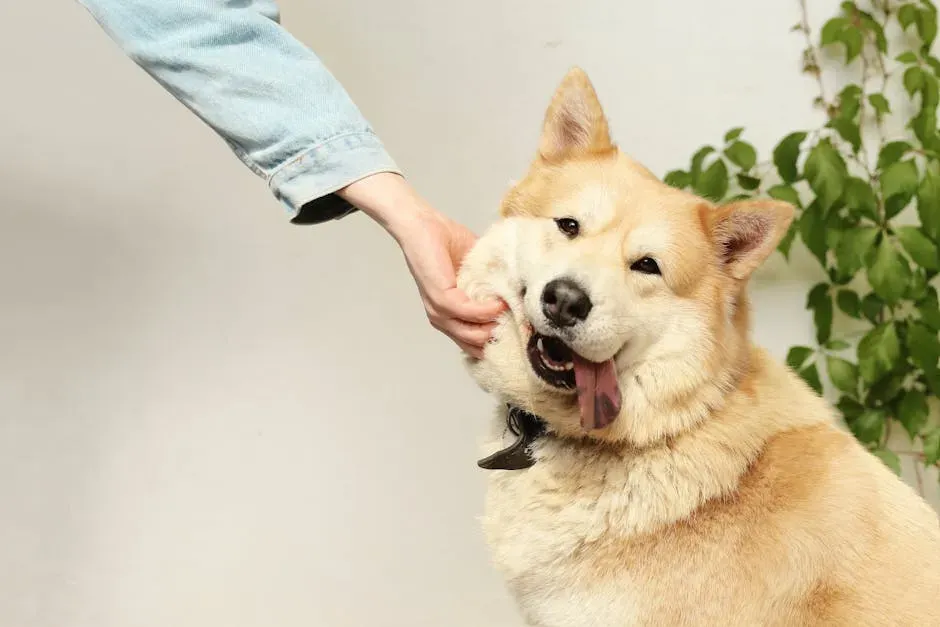
Most people assume petting a dog immediately is always the kind thing to do. It isn’t that simple. Your dog notices exactly when and how you touch them the moment you’re through the door.
Some dogs want the full head-to-tail scratch on contact. Others – especially shy, rescued, or easily overwhelmed dogs – need a few seconds to sniff and assess before hands come anywhere near them. Forcing contact too fast can trigger subtle stress signals most owners never catch: a quick lip-lick, a yawn, a small dodge away from your hand. Dogs who get repeatedly rushed or brushed off at the door can eventually stop greeting altogether – not because they’ve gone “aloof,” but because they simply stopped asking.
#6 – Whether You Bring the Outside World Home With You
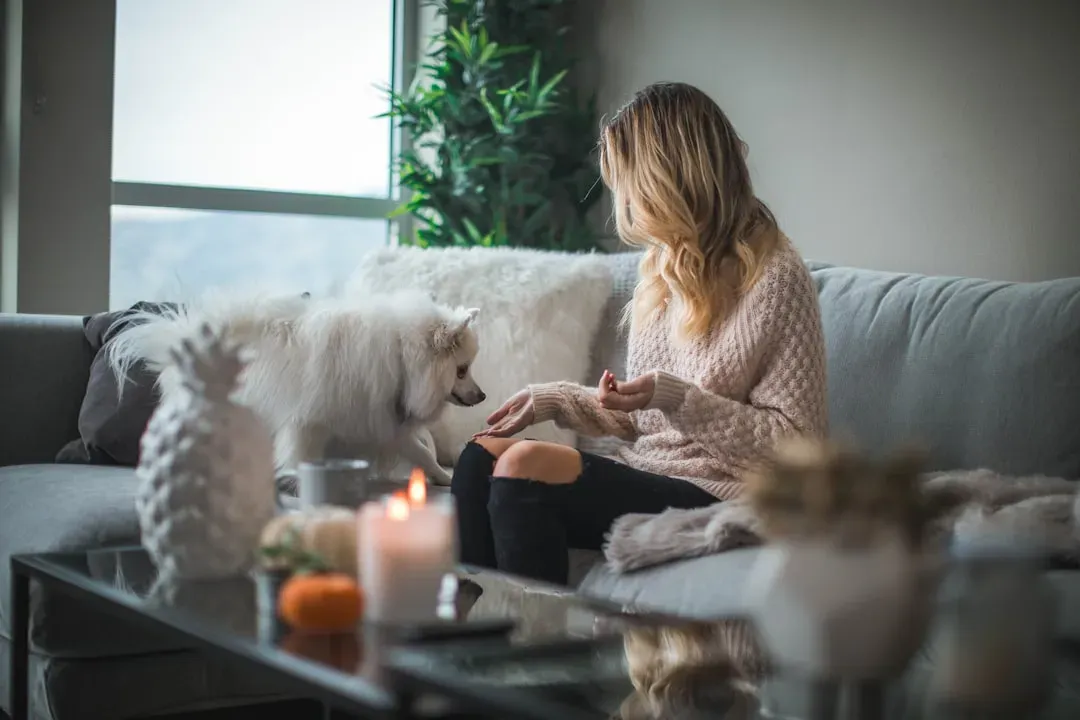
Your dog absolutely knows if you’ve been “cheating” on them with other animals. Groomer visit? Friend’s house with a cat? Dog park without them? Other animal scents light up their brain like social media drama lights up yours.
A quick, intense sniff of your shoes, pants, and hands tells them exactly who you touched and sometimes what species you were around. Some dogs get visibly jealous or wound up when they catch another dog’s fur or the scent of cat litter, and for insecure or territorial dogs, that reaction can turn into marking, pacing, or sudden clinginess. Owners often punish the behavior without realizing their own clothes just told a story their dog didn’t want to hear.
Quick Compare: Curious vs. Jealous Reactions
- Curious sniff – brief, investigative, relaxed tail and body
- Jealous reaction – prolonged sniffing, stiff posture, low whine or growl
- Insecure response – pacing, clinginess, or nudging in between you and the scent source
#5 – Your Footsteps and How You Open the Door
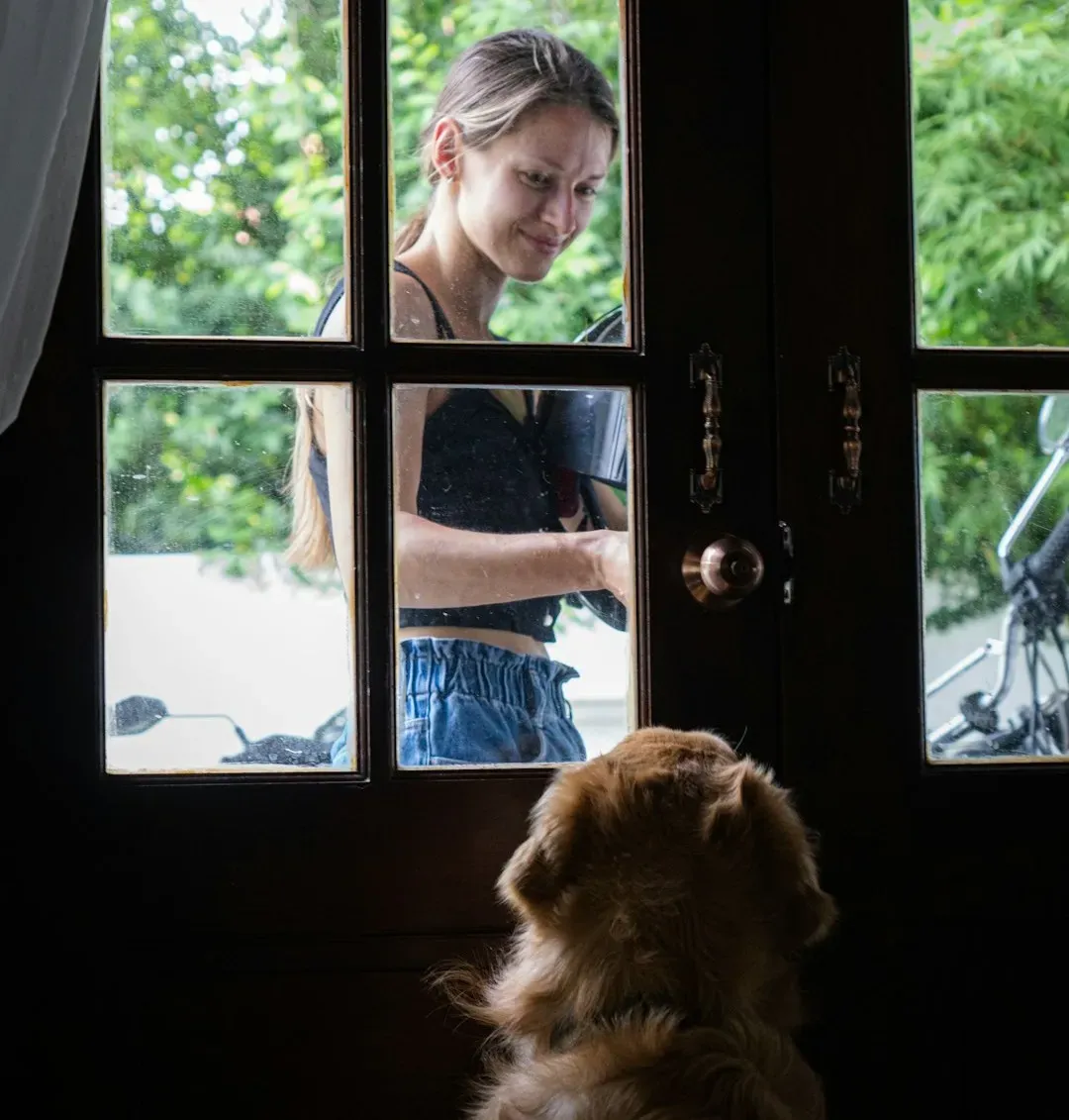
Your dog knows it’s you before the key even hits the lock. Your car’s sound, your specific footsteps in the hallway, the way you jiggle the handle – all of it is data they’ve already learned to read. Dogs can memorize individual footsteps and door patterns and react to them well before you’re actually visible.
A heavy, stomping walk can signal frustration. A light, bouncy step usually signals a good mood. They also notice whether you barge the door open or pause for a breath before stepping inside. In tense households, dogs often brace themselves at the sound of a particular approach – even from someone who genuinely loves them – which means your physical arrival style alone can decide between a wagging tail and a dog hiding behind the couch.
#4 – Whether You Acknowledge Their Emotional State

Most people only ask, “Is my dog excited?” Your dog is asking something deeper: “Does my person actually see how I feel?” In those first minutes, they notice whether you’re responding to their real emotion or just their surface behavior.
Zoomies might be joy – or stress relief from hours alone. A quiet dog might be relaxed – or quietly upset. Dogs communicate through ear position, tail height, blinking, and yawning, and most owners miss the majority of it. Rev up a dog who’s actually overwhelmed, and they may crash later into barking or chewing. Brush past a dog who’s under-stimulated or sad, and they learn their subtle signals don’t work – so next time, they escalate. The “random” evening meltdown often started the moment you walked in and missed it.
#3 – If You’re About to Leave Again Soon
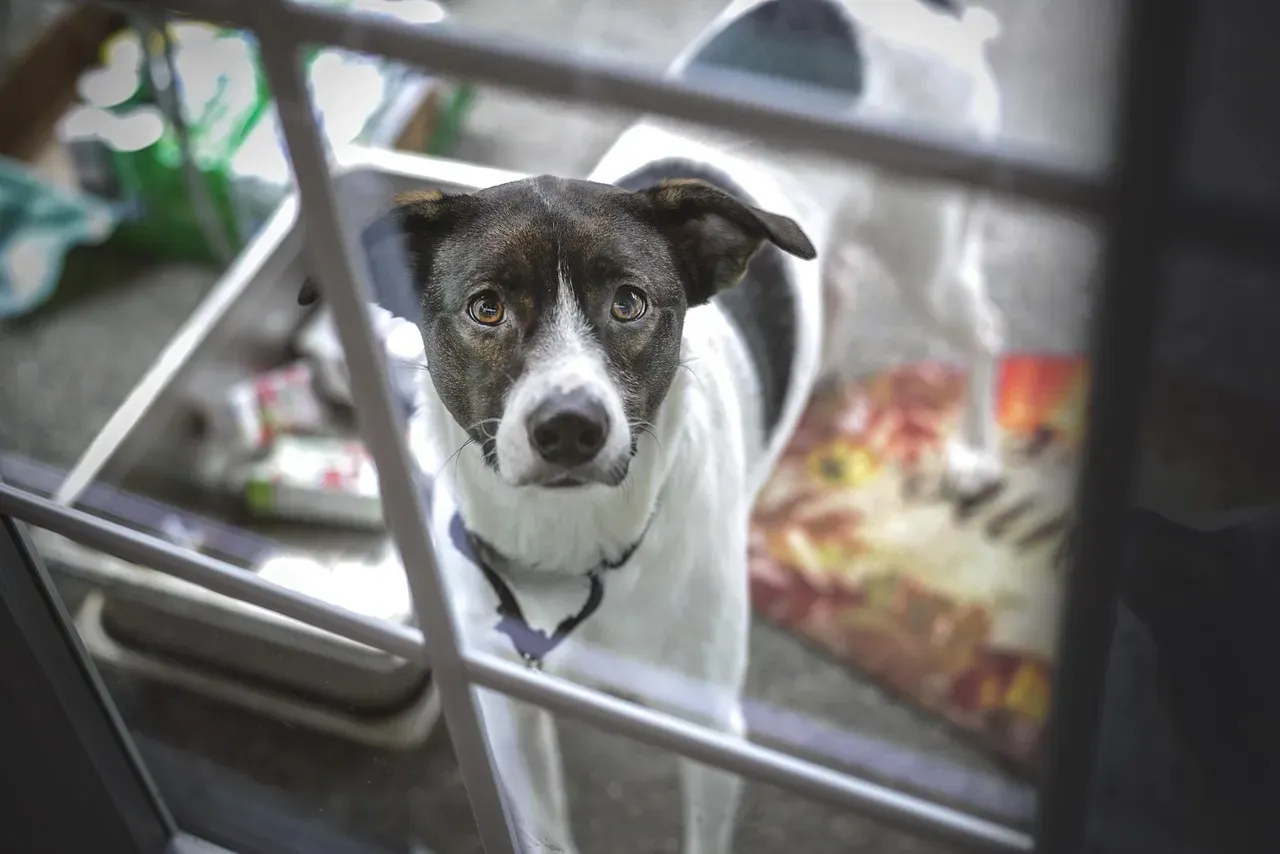
It sounds dramatic, but plenty of dogs become experts at predicting a fake arrival. You come in, drop your keys, grab the mail, answer one thing on your laptop – and then you’re gone again. Dogs learn that pattern fast, and some start greeting you with less enthusiasm each time, because your presence never really sticks.
Dogs are not our whole life, but they make our lives whole.
Roger Caras
They watch for the details: shoes staying on versus coming off, a bag set down fully versus half-slung on your shoulder, whether you head toward the interior of the house or hover near the door. Separation-sensitive dogs pick up on this fastest of all. The whining, spinning, or shadowing you see in the first five minutes isn’t clinginess for its own sake – it’s a dog bracing for the next exit.
#2 – The Mood of the House You’re Walking Into
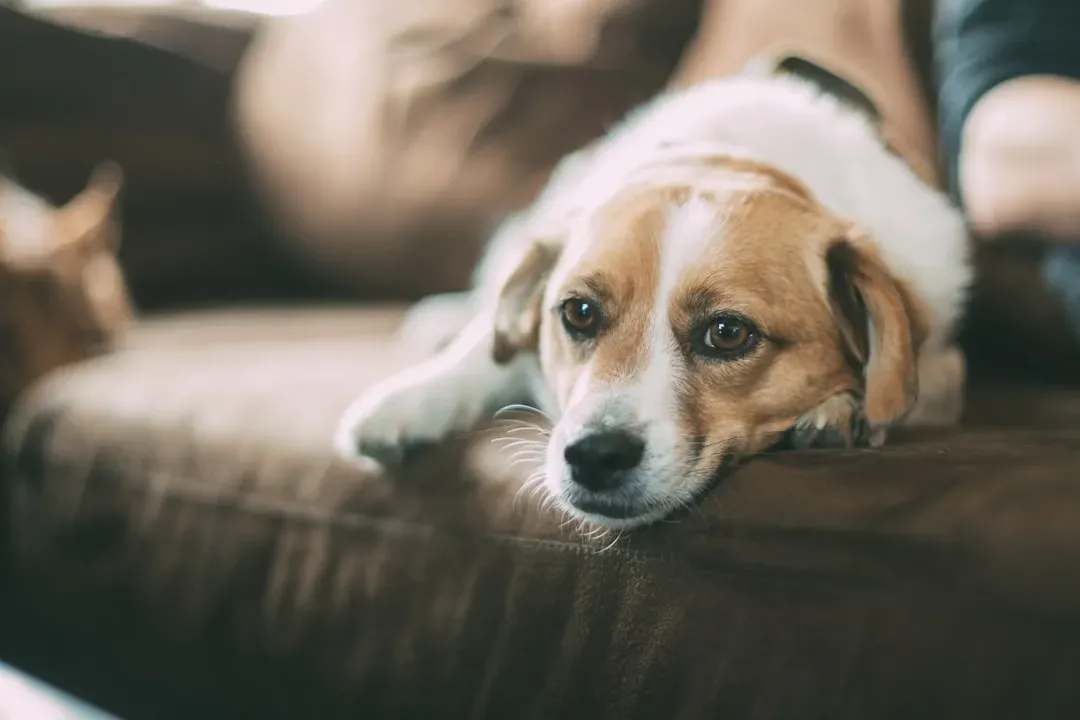
Your dog doesn’t just read you – they read the entire atmosphere you’re stepping into. A loud TV, kids arguing, a partner slamming cupboards – all of it fuses with your entrance in their mind. Dogs are remarkably sensitive to household tension, and they can start associating your arrival with conflict instead of comfort.
Some dogs try to referee the chaos. Others shut down and slink off entirely. Walk in and immediately start snapping or arguing, and your dog pairs “door opens” with “stress spikes,” which can show up later as sudden hiding, barking, or displacement behaviors like random licking or scratching. People love to blame breed or past trauma for this – but the day-to-day emotional climate of the home matters just as much.
#1 – Whether You’re Actually Present With Them
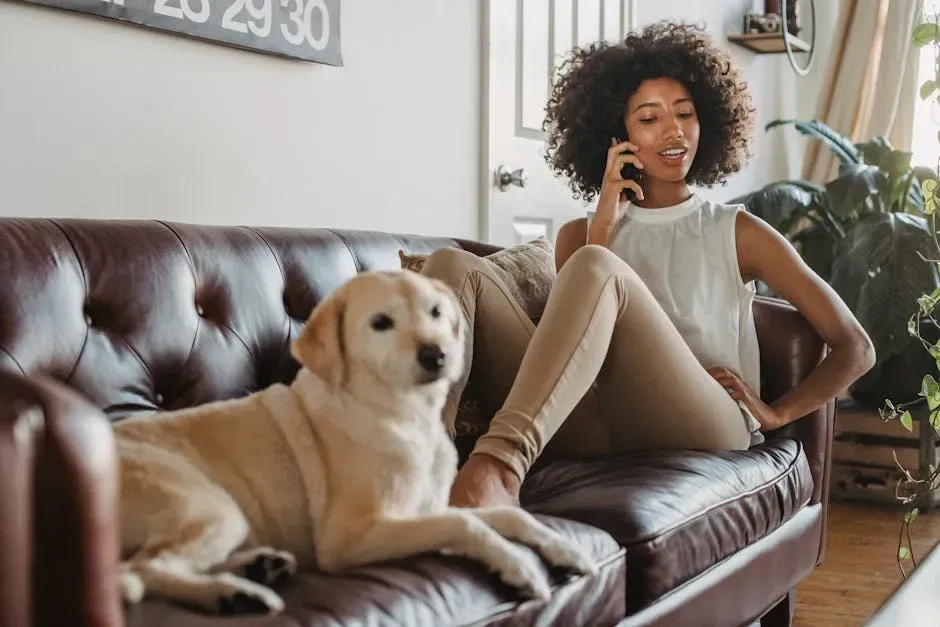
This is the one nobody likes to admit. Your dog notices, within minutes, if you’re physically home but mentally somewhere else entirely. Phone in hand, half-listening, scrolling on autopilot – dogs feel that emotional distance the same way human kids do.
You might pat their head while answering an email and assume it counts. To your dog, it often doesn’t. Presence isn’t just time in the room – it’s attention. They notice whether your body turns fully toward them or stays angled away, whether your touch is intentional or absent-minded, and whether you offer some small ritual – real eye contact, a word you always say, a short cuddle – that tells them, “you matter to me right now.” The dogs who thrive emotionally usually have a person who gives them five genuinely present minutes at the door. No phone. No multitasking. Everything else – the calm, the trust, the good behavior – tends to grow out of that.
Why It Stands Out
- Full presence signals safety faster than treats, toys, or excited chatter ever can
- A short, phone-free greeting ritual can set the emotional tone for the entire evening
- Dogs tend to mirror the attention they’re given – calm greetings tend to produce calmer dogs
The Bottom Line
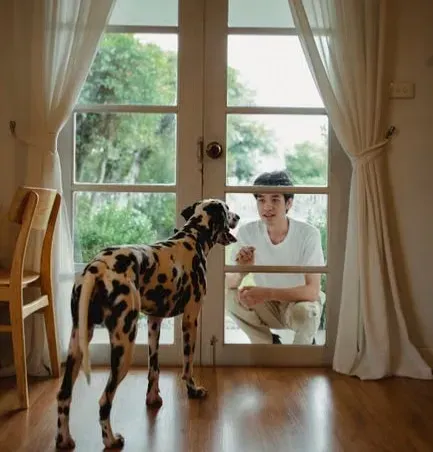
Dogs aren’t happy idiots waiting at the door. They’re running a full emotional and sensory scan on you the moment you walk in – your scent, your tone, your eyes, your energy, even how often you “fake arrive” before disappearing again. It all adds up to one question in their mind: am I safe, seen, and important right now?
Here’s the part most people won’t want to hear: a lot of the evening “behavior problems” people complain about aren’t training issues at all. They’re relationship issues wearing a training costume. Your dog is already doing the work of reading you every single day – the only real question is whether you’re willing to read them back, and whether you’re willing to make those first five minutes calmer, clearer, and a little more honest.
Did we nail how your dog reacts when you walk in, or do you see something completely different? Tell us in the comments.


