
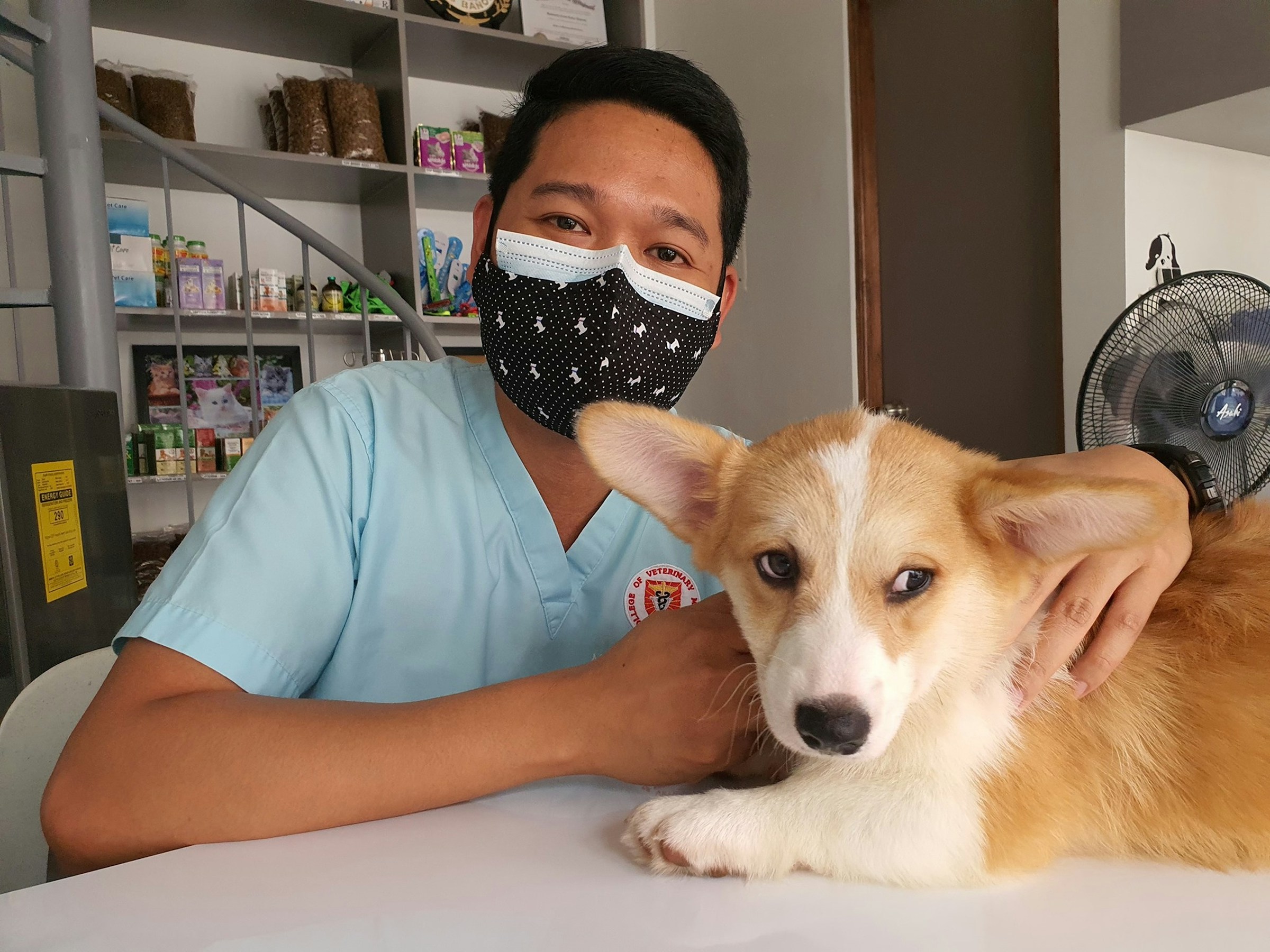
You bring your senior dog in for what feels like a routine once-a-year checkup. But by the time the vet actually says hello, they’ve already built a mental file on your dog’s health – and none of it happened in the exam room.
The five minutes at check-in are the most honest window into your dog’s condition, because that’s before the leash comes off and before your dog has had time to “perform fine” the way dogs so often do around people they love. Here are the thirteen things seasoned veterinarians quietly catch during that short walk from the waiting room to the exam table – and why most owners never notice a single one.
#1 – How Your Dog Walks Through the Door
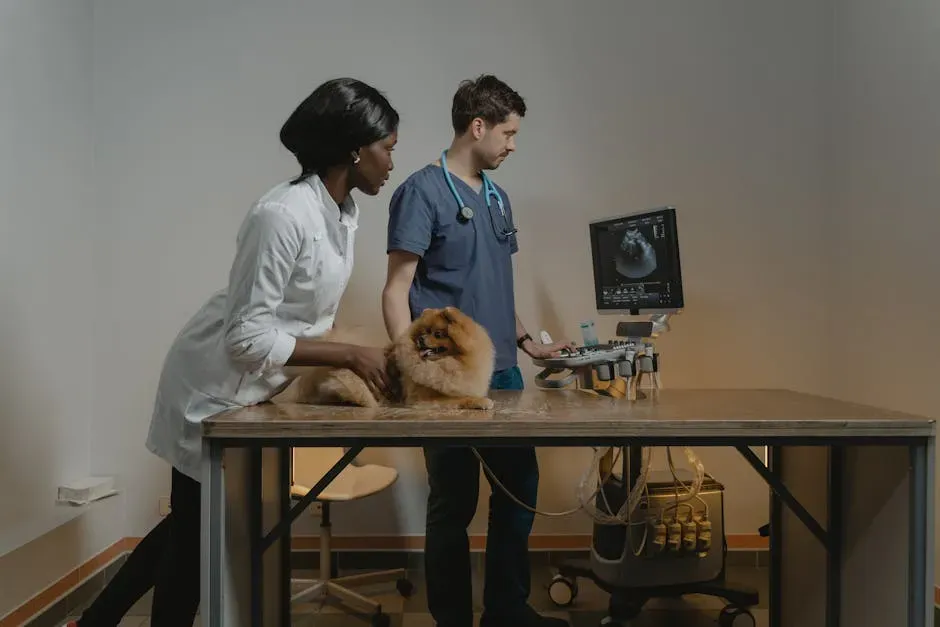
The second a senior dog crosses the threshold, an experienced vet is already reading the walk. A slight hitch in the back leg, hesitation before stepping onto slick tile, or reluctance to jump down from the car aren’t quirks of old age – they’re data points, clocked before the leash is even removed.
What most owners chalk up to “he’s just getting old” often shows up as an actual measurable asymmetry – a shorter stride on one side, weight shifted off a back leg, a pause at every threshold. It’s a quiet flag that arthritis or joint pain has likely been building for months, hidden at home where familiar floors and slower paces mask it.
#2 – Body Condition and the Muscle Loss You Can’t See at Home
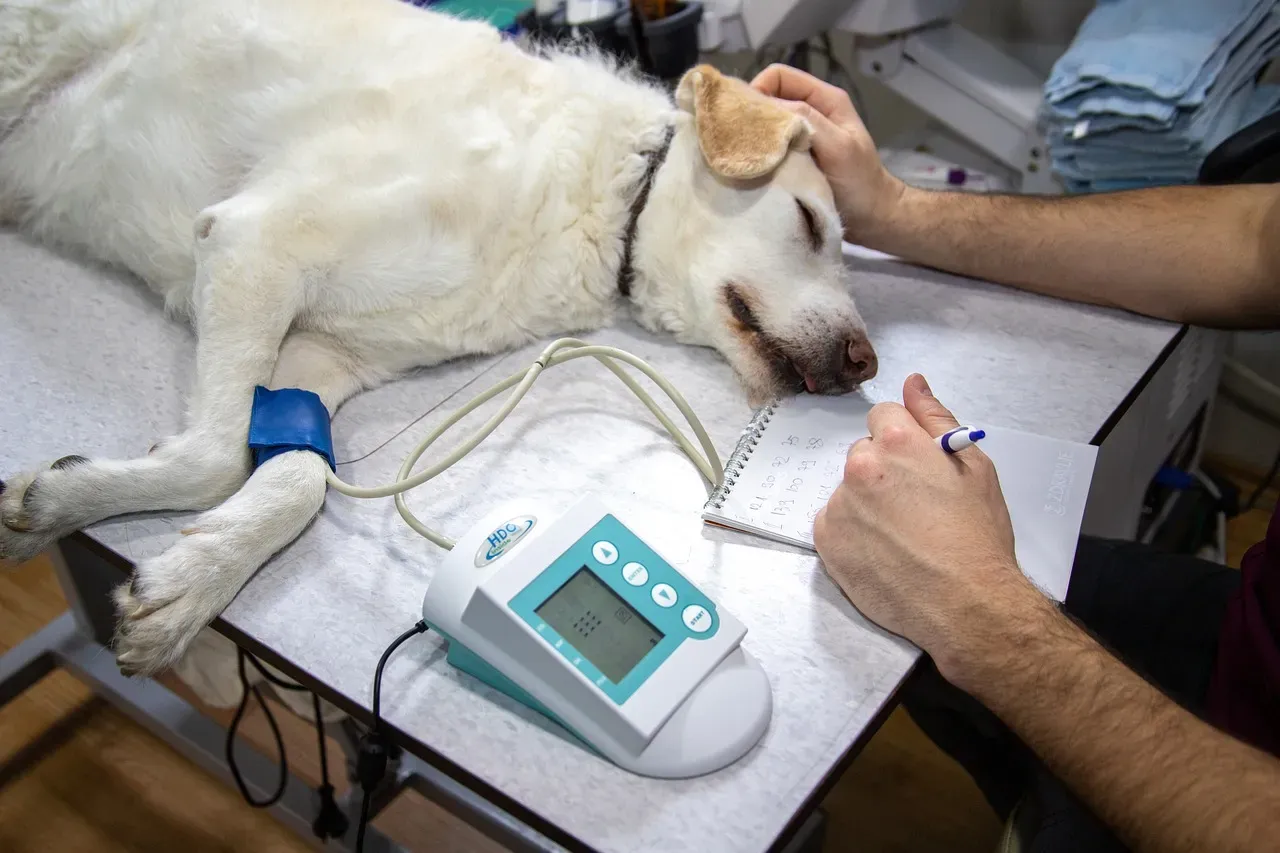
Before ever touching the dog, a vet takes one long look at the outline of the body – ribs, spine, hips. Is the muscle full and rounded, or has the topline gone bony and angular since last year’s visit? That single glance, compared instantly against old chart notes, tells a vet more than most people expect.
Rapid muscle wasting in a senior dog is rarely “just aging” – it’s frequently one of the earliest visible signs of kidney disease or cancer, showing up before bloodwork ever confirms it. And a belly that looks a little rounder isn’t always extra pounds; in older dogs it can be fluid buildup or fat redistribution, which opens a far more urgent conversation than a diet chat.
Fast Facts
- Vets score body condition on a 1-9 scale, with 4-5 considered ideal for most seniors
- Muscle loss along the spine and hips can appear within weeks when kidney disease or cancer is driving it
- A rounded senior belly is more often fluid buildup or organ changes than simple weight gain
- Current weight and body score are always checked against last year’s chart notes for hidden trends
#3 – What the Coat Reveals Under Clinic Lighting
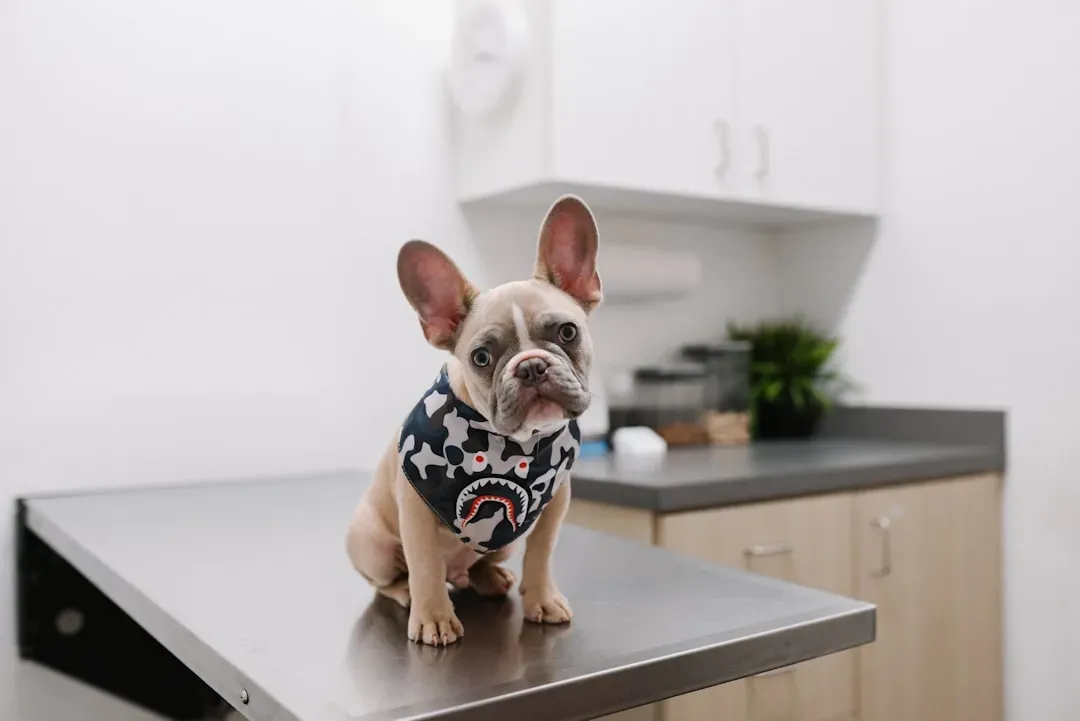
Home lighting is forgiving. Clinic lighting is not. The moment a senior dog steps under those fluorescents, dullness, flaking, or thinning patches that were invisible at home suddenly stand out.
A coat that’s thinner on one side, or scratching that won’t quit while the dog waits, often points toward hypothyroidism – a condition owners regularly mistake for seasonal shedding or just “getting furrier with age.” Catching it at check-in means the vet is already thinking hormones long before the physical exam even starts.
#4 – Cloudy Eyes and the Signs Owners Write Off as “Just Old Age”
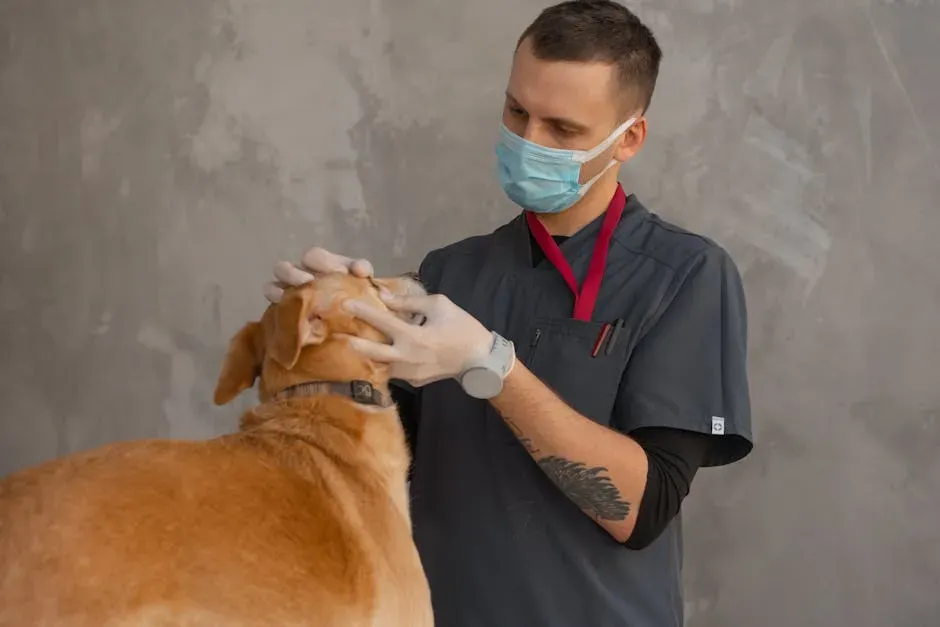
As a senior dog scans the unfamiliar lobby, the vet is scanning right back – watching for cloudiness, redness, or a pupil that reacts a beat slower than the other. Squinting or unusual tearing gets noted immediately, even though most owners assume it’s simply an old dog’s eyes.
Early cataracts and glaucoma can progress almost silently until vision loss starts eating away at a dog’s confidence and balance. A head tilt, or a gentle bump into a chair leg on the way in, isn’t clumsiness – it’s often the first visible sign of a neurological or vision problem that reshapes the entire exam plan.
#5 – The Head Shake That Says More Than It Seems
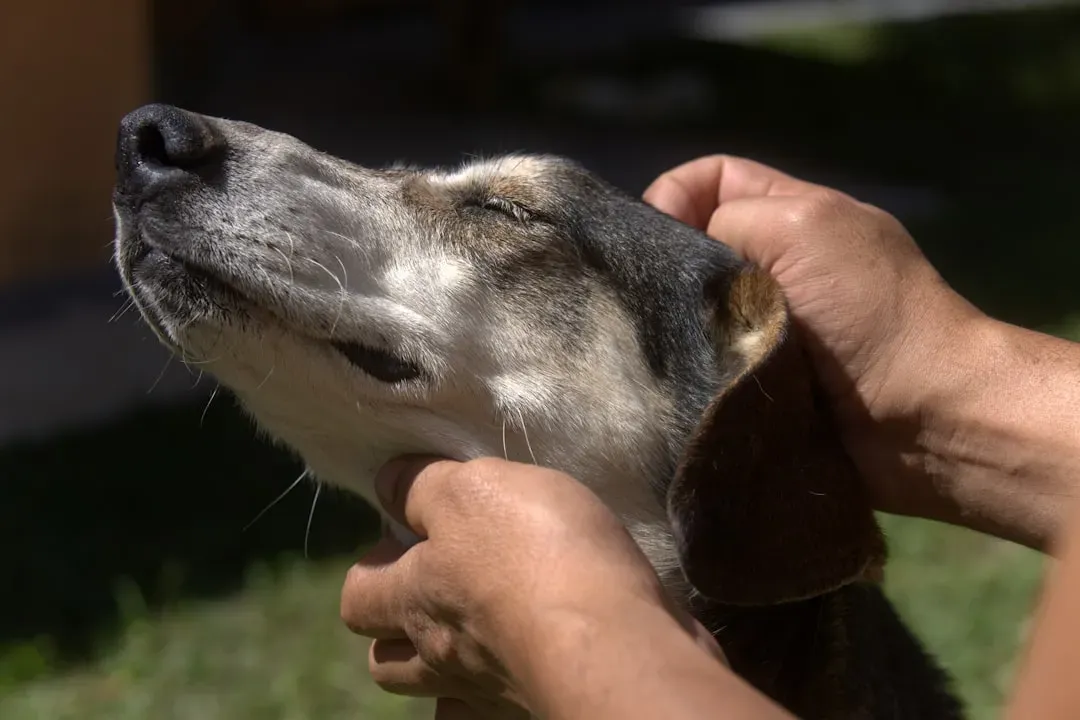
One shake of the head, one tilt of an ear, and a vet has already narrowed down a list of possibilities. Chronic ear issues in senior dogs are frequently tied to allergies or thyroid imbalance, and they tend to get worse, not better, with age if left alone.
That faint yeasty smell owners have learned to live with can actually signal a resistant bacterial infection that needs a proper culture, not just drops. Vets also notice if one ear hangs lower or moves less than the other – a subtle clue toward pain or nerve involvement that quietly reorders the entire exam.
#6 – The Mouth Gives Away What Dogs Try Hardest to Hide
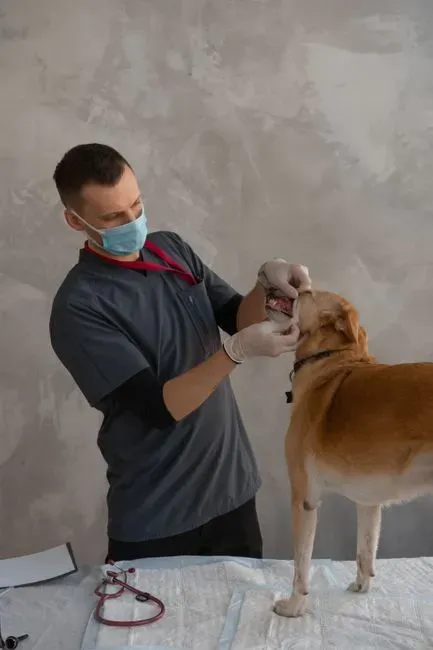
A pant, a yawn, even a happy grin at the front desk – and a vet has already spotted tartar buildup, receding gums, or a broken tooth. Senior dogs are remarkably good at hiding oral pain, often showing no sign of it until eating itself slows down at home.
What looks cosmetic rarely stays that way. Untreated dental disease routinely seeds bacteria into the bloodstream, quietly stressing the heart and kidneys over time. A quick look at missing teeth or the intensity of bad breath during check-in is often what pushes X-rays higher up the day’s priority list.
#7 – Breathing Patterns That Reveal a Struggling Heart
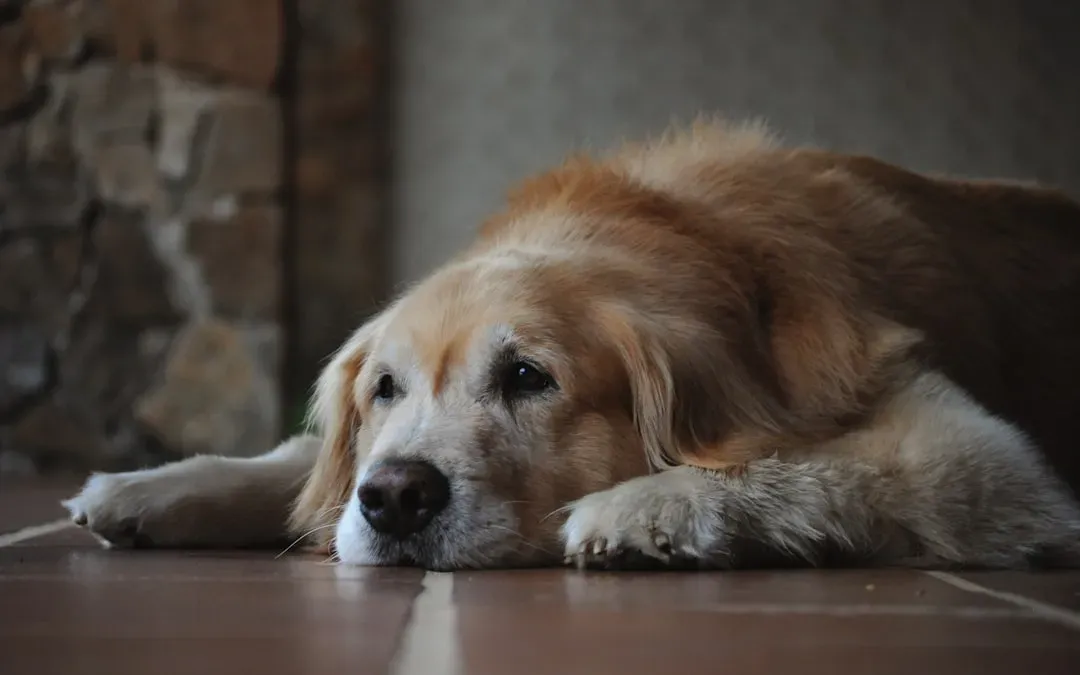
While a senior dog simply sits in the waiting area, a vet is quietly timing every breath. Labored breathing, rapid panting at rest, or effort that seems out of proportion to the moment are all early flags for heart or lung changes.
Many seniors in the early stages of congestive heart failure only show increased effort when they’re excited or stressed – exactly the state a vet visit puts them in. Owners often chalk it up to “still catching his breath from the car ride,” but that pattern can be the deciding factor in whether oxygen support is needed that same day.
Quick Compare
- Normal at rest: roughly 15-30 quiet, effortless breaths per minute
- Worth watching: panting with no heat or exertion behind it
- Red flag: visible belly heaving, rate climbing well above 30-40 breaths per minute at rest
#8 – The Way a Dog Greets a Room Full of Strangers
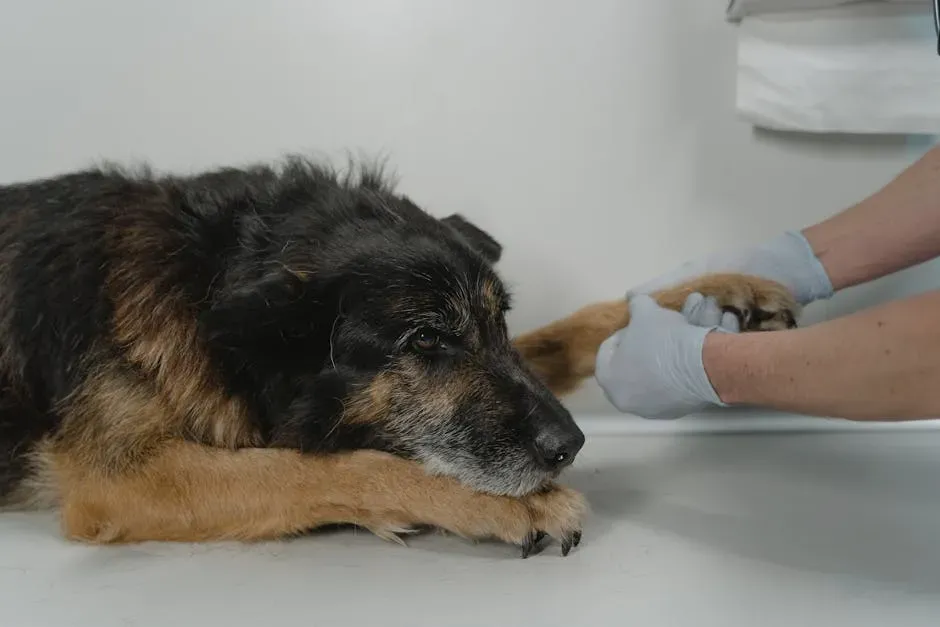
How a senior dog reacts to unfamiliar staff and smells says a lot about what’s happening beneath the surface. Withdrawal, avoided eye contact, or sudden clinginess that wasn’t there last visit can point to pain, anxiety, or early cognitive decline.
It’s tempting to assume a calm, quiet senior is simply mellowing with age, but a sudden shift toward neediness or standoffishness usually means something has changed – discomfort, fading vision, or confusion the dog has no other way to express. That first impression quietly shapes how the vet handles the rest of the visit, right down to whether sedation might be needed.
#9 – Overgrown Nails and the Gait Damage Nobody Notices
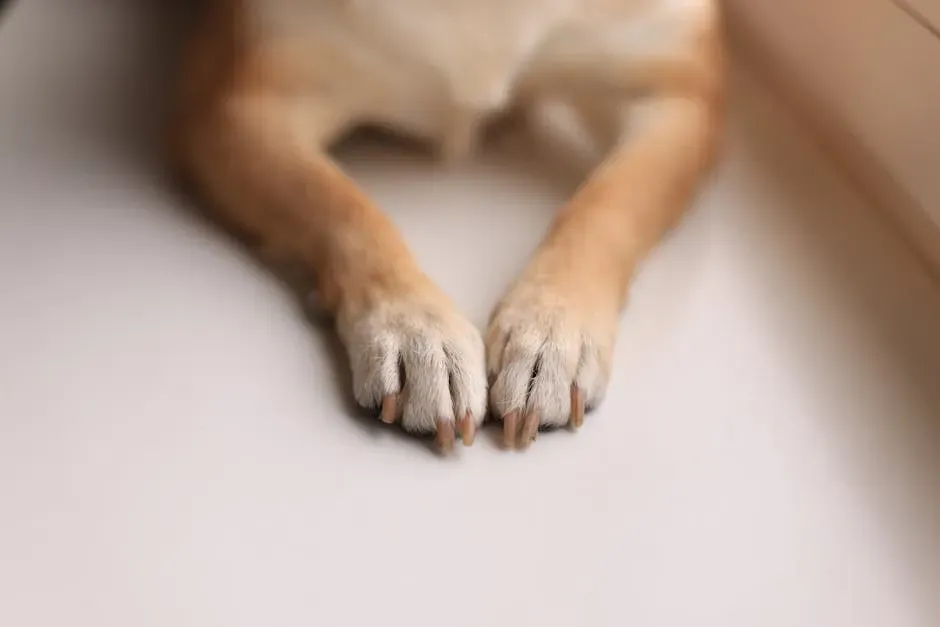
The instant a senior dog stands up or takes a few steps, overgrown nails and uneven wear patterns become obvious. A loud click across the tile, or a dog subtly favoring one paw, is rarely something owners catch until it’s pointed out.
Neglected nails do more than look unkempt – they physically force a dog’s gait out of alignment, adding stress to joints that are already aging and accelerating arthritis in the process. It’s one of the simplest fixes a vet flags at check-in, and one of the most overlooked details at home.
Worth Knowing
- Overgrown nails push weight onto the back of the paw, quietly changing a dog’s natural stance
- Long nails catching on rugs or flooring raise fall risk in dogs with weaker hind legs
- Trims every 3-4 weeks help protect already-aging joints from added strain
- Dew claws are easy to miss and can grow into the pad if left unchecked
#10 – What a Casual Pet on the Skin Actually Reveals
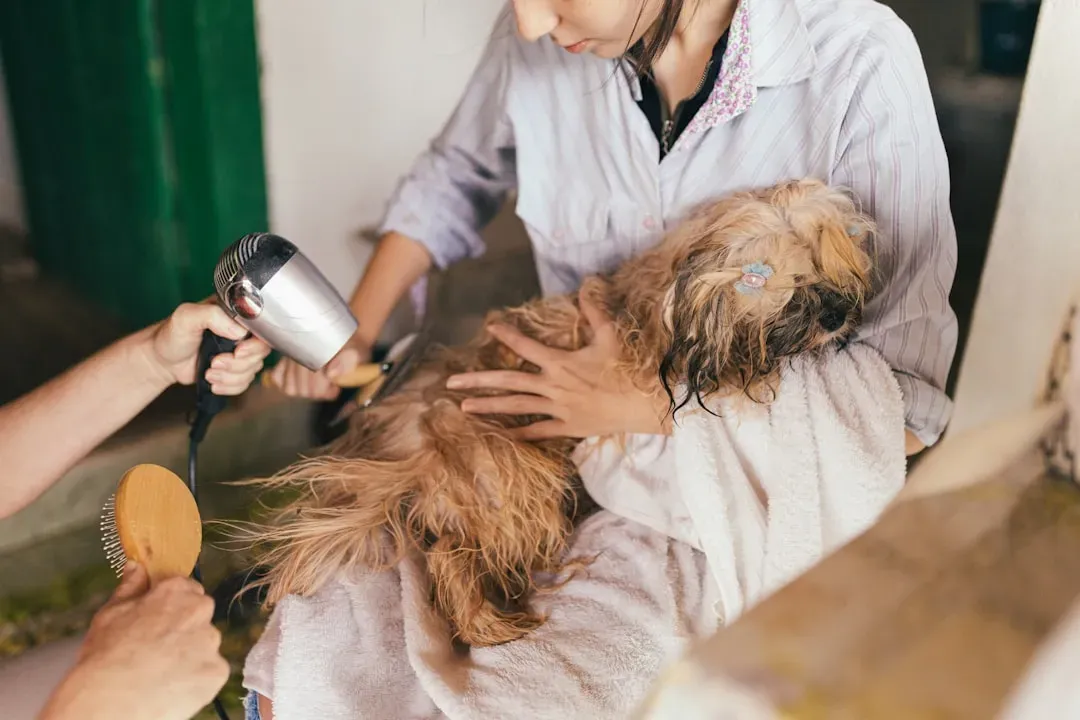
A quick, almost affectionate touch during check-in doubles as a hydration test. Vets gently tent the skin and watch how fast it snaps back, while glancing for sunken eyes or dry, tacky gums.
Most owners don’t realize that aging dogs, especially those with early kidney changes, gradually lose their natural drive to drink water. The dehydration that follows is subtle enough to go unnoticed at home, yet obvious to a trained eye within seconds – and it often lines up exactly with what bloodwork confirms later that day.
#11 – The Smell That Changes Before Anything Else Does
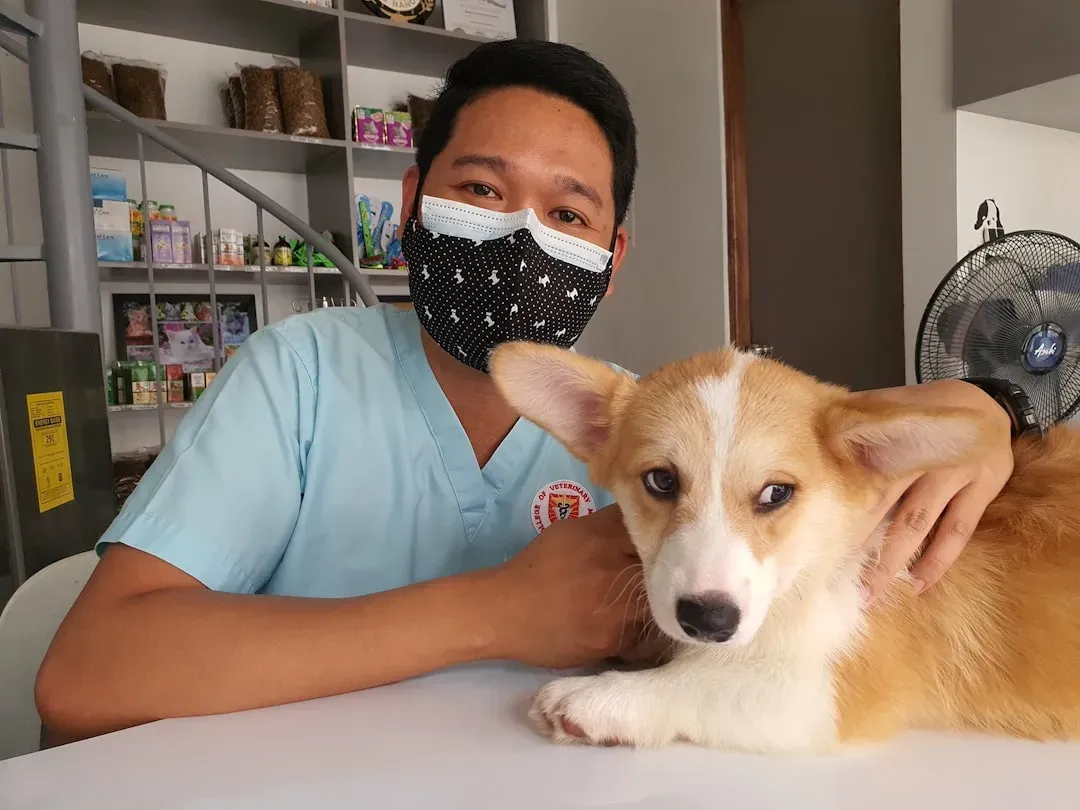
Every dog has a baseline scent, and vets who see hundreds of seniors a year develop a sharp nose for what’s normal versus what isn’t. A musty or ammonia-like odor during check-in can point toward anal gland problems or something more serious brewing metabolically.
Owners live with their dogs every day, which means gradual changes in smell often slip by the same way a nose adapts to a scented candle over time. A sudden shift, though, can precede detectable organ trouble by weeks – making it one of the more unsettling things a vet quietly clocks before even saying hello.
At a Glance
- Ammonia-like odor: often linked to kidney changes
- Sweet or fruity breath: can point toward diabetes
- Musty ear or skin smell: usually signals yeast overgrowth
- Sudden shifts in smell matter more than gradual, everyday changes
#12 – Posture and Tail Position Under Pressure
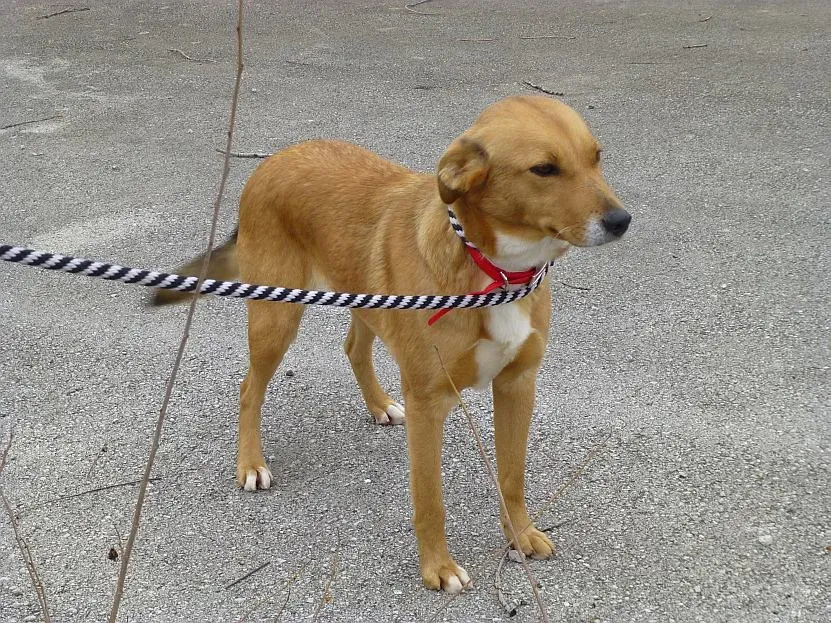
The way a senior dog holds its tail and carries its spine while standing in the lobby speaks volumes. A tucked tail, a hunched back, or a stance that looks slightly off is rarely simple stiffness – it’s often the body quietly compensating for pain.
It’s an easy thing to mistake for shyness, especially in a dog that’s always been a little timid. But that posture frequently signals spinal discomfort or orthopedic pain that needs a proper look, and it often decides which parts of the physical exam get prioritized first.
#13 – Whether the Dog Even Wants the Treat
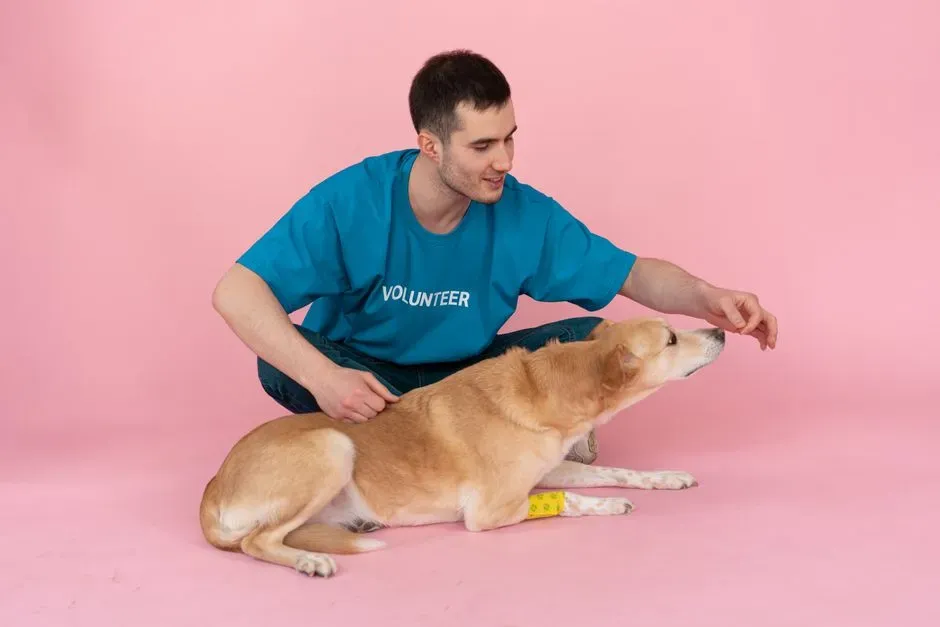
The front desk treat is never just a friendly gesture – it’s a quiet diagnostic tool. A senior dog’s enthusiasm, hesitation, or outright refusal to take it tells a vet whether something’s wrong with the mouth or the stomach before a single question gets asked.
A dog that once inhaled every treat but suddenly turns its nose up is often dealing with a dental abscess or a slowing gut, long before any weight loss shows up on the scale. It’s a small moment, but it’s frequently the final piece that completes the picture a vet has been quietly building since the front door opened.
The Real Exam Starts Before You Sit Down
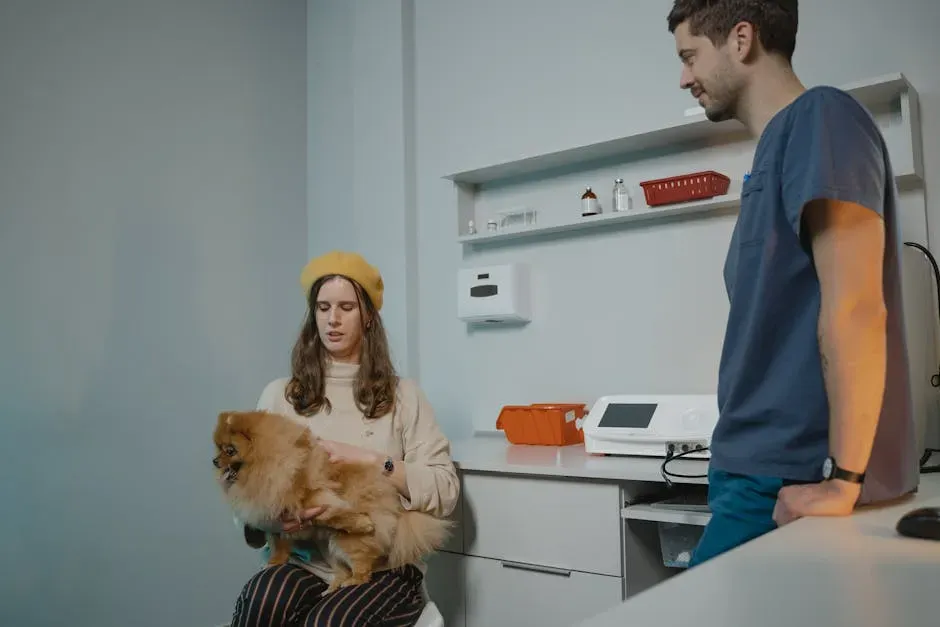
Here’s the part most owners get wrong: they think the checkup begins when the vet walks in with a stethoscope. In reality, it began the moment their dog’s paws hit the clinic floor.
Senior dogs are experts at masking pain at home, where routines are familiar and nothing has to be proven. Put that same dog in a strange lobby with new smells and unfamiliar hands, and the mask slips – which is exactly why vets pay such close attention to those first five minutes instead of waiting for the exam table.
If there’s one opinion worth taking away from this, it’s that owners should stop treating check-in as dead time. Watch your own dog the way the vet does – the walk, the breath, the tail, the reaction to a treat. You might catch the same red flags days before your appointment even starts.


