
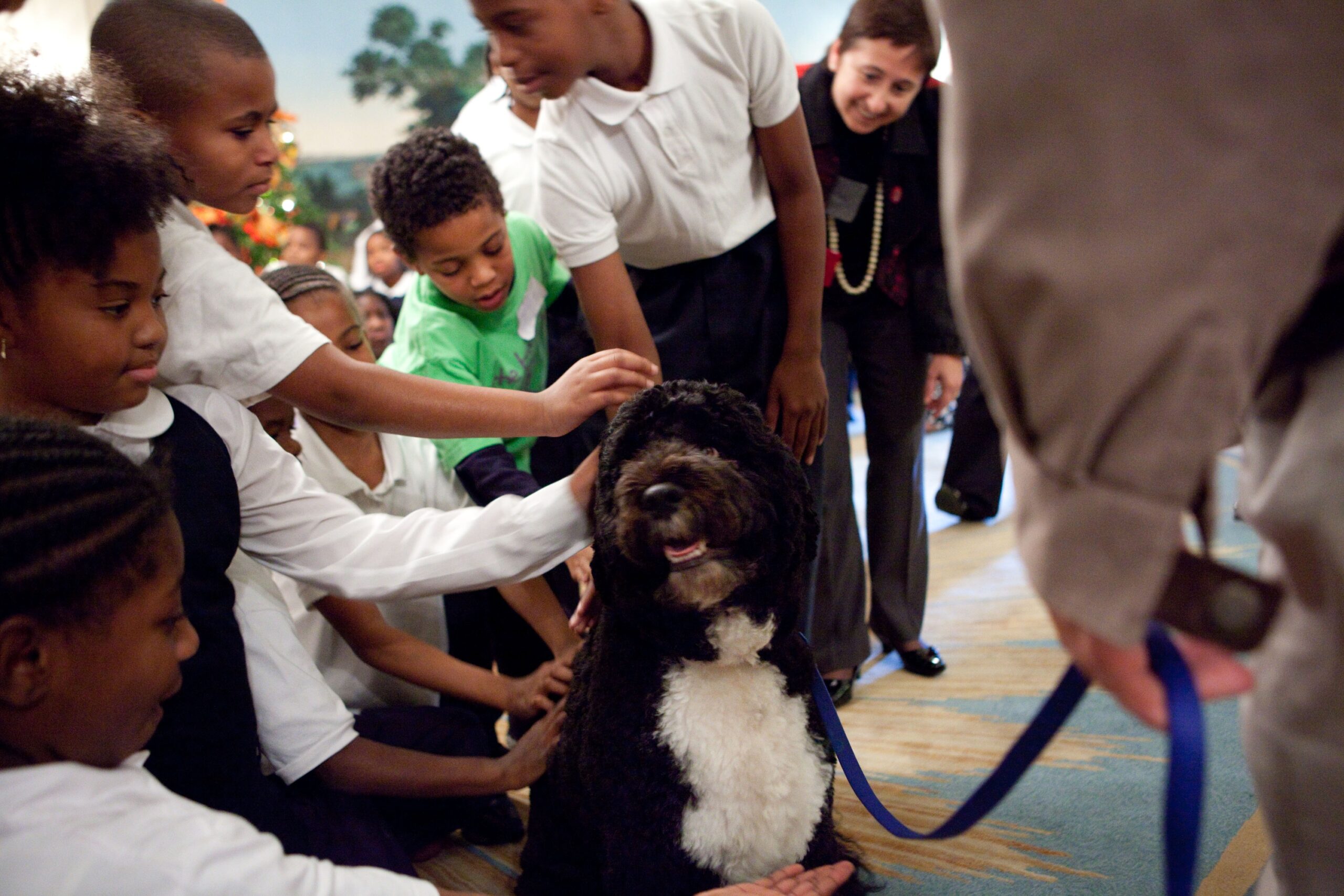
Walk into any vet clinic and watch closely. A young professional’s dog is usually dragging its owner across the floor, panting, spinning, unable to sit still for thirty seconds. Then a retiree walks in with their dog, and something strange happens. The dog just waits. Sits calmly. Watches its person’s face like it’s reading a script only the two of them know.
Vets have started talking about this pattern out loud, and it’s not what most people expect. Dogs raised by retirees pick up habits that busy, younger households almost never have time to build. Some of these behaviors are sweet. A few are borderline eerie. By the time you get to #15, you may find yourself wondering what your own dog never got the chance to learn.
#1 – They Learn To Match Their Person’s Every Movement
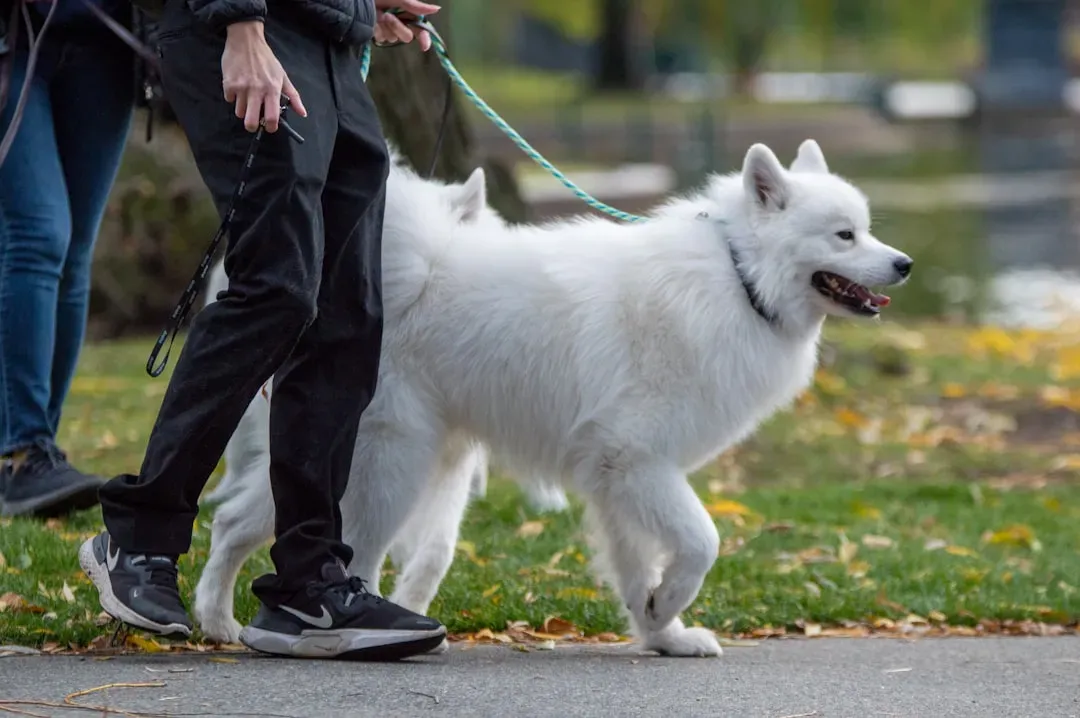
Vets say one of the biggest “retiree dog” giveaways is how closely these dogs shadow their owner without being clingy. They don’t just follow along. They pace themselves to their person’s exact speed, starting and stopping in perfect rhythm, rarely tugging or surging ahead. That kind of sync doesn’t come from a six-week obedience class.
It comes from hundreds of slow, unhurried walks where nobody is racing to beat traffic or hop on a Zoom call. Younger owners’ dogs often know “heel” in theory but rarely practice it in real life, because a rushed 20-minute walk before work doesn’t build that kind of body awareness. Retirees stop to chat with neighbors, adjust pace on hills, and unintentionally teach their dog to read micro-movements. Vets describe the end result as a dog that looks “attached by an invisible, loose leash” even when there’s no leash at all.
#2 – They Develop Shockingly Polite “Waiting” Habits
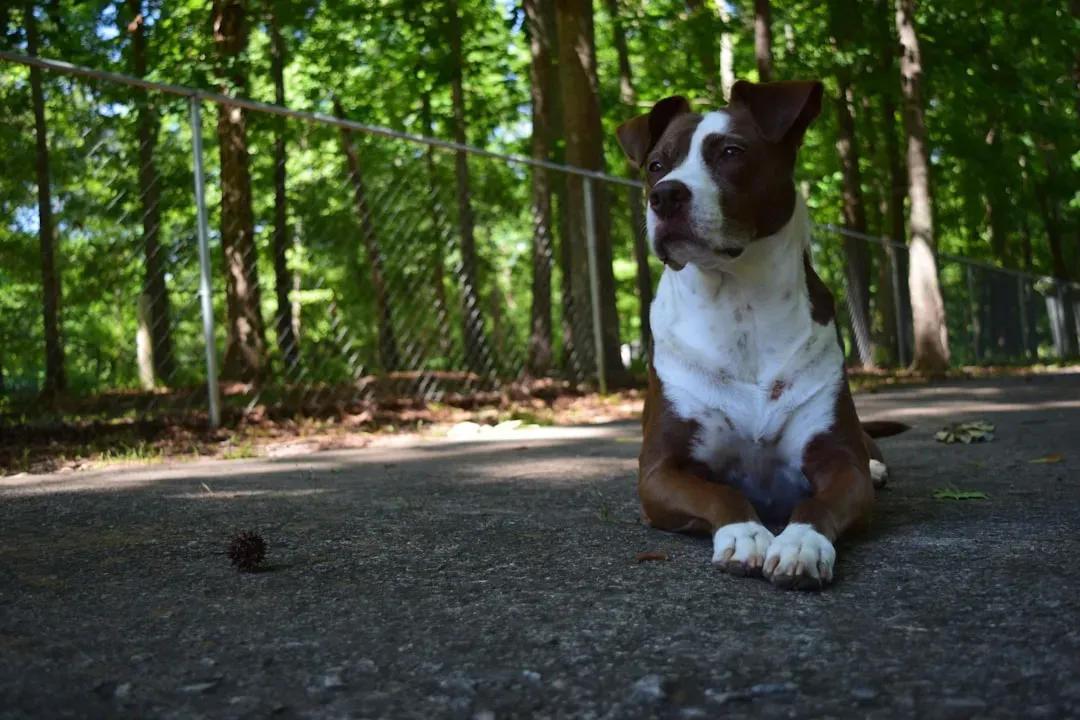
Ask any vet tech and they’ll tell you: dogs owned by retirees are statistically more likely to wait patiently at doors, food bowls, and car trunks without a single word being said. This isn’t magic. It’s repetition at a slower speed. Retired owners open the door, pause, chat, maybe fumble for their glasses, and the dog quietly absorbs the lesson that nothing is urgent.
Younger owners often drill “sit and stay” in training class, then blow through the routine the moment they’re running late, accidentally rewarding pushy behavior. Vets see the contrast play out in exam rooms every day. Retiree dogs sit quietly while the carrier opens, while younger owners’ dogs are far more likely to lunge or spin in circles. Patience gets taught by lifestyle, not just by training sessions – and a slower routine sends one consistent message: wait, and you’ll still get what you want.
Fast Facts
- Impulse-control cues like “wait” are considered advanced training milestones, not beginner tricks
- Dogs generalize a behavior faster when it’s practiced in the same context every single day
- A calm, unhurried tone of voice measurably lowers a dog’s stress response
- Rewarding calm behavior “by accident” during daily routines often teaches patience faster than formal training sessions
#3 – They Master Subtle “Check-In” Eye Contact
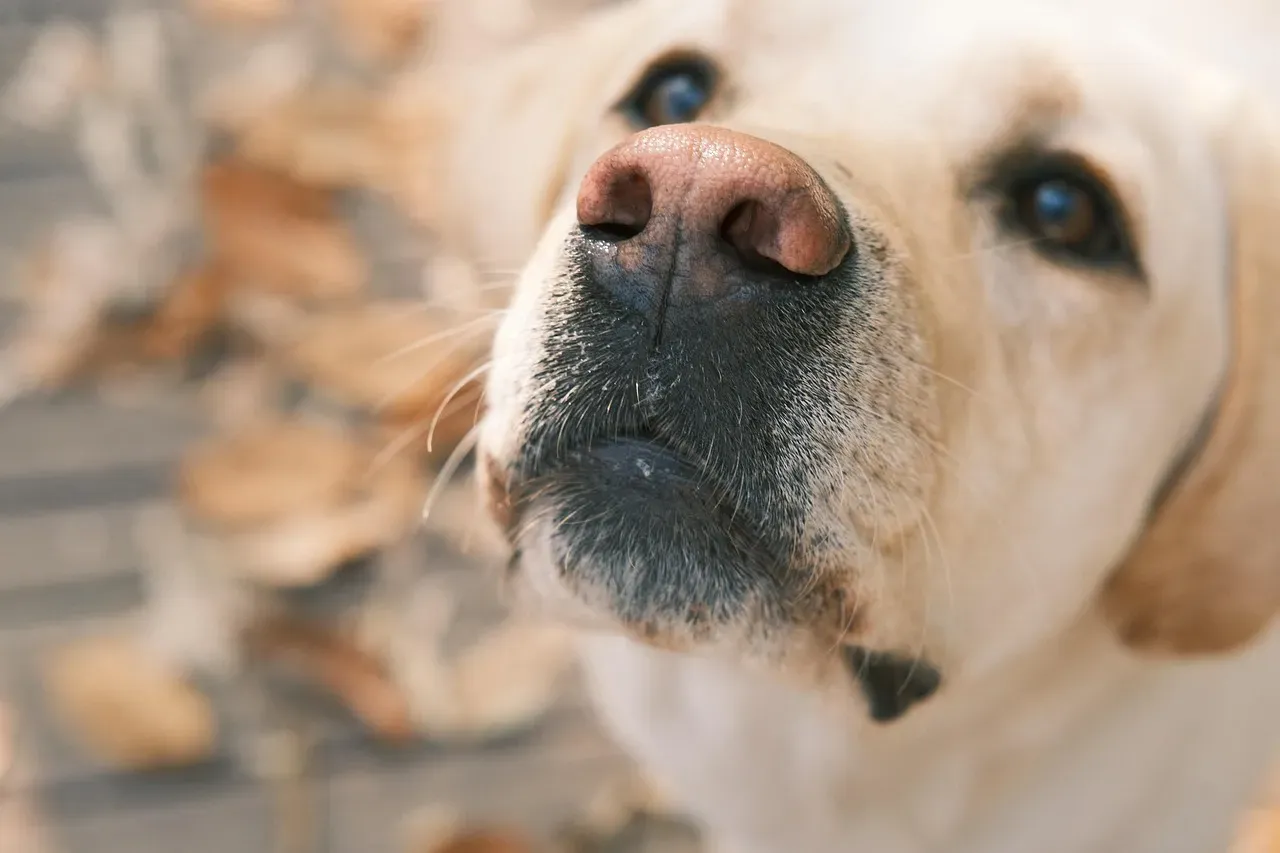
Most dogs glance at their owners now and then. Retiree-owned dogs make slow, deliberate eye contact that looks almost like a conversation. Vets say these check-ins happen constantly: before crossing a street, entering a new room, or greeting another dog. It isn’t obedience. It’s a partnership built over thousands of quiet hours.
Younger owners tend to reward big, dramatic behavior – tricks, jumps, spins for treats. Retirees, instead, react warmly to soft glances and quiet presence, so those tiny moments get reinforced far more than flashy antics. Over time, the dog learns that lifting its eyes to read a person’s mood pays off more than barking or pawing ever could. Vets report these dogs are noticeably easier to handle in scary situations, because they instinctively check back with their person before reacting at all.
#4 – They Learn “Furniture Manners” Instead Of Blanket Bans

Here’s a controversial one: plenty of retirees let their dogs on the furniture, but with rules. Vets and behaviorists see a clear pattern – retiree dogs often know exactly which chair, which side of the bed, and what times are allowed, while younger owners’ dogs get stuck with “all or nothing” rules that get broken constantly.
Retired owners have the time to calmly redirect a dog off the couch and repeat that correction fifty times in a week if that’s what it takes. That consistent, gentle enforcement teaches nuance most dogs never get the chance to learn. Younger owners often start strict, then cave after an exhausting day, which only confuses the dog. The result with retirees is a dog that respects space without ever being banished from comfort – and plenty of vets admit they’d take that over a constantly scolded couch-jumper any day.
#5 – They Settle Themselves Without Constant Entertainment

Most people don’t realize how over-stimulated many younger owners’ dogs actually are. Nonstop toys, dog TV, puzzle feeders, and frantic play sessions can quietly backfire. Dogs owned by retirees often master the underrated skill of doing nothing calmly for long stretches – snoozing while their person reads, knits, or gardens, with no squeaky toy and no constant chatter, just shared quiet.
Vets see it in waiting rooms constantly. Retiree dogs curl up and rest instead of pacing or whining, simply because downtime isn’t unusual at home – it’s the norm. Younger owners often feel guilty when their dog looks bored, so they overcorrect with stimulation that keeps the dog in a permanent “up” state. Self-settling is learned, not born, and a calmer household teaches emotional regulation without anyone even trying.
#6 – They Become Experts At Gentle, Predictable Greetings
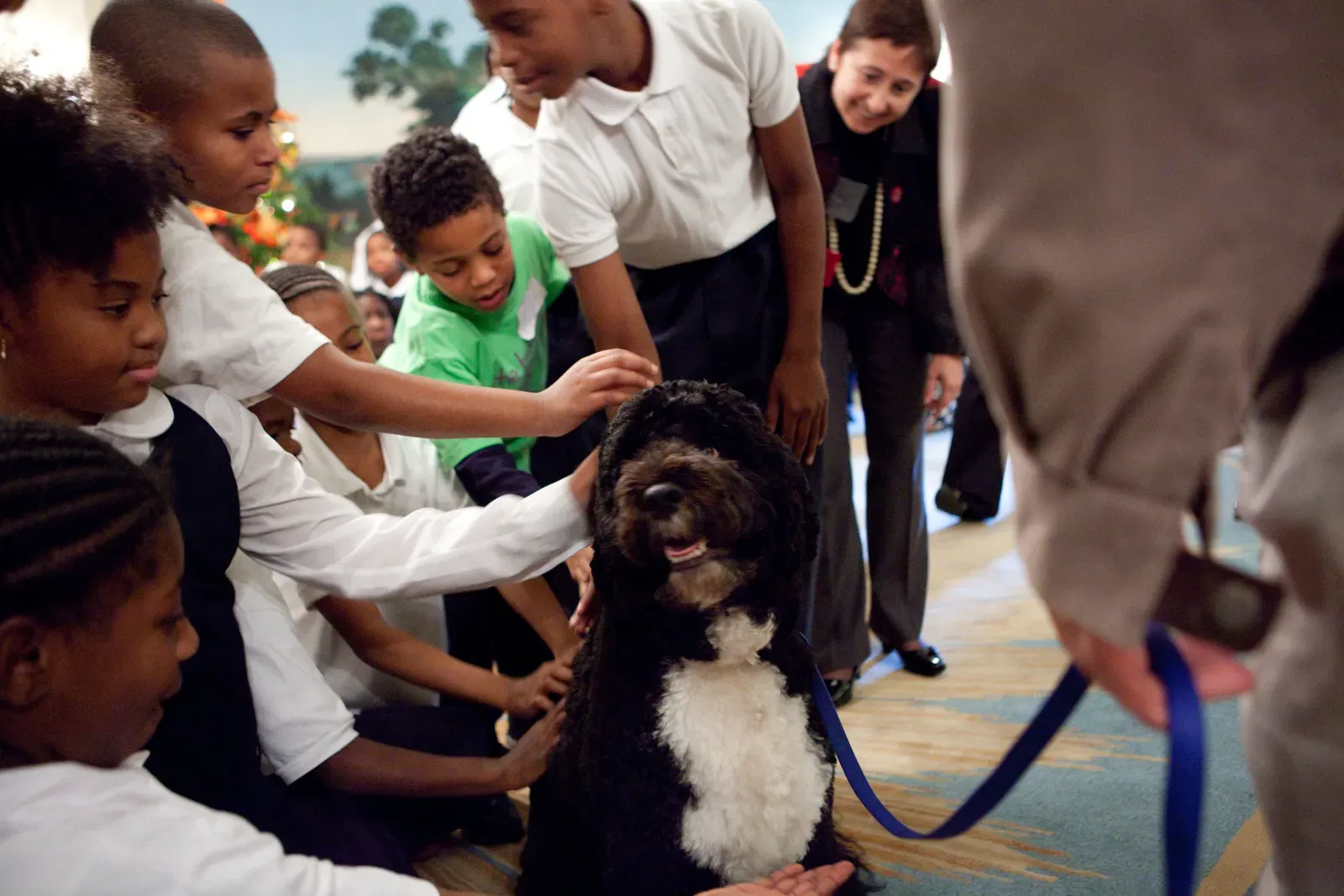
Vets and groomers genuinely love retiree dogs for one reason: their greetings are usually soft, controlled, and almost eerily polite. These dogs approach new people with a slow wag, a sniff, maybe a lean – rarely the full-body cannonball younger owners have gotten used to bracing for.
This isn’t good genetics. It’s hundreds of quiet, measured introductions repeated over years. Instead of chaotic dog parks, retirees tend to favor porch visits, slow neighborhood walks, and long chats at the vet’s office, so the dog learns new humans arrive calmly and aren’t a big event. Younger owners, by contrast, often squeal and amp their dog up during greetings, then wonder why the dog can’t settle down. Vets say the crowd-pleasing “wiggle rocket” is cute for a photo, but the retiree-style greeter is far easier to actually live with.
#7 – They Develop Shockingly Reliable Bathroom Routines
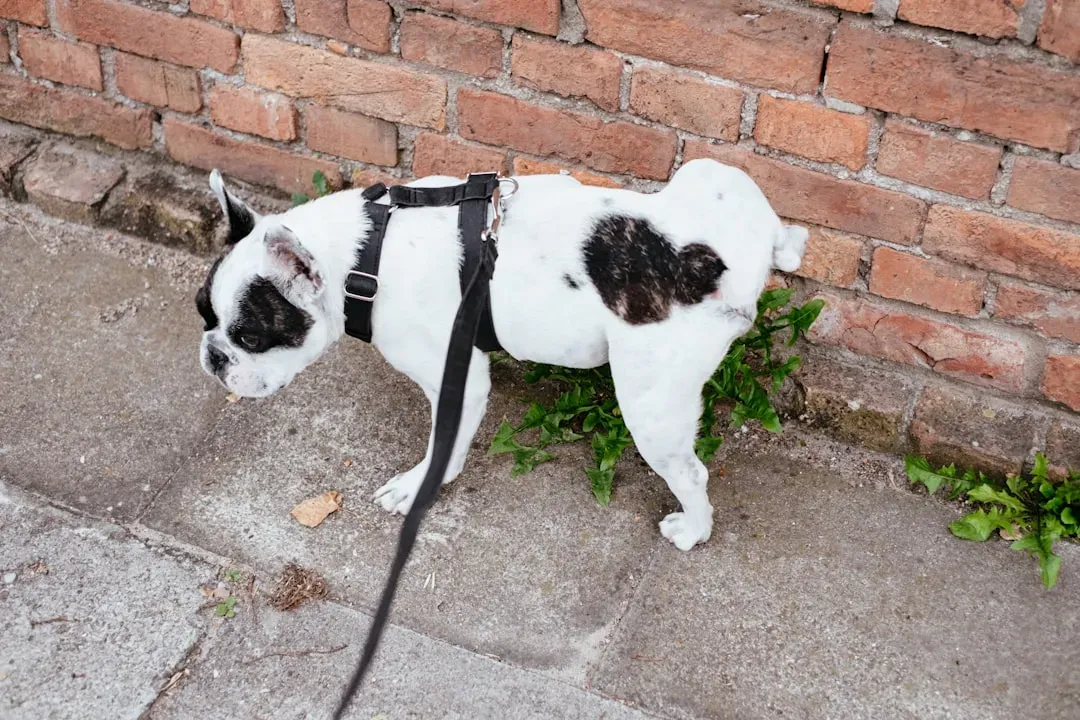
One thing vets notice almost immediately: dogs owned by retirees have rock-solid potty schedules. They go at the same times, in the same spots, with almost no accidents even into old age. That predictability isn’t luck – retirees are simply home more, which means they catch the early signs: pacing, sniffing, a subtle whine.
That quick responsiveness teaches the dog a simple lesson – signal once, and help arrives. Younger owners, juggling work and social lives, often miss those early cues, which blurs the rules and leads to more accidents. Retirees, meanwhile, tend to build their own day around the dog’s schedule: morning walk, mid-morning break, evening stroll, last call at night. Consistency wires the dog’s internal clock, and vets say it pays off hugely in old age, when bladder control weakens and clear communication matters most.
At a Glance
- Common early “I need to go” signals: pacing, circling, sniffing near doors, sudden stillness
- Dogs on a fixed daily schedule build a reliable internal clock faster than dogs on irregular ones
- Bladder control naturally weakens with age, making predictable timing more important in senior dogs
- A missed early signal is one of the most common causes of “random” house-training regressions
#8 – They Learn To “Ask Politely” For Comfort And Help
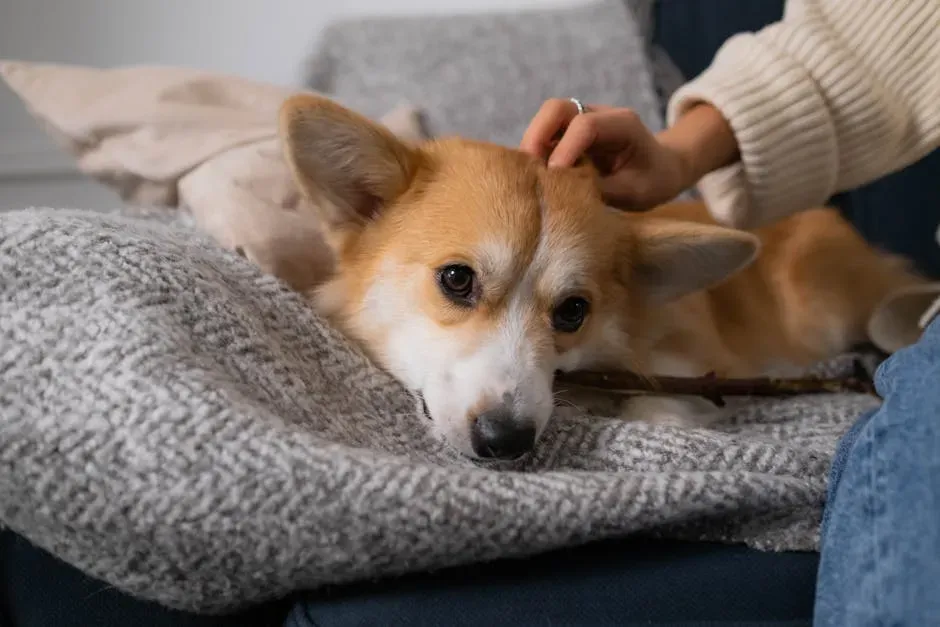
Instead of barking, clawing, or panicking, many retiree-owned dogs will quietly sit, stare, or place a paw when they need something – especially when they’re in pain or distress. Vets see this constantly in exam rooms: the dog leans gently into its retiree owner and looks up, almost asking, “Can you fix this?”
This isn’t wishful thinking about dog emotions. It’s conditioned communication. Retired owners are simply around enough to notice minor discomfort – a slip on the stairs, hesitation before a jump – and they respond with rugs, ramps, or an extra checkup. In younger, busier households, dogs often resort to louder behaviors to be heard: barking, destructive chewing, sudden refusals. Retiree dogs get rewarded for whispers instead of screams, which is why they seem so much more “mature” by comparison.
#9 – They Become Surprisingly Good At Reading Medical Routines
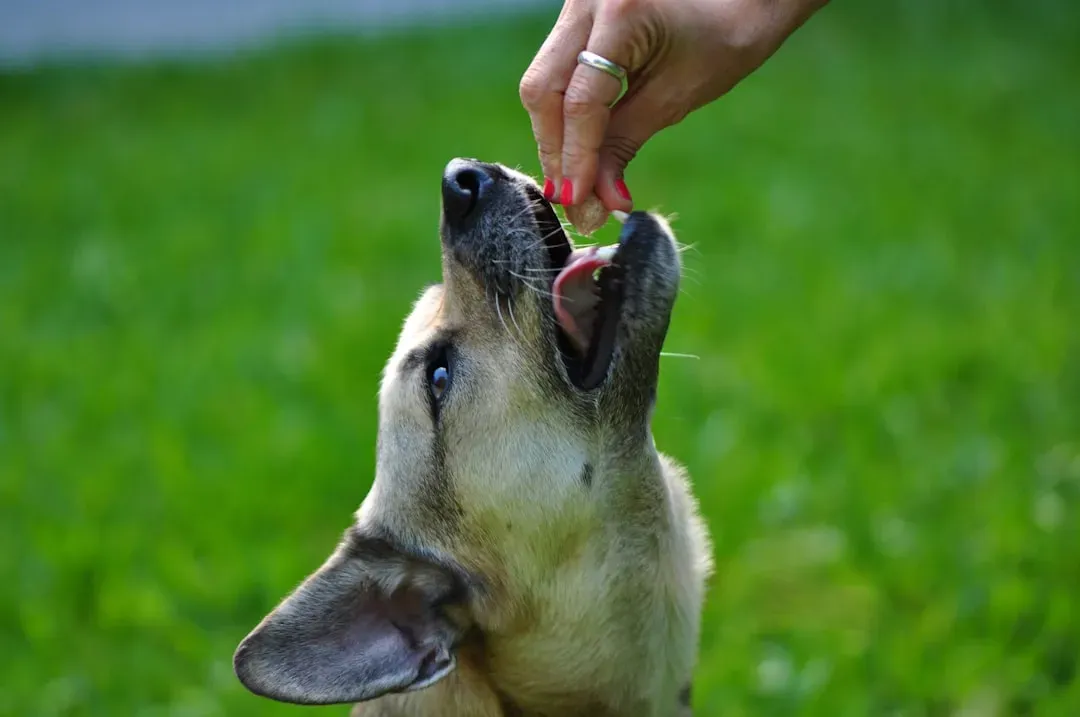
Here’s something vets talk about in the back room: retiree-owned dogs are often uncannily tolerant of pills, eye drops, insulin shots, and chronic-care routines. When their human is managing their own blood pressure pills or joint meds every day, taking medicine simply becomes part of life instead of an emergency event.
Retirees also tend to handle pet meds methodically – same spot, same time, same low-key tone of voice. That consistency desensitizes the dog completely, and many will even sit and wait their turn if it’s followed by a treat or a cuddle. Younger owners, who often only deal with meds during acute illness, unintentionally turn it into a big deal, full of nervousness and rushed handling. Vets notice that retiree dogs rarely fight chronic treatments once the routine is set – it isn’t that they like shots, they just trust the ritual.
Quick Compare
- Retiree households: same time, same spot, low-key tone, treat or cuddle follows
- Younger, busier households: meds handled mostly during flare-ups, often rushed and higher-stress
- Retiree dogs: tend to associate treatment with routine, not danger
- Younger owners’ dogs: more likely to resist or flee at the sight of medication
#10 – They Develop A Deep Sense Of “Home Territory” Protection Without Aggression
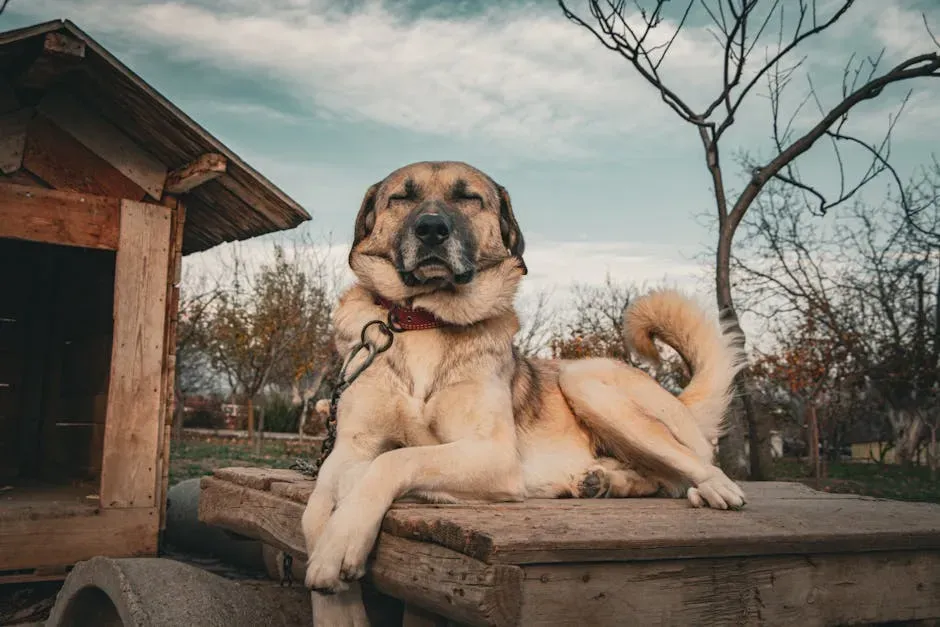
Most people assume retirees spoil their dogs into total softness. Vets often see the opposite: calm but serious watchdog behavior. These dogs know every sound of the house – the mail slot, the back gate, a specific neighbor’s car door – and they’ll give one or two firm barks before checking in with their owner instead of spiraling into hysterics.
Retirees spend hours quietly labeling noises out loud: that’s the mail, that’s the neighbor, that’s a stranger. Over years, that calm narration teaches the dog that not every sound is a crisis. Younger owners’ dogs, left alone for long stretches, often practice barking purely as self-soothing, with no one around to calibrate what’s actually important. Vets say retiree dogs behave less like alarm systems and more like security guards who already know all the regulars.
#11 – They Learn To Pace Their Energy Like Little Athletes
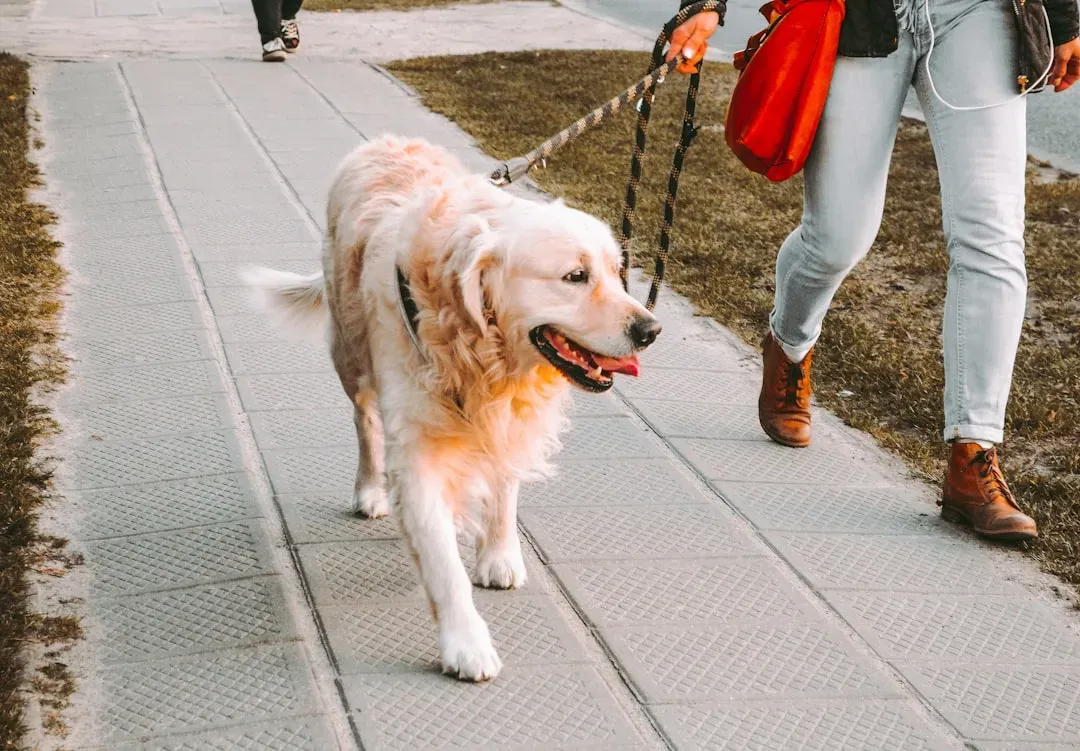
Contrary to the stereotype, not every retiree’s dog is a couch potato. Many vets see them as better “energy managers” than dogs in busy young households. On walks, they start controlled, sniff steadily, and rarely blow all their energy in the first five minutes, because their person walks the same loop, at the same pace, almost every single day.
Younger owners often swing between extremes: a long hike one day, backyard only for three days straight, then a wild dog-park sprint. Dogs raised on that pattern tend to ping between over-arousal and boredom with no in-between. Retiree dogs get steady, medium-level exercise instead, and their joints, hearts, and behavior all benefit from that predictable pacing. Vets joke that if dogs could talk, most would ask for “boringly steady” walks over chaotic extremes.
#12 – They Become Obsessively Attached To Rituals (In A Mostly Good Way)
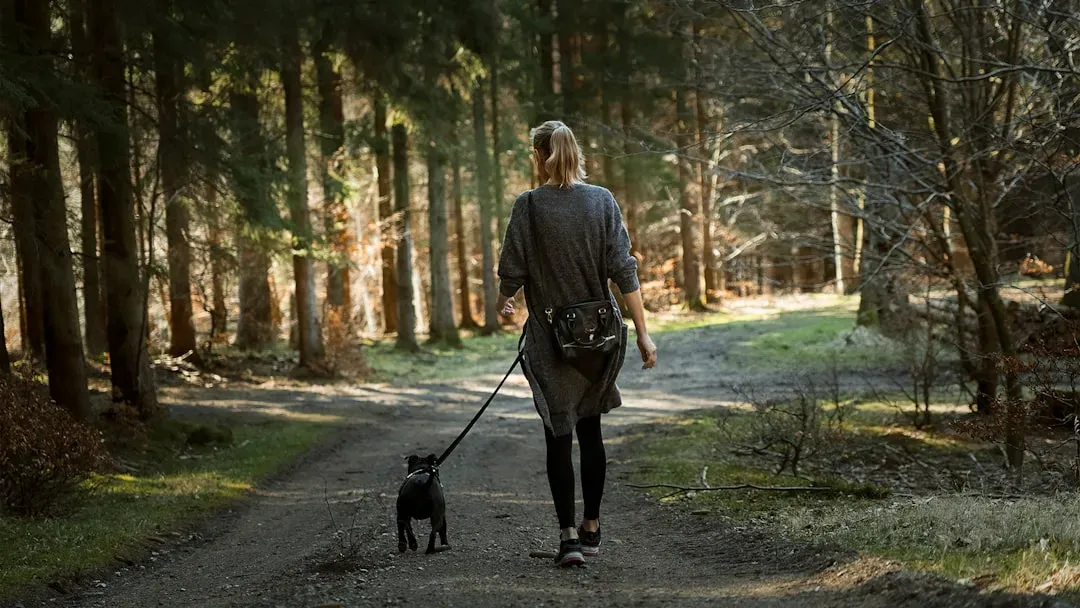
Retirees are creatures of habit, and their dogs become ritual addicts right alongside them. The 4 p.m. biscuit, the after-dinner TV cuddle, the exact route the trash cans take to the curb – these become events the dog anticipates with laser precision. Vets hear “he knows exactly when it’s time for…” so often they’ve stopped being surprised.
This has a real upside: predictability is one of the strongest stress buffers for animals, and rituals reduce anxiety because the dog always knows what’s coming next. It has a flip side too. If a ritual gets broken, retiree dogs can seem unusually thrown off – pacing, whining, staring at the door exactly at walk time. Younger owners’ dogs may actually be more flexible simply because their lives have always been a little chaotic, but for long-term emotional stability, vets say the ritual-rich retiree lifestyle usually wins out.
#13 – They Learn To Respect Physical Limitations – Theirs And Their Human’s
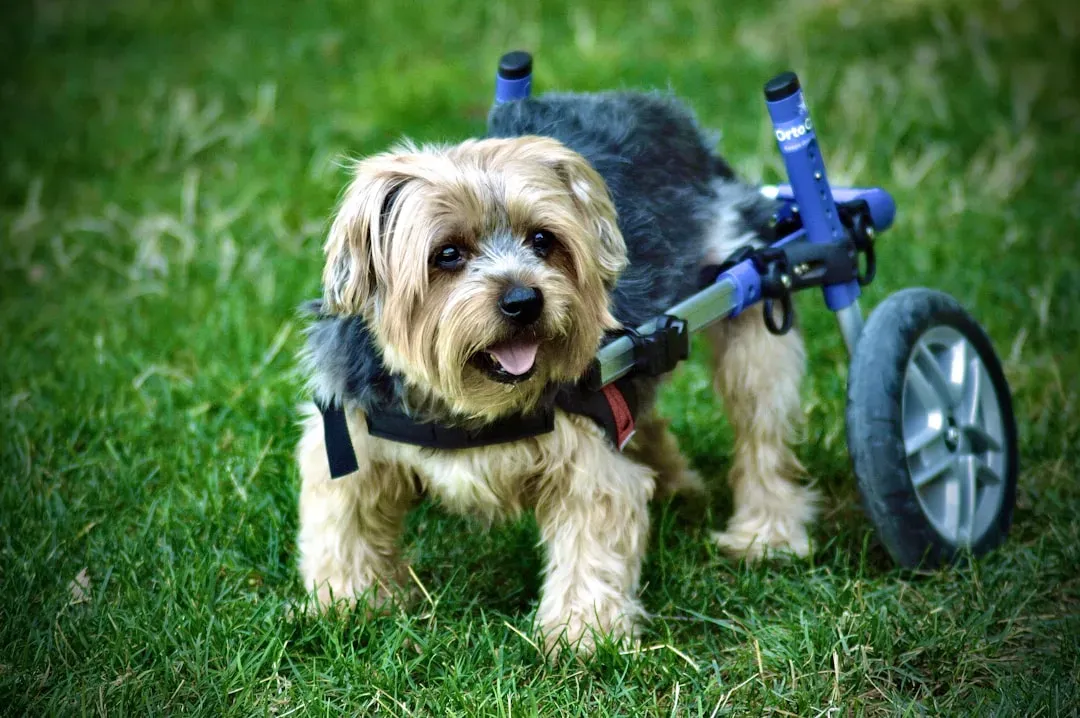
One behavior vets find almost unique to retiree-owned dogs is how gently they adjust to mobility aids, slower walking speeds, and changing rules as everyone ages. When a cane, walker, or wheelchair appears, these dogs adapt faster than expected, because they’ve spent years watching small changes build up: a slower sit, more frequent rests, shorter routes.
Retirees also tend to talk to their dogs about their own bodies out loud – “hang on, my knees hurt,” “we’re going to sit for a bit.” It sounds silly, but dogs absolutely pick up those cues over time. In younger households, changes tend to be abrupt: an injury, a surgery, a baby gate that appears overnight, leaving the dog confused or frustrated. Vets say retiree dogs, having watched aging happen step by step, will often naturally walk wider around assistive devices and avoid bumping fragile legs – without ever being formally trained to do it.
Worth Knowing
- Dogs pick up on subtle shifts in gait, pace, and posture long before an assistive device even appears
- Talking through physical changes out loud can shape a dog’s future caution around mobility issues
- Abrupt environmental changes tend to confuse dogs more than gradual ones
- Dogs that witness aging happen gradually often adjust their own movement around fragile steps without formal training
#14 – They Become Incredibly Tuned To Emotional Ups And Downs
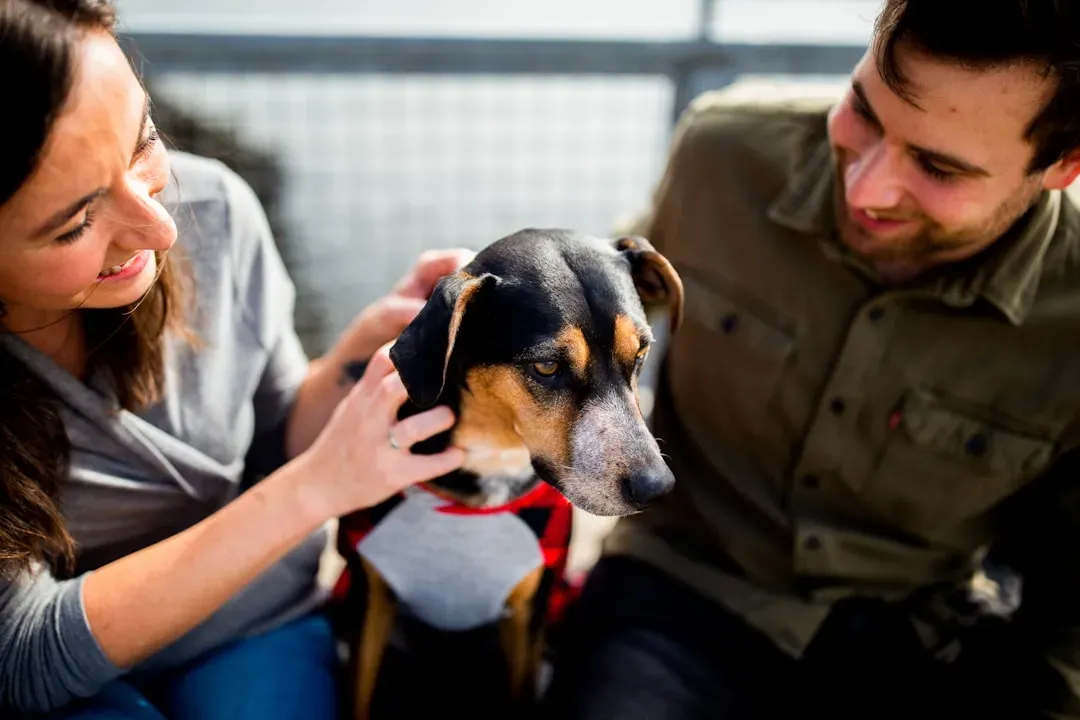
Spend enough quiet afternoons with the same person, and you start to feel their emotions before they even speak – dogs included. Vets frequently hear from retirees that their dog seems to know when a bad phone call comes in, when pain flares up, or when grief hits. These dogs will quietly rest their head on a lap or simply stay close, without ever demanding play.
Younger owners’ dogs care just as much, but they’re often competing with more noise – roommates, kids, work calls, a TV that’s always on. In a quieter retiree home, the emotional signal-to-noise ratio is much higher, so a single sigh or a slower shuffle to the kitchen sticks out sharply. Dogs are pattern readers, not mind readers, and a patterned enough life turns emotional shifts into obvious data. Many vets say they genuinely trust these dogs’ behavior as an early warning sign that their client isn’t doing well.
#15 – They Prepare Themselves For Goodbye In Ways Most People Don’t Notice
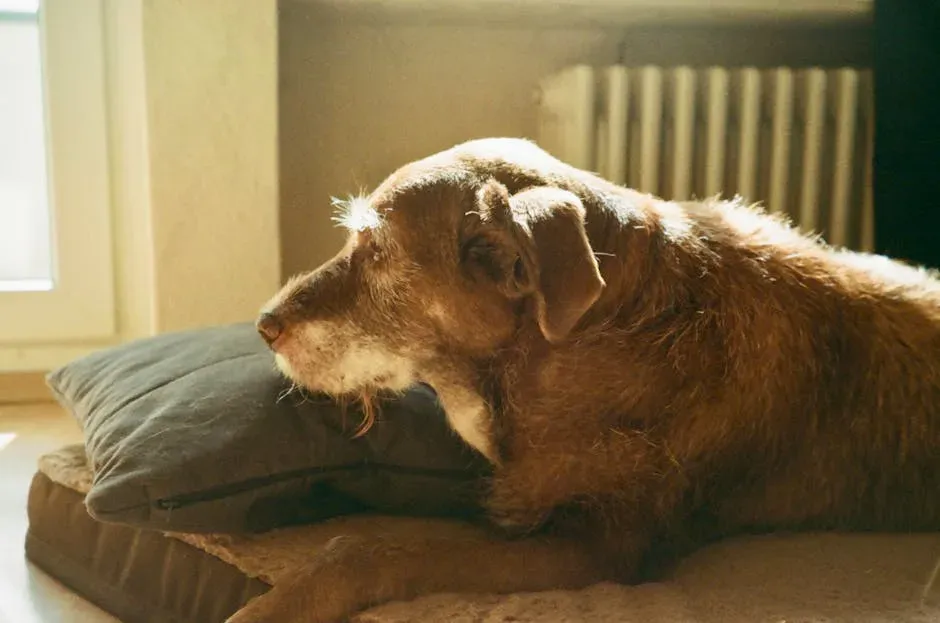
This is the part many vets don’t talk about until they’re asked directly. Dogs who live with retirees often age alongside their person in a strangely synchronized way. As vet visits increase and health declines on either side, these dogs start showing behaviors younger owners rarely see: lying near the bed more, giving up favorite games on their own, becoming quietly, almost fiercely watchful.
Because retiree households visit the vet more often for both pet and human, end-of-life conversations tend to happen earlier and more honestly. The dog is there for the tears, the hushed phone calls, the hospital bags by the door, learning in its own way that life is shifting into a softer, slower phase. Vets report that retiree-owned dogs, when it’s finally their time, are often remarkably calm in the exam room, as if they’ve rehearsed this gentle exit simply by watching their person navigate illness and aging.
Dogs are not our whole life, but they make our lives whole.
Roger Caras
The Bottom Line
Dogs owned by retirees don’t magically become wiser or kinder. They simply get what most younger owners’ dogs are starved of: time, repetition, and a quiet, predictable life. That’s what creates the shadow-like walking, the eerie medication tolerance, the laser-focused rituals, and the almost human check-ins vets keep bringing up.
Strip away the hustle, and a dog’s real emotional intelligence finally has room to show up. None of this means younger people can’t raise deeply tuned, polite, emotionally aware dogs – it just means they’d have to deliberately imitate the unhurried, ritual-rich lifestyle retirees fall into without even trying. Not everyone wants to hear that.
So be honest with yourself: if you’re not retired, which of these habits are you actually willing to slow down and copy – and which ones do you think vets are getting completely wrong?


