
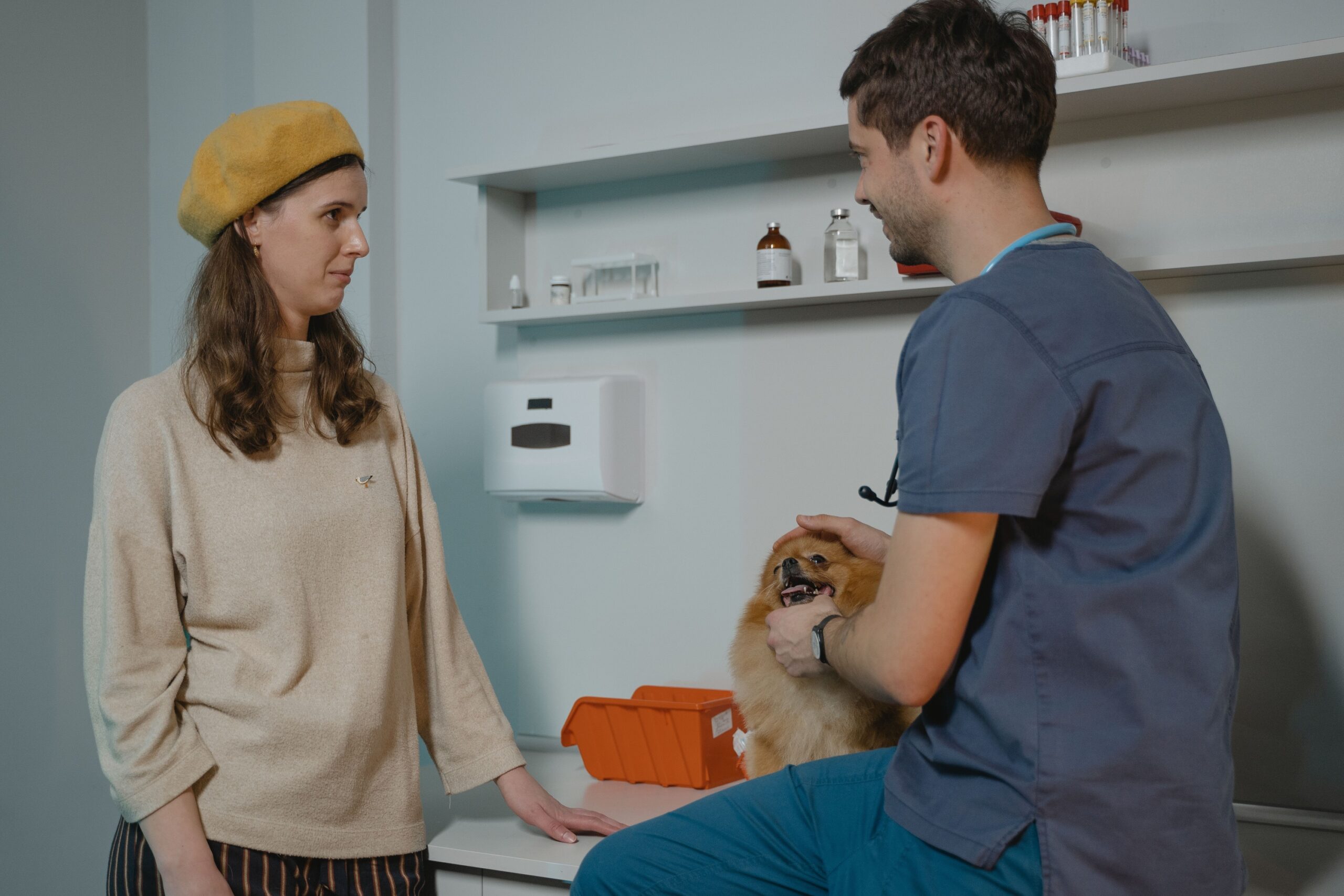
Everyone pictures the same scene: a sweet older man shuffles in with his old beagle, pats the counter, smiles politely, and waits his turn. Harmless. Predictable. Nothing to see here.
Except the people who actually stand behind that counter will tell you a completely different story. In the first five minutes, before a single form is filled out, receptionists are reading a dozen tiny signals most owners over 70 have no idea they’re sending. Some of it is sweet. Some of it is heartbreaking. And a few of these habits will make you look at your own parents’ next vet visit very differently.
#1 – The Leash Grip That Gives Everything Away
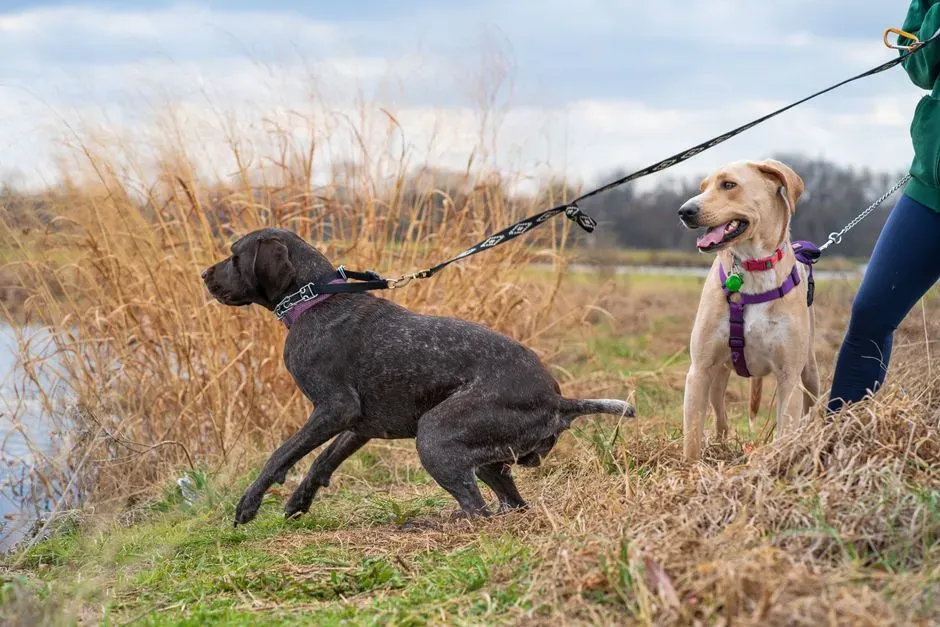
Watch the hand, not the face. The second the door swings shut, receptionists clock whether the leash goes slack or snaps taut. A lot of older clients tighten their grip without even realizing it, bracing for the dog to lunge or for their own footing to betray them on the slick clinic floor.
It sounds small, but it’s not. That grip happens before hello, before the clipboard, before anyone says a word about why they’re there. And more often than people expect, it’s the eighty-pound Labrador steering the eighty-year-old owner toward the counter, not the other way around.
#2 – They Talk to the Dog Before They Talk to You
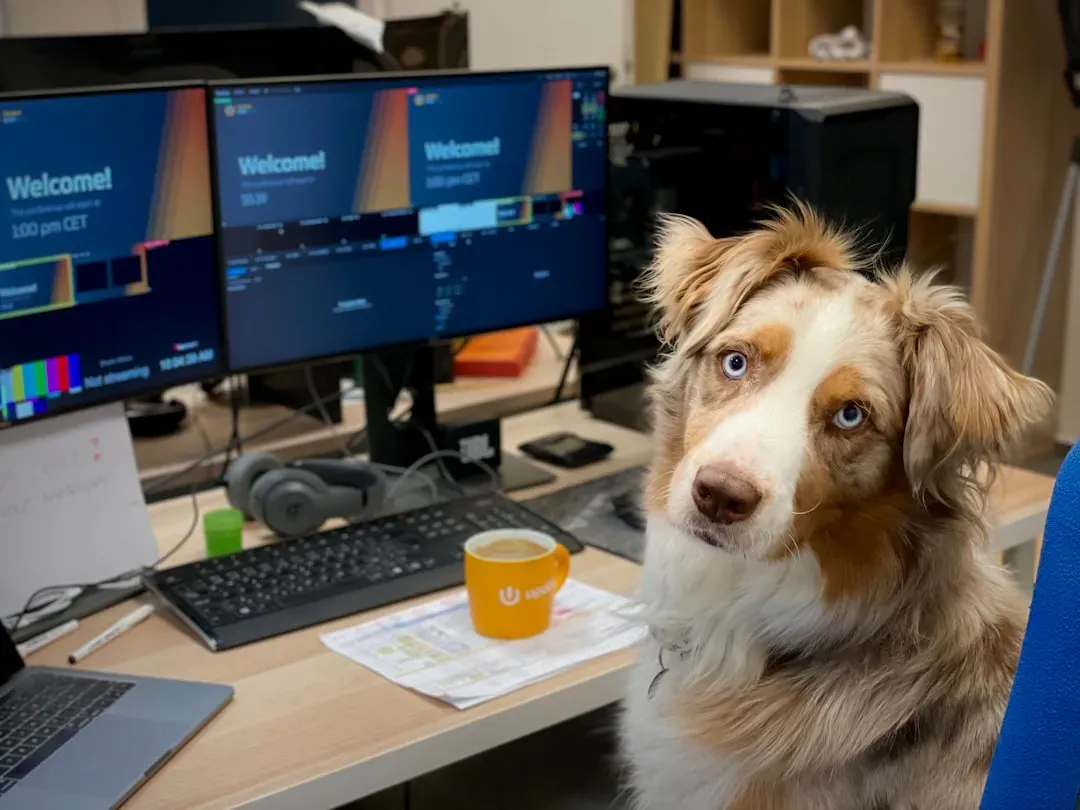
The first sentence spoken out loud almost never lands on the receptionist. It lands on the dog, or the cat, or whatever’s trembling in the carrier. “It’s okay, buddy, we’re almost there” comes out before “hi” ever does.
It’s touching, honestly, this decades-deep habit of putting the animal first. But it also flags something quieter: a person who may not speak up for themselves nearly as easily as they speak up for their pet. Some receptionists say that one-sided conversation runs a full minute before the owner even makes eye contact with the desk, leaving staff to decide whether to gently interrupt or just let it play out.
#3 – The Questions That Have Nothing to Do With the Pet
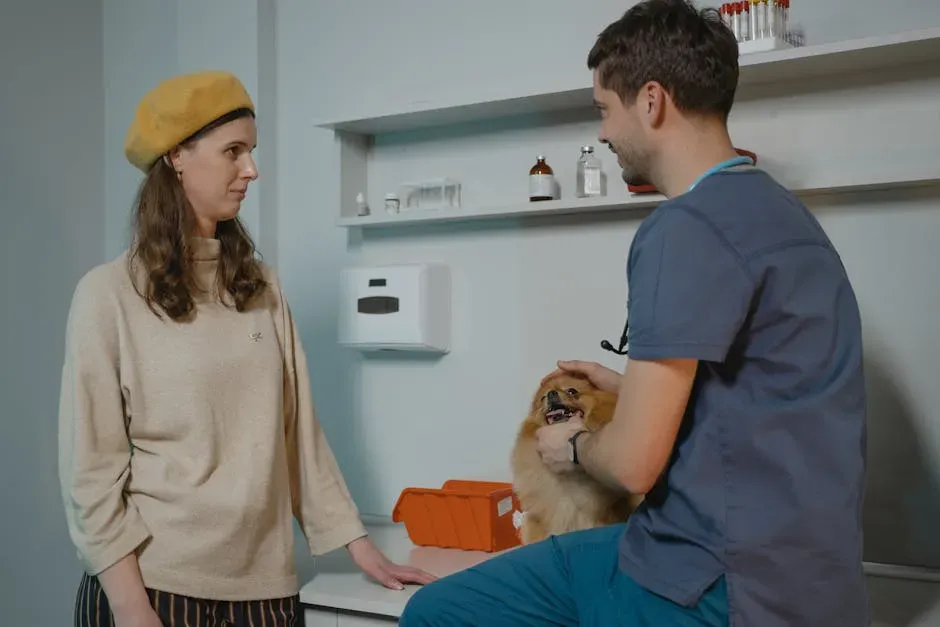
You’d expect the first question to be about the limp, the cough, the reason for the visit. Instead, it’s almost always about parking. Or how long the wait is going to be. Or whether there’s a bench near the door.
Underneath those logistics is something bigger that never makes it onto a medical chart: worry about driving after dark, or navigating stairs back home, or simply how much walking their body can handle today. Receptionists have learned to hear those parking questions for what they really are, quiet requests for a little extra patience.
Worth Knowing
- Parking spot location is often the very first question asked, before anything about the pet
- Wait-time estimates tend to matter more to older owners than younger ones
- Requests for a nearby bench are rarely just about comfort
- These small logistics questions are often silent cues about mobility and stamina
#4 – The Routine They Recite… or Don’t
Some owners rattle off a pet’s entire schedule unprompted: 7 a.m. kibble, noon pill, 6 p.m. walk, like they’ve said it a thousand times, because they have. Others go completely quiet when asked, and that silence says just as much.
Here’s the part that catches people off guard, though. The clients with the most rehearsed, most detailed routines are sometimes the same ones who later admit, almost sheepishly, that they’ve started missing their own medication doses. The precision for the pet and the slippage for themselves show up in the same five-minute window.
#5 – The Effort to Hide a Limp, a Wobble, a Shortness of Breath
Nobody wants to look fragile in public, so people try to cover it. A hand braces on the counter edge “just to lean.” A pause mid-sentence gets blamed on losing a train of thought when it’s really about catching a breath. Receptionists see through it fast, because the effort to hide it is usually the loudest tell of all.
What softens the moment, almost every time, is the animal. Dogs that could easily pull toward the door instead hold still, matching a slower pace step for step, as if they’ve quietly appointed themselves the owner’s escort. It’s a small kind of teamwork nobody trained them for, and it shows up more often than most people would guess.
#6 – The Moment They Mix Up Their Pills With the Pet’s

Owners who rattle off every medication and supplement the pet takes, unprompted, tend to be the gold standard of consistent care. The ones who wave a hand and say “oh, the usual stuff” usually need a follow-up question or two before the real list comes out.
But here’s the moment that catches everyone off guard: partway through listing the pet’s medications, an owner over 70 will sometimes name one of their own prescriptions by mistake. It’s corrected with a laugh almost every time, but that split-second overlap tells staff something worth remembering before the appointment even starts.
#7 – Who Talks to Strangers and Who Doesn’t
The waiting room is its own little test. Some owners over 70 make the rounds with their eyes, nodding at other pet parents, cracking a small joke about the cat in the next carrier over. Others lock eyes on their own animal and don’t look up once.
It’s not just personality on display, it’s a preview of how the exam room might go. Receptionists have noticed a pattern worth sharing: the chattiest clients in the lobby often have the calmest pets once they’re back with the vet. Something about that easy energy seems to travel down the leash.
Quick Compare
- Chatty in the lobby: often signals a calmer pet once the exam begins
- Quiet, eyes only on the pet: can point to heightened anxiety about the visit itself
- Making small talk with strangers: usually pairs with an easygoing, low-stress appointment ahead
#8 – The Old Vet They Still Mention
“The doctor we used to see, before he retired…” It comes up more than you’d think, dropped casually in the first sixty seconds like it’s small talk. It isn’t. That one sentence usually means years, sometimes decades, of history with this pet’s care, now disrupted by a retirement or a clinic closing.
Tone matters here more than words. A wistful mention is one thing. A hint of suspicion toward the new practice, the kind that says “we’ll see if you’re any good,” is another entirely, and staff have learned to meet it with extra reassurance before the appointment even gets rolling.
#9 – Paper People vs. Tablet People

Some owners announce it before anyone even hands them the clipboard: “I don’t do the computer thing, do you have paper?” Others grab the tablet anyway, squint at it for a minute, then cheerfully ask for help without a shred of embarrassment.
Here’s the twist worth knowing: the clients who flatly refuse the screen are frequently the same ones carrying a folded, handwritten page covered in notes the clinic’s own intake form would never think to ask for. Paper, it turns out, often holds more useful information than the app ever will.
Fast Facts
- Paper intake forms are still requested regularly by owners over 70
- Tablet users in this age group often ask for help without hesitation or embarrassment
- Owners who prefer paper frequently arrive with extra handwritten notes of their own
#10 – The Way They Say “He’s Getting Up There”
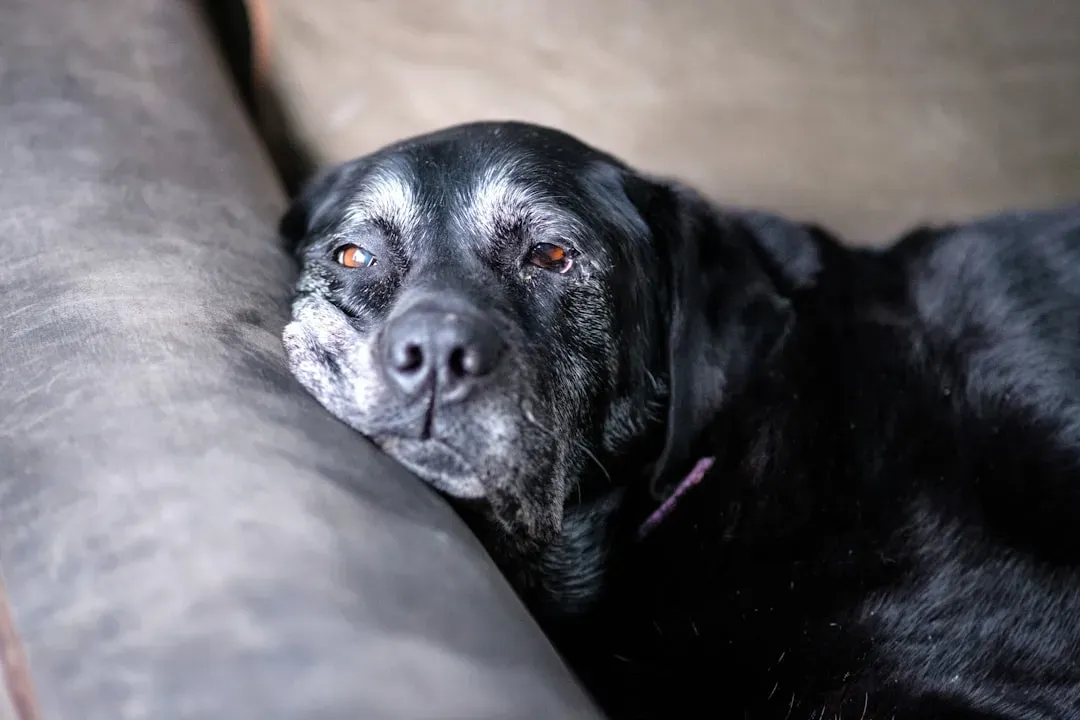
The pet’s actual age barely matters. It’s the tone wrapped around it that receptionists really hear. Some owners say it with pride, like they’re bragging about a record. Others say it heavy, resigned, like they already know where this is heading. A few say it defensively, daring anyone to suggest it’s time for a hard conversation.
The line that quietly stops staff in their tracks is when an owner compares the pet’s age straight to their own, something like “we’re both getting old together.” It’s usually said lightly. It rarely feels light.
#11 – The Cash in the Wallet That Never Goes Away
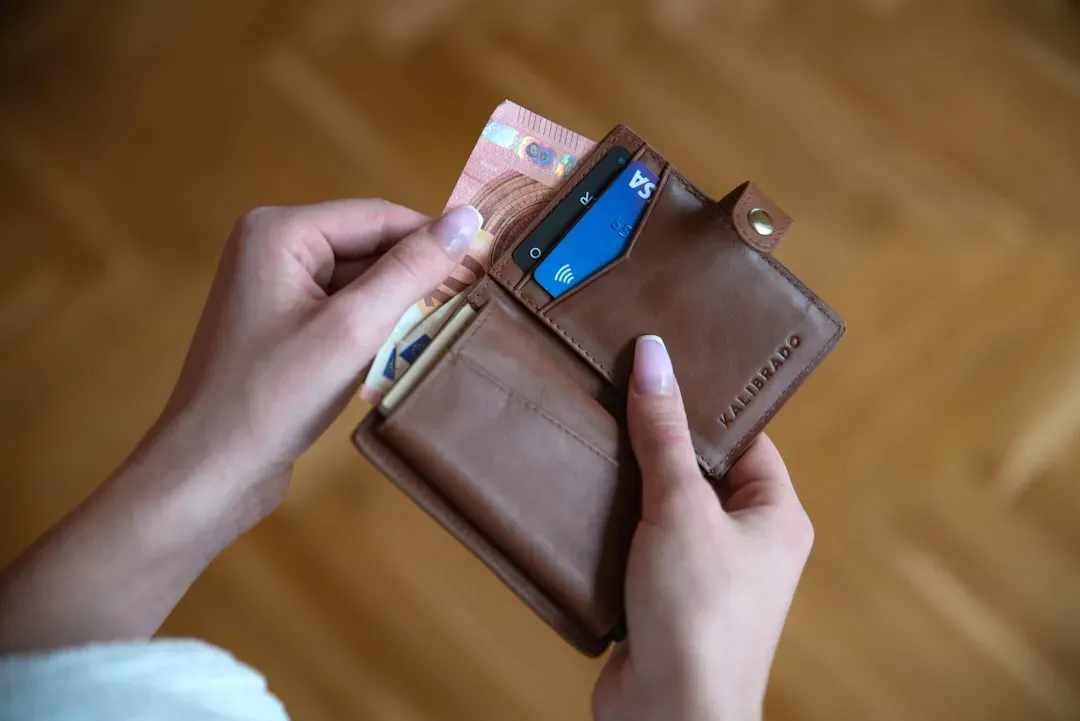
Cards work everywhere now, but plenty of owners over 70 still show up with cash folded specifically for the vet visit, tucked in an envelope or a separate pocket, like it’s a ritual older than the clinic itself.
Reactions to the payment conversation vary just as much. Some reach for a wallet before the number is even said. Others pause and ask quiet questions about insurance or payment plans, which shapes how gently and how thoroughly the front desk walks them through the options afterward.
#12 – The Pet That’s Quietly Taking Care of Them
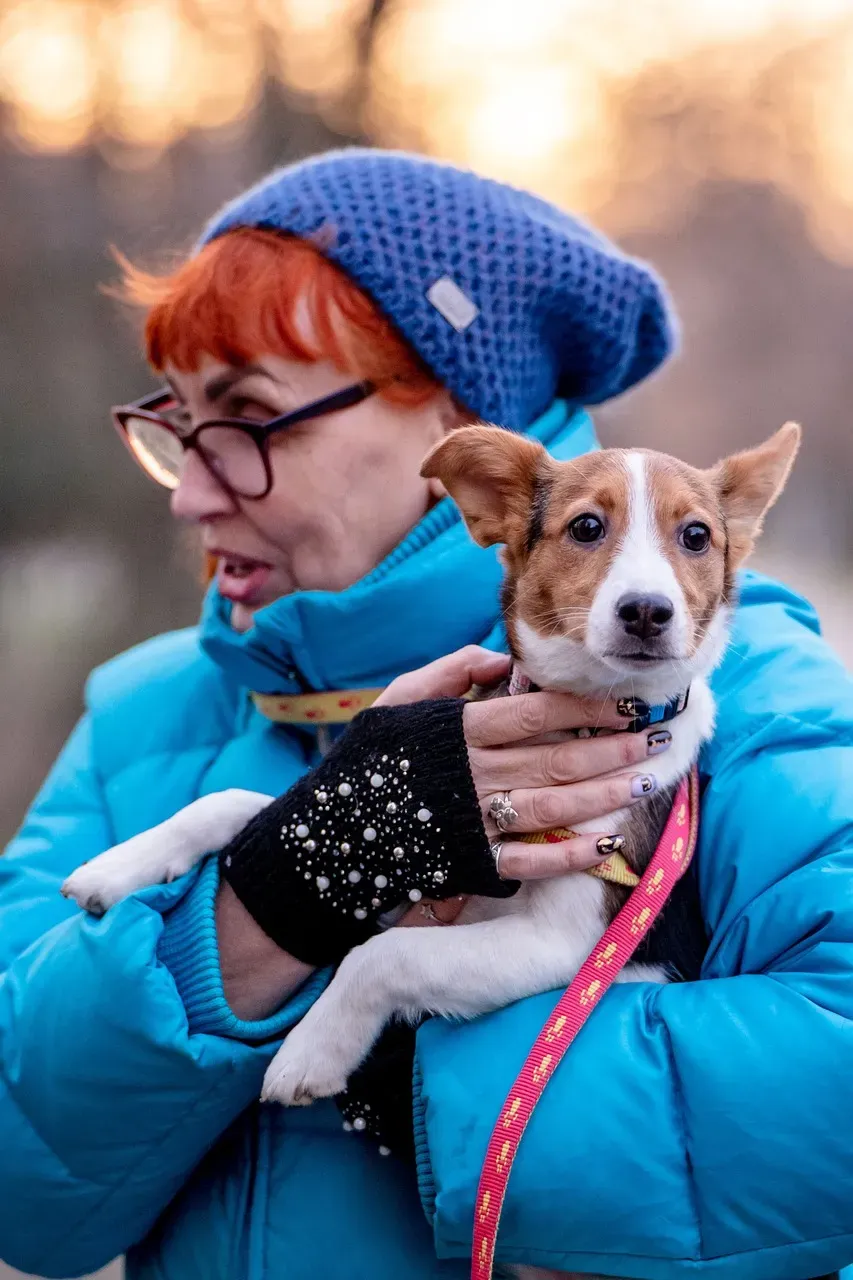
A dog leaning its full weight against an owner’s leg. A cat that goes unnaturally still in the carrier the moment a hand rests on top of it. These aren’t random behaviors, they’re the residue of years, sometimes a full decade, of built-up routine and trust.
What really gets noticed, and quietly passed along to the technician before the exam even starts, is when the roles flip entirely, when the animal seems more protective of the person than the person is capable of being of the animal in that moment. It’s a small detail, but it changes how the whole visit gets handled.
#13 – The Handwritten Notes That Beat the Medical Chart
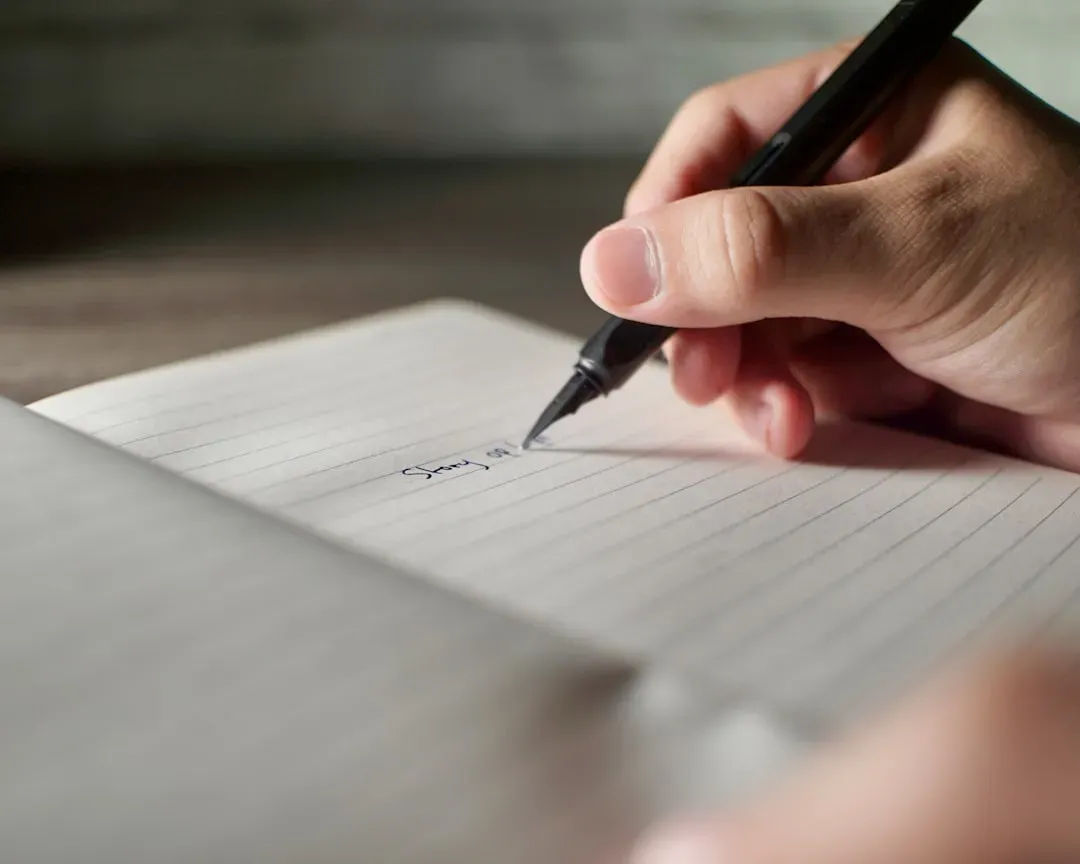
Some clients show up with a folded piece of paper, a grocery list of symptoms and dates scrawled in pen: “Tuesday, didn’t eat breakfast. Thursday, limped after the walk.” Others rely entirely on memory and hope it holds up under questioning.
Receptionists respect both approaches, but the paper often wins. Those handwritten lists frequently contain details the clinic’s own electronic records never captured, and more than once, a scribbled note has changed the entire direction of an appointment before the vet even walks in.
At a Glance
- Symptom logs kept on a folded paper or in a pocket notebook
- Dates and behaviors often noted with more day-to-day precision than digital charts capture
- A single scribbled note has been known to reshape an entire appointment
#14 – Whether They’ll Actually Look You in the Eye
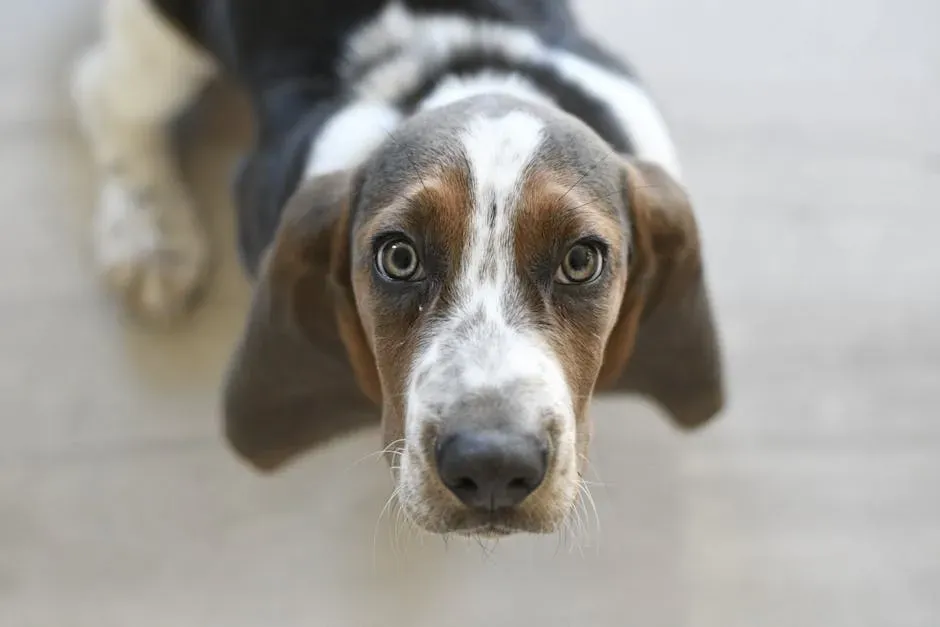
The last signal is the simplest and maybe the most telling: does the owner meet the receptionist’s eyes, or does their gaze stay glued to the pet, the floor, the clipboard? Steady eye contact and relaxed shoulders usually mean it’s just a routine visit, nothing more.
Avoidance means something else is sitting under the surface. And here’s the part that sticks with staff the most, the most guarded, hardest-to-read clients at check-in are often the ones who, once they finally feel heard, end up sharing the most detailed, most honest history of anyone that day.
The Bottom Line
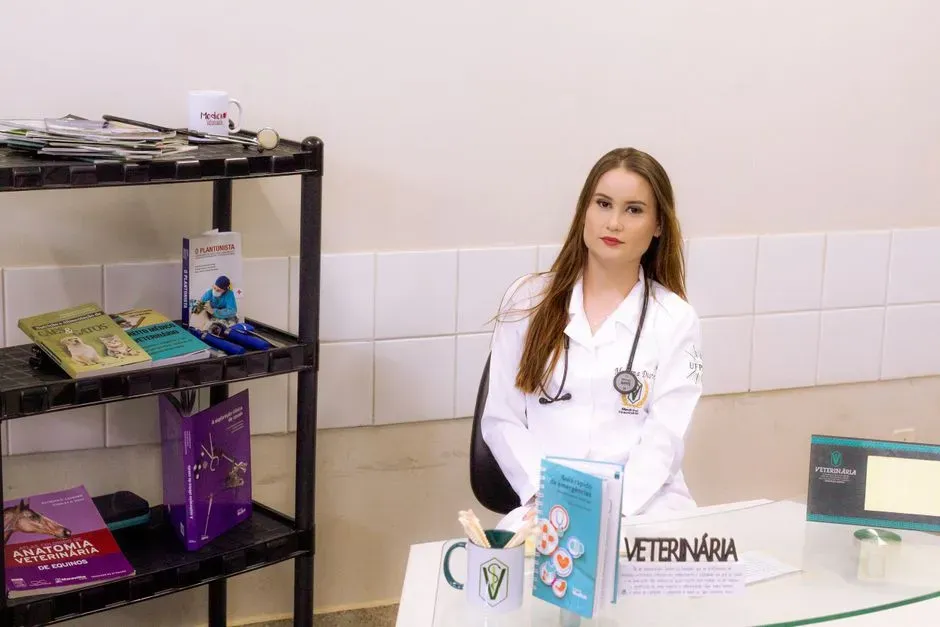
Here’s the opinion worth sitting with: the sweet, simple, gentle-grandparent stereotype at the vet desk isn’t just outdated, it’s actively hiding the real story. What’s happening in those first five minutes is a quiet negotiation between love, pride, fading independence, and a fierce refusal to let any of it show.
The leash grip, the mixed-up pills, the cash tucked away just for this visit, none of it is an accident, and none of it is small. Vet receptionists aren’t just checking people in. They’re reading people who’ve spent a lifetime putting their pets first and themselves dead last, right up until the moment someone finally notices. Did we miss one you’ve seen firsthand? Drop it in the comments.


