
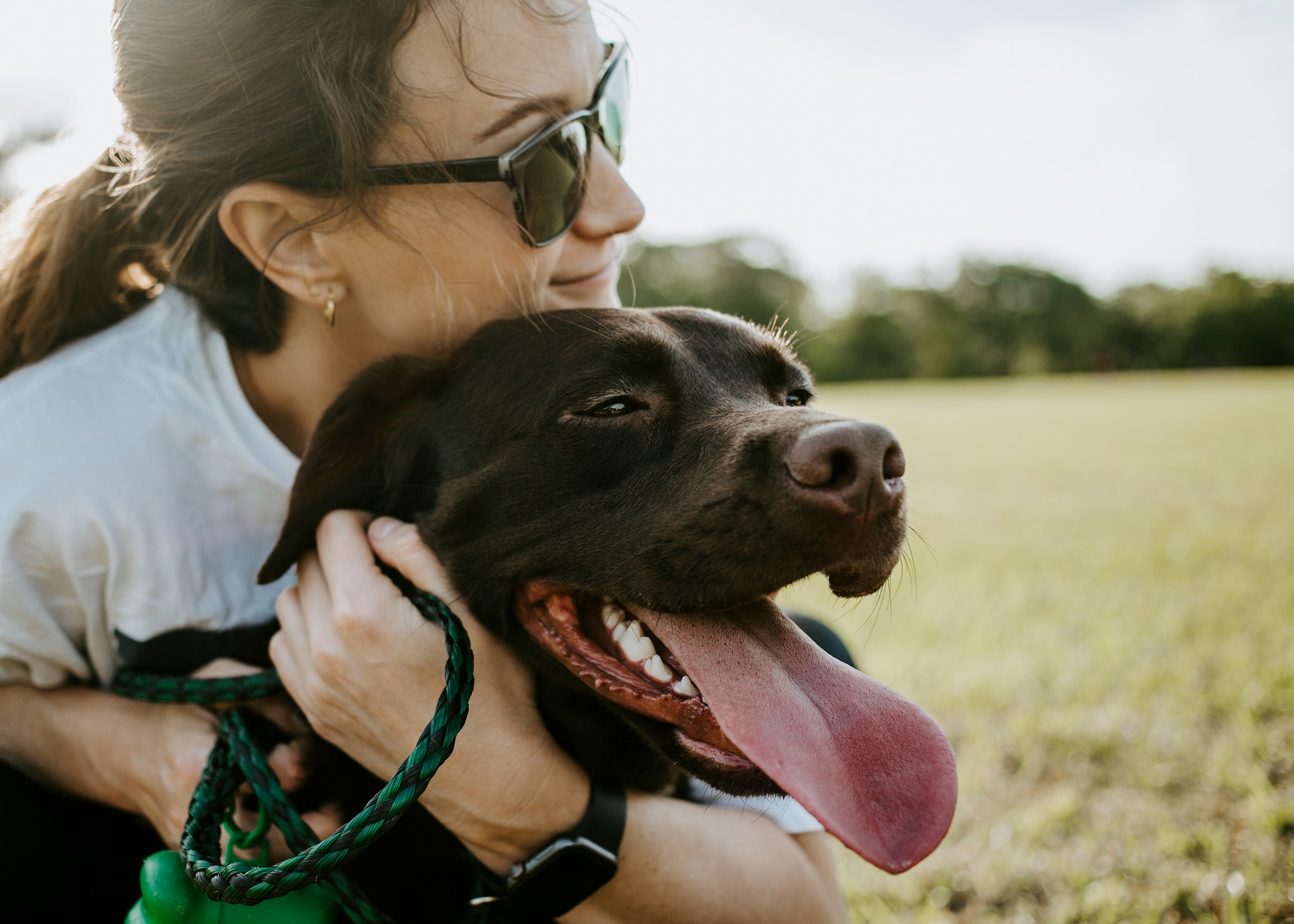
Every dog owner has heard the golden rule: a wagging tail means love. It’s printed on pet store posters, captioned under a million Instagram photos, treated like gospel. But ask an actual canine behaviorist and they’ll tell you something that stops most owners cold – the tail wag isn’t even close to the deepest proof of trust a dog can give you.
The real signals are almost silent. They show up in the two seconds before your dog collapses into sleep, in the way they angle their body when you walk into a room, in what they do when they feel sick, scared, or completely wiped out. Miss these fourteen quiet cues and you’ll keep assuming your dog simply tolerates you. Catch them, and you’ll realize this animal has already decided, somewhere along the way, that you’re irreplaceable.
#14 – They Sleep Deeply Near You (Or On You)
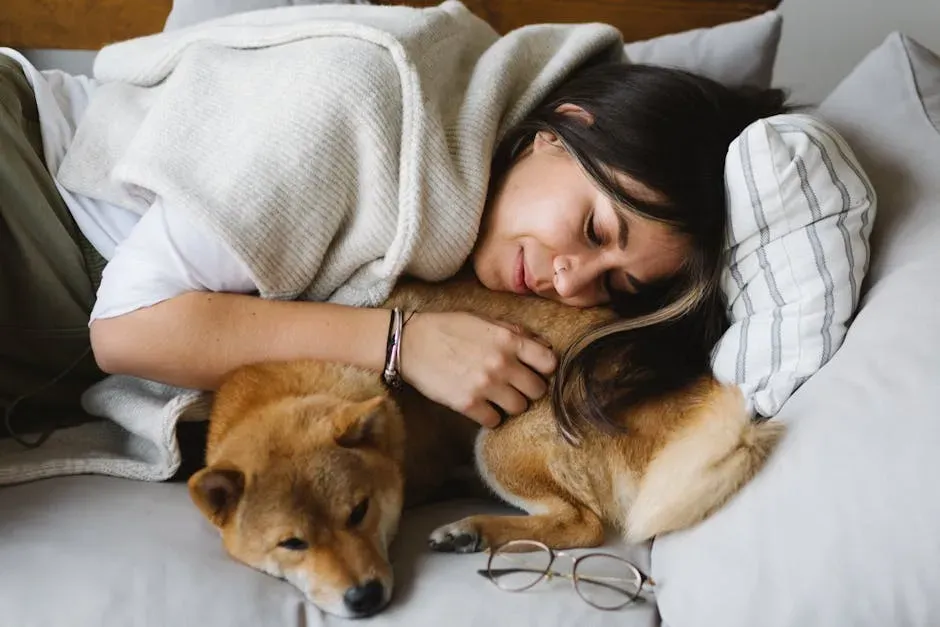
When a dog truly trusts you, sleep becomes their loudest quiet signal. In the wild, dogs only fall into deep sleep when they feel completely safe. So when your dog flops down, exposes their belly, and drifts off hard right next to you, that’s not laziness – that’s vulnerability on full display.
Dogs in deep REM sleep are practically defenseless, and they only risk that when their nervous system decides the environment, and the person nearby, is 100% safe. Pay attention to where they keep choosing to sleep. If they could nap anywhere in the house but pick your bed, your couch, or the floor at your feet every single time, they’ve quietly appointed you their safe base.
Fast Facts
- Adult dogs typically sleep 12-14 hours a day, with puppies and seniors needing even more.
- REM sleep is when dogs are most physically vulnerable – twitching paws and fluttering eyes mean they’re deep under.
- A dog choosing one sleeping spot over every other option in the house is a strong location preference, not chance.
- Exposed-belly sleeping requires a relaxed nervous system; a stressed dog rarely sleeps in that position at all.
#13 – They Check In With You In New Environments
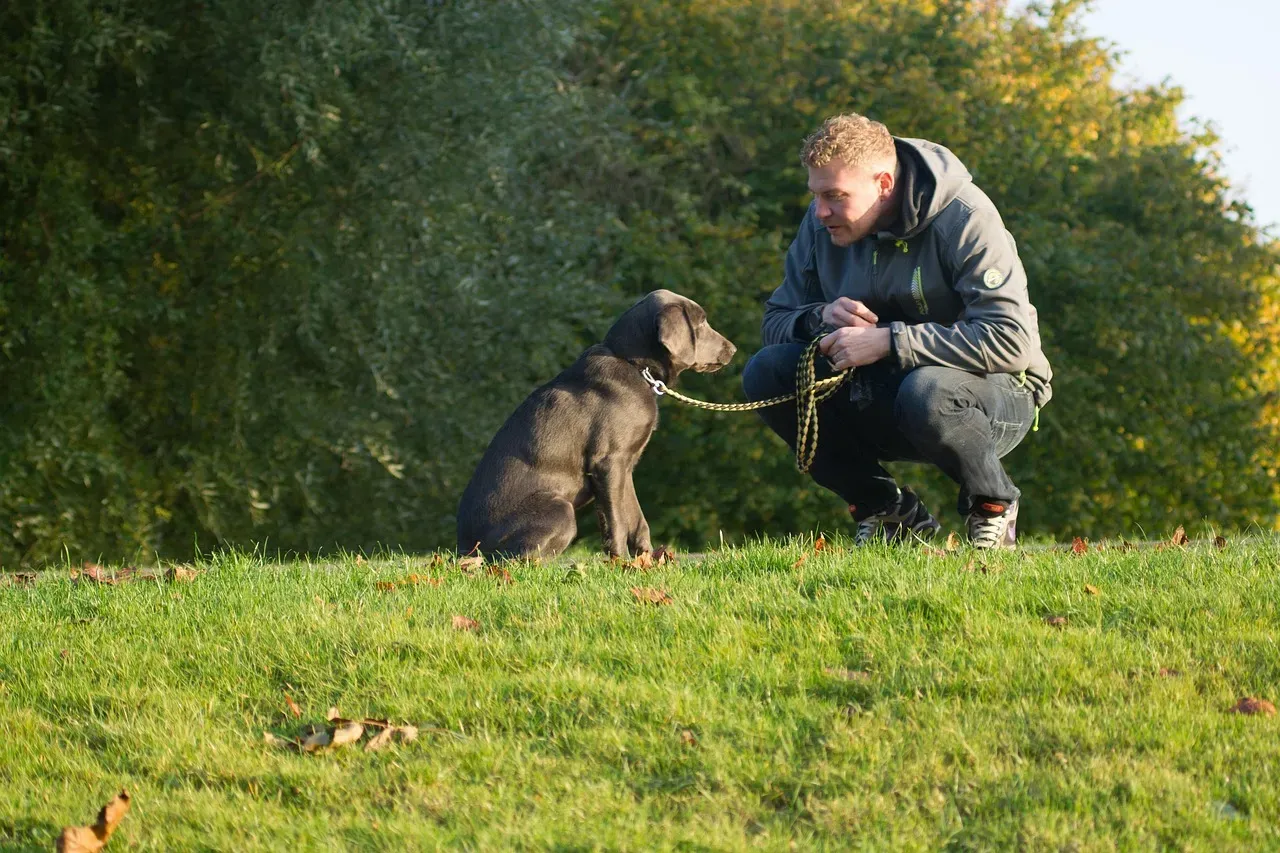
Most people assume confident dogs just take off and explore. But trainers say the real trust marker is what’s called “checking in.” In a new park or at a friend’s house, a securely attached dog will wander off to sniff around, then glance back or trot over to you – even when nothing scary is happening.
That brief eye contact or nose bump is your dog silently asking, “We good?” You’ll notice it most in vet waiting rooms, on crowded sidewalks, or in new homes and hotels. Some owners brag that their dog “doesn’t care” where they are, but behaviorists often read that as detachment, not confidence. A dog that orbits you, checks your face, and comes back on their own isn’t clingy – they’re regulated by your presence.
#12 – They Show You Their Belly… But Stay Relaxed
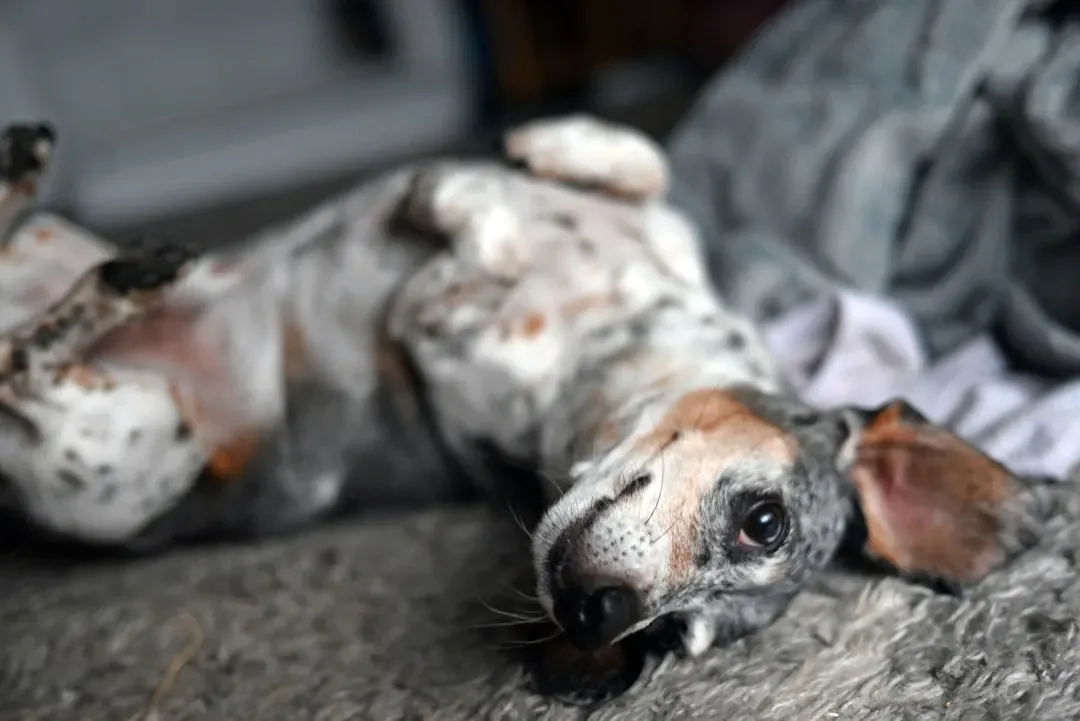
Belly display is one of the most misread signals in dog behavior. Social media loves to call it “asking for belly rubs,” but that’s not always true. The real trust signal is a loose, floppy dog with soft eyes, a wiggly body, and an exposed belly who stays that way when you move closer.
Contrast that with a stiff body, tucked tail, and ears back with belly up, which is usually appeasement or stress, not affection. When a dog fully sprawls out, maybe even sighing or groaning with contentment as you rub their chest, they’re literally letting you into their kill zone – neck, belly, groin. Wild canids don’t do that with individuals they don’t trust, and neither does your dog.
#11 – They Turn Their Back To You
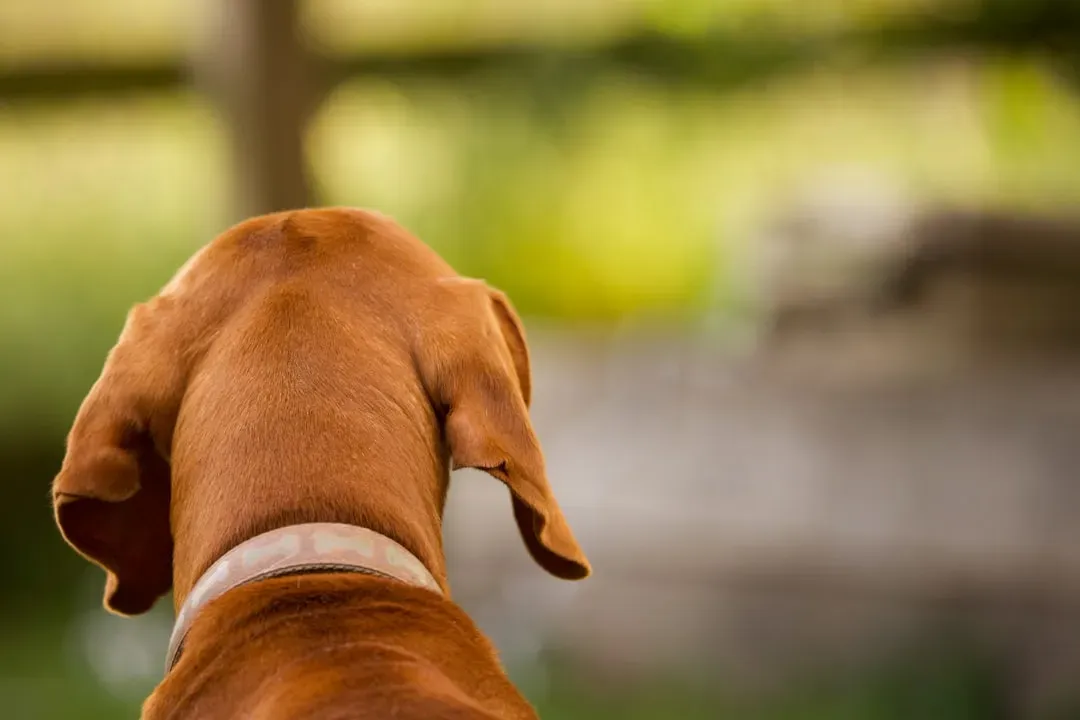
This one shocks a lot of owners: when your dog sits or lies with their back to you, it’s rarely disrespect. It’s often the exact opposite. By turning away, they’re saying, “I don’t need to watch you, and I’m not worried you’ll hurt me.”
You’ll see it in small ways – curling up with their rear pressed against your leg, sitting between your knees facing away while you scratch their chest, or lying at your feet pointed toward the door while you’re behind them. In dog body language, exposing your back is a genuine trust move. Some trainers argue it’s one of the clearest signs your dog has filed you under “secure core group,” not a threat to keep tabs on.
#10 – They Bring You “Ugly” Gifts, Not Just Toys
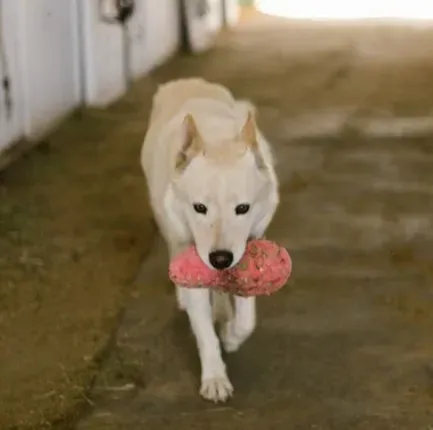
Everyone laughs when a dog drags over a slipper. But the real trust test is when they bring you their highest-value items – sometimes gross ones. A chewed bone, a favorite ball, a half-destroyed stuffy, or yes, even a dead critter. In dog terms, that’s resource sharing: “I trust you not to steal this, and I want to include you.”
Context matters here. Do they drop it at your feet and look up expectantly? Do they nudge it toward you instead of hoarding it in a corner? Do they let you take it, even hesitantly, without a meltdown? Many dogs who guard resources fiercely from guests will happily hand prized things over to their one chosen human. That’s not obedience. That’s deep, deliberate trust.
#9 – They Lean Their Full Weight Into You
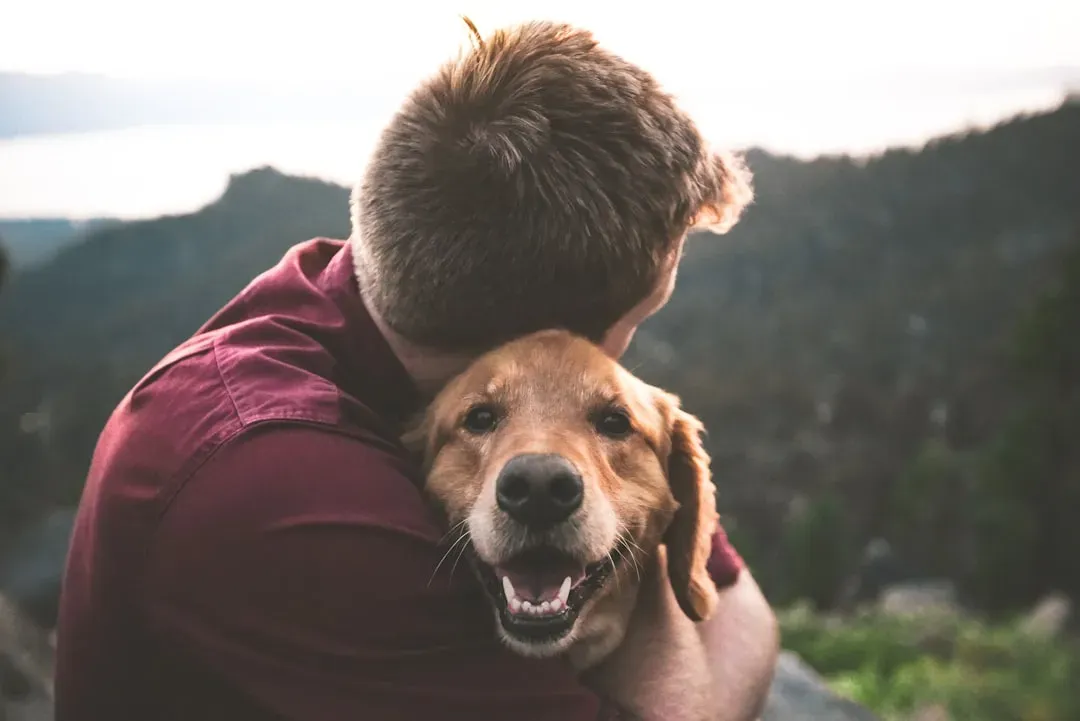
A casual lean might look like “my dog is using me as furniture,” but it’s more than that. Dogs who lean heavily, sometimes almost tipping you over, are doing a mammal version of contact-seeking for emotional regulation. They’re literally grounding themselves on your body.
Notice the difference between nervous leaning – tucked tail, tense muscles, shallow breathing – and content leaning, where the body is soft, breathing is slow, and they might even half-drift off. If your dog parks their entire side or shoulder against your leg while you stand or sit, they’re outsourcing their sense of safety straight to you. Interestingly, even the most fiercely “independent” breeds will still do this with exactly one person: their chosen human.
Quick Compare
- Nervous lean: tucked tail, tense muscles, shallow or fast breathing, body braced.
- Trusting lean: soft body, slow breathing, full weight shifted onto you, eyes half-closed.
- Nervous lean: happens around loud noises, strangers, or unfamiliar spaces.
- Trusting lean: happens during calm, ordinary moments with no obvious trigger at all.
#8 – They Let You Handle Their Paws, Ears, And Mouth
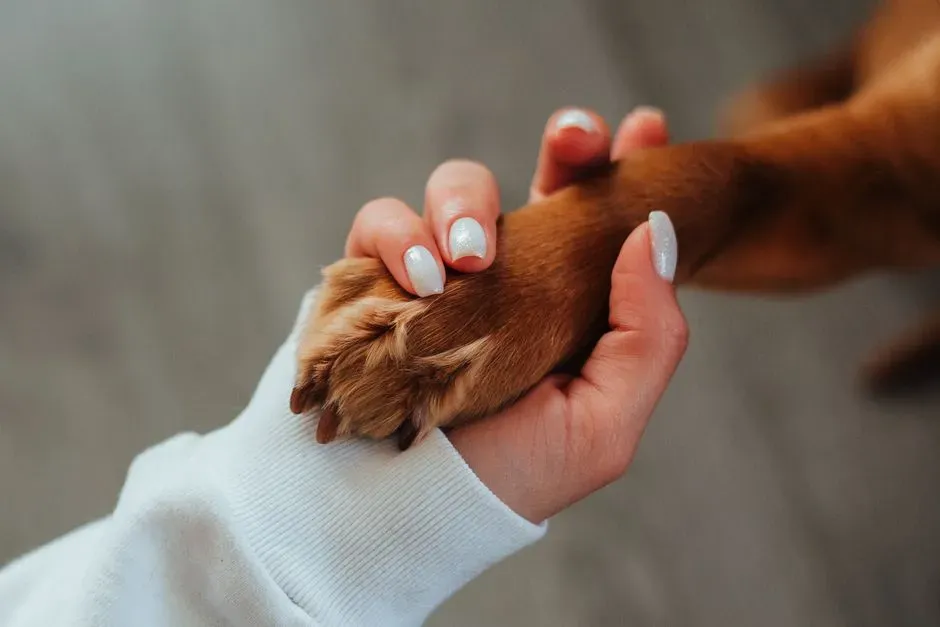
Most dogs dislike having their paws grabbed or their mouths opened, and for good reason – those are vulnerable spots. When your dog relaxes into grooming, nail trims, teeth brushing, or ear cleaning from you specifically, that’s a serious trust deposit. They’re letting you manipulate areas that could hurt, and choosing not to fight, flee, or shut down.
Watch for the green flags: they stay relatively still, maybe licking or sighing instead of thrashing, and they lean into your touch after a moment of hesitation. Behaviorists point out that trusting dogs tolerate brief discomfort because they predict safety and relief at the end of it. If your dog lets you do health checks they’d never accept from a stranger, that’s an emotional handshake that says, “I know you won’t betray me.”
#7 – Their Eyes Stay Soft And Blinky Around You
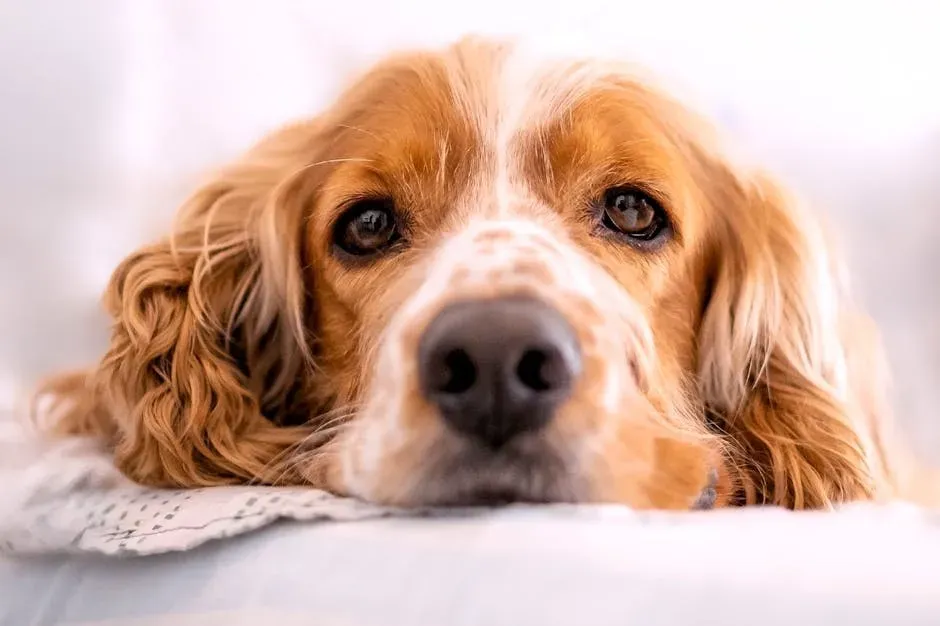
You can fake a tail wag. You can’t fake eye softness. In dog body language, soft almond-shaped eyes with slow blinks and relaxed brows scream trust and safety, while hard, round, whale-eyed stares signal tension or hyper-arousal. If your dog gazes at you with half-closed, squinty eyes, then blinks slowly or looks away in a lazy arc, that’s basically a canine “I love you, and I’m completely chill.”
Watch for no visible white of the eye, no furrowed brows or tight skin around the eyes, and blinks that look slow and heavy rather than rapid and frantic. Some researchers suggest mutual relaxed eye contact between dogs and humans can even nudge oxytocin levels upward on both sides – the same bonding hormone linked to parents and infants. However human that sounds, your dog’s soft gaze remains one of the clearest quiet trust signals you’ll ever catch.
Worth Knowing
- Oxytocin is the same hormone that spikes when a parent gazes at a newborn, sometimes called the “bonding hormone.”
- A relaxed dog blinks slowly and deliberately; a stressed dog’s blink rate speeds up noticeably.
- Whale eye – where the white of the eye shows in a crescent shape – is a classic discomfort signal, not affection.
- Dogs generally avoid sustained direct eye contact with humans or animals they don’t fully trust.
#6 – They Follow You Calmly, Not Desperately
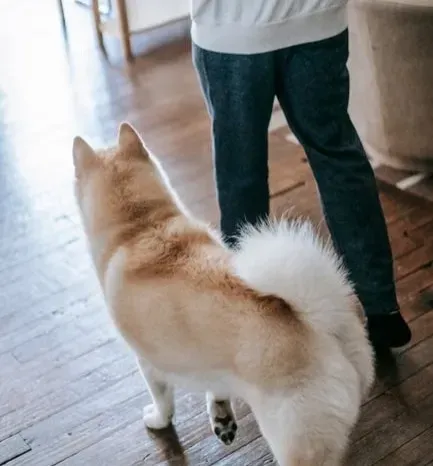
Clinginess and trust are not the same thing. A dog that panics the second you stand up might actually be anxious, not bonded. The real trust-based sign looks completely different: they shadow you from room to room in a relaxed, almost bored way. No whining, no frantic pacing – just “Oh, you’re moving? Cool, I’ll come hang there too.”
You’ll notice the pattern: you go to the kitchen, they wander in and flop on the floor with a sigh; you move to the office, they relocate and nap; you close the bathroom door, they lie outside it like unpaid security. This isn’t separation panic, it’s secure attachment. Some trainers call these dogs “velcro, but healthy.” If your dog can be alone and still chooses to be near you anyway, that quiet preference is trust in motion.
#5 – They Show You Their “Ugly” Emotions Safely
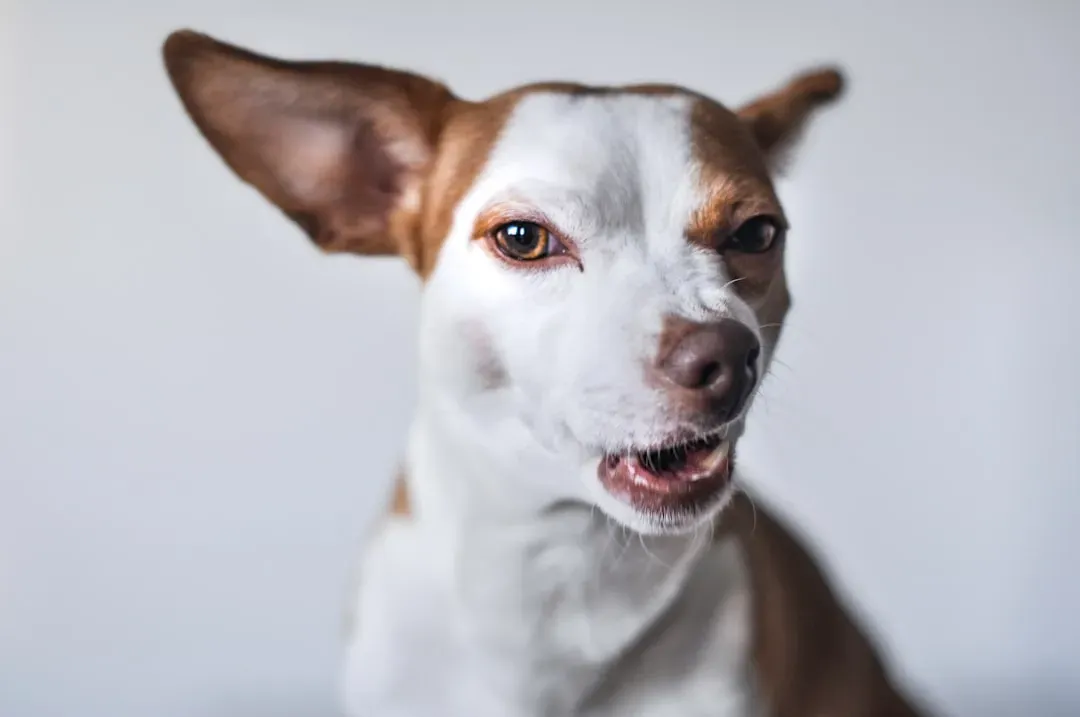
Here’s a controversial one: a dog who never shows frustration, fear, or annoyance around you might not actually trust you – they might be shut down. A deep bond often looks messier than people expect. It’s a dog who feels safe enough to have big feelings near you without melting down. They might grumble, stress-yawn, or paw at you when overwhelmed, but they don’t bite, bolt, or completely check out.
Subtle trust cues include coming to you when startled instead of hiding alone, whining or pawing for support during storms or fireworks, and giving small warning signals like a lip lick or a look-away instead of exploding outright. Behavior professionals repeat this often: suppression is not the same thing as stability. A dog who can say “I’m scared” or “I’m annoyed” in small, safe ways is telling you, “I know you’ll respond, not punish me for feeling this.”
#4 – They Eat And Drink Comfortably Around You
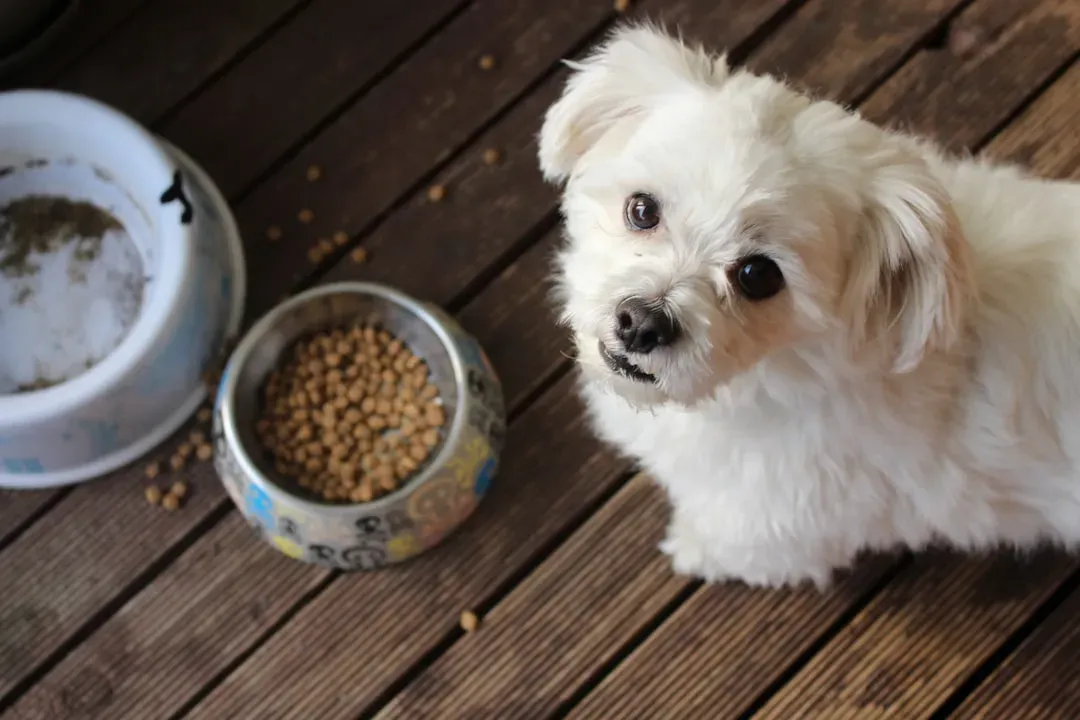
In the animal world, mealtime is vulnerable time. Predators and scavengers are most distracted exactly when they’re eating. So when your dog eats slowly, chews fully, and walks away from the bowl without obsessively guarding it from you, they’re making a huge statement: “You’re not a threat to my survival basics.”
Pay attention to whether they pause mid-meal to check in with you, tail neutral or wagging, and whether they’re willing to leave food behind to follow you calmly. Resource guarding is real and worth addressing when it shows up, but the flip side matters just as much. A dog who can truly relax into eating when you’re nearby has decided you’re not competition. Many dogs will only show this loose, unbothered behavior with one specific person in the home.
#3 – They Listen To Your Voice More Than Anyone Else’s
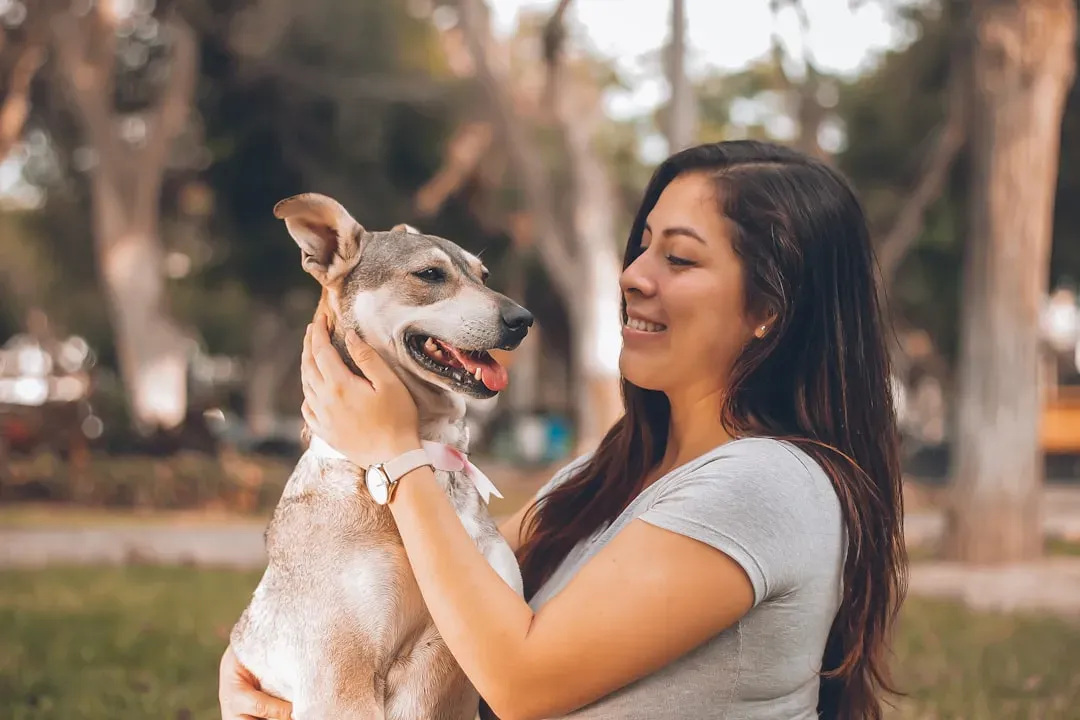
Not every dog is an obedience star, and that’s completely fine. The deeper tell is whose voice cuts through the noise. If your dog softens, orients, or responds first to your tone over anyone else’s, that’s a trust preference, not just training. You’ve become their reference point – the person whose cues matter most when things feel confusing or intense.
You might notice it in a room full of people calling their name, when they go straight to you first. During chaos, like the doorbell ringing or kids yelling, your “hey, it’s okay” calms them fastest. Some people feel offended when a dog seems to “ignore” them but listens closely to one family member. In reality, that’s a compliment aimed at the chosen person. Dogs prioritize the human whose signals have proven consistent, safe, and rewarding over time.
#2 – They Choose You When They’re Sick Or Exhausted
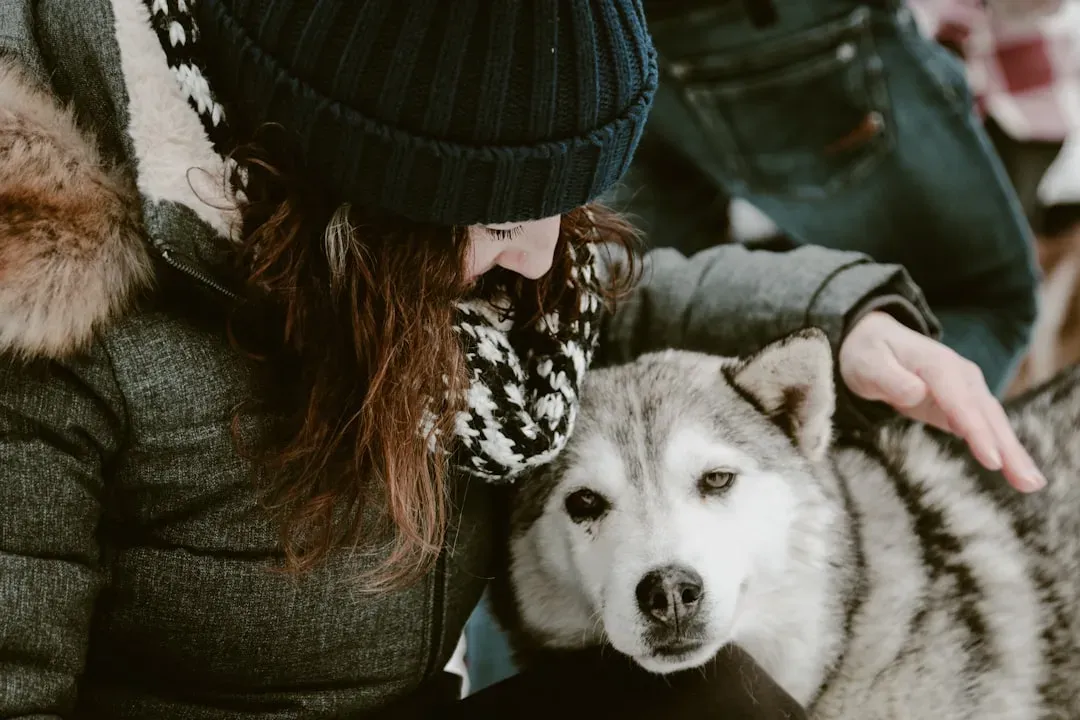
Healthy dogs can be total social butterflies. The real test of the bond is what happens when they feel awful. Many dogs will quietly crawl to one specific human when they’re sick, in pain, or just bone-tired. They might tuck against your side, lay their head on you, or follow you with slower, heavier steps than usual.
Watch for them seeking your lap or side after surgery or a rough vet visit, sleeping in your doorway when they’re under the weather, or letting you medicate, bandage, or help them up even when it hurts. This is exactly when bite risk is normally higher, since injured animals often protect themselves. If your dog, even in discomfort, allows handling from you and only you, they’ve made a brutally honest calculation: your touch equals help, not harm. It’s one of the most profound, if heartbreaking, signs of deep trust a dog can offer.
#1 – They Can Completely Relax When You Leave… And Light Up When You Return
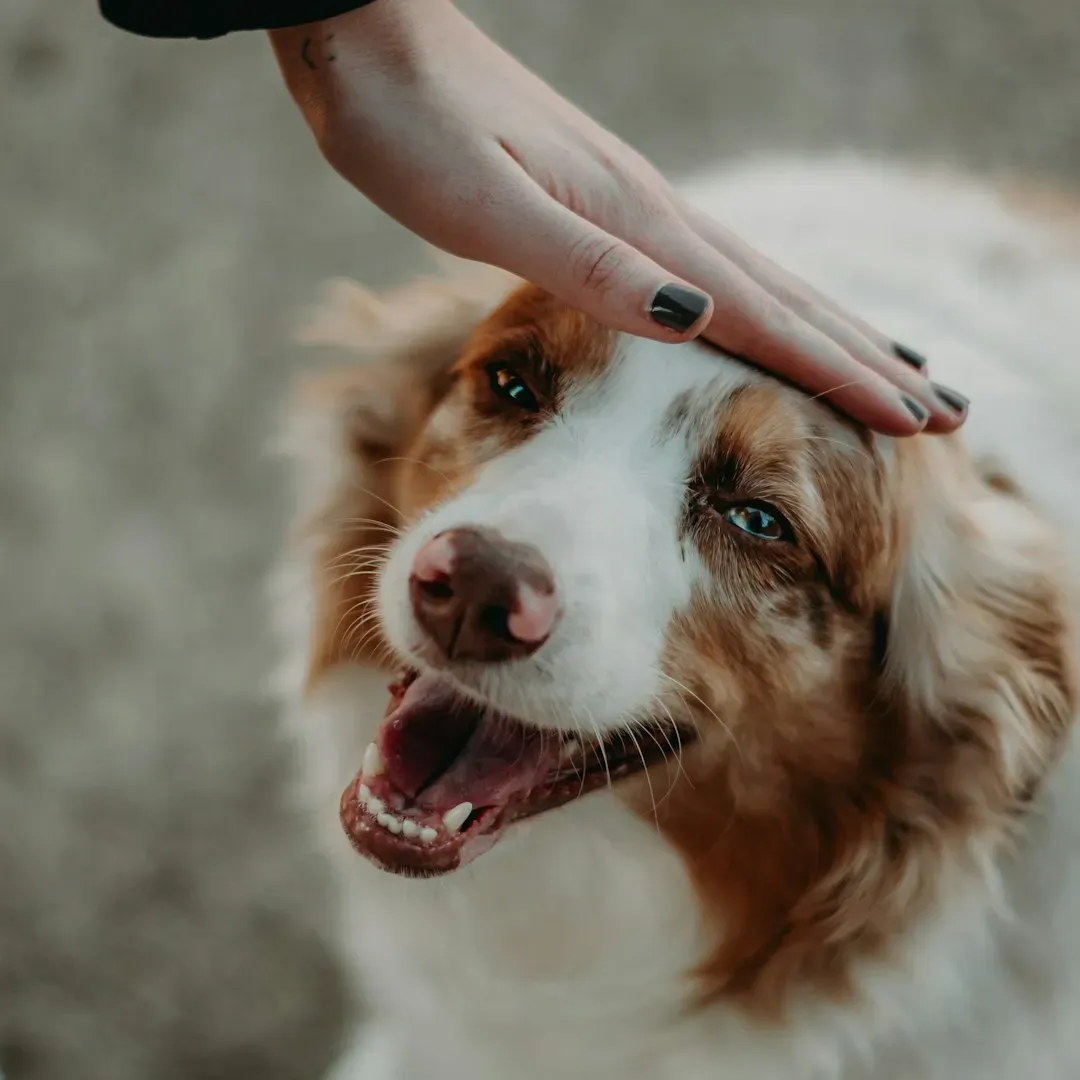
This one flips the internet narrative on its head. Plenty of people assume a dog who screams, scratches doors, or destroys the house the second they leave is “so attached.” Behavior science disagrees. True, secure trust often looks like a dog who can fully relax in your absence, and then greet you with a soft, joyful, controlled welcome when you walk back in.
Look for the real signs: they settle to nap or chew soon after you leave instead of pacing for hours, they greet you with wags and maybe a toy but not a manic meltdown, and they check in with you after the initial excitement, then go back to their day. This means they trust you on two levels – that you will come back, and that life still feels safe even while you’re gone. It’s not dramatic, so it rarely goes viral, but quietly, it’s the gold standard of canine trust in a human.
At a Glance
- Separation anxiety: pacing, barking, destructive chewing, drooling, escape attempts.
- Secure attachment: settles within minutes, naps or chews calmly, no destructive behavior.
- Separation anxiety: frantic, prolonged greeting with jumping, whining, or accidents.
- Secure attachment: warm but controlled greeting, then a quick return to normal routine.
The Bottom Line
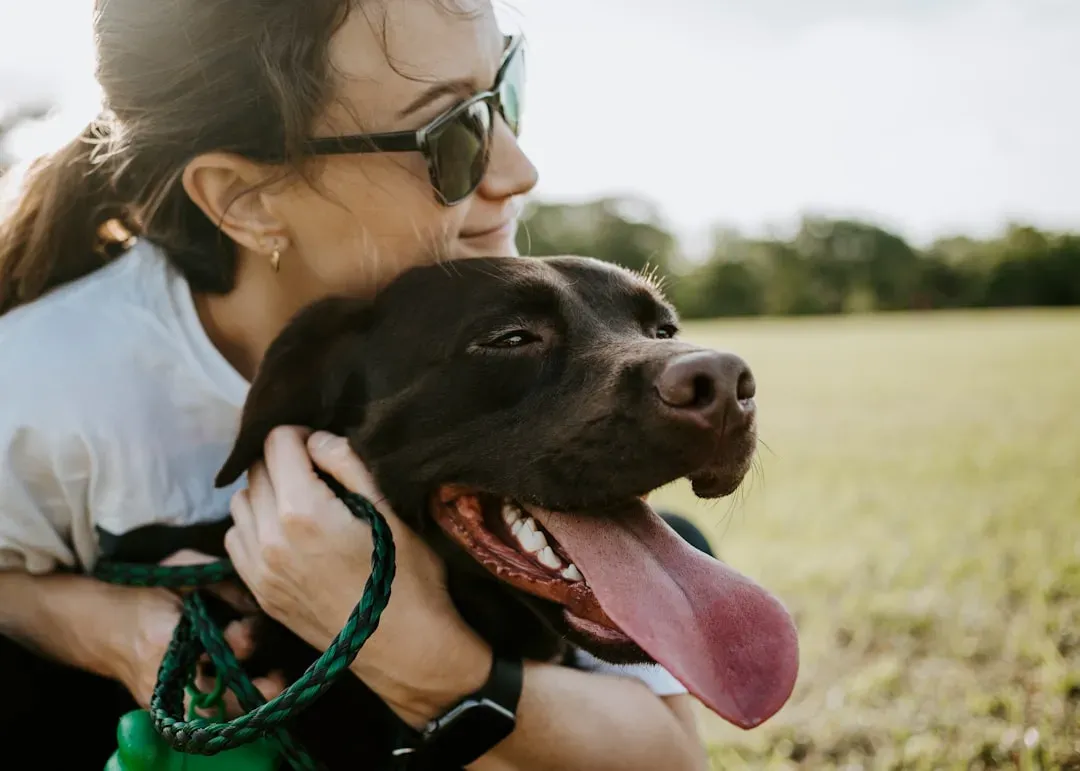
Most people chase big, flashy signs their dog loves them – giant greetings, constant clinginess, over-the-top excitement. But behaviorists and trainers keep circling back to the same uncomfortable truth: the real proof of deep trust is almost boring to watch. It’s the quiet lean, the soft gaze, the relaxed nap at your feet, the ability to eat, sleep, and even fall apart a little around you without fear.
Dogs are not our whole life, but they make our lives whole.
Roger Caras
A dog that can show you their ugly emotions, tolerate your hands in sensitive spots, and still crawl toward you when they’re sick isn’t performing for anyone. They’re telling you, in a dozen quiet ways, “You’re my safe place.” If you recognized even a few of these signs, your dog trusts you more than you probably give yourself credit for. And if you didn’t recognize any yet, that’s not a failure – trust isn’t magic, it’s built slowly, through thousands of small, predictable moments that add up whether you’re counting them or not.


