
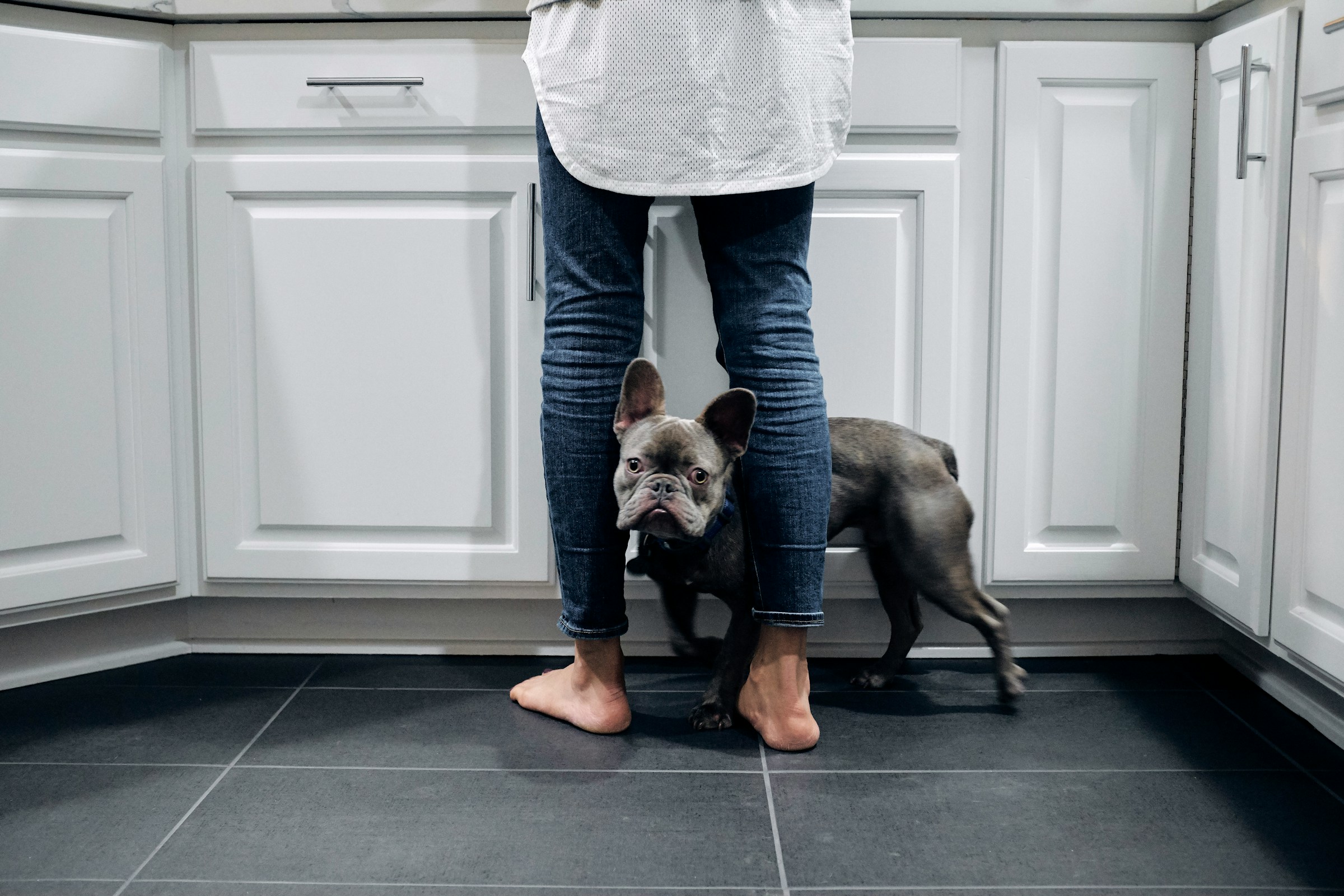
You think walking through the door is a simple homecoming. Your dog thinks it’s an interrogation.
In the time it takes you to hang up your coat, your dog has already run a full diagnostic on your mood, your smell, your voice, and whether you’re really “home” or just physically present. Most owners have no idea how much gets decided in that tiny window before the leash even comes off. Here’s everything your dog quietly clocks the second you step inside – and what it says about the bond you’re actually building.
#1 – Your Mood Hits Them Before You Say a Word
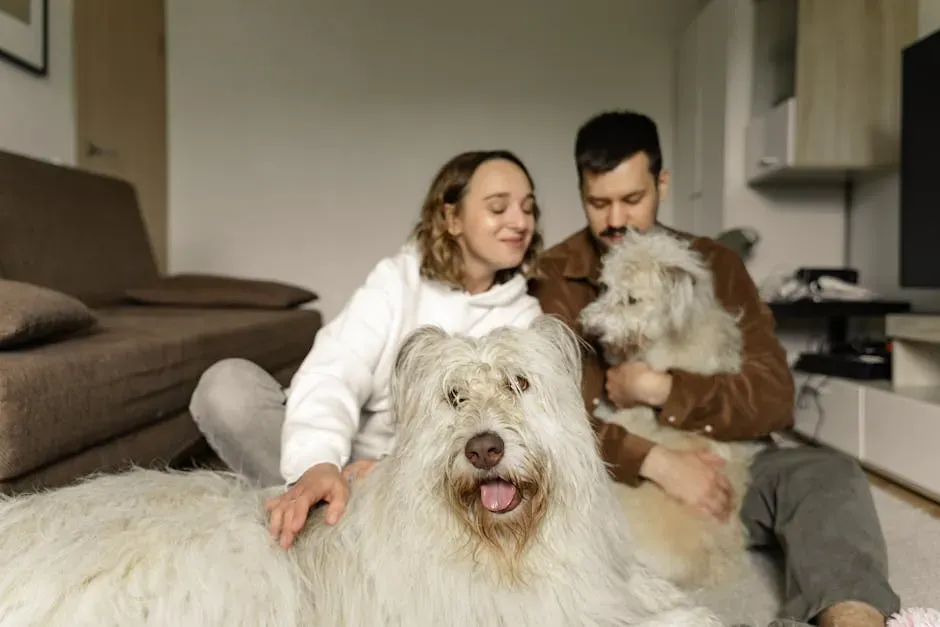
Your dog doesn’t need a sentence to know you’ve had a brutal day. The second that door cracks open, they’re already reading your posture, your breathing, the tightness sitting in your shoulders. Dogs are remarkably skilled at picking up on human facial expressions and tone, and most owners have lived this without realizing it: walk in tense and your dog hangs back, walk in loose and happy and you get the full-body wiggle.
That emotional “weather” you’re carrying becomes the forecast for your dog’s entire evening. Within seconds, they’ve made a call: goofy and wild, or careful and quiet? This is why some dogs suddenly turn clingy on your worst days – they’re not being dramatic, they’re responding to stress signals you didn’t even know you were sending.
#2 – Your Scent Tells On You Immediately
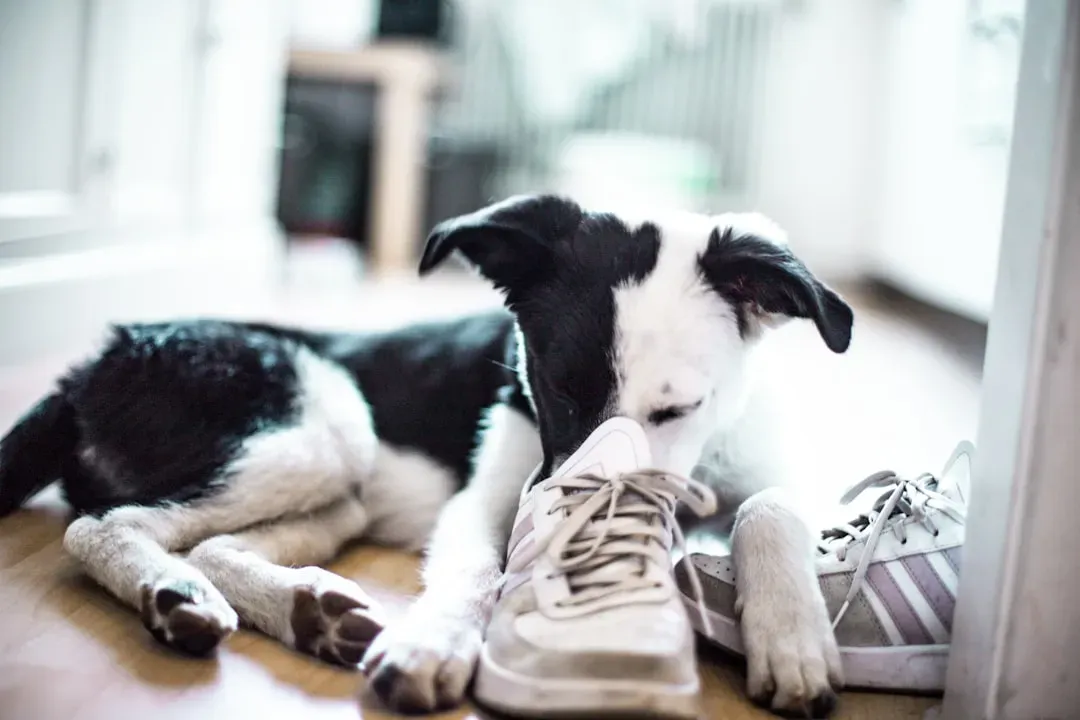
Before you can say “hey, buddy,” your dog is already deep into a full smell report. Their nose can detect odors at concentrations far below what a human could ever notice, which means they know exactly where you’ve been, who you were with, and how stressed you were while you were there. Hugged another dog? Walked through a park? Hit the drive-thru? They know instantly.
This is exactly why some dogs beeline for your shoes, your pants, or your bag the moment you’re inside. They’re not being nosy – they’re updating your file. For anxious dogs, an unfamiliar smell like perfume, a vet visit, or another animal can trigger suspicion or sudden clinginess. For a secure, confident dog, it’s simply juicy gossip worth investigating.
Fast Facts
- Dogs have up to 300 million scent receptors, compared to roughly 6 million in humans.
- The part of a dog’s brain devoted to analyzing smell is proportionally much larger than ours.
- A dog’s nose can isolate a single familiar scent even after it’s mixed with dozens of others.
- Specially trained dogs can be taught to detect certain human illnesses through scent alone.
#3 – Your Speed Sets Their Entire Mood
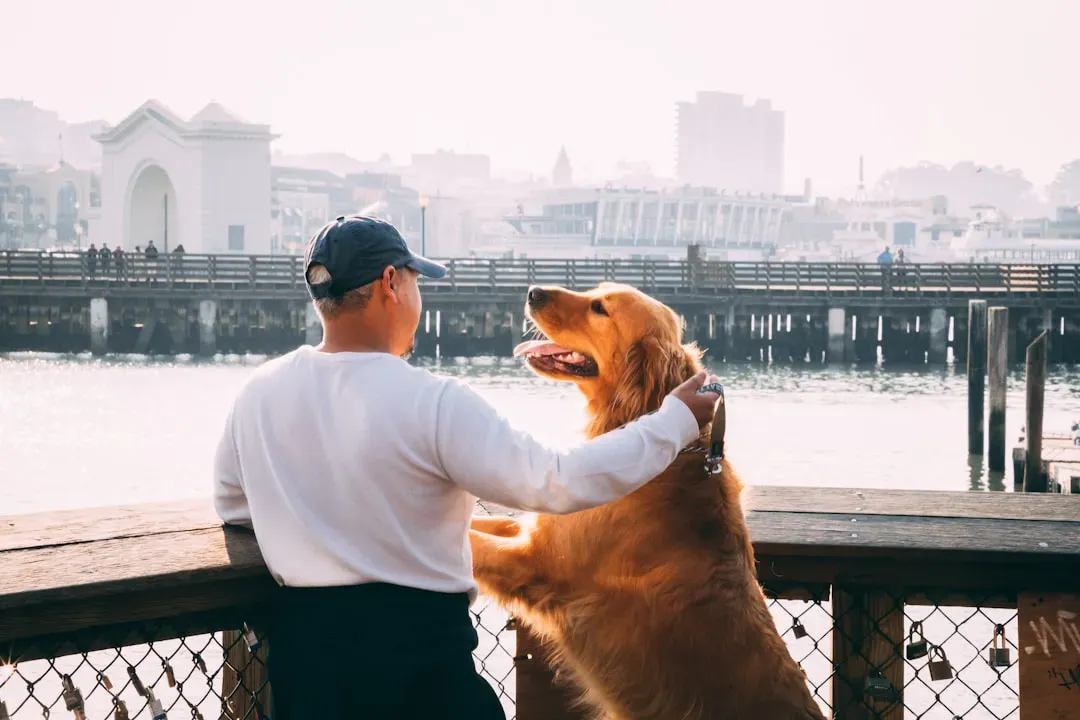
Dogs read your speed and intensity like a headline. Burst through the door, toss your keys, and stomp through the house, and your dog registers that as high-voltage energy – sometimes excitement, sometimes stress they can’t name. Walk in slow and settled, and plenty of dogs shift straight into a calm, easy greeting.
Owners who complain their dog “goes insane” at the door often don’t realize they’re the ones cranking the dial. Watch closely: some dogs bounce and bark the moment you move fast, then melt the second you kneel down and slow your breathing. This is why trainers sometimes tell people to walk into their own house “like a boring person” – your tempo functions like a volume knob on your dog’s whole nervous system.
#4 – Whether Your Hands Are Free, Busy, or Safe
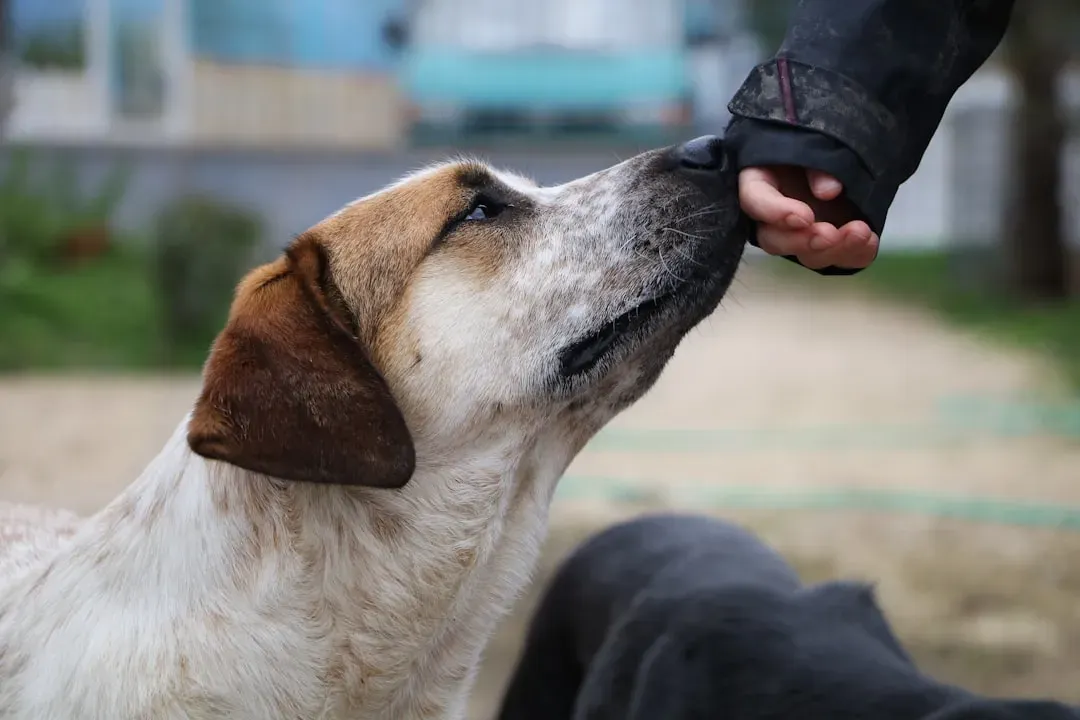
Most people never think about how much power their hands hold in a dog’s world. In those first minutes, your dog notices immediately whether your hands are full of grocery bags and your phone, or open and available. A dog who lives for affection will hover nearby, waiting for the moment those hands are finally free.
A more cautious dog watches your hands closely to make sure nothing is coming in too fast or too high. If you consistently walk in glued to your screen, your dog quietly learns, “I don’t really exist for the first few minutes.” And for dogs who’ve ever been grabbed or struck, hands moving toward them too quickly can trigger a flinch that has nothing to do with today and everything to do with memory.
#5 – The First Sound Out of Your Mouth
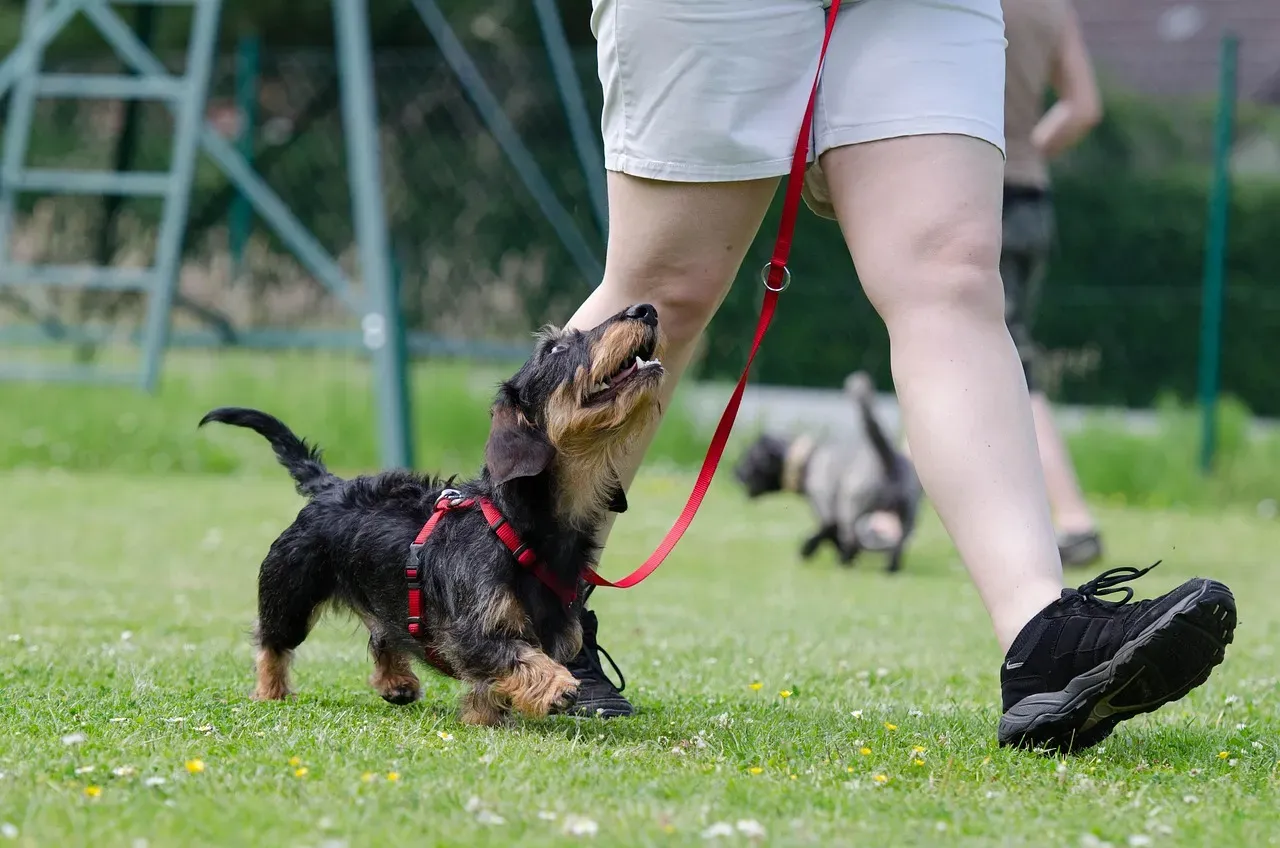
The first few syllables you speak matter more than you’d guess. Dogs are experts at reading tone – high and soft usually reads as “safe and fun,” while low and clipped reads as “something’s wrong,” even if they don’t understand a single word you’re saying.
So when you walk in and snap “move” or sigh their name in irritation, you’re setting a much harsher tone than you realize. Plenty of owners accidentally train their dog to associate homecoming with correction – “stop jumping,” “no barking,” “get down” – until the dog starts greeting them cautiously despite being thrilled they’re home. A simple, upbeat hello before any corrections can completely change how safe that reunion feels.
#6 – Whether You’re Following the “Normal” Script
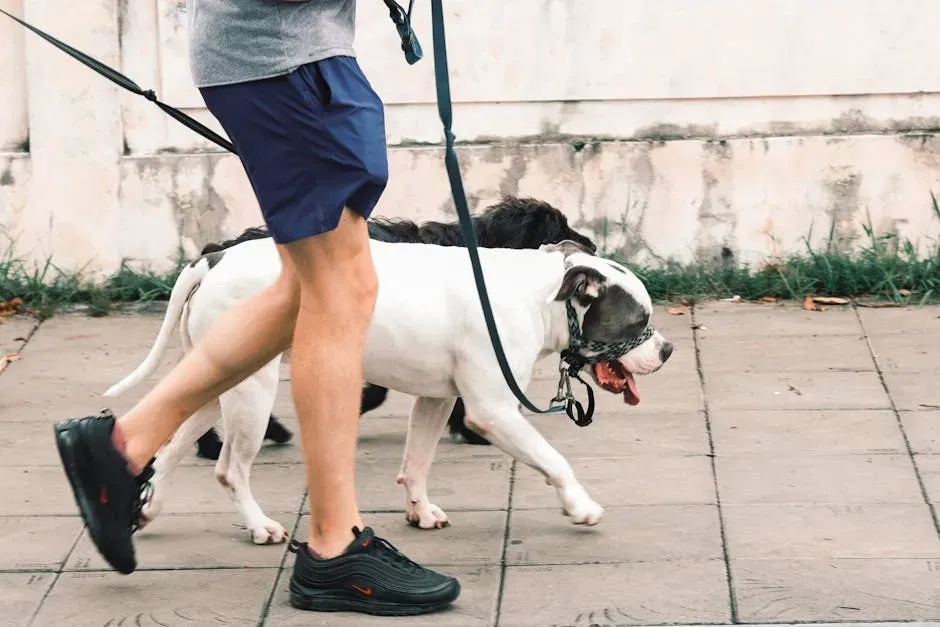
Dogs love a pattern more than most people love routine itself. In those first minutes, they’re clocking whether you’re following the usual choreography: keys on the counter, shoes off, bag in the same chair, maybe water, maybe the leash. They memorize this sequence and use it to predict everything that happens next.
Break the pattern – skip the shoes, march straight to the bedroom, take a frantic phone call – and plenty of dogs go on instant alert. Highly observant dogs notice even tiny deviations, like a missing work bag or unfamiliar shoes, which is exactly why they sometimes seem “psychic” about a walk or dinner coming. When the script changes without warning, your dog is often silently wondering if something is wrong.
Quick Compare
- Predictable homecoming: relaxed sniff, loose tail, easy settle-in.
- Broken routine: alert pacing, hovering, or low-level whining.
- Sudden schedule change: extra shadowing and clinginess for hours afterward.
#7 – Who You Greet First
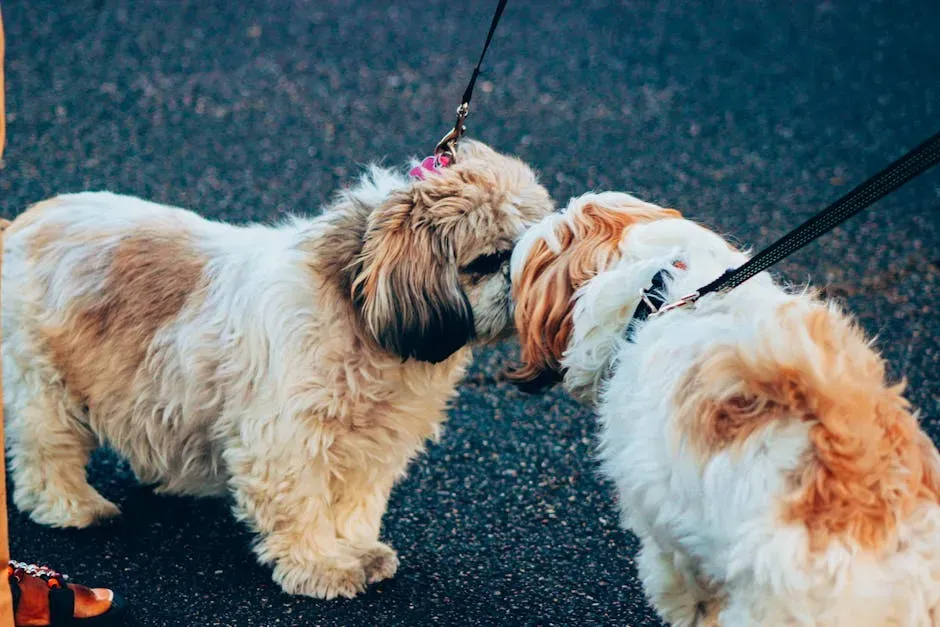
It sounds petty, but your dog absolutely notices whether you greet them, your phone, your partner, or your kids first. In multi-pet homes, they also clock whether another animal gets your affection before they do. To a dog, that order can feel like a quiet status update on exactly where they stand in your life.
That’s why some dogs physically wedge themselves between you and someone else the moment you’re through the door. If your dog consistently watches you hug everyone else first and then gets you as an afterthought, they can become clingier, pushier, or oddly withdrawn during future greetings. Fair or not, those first few seconds often feel like proof to them.
#8 – Your Heartbeat and the Tension in Your Jaw
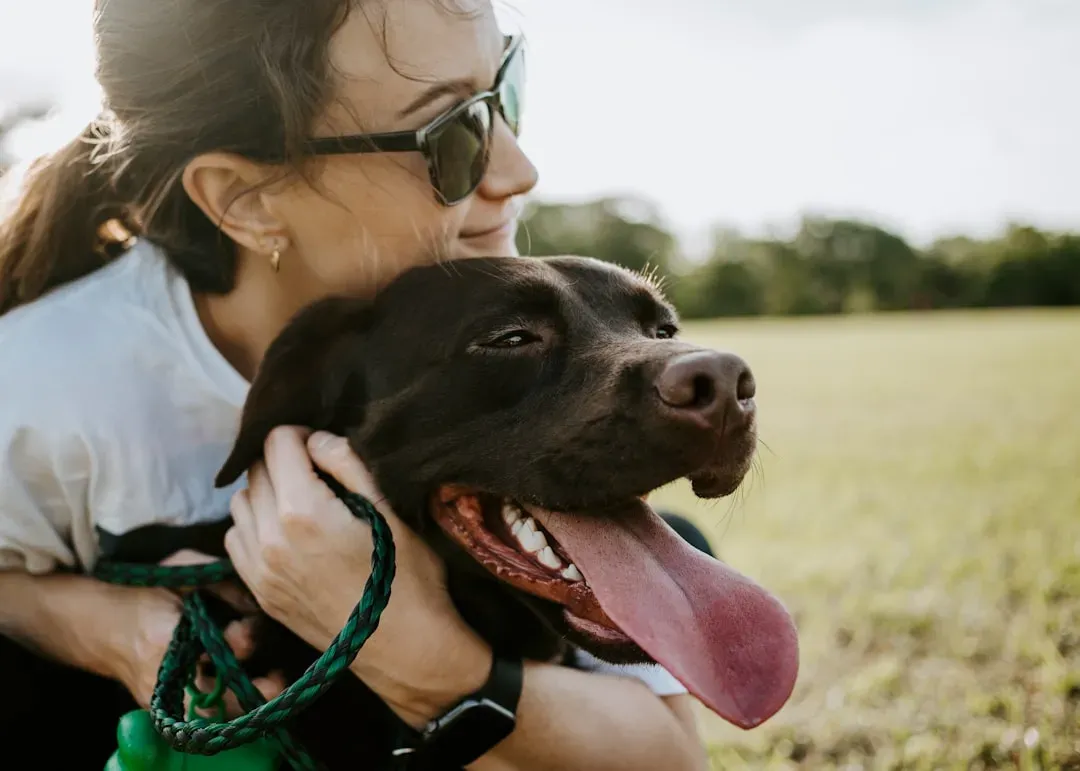
This one makes people a little uncomfortable, but it’s real: your dog is tracking your internal chaos. They can’t hear your thoughts, but they absolutely notice your breathing rate, the tightness in your jaw, and the way your hands fumble with your keys.
If you walk in wired – furious about traffic, wrecked from work – many dogs either shift into hyper mode, trying to distract you with play, or go soft and cautious, with a slow wag and a low posture. Owners often mislabel this as “guilty” or “dramatic” behavior, when really the dog is mirroring or trying to defuse the tension in the room. You can try to fake calm around your dog, but your body usually gives you away long before your voice does.
#9 – Which Direction You Walk First
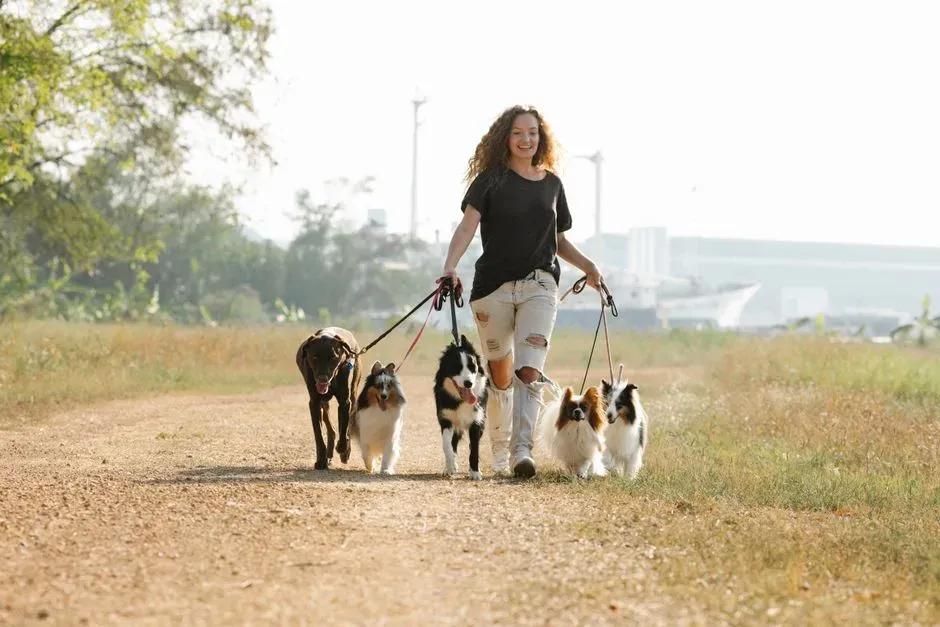
Within the first five minutes, your dog is already placing bets on what happens next, and they read your path like a map.
- Straight to the kitchen? “Maybe food is happening.”
- Toward the closet with the leash? “Walk time. Game on.”
- Directly to the couch? “Okay, it’s cuddle-and-chill mode.”
Dogs get frighteningly good at predicting these micro-routines – some light up the moment your eyes just flick toward the leash hook. The uncomfortable truth is that many owners accidentally build “demand monsters” by doing the exact same thing every single time they walk in, then complain when their dog turns pushy or hyper. Breaking that sequence occasionally feels mean, but it actually teaches your dog to tolerate small delays without falling apart.
#10 – Whether Your Body Is Moving Differently
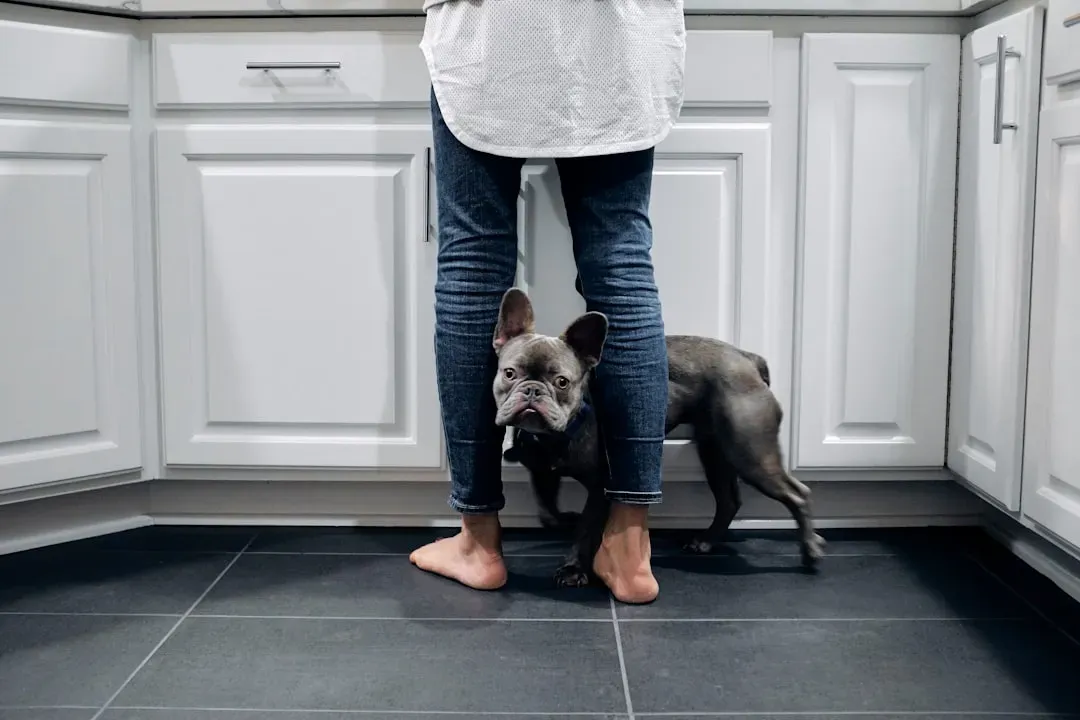
Dogs notice physical changes faster than most spouses do. Limp even slightly and a sensitive dog will slow down and start sniffing at the affected leg. Flop onto the couch like you’ve been hit by a truck, and many dogs either approach gently or keep their distance, depending on how you’ve reacted to touch when you were tired before.
This is part of why older people often swear their dog got “more careful” with them over the years – because it actually happened. Dogs learn exactly who they can body-slam and who needs a soft nuzzle instead. If you routinely groan or push them away when you’re sore, they may start greeting you with more caution even on days you feel completely fine.
Worth Knowing
- Some dogs pick up on subtle changes in a person’s gait caused by pain or injury.
- Specially trained dogs are used to alert people to seizures, low blood sugar, and certain illnesses.
- Many dogs quietly adjust how rough they play based on how their person is moving that day.
- Repeated flinching away from touch can teach a dog to greet you more cautiously over time.
#11 – The Chemical Trace of What You’re Feeling
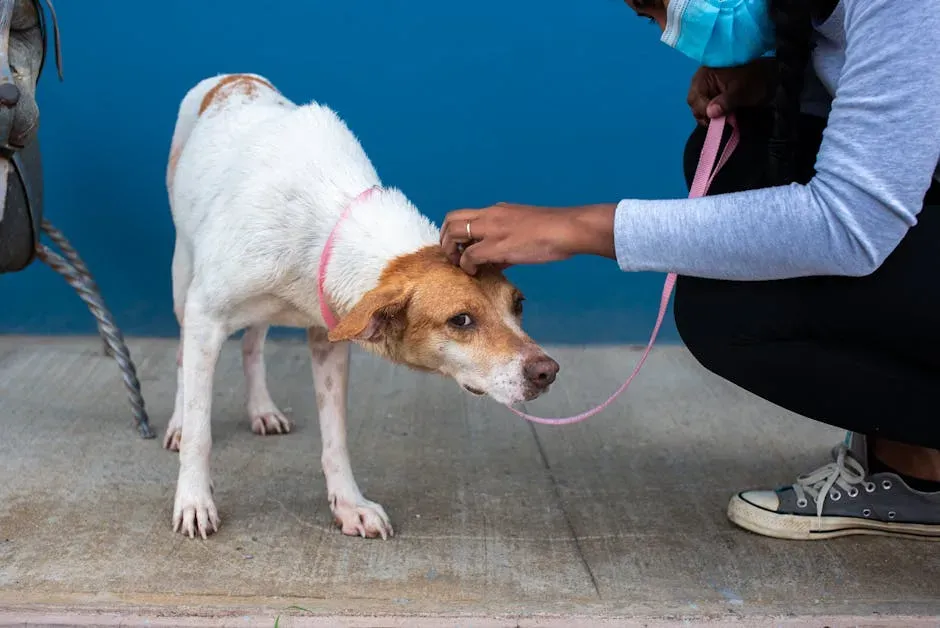
This sounds dramatic, but there’s real evidence behind it: dogs can pick up on the chemical traces of human emotion, especially fear and stress. When you’re upset, your body odor subtly shifts because of hormones and sweat, and your dog notices long before you’ve said anything.
You don’t have to be sobbing for them to catch that something’s off. In the first minutes home after a breakup, a fight, or bad news, your dog might seem oddly intense – staring, licking, whining, or shadowing your every move. They may not understand the story behind it, but they absolutely smell the chapter you’re currently living in.
#12 – Whether You’re Actually Present, or Just There
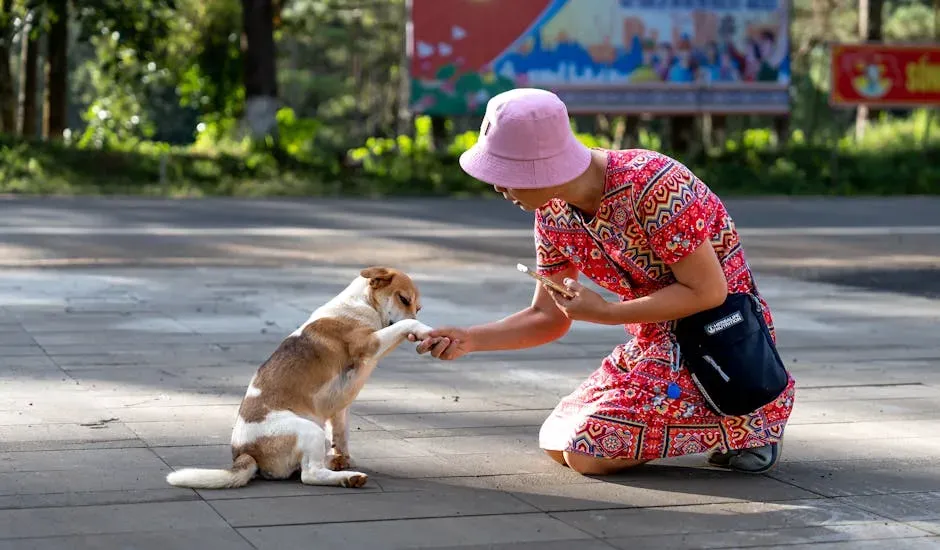
This is the part many people don’t want to hear: your dog knows when you’re home physically but gone mentally. In those first five minutes, they can tell whether you’re truly connecting or just going through the motions while you scroll, vent, or disappear into a screen.
A quick, distracted pat while you walk past isn’t the same as dropping down to their level, saying their name, and actually acknowledging them. Over time, dogs in emotionally checked-out homes often become clingier, louder, or strangely disinterested, adjusting to the reality that your homecoming doesn’t automatically mean closeness anymore.
Why It Stands Out
- Dogs can tell the difference between a distracted pat and focused, intentional attention.
- Calm eye contact and a warm voice signal genuine connection far more than physical presence alone.
- A short, focused greeting can visibly settle a dog’s energy within minutes.
#13 – Whether You Still Feel Like Home to Them
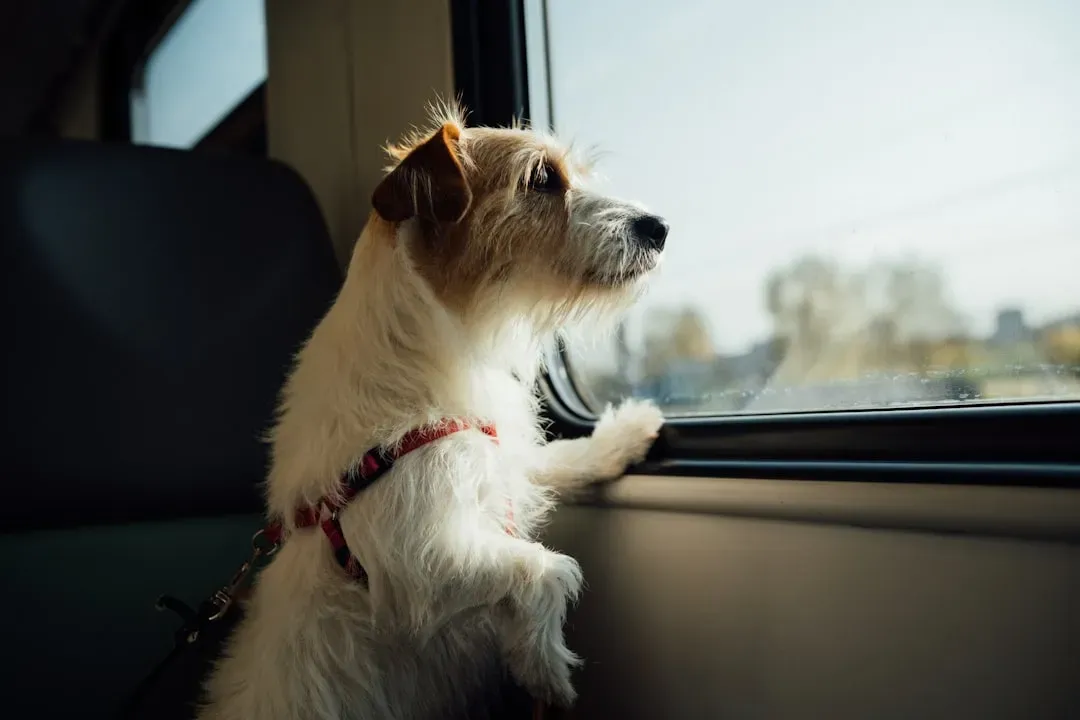
Underneath all this scanning sits one simple, almost brutal question your dog keeps asking in those first five minutes: are you still my safe place? Every detail – your scent, your tone, your routine, your touch, your attention – feeds directly into that answer.
When you walk in predictable, kind, and mostly consistent, their body says yes before their brain even finishes the thought. But when greetings turn chaotic, rushed, or constantly full of correction, some dogs quietly downgrade that feeling over time. They still love you completely – the doorway moment just stops feeling like comfort and starts feeling like confusion.
A dog is the only thing on earth that loves you more than he loves himself.
Josh Billings
The Bottom Line

Most people think coming home is about what their dog does – the jumping, the barking, the frantic zoomies. The truth is it’s just as much about what you do, and your dog is keeping score in ways you rarely notice. They’re reading your mood, your scent, your energy, your attention, and your hidden stress, all within seconds of the door opening.
Here’s the uncomfortable opinion: if your dog’s greetings feel chaotic, clingy, or distant, it’s rarely just “how they are.” It’s usually a reflection of the patterns the two of you have built at that door, night after night. The good news is you don’t need to overhaul your whole life to fix it – thirty seconds of calm, focused attention tomorrow is enough for your dog to notice the difference immediately.


