
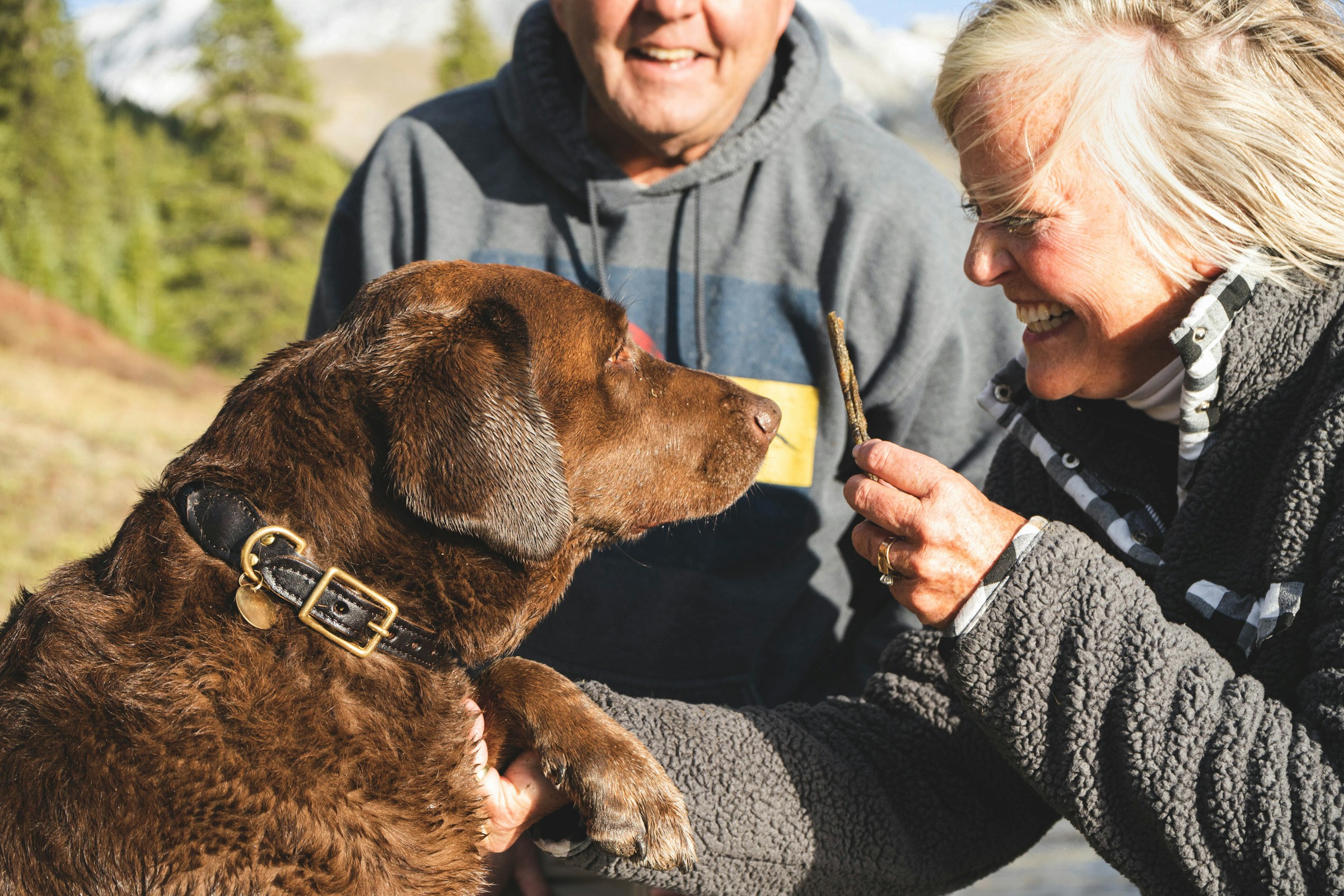
Everyone tells grandparents the same reassuring line: “Don’t worry, he’s great with kids.” But pediatric ER doctors and vets have quietly been comparing notes, and the picture they’re seeing is very different. A striking number of serious dog bites to children happen with a familiar family dog, often at home, often with a loving grandparent standing just a few feet away.
That’s the uncomfortable part nobody puts on a greeting card. Good intentions, decades of “dog sense,” and genuine love for both the kids and the dog aren’t enough on their own. Vets say the old rules of childhood have quietly expired, and what worked in 1985 can now backfire in seconds. Here’s what they actually wish every grandparent understood before saying, “Sure, bring the dog too.”
#1 – “He’s Good With Kids” Doesn’t Mean “He’s Safe With Your Grandkids”
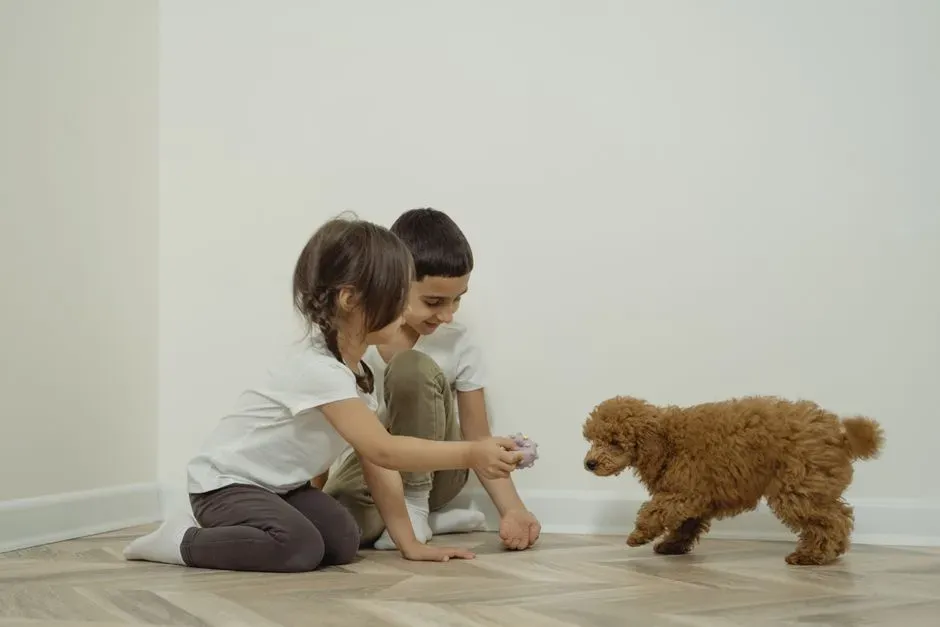
People love to brag that their dog is great with kids, but vets see the other side of that sentence every week. Most bites come from dogs that have never bitten anyone before in their lives. A dog can be perfectly relaxed around one calm child and still feel completely overwhelmed by a louder, grabbier, more unpredictable one.
Toddlers who shriek, grab fur, or wobble right at eye level are especially risky, and grandparents often trust the dog’s track record instead of watching the dog’s body language in that exact moment. Vets want every new kid-dog pairing treated like a fresh situation, not a rerun of a good history. No off-leash free-for-alls on day one, and no letting the dog “figure it out” alone. Saying, “We’ll go slow today,” isn’t paranoid. It’s exactly what a vet would do.
Fast Facts
- Roughly 4.5 million dog bites happen in the U.S. every year.
- Children ages 5 to 9 have the highest bite rate of any age group.
- About 4 in 5 biting dogs belong to the victim’s own family or a close friend.
- Roughly 80% of dog bites happen inside the home, not out on a walk.
#2 – “Supervision” Doesn’t Count If You’re On Your Phone or In the Kitchen
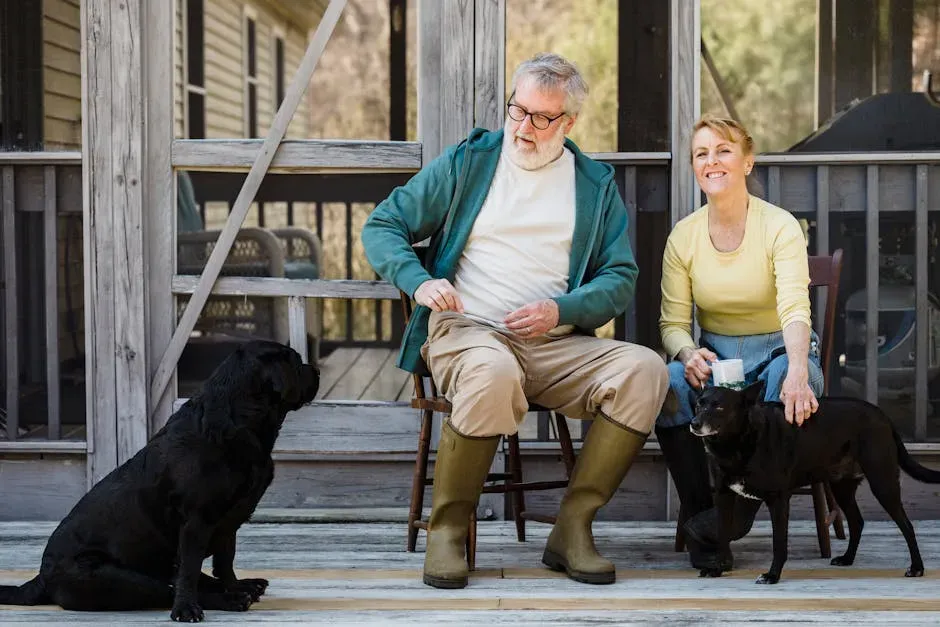
Almost every grandparent involved in an incident says the same thing afterward: “I was right there when it happened.” Vets have learned to ask a sharper follow-up question. Were you actually watching, or just nearby?
Real supervision means your eyes and your brain are on the kid-dog interaction, not half-folding laundry or half-scrolling Facebook. Bites happen in seconds, not minutes. A toddler tripping over a sleeping dog, a hug that’s a little too tight, or a dog snatching food from a sticky hand can spiral before you’ve even turned away from the stove. Veterinary behaviorists call the real version “active supervision”: same room, close enough to calmly step in before a growl turns into a snap. If you need to cook or shower, a baby gate or a closed door isn’t overreacting. It’s just what vets quietly do in their own homes.
#3 – Hugs, Kisses, and Face-to-Face Photos Are a Bigger Bite Risk Than You Think
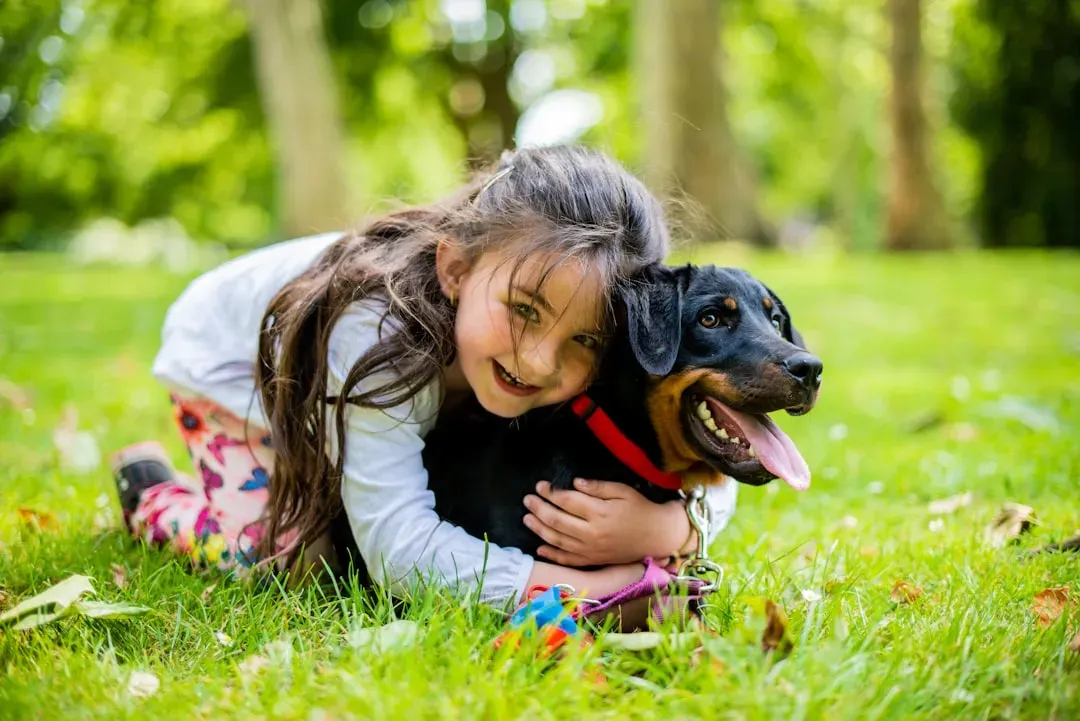
The internet is full of adorable photos of toddlers hugging a dog’s neck, cheek pressed against fur. Vets look at those same photos and wince, because face-to-face squeezing is one of the fastest paths to a bite. Dogs don’t hug. Being pinned or grabbed around the neck can register as a real threat, not affection.
Many dogs freeze, lick their lips, show the whites of their eyes, or yawn, all early panic signals that look, to an untrained eye, like the dog is simply tolerating the moment. Grandparents are often the ones snapping the photo, saying, “Oh, he loves her,” while the dog is silently begging for space. The fix is simple: teach kids to pet the chest or shoulder, skip the kisses and the climbing, and get your cute photo with a little breathing room between them instead of nose-to-nose.
#4 – “Let Them Work It Out” Is Outdated and Genuinely Dangerous Advice
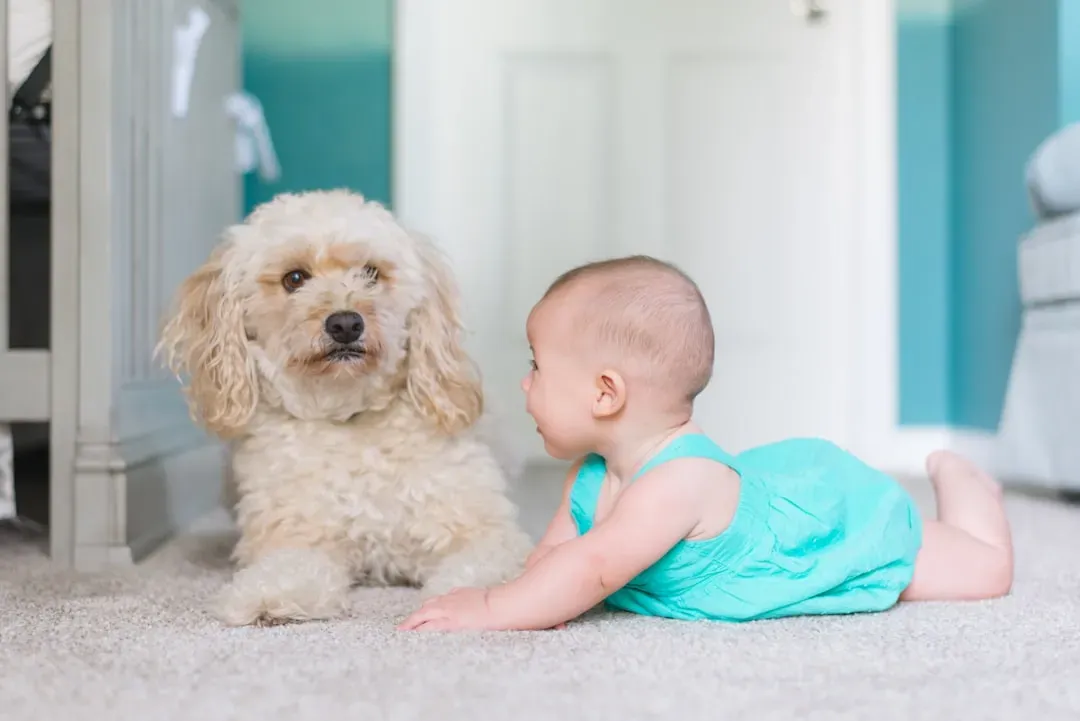
A lot of grandparents were raised on the idea that kids and dogs should sort things out between themselves. Vets now call that a fast track to fear, bites, and behavior problems that last for years. When a child crowds or pressures a dog, the dog only has two real options: escape or defend.
If growling makes the child back off, that becomes the dog’s go-to move. If nobody ever steps in, some dogs learn to skip the warning altogether and go straight to a bite. Vets and trainers want adults acting as the referee, not the audience: step in early if the dog walks away and the child keeps following, and end any game the moment the dog looks stiff, tense, or like it’s trying to hide. The worst cases vets see tend to involve families who bragged for years that their dog would “never” do that.
#5 – Dogs Need a Kid-Free Safe Zone, and It Has to Be Completely Off-Limits
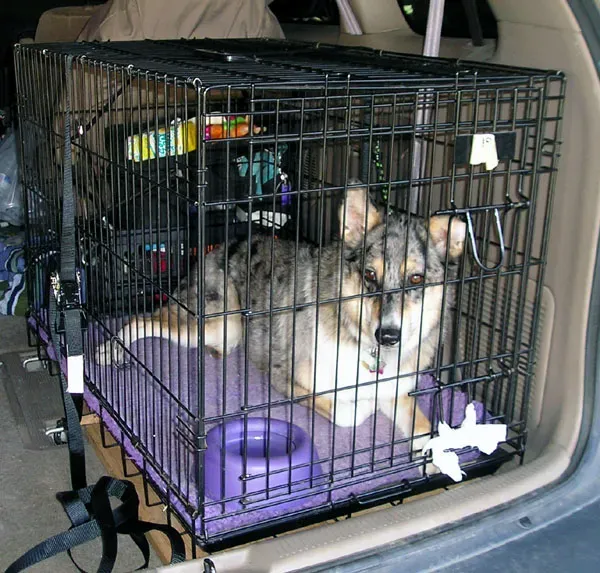
Most families build a safe space for the baby: a crib, a playpen, a gated room. Very few build a true no-kids-allowed zone for the dog, and vets say that gap is a bigger deal than people realize. When a dog has nowhere to retreat, stress builds all day long, one poke, one slammed door, one flying toy at a time.
Even the sweetest dog can eventually snap when enduring is their only option. Pick the safe zone before the grandkids ever arrive, whether it’s a crate with the door open, a quiet bedroom, or a gated hallway, and repeat one rule until it sticks: when Doggo is here, we leave him alone. No quick pets, no following him in to apologize. The safe zone only works if the dog fully believes it’s sacred.
At a Glance: Building a Dog’s Safe Zone
- Pick the spot before grandkids arrive: a crate, a quiet bedroom, or a gated hallway.
- Make it 100% off-limits to kids, no exceptions for “just a quick pet.”
- Keep water, a comfy bed, and a favorite chew inside so the dog actually wants to go there.
- Reinforce the rule out loud every visit: “When Doggo’s in his spot, we leave him be.”
#6 – “He Just Growled” Is Not a Scolding Opportunity – It’s a Smoke Alarm
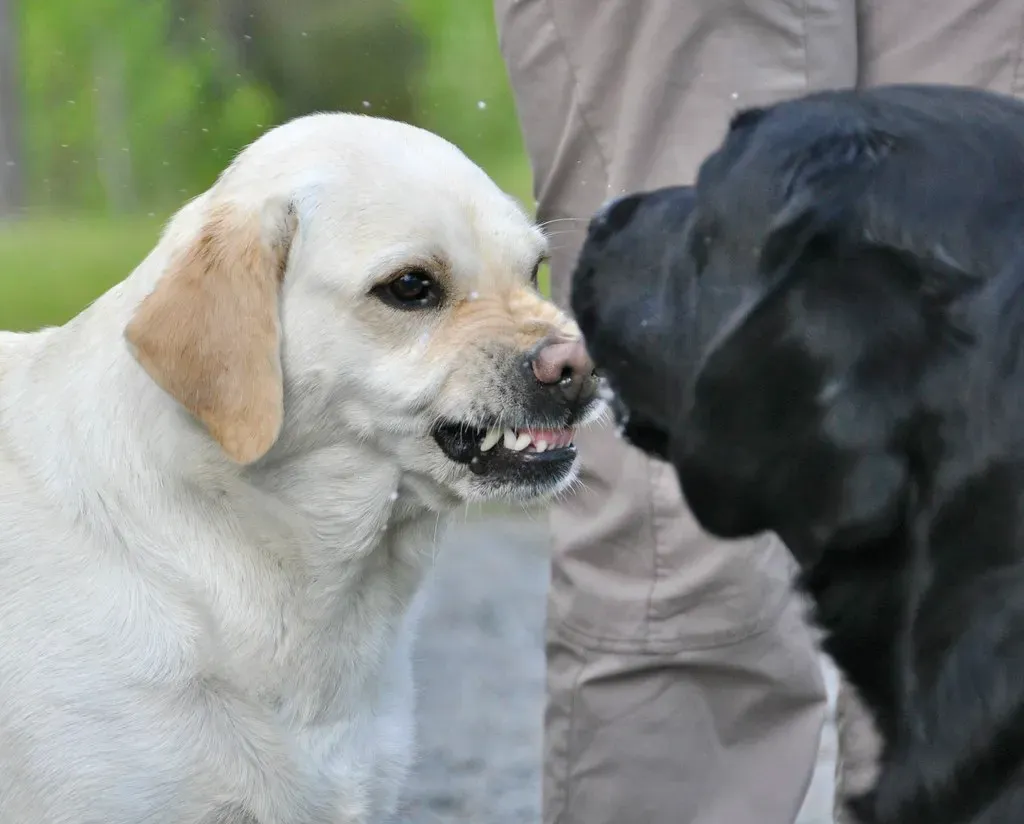
A lot of grandparents react to a growl the way they’d react to backtalk from a grandkid: sharp voice, quick correction, case closed. Vets see it completely differently. A growl is a warning system doing exactly what it’s supposed to do, the smoke alarm going off before the fire starts.
Punish the growl and you haven’t fixed the discomfort underneath it, you’ve just disabled the warning. Next time, some dogs skip straight to teeth with no notice at all. Instead of scolding, vets want you to separate the dog and child, figure out what actually triggered it, and protect rather than punish. If your instinct is “don’t you growl at her,” pause. The dog is telling you something real, and listening is smarter than shutting it down.
#7 – Food, Snacks, and the Kitchen Are Prime Bite Zones

Grandkids are basically little walking food trucks, crackers fisted in one hand, sticky fingers everywhere, half a sandwich abandoned on the coffee table. Vets treat an endless stream of bites tied to food, and it’s rarely about meanness. Dogs are simply wired to guard or snatch anything that smells like a high-value snack.
A dog lunging for a dropped chip can catch a finger by accident, and a kid trying to take a cookie back can trigger real resource guarding. A few unglamorous rules go a long way: no feeding from the table ever, kids toss treats away from their own bodies instead of hand-feeding, and the dog stays behind a gate during meals. Families roll their eyes at this until the first “he nipped her” moment, and vets would much rather you be inconveniently strict now than sitting in an ER later.
#8 – Your Dog’s Schedule Matters More Than Anyone Expects
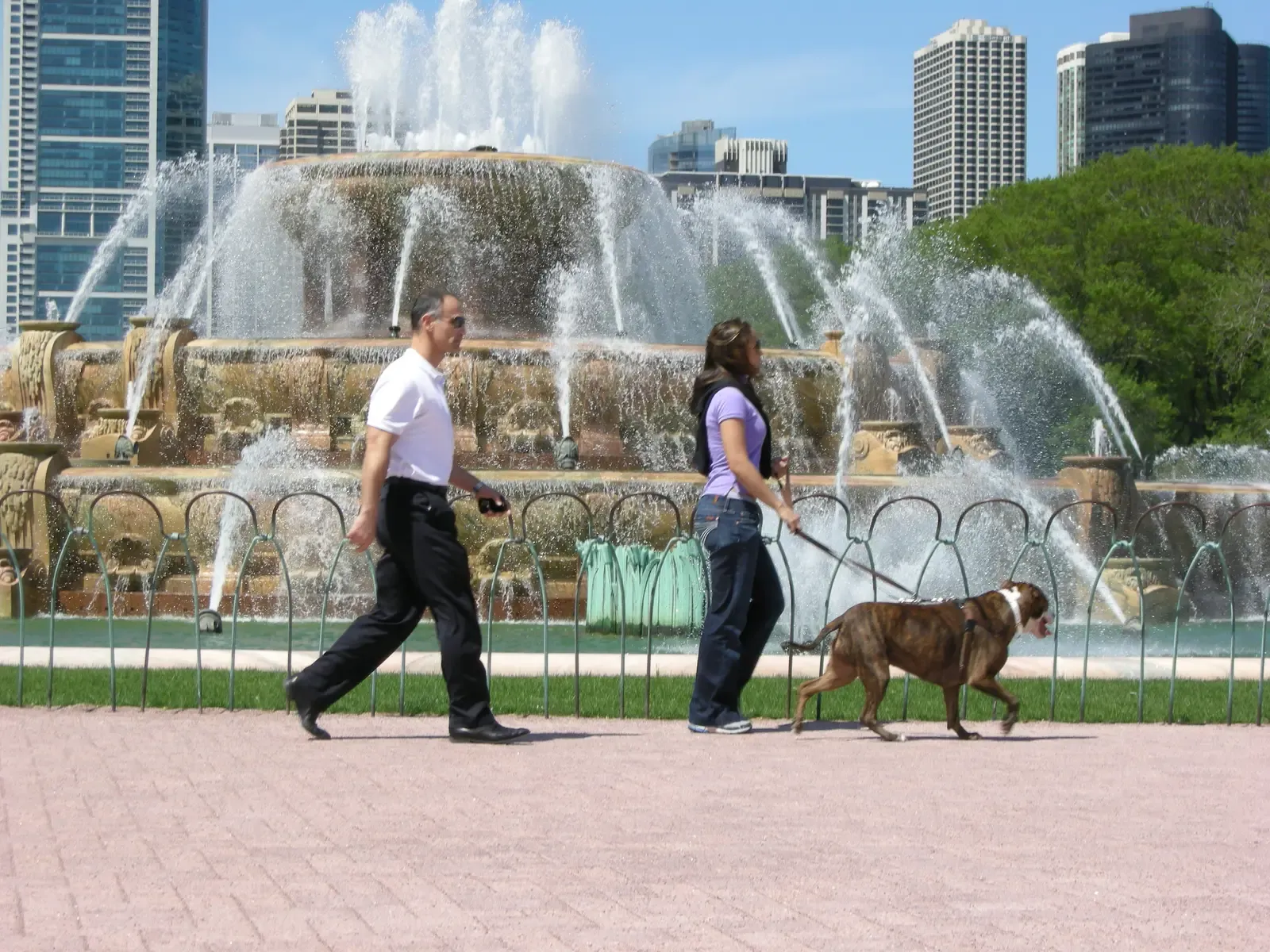
Grandparents plan around naps and snack times for the kids, but the dog had a rhythm too, and it’s easy to forget. Cram in new walk times, skipped naps, extra visitors, and late nights all at once, and plenty of dogs get exhausted and edgy, exactly like an overtired toddler.
Vets routinely see the fallout: more pacing, more whining, more snapping, even stress-related stomach issues. Before a weekend or an overnight stay, think like a vet tech. Keep feeding times roughly normal, protect one calm walk a day without the kids in tow, and build in quiet breaks when the house gets loud. You don’t need a military schedule, just protection of the basics, because a dog running on fumes is a dog with a short fuse.
#9 – “He’s Just Old” Can Hide Serious Pain, and Pain Has Teeth
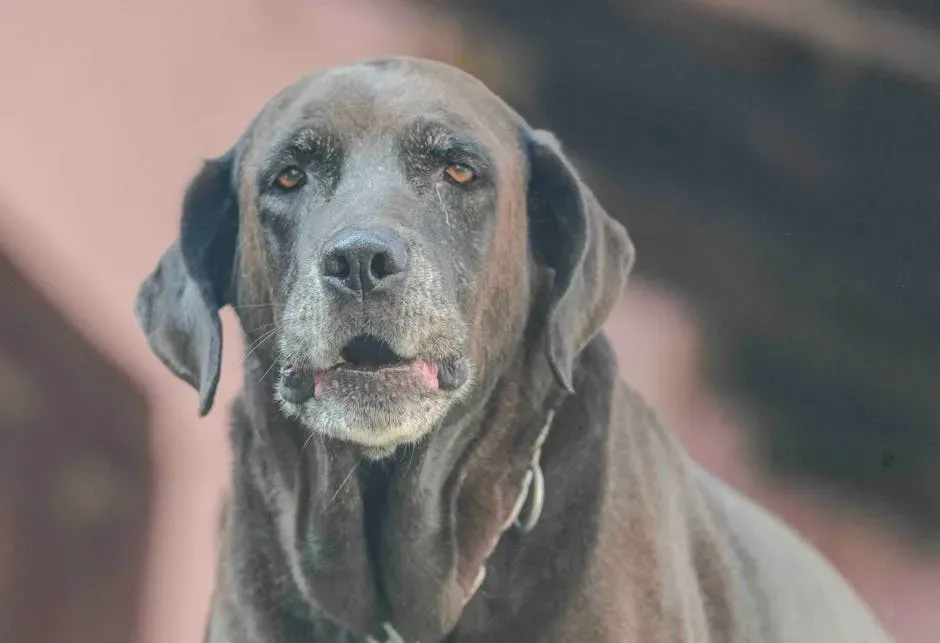
Grandparents understand arthritis better than almost anyone, yet many still miss it in the dog lying right at their feet. Vets constantly discover that a “grumpy” senior dog is actually living with chronic pain in the hips, knees, or back. A child who flops onto that dog, grabs a tail, or tries to scoop them up can trigger a lightning-fast defensive bite, not out of meanness, but because it genuinely hurts.
If an older dog will be around the grandkids, watch for the signs: slow to rise, hesitant on stairs, flinching at touch, more avoidant than they used to be. If any of that sounds familiar, it’s worth a real conversation with the owners about pain management and strict handling rules. Some vets even recommend a firm no-hands policy for very painful seniors around toddlers, and it only sounds harsh until you’ve seen the X-rays and the bite reports that go with them.
Worth Knowing: Signs an Older Dog May Be in Pain
- Slow or stiff when standing up, especially right after a nap
- Hesitating, limping, or struggling on stairs
- Flinching, growling, or snapping when touched in one particular spot
- Avoiding the grandkids more than usual, hiding, or seeking distance
#10 – “Just a Little Roughhousing” Can Teach All the Wrong Lessons
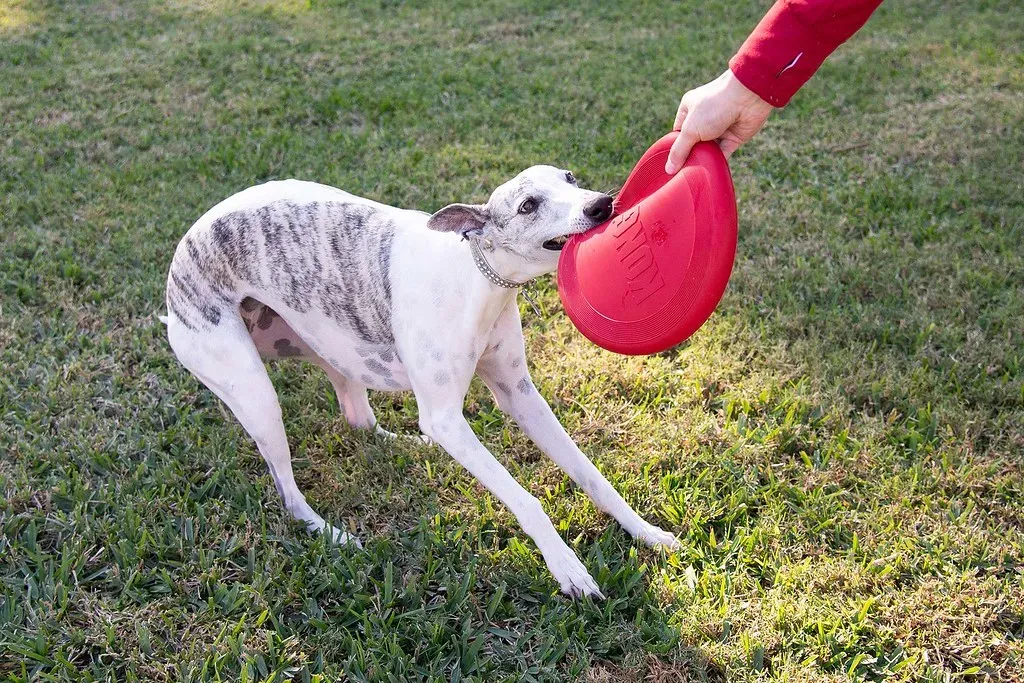
Plenty of grandparents grew up wrestling with dogs, playing hard tug-of-war, letting the dog chase and pin them for fun. Vets say those games can blur boundaries for kids and spike arousal in dogs, a risky combination when you add small bodies and thin skin to the mix.
A game of chase can end with a child knocked flat. A wild tug session can end with teeth accidentally closing on a sleeve or a hand. Vets push calmer alternatives instead: fetch where the dog drops the toy before it’s grabbed back, simple nose-work games like finding a treat under a cup, or basic tricks with treats that never involve wrestling at all. If a game makes the dog jump, mouth, or pin the child, even while everyone’s laughing, it’s time to switch games. Fun and safe aren’t always the same thing, and vets see the fallout whenever that line gets crossed.
Most dog bites happen not because the dog is aggressive, but because the dog felt it had no other option.
American Veterinary Medical Association
#11 – Not Every Dog Should Travel to Grandma’s, and That’s Genuinely Okay
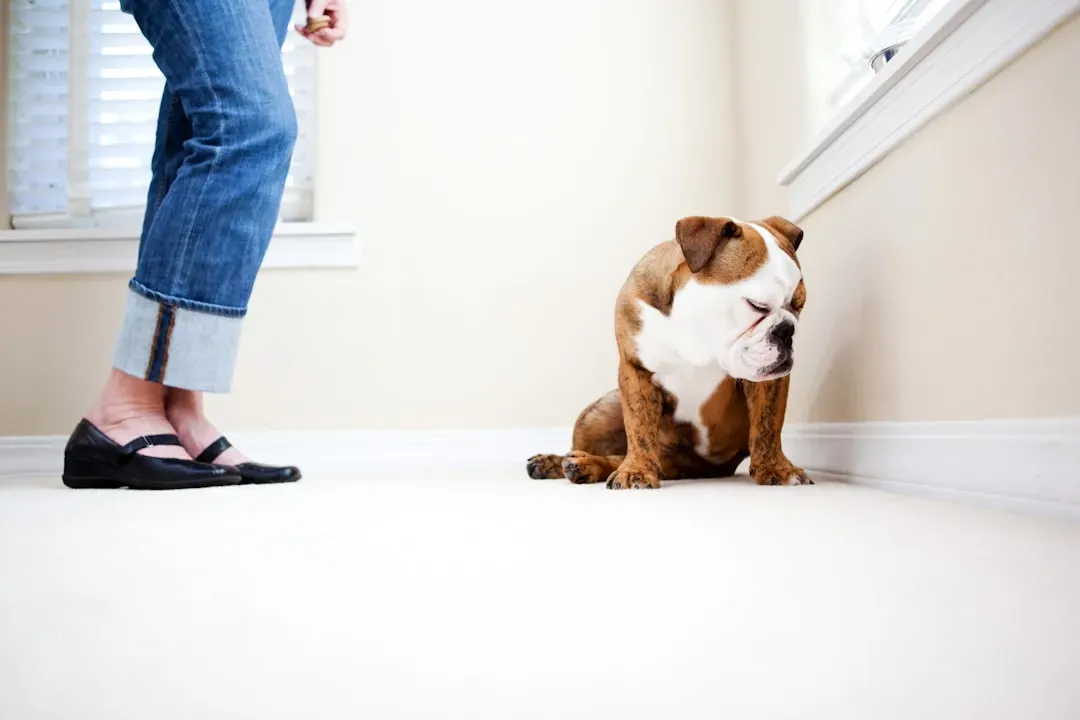
Sometimes families guilt grandparents into hosting the dog alongside the kids, insisting it’ll be easier that way. Vets often see it the opposite way. Some dogs simply don’t belong in a chaotic, kid-filled house, especially anxious, reactive, or poorly socialized ones. A new environment, strange smells, and loud children can overwhelm even a dog that’s usually rock-solid.
You’re allowed, and vets would say wise, to draw a line here. If the dog has a history of growling, snapping, or terror around visitors, suggest a pet sitter or boarding instead. If your home has stairs, breakable items, or no real safe space, be honest about that upfront. Saying no doesn’t mean you don’t love the dog. Vets see far more regret from grandparents who said yes when their gut was already telling them it should’ve been a not-this-time.
#12 – Flea, Tick, and Worm Protection Isn’t Just “Extra,” It’s About Your Grandkids Too
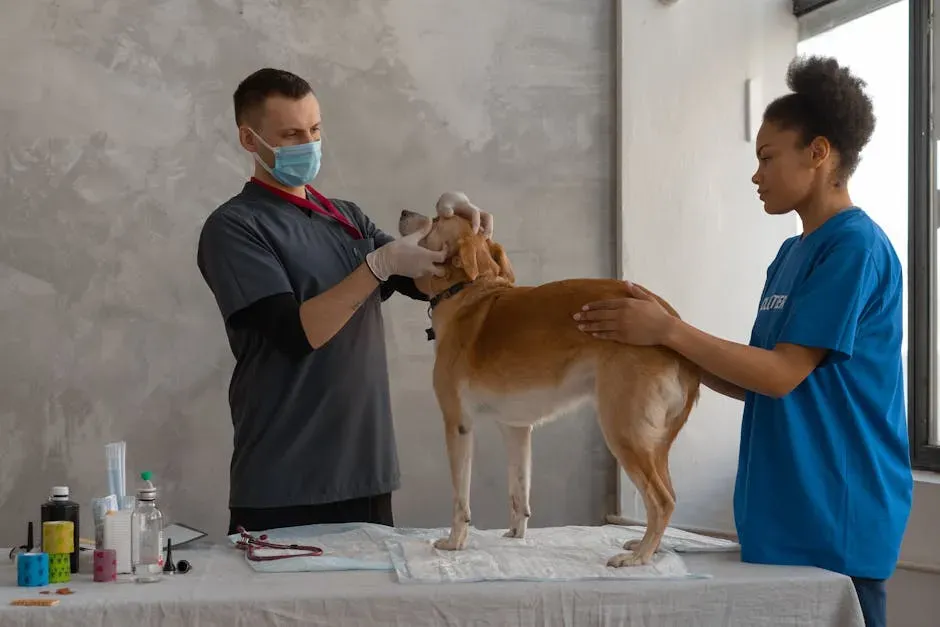
Plenty of grandparents treat flea and tick meds as optional, especially for a dog that “doesn’t go far.” Vets push back hard on that one, particularly once children enter the picture. Fleas, ticks, and certain intestinal parasites can affect human health directly, and kids are the ones rolling on the floor, sharing beds, and putting fingers in their mouths without a second thought.
A dog picking up a tick in the yard can deliver it straight to a grandchild’s scalp by way of the couch. Before a long stay or frequent visits, it’s worth a blunt conversation: is the dog current on flea and tick prevention, and has it had recent deworming and checkups? It’s not nosy, it’s basic responsibility, and vets routinely treat families for preventable parasite issues that started with “we thought he was fine.”
Quick Compare: Casual vs. Responsible Prevention
- Casual: “He doesn’t go far, so we skip the flea meds.” Responsible: Year-round flea, tick, and heartworm prevention, even for homebodies.
- Casual: A vague memory of the last vet visit. Responsible: A current record of deworming, vaccines, and checkups before grandkids visit.
- Casual: Assuming ticks stay outside. Responsible: Daily tick checks after yard time, especially around ears and paws.
#13 – Medication, Trash, and “Cute Sharing” Can Turn Deadly Fast

Grandkids arrive with diaper cream, gummy vitamins, and snacks in every pocket, while grandparents often have their own pills sitting out in weekly boxes on the counter or nightstand. Vets will tell you flatly that dogs eat everything, including human medication, sugar-free gum, grapes, and chocolate, and kids love to “share” with the family dog without thinking twice.
That combination keeps poison control lines and emergency vet clinics extremely busy. A few non-negotiables vets wish every grandparent followed: all medication locked away, never left on a counter or nightstand; no letting kids share food with the dog, not even “just one”; and trash cans with secured lids, diaper pails included. One cute moment of sharing a handful of raisins or a gummy vitamin can end in kidney failure or a midnight ER dash. It isn’t dramatic, it’s basic toxicology vets see on a weekly basis.
#14 – Teaching Respect for the Dog Is Part of Being a Grandparent Now
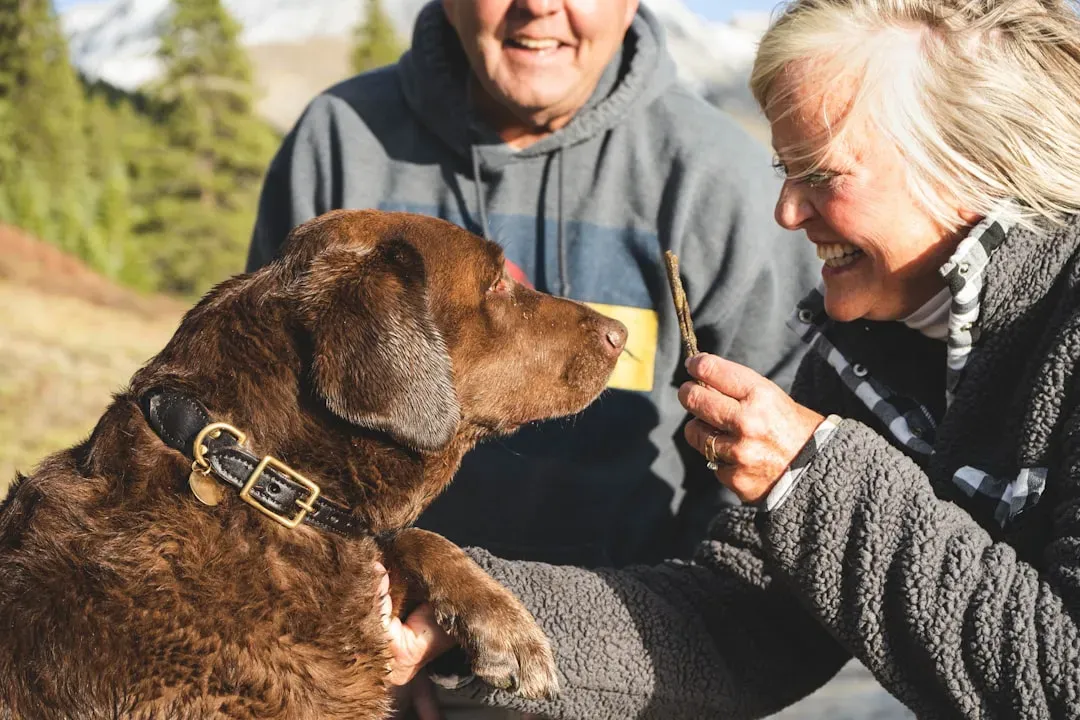
The biggest shift vets talk about isn’t a single rule, it’s a mindset change. We used to raise kids around dogs. Now we have to raise kids to actively respect them. That means grandparents aren’t just the cookie-givers and story-readers anymore, you’re also the safety coach, whether you signed up for the job or not.
Many parents are stretched thin and inconsistent, which makes a grandparent’s calm, steady authority more valuable than ever. Vets wish more grandparents used simple scripts like these: “If the dog walks away, we let him go, that’s his way of saying no thank you.” “We use gentle hands, or we don’t touch at all.” “We don’t wake sleeping dogs, just like we don’t wake sleeping babies.” This isn’t strictness for its own sake, it’s modeling that love comes with boundaries, for kids and animals both. The grandparents who embrace this are the ones vets quietly wish everyone would copy.
The Bottom Line
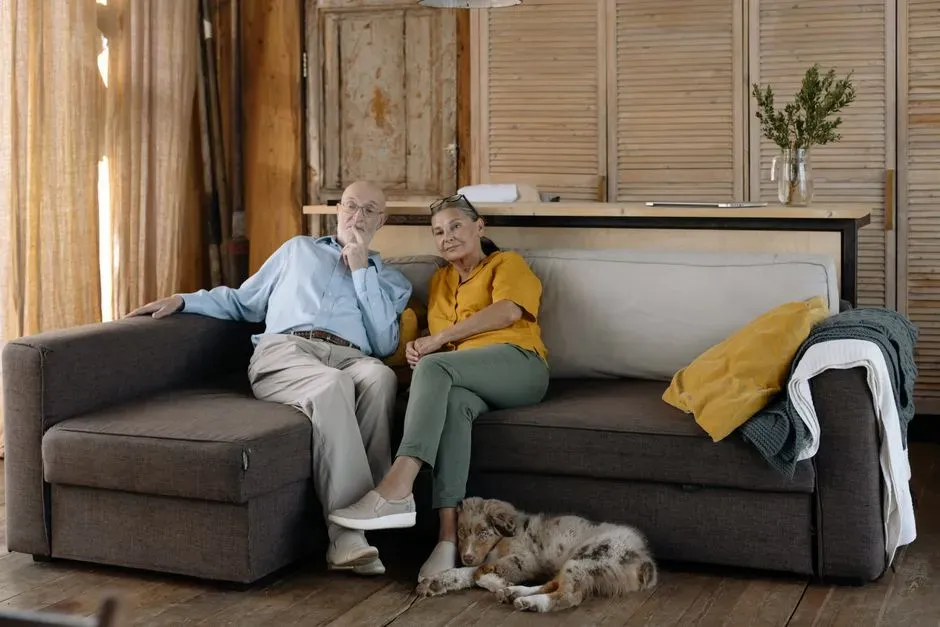
Here’s the part vets are refreshingly blunt about: almost all of this is preventable, and grandparents are the hidden key to preventing it. Not with more love, you already have that covered in spades, but with more awareness, clearer boundaries, and the willingness to say “that’s not safe” even when it annoys everyone else in the room.
The old myths, “he’d never bite,” “they’ll work it out,” are exactly what keep ERs and vet clinics busy year after year. You don’t need to become paranoid or turn against the family dog to protect your grandkids. You just need to start seeing the room the way a vet does, from the dog’s stress level upward, instead of from the cute photo downward. If you’ve learned one of these lessons the hard way, don’t sit on it. Some other grandparent reading this needs to hear it before their own “he’d never do that” moment.


