
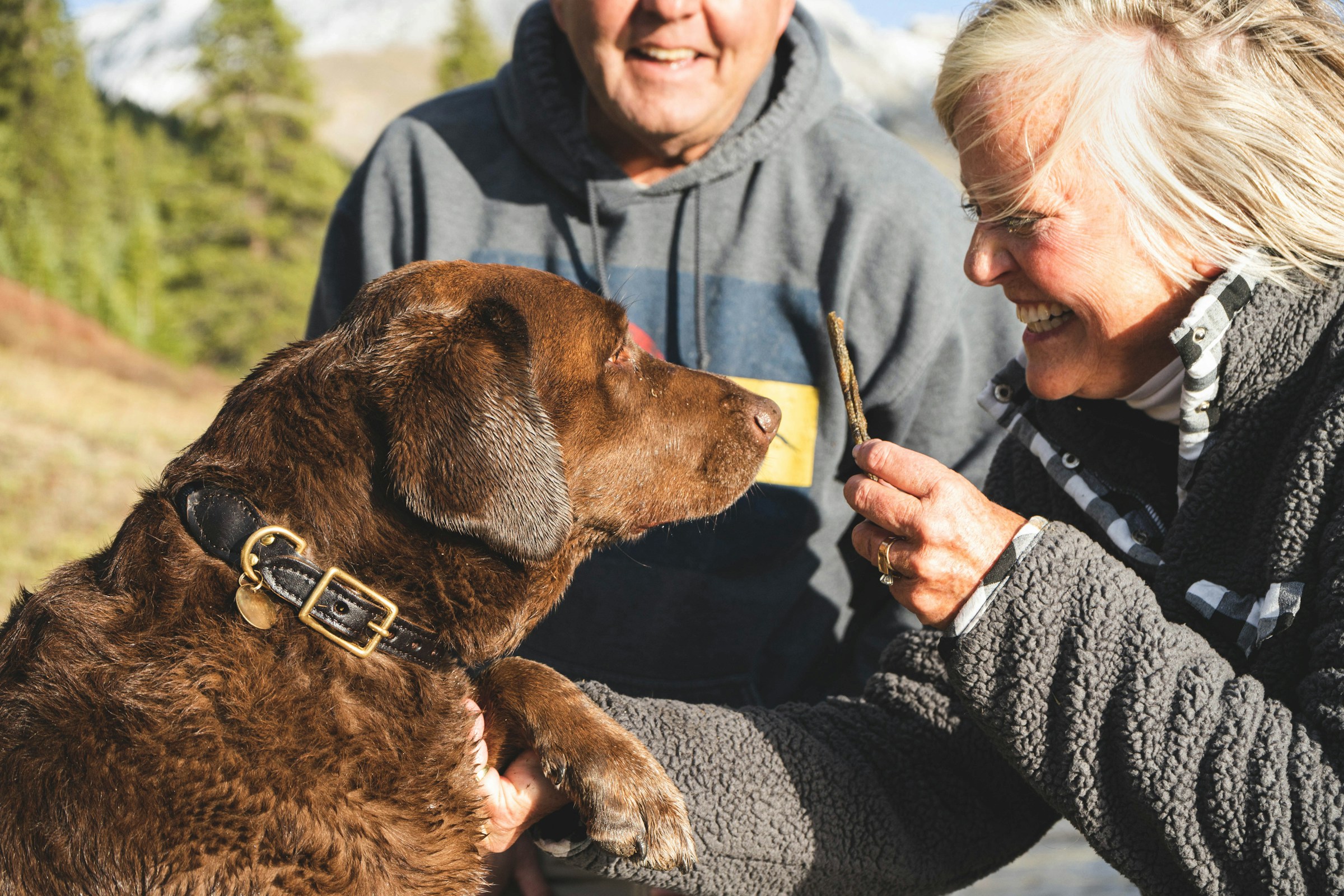
Everyone assumes the real tension between grandparents and parents lives in bedtime negotiations or screen-time limits. It doesn’t. The quietest, most persistent power struggle in a lot of families happens over four paws and a wagging tail.
Grandparents love the family dog like a grandchild with fur, and that love comes with zero rules. Parents, meanwhile, spend the days after every visit rebuilding boundaries that took months to set. What looks like harmless spoiling to one generation looks like a full training reset to the other – and dog behaviorists say the pattern is almost identical in every house. Here’s exactly what’s happening behind the scenes, one habit at a time.
#1 – Sneaking the Dog Human Food Under the Table
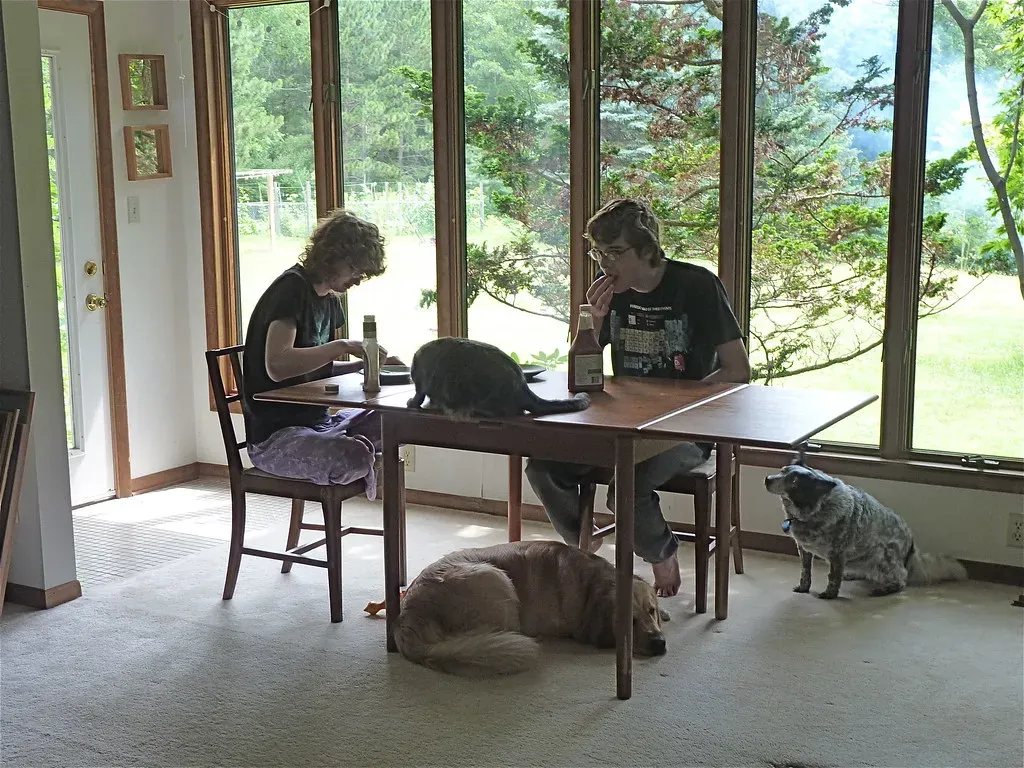
Grandparents rarely see this as breaking a rule. Slipping a little chicken or a pizza crust under the table feels like pure love, and the dog’s big eyes and thumping tail make it almost impossible to refuse.
But the dog doesn’t register love – it registers a new rule. One weekend of begging that works can turn a previously polite dog into a shameless table stalker who whines through every meal for weeks afterward. Parents end up re-teaching “place” at dinner, cutting off scraps cold turkey, and managing the fallout: drooling, pawing, and sometimes food aggression around the table. Vets also warn that rich, greasy “treats” can trigger pancreatitis, especially in older dogs, so the stakes are higher than a little extra begging.
Fast Facts
- Fatty scraps like bacon, gravy, and skin are common triggers for canine pancreatitis flare-ups.
- Grapes, onions, garlic, and chocolate remain toxic to dogs in any amount.
- Xylitol, a sweetener in some sugar-free foods, can cause a rapid blood sugar crash.
- Cooked bones can splinter and lead to choking or intestinal blockages.
#2 – Turning Every Visit Into an Endless Treat Buffet
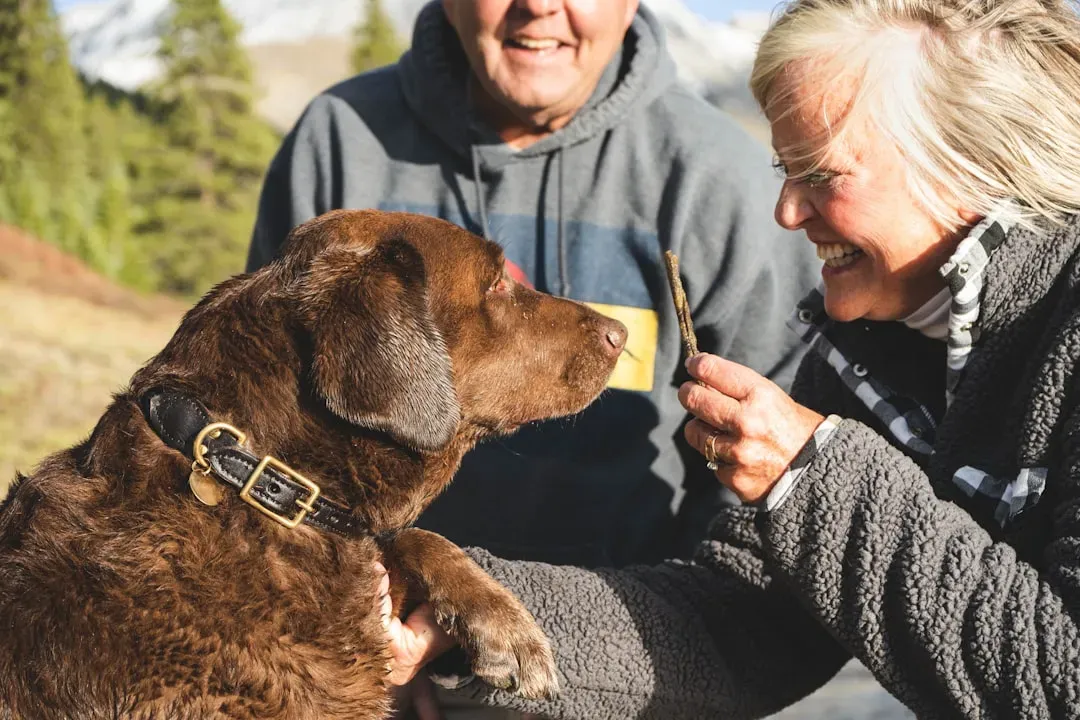
If the treat jar isn’t empty by the time grandparents leave, they feel like they didn’t spoil the dog enough. One biscuit for sitting quietly becomes five “because he’s such a good boy,” especially once the dog learns to perform on cue for an audience.
Dogs are master negotiators – they figure out fast who pays the most for the least effort. Suddenly “sit” comes with an expectation of payment every single time, and parents have to claw back basic obedience that used to work with nothing but a kind word. The extra calories add up quickly too; small dogs can gain noticeable weight from just one overfed weekend, and some behaviorists say over-treating also spikes hyperactivity and food obsession.
#3 – Letting the Dog Rule the Couch (and the Bed)
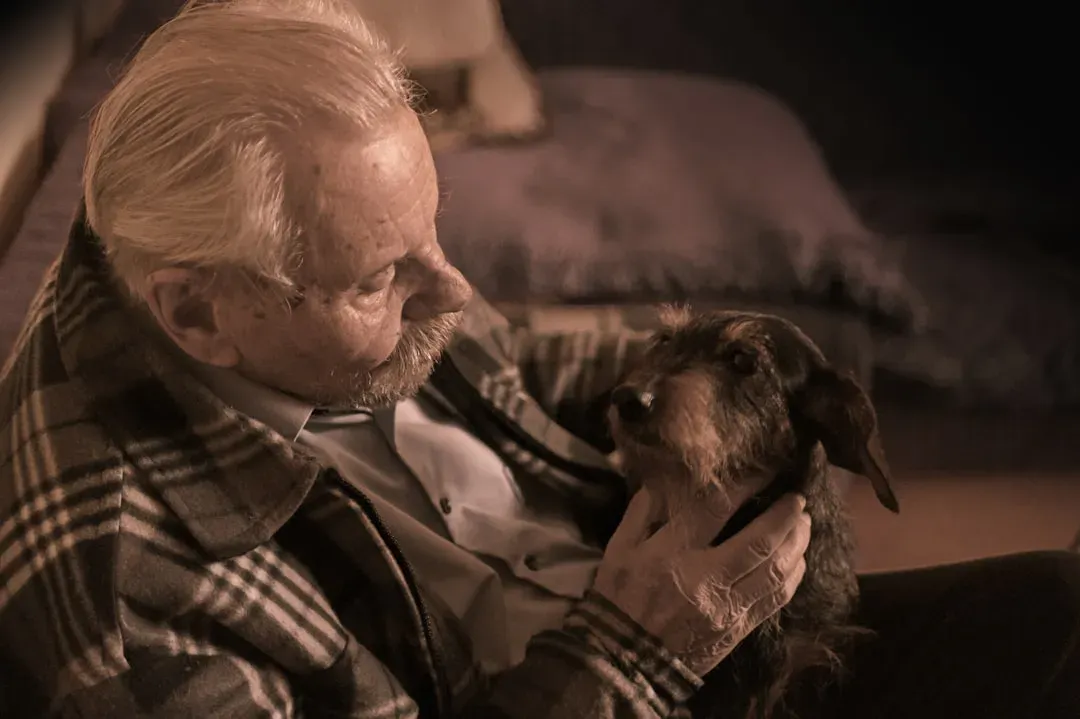
Many parents enforce a clear boundary: no dog on the couch, and absolutely no dog in the kids’ beds. Grandparents visit, and that rule evaporates in about thirty seconds flat. “Oh, come on, he’s family,” they say, patting the cushion as the dog hops up next to them under a blanket.
From the dog’s perspective, this is a promotion. Furniture access can genuinely shift how a dog views hierarchy in the home, and after the visit parents are left fighting fur on pillows, muddy paw prints on the sofa, and a dog who suddenly refuses to sleep in its own bed. In some homes this triggers guarding behavior – growling when kids sit down, or refusing to move from “their” spot – and rebuilding that boundary sometimes takes professional help.
#4 – Encouraging Jumping Because “He’s Just So Excited”
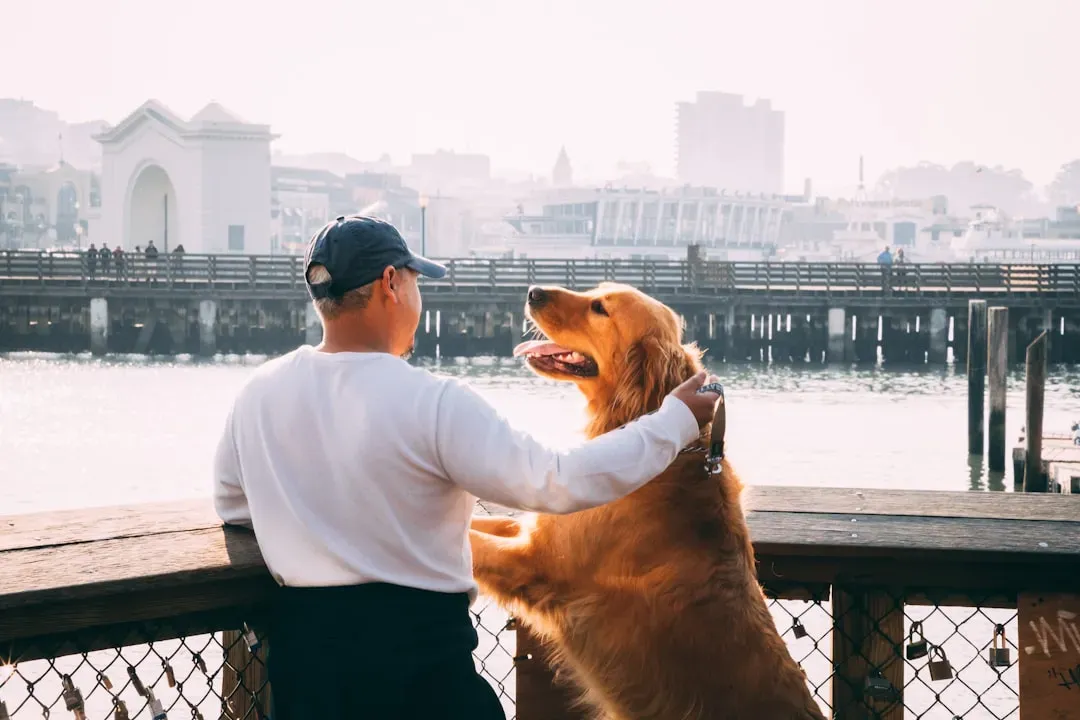
Most trainers agree that rewarding jumping is one of the fastest ways to create a rude, uncontrollable dog. Parents work hard teaching “four on the floor” and rewarding calm greetings – then grandparents walk in with arms wide open, squealing, while the dog launches like a rocket into their chest.
Laughter, petting, and high-pitched baby talk lock the jump in instantly. The fallout shows up fast: kids get knocked over more often, guests get greeted with frantic paws, and muddy prints end up on everyone’s clothes. Parents then run “greeting drills” at the front door for weeks, and it’s not just annoying – a fifty-pound dog launching at a toddler or an elderly relative with balance issues is genuinely dangerous.
#5 – Letting the Dog Pull, Wander, or “Self-Walk” on Leash
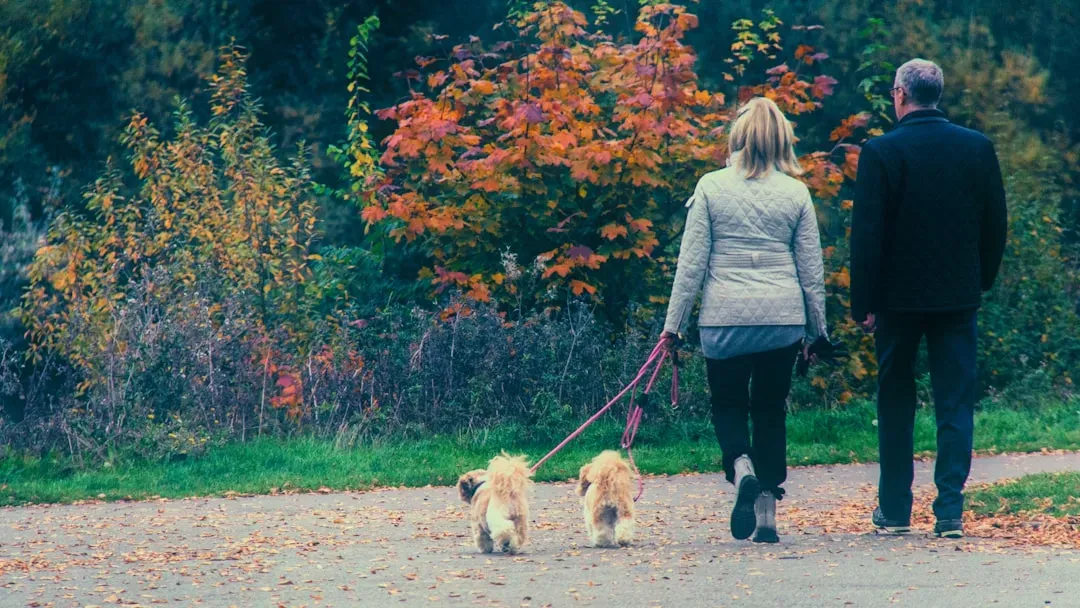
If you’ve ever seen a grandparent strolling behind a dog that’s towing them down the sidewalk, you already know this one. Many grandparents treat walks as “the dog’s time,” not training time, so they let pulling slide, allow sniffing marathons at every bush, or even drop the leash “because he never goes far.”
To a dog, that’s permission to ignore leash manners completely – the strongest behavior is always whatever worked last. Parents pick the leash back up and suddenly get dragged like a sled, watching the dog lunge at squirrels, cross in front of strollers, and forget “heel” ever existed. Rebuilding leash respect can take dozens of consistent walks, sometimes with a front-clip harness, and it becomes a real safety issue near roads or other dogs, especially with strong breeds.
At a Glance
- Front-clip harnesses redirect pulling and are widely used to rebuild loose-leash habits.
- Retractable leashes give far less control in sudden-lunge situations near traffic or wildlife.
- Consistent stop-and-wait cues teach a dog that pulling never actually gets it there faster.
- Short, frequent walks tend to rebuild leash manners faster than occasional long ones.
#6 – Letting Little Potty “Accidents” Slide Because “He’s Old”
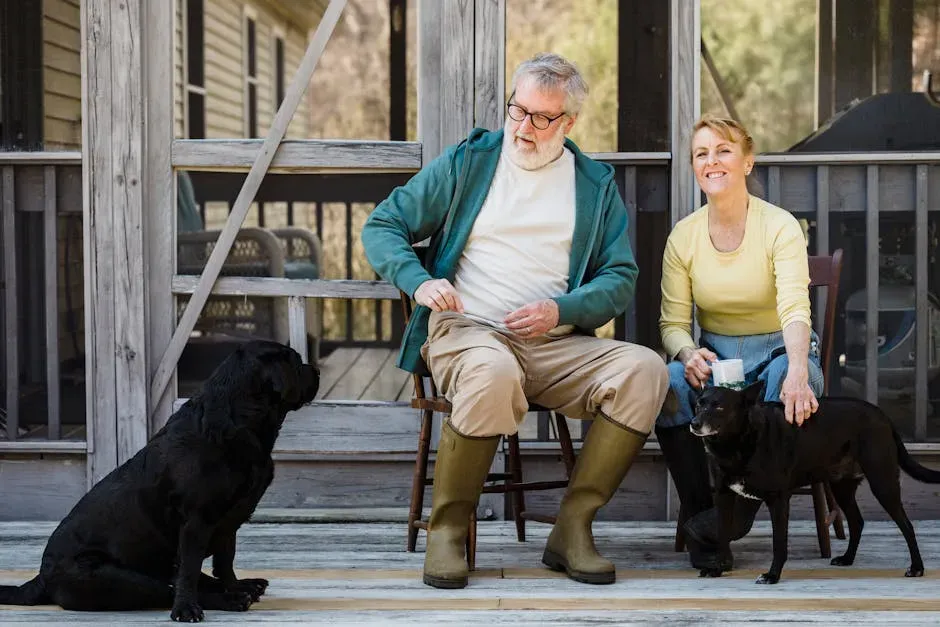
Grandparents often sympathize hard with aging dogs or puppies still in training. A tiny puddle inside? “He couldn’t help it.” A sneaky mess in the hallway? “He must be confused.”
The compassion is sweet, but casually cleaning up accidents without changing the routine quietly teaches the dog that indoors might be fair game – scent alone can invite repeat offenses in the exact same spot. Parents come home to mystery smells, stained rugs, and a dog who regresses after months of perfect house training, forcing a full reset: out after meals, out after naps, praise for every outdoor success. In multi-pet homes, one relaxed weekend can even kick off a chain reaction of territorial marking.
#7 – “Rescuing” the Dog From the Crate Every Time They Whine
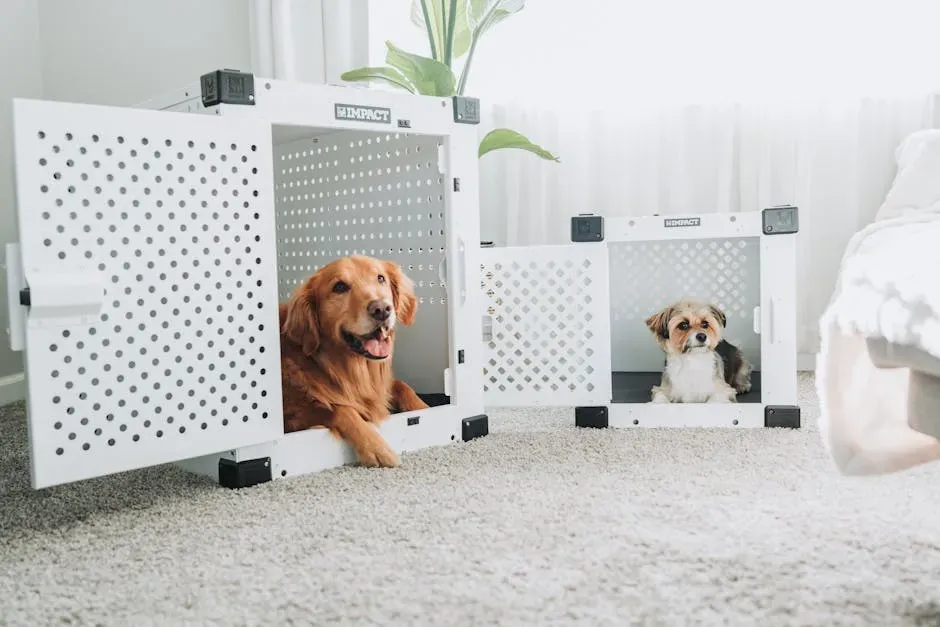
To many grandparents, a crate looks like a tiny jail. So when the dog whines or paws at the door, they rush in like heroes and let it out early – it feels kind, not permissive.
From a behavior standpoint, though, this rewards exactly the thing parents are trying to eliminate: vocalizing and fussing in the crate. The dog learns that persistence pays off, and parents face nights of barking, whining, and scratching every time the crate door closes afterward. A space that was once safe and calm suddenly feels optional or stressful, and rebuilding that comfort means going back to basics – short sessions, stuffed Kongs, and waiting for real quiet before ever opening the door. Some trainers say grandparents can undo weeks of crate progress in a single weekend.
#8 – Destroying the Routine With Random Meals, Walks, and Bedtimes
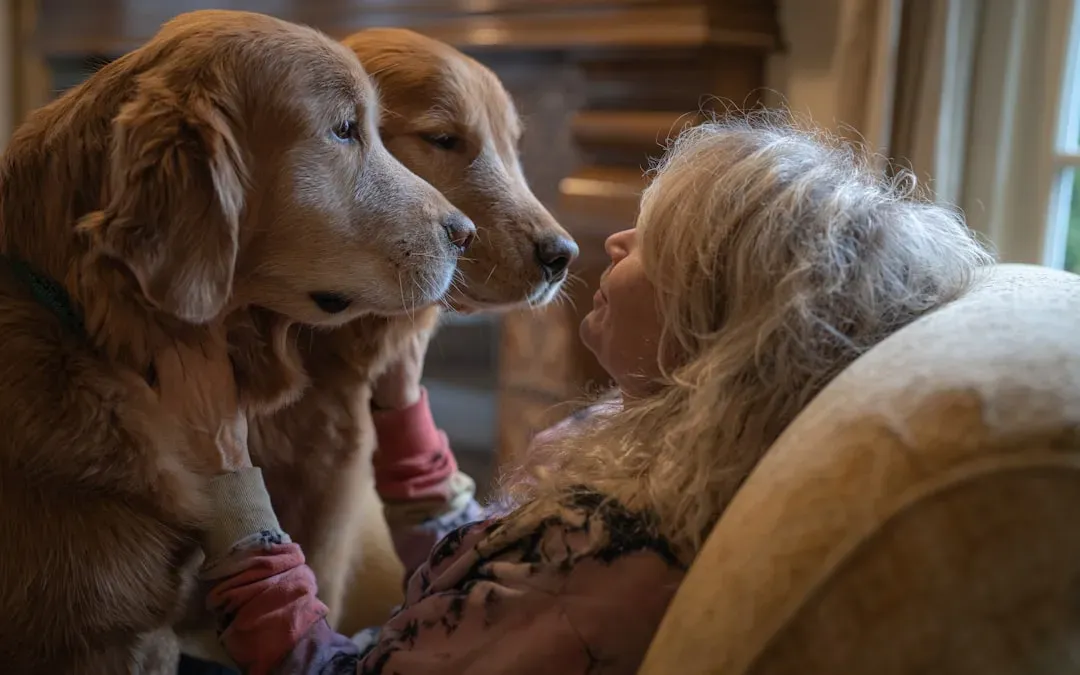
Dogs thrive on predictability: the same feeding windows, the same walk times, a consistent bedtime. Grandparents, especially in vacation mode, tend to toss that schedule out the window entirely. Breakfast at 6 a.m. one day, 10 a.m. the next. Backyard zoomies at 11 p.m. “because he seems awake.”
That chaos can trigger anxiety, barking, and even digestive issues. Parents come home to a dog demanding food at odd hours, pacing at night, or having accidents simply because bathroom timing shifted underneath it. Re-aligning everything can take a week or more of resetting feeding windows and rebuilding quiet, low-stimulation evenings – and most trainers argue the opposite of what grandparents assume: routine isn’t strict, it’s what actually calms a dog down.
Quick Compare
- Feeding: fixed windows at home vs. whenever-he’s-hungry at Grandma’s.
- Bedtime: set wind-down routine vs. late-night play “because he’s still awake.”
- Walks: same time daily vs. random timing built around the visit’s schedule.
- Result: a calm, predictable dog vs. one pacing and unsettled for days after.
#9 – Keeping the Dog “On” All Day With Nonstop Excitement
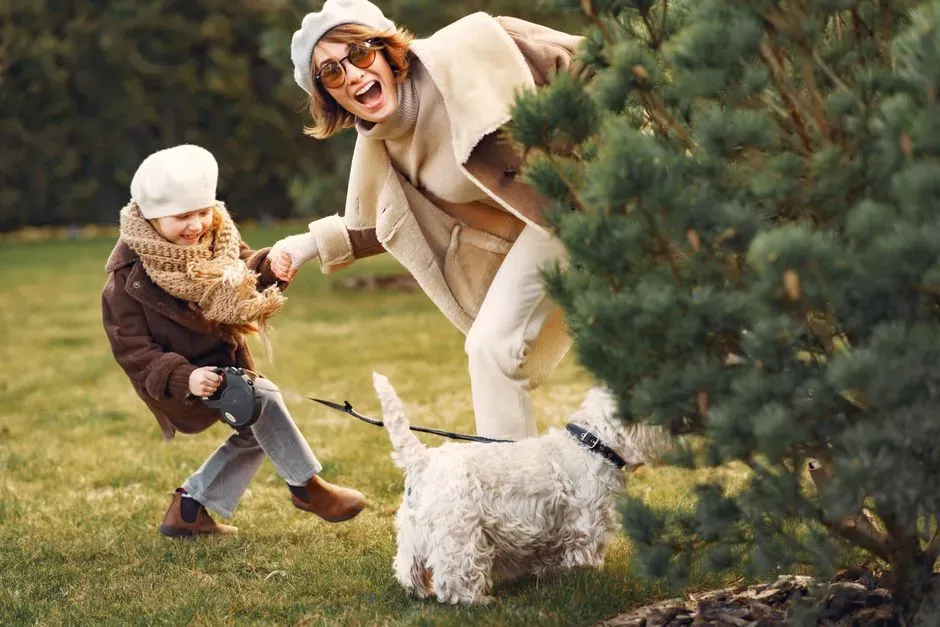
To grandparents, a hyper dog often just looks happy. They toss the ball for an hour, let the kids chase him around the living room, and hype him up with squeaky voices and toys.
What they don’t realize is that many dogs cross a line from fun into overstimulated, where they stop thinking clearly and start acting out – zoomies, mouthing, rough play, and barking all spike. Parents take home a dog who can’t settle, constantly demands play, or starts nipping mid-game because it’s been conditioned to stay in high gear. Trainers now talk a lot about “taught calmness” – deliberately rewarding relaxation instead of excitement – and parents end up running decompression walks and enforced quiet time just to bring the dog back down to earth.
#10 – Treating Commands Like Optional “Suggestions”
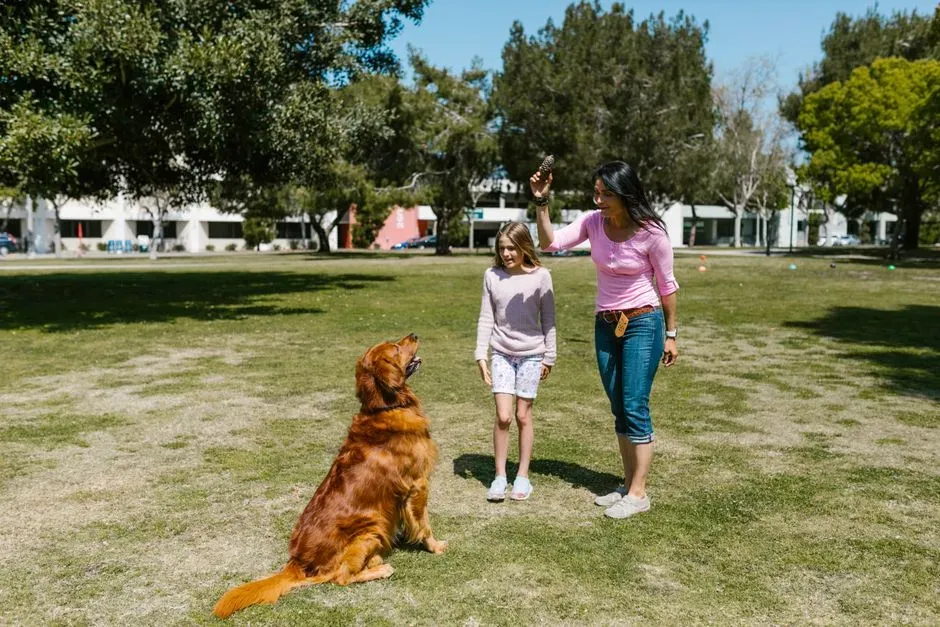
This is where things get genuinely controversial. Many grandparents openly say they don’t like “bossing” the dog around. So when a parent gives a cue – “Off,” “Down,” “Leave It” – grandparents laugh, shrug, and keep petting, or worse, say the cue in a playful tone and never follow through.
To a dog, that turns a solid command into background noise, because nothing consistent happens after it anymore. Suddenly the dog ignores “come” at the park, blows off “leave it” around dropped food, and only listens when it feels like it. Parents have to rebuild reliability from scratch, often with high-value rewards and stricter proofing, and some trainers are blunt about it: inconsistent adults do more damage to a dog’s training than a clueless puppy ever could.
#11 – Allowing Rough Play, Tug-of-War, and Rule-Bending With Kids
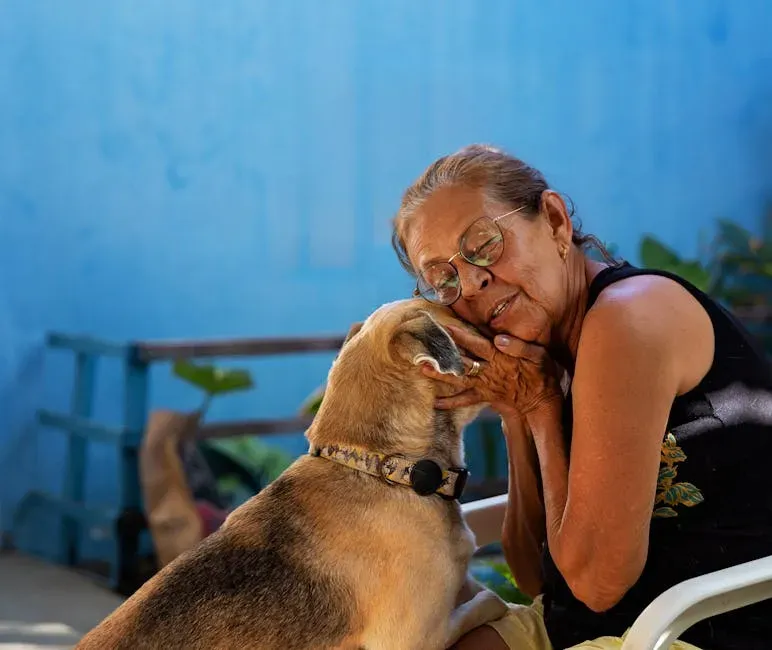
This is the one that sparks the biggest family arguments. Grandparents sometimes see wrestling with the dog or wild tug-of-war as bonding, letting grandkids climb over the dog, hug it tightly, tug its ears, or play fetch in a cramped living room.
Behaviorists warn that this kind of rough, unstructured play blurs every line about what’s acceptable around children – and even the most tolerant dog has a threshold. Parents inherit a dog that jumps higher and mouths harder during play, and is less patient with toddlers simply because boundaries were never enforced in the first place. In worst-case scenarios, this is exactly how bites happen – not from a “bad” dog, but from a good one pushed too far without clear rules, leaving parents to re-teach soft mouths and body-language awareness to both the dog and the kids.
Worth Knowing
- Lip licking, yawning, and “whale eye” are classic early signs a dog is uncomfortable.
- A sudden freeze often comes right before a growl or snap – it’s a warning, not calm.
- Most bites involving children happen with a familiar family dog, not a stranger’s.
- Adult supervision during play matters even with dogs that have never shown aggression before.
#12 – Quietly Rewriting the “Pack Order” So the Dog Listens to Them, Not You
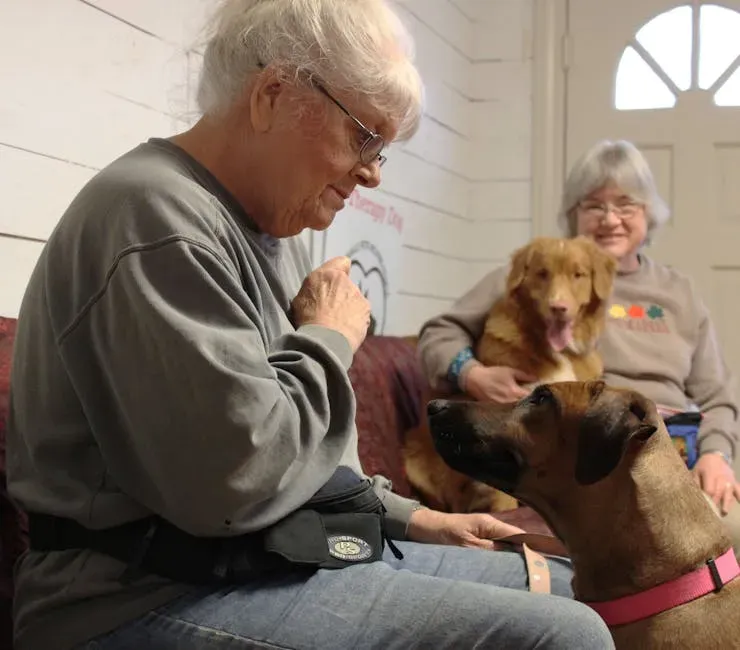
Here’s the part almost no one admits out loud: some grandparents genuinely like that the dog runs to them first. They become the “fun one” who cancels rules, hands out treats, and offers constant attention – and over time, the dog starts prioritizing their voice and their rewards over the actual owners’.
That might feel flattering to Grandma and Grandpa, but it leaves parents with a dog that seems selectively deaf at home. After a few visits, the dog might rush past the parents to get to the grandparents, obey cues from Grandma faster than from the people who feed and walk it every day, or whine and pace after they leave, as if the “real boss” just walked out the door. Parents then have to step back in as consistent leaders – tightening rules, re-owning feeding and walks – because this isn’t about outdated “alpha” talk, it’s about who actually controls the resources and sets the boundaries.
The Bottom Line
Grandparents rarely mean any harm. But their version of “spoiling” the dog usually creates real problems that parents end up quietly fixing for weeks after every single visit.
From table scraps to ignored commands, each “cute” exception chips away at training, safety, and sanity a little more. It’s easy to wave this off as a harmless generation gap, but behaviorists see the same pattern over and over: inconsistent adults produce inconsistent dogs, full stop.
The families that handle this best don’t just argue about it – they set clear, shared rules and explain why those rules exist: health, safety, and a dog that actually feels secure, not controlled. Some grandparents adapt once they understand the “why.” Others double down harder than ever.
So where do you land – team “let the dog live a little,” or team “rules keep everyone safe”? Either way, if your dog comes home from Grandma’s a slightly different animal, you’re not imagining it. Drop your family’s classic grandparent move in the comments – we know you’ve got one.


