
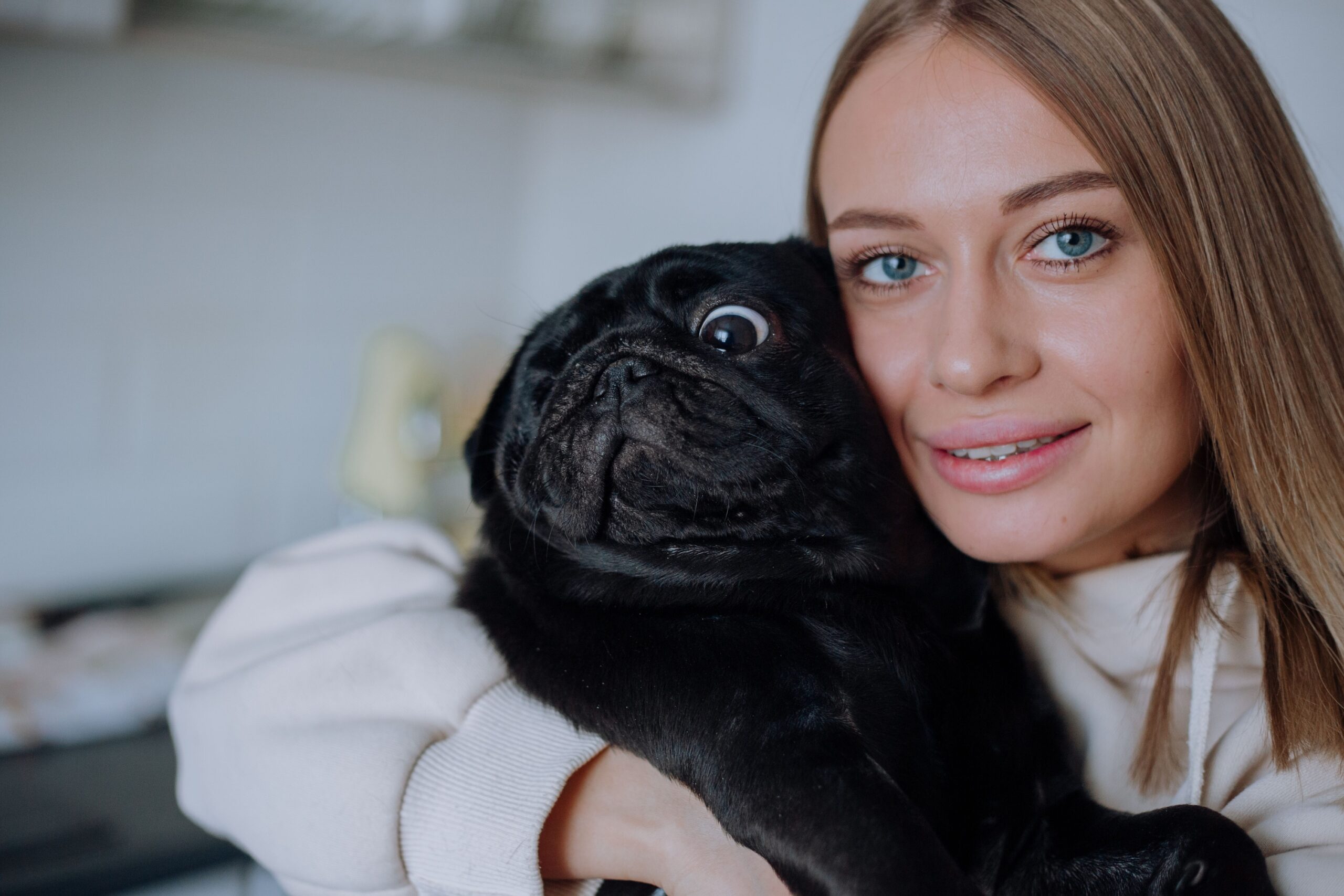
Living alone after losing a partner can feel like the world has suddenly gone quiet. The evenings stretch out, the house echoes a little more, and even making a cup of tea can feel heavier than it used to. A good dog cannot fix grief, but the right dog can soften the edges of loneliness, add structure to your days, and give you a warm, breathing reason to get up and move.
I still remember watching a neighbor after he lost his wife; he barely spoke to anyone for months. Then he adopted an older spaniel from a rescue, and you could literally see his shoulders drop and his pace change over the next few weeks. Not every breed fits every person, though, and for widows and widowers there are some very real needs: calm temperaments, deep loyalty, manageable exercise needs, and a personality that thrives on close, daily companionship.
Labrador Retriever: Steady Comfort and Gentle Optimism
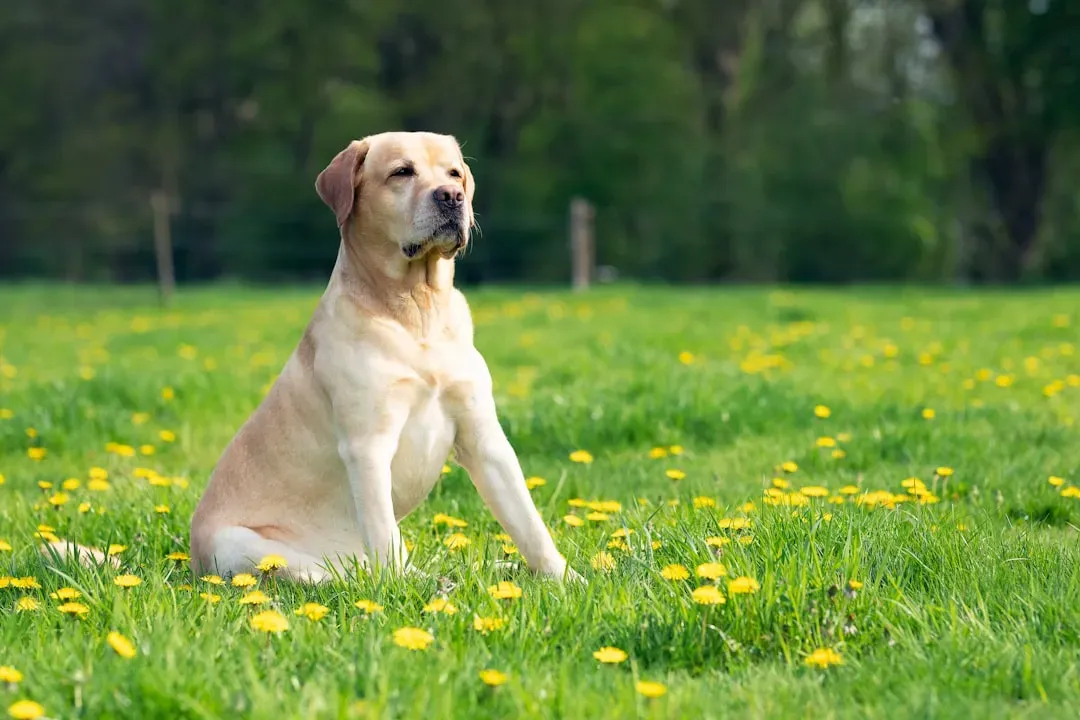
It might sound almost too obvious to start with the Labrador, but there’s a reason this breed shows up in so many homes where emotional support is needed. Labradors are known for their steady, friendly nature, strong people focus, and an almost uncanny ability to sense when their person is having a bad day. For a widow or widower, that mix of emotional sensitivity and easygoing cheerfulness can be deeply grounding.
Labs generally love routine: daily walks, mealtimes, and evening TV beside you on the sofa become rituals they stick to. That predictability can be comforting when life has already been turned upside down by loss. They do need regular exercise, but for many older Labradors or calmer lines, one or two moderate walks and some playtime are enough, making them a realistic companion for many people living alone.
Golden Retriever: Heart-on-Sleeve Devotion
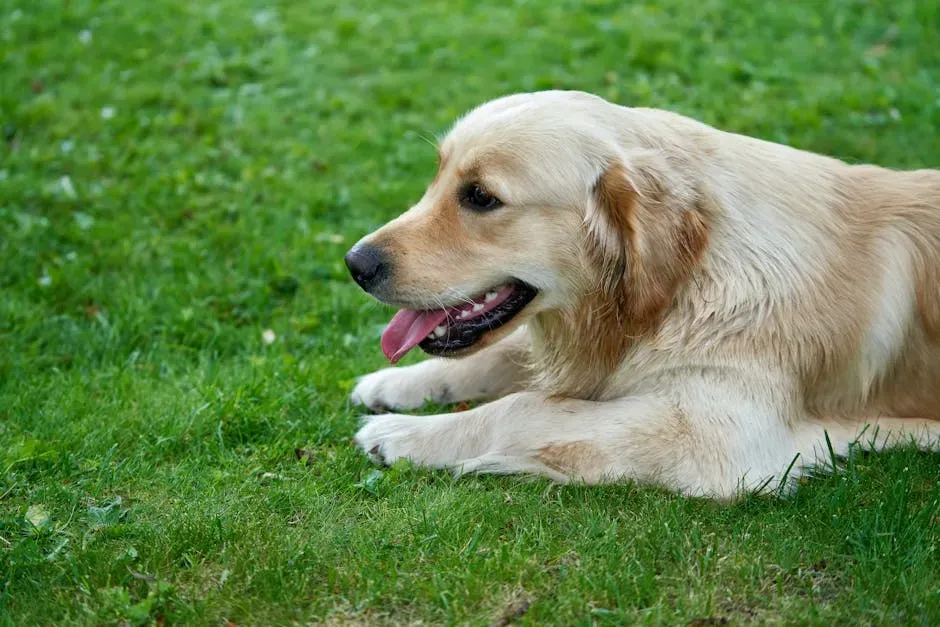
Golden Retrievers are often described as living, breathing hugs, and that’s not far off. They tend to bond intensely with their main person, following them from room to room and happily curling up at their feet whenever possible. For someone who’s suddenly gone from a shared life to an empty house, that gentle, constant presence can be incredibly soothing.
Goldens are also highly trainable and eager to please, which means with even modest consistency they can learn useful tasks: bringing you items, responding reliably when called, or staying calm when visitors come. Their soft expression and naturally social nature can also help draw you out; walks with a Golden tend to invite conversations with neighbors and strangers, helping rebuild a sense of connection with the outside world.
Cavalier King Charles Spaniel: A Lap Dog With a Therapy Soul
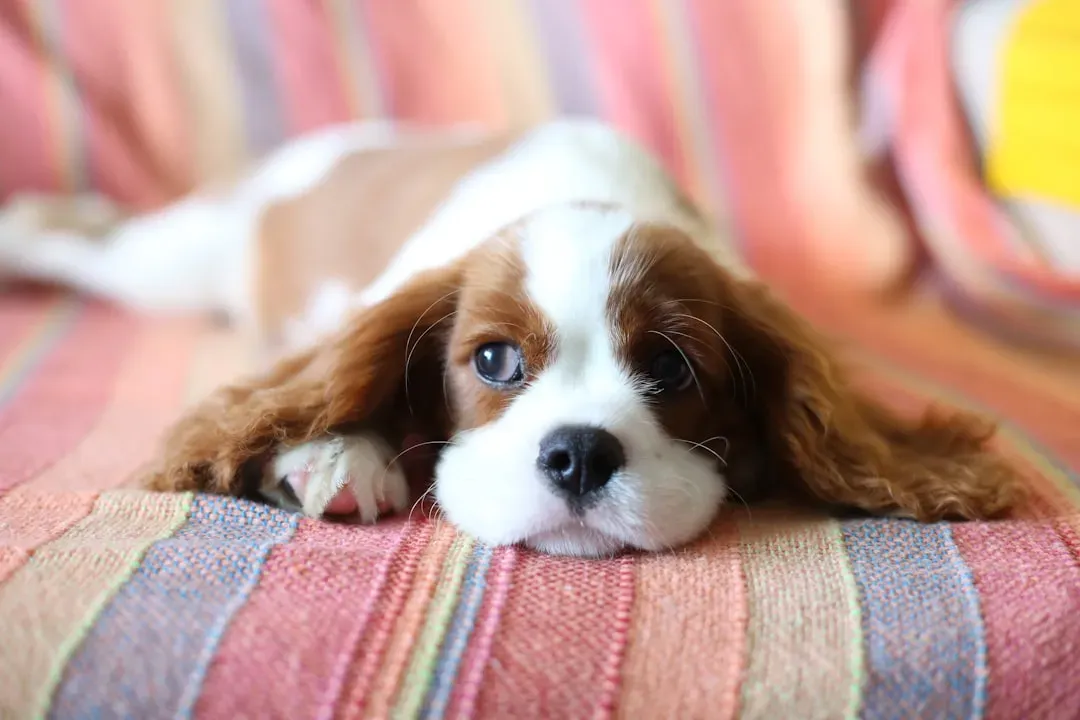
Cavalier King Charles Spaniels are often recommended as companion dogs for people who want affection more than athleticism. They are small enough to lift, easy to manage in apartments or smaller homes, and happiest when they are physically close to their person. If you are used to falling asleep next to someone, having a Cavalier tuck themselves against your side can feel surprisingly reassuring.
Despite their delicate, almost royal appearance, Cavaliers are usually very adaptable and low-drama. They enjoy short walks and gentle play but do not require long hikes or intense exercise routines. Their temperament tends to be soft, emotionally attuned, and friendly, which can be ideal for a widow or widower who wants quiet companionship without the chaos of a high-energy breed.
Poodle (Standard, Miniature, or Toy): Intelligent, Hypoallergenic Companions
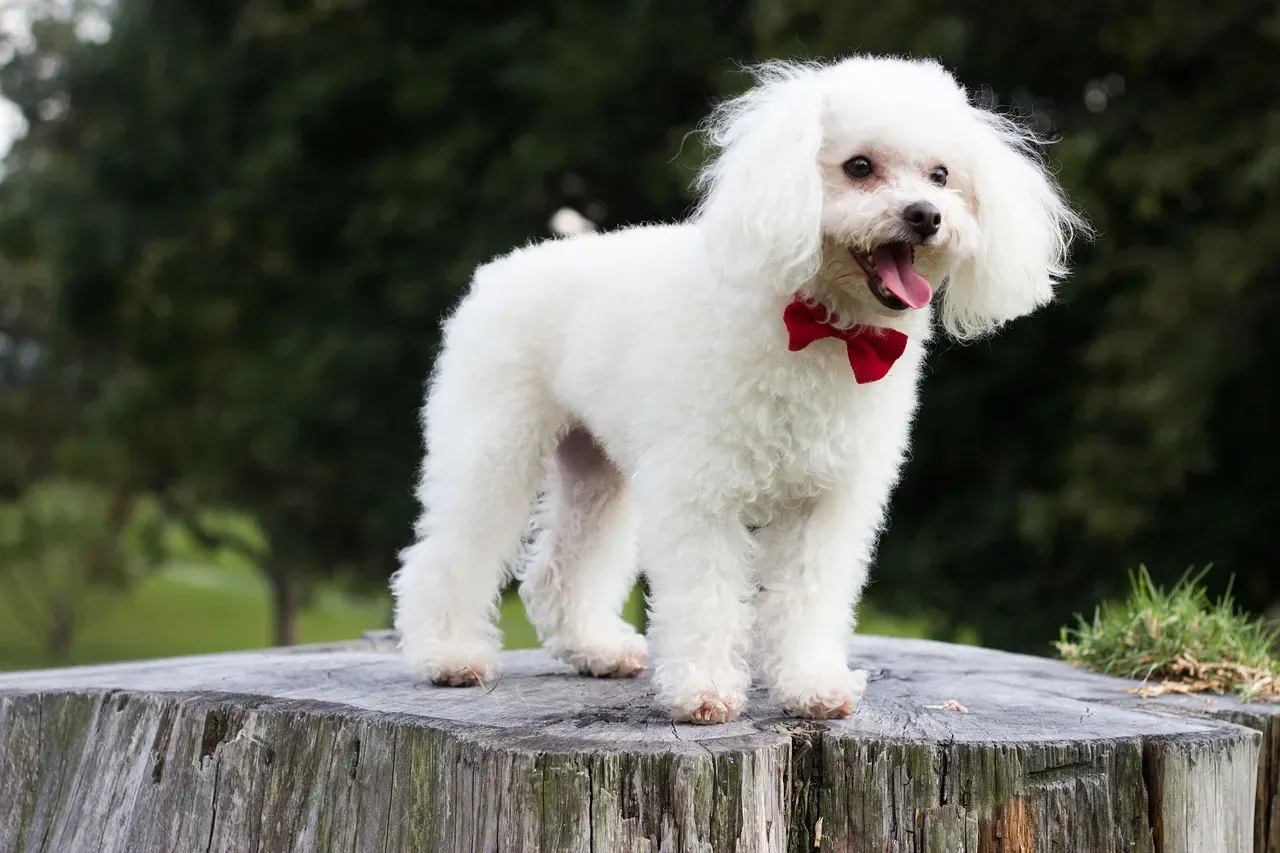
Poodles, in all three sizes, combine intelligence with a calm, people-oriented personality that can suit many different living situations. For someone living alone, their ability to quickly understand routines and even subtle emotional cues makes them feel almost like a partner rather than just a pet. On top of that, their low-shedding coat can be a big plus for people with allergies or those who do not want hair on every piece of furniture.
Standard Poodles can be good matches for active widows or widowers who enjoy walks and light adventures, while Miniature and Toy Poodles fit well into smaller homes or lower-energy lifestyles. Regular grooming is important, which some people find comforting in itself: grooming appointments, brushing sessions, and consistent care become recurring tasks that add rhythm and purpose to the week.
Bichon Frise: The Cheerful Cloud That Follows You Everywhere
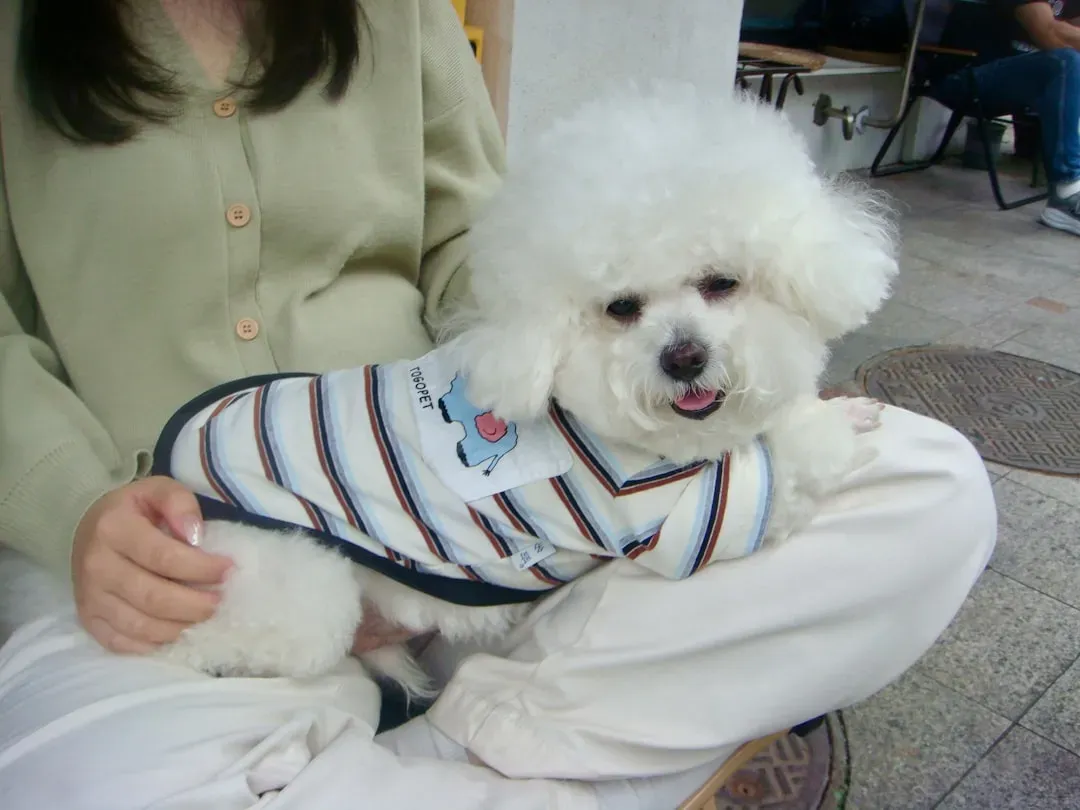
The Bichon Frise is a small, fluffy breed with a reputation for being endlessly cheerful. These dogs often act like tiny comedians, trotting after you, tilting their heads, and turning ordinary moments into something a little lighter. For someone grieving, that spark of lightness, even briefly, can matter more than visitors realize.
Bichons tend to be very people-oriented, preferring human company to long stretches of time alone. They are generally not as fragile as some toy breeds, yet they remain small enough to be easy to manage, lift, and transport. Their exercise needs are modest, usually satisfied with a few short walks and some indoor play, which can be reassuring if you have health limitations or simply do not want the pressure of a high-energy dog.
Shih Tzu: Calm Company for Quiet Homes
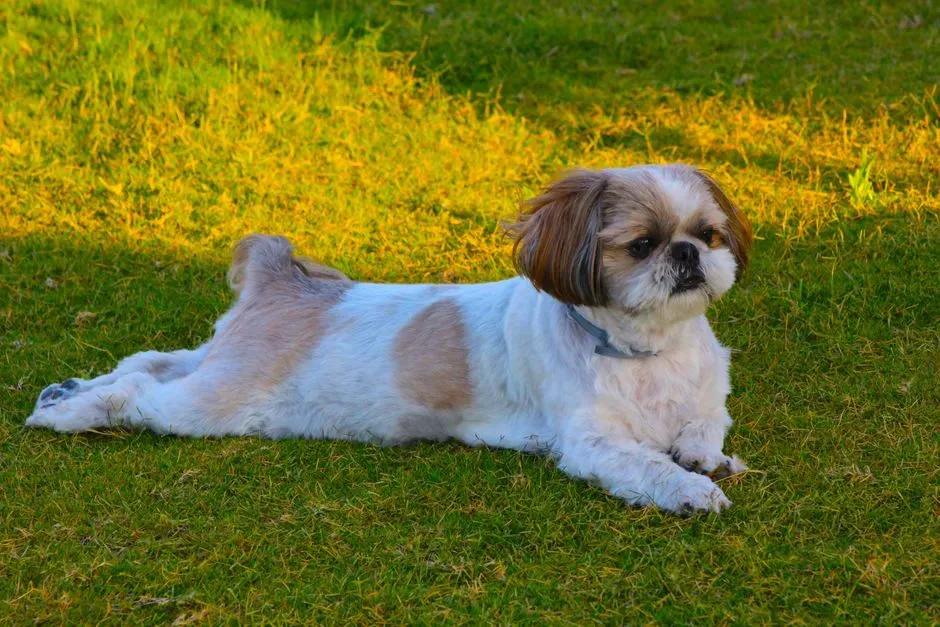
Originally bred as indoor companions, Shih Tzus generally excel at exactly that: being nearby, being calm, and being content in smaller spaces. They are usually not demanding in terms of long walks or intense training sessions, which makes them suitable for many older adults or anyone with mobility challenges. A Shih Tzu is often happiest just perched near you, like a soft little guardian of your armchair.
Their temperament tends to be affectionate but not overwhelming; many Shih Tzus will nap for much of the day, waking up enthusiastically when you move or speak to them. For widows and widowers who are introverted or prefer a very peaceful household, this breed can blend into daily life in a way that supports your emotional well-being without constant noise or chaos.
Cocker Spaniel: Sensitive Souls With Big Hearts
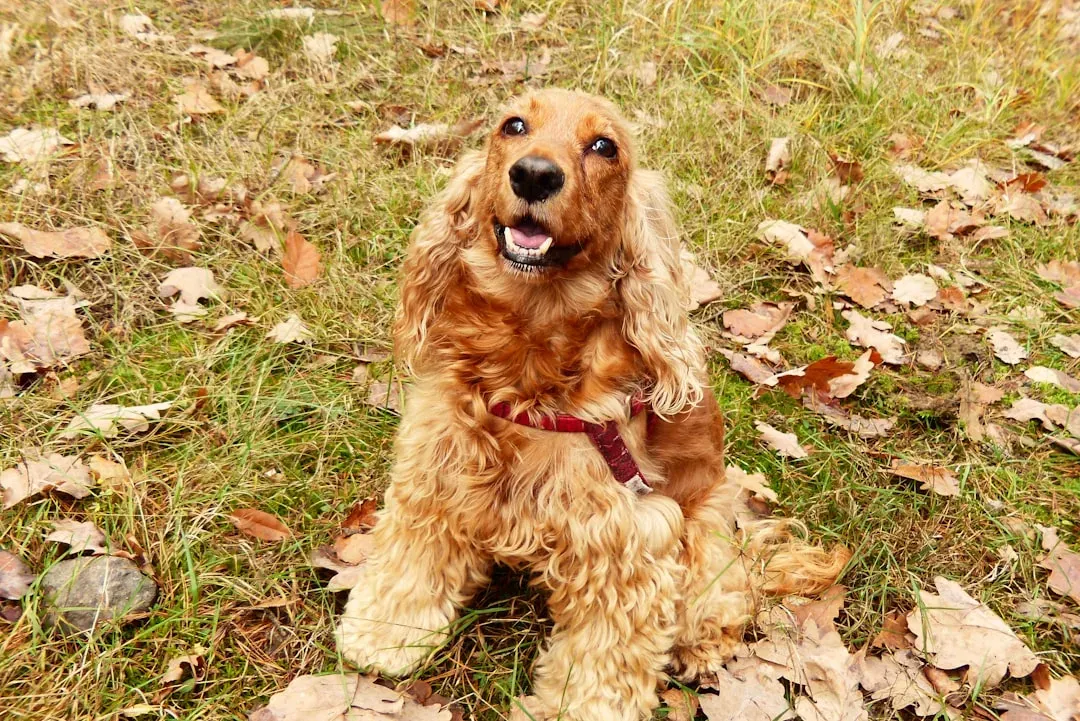
Cocker Spaniels are known for their expressive eyes and gentle, loving nature. Many owners describe them as emotionally sensitive dogs who can pick up on sadness or stress and quietly move closer, resting a head on a knee or curling into your side. That kind of attentive presence can be incredibly meaningful if you often find yourself facing evenings alone.
They do enjoy walks and play, but most Cockers are satisfied with moderate exercise and plenty of cuddle time. Grooming needs are higher with their silky coat, yet that can be turned into a bonding ritual: brushing, chatting to them, and making them comfortable turns into a shared routine that fills time and deepens the bond. In my own experience, spending twenty minutes grooming a dog can feel like therapy you do not have to schedule.
French Bulldog: Low-Energy Clowns With Big Loyalty
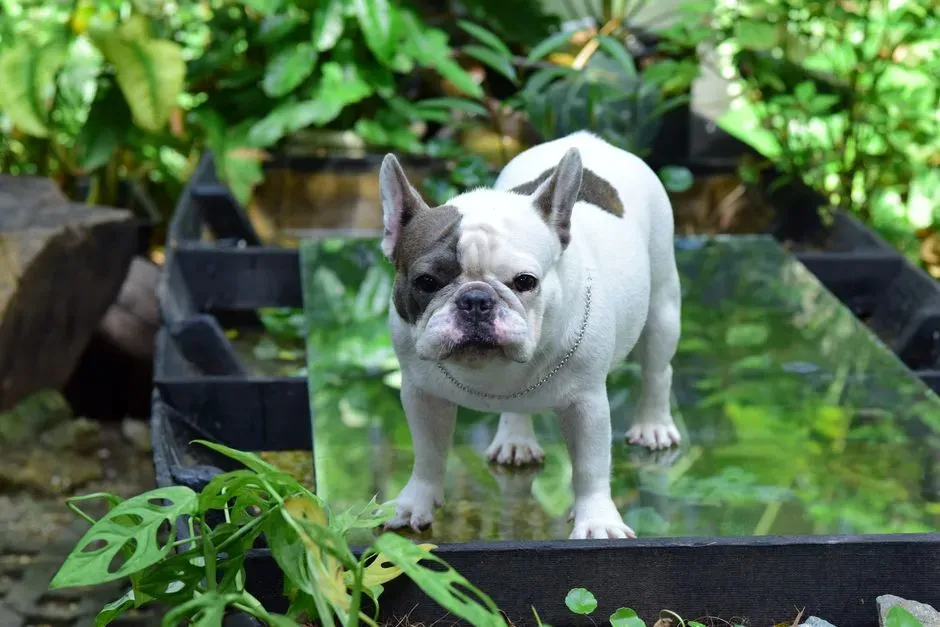
French Bulldogs have become popular for good reasons, especially among people living in apartments or smaller homes. They tend to be relatively low-energy, preferring short walks and long stretches of lounging near you. Their stocky build and short nose mean they typically are not marathon walkers, which aligns well with many widows and widowers seeking companionship more than constant exercise.
What sets Frenchies apart is their mix of silly personality and deep attachment to their person. They can be quite comical in their expressions and noises, often turning even a boring evening into something mildly entertaining. At the same time, they are usually very loyal, frequently positioning themselves where they can watch you, almost like a tiny, wrinkled bodyguard who refuses to clock out.
Pug: Big Personality in a Manageable Package
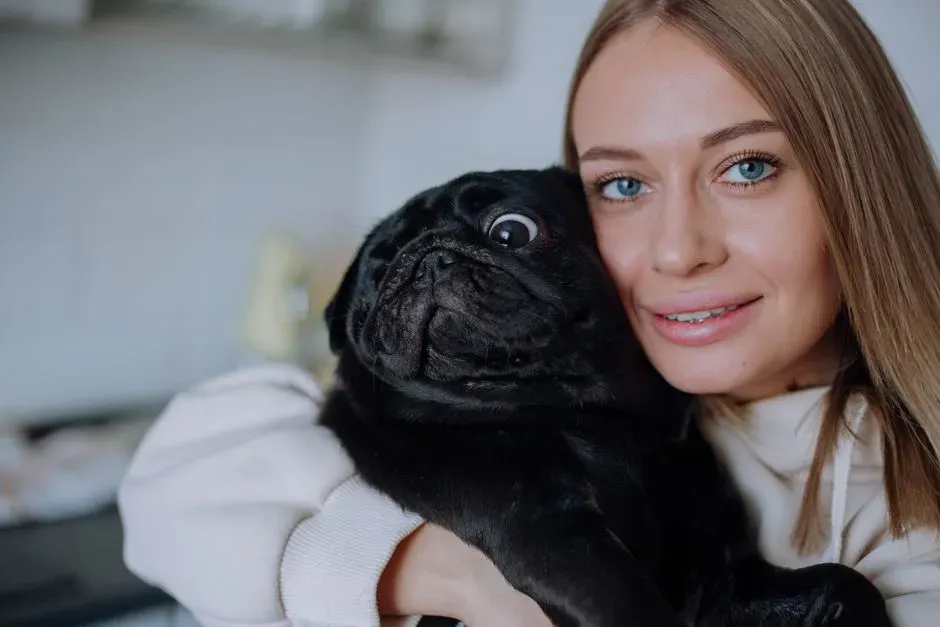
Pugs are famously people-focused and tend to bond strongly with their owners, often following them from room to room. Their motto might as well be that they never want to miss anything, whether it’s you making a sandwich or reading a book. For someone who finds the silence of an empty house oppressive, that constant little shadow can feel comforting rather than intrusive.
Physically, Pugs are a good fit for many older adults because their exercise needs are moderate and easily met with short, regular walks. They do require careful monitoring in hot weather and benefit from mindful feeding to avoid weight gain. But their affectionate, sometimes slightly goofy demeanor can inject a sense of warmth and humor into your days, which is priceless when you are rebuilding life on your own.
Border Terrier: Small Dog, Big Heart, Manageable Energy
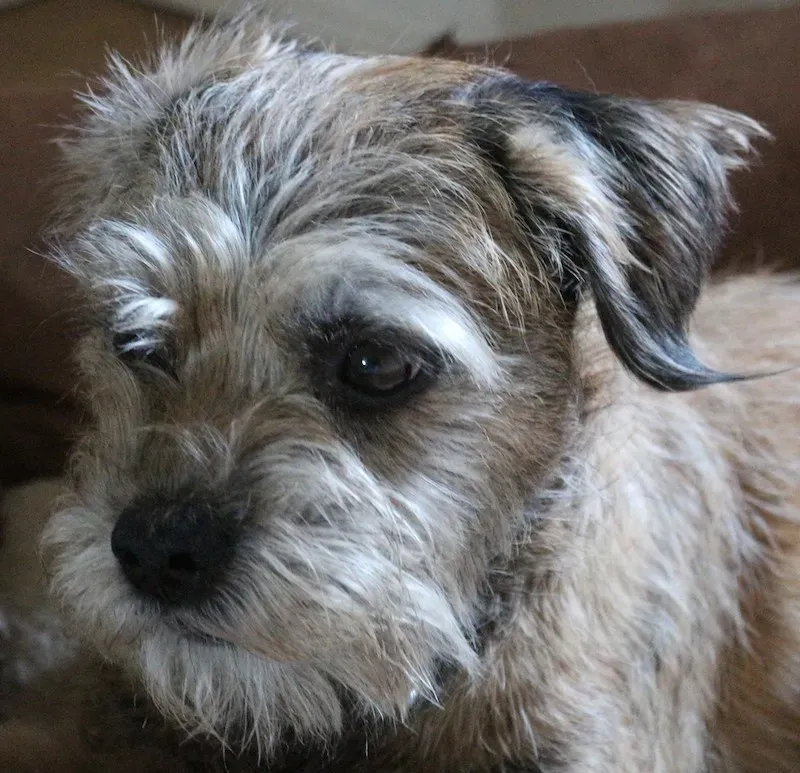
Border Terriers are an interesting choice for widows and widowers who want a dog with a bit more spark but not overwhelming intensity. They are small, sturdy, and generally friendly, with a loyal streak that keeps them close to their person without being clingy in a stressful way. Many Borders enjoy snuggling just as much as they enjoy a brisk walk.
Because they are terriers, they do have curiosity and a playful side, which can be a good thing if you worry that a very quiet dog might deepen your loneliness rather than lift it. Their exercise needs sit in the middle range: daily walks and some playtime, but not the kind of high-demand lifestyle that comes with more extreme working breeds. For the right person, that balance of energy and affection can feel exactly right.
Greyhound (Especially Retired Racers): Gentle Giants of the Sofa
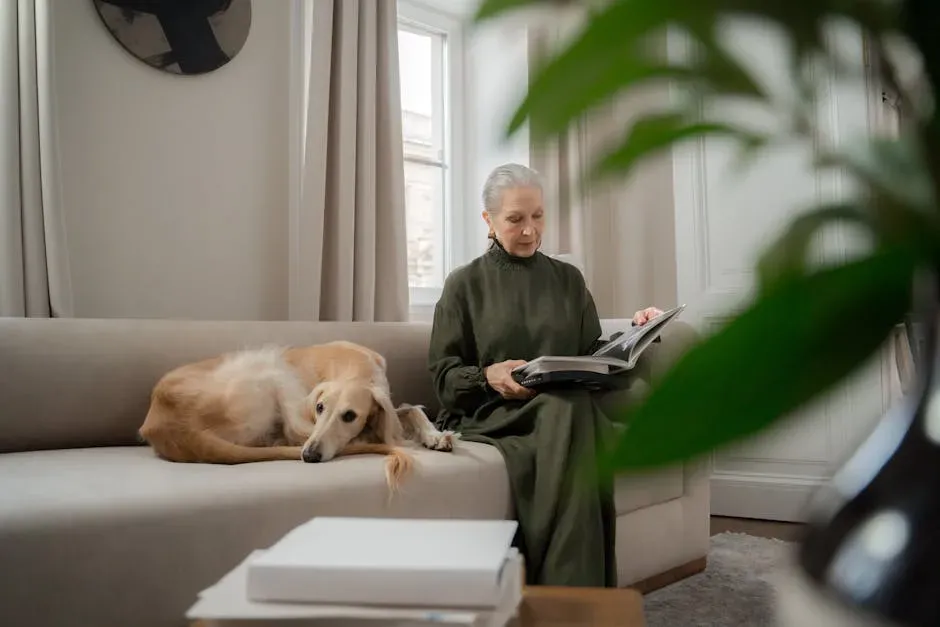
Many people are surprised to learn that Greyhounds, despite their racing history, are often incredibly calm, sofa-loving dogs at home. Retired racers in particular are used to routines and tend to adapt well to a quieter life. They are usually reserved but affectionate, often forming a deep bond with a single person who becomes their whole world.
For widows and widowers with a secure garden or comfortable walking routes, a Greyhound can be a beautiful companion: tall enough that you do not have to bend too much to pet them, yet calm enough to simply lie near you for most of the day. They need regular but not excessive exercise, typically shorter bursts rather than constant activity, making them far less demanding than people assume when they see their athletic frames.
Shetland Sheepdog: Loyal Shadow for Those Who Like a Little Conversation
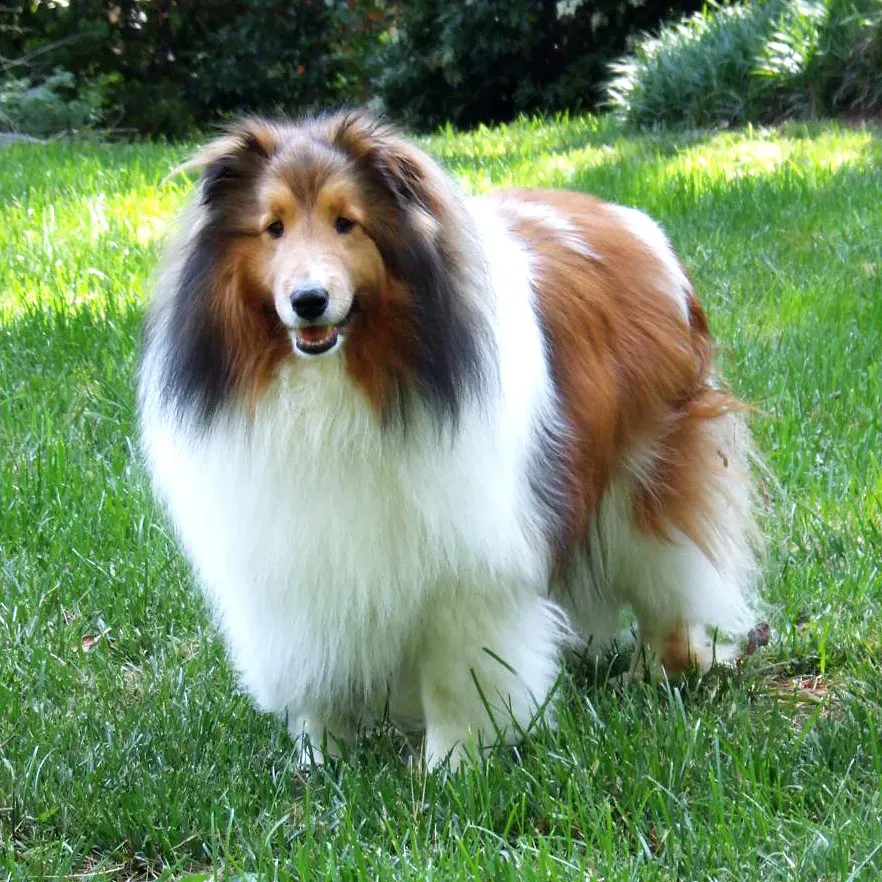
Shetland Sheepdogs, or Shelties, are known for being both intelligent and deeply attached to their families. They often choose a favorite person and become their shadow, watching, following, and gently checking in throughout the day. For someone living alone, that sense of being quietly watched over can feel surprisingly reassuring.
They are vocal and alert, which some widows and widowers appreciate as a form of early-warning system when someone approaches the home. Shelties do need regular grooming and daily exercise, but in return you get a sensitive, deeply loyal dog that often seems to want to understand what you are feeling. If you like talking to your dog as if they understand every word, a Sheltie will listen like it is their job.
Maltese: Gentle, Portable Companions for Cozy Lives
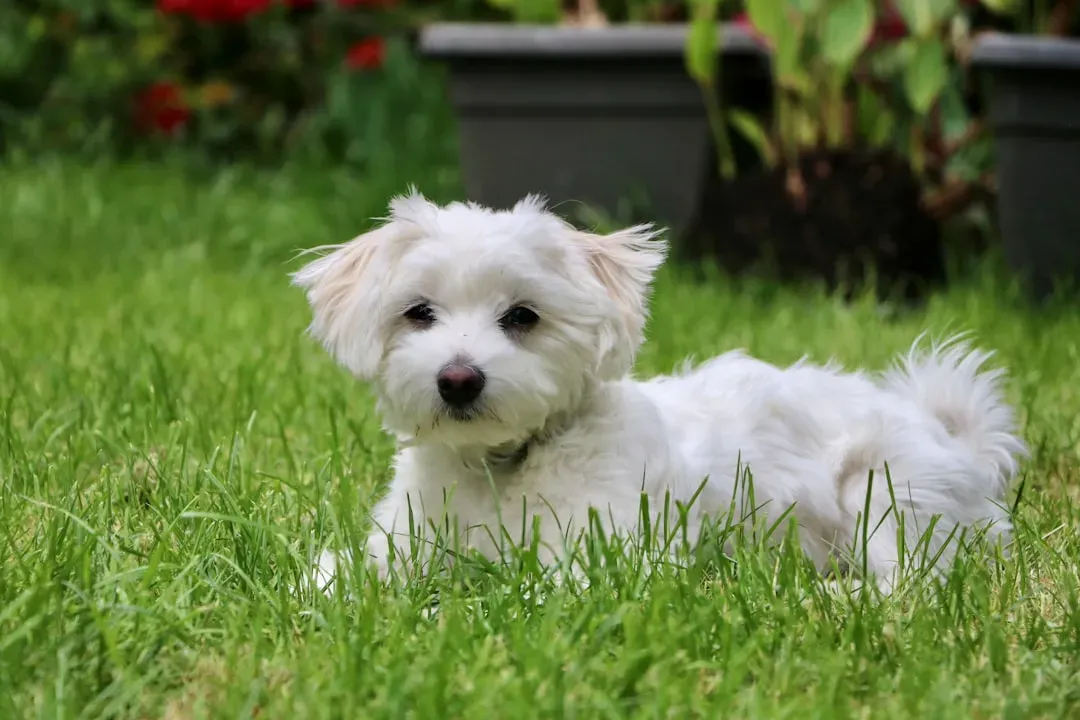
The Maltese is a small, elegant dog that was historically bred as a lap companion, and that role still fits them perfectly today. They thrive on close contact and often form intense attachments to their primary caregiver, choosing to spend most of their day near you if allowed. For widows and widowers who enjoy reading, knitting, or watching shows, a Maltese will gladly serve as a warm, breathing lap blanket.
They do require regular grooming, especially if you keep their coat long, but many owners enjoy the soothing routine of brushing and gentle care. Because of their small size, they can adapt well to apartments, assisted-living arrangements, or smaller homes, and their exercise needs are typically met with short walks and indoor play. Their soft temperament and affectionate gaze can bring a surprising sense of peace to a quiet home.
Havanese: Velcro Dogs for People Who Crave Connection
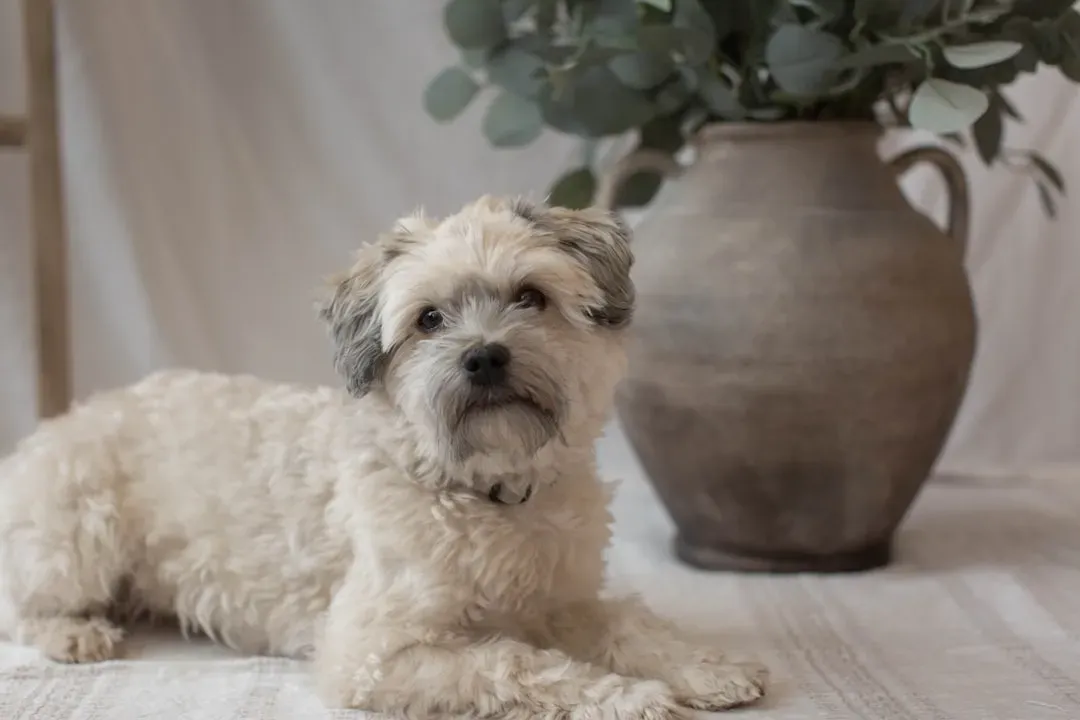
Havanese are often called “velcro dogs” because they love to stick close to their humans. They are usually sociable, adaptable, and keen to be part of whatever you are doing, whether that is gardening, cooking, or simply sitting in a chair by the window. For someone adjusting to life alone, that constant but gentle companionship can make daily tasks feel less empty.
They are small but sturdy, with a playful nature that does not usually tip into overwhelming energy. Their intelligence and eagerness to please make them relatively easy to train for house manners and simple tricks, which can be a fun, mentally stimulating activity for both of you. If you like the idea of a dog who follows you like a polite little roommate, a Havanese is worth serious consideration.
Mixed-Breed Seniors: Overlooked Treasures With Endless Gratitude
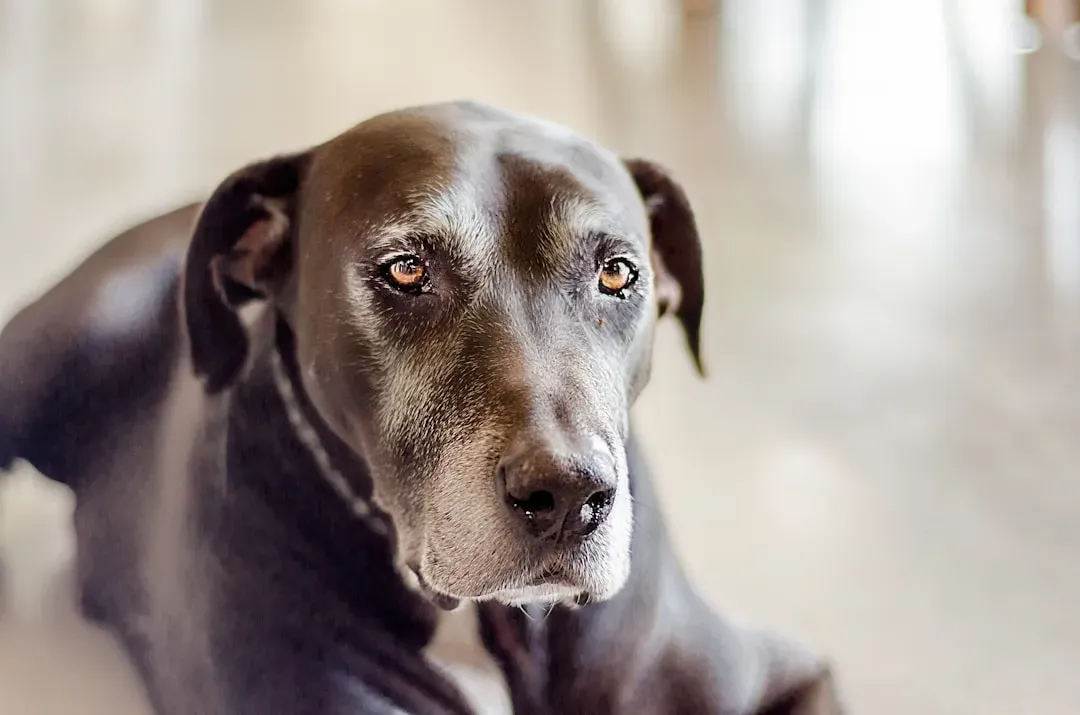
While purebred dogs get most of the spotlight, many of the most loyal companions for widows and widowers are older mixed-breed dogs adopted from shelters or rescues. Senior dogs often come with calmer energy levels, established personalities, and a powerful sense of gratitude when they finally land in a safe, loving home. For someone who has recently lost a partner, there can be something healing in giving a second chance to an animal that has also experienced loss or upheaval.
Shelter staff can often help match you with a dog that suits your lifestyle: lower energy, good with visitors, happy in a quiet home, and content with gentle walks. Adopting an older mixed-breed dog can also reduce the uncertainty about size, temperament, and health profiles because much of their nature is already visible. In many cases, these dogs repay your kindness with a depth of quiet, unwavering loyalty that feels almost tailor-made for a life rebuilt after grief.
Conclusion: The Right Dog Is a Partner in Healing, Not a Replacement
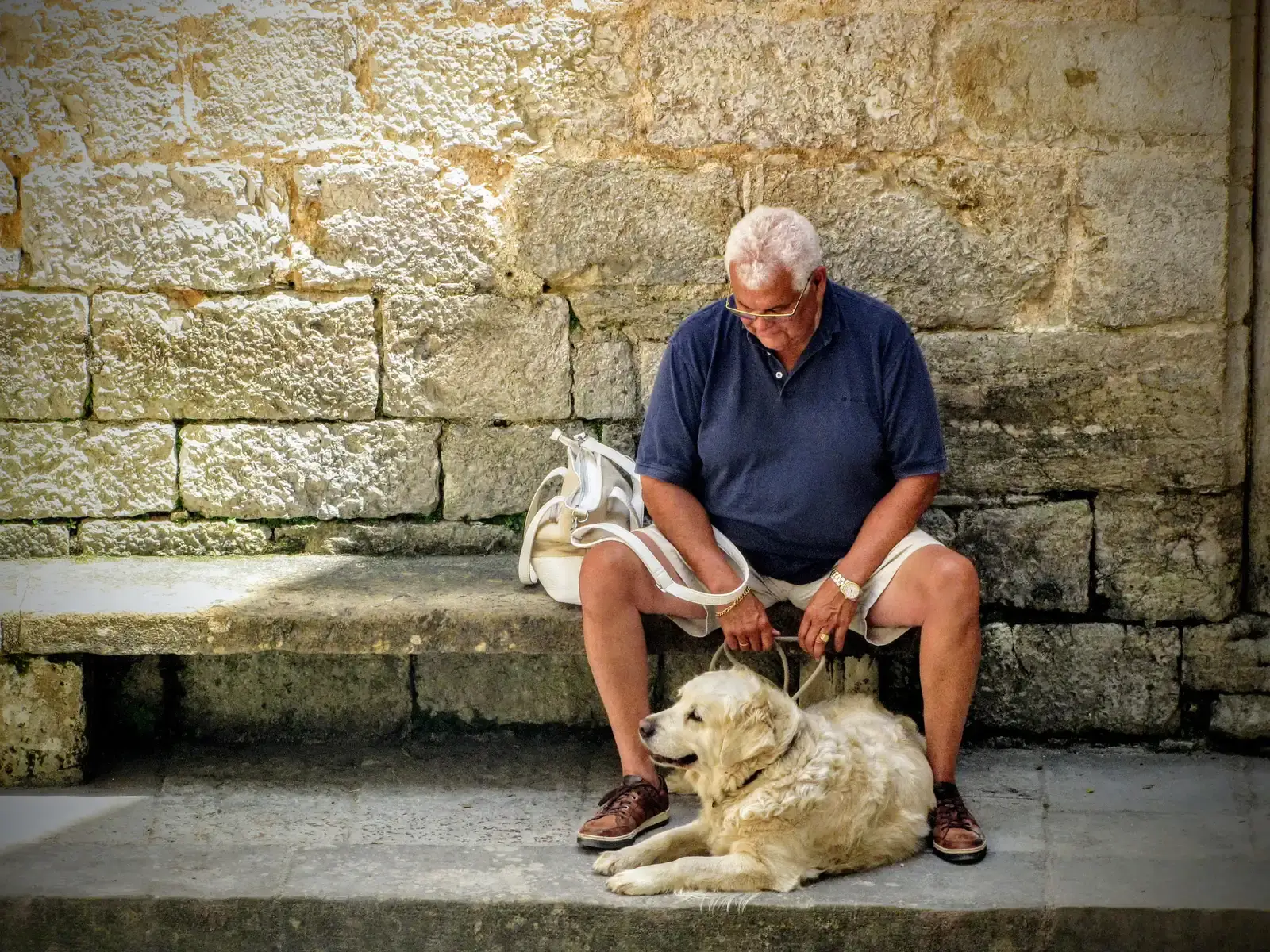
Choosing a dog after losing a spouse is not about filling a vacancy or pretending nothing has changed; it is about inviting in a new kind of relationship that fits the life you have now. The breeds and types of dogs here share certain traits – loyalty, emotional sensitivity, manageable energy, and a strong desire for close companionship – that tend to work especially well for widows and widowers living alone. But at the end of the day, the best dog is the one whose individual personality clicks with yours, whether that is a famous breed or a scruffy shelter mix who simply chooses you.
In my view, what matters most is not whether your dog is trendy or rare, but whether they help you feel a little less alone at 10 p.m. on a Tuesday when the house is too quiet. If a pair of soft eyes at your feet, a wagging tail by the door, and a daily walk around the block help you rebuild your routine and rediscover small joys, then that dog is the right choice – regardless of what the breed guide says. When you picture your next few years, which kind of loyal companion do you see trotting beside you?


