
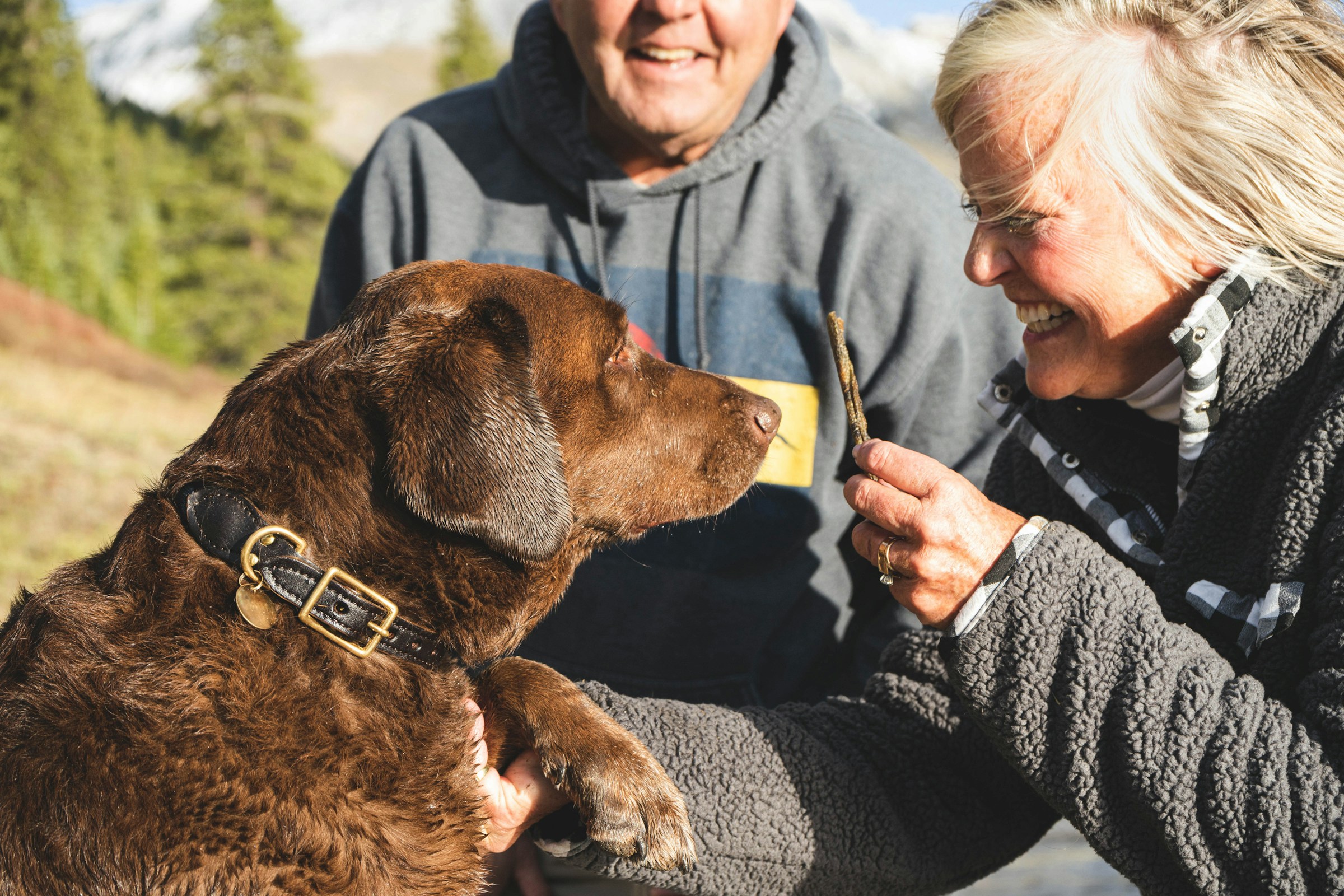
You probably think your dog is just being a dog most of the time. Same wagging tail, same zoomies, same weird little routines that happen every single day. But behind those “habits” is a whole emotional world that is a lot more intentional than it looks at first glance.
Modern research into dog behavior has made one thing crystal clear: dogs are not just reacting to us, they are actively choosing to bond with us. Many of the things you’ve written off as routine are actually your dog’s way of saying “you matter to me” in the only language they have. Once you see these everyday actions for what they really are, you will never look at your dog the same way again.
1. Following You From Room to Room (Your Walking Shadow of Loyalty)
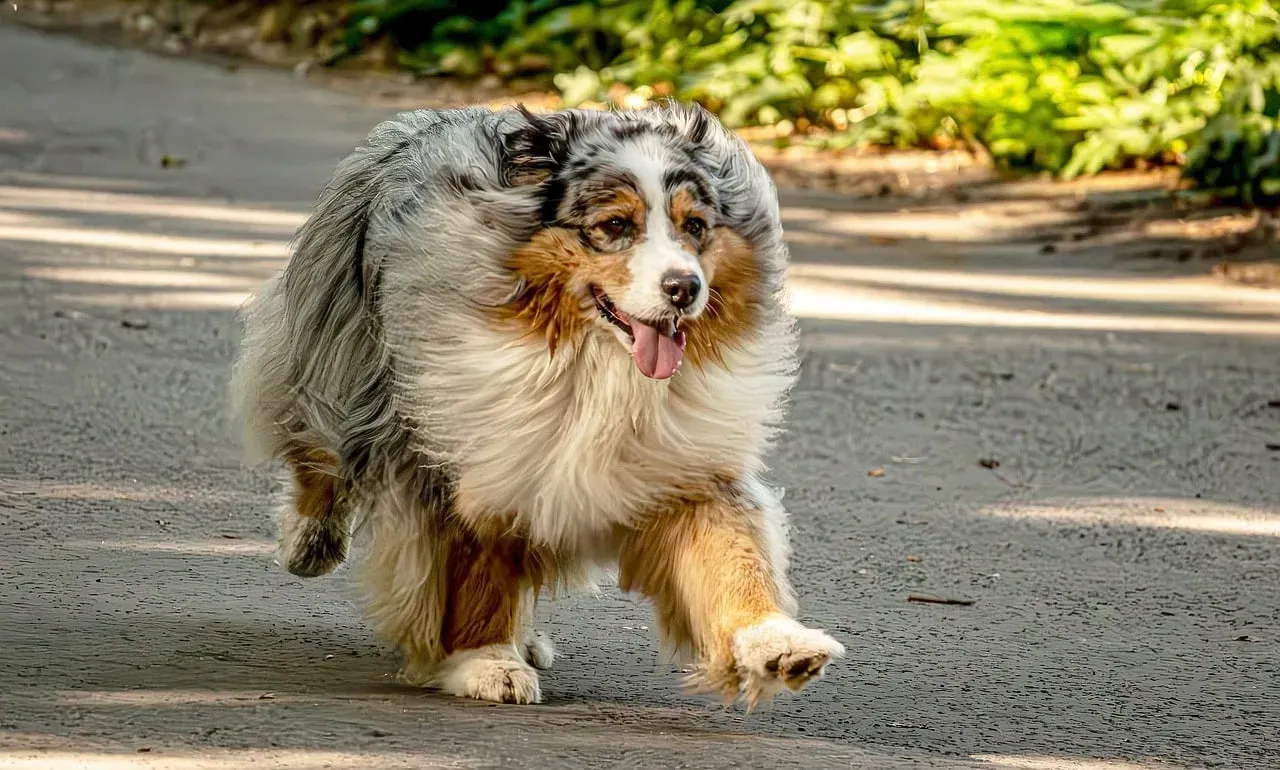
That little set of paws trailing you to the bathroom, the kitchen, the bedroom, and back again is not just clinginess or boredom. From a behavioral science perspective, this is called “proximity seeking,” and it is one of the clearest signs of attachment in social mammals. Your dog is hardwired to stay close to their social group, and you are their group, their anchor, and their safe zone all wrapped into one.
Think of it like this: if you were dropped into a foreign country where you did not speak the language, you would cling to the one person you trusted. Your dog does that every day with you. It is comforting for them to know where you are, to hear you move, to smell you nearby. What you see as an adorable shadow is, to your dog, an act of love-driven surveillance to make sure their favorite human does not mysteriously vanish.
2. Bringing You Toys (It’s Not Just Play, It’s Sharing Their “Treasure”)
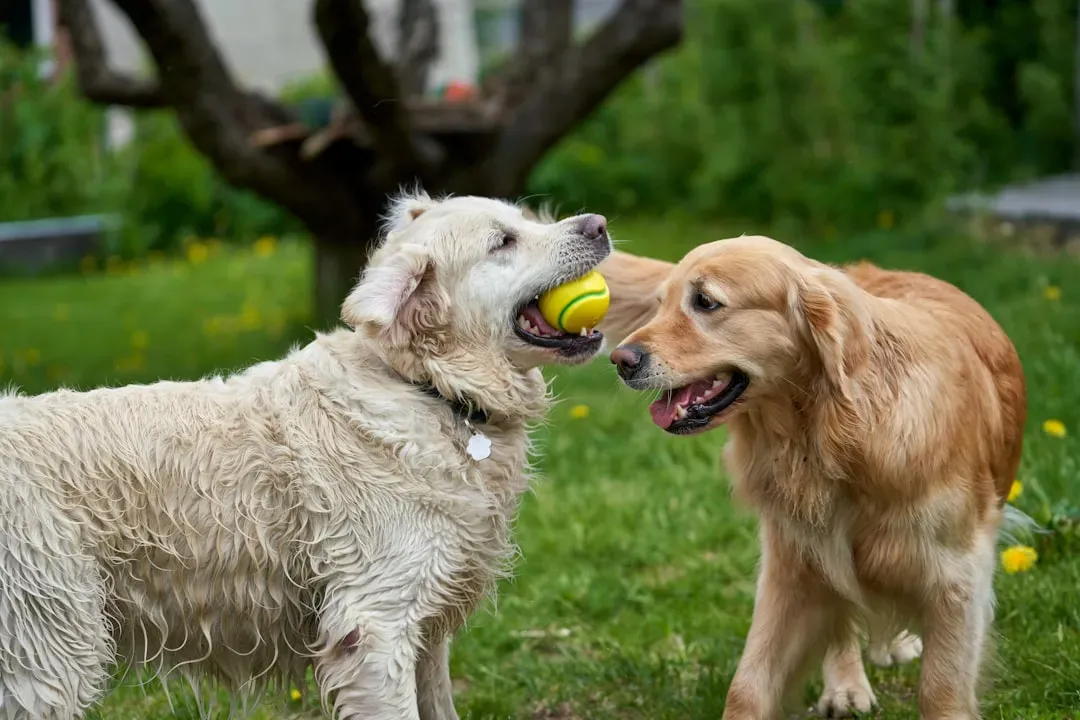
When your dog drops a soggy toy, a favorite ball, or even a random sock at your feet, it is easy to think they are only asking you to play fetch. Play is definitely part of it, but there is something deeper going on. In canine social behavior, willingly sharing valued items is a big deal. Food, chews, and toys are resources, and choosing to involve you with those resources is a sign of trust and emotional closeness.
In a way, your dog is saying, “This is important to me, and I want to share it with you” or “You make this toy more fun just by being part of the moment.” That small ritual of dropping a toy in your lap after a long day is not just a boredom fix. It is your dog’s way of inviting you into their little circle of joy, because experiences feel better when you are in them.
3. Leaning on You or Resting Against You (The Canine Version of a Hug)
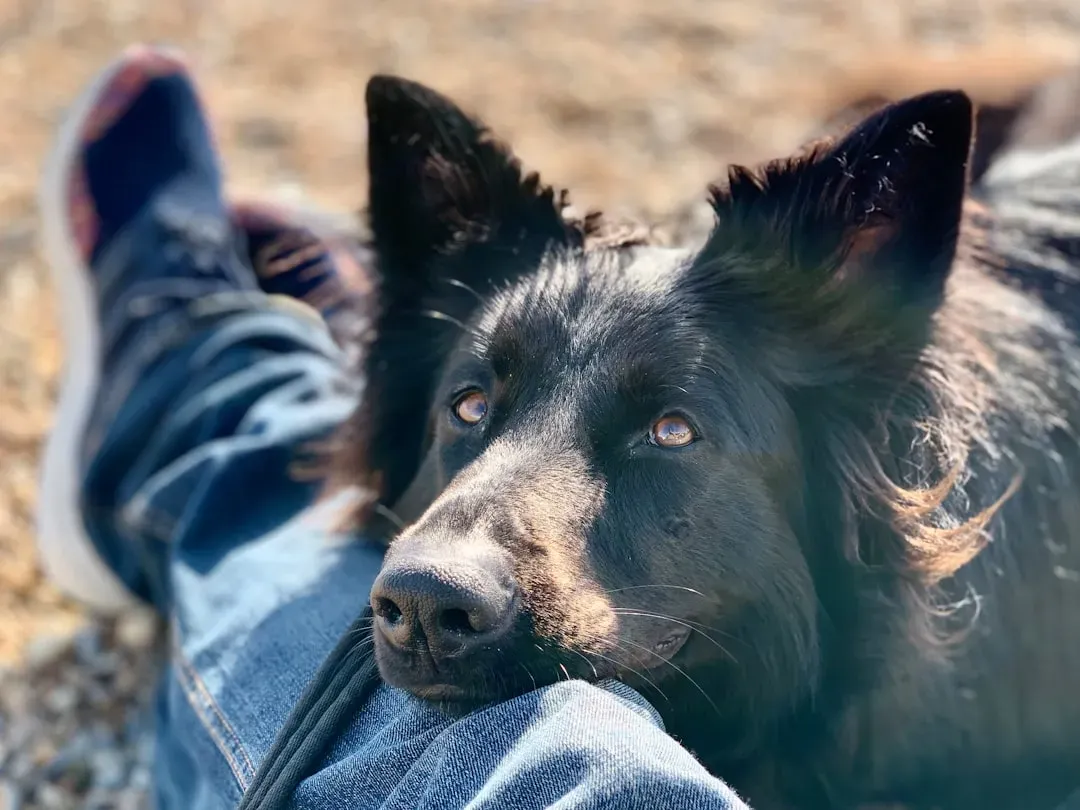
When your dog leans their full weight against your leg or collapses with a sigh against your side on the couch, it might seem like a quirky posture. Biologically and emotionally, though, it is much closer to a hug or cuddle than you might realize. Physical contact releases calming chemicals in both of you and signals safety, comfort, and connection.
Dogs do not lean on random strangers this way; they typically reserve that level of touch for the individuals they feel safest with. When they press their body against yours, they are literally and figuratively putting their weight on you, trusting you to be their support. That quiet, familiar pressure of fur against your leg is your dog’s silent way of saying, “I feel safe when I’m touching you.”
4. Checking In With You on Walks (You as Their Emotional Compass)
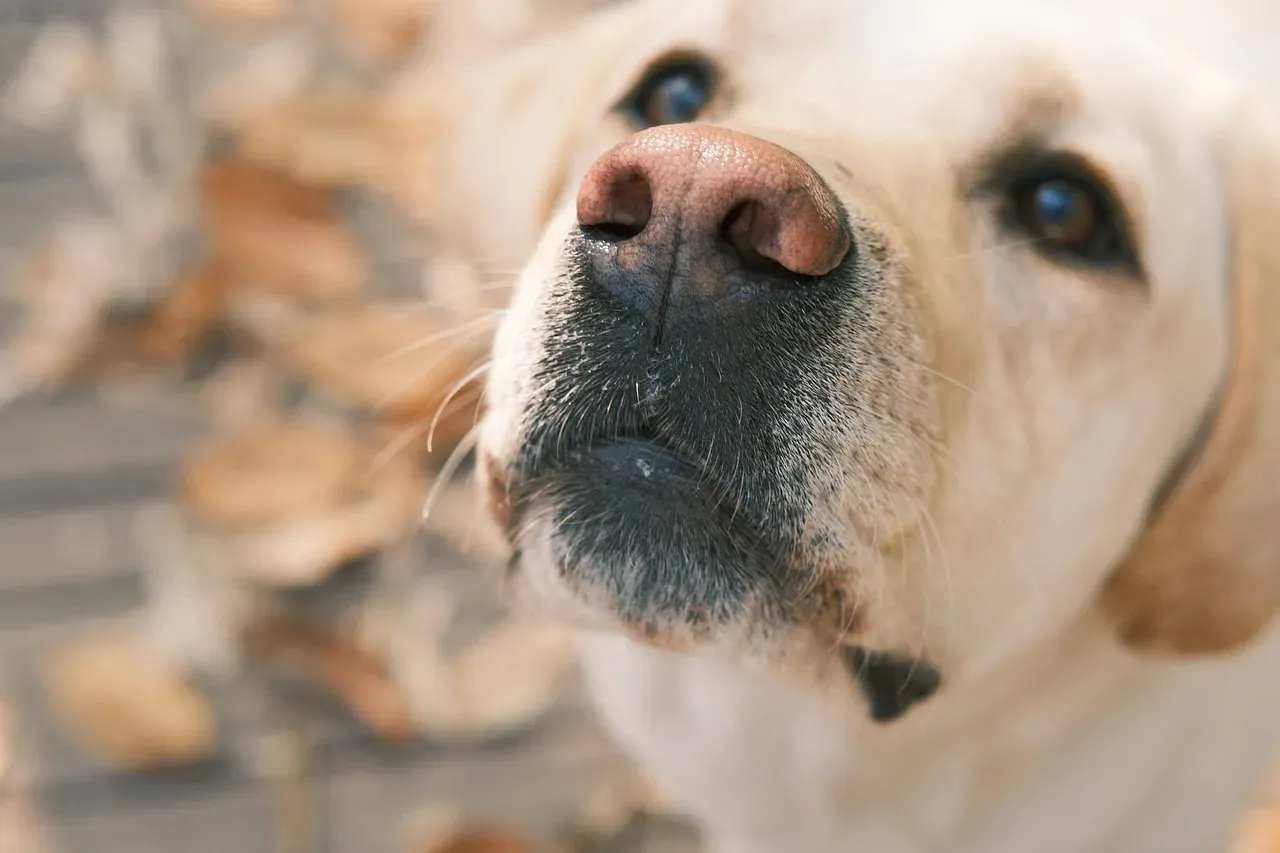
You have probably noticed that during walks, even the most distracted, sniff-everything dog occasionally glances back at you, slows down to your pace, or circles back for a second before moving on. Those quick looks are not random. Studies on dog-human interaction show that dogs use eye contact and position checking as a way to stay connected and to read our emotional state.
When your dog looks back, they are not just making sure you are still there; they are also subtly asking: “Are we good? Are we safe? Are we still a team?” That tiny moment of eye contact or a tail wag mid-walk is a real-time relationship check. Underneath the sniffing and exploring, your dog’s world still orbits around you as their emotional point of reference.
5. Guarding You While You Sleep or Rest (Quiet Vigil, Loud Devotion)
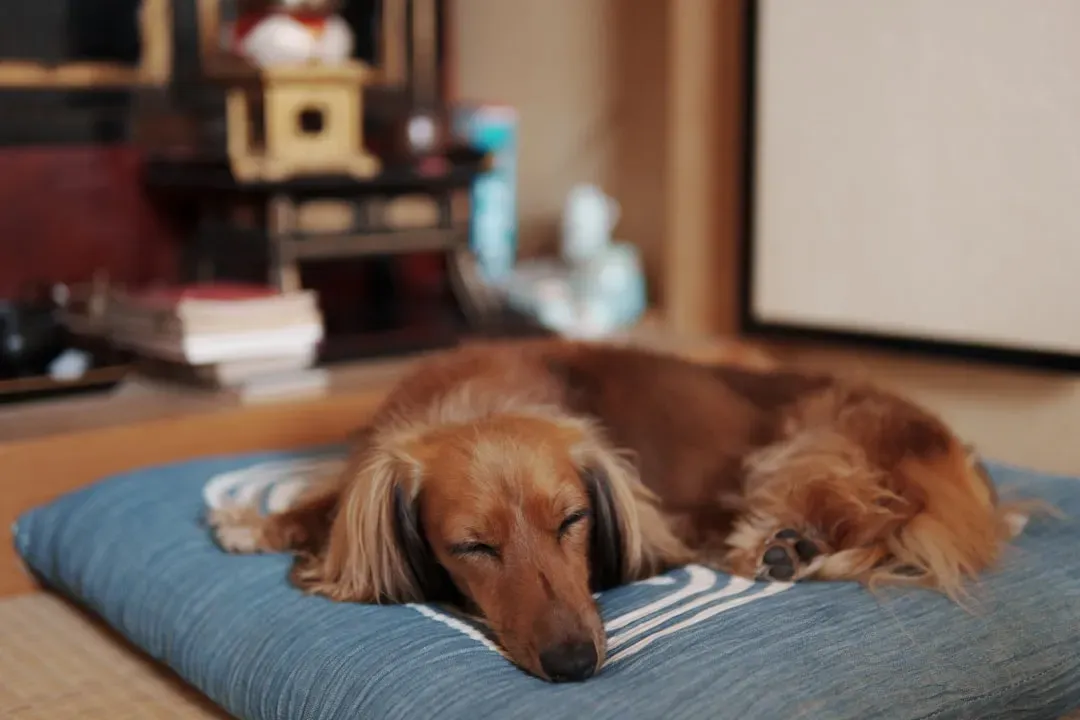
Maybe your dog curls up at the foot of your bed, sleeps facing the door, or camps out in the hallway where they can monitor movement while you rest. It might look like a convenient sleeping spot, but it is often a deliberate position of watchfulness. In social animals, one of the strongest signals of loyalty is the willingness to stay alert while others are vulnerable.
From your dog’s perspective, when you sleep, you are quiet, still, and less responsive, which can read as vulnerable. Taking up a spot where they can both stay close to you and keep an eye on possible changes in the environment is their way of quietly standing guard. It is not drama, it is not paranoia; it is instinct plus attachment. They are effectively saying, “You can relax. I’ve got this shift.”
6. Reacting to Your Mood Shifts (Emotional Radar You Don’t Give Enough Credit)
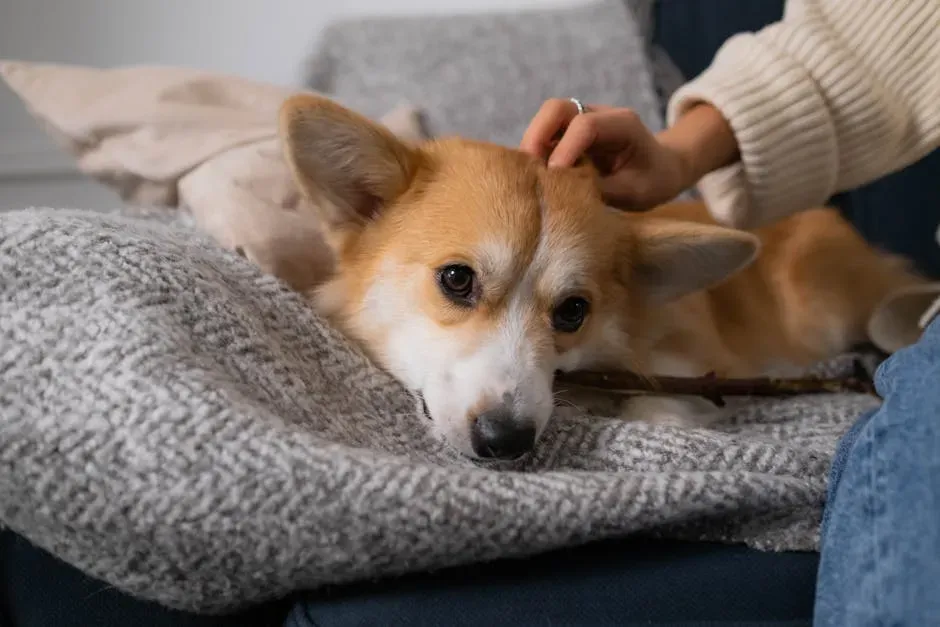
You might think your dog just happens to come over when you are sad or amped up, but dogs are incredibly good at reading subtle cues: changes in your posture, your voice, even your scent when you are stressed. Many dogs will come closer, lick, paw, rest their head on you, or simply sit nearby when they sense something is off with you emotionally.
This is not only pattern recognition; it is a form of emotional caregiving, shaped by thousands of years of living with humans. When they respond to your low days by staying closer than usual, or become goofy and playful when you are tense, they are actively trying to regulate the emotional climate between you. That little nudge of a cold nose when you are holding back tears is your dog stepping into the role of comforter, as best they know how.
7. Greeting You Like You’ve Been Gone for Years (Daily Reunion Ritual of Pure Attachment)
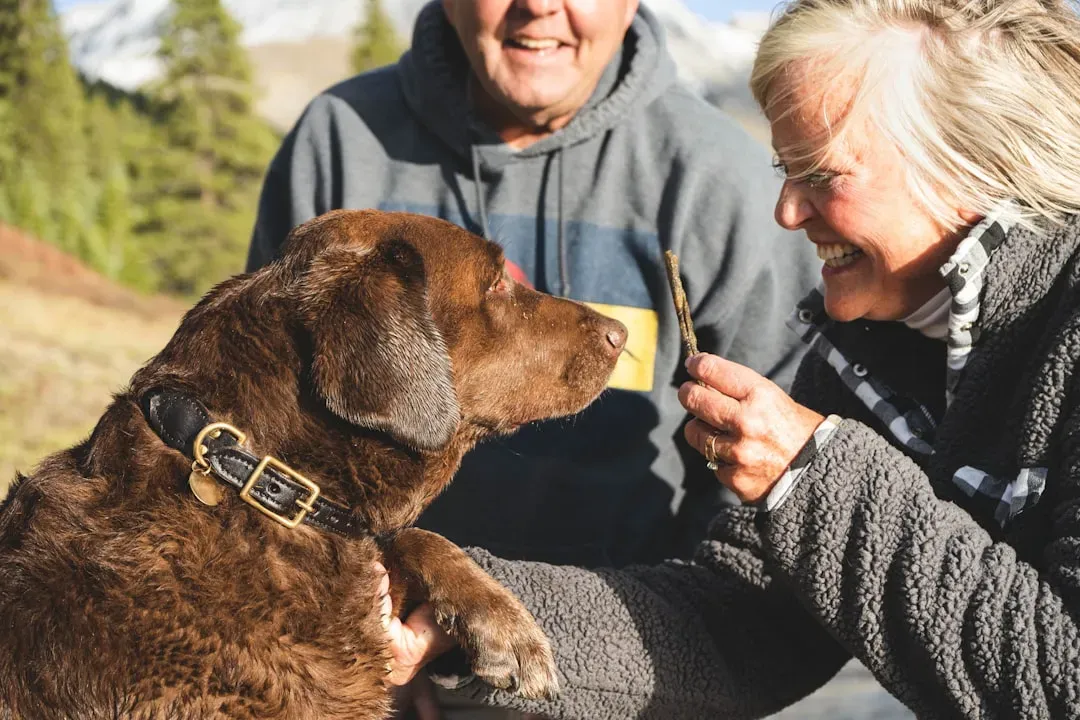
Whether you left for eight hours or eight minutes, the full-body wiggles, spinning, excited barking, zoomies, and frantic sniffing that happen when you walk through the door are not just routine. They are your dog’s daily celebration of the fact that their social world is complete again. Dogs are highly social, and separation from their primary attachment figure is a real emotional event, even if it looks ordinary to you.
That over-the-top welcome party is your dog’s way of releasing built-up emotion: relief, excitement, and sheer happiness that you came back. They are checking your scent, your mood, and your presence all at once, resetting their little universe around the fact that “my human is home.” You might be used to it by now, but for your dog, that reunion is one of the emotional highlights of their entire day.
Conclusion: Your Dog Is Not on Autopilot – They Are Loving You Out Loud
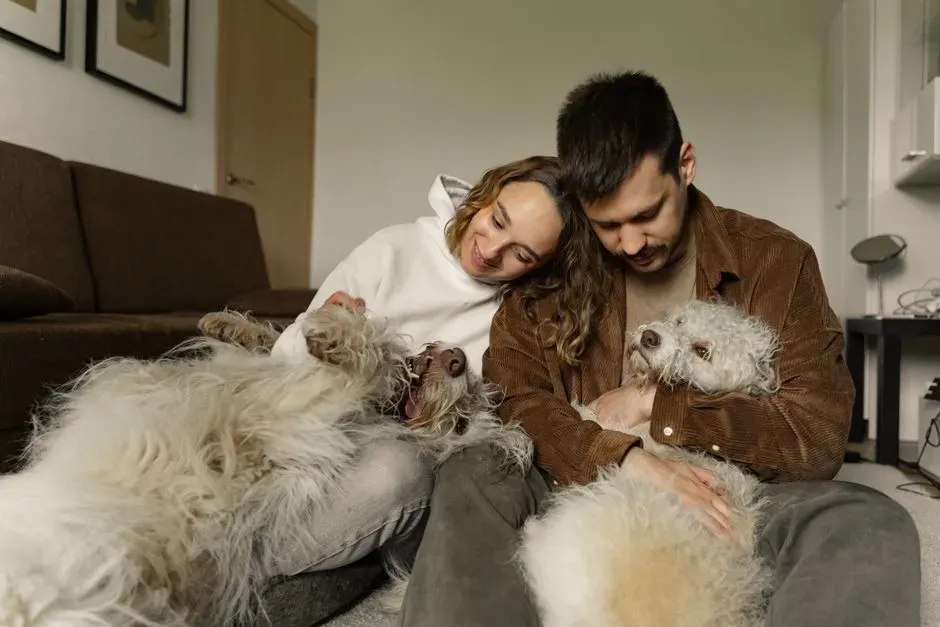
When you step back and look at these “habits” together, a pattern jumps out: your dog is not just repeating mindless routines, they are repeating rituals of affection. Following you, leaning on you, checking in, sharing toys, guarding your rest, responding to your moods, and exploding with joy when you come home are all tiny, everyday love letters written in behavior instead of words.
Personally, once I started viewing my own dog’s quirks through this lens, even the simple act of being followed into the bathroom felt different – less like clinginess, more like a quiet, stubborn devotion. You do not have to turn every moment into a science lesson, but recognizing the love behind the habit can deepen the relationship on both sides. The next time your dog does one of these things, will you brush it off as “just what dogs do,” or will you answer back in the only way that really matters: by loving them right back, on purpose?


