
You wake up one day and realize your dog isn’t racing you to the kitchen like before. The muzzle looks a little whiter, the naps a little longer, the jumps onto the couch a little slower. It can feel both tender and terrifying: is this just normal aging, or is something quietly going wrong?
The line between natural senior changes and genuine red flags can be surprisingly thin. The goal is not to hover over your dog in panic, but to understand what aging usually looks like, and which shifts should send you straight to the vet. Let’s walk through the nine changes that are typically part of a healthy aging process – and three that are not okay to ignore.
1. A Graying Muzzle and Coat
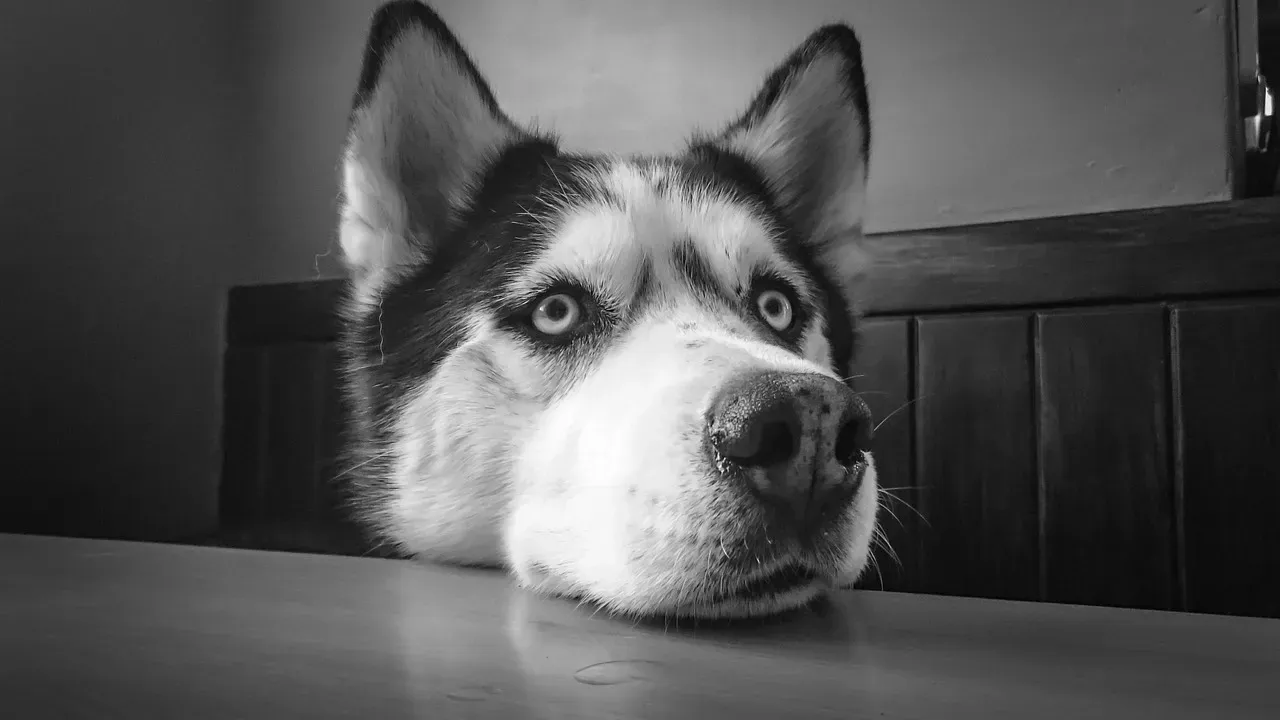
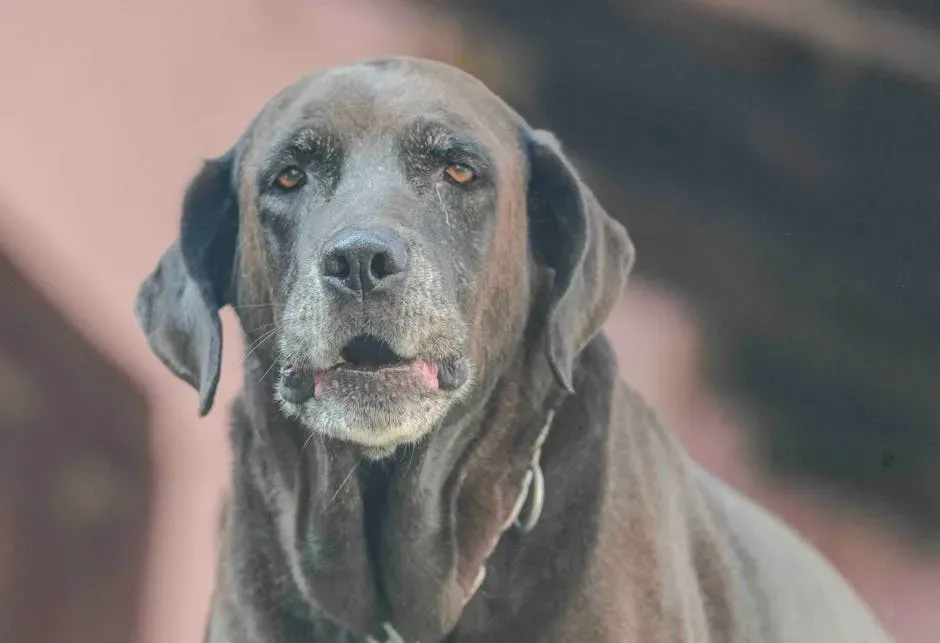
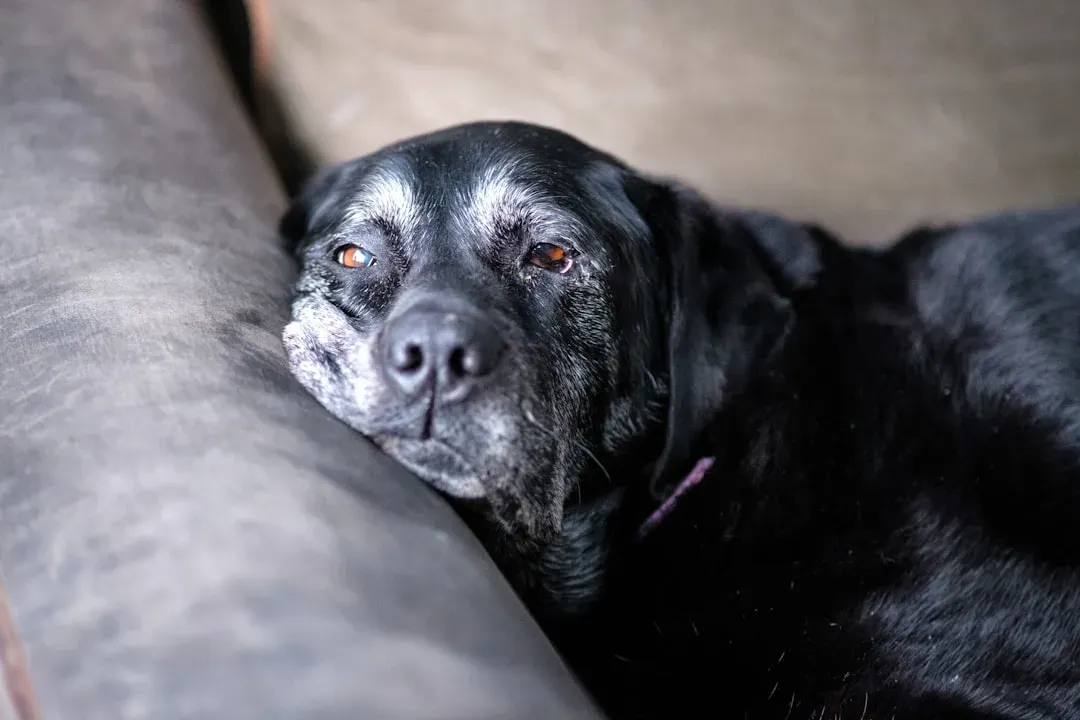
One of the earliest and most harmless signs of aging is that soft salt‑and‑pepper look around your dog’s muzzle, eyebrows, and sometimes chest. Just like people, dogs can get gray hairs as pigment cells in the hair follicles slow down with age. Many owners notice this sometime between mid‑life and the early senior years, depending on the breed and genetics.
On its own, this graying is almost always cosmetic and nothing to worry about. You do not need to treat it, dye it, or panic about it. Think of it as your dog’s version of laugh lines: a visual record of years spent chasing balls, stealing socks, and napping in sunbeams. The only time coat changes deserve a closer look is if they’re patchy, linked to hair loss, or come with itchy, inflamed skin – those can point to medical problems, not just age.
2. Sleeping More and Slowing Down a Bit
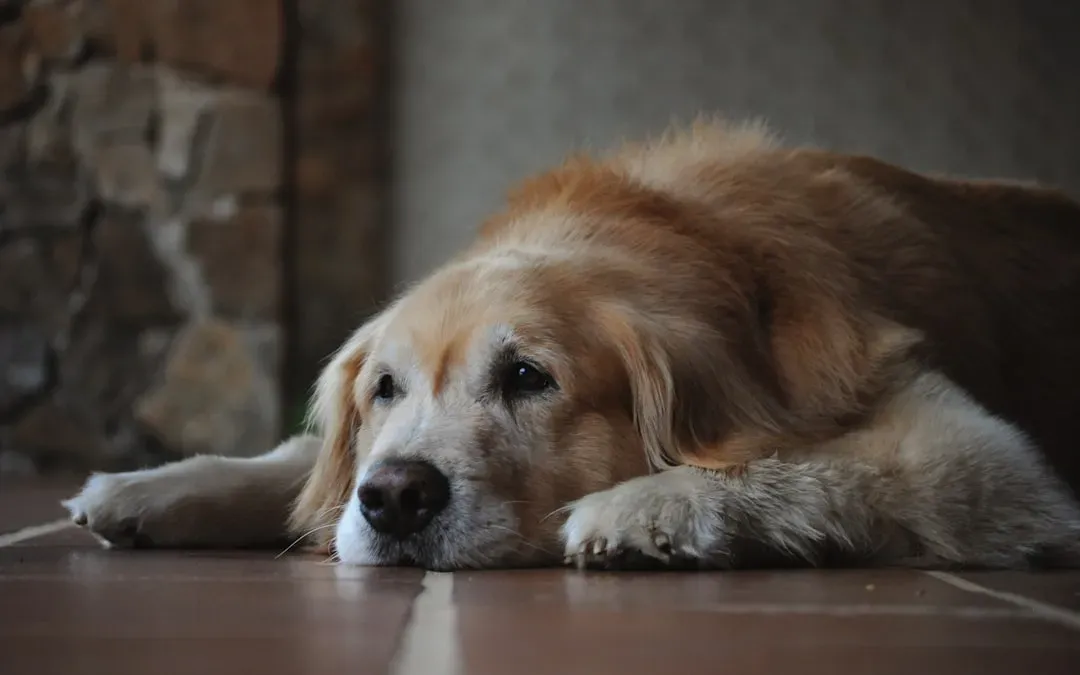
It can be shocking when the dog who once did zoomies at midnight now prefers to curl up by 9 p.m. An older dog needing more sleep, being less hyper, and taking longer to recover after exercise is usually normal. Joints are a little stiffer, muscles don’t bounce back quite as fast, and the body just needs more downtime to feel good.
What you want to see is a dog who still enjoys walks, play, and family time – just in shorter bursts with more naps in between. If your dog is generally content, still gets up to greet you, and perks up for favorite activities, that’s often just a healthy senior pace. You can think of it like a former marathon runner who now prefers long, leisurely walks instead of daily sprints.
3. Mild Stiffness After Rest or Exercise
A little stiffness when first getting up in the morning or after a big hike can be a normal part of aging, especially in medium and large breeds. Many senior dogs take a few extra steps to “warm up” their joints, and then move more easily as they keep walking. This often reflects age‑related joint changes like mild osteoarthritis, which are extremely common.
The key is that the stiffness should be mild, short‑lived, and not accompanied by obvious pain or distress. Often, small lifestyle tweaks help a lot: softer bedding, non‑slip rugs, keeping a healthy weight, or shorter but more frequent walks. If your dog still wants to go on walks and seems happy moving around once loosened up, this kind of stiffness is typically a normal, manageable sign of getting older.
4. Gradual Hearing Loss
If you’ve noticed your dog no longer races to the door when you say the magic word “walk,” they may not be ignoring you – they may simply not hear as well. Age‑related hearing loss in dogs usually creeps in slowly. High‑pitched sounds (like whistles or squeaky toys) may be the first to go, while deeper voices remain easier to detect for longer.
In many cases, this is a normal, irreversible change in the inner ear. The good news is that most dogs adapt remarkably well, especially if you start using more visual signals and gentle physical cues. As long as hearing loss isn’t sudden, painful, or paired with head tilt or loss of balance, it’s often just a part of senior life, not a medical emergency. Your job is to adjust communication, not insist they “listen better.”
5. Slight Cloudiness in the Eyes Without Behavior Changes
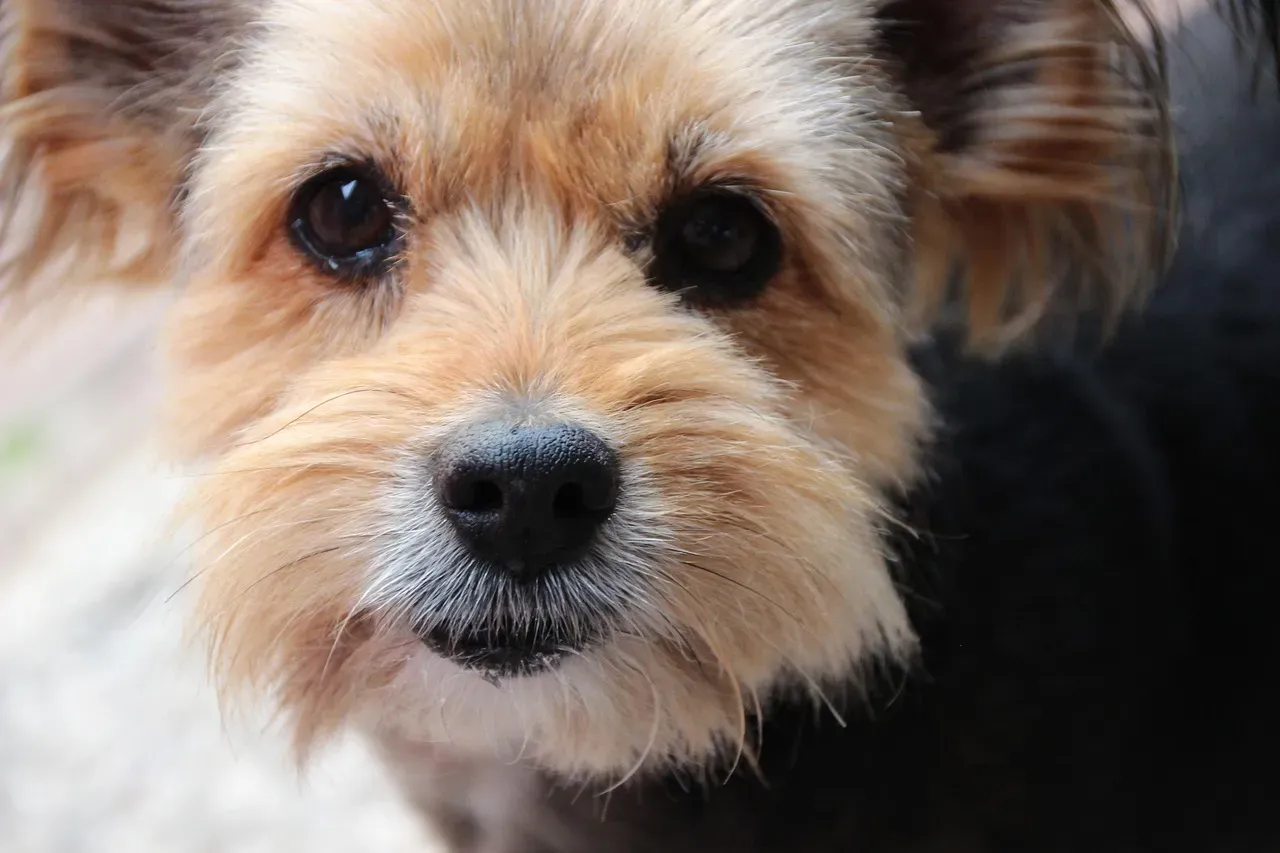
Many older dogs develop a hazy, bluish cloudiness in their eyes called nuclear sclerosis. It can look a bit alarming if you have never seen it before, but this particular type of cloudiness is a normal age‑related change in the lens, not the same as true blinding cataracts. Most dogs with nuclear sclerosis can still see well enough to move confidently in familiar spaces.
The big clue that this is likely normal is that your dog still tracks toys, finds treats, navigates stairs, and does not bump into furniture. You might notice they struggle a bit more in dim light or at long distances, which is expected. A vet should still examine any eye change, but if they confirm it is non‑painful lens aging with no signs of increased eye pressure or inflammation, it generally falls under the “normal senior” category.
6. A More Sensitive Digestive System
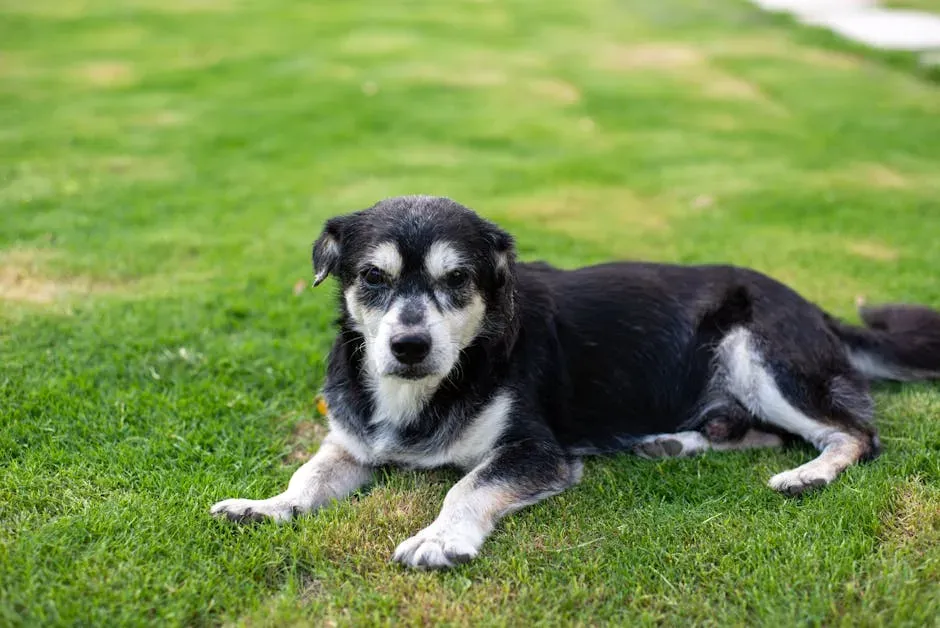
As dogs age, their digestive systems can become a little more finicky. Foods that never used to cause an issue might now lead to mild loose stools, gassiness, or a bit of tummy upset, especially with sudden diet changes or rich treats. This does not automatically mean something is terribly wrong; it can simply reflect that the gut is less tolerant of extremes.
If your dog’s appetite is still good, their weight is stable, and the occasional digestive wobble is mild and short‑lived, you are probably looking at normal senior sensitivity. Many owners find that switching to a high‑quality senior diet, avoiding table scraps, and making any food transitions more gradually works wonders. It is similar to how many people find they cannot eat like a teenager forever – and pay for it if they try.
7. Subtle Personality Softening and Calmness
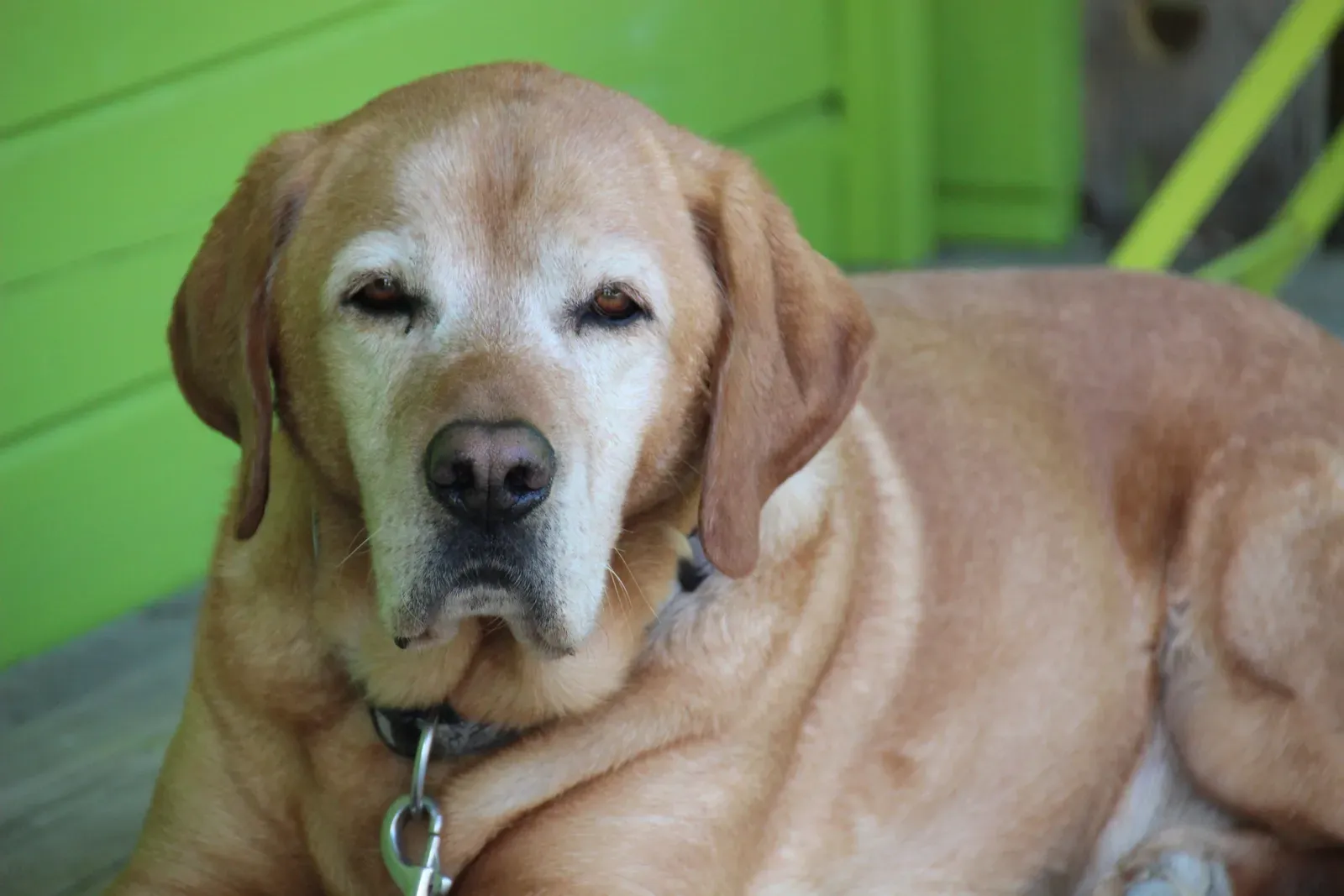
A lot of older dogs become a bit more mellow, especially if they were high‑energy or anxious when younger. That nervous, barky adolescent can grow into a calmer, more emotionally stable senior who is less reactive to every little noise. This “softening” can feel like watching a friend grow wiser and more secure as they age.
As long as your dog still recognizes family, enjoys affection, and engages with their surroundings, a calmer demeanor is usually a normal and even lovely sign of aging. They might be less interested in chaotic play with unknown dogs but still adore quiet snuggles and slow strolls. Think of it as a shift from life‑of‑the‑party to wise elder – less fireworks, more steady glow.
8. Needing More Help With Jumping and Stairs
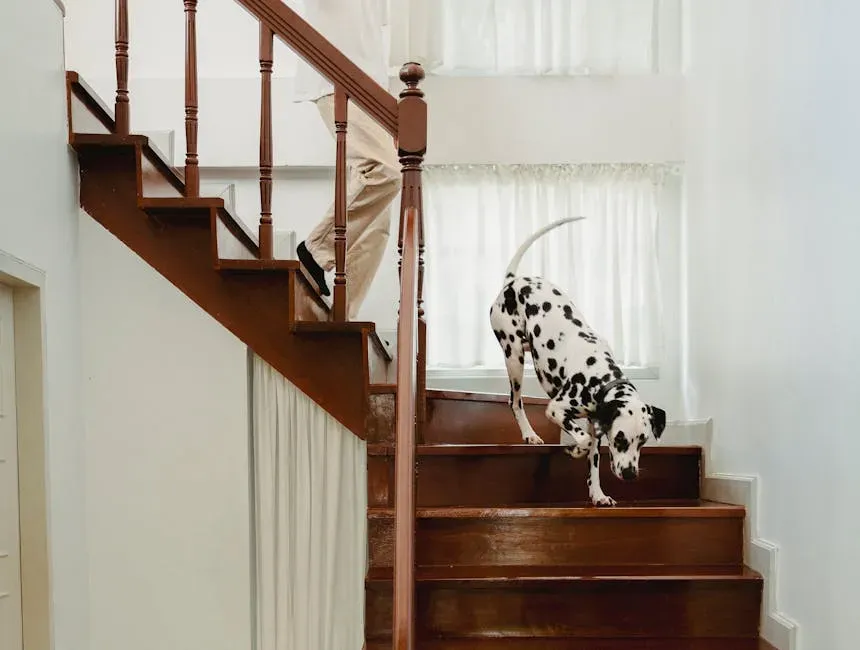
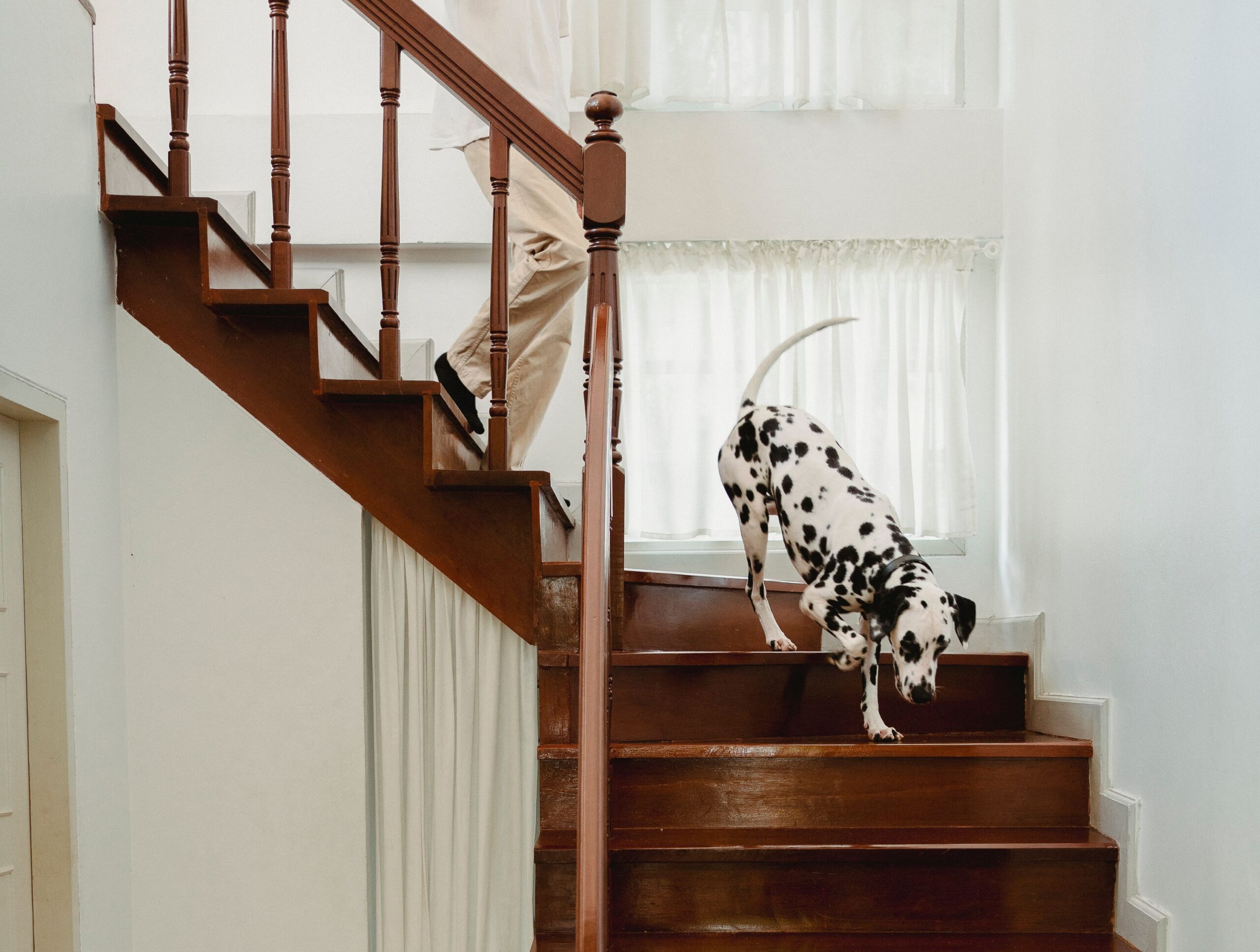
It is very common for senior dogs to struggle a bit more with jumping into cars, onto beds, or climbing steep stairs. This is usually a mix of joint wear, reduced muscle mass, and a healthy sense of self‑preservation. They may pause, judge the distance more carefully, and sometimes decide they would rather wait for a lift.
Needing a ramp, steps, or a gentle boost does not automatically mean something is dangerously wrong; it often means it is time to adapt the environment. Providing ramps, keeping nails trimmed, using rugs on slippery floors, and doing gentle strengthening exercises can all help. The normal pattern is a gradual, steady change – not a sudden, dramatic loss of ability overnight.
9. Slightly Increased Drinking and Urination With Normal Labs
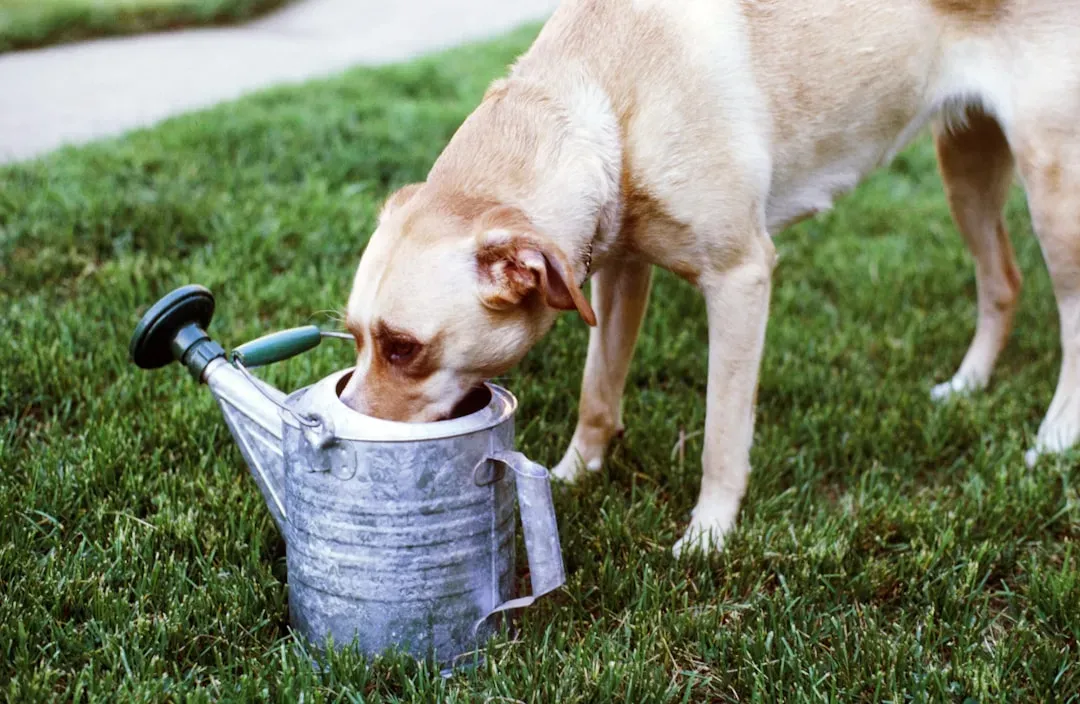
Some older dogs may drink a bit more water than they did as youngsters, especially in warm weather or after exercise. A small uptick in water intake and more frequent pee breaks can be normal if it develops slowly and your vet has checked for underlying disease. Senior bodies sometimes regulate fluids a little differently, and their kidneys may lose a bit of efficiency without outright failing.
The crucial safeguard is regular senior wellness exams and bloodwork. If your veterinarian has evaluated your dog and confirmed that organ function, blood sugar, and electrolytes are within healthy ranges, a modest increase in drinking may fall into the “normal for this age” pattern. Without that vet check, though, increased thirst is never something to simply ignore, which leads us into the not‑normal territory.
10. Sudden, Significant Behavior Changes or Confusion (Not Normal)

When behavior changes come on quickly or dramatically, that is a big red flag. A dog who suddenly seems disoriented in familiar rooms, gets “stuck” in corners, stares at walls, or forgets long‑standing house training is not just being quirky. These shifts can point to cognitive dysfunction (often compared to dementia), metabolic disease, neurological issues, or pain making normal behavior difficult.
Normal senior softening is gradual and gentle; it does not turn your dog into a confused stranger in a matter of weeks. If your friendly dog suddenly becomes irritable, fearful, or unusually clingy out of nowhere, something is likely wrong. This is a situation where you do not wait and hope it passes – you get a vet exam, lab work, and a thorough check to find out what has changed inside the body or brain.
11. Noticeable Weight Loss, Heavy Panting, or Collapsing Episodes (Not Normal)
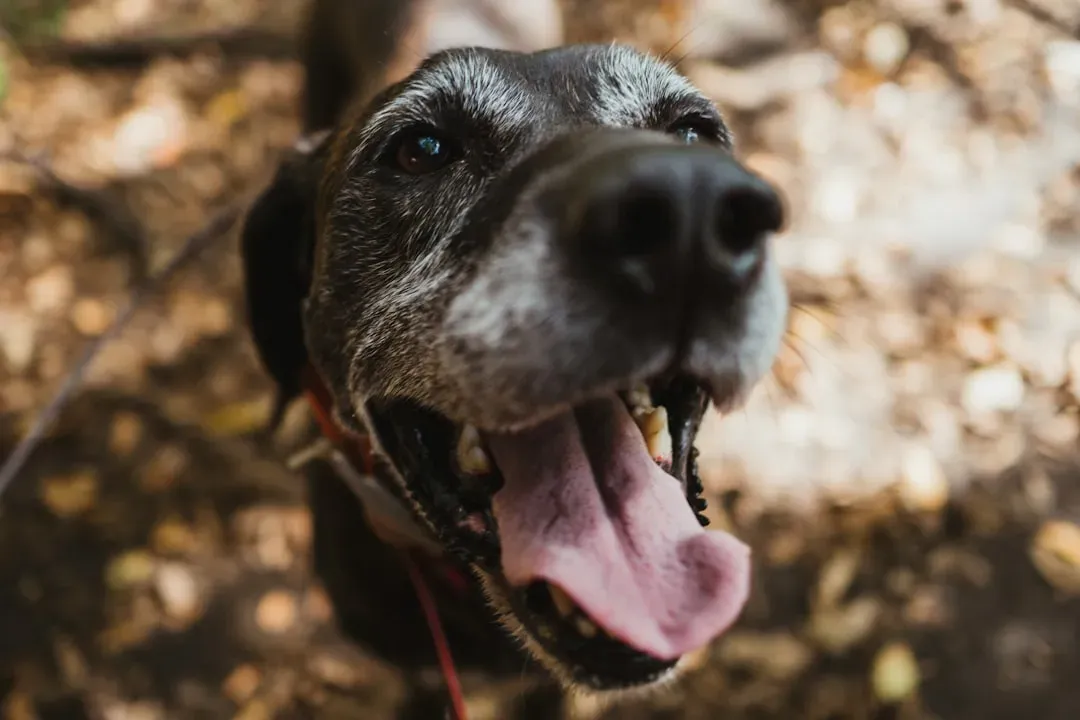
Unintentional weight loss in an older dog is never something to write off as “just age.” When a senior starts looking thinner despite eating the same or even more, you may be seeing signs of chronic disease such as kidney problems, diabetes, overactive thyroid (in some breeds), or cancer. This is especially concerning if it accompanies muscle wasting – you can often feel more spine or hip bones than before.
Likewise, frequent heavy panting at rest, sudden collapse, or episodes of weakness are not normal aging. These can signal heart disease, respiratory issues, internal bleeding, or other serious conditions that need immediate attention. Aging may make a dog more fragile, but it should never make them repeatedly collapse or struggle to breathe. Those are emergency‑level signs, regardless of age.
12. Dramatic Increases in Thirst, Urination, or Appetite Changes (Not Normal)
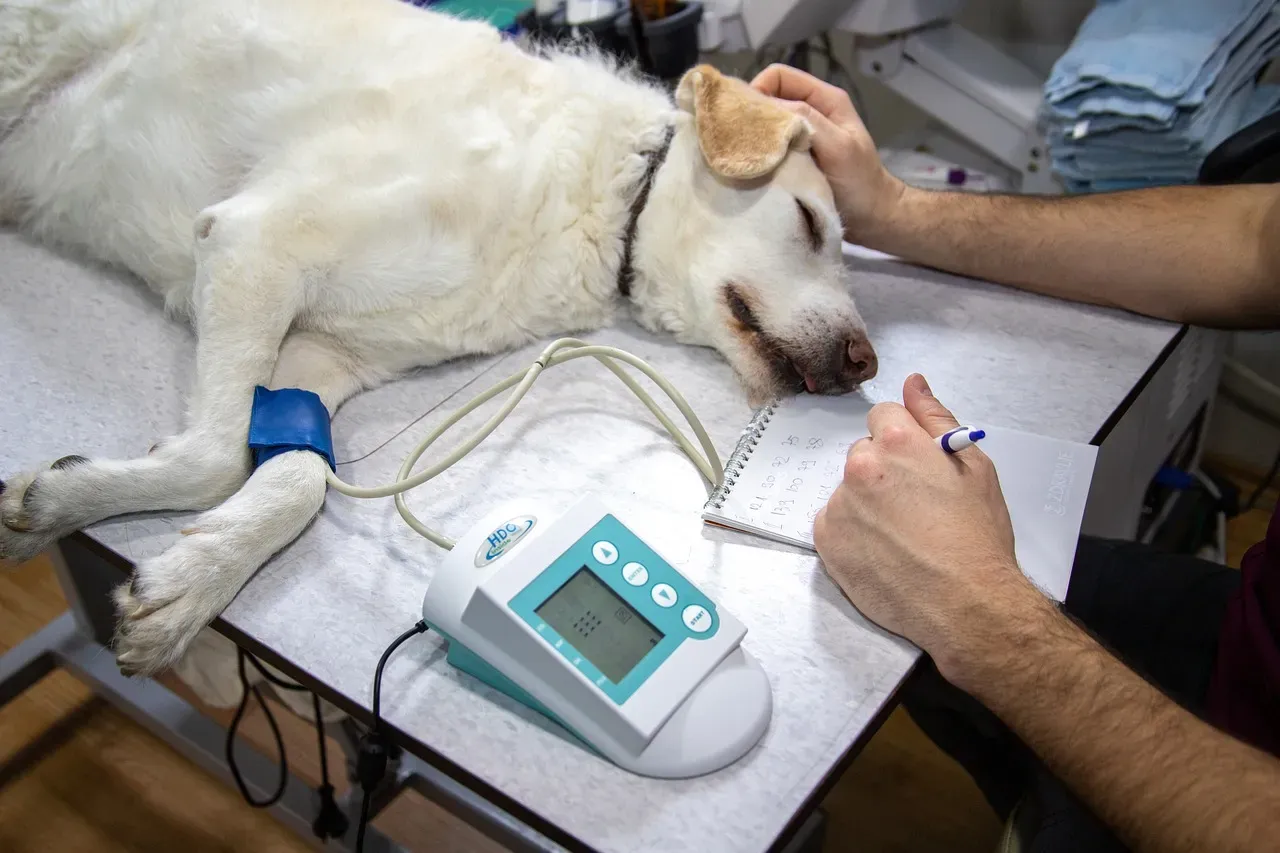
While a slight increase in water can be normal with clear lab work, a dramatic spike is not. If you suddenly find yourself refilling the water bowl far more often, your dog is asking to go out multiple times a night, or they are having accidents indoors after years of being house trained, you are in “call the vet” territory. These patterns can be early signs of serious but treatable conditions like kidney disease, diabetes, Cushing’s disease, or urinary tract infections.
Major appetite changes are equally concerning, whether that means a dog who becomes ravenously hungry all the time or one who loses interest in food altogether. Normal senior life might bring small ups and downs in enthusiasm, but extreme shifts require investigation. In older dogs, your margin for error is smaller, so the safest rule is: when in doubt, get it checked out – you will almost never regret being early, but you might regret being late.
Conclusion: Aging Is Inevitable, Suffering Is Not
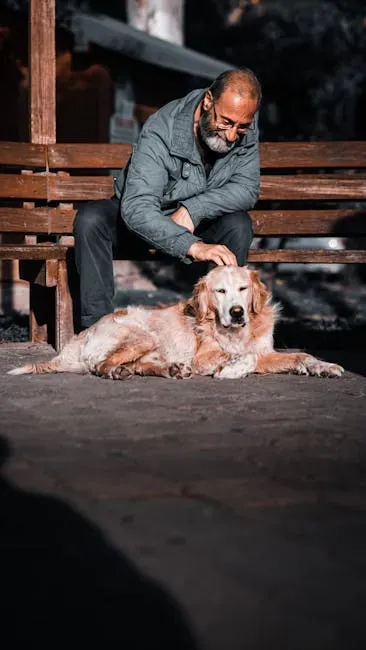
Watching a beloved dog age is emotionally intense; it is like reading your favorite book knowing there are fewer pages left than you want. But aging itself is not the enemy. A little gray on the muzzle, slower walks, extra naps, and a gentler personality can be signs of a life well lived, not a crisis. The real danger is when we dismiss red flags as “just getting old” and allow treatable problems to steal comfort and time.
My own opinion, after years of seeing dogs at different life stages, is that we underestimate how much good, happy life a senior dog can have with proactive care. Normal aging changes deserve respect and adaptation, while the not‑normal signs demand swift, unapologetic action. If you use what you have learned here to spot the difference, you can be the person who gives your dog not just more days, but better ones – and when that final chapter comes, you will know you did not look away when it mattered. Looking at your dog right now, which signs are you starting to notice, and what will you do with that information today?


