
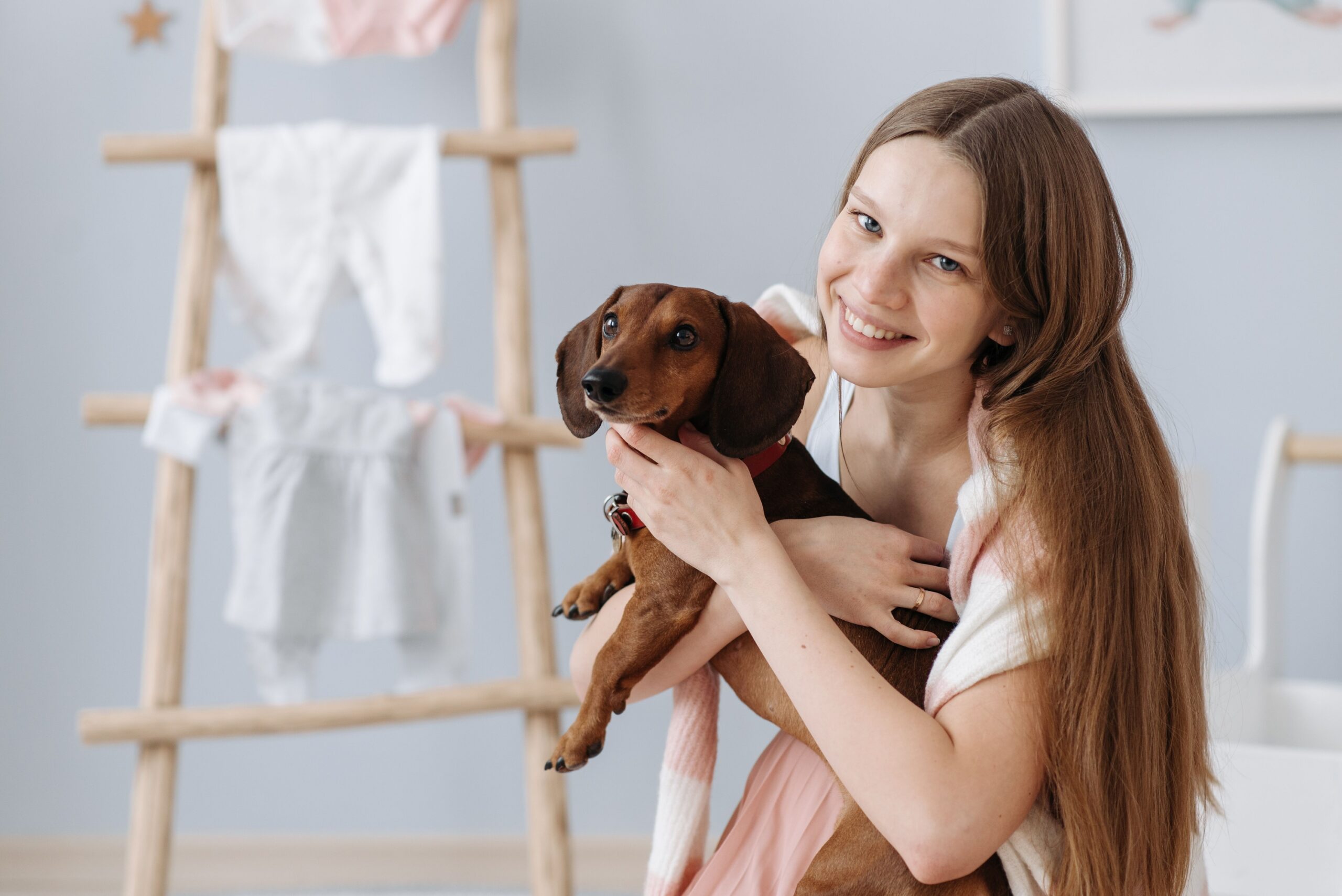
If you live in an apartment or a home without a yard, it can feel like loving dogs and loving small spaces are at war with each other. Many people still picture happy dogs sprinting across giant lawns or racing along the beach, not snoozing on a studio apartment couch. But the truth is, some breeds are almost shockingly well suited to compact living, and they can be every bit as joyful in 600 square feet as in a sprawling house.
The key is not just size, but temperament, energy patterns, and how easily they adapt to human routines. I still remember visiting a friend in a tiny city flat and being stunned that her dog seemed more relaxed and content than many dogs I’d seen with huge yards. It completely changed how I thought about “space” for dogs. Let’s dig into ten breeds that, when their needs are met, can thrive in small homes without losing their spark or their smile.
Cavalier King Charles Spaniel

It’s almost unfair how perfectly the Cavalier King Charles Spaniel fits apartment life. They’re small enough to curl up on the smallest of sofas, but their biggest talent is emotional: they’re deeply people-oriented and happiest sticking close to their humans rather than racing around on their own. Their energy comes in gentle bursts, often followed by long, content naps, which meshes really well with smaller homes and slower indoor routines.
Despite their royal background, Cavaliers are pretty low drama if you give them daily walks and some playtime. They’re usually friendly with neighbors, visitors, and even other pets, which matters a lot when you share walls and elevators. Health-wise they can be prone to heart and eye issues, so anyone considering this breed should be prepared for regular vet checkups and responsible breeders. Still, when their needs are thoughtfully met, they bring a calm, affectionate joy that makes even a cramped apartment feel like a cozy little palace.
French Bulldog
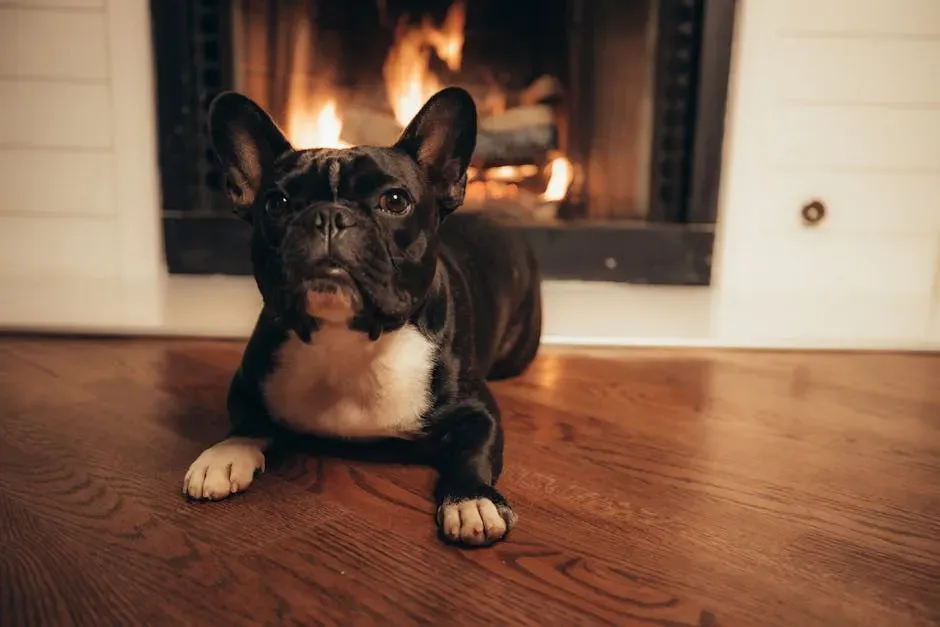
French Bulldogs have become the unofficial mascots of city living, and it’s not just because of social media photos. Their compact, muscular bodies and relatively low exercise needs make them very manageable in small spaces. They’re usually content with a couple of short walks and some playtime, then they’re more than happy to snore beside you while you work or binge-watch something.
One important reality with Frenchies is their health. That flat, adorable face comes with a cost: breathing issues, overheating, and sometimes orthopedic problems are common. They’re not built for marathon runs or long hikes, and that’s part of why they fit apartment life so well – but it does mean owners have to be careful and informed. When you approach the breed with open eyes, choose a responsible breeder or rescue, and keep them lean and well cared for, they can be silly, affectionate clowns who fill even a tiny home with laughter.
Pug

Pugs are like little comedians who never got the memo that life is supposed to be serious. They are small, sturdy, and tend to form strong bonds with their families, often following you from room to room like you’re the most interesting show on earth. Because their legs are short and their breathing is not built for intense athleticism, their exercise needs are usually moderate, which aligns nicely with life in an apartment or small house.
That said, pugs can be surprisingly prone to weight gain, and in a small space where humans might also be less active, it’s easy to spoil them with treats and couch time. Monitoring food, keeping up with short daily walks, and watching for eye and breathing issues are all part of responsible pug parenting. When you get that balance right, you end up with a happy little shadow who can turn the dullest hallway into a runway for goofy zoomies.
Greyhound
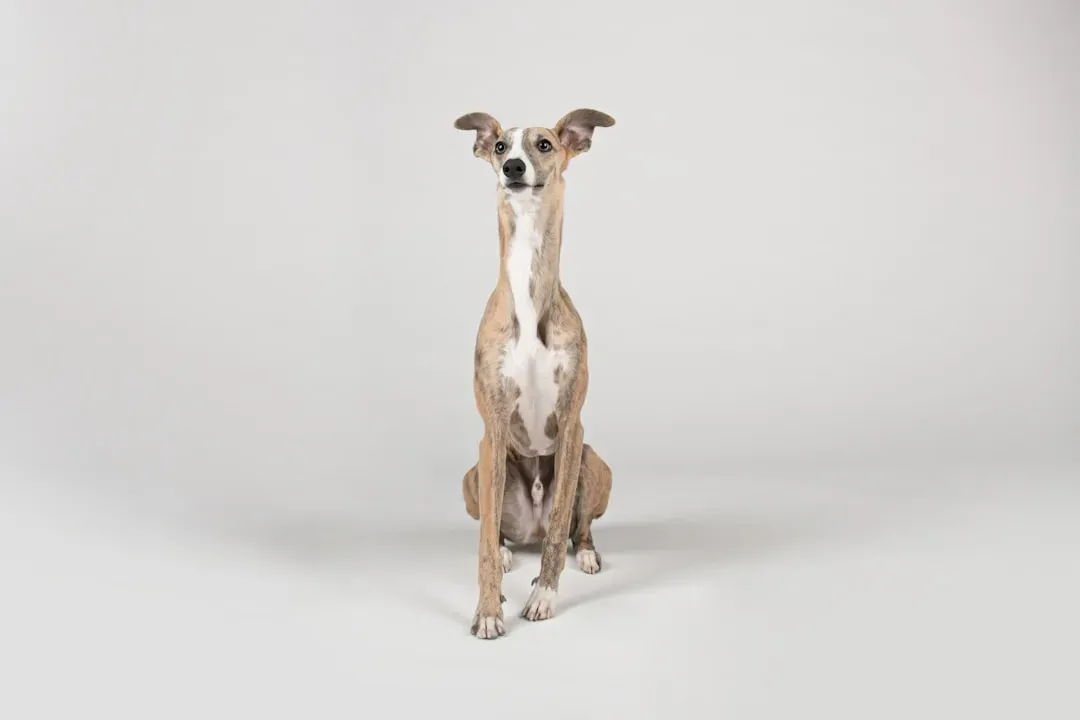
This one surprises a lot of people: the tall, sleek Greyhound is actually often called a “forty-mile-per-hour couch potato.” While they can sprint like nothing else, their natural pattern is intense bursts of speed followed by very long periods of rest. That means a retired racing Greyhound or a companion-bred Greyhound can live quite comfortably in a modest-sized apartment, as long as they get daily chances to stretch their legs and sniff the world.
Emotionally, Greyhounds tend to be gentle, somewhat sensitive dogs who appreciate a calm home. They usually do well with a soft bed, a predictable routine, and kind handling. You’ll need to be mindful of secure leashes and fenced areas because their chase drive can kick in fast, especially with small animals or moving objects. But in everyday life, many Greyhounds are far quieter and less demanding indoors than much smaller, buzzier breeds.
Bichon Frise

The Bichon Frise is like a little cloud of happiness floating around your apartment. Small, cheerful, and often very people-focused, Bichons are known for being adaptable and generally good-natured. They’re playful, but they don’t usually need huge amounts of outdoor space – short, frequent walks and indoor play sessions can meet their needs if you’re consistent.
Their fluffy coat does not shed much, which is a plus when you share a tight space, but that softness comes with a grooming bill. Regular brushing, professional grooming, and attention to skin health are important, so anyone considering a Bichon should be ready for that commitment. The trade-off is a clean, bright little dog who thrives on companionship and can make even a tiny studio feel like a cheerful, stylish boutique hotel.
Chihuahua

Chihuahuas are possibly the ultimate small-space dog, simply because they themselves are so tiny. A short hallway can feel like a track to them, and a small basket can be their entire bedroom. They often bond closely with one or two people, which can be incredibly rewarding in a small home where you’re constantly in each other’s orbit.
On the flip side, their size can make people forget they are still real dogs with real needs. They require socialization, consistent boundaries, and mental stimulation, not just being carried everywhere. Without that, they can develop anxiety or become snappy. With good, gentle training and exposure to the world at their pace, a Chihuahua can be a lively, confident companion whose personality is far bigger than your floor plan.
Shih Tzu

Shih Tzus were originally bred as companion dogs in palaces and temples, and you can still see that “lap royalty” energy today. They’re typically calm indoors, happy to be near their people, and their short legs and moderate energy level mean they don’t demand long-distance exercise. A few solid walks a day and some playtime on the rug usually keep them content.
Their long, flowing coat in show photos can be misleading – most pet owners keep them in a shorter, more manageable trim. Even then, they need regular grooming and eye care, which is important to factor into small-space life. In exchange, you get a sweet, often slightly comedic little presence that fits easily into apartments and thrives on routines like coffee on the couch, movie nights, and lazy Sunday mornings in bed.
Boston Terrier

Boston Terriers are often described as having a big-dog attitude in a small-dog package, which can be a lot of fun in a compact home. They’re typically playful, smart, and affectionate, with enough energy to enjoy walks and games but usually not so much that they’re bouncing off the walls all day. Their short coat is easy to care for, which is nice when your vacuum has to work in close quarters.
Like other flat-faced breeds, Boston Terriers can have some breathing and heat tolerance issues, so apartment dwellers who live in hot climates need to be particularly mindful. They often love being included in everyday activities, from sitting at your feet while you work to joining short trips out and about. When guided with patient training, they can bring a fun, slightly goofy spark to small spaces without tipping over into chaos.
Yorkshire Terrier

Yorkies may be tiny, but they come with a surprising amount of confidence and personality. In a small space, that can be a big advantage: they don’t need long-distance runs, and a living room can easily double as a playground. However, their terrier roots mean they can be alert and vocal, so early training around barking really matters when you share walls with neighbors.
Their fine, silky coat grows continuously and behaves more like human hair than typical dog fur, which means little shedding but quite a bit of grooming. Regular trims and brushing are part of the deal. When you combine that care with consistent boundaries, mental enrichment, and proper socialization, a Yorkie can be a lively, devoted roommate whose joy has nothing to do with square footage.
Dachshund
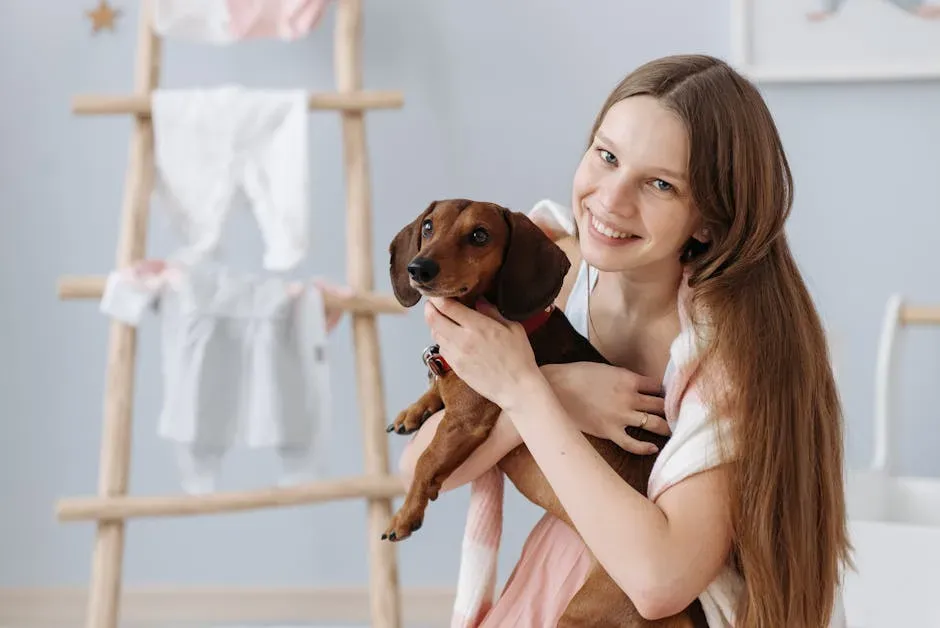
Dachshunds, with their long backs and short legs, are often more about careful, measured movement than wild running, especially as they age. That makes them quite compatible with small homes, where a few well-planned walks and some indoor play can meet their needs. They tend to bond strongly with their families and love being involved in whatever you are doing, whether that is cooking, reading, or gaming.
The one big concern with Dachshunds in any environment, but especially in tighter spaces with stairs or furniture, is back health. Jumping off couches or racing up and down stairs can increase the risk of spinal problems, so you have to be proactive with ramps, lifting, and weight control. If you’re willing to be thoughtful about their environment and keep their bodies supported, they bring a funny, determined, and sometimes hilariously stubborn spirit that lights up even the smallest rooms.
Maltese
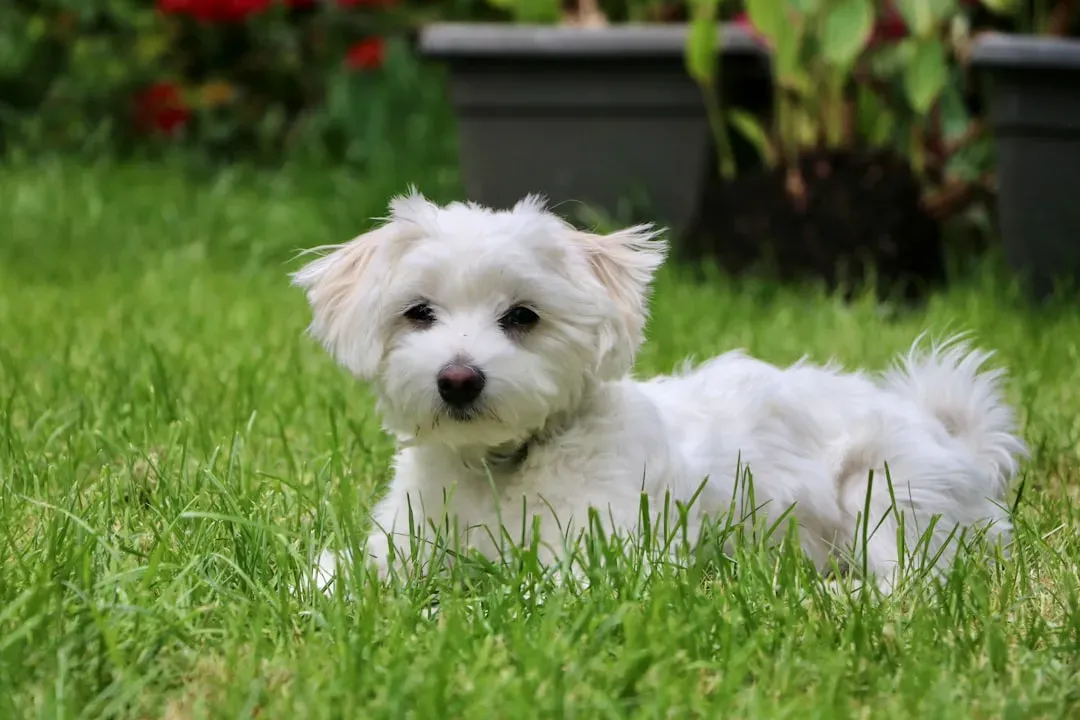
The Maltese is one of those breeds that seems almost built for being a cherished house companion. They are small, typically gentle, and usually quite content to spend most of their time close to their humans. Their exercise needs are modest – a few good walks and play sessions inside are generally enough, which fits well when you do not have a yard or much open space.
As with many small, long-haired breeds, the trade-off for their elegant appearance is grooming. Regular brushing and professional trims are important to prevent tangles and keep them comfortable. Emotionally, they often form deep attachments, which can be lovely but also means you should think about how you will handle alone time and prevent separation anxiety. When those needs are met, a Maltese can turn a small home into a calm, affectionate little world centered on shared routines and quiet joy.
Conclusion: Joy Has More To Do With You Than With Square Footage

Looking across these breeds, one theme is impossible to ignore: joy in small spaces is less about the floor plan and more about the human on the other end of the leash. A French Bulldog can be miserable in a penthouse if ignored, while a retired Greyhound can be deeply content in a small one-bedroom with the right walks and affection. Choosing a breed whose natural energy, health profile, and temperament match your reality is far more important than chasing an idealized picture of “space.”
My own opinion is that we often underestimate how much emotional and mental space matters compared with physical square footage. If you can offer consistency, kindness, enrichment, and reasonable exercise, these breeds can be just as joyful in a city apartment as they would be in a suburban yard. The real question is not whether your place is big enough, but whether your lifestyle and mindset are ready for the commitment – so, looking around your home right now, could it become the happiest small kingdom a dog has ever ruled?


