
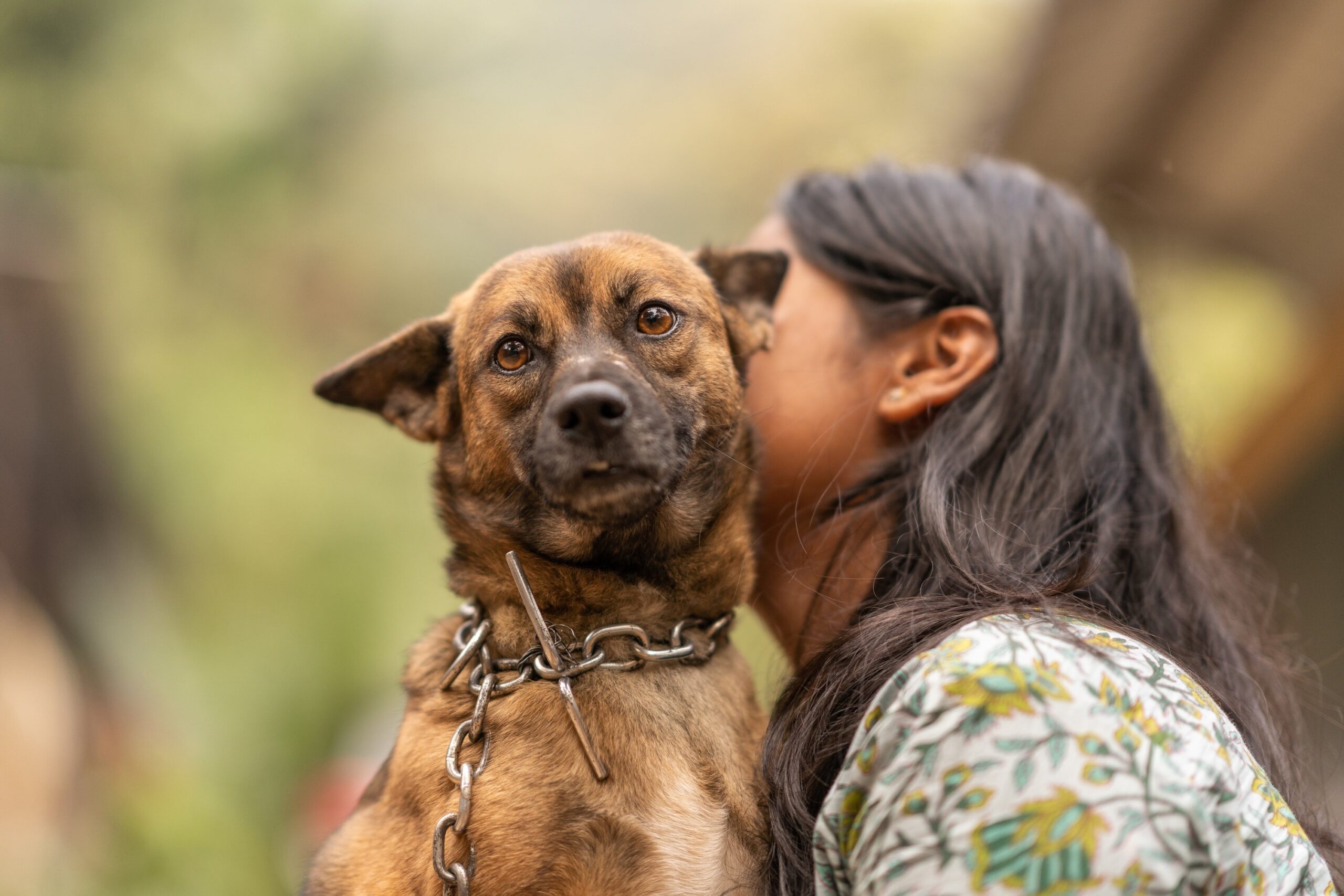
If dogs could talk, the first thing many of them would probably say is something like: stop trying to buy my love with treats and listen to what I’m actually telling you. Trust in dogs is deeply emotional and surprisingly scientific, built through a hundred tiny moments of safety, predictability, and connection that have nothing to do with what’s in the food bowl.
Once you really get that, the way you move, speak, and even breathe around your dog starts to change. You stop wondering if you’re a “dog person” and start noticing that your dog chooses to sleep closer to you, checks in with you more on walks, and looks for your eyes when they’re unsure. That isn’t magic and it isn’t bribery. It’s trust. Here’s how you actually build it.
1. Moving Like a Safe, Predictable Human (Not a Jump-Scare Machine)
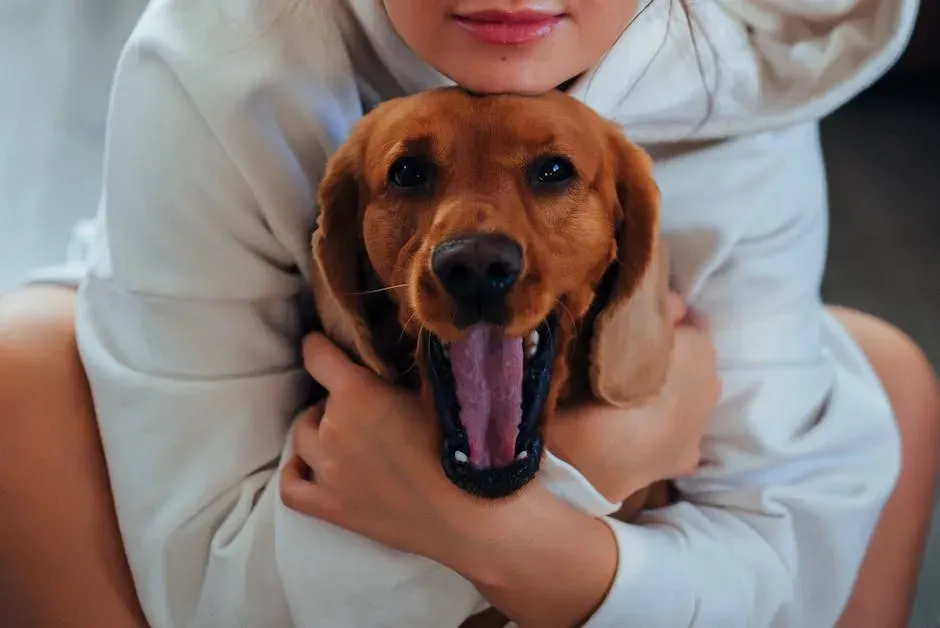
Think about the people you instinctively relax around: they do not rush right into your personal space, wave their hands in your face, or loom over you without warning. Dogs work the same way. Quick, jerky, or unpredictable movements can trigger a dog’s startle or flight response, especially in shy, young, or previously mistreated dogs, long before any training or “bonding” has a chance to kick in.
When you move slowly, turn your body sideways instead of head-on, and let the dog choose how close to come, your whole presence reads as safer. Even things like not swooping straight down over a dog’s head, but instead squatting to the side and offering a hand to sniff, tell them you’re not a threat. Dogs notice patterns; if, again and again, your body language is gentle and predictable, their nervous system learns it can downshift around you.
2. Respecting Consent: Letting the Dog Say “No, Thanks”
One of the quickest ways to make a dog distrust you is to ignore the subtle ways they say no. Turning the head away, leaning back, lip licking, yawning when they’re not tired, suddenly scratching themselves, or freezing for a second are all common ways dogs say they’re uncomfortable. If every time they do that, a human keeps petting, hugging, or picking them up anyway, the dog learns that being near that person means giving up control.
On the other hand, when you actually listen to those signals and back off, something powerful happens. The dog realizes they have a choice around you, and choice is a huge driver of trust for any social animal. Over time, a dog who knows they can walk away is often the same dog who happily comes back for more contact, because you’ve shown you’ll respect their side of the conversation instead of steamrolling it.
3. Speaking Calmly and Clearly (Your Tone Matters More Than Your Words)
Dogs do not understand English the way we do, but they are extremely good at reading tone, pitch, and rhythm. A tense, sharp, or constantly raised voice can keep a dog on edge even if the words are sweet. Likewise, a low, steady, relaxed tone can soothe a dog even when they do not know what you’re saying. Their brains are wired to pick up emotional information from the sound of a voice the same way we hear the difference between a lullaby and an argument in the next room.
Using a consistent set of simple cues, spoken in a calm voice, makes you feel more predictable and easier to read. Mixing that with warm, casual chatter during quiet moments tells the dog you are not just a source of commands and corrections, you are also a source of companionship. Over time, they start using your voice as an emotional anchor: when something scary or confusing happens, they glance at you, listen for your tone, and adjust their own emotional state based on how steady you sound.
4. Being Consistent: The Rules Don’t Change With Your Mood
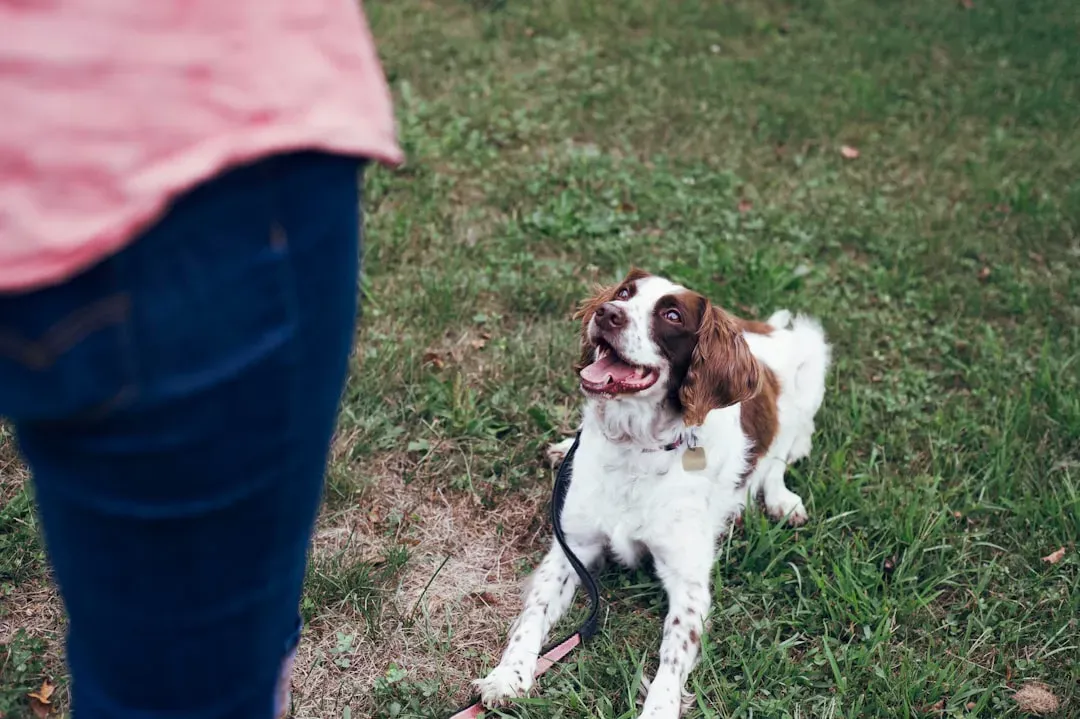
Imagine living with someone who sometimes laughs when you jump on the couch and sometimes yells, depending on how their day went. You would have no idea what was safe, and you would probably start walking on eggshells. Dogs feel the same way when rules and reactions change from one moment to the next, or one person in the household to another, and it erodes trust faster than almost anything.
When your expectations stay mostly the same and consequences are calm and predictable, life makes more sense to your dog. You become the stable center of their world instead of another random variable to manage. It does not mean you must be a drill sergeant; it just means that “off the sofa” usually means off the sofa, and “come here” usually means something good or at least neutral will follow, not a coin toss between praise and punishment.
5. Letting Them Sniff, Explore, and Be a Dog
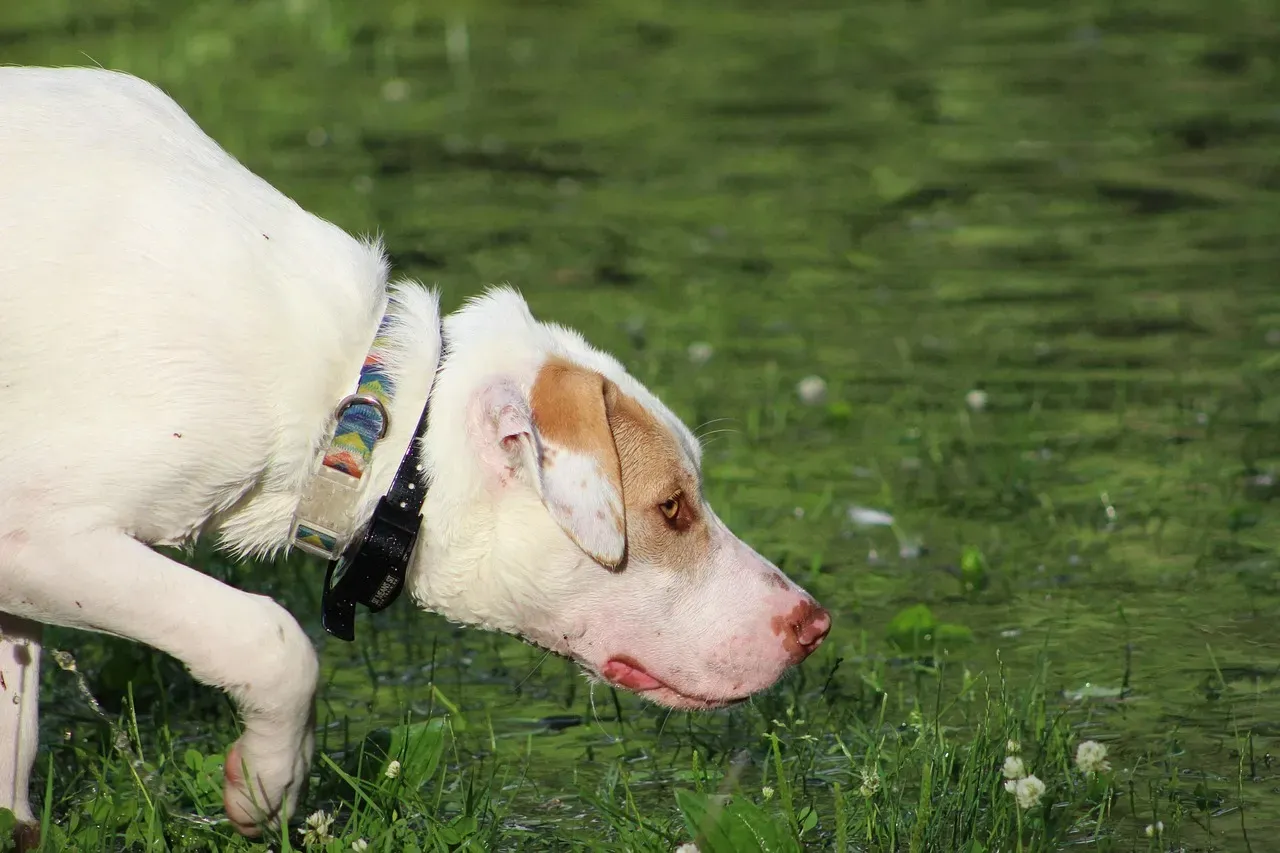
Sniffing is not just a hobby for dogs; it is how they process the world, release stress, and collect information about what is safe or dangerous. When you constantly drag a dog away from every smell, rush them through walks, or expect them to move like a robot at your side, you are essentially saying: your needs and instincts do not matter here. Over time, that message chips away at trust because the dog never gets to fully relax into being themselves.
Allowing pockets of time on walks for sniffing, letting them investigate new objects at their own pace, and creating safe, dog-friendly spaces at home sends a very different message. It says: I care about what you care about, and I am not just here to control you. Dogs that are given some freedom to engage with their environment, within reasonable boundaries, tend to check back with their humans more often, because the relationship feels like a partnership, not a constant tug-of-war.
6. Showing Up in Stressful Moments, Not Only During the Fun Stuff
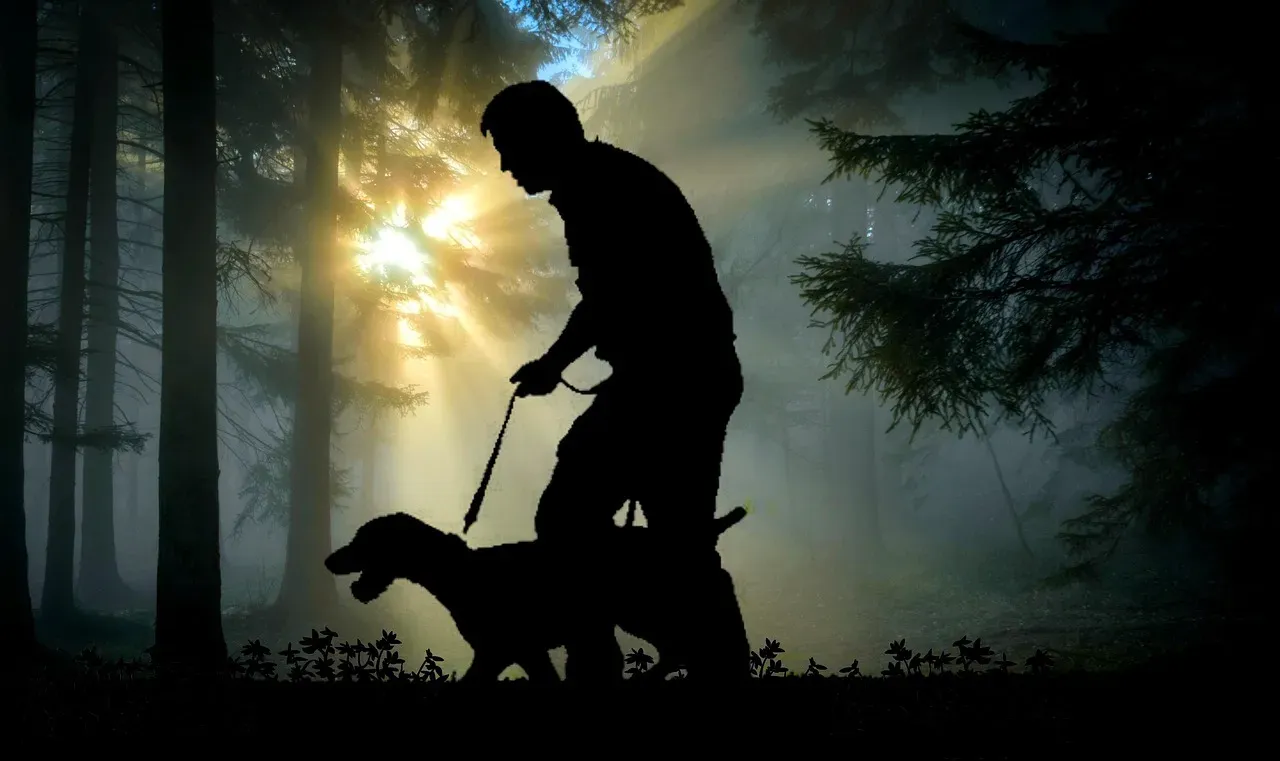
Trust is tested when life gets loud: thunderstorms, fireworks, vet visits, moving house, guests coming over, the first time they ride in an elevator. Many dogs do not remember who tossed the ball; they remember who stayed calm and supportive when their heart was racing. If you get frustrated, laugh at their fear, or force them into situations they clearly cannot handle, you become part of what scared them instead of a refuge from it.
When you notice their anxiety and respond with patience, distance from the scary thing when possible, and a calm presence, you teach their nervous system something critical: when things get weird, look to your human and you will be okay. That might mean sitting on the floor with them during a storm, taking a break in a quiet hallway at the vet clinic, or asking visitors to give your dog space. These choices signal that you are on their side, not just expecting them to “get over it.”
7. Playing Fair: Gentle Hands and Positive Training
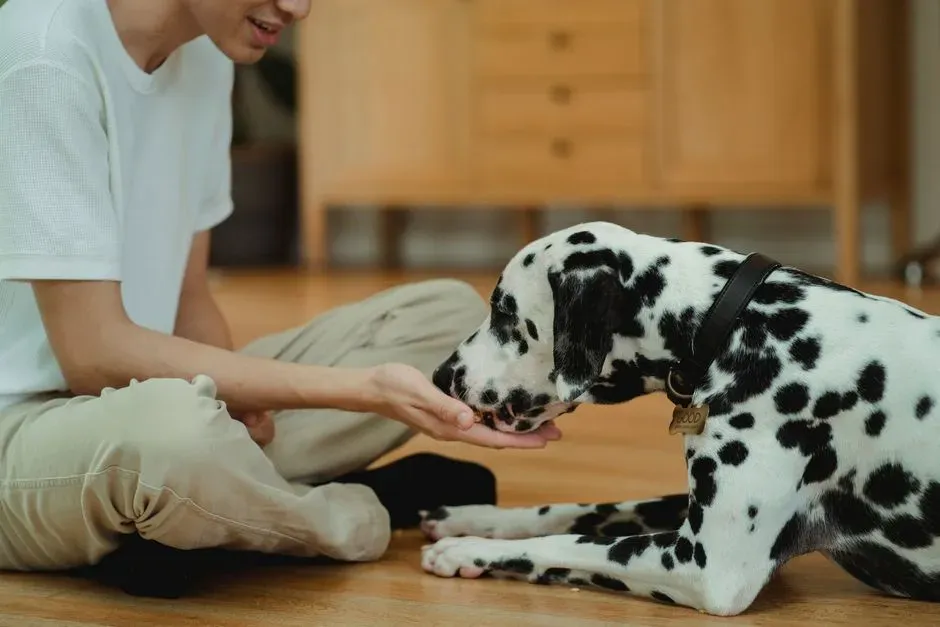
Physical safety is the foundation of emotional trust. Dogs remember how it feels when hands are used roughly, even if it is labeled as discipline or control. Yanking on collars, hitting, alpha rolls, or any technique that relies on pain, intimidation, or flooding can create compliance in the moment but almost always damages deep trust. The dog may obey, but they are doing it to avoid you, not to work with you.
Gentle handling, reward-based training, and clear guidance build the opposite picture in a dog’s mind. Your hands become associated with help, direction, and comfort rather than punishment. That does not mean you let chaos reign; it means you teach what you want by setting the dog up to succeed, rewarding the choices you like, and managing the environment instead of constantly reacting with force. Over time, a dog trained this way tends to offer behaviors willingly, seeking your approval because they genuinely enjoy the interaction.
8. Building Rituals: Small Daily Routines That Feel Like Promises
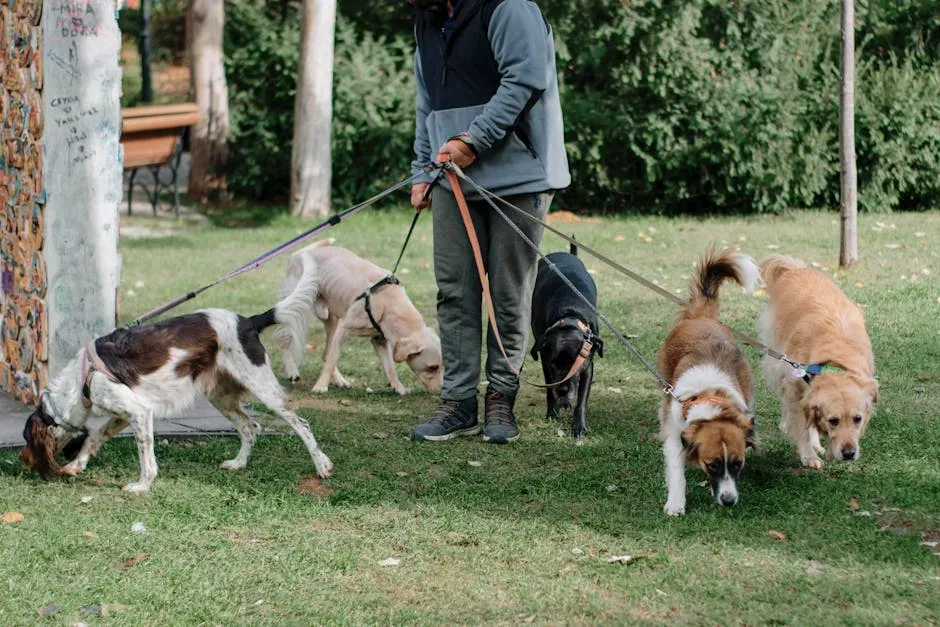
Dogs thrive on routine. It is not about a strict timetable to the minute, but about patterns they can count on: the morning potty break, the evening walk, the quiet cuddle on the couch after dinner, the way you always check their paws when you come in from outside. These rituals may seem small to you, but to a dog they are reliable signals that their world is in order and their needs will be met.
When these patterns are repeated over months and years, they feel like unspoken promises. Even on chaotic days, keeping a few core rituals intact tells your dog that, no matter what else changes, your relationship is still stable. That stability deepens trust, because the dog does not have to stay on high alert, scanning for the next surprise. They can rest their head, literally and emotionally, knowing you are paying attention and will show up in recognizable ways.
9. Giving Them Space to Choose You Back
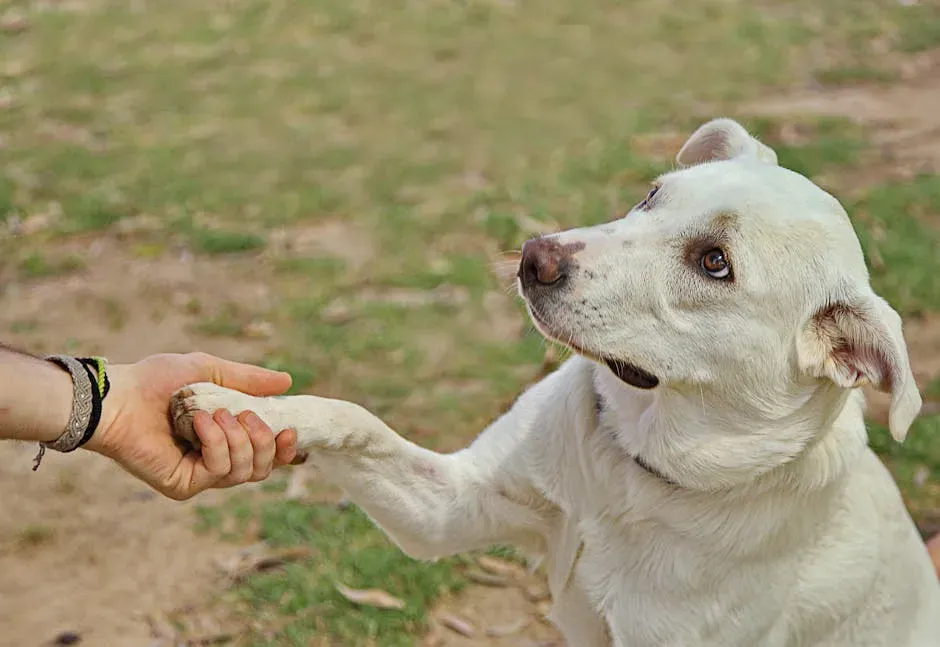
The deepest trust does not come from forcing closeness; it comes from giving a dog the space to choose it. That might mean leaving the bedroom door open at night so they can decide where to sleep, sitting on the floor and letting them approach instead of calling them over every time, or allowing a bit of distance on walks so they can explore and then check in. When you are not constantly chasing affection, your presence starts to feel less demanding and more inviting.
It can be humbling to realize that trust often grows in the quiet spaces where you are simply available, not performing or insisting. Dogs notice when you glance up and smile at them, when you gently acknowledge them walking by with a soft touch, or when you simply share the same room without pressure. Over time, those moments add up to a feeling on their side that is hard to describe but easy to recognize: they feel safe enough with you to let their guard down, because you have repeatedly shown that you see them, hear them, and never try to own them.
Conclusion: Trust Is Not a Trick, It Is a Relationship
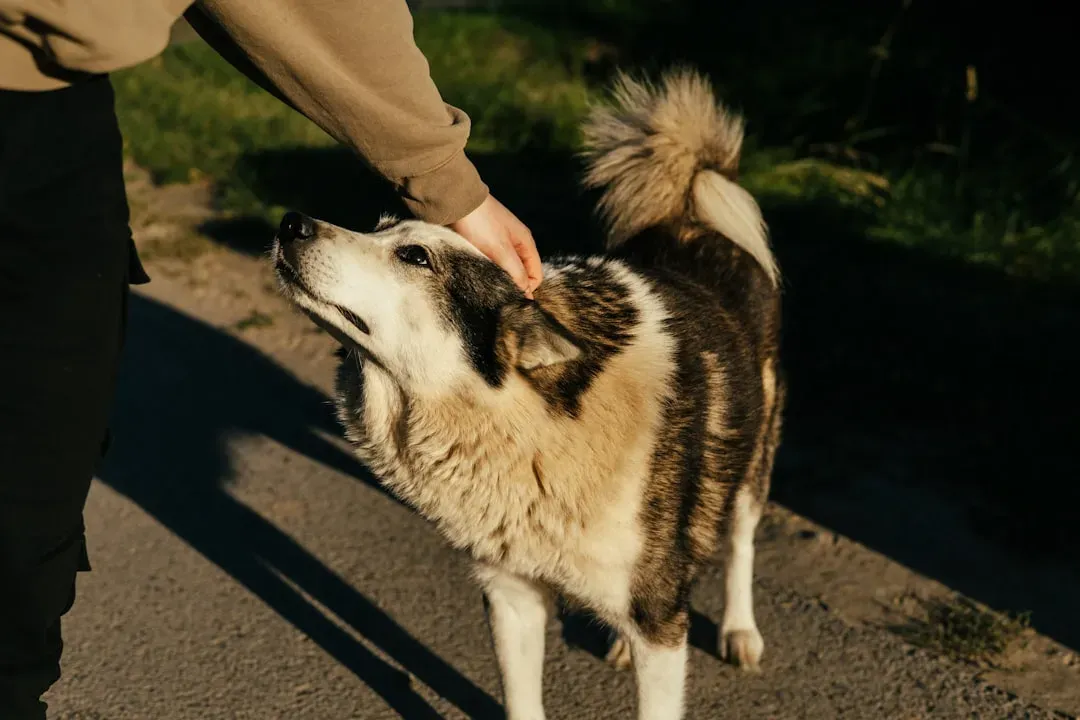
Food can help you start a conversation with a dog, but it is everything that happens when your hand is empty that determines whether they truly trust you. Slowing your movements, listening to their body language, staying consistent, and being there during the messy, scary parts of life turns you from a treat dispenser into something far more important: their person. In my experience, the most meaningful dog moments are not the Instagram-worthy tricks, but the quiet ones where a dog chooses to lean on you when they could have gone anywhere else.
We owe it to them to earn that level of faith honestly, not by tricking, overpowering, or buying them, but by showing them, day after day, that we are worth the risk of loving. When you finally feel a dog exhale fully in your arms, or see them look to you first when the world gets loud, you realize you are not just their owner; you are their safe place. And once you have that, do you really still believe it was ever about the treats?


