
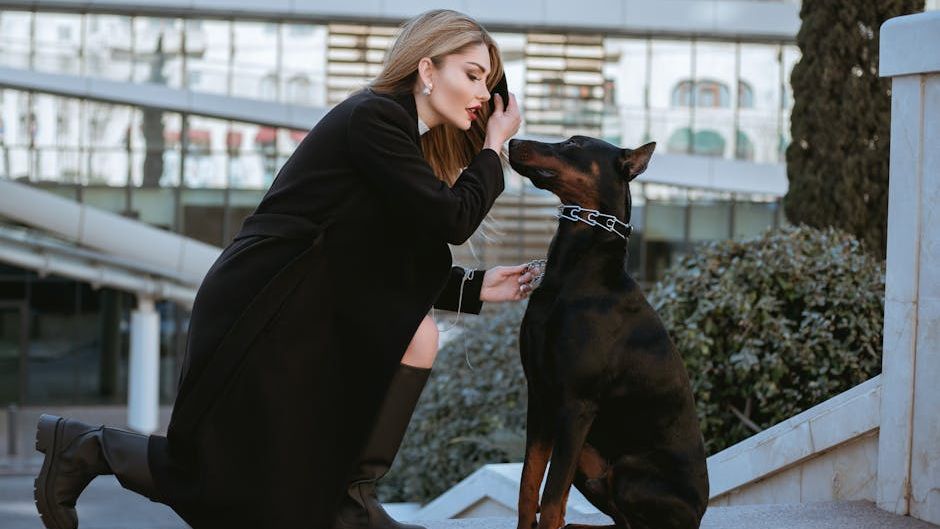
There’s something almost unnerving about the way a dog can walk into a room, look directly at you, and know. Not guess. Not react to some obvious cue like crying out loud or slamming a door. Just know, quietly and with complete certainty, that something inside you has shifted. They don’t ask questions. They don’t try to fix things with words. They simply move closer, rest their weight against your leg, and stay.
With over 100,000 years of shared evolutionary history between humans and dogs, it’s remarkable how deeply our canine companions understand us. Research indicates that dogs can comprehend not just words but also the emotions behind our expressions, gauging our moods with impressive accuracy. A well-known experiment conducted by Dr. Deborah Custance and Dr. Jennifer Mayer at Goldsmiths, University of London, revealed that dogs were more likely to approach and comfort humans who were crying than those who were talking or humming, suggesting that dogs not only recognize distress but are also motivated to offer comfort. Some breeds, though, take this to an entirely different level. For them, your sadness isn’t just detected. It’s felt. Here are 15 dog breeds that genuinely fall apart on the inside when their owner hurts.
#1: Golden Retriever

The Golden Retriever, often called the “heart dog” for its warmth and sensitivity, is one of the most empathetic breeds in the canine world. Golden Retrievers are masters at reading human emotions. Whether you’re anxious, sad, or stressed, they instinctively respond with comforting gestures – a gentle nudge, a calm gaze, or simply lying quietly by your side.
Known for their gentle nature, Golden Retrievers are deeply emotionally responsive and tend to absorb the energy of their environment. If their owner is joyful, they mirror that excitement with wagging tails and playful grins, but when they sense sadness, they quietly rest their heads on their owner’s laps. They’re a more sensitive breed because they need lots of positive reinforcement to know they’re doing a good job. They really want to please their families, so they often desire as much attention and love as they can get. That mutual need is what makes the bond so deep and so quietly devastating when something feels wrong.
#2: Labrador Retriever
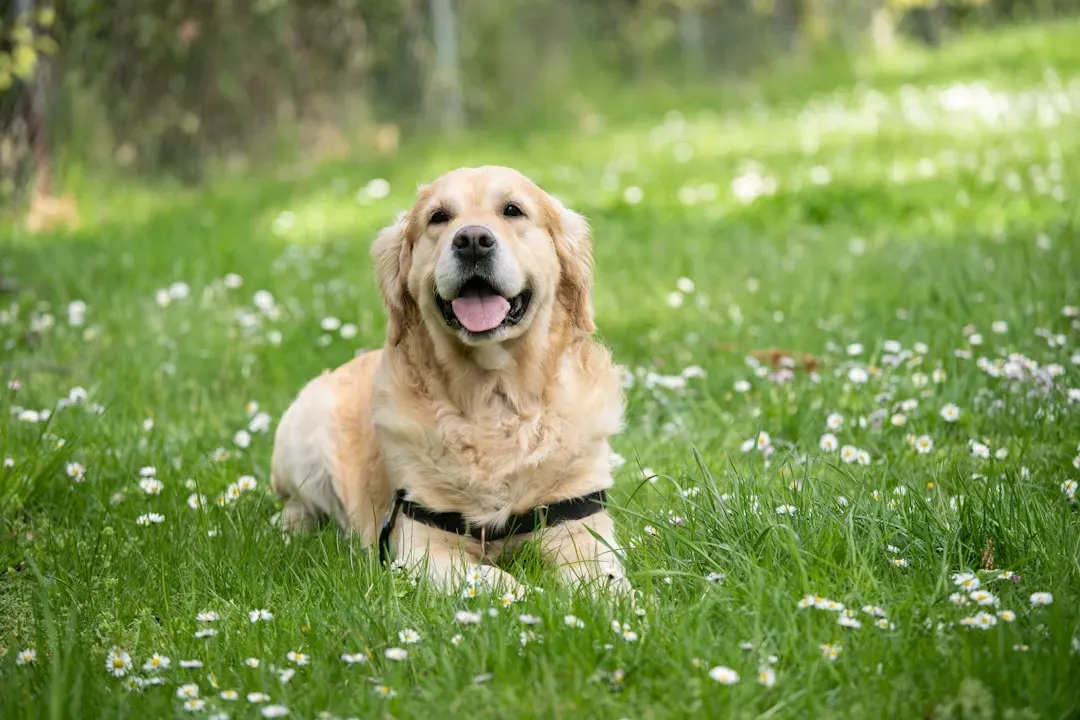
The Labrador Retriever is widely considered one of the most empathetic breeds. Known for their friendly and intuitive nature, Labs are exceptionally skilled at sensing sadness, and their desire to please makes them highly observant of human behavior. They are known for their ability to sense distress, anxiety, and sadness in humans, often providing comfort with a nudge of their nose or a comforting presence. Labradors are attentive and empathetic, and their friendly demeanor makes them great companions for individuals going through emotional hardships.
Labs are intelligent dog breeds known for their ability to decode human emotions and body language even with the slightest hints. They effectively read their surroundings and recognize facial expressions, and they can sense stress through scent and behavioral changes, allowing them to respond to emotional changes quickly and gently. As an emotionally intelligent breed, they excel as service and mental support dogs, offering comfort and stability to those in need. Their gentle temperament, combined with their loyalty, makes them one of the best choices for individuals looking for a companion that’s both sensitive and loving.
#3: Cavalier King Charles Spaniel
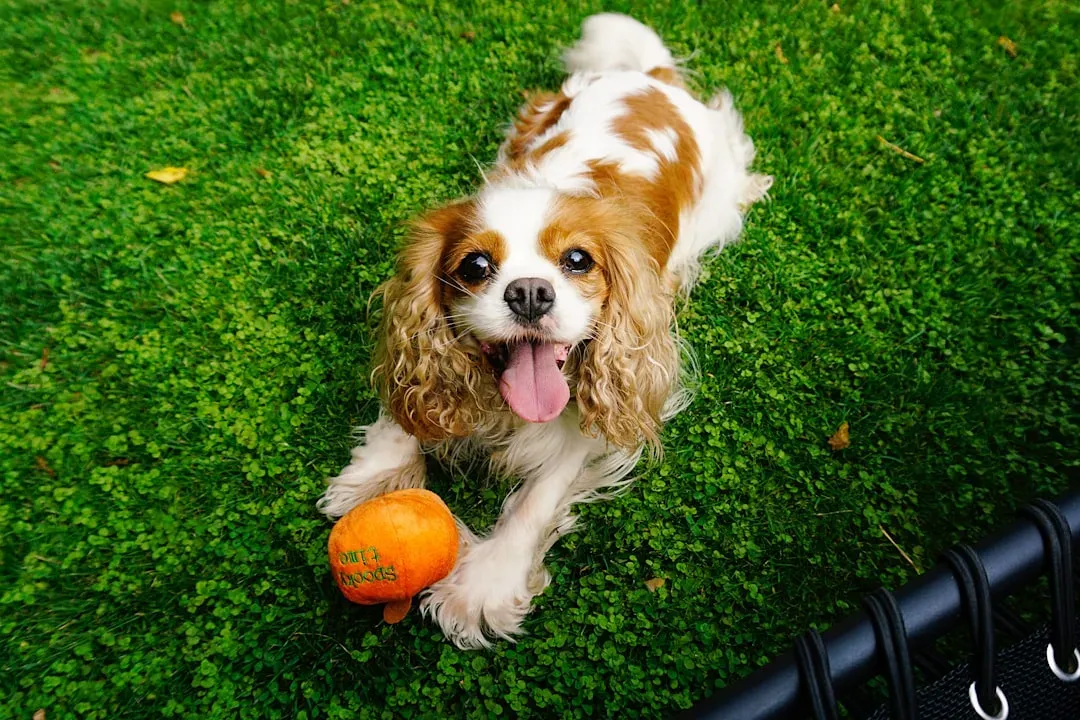
The Cavalier King Charles Spaniel is a breed that exemplifies sensitivity and affection. Known for their expressive, soulful eyes and gentle disposition, Cavaliers thrive on human interaction and are highly attuned to their owner’s emotions. Cavaliers often mirror the emotions of their owners, offering cuddles and comfort when they sense sadness or distress. Their small size and gentle approach make them ideal for being close companions, often found sitting on laps or lying beside their owners to provide comfort.
Cavaliers are highly sensitive and tend to reflect their owners’ emotions, making them ideal for sensitive owners looking for a deeply bonded pet. Leave them alone for long periods, and that sweetness can turn to stress – separation anxiety is a common issue. The thing about a Cavalier is that they don’t just want to be near you when you’re sad. They genuinely seem to need it too. The breed’s name honors England’s King Charles I, whose loyal spaniel famously stayed with him even in his final moments – an enduring symbol of the Cavalier’s unwavering devotion.
#4: Border Collie
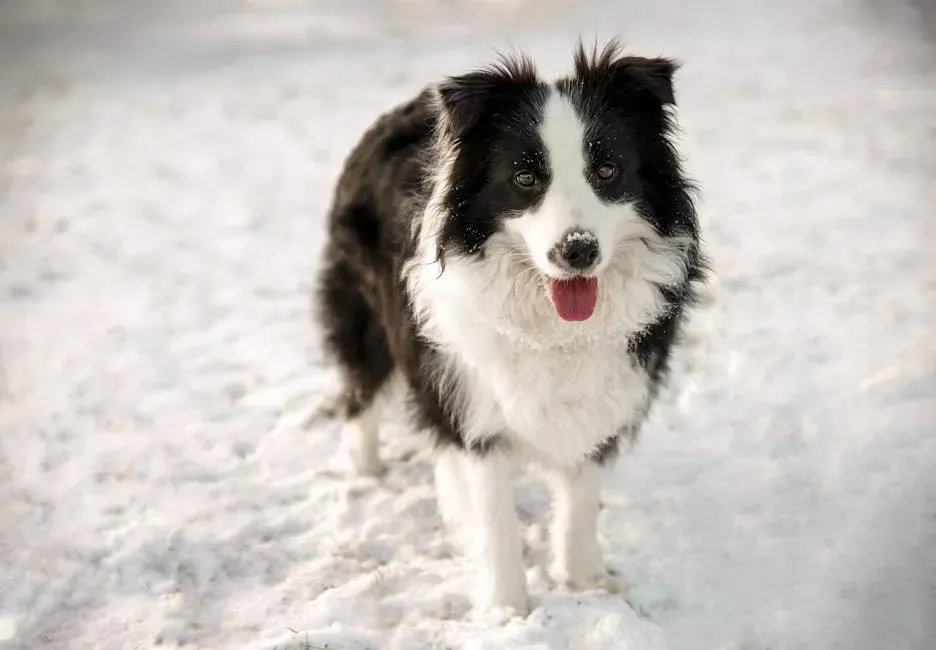
Border Collies are widely regarded as the most intelligent dog breed, but their emotional sensitivity is just as remarkable. These dogs are incredibly in tune with their owners’ emotions, often reacting to subtle changes in mood with comforting behaviors. It’s common knowledge that Border Collies are one of the smartest dog breeds, but they also have a lesser-known sensitive side to them. They were initially bred to work long hours in tough conditions, but that makes them extremely loyal and emotionally sensitive toward their humans.
These dogs are also very good at picking up on human emotions. They understand certain tones, so if they see that their owners are angry or sad, they will get sad too. If you’re sad, don’t be surprised if your Collie gently nudges your hand with a toy to cheer you up. This highly sensitive breed thrives on connection and purpose, and they’re in tune with human emotions, often mirroring their owners’ moods. When a Border Collie starts watching you a little too carefully from across the room, they’ve already read the room long before you’ve acknowledged your own feelings.
#5: German Shepherd

German Shepherds are not only known for their intelligence but also for their emotional sensitivity. These dogs are incredibly devoted to their owners’ emotions, often offering protection and comfort when needed. Their emotional awareness makes them exceptional companions for those dealing with anxiety or depression. German Shepherds are known for their loyalty and protective instincts, and they extend that same loyalty to emotional support. They are highly attuned to their owner’s feelings and can quickly sense sadness or distress, and when they pick up on these emotions, they’ll often stay close, providing silent companionship and protection. Their strength and gentle demeanor offer comfort, and their presence is especially reassuring in difficult times.
While they are protective and often reserved around strangers, German Shepherds are playful and loving with their families. Their high intelligence and trainability make them ideal for obedience training, though they do require consistent, positive interactions with their owners to avoid stress. There’s a reason this breed is one of the most trusted in police, military, and therapy work. That focused intensity they bring to every task is the same intensity they bring to loving their person. When you fall, they feel it completely.
#6: Poodle
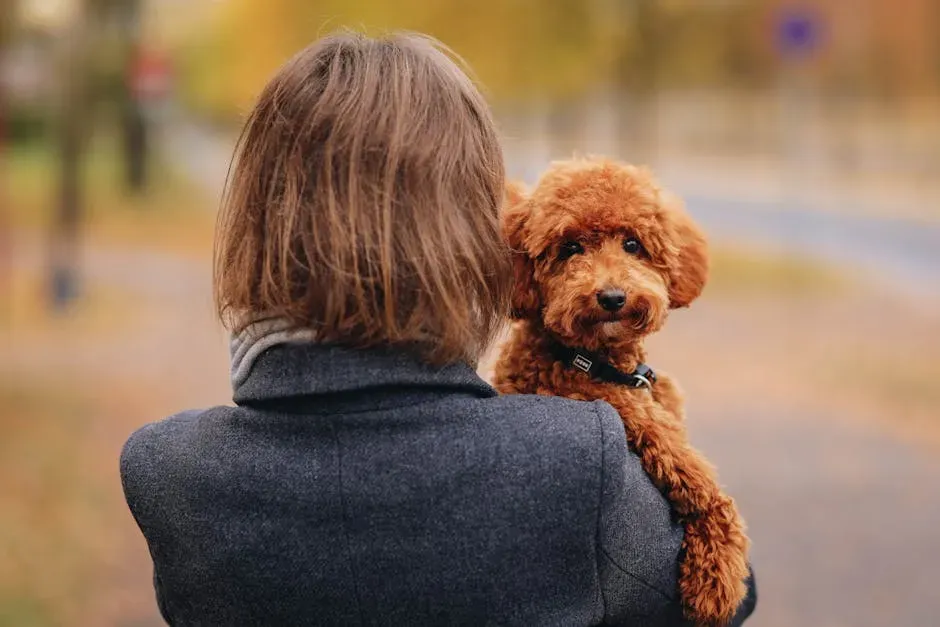
Poodles of all sizes are known for their intelligence and keen emotional intuition. They are extremely responsive to the emotional climate of their home and can become quite sensitive to stress and conflict. Poodles often use their intelligence to engage in behaviors that reduce stress and bring joy to their families, making them not just sensitive but also proactive in caring for their owners’ emotional well-being.
Poodles aren’t just about fancy haircuts. They’re one of the most sensitive dog breeds to human emotions and quick to comfort when stress or sadness strikes. Purina mentions that these gentle dogs are highly intelligent and emotionally aware, ranking number two on the list of smartest dog breeds. What makes Poodles quietly remarkable is how they combine that intelligence with genuine warmth. They don’t just notice your sadness, they actively try to do something about it, finding ways to engage you, distract you, or simply press themselves against you until the weight lifts a little.
#7: Shetland Sheepdog
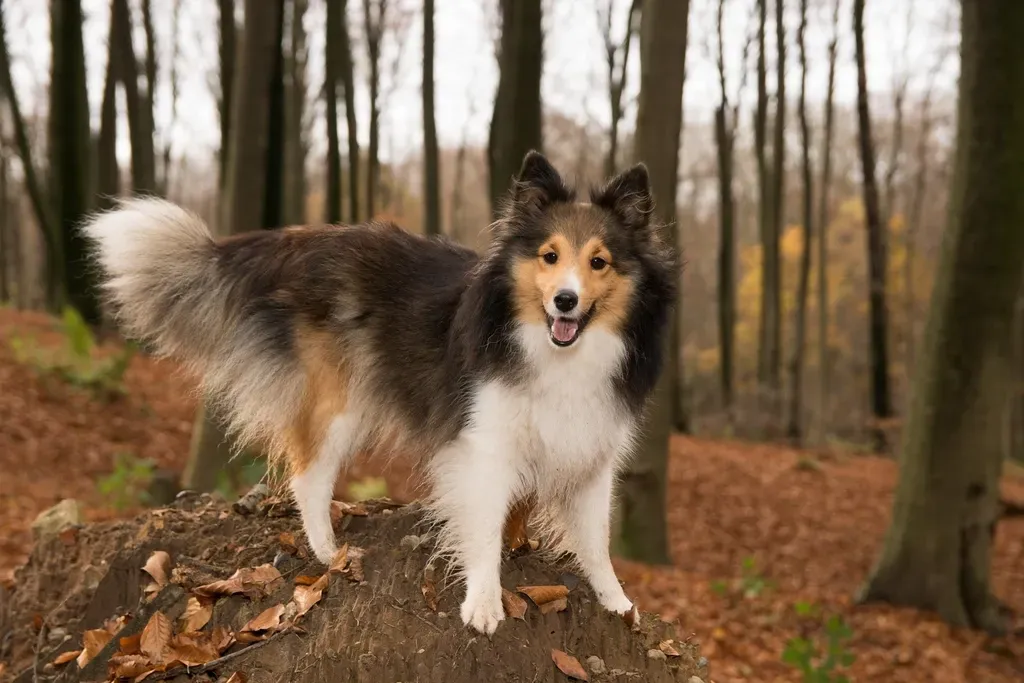
The Shetland Sheepdog is a master of observing facial expressions. It is a mostly reserved breed, which is why they tend to watch their owners closely to understand the rules of the current emotional environment. They are sensitive to mood changes and will react calmly to stress or tension by staying close to their owner’s side. Their quiet, empathetic nature makes them ideal for individuals who prefer subtle support.
They are sensitive to mood changes and will react calmly to stress or tension. Their quiet, empathetic nature makes them ideal for individuals who prefer subtle support. Their presence may be quiet, but it is strong, powerful, and unfailing. They stand behind you to comfort you in sad times. There’s no fanfare with a Sheltie. They don’t make a dramatic show of concern. They simply move quietly to wherever you are and settle in, steady as gravity, until the storm passes.
#8: Australian Shepherd
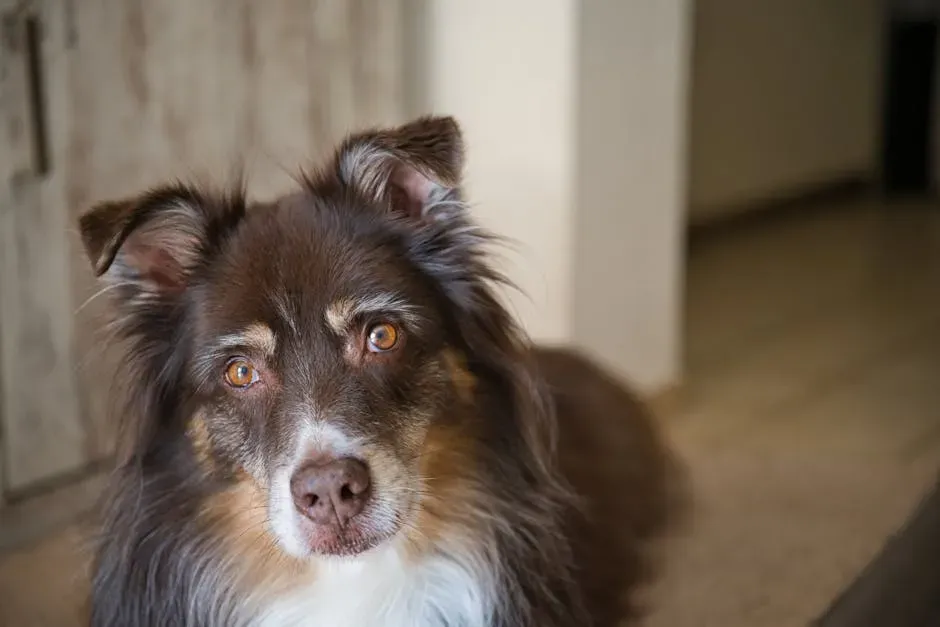
Bred for herding, Australian Shepherds excel at reading human emotions, body language, and even predicting routines. Australian Shepherds are highly attentive and responsive to human movement and cues. Their herding background makes them naturally observant and quick to react to changes in their environment. They are experts at reading human emotions and deal with them empathically. They constantly mirror your emotions and mood, and their warm, soft gaze follows every movement, with rarely something that goes unnoticed.
Aussies thrive on structure and strong bonds with their owners. They feel safe when they know the rules – and when you’re nearby. This sensitive breed can grow anxious if left with too little to do. They need mental stimulation like most dogs need food. When your Aussie senses your sadness, they don’t just notice it. They carry it with you, practically shadowing your every step until the emotional air in the room shifts back toward something lighter.
#9: Cocker Spaniel
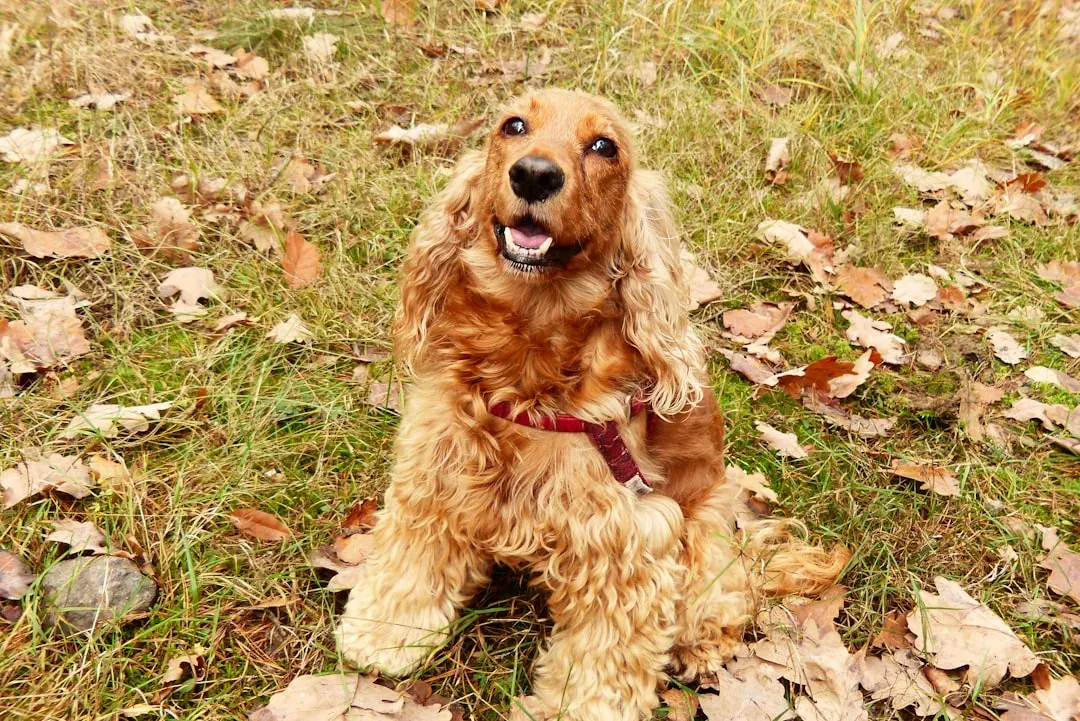
The Cocker Spaniel is a highly intuitive and empathetic breed known for its playfulness and ability to sense the emotions of humans. They form deep connections with humans and thrive on human companionship, with a strong and sweet disposition, seeking human attention. They are known to seek out human company when they sense sadness and will often offer comfort through their presence and gentle touches. Cockers are emotionally delicate themselves and require a peaceful, loving home to thrive. Their ability to empathize with their owners makes them particularly suited to being companion animals in therapeutic settings.
There’s something beautifully fragile about a Cocker Spaniel’s emotional world. They don’t just respond to your sadness. They absorb it in a way that can visibly change their mood and posture. They respond to emotional cues and often mirror the feelings of those around them, making them excellent companions for individuals who need a little extra emotional support. These dogs typically have a gentle demeanor, an innate ability to sense distress or sadness, and a comforting presence that can bring solace in times of need. Owning a Cocker Spaniel is a deeply reciprocal emotional arrangement, whether you intend it to be or not.
#10: Rottweiler

Rottweilers may have a reputation for being tough, but they are also deeply sensitive and loyal to their families. Rottweilers thrive on companionship and emotional connection, and they can sense when their owners need support. Their strong bond with their families makes them protective, deeply caring, and in tune with their humans. Studies have indicated that Rottweilers possess a high degree of emotional intelligence, often reading human emotions with impressive accuracy. They have a famous baby-like expression that they use when they see that their owner is not feeling well, and they are also more emotionally available if you show them vulnerability as opposed to showing dominance.
Rottweilers are another breed that typically has a bad reputation, but they are just as caring as any of the other dogs on this list. They’re often cautious of strangers, but once they get to know someone, they can’t help but fall in love. Rottweilers are also prone to separation anxiety much like some of the other sensitive breeds. They might look tough at first glance, but they’re incredibly gentle. If you’ve ever had a large Rottweiler press their enormous head into your lap when you’re quietly crying, you understand why people who know this breed are so fiercely loyal to it.
#11: Doberman Pinscher
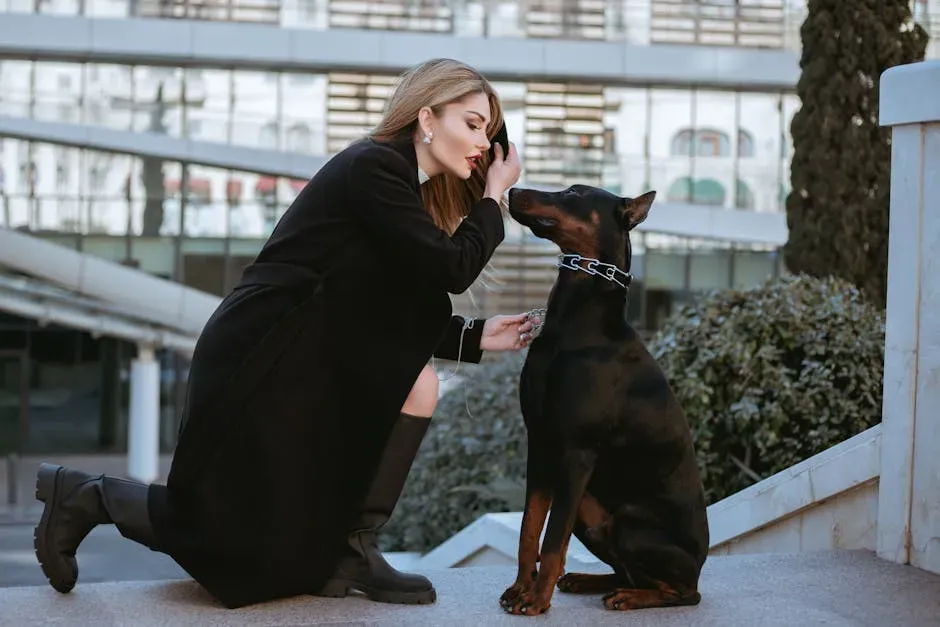
Despite their tough exterior, Dobermans are highly sensitive dogs that form strong emotional connections with their owners. They are very in tune with their family’s needs and can become anxious if they sense their humans are upset. Their loyalty and emotional intelligence make them sensitive yet protective companions. The Doberman Pinscher is often seen as a fierce protector, but underneath their strong exterior, they have a soft and caring personality. These dogs are incredibly loyal and can sense their owner’s needs, always being there for support and love.
Dobermans might look serious, but they’re secretly big softies. They form incredibly strong bonds with their owners and are quick to pick up on emotional distress, and they’ll be your rock when you need them, no questions asked. The contradiction between their imposing appearance and their tenderhearted interior is exactly what makes Dobermans so unexpectedly moving to live with. They take your emotional wellbeing as seriously as they take protecting you from physical threat, and sometimes that’s exactly what you need.
#12: Great Dane
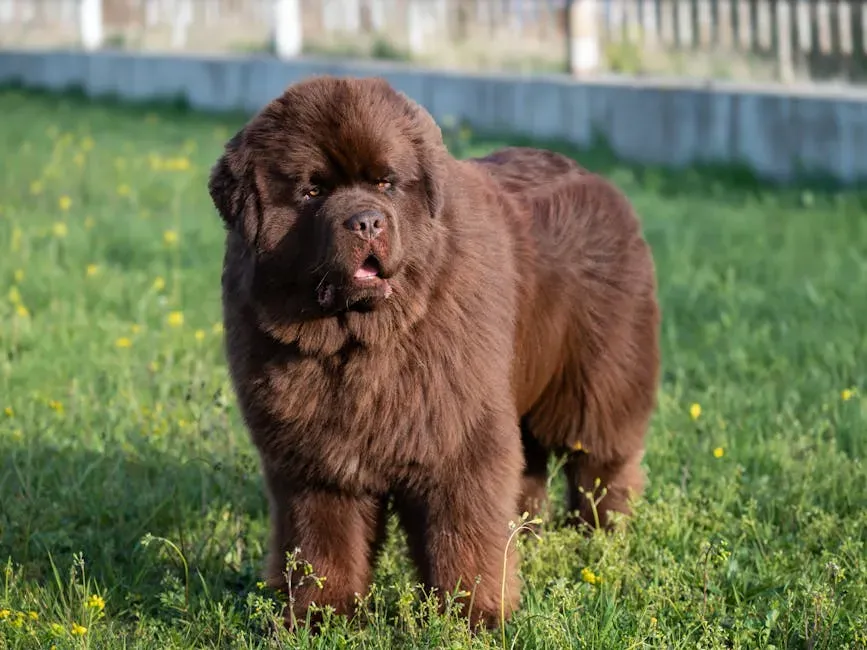
Despite their size, Great Danes are the gentle giants you never knew you needed. They’re calm, steady, and have an uncanny ability to sense when you’re stressed. They’ll happily stand by you – or lie across your couch – when you need emotional grounding. Great Danes are deeply intuitive and loyal to their favorite people. They notice when you’re anxious or sad and respond with quiet support. Their presence alone offers comfort, showing how much they care about your well-being.
Great Danes might be large, but they’re gentle giants with a lot of sensitivity. Their sensitivity can be both a gift and a responsibility. These breeds not only read situations, but they get affected by prolonged negativity in a way that harms their emotional well-being. There is something almost surreal about a dog the size of a small pony curling up beside you and tucking their enormous head onto your lap. With a Great Dane, they don’t seem to know they’re too big for that. They just know you need them there.
#13: Irish Wolfhound
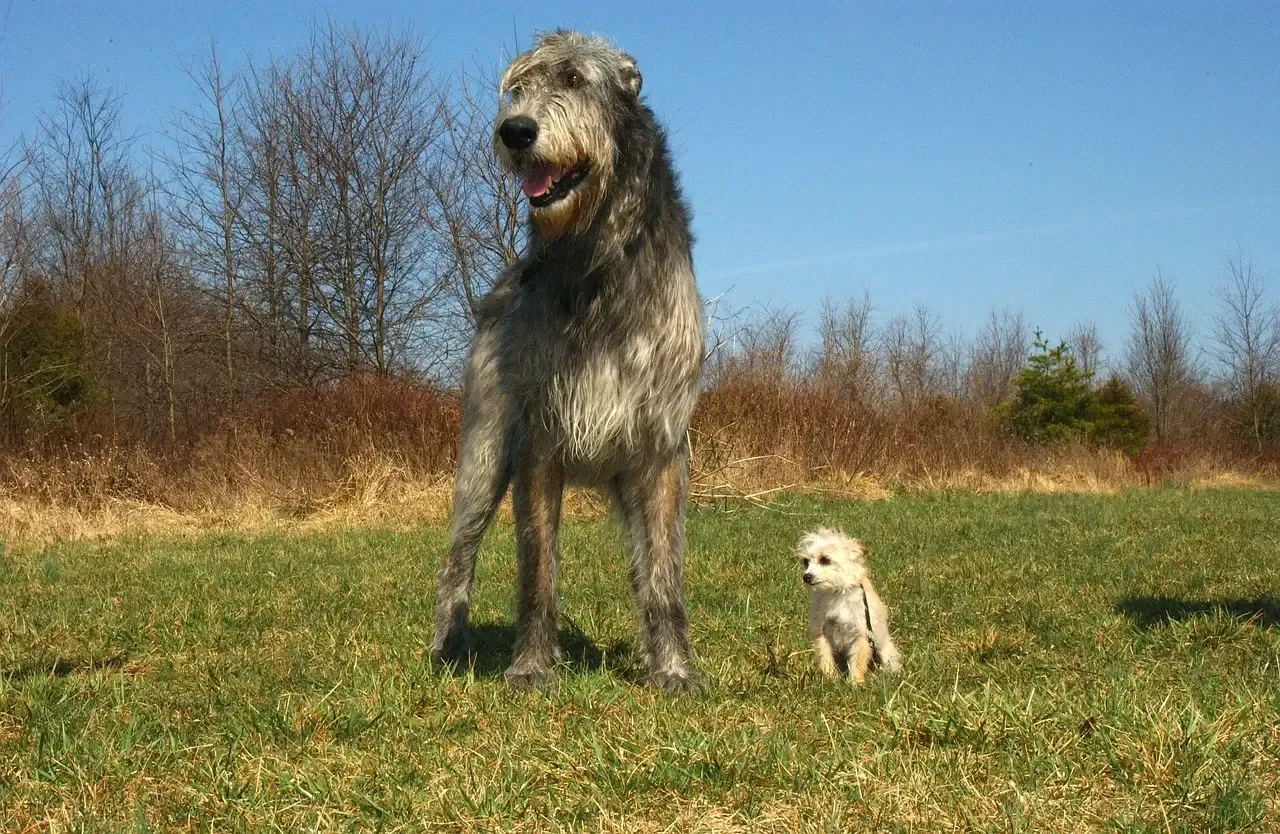
Irish Wolfhounds are known for their gentle and sensitive nature despite their large size. These dogs form strong bonds with their families and are incredibly empathetic to human emotions. Irish Wolfhounds are often described as “gentle giants” due to their calm and affectionate temperament, and they are highly intuitive and often comfort their owners when they sense sadness or stress.
The Irish Wolfhound, often called the “gentle giant,” is one of the most emotionally perceptive dog breeds. Originally bred as a hunter and guardian, it has evolved into a calm, intuitive companion known for its ability to sense and respond to human emotions with quiet understanding. Despite their size, Irish Wolfhounds are surprisingly sensitive and affectionate. They thrive on positive interaction and can become melancholy if left alone for too long. An Irish Wolfhound in a sad household isn’t just an observer. They absorb the grief and wear it visibly, making it impossible to ignore the emotional exchange happening between dog and human.
#14: Pug
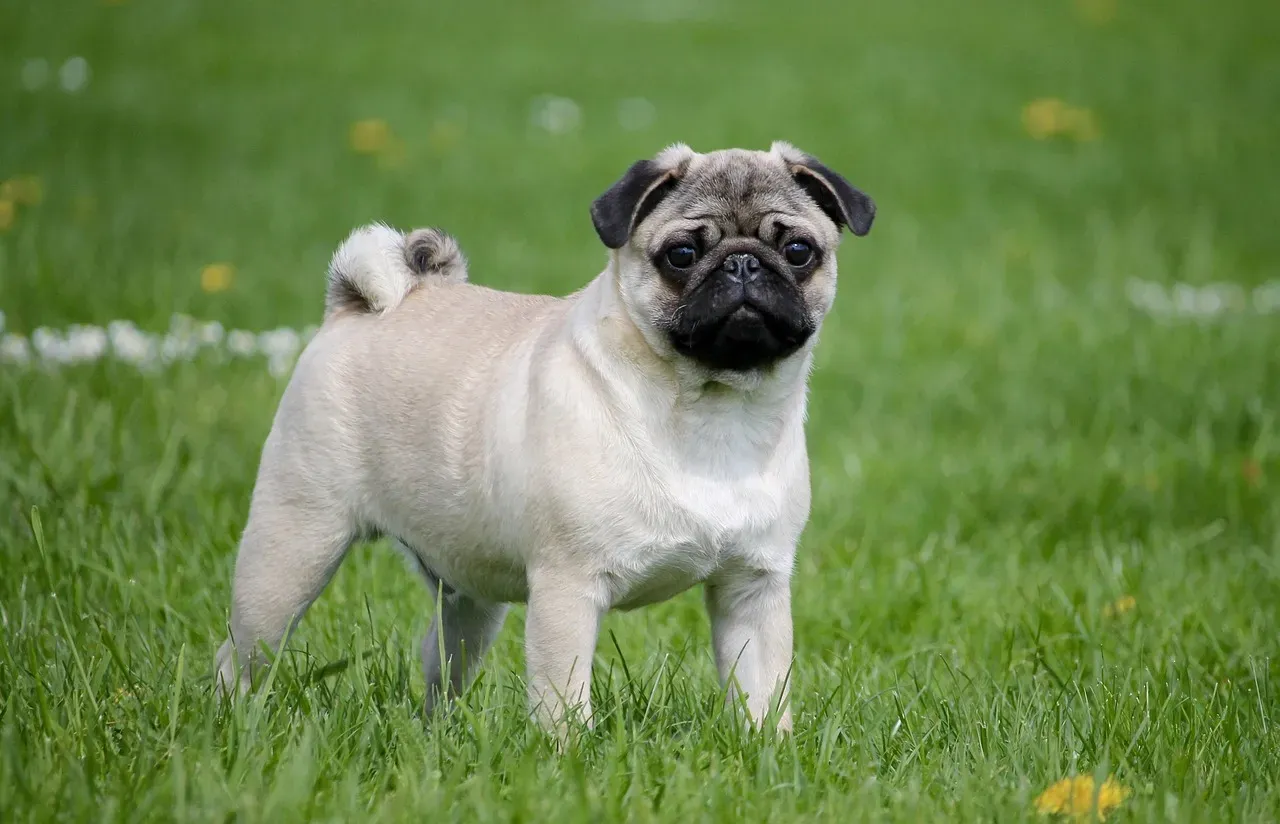
The Pug, affectionately known as the “clown of the canine world,” is a small, sturdy dog with a big heart. Their compact build and gentle disposition make them ideal companions for any home. Pugs are renowned for their empathetic nature – they can sense when their owners are happy, stressed, or sad, often responding with snuggles or playful antics to lift the mood. Pugs have a natural gift for making people smile, but they’re also sensitive to their owner’s emotional states. With their expressive faces and big eyes, Pugs seem to know exactly when you’re feeling sad. They’ll stick by you, often nudging or cuddling up to bring a bit of cheer. Their playful and loving disposition, paired with a knack for sensing emotions, makes them ideal for providing comfort when you need it.
Despite their playful spirit, Pugs are calm and sensitive, attuned to subtle changes in tone or body language. This emotional awareness allows them to comfort their humans intuitively, making them one of the most sensitive dog breeds around. What’s particularly striking about a Pug in a sad moment is how they seem to shift gears almost instantly. The clowning stops. The eyes lock onto yours. And suddenly this little wrinkled face is pressed against your cheek, completely still, as if they know stillness is exactly what the moment requires.
#15: Havanese
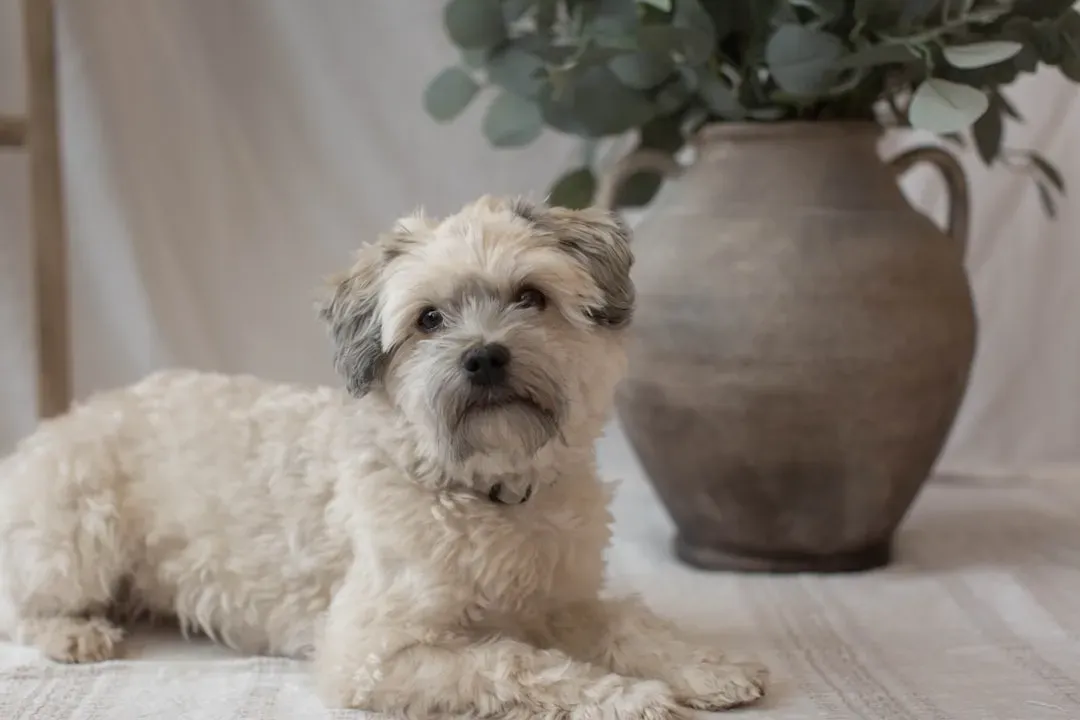
Havanese are small but sensitive souls when it comes to emotional sensitivity. Cheerful and affectionate, they thrive on emotional connection and seem to know exactly when you need comfort. Their presence alone can brighten even the gloomiest days. These loving dogs are highly intuitive and instantly realize when their owners are feeling low, detecting stress through subtle changes in behavior and adjusting their energy to match.
Havanese also have a strong desire to please, which makes them incredibly easy to bond with. If you’re happy, they’ll celebrate with you. If you’re sad, they’ll nuzzle close to lift your spirits. Always eager to match your mood, they’re perfect companions who stick by your side through every moment. Their ability to shift gears makes them feel like tiny emotional barometers in the home. Havanese also have a strong desire to please, which makes them incredibly easy to bond with. Don’t let the small size fool you. The Havanese carries emotional weight far beyond what their frame suggests, and they’ll carry yours too, without flinching.
What This Really Tells Us About Dogs

The fact that these 15 breeds respond so deeply to human sadness isn’t just heartwarming – it’s scientifically meaningful. Dogs’ emotional intelligence can be traced back to their long history of domestication, during which they evolved alongside humans as loyal partners. Studies have revealed that dogs possess oxytocin responses similar to humans, underlying their capacity for forming strong emotional connections. This physiological bond is an essential aspect of why dogs are adept at sensing when their human counterparts are in need of comfort or support.
Studies have shown that when dogs look at human faces, they exhibit a left-gaze bias. The right side of the human face, which is on the dog’s left when looking at us, expresses emotion more accurately. Therefore, dogs have literally evolved to look where the most emotional information is stored. Furthermore, dogs can distinguish between a happy voice and a distressed one even without visual cues, proving that their empathy is multi-sensory.
These breeds usually form stronger bonds with their humans than others and thrive on close companionship. While their sensitivity makes them incredibly intuitive and loving companions, it also means that they need gentle handling, consistent reassurance, and a peaceful environment to truly flourish. That’s the trade-off, and honestly it seems more than fair. You give them stability. They give you something no amount of words can replicate: the steady, wordless, completely certain knowledge that someone in the room genuinely feels what you feel.
Conclusion

We spend a lot of time thinking about what we give our dogs – food, shelter, walks, toys. But the breeds on this list quietly flip that equation every single day. They are not passive companions waiting for instruction. They are active emotional participants in your life, monitoring the invisible shifts in your mood with a kind of devotion that most humans frankly struggle to match. The idea that a dog “falls apart on the inside” when you’re sad isn’t anthropomorphism. It’s biology, centuries of co-evolution, and something that feels suspiciously close to love.
What matters most is this: these dogs don’t need you to explain yourself. They don’t need context or backstory. They feel the weight you’re carrying before you’ve even named it, and they move toward you anyway. In a world where that kind of unconditional presence is increasingly rare, a sensitive dog beside you on a hard day isn’t a small thing. It might, quietly, be everything.


