
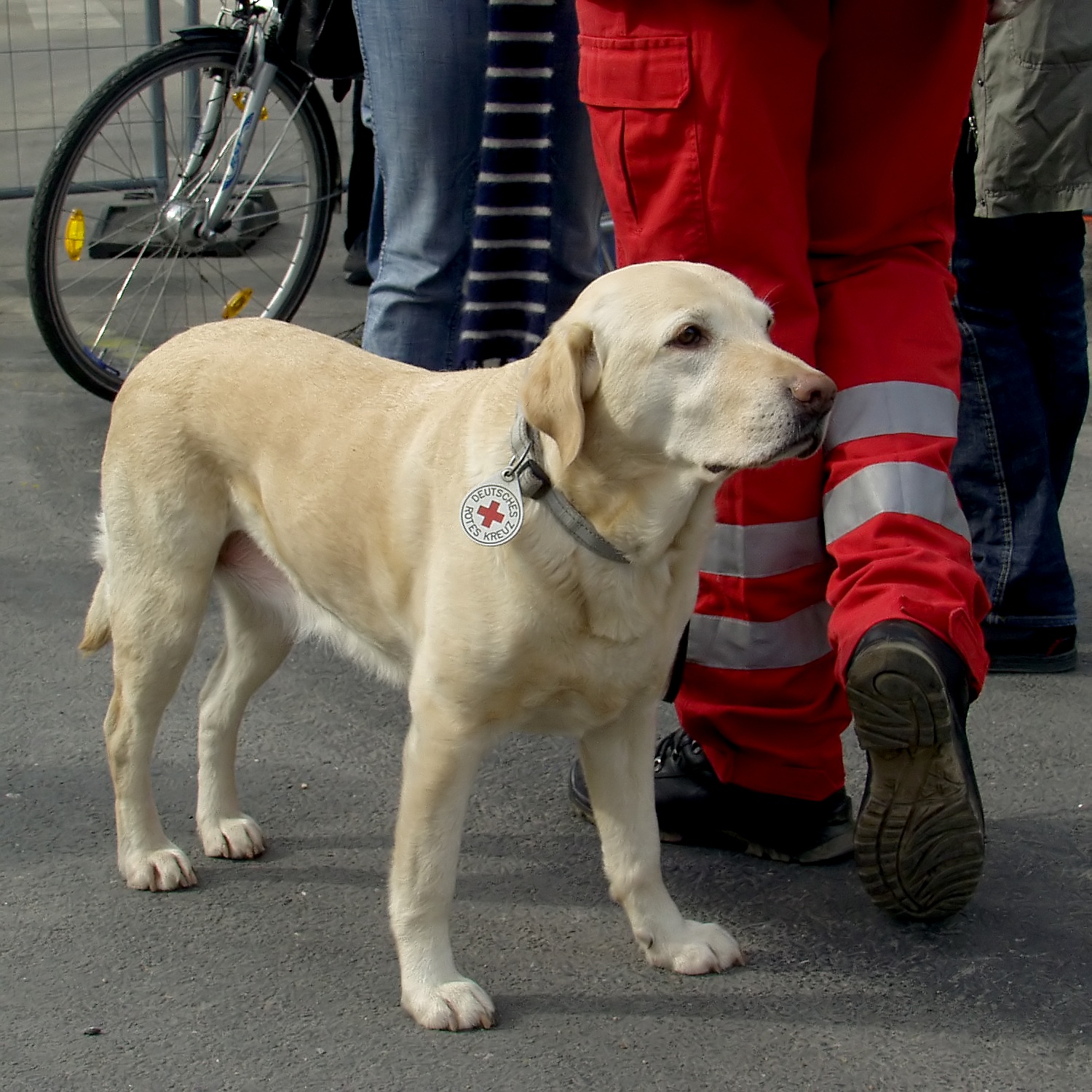
Bringing home a rescue dog can feel a bit like inviting a stranger to move in with you. You know there’s a good heart in there somewhere, but at first it might be buried under nerves, overexcited zoomies, or even shutdown silence. Then slowly, in tiny moments, you start to wonder: are they actually… happy now?
This is where the magic happens. As a rescue dog settles into a calmer, more stable home, their whole way of moving through the world begins to change. Their body language softens, their habits shift, and you start seeing glimpses of who they really are when they finally feel safe. Here are fifteen powerful signs your rescue dog is not just coping, but truly thriving.
1. Their Body Softens Instead of Staying Tense
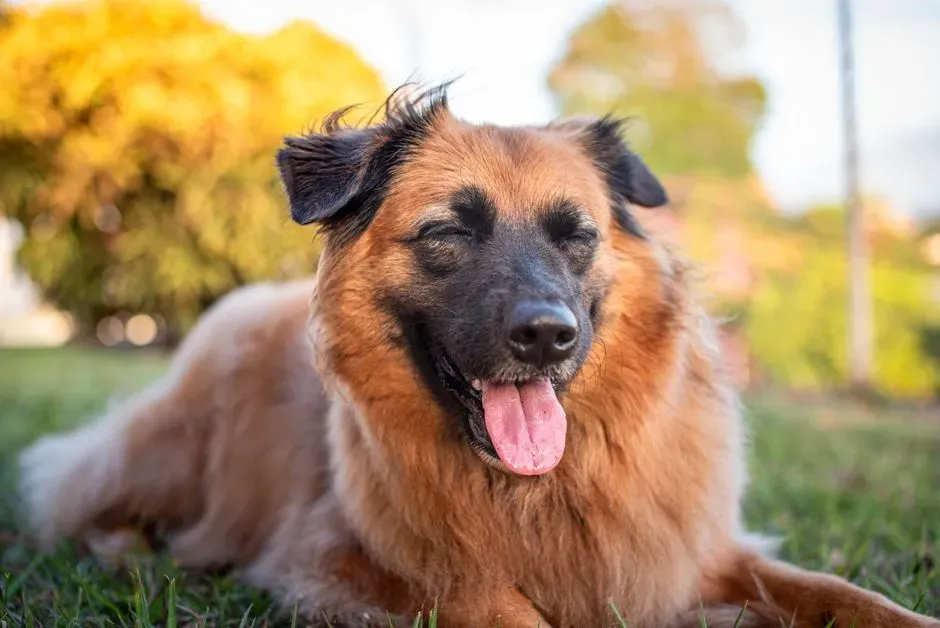
One of the clearest signs a rescue dog is starting to thrive is when their whole body goes from stiff and guarded to loose and wiggly. In the early days, many rescues walk like they’re bracing for impact: tail low or tucked, muscles tight, head on a swivel. Over time, in a calmer home, that same dog may stretch out, sway when they walk, and even develop that silly full-body wag that makes their hips swing.
Watch their face too. Tight lips, darting eyes, and furrowed brows are the language of stress. When a dog feels safe, their eyes appear softer, they blink more, their mouth relaxes slightly open, and the tension drains from their forehead. That subtle shift from “ready to react” to “ready to rest” is not just cute; it’s a major emotional milestone.
2. They Choose to Be Near You (Without Clinging)
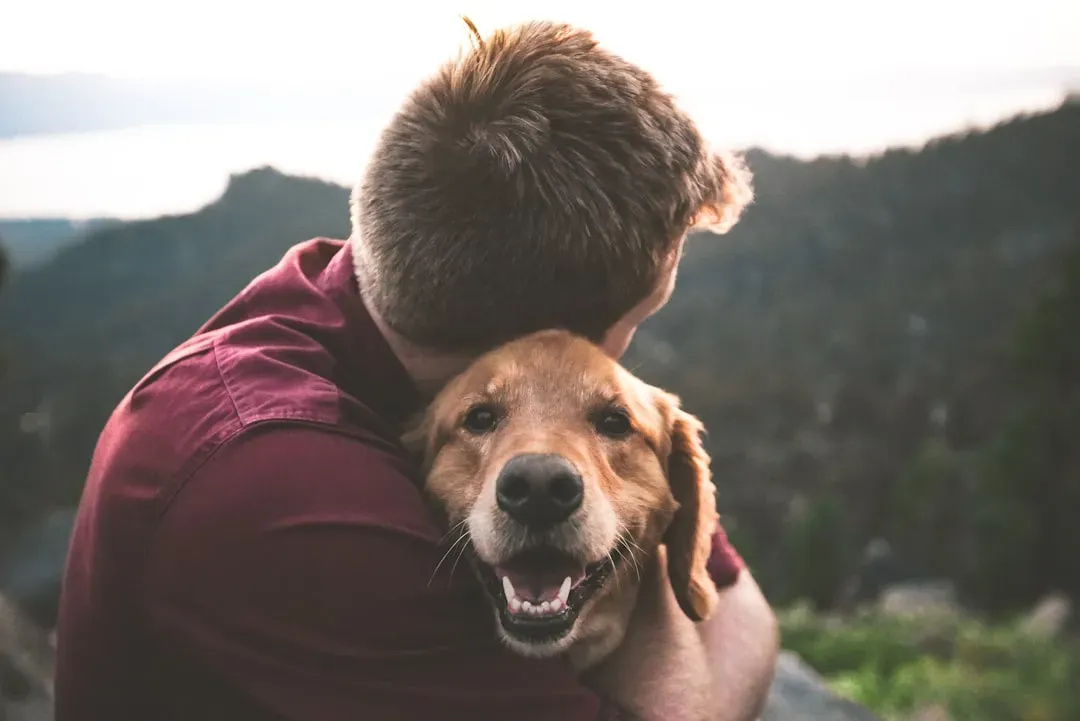
A thriving rescue dog often turns into a quiet little shadow – in the best way. They follow you from room to room, not in a panicked, pacing way, but with an easy, curious vibe: curling up on a rug while you cook, lying by your feet as you work, or hopping onto the couch when you sit. That choice to be close, when they could be anywhere else, is pure gold.
At the same time, a truly settled dog can also tolerate a bit of distance. They might nap in another room or hang in their bed while you move around the house, checking in occasionally without panicking when you’re out of sight. That healthy balance – comfort in closeness, but not desperate clinginess – shows their nervous system is finally exhaling.
3. Their Sleep Gets Deeper and More Relaxed
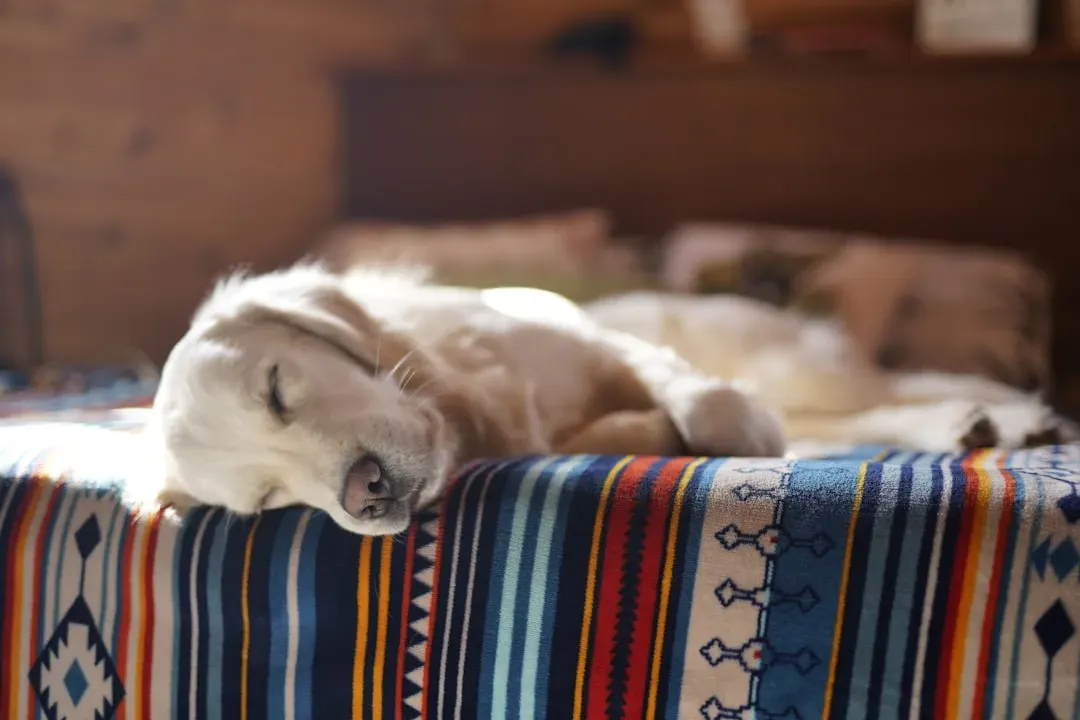
Many newly adopted dogs sleep like they’re on call: light dozing, startle at every sound, quick to jump up. As they start to feel safe in your calmer home, their sleep becomes deeper and more sprawled out. You might find them on their side with legs stretched, or even flopped on their back with their belly exposed, which is one of the most vulnerable positions a dog can choose.
You’ll also probably notice longer, uninterrupted naps during the day and more restful sleep at night. Instead of pacing, whining, or constantly shifting around, they sink into sleep and stay there. If you catch them twitching, wagging, or quietly “running” in their dreams, that’s another sign they feel secure enough to fully let go and rest.
4. Their Appetite Evens Out (No More Panic Eating or Ignoring Food)

Stress can send a dog’s appetite in two very different directions: some gulp down anything like they’re never sure when the next meal is coming, while others are too anxious to eat at all. A thriving rescue typically settles into predictable, relaxed eating. Mealtime becomes pleasant instead of frantic or worrisome.
You might see them approach the bowl with interest but not desperation, chew instead of inhaling, and finish their food without constant looking over their shoulder. They may even be able to walk away from the bowl for a second and come back, which is a small but powerful sign that their survival alarm is finally turning down.
5. They Learn and Respond to Your Cues More Easily
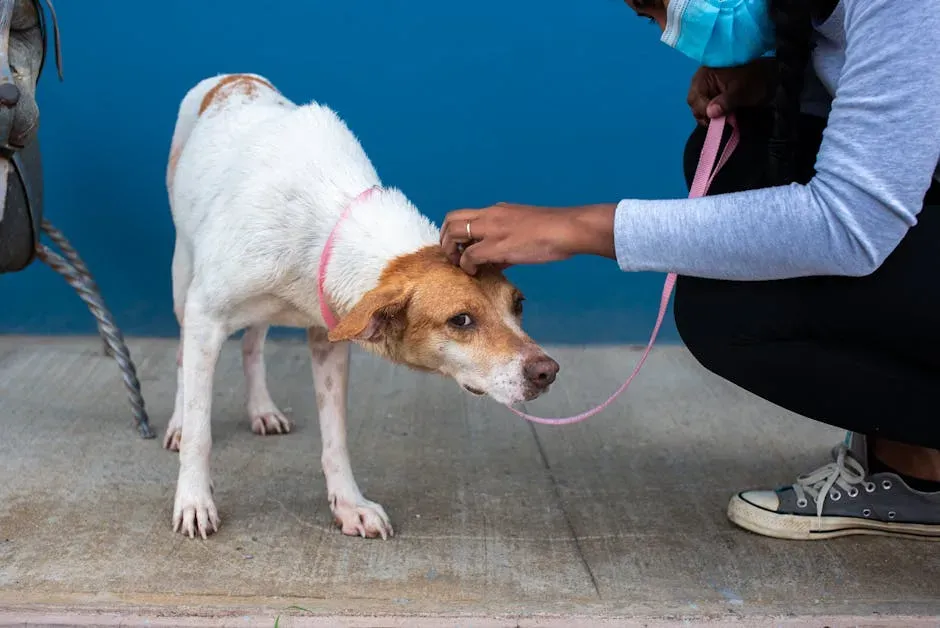
When a dog is constantly on edge, learning is hard; their brain is stuck in “survive now, think later” mode. As your home’s calm routine sinks in, you’ll often see a noticeable change in how quickly they pick up on training and household patterns. Suddenly they understand what “sit,” “stay,” or “this way” means, or they start anticipating that leashes mean walks and the doorbell means guests.
This isn’t just about obedience. A thriving rescue dog tunes into your voice and body language with curiosity instead of fear. They start to associate your cues with safety, fun, or rewards instead of unpredictability. When you notice those little lightbulb moments – “oh, they really get it now” – you’re watching confidence grow in real time.
6. Play Starts to Show Up More Often
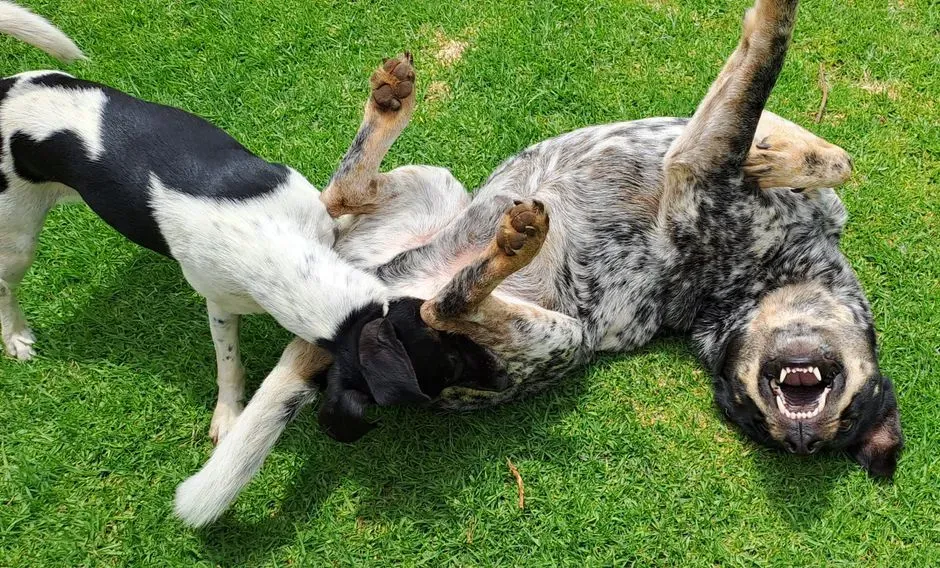
Play is one of the most telling signs that a dog is feeling good on the inside. A shut-down or stressed rescue might ignore toys, stand stiffly while other dogs play, or seem confused by fetch or tug. As they begin to trust their new life, you may see sudden bursts of goofiness: bowing with their front legs, tossing toys, or doing zoomies around the yard for no reason except sheer joy.
Even subtle play is meaningful. Gentle mouthing on a toy, batting at a ball, or doing silly little pounces on a blanket all signal a nervous system that is no longer locked in defense mode. Play is vulnerable; it means they’re willing to let their guard down and act like the carefree dog they were always meant to be.
7. They Start Exploring Instead of Just Hiding
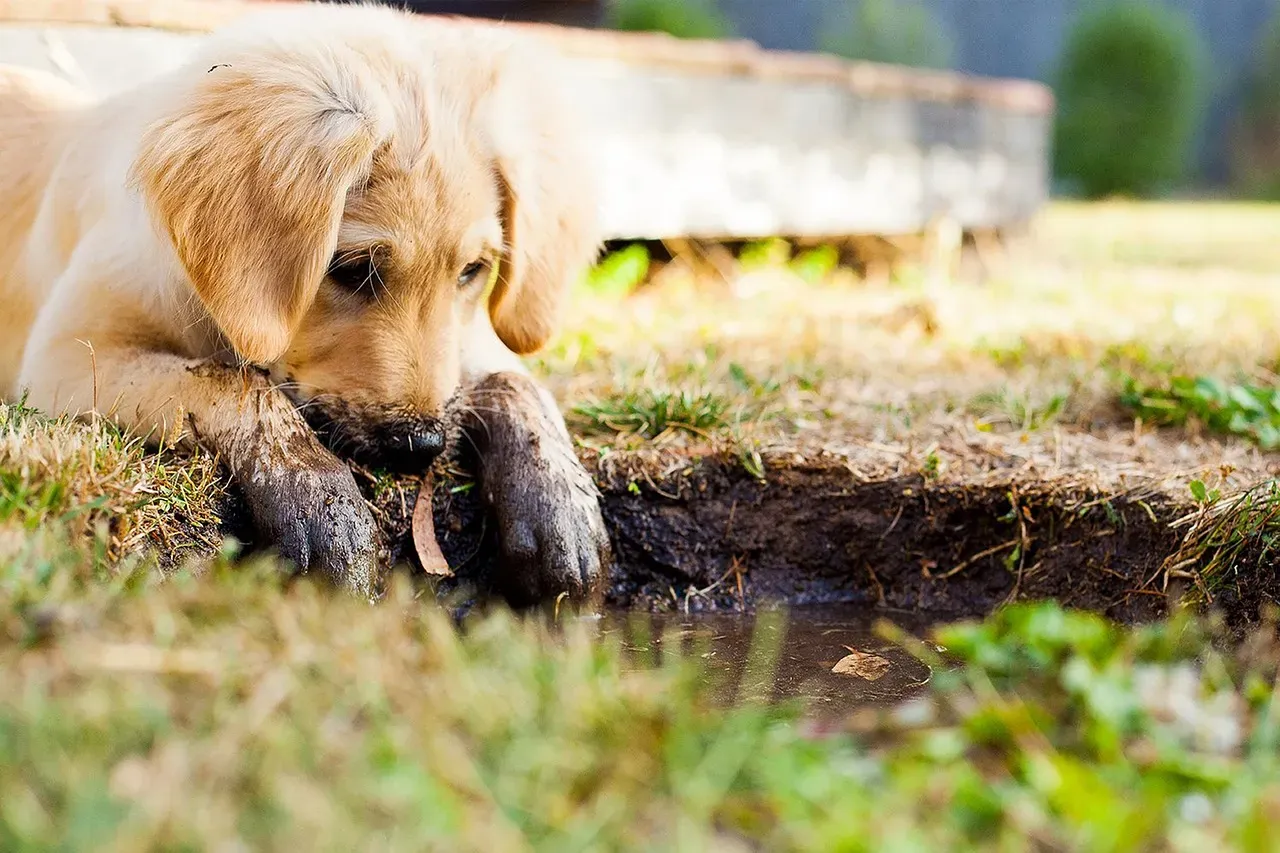
Many rescue dogs first arrive in a home and find one “safe zone” – under a table, behind a couch, in a corner – and stay glued there. As they begin to feel calmer, they get braver about exploring. You’ll catch them sniffing new rooms, investigating shelves, hopping on the couch for the first time, or cautiously checking out the backyard.
Exploration is about more than curiosity; it shows that their fear is no longer running the show. A thriving dog feels confident enough to move around their environment, make their own choices, and even try new textures like grass, tiles, or carpet without freezing. Every little adventure across the house is a win you probably won’t forget.
8. Their Reactions to Everyday Noises Get Milder
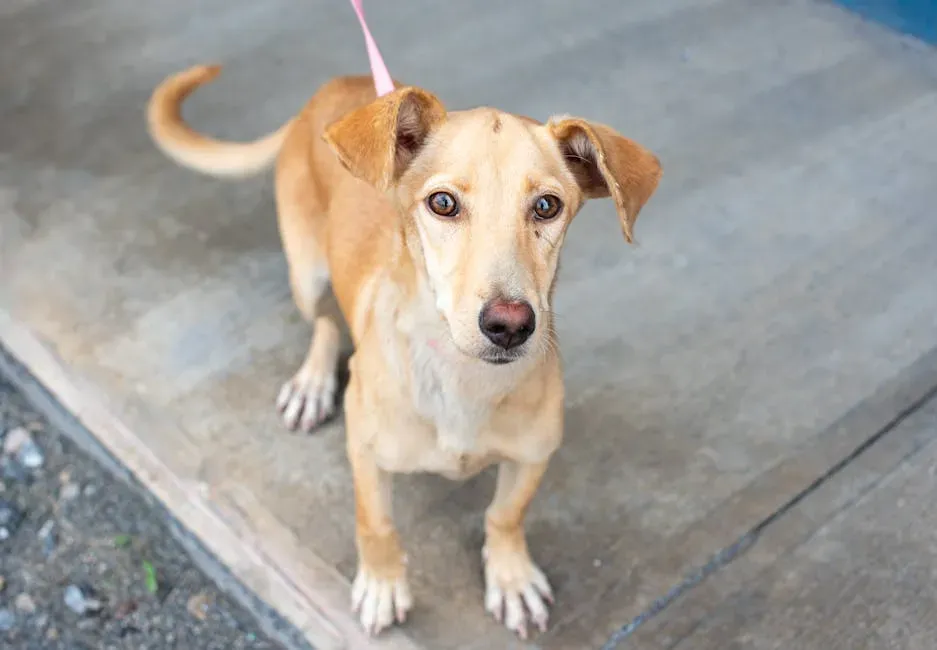
For a lot of rescue dogs, the world is loud and unpredictable: a pan clanging, a truck outside, a phone ringing can all trigger big reactions. Early on, you might see startling, bolting, barking, or shaking at even small sounds. Over time, as your home stays consistently calm and safe, their response to normal noises usually softens.
Instead of leaping up in a panic, they might just lift their head, look around, and then go back to what they were doing. Maybe they still notice the vacuum or the doorbell, but they recover much faster. That quicker return to baseline is a sign their brain has learned that these sounds are part of everyday life, not something to panic about.
9. Their Walks Become Less Chaotic and More Curious
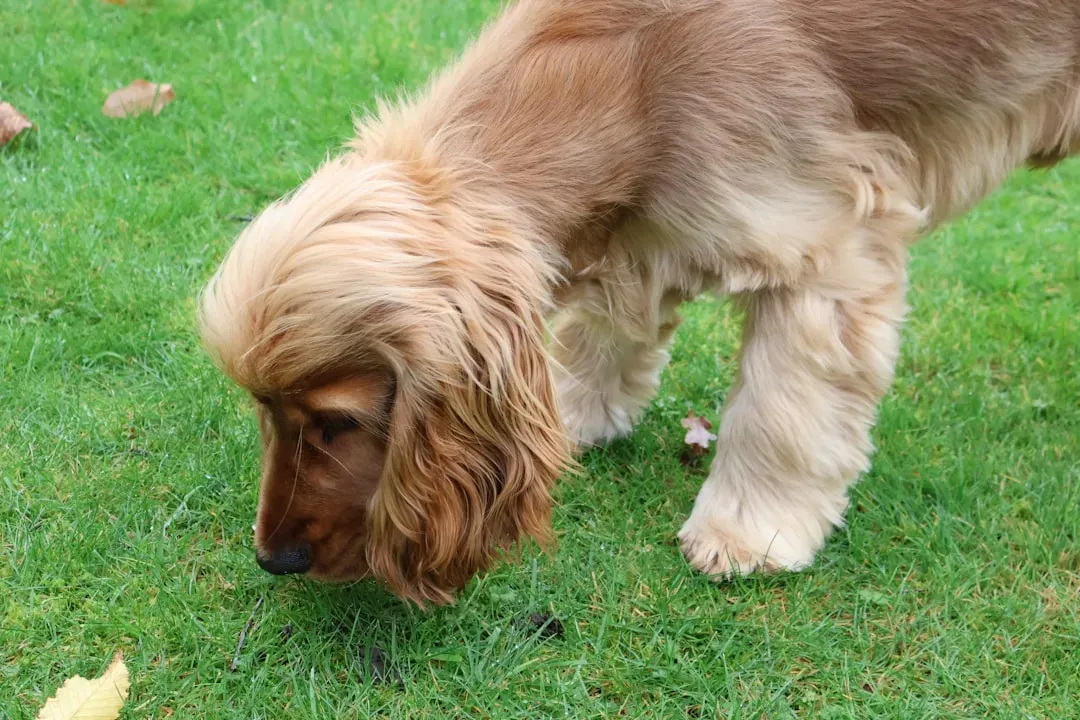
Walks with a new rescue can feel like flying a kite in a storm. Pulling, zig-zagging, freezing, lunging at every sound or movement – it’s a lot. As they settle into your quieter home and steady routine, their behavior outside tends to reflect that inner calm. You may notice them pulling less, checking in with you more, and spending more time sniffing instead of scanning for danger.
Sniffing in particular is a big deal. When a dog feels safe enough to stop worrying and simply investigate a lamppost or patch of grass, they’re engaging their brain in a relaxed, natural way. Walks shift from a frantic mission to something more like a leisurely scroll through social media: lots of sniffing, pausing, and general chill curiosity about the world.
10. They Handle Being Alone Without Melting Down
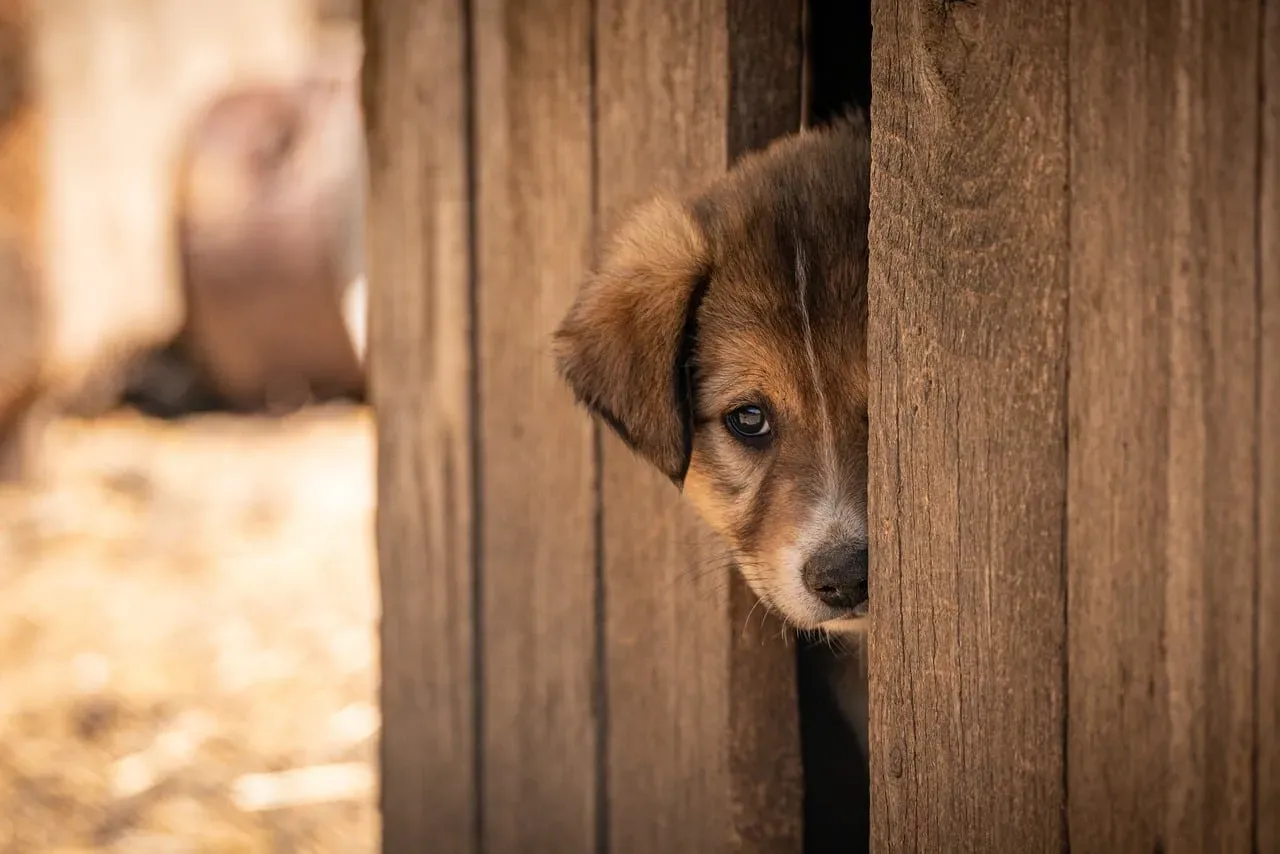
For many rescue dogs, being left alone is terrifying at first, especially if they’ve experienced abandonment, chaos, or long stretches in a shelter. Signs they’re thriving include calmer goodbyes and more peaceful behavior while you’re out: fewer frantic barks, howls, or destructive outbursts, and more evidence that they’re resting or quietly occupying themselves instead.
You may come home to a dog who stretches and yawns instead of a dog who looks like they’ve run an emotional marathon. Maybe there’s a well-chewed toy, a dog bed still intact, or a cozy indented spot on the couch where they clearly napped. That ability to self-soothe and trust you’ll return is one of the clearest indicators that your calmer home is re-writing their story about what it means to be alone.
11. They Show You What They Want Without Fear
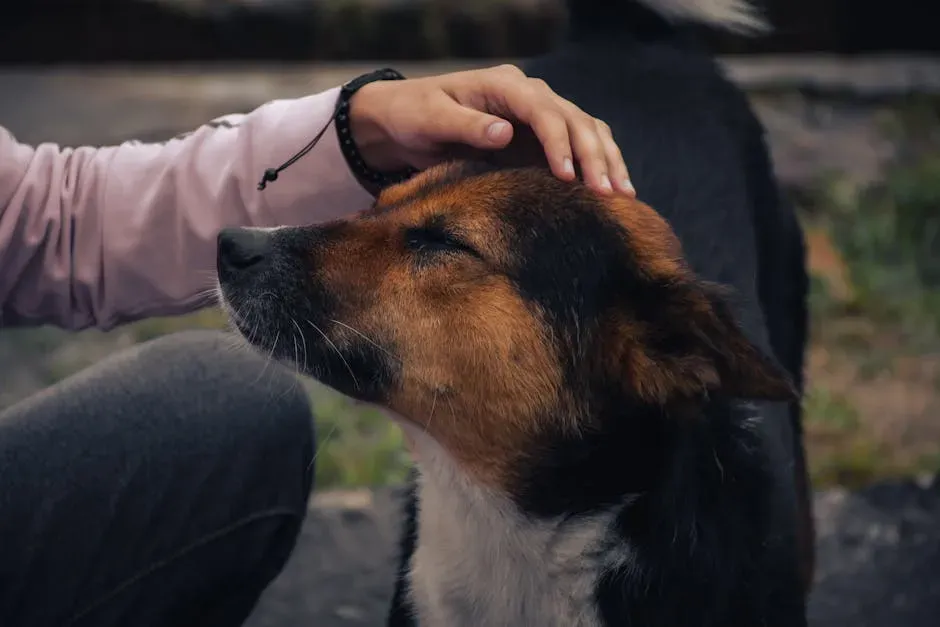
Thriving dogs advocate for themselves in small but important ways. Your rescue might start nudging your hand when they want more petting, heading to the door when they need a bathroom break, or bringing you a toy when they’re bored. Those little “asks” mean they’ve learned that communication works and that you respond kindly when they speak up.
In dogs with a history of harsh treatment or neglect, this is especially huge. They might have been punished for normal dog behavior or completely ignored in the past. When they now feel safe enough to say, in their own way, “Hey, I need something,” it shows deep trust – not just in you as a person, but in the whole idea that their needs matter.
12. Their Guarding or Reactivity Starts to Soften
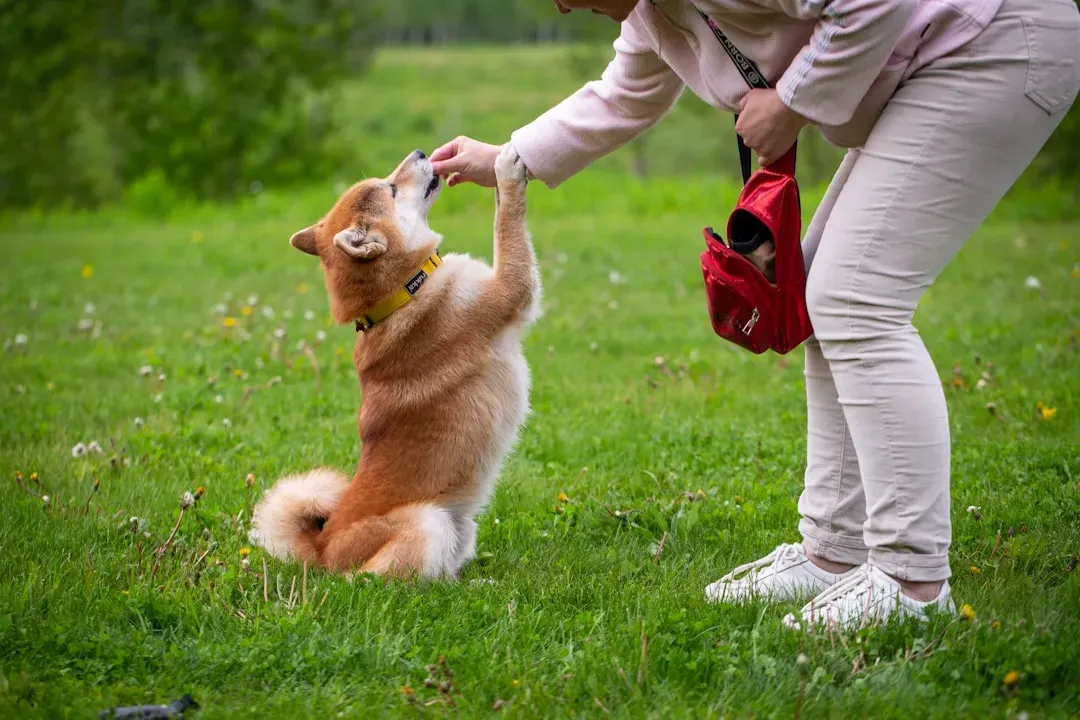
Some rescues arrive with food guarding, toy guarding, or intense defensiveness around other dogs or strangers. While these behaviors can be complex and may never vanish completely, a calmer, more stable life often takes the edge off. You might see less intense stiffness around the food bowl, fewer outbursts at passing dogs, or shorter growling spells that resolve faster.
What you’re really seeing is their threat radar recalibrating. Your dog is slowly learning that in this home, resources are reliable and people are predictable. Even if you still work with a trainer for some issues, any reduction in frequency, intensity, or duration of those big reactions is a sign that their world feels less dangerous than it used to.
13. They Settle into Routines and Even Seem to Enjoy Them
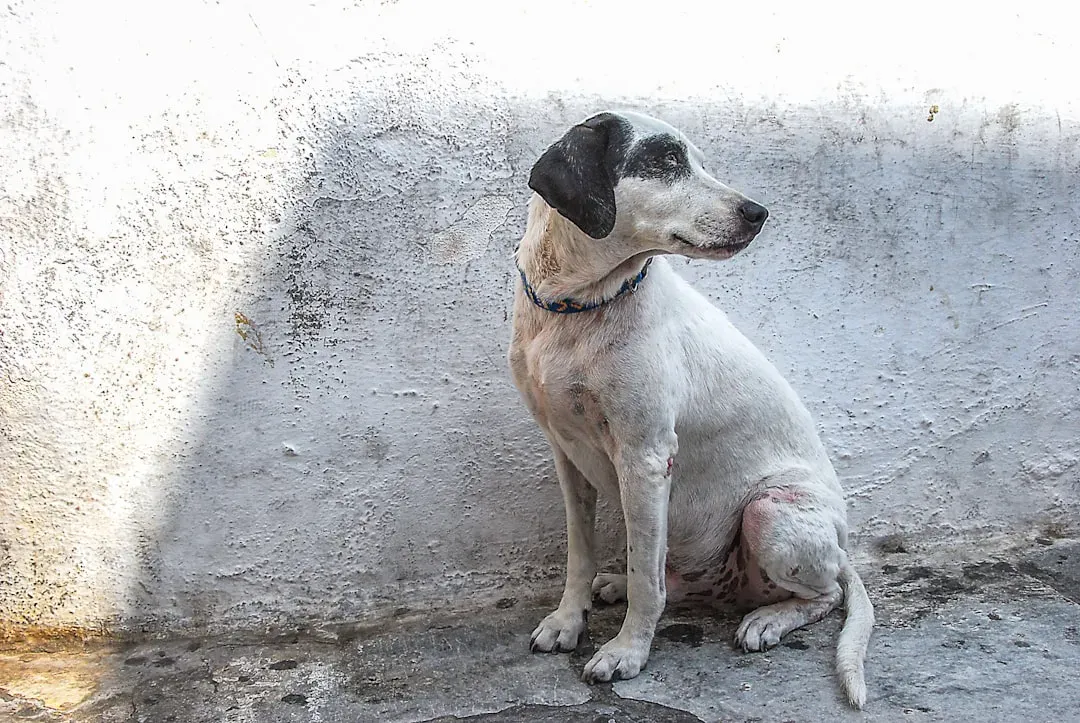
Routines may feel boring to us, but to a rescue dog they can be incredibly soothing. A thriving dog usually starts to anticipate daily patterns: morning potty break, breakfast, nap, walk, evening cuddle time. Rather than wandering restlessly or constantly guessing what comes next, they move with the rhythm of your household like they’ve always belonged there.
You’ll often notice small, heart-melting rituals emerge. Maybe they greet you at the same spot every morning, circle their bed before a nap, or show up like clockwork when it’s close to dinner time. These little habits are their way of saying that your once-strange home has now become their trusted, predictable world.
14. Their Personality Finally Comes Out
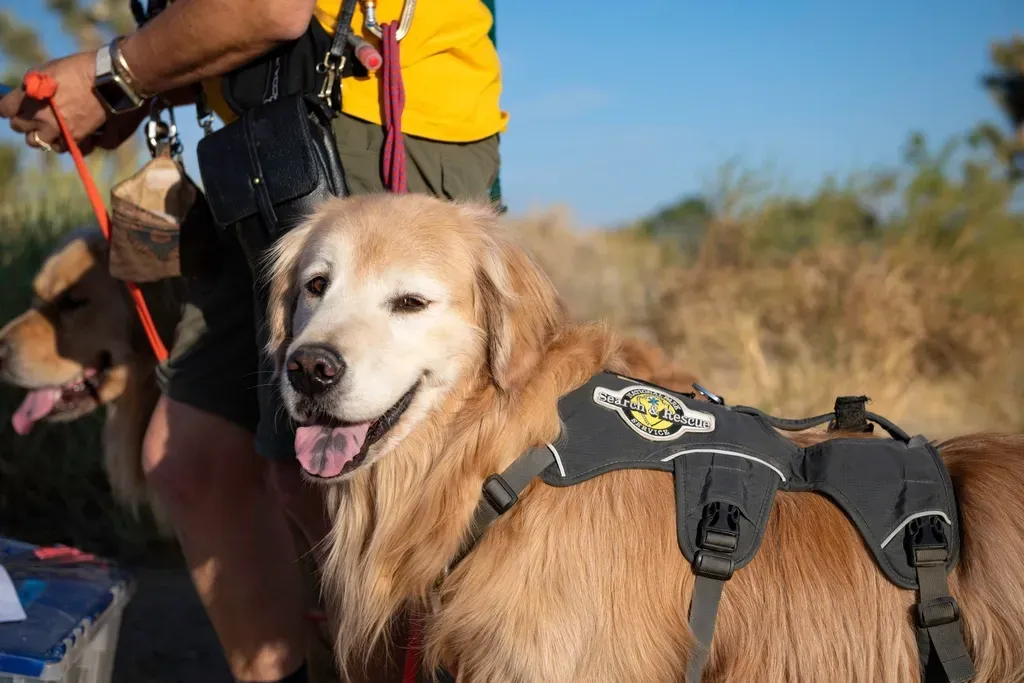
One of the most beautiful stages with a rescue dog is what many people call the “personality bloom.” After weeks or months of just survival mode, you suddenly realize: this dog is funny, or bossy, or sensitive, or downright mischievous. They may start doing quirky things like “talking” with little grumbles, choosing a favorite toy, or claiming a specific sunspot as their daily throne.
In my own experience with a nervous rescue, it took nearly three months before he revealed his dramatic side – flopping at my feet with a giant sigh whenever I stopped scratching him, like a tiny dog-shaped actor. Your dog’s emerging quirks are not just entertaining; they’re proof that they feel safe enough to be themselves, not just the scared version the world once saw.
15. You See More Joy Than Fear in Their Everyday Choices
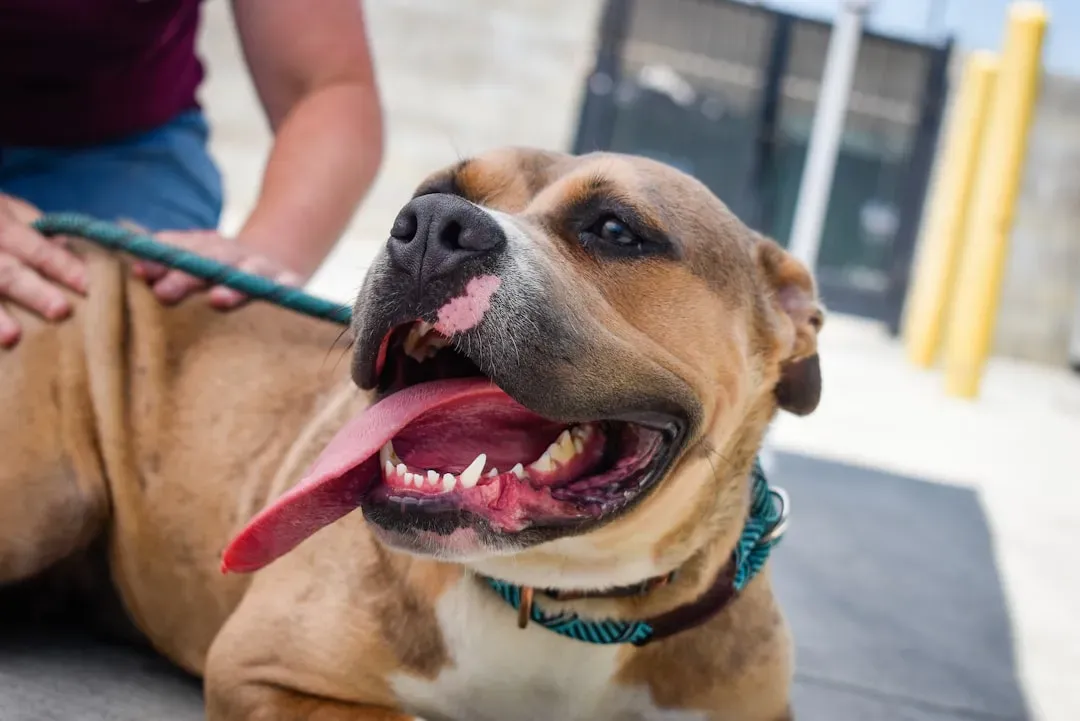
At the end of the day, thriving is not about perfection; it is about direction. A rescue dog who is doing well in your calmer home makes more choices driven by curiosity, connection, and joy, and fewer driven by panic or self-protection. They choose to come when you call, lean into touch instead of flinching, and show interest in new experiences even if they are a bit unsure.
You’ll still have tricky days – everyone does – but the overall pattern tilts toward calmer, happier moments. When you step back and realize that your dog laughs more (in that doggy way), startles less, and sees you less as a potential threat and more as their safe person, that is the truest sign that your home is helping them heal.
Conclusion: Thriving Does Not Mean Perfect, It Means Safe Enough to Grow
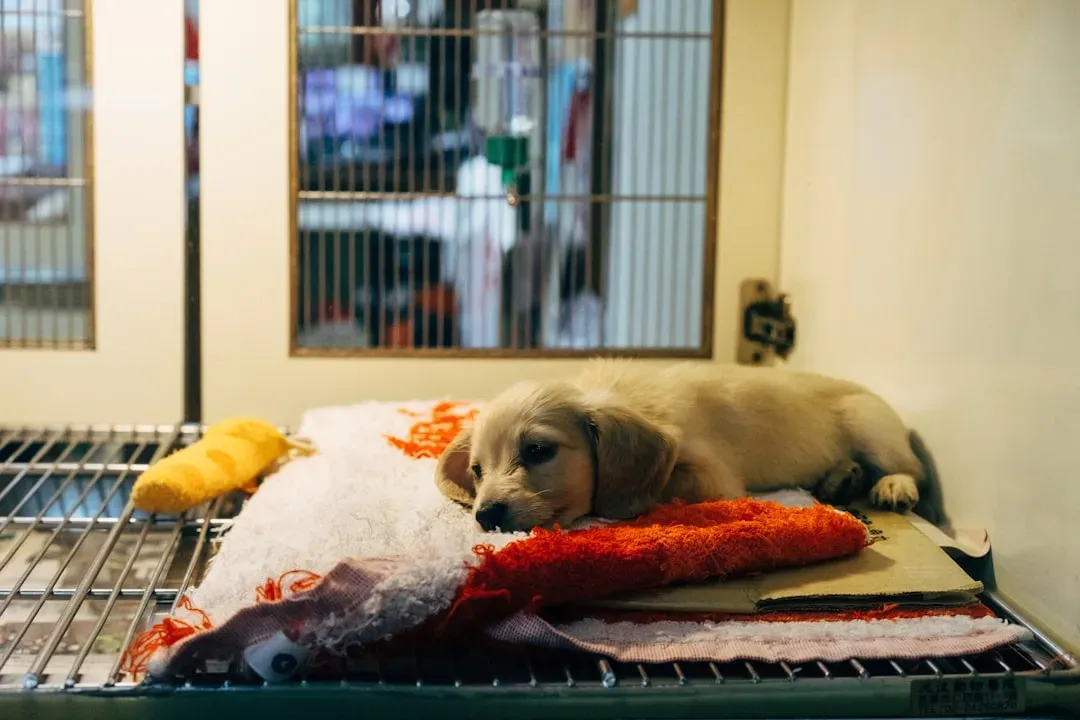
Here is the honest truth: a rescue dog does not need to be fearless, flawlessly trained, or instantly social to be thriving. Some will always be a bit cautious with strangers, jump at loud bangs, or need extra support in new places. Thriving simply means they feel safe enough, loved enough, and stable enough to keep growing, rather than just surviving from one fearful moment to the next.
If you recognize many of these signs – softer body language, deeper sleep, playful moments, better recovery from stress – then your calmer home is doing exactly what your dog needed: giving them the chance to rewrite their story. The real question is not whether your dog is perfect now, but whether they are more at peace than they were before they found you. When you look at them today, compared with that first uncertain day, what do you see?


